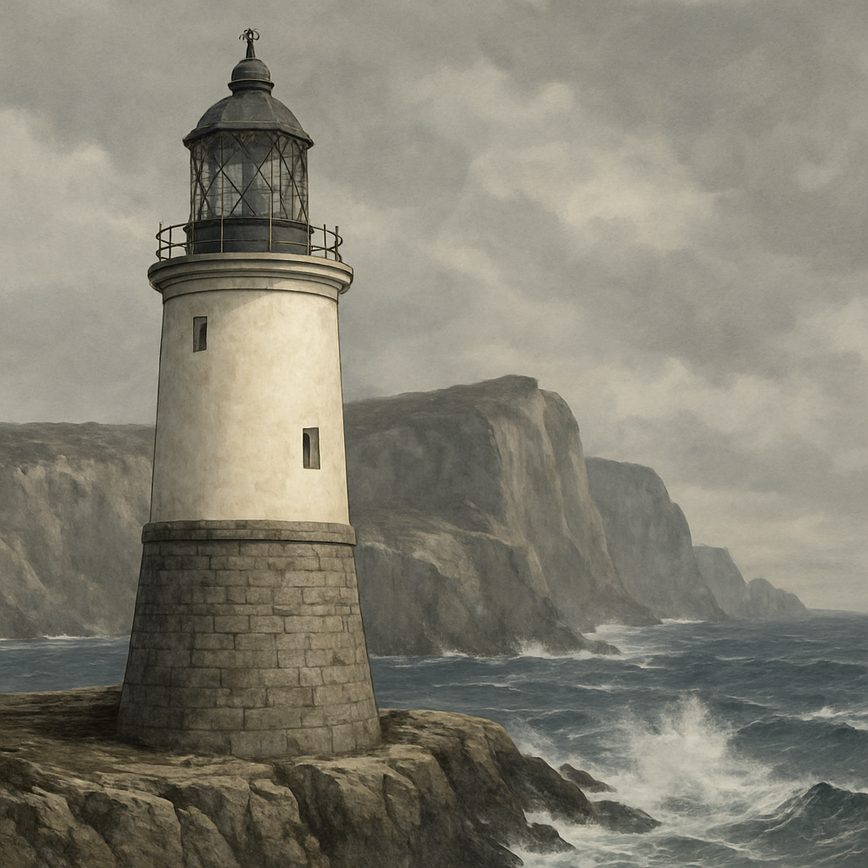
Coupled with electrification, the development of automation technology revolutionized how lighthouses functioned. Automation allowed for the remote control and monitoring of the lighthouse’s operational status, significantly decreasing the need for a permanent human presence. Automated systems could manage light activation based on ambient conditions and monitor equipment health, which streamlined maintenance schedules and prevented malfunctions.
Modern lighthouse features, such as automated bulb changers and solar-powered lighting, were made possible through these technological innovations. These features ensure continuous operation even in remote or harsh environments, reducing operational costs and improving energy efficiency. Together, lighthouse electrification and automation technology have transformed traditional lighthouses into modern navigational aids that maintain their critical role with greater reliability and less manual intervention.
Preservation and Heritage Status
The Gibraltar lighthouse is not only a navigational beacon but also a cherished heritage site that embodies the region’s maritime history. Over the years, significant efforts have been undertaken to ensure its preservation, reflecting its cultural and historical importance. The lighthouse preservation initiatives involve regular maintenance and restorations that adhere to historic preservation standards, carefully balancing the need to protect its structural integrity while maintaining its original character and charm.
Designation as a heritage site has further strengthened the commitment to safeguarding the lighthouse. This status enables access to specialized conservation resources and legal protections that help prevent any alterations that could compromise its historical value. The preservation work also extends to educational programs and community engagement, highlighting the lighthouse’s role in maritime safety and its symbolic representation of Gibraltar’s rich nautical heritage.
Today, the lighthouse stands as a prominent cultural landmark, attracting not only historians and preservationists but also tourists who appreciate its significance. By maintaining the lighthouse as a heritage site, Gibraltar honors its past while inspiring future generations to value the importance of lighthouse preservation in preserving coastal and maritime traditions.
Gibraltar Lighthouse in Cultural and Historical Context
The Gibraltar Lighthouse stands not only as an important navigational aid but also as a significant cultural symbol deeply embedded in the heritage of Gibraltar. Its towering presence has long been intertwined with the daily lives, traditions, and stories of the people who call this unique territory home. Over decades, the lighthouse has served as a beacon of safety for mariners while simultaneously becoming an emblem of Gibraltar’s resilience and historical identity.
Historically, the lighthouse’s role extended beyond guiding ships safely through the waters surrounding the Rock of Gibraltar—it represented a strategic lookout point crucial in times of conflict and peace alike. Throughout Gibraltar’s complex history, including periods of military significance and trade prominence, the lighthouse has been a silent witness to many pivotal events. This historical context enriches the lighthouse’s standing as a monument not only to maritime safety but also to the enduring spirit of Gibraltar’s community.
The cultural significance of the lighthouse is reflected in the local stories, folk songs, and artistic expressions that celebrate its steadfast light. It has inspired countless visuals and narratives, serving as a metaphor for guidance, hope, and continuity amidst uncertainty. For residents, the lighthouse embodies a connection to the sea, ancestral heritage, and the collective identity shared across generations. Its image is often employed in local literature and tourism materials, reinforcing its role in shaping the perception of Gibraltar’s past and present.
Furthermore, the lighthouse’s integration into Gibraltar’s heritage is seen in its preservation efforts and the community’s pride in maintaining it as a symbol of their historical narrative. As control and influence over Gibraltar shifted through centuries, the lighthouse remained a constant, underscoring the territory’s strategic importance and cultural richness. This enduring legacy continues to draw visitors eager to learn about Gibraltar’s maritime history and its broader role in regional geopolitics.
In summary, the Gibraltar Lighthouse is far more than a physical structure; it is an integral part of the cultural fabric and historical narrative of Gibraltar. Its impact on local culture and its place in history serve as a reminder of Gibraltar’s heritage, blending maritime tradition with storied pasts to illuminate the identity of this remarkable territory.
Lighthouse in Local Folklore and Stories
The Gibraltar lighthouse holds a special place in the local folklore, with numerous cultural tales passed down through generations. These lighthouse stories often blend fact and myth, painting the lighthouse not only as a vital navigational aid but also as a symbol intertwined with the community’s identity. One popular legend tells of a guardian spirit said to protect ships from the treacherous rocks surrounding the peninsula, ensuring safe passage through the Strait of Gibraltar. According to local folklore, this spirit manifests as a shimmering light that can be seen dancing atop the lighthouse on foggy nights.
Other tales recount the lighthouse as a meeting place for star-crossed lovers, whose secret rendezvous were illuminated by its steady beam. These romantic stories reflect the lighthouse’s role as a beacon of hope and guidance not only for seafarers but also for hearts longing for reunion. The cultural tales also include accounts of heroic lighthouse keepers who braved storms and isolation, their bravery and dedication immortalized in local songs and poetry.
Overall, the local folklore surrounding the Gibraltar lighthouse enriches its historical significance by embedding it deeply within the community’s imagination. These stories continue to be shared widely, keeping the spirit of the lighthouse alive in the hearts of locals and visitors alike.
Role in Maritime Safety and Trade
The lighthouse at Gibraltar has long been a critical beacon in ensuring maritime safety in the region. Serving as a reliable navigation aid, it has guided countless vessels through the busy and often treacherous waters surrounding the Rock of Gibraltar. The strategic position of the lighthouse near one of the world’s most significant maritime chokepoints has made it indispensable for ships navigating the narrow Strait of Gibraltar, where the Atlantic Ocean meets the Mediterranean Sea.
Throughout history, the lighthouse has played a vital role in supporting safe navigation, reducing the risk of shipwrecks and maritime accidents. Its bright, distinctive light has helped sailors identify the coastline and navigate safely through complex trade routes that connect Europe, Africa, and the Americas. This reliability has made it a cornerstone in the network of aids to navigation that support global maritime traffic.
Moreover, the lighthouse’s influence extends beyond safety; it has been pivotal in facilitating regional trade. By ensuring safe passage for merchant ships, the lighthouse has supported the continuous flow of goods and commodities through one of the busiest maritime corridors in the world. This has contributed significantly to the economic prosperity of Gibraltar and the surrounding regions, linking markets and enhancing commercial exchange across continents.
In sum, Gibraltar’s lighthouse stands as a historic symbol of maritime safety and an essential aid that has sustained vital trade routes for centuries, maintaining Gibraltar’s role as a crucial hub in international maritime navigation and commerce.
Origins of Gibraltar Lighthouse
The Gibraltar lighthouse history is a fascinating tale of maritime necessity and strategic importance. The origins of the lighthouse date back to a period when the Rock of Gibraltar was becoming a critical point for naval and commercial vessels navigating the treacherous waters between the Mediterranean Sea and the Atlantic Ocean. The initial construction of the Gibraltar lighthouse was motivated by the urgent need to prevent shipwrecks and guide sailors safely through the busy shipping lanes surrounding the peninsula.
The early lighthouse in Gibraltar was established in response to increasing maritime traffic and the strategic military significance of the territory, which was under British control by the early 18th century. The lighthouse was not only a beacon for trade ships but also an essential aid for the naval fleets operating in this critical maritime chokepoint. Its establishment marked a milestone in the evolution of maritime safety in the region.
Key figures involved in the construction and operation of the Gibraltar lighthouse included naval engineers and British Admiralty officials who recognized the need for a reliable navigational aid. Their efforts were supported by local authorities who understood the economic and strategic benefits of maintaining secure passage for ships. The collaborative work between military personnel and civilian planners was instrumental in the realization of the lighthouse project.
The first lighthouse was a relatively simple structure compared to modern standards but it served a vital role in its time. Constructed with locally available materials, its position atop the Rock provided maximum visibility. The light itself was initially powered by oil lamps, which required constant maintenance and operation by dedicated lighthouse keepers. Over time, improvements in technology and infrastructure helped to enhance the lighthouse’s capabilities.
The history of the Gibraltar lighthouse origins reflects the broader story of maritime progress and strategic defense in the region. It stands as a symbol of human ingenuity and cooperation, shining a light that has guided countless vessels safely since its establishment. The Gibraltar lighthouse remains a testament to the enduring importance of navigational aids and the ongoing commitment to maritime safety.
Construction and Early Use
The construction of the Gibraltar lighthouse marked a significant achievement in maritime navigation for the region. Built primarily from durable limestone quarried locally, its sturdy structure was designed to withstand the harsh weather conditions prevalent around the Rock of Gibraltar. The building process involved skilled masons and engineers who meticulously crafted the lighthouse tower to ensure both longevity and visibility.
During its early years, the lighthouse’s function was critical in guiding ships safely through the Strait of Gibraltar, a key maritime passage between the Atlantic Ocean and the Mediterranean Sea. The light source initially consisted of oil lamps supplemented by reflectors to amplify the beam, which helped vessels identify the treacherous coastline and avoid dangerous rocks. This early lighthouse use dramatically reduced shipwrecks and improved the safety and efficiency of naval and commercial operations in the area.
The construction history of the lighthouse reflects innovative engineering techniques of the period. Its foundation was carefully laid on solid bedrock to prevent erosion damage, and the tower’s height was precisely calculated to maximize the light’s reach over the water. This combination of robust materials and thoughtful design ensured the lighthouse served as a dependable beacon for many years, establishing a legacy of maritime safety that continues to be honored today.
Strategic Importance in Maritime Navigation
The Gibraltar lighthouse has played a crucial role in maritime navigation for centuries, serving as a strategic lighthouse in one of the world’s most important maritime chokepoints. Located at the entrance to the Mediterranean Sea, this lighthouse aids countless vessels in safely navigating the busy and often treacherous waters surrounding Gibraltar. Its powerful light and positioning have historically helped ships avoid hazards such as rocks and narrow passages, significantly reducing the risk of maritime accidents.
As a key landmark in navigation history, the Gibraltar lighthouse has been integral to ensuring secure passage for commercial, military, and fishing fleets crossing between the Atlantic Ocean and the Mediterranean Sea. Its strategic importance cannot be overstated, as control over this lighthouse meant control over one of the most vital seaways for international trade and naval power. Over the years, the lighthouse has undergone technological upgrades to improve its range and reliability, further cementing its role in maritime navigation.
Beyond its functional purpose, the lighthouse symbolizes the strategic maritime significance of Gibraltar itself—a gateway connecting continents and cultures. It continues to guide modern mariners, bridging a rich maritime heritage with ongoing importance in global shipping routes. The Gibraltar lighthouse remains a sentinel of safety and a testament to the enduring legacy of maritime navigation in the Mediterranean Sea.
Modern Developments and Upgrades
The Gibraltar lighthouse has undergone significant modernization efforts and technological improvements to ensure it continues to serve as a vital navigational aid. Over the years, numerous lighthouse modernization projects have been implemented, combining traditional maintenance with cutting-edge technology to maintain its reliability and efficiency.
Initially constructed with basic lighting mechanisms, the lighthouse has evolved to incorporate advanced lighting systems, including the transition from oil lamps to electric lights. The introduction of electric lighting marked one of the first major Gibraltar lighthouse upgrades, dramatically improving the intensity and range of the lighthouse’s beam. Modern light sources such as halogen and LED bulbs have replaced older, less efficient bulbs, providing better visibility for mariners and reducing energy consumption.
Alongside lighting improvements, the Gibraltar lighthouse has seen substantial refurbishments to its structural components. Weathering from the harsh coastal environment necessitated regular maintenance and upgrades to the lighthouse’s exterior and internal mechanisms. Modern materials and coatings are now used during refurbishments to enhance durability against salt spray, wind, and sun exposure, ensuring the lighthouse’s preservation for future generations.
Technology improvements extend beyond the light source itself. The lighthouse has been equipped with automated control systems that enable remote operation and monitoring, significantly reducing the need for on-site personnel. These systems allow for real-time data transmission about the lighthouse’s performance and environmental conditions, facilitating swift responses to any operational issues. Such automation reflects a major step in lighthouse modernization, aligning with global standards for maritime safety.
Furthermore, recent Gibraltar lighthouse upgrades include the installation of backup power systems to guarantee continuous operation during electrical outages. Solar power integration has also been explored as part of sustainability efforts, minimizing the lighthouse’s environmental footprint while maintaining its crucial role.
Collectively, these modernization and upgrade initiatives highlight the commitment to preserving the lighthouse as a beacon of safety and heritage. The blending of advanced technology with structural refurbishments ensures that the Gibraltar lighthouse stands resilient, guiding vessels safely through the Strait of Gibraltar in the modern era.
Electrification and Automation
The advent of lighthouse electrification marked a significant transformation in the operation and maintenance of lighthouses. Before electrification, lighthouses relied on oil lamps and manual mechanisms, which required constant attention from keepers. The introduction of electric lighting dramatically improved the intensity and reliability of the light, ensuring better visibility for maritime navigation. This advancement not only enhanced safety but also reduced the labor involved in maintaining the light source.

I have always been captivated by the unique cultural tapestry of the Rock, particularly how Moorish, Spanish, and British influences shaped its development over centuries. My passion lies in translating these complex historical narratives into engaging educational resources that make Gibraltar’s past accessible to everyone. I spend my free time exploring military fortifications and reading first-hand accounts of life at the Pillar of Hercules.