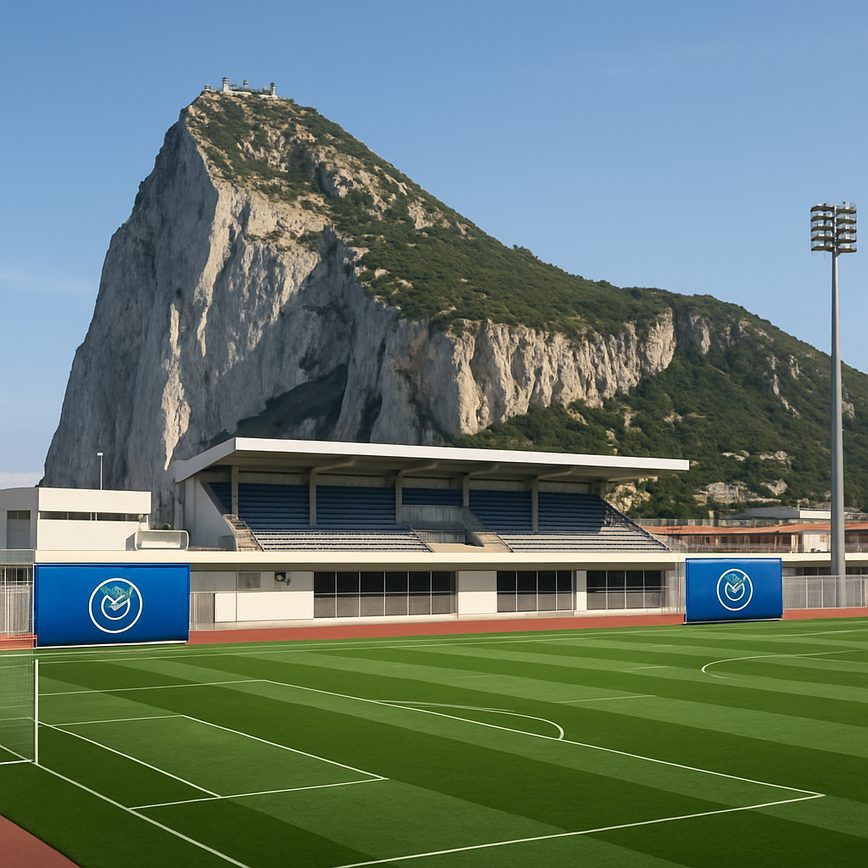
Infrastructure improvement plays a pivotal role in Gibraltar’s football ambitions. Investments have been made in upgrading training facilities and stadiums to meet UEFA standards, providing players and teams with state-of-the-art environments conducive to growth. Improved infrastructure not only boosts player performance but also attracts international fixtures and events, raising the profile of football on the Rock.
Additionally, Gibraltar’s football development strategy includes coaching education programs to enhance the quality of training provided at all levels. By elevating coaching standards, the overall competitiveness of the national league and national team is expected to improve over time. Close collaboration with UEFA also enables Gibraltar to align its football policies with broader European development frameworks, ensuring sustained progress.
These multifaceted initiatives emphasize youth programs and infrastructure improvement as pillars for building a stronger future for football in Gibraltar, setting a solid foundation for continued success in UEFA competitions.

Key matches, including draws against teams like Estonia and victories in Gibraltarian territory, stand as landmark moments in the nation’s UEFA history. These matches not only enhanced the players’ experience but also energized local fans, helping further popularize football across Gibraltar. The team’s performance in UEFA qualifiers exemplified their growth, showcasing improved tactical discipline and greater cohesion on the field.
Additionally, Gibraltar’s involvement in UEFA youth and women’s competitions has played an important role in developing future talent and broadening the football culture within the territory. These initiatives complement the senior team’s efforts by strengthening the foundation of football in Gibraltar for years to come.
In summary, Gibraltar’s competitive record in UEFA matches and tournaments, though still modest in scale, highlights significant milestones in their football history. The journey through UEFA qualifiers and ongoing participation underline Gibraltar’s commitment to grow as a competitive football nation. With each fixture, Gibraltar continues to write new chapters in its UEFA football story, making steady strides toward establishing a lasting legacy in European football.
UEFA European Championship Qualifiers
Gibraltar’s journey in the UEFA European Championship qualifiers has been a notable chapter in the nation’s football history. Since becoming a member of UEFA in 2013, the Gibraltar national team has actively participated in the Euro qualifiers for the UEFA European Championship, marking a significant step forward for their football development on the continental stage.
Despite being one of the smaller associations in UEFA, Gibraltar’s qualifiers have demonstrated a remarkable spirit and determination. The Gibraltar qualifiers campaigns have given the team exposure to high-level competition, helping to raise the profile of football within the territory and improve the experience of players competing against some of Europe’s established football powers. Though victories have been limited, the participation itself marks important progress for Gibraltar in the UEFA European Championship context.
The challenges faced in the Euro qualifiers have highlighted areas for growth, but they have also served as a platform for the team to develop cohesion, strategy, and resilience. Each qualifying campaign offers valuable lessons that fuel Gibraltar’s ambitions in European football, aiming to build on their performances and achieve more competitive results in future UEFA European Championship tournaments.
UEFA Nations League Impact
Gibraltar’s involvement in the UEFA Nations League marked a significant milestone for the nation’s football history. As a relatively new member of UEFA, Gibraltar faced numerous challenges competing against more established footballing nations, but the introduction of the Nations League provided a more balanced platform tailored to their competitive level. Throughout their participation, the Gibraltar Nations League campaigns showcased moments of resilience and determination despite the difficulties in advancing through the league stages.
The Gibraltar Nations League results reflect steady progress, with the team consistently improving their defensive tactics and gaining valuable international experience. These matches also exposed Gibraltar’s players to a higher level of competition, which proved crucial for development. While victories have been limited, the close scorelines in several games demonstrated the team’s growing competitiveness within their group and the tournament overall.
Challenges remain as Gibraltar continues to navigate the complexities of the UEFA Nations League, including squads with limited professional players and resource constraints. However, the exposure gained through this football league has been instrumental in raising the profile of football in Gibraltar and inspiring future talent. The UEFA Nations League thus serves not only as a competition but also as a vital developmental tool for Gibraltar’s national team as they strive for improved football league results and greater recognition on the European stage.
Challenges and Future Prospects for Gibraltar in UEFA
Gibraltar’s journey in UEFA competitions has been marked by a series of significant challenges, stemming largely from its status as one of the smaller footballing nations in Europe. One of the primary obstacles has been the limited resources and infrastructure available to support the development of its football programs. Compared to other UEFA members, Gibraltar faces difficulties in maintaining competitive domestic leagues, which in turn affects the overall quality and readiness of players representing the territory in international competitions.
Another critical challenge is the rigorous qualification standards required to participate in major UEFA tournaments. Gibraltar’s national team often faces tough competition against more established football nations, making it difficult to advance to later stages and gain valuable exposure. Additionally, the territory’s limited player pool constrains its ability to produce a diverse range of talent capable of competing at high levels consistently.
UEFA participation issues also extend to logistical and financial hurdles. Smaller associations like Gibraltar’s frequently struggle with securing sufficient funding and sponsorship to support travel, training, and development programs. The costs associated with competing on a European stage can be disproportionately high, placing additional strain on the football federation’s budget. These financial barriers can limit opportunities for young players and clubs to gain experience and improve their competitiveness.
Despite these challenges, the future outlook for Gibraltar football holds promise. Ongoing investment in grassroots initiatives and youth academies aims to nurture local talent from an early age. Efforts to enhance coaching standards and facilities are also underway, facilitated in part by UEFA development programs targeted at smaller members. This focus on foundational growth is essential for long-term football development in Gibraltar.
Moreover, increased visibility and participation in UEFA competitions provide Gibraltar with invaluable experience and exposure to higher standards of play. As the national team gains more competitive matches, players and coaches can learn and adapt, which is crucial for gradual improvement. The football community in Gibraltar remains optimistic that, with sustained support and strategic planning, future prospects will not only address current challenges but also elevate the territory’s status within European football.
Political and Logistical Challenges
The participation of Gibraltar in UEFA competitions has been complicated by a series of political issues Gibraltar UEFA faces. The territory’s unique political status has often led to tensions that extend beyond the football pitch, impacting its acceptance and smooth integration within UEFA events. Political sensitivities, particularly with neighboring countries, have at times resulted in restrictions and challenges when scheduling and hosting football matches.
Logistics football matches involving Gibraltar require meticulous planning due to its geographic and political constraints. The small size of Gibraltar limits the capacity to host large-scale events, and UEFA restrictions have occasionally necessitated matches to be played at neutral venues to avoid political disputes or security concerns. This has added layers of complexity in terms of travel arrangements, accommodation for teams and officials, and ensuring compliance with UEFA’s organizational standards.
To manage these challenges, UEFA along with the Gibraltar Football Association work closely to navigate both political sensitivities and logistical hurdles. Strategies include the careful coordination of match locations, contingency planning for potential diplomatic conflicts, and adhering strictly to UEFA restrictions designed to minimize political interference in sporting events. This collaboration ensures that despite the difficulties, Gibraltar’s footballing ambitions within UEFA competitions remain viable and progressively supported.
Plans for Football Development and Growth
Gibraltar’s approach to football development is comprehensive, focusing on enhancing both the national team and the domestic football infrastructure within the UEFA context. Central to these efforts are robust youth programs aimed at identifying and nurturing young talent from an early age. These programs are designed to provide aspiring footballers with professional training, competitive match experience, and academic support, ensuring a well-rounded development pathway.
Infrastructure improvement plays a pivotal role in Gibraltar’s football ambitions. Investments have been made in upgrading training facilities and stadiums to meet UEFA standards, providing players and teams with state-of-the-art environments conducive to growth. Improved infrastructure not only boosts player performance but also attracts international fixtures and events, raising the profile of football on the Rock.
Additionally, Gibraltar’s football development strategy includes coaching education programs to enhance the quality of training provided at all levels. By elevating coaching standards, the overall competitiveness of the national league and national team is expected to improve over time. Close collaboration with UEFA also enables Gibraltar to align its football policies with broader European development frameworks, ensuring sustained progress.
These multifaceted initiatives emphasize youth programs and infrastructure improvement as pillars for building a stronger future for football in Gibraltar, setting a solid foundation for continued success in UEFA competitions.
Key matches, including draws against teams like Estonia and victories in Gibraltarian territory, stand as landmark moments in the nation’s UEFA history. These matches not only enhanced the players’ experience but also energized local fans, helping further popularize football across Gibraltar. The team’s performance in UEFA qualifiers exemplified their growth, showcasing improved tactical discipline and greater cohesion on the field.
Additionally, Gibraltar’s involvement in UEFA youth and women’s competitions has played an important role in developing future talent and broadening the football culture within the territory. These initiatives complement the senior team’s efforts by strengthening the foundation of football in Gibraltar for years to come.
In summary, Gibraltar’s competitive record in UEFA matches and tournaments, though still modest in scale, highlights significant milestones in their football history. The journey through UEFA qualifiers and ongoing participation underline Gibraltar’s commitment to grow as a competitive football nation. With each fixture, Gibraltar continues to write new chapters in its UEFA football story, making steady strides toward establishing a lasting legacy in European football.
UEFA European Championship Qualifiers
Gibraltar’s journey in the UEFA European Championship qualifiers has been a notable chapter in the nation’s football history. Since becoming a member of UEFA in 2013, the Gibraltar national team has actively participated in the Euro qualifiers for the UEFA European Championship, marking a significant step forward for their football development on the continental stage.
Despite being one of the smaller associations in UEFA, Gibraltar’s qualifiers have demonstrated a remarkable spirit and determination. The Gibraltar qualifiers campaigns have given the team exposure to high-level competition, helping to raise the profile of football within the territory and improve the experience of players competing against some of Europe’s established football powers. Though victories have been limited, the participation itself marks important progress for Gibraltar in the UEFA European Championship context.
The challenges faced in the Euro qualifiers have highlighted areas for growth, but they have also served as a platform for the team to develop cohesion, strategy, and resilience. Each qualifying campaign offers valuable lessons that fuel Gibraltar’s ambitions in European football, aiming to build on their performances and achieve more competitive results in future UEFA European Championship tournaments.
UEFA Nations League Impact
Gibraltar’s involvement in the UEFA Nations League marked a significant milestone for the nation’s football history. As a relatively new member of UEFA, Gibraltar faced numerous challenges competing against more established footballing nations, but the introduction of the Nations League provided a more balanced platform tailored to their competitive level. Throughout their participation, the Gibraltar Nations League campaigns showcased moments of resilience and determination despite the difficulties in advancing through the league stages.
The Gibraltar Nations League results reflect steady progress, with the team consistently improving their defensive tactics and gaining valuable international experience. These matches also exposed Gibraltar’s players to a higher level of competition, which proved crucial for development. While victories have been limited, the close scorelines in several games demonstrated the team’s growing competitiveness within their group and the tournament overall.
Challenges remain as Gibraltar continues to navigate the complexities of the UEFA Nations League, including squads with limited professional players and resource constraints. However, the exposure gained through this football league has been instrumental in raising the profile of football in Gibraltar and inspiring future talent. The UEFA Nations League thus serves not only as a competition but also as a vital developmental tool for Gibraltar’s national team as they strive for improved football league results and greater recognition on the European stage.
Challenges and Future Prospects for Gibraltar in UEFA
Gibraltar’s journey in UEFA competitions has been marked by a series of significant challenges, stemming largely from its status as one of the smaller footballing nations in Europe. One of the primary obstacles has been the limited resources and infrastructure available to support the development of its football programs. Compared to other UEFA members, Gibraltar faces difficulties in maintaining competitive domestic leagues, which in turn affects the overall quality and readiness of players representing the territory in international competitions.
Another critical challenge is the rigorous qualification standards required to participate in major UEFA tournaments. Gibraltar’s national team often faces tough competition against more established football nations, making it difficult to advance to later stages and gain valuable exposure. Additionally, the territory’s limited player pool constrains its ability to produce a diverse range of talent capable of competing at high levels consistently.
UEFA participation issues also extend to logistical and financial hurdles. Smaller associations like Gibraltar’s frequently struggle with securing sufficient funding and sponsorship to support travel, training, and development programs. The costs associated with competing on a European stage can be disproportionately high, placing additional strain on the football federation’s budget. These financial barriers can limit opportunities for young players and clubs to gain experience and improve their competitiveness.
Despite these challenges, the future outlook for Gibraltar football holds promise. Ongoing investment in grassroots initiatives and youth academies aims to nurture local talent from an early age. Efforts to enhance coaching standards and facilities are also underway, facilitated in part by UEFA development programs targeted at smaller members. This focus on foundational growth is essential for long-term football development in Gibraltar.
Moreover, increased visibility and participation in UEFA competitions provide Gibraltar with invaluable experience and exposure to higher standards of play. As the national team gains more competitive matches, players and coaches can learn and adapt, which is crucial for gradual improvement. The football community in Gibraltar remains optimistic that, with sustained support and strategic planning, future prospects will not only address current challenges but also elevate the territory’s status within European football.
Political and Logistical Challenges
The participation of Gibraltar in UEFA competitions has been complicated by a series of political issues Gibraltar UEFA faces. The territory’s unique political status has often led to tensions that extend beyond the football pitch, impacting its acceptance and smooth integration within UEFA events. Political sensitivities, particularly with neighboring countries, have at times resulted in restrictions and challenges when scheduling and hosting football matches.
Logistics football matches involving Gibraltar require meticulous planning due to its geographic and political constraints. The small size of Gibraltar limits the capacity to host large-scale events, and UEFA restrictions have occasionally necessitated matches to be played at neutral venues to avoid political disputes or security concerns. This has added layers of complexity in terms of travel arrangements, accommodation for teams and officials, and ensuring compliance with UEFA’s organizational standards.
To manage these challenges, UEFA along with the Gibraltar Football Association work closely to navigate both political sensitivities and logistical hurdles. Strategies include the careful coordination of match locations, contingency planning for potential diplomatic conflicts, and adhering strictly to UEFA restrictions designed to minimize political interference in sporting events. This collaboration ensures that despite the difficulties, Gibraltar’s footballing ambitions within UEFA competitions remain viable and progressively supported.
Plans for Football Development and Growth
Gibraltar’s approach to football development is comprehensive, focusing on enhancing both the national team and the domestic football infrastructure within the UEFA context. Central to these efforts are robust youth programs aimed at identifying and nurturing young talent from an early age. These programs are designed to provide aspiring footballers with professional training, competitive match experience, and academic support, ensuring a well-rounded development pathway.
Infrastructure improvement plays a pivotal role in Gibraltar’s football ambitions. Investments have been made in upgrading training facilities and stadiums to meet UEFA standards, providing players and teams with state-of-the-art environments conducive to growth. Improved infrastructure not only boosts player performance but also attracts international fixtures and events, raising the profile of football on the Rock.
Additionally, Gibraltar’s football development strategy includes coaching education programs to enhance the quality of training provided at all levels. By elevating coaching standards, the overall competitiveness of the national league and national team is expected to improve over time. Close collaboration with UEFA also enables Gibraltar to align its football policies with broader European development frameworks, ensuring sustained progress.
These multifaceted initiatives emphasize youth programs and infrastructure improvement as pillars for building a stronger future for football in Gibraltar, setting a solid foundation for continued success in UEFA competitions.
Over the subsequent years, Gibraltar’s UEFA competition results reflected incremental progress. The team continued to face tough opponents in both the UEFA European Championship qualifiers and the FIFA World Cup qualifiers organized under UEFA jurisdiction. Their football statistics reveal moments of significant achievement, such as draws and close contests against higher-ranked teams, which bolstered their confidence and raised the profile of Gibraltar football.
Key matches, including draws against teams like Estonia and victories in Gibraltarian territory, stand as landmark moments in the nation’s UEFA history. These matches not only enhanced the players’ experience but also energized local fans, helping further popularize football across Gibraltar. The team’s performance in UEFA qualifiers exemplified their growth, showcasing improved tactical discipline and greater cohesion on the field.
Additionally, Gibraltar’s involvement in UEFA youth and women’s competitions has played an important role in developing future talent and broadening the football culture within the territory. These initiatives complement the senior team’s efforts by strengthening the foundation of football in Gibraltar for years to come.
In summary, Gibraltar’s competitive record in UEFA matches and tournaments, though still modest in scale, highlights significant milestones in their football history. The journey through UEFA qualifiers and ongoing participation underline Gibraltar’s commitment to grow as a competitive football nation. With each fixture, Gibraltar continues to write new chapters in its UEFA football story, making steady strides toward establishing a lasting legacy in European football.
UEFA European Championship Qualifiers
Gibraltar’s journey in the UEFA European Championship qualifiers has been a notable chapter in the nation’s football history. Since becoming a member of UEFA in 2013, the Gibraltar national team has actively participated in the Euro qualifiers for the UEFA European Championship, marking a significant step forward for their football development on the continental stage.
Despite being one of the smaller associations in UEFA, Gibraltar’s qualifiers have demonstrated a remarkable spirit and determination. The Gibraltar qualifiers campaigns have given the team exposure to high-level competition, helping to raise the profile of football within the territory and improve the experience of players competing against some of Europe’s established football powers. Though victories have been limited, the participation itself marks important progress for Gibraltar in the UEFA European Championship context.
The challenges faced in the Euro qualifiers have highlighted areas for growth, but they have also served as a platform for the team to develop cohesion, strategy, and resilience. Each qualifying campaign offers valuable lessons that fuel Gibraltar’s ambitions in European football, aiming to build on their performances and achieve more competitive results in future UEFA European Championship tournaments.
UEFA Nations League Impact
Gibraltar’s involvement in the UEFA Nations League marked a significant milestone for the nation’s football history. As a relatively new member of UEFA, Gibraltar faced numerous challenges competing against more established footballing nations, but the introduction of the Nations League provided a more balanced platform tailored to their competitive level. Throughout their participation, the Gibraltar Nations League campaigns showcased moments of resilience and determination despite the difficulties in advancing through the league stages.
The Gibraltar Nations League results reflect steady progress, with the team consistently improving their defensive tactics and gaining valuable international experience. These matches also exposed Gibraltar’s players to a higher level of competition, which proved crucial for development. While victories have been limited, the close scorelines in several games demonstrated the team’s growing competitiveness within their group and the tournament overall.
Challenges remain as Gibraltar continues to navigate the complexities of the UEFA Nations League, including squads with limited professional players and resource constraints. However, the exposure gained through this football league has been instrumental in raising the profile of football in Gibraltar and inspiring future talent. The UEFA Nations League thus serves not only as a competition but also as a vital developmental tool for Gibraltar’s national team as they strive for improved football league results and greater recognition on the European stage.
Challenges and Future Prospects for Gibraltar in UEFA
Gibraltar’s journey in UEFA competitions has been marked by a series of significant challenges, stemming largely from its status as one of the smaller footballing nations in Europe. One of the primary obstacles has been the limited resources and infrastructure available to support the development of its football programs. Compared to other UEFA members, Gibraltar faces difficulties in maintaining competitive domestic leagues, which in turn affects the overall quality and readiness of players representing the territory in international competitions.
Another critical challenge is the rigorous qualification standards required to participate in major UEFA tournaments. Gibraltar’s national team often faces tough competition against more established football nations, making it difficult to advance to later stages and gain valuable exposure. Additionally, the territory’s limited player pool constrains its ability to produce a diverse range of talent capable of competing at high levels consistently.
UEFA participation issues also extend to logistical and financial hurdles. Smaller associations like Gibraltar’s frequently struggle with securing sufficient funding and sponsorship to support travel, training, and development programs. The costs associated with competing on a European stage can be disproportionately high, placing additional strain on the football federation’s budget. These financial barriers can limit opportunities for young players and clubs to gain experience and improve their competitiveness.
Despite these challenges, the future outlook for Gibraltar football holds promise. Ongoing investment in grassroots initiatives and youth academies aims to nurture local talent from an early age. Efforts to enhance coaching standards and facilities are also underway, facilitated in part by UEFA development programs targeted at smaller members. This focus on foundational growth is essential for long-term football development in Gibraltar.
Moreover, increased visibility and participation in UEFA competitions provide Gibraltar with invaluable experience and exposure to higher standards of play. As the national team gains more competitive matches, players and coaches can learn and adapt, which is crucial for gradual improvement. The football community in Gibraltar remains optimistic that, with sustained support and strategic planning, future prospects will not only address current challenges but also elevate the territory’s status within European football.
Political and Logistical Challenges
The participation of Gibraltar in UEFA competitions has been complicated by a series of political issues Gibraltar UEFA faces. The territory’s unique political status has often led to tensions that extend beyond the football pitch, impacting its acceptance and smooth integration within UEFA events. Political sensitivities, particularly with neighboring countries, have at times resulted in restrictions and challenges when scheduling and hosting football matches.
Logistics football matches involving Gibraltar require meticulous planning due to its geographic and political constraints. The small size of Gibraltar limits the capacity to host large-scale events, and UEFA restrictions have occasionally necessitated matches to be played at neutral venues to avoid political disputes or security concerns. This has added layers of complexity in terms of travel arrangements, accommodation for teams and officials, and ensuring compliance with UEFA’s organizational standards.
To manage these challenges, UEFA along with the Gibraltar Football Association work closely to navigate both political sensitivities and logistical hurdles. Strategies include the careful coordination of match locations, contingency planning for potential diplomatic conflicts, and adhering strictly to UEFA restrictions designed to minimize political interference in sporting events. This collaboration ensures that despite the difficulties, Gibraltar’s footballing ambitions within UEFA competitions remain viable and progressively supported.
Plans for Football Development and Growth
Gibraltar’s approach to football development is comprehensive, focusing on enhancing both the national team and the domestic football infrastructure within the UEFA context. Central to these efforts are robust youth programs aimed at identifying and nurturing young talent from an early age. These programs are designed to provide aspiring footballers with professional training, competitive match experience, and academic support, ensuring a well-rounded development pathway.
Infrastructure improvement plays a pivotal role in Gibraltar’s football ambitions. Investments have been made in upgrading training facilities and stadiums to meet UEFA standards, providing players and teams with state-of-the-art environments conducive to growth. Improved infrastructure not only boosts player performance but also attracts international fixtures and events, raising the profile of football on the Rock.
Additionally, Gibraltar’s football development strategy includes coaching education programs to enhance the quality of training provided at all levels. By elevating coaching standards, the overall competitiveness of the national league and national team is expected to improve over time. Close collaboration with UEFA also enables Gibraltar to align its football policies with broader European development frameworks, ensuring sustained progress.
These multifaceted initiatives emphasize youth programs and infrastructure improvement as pillars for building a stronger future for football in Gibraltar, setting a solid foundation for continued success in UEFA competitions.
Over the subsequent years, Gibraltar’s UEFA competition results reflected incremental progress. The team continued to face tough opponents in both the UEFA European Championship qualifiers and the FIFA World Cup qualifiers organized under UEFA jurisdiction. Their football statistics reveal moments of significant achievement, such as draws and close contests against higher-ranked teams, which bolstered their confidence and raised the profile of Gibraltar football.
Key matches, including draws against teams like Estonia and victories in Gibraltarian territory, stand as landmark moments in the nation’s UEFA history. These matches not only enhanced the players’ experience but also energized local fans, helping further popularize football across Gibraltar. The team’s performance in UEFA qualifiers exemplified their growth, showcasing improved tactical discipline and greater cohesion on the field.
Additionally, Gibraltar’s involvement in UEFA youth and women’s competitions has played an important role in developing future talent and broadening the football culture within the territory. These initiatives complement the senior team’s efforts by strengthening the foundation of football in Gibraltar for years to come.
In summary, Gibraltar’s competitive record in UEFA matches and tournaments, though still modest in scale, highlights significant milestones in their football history. The journey through UEFA qualifiers and ongoing participation underline Gibraltar’s commitment to grow as a competitive football nation. With each fixture, Gibraltar continues to write new chapters in its UEFA football story, making steady strides toward establishing a lasting legacy in European football.
UEFA European Championship Qualifiers
Gibraltar’s journey in the UEFA European Championship qualifiers has been a notable chapter in the nation’s football history. Since becoming a member of UEFA in 2013, the Gibraltar national team has actively participated in the Euro qualifiers for the UEFA European Championship, marking a significant step forward for their football development on the continental stage.
Despite being one of the smaller associations in UEFA, Gibraltar’s qualifiers have demonstrated a remarkable spirit and determination. The Gibraltar qualifiers campaigns have given the team exposure to high-level competition, helping to raise the profile of football within the territory and improve the experience of players competing against some of Europe’s established football powers. Though victories have been limited, the participation itself marks important progress for Gibraltar in the UEFA European Championship context.
The challenges faced in the Euro qualifiers have highlighted areas for growth, but they have also served as a platform for the team to develop cohesion, strategy, and resilience. Each qualifying campaign offers valuable lessons that fuel Gibraltar’s ambitions in European football, aiming to build on their performances and achieve more competitive results in future UEFA European Championship tournaments.
UEFA Nations League Impact
Gibraltar’s involvement in the UEFA Nations League marked a significant milestone for the nation’s football history. As a relatively new member of UEFA, Gibraltar faced numerous challenges competing against more established footballing nations, but the introduction of the Nations League provided a more balanced platform tailored to their competitive level. Throughout their participation, the Gibraltar Nations League campaigns showcased moments of resilience and determination despite the difficulties in advancing through the league stages.
The Gibraltar Nations League results reflect steady progress, with the team consistently improving their defensive tactics and gaining valuable international experience. These matches also exposed Gibraltar’s players to a higher level of competition, which proved crucial for development. While victories have been limited, the close scorelines in several games demonstrated the team’s growing competitiveness within their group and the tournament overall.
Challenges remain as Gibraltar continues to navigate the complexities of the UEFA Nations League, including squads with limited professional players and resource constraints. However, the exposure gained through this football league has been instrumental in raising the profile of football in Gibraltar and inspiring future talent. The UEFA Nations League thus serves not only as a competition but also as a vital developmental tool for Gibraltar’s national team as they strive for improved football league results and greater recognition on the European stage.
Challenges and Future Prospects for Gibraltar in UEFA
Gibraltar’s journey in UEFA competitions has been marked by a series of significant challenges, stemming largely from its status as one of the smaller footballing nations in Europe. One of the primary obstacles has been the limited resources and infrastructure available to support the development of its football programs. Compared to other UEFA members, Gibraltar faces difficulties in maintaining competitive domestic leagues, which in turn affects the overall quality and readiness of players representing the territory in international competitions.
Another critical challenge is the rigorous qualification standards required to participate in major UEFA tournaments. Gibraltar’s national team often faces tough competition against more established football nations, making it difficult to advance to later stages and gain valuable exposure. Additionally, the territory’s limited player pool constrains its ability to produce a diverse range of talent capable of competing at high levels consistently.
UEFA participation issues also extend to logistical and financial hurdles. Smaller associations like Gibraltar’s frequently struggle with securing sufficient funding and sponsorship to support travel, training, and development programs. The costs associated with competing on a European stage can be disproportionately high, placing additional strain on the football federation’s budget. These financial barriers can limit opportunities for young players and clubs to gain experience and improve their competitiveness.
Despite these challenges, the future outlook for Gibraltar football holds promise. Ongoing investment in grassroots initiatives and youth academies aims to nurture local talent from an early age. Efforts to enhance coaching standards and facilities are also underway, facilitated in part by UEFA development programs targeted at smaller members. This focus on foundational growth is essential for long-term football development in Gibraltar.
Moreover, increased visibility and participation in UEFA competitions provide Gibraltar with invaluable experience and exposure to higher standards of play. As the national team gains more competitive matches, players and coaches can learn and adapt, which is crucial for gradual improvement. The football community in Gibraltar remains optimistic that, with sustained support and strategic planning, future prospects will not only address current challenges but also elevate the territory’s status within European football.
Political and Logistical Challenges
The participation of Gibraltar in UEFA competitions has been complicated by a series of political issues Gibraltar UEFA faces. The territory’s unique political status has often led to tensions that extend beyond the football pitch, impacting its acceptance and smooth integration within UEFA events. Political sensitivities, particularly with neighboring countries, have at times resulted in restrictions and challenges when scheduling and hosting football matches.
Logistics football matches involving Gibraltar require meticulous planning due to its geographic and political constraints. The small size of Gibraltar limits the capacity to host large-scale events, and UEFA restrictions have occasionally necessitated matches to be played at neutral venues to avoid political disputes or security concerns. This has added layers of complexity in terms of travel arrangements, accommodation for teams and officials, and ensuring compliance with UEFA’s organizational standards.
To manage these challenges, UEFA along with the Gibraltar Football Association work closely to navigate both political sensitivities and logistical hurdles. Strategies include the careful coordination of match locations, contingency planning for potential diplomatic conflicts, and adhering strictly to UEFA restrictions designed to minimize political interference in sporting events. This collaboration ensures that despite the difficulties, Gibraltar’s footballing ambitions within UEFA competitions remain viable and progressively supported.
Plans for Football Development and Growth
Gibraltar’s approach to football development is comprehensive, focusing on enhancing both the national team and the domestic football infrastructure within the UEFA context. Central to these efforts are robust youth programs aimed at identifying and nurturing young talent from an early age. These programs are designed to provide aspiring footballers with professional training, competitive match experience, and academic support, ensuring a well-rounded development pathway.
Infrastructure improvement plays a pivotal role in Gibraltar’s football ambitions. Investments have been made in upgrading training facilities and stadiums to meet UEFA standards, providing players and teams with state-of-the-art environments conducive to growth. Improved infrastructure not only boosts player performance but also attracts international fixtures and events, raising the profile of football on the Rock.
Additionally, Gibraltar’s football development strategy includes coaching education programs to enhance the quality of training provided at all levels. By elevating coaching standards, the overall competitiveness of the national league and national team is expected to improve over time. Close collaboration with UEFA also enables Gibraltar to align its football policies with broader European development frameworks, ensuring sustained progress.
These multifaceted initiatives emphasize youth programs and infrastructure improvement as pillars for building a stronger future for football in Gibraltar, setting a solid foundation for continued success in UEFA competitions.
Gibraltar’s debut in UEFA competition came during the qualifiers for the 2016 UEFA European Championship. Despite being newcomers, the team showed resilience and commitment. Their first official UEFA match against Slovakia marked a historic moment, setting the tone for future engagements. Although results initially favored more established national teams, these fixtures provided invaluable experience and insight into the level of competition at UEFA tournaments.
Over the subsequent years, Gibraltar’s UEFA competition results reflected incremental progress. The team continued to face tough opponents in both the UEFA European Championship qualifiers and the FIFA World Cup qualifiers organized under UEFA jurisdiction. Their football statistics reveal moments of significant achievement, such as draws and close contests against higher-ranked teams, which bolstered their confidence and raised the profile of Gibraltar football.
Key matches, including draws against teams like Estonia and victories in Gibraltarian territory, stand as landmark moments in the nation’s UEFA history. These matches not only enhanced the players’ experience but also energized local fans, helping further popularize football across Gibraltar. The team’s performance in UEFA qualifiers exemplified their growth, showcasing improved tactical discipline and greater cohesion on the field.
Additionally, Gibraltar’s involvement in UEFA youth and women’s competitions has played an important role in developing future talent and broadening the football culture within the territory. These initiatives complement the senior team’s efforts by strengthening the foundation of football in Gibraltar for years to come.
In summary, Gibraltar’s competitive record in UEFA matches and tournaments, though still modest in scale, highlights significant milestones in their football history. The journey through UEFA qualifiers and ongoing participation underline Gibraltar’s commitment to grow as a competitive football nation. With each fixture, Gibraltar continues to write new chapters in its UEFA football story, making steady strides toward establishing a lasting legacy in European football.
UEFA European Championship Qualifiers
Gibraltar’s journey in the UEFA European Championship qualifiers has been a notable chapter in the nation’s football history. Since becoming a member of UEFA in 2013, the Gibraltar national team has actively participated in the Euro qualifiers for the UEFA European Championship, marking a significant step forward for their football development on the continental stage.
Despite being one of the smaller associations in UEFA, Gibraltar’s qualifiers have demonstrated a remarkable spirit and determination. The Gibraltar qualifiers campaigns have given the team exposure to high-level competition, helping to raise the profile of football within the territory and improve the experience of players competing against some of Europe’s established football powers. Though victories have been limited, the participation itself marks important progress for Gibraltar in the UEFA European Championship context.
The challenges faced in the Euro qualifiers have highlighted areas for growth, but they have also served as a platform for the team to develop cohesion, strategy, and resilience. Each qualifying campaign offers valuable lessons that fuel Gibraltar’s ambitions in European football, aiming to build on their performances and achieve more competitive results in future UEFA European Championship tournaments.
UEFA Nations League Impact
Gibraltar’s involvement in the UEFA Nations League marked a significant milestone for the nation’s football history. As a relatively new member of UEFA, Gibraltar faced numerous challenges competing against more established footballing nations, but the introduction of the Nations League provided a more balanced platform tailored to their competitive level. Throughout their participation, the Gibraltar Nations League campaigns showcased moments of resilience and determination despite the difficulties in advancing through the league stages.
The Gibraltar Nations League results reflect steady progress, with the team consistently improving their defensive tactics and gaining valuable international experience. These matches also exposed Gibraltar’s players to a higher level of competition, which proved crucial for development. While victories have been limited, the close scorelines in several games demonstrated the team’s growing competitiveness within their group and the tournament overall.
Challenges remain as Gibraltar continues to navigate the complexities of the UEFA Nations League, including squads with limited professional players and resource constraints. However, the exposure gained through this football league has been instrumental in raising the profile of football in Gibraltar and inspiring future talent. The UEFA Nations League thus serves not only as a competition but also as a vital developmental tool for Gibraltar’s national team as they strive for improved football league results and greater recognition on the European stage.
Challenges and Future Prospects for Gibraltar in UEFA
Gibraltar’s journey in UEFA competitions has been marked by a series of significant challenges, stemming largely from its status as one of the smaller footballing nations in Europe. One of the primary obstacles has been the limited resources and infrastructure available to support the development of its football programs. Compared to other UEFA members, Gibraltar faces difficulties in maintaining competitive domestic leagues, which in turn affects the overall quality and readiness of players representing the territory in international competitions.
Another critical challenge is the rigorous qualification standards required to participate in major UEFA tournaments. Gibraltar’s national team often faces tough competition against more established football nations, making it difficult to advance to later stages and gain valuable exposure. Additionally, the territory’s limited player pool constrains its ability to produce a diverse range of talent capable of competing at high levels consistently.
UEFA participation issues also extend to logistical and financial hurdles. Smaller associations like Gibraltar’s frequently struggle with securing sufficient funding and sponsorship to support travel, training, and development programs. The costs associated with competing on a European stage can be disproportionately high, placing additional strain on the football federation’s budget. These financial barriers can limit opportunities for young players and clubs to gain experience and improve their competitiveness.
Despite these challenges, the future outlook for Gibraltar football holds promise. Ongoing investment in grassroots initiatives and youth academies aims to nurture local talent from an early age. Efforts to enhance coaching standards and facilities are also underway, facilitated in part by UEFA development programs targeted at smaller members. This focus on foundational growth is essential for long-term football development in Gibraltar.
Moreover, increased visibility and participation in UEFA competitions provide Gibraltar with invaluable experience and exposure to higher standards of play. As the national team gains more competitive matches, players and coaches can learn and adapt, which is crucial for gradual improvement. The football community in Gibraltar remains optimistic that, with sustained support and strategic planning, future prospects will not only address current challenges but also elevate the territory’s status within European football.
Political and Logistical Challenges
The participation of Gibraltar in UEFA competitions has been complicated by a series of political issues Gibraltar UEFA faces. The territory’s unique political status has often led to tensions that extend beyond the football pitch, impacting its acceptance and smooth integration within UEFA events. Political sensitivities, particularly with neighboring countries, have at times resulted in restrictions and challenges when scheduling and hosting football matches.
Logistics football matches involving Gibraltar require meticulous planning due to its geographic and political constraints. The small size of Gibraltar limits the capacity to host large-scale events, and UEFA restrictions have occasionally necessitated matches to be played at neutral venues to avoid political disputes or security concerns. This has added layers of complexity in terms of travel arrangements, accommodation for teams and officials, and ensuring compliance with UEFA’s organizational standards.
To manage these challenges, UEFA along with the Gibraltar Football Association work closely to navigate both political sensitivities and logistical hurdles. Strategies include the careful coordination of match locations, contingency planning for potential diplomatic conflicts, and adhering strictly to UEFA restrictions designed to minimize political interference in sporting events. This collaboration ensures that despite the difficulties, Gibraltar’s footballing ambitions within UEFA competitions remain viable and progressively supported.
Plans for Football Development and Growth
Gibraltar’s approach to football development is comprehensive, focusing on enhancing both the national team and the domestic football infrastructure within the UEFA context. Central to these efforts are robust youth programs aimed at identifying and nurturing young talent from an early age. These programs are designed to provide aspiring footballers with professional training, competitive match experience, and academic support, ensuring a well-rounded development pathway.
Infrastructure improvement plays a pivotal role in Gibraltar’s football ambitions. Investments have been made in upgrading training facilities and stadiums to meet UEFA standards, providing players and teams with state-of-the-art environments conducive to growth. Improved infrastructure not only boosts player performance but also attracts international fixtures and events, raising the profile of football on the Rock.
Additionally, Gibraltar’s football development strategy includes coaching education programs to enhance the quality of training provided at all levels. By elevating coaching standards, the overall competitiveness of the national league and national team is expected to improve over time. Close collaboration with UEFA also enables Gibraltar to align its football policies with broader European development frameworks, ensuring sustained progress.
These multifaceted initiatives emphasize youth programs and infrastructure improvement as pillars for building a stronger future for football in Gibraltar, setting a solid foundation for continued success in UEFA competitions.
Gibraltar’s debut in UEFA competition came during the qualifiers for the 2016 UEFA European Championship. Despite being newcomers, the team showed resilience and commitment. Their first official UEFA match against Slovakia marked a historic moment, setting the tone for future engagements. Although results initially favored more established national teams, these fixtures provided invaluable experience and insight into the level of competition at UEFA tournaments.
Over the subsequent years, Gibraltar’s UEFA competition results reflected incremental progress. The team continued to face tough opponents in both the UEFA European Championship qualifiers and the FIFA World Cup qualifiers organized under UEFA jurisdiction. Their football statistics reveal moments of significant achievement, such as draws and close contests against higher-ranked teams, which bolstered their confidence and raised the profile of Gibraltar football.
Key matches, including draws against teams like Estonia and victories in Gibraltarian territory, stand as landmark moments in the nation’s UEFA history. These matches not only enhanced the players’ experience but also energized local fans, helping further popularize football across Gibraltar. The team’s performance in UEFA qualifiers exemplified their growth, showcasing improved tactical discipline and greater cohesion on the field.
Additionally, Gibraltar’s involvement in UEFA youth and women’s competitions has played an important role in developing future talent and broadening the football culture within the territory. These initiatives complement the senior team’s efforts by strengthening the foundation of football in Gibraltar for years to come.
In summary, Gibraltar’s competitive record in UEFA matches and tournaments, though still modest in scale, highlights significant milestones in their football history. The journey through UEFA qualifiers and ongoing participation underline Gibraltar’s commitment to grow as a competitive football nation. With each fixture, Gibraltar continues to write new chapters in its UEFA football story, making steady strides toward establishing a lasting legacy in European football.
UEFA European Championship Qualifiers
Gibraltar’s journey in the UEFA European Championship qualifiers has been a notable chapter in the nation’s football history. Since becoming a member of UEFA in 2013, the Gibraltar national team has actively participated in the Euro qualifiers for the UEFA European Championship, marking a significant step forward for their football development on the continental stage.
Despite being one of the smaller associations in UEFA, Gibraltar’s qualifiers have demonstrated a remarkable spirit and determination. The Gibraltar qualifiers campaigns have given the team exposure to high-level competition, helping to raise the profile of football within the territory and improve the experience of players competing against some of Europe’s established football powers. Though victories have been limited, the participation itself marks important progress for Gibraltar in the UEFA European Championship context.
The challenges faced in the Euro qualifiers have highlighted areas for growth, but they have also served as a platform for the team to develop cohesion, strategy, and resilience. Each qualifying campaign offers valuable lessons that fuel Gibraltar’s ambitions in European football, aiming to build on their performances and achieve more competitive results in future UEFA European Championship tournaments.
UEFA Nations League Impact
Gibraltar’s involvement in the UEFA Nations League marked a significant milestone for the nation’s football history. As a relatively new member of UEFA, Gibraltar faced numerous challenges competing against more established footballing nations, but the introduction of the Nations League provided a more balanced platform tailored to their competitive level. Throughout their participation, the Gibraltar Nations League campaigns showcased moments of resilience and determination despite the difficulties in advancing through the league stages.
The Gibraltar Nations League results reflect steady progress, with the team consistently improving their defensive tactics and gaining valuable international experience. These matches also exposed Gibraltar’s players to a higher level of competition, which proved crucial for development. While victories have been limited, the close scorelines in several games demonstrated the team’s growing competitiveness within their group and the tournament overall.
Challenges remain as Gibraltar continues to navigate the complexities of the UEFA Nations League, including squads with limited professional players and resource constraints. However, the exposure gained through this football league has been instrumental in raising the profile of football in Gibraltar and inspiring future talent. The UEFA Nations League thus serves not only as a competition but also as a vital developmental tool for Gibraltar’s national team as they strive for improved football league results and greater recognition on the European stage.
Challenges and Future Prospects for Gibraltar in UEFA
Gibraltar’s journey in UEFA competitions has been marked by a series of significant challenges, stemming largely from its status as one of the smaller footballing nations in Europe. One of the primary obstacles has been the limited resources and infrastructure available to support the development of its football programs. Compared to other UEFA members, Gibraltar faces difficulties in maintaining competitive domestic leagues, which in turn affects the overall quality and readiness of players representing the territory in international competitions.
Another critical challenge is the rigorous qualification standards required to participate in major UEFA tournaments. Gibraltar’s national team often faces tough competition against more established football nations, making it difficult to advance to later stages and gain valuable exposure. Additionally, the territory’s limited player pool constrains its ability to produce a diverse range of talent capable of competing at high levels consistently.
UEFA participation issues also extend to logistical and financial hurdles. Smaller associations like Gibraltar’s frequently struggle with securing sufficient funding and sponsorship to support travel, training, and development programs. The costs associated with competing on a European stage can be disproportionately high, placing additional strain on the football federation’s budget. These financial barriers can limit opportunities for young players and clubs to gain experience and improve their competitiveness.
Despite these challenges, the future outlook for Gibraltar football holds promise. Ongoing investment in grassroots initiatives and youth academies aims to nurture local talent from an early age. Efforts to enhance coaching standards and facilities are also underway, facilitated in part by UEFA development programs targeted at smaller members. This focus on foundational growth is essential for long-term football development in Gibraltar.
Moreover, increased visibility and participation in UEFA competitions provide Gibraltar with invaluable experience and exposure to higher standards of play. As the national team gains more competitive matches, players and coaches can learn and adapt, which is crucial for gradual improvement. The football community in Gibraltar remains optimistic that, with sustained support and strategic planning, future prospects will not only address current challenges but also elevate the territory’s status within European football.
Political and Logistical Challenges
The participation of Gibraltar in UEFA competitions has been complicated by a series of political issues Gibraltar UEFA faces. The territory’s unique political status has often led to tensions that extend beyond the football pitch, impacting its acceptance and smooth integration within UEFA events. Political sensitivities, particularly with neighboring countries, have at times resulted in restrictions and challenges when scheduling and hosting football matches.
Logistics football matches involving Gibraltar require meticulous planning due to its geographic and political constraints. The small size of Gibraltar limits the capacity to host large-scale events, and UEFA restrictions have occasionally necessitated matches to be played at neutral venues to avoid political disputes or security concerns. This has added layers of complexity in terms of travel arrangements, accommodation for teams and officials, and ensuring compliance with UEFA’s organizational standards.
To manage these challenges, UEFA along with the Gibraltar Football Association work closely to navigate both political sensitivities and logistical hurdles. Strategies include the careful coordination of match locations, contingency planning for potential diplomatic conflicts, and adhering strictly to UEFA restrictions designed to minimize political interference in sporting events. This collaboration ensures that despite the difficulties, Gibraltar’s footballing ambitions within UEFA competitions remain viable and progressively supported.
Plans for Football Development and Growth
Gibraltar’s approach to football development is comprehensive, focusing on enhancing both the national team and the domestic football infrastructure within the UEFA context. Central to these efforts are robust youth programs aimed at identifying and nurturing young talent from an early age. These programs are designed to provide aspiring footballers with professional training, competitive match experience, and academic support, ensuring a well-rounded development pathway.
Infrastructure improvement plays a pivotal role in Gibraltar’s football ambitions. Investments have been made in upgrading training facilities and stadiums to meet UEFA standards, providing players and teams with state-of-the-art environments conducive to growth. Improved infrastructure not only boosts player performance but also attracts international fixtures and events, raising the profile of football on the Rock.
Additionally, Gibraltar’s football development strategy includes coaching education programs to enhance the quality of training provided at all levels. By elevating coaching standards, the overall competitiveness of the national league and national team is expected to improve over time. Close collaboration with UEFA also enables Gibraltar to align its football policies with broader European development frameworks, ensuring sustained progress.
These multifaceted initiatives emphasize youth programs and infrastructure improvement as pillars for building a stronger future for football in Gibraltar, setting a solid foundation for continued success in UEFA competitions.
Introduction to Gibraltar’s UEFA Membership
The journey of Gibraltar’s football association towards UEFA membership marked a significant milestone in both Gibraltar’s sports history and UEFA’s evolving landscape. Gibraltar UEFA membership was officially granted on May 24, 2013, after a decade-long effort to gain recognition within European football. This admittance was more than just a symbolic victory; it represented the culmination of years of persistent lobbying despite political and administrative obstacles.
Before UEFA admittance, Gibraltar’s football teams could only compete locally or in unofficial international fixtures, limiting their exposure and development. The Gibraltar football association was founded in 1895, making it one of the oldest associations in the world, yet it struggled to gain a foothold in international football governance for many years. Its path to UEFA membership was fraught with challenges, primarily due to Spain’s opposition rooted in the political dispute over Gibraltar’s sovereignty, which delayed UEFA’s approval and led to intensified diplomatic and sports-related debates.
Despite these hurdles, the Gibraltar football association remained committed to fulfilling UEFA’s criteria, including infrastructural improvements like upgrading their home ground, Victoria Stadium, to meet UEFA standards. The membership allowed Gibraltar to participate in competitive UEFA tournaments, providing much-needed international exposure to its players and raising the profile of football within the territory. This significant development not only integrated Gibraltar into UEFA history but also underscored the broader theme of football as a platform for uniting diverse and sometimes politically contentious regions through sport.
The initial years following Gibraltar’s admittance to UEFA were challenging yet promising. The team faced formidable opponents in qualifiers and international matches, highlighting the competitive gap but also the potential for growth. Gibraltar’s admittance into UEFA opened doors for increased funding, training programs, and broader participation, marking a new era for football on the Rock and embedding Gibraltar firmly within the European football community.
Historical Context Before UEFA Acceptance
Before Gibraltar gained membership in UEFA, its football teams existed largely outside the formal European football framework. The territory’s football history is characterized by persistent efforts to gain recognition, with local teams often classified among non-UEFA football teams. This status limited their opportunities to compete on larger, more competitive stages and restricted their access to funding and development programs available through UEFA membership.
Despite these challenges, Gibraltar’s sports background is rich and deeply rooted in the community’s passion for the game. The Gibraltar Football Association (GFA) was one of the oldest football associations in the world, founded in 1895, underscoring a long-standing dedication to fostering football in the region. However, the GFA faced numerous setbacks when attempting to join UEFA, mainly due to geopolitical disputes and resistance from established football associations.
The persistent status of Gibraltar as a non-UEFA football team underscored their exclusion from mainstream European football events. This status lasted for decades despite repeated applications and appeals for membership, underscoring the challenges faced by smaller territories with unique political contexts. Ultimately, their acceptance into UEFA marked a turning point for Gibraltar football history, paving the way for greater exposure, development, and participation in European competitions.
The Process of Joining UEFA
The journey of Gibraltar’s football association towards UEFA membership was marked by several crucial steps and milestones, reflecting the complexities of the UEFA admission process and the broader challenges of football governance.
- Initial Application: Gibraltar’s football association first submitted its application to join UEFA, initiating a formal review process. This step marked the beginning of a series of evaluations based on UEFA’s regulations and membership criteria.
- Meeting UEFA Criteria: The association worked diligently to meet UEFA’s standards for football governance, including demonstrating the organization’s capacity to manage league competitions, youth development, and adherence to international football laws.
- Overcoming Political Challenges: Due to Gibraltar’s unique political status, the application encountered opposition from certain UEFA members. The process required diplomatic efforts and legal advocacy to ensure the application was considered on sporting merits.
- UEFA Congress Vote: A significant milestone was the vote at the UEFA Congress where member associations decided on Gibraltar’s admission. This democratic vote underscored UEFA’s role in maintaining fair governance within European football.
- Official Admission: Following the successful vote, Gibraltar was officially admitted, allowing its national team and clubs to participate in UEFA competitions and receive support for football development from UEFA.
Gibraltar’s successful UEFA application highlights the intricate balance of sports administration and governance, showcasing how determination and structured compliance can open doors in international football.
Gibraltar’s Performance in UEFA Competitions
Since becoming a member of UEFA in 2013, Gibraltar has taken its first bold steps onto the European football stage, participating in UEFA qualifiers and other elite tournaments. Their competitive journey has been both challenging and inspiring, showcasing the determination and perseverance of a small footballing nation aiming to establish its presence.
Gibraltar’s debut in UEFA competition came during the qualifiers for the 2016 UEFA European Championship. Despite being newcomers, the team showed resilience and commitment. Their first official UEFA match against Slovakia marked a historic moment, setting the tone for future engagements. Although results initially favored more established national teams, these fixtures provided invaluable experience and insight into the level of competition at UEFA tournaments.
Over the subsequent years, Gibraltar’s UEFA competition results reflected incremental progress. The team continued to face tough opponents in both the UEFA European Championship qualifiers and the FIFA World Cup qualifiers organized under UEFA jurisdiction. Their football statistics reveal moments of significant achievement, such as draws and close contests against higher-ranked teams, which bolstered their confidence and raised the profile of Gibraltar football.
Key matches, including draws against teams like Estonia and victories in Gibraltarian territory, stand as landmark moments in the nation’s UEFA history. These matches not only enhanced the players’ experience but also energized local fans, helping further popularize football across Gibraltar. The team’s performance in UEFA qualifiers exemplified their growth, showcasing improved tactical discipline and greater cohesion on the field.
Additionally, Gibraltar’s involvement in UEFA youth and women’s competitions has played an important role in developing future talent and broadening the football culture within the territory. These initiatives complement the senior team’s efforts by strengthening the foundation of football in Gibraltar for years to come.
In summary, Gibraltar’s competitive record in UEFA matches and tournaments, though still modest in scale, highlights significant milestones in their football history. The journey through UEFA qualifiers and ongoing participation underline Gibraltar’s commitment to grow as a competitive football nation. With each fixture, Gibraltar continues to write new chapters in its UEFA football story, making steady strides toward establishing a lasting legacy in European football.
UEFA European Championship Qualifiers
Gibraltar’s journey in the UEFA European Championship qualifiers has been a notable chapter in the nation’s football history. Since becoming a member of UEFA in 2013, the Gibraltar national team has actively participated in the Euro qualifiers for the UEFA European Championship, marking a significant step forward for their football development on the continental stage.
Despite being one of the smaller associations in UEFA, Gibraltar’s qualifiers have demonstrated a remarkable spirit and determination. The Gibraltar qualifiers campaigns have given the team exposure to high-level competition, helping to raise the profile of football within the territory and improve the experience of players competing against some of Europe’s established football powers. Though victories have been limited, the participation itself marks important progress for Gibraltar in the UEFA European Championship context.
The challenges faced in the Euro qualifiers have highlighted areas for growth, but they have also served as a platform for the team to develop cohesion, strategy, and resilience. Each qualifying campaign offers valuable lessons that fuel Gibraltar’s ambitions in European football, aiming to build on their performances and achieve more competitive results in future UEFA European Championship tournaments.
UEFA Nations League Impact
Gibraltar’s involvement in the UEFA Nations League marked a significant milestone for the nation’s football history. As a relatively new member of UEFA, Gibraltar faced numerous challenges competing against more established footballing nations, but the introduction of the Nations League provided a more balanced platform tailored to their competitive level. Throughout their participation, the Gibraltar Nations League campaigns showcased moments of resilience and determination despite the difficulties in advancing through the league stages.
The Gibraltar Nations League results reflect steady progress, with the team consistently improving their defensive tactics and gaining valuable international experience. These matches also exposed Gibraltar’s players to a higher level of competition, which proved crucial for development. While victories have been limited, the close scorelines in several games demonstrated the team’s growing competitiveness within their group and the tournament overall.
Challenges remain as Gibraltar continues to navigate the complexities of the UEFA Nations League, including squads with limited professional players and resource constraints. However, the exposure gained through this football league has been instrumental in raising the profile of football in Gibraltar and inspiring future talent. The UEFA Nations League thus serves not only as a competition but also as a vital developmental tool for Gibraltar’s national team as they strive for improved football league results and greater recognition on the European stage.
Challenges and Future Prospects for Gibraltar in UEFA
Gibraltar’s journey in UEFA competitions has been marked by a series of significant challenges, stemming largely from its status as one of the smaller footballing nations in Europe. One of the primary obstacles has been the limited resources and infrastructure available to support the development of its football programs. Compared to other UEFA members, Gibraltar faces difficulties in maintaining competitive domestic leagues, which in turn affects the overall quality and readiness of players representing the territory in international competitions.
Another critical challenge is the rigorous qualification standards required to participate in major UEFA tournaments. Gibraltar’s national team often faces tough competition against more established football nations, making it difficult to advance to later stages and gain valuable exposure. Additionally, the territory’s limited player pool constrains its ability to produce a diverse range of talent capable of competing at high levels consistently.
UEFA participation issues also extend to logistical and financial hurdles. Smaller associations like Gibraltar’s frequently struggle with securing sufficient funding and sponsorship to support travel, training, and development programs. The costs associated with competing on a European stage can be disproportionately high, placing additional strain on the football federation’s budget. These financial barriers can limit opportunities for young players and clubs to gain experience and improve their competitiveness.
Despite these challenges, the future outlook for Gibraltar football holds promise. Ongoing investment in grassroots initiatives and youth academies aims to nurture local talent from an early age. Efforts to enhance coaching standards and facilities are also underway, facilitated in part by UEFA development programs targeted at smaller members. This focus on foundational growth is essential for long-term football development in Gibraltar.
Moreover, increased visibility and participation in UEFA competitions provide Gibraltar with invaluable experience and exposure to higher standards of play. As the national team gains more competitive matches, players and coaches can learn and adapt, which is crucial for gradual improvement. The football community in Gibraltar remains optimistic that, with sustained support and strategic planning, future prospects will not only address current challenges but also elevate the territory’s status within European football.
Political and Logistical Challenges
The participation of Gibraltar in UEFA competitions has been complicated by a series of political issues Gibraltar UEFA faces. The territory’s unique political status has often led to tensions that extend beyond the football pitch, impacting its acceptance and smooth integration within UEFA events. Political sensitivities, particularly with neighboring countries, have at times resulted in restrictions and challenges when scheduling and hosting football matches.
Logistics football matches involving Gibraltar require meticulous planning due to its geographic and political constraints. The small size of Gibraltar limits the capacity to host large-scale events, and UEFA restrictions have occasionally necessitated matches to be played at neutral venues to avoid political disputes or security concerns. This has added layers of complexity in terms of travel arrangements, accommodation for teams and officials, and ensuring compliance with UEFA’s organizational standards.
To manage these challenges, UEFA along with the Gibraltar Football Association work closely to navigate both political sensitivities and logistical hurdles. Strategies include the careful coordination of match locations, contingency planning for potential diplomatic conflicts, and adhering strictly to UEFA restrictions designed to minimize political interference in sporting events. This collaboration ensures that despite the difficulties, Gibraltar’s footballing ambitions within UEFA competitions remain viable and progressively supported.
Plans for Football Development and Growth
Gibraltar’s approach to football development is comprehensive, focusing on enhancing both the national team and the domestic football infrastructure within the UEFA context. Central to these efforts are robust youth programs aimed at identifying and nurturing young talent from an early age. These programs are designed to provide aspiring footballers with professional training, competitive match experience, and academic support, ensuring a well-rounded development pathway.
Infrastructure improvement plays a pivotal role in Gibraltar’s football ambitions. Investments have been made in upgrading training facilities and stadiums to meet UEFA standards, providing players and teams with state-of-the-art environments conducive to growth. Improved infrastructure not only boosts player performance but also attracts international fixtures and events, raising the profile of football on the Rock.
Additionally, Gibraltar’s football development strategy includes coaching education programs to enhance the quality of training provided at all levels. By elevating coaching standards, the overall competitiveness of the national league and national team is expected to improve over time. Close collaboration with UEFA also enables Gibraltar to align its football policies with broader European development frameworks, ensuring sustained progress.
These multifaceted initiatives emphasize youth programs and infrastructure improvement as pillars for building a stronger future for football in Gibraltar, setting a solid foundation for continued success in UEFA competitions.
Key matches, including draws against teams like Estonia and victories in Gibraltarian territory, stand as landmark moments in the nation’s UEFA history. These matches not only enhanced the players’ experience but also energized local fans, helping further popularize football across Gibraltar. The team’s performance in UEFA qualifiers exemplified their growth, showcasing improved tactical discipline and greater cohesion on the field.
Additionally, Gibraltar’s involvement in UEFA youth and women’s competitions has played an important role in developing future talent and broadening the football culture within the territory. These initiatives complement the senior team’s efforts by strengthening the foundation of football in Gibraltar for years to come.
In summary, Gibraltar’s competitive record in UEFA matches and tournaments, though still modest in scale, highlights significant milestones in their football history. The journey through UEFA qualifiers and ongoing participation underline Gibraltar’s commitment to grow as a competitive football nation. With each fixture, Gibraltar continues to write new chapters in its UEFA football story, making steady strides toward establishing a lasting legacy in European football.
UEFA European Championship Qualifiers
Gibraltar’s journey in the UEFA European Championship qualifiers has been a notable chapter in the nation’s football history. Since becoming a member of UEFA in 2013, the Gibraltar national team has actively participated in the Euro qualifiers for the UEFA European Championship, marking a significant step forward for their football development on the continental stage.
Despite being one of the smaller associations in UEFA, Gibraltar’s qualifiers have demonstrated a remarkable spirit and determination. The Gibraltar qualifiers campaigns have given the team exposure to high-level competition, helping to raise the profile of football within the territory and improve the experience of players competing against some of Europe’s established football powers. Though victories have been limited, the participation itself marks important progress for Gibraltar in the UEFA European Championship context.
The challenges faced in the Euro qualifiers have highlighted areas for growth, but they have also served as a platform for the team to develop cohesion, strategy, and resilience. Each qualifying campaign offers valuable lessons that fuel Gibraltar’s ambitions in European football, aiming to build on their performances and achieve more competitive results in future UEFA European Championship tournaments.
UEFA Nations League Impact
Gibraltar’s involvement in the UEFA Nations League marked a significant milestone for the nation’s football history. As a relatively new member of UEFA, Gibraltar faced numerous challenges competing against more established footballing nations, but the introduction of the Nations League provided a more balanced platform tailored to their competitive level. Throughout their participation, the Gibraltar Nations League campaigns showcased moments of resilience and determination despite the difficulties in advancing through the league stages.
The Gibraltar Nations League results reflect steady progress, with the team consistently improving their defensive tactics and gaining valuable international experience. These matches also exposed Gibraltar’s players to a higher level of competition, which proved crucial for development. While victories have been limited, the close scorelines in several games demonstrated the team’s growing competitiveness within their group and the tournament overall.
Challenges remain as Gibraltar continues to navigate the complexities of the UEFA Nations League, including squads with limited professional players and resource constraints. However, the exposure gained through this football league has been instrumental in raising the profile of football in Gibraltar and inspiring future talent. The UEFA Nations League thus serves not only as a competition but also as a vital developmental tool for Gibraltar’s national team as they strive for improved football league results and greater recognition on the European stage.
Challenges and Future Prospects for Gibraltar in UEFA
Gibraltar’s journey in UEFA competitions has been marked by a series of significant challenges, stemming largely from its status as one of the smaller footballing nations in Europe. One of the primary obstacles has been the limited resources and infrastructure available to support the development of its football programs. Compared to other UEFA members, Gibraltar faces difficulties in maintaining competitive domestic leagues, which in turn affects the overall quality and readiness of players representing the territory in international competitions.
Another critical challenge is the rigorous qualification standards required to participate in major UEFA tournaments. Gibraltar’s national team often faces tough competition against more established football nations, making it difficult to advance to later stages and gain valuable exposure. Additionally, the territory’s limited player pool constrains its ability to produce a diverse range of talent capable of competing at high levels consistently.
UEFA participation issues also extend to logistical and financial hurdles. Smaller associations like Gibraltar’s frequently struggle with securing sufficient funding and sponsorship to support travel, training, and development programs. The costs associated with competing on a European stage can be disproportionately high, placing additional strain on the football federation’s budget. These financial barriers can limit opportunities for young players and clubs to gain experience and improve their competitiveness.
Despite these challenges, the future outlook for Gibraltar football holds promise. Ongoing investment in grassroots initiatives and youth academies aims to nurture local talent from an early age. Efforts to enhance coaching standards and facilities are also underway, facilitated in part by UEFA development programs targeted at smaller members. This focus on foundational growth is essential for long-term football development in Gibraltar.
Moreover, increased visibility and participation in UEFA competitions provide Gibraltar with invaluable experience and exposure to higher standards of play. As the national team gains more competitive matches, players and coaches can learn and adapt, which is crucial for gradual improvement. The football community in Gibraltar remains optimistic that, with sustained support and strategic planning, future prospects will not only address current challenges but also elevate the territory’s status within European football.
Political and Logistical Challenges
The participation of Gibraltar in UEFA competitions has been complicated by a series of political issues Gibraltar UEFA faces. The territory’s unique political status has often led to tensions that extend beyond the football pitch, impacting its acceptance and smooth integration within UEFA events. Political sensitivities, particularly with neighboring countries, have at times resulted in restrictions and challenges when scheduling and hosting football matches.
Logistics football matches involving Gibraltar require meticulous planning due to its geographic and political constraints. The small size of Gibraltar limits the capacity to host large-scale events, and UEFA restrictions have occasionally necessitated matches to be played at neutral venues to avoid political disputes or security concerns. This has added layers of complexity in terms of travel arrangements, accommodation for teams and officials, and ensuring compliance with UEFA’s organizational standards.
To manage these challenges, UEFA along with the Gibraltar Football Association work closely to navigate both political sensitivities and logistical hurdles. Strategies include the careful coordination of match locations, contingency planning for potential diplomatic conflicts, and adhering strictly to UEFA restrictions designed to minimize political interference in sporting events. This collaboration ensures that despite the difficulties, Gibraltar’s footballing ambitions within UEFA competitions remain viable and progressively supported.
Plans for Football Development and Growth
Gibraltar’s approach to football development is comprehensive, focusing on enhancing both the national team and the domestic football infrastructure within the UEFA context. Central to these efforts are robust youth programs aimed at identifying and nurturing young talent from an early age. These programs are designed to provide aspiring footballers with professional training, competitive match experience, and academic support, ensuring a well-rounded development pathway.
Infrastructure improvement plays a pivotal role in Gibraltar’s football ambitions. Investments have been made in upgrading training facilities and stadiums to meet UEFA standards, providing players and teams with state-of-the-art environments conducive to growth. Improved infrastructure not only boosts player performance but also attracts international fixtures and events, raising the profile of football on the Rock.
Additionally, Gibraltar’s football development strategy includes coaching education programs to enhance the quality of training provided at all levels. By elevating coaching standards, the overall competitiveness of the national league and national team is expected to improve over time. Close collaboration with UEFA also enables Gibraltar to align its football policies with broader European development frameworks, ensuring sustained progress.
These multifaceted initiatives emphasize youth programs and infrastructure improvement as pillars for building a stronger future for football in Gibraltar, setting a solid foundation for continued success in UEFA competitions.
Introduction to Gibraltar’s UEFA Membership
The journey of Gibraltar’s football association towards UEFA membership marked a significant milestone in both Gibraltar’s sports history and UEFA’s evolving landscape. Gibraltar UEFA membership was officially granted on May 24, 2013, after a decade-long effort to gain recognition within European football. This admittance was more than just a symbolic victory; it represented the culmination of years of persistent lobbying despite political and administrative obstacles.
Before UEFA admittance, Gibraltar’s football teams could only compete locally or in unofficial international fixtures, limiting their exposure and development. The Gibraltar football association was founded in 1895, making it one of the oldest associations in the world, yet it struggled to gain a foothold in international football governance for many years. Its path to UEFA membership was fraught with challenges, primarily due to Spain’s opposition rooted in the political dispute over Gibraltar’s sovereignty, which delayed UEFA’s approval and led to intensified diplomatic and sports-related debates.
Despite these hurdles, the Gibraltar football association remained committed to fulfilling UEFA’s criteria, including infrastructural improvements like upgrading their home ground, Victoria Stadium, to meet UEFA standards. The membership allowed Gibraltar to participate in competitive UEFA tournaments, providing much-needed international exposure to its players and raising the profile of football within the territory. This significant development not only integrated Gibraltar into UEFA history but also underscored the broader theme of football as a platform for uniting diverse and sometimes politically contentious regions through sport.
The initial years following Gibraltar’s admittance to UEFA were challenging yet promising. The team faced formidable opponents in qualifiers and international matches, highlighting the competitive gap but also the potential for growth. Gibraltar’s admittance into UEFA opened doors for increased funding, training programs, and broader participation, marking a new era for football on the Rock and embedding Gibraltar firmly within the European football community.
Historical Context Before UEFA Acceptance
Before Gibraltar gained membership in UEFA, its football teams existed largely outside the formal European football framework. The territory’s football history is characterized by persistent efforts to gain recognition, with local teams often classified among non-UEFA football teams. This status limited their opportunities to compete on larger, more competitive stages and restricted their access to funding and development programs available through UEFA membership.
Despite these challenges, Gibraltar’s sports background is rich and deeply rooted in the community’s passion for the game. The Gibraltar Football Association (GFA) was one of the oldest football associations in the world, founded in 1895, underscoring a long-standing dedication to fostering football in the region. However, the GFA faced numerous setbacks when attempting to join UEFA, mainly due to geopolitical disputes and resistance from established football associations.
The persistent status of Gibraltar as a non-UEFA football team underscored their exclusion from mainstream European football events. This status lasted for decades despite repeated applications and appeals for membership, underscoring the challenges faced by smaller territories with unique political contexts. Ultimately, their acceptance into UEFA marked a turning point for Gibraltar football history, paving the way for greater exposure, development, and participation in European competitions.
The Process of Joining UEFA
The journey of Gibraltar’s football association towards UEFA membership was marked by several crucial steps and milestones, reflecting the complexities of the UEFA admission process and the broader challenges of football governance.
- Initial Application: Gibraltar’s football association first submitted its application to join UEFA, initiating a formal review process. This step marked the beginning of a series of evaluations based on UEFA’s regulations and membership criteria.
- Meeting UEFA Criteria: The association worked diligently to meet UEFA’s standards for football governance, including demonstrating the organization’s capacity to manage league competitions, youth development, and adherence to international football laws.
- Overcoming Political Challenges: Due to Gibraltar’s unique political status, the application encountered opposition from certain UEFA members. The process required diplomatic efforts and legal advocacy to ensure the application was considered on sporting merits.
- UEFA Congress Vote: A significant milestone was the vote at the UEFA Congress where member associations decided on Gibraltar’s admission. This democratic vote underscored UEFA’s role in maintaining fair governance within European football.
- Official Admission: Following the successful vote, Gibraltar was officially admitted, allowing its national team and clubs to participate in UEFA competitions and receive support for football development from UEFA.
Gibraltar’s successful UEFA application highlights the intricate balance of sports administration and governance, showcasing how determination and structured compliance can open doors in international football.
Gibraltar’s Performance in UEFA Competitions
Since becoming a member of UEFA in 2013, Gibraltar has taken its first bold steps onto the European football stage, participating in UEFA qualifiers and other elite tournaments. Their competitive journey has been both challenging and inspiring, showcasing the determination and perseverance of a small footballing nation aiming to establish its presence.
Gibraltar’s debut in UEFA competition came during the qualifiers for the 2016 UEFA European Championship. Despite being newcomers, the team showed resilience and commitment. Their first official UEFA match against Slovakia marked a historic moment, setting the tone for future engagements. Although results initially favored more established national teams, these fixtures provided invaluable experience and insight into the level of competition at UEFA tournaments.
Over the subsequent years, Gibraltar’s UEFA competition results reflected incremental progress. The team continued to face tough opponents in both the UEFA European Championship qualifiers and the FIFA World Cup qualifiers organized under UEFA jurisdiction. Their football statistics reveal moments of significant achievement, such as draws and close contests against higher-ranked teams, which bolstered their confidence and raised the profile of Gibraltar football.
Key matches, including draws against teams like Estonia and victories in Gibraltarian territory, stand as landmark moments in the nation’s UEFA history. These matches not only enhanced the players’ experience but also energized local fans, helping further popularize football across Gibraltar. The team’s performance in UEFA qualifiers exemplified their growth, showcasing improved tactical discipline and greater cohesion on the field.
Additionally, Gibraltar’s involvement in UEFA youth and women’s competitions has played an important role in developing future talent and broadening the football culture within the territory. These initiatives complement the senior team’s efforts by strengthening the foundation of football in Gibraltar for years to come.
In summary, Gibraltar’s competitive record in UEFA matches and tournaments, though still modest in scale, highlights significant milestones in their football history. The journey through UEFA qualifiers and ongoing participation underline Gibraltar’s commitment to grow as a competitive football nation. With each fixture, Gibraltar continues to write new chapters in its UEFA football story, making steady strides toward establishing a lasting legacy in European football.
UEFA European Championship Qualifiers
Gibraltar’s journey in the UEFA European Championship qualifiers has been a notable chapter in the nation’s football history. Since becoming a member of UEFA in 2013, the Gibraltar national team has actively participated in the Euro qualifiers for the UEFA European Championship, marking a significant step forward for their football development on the continental stage.
Despite being one of the smaller associations in UEFA, Gibraltar’s qualifiers have demonstrated a remarkable spirit and determination. The Gibraltar qualifiers campaigns have given the team exposure to high-level competition, helping to raise the profile of football within the territory and improve the experience of players competing against some of Europe’s established football powers. Though victories have been limited, the participation itself marks important progress for Gibraltar in the UEFA European Championship context.
The challenges faced in the Euro qualifiers have highlighted areas for growth, but they have also served as a platform for the team to develop cohesion, strategy, and resilience. Each qualifying campaign offers valuable lessons that fuel Gibraltar’s ambitions in European football, aiming to build on their performances and achieve more competitive results in future UEFA European Championship tournaments.
UEFA Nations League Impact
Gibraltar’s involvement in the UEFA Nations League marked a significant milestone for the nation’s football history. As a relatively new member of UEFA, Gibraltar faced numerous challenges competing against more established footballing nations, but the introduction of the Nations League provided a more balanced platform tailored to their competitive level. Throughout their participation, the Gibraltar Nations League campaigns showcased moments of resilience and determination despite the difficulties in advancing through the league stages.
The Gibraltar Nations League results reflect steady progress, with the team consistently improving their defensive tactics and gaining valuable international experience. These matches also exposed Gibraltar’s players to a higher level of competition, which proved crucial for development. While victories have been limited, the close scorelines in several games demonstrated the team’s growing competitiveness within their group and the tournament overall.
Challenges remain as Gibraltar continues to navigate the complexities of the UEFA Nations League, including squads with limited professional players and resource constraints. However, the exposure gained through this football league has been instrumental in raising the profile of football in Gibraltar and inspiring future talent. The UEFA Nations League thus serves not only as a competition but also as a vital developmental tool for Gibraltar’s national team as they strive for improved football league results and greater recognition on the European stage.
Challenges and Future Prospects for Gibraltar in UEFA
Gibraltar’s journey in UEFA competitions has been marked by a series of significant challenges, stemming largely from its status as one of the smaller footballing nations in Europe. One of the primary obstacles has been the limited resources and infrastructure available to support the development of its football programs. Compared to other UEFA members, Gibraltar faces difficulties in maintaining competitive domestic leagues, which in turn affects the overall quality and readiness of players representing the territory in international competitions.
Another critical challenge is the rigorous qualification standards required to participate in major UEFA tournaments. Gibraltar’s national team often faces tough competition against more established football nations, making it difficult to advance to later stages and gain valuable exposure. Additionally, the territory’s limited player pool constrains its ability to produce a diverse range of talent capable of competing at high levels consistently.
UEFA participation issues also extend to logistical and financial hurdles. Smaller associations like Gibraltar’s frequently struggle with securing sufficient funding and sponsorship to support travel, training, and development programs. The costs associated with competing on a European stage can be disproportionately high, placing additional strain on the football federation’s budget. These financial barriers can limit opportunities for young players and clubs to gain experience and improve their competitiveness.
Despite these challenges, the future outlook for Gibraltar football holds promise. Ongoing investment in grassroots initiatives and youth academies aims to nurture local talent from an early age. Efforts to enhance coaching standards and facilities are also underway, facilitated in part by UEFA development programs targeted at smaller members. This focus on foundational growth is essential for long-term football development in Gibraltar.
Moreover, increased visibility and participation in UEFA competitions provide Gibraltar with invaluable experience and exposure to higher standards of play. As the national team gains more competitive matches, players and coaches can learn and adapt, which is crucial for gradual improvement. The football community in Gibraltar remains optimistic that, with sustained support and strategic planning, future prospects will not only address current challenges but also elevate the territory’s status within European football.
Political and Logistical Challenges
The participation of Gibraltar in UEFA competitions has been complicated by a series of political issues Gibraltar UEFA faces. The territory’s unique political status has often led to tensions that extend beyond the football pitch, impacting its acceptance and smooth integration within UEFA events. Political sensitivities, particularly with neighboring countries, have at times resulted in restrictions and challenges when scheduling and hosting football matches.
Logistics football matches involving Gibraltar require meticulous planning due to its geographic and political constraints. The small size of Gibraltar limits the capacity to host large-scale events, and UEFA restrictions have occasionally necessitated matches to be played at neutral venues to avoid political disputes or security concerns. This has added layers of complexity in terms of travel arrangements, accommodation for teams and officials, and ensuring compliance with UEFA’s organizational standards.
To manage these challenges, UEFA along with the Gibraltar Football Association work closely to navigate both political sensitivities and logistical hurdles. Strategies include the careful coordination of match locations, contingency planning for potential diplomatic conflicts, and adhering strictly to UEFA restrictions designed to minimize political interference in sporting events. This collaboration ensures that despite the difficulties, Gibraltar’s footballing ambitions within UEFA competitions remain viable and progressively supported.
Plans for Football Development and Growth
Gibraltar’s approach to football development is comprehensive, focusing on enhancing both the national team and the domestic football infrastructure within the UEFA context. Central to these efforts are robust youth programs aimed at identifying and nurturing young talent from an early age. These programs are designed to provide aspiring footballers with professional training, competitive match experience, and academic support, ensuring a well-rounded development pathway.
Infrastructure improvement plays a pivotal role in Gibraltar’s football ambitions. Investments have been made in upgrading training facilities and stadiums to meet UEFA standards, providing players and teams with state-of-the-art environments conducive to growth. Improved infrastructure not only boosts player performance but also attracts international fixtures and events, raising the profile of football on the Rock.
Additionally, Gibraltar’s football development strategy includes coaching education programs to enhance the quality of training provided at all levels. By elevating coaching standards, the overall competitiveness of the national league and national team is expected to improve over time. Close collaboration with UEFA also enables Gibraltar to align its football policies with broader European development frameworks, ensuring sustained progress.
These multifaceted initiatives emphasize youth programs and infrastructure improvement as pillars for building a stronger future for football in Gibraltar, setting a solid foundation for continued success in UEFA competitions.
Key matches, including draws against teams like Estonia and victories in Gibraltarian territory, stand as landmark moments in the nation’s UEFA history. These matches not only enhanced the players’ experience but also energized local fans, helping further popularize football across Gibraltar. The team’s performance in UEFA qualifiers exemplified their growth, showcasing improved tactical discipline and greater cohesion on the field.
Additionally, Gibraltar’s involvement in UEFA youth and women’s competitions has played an important role in developing future talent and broadening the football culture within the territory. These initiatives complement the senior team’s efforts by strengthening the foundation of football in Gibraltar for years to come.
In summary, Gibraltar’s competitive record in UEFA matches and tournaments, though still modest in scale, highlights significant milestones in their football history. The journey through UEFA qualifiers and ongoing participation underline Gibraltar’s commitment to grow as a competitive football nation. With each fixture, Gibraltar continues to write new chapters in its UEFA football story, making steady strides toward establishing a lasting legacy in European football.
UEFA European Championship Qualifiers
Gibraltar’s journey in the UEFA European Championship qualifiers has been a notable chapter in the nation’s football history. Since becoming a member of UEFA in 2013, the Gibraltar national team has actively participated in the Euro qualifiers for the UEFA European Championship, marking a significant step forward for their football development on the continental stage.
Despite being one of the smaller associations in UEFA, Gibraltar’s qualifiers have demonstrated a remarkable spirit and determination. The Gibraltar qualifiers campaigns have given the team exposure to high-level competition, helping to raise the profile of football within the territory and improve the experience of players competing against some of Europe’s established football powers. Though victories have been limited, the participation itself marks important progress for Gibraltar in the UEFA European Championship context.
The challenges faced in the Euro qualifiers have highlighted areas for growth, but they have also served as a platform for the team to develop cohesion, strategy, and resilience. Each qualifying campaign offers valuable lessons that fuel Gibraltar’s ambitions in European football, aiming to build on their performances and achieve more competitive results in future UEFA European Championship tournaments.
UEFA Nations League Impact
Gibraltar’s involvement in the UEFA Nations League marked a significant milestone for the nation’s football history. As a relatively new member of UEFA, Gibraltar faced numerous challenges competing against more established footballing nations, but the introduction of the Nations League provided a more balanced platform tailored to their competitive level. Throughout their participation, the Gibraltar Nations League campaigns showcased moments of resilience and determination despite the difficulties in advancing through the league stages.
The Gibraltar Nations League results reflect steady progress, with the team consistently improving their defensive tactics and gaining valuable international experience. These matches also exposed Gibraltar’s players to a higher level of competition, which proved crucial for development. While victories have been limited, the close scorelines in several games demonstrated the team’s growing competitiveness within their group and the tournament overall.
Challenges remain as Gibraltar continues to navigate the complexities of the UEFA Nations League, including squads with limited professional players and resource constraints. However, the exposure gained through this football league has been instrumental in raising the profile of football in Gibraltar and inspiring future talent. The UEFA Nations League thus serves not only as a competition but also as a vital developmental tool for Gibraltar’s national team as they strive for improved football league results and greater recognition on the European stage.
Challenges and Future Prospects for Gibraltar in UEFA
Gibraltar’s journey in UEFA competitions has been marked by a series of significant challenges, stemming largely from its status as one of the smaller footballing nations in Europe. One of the primary obstacles has been the limited resources and infrastructure available to support the development of its football programs. Compared to other UEFA members, Gibraltar faces difficulties in maintaining competitive domestic leagues, which in turn affects the overall quality and readiness of players representing the territory in international competitions.
Another critical challenge is the rigorous qualification standards required to participate in major UEFA tournaments. Gibraltar’s national team often faces tough competition against more established football nations, making it difficult to advance to later stages and gain valuable exposure. Additionally, the territory’s limited player pool constrains its ability to produce a diverse range of talent capable of competing at high levels consistently.
UEFA participation issues also extend to logistical and financial hurdles. Smaller associations like Gibraltar’s frequently struggle with securing sufficient funding and sponsorship to support travel, training, and development programs. The costs associated with competing on a European stage can be disproportionately high, placing additional strain on the football federation’s budget. These financial barriers can limit opportunities for young players and clubs to gain experience and improve their competitiveness.
Despite these challenges, the future outlook for Gibraltar football holds promise. Ongoing investment in grassroots initiatives and youth academies aims to nurture local talent from an early age. Efforts to enhance coaching standards and facilities are also underway, facilitated in part by UEFA development programs targeted at smaller members. This focus on foundational growth is essential for long-term football development in Gibraltar.
Moreover, increased visibility and participation in UEFA competitions provide Gibraltar with invaluable experience and exposure to higher standards of play. As the national team gains more competitive matches, players and coaches can learn and adapt, which is crucial for gradual improvement. The football community in Gibraltar remains optimistic that, with sustained support and strategic planning, future prospects will not only address current challenges but also elevate the territory’s status within European football.
Political and Logistical Challenges
The participation of Gibraltar in UEFA competitions has been complicated by a series of political issues Gibraltar UEFA faces. The territory’s unique political status has often led to tensions that extend beyond the football pitch, impacting its acceptance and smooth integration within UEFA events. Political sensitivities, particularly with neighboring countries, have at times resulted in restrictions and challenges when scheduling and hosting football matches.
Logistics football matches involving Gibraltar require meticulous planning due to its geographic and political constraints. The small size of Gibraltar limits the capacity to host large-scale events, and UEFA restrictions have occasionally necessitated matches to be played at neutral venues to avoid political disputes or security concerns. This has added layers of complexity in terms of travel arrangements, accommodation for teams and officials, and ensuring compliance with UEFA’s organizational standards.
To manage these challenges, UEFA along with the Gibraltar Football Association work closely to navigate both political sensitivities and logistical hurdles. Strategies include the careful coordination of match locations, contingency planning for potential diplomatic conflicts, and adhering strictly to UEFA restrictions designed to minimize political interference in sporting events. This collaboration ensures that despite the difficulties, Gibraltar’s footballing ambitions within UEFA competitions remain viable and progressively supported.
Plans for Football Development and Growth
Gibraltar’s approach to football development is comprehensive, focusing on enhancing both the national team and the domestic football infrastructure within the UEFA context. Central to these efforts are robust youth programs aimed at identifying and nurturing young talent from an early age. These programs are designed to provide aspiring footballers with professional training, competitive match experience, and academic support, ensuring a well-rounded development pathway.
Infrastructure improvement plays a pivotal role in Gibraltar’s football ambitions. Investments have been made in upgrading training facilities and stadiums to meet UEFA standards, providing players and teams with state-of-the-art environments conducive to growth. Improved infrastructure not only boosts player performance but also attracts international fixtures and events, raising the profile of football on the Rock.
Additionally, Gibraltar’s football development strategy includes coaching education programs to enhance the quality of training provided at all levels. By elevating coaching standards, the overall competitiveness of the national league and national team is expected to improve over time. Close collaboration with UEFA also enables Gibraltar to align its football policies with broader European development frameworks, ensuring sustained progress.
These multifaceted initiatives emphasize youth programs and infrastructure improvement as pillars for building a stronger future for football in Gibraltar, setting a solid foundation for continued success in UEFA competitions.
Introduction to Gibraltar’s UEFA Membership
The journey of Gibraltar’s football association towards UEFA membership marked a significant milestone in both Gibraltar’s sports history and UEFA’s evolving landscape. Gibraltar UEFA membership was officially granted on May 24, 2013, after a decade-long effort to gain recognition within European football. This admittance was more than just a symbolic victory; it represented the culmination of years of persistent lobbying despite political and administrative obstacles.
Before UEFA admittance, Gibraltar’s football teams could only compete locally or in unofficial international fixtures, limiting their exposure and development. The Gibraltar football association was founded in 1895, making it one of the oldest associations in the world, yet it struggled to gain a foothold in international football governance for many years. Its path to UEFA membership was fraught with challenges, primarily due to Spain’s opposition rooted in the political dispute over Gibraltar’s sovereignty, which delayed UEFA’s approval and led to intensified diplomatic and sports-related debates.
Despite these hurdles, the Gibraltar football association remained committed to fulfilling UEFA’s criteria, including infrastructural improvements like upgrading their home ground, Victoria Stadium, to meet UEFA standards. The membership allowed Gibraltar to participate in competitive UEFA tournaments, providing much-needed international exposure to its players and raising the profile of football within the territory. This significant development not only integrated Gibraltar into UEFA history but also underscored the broader theme of football as a platform for uniting diverse and sometimes politically contentious regions through sport.
The initial years following Gibraltar’s admittance to UEFA were challenging yet promising. The team faced formidable opponents in qualifiers and international matches, highlighting the competitive gap but also the potential for growth. Gibraltar’s admittance into UEFA opened doors for increased funding, training programs, and broader participation, marking a new era for football on the Rock and embedding Gibraltar firmly within the European football community.
Historical Context Before UEFA Acceptance
Before Gibraltar gained membership in UEFA, its football teams existed largely outside the formal European football framework. The territory’s football history is characterized by persistent efforts to gain recognition, with local teams often classified among non-UEFA football teams. This status limited their opportunities to compete on larger, more competitive stages and restricted their access to funding and development programs available through UEFA membership.
Despite these challenges, Gibraltar’s sports background is rich and deeply rooted in the community’s passion for the game. The Gibraltar Football Association (GFA) was one of the oldest football associations in the world, founded in 1895, underscoring a long-standing dedication to fostering football in the region. However, the GFA faced numerous setbacks when attempting to join UEFA, mainly due to geopolitical disputes and resistance from established football associations.
The persistent status of Gibraltar as a non-UEFA football team underscored their exclusion from mainstream European football events. This status lasted for decades despite repeated applications and appeals for membership, underscoring the challenges faced by smaller territories with unique political contexts. Ultimately, their acceptance into UEFA marked a turning point for Gibraltar football history, paving the way for greater exposure, development, and participation in European competitions.
The Process of Joining UEFA
The journey of Gibraltar’s football association towards UEFA membership was marked by several crucial steps and milestones, reflecting the complexities of the UEFA admission process and the broader challenges of football governance.
- Initial Application: Gibraltar’s football association first submitted its application to join UEFA, initiating a formal review process. This step marked the beginning of a series of evaluations based on UEFA’s regulations and membership criteria.
- Meeting UEFA Criteria: The association worked diligently to meet UEFA’s standards for football governance, including demonstrating the organization’s capacity to manage league competitions, youth development, and adherence to international football laws.
- Overcoming Political Challenges: Due to Gibraltar’s unique political status, the application encountered opposition from certain UEFA members. The process required diplomatic efforts and legal advocacy to ensure the application was considered on sporting merits.
- UEFA Congress Vote: A significant milestone was the vote at the UEFA Congress where member associations decided on Gibraltar’s admission. This democratic vote underscored UEFA’s role in maintaining fair governance within European football.
- Official Admission: Following the successful vote, Gibraltar was officially admitted, allowing its national team and clubs to participate in UEFA competitions and receive support for football development from UEFA.
Gibraltar’s successful UEFA application highlights the intricate balance of sports administration and governance, showcasing how determination and structured compliance can open doors in international football.
Gibraltar’s Performance in UEFA Competitions
Since becoming a member of UEFA in 2013, Gibraltar has taken its first bold steps onto the European football stage, participating in UEFA qualifiers and other elite tournaments. Their competitive journey has been both challenging and inspiring, showcasing the determination and perseverance of a small footballing nation aiming to establish its presence.
Gibraltar’s debut in UEFA competition came during the qualifiers for the 2016 UEFA European Championship. Despite being newcomers, the team showed resilience and commitment. Their first official UEFA match against Slovakia marked a historic moment, setting the tone for future engagements. Although results initially favored more established national teams, these fixtures provided invaluable experience and insight into the level of competition at UEFA tournaments.
Over the subsequent years, Gibraltar’s UEFA competition results reflected incremental progress. The team continued to face tough opponents in both the UEFA European Championship qualifiers and the FIFA World Cup qualifiers organized under UEFA jurisdiction. Their football statistics reveal moments of significant achievement, such as draws and close contests against higher-ranked teams, which bolstered their confidence and raised the profile of Gibraltar football.
Key matches, including draws against teams like Estonia and victories in Gibraltarian territory, stand as landmark moments in the nation’s UEFA history. These matches not only enhanced the players’ experience but also energized local fans, helping further popularize football across Gibraltar. The team’s performance in UEFA qualifiers exemplified their growth, showcasing improved tactical discipline and greater cohesion on the field.
Additionally, Gibraltar’s involvement in UEFA youth and women’s competitions has played an important role in developing future talent and broadening the football culture within the territory. These initiatives complement the senior team’s efforts by strengthening the foundation of football in Gibraltar for years to come.
In summary, Gibraltar’s competitive record in UEFA matches and tournaments, though still modest in scale, highlights significant milestones in their football history. The journey through UEFA qualifiers and ongoing participation underline Gibraltar’s commitment to grow as a competitive football nation. With each fixture, Gibraltar continues to write new chapters in its UEFA football story, making steady strides toward establishing a lasting legacy in European football.
UEFA European Championship Qualifiers
Gibraltar’s journey in the UEFA European Championship qualifiers has been a notable chapter in the nation’s football history. Since becoming a member of UEFA in 2013, the Gibraltar national team has actively participated in the Euro qualifiers for the UEFA European Championship, marking a significant step forward for their football development on the continental stage.
Despite being one of the smaller associations in UEFA, Gibraltar’s qualifiers have demonstrated a remarkable spirit and determination. The Gibraltar qualifiers campaigns have given the team exposure to high-level competition, helping to raise the profile of football within the territory and improve the experience of players competing against some of Europe’s established football powers. Though victories have been limited, the participation itself marks important progress for Gibraltar in the UEFA European Championship context.
The challenges faced in the Euro qualifiers have highlighted areas for growth, but they have also served as a platform for the team to develop cohesion, strategy, and resilience. Each qualifying campaign offers valuable lessons that fuel Gibraltar’s ambitions in European football, aiming to build on their performances and achieve more competitive results in future UEFA European Championship tournaments.
UEFA Nations League Impact
Gibraltar’s involvement in the UEFA Nations League marked a significant milestone for the nation’s football history. As a relatively new member of UEFA, Gibraltar faced numerous challenges competing against more established footballing nations, but the introduction of the Nations League provided a more balanced platform tailored to their competitive level. Throughout their participation, the Gibraltar Nations League campaigns showcased moments of resilience and determination despite the difficulties in advancing through the league stages.
The Gibraltar Nations League results reflect steady progress, with the team consistently improving their defensive tactics and gaining valuable international experience. These matches also exposed Gibraltar’s players to a higher level of competition, which proved crucial for development. While victories have been limited, the close scorelines in several games demonstrated the team’s growing competitiveness within their group and the tournament overall.
Challenges remain as Gibraltar continues to navigate the complexities of the UEFA Nations League, including squads with limited professional players and resource constraints. However, the exposure gained through this football league has been instrumental in raising the profile of football in Gibraltar and inspiring future talent. The UEFA Nations League thus serves not only as a competition but also as a vital developmental tool for Gibraltar’s national team as they strive for improved football league results and greater recognition on the European stage.
Challenges and Future Prospects for Gibraltar in UEFA
Gibraltar’s journey in UEFA competitions has been marked by a series of significant challenges, stemming largely from its status as one of the smaller footballing nations in Europe. One of the primary obstacles has been the limited resources and infrastructure available to support the development of its football programs. Compared to other UEFA members, Gibraltar faces difficulties in maintaining competitive domestic leagues, which in turn affects the overall quality and readiness of players representing the territory in international competitions.
Another critical challenge is the rigorous qualification standards required to participate in major UEFA tournaments. Gibraltar’s national team often faces tough competition against more established football nations, making it difficult to advance to later stages and gain valuable exposure. Additionally, the territory’s limited player pool constrains its ability to produce a diverse range of talent capable of competing at high levels consistently.
UEFA participation issues also extend to logistical and financial hurdles. Smaller associations like Gibraltar’s frequently struggle with securing sufficient funding and sponsorship to support travel, training, and development programs. The costs associated with competing on a European stage can be disproportionately high, placing additional strain on the football federation’s budget. These financial barriers can limit opportunities for young players and clubs to gain experience and improve their competitiveness.
Despite these challenges, the future outlook for Gibraltar football holds promise. Ongoing investment in grassroots initiatives and youth academies aims to nurture local talent from an early age. Efforts to enhance coaching standards and facilities are also underway, facilitated in part by UEFA development programs targeted at smaller members. This focus on foundational growth is essential for long-term football development in Gibraltar.
Moreover, increased visibility and participation in UEFA competitions provide Gibraltar with invaluable experience and exposure to higher standards of play. As the national team gains more competitive matches, players and coaches can learn and adapt, which is crucial for gradual improvement. The football community in Gibraltar remains optimistic that, with sustained support and strategic planning, future prospects will not only address current challenges but also elevate the territory’s status within European football.
Political and Logistical Challenges
The participation of Gibraltar in UEFA competitions has been complicated by a series of political issues Gibraltar UEFA faces. The territory’s unique political status has often led to tensions that extend beyond the football pitch, impacting its acceptance and smooth integration within UEFA events. Political sensitivities, particularly with neighboring countries, have at times resulted in restrictions and challenges when scheduling and hosting football matches.
Logistics football matches involving Gibraltar require meticulous planning due to its geographic and political constraints. The small size of Gibraltar limits the capacity to host large-scale events, and UEFA restrictions have occasionally necessitated matches to be played at neutral venues to avoid political disputes or security concerns. This has added layers of complexity in terms of travel arrangements, accommodation for teams and officials, and ensuring compliance with UEFA’s organizational standards.
To manage these challenges, UEFA along with the Gibraltar Football Association work closely to navigate both political sensitivities and logistical hurdles. Strategies include the careful coordination of match locations, contingency planning for potential diplomatic conflicts, and adhering strictly to UEFA restrictions designed to minimize political interference in sporting events. This collaboration ensures that despite the difficulties, Gibraltar’s footballing ambitions within UEFA competitions remain viable and progressively supported.
Plans for Football Development and Growth
Gibraltar’s approach to football development is comprehensive, focusing on enhancing both the national team and the domestic football infrastructure within the UEFA context. Central to these efforts are robust youth programs aimed at identifying and nurturing young talent from an early age. These programs are designed to provide aspiring footballers with professional training, competitive match experience, and academic support, ensuring a well-rounded development pathway.
Infrastructure improvement plays a pivotal role in Gibraltar’s football ambitions. Investments have been made in upgrading training facilities and stadiums to meet UEFA standards, providing players and teams with state-of-the-art environments conducive to growth. Improved infrastructure not only boosts player performance but also attracts international fixtures and events, raising the profile of football on the Rock.
Additionally, Gibraltar’s football development strategy includes coaching education programs to enhance the quality of training provided at all levels. By elevating coaching standards, the overall competitiveness of the national league and national team is expected to improve over time. Close collaboration with UEFA also enables Gibraltar to align its football policies with broader European development frameworks, ensuring sustained progress.
These multifaceted initiatives emphasize youth programs and infrastructure improvement as pillars for building a stronger future for football in Gibraltar, setting a solid foundation for continued success in UEFA competitions.
Over the subsequent years, Gibraltar’s UEFA competition results reflected incremental progress. The team continued to face tough opponents in both the UEFA European Championship qualifiers and the FIFA World Cup qualifiers organized under UEFA jurisdiction. Their football statistics reveal moments of significant achievement, such as draws and close contests against higher-ranked teams, which bolstered their confidence and raised the profile of Gibraltar football.
Key matches, including draws against teams like Estonia and victories in Gibraltarian territory, stand as landmark moments in the nation’s UEFA history. These matches not only enhanced the players’ experience but also energized local fans, helping further popularize football across Gibraltar. The team’s performance in UEFA qualifiers exemplified their growth, showcasing improved tactical discipline and greater cohesion on the field.
Additionally, Gibraltar’s involvement in UEFA youth and women’s competitions has played an important role in developing future talent and broadening the football culture within the territory. These initiatives complement the senior team’s efforts by strengthening the foundation of football in Gibraltar for years to come.
In summary, Gibraltar’s competitive record in UEFA matches and tournaments, though still modest in scale, highlights significant milestones in their football history. The journey through UEFA qualifiers and ongoing participation underline Gibraltar’s commitment to grow as a competitive football nation. With each fixture, Gibraltar continues to write new chapters in its UEFA football story, making steady strides toward establishing a lasting legacy in European football.
UEFA European Championship Qualifiers
Gibraltar’s journey in the UEFA European Championship qualifiers has been a notable chapter in the nation’s football history. Since becoming a member of UEFA in 2013, the Gibraltar national team has actively participated in the Euro qualifiers for the UEFA European Championship, marking a significant step forward for their football development on the continental stage.
Despite being one of the smaller associations in UEFA, Gibraltar’s qualifiers have demonstrated a remarkable spirit and determination. The Gibraltar qualifiers campaigns have given the team exposure to high-level competition, helping to raise the profile of football within the territory and improve the experience of players competing against some of Europe’s established football powers. Though victories have been limited, the participation itself marks important progress for Gibraltar in the UEFA European Championship context.
The challenges faced in the Euro qualifiers have highlighted areas for growth, but they have also served as a platform for the team to develop cohesion, strategy, and resilience. Each qualifying campaign offers valuable lessons that fuel Gibraltar’s ambitions in European football, aiming to build on their performances and achieve more competitive results in future UEFA European Championship tournaments.
UEFA Nations League Impact
Gibraltar’s involvement in the UEFA Nations League marked a significant milestone for the nation’s football history. As a relatively new member of UEFA, Gibraltar faced numerous challenges competing against more established footballing nations, but the introduction of the Nations League provided a more balanced platform tailored to their competitive level. Throughout their participation, the Gibraltar Nations League campaigns showcased moments of resilience and determination despite the difficulties in advancing through the league stages.
The Gibraltar Nations League results reflect steady progress, with the team consistently improving their defensive tactics and gaining valuable international experience. These matches also exposed Gibraltar’s players to a higher level of competition, which proved crucial for development. While victories have been limited, the close scorelines in several games demonstrated the team’s growing competitiveness within their group and the tournament overall.
Challenges remain as Gibraltar continues to navigate the complexities of the UEFA Nations League, including squads with limited professional players and resource constraints. However, the exposure gained through this football league has been instrumental in raising the profile of football in Gibraltar and inspiring future talent. The UEFA Nations League thus serves not only as a competition but also as a vital developmental tool for Gibraltar’s national team as they strive for improved football league results and greater recognition on the European stage.
Challenges and Future Prospects for Gibraltar in UEFA
Gibraltar’s journey in UEFA competitions has been marked by a series of significant challenges, stemming largely from its status as one of the smaller footballing nations in Europe. One of the primary obstacles has been the limited resources and infrastructure available to support the development of its football programs. Compared to other UEFA members, Gibraltar faces difficulties in maintaining competitive domestic leagues, which in turn affects the overall quality and readiness of players representing the territory in international competitions.
Another critical challenge is the rigorous qualification standards required to participate in major UEFA tournaments. Gibraltar’s national team often faces tough competition against more established football nations, making it difficult to advance to later stages and gain valuable exposure. Additionally, the territory’s limited player pool constrains its ability to produce a diverse range of talent capable of competing at high levels consistently.
UEFA participation issues also extend to logistical and financial hurdles. Smaller associations like Gibraltar’s frequently struggle with securing sufficient funding and sponsorship to support travel, training, and development programs. The costs associated with competing on a European stage can be disproportionately high, placing additional strain on the football federation’s budget. These financial barriers can limit opportunities for young players and clubs to gain experience and improve their competitiveness.
Despite these challenges, the future outlook for Gibraltar football holds promise. Ongoing investment in grassroots initiatives and youth academies aims to nurture local talent from an early age. Efforts to enhance coaching standards and facilities are also underway, facilitated in part by UEFA development programs targeted at smaller members. This focus on foundational growth is essential for long-term football development in Gibraltar.
Moreover, increased visibility and participation in UEFA competitions provide Gibraltar with invaluable experience and exposure to higher standards of play. As the national team gains more competitive matches, players and coaches can learn and adapt, which is crucial for gradual improvement. The football community in Gibraltar remains optimistic that, with sustained support and strategic planning, future prospects will not only address current challenges but also elevate the territory’s status within European football.
Political and Logistical Challenges
The participation of Gibraltar in UEFA competitions has been complicated by a series of political issues Gibraltar UEFA faces. The territory’s unique political status has often led to tensions that extend beyond the football pitch, impacting its acceptance and smooth integration within UEFA events. Political sensitivities, particularly with neighboring countries, have at times resulted in restrictions and challenges when scheduling and hosting football matches.
Logistics football matches involving Gibraltar require meticulous planning due to its geographic and political constraints. The small size of Gibraltar limits the capacity to host large-scale events, and UEFA restrictions have occasionally necessitated matches to be played at neutral venues to avoid political disputes or security concerns. This has added layers of complexity in terms of travel arrangements, accommodation for teams and officials, and ensuring compliance with UEFA’s organizational standards.
To manage these challenges, UEFA along with the Gibraltar Football Association work closely to navigate both political sensitivities and logistical hurdles. Strategies include the careful coordination of match locations, contingency planning for potential diplomatic conflicts, and adhering strictly to UEFA restrictions designed to minimize political interference in sporting events. This collaboration ensures that despite the difficulties, Gibraltar’s footballing ambitions within UEFA competitions remain viable and progressively supported.
Plans for Football Development and Growth
Gibraltar’s approach to football development is comprehensive, focusing on enhancing both the national team and the domestic football infrastructure within the UEFA context. Central to these efforts are robust youth programs aimed at identifying and nurturing young talent from an early age. These programs are designed to provide aspiring footballers with professional training, competitive match experience, and academic support, ensuring a well-rounded development pathway.
Infrastructure improvement plays a pivotal role in Gibraltar’s football ambitions. Investments have been made in upgrading training facilities and stadiums to meet UEFA standards, providing players and teams with state-of-the-art environments conducive to growth. Improved infrastructure not only boosts player performance but also attracts international fixtures and events, raising the profile of football on the Rock.
Additionally, Gibraltar’s football development strategy includes coaching education programs to enhance the quality of training provided at all levels. By elevating coaching standards, the overall competitiveness of the national league and national team is expected to improve over time. Close collaboration with UEFA also enables Gibraltar to align its football policies with broader European development frameworks, ensuring sustained progress.
These multifaceted initiatives emphasize youth programs and infrastructure improvement as pillars for building a stronger future for football in Gibraltar, setting a solid foundation for continued success in UEFA competitions.
Introduction to Gibraltar’s UEFA Membership
The journey of Gibraltar’s football association towards UEFA membership marked a significant milestone in both Gibraltar’s sports history and UEFA’s evolving landscape. Gibraltar UEFA membership was officially granted on May 24, 2013, after a decade-long effort to gain recognition within European football. This admittance was more than just a symbolic victory; it represented the culmination of years of persistent lobbying despite political and administrative obstacles.
Before UEFA admittance, Gibraltar’s football teams could only compete locally or in unofficial international fixtures, limiting their exposure and development. The Gibraltar football association was founded in 1895, making it one of the oldest associations in the world, yet it struggled to gain a foothold in international football governance for many years. Its path to UEFA membership was fraught with challenges, primarily due to Spain’s opposition rooted in the political dispute over Gibraltar’s sovereignty, which delayed UEFA’s approval and led to intensified diplomatic and sports-related debates.
Despite these hurdles, the Gibraltar football association remained committed to fulfilling UEFA’s criteria, including infrastructural improvements like upgrading their home ground, Victoria Stadium, to meet UEFA standards. The membership allowed Gibraltar to participate in competitive UEFA tournaments, providing much-needed international exposure to its players and raising the profile of football within the territory. This significant development not only integrated Gibraltar into UEFA history but also underscored the broader theme of football as a platform for uniting diverse and sometimes politically contentious regions through sport.
The initial years following Gibraltar’s admittance to UEFA were challenging yet promising. The team faced formidable opponents in qualifiers and international matches, highlighting the competitive gap but also the potential for growth. Gibraltar’s admittance into UEFA opened doors for increased funding, training programs, and broader participation, marking a new era for football on the Rock and embedding Gibraltar firmly within the European football community.
Historical Context Before UEFA Acceptance
Before Gibraltar gained membership in UEFA, its football teams existed largely outside the formal European football framework. The territory’s football history is characterized by persistent efforts to gain recognition, with local teams often classified among non-UEFA football teams. This status limited their opportunities to compete on larger, more competitive stages and restricted their access to funding and development programs available through UEFA membership.
Despite these challenges, Gibraltar’s sports background is rich and deeply rooted in the community’s passion for the game. The Gibraltar Football Association (GFA) was one of the oldest football associations in the world, founded in 1895, underscoring a long-standing dedication to fostering football in the region. However, the GFA faced numerous setbacks when attempting to join UEFA, mainly due to geopolitical disputes and resistance from established football associations.
The persistent status of Gibraltar as a non-UEFA football team underscored their exclusion from mainstream European football events. This status lasted for decades despite repeated applications and appeals for membership, underscoring the challenges faced by smaller territories with unique political contexts. Ultimately, their acceptance into UEFA marked a turning point for Gibraltar football history, paving the way for greater exposure, development, and participation in European competitions.
The Process of Joining UEFA
The journey of Gibraltar’s football association towards UEFA membership was marked by several crucial steps and milestones, reflecting the complexities of the UEFA admission process and the broader challenges of football governance.
- Initial Application: Gibraltar’s football association first submitted its application to join UEFA, initiating a formal review process. This step marked the beginning of a series of evaluations based on UEFA’s regulations and membership criteria.
- Meeting UEFA Criteria: The association worked diligently to meet UEFA’s standards for football governance, including demonstrating the organization’s capacity to manage league competitions, youth development, and adherence to international football laws.
- Overcoming Political Challenges: Due to Gibraltar’s unique political status, the application encountered opposition from certain UEFA members. The process required diplomatic efforts and legal advocacy to ensure the application was considered on sporting merits.
- UEFA Congress Vote: A significant milestone was the vote at the UEFA Congress where member associations decided on Gibraltar’s admission. This democratic vote underscored UEFA’s role in maintaining fair governance within European football.
- Official Admission: Following the successful vote, Gibraltar was officially admitted, allowing its national team and clubs to participate in UEFA competitions and receive support for football development from UEFA.
Gibraltar’s successful UEFA application highlights the intricate balance of sports administration and governance, showcasing how determination and structured compliance can open doors in international football.
Gibraltar’s Performance in UEFA Competitions
Since becoming a member of UEFA in 2013, Gibraltar has taken its first bold steps onto the European football stage, participating in UEFA qualifiers and other elite tournaments. Their competitive journey has been both challenging and inspiring, showcasing the determination and perseverance of a small footballing nation aiming to establish its presence.
Gibraltar’s debut in UEFA competition came during the qualifiers for the 2016 UEFA European Championship. Despite being newcomers, the team showed resilience and commitment. Their first official UEFA match against Slovakia marked a historic moment, setting the tone for future engagements. Although results initially favored more established national teams, these fixtures provided invaluable experience and insight into the level of competition at UEFA tournaments.
Over the subsequent years, Gibraltar’s UEFA competition results reflected incremental progress. The team continued to face tough opponents in both the UEFA European Championship qualifiers and the FIFA World Cup qualifiers organized under UEFA jurisdiction. Their football statistics reveal moments of significant achievement, such as draws and close contests against higher-ranked teams, which bolstered their confidence and raised the profile of Gibraltar football.
Key matches, including draws against teams like Estonia and victories in Gibraltarian territory, stand as landmark moments in the nation’s UEFA history. These matches not only enhanced the players’ experience but also energized local fans, helping further popularize football across Gibraltar. The team’s performance in UEFA qualifiers exemplified their growth, showcasing improved tactical discipline and greater cohesion on the field.
Additionally, Gibraltar’s involvement in UEFA youth and women’s competitions has played an important role in developing future talent and broadening the football culture within the territory. These initiatives complement the senior team’s efforts by strengthening the foundation of football in Gibraltar for years to come.
In summary, Gibraltar’s competitive record in UEFA matches and tournaments, though still modest in scale, highlights significant milestones in their football history. The journey through UEFA qualifiers and ongoing participation underline Gibraltar’s commitment to grow as a competitive football nation. With each fixture, Gibraltar continues to write new chapters in its UEFA football story, making steady strides toward establishing a lasting legacy in European football.
UEFA European Championship Qualifiers
Gibraltar’s journey in the UEFA European Championship qualifiers has been a notable chapter in the nation’s football history. Since becoming a member of UEFA in 2013, the Gibraltar national team has actively participated in the Euro qualifiers for the UEFA European Championship, marking a significant step forward for their football development on the continental stage.
Despite being one of the smaller associations in UEFA, Gibraltar’s qualifiers have demonstrated a remarkable spirit and determination. The Gibraltar qualifiers campaigns have given the team exposure to high-level competition, helping to raise the profile of football within the territory and improve the experience of players competing against some of Europe’s established football powers. Though victories have been limited, the participation itself marks important progress for Gibraltar in the UEFA European Championship context.
The challenges faced in the Euro qualifiers have highlighted areas for growth, but they have also served as a platform for the team to develop cohesion, strategy, and resilience. Each qualifying campaign offers valuable lessons that fuel Gibraltar’s ambitions in European football, aiming to build on their performances and achieve more competitive results in future UEFA European Championship tournaments.
UEFA Nations League Impact
Gibraltar’s involvement in the UEFA Nations League marked a significant milestone for the nation’s football history. As a relatively new member of UEFA, Gibraltar faced numerous challenges competing against more established footballing nations, but the introduction of the Nations League provided a more balanced platform tailored to their competitive level. Throughout their participation, the Gibraltar Nations League campaigns showcased moments of resilience and determination despite the difficulties in advancing through the league stages.
The Gibraltar Nations League results reflect steady progress, with the team consistently improving their defensive tactics and gaining valuable international experience. These matches also exposed Gibraltar’s players to a higher level of competition, which proved crucial for development. While victories have been limited, the close scorelines in several games demonstrated the team’s growing competitiveness within their group and the tournament overall.
Challenges remain as Gibraltar continues to navigate the complexities of the UEFA Nations League, including squads with limited professional players and resource constraints. However, the exposure gained through this football league has been instrumental in raising the profile of football in Gibraltar and inspiring future talent. The UEFA Nations League thus serves not only as a competition but also as a vital developmental tool for Gibraltar’s national team as they strive for improved football league results and greater recognition on the European stage.
Challenges and Future Prospects for Gibraltar in UEFA
Gibraltar’s journey in UEFA competitions has been marked by a series of significant challenges, stemming largely from its status as one of the smaller footballing nations in Europe. One of the primary obstacles has been the limited resources and infrastructure available to support the development of its football programs. Compared to other UEFA members, Gibraltar faces difficulties in maintaining competitive domestic leagues, which in turn affects the overall quality and readiness of players representing the territory in international competitions.
Another critical challenge is the rigorous qualification standards required to participate in major UEFA tournaments. Gibraltar’s national team often faces tough competition against more established football nations, making it difficult to advance to later stages and gain valuable exposure. Additionally, the territory’s limited player pool constrains its ability to produce a diverse range of talent capable of competing at high levels consistently.
UEFA participation issues also extend to logistical and financial hurdles. Smaller associations like Gibraltar’s frequently struggle with securing sufficient funding and sponsorship to support travel, training, and development programs. The costs associated with competing on a European stage can be disproportionately high, placing additional strain on the football federation’s budget. These financial barriers can limit opportunities for young players and clubs to gain experience and improve their competitiveness.
Despite these challenges, the future outlook for Gibraltar football holds promise. Ongoing investment in grassroots initiatives and youth academies aims to nurture local talent from an early age. Efforts to enhance coaching standards and facilities are also underway, facilitated in part by UEFA development programs targeted at smaller members. This focus on foundational growth is essential for long-term football development in Gibraltar.
Moreover, increased visibility and participation in UEFA competitions provide Gibraltar with invaluable experience and exposure to higher standards of play. As the national team gains more competitive matches, players and coaches can learn and adapt, which is crucial for gradual improvement. The football community in Gibraltar remains optimistic that, with sustained support and strategic planning, future prospects will not only address current challenges but also elevate the territory’s status within European football.
Political and Logistical Challenges
The participation of Gibraltar in UEFA competitions has been complicated by a series of political issues Gibraltar UEFA faces. The territory’s unique political status has often led to tensions that extend beyond the football pitch, impacting its acceptance and smooth integration within UEFA events. Political sensitivities, particularly with neighboring countries, have at times resulted in restrictions and challenges when scheduling and hosting football matches.
Logistics football matches involving Gibraltar require meticulous planning due to its geographic and political constraints. The small size of Gibraltar limits the capacity to host large-scale events, and UEFA restrictions have occasionally necessitated matches to be played at neutral venues to avoid political disputes or security concerns. This has added layers of complexity in terms of travel arrangements, accommodation for teams and officials, and ensuring compliance with UEFA’s organizational standards.
To manage these challenges, UEFA along with the Gibraltar Football Association work closely to navigate both political sensitivities and logistical hurdles. Strategies include the careful coordination of match locations, contingency planning for potential diplomatic conflicts, and adhering strictly to UEFA restrictions designed to minimize political interference in sporting events. This collaboration ensures that despite the difficulties, Gibraltar’s footballing ambitions within UEFA competitions remain viable and progressively supported.
Plans for Football Development and Growth
Gibraltar’s approach to football development is comprehensive, focusing on enhancing both the national team and the domestic football infrastructure within the UEFA context. Central to these efforts are robust youth programs aimed at identifying and nurturing young talent from an early age. These programs are designed to provide aspiring footballers with professional training, competitive match experience, and academic support, ensuring a well-rounded development pathway.
Infrastructure improvement plays a pivotal role in Gibraltar’s football ambitions. Investments have been made in upgrading training facilities and stadiums to meet UEFA standards, providing players and teams with state-of-the-art environments conducive to growth. Improved infrastructure not only boosts player performance but also attracts international fixtures and events, raising the profile of football on the Rock.
Additionally, Gibraltar’s football development strategy includes coaching education programs to enhance the quality of training provided at all levels. By elevating coaching standards, the overall competitiveness of the national league and national team is expected to improve over time. Close collaboration with UEFA also enables Gibraltar to align its football policies with broader European development frameworks, ensuring sustained progress.
These multifaceted initiatives emphasize youth programs and infrastructure improvement as pillars for building a stronger future for football in Gibraltar, setting a solid foundation for continued success in UEFA competitions.
Over the subsequent years, Gibraltar’s UEFA competition results reflected incremental progress. The team continued to face tough opponents in both the UEFA European Championship qualifiers and the FIFA World Cup qualifiers organized under UEFA jurisdiction. Their football statistics reveal moments of significant achievement, such as draws and close contests against higher-ranked teams, which bolstered their confidence and raised the profile of Gibraltar football.
Key matches, including draws against teams like Estonia and victories in Gibraltarian territory, stand as landmark moments in the nation’s UEFA history. These matches not only enhanced the players’ experience but also energized local fans, helping further popularize football across Gibraltar. The team’s performance in UEFA qualifiers exemplified their growth, showcasing improved tactical discipline and greater cohesion on the field.
Additionally, Gibraltar’s involvement in UEFA youth and women’s competitions has played an important role in developing future talent and broadening the football culture within the territory. These initiatives complement the senior team’s efforts by strengthening the foundation of football in Gibraltar for years to come.
In summary, Gibraltar’s competitive record in UEFA matches and tournaments, though still modest in scale, highlights significant milestones in their football history. The journey through UEFA qualifiers and ongoing participation underline Gibraltar’s commitment to grow as a competitive football nation. With each fixture, Gibraltar continues to write new chapters in its UEFA football story, making steady strides toward establishing a lasting legacy in European football.
UEFA European Championship Qualifiers
Gibraltar’s journey in the UEFA European Championship qualifiers has been a notable chapter in the nation’s football history. Since becoming a member of UEFA in 2013, the Gibraltar national team has actively participated in the Euro qualifiers for the UEFA European Championship, marking a significant step forward for their football development on the continental stage.
Despite being one of the smaller associations in UEFA, Gibraltar’s qualifiers have demonstrated a remarkable spirit and determination. The Gibraltar qualifiers campaigns have given the team exposure to high-level competition, helping to raise the profile of football within the territory and improve the experience of players competing against some of Europe’s established football powers. Though victories have been limited, the participation itself marks important progress for Gibraltar in the UEFA European Championship context.
The challenges faced in the Euro qualifiers have highlighted areas for growth, but they have also served as a platform for the team to develop cohesion, strategy, and resilience. Each qualifying campaign offers valuable lessons that fuel Gibraltar’s ambitions in European football, aiming to build on their performances and achieve more competitive results in future UEFA European Championship tournaments.
UEFA Nations League Impact
Gibraltar’s involvement in the UEFA Nations League marked a significant milestone for the nation’s football history. As a relatively new member of UEFA, Gibraltar faced numerous challenges competing against more established footballing nations, but the introduction of the Nations League provided a more balanced platform tailored to their competitive level. Throughout their participation, the Gibraltar Nations League campaigns showcased moments of resilience and determination despite the difficulties in advancing through the league stages.
The Gibraltar Nations League results reflect steady progress, with the team consistently improving their defensive tactics and gaining valuable international experience. These matches also exposed Gibraltar’s players to a higher level of competition, which proved crucial for development. While victories have been limited, the close scorelines in several games demonstrated the team’s growing competitiveness within their group and the tournament overall.
Challenges remain as Gibraltar continues to navigate the complexities of the UEFA Nations League, including squads with limited professional players and resource constraints. However, the exposure gained through this football league has been instrumental in raising the profile of football in Gibraltar and inspiring future talent. The UEFA Nations League thus serves not only as a competition but also as a vital developmental tool for Gibraltar’s national team as they strive for improved football league results and greater recognition on the European stage.
Challenges and Future Prospects for Gibraltar in UEFA
Gibraltar’s journey in UEFA competitions has been marked by a series of significant challenges, stemming largely from its status as one of the smaller footballing nations in Europe. One of the primary obstacles has been the limited resources and infrastructure available to support the development of its football programs. Compared to other UEFA members, Gibraltar faces difficulties in maintaining competitive domestic leagues, which in turn affects the overall quality and readiness of players representing the territory in international competitions.
Another critical challenge is the rigorous qualification standards required to participate in major UEFA tournaments. Gibraltar’s national team often faces tough competition against more established football nations, making it difficult to advance to later stages and gain valuable exposure. Additionally, the territory’s limited player pool constrains its ability to produce a diverse range of talent capable of competing at high levels consistently.
UEFA participation issues also extend to logistical and financial hurdles. Smaller associations like Gibraltar’s frequently struggle with securing sufficient funding and sponsorship to support travel, training, and development programs. The costs associated with competing on a European stage can be disproportionately high, placing additional strain on the football federation’s budget. These financial barriers can limit opportunities for young players and clubs to gain experience and improve their competitiveness.
Despite these challenges, the future outlook for Gibraltar football holds promise. Ongoing investment in grassroots initiatives and youth academies aims to nurture local talent from an early age. Efforts to enhance coaching standards and facilities are also underway, facilitated in part by UEFA development programs targeted at smaller members. This focus on foundational growth is essential for long-term football development in Gibraltar.
Moreover, increased visibility and participation in UEFA competitions provide Gibraltar with invaluable experience and exposure to higher standards of play. As the national team gains more competitive matches, players and coaches can learn and adapt, which is crucial for gradual improvement. The football community in Gibraltar remains optimistic that, with sustained support and strategic planning, future prospects will not only address current challenges but also elevate the territory’s status within European football.
Political and Logistical Challenges
The participation of Gibraltar in UEFA competitions has been complicated by a series of political issues Gibraltar UEFA faces. The territory’s unique political status has often led to tensions that extend beyond the football pitch, impacting its acceptance and smooth integration within UEFA events. Political sensitivities, particularly with neighboring countries, have at times resulted in restrictions and challenges when scheduling and hosting football matches.
Logistics football matches involving Gibraltar require meticulous planning due to its geographic and political constraints. The small size of Gibraltar limits the capacity to host large-scale events, and UEFA restrictions have occasionally necessitated matches to be played at neutral venues to avoid political disputes or security concerns. This has added layers of complexity in terms of travel arrangements, accommodation for teams and officials, and ensuring compliance with UEFA’s organizational standards.
To manage these challenges, UEFA along with the Gibraltar Football Association work closely to navigate both political sensitivities and logistical hurdles. Strategies include the careful coordination of match locations, contingency planning for potential diplomatic conflicts, and adhering strictly to UEFA restrictions designed to minimize political interference in sporting events. This collaboration ensures that despite the difficulties, Gibraltar’s footballing ambitions within UEFA competitions remain viable and progressively supported.
Plans for Football Development and Growth
Gibraltar’s approach to football development is comprehensive, focusing on enhancing both the national team and the domestic football infrastructure within the UEFA context. Central to these efforts are robust youth programs aimed at identifying and nurturing young talent from an early age. These programs are designed to provide aspiring footballers with professional training, competitive match experience, and academic support, ensuring a well-rounded development pathway.
Infrastructure improvement plays a pivotal role in Gibraltar’s football ambitions. Investments have been made in upgrading training facilities and stadiums to meet UEFA standards, providing players and teams with state-of-the-art environments conducive to growth. Improved infrastructure not only boosts player performance but also attracts international fixtures and events, raising the profile of football on the Rock.
Additionally, Gibraltar’s football development strategy includes coaching education programs to enhance the quality of training provided at all levels. By elevating coaching standards, the overall competitiveness of the national league and national team is expected to improve over time. Close collaboration with UEFA also enables Gibraltar to align its football policies with broader European development frameworks, ensuring sustained progress.
These multifaceted initiatives emphasize youth programs and infrastructure improvement as pillars for building a stronger future for football in Gibraltar, setting a solid foundation for continued success in UEFA competitions.
Introduction to Gibraltar’s UEFA Membership
The journey of Gibraltar’s football association towards UEFA membership marked a significant milestone in both Gibraltar’s sports history and UEFA’s evolving landscape. Gibraltar UEFA membership was officially granted on May 24, 2013, after a decade-long effort to gain recognition within European football. This admittance was more than just a symbolic victory; it represented the culmination of years of persistent lobbying despite political and administrative obstacles.
Before UEFA admittance, Gibraltar’s football teams could only compete locally or in unofficial international fixtures, limiting their exposure and development. The Gibraltar football association was founded in 1895, making it one of the oldest associations in the world, yet it struggled to gain a foothold in international football governance for many years. Its path to UEFA membership was fraught with challenges, primarily due to Spain’s opposition rooted in the political dispute over Gibraltar’s sovereignty, which delayed UEFA’s approval and led to intensified diplomatic and sports-related debates.
Despite these hurdles, the Gibraltar football association remained committed to fulfilling UEFA’s criteria, including infrastructural improvements like upgrading their home ground, Victoria Stadium, to meet UEFA standards. The membership allowed Gibraltar to participate in competitive UEFA tournaments, providing much-needed international exposure to its players and raising the profile of football within the territory. This significant development not only integrated Gibraltar into UEFA history but also underscored the broader theme of football as a platform for uniting diverse and sometimes politically contentious regions through sport.
The initial years following Gibraltar’s admittance to UEFA were challenging yet promising. The team faced formidable opponents in qualifiers and international matches, highlighting the competitive gap but also the potential for growth. Gibraltar’s admittance into UEFA opened doors for increased funding, training programs, and broader participation, marking a new era for football on the Rock and embedding Gibraltar firmly within the European football community.
Historical Context Before UEFA Acceptance
Before Gibraltar gained membership in UEFA, its football teams existed largely outside the formal European football framework. The territory’s football history is characterized by persistent efforts to gain recognition, with local teams often classified among non-UEFA football teams. This status limited their opportunities to compete on larger, more competitive stages and restricted their access to funding and development programs available through UEFA membership.
Despite these challenges, Gibraltar’s sports background is rich and deeply rooted in the community’s passion for the game. The Gibraltar Football Association (GFA) was one of the oldest football associations in the world, founded in 1895, underscoring a long-standing dedication to fostering football in the region. However, the GFA faced numerous setbacks when attempting to join UEFA, mainly due to geopolitical disputes and resistance from established football associations.
The persistent status of Gibraltar as a non-UEFA football team underscored their exclusion from mainstream European football events. This status lasted for decades despite repeated applications and appeals for membership, underscoring the challenges faced by smaller territories with unique political contexts. Ultimately, their acceptance into UEFA marked a turning point for Gibraltar football history, paving the way for greater exposure, development, and participation in European competitions.
The Process of Joining UEFA
The journey of Gibraltar’s football association towards UEFA membership was marked by several crucial steps and milestones, reflecting the complexities of the UEFA admission process and the broader challenges of football governance.
- Initial Application: Gibraltar’s football association first submitted its application to join UEFA, initiating a formal review process. This step marked the beginning of a series of evaluations based on UEFA’s regulations and membership criteria.
- Meeting UEFA Criteria: The association worked diligently to meet UEFA’s standards for football governance, including demonstrating the organization’s capacity to manage league competitions, youth development, and adherence to international football laws.
- Overcoming Political Challenges: Due to Gibraltar’s unique political status, the application encountered opposition from certain UEFA members. The process required diplomatic efforts and legal advocacy to ensure the application was considered on sporting merits.
- UEFA Congress Vote: A significant milestone was the vote at the UEFA Congress where member associations decided on Gibraltar’s admission. This democratic vote underscored UEFA’s role in maintaining fair governance within European football.
- Official Admission: Following the successful vote, Gibraltar was officially admitted, allowing its national team and clubs to participate in UEFA competitions and receive support for football development from UEFA.
Gibraltar’s successful UEFA application highlights the intricate balance of sports administration and governance, showcasing how determination and structured compliance can open doors in international football.
Gibraltar’s Performance in UEFA Competitions
Since becoming a member of UEFA in 2013, Gibraltar has taken its first bold steps onto the European football stage, participating in UEFA qualifiers and other elite tournaments. Their competitive journey has been both challenging and inspiring, showcasing the determination and perseverance of a small footballing nation aiming to establish its presence.
Gibraltar’s debut in UEFA competition came during the qualifiers for the 2016 UEFA European Championship. Despite being newcomers, the team showed resilience and commitment. Their first official UEFA match against Slovakia marked a historic moment, setting the tone for future engagements. Although results initially favored more established national teams, these fixtures provided invaluable experience and insight into the level of competition at UEFA tournaments.
Over the subsequent years, Gibraltar’s UEFA competition results reflected incremental progress. The team continued to face tough opponents in both the UEFA European Championship qualifiers and the FIFA World Cup qualifiers organized under UEFA jurisdiction. Their football statistics reveal moments of significant achievement, such as draws and close contests against higher-ranked teams, which bolstered their confidence and raised the profile of Gibraltar football.
Key matches, including draws against teams like Estonia and victories in Gibraltarian territory, stand as landmark moments in the nation’s UEFA history. These matches not only enhanced the players’ experience but also energized local fans, helping further popularize football across Gibraltar. The team’s performance in UEFA qualifiers exemplified their growth, showcasing improved tactical discipline and greater cohesion on the field.
Additionally, Gibraltar’s involvement in UEFA youth and women’s competitions has played an important role in developing future talent and broadening the football culture within the territory. These initiatives complement the senior team’s efforts by strengthening the foundation of football in Gibraltar for years to come.
In summary, Gibraltar’s competitive record in UEFA matches and tournaments, though still modest in scale, highlights significant milestones in their football history. The journey through UEFA qualifiers and ongoing participation underline Gibraltar’s commitment to grow as a competitive football nation. With each fixture, Gibraltar continues to write new chapters in its UEFA football story, making steady strides toward establishing a lasting legacy in European football.
UEFA European Championship Qualifiers
Gibraltar’s journey in the UEFA European Championship qualifiers has been a notable chapter in the nation’s football history. Since becoming a member of UEFA in 2013, the Gibraltar national team has actively participated in the Euro qualifiers for the UEFA European Championship, marking a significant step forward for their football development on the continental stage.
Despite being one of the smaller associations in UEFA, Gibraltar’s qualifiers have demonstrated a remarkable spirit and determination. The Gibraltar qualifiers campaigns have given the team exposure to high-level competition, helping to raise the profile of football within the territory and improve the experience of players competing against some of Europe’s established football powers. Though victories have been limited, the participation itself marks important progress for Gibraltar in the UEFA European Championship context.
The challenges faced in the Euro qualifiers have highlighted areas for growth, but they have also served as a platform for the team to develop cohesion, strategy, and resilience. Each qualifying campaign offers valuable lessons that fuel Gibraltar’s ambitions in European football, aiming to build on their performances and achieve more competitive results in future UEFA European Championship tournaments.
UEFA Nations League Impact
Gibraltar’s involvement in the UEFA Nations League marked a significant milestone for the nation’s football history. As a relatively new member of UEFA, Gibraltar faced numerous challenges competing against more established footballing nations, but the introduction of the Nations League provided a more balanced platform tailored to their competitive level. Throughout their participation, the Gibraltar Nations League campaigns showcased moments of resilience and determination despite the difficulties in advancing through the league stages.
The Gibraltar Nations League results reflect steady progress, with the team consistently improving their defensive tactics and gaining valuable international experience. These matches also exposed Gibraltar’s players to a higher level of competition, which proved crucial for development. While victories have been limited, the close scorelines in several games demonstrated the team’s growing competitiveness within their group and the tournament overall.
Challenges remain as Gibraltar continues to navigate the complexities of the UEFA Nations League, including squads with limited professional players and resource constraints. However, the exposure gained through this football league has been instrumental in raising the profile of football in Gibraltar and inspiring future talent. The UEFA Nations League thus serves not only as a competition but also as a vital developmental tool for Gibraltar’s national team as they strive for improved football league results and greater recognition on the European stage.
Challenges and Future Prospects for Gibraltar in UEFA
Gibraltar’s journey in UEFA competitions has been marked by a series of significant challenges, stemming largely from its status as one of the smaller footballing nations in Europe. One of the primary obstacles has been the limited resources and infrastructure available to support the development of its football programs. Compared to other UEFA members, Gibraltar faces difficulties in maintaining competitive domestic leagues, which in turn affects the overall quality and readiness of players representing the territory in international competitions.
Another critical challenge is the rigorous qualification standards required to participate in major UEFA tournaments. Gibraltar’s national team often faces tough competition against more established football nations, making it difficult to advance to later stages and gain valuable exposure. Additionally, the territory’s limited player pool constrains its ability to produce a diverse range of talent capable of competing at high levels consistently.
UEFA participation issues also extend to logistical and financial hurdles. Smaller associations like Gibraltar’s frequently struggle with securing sufficient funding and sponsorship to support travel, training, and development programs. The costs associated with competing on a European stage can be disproportionately high, placing additional strain on the football federation’s budget. These financial barriers can limit opportunities for young players and clubs to gain experience and improve their competitiveness.
Despite these challenges, the future outlook for Gibraltar football holds promise. Ongoing investment in grassroots initiatives and youth academies aims to nurture local talent from an early age. Efforts to enhance coaching standards and facilities are also underway, facilitated in part by UEFA development programs targeted at smaller members. This focus on foundational growth is essential for long-term football development in Gibraltar.
Moreover, increased visibility and participation in UEFA competitions provide Gibraltar with invaluable experience and exposure to higher standards of play. As the national team gains more competitive matches, players and coaches can learn and adapt, which is crucial for gradual improvement. The football community in Gibraltar remains optimistic that, with sustained support and strategic planning, future prospects will not only address current challenges but also elevate the territory’s status within European football.
Political and Logistical Challenges
The participation of Gibraltar in UEFA competitions has been complicated by a series of political issues Gibraltar UEFA faces. The territory’s unique political status has often led to tensions that extend beyond the football pitch, impacting its acceptance and smooth integration within UEFA events. Political sensitivities, particularly with neighboring countries, have at times resulted in restrictions and challenges when scheduling and hosting football matches.
Logistics football matches involving Gibraltar require meticulous planning due to its geographic and political constraints. The small size of Gibraltar limits the capacity to host large-scale events, and UEFA restrictions have occasionally necessitated matches to be played at neutral venues to avoid political disputes or security concerns. This has added layers of complexity in terms of travel arrangements, accommodation for teams and officials, and ensuring compliance with UEFA’s organizational standards.
To manage these challenges, UEFA along with the Gibraltar Football Association work closely to navigate both political sensitivities and logistical hurdles. Strategies include the careful coordination of match locations, contingency planning for potential diplomatic conflicts, and adhering strictly to UEFA restrictions designed to minimize political interference in sporting events. This collaboration ensures that despite the difficulties, Gibraltar’s footballing ambitions within UEFA competitions remain viable and progressively supported.
Plans for Football Development and Growth
Gibraltar’s approach to football development is comprehensive, focusing on enhancing both the national team and the domestic football infrastructure within the UEFA context. Central to these efforts are robust youth programs aimed at identifying and nurturing young talent from an early age. These programs are designed to provide aspiring footballers with professional training, competitive match experience, and academic support, ensuring a well-rounded development pathway.
Infrastructure improvement plays a pivotal role in Gibraltar’s football ambitions. Investments have been made in upgrading training facilities and stadiums to meet UEFA standards, providing players and teams with state-of-the-art environments conducive to growth. Improved infrastructure not only boosts player performance but also attracts international fixtures and events, raising the profile of football on the Rock.
Additionally, Gibraltar’s football development strategy includes coaching education programs to enhance the quality of training provided at all levels. By elevating coaching standards, the overall competitiveness of the national league and national team is expected to improve over time. Close collaboration with UEFA also enables Gibraltar to align its football policies with broader European development frameworks, ensuring sustained progress.
These multifaceted initiatives emphasize youth programs and infrastructure improvement as pillars for building a stronger future for football in Gibraltar, setting a solid foundation for continued success in UEFA competitions.
Gibraltar’s debut in UEFA competition came during the qualifiers for the 2016 UEFA European Championship. Despite being newcomers, the team showed resilience and commitment. Their first official UEFA match against Slovakia marked a historic moment, setting the tone for future engagements. Although results initially favored more established national teams, these fixtures provided invaluable experience and insight into the level of competition at UEFA tournaments.
Over the subsequent years, Gibraltar’s UEFA competition results reflected incremental progress. The team continued to face tough opponents in both the UEFA European Championship qualifiers and the FIFA World Cup qualifiers organized under UEFA jurisdiction. Their football statistics reveal moments of significant achievement, such as draws and close contests against higher-ranked teams, which bolstered their confidence and raised the profile of Gibraltar football.
Key matches, including draws against teams like Estonia and victories in Gibraltarian territory, stand as landmark moments in the nation’s UEFA history. These matches not only enhanced the players’ experience but also energized local fans, helping further popularize football across Gibraltar. The team’s performance in UEFA qualifiers exemplified their growth, showcasing improved tactical discipline and greater cohesion on the field.
Additionally, Gibraltar’s involvement in UEFA youth and women’s competitions has played an important role in developing future talent and broadening the football culture within the territory. These initiatives complement the senior team’s efforts by strengthening the foundation of football in Gibraltar for years to come.
In summary, Gibraltar’s competitive record in UEFA matches and tournaments, though still modest in scale, highlights significant milestones in their football history. The journey through UEFA qualifiers and ongoing participation underline Gibraltar’s commitment to grow as a competitive football nation. With each fixture, Gibraltar continues to write new chapters in its UEFA football story, making steady strides toward establishing a lasting legacy in European football.
UEFA European Championship Qualifiers
Gibraltar’s journey in the UEFA European Championship qualifiers has been a notable chapter in the nation’s football history. Since becoming a member of UEFA in 2013, the Gibraltar national team has actively participated in the Euro qualifiers for the UEFA European Championship, marking a significant step forward for their football development on the continental stage.
Despite being one of the smaller associations in UEFA, Gibraltar’s qualifiers have demonstrated a remarkable spirit and determination. The Gibraltar qualifiers campaigns have given the team exposure to high-level competition, helping to raise the profile of football within the territory and improve the experience of players competing against some of Europe’s established football powers. Though victories have been limited, the participation itself marks important progress for Gibraltar in the UEFA European Championship context.
The challenges faced in the Euro qualifiers have highlighted areas for growth, but they have also served as a platform for the team to develop cohesion, strategy, and resilience. Each qualifying campaign offers valuable lessons that fuel Gibraltar’s ambitions in European football, aiming to build on their performances and achieve more competitive results in future UEFA European Championship tournaments.
UEFA Nations League Impact
Gibraltar’s involvement in the UEFA Nations League marked a significant milestone for the nation’s football history. As a relatively new member of UEFA, Gibraltar faced numerous challenges competing against more established footballing nations, but the introduction of the Nations League provided a more balanced platform tailored to their competitive level. Throughout their participation, the Gibraltar Nations League campaigns showcased moments of resilience and determination despite the difficulties in advancing through the league stages.
The Gibraltar Nations League results reflect steady progress, with the team consistently improving their defensive tactics and gaining valuable international experience. These matches also exposed Gibraltar’s players to a higher level of competition, which proved crucial for development. While victories have been limited, the close scorelines in several games demonstrated the team’s growing competitiveness within their group and the tournament overall.
Challenges remain as Gibraltar continues to navigate the complexities of the UEFA Nations League, including squads with limited professional players and resource constraints. However, the exposure gained through this football league has been instrumental in raising the profile of football in Gibraltar and inspiring future talent. The UEFA Nations League thus serves not only as a competition but also as a vital developmental tool for Gibraltar’s national team as they strive for improved football league results and greater recognition on the European stage.
Challenges and Future Prospects for Gibraltar in UEFA
Gibraltar’s journey in UEFA competitions has been marked by a series of significant challenges, stemming largely from its status as one of the smaller footballing nations in Europe. One of the primary obstacles has been the limited resources and infrastructure available to support the development of its football programs. Compared to other UEFA members, Gibraltar faces difficulties in maintaining competitive domestic leagues, which in turn affects the overall quality and readiness of players representing the territory in international competitions.
Another critical challenge is the rigorous qualification standards required to participate in major UEFA tournaments. Gibraltar’s national team often faces tough competition against more established football nations, making it difficult to advance to later stages and gain valuable exposure. Additionally, the territory’s limited player pool constrains its ability to produce a diverse range of talent capable of competing at high levels consistently.
UEFA participation issues also extend to logistical and financial hurdles. Smaller associations like Gibraltar’s frequently struggle with securing sufficient funding and sponsorship to support travel, training, and development programs. The costs associated with competing on a European stage can be disproportionately high, placing additional strain on the football federation’s budget. These financial barriers can limit opportunities for young players and clubs to gain experience and improve their competitiveness.
Despite these challenges, the future outlook for Gibraltar football holds promise. Ongoing investment in grassroots initiatives and youth academies aims to nurture local talent from an early age. Efforts to enhance coaching standards and facilities are also underway, facilitated in part by UEFA development programs targeted at smaller members. This focus on foundational growth is essential for long-term football development in Gibraltar.
Moreover, increased visibility and participation in UEFA competitions provide Gibraltar with invaluable experience and exposure to higher standards of play. As the national team gains more competitive matches, players and coaches can learn and adapt, which is crucial for gradual improvement. The football community in Gibraltar remains optimistic that, with sustained support and strategic planning, future prospects will not only address current challenges but also elevate the territory’s status within European football.
Political and Logistical Challenges
The participation of Gibraltar in UEFA competitions has been complicated by a series of political issues Gibraltar UEFA faces. The territory’s unique political status has often led to tensions that extend beyond the football pitch, impacting its acceptance and smooth integration within UEFA events. Political sensitivities, particularly with neighboring countries, have at times resulted in restrictions and challenges when scheduling and hosting football matches.
Logistics football matches involving Gibraltar require meticulous planning due to its geographic and political constraints. The small size of Gibraltar limits the capacity to host large-scale events, and UEFA restrictions have occasionally necessitated matches to be played at neutral venues to avoid political disputes or security concerns. This has added layers of complexity in terms of travel arrangements, accommodation for teams and officials, and ensuring compliance with UEFA’s organizational standards.
To manage these challenges, UEFA along with the Gibraltar Football Association work closely to navigate both political sensitivities and logistical hurdles. Strategies include the careful coordination of match locations, contingency planning for potential diplomatic conflicts, and adhering strictly to UEFA restrictions designed to minimize political interference in sporting events. This collaboration ensures that despite the difficulties, Gibraltar’s footballing ambitions within UEFA competitions remain viable and progressively supported.
Plans for Football Development and Growth
Gibraltar’s approach to football development is comprehensive, focusing on enhancing both the national team and the domestic football infrastructure within the UEFA context. Central to these efforts are robust youth programs aimed at identifying and nurturing young talent from an early age. These programs are designed to provide aspiring footballers with professional training, competitive match experience, and academic support, ensuring a well-rounded development pathway.
Infrastructure improvement plays a pivotal role in Gibraltar’s football ambitions. Investments have been made in upgrading training facilities and stadiums to meet UEFA standards, providing players and teams with state-of-the-art environments conducive to growth. Improved infrastructure not only boosts player performance but also attracts international fixtures and events, raising the profile of football on the Rock.
Additionally, Gibraltar’s football development strategy includes coaching education programs to enhance the quality of training provided at all levels. By elevating coaching standards, the overall competitiveness of the national league and national team is expected to improve over time. Close collaboration with UEFA also enables Gibraltar to align its football policies with broader European development frameworks, ensuring sustained progress.
These multifaceted initiatives emphasize youth programs and infrastructure improvement as pillars for building a stronger future for football in Gibraltar, setting a solid foundation for continued success in UEFA competitions.
Introduction to Gibraltar’s UEFA Membership
The journey of Gibraltar’s football association towards UEFA membership marked a significant milestone in both Gibraltar’s sports history and UEFA’s evolving landscape. Gibraltar UEFA membership was officially granted on May 24, 2013, after a decade-long effort to gain recognition within European football. This admittance was more than just a symbolic victory; it represented the culmination of years of persistent lobbying despite political and administrative obstacles.
Before UEFA admittance, Gibraltar’s football teams could only compete locally or in unofficial international fixtures, limiting their exposure and development. The Gibraltar football association was founded in 1895, making it one of the oldest associations in the world, yet it struggled to gain a foothold in international football governance for many years. Its path to UEFA membership was fraught with challenges, primarily due to Spain’s opposition rooted in the political dispute over Gibraltar’s sovereignty, which delayed UEFA’s approval and led to intensified diplomatic and sports-related debates.
Despite these hurdles, the Gibraltar football association remained committed to fulfilling UEFA’s criteria, including infrastructural improvements like upgrading their home ground, Victoria Stadium, to meet UEFA standards. The membership allowed Gibraltar to participate in competitive UEFA tournaments, providing much-needed international exposure to its players and raising the profile of football within the territory. This significant development not only integrated Gibraltar into UEFA history but also underscored the broader theme of football as a platform for uniting diverse and sometimes politically contentious regions through sport.
The initial years following Gibraltar’s admittance to UEFA were challenging yet promising. The team faced formidable opponents in qualifiers and international matches, highlighting the competitive gap but also the potential for growth. Gibraltar’s admittance into UEFA opened doors for increased funding, training programs, and broader participation, marking a new era for football on the Rock and embedding Gibraltar firmly within the European football community.
Historical Context Before UEFA Acceptance
Before Gibraltar gained membership in UEFA, its football teams existed largely outside the formal European football framework. The territory’s football history is characterized by persistent efforts to gain recognition, with local teams often classified among non-UEFA football teams. This status limited their opportunities to compete on larger, more competitive stages and restricted their access to funding and development programs available through UEFA membership.
Despite these challenges, Gibraltar’s sports background is rich and deeply rooted in the community’s passion for the game. The Gibraltar Football Association (GFA) was one of the oldest football associations in the world, founded in 1895, underscoring a long-standing dedication to fostering football in the region. However, the GFA faced numerous setbacks when attempting to join UEFA, mainly due to geopolitical disputes and resistance from established football associations.
The persistent status of Gibraltar as a non-UEFA football team underscored their exclusion from mainstream European football events. This status lasted for decades despite repeated applications and appeals for membership, underscoring the challenges faced by smaller territories with unique political contexts. Ultimately, their acceptance into UEFA marked a turning point for Gibraltar football history, paving the way for greater exposure, development, and participation in European competitions.
The Process of Joining UEFA
The journey of Gibraltar’s football association towards UEFA membership was marked by several crucial steps and milestones, reflecting the complexities of the UEFA admission process and the broader challenges of football governance.
- Initial Application: Gibraltar’s football association first submitted its application to join UEFA, initiating a formal review process. This step marked the beginning of a series of evaluations based on UEFA’s regulations and membership criteria.
- Meeting UEFA Criteria: The association worked diligently to meet UEFA’s standards for football governance, including demonstrating the organization’s capacity to manage league competitions, youth development, and adherence to international football laws.
- Overcoming Political Challenges: Due to Gibraltar’s unique political status, the application encountered opposition from certain UEFA members. The process required diplomatic efforts and legal advocacy to ensure the application was considered on sporting merits.
- UEFA Congress Vote: A significant milestone was the vote at the UEFA Congress where member associations decided on Gibraltar’s admission. This democratic vote underscored UEFA’s role in maintaining fair governance within European football.
- Official Admission: Following the successful vote, Gibraltar was officially admitted, allowing its national team and clubs to participate in UEFA competitions and receive support for football development from UEFA.
Gibraltar’s successful UEFA application highlights the intricate balance of sports administration and governance, showcasing how determination and structured compliance can open doors in international football.
Gibraltar’s Performance in UEFA Competitions
Since becoming a member of UEFA in 2013, Gibraltar has taken its first bold steps onto the European football stage, participating in UEFA qualifiers and other elite tournaments. Their competitive journey has been both challenging and inspiring, showcasing the determination and perseverance of a small footballing nation aiming to establish its presence.
Gibraltar’s debut in UEFA competition came during the qualifiers for the 2016 UEFA European Championship. Despite being newcomers, the team showed resilience and commitment. Their first official UEFA match against Slovakia marked a historic moment, setting the tone for future engagements. Although results initially favored more established national teams, these fixtures provided invaluable experience and insight into the level of competition at UEFA tournaments.
Over the subsequent years, Gibraltar’s UEFA competition results reflected incremental progress. The team continued to face tough opponents in both the UEFA European Championship qualifiers and the FIFA World Cup qualifiers organized under UEFA jurisdiction. Their football statistics reveal moments of significant achievement, such as draws and close contests against higher-ranked teams, which bolstered their confidence and raised the profile of Gibraltar football.
Key matches, including draws against teams like Estonia and victories in Gibraltarian territory, stand as landmark moments in the nation’s UEFA history. These matches not only enhanced the players’ experience but also energized local fans, helping further popularize football across Gibraltar. The team’s performance in UEFA qualifiers exemplified their growth, showcasing improved tactical discipline and greater cohesion on the field.
Additionally, Gibraltar’s involvement in UEFA youth and women’s competitions has played an important role in developing future talent and broadening the football culture within the territory. These initiatives complement the senior team’s efforts by strengthening the foundation of football in Gibraltar for years to come.
In summary, Gibraltar’s competitive record in UEFA matches and tournaments, though still modest in scale, highlights significant milestones in their football history. The journey through UEFA qualifiers and ongoing participation underline Gibraltar’s commitment to grow as a competitive football nation. With each fixture, Gibraltar continues to write new chapters in its UEFA football story, making steady strides toward establishing a lasting legacy in European football.
UEFA European Championship Qualifiers
Gibraltar’s journey in the UEFA European Championship qualifiers has been a notable chapter in the nation’s football history. Since becoming a member of UEFA in 2013, the Gibraltar national team has actively participated in the Euro qualifiers for the UEFA European Championship, marking a significant step forward for their football development on the continental stage.
Despite being one of the smaller associations in UEFA, Gibraltar’s qualifiers have demonstrated a remarkable spirit and determination. The Gibraltar qualifiers campaigns have given the team exposure to high-level competition, helping to raise the profile of football within the territory and improve the experience of players competing against some of Europe’s established football powers. Though victories have been limited, the participation itself marks important progress for Gibraltar in the UEFA European Championship context.
The challenges faced in the Euro qualifiers have highlighted areas for growth, but they have also served as a platform for the team to develop cohesion, strategy, and resilience. Each qualifying campaign offers valuable lessons that fuel Gibraltar’s ambitions in European football, aiming to build on their performances and achieve more competitive results in future UEFA European Championship tournaments.
UEFA Nations League Impact
Gibraltar’s involvement in the UEFA Nations League marked a significant milestone for the nation’s football history. As a relatively new member of UEFA, Gibraltar faced numerous challenges competing against more established footballing nations, but the introduction of the Nations League provided a more balanced platform tailored to their competitive level. Throughout their participation, the Gibraltar Nations League campaigns showcased moments of resilience and determination despite the difficulties in advancing through the league stages.
The Gibraltar Nations League results reflect steady progress, with the team consistently improving their defensive tactics and gaining valuable international experience. These matches also exposed Gibraltar’s players to a higher level of competition, which proved crucial for development. While victories have been limited, the close scorelines in several games demonstrated the team’s growing competitiveness within their group and the tournament overall.
Challenges remain as Gibraltar continues to navigate the complexities of the UEFA Nations League, including squads with limited professional players and resource constraints. However, the exposure gained through this football league has been instrumental in raising the profile of football in Gibraltar and inspiring future talent. The UEFA Nations League thus serves not only as a competition but also as a vital developmental tool for Gibraltar’s national team as they strive for improved football league results and greater recognition on the European stage.
Challenges and Future Prospects for Gibraltar in UEFA
Gibraltar’s journey in UEFA competitions has been marked by a series of significant challenges, stemming largely from its status as one of the smaller footballing nations in Europe. One of the primary obstacles has been the limited resources and infrastructure available to support the development of its football programs. Compared to other UEFA members, Gibraltar faces difficulties in maintaining competitive domestic leagues, which in turn affects the overall quality and readiness of players representing the territory in international competitions.
Another critical challenge is the rigorous qualification standards required to participate in major UEFA tournaments. Gibraltar’s national team often faces tough competition against more established football nations, making it difficult to advance to later stages and gain valuable exposure. Additionally, the territory’s limited player pool constrains its ability to produce a diverse range of talent capable of competing at high levels consistently.
UEFA participation issues also extend to logistical and financial hurdles. Smaller associations like Gibraltar’s frequently struggle with securing sufficient funding and sponsorship to support travel, training, and development programs. The costs associated with competing on a European stage can be disproportionately high, placing additional strain on the football federation’s budget. These financial barriers can limit opportunities for young players and clubs to gain experience and improve their competitiveness.
Despite these challenges, the future outlook for Gibraltar football holds promise. Ongoing investment in grassroots initiatives and youth academies aims to nurture local talent from an early age. Efforts to enhance coaching standards and facilities are also underway, facilitated in part by UEFA development programs targeted at smaller members. This focus on foundational growth is essential for long-term football development in Gibraltar.
Moreover, increased visibility and participation in UEFA competitions provide Gibraltar with invaluable experience and exposure to higher standards of play. As the national team gains more competitive matches, players and coaches can learn and adapt, which is crucial for gradual improvement. The football community in Gibraltar remains optimistic that, with sustained support and strategic planning, future prospects will not only address current challenges but also elevate the territory’s status within European football.
Political and Logistical Challenges
The participation of Gibraltar in UEFA competitions has been complicated by a series of political issues Gibraltar UEFA faces. The territory’s unique political status has often led to tensions that extend beyond the football pitch, impacting its acceptance and smooth integration within UEFA events. Political sensitivities, particularly with neighboring countries, have at times resulted in restrictions and challenges when scheduling and hosting football matches.
Logistics football matches involving Gibraltar require meticulous planning due to its geographic and political constraints. The small size of Gibraltar limits the capacity to host large-scale events, and UEFA restrictions have occasionally necessitated matches to be played at neutral venues to avoid political disputes or security concerns. This has added layers of complexity in terms of travel arrangements, accommodation for teams and officials, and ensuring compliance with UEFA’s organizational standards.
To manage these challenges, UEFA along with the Gibraltar Football Association work closely to navigate both political sensitivities and logistical hurdles. Strategies include the careful coordination of match locations, contingency planning for potential diplomatic conflicts, and adhering strictly to UEFA restrictions designed to minimize political interference in sporting events. This collaboration ensures that despite the difficulties, Gibraltar’s footballing ambitions within UEFA competitions remain viable and progressively supported.
Plans for Football Development and Growth
Gibraltar’s approach to football development is comprehensive, focusing on enhancing both the national team and the domestic football infrastructure within the UEFA context. Central to these efforts are robust youth programs aimed at identifying and nurturing young talent from an early age. These programs are designed to provide aspiring footballers with professional training, competitive match experience, and academic support, ensuring a well-rounded development pathway.
Infrastructure improvement plays a pivotal role in Gibraltar’s football ambitions. Investments have been made in upgrading training facilities and stadiums to meet UEFA standards, providing players and teams with state-of-the-art environments conducive to growth. Improved infrastructure not only boosts player performance but also attracts international fixtures and events, raising the profile of football on the Rock.
Additionally, Gibraltar’s football development strategy includes coaching education programs to enhance the quality of training provided at all levels. By elevating coaching standards, the overall competitiveness of the national league and national team is expected to improve over time. Close collaboration with UEFA also enables Gibraltar to align its football policies with broader European development frameworks, ensuring sustained progress.
These multifaceted initiatives emphasize youth programs and infrastructure improvement as pillars for building a stronger future for football in Gibraltar, setting a solid foundation for continued success in UEFA competitions.
Gibraltar’s debut in UEFA competition came during the qualifiers for the 2016 UEFA European Championship. Despite being newcomers, the team showed resilience and commitment. Their first official UEFA match against Slovakia marked a historic moment, setting the tone for future engagements. Although results initially favored more established national teams, these fixtures provided invaluable experience and insight into the level of competition at UEFA tournaments.
Over the subsequent years, Gibraltar’s UEFA competition results reflected incremental progress. The team continued to face tough opponents in both the UEFA European Championship qualifiers and the FIFA World Cup qualifiers organized under UEFA jurisdiction. Their football statistics reveal moments of significant achievement, such as draws and close contests against higher-ranked teams, which bolstered their confidence and raised the profile of Gibraltar football.
Key matches, including draws against teams like Estonia and victories in Gibraltarian territory, stand as landmark moments in the nation’s UEFA history. These matches not only enhanced the players’ experience but also energized local fans, helping further popularize football across Gibraltar. The team’s performance in UEFA qualifiers exemplified their growth, showcasing improved tactical discipline and greater cohesion on the field.
Additionally, Gibraltar’s involvement in UEFA youth and women’s competitions has played an important role in developing future talent and broadening the football culture within the territory. These initiatives complement the senior team’s efforts by strengthening the foundation of football in Gibraltar for years to come.
In summary, Gibraltar’s competitive record in UEFA matches and tournaments, though still modest in scale, highlights significant milestones in their football history. The journey through UEFA qualifiers and ongoing participation underline Gibraltar’s commitment to grow as a competitive football nation. With each fixture, Gibraltar continues to write new chapters in its UEFA football story, making steady strides toward establishing a lasting legacy in European football.
UEFA European Championship Qualifiers
Gibraltar’s journey in the UEFA European Championship qualifiers has been a notable chapter in the nation’s football history. Since becoming a member of UEFA in 2013, the Gibraltar national team has actively participated in the Euro qualifiers for the UEFA European Championship, marking a significant step forward for their football development on the continental stage.
Despite being one of the smaller associations in UEFA, Gibraltar’s qualifiers have demonstrated a remarkable spirit and determination. The Gibraltar qualifiers campaigns have given the team exposure to high-level competition, helping to raise the profile of football within the territory and improve the experience of players competing against some of Europe’s established football powers. Though victories have been limited, the participation itself marks important progress for Gibraltar in the UEFA European Championship context.
The challenges faced in the Euro qualifiers have highlighted areas for growth, but they have also served as a platform for the team to develop cohesion, strategy, and resilience. Each qualifying campaign offers valuable lessons that fuel Gibraltar’s ambitions in European football, aiming to build on their performances and achieve more competitive results in future UEFA European Championship tournaments.
UEFA Nations League Impact
Gibraltar’s involvement in the UEFA Nations League marked a significant milestone for the nation’s football history. As a relatively new member of UEFA, Gibraltar faced numerous challenges competing against more established footballing nations, but the introduction of the Nations League provided a more balanced platform tailored to their competitive level. Throughout their participation, the Gibraltar Nations League campaigns showcased moments of resilience and determination despite the difficulties in advancing through the league stages.
The Gibraltar Nations League results reflect steady progress, with the team consistently improving their defensive tactics and gaining valuable international experience. These matches also exposed Gibraltar’s players to a higher level of competition, which proved crucial for development. While victories have been limited, the close scorelines in several games demonstrated the team’s growing competitiveness within their group and the tournament overall.
Challenges remain as Gibraltar continues to navigate the complexities of the UEFA Nations League, including squads with limited professional players and resource constraints. However, the exposure gained through this football league has been instrumental in raising the profile of football in Gibraltar and inspiring future talent. The UEFA Nations League thus serves not only as a competition but also as a vital developmental tool for Gibraltar’s national team as they strive for improved football league results and greater recognition on the European stage.
Challenges and Future Prospects for Gibraltar in UEFA
Gibraltar’s journey in UEFA competitions has been marked by a series of significant challenges, stemming largely from its status as one of the smaller footballing nations in Europe. One of the primary obstacles has been the limited resources and infrastructure available to support the development of its football programs. Compared to other UEFA members, Gibraltar faces difficulties in maintaining competitive domestic leagues, which in turn affects the overall quality and readiness of players representing the territory in international competitions.
Another critical challenge is the rigorous qualification standards required to participate in major UEFA tournaments. Gibraltar’s national team often faces tough competition against more established football nations, making it difficult to advance to later stages and gain valuable exposure. Additionally, the territory’s limited player pool constrains its ability to produce a diverse range of talent capable of competing at high levels consistently.
UEFA participation issues also extend to logistical and financial hurdles. Smaller associations like Gibraltar’s frequently struggle with securing sufficient funding and sponsorship to support travel, training, and development programs. The costs associated with competing on a European stage can be disproportionately high, placing additional strain on the football federation’s budget. These financial barriers can limit opportunities for young players and clubs to gain experience and improve their competitiveness.
Despite these challenges, the future outlook for Gibraltar football holds promise. Ongoing investment in grassroots initiatives and youth academies aims to nurture local talent from an early age. Efforts to enhance coaching standards and facilities are also underway, facilitated in part by UEFA development programs targeted at smaller members. This focus on foundational growth is essential for long-term football development in Gibraltar.
Moreover, increased visibility and participation in UEFA competitions provide Gibraltar with invaluable experience and exposure to higher standards of play. As the national team gains more competitive matches, players and coaches can learn and adapt, which is crucial for gradual improvement. The football community in Gibraltar remains optimistic that, with sustained support and strategic planning, future prospects will not only address current challenges but also elevate the territory’s status within European football.
Political and Logistical Challenges
The participation of Gibraltar in UEFA competitions has been complicated by a series of political issues Gibraltar UEFA faces. The territory’s unique political status has often led to tensions that extend beyond the football pitch, impacting its acceptance and smooth integration within UEFA events. Political sensitivities, particularly with neighboring countries, have at times resulted in restrictions and challenges when scheduling and hosting football matches.
Logistics football matches involving Gibraltar require meticulous planning due to its geographic and political constraints. The small size of Gibraltar limits the capacity to host large-scale events, and UEFA restrictions have occasionally necessitated matches to be played at neutral venues to avoid political disputes or security concerns. This has added layers of complexity in terms of travel arrangements, accommodation for teams and officials, and ensuring compliance with UEFA’s organizational standards.
To manage these challenges, UEFA along with the Gibraltar Football Association work closely to navigate both political sensitivities and logistical hurdles. Strategies include the careful coordination of match locations, contingency planning for potential diplomatic conflicts, and adhering strictly to UEFA restrictions designed to minimize political interference in sporting events. This collaboration ensures that despite the difficulties, Gibraltar’s footballing ambitions within UEFA competitions remain viable and progressively supported.
Plans for Football Development and Growth
Gibraltar’s approach to football development is comprehensive, focusing on enhancing both the national team and the domestic football infrastructure within the UEFA context. Central to these efforts are robust youth programs aimed at identifying and nurturing young talent from an early age. These programs are designed to provide aspiring footballers with professional training, competitive match experience, and academic support, ensuring a well-rounded development pathway.
Infrastructure improvement plays a pivotal role in Gibraltar’s football ambitions. Investments have been made in upgrading training facilities and stadiums to meet UEFA standards, providing players and teams with state-of-the-art environments conducive to growth. Improved infrastructure not only boosts player performance but also attracts international fixtures and events, raising the profile of football on the Rock.
Additionally, Gibraltar’s football development strategy includes coaching education programs to enhance the quality of training provided at all levels. By elevating coaching standards, the overall competitiveness of the national league and national team is expected to improve over time. Close collaboration with UEFA also enables Gibraltar to align its football policies with broader European development frameworks, ensuring sustained progress.
These multifaceted initiatives emphasize youth programs and infrastructure improvement as pillars for building a stronger future for football in Gibraltar, setting a solid foundation for continued success in UEFA competitions.
Introduction to Gibraltar’s UEFA Membership
The journey of Gibraltar’s football association towards UEFA membership marked a significant milestone in both Gibraltar’s sports history and UEFA’s evolving landscape. Gibraltar UEFA membership was officially granted on May 24, 2013, after a decade-long effort to gain recognition within European football. This admittance was more than just a symbolic victory; it represented the culmination of years of persistent lobbying despite political and administrative obstacles.
Before UEFA admittance, Gibraltar’s football teams could only compete locally or in unofficial international fixtures, limiting their exposure and development. The Gibraltar football association was founded in 1895, making it one of the oldest associations in the world, yet it struggled to gain a foothold in international football governance for many years. Its path to UEFA membership was fraught with challenges, primarily due to Spain’s opposition rooted in the political dispute over Gibraltar’s sovereignty, which delayed UEFA’s approval and led to intensified diplomatic and sports-related debates.
Despite these hurdles, the Gibraltar football association remained committed to fulfilling UEFA’s criteria, including infrastructural improvements like upgrading their home ground, Victoria Stadium, to meet UEFA standards. The membership allowed Gibraltar to participate in competitive UEFA tournaments, providing much-needed international exposure to its players and raising the profile of football within the territory. This significant development not only integrated Gibraltar into UEFA history but also underscored the broader theme of football as a platform for uniting diverse and sometimes politically contentious regions through sport.
The initial years following Gibraltar’s admittance to UEFA were challenging yet promising. The team faced formidable opponents in qualifiers and international matches, highlighting the competitive gap but also the potential for growth. Gibraltar’s admittance into UEFA opened doors for increased funding, training programs, and broader participation, marking a new era for football on the Rock and embedding Gibraltar firmly within the European football community.
Historical Context Before UEFA Acceptance
Before Gibraltar gained membership in UEFA, its football teams existed largely outside the formal European football framework. The territory’s football history is characterized by persistent efforts to gain recognition, with local teams often classified among non-UEFA football teams. This status limited their opportunities to compete on larger, more competitive stages and restricted their access to funding and development programs available through UEFA membership.
Despite these challenges, Gibraltar’s sports background is rich and deeply rooted in the community’s passion for the game. The Gibraltar Football Association (GFA) was one of the oldest football associations in the world, founded in 1895, underscoring a long-standing dedication to fostering football in the region. However, the GFA faced numerous setbacks when attempting to join UEFA, mainly due to geopolitical disputes and resistance from established football associations.
The persistent status of Gibraltar as a non-UEFA football team underscored their exclusion from mainstream European football events. This status lasted for decades despite repeated applications and appeals for membership, underscoring the challenges faced by smaller territories with unique political contexts. Ultimately, their acceptance into UEFA marked a turning point for Gibraltar football history, paving the way for greater exposure, development, and participation in European competitions.
The Process of Joining UEFA
The journey of Gibraltar’s football association towards UEFA membership was marked by several crucial steps and milestones, reflecting the complexities of the UEFA admission process and the broader challenges of football governance.
- Initial Application: Gibraltar’s football association first submitted its application to join UEFA, initiating a formal review process. This step marked the beginning of a series of evaluations based on UEFA’s regulations and membership criteria.
- Meeting UEFA Criteria: The association worked diligently to meet UEFA’s standards for football governance, including demonstrating the organization’s capacity to manage league competitions, youth development, and adherence to international football laws.
- Overcoming Political Challenges: Due to Gibraltar’s unique political status, the application encountered opposition from certain UEFA members. The process required diplomatic efforts and legal advocacy to ensure the application was considered on sporting merits.
- UEFA Congress Vote: A significant milestone was the vote at the UEFA Congress where member associations decided on Gibraltar’s admission. This democratic vote underscored UEFA’s role in maintaining fair governance within European football.
- Official Admission: Following the successful vote, Gibraltar was officially admitted, allowing its national team and clubs to participate in UEFA competitions and receive support for football development from UEFA.
Gibraltar’s successful UEFA application highlights the intricate balance of sports administration and governance, showcasing how determination and structured compliance can open doors in international football.
Gibraltar’s Performance in UEFA Competitions
Since becoming a member of UEFA in 2013, Gibraltar has taken its first bold steps onto the European football stage, participating in UEFA qualifiers and other elite tournaments. Their competitive journey has been both challenging and inspiring, showcasing the determination and perseverance of a small footballing nation aiming to establish its presence.
Gibraltar’s debut in UEFA competition came during the qualifiers for the 2016 UEFA European Championship. Despite being newcomers, the team showed resilience and commitment. Their first official UEFA match against Slovakia marked a historic moment, setting the tone for future engagements. Although results initially favored more established national teams, these fixtures provided invaluable experience and insight into the level of competition at UEFA tournaments.
Over the subsequent years, Gibraltar’s UEFA competition results reflected incremental progress. The team continued to face tough opponents in both the UEFA European Championship qualifiers and the FIFA World Cup qualifiers organized under UEFA jurisdiction. Their football statistics reveal moments of significant achievement, such as draws and close contests against higher-ranked teams, which bolstered their confidence and raised the profile of Gibraltar football.
Key matches, including draws against teams like Estonia and victories in Gibraltarian territory, stand as landmark moments in the nation’s UEFA history. These matches not only enhanced the players’ experience but also energized local fans, helping further popularize football across Gibraltar. The team’s performance in UEFA qualifiers exemplified their growth, showcasing improved tactical discipline and greater cohesion on the field.
Additionally, Gibraltar’s involvement in UEFA youth and women’s competitions has played an important role in developing future talent and broadening the football culture within the territory. These initiatives complement the senior team’s efforts by strengthening the foundation of football in Gibraltar for years to come.
In summary, Gibraltar’s competitive record in UEFA matches and tournaments, though still modest in scale, highlights significant milestones in their football history. The journey through UEFA qualifiers and ongoing participation underline Gibraltar’s commitment to grow as a competitive football nation. With each fixture, Gibraltar continues to write new chapters in its UEFA football story, making steady strides toward establishing a lasting legacy in European football.
UEFA European Championship Qualifiers
Gibraltar’s journey in the UEFA European Championship qualifiers has been a notable chapter in the nation’s football history. Since becoming a member of UEFA in 2013, the Gibraltar national team has actively participated in the Euro qualifiers for the UEFA European Championship, marking a significant step forward for their football development on the continental stage.
Despite being one of the smaller associations in UEFA, Gibraltar’s qualifiers have demonstrated a remarkable spirit and determination. The Gibraltar qualifiers campaigns have given the team exposure to high-level competition, helping to raise the profile of football within the territory and improve the experience of players competing against some of Europe’s established football powers. Though victories have been limited, the participation itself marks important progress for Gibraltar in the UEFA European Championship context.
The challenges faced in the Euro qualifiers have highlighted areas for growth, but they have also served as a platform for the team to develop cohesion, strategy, and resilience. Each qualifying campaign offers valuable lessons that fuel Gibraltar’s ambitions in European football, aiming to build on their performances and achieve more competitive results in future UEFA European Championship tournaments.
UEFA Nations League Impact
Gibraltar’s involvement in the UEFA Nations League marked a significant milestone for the nation’s football history. As a relatively new member of UEFA, Gibraltar faced numerous challenges competing against more established footballing nations, but the introduction of the Nations League provided a more balanced platform tailored to their competitive level. Throughout their participation, the Gibraltar Nations League campaigns showcased moments of resilience and determination despite the difficulties in advancing through the league stages.
The Gibraltar Nations League results reflect steady progress, with the team consistently improving their defensive tactics and gaining valuable international experience. These matches also exposed Gibraltar’s players to a higher level of competition, which proved crucial for development. While victories have been limited, the close scorelines in several games demonstrated the team’s growing competitiveness within their group and the tournament overall.
Challenges remain as Gibraltar continues to navigate the complexities of the UEFA Nations League, including squads with limited professional players and resource constraints. However, the exposure gained through this football league has been instrumental in raising the profile of football in Gibraltar and inspiring future talent. The UEFA Nations League thus serves not only as a competition but also as a vital developmental tool for Gibraltar’s national team as they strive for improved football league results and greater recognition on the European stage.
Challenges and Future Prospects for Gibraltar in UEFA
Gibraltar’s journey in UEFA competitions has been marked by a series of significant challenges, stemming largely from its status as one of the smaller footballing nations in Europe. One of the primary obstacles has been the limited resources and infrastructure available to support the development of its football programs. Compared to other UEFA members, Gibraltar faces difficulties in maintaining competitive domestic leagues, which in turn affects the overall quality and readiness of players representing the territory in international competitions.
Another critical challenge is the rigorous qualification standards required to participate in major UEFA tournaments. Gibraltar’s national team often faces tough competition against more established football nations, making it difficult to advance to later stages and gain valuable exposure. Additionally, the territory’s limited player pool constrains its ability to produce a diverse range of talent capable of competing at high levels consistently.
UEFA participation issues also extend to logistical and financial hurdles. Smaller associations like Gibraltar’s frequently struggle with securing sufficient funding and sponsorship to support travel, training, and development programs. The costs associated with competing on a European stage can be disproportionately high, placing additional strain on the football federation’s budget. These financial barriers can limit opportunities for young players and clubs to gain experience and improve their competitiveness.
Despite these challenges, the future outlook for Gibraltar football holds promise. Ongoing investment in grassroots initiatives and youth academies aims to nurture local talent from an early age. Efforts to enhance coaching standards and facilities are also underway, facilitated in part by UEFA development programs targeted at smaller members. This focus on foundational growth is essential for long-term football development in Gibraltar.
Moreover, increased visibility and participation in UEFA competitions provide Gibraltar with invaluable experience and exposure to higher standards of play. As the national team gains more competitive matches, players and coaches can learn and adapt, which is crucial for gradual improvement. The football community in Gibraltar remains optimistic that, with sustained support and strategic planning, future prospects will not only address current challenges but also elevate the territory’s status within European football.
Political and Logistical Challenges
The participation of Gibraltar in UEFA competitions has been complicated by a series of political issues Gibraltar UEFA faces. The territory’s unique political status has often led to tensions that extend beyond the football pitch, impacting its acceptance and smooth integration within UEFA events. Political sensitivities, particularly with neighboring countries, have at times resulted in restrictions and challenges when scheduling and hosting football matches.
Logistics football matches involving Gibraltar require meticulous planning due to its geographic and political constraints. The small size of Gibraltar limits the capacity to host large-scale events, and UEFA restrictions have occasionally necessitated matches to be played at neutral venues to avoid political disputes or security concerns. This has added layers of complexity in terms of travel arrangements, accommodation for teams and officials, and ensuring compliance with UEFA’s organizational standards.
To manage these challenges, UEFA along with the Gibraltar Football Association work closely to navigate both political sensitivities and logistical hurdles. Strategies include the careful coordination of match locations, contingency planning for potential diplomatic conflicts, and adhering strictly to UEFA restrictions designed to minimize political interference in sporting events. This collaboration ensures that despite the difficulties, Gibraltar’s footballing ambitions within UEFA competitions remain viable and progressively supported.
Plans for Football Development and Growth
Gibraltar’s approach to football development is comprehensive, focusing on enhancing both the national team and the domestic football infrastructure within the UEFA context. Central to these efforts are robust youth programs aimed at identifying and nurturing young talent from an early age. These programs are designed to provide aspiring footballers with professional training, competitive match experience, and academic support, ensuring a well-rounded development pathway.
Infrastructure improvement plays a pivotal role in Gibraltar’s football ambitions. Investments have been made in upgrading training facilities and stadiums to meet UEFA standards, providing players and teams with state-of-the-art environments conducive to growth. Improved infrastructure not only boosts player performance but also attracts international fixtures and events, raising the profile of football on the Rock.
Additionally, Gibraltar’s football development strategy includes coaching education programs to enhance the quality of training provided at all levels. By elevating coaching standards, the overall competitiveness of the national league and national team is expected to improve over time. Close collaboration with UEFA also enables Gibraltar to align its football policies with broader European development frameworks, ensuring sustained progress.
These multifaceted initiatives emphasize youth programs and infrastructure improvement as pillars for building a stronger future for football in Gibraltar, setting a solid foundation for continued success in UEFA competitions.
Key matches, including draws against teams like Estonia and victories in Gibraltarian territory, stand as landmark moments in the nation’s UEFA history. These matches not only enhanced the players’ experience but also energized local fans, helping further popularize football across Gibraltar. The team’s performance in UEFA qualifiers exemplified their growth, showcasing improved tactical discipline and greater cohesion on the field.
Additionally, Gibraltar’s involvement in UEFA youth and women’s competitions has played an important role in developing future talent and broadening the football culture within the territory. These initiatives complement the senior team’s efforts by strengthening the foundation of football in Gibraltar for years to come.
In summary, Gibraltar’s competitive record in UEFA matches and tournaments, though still modest in scale, highlights significant milestones in their football history. The journey through UEFA qualifiers and ongoing participation underline Gibraltar’s commitment to grow as a competitive football nation. With each fixture, Gibraltar continues to write new chapters in its UEFA football story, making steady strides toward establishing a lasting legacy in European football.
UEFA European Championship Qualifiers
Gibraltar’s journey in the UEFA European Championship qualifiers has been a notable chapter in the nation’s football history. Since becoming a member of UEFA in 2013, the Gibraltar national team has actively participated in the Euro qualifiers for the UEFA European Championship, marking a significant step forward for their football development on the continental stage.
Despite being one of the smaller associations in UEFA, Gibraltar’s qualifiers have demonstrated a remarkable spirit and determination. The Gibraltar qualifiers campaigns have given the team exposure to high-level competition, helping to raise the profile of football within the territory and improve the experience of players competing against some of Europe’s established football powers. Though victories have been limited, the participation itself marks important progress for Gibraltar in the UEFA European Championship context.
The challenges faced in the Euro qualifiers have highlighted areas for growth, but they have also served as a platform for the team to develop cohesion, strategy, and resilience. Each qualifying campaign offers valuable lessons that fuel Gibraltar’s ambitions in European football, aiming to build on their performances and achieve more competitive results in future UEFA European Championship tournaments.
UEFA Nations League Impact
Gibraltar’s involvement in the UEFA Nations League marked a significant milestone for the nation’s football history. As a relatively new member of UEFA, Gibraltar faced numerous challenges competing against more established footballing nations, but the introduction of the Nations League provided a more balanced platform tailored to their competitive level. Throughout their participation, the Gibraltar Nations League campaigns showcased moments of resilience and determination despite the difficulties in advancing through the league stages.
The Gibraltar Nations League results reflect steady progress, with the team consistently improving their defensive tactics and gaining valuable international experience. These matches also exposed Gibraltar’s players to a higher level of competition, which proved crucial for development. While victories have been limited, the close scorelines in several games demonstrated the team’s growing competitiveness within their group and the tournament overall.
Challenges remain as Gibraltar continues to navigate the complexities of the UEFA Nations League, including squads with limited professional players and resource constraints. However, the exposure gained through this football league has been instrumental in raising the profile of football in Gibraltar and inspiring future talent. The UEFA Nations League thus serves not only as a competition but also as a vital developmental tool for Gibraltar’s national team as they strive for improved football league results and greater recognition on the European stage.
Challenges and Future Prospects for Gibraltar in UEFA
Gibraltar’s journey in UEFA competitions has been marked by a series of significant challenges, stemming largely from its status as one of the smaller footballing nations in Europe. One of the primary obstacles has been the limited resources and infrastructure available to support the development of its football programs. Compared to other UEFA members, Gibraltar faces difficulties in maintaining competitive domestic leagues, which in turn affects the overall quality and readiness of players representing the territory in international competitions.
Another critical challenge is the rigorous qualification standards required to participate in major UEFA tournaments. Gibraltar’s national team often faces tough competition against more established football nations, making it difficult to advance to later stages and gain valuable exposure. Additionally, the territory’s limited player pool constrains its ability to produce a diverse range of talent capable of competing at high levels consistently.
UEFA participation issues also extend to logistical and financial hurdles. Smaller associations like Gibraltar’s frequently struggle with securing sufficient funding and sponsorship to support travel, training, and development programs. The costs associated with competing on a European stage can be disproportionately high, placing additional strain on the football federation’s budget. These financial barriers can limit opportunities for young players and clubs to gain experience and improve their competitiveness.
Despite these challenges, the future outlook for Gibraltar football holds promise. Ongoing investment in grassroots initiatives and youth academies aims to nurture local talent from an early age. Efforts to enhance coaching standards and facilities are also underway, facilitated in part by UEFA development programs targeted at smaller members. This focus on foundational growth is essential for long-term football development in Gibraltar.
Moreover, increased visibility and participation in UEFA competitions provide Gibraltar with invaluable experience and exposure to higher standards of play. As the national team gains more competitive matches, players and coaches can learn and adapt, which is crucial for gradual improvement. The football community in Gibraltar remains optimistic that, with sustained support and strategic planning, future prospects will not only address current challenges but also elevate the territory’s status within European football.
Political and Logistical Challenges
The participation of Gibraltar in UEFA competitions has been complicated by a series of political issues Gibraltar UEFA faces. The territory’s unique political status has often led to tensions that extend beyond the football pitch, impacting its acceptance and smooth integration within UEFA events. Political sensitivities, particularly with neighboring countries, have at times resulted in restrictions and challenges when scheduling and hosting football matches.
Logistics football matches involving Gibraltar require meticulous planning due to its geographic and political constraints. The small size of Gibraltar limits the capacity to host large-scale events, and UEFA restrictions have occasionally necessitated matches to be played at neutral venues to avoid political disputes or security concerns. This has added layers of complexity in terms of travel arrangements, accommodation for teams and officials, and ensuring compliance with UEFA’s organizational standards.
To manage these challenges, UEFA along with the Gibraltar Football Association work closely to navigate both political sensitivities and logistical hurdles. Strategies include the careful coordination of match locations, contingency planning for potential diplomatic conflicts, and adhering strictly to UEFA restrictions designed to minimize political interference in sporting events. This collaboration ensures that despite the difficulties, Gibraltar’s footballing ambitions within UEFA competitions remain viable and progressively supported.
Plans for Football Development and Growth
Gibraltar’s approach to football development is comprehensive, focusing on enhancing both the national team and the domestic football infrastructure within the UEFA context. Central to these efforts are robust youth programs aimed at identifying and nurturing young talent from an early age. These programs are designed to provide aspiring footballers with professional training, competitive match experience, and academic support, ensuring a well-rounded development pathway.
Infrastructure improvement plays a pivotal role in Gibraltar’s football ambitions. Investments have been made in upgrading training facilities and stadiums to meet UEFA standards, providing players and teams with state-of-the-art environments conducive to growth. Improved infrastructure not only boosts player performance but also attracts international fixtures and events, raising the profile of football on the Rock.
Additionally, Gibraltar’s football development strategy includes coaching education programs to enhance the quality of training provided at all levels. By elevating coaching standards, the overall competitiveness of the national league and national team is expected to improve over time. Close collaboration with UEFA also enables Gibraltar to align its football policies with broader European development frameworks, ensuring sustained progress.
These multifaceted initiatives emphasize youth programs and infrastructure improvement as pillars for building a stronger future for football in Gibraltar, setting a solid foundation for continued success in UEFA competitions.
Gibraltar’s debut in UEFA competition came during the qualifiers for the 2016 UEFA European Championship. Despite being newcomers, the team showed resilience and commitment. Their first official UEFA match against Slovakia marked a historic moment, setting the tone for future engagements. Although results initially favored more established national teams, these fixtures provided invaluable experience and insight into the level of competition at UEFA tournaments.
Over the subsequent years, Gibraltar’s UEFA competition results reflected incremental progress. The team continued to face tough opponents in both the UEFA European Championship qualifiers and the FIFA World Cup qualifiers organized under UEFA jurisdiction. Their football statistics reveal moments of significant achievement, such as draws and close contests against higher-ranked teams, which bolstered their confidence and raised the profile of Gibraltar football.
Key matches, including draws against teams like Estonia and victories in Gibraltarian territory, stand as landmark moments in the nation’s UEFA history. These matches not only enhanced the players’ experience but also energized local fans, helping further popularize football across Gibraltar. The team’s performance in UEFA qualifiers exemplified their growth, showcasing improved tactical discipline and greater cohesion on the field.
Additionally, Gibraltar’s involvement in UEFA youth and women’s competitions has played an important role in developing future talent and broadening the football culture within the territory. These initiatives complement the senior team’s efforts by strengthening the foundation of football in Gibraltar for years to come.
In summary, Gibraltar’s competitive record in UEFA matches and tournaments, though still modest in scale, highlights significant milestones in their football history. The journey through UEFA qualifiers and ongoing participation underline Gibraltar’s commitment to grow as a competitive football nation. With each fixture, Gibraltar continues to write new chapters in its UEFA football story, making steady strides toward establishing a lasting legacy in European football.
UEFA European Championship Qualifiers
Gibraltar’s journey in the UEFA European Championship qualifiers has been a notable chapter in the nation’s football history. Since becoming a member of UEFA in 2013, the Gibraltar national team has actively participated in the Euro qualifiers for the UEFA European Championship, marking a significant step forward for their football development on the continental stage.
Despite being one of the smaller associations in UEFA, Gibraltar’s qualifiers have demonstrated a remarkable spirit and determination. The Gibraltar qualifiers campaigns have given the team exposure to high-level competition, helping to raise the profile of football within the territory and improve the experience of players competing against some of Europe’s established football powers. Though victories have been limited, the participation itself marks important progress for Gibraltar in the UEFA European Championship context.
The challenges faced in the Euro qualifiers have highlighted areas for growth, but they have also served as a platform for the team to develop cohesion, strategy, and resilience. Each qualifying campaign offers valuable lessons that fuel Gibraltar’s ambitions in European football, aiming to build on their performances and achieve more competitive results in future UEFA European Championship tournaments.
UEFA Nations League Impact
Gibraltar’s involvement in the UEFA Nations League marked a significant milestone for the nation’s football history. As a relatively new member of UEFA, Gibraltar faced numerous challenges competing against more established footballing nations, but the introduction of the Nations League provided a more balanced platform tailored to their competitive level. Throughout their participation, the Gibraltar Nations League campaigns showcased moments of resilience and determination despite the difficulties in advancing through the league stages.
The Gibraltar Nations League results reflect steady progress, with the team consistently improving their defensive tactics and gaining valuable international experience. These matches also exposed Gibraltar’s players to a higher level of competition, which proved crucial for development. While victories have been limited, the close scorelines in several games demonstrated the team’s growing competitiveness within their group and the tournament overall.
Challenges remain as Gibraltar continues to navigate the complexities of the UEFA Nations League, including squads with limited professional players and resource constraints. However, the exposure gained through this football league has been instrumental in raising the profile of football in Gibraltar and inspiring future talent. The UEFA Nations League thus serves not only as a competition but also as a vital developmental tool for Gibraltar’s national team as they strive for improved football league results and greater recognition on the European stage.
Challenges and Future Prospects for Gibraltar in UEFA
Gibraltar’s journey in UEFA competitions has been marked by a series of significant challenges, stemming largely from its status as one of the smaller footballing nations in Europe. One of the primary obstacles has been the limited resources and infrastructure available to support the development of its football programs. Compared to other UEFA members, Gibraltar faces difficulties in maintaining competitive domestic leagues, which in turn affects the overall quality and readiness of players representing the territory in international competitions.
Another critical challenge is the rigorous qualification standards required to participate in major UEFA tournaments. Gibraltar’s national team often faces tough competition against more established football nations, making it difficult to advance to later stages and gain valuable exposure. Additionally, the territory’s limited player pool constrains its ability to produce a diverse range of talent capable of competing at high levels consistently.
UEFA participation issues also extend to logistical and financial hurdles. Smaller associations like Gibraltar’s frequently struggle with securing sufficient funding and sponsorship to support travel, training, and development programs. The costs associated with competing on a European stage can be disproportionately high, placing additional strain on the football federation’s budget. These financial barriers can limit opportunities for young players and clubs to gain experience and improve their competitiveness.
Despite these challenges, the future outlook for Gibraltar football holds promise. Ongoing investment in grassroots initiatives and youth academies aims to nurture local talent from an early age. Efforts to enhance coaching standards and facilities are also underway, facilitated in part by UEFA development programs targeted at smaller members. This focus on foundational growth is essential for long-term football development in Gibraltar.
Moreover, increased visibility and participation in UEFA competitions provide Gibraltar with invaluable experience and exposure to higher standards of play. As the national team gains more competitive matches, players and coaches can learn and adapt, which is crucial for gradual improvement. The football community in Gibraltar remains optimistic that, with sustained support and strategic planning, future prospects will not only address current challenges but also elevate the territory’s status within European football.
Political and Logistical Challenges
The participation of Gibraltar in UEFA competitions has been complicated by a series of political issues Gibraltar UEFA faces. The territory’s unique political status has often led to tensions that extend beyond the football pitch, impacting its acceptance and smooth integration within UEFA events. Political sensitivities, particularly with neighboring countries, have at times resulted in restrictions and challenges when scheduling and hosting football matches.
Logistics football matches involving Gibraltar require meticulous planning due to its geographic and political constraints. The small size of Gibraltar limits the capacity to host large-scale events, and UEFA restrictions have occasionally necessitated matches to be played at neutral venues to avoid political disputes or security concerns. This has added layers of complexity in terms of travel arrangements, accommodation for teams and officials, and ensuring compliance with UEFA’s organizational standards.
To manage these challenges, UEFA along with the Gibraltar Football Association work closely to navigate both political sensitivities and logistical hurdles. Strategies include the careful coordination of match locations, contingency planning for potential diplomatic conflicts, and adhering strictly to UEFA restrictions designed to minimize political interference in sporting events. This collaboration ensures that despite the difficulties, Gibraltar’s footballing ambitions within UEFA competitions remain viable and progressively supported.
Plans for Football Development and Growth
Gibraltar’s approach to football development is comprehensive, focusing on enhancing both the national team and the domestic football infrastructure within the UEFA context. Central to these efforts are robust youth programs aimed at identifying and nurturing young talent from an early age. These programs are designed to provide aspiring footballers with professional training, competitive match experience, and academic support, ensuring a well-rounded development pathway.
Infrastructure improvement plays a pivotal role in Gibraltar’s football ambitions. Investments have been made in upgrading training facilities and stadiums to meet UEFA standards, providing players and teams with state-of-the-art environments conducive to growth. Improved infrastructure not only boosts player performance but also attracts international fixtures and events, raising the profile of football on the Rock.
Additionally, Gibraltar’s football development strategy includes coaching education programs to enhance the quality of training provided at all levels. By elevating coaching standards, the overall competitiveness of the national league and national team is expected to improve over time. Close collaboration with UEFA also enables Gibraltar to align its football policies with broader European development frameworks, ensuring sustained progress.
These multifaceted initiatives emphasize youth programs and infrastructure improvement as pillars for building a stronger future for football in Gibraltar, setting a solid foundation for continued success in UEFA competitions.
Introduction to Gibraltar’s UEFA Membership
The journey of Gibraltar’s football association towards UEFA membership marked a significant milestone in both Gibraltar’s sports history and UEFA’s evolving landscape. Gibraltar UEFA membership was officially granted on May 24, 2013, after a decade-long effort to gain recognition within European football. This admittance was more than just a symbolic victory; it represented the culmination of years of persistent lobbying despite political and administrative obstacles.
Before UEFA admittance, Gibraltar’s football teams could only compete locally or in unofficial international fixtures, limiting their exposure and development. The Gibraltar football association was founded in 1895, making it one of the oldest associations in the world, yet it struggled to gain a foothold in international football governance for many years. Its path to UEFA membership was fraught with challenges, primarily due to Spain’s opposition rooted in the political dispute over Gibraltar’s sovereignty, which delayed UEFA’s approval and led to intensified diplomatic and sports-related debates.
Despite these hurdles, the Gibraltar football association remained committed to fulfilling UEFA’s criteria, including infrastructural improvements like upgrading their home ground, Victoria Stadium, to meet UEFA standards. The membership allowed Gibraltar to participate in competitive UEFA tournaments, providing much-needed international exposure to its players and raising the profile of football within the territory. This significant development not only integrated Gibraltar into UEFA history but also underscored the broader theme of football as a platform for uniting diverse and sometimes politically contentious regions through sport.
The initial years following Gibraltar’s admittance to UEFA were challenging yet promising. The team faced formidable opponents in qualifiers and international matches, highlighting the competitive gap but also the potential for growth. Gibraltar’s admittance into UEFA opened doors for increased funding, training programs, and broader participation, marking a new era for football on the Rock and embedding Gibraltar firmly within the European football community.
Historical Context Before UEFA Acceptance
Before Gibraltar gained membership in UEFA, its football teams existed largely outside the formal European football framework. The territory’s football history is characterized by persistent efforts to gain recognition, with local teams often classified among non-UEFA football teams. This status limited their opportunities to compete on larger, more competitive stages and restricted their access to funding and development programs available through UEFA membership.
Despite these challenges, Gibraltar’s sports background is rich and deeply rooted in the community’s passion for the game. The Gibraltar Football Association (GFA) was one of the oldest football associations in the world, founded in 1895, underscoring a long-standing dedication to fostering football in the region. However, the GFA faced numerous setbacks when attempting to join UEFA, mainly due to geopolitical disputes and resistance from established football associations.
The persistent status of Gibraltar as a non-UEFA football team underscored their exclusion from mainstream European football events. This status lasted for decades despite repeated applications and appeals for membership, underscoring the challenges faced by smaller territories with unique political contexts. Ultimately, their acceptance into UEFA marked a turning point for Gibraltar football history, paving the way for greater exposure, development, and participation in European competitions.
The Process of Joining UEFA
The journey of Gibraltar’s football association towards UEFA membership was marked by several crucial steps and milestones, reflecting the complexities of the UEFA admission process and the broader challenges of football governance.
- Initial Application: Gibraltar’s football association first submitted its application to join UEFA, initiating a formal review process. This step marked the beginning of a series of evaluations based on UEFA’s regulations and membership criteria.
- Meeting UEFA Criteria: The association worked diligently to meet UEFA’s standards for football governance, including demonstrating the organization’s capacity to manage league competitions, youth development, and adherence to international football laws.
- Overcoming Political Challenges: Due to Gibraltar’s unique political status, the application encountered opposition from certain UEFA members. The process required diplomatic efforts and legal advocacy to ensure the application was considered on sporting merits.
- UEFA Congress Vote: A significant milestone was the vote at the UEFA Congress where member associations decided on Gibraltar’s admission. This democratic vote underscored UEFA’s role in maintaining fair governance within European football.
- Official Admission: Following the successful vote, Gibraltar was officially admitted, allowing its national team and clubs to participate in UEFA competitions and receive support for football development from UEFA.
Gibraltar’s successful UEFA application highlights the intricate balance of sports administration and governance, showcasing how determination and structured compliance can open doors in international football.
Gibraltar’s Performance in UEFA Competitions
Since becoming a member of UEFA in 2013, Gibraltar has taken its first bold steps onto the European football stage, participating in UEFA qualifiers and other elite tournaments. Their competitive journey has been both challenging and inspiring, showcasing the determination and perseverance of a small footballing nation aiming to establish its presence.
Gibraltar’s debut in UEFA competition came during the qualifiers for the 2016 UEFA European Championship. Despite being newcomers, the team showed resilience and commitment. Their first official UEFA match against Slovakia marked a historic moment, setting the tone for future engagements. Although results initially favored more established national teams, these fixtures provided invaluable experience and insight into the level of competition at UEFA tournaments.
Over the subsequent years, Gibraltar’s UEFA competition results reflected incremental progress. The team continued to face tough opponents in both the UEFA European Championship qualifiers and the FIFA World Cup qualifiers organized under UEFA jurisdiction. Their football statistics reveal moments of significant achievement, such as draws and close contests against higher-ranked teams, which bolstered their confidence and raised the profile of Gibraltar football.
Key matches, including draws against teams like Estonia and victories in Gibraltarian territory, stand as landmark moments in the nation’s UEFA history. These matches not only enhanced the players’ experience but also energized local fans, helping further popularize football across Gibraltar. The team’s performance in UEFA qualifiers exemplified their growth, showcasing improved tactical discipline and greater cohesion on the field.
Additionally, Gibraltar’s involvement in UEFA youth and women’s competitions has played an important role in developing future talent and broadening the football culture within the territory. These initiatives complement the senior team’s efforts by strengthening the foundation of football in Gibraltar for years to come.
In summary, Gibraltar’s competitive record in UEFA matches and tournaments, though still modest in scale, highlights significant milestones in their football history. The journey through UEFA qualifiers and ongoing participation underline Gibraltar’s commitment to grow as a competitive football nation. With each fixture, Gibraltar continues to write new chapters in its UEFA football story, making steady strides toward establishing a lasting legacy in European football.
UEFA European Championship Qualifiers
Gibraltar’s journey in the UEFA European Championship qualifiers has been a notable chapter in the nation’s football history. Since becoming a member of UEFA in 2013, the Gibraltar national team has actively participated in the Euro qualifiers for the UEFA European Championship, marking a significant step forward for their football development on the continental stage.
Despite being one of the smaller associations in UEFA, Gibraltar’s qualifiers have demonstrated a remarkable spirit and determination. The Gibraltar qualifiers campaigns have given the team exposure to high-level competition, helping to raise the profile of football within the territory and improve the experience of players competing against some of Europe’s established football powers. Though victories have been limited, the participation itself marks important progress for Gibraltar in the UEFA European Championship context.
The challenges faced in the Euro qualifiers have highlighted areas for growth, but they have also served as a platform for the team to develop cohesion, strategy, and resilience. Each qualifying campaign offers valuable lessons that fuel Gibraltar’s ambitions in European football, aiming to build on their performances and achieve more competitive results in future UEFA European Championship tournaments.
UEFA Nations League Impact
Gibraltar’s involvement in the UEFA Nations League marked a significant milestone for the nation’s football history. As a relatively new member of UEFA, Gibraltar faced numerous challenges competing against more established footballing nations, but the introduction of the Nations League provided a more balanced platform tailored to their competitive level. Throughout their participation, the Gibraltar Nations League campaigns showcased moments of resilience and determination despite the difficulties in advancing through the league stages.
The Gibraltar Nations League results reflect steady progress, with the team consistently improving their defensive tactics and gaining valuable international experience. These matches also exposed Gibraltar’s players to a higher level of competition, which proved crucial for development. While victories have been limited, the close scorelines in several games demonstrated the team’s growing competitiveness within their group and the tournament overall.
Challenges remain as Gibraltar continues to navigate the complexities of the UEFA Nations League, including squads with limited professional players and resource constraints. However, the exposure gained through this football league has been instrumental in raising the profile of football in Gibraltar and inspiring future talent. The UEFA Nations League thus serves not only as a competition but also as a vital developmental tool for Gibraltar’s national team as they strive for improved football league results and greater recognition on the European stage.
Challenges and Future Prospects for Gibraltar in UEFA
Gibraltar’s journey in UEFA competitions has been marked by a series of significant challenges, stemming largely from its status as one of the smaller footballing nations in Europe. One of the primary obstacles has been the limited resources and infrastructure available to support the development of its football programs. Compared to other UEFA members, Gibraltar faces difficulties in maintaining competitive domestic leagues, which in turn affects the overall quality and readiness of players representing the territory in international competitions.
Another critical challenge is the rigorous qualification standards required to participate in major UEFA tournaments. Gibraltar’s national team often faces tough competition against more established football nations, making it difficult to advance to later stages and gain valuable exposure. Additionally, the territory’s limited player pool constrains its ability to produce a diverse range of talent capable of competing at high levels consistently.
UEFA participation issues also extend to logistical and financial hurdles. Smaller associations like Gibraltar’s frequently struggle with securing sufficient funding and sponsorship to support travel, training, and development programs. The costs associated with competing on a European stage can be disproportionately high, placing additional strain on the football federation’s budget. These financial barriers can limit opportunities for young players and clubs to gain experience and improve their competitiveness.
Despite these challenges, the future outlook for Gibraltar football holds promise. Ongoing investment in grassroots initiatives and youth academies aims to nurture local talent from an early age. Efforts to enhance coaching standards and facilities are also underway, facilitated in part by UEFA development programs targeted at smaller members. This focus on foundational growth is essential for long-term football development in Gibraltar.
Moreover, increased visibility and participation in UEFA competitions provide Gibraltar with invaluable experience and exposure to higher standards of play. As the national team gains more competitive matches, players and coaches can learn and adapt, which is crucial for gradual improvement. The football community in Gibraltar remains optimistic that, with sustained support and strategic planning, future prospects will not only address current challenges but also elevate the territory’s status within European football.
Political and Logistical Challenges
The participation of Gibraltar in UEFA competitions has been complicated by a series of political issues Gibraltar UEFA faces. The territory’s unique political status has often led to tensions that extend beyond the football pitch, impacting its acceptance and smooth integration within UEFA events. Political sensitivities, particularly with neighboring countries, have at times resulted in restrictions and challenges when scheduling and hosting football matches.
Logistics football matches involving Gibraltar require meticulous planning due to its geographic and political constraints. The small size of Gibraltar limits the capacity to host large-scale events, and UEFA restrictions have occasionally necessitated matches to be played at neutral venues to avoid political disputes or security concerns. This has added layers of complexity in terms of travel arrangements, accommodation for teams and officials, and ensuring compliance with UEFA’s organizational standards.
To manage these challenges, UEFA along with the Gibraltar Football Association work closely to navigate both political sensitivities and logistical hurdles. Strategies include the careful coordination of match locations, contingency planning for potential diplomatic conflicts, and adhering strictly to UEFA restrictions designed to minimize political interference in sporting events. This collaboration ensures that despite the difficulties, Gibraltar’s footballing ambitions within UEFA competitions remain viable and progressively supported.
Plans for Football Development and Growth
Gibraltar’s approach to football development is comprehensive, focusing on enhancing both the national team and the domestic football infrastructure within the UEFA context. Central to these efforts are robust youth programs aimed at identifying and nurturing young talent from an early age. These programs are designed to provide aspiring footballers with professional training, competitive match experience, and academic support, ensuring a well-rounded development pathway.
Infrastructure improvement plays a pivotal role in Gibraltar’s football ambitions. Investments have been made in upgrading training facilities and stadiums to meet UEFA standards, providing players and teams with state-of-the-art environments conducive to growth. Improved infrastructure not only boosts player performance but also attracts international fixtures and events, raising the profile of football on the Rock.
Additionally, Gibraltar’s football development strategy includes coaching education programs to enhance the quality of training provided at all levels. By elevating coaching standards, the overall competitiveness of the national league and national team is expected to improve over time. Close collaboration with UEFA also enables Gibraltar to align its football policies with broader European development frameworks, ensuring sustained progress.
These multifaceted initiatives emphasize youth programs and infrastructure improvement as pillars for building a stronger future for football in Gibraltar, setting a solid foundation for continued success in UEFA competitions.
Key matches, including draws against teams like Estonia and victories in Gibraltarian territory, stand as landmark moments in the nation’s UEFA history. These matches not only enhanced the players’ experience but also energized local fans, helping further popularize football across Gibraltar. The team’s performance in UEFA qualifiers exemplified their growth, showcasing improved tactical discipline and greater cohesion on the field.
Additionally, Gibraltar’s involvement in UEFA youth and women’s competitions has played an important role in developing future talent and broadening the football culture within the territory. These initiatives complement the senior team’s efforts by strengthening the foundation of football in Gibraltar for years to come.
In summary, Gibraltar’s competitive record in UEFA matches and tournaments, though still modest in scale, highlights significant milestones in their football history. The journey through UEFA qualifiers and ongoing participation underline Gibraltar’s commitment to grow as a competitive football nation. With each fixture, Gibraltar continues to write new chapters in its UEFA football story, making steady strides toward establishing a lasting legacy in European football.
UEFA European Championship Qualifiers
Gibraltar’s journey in the UEFA European Championship qualifiers has been a notable chapter in the nation’s football history. Since becoming a member of UEFA in 2013, the Gibraltar national team has actively participated in the Euro qualifiers for the UEFA European Championship, marking a significant step forward for their football development on the continental stage.
Despite being one of the smaller associations in UEFA, Gibraltar’s qualifiers have demonstrated a remarkable spirit and determination. The Gibraltar qualifiers campaigns have given the team exposure to high-level competition, helping to raise the profile of football within the territory and improve the experience of players competing against some of Europe’s established football powers. Though victories have been limited, the participation itself marks important progress for Gibraltar in the UEFA European Championship context.
The challenges faced in the Euro qualifiers have highlighted areas for growth, but they have also served as a platform for the team to develop cohesion, strategy, and resilience. Each qualifying campaign offers valuable lessons that fuel Gibraltar’s ambitions in European football, aiming to build on their performances and achieve more competitive results in future UEFA European Championship tournaments.
UEFA Nations League Impact
Gibraltar’s involvement in the UEFA Nations League marked a significant milestone for the nation’s football history. As a relatively new member of UEFA, Gibraltar faced numerous challenges competing against more established footballing nations, but the introduction of the Nations League provided a more balanced platform tailored to their competitive level. Throughout their participation, the Gibraltar Nations League campaigns showcased moments of resilience and determination despite the difficulties in advancing through the league stages.
The Gibraltar Nations League results reflect steady progress, with the team consistently improving their defensive tactics and gaining valuable international experience. These matches also exposed Gibraltar’s players to a higher level of competition, which proved crucial for development. While victories have been limited, the close scorelines in several games demonstrated the team’s growing competitiveness within their group and the tournament overall.
Challenges remain as Gibraltar continues to navigate the complexities of the UEFA Nations League, including squads with limited professional players and resource constraints. However, the exposure gained through this football league has been instrumental in raising the profile of football in Gibraltar and inspiring future talent. The UEFA Nations League thus serves not only as a competition but also as a vital developmental tool for Gibraltar’s national team as they strive for improved football league results and greater recognition on the European stage.
Challenges and Future Prospects for Gibraltar in UEFA
Gibraltar’s journey in UEFA competitions has been marked by a series of significant challenges, stemming largely from its status as one of the smaller footballing nations in Europe. One of the primary obstacles has been the limited resources and infrastructure available to support the development of its football programs. Compared to other UEFA members, Gibraltar faces difficulties in maintaining competitive domestic leagues, which in turn affects the overall quality and readiness of players representing the territory in international competitions.
Another critical challenge is the rigorous qualification standards required to participate in major UEFA tournaments. Gibraltar’s national team often faces tough competition against more established football nations, making it difficult to advance to later stages and gain valuable exposure. Additionally, the territory’s limited player pool constrains its ability to produce a diverse range of talent capable of competing at high levels consistently.
UEFA participation issues also extend to logistical and financial hurdles. Smaller associations like Gibraltar’s frequently struggle with securing sufficient funding and sponsorship to support travel, training, and development programs. The costs associated with competing on a European stage can be disproportionately high, placing additional strain on the football federation’s budget. These financial barriers can limit opportunities for young players and clubs to gain experience and improve their competitiveness.
Despite these challenges, the future outlook for Gibraltar football holds promise. Ongoing investment in grassroots initiatives and youth academies aims to nurture local talent from an early age. Efforts to enhance coaching standards and facilities are also underway, facilitated in part by UEFA development programs targeted at smaller members. This focus on foundational growth is essential for long-term football development in Gibraltar.
Moreover, increased visibility and participation in UEFA competitions provide Gibraltar with invaluable experience and exposure to higher standards of play. As the national team gains more competitive matches, players and coaches can learn and adapt, which is crucial for gradual improvement. The football community in Gibraltar remains optimistic that, with sustained support and strategic planning, future prospects will not only address current challenges but also elevate the territory’s status within European football.
Political and Logistical Challenges
The participation of Gibraltar in UEFA competitions has been complicated by a series of political issues Gibraltar UEFA faces. The territory’s unique political status has often led to tensions that extend beyond the football pitch, impacting its acceptance and smooth integration within UEFA events. Political sensitivities, particularly with neighboring countries, have at times resulted in restrictions and challenges when scheduling and hosting football matches.
Logistics football matches involving Gibraltar require meticulous planning due to its geographic and political constraints. The small size of Gibraltar limits the capacity to host large-scale events, and UEFA restrictions have occasionally necessitated matches to be played at neutral venues to avoid political disputes or security concerns. This has added layers of complexity in terms of travel arrangements, accommodation for teams and officials, and ensuring compliance with UEFA’s organizational standards.
To manage these challenges, UEFA along with the Gibraltar Football Association work closely to navigate both political sensitivities and logistical hurdles. Strategies include the careful coordination of match locations, contingency planning for potential diplomatic conflicts, and adhering strictly to UEFA restrictions designed to minimize political interference in sporting events. This collaboration ensures that despite the difficulties, Gibraltar’s footballing ambitions within UEFA competitions remain viable and progressively supported.
Plans for Football Development and Growth
Gibraltar’s approach to football development is comprehensive, focusing on enhancing both the national team and the domestic football infrastructure within the UEFA context. Central to these efforts are robust youth programs aimed at identifying and nurturing young talent from an early age. These programs are designed to provide aspiring footballers with professional training, competitive match experience, and academic support, ensuring a well-rounded development pathway.
Infrastructure improvement plays a pivotal role in Gibraltar’s football ambitions. Investments have been made in upgrading training facilities and stadiums to meet UEFA standards, providing players and teams with state-of-the-art environments conducive to growth. Improved infrastructure not only boosts player performance but also attracts international fixtures and events, raising the profile of football on the Rock.
Additionally, Gibraltar’s football development strategy includes coaching education programs to enhance the quality of training provided at all levels. By elevating coaching standards, the overall competitiveness of the national league and national team is expected to improve over time. Close collaboration with UEFA also enables Gibraltar to align its football policies with broader European development frameworks, ensuring sustained progress.
These multifaceted initiatives emphasize youth programs and infrastructure improvement as pillars for building a stronger future for football in Gibraltar, setting a solid foundation for continued success in UEFA competitions.
Gibraltar’s debut in UEFA competition came during the qualifiers for the 2016 UEFA European Championship. Despite being newcomers, the team showed resilience and commitment. Their first official UEFA match against Slovakia marked a historic moment, setting the tone for future engagements. Although results initially favored more established national teams, these fixtures provided invaluable experience and insight into the level of competition at UEFA tournaments.
Over the subsequent years, Gibraltar’s UEFA competition results reflected incremental progress. The team continued to face tough opponents in both the UEFA European Championship qualifiers and the FIFA World Cup qualifiers organized under UEFA jurisdiction. Their football statistics reveal moments of significant achievement, such as draws and close contests against higher-ranked teams, which bolstered their confidence and raised the profile of Gibraltar football.
Key matches, including draws against teams like Estonia and victories in Gibraltarian territory, stand as landmark moments in the nation’s UEFA history. These matches not only enhanced the players’ experience but also energized local fans, helping further popularize football across Gibraltar. The team’s performance in UEFA qualifiers exemplified their growth, showcasing improved tactical discipline and greater cohesion on the field.
Additionally, Gibraltar’s involvement in UEFA youth and women’s competitions has played an important role in developing future talent and broadening the football culture within the territory. These initiatives complement the senior team’s efforts by strengthening the foundation of football in Gibraltar for years to come.
In summary, Gibraltar’s competitive record in UEFA matches and tournaments, though still modest in scale, highlights significant milestones in their football history. The journey through UEFA qualifiers and ongoing participation underline Gibraltar’s commitment to grow as a competitive football nation. With each fixture, Gibraltar continues to write new chapters in its UEFA football story, making steady strides toward establishing a lasting legacy in European football.
UEFA European Championship Qualifiers
Gibraltar’s journey in the UEFA European Championship qualifiers has been a notable chapter in the nation’s football history. Since becoming a member of UEFA in 2013, the Gibraltar national team has actively participated in the Euro qualifiers for the UEFA European Championship, marking a significant step forward for their football development on the continental stage.
Despite being one of the smaller associations in UEFA, Gibraltar’s qualifiers have demonstrated a remarkable spirit and determination. The Gibraltar qualifiers campaigns have given the team exposure to high-level competition, helping to raise the profile of football within the territory and improve the experience of players competing against some of Europe’s established football powers. Though victories have been limited, the participation itself marks important progress for Gibraltar in the UEFA European Championship context.
The challenges faced in the Euro qualifiers have highlighted areas for growth, but they have also served as a platform for the team to develop cohesion, strategy, and resilience. Each qualifying campaign offers valuable lessons that fuel Gibraltar’s ambitions in European football, aiming to build on their performances and achieve more competitive results in future UEFA European Championship tournaments.
UEFA Nations League Impact
Gibraltar’s involvement in the UEFA Nations League marked a significant milestone for the nation’s football history. As a relatively new member of UEFA, Gibraltar faced numerous challenges competing against more established footballing nations, but the introduction of the Nations League provided a more balanced platform tailored to their competitive level. Throughout their participation, the Gibraltar Nations League campaigns showcased moments of resilience and determination despite the difficulties in advancing through the league stages.
The Gibraltar Nations League results reflect steady progress, with the team consistently improving their defensive tactics and gaining valuable international experience. These matches also exposed Gibraltar’s players to a higher level of competition, which proved crucial for development. While victories have been limited, the close scorelines in several games demonstrated the team’s growing competitiveness within their group and the tournament overall.
Challenges remain as Gibraltar continues to navigate the complexities of the UEFA Nations League, including squads with limited professional players and resource constraints. However, the exposure gained through this football league has been instrumental in raising the profile of football in Gibraltar and inspiring future talent. The UEFA Nations League thus serves not only as a competition but also as a vital developmental tool for Gibraltar’s national team as they strive for improved football league results and greater recognition on the European stage.
Challenges and Future Prospects for Gibraltar in UEFA
Gibraltar’s journey in UEFA competitions has been marked by a series of significant challenges, stemming largely from its status as one of the smaller footballing nations in Europe. One of the primary obstacles has been the limited resources and infrastructure available to support the development of its football programs. Compared to other UEFA members, Gibraltar faces difficulties in maintaining competitive domestic leagues, which in turn affects the overall quality and readiness of players representing the territory in international competitions.
Another critical challenge is the rigorous qualification standards required to participate in major UEFA tournaments. Gibraltar’s national team often faces tough competition against more established football nations, making it difficult to advance to later stages and gain valuable exposure. Additionally, the territory’s limited player pool constrains its ability to produce a diverse range of talent capable of competing at high levels consistently.
UEFA participation issues also extend to logistical and financial hurdles. Smaller associations like Gibraltar’s frequently struggle with securing sufficient funding and sponsorship to support travel, training, and development programs. The costs associated with competing on a European stage can be disproportionately high, placing additional strain on the football federation’s budget. These financial barriers can limit opportunities for young players and clubs to gain experience and improve their competitiveness.
Despite these challenges, the future outlook for Gibraltar football holds promise. Ongoing investment in grassroots initiatives and youth academies aims to nurture local talent from an early age. Efforts to enhance coaching standards and facilities are also underway, facilitated in part by UEFA development programs targeted at smaller members. This focus on foundational growth is essential for long-term football development in Gibraltar.
Moreover, increased visibility and participation in UEFA competitions provide Gibraltar with invaluable experience and exposure to higher standards of play. As the national team gains more competitive matches, players and coaches can learn and adapt, which is crucial for gradual improvement. The football community in Gibraltar remains optimistic that, with sustained support and strategic planning, future prospects will not only address current challenges but also elevate the territory’s status within European football.
Political and Logistical Challenges
The participation of Gibraltar in UEFA competitions has been complicated by a series of political issues Gibraltar UEFA faces. The territory’s unique political status has often led to tensions that extend beyond the football pitch, impacting its acceptance and smooth integration within UEFA events. Political sensitivities, particularly with neighboring countries, have at times resulted in restrictions and challenges when scheduling and hosting football matches.
Logistics football matches involving Gibraltar require meticulous planning due to its geographic and political constraints. The small size of Gibraltar limits the capacity to host large-scale events, and UEFA restrictions have occasionally necessitated matches to be played at neutral venues to avoid political disputes or security concerns. This has added layers of complexity in terms of travel arrangements, accommodation for teams and officials, and ensuring compliance with UEFA’s organizational standards.
To manage these challenges, UEFA along with the Gibraltar Football Association work closely to navigate both political sensitivities and logistical hurdles. Strategies include the careful coordination of match locations, contingency planning for potential diplomatic conflicts, and adhering strictly to UEFA restrictions designed to minimize political interference in sporting events. This collaboration ensures that despite the difficulties, Gibraltar’s footballing ambitions within UEFA competitions remain viable and progressively supported.
Plans for Football Development and Growth
Gibraltar’s approach to football development is comprehensive, focusing on enhancing both the national team and the domestic football infrastructure within the UEFA context. Central to these efforts are robust youth programs aimed at identifying and nurturing young talent from an early age. These programs are designed to provide aspiring footballers with professional training, competitive match experience, and academic support, ensuring a well-rounded development pathway.
Infrastructure improvement plays a pivotal role in Gibraltar’s football ambitions. Investments have been made in upgrading training facilities and stadiums to meet UEFA standards, providing players and teams with state-of-the-art environments conducive to growth. Improved infrastructure not only boosts player performance but also attracts international fixtures and events, raising the profile of football on the Rock.
Additionally, Gibraltar’s football development strategy includes coaching education programs to enhance the quality of training provided at all levels. By elevating coaching standards, the overall competitiveness of the national league and national team is expected to improve over time. Close collaboration with UEFA also enables Gibraltar to align its football policies with broader European development frameworks, ensuring sustained progress.
These multifaceted initiatives emphasize youth programs and infrastructure improvement as pillars for building a stronger future for football in Gibraltar, setting a solid foundation for continued success in UEFA competitions.
Introduction to Gibraltar’s UEFA Membership
The journey of Gibraltar’s football association towards UEFA membership marked a significant milestone in both Gibraltar’s sports history and UEFA’s evolving landscape. Gibraltar UEFA membership was officially granted on May 24, 2013, after a decade-long effort to gain recognition within European football. This admittance was more than just a symbolic victory; it represented the culmination of years of persistent lobbying despite political and administrative obstacles.
Before UEFA admittance, Gibraltar’s football teams could only compete locally or in unofficial international fixtures, limiting their exposure and development. The Gibraltar football association was founded in 1895, making it one of the oldest associations in the world, yet it struggled to gain a foothold in international football governance for many years. Its path to UEFA membership was fraught with challenges, primarily due to Spain’s opposition rooted in the political dispute over Gibraltar’s sovereignty, which delayed UEFA’s approval and led to intensified diplomatic and sports-related debates.
Despite these hurdles, the Gibraltar football association remained committed to fulfilling UEFA’s criteria, including infrastructural improvements like upgrading their home ground, Victoria Stadium, to meet UEFA standards. The membership allowed Gibraltar to participate in competitive UEFA tournaments, providing much-needed international exposure to its players and raising the profile of football within the territory. This significant development not only integrated Gibraltar into UEFA history but also underscored the broader theme of football as a platform for uniting diverse and sometimes politically contentious regions through sport.
The initial years following Gibraltar’s admittance to UEFA were challenging yet promising. The team faced formidable opponents in qualifiers and international matches, highlighting the competitive gap but also the potential for growth. Gibraltar’s admittance into UEFA opened doors for increased funding, training programs, and broader participation, marking a new era for football on the Rock and embedding Gibraltar firmly within the European football community.
Historical Context Before UEFA Acceptance
Before Gibraltar gained membership in UEFA, its football teams existed largely outside the formal European football framework. The territory’s football history is characterized by persistent efforts to gain recognition, with local teams often classified among non-UEFA football teams. This status limited their opportunities to compete on larger, more competitive stages and restricted their access to funding and development programs available through UEFA membership.
Despite these challenges, Gibraltar’s sports background is rich and deeply rooted in the community’s passion for the game. The Gibraltar Football Association (GFA) was one of the oldest football associations in the world, founded in 1895, underscoring a long-standing dedication to fostering football in the region. However, the GFA faced numerous setbacks when attempting to join UEFA, mainly due to geopolitical disputes and resistance from established football associations.
The persistent status of Gibraltar as a non-UEFA football team underscored their exclusion from mainstream European football events. This status lasted for decades despite repeated applications and appeals for membership, underscoring the challenges faced by smaller territories with unique political contexts. Ultimately, their acceptance into UEFA marked a turning point for Gibraltar football history, paving the way for greater exposure, development, and participation in European competitions.
The Process of Joining UEFA
The journey of Gibraltar’s football association towards UEFA membership was marked by several crucial steps and milestones, reflecting the complexities of the UEFA admission process and the broader challenges of football governance.
- Initial Application: Gibraltar’s football association first submitted its application to join UEFA, initiating a formal review process. This step marked the beginning of a series of evaluations based on UEFA’s regulations and membership criteria.
- Meeting UEFA Criteria: The association worked diligently to meet UEFA’s standards for football governance, including demonstrating the organization’s capacity to manage league competitions, youth development, and adherence to international football laws.
- Overcoming Political Challenges: Due to Gibraltar’s unique political status, the application encountered opposition from certain UEFA members. The process required diplomatic efforts and legal advocacy to ensure the application was considered on sporting merits.
- UEFA Congress Vote: A significant milestone was the vote at the UEFA Congress where member associations decided on Gibraltar’s admission. This democratic vote underscored UEFA’s role in maintaining fair governance within European football.
- Official Admission: Following the successful vote, Gibraltar was officially admitted, allowing its national team and clubs to participate in UEFA competitions and receive support for football development from UEFA.
Gibraltar’s successful UEFA application highlights the intricate balance of sports administration and governance, showcasing how determination and structured compliance can open doors in international football.
Gibraltar’s Performance in UEFA Competitions
Since becoming a member of UEFA in 2013, Gibraltar has taken its first bold steps onto the European football stage, participating in UEFA qualifiers and other elite tournaments. Their competitive journey has been both challenging and inspiring, showcasing the determination and perseverance of a small footballing nation aiming to establish its presence.
Gibraltar’s debut in UEFA competition came during the qualifiers for the 2016 UEFA European Championship. Despite being newcomers, the team showed resilience and commitment. Their first official UEFA match against Slovakia marked a historic moment, setting the tone for future engagements. Although results initially favored more established national teams, these fixtures provided invaluable experience and insight into the level of competition at UEFA tournaments.
Over the subsequent years, Gibraltar’s UEFA competition results reflected incremental progress. The team continued to face tough opponents in both the UEFA European Championship qualifiers and the FIFA World Cup qualifiers organized under UEFA jurisdiction. Their football statistics reveal moments of significant achievement, such as draws and close contests against higher-ranked teams, which bolstered their confidence and raised the profile of Gibraltar football.
Key matches, including draws against teams like Estonia and victories in Gibraltarian territory, stand as landmark moments in the nation’s UEFA history. These matches not only enhanced the players’ experience but also energized local fans, helping further popularize football across Gibraltar. The team’s performance in UEFA qualifiers exemplified their growth, showcasing improved tactical discipline and greater cohesion on the field.
Additionally, Gibraltar’s involvement in UEFA youth and women’s competitions has played an important role in developing future talent and broadening the football culture within the territory. These initiatives complement the senior team’s efforts by strengthening the foundation of football in Gibraltar for years to come.
In summary, Gibraltar’s competitive record in UEFA matches and tournaments, though still modest in scale, highlights significant milestones in their football history. The journey through UEFA qualifiers and ongoing participation underline Gibraltar’s commitment to grow as a competitive football nation. With each fixture, Gibraltar continues to write new chapters in its UEFA football story, making steady strides toward establishing a lasting legacy in European football.
UEFA European Championship Qualifiers
Gibraltar’s journey in the UEFA European Championship qualifiers has been a notable chapter in the nation’s football history. Since becoming a member of UEFA in 2013, the Gibraltar national team has actively participated in the Euro qualifiers for the UEFA European Championship, marking a significant step forward for their football development on the continental stage.
Despite being one of the smaller associations in UEFA, Gibraltar’s qualifiers have demonstrated a remarkable spirit and determination. The Gibraltar qualifiers campaigns have given the team exposure to high-level competition, helping to raise the profile of football within the territory and improve the experience of players competing against some of Europe’s established football powers. Though victories have been limited, the participation itself marks important progress for Gibraltar in the UEFA European Championship context.
The challenges faced in the Euro qualifiers have highlighted areas for growth, but they have also served as a platform for the team to develop cohesion, strategy, and resilience. Each qualifying campaign offers valuable lessons that fuel Gibraltar’s ambitions in European football, aiming to build on their performances and achieve more competitive results in future UEFA European Championship tournaments.
UEFA Nations League Impact
Gibraltar’s involvement in the UEFA Nations League marked a significant milestone for the nation’s football history. As a relatively new member of UEFA, Gibraltar faced numerous challenges competing against more established footballing nations, but the introduction of the Nations League provided a more balanced platform tailored to their competitive level. Throughout their participation, the Gibraltar Nations League campaigns showcased moments of resilience and determination despite the difficulties in advancing through the league stages.
The Gibraltar Nations League results reflect steady progress, with the team consistently improving their defensive tactics and gaining valuable international experience. These matches also exposed Gibraltar’s players to a higher level of competition, which proved crucial for development. While victories have been limited, the close scorelines in several games demonstrated the team’s growing competitiveness within their group and the tournament overall.
Challenges remain as Gibraltar continues to navigate the complexities of the UEFA Nations League, including squads with limited professional players and resource constraints. However, the exposure gained through this football league has been instrumental in raising the profile of football in Gibraltar and inspiring future talent. The UEFA Nations League thus serves not only as a competition but also as a vital developmental tool for Gibraltar’s national team as they strive for improved football league results and greater recognition on the European stage.
Challenges and Future Prospects for Gibraltar in UEFA
Gibraltar’s journey in UEFA competitions has been marked by a series of significant challenges, stemming largely from its status as one of the smaller footballing nations in Europe. One of the primary obstacles has been the limited resources and infrastructure available to support the development of its football programs. Compared to other UEFA members, Gibraltar faces difficulties in maintaining competitive domestic leagues, which in turn affects the overall quality and readiness of players representing the territory in international competitions.
Another critical challenge is the rigorous qualification standards required to participate in major UEFA tournaments. Gibraltar’s national team often faces tough competition against more established football nations, making it difficult to advance to later stages and gain valuable exposure. Additionally, the territory’s limited player pool constrains its ability to produce a diverse range of talent capable of competing at high levels consistently.
UEFA participation issues also extend to logistical and financial hurdles. Smaller associations like Gibraltar’s frequently struggle with securing sufficient funding and sponsorship to support travel, training, and development programs. The costs associated with competing on a European stage can be disproportionately high, placing additional strain on the football federation’s budget. These financial barriers can limit opportunities for young players and clubs to gain experience and improve their competitiveness.
Despite these challenges, the future outlook for Gibraltar football holds promise. Ongoing investment in grassroots initiatives and youth academies aims to nurture local talent from an early age. Efforts to enhance coaching standards and facilities are also underway, facilitated in part by UEFA development programs targeted at smaller members. This focus on foundational growth is essential for long-term football development in Gibraltar.
Moreover, increased visibility and participation in UEFA competitions provide Gibraltar with invaluable experience and exposure to higher standards of play. As the national team gains more competitive matches, players and coaches can learn and adapt, which is crucial for gradual improvement. The football community in Gibraltar remains optimistic that, with sustained support and strategic planning, future prospects will not only address current challenges but also elevate the territory’s status within European football.
Political and Logistical Challenges
The participation of Gibraltar in UEFA competitions has been complicated by a series of political issues Gibraltar UEFA faces. The territory’s unique political status has often led to tensions that extend beyond the football pitch, impacting its acceptance and smooth integration within UEFA events. Political sensitivities, particularly with neighboring countries, have at times resulted in restrictions and challenges when scheduling and hosting football matches.
Logistics football matches involving Gibraltar require meticulous planning due to its geographic and political constraints. The small size of Gibraltar limits the capacity to host large-scale events, and UEFA restrictions have occasionally necessitated matches to be played at neutral venues to avoid political disputes or security concerns. This has added layers of complexity in terms of travel arrangements, accommodation for teams and officials, and ensuring compliance with UEFA’s organizational standards.
To manage these challenges, UEFA along with the Gibraltar Football Association work closely to navigate both political sensitivities and logistical hurdles. Strategies include the careful coordination of match locations, contingency planning for potential diplomatic conflicts, and adhering strictly to UEFA restrictions designed to minimize political interference in sporting events. This collaboration ensures that despite the difficulties, Gibraltar’s footballing ambitions within UEFA competitions remain viable and progressively supported.
Plans for Football Development and Growth
Gibraltar’s approach to football development is comprehensive, focusing on enhancing both the national team and the domestic football infrastructure within the UEFA context. Central to these efforts are robust youth programs aimed at identifying and nurturing young talent from an early age. These programs are designed to provide aspiring footballers with professional training, competitive match experience, and academic support, ensuring a well-rounded development pathway.
Infrastructure improvement plays a pivotal role in Gibraltar’s football ambitions. Investments have been made in upgrading training facilities and stadiums to meet UEFA standards, providing players and teams with state-of-the-art environments conducive to growth. Improved infrastructure not only boosts player performance but also attracts international fixtures and events, raising the profile of football on the Rock.
Additionally, Gibraltar’s football development strategy includes coaching education programs to enhance the quality of training provided at all levels. By elevating coaching standards, the overall competitiveness of the national league and national team is expected to improve over time. Close collaboration with UEFA also enables Gibraltar to align its football policies with broader European development frameworks, ensuring sustained progress.
These multifaceted initiatives emphasize youth programs and infrastructure improvement as pillars for building a stronger future for football in Gibraltar, setting a solid foundation for continued success in UEFA competitions.
Over the subsequent years, Gibraltar’s UEFA competition results reflected incremental progress. The team continued to face tough opponents in both the UEFA European Championship qualifiers and the FIFA World Cup qualifiers organized under UEFA jurisdiction. Their football statistics reveal moments of significant achievement, such as draws and close contests against higher-ranked teams, which bolstered their confidence and raised the profile of Gibraltar football.
Key matches, including draws against teams like Estonia and victories in Gibraltarian territory, stand as landmark moments in the nation’s UEFA history. These matches not only enhanced the players’ experience but also energized local fans, helping further popularize football across Gibraltar. The team’s performance in UEFA qualifiers exemplified their growth, showcasing improved tactical discipline and greater cohesion on the field.
Additionally, Gibraltar’s involvement in UEFA youth and women’s competitions has played an important role in developing future talent and broadening the football culture within the territory. These initiatives complement the senior team’s efforts by strengthening the foundation of football in Gibraltar for years to come.
In summary, Gibraltar’s competitive record in UEFA matches and tournaments, though still modest in scale, highlights significant milestones in their football history. The journey through UEFA qualifiers and ongoing participation underline Gibraltar’s commitment to grow as a competitive football nation. With each fixture, Gibraltar continues to write new chapters in its UEFA football story, making steady strides toward establishing a lasting legacy in European football.
UEFA European Championship Qualifiers
Gibraltar’s journey in the UEFA European Championship qualifiers has been a notable chapter in the nation’s football history. Since becoming a member of UEFA in 2013, the Gibraltar national team has actively participated in the Euro qualifiers for the UEFA European Championship, marking a significant step forward for their football development on the continental stage.
Despite being one of the smaller associations in UEFA, Gibraltar’s qualifiers have demonstrated a remarkable spirit and determination. The Gibraltar qualifiers campaigns have given the team exposure to high-level competition, helping to raise the profile of football within the territory and improve the experience of players competing against some of Europe’s established football powers. Though victories have been limited, the participation itself marks important progress for Gibraltar in the UEFA European Championship context.
The challenges faced in the Euro qualifiers have highlighted areas for growth, but they have also served as a platform for the team to develop cohesion, strategy, and resilience. Each qualifying campaign offers valuable lessons that fuel Gibraltar’s ambitions in European football, aiming to build on their performances and achieve more competitive results in future UEFA European Championship tournaments.
UEFA Nations League Impact
Gibraltar’s involvement in the UEFA Nations League marked a significant milestone for the nation’s football history. As a relatively new member of UEFA, Gibraltar faced numerous challenges competing against more established footballing nations, but the introduction of the Nations League provided a more balanced platform tailored to their competitive level. Throughout their participation, the Gibraltar Nations League campaigns showcased moments of resilience and determination despite the difficulties in advancing through the league stages.
The Gibraltar Nations League results reflect steady progress, with the team consistently improving their defensive tactics and gaining valuable international experience. These matches also exposed Gibraltar’s players to a higher level of competition, which proved crucial for development. While victories have been limited, the close scorelines in several games demonstrated the team’s growing competitiveness within their group and the tournament overall.
Challenges remain as Gibraltar continues to navigate the complexities of the UEFA Nations League, including squads with limited professional players and resource constraints. However, the exposure gained through this football league has been instrumental in raising the profile of football in Gibraltar and inspiring future talent. The UEFA Nations League thus serves not only as a competition but also as a vital developmental tool for Gibraltar’s national team as they strive for improved football league results and greater recognition on the European stage.
Challenges and Future Prospects for Gibraltar in UEFA
Gibraltar’s journey in UEFA competitions has been marked by a series of significant challenges, stemming largely from its status as one of the smaller footballing nations in Europe. One of the primary obstacles has been the limited resources and infrastructure available to support the development of its football programs. Compared to other UEFA members, Gibraltar faces difficulties in maintaining competitive domestic leagues, which in turn affects the overall quality and readiness of players representing the territory in international competitions.
Another critical challenge is the rigorous qualification standards required to participate in major UEFA tournaments. Gibraltar’s national team often faces tough competition against more established football nations, making it difficult to advance to later stages and gain valuable exposure. Additionally, the territory’s limited player pool constrains its ability to produce a diverse range of talent capable of competing at high levels consistently.
UEFA participation issues also extend to logistical and financial hurdles. Smaller associations like Gibraltar’s frequently struggle with securing sufficient funding and sponsorship to support travel, training, and development programs. The costs associated with competing on a European stage can be disproportionately high, placing additional strain on the football federation’s budget. These financial barriers can limit opportunities for young players and clubs to gain experience and improve their competitiveness.
Despite these challenges, the future outlook for Gibraltar football holds promise. Ongoing investment in grassroots initiatives and youth academies aims to nurture local talent from an early age. Efforts to enhance coaching standards and facilities are also underway, facilitated in part by UEFA development programs targeted at smaller members. This focus on foundational growth is essential for long-term football development in Gibraltar.
Moreover, increased visibility and participation in UEFA competitions provide Gibraltar with invaluable experience and exposure to higher standards of play. As the national team gains more competitive matches, players and coaches can learn and adapt, which is crucial for gradual improvement. The football community in Gibraltar remains optimistic that, with sustained support and strategic planning, future prospects will not only address current challenges but also elevate the territory’s status within European football.
Political and Logistical Challenges
The participation of Gibraltar in UEFA competitions has been complicated by a series of political issues Gibraltar UEFA faces. The territory’s unique political status has often led to tensions that extend beyond the football pitch, impacting its acceptance and smooth integration within UEFA events. Political sensitivities, particularly with neighboring countries, have at times resulted in restrictions and challenges when scheduling and hosting football matches.
Logistics football matches involving Gibraltar require meticulous planning due to its geographic and political constraints. The small size of Gibraltar limits the capacity to host large-scale events, and UEFA restrictions have occasionally necessitated matches to be played at neutral venues to avoid political disputes or security concerns. This has added layers of complexity in terms of travel arrangements, accommodation for teams and officials, and ensuring compliance with UEFA’s organizational standards.
To manage these challenges, UEFA along with the Gibraltar Football Association work closely to navigate both political sensitivities and logistical hurdles. Strategies include the careful coordination of match locations, contingency planning for potential diplomatic conflicts, and adhering strictly to UEFA restrictions designed to minimize political interference in sporting events. This collaboration ensures that despite the difficulties, Gibraltar’s footballing ambitions within UEFA competitions remain viable and progressively supported.
Plans for Football Development and Growth
Gibraltar’s approach to football development is comprehensive, focusing on enhancing both the national team and the domestic football infrastructure within the UEFA context. Central to these efforts are robust youth programs aimed at identifying and nurturing young talent from an early age. These programs are designed to provide aspiring footballers with professional training, competitive match experience, and academic support, ensuring a well-rounded development pathway.
Infrastructure improvement plays a pivotal role in Gibraltar’s football ambitions. Investments have been made in upgrading training facilities and stadiums to meet UEFA standards, providing players and teams with state-of-the-art environments conducive to growth. Improved infrastructure not only boosts player performance but also attracts international fixtures and events, raising the profile of football on the Rock.
Additionally, Gibraltar’s football development strategy includes coaching education programs to enhance the quality of training provided at all levels. By elevating coaching standards, the overall competitiveness of the national league and national team is expected to improve over time. Close collaboration with UEFA also enables Gibraltar to align its football policies with broader European development frameworks, ensuring sustained progress.
These multifaceted initiatives emphasize youth programs and infrastructure improvement as pillars for building a stronger future for football in Gibraltar, setting a solid foundation for continued success in UEFA competitions.
Gibraltar’s debut in UEFA competition came during the qualifiers for the 2016 UEFA European Championship. Despite being newcomers, the team showed resilience and commitment. Their first official UEFA match against Slovakia marked a historic moment, setting the tone for future engagements. Although results initially favored more established national teams, these fixtures provided invaluable experience and insight into the level of competition at UEFA tournaments.
Over the subsequent years, Gibraltar’s UEFA competition results reflected incremental progress. The team continued to face tough opponents in both the UEFA European Championship qualifiers and the FIFA World Cup qualifiers organized under UEFA jurisdiction. Their football statistics reveal moments of significant achievement, such as draws and close contests against higher-ranked teams, which bolstered their confidence and raised the profile of Gibraltar football.
Key matches, including draws against teams like Estonia and victories in Gibraltarian territory, stand as landmark moments in the nation’s UEFA history. These matches not only enhanced the players’ experience but also energized local fans, helping further popularize football across Gibraltar. The team’s performance in UEFA qualifiers exemplified their growth, showcasing improved tactical discipline and greater cohesion on the field.
Additionally, Gibraltar’s involvement in UEFA youth and women’s competitions has played an important role in developing future talent and broadening the football culture within the territory. These initiatives complement the senior team’s efforts by strengthening the foundation of football in Gibraltar for years to come.
In summary, Gibraltar’s competitive record in UEFA matches and tournaments, though still modest in scale, highlights significant milestones in their football history. The journey through UEFA qualifiers and ongoing participation underline Gibraltar’s commitment to grow as a competitive football nation. With each fixture, Gibraltar continues to write new chapters in its UEFA football story, making steady strides toward establishing a lasting legacy in European football.
UEFA European Championship Qualifiers
Gibraltar’s journey in the UEFA European Championship qualifiers has been a notable chapter in the nation’s football history. Since becoming a member of UEFA in 2013, the Gibraltar national team has actively participated in the Euro qualifiers for the UEFA European Championship, marking a significant step forward for their football development on the continental stage.
Despite being one of the smaller associations in UEFA, Gibraltar’s qualifiers have demonstrated a remarkable spirit and determination. The Gibraltar qualifiers campaigns have given the team exposure to high-level competition, helping to raise the profile of football within the territory and improve the experience of players competing against some of Europe’s established football powers. Though victories have been limited, the participation itself marks important progress for Gibraltar in the UEFA European Championship context.
The challenges faced in the Euro qualifiers have highlighted areas for growth, but they have also served as a platform for the team to develop cohesion, strategy, and resilience. Each qualifying campaign offers valuable lessons that fuel Gibraltar’s ambitions in European football, aiming to build on their performances and achieve more competitive results in future UEFA European Championship tournaments.
UEFA Nations League Impact
Gibraltar’s involvement in the UEFA Nations League marked a significant milestone for the nation’s football history. As a relatively new member of UEFA, Gibraltar faced numerous challenges competing against more established footballing nations, but the introduction of the Nations League provided a more balanced platform tailored to their competitive level. Throughout their participation, the Gibraltar Nations League campaigns showcased moments of resilience and determination despite the difficulties in advancing through the league stages.
The Gibraltar Nations League results reflect steady progress, with the team consistently improving their defensive tactics and gaining valuable international experience. These matches also exposed Gibraltar’s players to a higher level of competition, which proved crucial for development. While victories have been limited, the close scorelines in several games demonstrated the team’s growing competitiveness within their group and the tournament overall.
Challenges remain as Gibraltar continues to navigate the complexities of the UEFA Nations League, including squads with limited professional players and resource constraints. However, the exposure gained through this football league has been instrumental in raising the profile of football in Gibraltar and inspiring future talent. The UEFA Nations League thus serves not only as a competition but also as a vital developmental tool for Gibraltar’s national team as they strive for improved football league results and greater recognition on the European stage.
Challenges and Future Prospects for Gibraltar in UEFA
Gibraltar’s journey in UEFA competitions has been marked by a series of significant challenges, stemming largely from its status as one of the smaller footballing nations in Europe. One of the primary obstacles has been the limited resources and infrastructure available to support the development of its football programs. Compared to other UEFA members, Gibraltar faces difficulties in maintaining competitive domestic leagues, which in turn affects the overall quality and readiness of players representing the territory in international competitions.
Another critical challenge is the rigorous qualification standards required to participate in major UEFA tournaments. Gibraltar’s national team often faces tough competition against more established football nations, making it difficult to advance to later stages and gain valuable exposure. Additionally, the territory’s limited player pool constrains its ability to produce a diverse range of talent capable of competing at high levels consistently.
UEFA participation issues also extend to logistical and financial hurdles. Smaller associations like Gibraltar’s frequently struggle with securing sufficient funding and sponsorship to support travel, training, and development programs. The costs associated with competing on a European stage can be disproportionately high, placing additional strain on the football federation’s budget. These financial barriers can limit opportunities for young players and clubs to gain experience and improve their competitiveness.
Despite these challenges, the future outlook for Gibraltar football holds promise. Ongoing investment in grassroots initiatives and youth academies aims to nurture local talent from an early age. Efforts to enhance coaching standards and facilities are also underway, facilitated in part by UEFA development programs targeted at smaller members. This focus on foundational growth is essential for long-term football development in Gibraltar.
Moreover, increased visibility and participation in UEFA competitions provide Gibraltar with invaluable experience and exposure to higher standards of play. As the national team gains more competitive matches, players and coaches can learn and adapt, which is crucial for gradual improvement. The football community in Gibraltar remains optimistic that, with sustained support and strategic planning, future prospects will not only address current challenges but also elevate the territory’s status within European football.
Political and Logistical Challenges
The participation of Gibraltar in UEFA competitions has been complicated by a series of political issues Gibraltar UEFA faces. The territory’s unique political status has often led to tensions that extend beyond the football pitch, impacting its acceptance and smooth integration within UEFA events. Political sensitivities, particularly with neighboring countries, have at times resulted in restrictions and challenges when scheduling and hosting football matches.
Logistics football matches involving Gibraltar require meticulous planning due to its geographic and political constraints. The small size of Gibraltar limits the capacity to host large-scale events, and UEFA restrictions have occasionally necessitated matches to be played at neutral venues to avoid political disputes or security concerns. This has added layers of complexity in terms of travel arrangements, accommodation for teams and officials, and ensuring compliance with UEFA’s organizational standards.
To manage these challenges, UEFA along with the Gibraltar Football Association work closely to navigate both political sensitivities and logistical hurdles. Strategies include the careful coordination of match locations, contingency planning for potential diplomatic conflicts, and adhering strictly to UEFA restrictions designed to minimize political interference in sporting events. This collaboration ensures that despite the difficulties, Gibraltar’s footballing ambitions within UEFA competitions remain viable and progressively supported.
Plans for Football Development and Growth
Gibraltar’s approach to football development is comprehensive, focusing on enhancing both the national team and the domestic football infrastructure within the UEFA context. Central to these efforts are robust youth programs aimed at identifying and nurturing young talent from an early age. These programs are designed to provide aspiring footballers with professional training, competitive match experience, and academic support, ensuring a well-rounded development pathway.
Infrastructure improvement plays a pivotal role in Gibraltar’s football ambitions. Investments have been made in upgrading training facilities and stadiums to meet UEFA standards, providing players and teams with state-of-the-art environments conducive to growth. Improved infrastructure not only boosts player performance but also attracts international fixtures and events, raising the profile of football on the Rock.
Additionally, Gibraltar’s football development strategy includes coaching education programs to enhance the quality of training provided at all levels. By elevating coaching standards, the overall competitiveness of the national league and national team is expected to improve over time. Close collaboration with UEFA also enables Gibraltar to align its football policies with broader European development frameworks, ensuring sustained progress.
These multifaceted initiatives emphasize youth programs and infrastructure improvement as pillars for building a stronger future for football in Gibraltar, setting a solid foundation for continued success in UEFA competitions.
Introduction to Gibraltar’s UEFA Membership
The journey of Gibraltar’s football association towards UEFA membership marked a significant milestone in both Gibraltar’s sports history and UEFA’s evolving landscape. Gibraltar UEFA membership was officially granted on May 24, 2013, after a decade-long effort to gain recognition within European football. This admittance was more than just a symbolic victory; it represented the culmination of years of persistent lobbying despite political and administrative obstacles.
Before UEFA admittance, Gibraltar’s football teams could only compete locally or in unofficial international fixtures, limiting their exposure and development. The Gibraltar football association was founded in 1895, making it one of the oldest associations in the world, yet it struggled to gain a foothold in international football governance for many years. Its path to UEFA membership was fraught with challenges, primarily due to Spain’s opposition rooted in the political dispute over Gibraltar’s sovereignty, which delayed UEFA’s approval and led to intensified diplomatic and sports-related debates.
Despite these hurdles, the Gibraltar football association remained committed to fulfilling UEFA’s criteria, including infrastructural improvements like upgrading their home ground, Victoria Stadium, to meet UEFA standards. The membership allowed Gibraltar to participate in competitive UEFA tournaments, providing much-needed international exposure to its players and raising the profile of football within the territory. This significant development not only integrated Gibraltar into UEFA history but also underscored the broader theme of football as a platform for uniting diverse and sometimes politically contentious regions through sport.
The initial years following Gibraltar’s admittance to UEFA were challenging yet promising. The team faced formidable opponents in qualifiers and international matches, highlighting the competitive gap but also the potential for growth. Gibraltar’s admittance into UEFA opened doors for increased funding, training programs, and broader participation, marking a new era for football on the Rock and embedding Gibraltar firmly within the European football community.
Historical Context Before UEFA Acceptance
Before Gibraltar gained membership in UEFA, its football teams existed largely outside the formal European football framework. The territory’s football history is characterized by persistent efforts to gain recognition, with local teams often classified among non-UEFA football teams. This status limited their opportunities to compete on larger, more competitive stages and restricted their access to funding and development programs available through UEFA membership.
Despite these challenges, Gibraltar’s sports background is rich and deeply rooted in the community’s passion for the game. The Gibraltar Football Association (GFA) was one of the oldest football associations in the world, founded in 1895, underscoring a long-standing dedication to fostering football in the region. However, the GFA faced numerous setbacks when attempting to join UEFA, mainly due to geopolitical disputes and resistance from established football associations.
The persistent status of Gibraltar as a non-UEFA football team underscored their exclusion from mainstream European football events. This status lasted for decades despite repeated applications and appeals for membership, underscoring the challenges faced by smaller territories with unique political contexts. Ultimately, their acceptance into UEFA marked a turning point for Gibraltar football history, paving the way for greater exposure, development, and participation in European competitions.
The Process of Joining UEFA
The journey of Gibraltar’s football association towards UEFA membership was marked by several crucial steps and milestones, reflecting the complexities of the UEFA admission process and the broader challenges of football governance.
- Initial Application: Gibraltar’s football association first submitted its application to join UEFA, initiating a formal review process. This step marked the beginning of a series of evaluations based on UEFA’s regulations and membership criteria.
- Meeting UEFA Criteria: The association worked diligently to meet UEFA’s standards for football governance, including demonstrating the organization’s capacity to manage league competitions, youth development, and adherence to international football laws.
- Overcoming Political Challenges: Due to Gibraltar’s unique political status, the application encountered opposition from certain UEFA members. The process required diplomatic efforts and legal advocacy to ensure the application was considered on sporting merits.
- UEFA Congress Vote: A significant milestone was the vote at the UEFA Congress where member associations decided on Gibraltar’s admission. This democratic vote underscored UEFA’s role in maintaining fair governance within European football.
- Official Admission: Following the successful vote, Gibraltar was officially admitted, allowing its national team and clubs to participate in UEFA competitions and receive support for football development from UEFA.
Gibraltar’s successful UEFA application highlights the intricate balance of sports administration and governance, showcasing how determination and structured compliance can open doors in international football.
Gibraltar’s Performance in UEFA Competitions
Since becoming a member of UEFA in 2013, Gibraltar has taken its first bold steps onto the European football stage, participating in UEFA qualifiers and other elite tournaments. Their competitive journey has been both challenging and inspiring, showcasing the determination and perseverance of a small footballing nation aiming to establish its presence.
Gibraltar’s debut in UEFA competition came during the qualifiers for the 2016 UEFA European Championship. Despite being newcomers, the team showed resilience and commitment. Their first official UEFA match against Slovakia marked a historic moment, setting the tone for future engagements. Although results initially favored more established national teams, these fixtures provided invaluable experience and insight into the level of competition at UEFA tournaments.
Over the subsequent years, Gibraltar’s UEFA competition results reflected incremental progress. The team continued to face tough opponents in both the UEFA European Championship qualifiers and the FIFA World Cup qualifiers organized under UEFA jurisdiction. Their football statistics reveal moments of significant achievement, such as draws and close contests against higher-ranked teams, which bolstered their confidence and raised the profile of Gibraltar football.
Key matches, including draws against teams like Estonia and victories in Gibraltarian territory, stand as landmark moments in the nation’s UEFA history. These matches not only enhanced the players’ experience but also energized local fans, helping further popularize football across Gibraltar. The team’s performance in UEFA qualifiers exemplified their growth, showcasing improved tactical discipline and greater cohesion on the field.
Additionally, Gibraltar’s involvement in UEFA youth and women’s competitions has played an important role in developing future talent and broadening the football culture within the territory. These initiatives complement the senior team’s efforts by strengthening the foundation of football in Gibraltar for years to come.
In summary, Gibraltar’s competitive record in UEFA matches and tournaments, though still modest in scale, highlights significant milestones in their football history. The journey through UEFA qualifiers and ongoing participation underline Gibraltar’s commitment to grow as a competitive football nation. With each fixture, Gibraltar continues to write new chapters in its UEFA football story, making steady strides toward establishing a lasting legacy in European football.
UEFA European Championship Qualifiers
Gibraltar’s journey in the UEFA European Championship qualifiers has been a notable chapter in the nation’s football history. Since becoming a member of UEFA in 2013, the Gibraltar national team has actively participated in the Euro qualifiers for the UEFA European Championship, marking a significant step forward for their football development on the continental stage.
Despite being one of the smaller associations in UEFA, Gibraltar’s qualifiers have demonstrated a remarkable spirit and determination. The Gibraltar qualifiers campaigns have given the team exposure to high-level competition, helping to raise the profile of football within the territory and improve the experience of players competing against some of Europe’s established football powers. Though victories have been limited, the participation itself marks important progress for Gibraltar in the UEFA European Championship context.
The challenges faced in the Euro qualifiers have highlighted areas for growth, but they have also served as a platform for the team to develop cohesion, strategy, and resilience. Each qualifying campaign offers valuable lessons that fuel Gibraltar’s ambitions in European football, aiming to build on their performances and achieve more competitive results in future UEFA European Championship tournaments.
UEFA Nations League Impact
Gibraltar’s involvement in the UEFA Nations League marked a significant milestone for the nation’s football history. As a relatively new member of UEFA, Gibraltar faced numerous challenges competing against more established footballing nations, but the introduction of the Nations League provided a more balanced platform tailored to their competitive level. Throughout their participation, the Gibraltar Nations League campaigns showcased moments of resilience and determination despite the difficulties in advancing through the league stages.
The Gibraltar Nations League results reflect steady progress, with the team consistently improving their defensive tactics and gaining valuable international experience. These matches also exposed Gibraltar’s players to a higher level of competition, which proved crucial for development. While victories have been limited, the close scorelines in several games demonstrated the team’s growing competitiveness within their group and the tournament overall.
Challenges remain as Gibraltar continues to navigate the complexities of the UEFA Nations League, including squads with limited professional players and resource constraints. However, the exposure gained through this football league has been instrumental in raising the profile of football in Gibraltar and inspiring future talent. The UEFA Nations League thus serves not only as a competition but also as a vital developmental tool for Gibraltar’s national team as they strive for improved football league results and greater recognition on the European stage.
Challenges and Future Prospects for Gibraltar in UEFA
Gibraltar’s journey in UEFA competitions has been marked by a series of significant challenges, stemming largely from its status as one of the smaller footballing nations in Europe. One of the primary obstacles has been the limited resources and infrastructure available to support the development of its football programs. Compared to other UEFA members, Gibraltar faces difficulties in maintaining competitive domestic leagues, which in turn affects the overall quality and readiness of players representing the territory in international competitions.
Another critical challenge is the rigorous qualification standards required to participate in major UEFA tournaments. Gibraltar’s national team often faces tough competition against more established football nations, making it difficult to advance to later stages and gain valuable exposure. Additionally, the territory’s limited player pool constrains its ability to produce a diverse range of talent capable of competing at high levels consistently.
UEFA participation issues also extend to logistical and financial hurdles. Smaller associations like Gibraltar’s frequently struggle with securing sufficient funding and sponsorship to support travel, training, and development programs. The costs associated with competing on a European stage can be disproportionately high, placing additional strain on the football federation’s budget. These financial barriers can limit opportunities for young players and clubs to gain experience and improve their competitiveness.
Despite these challenges, the future outlook for Gibraltar football holds promise. Ongoing investment in grassroots initiatives and youth academies aims to nurture local talent from an early age. Efforts to enhance coaching standards and facilities are also underway, facilitated in part by UEFA development programs targeted at smaller members. This focus on foundational growth is essential for long-term football development in Gibraltar.
Moreover, increased visibility and participation in UEFA competitions provide Gibraltar with invaluable experience and exposure to higher standards of play. As the national team gains more competitive matches, players and coaches can learn and adapt, which is crucial for gradual improvement. The football community in Gibraltar remains optimistic that, with sustained support and strategic planning, future prospects will not only address current challenges but also elevate the territory’s status within European football.
Political and Logistical Challenges
The participation of Gibraltar in UEFA competitions has been complicated by a series of political issues Gibraltar UEFA faces. The territory’s unique political status has often led to tensions that extend beyond the football pitch, impacting its acceptance and smooth integration within UEFA events. Political sensitivities, particularly with neighboring countries, have at times resulted in restrictions and challenges when scheduling and hosting football matches.
Logistics football matches involving Gibraltar require meticulous planning due to its geographic and political constraints. The small size of Gibraltar limits the capacity to host large-scale events, and UEFA restrictions have occasionally necessitated matches to be played at neutral venues to avoid political disputes or security concerns. This has added layers of complexity in terms of travel arrangements, accommodation for teams and officials, and ensuring compliance with UEFA’s organizational standards.
To manage these challenges, UEFA along with the Gibraltar Football Association work closely to navigate both political sensitivities and logistical hurdles. Strategies include the careful coordination of match locations, contingency planning for potential diplomatic conflicts, and adhering strictly to UEFA restrictions designed to minimize political interference in sporting events. This collaboration ensures that despite the difficulties, Gibraltar’s footballing ambitions within UEFA competitions remain viable and progressively supported.
Plans for Football Development and Growth
Gibraltar’s approach to football development is comprehensive, focusing on enhancing both the national team and the domestic football infrastructure within the UEFA context. Central to these efforts are robust youth programs aimed at identifying and nurturing young talent from an early age. These programs are designed to provide aspiring footballers with professional training, competitive match experience, and academic support, ensuring a well-rounded development pathway.
Infrastructure improvement plays a pivotal role in Gibraltar’s football ambitions. Investments have been made in upgrading training facilities and stadiums to meet UEFA standards, providing players and teams with state-of-the-art environments conducive to growth. Improved infrastructure not only boosts player performance but also attracts international fixtures and events, raising the profile of football on the Rock.
Additionally, Gibraltar’s football development strategy includes coaching education programs to enhance the quality of training provided at all levels. By elevating coaching standards, the overall competitiveness of the national league and national team is expected to improve over time. Close collaboration with UEFA also enables Gibraltar to align its football policies with broader European development frameworks, ensuring sustained progress.
These multifaceted initiatives emphasize youth programs and infrastructure improvement as pillars for building a stronger future for football in Gibraltar, setting a solid foundation for continued success in UEFA competitions.
Over the subsequent years, Gibraltar’s UEFA competition results reflected incremental progress. The team continued to face tough opponents in both the UEFA European Championship qualifiers and the FIFA World Cup qualifiers organized under UEFA jurisdiction. Their football statistics reveal moments of significant achievement, such as draws and close contests against higher-ranked teams, which bolstered their confidence and raised the profile of Gibraltar football.
Key matches, including draws against teams like Estonia and victories in Gibraltarian territory, stand as landmark moments in the nation’s UEFA history. These matches not only enhanced the players’ experience but also energized local fans, helping further popularize football across Gibraltar. The team’s performance in UEFA qualifiers exemplified their growth, showcasing improved tactical discipline and greater cohesion on the field.
Additionally, Gibraltar’s involvement in UEFA youth and women’s competitions has played an important role in developing future talent and broadening the football culture within the territory. These initiatives complement the senior team’s efforts by strengthening the foundation of football in Gibraltar for years to come.
In summary, Gibraltar’s competitive record in UEFA matches and tournaments, though still modest in scale, highlights significant milestones in their football history. The journey through UEFA qualifiers and ongoing participation underline Gibraltar’s commitment to grow as a competitive football nation. With each fixture, Gibraltar continues to write new chapters in its UEFA football story, making steady strides toward establishing a lasting legacy in European football.
UEFA European Championship Qualifiers
Gibraltar’s journey in the UEFA European Championship qualifiers has been a notable chapter in the nation’s football history. Since becoming a member of UEFA in 2013, the Gibraltar national team has actively participated in the Euro qualifiers for the UEFA European Championship, marking a significant step forward for their football development on the continental stage.
Despite being one of the smaller associations in UEFA, Gibraltar’s qualifiers have demonstrated a remarkable spirit and determination. The Gibraltar qualifiers campaigns have given the team exposure to high-level competition, helping to raise the profile of football within the territory and improve the experience of players competing against some of Europe’s established football powers. Though victories have been limited, the participation itself marks important progress for Gibraltar in the UEFA European Championship context.
The challenges faced in the Euro qualifiers have highlighted areas for growth, but they have also served as a platform for the team to develop cohesion, strategy, and resilience. Each qualifying campaign offers valuable lessons that fuel Gibraltar’s ambitions in European football, aiming to build on their performances and achieve more competitive results in future UEFA European Championship tournaments.
UEFA Nations League Impact
Gibraltar’s involvement in the UEFA Nations League marked a significant milestone for the nation’s football history. As a relatively new member of UEFA, Gibraltar faced numerous challenges competing against more established footballing nations, but the introduction of the Nations League provided a more balanced platform tailored to their competitive level. Throughout their participation, the Gibraltar Nations League campaigns showcased moments of resilience and determination despite the difficulties in advancing through the league stages.
The Gibraltar Nations League results reflect steady progress, with the team consistently improving their defensive tactics and gaining valuable international experience. These matches also exposed Gibraltar’s players to a higher level of competition, which proved crucial for development. While victories have been limited, the close scorelines in several games demonstrated the team’s growing competitiveness within their group and the tournament overall.
Challenges remain as Gibraltar continues to navigate the complexities of the UEFA Nations League, including squads with limited professional players and resource constraints. However, the exposure gained through this football league has been instrumental in raising the profile of football in Gibraltar and inspiring future talent. The UEFA Nations League thus serves not only as a competition but also as a vital developmental tool for Gibraltar’s national team as they strive for improved football league results and greater recognition on the European stage.
Challenges and Future Prospects for Gibraltar in UEFA
Gibraltar’s journey in UEFA competitions has been marked by a series of significant challenges, stemming largely from its status as one of the smaller footballing nations in Europe. One of the primary obstacles has been the limited resources and infrastructure available to support the development of its football programs. Compared to other UEFA members, Gibraltar faces difficulties in maintaining competitive domestic leagues, which in turn affects the overall quality and readiness of players representing the territory in international competitions.
Another critical challenge is the rigorous qualification standards required to participate in major UEFA tournaments. Gibraltar’s national team often faces tough competition against more established football nations, making it difficult to advance to later stages and gain valuable exposure. Additionally, the territory’s limited player pool constrains its ability to produce a diverse range of talent capable of competing at high levels consistently.
UEFA participation issues also extend to logistical and financial hurdles. Smaller associations like Gibraltar’s frequently struggle with securing sufficient funding and sponsorship to support travel, training, and development programs. The costs associated with competing on a European stage can be disproportionately high, placing additional strain on the football federation’s budget. These financial barriers can limit opportunities for young players and clubs to gain experience and improve their competitiveness.
Despite these challenges, the future outlook for Gibraltar football holds promise. Ongoing investment in grassroots initiatives and youth academies aims to nurture local talent from an early age. Efforts to enhance coaching standards and facilities are also underway, facilitated in part by UEFA development programs targeted at smaller members. This focus on foundational growth is essential for long-term football development in Gibraltar.
Moreover, increased visibility and participation in UEFA competitions provide Gibraltar with invaluable experience and exposure to higher standards of play. As the national team gains more competitive matches, players and coaches can learn and adapt, which is crucial for gradual improvement. The football community in Gibraltar remains optimistic that, with sustained support and strategic planning, future prospects will not only address current challenges but also elevate the territory’s status within European football.
Political and Logistical Challenges
The participation of Gibraltar in UEFA competitions has been complicated by a series of political issues Gibraltar UEFA faces. The territory’s unique political status has often led to tensions that extend beyond the football pitch, impacting its acceptance and smooth integration within UEFA events. Political sensitivities, particularly with neighboring countries, have at times resulted in restrictions and challenges when scheduling and hosting football matches.
Logistics football matches involving Gibraltar require meticulous planning due to its geographic and political constraints. The small size of Gibraltar limits the capacity to host large-scale events, and UEFA restrictions have occasionally necessitated matches to be played at neutral venues to avoid political disputes or security concerns. This has added layers of complexity in terms of travel arrangements, accommodation for teams and officials, and ensuring compliance with UEFA’s organizational standards.
To manage these challenges, UEFA along with the Gibraltar Football Association work closely to navigate both political sensitivities and logistical hurdles. Strategies include the careful coordination of match locations, contingency planning for potential diplomatic conflicts, and adhering strictly to UEFA restrictions designed to minimize political interference in sporting events. This collaboration ensures that despite the difficulties, Gibraltar’s footballing ambitions within UEFA competitions remain viable and progressively supported.
Plans for Football Development and Growth
Gibraltar’s approach to football development is comprehensive, focusing on enhancing both the national team and the domestic football infrastructure within the UEFA context. Central to these efforts are robust youth programs aimed at identifying and nurturing young talent from an early age. These programs are designed to provide aspiring footballers with professional training, competitive match experience, and academic support, ensuring a well-rounded development pathway.
Infrastructure improvement plays a pivotal role in Gibraltar’s football ambitions. Investments have been made in upgrading training facilities and stadiums to meet UEFA standards, providing players and teams with state-of-the-art environments conducive to growth. Improved infrastructure not only boosts player performance but also attracts international fixtures and events, raising the profile of football on the Rock.
Additionally, Gibraltar’s football development strategy includes coaching education programs to enhance the quality of training provided at all levels. By elevating coaching standards, the overall competitiveness of the national league and national team is expected to improve over time. Close collaboration with UEFA also enables Gibraltar to align its football policies with broader European development frameworks, ensuring sustained progress.
These multifaceted initiatives emphasize youth programs and infrastructure improvement as pillars for building a stronger future for football in Gibraltar, setting a solid foundation for continued success in UEFA competitions.
Gibraltar’s debut in UEFA competition came during the qualifiers for the 2016 UEFA European Championship. Despite being newcomers, the team showed resilience and commitment. Their first official UEFA match against Slovakia marked a historic moment, setting the tone for future engagements. Although results initially favored more established national teams, these fixtures provided invaluable experience and insight into the level of competition at UEFA tournaments.
Over the subsequent years, Gibraltar’s UEFA competition results reflected incremental progress. The team continued to face tough opponents in both the UEFA European Championship qualifiers and the FIFA World Cup qualifiers organized under UEFA jurisdiction. Their football statistics reveal moments of significant achievement, such as draws and close contests against higher-ranked teams, which bolstered their confidence and raised the profile of Gibraltar football.
Key matches, including draws against teams like Estonia and victories in Gibraltarian territory, stand as landmark moments in the nation’s UEFA history. These matches not only enhanced the players’ experience but also energized local fans, helping further popularize football across Gibraltar. The team’s performance in UEFA qualifiers exemplified their growth, showcasing improved tactical discipline and greater cohesion on the field.
Additionally, Gibraltar’s involvement in UEFA youth and women’s competitions has played an important role in developing future talent and broadening the football culture within the territory. These initiatives complement the senior team’s efforts by strengthening the foundation of football in Gibraltar for years to come.
In summary, Gibraltar’s competitive record in UEFA matches and tournaments, though still modest in scale, highlights significant milestones in their football history. The journey through UEFA qualifiers and ongoing participation underline Gibraltar’s commitment to grow as a competitive football nation. With each fixture, Gibraltar continues to write new chapters in its UEFA football story, making steady strides toward establishing a lasting legacy in European football.
UEFA European Championship Qualifiers
Gibraltar’s journey in the UEFA European Championship qualifiers has been a notable chapter in the nation’s football history. Since becoming a member of UEFA in 2013, the Gibraltar national team has actively participated in the Euro qualifiers for the UEFA European Championship, marking a significant step forward for their football development on the continental stage.
Despite being one of the smaller associations in UEFA, Gibraltar’s qualifiers have demonstrated a remarkable spirit and determination. The Gibraltar qualifiers campaigns have given the team exposure to high-level competition, helping to raise the profile of football within the territory and improve the experience of players competing against some of Europe’s established football powers. Though victories have been limited, the participation itself marks important progress for Gibraltar in the UEFA European Championship context.
The challenges faced in the Euro qualifiers have highlighted areas for growth, but they have also served as a platform for the team to develop cohesion, strategy, and resilience. Each qualifying campaign offers valuable lessons that fuel Gibraltar’s ambitions in European football, aiming to build on their performances and achieve more competitive results in future UEFA European Championship tournaments.
UEFA Nations League Impact
Gibraltar’s involvement in the UEFA Nations League marked a significant milestone for the nation’s football history. As a relatively new member of UEFA, Gibraltar faced numerous challenges competing against more established footballing nations, but the introduction of the Nations League provided a more balanced platform tailored to their competitive level. Throughout their participation, the Gibraltar Nations League campaigns showcased moments of resilience and determination despite the difficulties in advancing through the league stages.
The Gibraltar Nations League results reflect steady progress, with the team consistently improving their defensive tactics and gaining valuable international experience. These matches also exposed Gibraltar’s players to a higher level of competition, which proved crucial for development. While victories have been limited, the close scorelines in several games demonstrated the team’s growing competitiveness within their group and the tournament overall.
Challenges remain as Gibraltar continues to navigate the complexities of the UEFA Nations League, including squads with limited professional players and resource constraints. However, the exposure gained through this football league has been instrumental in raising the profile of football in Gibraltar and inspiring future talent. The UEFA Nations League thus serves not only as a competition but also as a vital developmental tool for Gibraltar’s national team as they strive for improved football league results and greater recognition on the European stage.
Challenges and Future Prospects for Gibraltar in UEFA
Gibraltar’s journey in UEFA competitions has been marked by a series of significant challenges, stemming largely from its status as one of the smaller footballing nations in Europe. One of the primary obstacles has been the limited resources and infrastructure available to support the development of its football programs. Compared to other UEFA members, Gibraltar faces difficulties in maintaining competitive domestic leagues, which in turn affects the overall quality and readiness of players representing the territory in international competitions.
Another critical challenge is the rigorous qualification standards required to participate in major UEFA tournaments. Gibraltar’s national team often faces tough competition against more established football nations, making it difficult to advance to later stages and gain valuable exposure. Additionally, the territory’s limited player pool constrains its ability to produce a diverse range of talent capable of competing at high levels consistently.
UEFA participation issues also extend to logistical and financial hurdles. Smaller associations like Gibraltar’s frequently struggle with securing sufficient funding and sponsorship to support travel, training, and development programs. The costs associated with competing on a European stage can be disproportionately high, placing additional strain on the football federation’s budget. These financial barriers can limit opportunities for young players and clubs to gain experience and improve their competitiveness.
Despite these challenges, the future outlook for Gibraltar football holds promise. Ongoing investment in grassroots initiatives and youth academies aims to nurture local talent from an early age. Efforts to enhance coaching standards and facilities are also underway, facilitated in part by UEFA development programs targeted at smaller members. This focus on foundational growth is essential for long-term football development in Gibraltar.
Moreover, increased visibility and participation in UEFA competitions provide Gibraltar with invaluable experience and exposure to higher standards of play. As the national team gains more competitive matches, players and coaches can learn and adapt, which is crucial for gradual improvement. The football community in Gibraltar remains optimistic that, with sustained support and strategic planning, future prospects will not only address current challenges but also elevate the territory’s status within European football.
Political and Logistical Challenges
The participation of Gibraltar in UEFA competitions has been complicated by a series of political issues Gibraltar UEFA faces. The territory’s unique political status has often led to tensions that extend beyond the football pitch, impacting its acceptance and smooth integration within UEFA events. Political sensitivities, particularly with neighboring countries, have at times resulted in restrictions and challenges when scheduling and hosting football matches.
Logistics football matches involving Gibraltar require meticulous planning due to its geographic and political constraints. The small size of Gibraltar limits the capacity to host large-scale events, and UEFA restrictions have occasionally necessitated matches to be played at neutral venues to avoid political disputes or security concerns. This has added layers of complexity in terms of travel arrangements, accommodation for teams and officials, and ensuring compliance with UEFA’s organizational standards.
To manage these challenges, UEFA along with the Gibraltar Football Association work closely to navigate both political sensitivities and logistical hurdles. Strategies include the careful coordination of match locations, contingency planning for potential diplomatic conflicts, and adhering strictly to UEFA restrictions designed to minimize political interference in sporting events. This collaboration ensures that despite the difficulties, Gibraltar’s footballing ambitions within UEFA competitions remain viable and progressively supported.
Plans for Football Development and Growth
Gibraltar’s approach to football development is comprehensive, focusing on enhancing both the national team and the domestic football infrastructure within the UEFA context. Central to these efforts are robust youth programs aimed at identifying and nurturing young talent from an early age. These programs are designed to provide aspiring footballers with professional training, competitive match experience, and academic support, ensuring a well-rounded development pathway.
Infrastructure improvement plays a pivotal role in Gibraltar’s football ambitions. Investments have been made in upgrading training facilities and stadiums to meet UEFA standards, providing players and teams with state-of-the-art environments conducive to growth. Improved infrastructure not only boosts player performance but also attracts international fixtures and events, raising the profile of football on the Rock.
Additionally, Gibraltar’s football development strategy includes coaching education programs to enhance the quality of training provided at all levels. By elevating coaching standards, the overall competitiveness of the national league and national team is expected to improve over time. Close collaboration with UEFA also enables Gibraltar to align its football policies with broader European development frameworks, ensuring sustained progress.
These multifaceted initiatives emphasize youth programs and infrastructure improvement as pillars for building a stronger future for football in Gibraltar, setting a solid foundation for continued success in UEFA competitions.
Introduction to Gibraltar’s UEFA Membership
The journey of Gibraltar’s football association towards UEFA membership marked a significant milestone in both Gibraltar’s sports history and UEFA’s evolving landscape. Gibraltar UEFA membership was officially granted on May 24, 2013, after a decade-long effort to gain recognition within European football. This admittance was more than just a symbolic victory; it represented the culmination of years of persistent lobbying despite political and administrative obstacles.
Before UEFA admittance, Gibraltar’s football teams could only compete locally or in unofficial international fixtures, limiting their exposure and development. The Gibraltar football association was founded in 1895, making it one of the oldest associations in the world, yet it struggled to gain a foothold in international football governance for many years. Its path to UEFA membership was fraught with challenges, primarily due to Spain’s opposition rooted in the political dispute over Gibraltar’s sovereignty, which delayed UEFA’s approval and led to intensified diplomatic and sports-related debates.
Despite these hurdles, the Gibraltar football association remained committed to fulfilling UEFA’s criteria, including infrastructural improvements like upgrading their home ground, Victoria Stadium, to meet UEFA standards. The membership allowed Gibraltar to participate in competitive UEFA tournaments, providing much-needed international exposure to its players and raising the profile of football within the territory. This significant development not only integrated Gibraltar into UEFA history but also underscored the broader theme of football as a platform for uniting diverse and sometimes politically contentious regions through sport.
The initial years following Gibraltar’s admittance to UEFA were challenging yet promising. The team faced formidable opponents in qualifiers and international matches, highlighting the competitive gap but also the potential for growth. Gibraltar’s admittance into UEFA opened doors for increased funding, training programs, and broader participation, marking a new era for football on the Rock and embedding Gibraltar firmly within the European football community.
Historical Context Before UEFA Acceptance
Before Gibraltar gained membership in UEFA, its football teams existed largely outside the formal European football framework. The territory’s football history is characterized by persistent efforts to gain recognition, with local teams often classified among non-UEFA football teams. This status limited their opportunities to compete on larger, more competitive stages and restricted their access to funding and development programs available through UEFA membership.
Despite these challenges, Gibraltar’s sports background is rich and deeply rooted in the community’s passion for the game. The Gibraltar Football Association (GFA) was one of the oldest football associations in the world, founded in 1895, underscoring a long-standing dedication to fostering football in the region. However, the GFA faced numerous setbacks when attempting to join UEFA, mainly due to geopolitical disputes and resistance from established football associations.
The persistent status of Gibraltar as a non-UEFA football team underscored their exclusion from mainstream European football events. This status lasted for decades despite repeated applications and appeals for membership, underscoring the challenges faced by smaller territories with unique political contexts. Ultimately, their acceptance into UEFA marked a turning point for Gibraltar football history, paving the way for greater exposure, development, and participation in European competitions.
The Process of Joining UEFA
The journey of Gibraltar’s football association towards UEFA membership was marked by several crucial steps and milestones, reflecting the complexities of the UEFA admission process and the broader challenges of football governance.
- Initial Application: Gibraltar’s football association first submitted its application to join UEFA, initiating a formal review process. This step marked the beginning of a series of evaluations based on UEFA’s regulations and membership criteria.
- Meeting UEFA Criteria: The association worked diligently to meet UEFA’s standards for football governance, including demonstrating the organization’s capacity to manage league competitions, youth development, and adherence to international football laws.
- Overcoming Political Challenges: Due to Gibraltar’s unique political status, the application encountered opposition from certain UEFA members. The process required diplomatic efforts and legal advocacy to ensure the application was considered on sporting merits.
- UEFA Congress Vote: A significant milestone was the vote at the UEFA Congress where member associations decided on Gibraltar’s admission. This democratic vote underscored UEFA’s role in maintaining fair governance within European football.
- Official Admission: Following the successful vote, Gibraltar was officially admitted, allowing its national team and clubs to participate in UEFA competitions and receive support for football development from UEFA.
Gibraltar’s successful UEFA application highlights the intricate balance of sports administration and governance, showcasing how determination and structured compliance can open doors in international football.
Gibraltar’s Performance in UEFA Competitions
Since becoming a member of UEFA in 2013, Gibraltar has taken its first bold steps onto the European football stage, participating in UEFA qualifiers and other elite tournaments. Their competitive journey has been both challenging and inspiring, showcasing the determination and perseverance of a small footballing nation aiming to establish its presence.
Gibraltar’s debut in UEFA competition came during the qualifiers for the 2016 UEFA European Championship. Despite being newcomers, the team showed resilience and commitment. Their first official UEFA match against Slovakia marked a historic moment, setting the tone for future engagements. Although results initially favored more established national teams, these fixtures provided invaluable experience and insight into the level of competition at UEFA tournaments.
Over the subsequent years, Gibraltar’s UEFA competition results reflected incremental progress. The team continued to face tough opponents in both the UEFA European Championship qualifiers and the FIFA World Cup qualifiers organized under UEFA jurisdiction. Their football statistics reveal moments of significant achievement, such as draws and close contests against higher-ranked teams, which bolstered their confidence and raised the profile of Gibraltar football.
Key matches, including draws against teams like Estonia and victories in Gibraltarian territory, stand as landmark moments in the nation’s UEFA history. These matches not only enhanced the players’ experience but also energized local fans, helping further popularize football across Gibraltar. The team’s performance in UEFA qualifiers exemplified their growth, showcasing improved tactical discipline and greater cohesion on the field.
Additionally, Gibraltar’s involvement in UEFA youth and women’s competitions has played an important role in developing future talent and broadening the football culture within the territory. These initiatives complement the senior team’s efforts by strengthening the foundation of football in Gibraltar for years to come.
In summary, Gibraltar’s competitive record in UEFA matches and tournaments, though still modest in scale, highlights significant milestones in their football history. The journey through UEFA qualifiers and ongoing participation underline Gibraltar’s commitment to grow as a competitive football nation. With each fixture, Gibraltar continues to write new chapters in its UEFA football story, making steady strides toward establishing a lasting legacy in European football.
UEFA European Championship Qualifiers
Gibraltar’s journey in the UEFA European Championship qualifiers has been a notable chapter in the nation’s football history. Since becoming a member of UEFA in 2013, the Gibraltar national team has actively participated in the Euro qualifiers for the UEFA European Championship, marking a significant step forward for their football development on the continental stage.
Despite being one of the smaller associations in UEFA, Gibraltar’s qualifiers have demonstrated a remarkable spirit and determination. The Gibraltar qualifiers campaigns have given the team exposure to high-level competition, helping to raise the profile of football within the territory and improve the experience of players competing against some of Europe’s established football powers. Though victories have been limited, the participation itself marks important progress for Gibraltar in the UEFA European Championship context.
The challenges faced in the Euro qualifiers have highlighted areas for growth, but they have also served as a platform for the team to develop cohesion, strategy, and resilience. Each qualifying campaign offers valuable lessons that fuel Gibraltar’s ambitions in European football, aiming to build on their performances and achieve more competitive results in future UEFA European Championship tournaments.
UEFA Nations League Impact
Gibraltar’s involvement in the UEFA Nations League marked a significant milestone for the nation’s football history. As a relatively new member of UEFA, Gibraltar faced numerous challenges competing against more established footballing nations, but the introduction of the Nations League provided a more balanced platform tailored to their competitive level. Throughout their participation, the Gibraltar Nations League campaigns showcased moments of resilience and determination despite the difficulties in advancing through the league stages.
The Gibraltar Nations League results reflect steady progress, with the team consistently improving their defensive tactics and gaining valuable international experience. These matches also exposed Gibraltar’s players to a higher level of competition, which proved crucial for development. While victories have been limited, the close scorelines in several games demonstrated the team’s growing competitiveness within their group and the tournament overall.
Challenges remain as Gibraltar continues to navigate the complexities of the UEFA Nations League, including squads with limited professional players and resource constraints. However, the exposure gained through this football league has been instrumental in raising the profile of football in Gibraltar and inspiring future talent. The UEFA Nations League thus serves not only as a competition but also as a vital developmental tool for Gibraltar’s national team as they strive for improved football league results and greater recognition on the European stage.
Challenges and Future Prospects for Gibraltar in UEFA
Gibraltar’s journey in UEFA competitions has been marked by a series of significant challenges, stemming largely from its status as one of the smaller footballing nations in Europe. One of the primary obstacles has been the limited resources and infrastructure available to support the development of its football programs. Compared to other UEFA members, Gibraltar faces difficulties in maintaining competitive domestic leagues, which in turn affects the overall quality and readiness of players representing the territory in international competitions.
Another critical challenge is the rigorous qualification standards required to participate in major UEFA tournaments. Gibraltar’s national team often faces tough competition against more established football nations, making it difficult to advance to later stages and gain valuable exposure. Additionally, the territory’s limited player pool constrains its ability to produce a diverse range of talent capable of competing at high levels consistently.
UEFA participation issues also extend to logistical and financial hurdles. Smaller associations like Gibraltar’s frequently struggle with securing sufficient funding and sponsorship to support travel, training, and development programs. The costs associated with competing on a European stage can be disproportionately high, placing additional strain on the football federation’s budget. These financial barriers can limit opportunities for young players and clubs to gain experience and improve their competitiveness.
Despite these challenges, the future outlook for Gibraltar football holds promise. Ongoing investment in grassroots initiatives and youth academies aims to nurture local talent from an early age. Efforts to enhance coaching standards and facilities are also underway, facilitated in part by UEFA development programs targeted at smaller members. This focus on foundational growth is essential for long-term football development in Gibraltar.
Moreover, increased visibility and participation in UEFA competitions provide Gibraltar with invaluable experience and exposure to higher standards of play. As the national team gains more competitive matches, players and coaches can learn and adapt, which is crucial for gradual improvement. The football community in Gibraltar remains optimistic that, with sustained support and strategic planning, future prospects will not only address current challenges but also elevate the territory’s status within European football.
Political and Logistical Challenges
The participation of Gibraltar in UEFA competitions has been complicated by a series of political issues Gibraltar UEFA faces. The territory’s unique political status has often led to tensions that extend beyond the football pitch, impacting its acceptance and smooth integration within UEFA events. Political sensitivities, particularly with neighboring countries, have at times resulted in restrictions and challenges when scheduling and hosting football matches.
Logistics football matches involving Gibraltar require meticulous planning due to its geographic and political constraints. The small size of Gibraltar limits the capacity to host large-scale events, and UEFA restrictions have occasionally necessitated matches to be played at neutral venues to avoid political disputes or security concerns. This has added layers of complexity in terms of travel arrangements, accommodation for teams and officials, and ensuring compliance with UEFA’s organizational standards.
To manage these challenges, UEFA along with the Gibraltar Football Association work closely to navigate both political sensitivities and logistical hurdles. Strategies include the careful coordination of match locations, contingency planning for potential diplomatic conflicts, and adhering strictly to UEFA restrictions designed to minimize political interference in sporting events. This collaboration ensures that despite the difficulties, Gibraltar’s footballing ambitions within UEFA competitions remain viable and progressively supported.
Plans for Football Development and Growth
Gibraltar’s approach to football development is comprehensive, focusing on enhancing both the national team and the domestic football infrastructure within the UEFA context. Central to these efforts are robust youth programs aimed at identifying and nurturing young talent from an early age. These programs are designed to provide aspiring footballers with professional training, competitive match experience, and academic support, ensuring a well-rounded development pathway.
Infrastructure improvement plays a pivotal role in Gibraltar’s football ambitions. Investments have been made in upgrading training facilities and stadiums to meet UEFA standards, providing players and teams with state-of-the-art environments conducive to growth. Improved infrastructure not only boosts player performance but also attracts international fixtures and events, raising the profile of football on the Rock.
Additionally, Gibraltar’s football development strategy includes coaching education programs to enhance the quality of training provided at all levels. By elevating coaching standards, the overall competitiveness of the national league and national team is expected to improve over time. Close collaboration with UEFA also enables Gibraltar to align its football policies with broader European development frameworks, ensuring sustained progress.
These multifaceted initiatives emphasize youth programs and infrastructure improvement as pillars for building a stronger future for football in Gibraltar, setting a solid foundation for continued success in UEFA competitions.
Gibraltar’s debut in UEFA competition came during the qualifiers for the 2016 UEFA European Championship. Despite being newcomers, the team showed resilience and commitment. Their first official UEFA match against Slovakia marked a historic moment, setting the tone for future engagements. Although results initially favored more established national teams, these fixtures provided invaluable experience and insight into the level of competition at UEFA tournaments.
Over the subsequent years, Gibraltar’s UEFA competition results reflected incremental progress. The team continued to face tough opponents in both the UEFA European Championship qualifiers and the FIFA World Cup qualifiers organized under UEFA jurisdiction. Their football statistics reveal moments of significant achievement, such as draws and close contests against higher-ranked teams, which bolstered their confidence and raised the profile of Gibraltar football.
Key matches, including draws against teams like Estonia and victories in Gibraltarian territory, stand as landmark moments in the nation’s UEFA history. These matches not only enhanced the players’ experience but also energized local fans, helping further popularize football across Gibraltar. The team’s performance in UEFA qualifiers exemplified their growth, showcasing improved tactical discipline and greater cohesion on the field.
Additionally, Gibraltar’s involvement in UEFA youth and women’s competitions has played an important role in developing future talent and broadening the football culture within the territory. These initiatives complement the senior team’s efforts by strengthening the foundation of football in Gibraltar for years to come.
In summary, Gibraltar’s competitive record in UEFA matches and tournaments, though still modest in scale, highlights significant milestones in their football history. The journey through UEFA qualifiers and ongoing participation underline Gibraltar’s commitment to grow as a competitive football nation. With each fixture, Gibraltar continues to write new chapters in its UEFA football story, making steady strides toward establishing a lasting legacy in European football.
UEFA European Championship Qualifiers
Gibraltar’s journey in the UEFA European Championship qualifiers has been a notable chapter in the nation’s football history. Since becoming a member of UEFA in 2013, the Gibraltar national team has actively participated in the Euro qualifiers for the UEFA European Championship, marking a significant step forward for their football development on the continental stage.
Despite being one of the smaller associations in UEFA, Gibraltar’s qualifiers have demonstrated a remarkable spirit and determination. The Gibraltar qualifiers campaigns have given the team exposure to high-level competition, helping to raise the profile of football within the territory and improve the experience of players competing against some of Europe’s established football powers. Though victories have been limited, the participation itself marks important progress for Gibraltar in the UEFA European Championship context.
The challenges faced in the Euro qualifiers have highlighted areas for growth, but they have also served as a platform for the team to develop cohesion, strategy, and resilience. Each qualifying campaign offers valuable lessons that fuel Gibraltar’s ambitions in European football, aiming to build on their performances and achieve more competitive results in future UEFA European Championship tournaments.
UEFA Nations League Impact
Gibraltar’s involvement in the UEFA Nations League marked a significant milestone for the nation’s football history. As a relatively new member of UEFA, Gibraltar faced numerous challenges competing against more established footballing nations, but the introduction of the Nations League provided a more balanced platform tailored to their competitive level. Throughout their participation, the Gibraltar Nations League campaigns showcased moments of resilience and determination despite the difficulties in advancing through the league stages.
The Gibraltar Nations League results reflect steady progress, with the team consistently improving their defensive tactics and gaining valuable international experience. These matches also exposed Gibraltar’s players to a higher level of competition, which proved crucial for development. While victories have been limited, the close scorelines in several games demonstrated the team’s growing competitiveness within their group and the tournament overall.
Challenges remain as Gibraltar continues to navigate the complexities of the UEFA Nations League, including squads with limited professional players and resource constraints. However, the exposure gained through this football league has been instrumental in raising the profile of football in Gibraltar and inspiring future talent. The UEFA Nations League thus serves not only as a competition but also as a vital developmental tool for Gibraltar’s national team as they strive for improved football league results and greater recognition on the European stage.
Challenges and Future Prospects for Gibraltar in UEFA
Gibraltar’s journey in UEFA competitions has been marked by a series of significant challenges, stemming largely from its status as one of the smaller footballing nations in Europe. One of the primary obstacles has been the limited resources and infrastructure available to support the development of its football programs. Compared to other UEFA members, Gibraltar faces difficulties in maintaining competitive domestic leagues, which in turn affects the overall quality and readiness of players representing the territory in international competitions.
Another critical challenge is the rigorous qualification standards required to participate in major UEFA tournaments. Gibraltar’s national team often faces tough competition against more established football nations, making it difficult to advance to later stages and gain valuable exposure. Additionally, the territory’s limited player pool constrains its ability to produce a diverse range of talent capable of competing at high levels consistently.
UEFA participation issues also extend to logistical and financial hurdles. Smaller associations like Gibraltar’s frequently struggle with securing sufficient funding and sponsorship to support travel, training, and development programs. The costs associated with competing on a European stage can be disproportionately high, placing additional strain on the football federation’s budget. These financial barriers can limit opportunities for young players and clubs to gain experience and improve their competitiveness.
Despite these challenges, the future outlook for Gibraltar football holds promise. Ongoing investment in grassroots initiatives and youth academies aims to nurture local talent from an early age. Efforts to enhance coaching standards and facilities are also underway, facilitated in part by UEFA development programs targeted at smaller members. This focus on foundational growth is essential for long-term football development in Gibraltar.
Moreover, increased visibility and participation in UEFA competitions provide Gibraltar with invaluable experience and exposure to higher standards of play. As the national team gains more competitive matches, players and coaches can learn and adapt, which is crucial for gradual improvement. The football community in Gibraltar remains optimistic that, with sustained support and strategic planning, future prospects will not only address current challenges but also elevate the territory’s status within European football.
Political and Logistical Challenges
The participation of Gibraltar in UEFA competitions has been complicated by a series of political issues Gibraltar UEFA faces. The territory’s unique political status has often led to tensions that extend beyond the football pitch, impacting its acceptance and smooth integration within UEFA events. Political sensitivities, particularly with neighboring countries, have at times resulted in restrictions and challenges when scheduling and hosting football matches.
Logistics football matches involving Gibraltar require meticulous planning due to its geographic and political constraints. The small size of Gibraltar limits the capacity to host large-scale events, and UEFA restrictions have occasionally necessitated matches to be played at neutral venues to avoid political disputes or security concerns. This has added layers of complexity in terms of travel arrangements, accommodation for teams and officials, and ensuring compliance with UEFA’s organizational standards.
To manage these challenges, UEFA along with the Gibraltar Football Association work closely to navigate both political sensitivities and logistical hurdles. Strategies include the careful coordination of match locations, contingency planning for potential diplomatic conflicts, and adhering strictly to UEFA restrictions designed to minimize political interference in sporting events. This collaboration ensures that despite the difficulties, Gibraltar’s footballing ambitions within UEFA competitions remain viable and progressively supported.
Plans for Football Development and Growth
Gibraltar’s approach to football development is comprehensive, focusing on enhancing both the national team and the domestic football infrastructure within the UEFA context. Central to these efforts are robust youth programs aimed at identifying and nurturing young talent from an early age. These programs are designed to provide aspiring footballers with professional training, competitive match experience, and academic support, ensuring a well-rounded development pathway.
Infrastructure improvement plays a pivotal role in Gibraltar’s football ambitions. Investments have been made in upgrading training facilities and stadiums to meet UEFA standards, providing players and teams with state-of-the-art environments conducive to growth. Improved infrastructure not only boosts player performance but also attracts international fixtures and events, raising the profile of football on the Rock.
Additionally, Gibraltar’s football development strategy includes coaching education programs to enhance the quality of training provided at all levels. By elevating coaching standards, the overall competitiveness of the national league and national team is expected to improve over time. Close collaboration with UEFA also enables Gibraltar to align its football policies with broader European development frameworks, ensuring sustained progress.
These multifaceted initiatives emphasize youth programs and infrastructure improvement as pillars for building a stronger future for football in Gibraltar, setting a solid foundation for continued success in UEFA competitions.
Gibraltar’s debut in UEFA competition came during the qualifiers for the 2016 UEFA European Championship. Despite being newcomers, the team showed resilience and commitment. Their first official UEFA match against Slovakia marked a historic moment, setting the tone for future engagements. Although results initially favored more established national teams, these fixtures provided invaluable experience and insight into the level of competition at UEFA tournaments.
Over the subsequent years, Gibraltar’s UEFA competition results reflected incremental progress. The team continued to face tough opponents in both the UEFA European Championship qualifiers and the FIFA World Cup qualifiers organized under UEFA jurisdiction. Their football statistics reveal moments of significant achievement, such as draws and close contests against higher-ranked teams, which bolstered their confidence and raised the profile of Gibraltar football.
Key matches, including draws against teams like Estonia and victories in Gibraltarian territory, stand as landmark moments in the nation’s UEFA history. These matches not only enhanced the players’ experience but also energized local fans, helping further popularize football across Gibraltar. The team’s performance in UEFA qualifiers exemplified their growth, showcasing improved tactical discipline and greater cohesion on the field.
Additionally, Gibraltar’s involvement in UEFA youth and women’s competitions has played an important role in developing future talent and broadening the football culture within the territory. These initiatives complement the senior team’s efforts by strengthening the foundation of football in Gibraltar for years to come.
In summary, Gibraltar’s competitive record in UEFA matches and tournaments, though still modest in scale, highlights significant milestones in their football history. The journey through UEFA qualifiers and ongoing participation underline Gibraltar’s commitment to grow as a competitive football nation. With each fixture, Gibraltar continues to write new chapters in its UEFA football story, making steady strides toward establishing a lasting legacy in European football.
UEFA European Championship Qualifiers
Gibraltar’s journey in the UEFA European Championship qualifiers has been a notable chapter in the nation’s football history. Since becoming a member of UEFA in 2013, the Gibraltar national team has actively participated in the Euro qualifiers for the UEFA European Championship, marking a significant step forward for their football development on the continental stage.
Despite being one of the smaller associations in UEFA, Gibraltar’s qualifiers have demonstrated a remarkable spirit and determination. The Gibraltar qualifiers campaigns have given the team exposure to high-level competition, helping to raise the profile of football within the territory and improve the experience of players competing against some of Europe’s established football powers. Though victories have been limited, the participation itself marks important progress for Gibraltar in the UEFA European Championship context.
The challenges faced in the Euro qualifiers have highlighted areas for growth, but they have also served as a platform for the team to develop cohesion, strategy, and resilience. Each qualifying campaign offers valuable lessons that fuel Gibraltar’s ambitions in European football, aiming to build on their performances and achieve more competitive results in future UEFA European Championship tournaments.
UEFA Nations League Impact
Gibraltar’s involvement in the UEFA Nations League marked a significant milestone for the nation’s football history. As a relatively new member of UEFA, Gibraltar faced numerous challenges competing against more established footballing nations, but the introduction of the Nations League provided a more balanced platform tailored to their competitive level. Throughout their participation, the Gibraltar Nations League campaigns showcased moments of resilience and determination despite the difficulties in advancing through the league stages.
The Gibraltar Nations League results reflect steady progress, with the team consistently improving their defensive tactics and gaining valuable international experience. These matches also exposed Gibraltar’s players to a higher level of competition, which proved crucial for development. While victories have been limited, the close scorelines in several games demonstrated the team’s growing competitiveness within their group and the tournament overall.
Challenges remain as Gibraltar continues to navigate the complexities of the UEFA Nations League, including squads with limited professional players and resource constraints. However, the exposure gained through this football league has been instrumental in raising the profile of football in Gibraltar and inspiring future talent. The UEFA Nations League thus serves not only as a competition but also as a vital developmental tool for Gibraltar’s national team as they strive for improved football league results and greater recognition on the European stage.
Challenges and Future Prospects for Gibraltar in UEFA
Gibraltar’s journey in UEFA competitions has been marked by a series of significant challenges, stemming largely from its status as one of the smaller footballing nations in Europe. One of the primary obstacles has been the limited resources and infrastructure available to support the development of its football programs. Compared to other UEFA members, Gibraltar faces difficulties in maintaining competitive domestic leagues, which in turn affects the overall quality and readiness of players representing the territory in international competitions.
Another critical challenge is the rigorous qualification standards required to participate in major UEFA tournaments. Gibraltar’s national team often faces tough competition against more established football nations, making it difficult to advance to later stages and gain valuable exposure. Additionally, the territory’s limited player pool constrains its ability to produce a diverse range of talent capable of competing at high levels consistently.
UEFA participation issues also extend to logistical and financial hurdles. Smaller associations like Gibraltar’s frequently struggle with securing sufficient funding and sponsorship to support travel, training, and development programs. The costs associated with competing on a European stage can be disproportionately high, placing additional strain on the football federation’s budget. These financial barriers can limit opportunities for young players and clubs to gain experience and improve their competitiveness.
Despite these challenges, the future outlook for Gibraltar football holds promise. Ongoing investment in grassroots initiatives and youth academies aims to nurture local talent from an early age. Efforts to enhance coaching standards and facilities are also underway, facilitated in part by UEFA development programs targeted at smaller members. This focus on foundational growth is essential for long-term football development in Gibraltar.
Moreover, increased visibility and participation in UEFA competitions provide Gibraltar with invaluable experience and exposure to higher standards of play. As the national team gains more competitive matches, players and coaches can learn and adapt, which is crucial for gradual improvement. The football community in Gibraltar remains optimistic that, with sustained support and strategic planning, future prospects will not only address current challenges but also elevate the territory’s status within European football.
Political and Logistical Challenges
The participation of Gibraltar in UEFA competitions has been complicated by a series of political issues Gibraltar UEFA faces. The territory’s unique political status has often led to tensions that extend beyond the football pitch, impacting its acceptance and smooth integration within UEFA events. Political sensitivities, particularly with neighboring countries, have at times resulted in restrictions and challenges when scheduling and hosting football matches.
Logistics football matches involving Gibraltar require meticulous planning due to its geographic and political constraints. The small size of Gibraltar limits the capacity to host large-scale events, and UEFA restrictions have occasionally necessitated matches to be played at neutral venues to avoid political disputes or security concerns. This has added layers of complexity in terms of travel arrangements, accommodation for teams and officials, and ensuring compliance with UEFA’s organizational standards.
To manage these challenges, UEFA along with the Gibraltar Football Association work closely to navigate both political sensitivities and logistical hurdles. Strategies include the careful coordination of match locations, contingency planning for potential diplomatic conflicts, and adhering strictly to UEFA restrictions designed to minimize political interference in sporting events. This collaboration ensures that despite the difficulties, Gibraltar’s footballing ambitions within UEFA competitions remain viable and progressively supported.
Plans for Football Development and Growth
Gibraltar’s approach to football development is comprehensive, focusing on enhancing both the national team and the domestic football infrastructure within the UEFA context. Central to these efforts are robust youth programs aimed at identifying and nurturing young talent from an early age. These programs are designed to provide aspiring footballers with professional training, competitive match experience, and academic support, ensuring a well-rounded development pathway.
Infrastructure improvement plays a pivotal role in Gibraltar’s football ambitions. Investments have been made in upgrading training facilities and stadiums to meet UEFA standards, providing players and teams with state-of-the-art environments conducive to growth. Improved infrastructure not only boosts player performance but also attracts international fixtures and events, raising the profile of football on the Rock.
Additionally, Gibraltar’s football development strategy includes coaching education programs to enhance the quality of training provided at all levels. By elevating coaching standards, the overall competitiveness of the national league and national team is expected to improve over time. Close collaboration with UEFA also enables Gibraltar to align its football policies with broader European development frameworks, ensuring sustained progress.
These multifaceted initiatives emphasize youth programs and infrastructure improvement as pillars for building a stronger future for football in Gibraltar, setting a solid foundation for continued success in UEFA competitions.
Introduction to Gibraltar’s UEFA Membership
The journey of Gibraltar’s football association towards UEFA membership marked a significant milestone in both Gibraltar’s sports history and UEFA’s evolving landscape. Gibraltar UEFA membership was officially granted on May 24, 2013, after a decade-long effort to gain recognition within European football. This admittance was more than just a symbolic victory; it represented the culmination of years of persistent lobbying despite political and administrative obstacles.
Before UEFA admittance, Gibraltar’s football teams could only compete locally or in unofficial international fixtures, limiting their exposure and development. The Gibraltar football association was founded in 1895, making it one of the oldest associations in the world, yet it struggled to gain a foothold in international football governance for many years. Its path to UEFA membership was fraught with challenges, primarily due to Spain’s opposition rooted in the political dispute over Gibraltar’s sovereignty, which delayed UEFA’s approval and led to intensified diplomatic and sports-related debates.
Despite these hurdles, the Gibraltar football association remained committed to fulfilling UEFA’s criteria, including infrastructural improvements like upgrading their home ground, Victoria Stadium, to meet UEFA standards. The membership allowed Gibraltar to participate in competitive UEFA tournaments, providing much-needed international exposure to its players and raising the profile of football within the territory. This significant development not only integrated Gibraltar into UEFA history but also underscored the broader theme of football as a platform for uniting diverse and sometimes politically contentious regions through sport.
The initial years following Gibraltar’s admittance to UEFA were challenging yet promising. The team faced formidable opponents in qualifiers and international matches, highlighting the competitive gap but also the potential for growth. Gibraltar’s admittance into UEFA opened doors for increased funding, training programs, and broader participation, marking a new era for football on the Rock and embedding Gibraltar firmly within the European football community.
Historical Context Before UEFA Acceptance
Before Gibraltar gained membership in UEFA, its football teams existed largely outside the formal European football framework. The territory’s football history is characterized by persistent efforts to gain recognition, with local teams often classified among non-UEFA football teams. This status limited their opportunities to compete on larger, more competitive stages and restricted their access to funding and development programs available through UEFA membership.
Despite these challenges, Gibraltar’s sports background is rich and deeply rooted in the community’s passion for the game. The Gibraltar Football Association (GFA) was one of the oldest football associations in the world, founded in 1895, underscoring a long-standing dedication to fostering football in the region. However, the GFA faced numerous setbacks when attempting to join UEFA, mainly due to geopolitical disputes and resistance from established football associations.
The persistent status of Gibraltar as a non-UEFA football team underscored their exclusion from mainstream European football events. This status lasted for decades despite repeated applications and appeals for membership, underscoring the challenges faced by smaller territories with unique political contexts. Ultimately, their acceptance into UEFA marked a turning point for Gibraltar football history, paving the way for greater exposure, development, and participation in European competitions.
The Process of Joining UEFA
The journey of Gibraltar’s football association towards UEFA membership was marked by several crucial steps and milestones, reflecting the complexities of the UEFA admission process and the broader challenges of football governance.
- Initial Application: Gibraltar’s football association first submitted its application to join UEFA, initiating a formal review process. This step marked the beginning of a series of evaluations based on UEFA’s regulations and membership criteria.
- Meeting UEFA Criteria: The association worked diligently to meet UEFA’s standards for football governance, including demonstrating the organization’s capacity to manage league competitions, youth development, and adherence to international football laws.
- Overcoming Political Challenges: Due to Gibraltar’s unique political status, the application encountered opposition from certain UEFA members. The process required diplomatic efforts and legal advocacy to ensure the application was considered on sporting merits.
- UEFA Congress Vote: A significant milestone was the vote at the UEFA Congress where member associations decided on Gibraltar’s admission. This democratic vote underscored UEFA’s role in maintaining fair governance within European football.
- Official Admission: Following the successful vote, Gibraltar was officially admitted, allowing its national team and clubs to participate in UEFA competitions and receive support for football development from UEFA.
Gibraltar’s successful UEFA application highlights the intricate balance of sports administration and governance, showcasing how determination and structured compliance can open doors in international football.
Gibraltar’s Performance in UEFA Competitions
Since becoming a member of UEFA in 2013, Gibraltar has taken its first bold steps onto the European football stage, participating in UEFA qualifiers and other elite tournaments. Their competitive journey has been both challenging and inspiring, showcasing the determination and perseverance of a small footballing nation aiming to establish its presence.
Gibraltar’s debut in UEFA competition came during the qualifiers for the 2016 UEFA European Championship. Despite being newcomers, the team showed resilience and commitment. Their first official UEFA match against Slovakia marked a historic moment, setting the tone for future engagements. Although results initially favored more established national teams, these fixtures provided invaluable experience and insight into the level of competition at UEFA tournaments.
Over the subsequent years, Gibraltar’s UEFA competition results reflected incremental progress. The team continued to face tough opponents in both the UEFA European Championship qualifiers and the FIFA World Cup qualifiers organized under UEFA jurisdiction. Their football statistics reveal moments of significant achievement, such as draws and close contests against higher-ranked teams, which bolstered their confidence and raised the profile of Gibraltar football.
Key matches, including draws against teams like Estonia and victories in Gibraltarian territory, stand as landmark moments in the nation’s UEFA history. These matches not only enhanced the players’ experience but also energized local fans, helping further popularize football across Gibraltar. The team’s performance in UEFA qualifiers exemplified their growth, showcasing improved tactical discipline and greater cohesion on the field.
Additionally, Gibraltar’s involvement in UEFA youth and women’s competitions has played an important role in developing future talent and broadening the football culture within the territory. These initiatives complement the senior team’s efforts by strengthening the foundation of football in Gibraltar for years to come.
In summary, Gibraltar’s competitive record in UEFA matches and tournaments, though still modest in scale, highlights significant milestones in their football history. The journey through UEFA qualifiers and ongoing participation underline Gibraltar’s commitment to grow as a competitive football nation. With each fixture, Gibraltar continues to write new chapters in its UEFA football story, making steady strides toward establishing a lasting legacy in European football.
UEFA European Championship Qualifiers
Gibraltar’s journey in the UEFA European Championship qualifiers has been a notable chapter in the nation’s football history. Since becoming a member of UEFA in 2013, the Gibraltar national team has actively participated in the Euro qualifiers for the UEFA European Championship, marking a significant step forward for their football development on the continental stage.
Despite being one of the smaller associations in UEFA, Gibraltar’s qualifiers have demonstrated a remarkable spirit and determination. The Gibraltar qualifiers campaigns have given the team exposure to high-level competition, helping to raise the profile of football within the territory and improve the experience of players competing against some of Europe’s established football powers. Though victories have been limited, the participation itself marks important progress for Gibraltar in the UEFA European Championship context.
The challenges faced in the Euro qualifiers have highlighted areas for growth, but they have also served as a platform for the team to develop cohesion, strategy, and resilience. Each qualifying campaign offers valuable lessons that fuel Gibraltar’s ambitions in European football, aiming to build on their performances and achieve more competitive results in future UEFA European Championship tournaments.
UEFA Nations League Impact
Gibraltar’s involvement in the UEFA Nations League marked a significant milestone for the nation’s football history. As a relatively new member of UEFA, Gibraltar faced numerous challenges competing against more established footballing nations, but the introduction of the Nations League provided a more balanced platform tailored to their competitive level. Throughout their participation, the Gibraltar Nations League campaigns showcased moments of resilience and determination despite the difficulties in advancing through the league stages.
The Gibraltar Nations League results reflect steady progress, with the team consistently improving their defensive tactics and gaining valuable international experience. These matches also exposed Gibraltar’s players to a higher level of competition, which proved crucial for development. While victories have been limited, the close scorelines in several games demonstrated the team’s growing competitiveness within their group and the tournament overall.
Challenges remain as Gibraltar continues to navigate the complexities of the UEFA Nations League, including squads with limited professional players and resource constraints. However, the exposure gained through this football league has been instrumental in raising the profile of football in Gibraltar and inspiring future talent. The UEFA Nations League thus serves not only as a competition but also as a vital developmental tool for Gibraltar’s national team as they strive for improved football league results and greater recognition on the European stage.
Challenges and Future Prospects for Gibraltar in UEFA
Gibraltar’s journey in UEFA competitions has been marked by a series of significant challenges, stemming largely from its status as one of the smaller footballing nations in Europe. One of the primary obstacles has been the limited resources and infrastructure available to support the development of its football programs. Compared to other UEFA members, Gibraltar faces difficulties in maintaining competitive domestic leagues, which in turn affects the overall quality and readiness of players representing the territory in international competitions.
Another critical challenge is the rigorous qualification standards required to participate in major UEFA tournaments. Gibraltar’s national team often faces tough competition against more established football nations, making it difficult to advance to later stages and gain valuable exposure. Additionally, the territory’s limited player pool constrains its ability to produce a diverse range of talent capable of competing at high levels consistently.
UEFA participation issues also extend to logistical and financial hurdles. Smaller associations like Gibraltar’s frequently struggle with securing sufficient funding and sponsorship to support travel, training, and development programs. The costs associated with competing on a European stage can be disproportionately high, placing additional strain on the football federation’s budget. These financial barriers can limit opportunities for young players and clubs to gain experience and improve their competitiveness.
Despite these challenges, the future outlook for Gibraltar football holds promise. Ongoing investment in grassroots initiatives and youth academies aims to nurture local talent from an early age. Efforts to enhance coaching standards and facilities are also underway, facilitated in part by UEFA development programs targeted at smaller members. This focus on foundational growth is essential for long-term football development in Gibraltar.
Moreover, increased visibility and participation in UEFA competitions provide Gibraltar with invaluable experience and exposure to higher standards of play. As the national team gains more competitive matches, players and coaches can learn and adapt, which is crucial for gradual improvement. The football community in Gibraltar remains optimistic that, with sustained support and strategic planning, future prospects will not only address current challenges but also elevate the territory’s status within European football.
Political and Logistical Challenges
The participation of Gibraltar in UEFA competitions has been complicated by a series of political issues Gibraltar UEFA faces. The territory’s unique political status has often led to tensions that extend beyond the football pitch, impacting its acceptance and smooth integration within UEFA events. Political sensitivities, particularly with neighboring countries, have at times resulted in restrictions and challenges when scheduling and hosting football matches.
Logistics football matches involving Gibraltar require meticulous planning due to its geographic and political constraints. The small size of Gibraltar limits the capacity to host large-scale events, and UEFA restrictions have occasionally necessitated matches to be played at neutral venues to avoid political disputes or security concerns. This has added layers of complexity in terms of travel arrangements, accommodation for teams and officials, and ensuring compliance with UEFA’s organizational standards.
To manage these challenges, UEFA along with the Gibraltar Football Association work closely to navigate both political sensitivities and logistical hurdles. Strategies include the careful coordination of match locations, contingency planning for potential diplomatic conflicts, and adhering strictly to UEFA restrictions designed to minimize political interference in sporting events. This collaboration ensures that despite the difficulties, Gibraltar’s footballing ambitions within UEFA competitions remain viable and progressively supported.
Plans for Football Development and Growth
Gibraltar’s approach to football development is comprehensive, focusing on enhancing both the national team and the domestic football infrastructure within the UEFA context. Central to these efforts are robust youth programs aimed at identifying and nurturing young talent from an early age. These programs are designed to provide aspiring footballers with professional training, competitive match experience, and academic support, ensuring a well-rounded development pathway.
Infrastructure improvement plays a pivotal role in Gibraltar’s football ambitions. Investments have been made in upgrading training facilities and stadiums to meet UEFA standards, providing players and teams with state-of-the-art environments conducive to growth. Improved infrastructure not only boosts player performance but also attracts international fixtures and events, raising the profile of football on the Rock.
Additionally, Gibraltar’s football development strategy includes coaching education programs to enhance the quality of training provided at all levels. By elevating coaching standards, the overall competitiveness of the national league and national team is expected to improve over time. Close collaboration with UEFA also enables Gibraltar to align its football policies with broader European development frameworks, ensuring sustained progress.
These multifaceted initiatives emphasize youth programs and infrastructure improvement as pillars for building a stronger future for football in Gibraltar, setting a solid foundation for continued success in UEFA competitions.
Key matches, including draws against teams like Estonia and victories in Gibraltarian territory, stand as landmark moments in the nation’s UEFA history. These matches not only enhanced the players’ experience but also energized local fans, helping further popularize football across Gibraltar. The team’s performance in UEFA qualifiers exemplified their growth, showcasing improved tactical discipline and greater cohesion on the field.
Additionally, Gibraltar’s involvement in UEFA youth and women’s competitions has played an important role in developing future talent and broadening the football culture within the territory. These initiatives complement the senior team’s efforts by strengthening the foundation of football in Gibraltar for years to come.
In summary, Gibraltar’s competitive record in UEFA matches and tournaments, though still modest in scale, highlights significant milestones in their football history. The journey through UEFA qualifiers and ongoing participation underline Gibraltar’s commitment to grow as a competitive football nation. With each fixture, Gibraltar continues to write new chapters in its UEFA football story, making steady strides toward establishing a lasting legacy in European football.
UEFA European Championship Qualifiers
Gibraltar’s journey in the UEFA European Championship qualifiers has been a notable chapter in the nation’s football history. Since becoming a member of UEFA in 2013, the Gibraltar national team has actively participated in the Euro qualifiers for the UEFA European Championship, marking a significant step forward for their football development on the continental stage.
Despite being one of the smaller associations in UEFA, Gibraltar’s qualifiers have demonstrated a remarkable spirit and determination. The Gibraltar qualifiers campaigns have given the team exposure to high-level competition, helping to raise the profile of football within the territory and improve the experience of players competing against some of Europe’s established football powers. Though victories have been limited, the participation itself marks important progress for Gibraltar in the UEFA European Championship context.
The challenges faced in the Euro qualifiers have highlighted areas for growth, but they have also served as a platform for the team to develop cohesion, strategy, and resilience. Each qualifying campaign offers valuable lessons that fuel Gibraltar’s ambitions in European football, aiming to build on their performances and achieve more competitive results in future UEFA European Championship tournaments.
UEFA Nations League Impact
Gibraltar’s involvement in the UEFA Nations League marked a significant milestone for the nation’s football history. As a relatively new member of UEFA, Gibraltar faced numerous challenges competing against more established footballing nations, but the introduction of the Nations League provided a more balanced platform tailored to their competitive level. Throughout their participation, the Gibraltar Nations League campaigns showcased moments of resilience and determination despite the difficulties in advancing through the league stages.
The Gibraltar Nations League results reflect steady progress, with the team consistently improving their defensive tactics and gaining valuable international experience. These matches also exposed Gibraltar’s players to a higher level of competition, which proved crucial for development. While victories have been limited, the close scorelines in several games demonstrated the team’s growing competitiveness within their group and the tournament overall.
Challenges remain as Gibraltar continues to navigate the complexities of the UEFA Nations League, including squads with limited professional players and resource constraints. However, the exposure gained through this football league has been instrumental in raising the profile of football in Gibraltar and inspiring future talent. The UEFA Nations League thus serves not only as a competition but also as a vital developmental tool for Gibraltar’s national team as they strive for improved football league results and greater recognition on the European stage.
Challenges and Future Prospects for Gibraltar in UEFA
Gibraltar’s journey in UEFA competitions has been marked by a series of significant challenges, stemming largely from its status as one of the smaller footballing nations in Europe. One of the primary obstacles has been the limited resources and infrastructure available to support the development of its football programs. Compared to other UEFA members, Gibraltar faces difficulties in maintaining competitive domestic leagues, which in turn affects the overall quality and readiness of players representing the territory in international competitions.
Another critical challenge is the rigorous qualification standards required to participate in major UEFA tournaments. Gibraltar’s national team often faces tough competition against more established football nations, making it difficult to advance to later stages and gain valuable exposure. Additionally, the territory’s limited player pool constrains its ability to produce a diverse range of talent capable of competing at high levels consistently.
UEFA participation issues also extend to logistical and financial hurdles. Smaller associations like Gibraltar’s frequently struggle with securing sufficient funding and sponsorship to support travel, training, and development programs. The costs associated with competing on a European stage can be disproportionately high, placing additional strain on the football federation’s budget. These financial barriers can limit opportunities for young players and clubs to gain experience and improve their competitiveness.
Despite these challenges, the future outlook for Gibraltar football holds promise. Ongoing investment in grassroots initiatives and youth academies aims to nurture local talent from an early age. Efforts to enhance coaching standards and facilities are also underway, facilitated in part by UEFA development programs targeted at smaller members. This focus on foundational growth is essential for long-term football development in Gibraltar.
Moreover, increased visibility and participation in UEFA competitions provide Gibraltar with invaluable experience and exposure to higher standards of play. As the national team gains more competitive matches, players and coaches can learn and adapt, which is crucial for gradual improvement. The football community in Gibraltar remains optimistic that, with sustained support and strategic planning, future prospects will not only address current challenges but also elevate the territory’s status within European football.
Political and Logistical Challenges
The participation of Gibraltar in UEFA competitions has been complicated by a series of political issues Gibraltar UEFA faces. The territory’s unique political status has often led to tensions that extend beyond the football pitch, impacting its acceptance and smooth integration within UEFA events. Political sensitivities, particularly with neighboring countries, have at times resulted in restrictions and challenges when scheduling and hosting football matches.
Logistics football matches involving Gibraltar require meticulous planning due to its geographic and political constraints. The small size of Gibraltar limits the capacity to host large-scale events, and UEFA restrictions have occasionally necessitated matches to be played at neutral venues to avoid political disputes or security concerns. This has added layers of complexity in terms of travel arrangements, accommodation for teams and officials, and ensuring compliance with UEFA’s organizational standards.
To manage these challenges, UEFA along with the Gibraltar Football Association work closely to navigate both political sensitivities and logistical hurdles. Strategies include the careful coordination of match locations, contingency planning for potential diplomatic conflicts, and adhering strictly to UEFA restrictions designed to minimize political interference in sporting events. This collaboration ensures that despite the difficulties, Gibraltar’s footballing ambitions within UEFA competitions remain viable and progressively supported.
Plans for Football Development and Growth
Gibraltar’s approach to football development is comprehensive, focusing on enhancing both the national team and the domestic football infrastructure within the UEFA context. Central to these efforts are robust youth programs aimed at identifying and nurturing young talent from an early age. These programs are designed to provide aspiring footballers with professional training, competitive match experience, and academic support, ensuring a well-rounded development pathway.
Infrastructure improvement plays a pivotal role in Gibraltar’s football ambitions. Investments have been made in upgrading training facilities and stadiums to meet UEFA standards, providing players and teams with state-of-the-art environments conducive to growth. Improved infrastructure not only boosts player performance but also attracts international fixtures and events, raising the profile of football on the Rock.
Additionally, Gibraltar’s football development strategy includes coaching education programs to enhance the quality of training provided at all levels. By elevating coaching standards, the overall competitiveness of the national league and national team is expected to improve over time. Close collaboration with UEFA also enables Gibraltar to align its football policies with broader European development frameworks, ensuring sustained progress.
These multifaceted initiatives emphasize youth programs and infrastructure improvement as pillars for building a stronger future for football in Gibraltar, setting a solid foundation for continued success in UEFA competitions.
Gibraltar’s debut in UEFA competition came during the qualifiers for the 2016 UEFA European Championship. Despite being newcomers, the team showed resilience and commitment. Their first official UEFA match against Slovakia marked a historic moment, setting the tone for future engagements. Although results initially favored more established national teams, these fixtures provided invaluable experience and insight into the level of competition at UEFA tournaments.
Over the subsequent years, Gibraltar’s UEFA competition results reflected incremental progress. The team continued to face tough opponents in both the UEFA European Championship qualifiers and the FIFA World Cup qualifiers organized under UEFA jurisdiction. Their football statistics reveal moments of significant achievement, such as draws and close contests against higher-ranked teams, which bolstered their confidence and raised the profile of Gibraltar football.
Key matches, including draws against teams like Estonia and victories in Gibraltarian territory, stand as landmark moments in the nation’s UEFA history. These matches not only enhanced the players’ experience but also energized local fans, helping further popularize football across Gibraltar. The team’s performance in UEFA qualifiers exemplified their growth, showcasing improved tactical discipline and greater cohesion on the field.
Additionally, Gibraltar’s involvement in UEFA youth and women’s competitions has played an important role in developing future talent and broadening the football culture within the territory. These initiatives complement the senior team’s efforts by strengthening the foundation of football in Gibraltar for years to come.
In summary, Gibraltar’s competitive record in UEFA matches and tournaments, though still modest in scale, highlights significant milestones in their football history. The journey through UEFA qualifiers and ongoing participation underline Gibraltar’s commitment to grow as a competitive football nation. With each fixture, Gibraltar continues to write new chapters in its UEFA football story, making steady strides toward establishing a lasting legacy in European football.
UEFA European Championship Qualifiers
Gibraltar’s journey in the UEFA European Championship qualifiers has been a notable chapter in the nation’s football history. Since becoming a member of UEFA in 2013, the Gibraltar national team has actively participated in the Euro qualifiers for the UEFA European Championship, marking a significant step forward for their football development on the continental stage.
Despite being one of the smaller associations in UEFA, Gibraltar’s qualifiers have demonstrated a remarkable spirit and determination. The Gibraltar qualifiers campaigns have given the team exposure to high-level competition, helping to raise the profile of football within the territory and improve the experience of players competing against some of Europe’s established football powers. Though victories have been limited, the participation itself marks important progress for Gibraltar in the UEFA European Championship context.
The challenges faced in the Euro qualifiers have highlighted areas for growth, but they have also served as a platform for the team to develop cohesion, strategy, and resilience. Each qualifying campaign offers valuable lessons that fuel Gibraltar’s ambitions in European football, aiming to build on their performances and achieve more competitive results in future UEFA European Championship tournaments.
UEFA Nations League Impact
Gibraltar’s involvement in the UEFA Nations League marked a significant milestone for the nation’s football history. As a relatively new member of UEFA, Gibraltar faced numerous challenges competing against more established footballing nations, but the introduction of the Nations League provided a more balanced platform tailored to their competitive level. Throughout their participation, the Gibraltar Nations League campaigns showcased moments of resilience and determination despite the difficulties in advancing through the league stages.
The Gibraltar Nations League results reflect steady progress, with the team consistently improving their defensive tactics and gaining valuable international experience. These matches also exposed Gibraltar’s players to a higher level of competition, which proved crucial for development. While victories have been limited, the close scorelines in several games demonstrated the team’s growing competitiveness within their group and the tournament overall.
Challenges remain as Gibraltar continues to navigate the complexities of the UEFA Nations League, including squads with limited professional players and resource constraints. However, the exposure gained through this football league has been instrumental in raising the profile of football in Gibraltar and inspiring future talent. The UEFA Nations League thus serves not only as a competition but also as a vital developmental tool for Gibraltar’s national team as they strive for improved football league results and greater recognition on the European stage.
Challenges and Future Prospects for Gibraltar in UEFA
Gibraltar’s journey in UEFA competitions has been marked by a series of significant challenges, stemming largely from its status as one of the smaller footballing nations in Europe. One of the primary obstacles has been the limited resources and infrastructure available to support the development of its football programs. Compared to other UEFA members, Gibraltar faces difficulties in maintaining competitive domestic leagues, which in turn affects the overall quality and readiness of players representing the territory in international competitions.
Another critical challenge is the rigorous qualification standards required to participate in major UEFA tournaments. Gibraltar’s national team often faces tough competition against more established football nations, making it difficult to advance to later stages and gain valuable exposure. Additionally, the territory’s limited player pool constrains its ability to produce a diverse range of talent capable of competing at high levels consistently.
UEFA participation issues also extend to logistical and financial hurdles. Smaller associations like Gibraltar’s frequently struggle with securing sufficient funding and sponsorship to support travel, training, and development programs. The costs associated with competing on a European stage can be disproportionately high, placing additional strain on the football federation’s budget. These financial barriers can limit opportunities for young players and clubs to gain experience and improve their competitiveness.
Despite these challenges, the future outlook for Gibraltar football holds promise. Ongoing investment in grassroots initiatives and youth academies aims to nurture local talent from an early age. Efforts to enhance coaching standards and facilities are also underway, facilitated in part by UEFA development programs targeted at smaller members. This focus on foundational growth is essential for long-term football development in Gibraltar.
Moreover, increased visibility and participation in UEFA competitions provide Gibraltar with invaluable experience and exposure to higher standards of play. As the national team gains more competitive matches, players and coaches can learn and adapt, which is crucial for gradual improvement. The football community in Gibraltar remains optimistic that, with sustained support and strategic planning, future prospects will not only address current challenges but also elevate the territory’s status within European football.
Political and Logistical Challenges
The participation of Gibraltar in UEFA competitions has been complicated by a series of political issues Gibraltar UEFA faces. The territory’s unique political status has often led to tensions that extend beyond the football pitch, impacting its acceptance and smooth integration within UEFA events. Political sensitivities, particularly with neighboring countries, have at times resulted in restrictions and challenges when scheduling and hosting football matches.
Logistics football matches involving Gibraltar require meticulous planning due to its geographic and political constraints. The small size of Gibraltar limits the capacity to host large-scale events, and UEFA restrictions have occasionally necessitated matches to be played at neutral venues to avoid political disputes or security concerns. This has added layers of complexity in terms of travel arrangements, accommodation for teams and officials, and ensuring compliance with UEFA’s organizational standards.
To manage these challenges, UEFA along with the Gibraltar Football Association work closely to navigate both political sensitivities and logistical hurdles. Strategies include the careful coordination of match locations, contingency planning for potential diplomatic conflicts, and adhering strictly to UEFA restrictions designed to minimize political interference in sporting events. This collaboration ensures that despite the difficulties, Gibraltar’s footballing ambitions within UEFA competitions remain viable and progressively supported.
Plans for Football Development and Growth
Gibraltar’s approach to football development is comprehensive, focusing on enhancing both the national team and the domestic football infrastructure within the UEFA context. Central to these efforts are robust youth programs aimed at identifying and nurturing young talent from an early age. These programs are designed to provide aspiring footballers with professional training, competitive match experience, and academic support, ensuring a well-rounded development pathway.
Infrastructure improvement plays a pivotal role in Gibraltar’s football ambitions. Investments have been made in upgrading training facilities and stadiums to meet UEFA standards, providing players and teams with state-of-the-art environments conducive to growth. Improved infrastructure not only boosts player performance but also attracts international fixtures and events, raising the profile of football on the Rock.
Additionally, Gibraltar’s football development strategy includes coaching education programs to enhance the quality of training provided at all levels. By elevating coaching standards, the overall competitiveness of the national league and national team is expected to improve over time. Close collaboration with UEFA also enables Gibraltar to align its football policies with broader European development frameworks, ensuring sustained progress.
These multifaceted initiatives emphasize youth programs and infrastructure improvement as pillars for building a stronger future for football in Gibraltar, setting a solid foundation for continued success in UEFA competitions.
Gibraltar’s debut in UEFA competition came during the qualifiers for the 2016 UEFA European Championship. Despite being newcomers, the team showed resilience and commitment. Their first official UEFA match against Slovakia marked a historic moment, setting the tone for future engagements. Although results initially favored more established national teams, these fixtures provided invaluable experience and insight into the level of competition at UEFA tournaments.
Over the subsequent years, Gibraltar’s UEFA competition results reflected incremental progress. The team continued to face tough opponents in both the UEFA European Championship qualifiers and the FIFA World Cup qualifiers organized under UEFA jurisdiction. Their football statistics reveal moments of significant achievement, such as draws and close contests against higher-ranked teams, which bolstered their confidence and raised the profile of Gibraltar football.
Key matches, including draws against teams like Estonia and victories in Gibraltarian territory, stand as landmark moments in the nation’s UEFA history. These matches not only enhanced the players’ experience but also energized local fans, helping further popularize football across Gibraltar. The team’s performance in UEFA qualifiers exemplified their growth, showcasing improved tactical discipline and greater cohesion on the field.
Additionally, Gibraltar’s involvement in UEFA youth and women’s competitions has played an important role in developing future talent and broadening the football culture within the territory. These initiatives complement the senior team’s efforts by strengthening the foundation of football in Gibraltar for years to come.
In summary, Gibraltar’s competitive record in UEFA matches and tournaments, though still modest in scale, highlights significant milestones in their football history. The journey through UEFA qualifiers and ongoing participation underline Gibraltar’s commitment to grow as a competitive football nation. With each fixture, Gibraltar continues to write new chapters in its UEFA football story, making steady strides toward establishing a lasting legacy in European football.
UEFA European Championship Qualifiers
Gibraltar’s journey in the UEFA European Championship qualifiers has been a notable chapter in the nation’s football history. Since becoming a member of UEFA in 2013, the Gibraltar national team has actively participated in the Euro qualifiers for the UEFA European Championship, marking a significant step forward for their football development on the continental stage.
Despite being one of the smaller associations in UEFA, Gibraltar’s qualifiers have demonstrated a remarkable spirit and determination. The Gibraltar qualifiers campaigns have given the team exposure to high-level competition, helping to raise the profile of football within the territory and improve the experience of players competing against some of Europe’s established football powers. Though victories have been limited, the participation itself marks important progress for Gibraltar in the UEFA European Championship context.
The challenges faced in the Euro qualifiers have highlighted areas for growth, but they have also served as a platform for the team to develop cohesion, strategy, and resilience. Each qualifying campaign offers valuable lessons that fuel Gibraltar’s ambitions in European football, aiming to build on their performances and achieve more competitive results in future UEFA European Championship tournaments.
UEFA Nations League Impact
Gibraltar’s involvement in the UEFA Nations League marked a significant milestone for the nation’s football history. As a relatively new member of UEFA, Gibraltar faced numerous challenges competing against more established footballing nations, but the introduction of the Nations League provided a more balanced platform tailored to their competitive level. Throughout their participation, the Gibraltar Nations League campaigns showcased moments of resilience and determination despite the difficulties in advancing through the league stages.
The Gibraltar Nations League results reflect steady progress, with the team consistently improving their defensive tactics and gaining valuable international experience. These matches also exposed Gibraltar’s players to a higher level of competition, which proved crucial for development. While victories have been limited, the close scorelines in several games demonstrated the team’s growing competitiveness within their group and the tournament overall.
Challenges remain as Gibraltar continues to navigate the complexities of the UEFA Nations League, including squads with limited professional players and resource constraints. However, the exposure gained through this football league has been instrumental in raising the profile of football in Gibraltar and inspiring future talent. The UEFA Nations League thus serves not only as a competition but also as a vital developmental tool for Gibraltar’s national team as they strive for improved football league results and greater recognition on the European stage.
Challenges and Future Prospects for Gibraltar in UEFA
Gibraltar’s journey in UEFA competitions has been marked by a series of significant challenges, stemming largely from its status as one of the smaller footballing nations in Europe. One of the primary obstacles has been the limited resources and infrastructure available to support the development of its football programs. Compared to other UEFA members, Gibraltar faces difficulties in maintaining competitive domestic leagues, which in turn affects the overall quality and readiness of players representing the territory in international competitions.
Another critical challenge is the rigorous qualification standards required to participate in major UEFA tournaments. Gibraltar’s national team often faces tough competition against more established football nations, making it difficult to advance to later stages and gain valuable exposure. Additionally, the territory’s limited player pool constrains its ability to produce a diverse range of talent capable of competing at high levels consistently.
UEFA participation issues also extend to logistical and financial hurdles. Smaller associations like Gibraltar’s frequently struggle with securing sufficient funding and sponsorship to support travel, training, and development programs. The costs associated with competing on a European stage can be disproportionately high, placing additional strain on the football federation’s budget. These financial barriers can limit opportunities for young players and clubs to gain experience and improve their competitiveness.
Despite these challenges, the future outlook for Gibraltar football holds promise. Ongoing investment in grassroots initiatives and youth academies aims to nurture local talent from an early age. Efforts to enhance coaching standards and facilities are also underway, facilitated in part by UEFA development programs targeted at smaller members. This focus on foundational growth is essential for long-term football development in Gibraltar.
Moreover, increased visibility and participation in UEFA competitions provide Gibraltar with invaluable experience and exposure to higher standards of play. As the national team gains more competitive matches, players and coaches can learn and adapt, which is crucial for gradual improvement. The football community in Gibraltar remains optimistic that, with sustained support and strategic planning, future prospects will not only address current challenges but also elevate the territory’s status within European football.
Political and Logistical Challenges
The participation of Gibraltar in UEFA competitions has been complicated by a series of political issues Gibraltar UEFA faces. The territory’s unique political status has often led to tensions that extend beyond the football pitch, impacting its acceptance and smooth integration within UEFA events. Political sensitivities, particularly with neighboring countries, have at times resulted in restrictions and challenges when scheduling and hosting football matches.
Logistics football matches involving Gibraltar require meticulous planning due to its geographic and political constraints. The small size of Gibraltar limits the capacity to host large-scale events, and UEFA restrictions have occasionally necessitated matches to be played at neutral venues to avoid political disputes or security concerns. This has added layers of complexity in terms of travel arrangements, accommodation for teams and officials, and ensuring compliance with UEFA’s organizational standards.
To manage these challenges, UEFA along with the Gibraltar Football Association work closely to navigate both political sensitivities and logistical hurdles. Strategies include the careful coordination of match locations, contingency planning for potential diplomatic conflicts, and adhering strictly to UEFA restrictions designed to minimize political interference in sporting events. This collaboration ensures that despite the difficulties, Gibraltar’s footballing ambitions within UEFA competitions remain viable and progressively supported.
Plans for Football Development and Growth
Gibraltar’s approach to football development is comprehensive, focusing on enhancing both the national team and the domestic football infrastructure within the UEFA context. Central to these efforts are robust youth programs aimed at identifying and nurturing young talent from an early age. These programs are designed to provide aspiring footballers with professional training, competitive match experience, and academic support, ensuring a well-rounded development pathway.
Infrastructure improvement plays a pivotal role in Gibraltar’s football ambitions. Investments have been made in upgrading training facilities and stadiums to meet UEFA standards, providing players and teams with state-of-the-art environments conducive to growth. Improved infrastructure not only boosts player performance but also attracts international fixtures and events, raising the profile of football on the Rock.
Additionally, Gibraltar’s football development strategy includes coaching education programs to enhance the quality of training provided at all levels. By elevating coaching standards, the overall competitiveness of the national league and national team is expected to improve over time. Close collaboration with UEFA also enables Gibraltar to align its football policies with broader European development frameworks, ensuring sustained progress.
These multifaceted initiatives emphasize youth programs and infrastructure improvement as pillars for building a stronger future for football in Gibraltar, setting a solid foundation for continued success in UEFA competitions.
Introduction to Gibraltar’s UEFA Membership
The journey of Gibraltar’s football association towards UEFA membership marked a significant milestone in both Gibraltar’s sports history and UEFA’s evolving landscape. Gibraltar UEFA membership was officially granted on May 24, 2013, after a decade-long effort to gain recognition within European football. This admittance was more than just a symbolic victory; it represented the culmination of years of persistent lobbying despite political and administrative obstacles.
Before UEFA admittance, Gibraltar’s football teams could only compete locally or in unofficial international fixtures, limiting their exposure and development. The Gibraltar football association was founded in 1895, making it one of the oldest associations in the world, yet it struggled to gain a foothold in international football governance for many years. Its path to UEFA membership was fraught with challenges, primarily due to Spain’s opposition rooted in the political dispute over Gibraltar’s sovereignty, which delayed UEFA’s approval and led to intensified diplomatic and sports-related debates.
Despite these hurdles, the Gibraltar football association remained committed to fulfilling UEFA’s criteria, including infrastructural improvements like upgrading their home ground, Victoria Stadium, to meet UEFA standards. The membership allowed Gibraltar to participate in competitive UEFA tournaments, providing much-needed international exposure to its players and raising the profile of football within the territory. This significant development not only integrated Gibraltar into UEFA history but also underscored the broader theme of football as a platform for uniting diverse and sometimes politically contentious regions through sport.
The initial years following Gibraltar’s admittance to UEFA were challenging yet promising. The team faced formidable opponents in qualifiers and international matches, highlighting the competitive gap but also the potential for growth. Gibraltar’s admittance into UEFA opened doors for increased funding, training programs, and broader participation, marking a new era for football on the Rock and embedding Gibraltar firmly within the European football community.
Historical Context Before UEFA Acceptance
Before Gibraltar gained membership in UEFA, its football teams existed largely outside the formal European football framework. The territory’s football history is characterized by persistent efforts to gain recognition, with local teams often classified among non-UEFA football teams. This status limited their opportunities to compete on larger, more competitive stages and restricted their access to funding and development programs available through UEFA membership.
Despite these challenges, Gibraltar’s sports background is rich and deeply rooted in the community’s passion for the game. The Gibraltar Football Association (GFA) was one of the oldest football associations in the world, founded in 1895, underscoring a long-standing dedication to fostering football in the region. However, the GFA faced numerous setbacks when attempting to join UEFA, mainly due to geopolitical disputes and resistance from established football associations.
The persistent status of Gibraltar as a non-UEFA football team underscored their exclusion from mainstream European football events. This status lasted for decades despite repeated applications and appeals for membership, underscoring the challenges faced by smaller territories with unique political contexts. Ultimately, their acceptance into UEFA marked a turning point for Gibraltar football history, paving the way for greater exposure, development, and participation in European competitions.
The Process of Joining UEFA
The journey of Gibraltar’s football association towards UEFA membership was marked by several crucial steps and milestones, reflecting the complexities of the UEFA admission process and the broader challenges of football governance.
- Initial Application: Gibraltar’s football association first submitted its application to join UEFA, initiating a formal review process. This step marked the beginning of a series of evaluations based on UEFA’s regulations and membership criteria.
- Meeting UEFA Criteria: The association worked diligently to meet UEFA’s standards for football governance, including demonstrating the organization’s capacity to manage league competitions, youth development, and adherence to international football laws.
- Overcoming Political Challenges: Due to Gibraltar’s unique political status, the application encountered opposition from certain UEFA members. The process required diplomatic efforts and legal advocacy to ensure the application was considered on sporting merits.
- UEFA Congress Vote: A significant milestone was the vote at the UEFA Congress where member associations decided on Gibraltar’s admission. This democratic vote underscored UEFA’s role in maintaining fair governance within European football.
- Official Admission: Following the successful vote, Gibraltar was officially admitted, allowing its national team and clubs to participate in UEFA competitions and receive support for football development from UEFA.
Gibraltar’s successful UEFA application highlights the intricate balance of sports administration and governance, showcasing how determination and structured compliance can open doors in international football.
Gibraltar’s Performance in UEFA Competitions
Since becoming a member of UEFA in 2013, Gibraltar has taken its first bold steps onto the European football stage, participating in UEFA qualifiers and other elite tournaments. Their competitive journey has been both challenging and inspiring, showcasing the determination and perseverance of a small footballing nation aiming to establish its presence.
Gibraltar’s debut in UEFA competition came during the qualifiers for the 2016 UEFA European Championship. Despite being newcomers, the team showed resilience and commitment. Their first official UEFA match against Slovakia marked a historic moment, setting the tone for future engagements. Although results initially favored more established national teams, these fixtures provided invaluable experience and insight into the level of competition at UEFA tournaments.
Over the subsequent years, Gibraltar’s UEFA competition results reflected incremental progress. The team continued to face tough opponents in both the UEFA European Championship qualifiers and the FIFA World Cup qualifiers organized under UEFA jurisdiction. Their football statistics reveal moments of significant achievement, such as draws and close contests against higher-ranked teams, which bolstered their confidence and raised the profile of Gibraltar football.
Key matches, including draws against teams like Estonia and victories in Gibraltarian territory, stand as landmark moments in the nation’s UEFA history. These matches not only enhanced the players’ experience but also energized local fans, helping further popularize football across Gibraltar. The team’s performance in UEFA qualifiers exemplified their growth, showcasing improved tactical discipline and greater cohesion on the field.
Additionally, Gibraltar’s involvement in UEFA youth and women’s competitions has played an important role in developing future talent and broadening the football culture within the territory. These initiatives complement the senior team’s efforts by strengthening the foundation of football in Gibraltar for years to come.
In summary, Gibraltar’s competitive record in UEFA matches and tournaments, though still modest in scale, highlights significant milestones in their football history. The journey through UEFA qualifiers and ongoing participation underline Gibraltar’s commitment to grow as a competitive football nation. With each fixture, Gibraltar continues to write new chapters in its UEFA football story, making steady strides toward establishing a lasting legacy in European football.
UEFA European Championship Qualifiers
Gibraltar’s journey in the UEFA European Championship qualifiers has been a notable chapter in the nation’s football history. Since becoming a member of UEFA in 2013, the Gibraltar national team has actively participated in the Euro qualifiers for the UEFA European Championship, marking a significant step forward for their football development on the continental stage.
Despite being one of the smaller associations in UEFA, Gibraltar’s qualifiers have demonstrated a remarkable spirit and determination. The Gibraltar qualifiers campaigns have given the team exposure to high-level competition, helping to raise the profile of football within the territory and improve the experience of players competing against some of Europe’s established football powers. Though victories have been limited, the participation itself marks important progress for Gibraltar in the UEFA European Championship context.
The challenges faced in the Euro qualifiers have highlighted areas for growth, but they have also served as a platform for the team to develop cohesion, strategy, and resilience. Each qualifying campaign offers valuable lessons that fuel Gibraltar’s ambitions in European football, aiming to build on their performances and achieve more competitive results in future UEFA European Championship tournaments.
UEFA Nations League Impact
Gibraltar’s involvement in the UEFA Nations League marked a significant milestone for the nation’s football history. As a relatively new member of UEFA, Gibraltar faced numerous challenges competing against more established footballing nations, but the introduction of the Nations League provided a more balanced platform tailored to their competitive level. Throughout their participation, the Gibraltar Nations League campaigns showcased moments of resilience and determination despite the difficulties in advancing through the league stages.
The Gibraltar Nations League results reflect steady progress, with the team consistently improving their defensive tactics and gaining valuable international experience. These matches also exposed Gibraltar’s players to a higher level of competition, which proved crucial for development. While victories have been limited, the close scorelines in several games demonstrated the team’s growing competitiveness within their group and the tournament overall.
Challenges remain as Gibraltar continues to navigate the complexities of the UEFA Nations League, including squads with limited professional players and resource constraints. However, the exposure gained through this football league has been instrumental in raising the profile of football in Gibraltar and inspiring future talent. The UEFA Nations League thus serves not only as a competition but also as a vital developmental tool for Gibraltar’s national team as they strive for improved football league results and greater recognition on the European stage.
Challenges and Future Prospects for Gibraltar in UEFA
Gibraltar’s journey in UEFA competitions has been marked by a series of significant challenges, stemming largely from its status as one of the smaller footballing nations in Europe. One of the primary obstacles has been the limited resources and infrastructure available to support the development of its football programs. Compared to other UEFA members, Gibraltar faces difficulties in maintaining competitive domestic leagues, which in turn affects the overall quality and readiness of players representing the territory in international competitions.
Another critical challenge is the rigorous qualification standards required to participate in major UEFA tournaments. Gibraltar’s national team often faces tough competition against more established football nations, making it difficult to advance to later stages and gain valuable exposure. Additionally, the territory’s limited player pool constrains its ability to produce a diverse range of talent capable of competing at high levels consistently.
UEFA participation issues also extend to logistical and financial hurdles. Smaller associations like Gibraltar’s frequently struggle with securing sufficient funding and sponsorship to support travel, training, and development programs. The costs associated with competing on a European stage can be disproportionately high, placing additional strain on the football federation’s budget. These financial barriers can limit opportunities for young players and clubs to gain experience and improve their competitiveness.
Despite these challenges, the future outlook for Gibraltar football holds promise. Ongoing investment in grassroots initiatives and youth academies aims to nurture local talent from an early age. Efforts to enhance coaching standards and facilities are also underway, facilitated in part by UEFA development programs targeted at smaller members. This focus on foundational growth is essential for long-term football development in Gibraltar.
Moreover, increased visibility and participation in UEFA competitions provide Gibraltar with invaluable experience and exposure to higher standards of play. As the national team gains more competitive matches, players and coaches can learn and adapt, which is crucial for gradual improvement. The football community in Gibraltar remains optimistic that, with sustained support and strategic planning, future prospects will not only address current challenges but also elevate the territory’s status within European football.
Political and Logistical Challenges
The participation of Gibraltar in UEFA competitions has been complicated by a series of political issues Gibraltar UEFA faces. The territory’s unique political status has often led to tensions that extend beyond the football pitch, impacting its acceptance and smooth integration within UEFA events. Political sensitivities, particularly with neighboring countries, have at times resulted in restrictions and challenges when scheduling and hosting football matches.
Logistics football matches involving Gibraltar require meticulous planning due to its geographic and political constraints. The small size of Gibraltar limits the capacity to host large-scale events, and UEFA restrictions have occasionally necessitated matches to be played at neutral venues to avoid political disputes or security concerns. This has added layers of complexity in terms of travel arrangements, accommodation for teams and officials, and ensuring compliance with UEFA’s organizational standards.
To manage these challenges, UEFA along with the Gibraltar Football Association work closely to navigate both political sensitivities and logistical hurdles. Strategies include the careful coordination of match locations, contingency planning for potential diplomatic conflicts, and adhering strictly to UEFA restrictions designed to minimize political interference in sporting events. This collaboration ensures that despite the difficulties, Gibraltar’s footballing ambitions within UEFA competitions remain viable and progressively supported.
Plans for Football Development and Growth
Gibraltar’s approach to football development is comprehensive, focusing on enhancing both the national team and the domestic football infrastructure within the UEFA context. Central to these efforts are robust youth programs aimed at identifying and nurturing young talent from an early age. These programs are designed to provide aspiring footballers with professional training, competitive match experience, and academic support, ensuring a well-rounded development pathway.
Infrastructure improvement plays a pivotal role in Gibraltar’s football ambitions. Investments have been made in upgrading training facilities and stadiums to meet UEFA standards, providing players and teams with state-of-the-art environments conducive to growth. Improved infrastructure not only boosts player performance but also attracts international fixtures and events, raising the profile of football on the Rock.
Additionally, Gibraltar’s football development strategy includes coaching education programs to enhance the quality of training provided at all levels. By elevating coaching standards, the overall competitiveness of the national league and national team is expected to improve over time. Close collaboration with UEFA also enables Gibraltar to align its football policies with broader European development frameworks, ensuring sustained progress.
These multifaceted initiatives emphasize youth programs and infrastructure improvement as pillars for building a stronger future for football in Gibraltar, setting a solid foundation for continued success in UEFA competitions.
Key matches, including draws against teams like Estonia and victories in Gibraltarian territory, stand as landmark moments in the nation’s UEFA history. These matches not only enhanced the players’ experience but also energized local fans, helping further popularize football across Gibraltar. The team’s performance in UEFA qualifiers exemplified their growth, showcasing improved tactical discipline and greater cohesion on the field.
Additionally, Gibraltar’s involvement in UEFA youth and women’s competitions has played an important role in developing future talent and broadening the football culture within the territory. These initiatives complement the senior team’s efforts by strengthening the foundation of football in Gibraltar for years to come.
In summary, Gibraltar’s competitive record in UEFA matches and tournaments, though still modest in scale, highlights significant milestones in their football history. The journey through UEFA qualifiers and ongoing participation underline Gibraltar’s commitment to grow as a competitive football nation. With each fixture, Gibraltar continues to write new chapters in its UEFA football story, making steady strides toward establishing a lasting legacy in European football.
UEFA European Championship Qualifiers
Gibraltar’s journey in the UEFA European Championship qualifiers has been a notable chapter in the nation’s football history. Since becoming a member of UEFA in 2013, the Gibraltar national team has actively participated in the Euro qualifiers for the UEFA European Championship, marking a significant step forward for their football development on the continental stage.
Despite being one of the smaller associations in UEFA, Gibraltar’s qualifiers have demonstrated a remarkable spirit and determination. The Gibraltar qualifiers campaigns have given the team exposure to high-level competition, helping to raise the profile of football within the territory and improve the experience of players competing against some of Europe’s established football powers. Though victories have been limited, the participation itself marks important progress for Gibraltar in the UEFA European Championship context.
The challenges faced in the Euro qualifiers have highlighted areas for growth, but they have also served as a platform for the team to develop cohesion, strategy, and resilience. Each qualifying campaign offers valuable lessons that fuel Gibraltar’s ambitions in European football, aiming to build on their performances and achieve more competitive results in future UEFA European Championship tournaments.
UEFA Nations League Impact
Gibraltar’s involvement in the UEFA Nations League marked a significant milestone for the nation’s football history. As a relatively new member of UEFA, Gibraltar faced numerous challenges competing against more established footballing nations, but the introduction of the Nations League provided a more balanced platform tailored to their competitive level. Throughout their participation, the Gibraltar Nations League campaigns showcased moments of resilience and determination despite the difficulties in advancing through the league stages.
The Gibraltar Nations League results reflect steady progress, with the team consistently improving their defensive tactics and gaining valuable international experience. These matches also exposed Gibraltar’s players to a higher level of competition, which proved crucial for development. While victories have been limited, the close scorelines in several games demonstrated the team’s growing competitiveness within their group and the tournament overall.
Challenges remain as Gibraltar continues to navigate the complexities of the UEFA Nations League, including squads with limited professional players and resource constraints. However, the exposure gained through this football league has been instrumental in raising the profile of football in Gibraltar and inspiring future talent. The UEFA Nations League thus serves not only as a competition but also as a vital developmental tool for Gibraltar’s national team as they strive for improved football league results and greater recognition on the European stage.
Challenges and Future Prospects for Gibraltar in UEFA
Gibraltar’s journey in UEFA competitions has been marked by a series of significant challenges, stemming largely from its status as one of the smaller footballing nations in Europe. One of the primary obstacles has been the limited resources and infrastructure available to support the development of its football programs. Compared to other UEFA members, Gibraltar faces difficulties in maintaining competitive domestic leagues, which in turn affects the overall quality and readiness of players representing the territory in international competitions.
Another critical challenge is the rigorous qualification standards required to participate in major UEFA tournaments. Gibraltar’s national team often faces tough competition against more established football nations, making it difficult to advance to later stages and gain valuable exposure. Additionally, the territory’s limited player pool constrains its ability to produce a diverse range of talent capable of competing at high levels consistently.
UEFA participation issues also extend to logistical and financial hurdles. Smaller associations like Gibraltar’s frequently struggle with securing sufficient funding and sponsorship to support travel, training, and development programs. The costs associated with competing on a European stage can be disproportionately high, placing additional strain on the football federation’s budget. These financial barriers can limit opportunities for young players and clubs to gain experience and improve their competitiveness.
Despite these challenges, the future outlook for Gibraltar football holds promise. Ongoing investment in grassroots initiatives and youth academies aims to nurture local talent from an early age. Efforts to enhance coaching standards and facilities are also underway, facilitated in part by UEFA development programs targeted at smaller members. This focus on foundational growth is essential for long-term football development in Gibraltar.
Moreover, increased visibility and participation in UEFA competitions provide Gibraltar with invaluable experience and exposure to higher standards of play. As the national team gains more competitive matches, players and coaches can learn and adapt, which is crucial for gradual improvement. The football community in Gibraltar remains optimistic that, with sustained support and strategic planning, future prospects will not only address current challenges but also elevate the territory’s status within European football.
Political and Logistical Challenges
The participation of Gibraltar in UEFA competitions has been complicated by a series of political issues Gibraltar UEFA faces. The territory’s unique political status has often led to tensions that extend beyond the football pitch, impacting its acceptance and smooth integration within UEFA events. Political sensitivities, particularly with neighboring countries, have at times resulted in restrictions and challenges when scheduling and hosting football matches.
Logistics football matches involving Gibraltar require meticulous planning due to its geographic and political constraints. The small size of Gibraltar limits the capacity to host large-scale events, and UEFA restrictions have occasionally necessitated matches to be played at neutral venues to avoid political disputes or security concerns. This has added layers of complexity in terms of travel arrangements, accommodation for teams and officials, and ensuring compliance with UEFA’s organizational standards.
To manage these challenges, UEFA along with the Gibraltar Football Association work closely to navigate both political sensitivities and logistical hurdles. Strategies include the careful coordination of match locations, contingency planning for potential diplomatic conflicts, and adhering strictly to UEFA restrictions designed to minimize political interference in sporting events. This collaboration ensures that despite the difficulties, Gibraltar’s footballing ambitions within UEFA competitions remain viable and progressively supported.
Plans for Football Development and Growth
Gibraltar’s approach to football development is comprehensive, focusing on enhancing both the national team and the domestic football infrastructure within the UEFA context. Central to these efforts are robust youth programs aimed at identifying and nurturing young talent from an early age. These programs are designed to provide aspiring footballers with professional training, competitive match experience, and academic support, ensuring a well-rounded development pathway.
Infrastructure improvement plays a pivotal role in Gibraltar’s football ambitions. Investments have been made in upgrading training facilities and stadiums to meet UEFA standards, providing players and teams with state-of-the-art environments conducive to growth. Improved infrastructure not only boosts player performance but also attracts international fixtures and events, raising the profile of football on the Rock.
Additionally, Gibraltar’s football development strategy includes coaching education programs to enhance the quality of training provided at all levels. By elevating coaching standards, the overall competitiveness of the national league and national team is expected to improve over time. Close collaboration with UEFA also enables Gibraltar to align its football policies with broader European development frameworks, ensuring sustained progress.
These multifaceted initiatives emphasize youth programs and infrastructure improvement as pillars for building a stronger future for football in Gibraltar, setting a solid foundation for continued success in UEFA competitions.
Gibraltar’s debut in UEFA competition came during the qualifiers for the 2016 UEFA European Championship. Despite being newcomers, the team showed resilience and commitment. Their first official UEFA match against Slovakia marked a historic moment, setting the tone for future engagements. Although results initially favored more established national teams, these fixtures provided invaluable experience and insight into the level of competition at UEFA tournaments.
Over the subsequent years, Gibraltar’s UEFA competition results reflected incremental progress. The team continued to face tough opponents in both the UEFA European Championship qualifiers and the FIFA World Cup qualifiers organized under UEFA jurisdiction. Their football statistics reveal moments of significant achievement, such as draws and close contests against higher-ranked teams, which bolstered their confidence and raised the profile of Gibraltar football.
Key matches, including draws against teams like Estonia and victories in Gibraltarian territory, stand as landmark moments in the nation’s UEFA history. These matches not only enhanced the players’ experience but also energized local fans, helping further popularize football across Gibraltar. The team’s performance in UEFA qualifiers exemplified their growth, showcasing improved tactical discipline and greater cohesion on the field.
Additionally, Gibraltar’s involvement in UEFA youth and women’s competitions has played an important role in developing future talent and broadening the football culture within the territory. These initiatives complement the senior team’s efforts by strengthening the foundation of football in Gibraltar for years to come.
In summary, Gibraltar’s competitive record in UEFA matches and tournaments, though still modest in scale, highlights significant milestones in their football history. The journey through UEFA qualifiers and ongoing participation underline Gibraltar’s commitment to grow as a competitive football nation. With each fixture, Gibraltar continues to write new chapters in its UEFA football story, making steady strides toward establishing a lasting legacy in European football.
UEFA European Championship Qualifiers
Gibraltar’s journey in the UEFA European Championship qualifiers has been a notable chapter in the nation’s football history. Since becoming a member of UEFA in 2013, the Gibraltar national team has actively participated in the Euro qualifiers for the UEFA European Championship, marking a significant step forward for their football development on the continental stage.
Despite being one of the smaller associations in UEFA, Gibraltar’s qualifiers have demonstrated a remarkable spirit and determination. The Gibraltar qualifiers campaigns have given the team exposure to high-level competition, helping to raise the profile of football within the territory and improve the experience of players competing against some of Europe’s established football powers. Though victories have been limited, the participation itself marks important progress for Gibraltar in the UEFA European Championship context.
The challenges faced in the Euro qualifiers have highlighted areas for growth, but they have also served as a platform for the team to develop cohesion, strategy, and resilience. Each qualifying campaign offers valuable lessons that fuel Gibraltar’s ambitions in European football, aiming to build on their performances and achieve more competitive results in future UEFA European Championship tournaments.
UEFA Nations League Impact
Gibraltar’s involvement in the UEFA Nations League marked a significant milestone for the nation’s football history. As a relatively new member of UEFA, Gibraltar faced numerous challenges competing against more established footballing nations, but the introduction of the Nations League provided a more balanced platform tailored to their competitive level. Throughout their participation, the Gibraltar Nations League campaigns showcased moments of resilience and determination despite the difficulties in advancing through the league stages.
The Gibraltar Nations League results reflect steady progress, with the team consistently improving their defensive tactics and gaining valuable international experience. These matches also exposed Gibraltar’s players to a higher level of competition, which proved crucial for development. While victories have been limited, the close scorelines in several games demonstrated the team’s growing competitiveness within their group and the tournament overall.
Challenges remain as Gibraltar continues to navigate the complexities of the UEFA Nations League, including squads with limited professional players and resource constraints. However, the exposure gained through this football league has been instrumental in raising the profile of football in Gibraltar and inspiring future talent. The UEFA Nations League thus serves not only as a competition but also as a vital developmental tool for Gibraltar’s national team as they strive for improved football league results and greater recognition on the European stage.
Challenges and Future Prospects for Gibraltar in UEFA
Gibraltar’s journey in UEFA competitions has been marked by a series of significant challenges, stemming largely from its status as one of the smaller footballing nations in Europe. One of the primary obstacles has been the limited resources and infrastructure available to support the development of its football programs. Compared to other UEFA members, Gibraltar faces difficulties in maintaining competitive domestic leagues, which in turn affects the overall quality and readiness of players representing the territory in international competitions.
Another critical challenge is the rigorous qualification standards required to participate in major UEFA tournaments. Gibraltar’s national team often faces tough competition against more established football nations, making it difficult to advance to later stages and gain valuable exposure. Additionally, the territory’s limited player pool constrains its ability to produce a diverse range of talent capable of competing at high levels consistently.
UEFA participation issues also extend to logistical and financial hurdles. Smaller associations like Gibraltar’s frequently struggle with securing sufficient funding and sponsorship to support travel, training, and development programs. The costs associated with competing on a European stage can be disproportionately high, placing additional strain on the football federation’s budget. These financial barriers can limit opportunities for young players and clubs to gain experience and improve their competitiveness.
Despite these challenges, the future outlook for Gibraltar football holds promise. Ongoing investment in grassroots initiatives and youth academies aims to nurture local talent from an early age. Efforts to enhance coaching standards and facilities are also underway, facilitated in part by UEFA development programs targeted at smaller members. This focus on foundational growth is essential for long-term football development in Gibraltar.
Moreover, increased visibility and participation in UEFA competitions provide Gibraltar with invaluable experience and exposure to higher standards of play. As the national team gains more competitive matches, players and coaches can learn and adapt, which is crucial for gradual improvement. The football community in Gibraltar remains optimistic that, with sustained support and strategic planning, future prospects will not only address current challenges but also elevate the territory’s status within European football.
Political and Logistical Challenges
The participation of Gibraltar in UEFA competitions has been complicated by a series of political issues Gibraltar UEFA faces. The territory’s unique political status has often led to tensions that extend beyond the football pitch, impacting its acceptance and smooth integration within UEFA events. Political sensitivities, particularly with neighboring countries, have at times resulted in restrictions and challenges when scheduling and hosting football matches.
Logistics football matches involving Gibraltar require meticulous planning due to its geographic and political constraints. The small size of Gibraltar limits the capacity to host large-scale events, and UEFA restrictions have occasionally necessitated matches to be played at neutral venues to avoid political disputes or security concerns. This has added layers of complexity in terms of travel arrangements, accommodation for teams and officials, and ensuring compliance with UEFA’s organizational standards.
To manage these challenges, UEFA along with the Gibraltar Football Association work closely to navigate both political sensitivities and logistical hurdles. Strategies include the careful coordination of match locations, contingency planning for potential diplomatic conflicts, and adhering strictly to UEFA restrictions designed to minimize political interference in sporting events. This collaboration ensures that despite the difficulties, Gibraltar’s footballing ambitions within UEFA competitions remain viable and progressively supported.
Plans for Football Development and Growth
Gibraltar’s approach to football development is comprehensive, focusing on enhancing both the national team and the domestic football infrastructure within the UEFA context. Central to these efforts are robust youth programs aimed at identifying and nurturing young talent from an early age. These programs are designed to provide aspiring footballers with professional training, competitive match experience, and academic support, ensuring a well-rounded development pathway.
Infrastructure improvement plays a pivotal role in Gibraltar’s football ambitions. Investments have been made in upgrading training facilities and stadiums to meet UEFA standards, providing players and teams with state-of-the-art environments conducive to growth. Improved infrastructure not only boosts player performance but also attracts international fixtures and events, raising the profile of football on the Rock.
Additionally, Gibraltar’s football development strategy includes coaching education programs to enhance the quality of training provided at all levels. By elevating coaching standards, the overall competitiveness of the national league and national team is expected to improve over time. Close collaboration with UEFA also enables Gibraltar to align its football policies with broader European development frameworks, ensuring sustained progress.
These multifaceted initiatives emphasize youth programs and infrastructure improvement as pillars for building a stronger future for football in Gibraltar, setting a solid foundation for continued success in UEFA competitions.
Gibraltar’s debut in UEFA competition came during the qualifiers for the 2016 UEFA European Championship. Despite being newcomers, the team showed resilience and commitment. Their first official UEFA match against Slovakia marked a historic moment, setting the tone for future engagements. Although results initially favored more established national teams, these fixtures provided invaluable experience and insight into the level of competition at UEFA tournaments.
Over the subsequent years, Gibraltar’s UEFA competition results reflected incremental progress. The team continued to face tough opponents in both the UEFA European Championship qualifiers and the FIFA World Cup qualifiers organized under UEFA jurisdiction. Their football statistics reveal moments of significant achievement, such as draws and close contests against higher-ranked teams, which bolstered their confidence and raised the profile of Gibraltar football.
Key matches, including draws against teams like Estonia and victories in Gibraltarian territory, stand as landmark moments in the nation’s UEFA history. These matches not only enhanced the players’ experience but also energized local fans, helping further popularize football across Gibraltar. The team’s performance in UEFA qualifiers exemplified their growth, showcasing improved tactical discipline and greater cohesion on the field.
Additionally, Gibraltar’s involvement in UEFA youth and women’s competitions has played an important role in developing future talent and broadening the football culture within the territory. These initiatives complement the senior team’s efforts by strengthening the foundation of football in Gibraltar for years to come.
In summary, Gibraltar’s competitive record in UEFA matches and tournaments, though still modest in scale, highlights significant milestones in their football history. The journey through UEFA qualifiers and ongoing participation underline Gibraltar’s commitment to grow as a competitive football nation. With each fixture, Gibraltar continues to write new chapters in its UEFA football story, making steady strides toward establishing a lasting legacy in European football.
UEFA European Championship Qualifiers
Gibraltar’s journey in the UEFA European Championship qualifiers has been a notable chapter in the nation’s football history. Since becoming a member of UEFA in 2013, the Gibraltar national team has actively participated in the Euro qualifiers for the UEFA European Championship, marking a significant step forward for their football development on the continental stage.
Despite being one of the smaller associations in UEFA, Gibraltar’s qualifiers have demonstrated a remarkable spirit and determination. The Gibraltar qualifiers campaigns have given the team exposure to high-level competition, helping to raise the profile of football within the territory and improve the experience of players competing against some of Europe’s established football powers. Though victories have been limited, the participation itself marks important progress for Gibraltar in the UEFA European Championship context.
The challenges faced in the Euro qualifiers have highlighted areas for growth, but they have also served as a platform for the team to develop cohesion, strategy, and resilience. Each qualifying campaign offers valuable lessons that fuel Gibraltar’s ambitions in European football, aiming to build on their performances and achieve more competitive results in future UEFA European Championship tournaments.
UEFA Nations League Impact
Gibraltar’s involvement in the UEFA Nations League marked a significant milestone for the nation’s football history. As a relatively new member of UEFA, Gibraltar faced numerous challenges competing against more established footballing nations, but the introduction of the Nations League provided a more balanced platform tailored to their competitive level. Throughout their participation, the Gibraltar Nations League campaigns showcased moments of resilience and determination despite the difficulties in advancing through the league stages.
The Gibraltar Nations League results reflect steady progress, with the team consistently improving their defensive tactics and gaining valuable international experience. These matches also exposed Gibraltar’s players to a higher level of competition, which proved crucial for development. While victories have been limited, the close scorelines in several games demonstrated the team’s growing competitiveness within their group and the tournament overall.
Challenges remain as Gibraltar continues to navigate the complexities of the UEFA Nations League, including squads with limited professional players and resource constraints. However, the exposure gained through this football league has been instrumental in raising the profile of football in Gibraltar and inspiring future talent. The UEFA Nations League thus serves not only as a competition but also as a vital developmental tool for Gibraltar’s national team as they strive for improved football league results and greater recognition on the European stage.
Challenges and Future Prospects for Gibraltar in UEFA
Gibraltar’s journey in UEFA competitions has been marked by a series of significant challenges, stemming largely from its status as one of the smaller footballing nations in Europe. One of the primary obstacles has been the limited resources and infrastructure available to support the development of its football programs. Compared to other UEFA members, Gibraltar faces difficulties in maintaining competitive domestic leagues, which in turn affects the overall quality and readiness of players representing the territory in international competitions.
Another critical challenge is the rigorous qualification standards required to participate in major UEFA tournaments. Gibraltar’s national team often faces tough competition against more established football nations, making it difficult to advance to later stages and gain valuable exposure. Additionally, the territory’s limited player pool constrains its ability to produce a diverse range of talent capable of competing at high levels consistently.
UEFA participation issues also extend to logistical and financial hurdles. Smaller associations like Gibraltar’s frequently struggle with securing sufficient funding and sponsorship to support travel, training, and development programs. The costs associated with competing on a European stage can be disproportionately high, placing additional strain on the football federation’s budget. These financial barriers can limit opportunities for young players and clubs to gain experience and improve their competitiveness.
Despite these challenges, the future outlook for Gibraltar football holds promise. Ongoing investment in grassroots initiatives and youth academies aims to nurture local talent from an early age. Efforts to enhance coaching standards and facilities are also underway, facilitated in part by UEFA development programs targeted at smaller members. This focus on foundational growth is essential for long-term football development in Gibraltar.
Moreover, increased visibility and participation in UEFA competitions provide Gibraltar with invaluable experience and exposure to higher standards of play. As the national team gains more competitive matches, players and coaches can learn and adapt, which is crucial for gradual improvement. The football community in Gibraltar remains optimistic that, with sustained support and strategic planning, future prospects will not only address current challenges but also elevate the territory’s status within European football.
Political and Logistical Challenges
The participation of Gibraltar in UEFA competitions has been complicated by a series of political issues Gibraltar UEFA faces. The territory’s unique political status has often led to tensions that extend beyond the football pitch, impacting its acceptance and smooth integration within UEFA events. Political sensitivities, particularly with neighboring countries, have at times resulted in restrictions and challenges when scheduling and hosting football matches.
Logistics football matches involving Gibraltar require meticulous planning due to its geographic and political constraints. The small size of Gibraltar limits the capacity to host large-scale events, and UEFA restrictions have occasionally necessitated matches to be played at neutral venues to avoid political disputes or security concerns. This has added layers of complexity in terms of travel arrangements, accommodation for teams and officials, and ensuring compliance with UEFA’s organizational standards.
To manage these challenges, UEFA along with the Gibraltar Football Association work closely to navigate both political sensitivities and logistical hurdles. Strategies include the careful coordination of match locations, contingency planning for potential diplomatic conflicts, and adhering strictly to UEFA restrictions designed to minimize political interference in sporting events. This collaboration ensures that despite the difficulties, Gibraltar’s footballing ambitions within UEFA competitions remain viable and progressively supported.
Plans for Football Development and Growth
Gibraltar’s approach to football development is comprehensive, focusing on enhancing both the national team and the domestic football infrastructure within the UEFA context. Central to these efforts are robust youth programs aimed at identifying and nurturing young talent from an early age. These programs are designed to provide aspiring footballers with professional training, competitive match experience, and academic support, ensuring a well-rounded development pathway.
Infrastructure improvement plays a pivotal role in Gibraltar’s football ambitions. Investments have been made in upgrading training facilities and stadiums to meet UEFA standards, providing players and teams with state-of-the-art environments conducive to growth. Improved infrastructure not only boosts player performance but also attracts international fixtures and events, raising the profile of football on the Rock.
Additionally, Gibraltar’s football development strategy includes coaching education programs to enhance the quality of training provided at all levels. By elevating coaching standards, the overall competitiveness of the national league and national team is expected to improve over time. Close collaboration with UEFA also enables Gibraltar to align its football policies with broader European development frameworks, ensuring sustained progress.
These multifaceted initiatives emphasize youth programs and infrastructure improvement as pillars for building a stronger future for football in Gibraltar, setting a solid foundation for continued success in UEFA competitions.
Introduction to Gibraltar’s UEFA Membership
The journey of Gibraltar’s football association towards UEFA membership marked a significant milestone in both Gibraltar’s sports history and UEFA’s evolving landscape. Gibraltar UEFA membership was officially granted on May 24, 2013, after a decade-long effort to gain recognition within European football. This admittance was more than just a symbolic victory; it represented the culmination of years of persistent lobbying despite political and administrative obstacles.
Before UEFA admittance, Gibraltar’s football teams could only compete locally or in unofficial international fixtures, limiting their exposure and development. The Gibraltar football association was founded in 1895, making it one of the oldest associations in the world, yet it struggled to gain a foothold in international football governance for many years. Its path to UEFA membership was fraught with challenges, primarily due to Spain’s opposition rooted in the political dispute over Gibraltar’s sovereignty, which delayed UEFA’s approval and led to intensified diplomatic and sports-related debates.
Despite these hurdles, the Gibraltar football association remained committed to fulfilling UEFA’s criteria, including infrastructural improvements like upgrading their home ground, Victoria Stadium, to meet UEFA standards. The membership allowed Gibraltar to participate in competitive UEFA tournaments, providing much-needed international exposure to its players and raising the profile of football within the territory. This significant development not only integrated Gibraltar into UEFA history but also underscored the broader theme of football as a platform for uniting diverse and sometimes politically contentious regions through sport.
The initial years following Gibraltar’s admittance to UEFA were challenging yet promising. The team faced formidable opponents in qualifiers and international matches, highlighting the competitive gap but also the potential for growth. Gibraltar’s admittance into UEFA opened doors for increased funding, training programs, and broader participation, marking a new era for football on the Rock and embedding Gibraltar firmly within the European football community.
Historical Context Before UEFA Acceptance
Before Gibraltar gained membership in UEFA, its football teams existed largely outside the formal European football framework. The territory’s football history is characterized by persistent efforts to gain recognition, with local teams often classified among non-UEFA football teams. This status limited their opportunities to compete on larger, more competitive stages and restricted their access to funding and development programs available through UEFA membership.
Despite these challenges, Gibraltar’s sports background is rich and deeply rooted in the community’s passion for the game. The Gibraltar Football Association (GFA) was one of the oldest football associations in the world, founded in 1895, underscoring a long-standing dedication to fostering football in the region. However, the GFA faced numerous setbacks when attempting to join UEFA, mainly due to geopolitical disputes and resistance from established football associations.
The persistent status of Gibraltar as a non-UEFA football team underscored their exclusion from mainstream European football events. This status lasted for decades despite repeated applications and appeals for membership, underscoring the challenges faced by smaller territories with unique political contexts. Ultimately, their acceptance into UEFA marked a turning point for Gibraltar football history, paving the way for greater exposure, development, and participation in European competitions.
The Process of Joining UEFA
The journey of Gibraltar’s football association towards UEFA membership was marked by several crucial steps and milestones, reflecting the complexities of the UEFA admission process and the broader challenges of football governance.
- Initial Application: Gibraltar’s football association first submitted its application to join UEFA, initiating a formal review process. This step marked the beginning of a series of evaluations based on UEFA’s regulations and membership criteria.
- Meeting UEFA Criteria: The association worked diligently to meet UEFA’s standards for football governance, including demonstrating the organization’s capacity to manage league competitions, youth development, and adherence to international football laws.
- Overcoming Political Challenges: Due to Gibraltar’s unique political status, the application encountered opposition from certain UEFA members. The process required diplomatic efforts and legal advocacy to ensure the application was considered on sporting merits.
- UEFA Congress Vote: A significant milestone was the vote at the UEFA Congress where member associations decided on Gibraltar’s admission. This democratic vote underscored UEFA’s role in maintaining fair governance within European football.
- Official Admission: Following the successful vote, Gibraltar was officially admitted, allowing its national team and clubs to participate in UEFA competitions and receive support for football development from UEFA.
Gibraltar’s successful UEFA application highlights the intricate balance of sports administration and governance, showcasing how determination and structured compliance can open doors in international football.
Gibraltar’s Performance in UEFA Competitions
Since becoming a member of UEFA in 2013, Gibraltar has taken its first bold steps onto the European football stage, participating in UEFA qualifiers and other elite tournaments. Their competitive journey has been both challenging and inspiring, showcasing the determination and perseverance of a small footballing nation aiming to establish its presence.
Gibraltar’s debut in UEFA competition came during the qualifiers for the 2016 UEFA European Championship. Despite being newcomers, the team showed resilience and commitment. Their first official UEFA match against Slovakia marked a historic moment, setting the tone for future engagements. Although results initially favored more established national teams, these fixtures provided invaluable experience and insight into the level of competition at UEFA tournaments.
Over the subsequent years, Gibraltar’s UEFA competition results reflected incremental progress. The team continued to face tough opponents in both the UEFA European Championship qualifiers and the FIFA World Cup qualifiers organized under UEFA jurisdiction. Their football statistics reveal moments of significant achievement, such as draws and close contests against higher-ranked teams, which bolstered their confidence and raised the profile of Gibraltar football.
Key matches, including draws against teams like Estonia and victories in Gibraltarian territory, stand as landmark moments in the nation’s UEFA history. These matches not only enhanced the players’ experience but also energized local fans, helping further popularize football across Gibraltar. The team’s performance in UEFA qualifiers exemplified their growth, showcasing improved tactical discipline and greater cohesion on the field.
Additionally, Gibraltar’s involvement in UEFA youth and women’s competitions has played an important role in developing future talent and broadening the football culture within the territory. These initiatives complement the senior team’s efforts by strengthening the foundation of football in Gibraltar for years to come.
In summary, Gibraltar’s competitive record in UEFA matches and tournaments, though still modest in scale, highlights significant milestones in their football history. The journey through UEFA qualifiers and ongoing participation underline Gibraltar’s commitment to grow as a competitive football nation. With each fixture, Gibraltar continues to write new chapters in its UEFA football story, making steady strides toward establishing a lasting legacy in European football.
UEFA European Championship Qualifiers
Gibraltar’s journey in the UEFA European Championship qualifiers has been a notable chapter in the nation’s football history. Since becoming a member of UEFA in 2013, the Gibraltar national team has actively participated in the Euro qualifiers for the UEFA European Championship, marking a significant step forward for their football development on the continental stage.
Despite being one of the smaller associations in UEFA, Gibraltar’s qualifiers have demonstrated a remarkable spirit and determination. The Gibraltar qualifiers campaigns have given the team exposure to high-level competition, helping to raise the profile of football within the territory and improve the experience of players competing against some of Europe’s established football powers. Though victories have been limited, the participation itself marks important progress for Gibraltar in the UEFA European Championship context.
The challenges faced in the Euro qualifiers have highlighted areas for growth, but they have also served as a platform for the team to develop cohesion, strategy, and resilience. Each qualifying campaign offers valuable lessons that fuel Gibraltar’s ambitions in European football, aiming to build on their performances and achieve more competitive results in future UEFA European Championship tournaments.
UEFA Nations League Impact
Gibraltar’s involvement in the UEFA Nations League marked a significant milestone for the nation’s football history. As a relatively new member of UEFA, Gibraltar faced numerous challenges competing against more established footballing nations, but the introduction of the Nations League provided a more balanced platform tailored to their competitive level. Throughout their participation, the Gibraltar Nations League campaigns showcased moments of resilience and determination despite the difficulties in advancing through the league stages.
The Gibraltar Nations League results reflect steady progress, with the team consistently improving their defensive tactics and gaining valuable international experience. These matches also exposed Gibraltar’s players to a higher level of competition, which proved crucial for development. While victories have been limited, the close scorelines in several games demonstrated the team’s growing competitiveness within their group and the tournament overall.
Challenges remain as Gibraltar continues to navigate the complexities of the UEFA Nations League, including squads with limited professional players and resource constraints. However, the exposure gained through this football league has been instrumental in raising the profile of football in Gibraltar and inspiring future talent. The UEFA Nations League thus serves not only as a competition but also as a vital developmental tool for Gibraltar’s national team as they strive for improved football league results and greater recognition on the European stage.
Challenges and Future Prospects for Gibraltar in UEFA
Gibraltar’s journey in UEFA competitions has been marked by a series of significant challenges, stemming largely from its status as one of the smaller footballing nations in Europe. One of the primary obstacles has been the limited resources and infrastructure available to support the development of its football programs. Compared to other UEFA members, Gibraltar faces difficulties in maintaining competitive domestic leagues, which in turn affects the overall quality and readiness of players representing the territory in international competitions.
Another critical challenge is the rigorous qualification standards required to participate in major UEFA tournaments. Gibraltar’s national team often faces tough competition against more established football nations, making it difficult to advance to later stages and gain valuable exposure. Additionally, the territory’s limited player pool constrains its ability to produce a diverse range of talent capable of competing at high levels consistently.
UEFA participation issues also extend to logistical and financial hurdles. Smaller associations like Gibraltar’s frequently struggle with securing sufficient funding and sponsorship to support travel, training, and development programs. The costs associated with competing on a European stage can be disproportionately high, placing additional strain on the football federation’s budget. These financial barriers can limit opportunities for young players and clubs to gain experience and improve their competitiveness.
Despite these challenges, the future outlook for Gibraltar football holds promise. Ongoing investment in grassroots initiatives and youth academies aims to nurture local talent from an early age. Efforts to enhance coaching standards and facilities are also underway, facilitated in part by UEFA development programs targeted at smaller members. This focus on foundational growth is essential for long-term football development in Gibraltar.
Moreover, increased visibility and participation in UEFA competitions provide Gibraltar with invaluable experience and exposure to higher standards of play. As the national team gains more competitive matches, players and coaches can learn and adapt, which is crucial for gradual improvement. The football community in Gibraltar remains optimistic that, with sustained support and strategic planning, future prospects will not only address current challenges but also elevate the territory’s status within European football.
Political and Logistical Challenges
The participation of Gibraltar in UEFA competitions has been complicated by a series of political issues Gibraltar UEFA faces. The territory’s unique political status has often led to tensions that extend beyond the football pitch, impacting its acceptance and smooth integration within UEFA events. Political sensitivities, particularly with neighboring countries, have at times resulted in restrictions and challenges when scheduling and hosting football matches.
Logistics football matches involving Gibraltar require meticulous planning due to its geographic and political constraints. The small size of Gibraltar limits the capacity to host large-scale events, and UEFA restrictions have occasionally necessitated matches to be played at neutral venues to avoid political disputes or security concerns. This has added layers of complexity in terms of travel arrangements, accommodation for teams and officials, and ensuring compliance with UEFA’s organizational standards.
To manage these challenges, UEFA along with the Gibraltar Football Association work closely to navigate both political sensitivities and logistical hurdles. Strategies include the careful coordination of match locations, contingency planning for potential diplomatic conflicts, and adhering strictly to UEFA restrictions designed to minimize political interference in sporting events. This collaboration ensures that despite the difficulties, Gibraltar’s footballing ambitions within UEFA competitions remain viable and progressively supported.
Plans for Football Development and Growth
Gibraltar’s approach to football development is comprehensive, focusing on enhancing both the national team and the domestic football infrastructure within the UEFA context. Central to these efforts are robust youth programs aimed at identifying and nurturing young talent from an early age. These programs are designed to provide aspiring footballers with professional training, competitive match experience, and academic support, ensuring a well-rounded development pathway.
Infrastructure improvement plays a pivotal role in Gibraltar’s football ambitions. Investments have been made in upgrading training facilities and stadiums to meet UEFA standards, providing players and teams with state-of-the-art environments conducive to growth. Improved infrastructure not only boosts player performance but also attracts international fixtures and events, raising the profile of football on the Rock.
Additionally, Gibraltar’s football development strategy includes coaching education programs to enhance the quality of training provided at all levels. By elevating coaching standards, the overall competitiveness of the national league and national team is expected to improve over time. Close collaboration with UEFA also enables Gibraltar to align its football policies with broader European development frameworks, ensuring sustained progress.
These multifaceted initiatives emphasize youth programs and infrastructure improvement as pillars for building a stronger future for football in Gibraltar, setting a solid foundation for continued success in UEFA competitions.
Over the subsequent years, Gibraltar’s UEFA competition results reflected incremental progress. The team continued to face tough opponents in both the UEFA European Championship qualifiers and the FIFA World Cup qualifiers organized under UEFA jurisdiction. Their football statistics reveal moments of significant achievement, such as draws and close contests against higher-ranked teams, which bolstered their confidence and raised the profile of Gibraltar football.
Key matches, including draws against teams like Estonia and victories in Gibraltarian territory, stand as landmark moments in the nation’s UEFA history. These matches not only enhanced the players’ experience but also energized local fans, helping further popularize football across Gibraltar. The team’s performance in UEFA qualifiers exemplified their growth, showcasing improved tactical discipline and greater cohesion on the field.
Additionally, Gibraltar’s involvement in UEFA youth and women’s competitions has played an important role in developing future talent and broadening the football culture within the territory. These initiatives complement the senior team’s efforts by strengthening the foundation of football in Gibraltar for years to come.
In summary, Gibraltar’s competitive record in UEFA matches and tournaments, though still modest in scale, highlights significant milestones in their football history. The journey through UEFA qualifiers and ongoing participation underline Gibraltar’s commitment to grow as a competitive football nation. With each fixture, Gibraltar continues to write new chapters in its UEFA football story, making steady strides toward establishing a lasting legacy in European football.
UEFA European Championship Qualifiers
Gibraltar’s journey in the UEFA European Championship qualifiers has been a notable chapter in the nation’s football history. Since becoming a member of UEFA in 2013, the Gibraltar national team has actively participated in the Euro qualifiers for the UEFA European Championship, marking a significant step forward for their football development on the continental stage.
Despite being one of the smaller associations in UEFA, Gibraltar’s qualifiers have demonstrated a remarkable spirit and determination. The Gibraltar qualifiers campaigns have given the team exposure to high-level competition, helping to raise the profile of football within the territory and improve the experience of players competing against some of Europe’s established football powers. Though victories have been limited, the participation itself marks important progress for Gibraltar in the UEFA European Championship context.
The challenges faced in the Euro qualifiers have highlighted areas for growth, but they have also served as a platform for the team to develop cohesion, strategy, and resilience. Each qualifying campaign offers valuable lessons that fuel Gibraltar’s ambitions in European football, aiming to build on their performances and achieve more competitive results in future UEFA European Championship tournaments.
UEFA Nations League Impact
Gibraltar’s involvement in the UEFA Nations League marked a significant milestone for the nation’s football history. As a relatively new member of UEFA, Gibraltar faced numerous challenges competing against more established footballing nations, but the introduction of the Nations League provided a more balanced platform tailored to their competitive level. Throughout their participation, the Gibraltar Nations League campaigns showcased moments of resilience and determination despite the difficulties in advancing through the league stages.
The Gibraltar Nations League results reflect steady progress, with the team consistently improving their defensive tactics and gaining valuable international experience. These matches also exposed Gibraltar’s players to a higher level of competition, which proved crucial for development. While victories have been limited, the close scorelines in several games demonstrated the team’s growing competitiveness within their group and the tournament overall.
Challenges remain as Gibraltar continues to navigate the complexities of the UEFA Nations League, including squads with limited professional players and resource constraints. However, the exposure gained through this football league has been instrumental in raising the profile of football in Gibraltar and inspiring future talent. The UEFA Nations League thus serves not only as a competition but also as a vital developmental tool for Gibraltar’s national team as they strive for improved football league results and greater recognition on the European stage.
Challenges and Future Prospects for Gibraltar in UEFA
Gibraltar’s journey in UEFA competitions has been marked by a series of significant challenges, stemming largely from its status as one of the smaller footballing nations in Europe. One of the primary obstacles has been the limited resources and infrastructure available to support the development of its football programs. Compared to other UEFA members, Gibraltar faces difficulties in maintaining competitive domestic leagues, which in turn affects the overall quality and readiness of players representing the territory in international competitions.
Another critical challenge is the rigorous qualification standards required to participate in major UEFA tournaments. Gibraltar’s national team often faces tough competition against more established football nations, making it difficult to advance to later stages and gain valuable exposure. Additionally, the territory’s limited player pool constrains its ability to produce a diverse range of talent capable of competing at high levels consistently.
UEFA participation issues also extend to logistical and financial hurdles. Smaller associations like Gibraltar’s frequently struggle with securing sufficient funding and sponsorship to support travel, training, and development programs. The costs associated with competing on a European stage can be disproportionately high, placing additional strain on the football federation’s budget. These financial barriers can limit opportunities for young players and clubs to gain experience and improve their competitiveness.
Despite these challenges, the future outlook for Gibraltar football holds promise. Ongoing investment in grassroots initiatives and youth academies aims to nurture local talent from an early age. Efforts to enhance coaching standards and facilities are also underway, facilitated in part by UEFA development programs targeted at smaller members. This focus on foundational growth is essential for long-term football development in Gibraltar.
Moreover, increased visibility and participation in UEFA competitions provide Gibraltar with invaluable experience and exposure to higher standards of play. As the national team gains more competitive matches, players and coaches can learn and adapt, which is crucial for gradual improvement. The football community in Gibraltar remains optimistic that, with sustained support and strategic planning, future prospects will not only address current challenges but also elevate the territory’s status within European football.
Political and Logistical Challenges
The participation of Gibraltar in UEFA competitions has been complicated by a series of political issues Gibraltar UEFA faces. The territory’s unique political status has often led to tensions that extend beyond the football pitch, impacting its acceptance and smooth integration within UEFA events. Political sensitivities, particularly with neighboring countries, have at times resulted in restrictions and challenges when scheduling and hosting football matches.
Logistics football matches involving Gibraltar require meticulous planning due to its geographic and political constraints. The small size of Gibraltar limits the capacity to host large-scale events, and UEFA restrictions have occasionally necessitated matches to be played at neutral venues to avoid political disputes or security concerns. This has added layers of complexity in terms of travel arrangements, accommodation for teams and officials, and ensuring compliance with UEFA’s organizational standards.
To manage these challenges, UEFA along with the Gibraltar Football Association work closely to navigate both political sensitivities and logistical hurdles. Strategies include the careful coordination of match locations, contingency planning for potential diplomatic conflicts, and adhering strictly to UEFA restrictions designed to minimize political interference in sporting events. This collaboration ensures that despite the difficulties, Gibraltar’s footballing ambitions within UEFA competitions remain viable and progressively supported.
Plans for Football Development and Growth
Gibraltar’s approach to football development is comprehensive, focusing on enhancing both the national team and the domestic football infrastructure within the UEFA context. Central to these efforts are robust youth programs aimed at identifying and nurturing young talent from an early age. These programs are designed to provide aspiring footballers with professional training, competitive match experience, and academic support, ensuring a well-rounded development pathway.
Infrastructure improvement plays a pivotal role in Gibraltar’s football ambitions. Investments have been made in upgrading training facilities and stadiums to meet UEFA standards, providing players and teams with state-of-the-art environments conducive to growth. Improved infrastructure not only boosts player performance but also attracts international fixtures and events, raising the profile of football on the Rock.
Additionally, Gibraltar’s football development strategy includes coaching education programs to enhance the quality of training provided at all levels. By elevating coaching standards, the overall competitiveness of the national league and national team is expected to improve over time. Close collaboration with UEFA also enables Gibraltar to align its football policies with broader European development frameworks, ensuring sustained progress.
These multifaceted initiatives emphasize youth programs and infrastructure improvement as pillars for building a stronger future for football in Gibraltar, setting a solid foundation for continued success in UEFA competitions.
Gibraltar’s debut in UEFA competition came during the qualifiers for the 2016 UEFA European Championship. Despite being newcomers, the team showed resilience and commitment. Their first official UEFA match against Slovakia marked a historic moment, setting the tone for future engagements. Although results initially favored more established national teams, these fixtures provided invaluable experience and insight into the level of competition at UEFA tournaments.
Over the subsequent years, Gibraltar’s UEFA competition results reflected incremental progress. The team continued to face tough opponents in both the UEFA European Championship qualifiers and the FIFA World Cup qualifiers organized under UEFA jurisdiction. Their football statistics reveal moments of significant achievement, such as draws and close contests against higher-ranked teams, which bolstered their confidence and raised the profile of Gibraltar football.
Key matches, including draws against teams like Estonia and victories in Gibraltarian territory, stand as landmark moments in the nation’s UEFA history. These matches not only enhanced the players’ experience but also energized local fans, helping further popularize football across Gibraltar. The team’s performance in UEFA qualifiers exemplified their growth, showcasing improved tactical discipline and greater cohesion on the field.
Additionally, Gibraltar’s involvement in UEFA youth and women’s competitions has played an important role in developing future talent and broadening the football culture within the territory. These initiatives complement the senior team’s efforts by strengthening the foundation of football in Gibraltar for years to come.
In summary, Gibraltar’s competitive record in UEFA matches and tournaments, though still modest in scale, highlights significant milestones in their football history. The journey through UEFA qualifiers and ongoing participation underline Gibraltar’s commitment to grow as a competitive football nation. With each fixture, Gibraltar continues to write new chapters in its UEFA football story, making steady strides toward establishing a lasting legacy in European football.
UEFA European Championship Qualifiers
Gibraltar’s journey in the UEFA European Championship qualifiers has been a notable chapter in the nation’s football history. Since becoming a member of UEFA in 2013, the Gibraltar national team has actively participated in the Euro qualifiers for the UEFA European Championship, marking a significant step forward for their football development on the continental stage.
Despite being one of the smaller associations in UEFA, Gibraltar’s qualifiers have demonstrated a remarkable spirit and determination. The Gibraltar qualifiers campaigns have given the team exposure to high-level competition, helping to raise the profile of football within the territory and improve the experience of players competing against some of Europe’s established football powers. Though victories have been limited, the participation itself marks important progress for Gibraltar in the UEFA European Championship context.
The challenges faced in the Euro qualifiers have highlighted areas for growth, but they have also served as a platform for the team to develop cohesion, strategy, and resilience. Each qualifying campaign offers valuable lessons that fuel Gibraltar’s ambitions in European football, aiming to build on their performances and achieve more competitive results in future UEFA European Championship tournaments.
UEFA Nations League Impact
Gibraltar’s involvement in the UEFA Nations League marked a significant milestone for the nation’s football history. As a relatively new member of UEFA, Gibraltar faced numerous challenges competing against more established footballing nations, but the introduction of the Nations League provided a more balanced platform tailored to their competitive level. Throughout their participation, the Gibraltar Nations League campaigns showcased moments of resilience and determination despite the difficulties in advancing through the league stages.
The Gibraltar Nations League results reflect steady progress, with the team consistently improving their defensive tactics and gaining valuable international experience. These matches also exposed Gibraltar’s players to a higher level of competition, which proved crucial for development. While victories have been limited, the close scorelines in several games demonstrated the team’s growing competitiveness within their group and the tournament overall.
Challenges remain as Gibraltar continues to navigate the complexities of the UEFA Nations League, including squads with limited professional players and resource constraints. However, the exposure gained through this football league has been instrumental in raising the profile of football in Gibraltar and inspiring future talent. The UEFA Nations League thus serves not only as a competition but also as a vital developmental tool for Gibraltar’s national team as they strive for improved football league results and greater recognition on the European stage.
Challenges and Future Prospects for Gibraltar in UEFA
Gibraltar’s journey in UEFA competitions has been marked by a series of significant challenges, stemming largely from its status as one of the smaller footballing nations in Europe. One of the primary obstacles has been the limited resources and infrastructure available to support the development of its football programs. Compared to other UEFA members, Gibraltar faces difficulties in maintaining competitive domestic leagues, which in turn affects the overall quality and readiness of players representing the territory in international competitions.
Another critical challenge is the rigorous qualification standards required to participate in major UEFA tournaments. Gibraltar’s national team often faces tough competition against more established football nations, making it difficult to advance to later stages and gain valuable exposure. Additionally, the territory’s limited player pool constrains its ability to produce a diverse range of talent capable of competing at high levels consistently.
UEFA participation issues also extend to logistical and financial hurdles. Smaller associations like Gibraltar’s frequently struggle with securing sufficient funding and sponsorship to support travel, training, and development programs. The costs associated with competing on a European stage can be disproportionately high, placing additional strain on the football federation’s budget. These financial barriers can limit opportunities for young players and clubs to gain experience and improve their competitiveness.
Despite these challenges, the future outlook for Gibraltar football holds promise. Ongoing investment in grassroots initiatives and youth academies aims to nurture local talent from an early age. Efforts to enhance coaching standards and facilities are also underway, facilitated in part by UEFA development programs targeted at smaller members. This focus on foundational growth is essential for long-term football development in Gibraltar.
Moreover, increased visibility and participation in UEFA competitions provide Gibraltar with invaluable experience and exposure to higher standards of play. As the national team gains more competitive matches, players and coaches can learn and adapt, which is crucial for gradual improvement. The football community in Gibraltar remains optimistic that, with sustained support and strategic planning, future prospects will not only address current challenges but also elevate the territory’s status within European football.
Political and Logistical Challenges
The participation of Gibraltar in UEFA competitions has been complicated by a series of political issues Gibraltar UEFA faces. The territory’s unique political status has often led to tensions that extend beyond the football pitch, impacting its acceptance and smooth integration within UEFA events. Political sensitivities, particularly with neighboring countries, have at times resulted in restrictions and challenges when scheduling and hosting football matches.
Logistics football matches involving Gibraltar require meticulous planning due to its geographic and political constraints. The small size of Gibraltar limits the capacity to host large-scale events, and UEFA restrictions have occasionally necessitated matches to be played at neutral venues to avoid political disputes or security concerns. This has added layers of complexity in terms of travel arrangements, accommodation for teams and officials, and ensuring compliance with UEFA’s organizational standards.
To manage these challenges, UEFA along with the Gibraltar Football Association work closely to navigate both political sensitivities and logistical hurdles. Strategies include the careful coordination of match locations, contingency planning for potential diplomatic conflicts, and adhering strictly to UEFA restrictions designed to minimize political interference in sporting events. This collaboration ensures that despite the difficulties, Gibraltar’s footballing ambitions within UEFA competitions remain viable and progressively supported.
Plans for Football Development and Growth
Gibraltar’s approach to football development is comprehensive, focusing on enhancing both the national team and the domestic football infrastructure within the UEFA context. Central to these efforts are robust youth programs aimed at identifying and nurturing young talent from an early age. These programs are designed to provide aspiring footballers with professional training, competitive match experience, and academic support, ensuring a well-rounded development pathway.
Infrastructure improvement plays a pivotal role in Gibraltar’s football ambitions. Investments have been made in upgrading training facilities and stadiums to meet UEFA standards, providing players and teams with state-of-the-art environments conducive to growth. Improved infrastructure not only boosts player performance but also attracts international fixtures and events, raising the profile of football on the Rock.
Additionally, Gibraltar’s football development strategy includes coaching education programs to enhance the quality of training provided at all levels. By elevating coaching standards, the overall competitiveness of the national league and national team is expected to improve over time. Close collaboration with UEFA also enables Gibraltar to align its football policies with broader European development frameworks, ensuring sustained progress.
These multifaceted initiatives emphasize youth programs and infrastructure improvement as pillars for building a stronger future for football in Gibraltar, setting a solid foundation for continued success in UEFA competitions.
Gibraltar’s debut in UEFA competition came during the qualifiers for the 2016 UEFA European Championship. Despite being newcomers, the team showed resilience and commitment. Their first official UEFA match against Slovakia marked a historic moment, setting the tone for future engagements. Although results initially favored more established national teams, these fixtures provided invaluable experience and insight into the level of competition at UEFA tournaments.
Over the subsequent years, Gibraltar’s UEFA competition results reflected incremental progress. The team continued to face tough opponents in both the UEFA European Championship qualifiers and the FIFA World Cup qualifiers organized under UEFA jurisdiction. Their football statistics reveal moments of significant achievement, such as draws and close contests against higher-ranked teams, which bolstered their confidence and raised the profile of Gibraltar football.
Key matches, including draws against teams like Estonia and victories in Gibraltarian territory, stand as landmark moments in the nation’s UEFA history. These matches not only enhanced the players’ experience but also energized local fans, helping further popularize football across Gibraltar. The team’s performance in UEFA qualifiers exemplified their growth, showcasing improved tactical discipline and greater cohesion on the field.
Additionally, Gibraltar’s involvement in UEFA youth and women’s competitions has played an important role in developing future talent and broadening the football culture within the territory. These initiatives complement the senior team’s efforts by strengthening the foundation of football in Gibraltar for years to come.
In summary, Gibraltar’s competitive record in UEFA matches and tournaments, though still modest in scale, highlights significant milestones in their football history. The journey through UEFA qualifiers and ongoing participation underline Gibraltar’s commitment to grow as a competitive football nation. With each fixture, Gibraltar continues to write new chapters in its UEFA football story, making steady strides toward establishing a lasting legacy in European football.
UEFA European Championship Qualifiers
Gibraltar’s journey in the UEFA European Championship qualifiers has been a notable chapter in the nation’s football history. Since becoming a member of UEFA in 2013, the Gibraltar national team has actively participated in the Euro qualifiers for the UEFA European Championship, marking a significant step forward for their football development on the continental stage.
Despite being one of the smaller associations in UEFA, Gibraltar’s qualifiers have demonstrated a remarkable spirit and determination. The Gibraltar qualifiers campaigns have given the team exposure to high-level competition, helping to raise the profile of football within the territory and improve the experience of players competing against some of Europe’s established football powers. Though victories have been limited, the participation itself marks important progress for Gibraltar in the UEFA European Championship context.
The challenges faced in the Euro qualifiers have highlighted areas for growth, but they have also served as a platform for the team to develop cohesion, strategy, and resilience. Each qualifying campaign offers valuable lessons that fuel Gibraltar’s ambitions in European football, aiming to build on their performances and achieve more competitive results in future UEFA European Championship tournaments.
UEFA Nations League Impact
Gibraltar’s involvement in the UEFA Nations League marked a significant milestone for the nation’s football history. As a relatively new member of UEFA, Gibraltar faced numerous challenges competing against more established footballing nations, but the introduction of the Nations League provided a more balanced platform tailored to their competitive level. Throughout their participation, the Gibraltar Nations League campaigns showcased moments of resilience and determination despite the difficulties in advancing through the league stages.
The Gibraltar Nations League results reflect steady progress, with the team consistently improving their defensive tactics and gaining valuable international experience. These matches also exposed Gibraltar’s players to a higher level of competition, which proved crucial for development. While victories have been limited, the close scorelines in several games demonstrated the team’s growing competitiveness within their group and the tournament overall.
Challenges remain as Gibraltar continues to navigate the complexities of the UEFA Nations League, including squads with limited professional players and resource constraints. However, the exposure gained through this football league has been instrumental in raising the profile of football in Gibraltar and inspiring future talent. The UEFA Nations League thus serves not only as a competition but also as a vital developmental tool for Gibraltar’s national team as they strive for improved football league results and greater recognition on the European stage.
Challenges and Future Prospects for Gibraltar in UEFA
Gibraltar’s journey in UEFA competitions has been marked by a series of significant challenges, stemming largely from its status as one of the smaller footballing nations in Europe. One of the primary obstacles has been the limited resources and infrastructure available to support the development of its football programs. Compared to other UEFA members, Gibraltar faces difficulties in maintaining competitive domestic leagues, which in turn affects the overall quality and readiness of players representing the territory in international competitions.
Another critical challenge is the rigorous qualification standards required to participate in major UEFA tournaments. Gibraltar’s national team often faces tough competition against more established football nations, making it difficult to advance to later stages and gain valuable exposure. Additionally, the territory’s limited player pool constrains its ability to produce a diverse range of talent capable of competing at high levels consistently.
UEFA participation issues also extend to logistical and financial hurdles. Smaller associations like Gibraltar’s frequently struggle with securing sufficient funding and sponsorship to support travel, training, and development programs. The costs associated with competing on a European stage can be disproportionately high, placing additional strain on the football federation’s budget. These financial barriers can limit opportunities for young players and clubs to gain experience and improve their competitiveness.
Despite these challenges, the future outlook for Gibraltar football holds promise. Ongoing investment in grassroots initiatives and youth academies aims to nurture local talent from an early age. Efforts to enhance coaching standards and facilities are also underway, facilitated in part by UEFA development programs targeted at smaller members. This focus on foundational growth is essential for long-term football development in Gibraltar.
Moreover, increased visibility and participation in UEFA competitions provide Gibraltar with invaluable experience and exposure to higher standards of play. As the national team gains more competitive matches, players and coaches can learn and adapt, which is crucial for gradual improvement. The football community in Gibraltar remains optimistic that, with sustained support and strategic planning, future prospects will not only address current challenges but also elevate the territory’s status within European football.
Political and Logistical Challenges
The participation of Gibraltar in UEFA competitions has been complicated by a series of political issues Gibraltar UEFA faces. The territory’s unique political status has often led to tensions that extend beyond the football pitch, impacting its acceptance and smooth integration within UEFA events. Political sensitivities, particularly with neighboring countries, have at times resulted in restrictions and challenges when scheduling and hosting football matches.
Logistics football matches involving Gibraltar require meticulous planning due to its geographic and political constraints. The small size of Gibraltar limits the capacity to host large-scale events, and UEFA restrictions have occasionally necessitated matches to be played at neutral venues to avoid political disputes or security concerns. This has added layers of complexity in terms of travel arrangements, accommodation for teams and officials, and ensuring compliance with UEFA’s organizational standards.
To manage these challenges, UEFA along with the Gibraltar Football Association work closely to navigate both political sensitivities and logistical hurdles. Strategies include the careful coordination of match locations, contingency planning for potential diplomatic conflicts, and adhering strictly to UEFA restrictions designed to minimize political interference in sporting events. This collaboration ensures that despite the difficulties, Gibraltar’s footballing ambitions within UEFA competitions remain viable and progressively supported.
Plans for Football Development and Growth
Gibraltar’s approach to football development is comprehensive, focusing on enhancing both the national team and the domestic football infrastructure within the UEFA context. Central to these efforts are robust youth programs aimed at identifying and nurturing young talent from an early age. These programs are designed to provide aspiring footballers with professional training, competitive match experience, and academic support, ensuring a well-rounded development pathway.
Infrastructure improvement plays a pivotal role in Gibraltar’s football ambitions. Investments have been made in upgrading training facilities and stadiums to meet UEFA standards, providing players and teams with state-of-the-art environments conducive to growth. Improved infrastructure not only boosts player performance but also attracts international fixtures and events, raising the profile of football on the Rock.
Additionally, Gibraltar’s football development strategy includes coaching education programs to enhance the quality of training provided at all levels. By elevating coaching standards, the overall competitiveness of the national league and national team is expected to improve over time. Close collaboration with UEFA also enables Gibraltar to align its football policies with broader European development frameworks, ensuring sustained progress.
These multifaceted initiatives emphasize youth programs and infrastructure improvement as pillars for building a stronger future for football in Gibraltar, setting a solid foundation for continued success in UEFA competitions.
Introduction to Gibraltar’s UEFA Membership
The journey of Gibraltar’s football association towards UEFA membership marked a significant milestone in both Gibraltar’s sports history and UEFA’s evolving landscape. Gibraltar UEFA membership was officially granted on May 24, 2013, after a decade-long effort to gain recognition within European football. This admittance was more than just a symbolic victory; it represented the culmination of years of persistent lobbying despite political and administrative obstacles.
Before UEFA admittance, Gibraltar’s football teams could only compete locally or in unofficial international fixtures, limiting their exposure and development. The Gibraltar football association was founded in 1895, making it one of the oldest associations in the world, yet it struggled to gain a foothold in international football governance for many years. Its path to UEFA membership was fraught with challenges, primarily due to Spain’s opposition rooted in the political dispute over Gibraltar’s sovereignty, which delayed UEFA’s approval and led to intensified diplomatic and sports-related debates.
Despite these hurdles, the Gibraltar football association remained committed to fulfilling UEFA’s criteria, including infrastructural improvements like upgrading their home ground, Victoria Stadium, to meet UEFA standards. The membership allowed Gibraltar to participate in competitive UEFA tournaments, providing much-needed international exposure to its players and raising the profile of football within the territory. This significant development not only integrated Gibraltar into UEFA history but also underscored the broader theme of football as a platform for uniting diverse and sometimes politically contentious regions through sport.
The initial years following Gibraltar’s admittance to UEFA were challenging yet promising. The team faced formidable opponents in qualifiers and international matches, highlighting the competitive gap but also the potential for growth. Gibraltar’s admittance into UEFA opened doors for increased funding, training programs, and broader participation, marking a new era for football on the Rock and embedding Gibraltar firmly within the European football community.
Historical Context Before UEFA Acceptance
Before Gibraltar gained membership in UEFA, its football teams existed largely outside the formal European football framework. The territory’s football history is characterized by persistent efforts to gain recognition, with local teams often classified among non-UEFA football teams. This status limited their opportunities to compete on larger, more competitive stages and restricted their access to funding and development programs available through UEFA membership.
Despite these challenges, Gibraltar’s sports background is rich and deeply rooted in the community’s passion for the game. The Gibraltar Football Association (GFA) was one of the oldest football associations in the world, founded in 1895, underscoring a long-standing dedication to fostering football in the region. However, the GFA faced numerous setbacks when attempting to join UEFA, mainly due to geopolitical disputes and resistance from established football associations.
The persistent status of Gibraltar as a non-UEFA football team underscored their exclusion from mainstream European football events. This status lasted for decades despite repeated applications and appeals for membership, underscoring the challenges faced by smaller territories with unique political contexts. Ultimately, their acceptance into UEFA marked a turning point for Gibraltar football history, paving the way for greater exposure, development, and participation in European competitions.
The Process of Joining UEFA
The journey of Gibraltar’s football association towards UEFA membership was marked by several crucial steps and milestones, reflecting the complexities of the UEFA admission process and the broader challenges of football governance.
- Initial Application: Gibraltar’s football association first submitted its application to join UEFA, initiating a formal review process. This step marked the beginning of a series of evaluations based on UEFA’s regulations and membership criteria.
- Meeting UEFA Criteria: The association worked diligently to meet UEFA’s standards for football governance, including demonstrating the organization’s capacity to manage league competitions, youth development, and adherence to international football laws.
- Overcoming Political Challenges: Due to Gibraltar’s unique political status, the application encountered opposition from certain UEFA members. The process required diplomatic efforts and legal advocacy to ensure the application was considered on sporting merits.
- UEFA Congress Vote: A significant milestone was the vote at the UEFA Congress where member associations decided on Gibraltar’s admission. This democratic vote underscored UEFA’s role in maintaining fair governance within European football.
- Official Admission: Following the successful vote, Gibraltar was officially admitted, allowing its national team and clubs to participate in UEFA competitions and receive support for football development from UEFA.
Gibraltar’s successful UEFA application highlights the intricate balance of sports administration and governance, showcasing how determination and structured compliance can open doors in international football.
Gibraltar’s Performance in UEFA Competitions
Since becoming a member of UEFA in 2013, Gibraltar has taken its first bold steps onto the European football stage, participating in UEFA qualifiers and other elite tournaments. Their competitive journey has been both challenging and inspiring, showcasing the determination and perseverance of a small footballing nation aiming to establish its presence.
Gibraltar’s debut in UEFA competition came during the qualifiers for the 2016 UEFA European Championship. Despite being newcomers, the team showed resilience and commitment. Their first official UEFA match against Slovakia marked a historic moment, setting the tone for future engagements. Although results initially favored more established national teams, these fixtures provided invaluable experience and insight into the level of competition at UEFA tournaments.
Over the subsequent years, Gibraltar’s UEFA competition results reflected incremental progress. The team continued to face tough opponents in both the UEFA European Championship qualifiers and the FIFA World Cup qualifiers organized under UEFA jurisdiction. Their football statistics reveal moments of significant achievement, such as draws and close contests against higher-ranked teams, which bolstered their confidence and raised the profile of Gibraltar football.
Key matches, including draws against teams like Estonia and victories in Gibraltarian territory, stand as landmark moments in the nation’s UEFA history. These matches not only enhanced the players’ experience but also energized local fans, helping further popularize football across Gibraltar. The team’s performance in UEFA qualifiers exemplified their growth, showcasing improved tactical discipline and greater cohesion on the field.
Additionally, Gibraltar’s involvement in UEFA youth and women’s competitions has played an important role in developing future talent and broadening the football culture within the territory. These initiatives complement the senior team’s efforts by strengthening the foundation of football in Gibraltar for years to come.
In summary, Gibraltar’s competitive record in UEFA matches and tournaments, though still modest in scale, highlights significant milestones in their football history. The journey through UEFA qualifiers and ongoing participation underline Gibraltar’s commitment to grow as a competitive football nation. With each fixture, Gibraltar continues to write new chapters in its UEFA football story, making steady strides toward establishing a lasting legacy in European football.
UEFA European Championship Qualifiers
Gibraltar’s journey in the UEFA European Championship qualifiers has been a notable chapter in the nation’s football history. Since becoming a member of UEFA in 2013, the Gibraltar national team has actively participated in the Euro qualifiers for the UEFA European Championship, marking a significant step forward for their football development on the continental stage.
Despite being one of the smaller associations in UEFA, Gibraltar’s qualifiers have demonstrated a remarkable spirit and determination. The Gibraltar qualifiers campaigns have given the team exposure to high-level competition, helping to raise the profile of football within the territory and improve the experience of players competing against some of Europe’s established football powers. Though victories have been limited, the participation itself marks important progress for Gibraltar in the UEFA European Championship context.
The challenges faced in the Euro qualifiers have highlighted areas for growth, but they have also served as a platform for the team to develop cohesion, strategy, and resilience. Each qualifying campaign offers valuable lessons that fuel Gibraltar’s ambitions in European football, aiming to build on their performances and achieve more competitive results in future UEFA European Championship tournaments.
UEFA Nations League Impact
Gibraltar’s involvement in the UEFA Nations League marked a significant milestone for the nation’s football history. As a relatively new member of UEFA, Gibraltar faced numerous challenges competing against more established footballing nations, but the introduction of the Nations League provided a more balanced platform tailored to their competitive level. Throughout their participation, the Gibraltar Nations League campaigns showcased moments of resilience and determination despite the difficulties in advancing through the league stages.
The Gibraltar Nations League results reflect steady progress, with the team consistently improving their defensive tactics and gaining valuable international experience. These matches also exposed Gibraltar’s players to a higher level of competition, which proved crucial for development. While victories have been limited, the close scorelines in several games demonstrated the team’s growing competitiveness within their group and the tournament overall.
Challenges remain as Gibraltar continues to navigate the complexities of the UEFA Nations League, including squads with limited professional players and resource constraints. However, the exposure gained through this football league has been instrumental in raising the profile of football in Gibraltar and inspiring future talent. The UEFA Nations League thus serves not only as a competition but also as a vital developmental tool for Gibraltar’s national team as they strive for improved football league results and greater recognition on the European stage.
Challenges and Future Prospects for Gibraltar in UEFA
Gibraltar’s journey in UEFA competitions has been marked by a series of significant challenges, stemming largely from its status as one of the smaller footballing nations in Europe. One of the primary obstacles has been the limited resources and infrastructure available to support the development of its football programs. Compared to other UEFA members, Gibraltar faces difficulties in maintaining competitive domestic leagues, which in turn affects the overall quality and readiness of players representing the territory in international competitions.
Another critical challenge is the rigorous qualification standards required to participate in major UEFA tournaments. Gibraltar’s national team often faces tough competition against more established football nations, making it difficult to advance to later stages and gain valuable exposure. Additionally, the territory’s limited player pool constrains its ability to produce a diverse range of talent capable of competing at high levels consistently.
UEFA participation issues also extend to logistical and financial hurdles. Smaller associations like Gibraltar’s frequently struggle with securing sufficient funding and sponsorship to support travel, training, and development programs. The costs associated with competing on a European stage can be disproportionately high, placing additional strain on the football federation’s budget. These financial barriers can limit opportunities for young players and clubs to gain experience and improve their competitiveness.
Despite these challenges, the future outlook for Gibraltar football holds promise. Ongoing investment in grassroots initiatives and youth academies aims to nurture local talent from an early age. Efforts to enhance coaching standards and facilities are also underway, facilitated in part by UEFA development programs targeted at smaller members. This focus on foundational growth is essential for long-term football development in Gibraltar.
Moreover, increased visibility and participation in UEFA competitions provide Gibraltar with invaluable experience and exposure to higher standards of play. As the national team gains more competitive matches, players and coaches can learn and adapt, which is crucial for gradual improvement. The football community in Gibraltar remains optimistic that, with sustained support and strategic planning, future prospects will not only address current challenges but also elevate the territory’s status within European football.
Political and Logistical Challenges
The participation of Gibraltar in UEFA competitions has been complicated by a series of political issues Gibraltar UEFA faces. The territory’s unique political status has often led to tensions that extend beyond the football pitch, impacting its acceptance and smooth integration within UEFA events. Political sensitivities, particularly with neighboring countries, have at times resulted in restrictions and challenges when scheduling and hosting football matches.
Logistics football matches involving Gibraltar require meticulous planning due to its geographic and political constraints. The small size of Gibraltar limits the capacity to host large-scale events, and UEFA restrictions have occasionally necessitated matches to be played at neutral venues to avoid political disputes or security concerns. This has added layers of complexity in terms of travel arrangements, accommodation for teams and officials, and ensuring compliance with UEFA’s organizational standards.
To manage these challenges, UEFA along with the Gibraltar Football Association work closely to navigate both political sensitivities and logistical hurdles. Strategies include the careful coordination of match locations, contingency planning for potential diplomatic conflicts, and adhering strictly to UEFA restrictions designed to minimize political interference in sporting events. This collaboration ensures that despite the difficulties, Gibraltar’s footballing ambitions within UEFA competitions remain viable and progressively supported.
Plans for Football Development and Growth
Gibraltar’s approach to football development is comprehensive, focusing on enhancing both the national team and the domestic football infrastructure within the UEFA context. Central to these efforts are robust youth programs aimed at identifying and nurturing young talent from an early age. These programs are designed to provide aspiring footballers with professional training, competitive match experience, and academic support, ensuring a well-rounded development pathway.
Infrastructure improvement plays a pivotal role in Gibraltar’s football ambitions. Investments have been made in upgrading training facilities and stadiums to meet UEFA standards, providing players and teams with state-of-the-art environments conducive to growth. Improved infrastructure not only boosts player performance but also attracts international fixtures and events, raising the profile of football on the Rock.
Additionally, Gibraltar’s football development strategy includes coaching education programs to enhance the quality of training provided at all levels. By elevating coaching standards, the overall competitiveness of the national league and national team is expected to improve over time. Close collaboration with UEFA also enables Gibraltar to align its football policies with broader European development frameworks, ensuring sustained progress.
These multifaceted initiatives emphasize youth programs and infrastructure improvement as pillars for building a stronger future for football in Gibraltar, setting a solid foundation for continued success in UEFA competitions.
Over the subsequent years, Gibraltar’s UEFA competition results reflected incremental progress. The team continued to face tough opponents in both the UEFA European Championship qualifiers and the FIFA World Cup qualifiers organized under UEFA jurisdiction. Their football statistics reveal moments of significant achievement, such as draws and close contests against higher-ranked teams, which bolstered their confidence and raised the profile of Gibraltar football.
Key matches, including draws against teams like Estonia and victories in Gibraltarian territory, stand as landmark moments in the nation’s UEFA history. These matches not only enhanced the players’ experience but also energized local fans, helping further popularize football across Gibraltar. The team’s performance in UEFA qualifiers exemplified their growth, showcasing improved tactical discipline and greater cohesion on the field.
Additionally, Gibraltar’s involvement in UEFA youth and women’s competitions has played an important role in developing future talent and broadening the football culture within the territory. These initiatives complement the senior team’s efforts by strengthening the foundation of football in Gibraltar for years to come.
In summary, Gibraltar’s competitive record in UEFA matches and tournaments, though still modest in scale, highlights significant milestones in their football history. The journey through UEFA qualifiers and ongoing participation underline Gibraltar’s commitment to grow as a competitive football nation. With each fixture, Gibraltar continues to write new chapters in its UEFA football story, making steady strides toward establishing a lasting legacy in European football.
UEFA European Championship Qualifiers
Gibraltar’s journey in the UEFA European Championship qualifiers has been a notable chapter in the nation’s football history. Since becoming a member of UEFA in 2013, the Gibraltar national team has actively participated in the Euro qualifiers for the UEFA European Championship, marking a significant step forward for their football development on the continental stage.
Despite being one of the smaller associations in UEFA, Gibraltar’s qualifiers have demonstrated a remarkable spirit and determination. The Gibraltar qualifiers campaigns have given the team exposure to high-level competition, helping to raise the profile of football within the territory and improve the experience of players competing against some of Europe’s established football powers. Though victories have been limited, the participation itself marks important progress for Gibraltar in the UEFA European Championship context.
The challenges faced in the Euro qualifiers have highlighted areas for growth, but they have also served as a platform for the team to develop cohesion, strategy, and resilience. Each qualifying campaign offers valuable lessons that fuel Gibraltar’s ambitions in European football, aiming to build on their performances and achieve more competitive results in future UEFA European Championship tournaments.
UEFA Nations League Impact
Gibraltar’s involvement in the UEFA Nations League marked a significant milestone for the nation’s football history. As a relatively new member of UEFA, Gibraltar faced numerous challenges competing against more established footballing nations, but the introduction of the Nations League provided a more balanced platform tailored to their competitive level. Throughout their participation, the Gibraltar Nations League campaigns showcased moments of resilience and determination despite the difficulties in advancing through the league stages.
The Gibraltar Nations League results reflect steady progress, with the team consistently improving their defensive tactics and gaining valuable international experience. These matches also exposed Gibraltar’s players to a higher level of competition, which proved crucial for development. While victories have been limited, the close scorelines in several games demonstrated the team’s growing competitiveness within their group and the tournament overall.
Challenges remain as Gibraltar continues to navigate the complexities of the UEFA Nations League, including squads with limited professional players and resource constraints. However, the exposure gained through this football league has been instrumental in raising the profile of football in Gibraltar and inspiring future talent. The UEFA Nations League thus serves not only as a competition but also as a vital developmental tool for Gibraltar’s national team as they strive for improved football league results and greater recognition on the European stage.
Challenges and Future Prospects for Gibraltar in UEFA
Gibraltar’s journey in UEFA competitions has been marked by a series of significant challenges, stemming largely from its status as one of the smaller footballing nations in Europe. One of the primary obstacles has been the limited resources and infrastructure available to support the development of its football programs. Compared to other UEFA members, Gibraltar faces difficulties in maintaining competitive domestic leagues, which in turn affects the overall quality and readiness of players representing the territory in international competitions.
Another critical challenge is the rigorous qualification standards required to participate in major UEFA tournaments. Gibraltar’s national team often faces tough competition against more established football nations, making it difficult to advance to later stages and gain valuable exposure. Additionally, the territory’s limited player pool constrains its ability to produce a diverse range of talent capable of competing at high levels consistently.
UEFA participation issues also extend to logistical and financial hurdles. Smaller associations like Gibraltar’s frequently struggle with securing sufficient funding and sponsorship to support travel, training, and development programs. The costs associated with competing on a European stage can be disproportionately high, placing additional strain on the football federation’s budget. These financial barriers can limit opportunities for young players and clubs to gain experience and improve their competitiveness.
Despite these challenges, the future outlook for Gibraltar football holds promise. Ongoing investment in grassroots initiatives and youth academies aims to nurture local talent from an early age. Efforts to enhance coaching standards and facilities are also underway, facilitated in part by UEFA development programs targeted at smaller members. This focus on foundational growth is essential for long-term football development in Gibraltar.
Moreover, increased visibility and participation in UEFA competitions provide Gibraltar with invaluable experience and exposure to higher standards of play. As the national team gains more competitive matches, players and coaches can learn and adapt, which is crucial for gradual improvement. The football community in Gibraltar remains optimistic that, with sustained support and strategic planning, future prospects will not only address current challenges but also elevate the territory’s status within European football.
Political and Logistical Challenges
The participation of Gibraltar in UEFA competitions has been complicated by a series of political issues Gibraltar UEFA faces. The territory’s unique political status has often led to tensions that extend beyond the football pitch, impacting its acceptance and smooth integration within UEFA events. Political sensitivities, particularly with neighboring countries, have at times resulted in restrictions and challenges when scheduling and hosting football matches.
Logistics football matches involving Gibraltar require meticulous planning due to its geographic and political constraints. The small size of Gibraltar limits the capacity to host large-scale events, and UEFA restrictions have occasionally necessitated matches to be played at neutral venues to avoid political disputes or security concerns. This has added layers of complexity in terms of travel arrangements, accommodation for teams and officials, and ensuring compliance with UEFA’s organizational standards.
To manage these challenges, UEFA along with the Gibraltar Football Association work closely to navigate both political sensitivities and logistical hurdles. Strategies include the careful coordination of match locations, contingency planning for potential diplomatic conflicts, and adhering strictly to UEFA restrictions designed to minimize political interference in sporting events. This collaboration ensures that despite the difficulties, Gibraltar’s footballing ambitions within UEFA competitions remain viable and progressively supported.
Plans for Football Development and Growth
Gibraltar’s approach to football development is comprehensive, focusing on enhancing both the national team and the domestic football infrastructure within the UEFA context. Central to these efforts are robust youth programs aimed at identifying and nurturing young talent from an early age. These programs are designed to provide aspiring footballers with professional training, competitive match experience, and academic support, ensuring a well-rounded development pathway.
Infrastructure improvement plays a pivotal role in Gibraltar’s football ambitions. Investments have been made in upgrading training facilities and stadiums to meet UEFA standards, providing players and teams with state-of-the-art environments conducive to growth. Improved infrastructure not only boosts player performance but also attracts international fixtures and events, raising the profile of football on the Rock.
Additionally, Gibraltar’s football development strategy includes coaching education programs to enhance the quality of training provided at all levels. By elevating coaching standards, the overall competitiveness of the national league and national team is expected to improve over time. Close collaboration with UEFA also enables Gibraltar to align its football policies with broader European development frameworks, ensuring sustained progress.
These multifaceted initiatives emphasize youth programs and infrastructure improvement as pillars for building a stronger future for football in Gibraltar, setting a solid foundation for continued success in UEFA competitions.
Gibraltar’s debut in UEFA competition came during the qualifiers for the 2016 UEFA European Championship. Despite being newcomers, the team showed resilience and commitment. Their first official UEFA match against Slovakia marked a historic moment, setting the tone for future engagements. Although results initially favored more established national teams, these fixtures provided invaluable experience and insight into the level of competition at UEFA tournaments.
Over the subsequent years, Gibraltar’s UEFA competition results reflected incremental progress. The team continued to face tough opponents in both the UEFA European Championship qualifiers and the FIFA World Cup qualifiers organized under UEFA jurisdiction. Their football statistics reveal moments of significant achievement, such as draws and close contests against higher-ranked teams, which bolstered their confidence and raised the profile of Gibraltar football.
Key matches, including draws against teams like Estonia and victories in Gibraltarian territory, stand as landmark moments in the nation’s UEFA history. These matches not only enhanced the players’ experience but also energized local fans, helping further popularize football across Gibraltar. The team’s performance in UEFA qualifiers exemplified their growth, showcasing improved tactical discipline and greater cohesion on the field.
Additionally, Gibraltar’s involvement in UEFA youth and women’s competitions has played an important role in developing future talent and broadening the football culture within the territory. These initiatives complement the senior team’s efforts by strengthening the foundation of football in Gibraltar for years to come.
In summary, Gibraltar’s competitive record in UEFA matches and tournaments, though still modest in scale, highlights significant milestones in their football history. The journey through UEFA qualifiers and ongoing participation underline Gibraltar’s commitment to grow as a competitive football nation. With each fixture, Gibraltar continues to write new chapters in its UEFA football story, making steady strides toward establishing a lasting legacy in European football.
UEFA European Championship Qualifiers
Gibraltar’s journey in the UEFA European Championship qualifiers has been a notable chapter in the nation’s football history. Since becoming a member of UEFA in 2013, the Gibraltar national team has actively participated in the Euro qualifiers for the UEFA European Championship, marking a significant step forward for their football development on the continental stage.
Despite being one of the smaller associations in UEFA, Gibraltar’s qualifiers have demonstrated a remarkable spirit and determination. The Gibraltar qualifiers campaigns have given the team exposure to high-level competition, helping to raise the profile of football within the territory and improve the experience of players competing against some of Europe’s established football powers. Though victories have been limited, the participation itself marks important progress for Gibraltar in the UEFA European Championship context.
The challenges faced in the Euro qualifiers have highlighted areas for growth, but they have also served as a platform for the team to develop cohesion, strategy, and resilience. Each qualifying campaign offers valuable lessons that fuel Gibraltar’s ambitions in European football, aiming to build on their performances and achieve more competitive results in future UEFA European Championship tournaments.
UEFA Nations League Impact
Gibraltar’s involvement in the UEFA Nations League marked a significant milestone for the nation’s football history. As a relatively new member of UEFA, Gibraltar faced numerous challenges competing against more established footballing nations, but the introduction of the Nations League provided a more balanced platform tailored to their competitive level. Throughout their participation, the Gibraltar Nations League campaigns showcased moments of resilience and determination despite the difficulties in advancing through the league stages.
The Gibraltar Nations League results reflect steady progress, with the team consistently improving their defensive tactics and gaining valuable international experience. These matches also exposed Gibraltar’s players to a higher level of competition, which proved crucial for development. While victories have been limited, the close scorelines in several games demonstrated the team’s growing competitiveness within their group and the tournament overall.
Challenges remain as Gibraltar continues to navigate the complexities of the UEFA Nations League, including squads with limited professional players and resource constraints. However, the exposure gained through this football league has been instrumental in raising the profile of football in Gibraltar and inspiring future talent. The UEFA Nations League thus serves not only as a competition but also as a vital developmental tool for Gibraltar’s national team as they strive for improved football league results and greater recognition on the European stage.
Challenges and Future Prospects for Gibraltar in UEFA
Gibraltar’s journey in UEFA competitions has been marked by a series of significant challenges, stemming largely from its status as one of the smaller footballing nations in Europe. One of the primary obstacles has been the limited resources and infrastructure available to support the development of its football programs. Compared to other UEFA members, Gibraltar faces difficulties in maintaining competitive domestic leagues, which in turn affects the overall quality and readiness of players representing the territory in international competitions.
Another critical challenge is the rigorous qualification standards required to participate in major UEFA tournaments. Gibraltar’s national team often faces tough competition against more established football nations, making it difficult to advance to later stages and gain valuable exposure. Additionally, the territory’s limited player pool constrains its ability to produce a diverse range of talent capable of competing at high levels consistently.
UEFA participation issues also extend to logistical and financial hurdles. Smaller associations like Gibraltar’s frequently struggle with securing sufficient funding and sponsorship to support travel, training, and development programs. The costs associated with competing on a European stage can be disproportionately high, placing additional strain on the football federation’s budget. These financial barriers can limit opportunities for young players and clubs to gain experience and improve their competitiveness.
Despite these challenges, the future outlook for Gibraltar football holds promise. Ongoing investment in grassroots initiatives and youth academies aims to nurture local talent from an early age. Efforts to enhance coaching standards and facilities are also underway, facilitated in part by UEFA development programs targeted at smaller members. This focus on foundational growth is essential for long-term football development in Gibraltar.
Moreover, increased visibility and participation in UEFA competitions provide Gibraltar with invaluable experience and exposure to higher standards of play. As the national team gains more competitive matches, players and coaches can learn and adapt, which is crucial for gradual improvement. The football community in Gibraltar remains optimistic that, with sustained support and strategic planning, future prospects will not only address current challenges but also elevate the territory’s status within European football.
Political and Logistical Challenges
The participation of Gibraltar in UEFA competitions has been complicated by a series of political issues Gibraltar UEFA faces. The territory’s unique political status has often led to tensions that extend beyond the football pitch, impacting its acceptance and smooth integration within UEFA events. Political sensitivities, particularly with neighboring countries, have at times resulted in restrictions and challenges when scheduling and hosting football matches.
Logistics football matches involving Gibraltar require meticulous planning due to its geographic and political constraints. The small size of Gibraltar limits the capacity to host large-scale events, and UEFA restrictions have occasionally necessitated matches to be played at neutral venues to avoid political disputes or security concerns. This has added layers of complexity in terms of travel arrangements, accommodation for teams and officials, and ensuring compliance with UEFA’s organizational standards.
To manage these challenges, UEFA along with the Gibraltar Football Association work closely to navigate both political sensitivities and logistical hurdles. Strategies include the careful coordination of match locations, contingency planning for potential diplomatic conflicts, and adhering strictly to UEFA restrictions designed to minimize political interference in sporting events. This collaboration ensures that despite the difficulties, Gibraltar’s footballing ambitions within UEFA competitions remain viable and progressively supported.
Plans for Football Development and Growth
Gibraltar’s approach to football development is comprehensive, focusing on enhancing both the national team and the domestic football infrastructure within the UEFA context. Central to these efforts are robust youth programs aimed at identifying and nurturing young talent from an early age. These programs are designed to provide aspiring footballers with professional training, competitive match experience, and academic support, ensuring a well-rounded development pathway.
Infrastructure improvement plays a pivotal role in Gibraltar’s football ambitions. Investments have been made in upgrading training facilities and stadiums to meet UEFA standards, providing players and teams with state-of-the-art environments conducive to growth. Improved infrastructure not only boosts player performance but also attracts international fixtures and events, raising the profile of football on the Rock.
Additionally, Gibraltar’s football development strategy includes coaching education programs to enhance the quality of training provided at all levels. By elevating coaching standards, the overall competitiveness of the national league and national team is expected to improve over time. Close collaboration with UEFA also enables Gibraltar to align its football policies with broader European development frameworks, ensuring sustained progress.
These multifaceted initiatives emphasize youth programs and infrastructure improvement as pillars for building a stronger future for football in Gibraltar, setting a solid foundation for continued success in UEFA competitions.
Gibraltar’s debut in UEFA competition came during the qualifiers for the 2016 UEFA European Championship. Despite being newcomers, the team showed resilience and commitment. Their first official UEFA match against Slovakia marked a historic moment, setting the tone for future engagements. Although results initially favored more established national teams, these fixtures provided invaluable experience and insight into the level of competition at UEFA tournaments.
Over the subsequent years, Gibraltar’s UEFA competition results reflected incremental progress. The team continued to face tough opponents in both the UEFA European Championship qualifiers and the FIFA World Cup qualifiers organized under UEFA jurisdiction. Their football statistics reveal moments of significant achievement, such as draws and close contests against higher-ranked teams, which bolstered their confidence and raised the profile of Gibraltar football.
Key matches, including draws against teams like Estonia and victories in Gibraltarian territory, stand as landmark moments in the nation’s UEFA history. These matches not only enhanced the players’ experience but also energized local fans, helping further popularize football across Gibraltar. The team’s performance in UEFA qualifiers exemplified their growth, showcasing improved tactical discipline and greater cohesion on the field.
Additionally, Gibraltar’s involvement in UEFA youth and women’s competitions has played an important role in developing future talent and broadening the football culture within the territory. These initiatives complement the senior team’s efforts by strengthening the foundation of football in Gibraltar for years to come.
In summary, Gibraltar’s competitive record in UEFA matches and tournaments, though still modest in scale, highlights significant milestones in their football history. The journey through UEFA qualifiers and ongoing participation underline Gibraltar’s commitment to grow as a competitive football nation. With each fixture, Gibraltar continues to write new chapters in its UEFA football story, making steady strides toward establishing a lasting legacy in European football.
UEFA European Championship Qualifiers
Gibraltar’s journey in the UEFA European Championship qualifiers has been a notable chapter in the nation’s football history. Since becoming a member of UEFA in 2013, the Gibraltar national team has actively participated in the Euro qualifiers for the UEFA European Championship, marking a significant step forward for their football development on the continental stage.
Despite being one of the smaller associations in UEFA, Gibraltar’s qualifiers have demonstrated a remarkable spirit and determination. The Gibraltar qualifiers campaigns have given the team exposure to high-level competition, helping to raise the profile of football within the territory and improve the experience of players competing against some of Europe’s established football powers. Though victories have been limited, the participation itself marks important progress for Gibraltar in the UEFA European Championship context.
The challenges faced in the Euro qualifiers have highlighted areas for growth, but they have also served as a platform for the team to develop cohesion, strategy, and resilience. Each qualifying campaign offers valuable lessons that fuel Gibraltar’s ambitions in European football, aiming to build on their performances and achieve more competitive results in future UEFA European Championship tournaments.
UEFA Nations League Impact
Gibraltar’s involvement in the UEFA Nations League marked a significant milestone for the nation’s football history. As a relatively new member of UEFA, Gibraltar faced numerous challenges competing against more established footballing nations, but the introduction of the Nations League provided a more balanced platform tailored to their competitive level. Throughout their participation, the Gibraltar Nations League campaigns showcased moments of resilience and determination despite the difficulties in advancing through the league stages.
The Gibraltar Nations League results reflect steady progress, with the team consistently improving their defensive tactics and gaining valuable international experience. These matches also exposed Gibraltar’s players to a higher level of competition, which proved crucial for development. While victories have been limited, the close scorelines in several games demonstrated the team’s growing competitiveness within their group and the tournament overall.
Challenges remain as Gibraltar continues to navigate the complexities of the UEFA Nations League, including squads with limited professional players and resource constraints. However, the exposure gained through this football league has been instrumental in raising the profile of football in Gibraltar and inspiring future talent. The UEFA Nations League thus serves not only as a competition but also as a vital developmental tool for Gibraltar’s national team as they strive for improved football league results and greater recognition on the European stage.
Challenges and Future Prospects for Gibraltar in UEFA
Gibraltar’s journey in UEFA competitions has been marked by a series of significant challenges, stemming largely from its status as one of the smaller footballing nations in Europe. One of the primary obstacles has been the limited resources and infrastructure available to support the development of its football programs. Compared to other UEFA members, Gibraltar faces difficulties in maintaining competitive domestic leagues, which in turn affects the overall quality and readiness of players representing the territory in international competitions.
Another critical challenge is the rigorous qualification standards required to participate in major UEFA tournaments. Gibraltar’s national team often faces tough competition against more established football nations, making it difficult to advance to later stages and gain valuable exposure. Additionally, the territory’s limited player pool constrains its ability to produce a diverse range of talent capable of competing at high levels consistently.
UEFA participation issues also extend to logistical and financial hurdles. Smaller associations like Gibraltar’s frequently struggle with securing sufficient funding and sponsorship to support travel, training, and development programs. The costs associated with competing on a European stage can be disproportionately high, placing additional strain on the football federation’s budget. These financial barriers can limit opportunities for young players and clubs to gain experience and improve their competitiveness.
Despite these challenges, the future outlook for Gibraltar football holds promise. Ongoing investment in grassroots initiatives and youth academies aims to nurture local talent from an early age. Efforts to enhance coaching standards and facilities are also underway, facilitated in part by UEFA development programs targeted at smaller members. This focus on foundational growth is essential for long-term football development in Gibraltar.
Moreover, increased visibility and participation in UEFA competitions provide Gibraltar with invaluable experience and exposure to higher standards of play. As the national team gains more competitive matches, players and coaches can learn and adapt, which is crucial for gradual improvement. The football community in Gibraltar remains optimistic that, with sustained support and strategic planning, future prospects will not only address current challenges but also elevate the territory’s status within European football.
Political and Logistical Challenges
The participation of Gibraltar in UEFA competitions has been complicated by a series of political issues Gibraltar UEFA faces. The territory’s unique political status has often led to tensions that extend beyond the football pitch, impacting its acceptance and smooth integration within UEFA events. Political sensitivities, particularly with neighboring countries, have at times resulted in restrictions and challenges when scheduling and hosting football matches.
Logistics football matches involving Gibraltar require meticulous planning due to its geographic and political constraints. The small size of Gibraltar limits the capacity to host large-scale events, and UEFA restrictions have occasionally necessitated matches to be played at neutral venues to avoid political disputes or security concerns. This has added layers of complexity in terms of travel arrangements, accommodation for teams and officials, and ensuring compliance with UEFA’s organizational standards.
To manage these challenges, UEFA along with the Gibraltar Football Association work closely to navigate both political sensitivities and logistical hurdles. Strategies include the careful coordination of match locations, contingency planning for potential diplomatic conflicts, and adhering strictly to UEFA restrictions designed to minimize political interference in sporting events. This collaboration ensures that despite the difficulties, Gibraltar’s footballing ambitions within UEFA competitions remain viable and progressively supported.
Plans for Football Development and Growth
Gibraltar’s approach to football development is comprehensive, focusing on enhancing both the national team and the domestic football infrastructure within the UEFA context. Central to these efforts are robust youth programs aimed at identifying and nurturing young talent from an early age. These programs are designed to provide aspiring footballers with professional training, competitive match experience, and academic support, ensuring a well-rounded development pathway.
Infrastructure improvement plays a pivotal role in Gibraltar’s football ambitions. Investments have been made in upgrading training facilities and stadiums to meet UEFA standards, providing players and teams with state-of-the-art environments conducive to growth. Improved infrastructure not only boosts player performance but also attracts international fixtures and events, raising the profile of football on the Rock.
Additionally, Gibraltar’s football development strategy includes coaching education programs to enhance the quality of training provided at all levels. By elevating coaching standards, the overall competitiveness of the national league and national team is expected to improve over time. Close collaboration with UEFA also enables Gibraltar to align its football policies with broader European development frameworks, ensuring sustained progress.
These multifaceted initiatives emphasize youth programs and infrastructure improvement as pillars for building a stronger future for football in Gibraltar, setting a solid foundation for continued success in UEFA competitions.
Introduction to Gibraltar’s UEFA Membership
The journey of Gibraltar’s football association towards UEFA membership marked a significant milestone in both Gibraltar’s sports history and UEFA’s evolving landscape. Gibraltar UEFA membership was officially granted on May 24, 2013, after a decade-long effort to gain recognition within European football. This admittance was more than just a symbolic victory; it represented the culmination of years of persistent lobbying despite political and administrative obstacles.
Before UEFA admittance, Gibraltar’s football teams could only compete locally or in unofficial international fixtures, limiting their exposure and development. The Gibraltar football association was founded in 1895, making it one of the oldest associations in the world, yet it struggled to gain a foothold in international football governance for many years. Its path to UEFA membership was fraught with challenges, primarily due to Spain’s opposition rooted in the political dispute over Gibraltar’s sovereignty, which delayed UEFA’s approval and led to intensified diplomatic and sports-related debates.
Despite these hurdles, the Gibraltar football association remained committed to fulfilling UEFA’s criteria, including infrastructural improvements like upgrading their home ground, Victoria Stadium, to meet UEFA standards. The membership allowed Gibraltar to participate in competitive UEFA tournaments, providing much-needed international exposure to its players and raising the profile of football within the territory. This significant development not only integrated Gibraltar into UEFA history but also underscored the broader theme of football as a platform for uniting diverse and sometimes politically contentious regions through sport.
The initial years following Gibraltar’s admittance to UEFA were challenging yet promising. The team faced formidable opponents in qualifiers and international matches, highlighting the competitive gap but also the potential for growth. Gibraltar’s admittance into UEFA opened doors for increased funding, training programs, and broader participation, marking a new era for football on the Rock and embedding Gibraltar firmly within the European football community.
Historical Context Before UEFA Acceptance
Before Gibraltar gained membership in UEFA, its football teams existed largely outside the formal European football framework. The territory’s football history is characterized by persistent efforts to gain recognition, with local teams often classified among non-UEFA football teams. This status limited their opportunities to compete on larger, more competitive stages and restricted their access to funding and development programs available through UEFA membership.
Despite these challenges, Gibraltar’s sports background is rich and deeply rooted in the community’s passion for the game. The Gibraltar Football Association (GFA) was one of the oldest football associations in the world, founded in 1895, underscoring a long-standing dedication to fostering football in the region. However, the GFA faced numerous setbacks when attempting to join UEFA, mainly due to geopolitical disputes and resistance from established football associations.
The persistent status of Gibraltar as a non-UEFA football team underscored their exclusion from mainstream European football events. This status lasted for decades despite repeated applications and appeals for membership, underscoring the challenges faced by smaller territories with unique political contexts. Ultimately, their acceptance into UEFA marked a turning point for Gibraltar football history, paving the way for greater exposure, development, and participation in European competitions.
The Process of Joining UEFA
The journey of Gibraltar’s football association towards UEFA membership was marked by several crucial steps and milestones, reflecting the complexities of the UEFA admission process and the broader challenges of football governance.
- Initial Application: Gibraltar’s football association first submitted its application to join UEFA, initiating a formal review process. This step marked the beginning of a series of evaluations based on UEFA’s regulations and membership criteria.
- Meeting UEFA Criteria: The association worked diligently to meet UEFA’s standards for football governance, including demonstrating the organization’s capacity to manage league competitions, youth development, and adherence to international football laws.
- Overcoming Political Challenges: Due to Gibraltar’s unique political status, the application encountered opposition from certain UEFA members. The process required diplomatic efforts and legal advocacy to ensure the application was considered on sporting merits.
- UEFA Congress Vote: A significant milestone was the vote at the UEFA Congress where member associations decided on Gibraltar’s admission. This democratic vote underscored UEFA’s role in maintaining fair governance within European football.
- Official Admission: Following the successful vote, Gibraltar was officially admitted, allowing its national team and clubs to participate in UEFA competitions and receive support for football development from UEFA.
Gibraltar’s successful UEFA application highlights the intricate balance of sports administration and governance, showcasing how determination and structured compliance can open doors in international football.
Gibraltar’s Performance in UEFA Competitions
Since becoming a member of UEFA in 2013, Gibraltar has taken its first bold steps onto the European football stage, participating in UEFA qualifiers and other elite tournaments. Their competitive journey has been both challenging and inspiring, showcasing the determination and perseverance of a small footballing nation aiming to establish its presence.
Gibraltar’s debut in UEFA competition came during the qualifiers for the 2016 UEFA European Championship. Despite being newcomers, the team showed resilience and commitment. Their first official UEFA match against Slovakia marked a historic moment, setting the tone for future engagements. Although results initially favored more established national teams, these fixtures provided invaluable experience and insight into the level of competition at UEFA tournaments.
Over the subsequent years, Gibraltar’s UEFA competition results reflected incremental progress. The team continued to face tough opponents in both the UEFA European Championship qualifiers and the FIFA World Cup qualifiers organized under UEFA jurisdiction. Their football statistics reveal moments of significant achievement, such as draws and close contests against higher-ranked teams, which bolstered their confidence and raised the profile of Gibraltar football.
Key matches, including draws against teams like Estonia and victories in Gibraltarian territory, stand as landmark moments in the nation’s UEFA history. These matches not only enhanced the players’ experience but also energized local fans, helping further popularize football across Gibraltar. The team’s performance in UEFA qualifiers exemplified their growth, showcasing improved tactical discipline and greater cohesion on the field.
Additionally, Gibraltar’s involvement in UEFA youth and women’s competitions has played an important role in developing future talent and broadening the football culture within the territory. These initiatives complement the senior team’s efforts by strengthening the foundation of football in Gibraltar for years to come.
In summary, Gibraltar’s competitive record in UEFA matches and tournaments, though still modest in scale, highlights significant milestones in their football history. The journey through UEFA qualifiers and ongoing participation underline Gibraltar’s commitment to grow as a competitive football nation. With each fixture, Gibraltar continues to write new chapters in its UEFA football story, making steady strides toward establishing a lasting legacy in European football.
UEFA European Championship Qualifiers
Gibraltar’s journey in the UEFA European Championship qualifiers has been a notable chapter in the nation’s football history. Since becoming a member of UEFA in 2013, the Gibraltar national team has actively participated in the Euro qualifiers for the UEFA European Championship, marking a significant step forward for their football development on the continental stage.
Despite being one of the smaller associations in UEFA, Gibraltar’s qualifiers have demonstrated a remarkable spirit and determination. The Gibraltar qualifiers campaigns have given the team exposure to high-level competition, helping to raise the profile of football within the territory and improve the experience of players competing against some of Europe’s established football powers. Though victories have been limited, the participation itself marks important progress for Gibraltar in the UEFA European Championship context.
The challenges faced in the Euro qualifiers have highlighted areas for growth, but they have also served as a platform for the team to develop cohesion, strategy, and resilience. Each qualifying campaign offers valuable lessons that fuel Gibraltar’s ambitions in European football, aiming to build on their performances and achieve more competitive results in future UEFA European Championship tournaments.
UEFA Nations League Impact
Gibraltar’s involvement in the UEFA Nations League marked a significant milestone for the nation’s football history. As a relatively new member of UEFA, Gibraltar faced numerous challenges competing against more established footballing nations, but the introduction of the Nations League provided a more balanced platform tailored to their competitive level. Throughout their participation, the Gibraltar Nations League campaigns showcased moments of resilience and determination despite the difficulties in advancing through the league stages.
The Gibraltar Nations League results reflect steady progress, with the team consistently improving their defensive tactics and gaining valuable international experience. These matches also exposed Gibraltar’s players to a higher level of competition, which proved crucial for development. While victories have been limited, the close scorelines in several games demonstrated the team’s growing competitiveness within their group and the tournament overall.
Challenges remain as Gibraltar continues to navigate the complexities of the UEFA Nations League, including squads with limited professional players and resource constraints. However, the exposure gained through this football league has been instrumental in raising the profile of football in Gibraltar and inspiring future talent. The UEFA Nations League thus serves not only as a competition but also as a vital developmental tool for Gibraltar’s national team as they strive for improved football league results and greater recognition on the European stage.
Challenges and Future Prospects for Gibraltar in UEFA
Gibraltar’s journey in UEFA competitions has been marked by a series of significant challenges, stemming largely from its status as one of the smaller footballing nations in Europe. One of the primary obstacles has been the limited resources and infrastructure available to support the development of its football programs. Compared to other UEFA members, Gibraltar faces difficulties in maintaining competitive domestic leagues, which in turn affects the overall quality and readiness of players representing the territory in international competitions.
Another critical challenge is the rigorous qualification standards required to participate in major UEFA tournaments. Gibraltar’s national team often faces tough competition against more established football nations, making it difficult to advance to later stages and gain valuable exposure. Additionally, the territory’s limited player pool constrains its ability to produce a diverse range of talent capable of competing at high levels consistently.
UEFA participation issues also extend to logistical and financial hurdles. Smaller associations like Gibraltar’s frequently struggle with securing sufficient funding and sponsorship to support travel, training, and development programs. The costs associated with competing on a European stage can be disproportionately high, placing additional strain on the football federation’s budget. These financial barriers can limit opportunities for young players and clubs to gain experience and improve their competitiveness.
Despite these challenges, the future outlook for Gibraltar football holds promise. Ongoing investment in grassroots initiatives and youth academies aims to nurture local talent from an early age. Efforts to enhance coaching standards and facilities are also underway, facilitated in part by UEFA development programs targeted at smaller members. This focus on foundational growth is essential for long-term football development in Gibraltar.
Moreover, increased visibility and participation in UEFA competitions provide Gibraltar with invaluable experience and exposure to higher standards of play. As the national team gains more competitive matches, players and coaches can learn and adapt, which is crucial for gradual improvement. The football community in Gibraltar remains optimistic that, with sustained support and strategic planning, future prospects will not only address current challenges but also elevate the territory’s status within European football.
Political and Logistical Challenges
The participation of Gibraltar in UEFA competitions has been complicated by a series of political issues Gibraltar UEFA faces. The territory’s unique political status has often led to tensions that extend beyond the football pitch, impacting its acceptance and smooth integration within UEFA events. Political sensitivities, particularly with neighboring countries, have at times resulted in restrictions and challenges when scheduling and hosting football matches.
Logistics football matches involving Gibraltar require meticulous planning due to its geographic and political constraints. The small size of Gibraltar limits the capacity to host large-scale events, and UEFA restrictions have occasionally necessitated matches to be played at neutral venues to avoid political disputes or security concerns. This has added layers of complexity in terms of travel arrangements, accommodation for teams and officials, and ensuring compliance with UEFA’s organizational standards.
To manage these challenges, UEFA along with the Gibraltar Football Association work closely to navigate both political sensitivities and logistical hurdles. Strategies include the careful coordination of match locations, contingency planning for potential diplomatic conflicts, and adhering strictly to UEFA restrictions designed to minimize political interference in sporting events. This collaboration ensures that despite the difficulties, Gibraltar’s footballing ambitions within UEFA competitions remain viable and progressively supported.
Plans for Football Development and Growth
Gibraltar’s approach to football development is comprehensive, focusing on enhancing both the national team and the domestic football infrastructure within the UEFA context. Central to these efforts are robust youth programs aimed at identifying and nurturing young talent from an early age. These programs are designed to provide aspiring footballers with professional training, competitive match experience, and academic support, ensuring a well-rounded development pathway.
Infrastructure improvement plays a pivotal role in Gibraltar’s football ambitions. Investments have been made in upgrading training facilities and stadiums to meet UEFA standards, providing players and teams with state-of-the-art environments conducive to growth. Improved infrastructure not only boosts player performance but also attracts international fixtures and events, raising the profile of football on the Rock.
Additionally, Gibraltar’s football development strategy includes coaching education programs to enhance the quality of training provided at all levels. By elevating coaching standards, the overall competitiveness of the national league and national team is expected to improve over time. Close collaboration with UEFA also enables Gibraltar to align its football policies with broader European development frameworks, ensuring sustained progress.
These multifaceted initiatives emphasize youth programs and infrastructure improvement as pillars for building a stronger future for football in Gibraltar, setting a solid foundation for continued success in UEFA competitions.
Key matches, including draws against teams like Estonia and victories in Gibraltarian territory, stand as landmark moments in the nation’s UEFA history. These matches not only enhanced the players’ experience but also energized local fans, helping further popularize football across Gibraltar. The team’s performance in UEFA qualifiers exemplified their growth, showcasing improved tactical discipline and greater cohesion on the field.
Additionally, Gibraltar’s involvement in UEFA youth and women’s competitions has played an important role in developing future talent and broadening the football culture within the territory. These initiatives complement the senior team’s efforts by strengthening the foundation of football in Gibraltar for years to come.
In summary, Gibraltar’s competitive record in UEFA matches and tournaments, though still modest in scale, highlights significant milestones in their football history. The journey through UEFA qualifiers and ongoing participation underline Gibraltar’s commitment to grow as a competitive football nation. With each fixture, Gibraltar continues to write new chapters in its UEFA football story, making steady strides toward establishing a lasting legacy in European football.
UEFA European Championship Qualifiers
Gibraltar’s journey in the UEFA European Championship qualifiers has been a notable chapter in the nation’s football history. Since becoming a member of UEFA in 2013, the Gibraltar national team has actively participated in the Euro qualifiers for the UEFA European Championship, marking a significant step forward for their football development on the continental stage.
Despite being one of the smaller associations in UEFA, Gibraltar’s qualifiers have demonstrated a remarkable spirit and determination. The Gibraltar qualifiers campaigns have given the team exposure to high-level competition, helping to raise the profile of football within the territory and improve the experience of players competing against some of Europe’s established football powers. Though victories have been limited, the participation itself marks important progress for Gibraltar in the UEFA European Championship context.
The challenges faced in the Euro qualifiers have highlighted areas for growth, but they have also served as a platform for the team to develop cohesion, strategy, and resilience. Each qualifying campaign offers valuable lessons that fuel Gibraltar’s ambitions in European football, aiming to build on their performances and achieve more competitive results in future UEFA European Championship tournaments.
UEFA Nations League Impact
Gibraltar’s involvement in the UEFA Nations League marked a significant milestone for the nation’s football history. As a relatively new member of UEFA, Gibraltar faced numerous challenges competing against more established footballing nations, but the introduction of the Nations League provided a more balanced platform tailored to their competitive level. Throughout their participation, the Gibraltar Nations League campaigns showcased moments of resilience and determination despite the difficulties in advancing through the league stages.
The Gibraltar Nations League results reflect steady progress, with the team consistently improving their defensive tactics and gaining valuable international experience. These matches also exposed Gibraltar’s players to a higher level of competition, which proved crucial for development. While victories have been limited, the close scorelines in several games demonstrated the team’s growing competitiveness within their group and the tournament overall.
Challenges remain as Gibraltar continues to navigate the complexities of the UEFA Nations League, including squads with limited professional players and resource constraints. However, the exposure gained through this football league has been instrumental in raising the profile of football in Gibraltar and inspiring future talent. The UEFA Nations League thus serves not only as a competition but also as a vital developmental tool for Gibraltar’s national team as they strive for improved football league results and greater recognition on the European stage.
Challenges and Future Prospects for Gibraltar in UEFA
Gibraltar’s journey in UEFA competitions has been marked by a series of significant challenges, stemming largely from its status as one of the smaller footballing nations in Europe. One of the primary obstacles has been the limited resources and infrastructure available to support the development of its football programs. Compared to other UEFA members, Gibraltar faces difficulties in maintaining competitive domestic leagues, which in turn affects the overall quality and readiness of players representing the territory in international competitions.
Another critical challenge is the rigorous qualification standards required to participate in major UEFA tournaments. Gibraltar’s national team often faces tough competition against more established football nations, making it difficult to advance to later stages and gain valuable exposure. Additionally, the territory’s limited player pool constrains its ability to produce a diverse range of talent capable of competing at high levels consistently.
UEFA participation issues also extend to logistical and financial hurdles. Smaller associations like Gibraltar’s frequently struggle with securing sufficient funding and sponsorship to support travel, training, and development programs. The costs associated with competing on a European stage can be disproportionately high, placing additional strain on the football federation’s budget. These financial barriers can limit opportunities for young players and clubs to gain experience and improve their competitiveness.
Despite these challenges, the future outlook for Gibraltar football holds promise. Ongoing investment in grassroots initiatives and youth academies aims to nurture local talent from an early age. Efforts to enhance coaching standards and facilities are also underway, facilitated in part by UEFA development programs targeted at smaller members. This focus on foundational growth is essential for long-term football development in Gibraltar.
Moreover, increased visibility and participation in UEFA competitions provide Gibraltar with invaluable experience and exposure to higher standards of play. As the national team gains more competitive matches, players and coaches can learn and adapt, which is crucial for gradual improvement. The football community in Gibraltar remains optimistic that, with sustained support and strategic planning, future prospects will not only address current challenges but also elevate the territory’s status within European football.
Political and Logistical Challenges
The participation of Gibraltar in UEFA competitions has been complicated by a series of political issues Gibraltar UEFA faces. The territory’s unique political status has often led to tensions that extend beyond the football pitch, impacting its acceptance and smooth integration within UEFA events. Political sensitivities, particularly with neighboring countries, have at times resulted in restrictions and challenges when scheduling and hosting football matches.
Logistics football matches involving Gibraltar require meticulous planning due to its geographic and political constraints. The small size of Gibraltar limits the capacity to host large-scale events, and UEFA restrictions have occasionally necessitated matches to be played at neutral venues to avoid political disputes or security concerns. This has added layers of complexity in terms of travel arrangements, accommodation for teams and officials, and ensuring compliance with UEFA’s organizational standards.
To manage these challenges, UEFA along with the Gibraltar Football Association work closely to navigate both political sensitivities and logistical hurdles. Strategies include the careful coordination of match locations, contingency planning for potential diplomatic conflicts, and adhering strictly to UEFA restrictions designed to minimize political interference in sporting events. This collaboration ensures that despite the difficulties, Gibraltar’s footballing ambitions within UEFA competitions remain viable and progressively supported.
Plans for Football Development and Growth
Gibraltar’s approach to football development is comprehensive, focusing on enhancing both the national team and the domestic football infrastructure within the UEFA context. Central to these efforts are robust youth programs aimed at identifying and nurturing young talent from an early age. These programs are designed to provide aspiring footballers with professional training, competitive match experience, and academic support, ensuring a well-rounded development pathway.
Infrastructure improvement plays a pivotal role in Gibraltar’s football ambitions. Investments have been made in upgrading training facilities and stadiums to meet UEFA standards, providing players and teams with state-of-the-art environments conducive to growth. Improved infrastructure not only boosts player performance but also attracts international fixtures and events, raising the profile of football on the Rock.
Additionally, Gibraltar’s football development strategy includes coaching education programs to enhance the quality of training provided at all levels. By elevating coaching standards, the overall competitiveness of the national league and national team is expected to improve over time. Close collaboration with UEFA also enables Gibraltar to align its football policies with broader European development frameworks, ensuring sustained progress.
These multifaceted initiatives emphasize youth programs and infrastructure improvement as pillars for building a stronger future for football in Gibraltar, setting a solid foundation for continued success in UEFA competitions.
Over the subsequent years, Gibraltar’s UEFA competition results reflected incremental progress. The team continued to face tough opponents in both the UEFA European Championship qualifiers and the FIFA World Cup qualifiers organized under UEFA jurisdiction. Their football statistics reveal moments of significant achievement, such as draws and close contests against higher-ranked teams, which bolstered their confidence and raised the profile of Gibraltar football.
Key matches, including draws against teams like Estonia and victories in Gibraltarian territory, stand as landmark moments in the nation’s UEFA history. These matches not only enhanced the players’ experience but also energized local fans, helping further popularize football across Gibraltar. The team’s performance in UEFA qualifiers exemplified their growth, showcasing improved tactical discipline and greater cohesion on the field.
Additionally, Gibraltar’s involvement in UEFA youth and women’s competitions has played an important role in developing future talent and broadening the football culture within the territory. These initiatives complement the senior team’s efforts by strengthening the foundation of football in Gibraltar for years to come.
In summary, Gibraltar’s competitive record in UEFA matches and tournaments, though still modest in scale, highlights significant milestones in their football history. The journey through UEFA qualifiers and ongoing participation underline Gibraltar’s commitment to grow as a competitive football nation. With each fixture, Gibraltar continues to write new chapters in its UEFA football story, making steady strides toward establishing a lasting legacy in European football.
UEFA European Championship Qualifiers
Gibraltar’s journey in the UEFA European Championship qualifiers has been a notable chapter in the nation’s football history. Since becoming a member of UEFA in 2013, the Gibraltar national team has actively participated in the Euro qualifiers for the UEFA European Championship, marking a significant step forward for their football development on the continental stage.
Despite being one of the smaller associations in UEFA, Gibraltar’s qualifiers have demonstrated a remarkable spirit and determination. The Gibraltar qualifiers campaigns have given the team exposure to high-level competition, helping to raise the profile of football within the territory and improve the experience of players competing against some of Europe’s established football powers. Though victories have been limited, the participation itself marks important progress for Gibraltar in the UEFA European Championship context.
The challenges faced in the Euro qualifiers have highlighted areas for growth, but they have also served as a platform for the team to develop cohesion, strategy, and resilience. Each qualifying campaign offers valuable lessons that fuel Gibraltar’s ambitions in European football, aiming to build on their performances and achieve more competitive results in future UEFA European Championship tournaments.
UEFA Nations League Impact
Gibraltar’s involvement in the UEFA Nations League marked a significant milestone for the nation’s football history. As a relatively new member of UEFA, Gibraltar faced numerous challenges competing against more established footballing nations, but the introduction of the Nations League provided a more balanced platform tailored to their competitive level. Throughout their participation, the Gibraltar Nations League campaigns showcased moments of resilience and determination despite the difficulties in advancing through the league stages.
The Gibraltar Nations League results reflect steady progress, with the team consistently improving their defensive tactics and gaining valuable international experience. These matches also exposed Gibraltar’s players to a higher level of competition, which proved crucial for development. While victories have been limited, the close scorelines in several games demonstrated the team’s growing competitiveness within their group and the tournament overall.
Challenges remain as Gibraltar continues to navigate the complexities of the UEFA Nations League, including squads with limited professional players and resource constraints. However, the exposure gained through this football league has been instrumental in raising the profile of football in Gibraltar and inspiring future talent. The UEFA Nations League thus serves not only as a competition but also as a vital developmental tool for Gibraltar’s national team as they strive for improved football league results and greater recognition on the European stage.
Challenges and Future Prospects for Gibraltar in UEFA
Gibraltar’s journey in UEFA competitions has been marked by a series of significant challenges, stemming largely from its status as one of the smaller footballing nations in Europe. One of the primary obstacles has been the limited resources and infrastructure available to support the development of its football programs. Compared to other UEFA members, Gibraltar faces difficulties in maintaining competitive domestic leagues, which in turn affects the overall quality and readiness of players representing the territory in international competitions.
Another critical challenge is the rigorous qualification standards required to participate in major UEFA tournaments. Gibraltar’s national team often faces tough competition against more established football nations, making it difficult to advance to later stages and gain valuable exposure. Additionally, the territory’s limited player pool constrains its ability to produce a diverse range of talent capable of competing at high levels consistently.
UEFA participation issues also extend to logistical and financial hurdles. Smaller associations like Gibraltar’s frequently struggle with securing sufficient funding and sponsorship to support travel, training, and development programs. The costs associated with competing on a European stage can be disproportionately high, placing additional strain on the football federation’s budget. These financial barriers can limit opportunities for young players and clubs to gain experience and improve their competitiveness.
Despite these challenges, the future outlook for Gibraltar football holds promise. Ongoing investment in grassroots initiatives and youth academies aims to nurture local talent from an early age. Efforts to enhance coaching standards and facilities are also underway, facilitated in part by UEFA development programs targeted at smaller members. This focus on foundational growth is essential for long-term football development in Gibraltar.
Moreover, increased visibility and participation in UEFA competitions provide Gibraltar with invaluable experience and exposure to higher standards of play. As the national team gains more competitive matches, players and coaches can learn and adapt, which is crucial for gradual improvement. The football community in Gibraltar remains optimistic that, with sustained support and strategic planning, future prospects will not only address current challenges but also elevate the territory’s status within European football.
Political and Logistical Challenges
The participation of Gibraltar in UEFA competitions has been complicated by a series of political issues Gibraltar UEFA faces. The territory’s unique political status has often led to tensions that extend beyond the football pitch, impacting its acceptance and smooth integration within UEFA events. Political sensitivities, particularly with neighboring countries, have at times resulted in restrictions and challenges when scheduling and hosting football matches.
Logistics football matches involving Gibraltar require meticulous planning due to its geographic and political constraints. The small size of Gibraltar limits the capacity to host large-scale events, and UEFA restrictions have occasionally necessitated matches to be played at neutral venues to avoid political disputes or security concerns. This has added layers of complexity in terms of travel arrangements, accommodation for teams and officials, and ensuring compliance with UEFA’s organizational standards.
To manage these challenges, UEFA along with the Gibraltar Football Association work closely to navigate both political sensitivities and logistical hurdles. Strategies include the careful coordination of match locations, contingency planning for potential diplomatic conflicts, and adhering strictly to UEFA restrictions designed to minimize political interference in sporting events. This collaboration ensures that despite the difficulties, Gibraltar’s footballing ambitions within UEFA competitions remain viable and progressively supported.
Plans for Football Development and Growth
Gibraltar’s approach to football development is comprehensive, focusing on enhancing both the national team and the domestic football infrastructure within the UEFA context. Central to these efforts are robust youth programs aimed at identifying and nurturing young talent from an early age. These programs are designed to provide aspiring footballers with professional training, competitive match experience, and academic support, ensuring a well-rounded development pathway.
Infrastructure improvement plays a pivotal role in Gibraltar’s football ambitions. Investments have been made in upgrading training facilities and stadiums to meet UEFA standards, providing players and teams with state-of-the-art environments conducive to growth. Improved infrastructure not only boosts player performance but also attracts international fixtures and events, raising the profile of football on the Rock.
Additionally, Gibraltar’s football development strategy includes coaching education programs to enhance the quality of training provided at all levels. By elevating coaching standards, the overall competitiveness of the national league and national team is expected to improve over time. Close collaboration with UEFA also enables Gibraltar to align its football policies with broader European development frameworks, ensuring sustained progress.
These multifaceted initiatives emphasize youth programs and infrastructure improvement as pillars for building a stronger future for football in Gibraltar, setting a solid foundation for continued success in UEFA competitions.
Gibraltar’s debut in UEFA competition came during the qualifiers for the 2016 UEFA European Championship. Despite being newcomers, the team showed resilience and commitment. Their first official UEFA match against Slovakia marked a historic moment, setting the tone for future engagements. Although results initially favored more established national teams, these fixtures provided invaluable experience and insight into the level of competition at UEFA tournaments.
Over the subsequent years, Gibraltar’s UEFA competition results reflected incremental progress. The team continued to face tough opponents in both the UEFA European Championship qualifiers and the FIFA World Cup qualifiers organized under UEFA jurisdiction. Their football statistics reveal moments of significant achievement, such as draws and close contests against higher-ranked teams, which bolstered their confidence and raised the profile of Gibraltar football.
Key matches, including draws against teams like Estonia and victories in Gibraltarian territory, stand as landmark moments in the nation’s UEFA history. These matches not only enhanced the players’ experience but also energized local fans, helping further popularize football across Gibraltar. The team’s performance in UEFA qualifiers exemplified their growth, showcasing improved tactical discipline and greater cohesion on the field.
Additionally, Gibraltar’s involvement in UEFA youth and women’s competitions has played an important role in developing future talent and broadening the football culture within the territory. These initiatives complement the senior team’s efforts by strengthening the foundation of football in Gibraltar for years to come.
In summary, Gibraltar’s competitive record in UEFA matches and tournaments, though still modest in scale, highlights significant milestones in their football history. The journey through UEFA qualifiers and ongoing participation underline Gibraltar’s commitment to grow as a competitive football nation. With each fixture, Gibraltar continues to write new chapters in its UEFA football story, making steady strides toward establishing a lasting legacy in European football.
UEFA European Championship Qualifiers
Gibraltar’s journey in the UEFA European Championship qualifiers has been a notable chapter in the nation’s football history. Since becoming a member of UEFA in 2013, the Gibraltar national team has actively participated in the Euro qualifiers for the UEFA European Championship, marking a significant step forward for their football development on the continental stage.
Despite being one of the smaller associations in UEFA, Gibraltar’s qualifiers have demonstrated a remarkable spirit and determination. The Gibraltar qualifiers campaigns have given the team exposure to high-level competition, helping to raise the profile of football within the territory and improve the experience of players competing against some of Europe’s established football powers. Though victories have been limited, the participation itself marks important progress for Gibraltar in the UEFA European Championship context.
The challenges faced in the Euro qualifiers have highlighted areas for growth, but they have also served as a platform for the team to develop cohesion, strategy, and resilience. Each qualifying campaign offers valuable lessons that fuel Gibraltar’s ambitions in European football, aiming to build on their performances and achieve more competitive results in future UEFA European Championship tournaments.
UEFA Nations League Impact
Gibraltar’s involvement in the UEFA Nations League marked a significant milestone for the nation’s football history. As a relatively new member of UEFA, Gibraltar faced numerous challenges competing against more established footballing nations, but the introduction of the Nations League provided a more balanced platform tailored to their competitive level. Throughout their participation, the Gibraltar Nations League campaigns showcased moments of resilience and determination despite the difficulties in advancing through the league stages.
The Gibraltar Nations League results reflect steady progress, with the team consistently improving their defensive tactics and gaining valuable international experience. These matches also exposed Gibraltar’s players to a higher level of competition, which proved crucial for development. While victories have been limited, the close scorelines in several games demonstrated the team’s growing competitiveness within their group and the tournament overall.
Challenges remain as Gibraltar continues to navigate the complexities of the UEFA Nations League, including squads with limited professional players and resource constraints. However, the exposure gained through this football league has been instrumental in raising the profile of football in Gibraltar and inspiring future talent. The UEFA Nations League thus serves not only as a competition but also as a vital developmental tool for Gibraltar’s national team as they strive for improved football league results and greater recognition on the European stage.
Challenges and Future Prospects for Gibraltar in UEFA
Gibraltar’s journey in UEFA competitions has been marked by a series of significant challenges, stemming largely from its status as one of the smaller footballing nations in Europe. One of the primary obstacles has been the limited resources and infrastructure available to support the development of its football programs. Compared to other UEFA members, Gibraltar faces difficulties in maintaining competitive domestic leagues, which in turn affects the overall quality and readiness of players representing the territory in international competitions.
Another critical challenge is the rigorous qualification standards required to participate in major UEFA tournaments. Gibraltar’s national team often faces tough competition against more established football nations, making it difficult to advance to later stages and gain valuable exposure. Additionally, the territory’s limited player pool constrains its ability to produce a diverse range of talent capable of competing at high levels consistently.
UEFA participation issues also extend to logistical and financial hurdles. Smaller associations like Gibraltar’s frequently struggle with securing sufficient funding and sponsorship to support travel, training, and development programs. The costs associated with competing on a European stage can be disproportionately high, placing additional strain on the football federation’s budget. These financial barriers can limit opportunities for young players and clubs to gain experience and improve their competitiveness.
Despite these challenges, the future outlook for Gibraltar football holds promise. Ongoing investment in grassroots initiatives and youth academies aims to nurture local talent from an early age. Efforts to enhance coaching standards and facilities are also underway, facilitated in part by UEFA development programs targeted at smaller members. This focus on foundational growth is essential for long-term football development in Gibraltar.
Moreover, increased visibility and participation in UEFA competitions provide Gibraltar with invaluable experience and exposure to higher standards of play. As the national team gains more competitive matches, players and coaches can learn and adapt, which is crucial for gradual improvement. The football community in Gibraltar remains optimistic that, with sustained support and strategic planning, future prospects will not only address current challenges but also elevate the territory’s status within European football.
Political and Logistical Challenges
The participation of Gibraltar in UEFA competitions has been complicated by a series of political issues Gibraltar UEFA faces. The territory’s unique political status has often led to tensions that extend beyond the football pitch, impacting its acceptance and smooth integration within UEFA events. Political sensitivities, particularly with neighboring countries, have at times resulted in restrictions and challenges when scheduling and hosting football matches.
Logistics football matches involving Gibraltar require meticulous planning due to its geographic and political constraints. The small size of Gibraltar limits the capacity to host large-scale events, and UEFA restrictions have occasionally necessitated matches to be played at neutral venues to avoid political disputes or security concerns. This has added layers of complexity in terms of travel arrangements, accommodation for teams and officials, and ensuring compliance with UEFA’s organizational standards.
To manage these challenges, UEFA along with the Gibraltar Football Association work closely to navigate both political sensitivities and logistical hurdles. Strategies include the careful coordination of match locations, contingency planning for potential diplomatic conflicts, and adhering strictly to UEFA restrictions designed to minimize political interference in sporting events. This collaboration ensures that despite the difficulties, Gibraltar’s footballing ambitions within UEFA competitions remain viable and progressively supported.
Plans for Football Development and Growth
Gibraltar’s approach to football development is comprehensive, focusing on enhancing both the national team and the domestic football infrastructure within the UEFA context. Central to these efforts are robust youth programs aimed at identifying and nurturing young talent from an early age. These programs are designed to provide aspiring footballers with professional training, competitive match experience, and academic support, ensuring a well-rounded development pathway.
Infrastructure improvement plays a pivotal role in Gibraltar’s football ambitions. Investments have been made in upgrading training facilities and stadiums to meet UEFA standards, providing players and teams with state-of-the-art environments conducive to growth. Improved infrastructure not only boosts player performance but also attracts international fixtures and events, raising the profile of football on the Rock.
Additionally, Gibraltar’s football development strategy includes coaching education programs to enhance the quality of training provided at all levels. By elevating coaching standards, the overall competitiveness of the national league and national team is expected to improve over time. Close collaboration with UEFA also enables Gibraltar to align its football policies with broader European development frameworks, ensuring sustained progress.
These multifaceted initiatives emphasize youth programs and infrastructure improvement as pillars for building a stronger future for football in Gibraltar, setting a solid foundation for continued success in UEFA competitions.
Gibraltar’s debut in UEFA competition came during the qualifiers for the 2016 UEFA European Championship. Despite being newcomers, the team showed resilience and commitment. Their first official UEFA match against Slovakia marked a historic moment, setting the tone for future engagements. Although results initially favored more established national teams, these fixtures provided invaluable experience and insight into the level of competition at UEFA tournaments.
Over the subsequent years, Gibraltar’s UEFA competition results reflected incremental progress. The team continued to face tough opponents in both the UEFA European Championship qualifiers and the FIFA World Cup qualifiers organized under UEFA jurisdiction. Their football statistics reveal moments of significant achievement, such as draws and close contests against higher-ranked teams, which bolstered their confidence and raised the profile of Gibraltar football.
Key matches, including draws against teams like Estonia and victories in Gibraltarian territory, stand as landmark moments in the nation’s UEFA history. These matches not only enhanced the players’ experience but also energized local fans, helping further popularize football across Gibraltar. The team’s performance in UEFA qualifiers exemplified their growth, showcasing improved tactical discipline and greater cohesion on the field.
Additionally, Gibraltar’s involvement in UEFA youth and women’s competitions has played an important role in developing future talent and broadening the football culture within the territory. These initiatives complement the senior team’s efforts by strengthening the foundation of football in Gibraltar for years to come.
In summary, Gibraltar’s competitive record in UEFA matches and tournaments, though still modest in scale, highlights significant milestones in their football history. The journey through UEFA qualifiers and ongoing participation underline Gibraltar’s commitment to grow as a competitive football nation. With each fixture, Gibraltar continues to write new chapters in its UEFA football story, making steady strides toward establishing a lasting legacy in European football.
UEFA European Championship Qualifiers
Gibraltar’s journey in the UEFA European Championship qualifiers has been a notable chapter in the nation’s football history. Since becoming a member of UEFA in 2013, the Gibraltar national team has actively participated in the Euro qualifiers for the UEFA European Championship, marking a significant step forward for their football development on the continental stage.
Despite being one of the smaller associations in UEFA, Gibraltar’s qualifiers have demonstrated a remarkable spirit and determination. The Gibraltar qualifiers campaigns have given the team exposure to high-level competition, helping to raise the profile of football within the territory and improve the experience of players competing against some of Europe’s established football powers. Though victories have been limited, the participation itself marks important progress for Gibraltar in the UEFA European Championship context.
The challenges faced in the Euro qualifiers have highlighted areas for growth, but they have also served as a platform for the team to develop cohesion, strategy, and resilience. Each qualifying campaign offers valuable lessons that fuel Gibraltar’s ambitions in European football, aiming to build on their performances and achieve more competitive results in future UEFA European Championship tournaments.
UEFA Nations League Impact
Gibraltar’s involvement in the UEFA Nations League marked a significant milestone for the nation’s football history. As a relatively new member of UEFA, Gibraltar faced numerous challenges competing against more established footballing nations, but the introduction of the Nations League provided a more balanced platform tailored to their competitive level. Throughout their participation, the Gibraltar Nations League campaigns showcased moments of resilience and determination despite the difficulties in advancing through the league stages.
The Gibraltar Nations League results reflect steady progress, with the team consistently improving their defensive tactics and gaining valuable international experience. These matches also exposed Gibraltar’s players to a higher level of competition, which proved crucial for development. While victories have been limited, the close scorelines in several games demonstrated the team’s growing competitiveness within their group and the tournament overall.
Challenges remain as Gibraltar continues to navigate the complexities of the UEFA Nations League, including squads with limited professional players and resource constraints. However, the exposure gained through this football league has been instrumental in raising the profile of football in Gibraltar and inspiring future talent. The UEFA Nations League thus serves not only as a competition but also as a vital developmental tool for Gibraltar’s national team as they strive for improved football league results and greater recognition on the European stage.
Challenges and Future Prospects for Gibraltar in UEFA
Gibraltar’s journey in UEFA competitions has been marked by a series of significant challenges, stemming largely from its status as one of the smaller footballing nations in Europe. One of the primary obstacles has been the limited resources and infrastructure available to support the development of its football programs. Compared to other UEFA members, Gibraltar faces difficulties in maintaining competitive domestic leagues, which in turn affects the overall quality and readiness of players representing the territory in international competitions.
Another critical challenge is the rigorous qualification standards required to participate in major UEFA tournaments. Gibraltar’s national team often faces tough competition against more established football nations, making it difficult to advance to later stages and gain valuable exposure. Additionally, the territory’s limited player pool constrains its ability to produce a diverse range of talent capable of competing at high levels consistently.
UEFA participation issues also extend to logistical and financial hurdles. Smaller associations like Gibraltar’s frequently struggle with securing sufficient funding and sponsorship to support travel, training, and development programs. The costs associated with competing on a European stage can be disproportionately high, placing additional strain on the football federation’s budget. These financial barriers can limit opportunities for young players and clubs to gain experience and improve their competitiveness.
Despite these challenges, the future outlook for Gibraltar football holds promise. Ongoing investment in grassroots initiatives and youth academies aims to nurture local talent from an early age. Efforts to enhance coaching standards and facilities are also underway, facilitated in part by UEFA development programs targeted at smaller members. This focus on foundational growth is essential for long-term football development in Gibraltar.
Moreover, increased visibility and participation in UEFA competitions provide Gibraltar with invaluable experience and exposure to higher standards of play. As the national team gains more competitive matches, players and coaches can learn and adapt, which is crucial for gradual improvement. The football community in Gibraltar remains optimistic that, with sustained support and strategic planning, future prospects will not only address current challenges but also elevate the territory’s status within European football.
Political and Logistical Challenges
The participation of Gibraltar in UEFA competitions has been complicated by a series of political issues Gibraltar UEFA faces. The territory’s unique political status has often led to tensions that extend beyond the football pitch, impacting its acceptance and smooth integration within UEFA events. Political sensitivities, particularly with neighboring countries, have at times resulted in restrictions and challenges when scheduling and hosting football matches.
Logistics football matches involving Gibraltar require meticulous planning due to its geographic and political constraints. The small size of Gibraltar limits the capacity to host large-scale events, and UEFA restrictions have occasionally necessitated matches to be played at neutral venues to avoid political disputes or security concerns. This has added layers of complexity in terms of travel arrangements, accommodation for teams and officials, and ensuring compliance with UEFA’s organizational standards.
To manage these challenges, UEFA along with the Gibraltar Football Association work closely to navigate both political sensitivities and logistical hurdles. Strategies include the careful coordination of match locations, contingency planning for potential diplomatic conflicts, and adhering strictly to UEFA restrictions designed to minimize political interference in sporting events. This collaboration ensures that despite the difficulties, Gibraltar’s footballing ambitions within UEFA competitions remain viable and progressively supported.
Plans for Football Development and Growth
Gibraltar’s approach to football development is comprehensive, focusing on enhancing both the national team and the domestic football infrastructure within the UEFA context. Central to these efforts are robust youth programs aimed at identifying and nurturing young talent from an early age. These programs are designed to provide aspiring footballers with professional training, competitive match experience, and academic support, ensuring a well-rounded development pathway.
Infrastructure improvement plays a pivotal role in Gibraltar’s football ambitions. Investments have been made in upgrading training facilities and stadiums to meet UEFA standards, providing players and teams with state-of-the-art environments conducive to growth. Improved infrastructure not only boosts player performance but also attracts international fixtures and events, raising the profile of football on the Rock.
Additionally, Gibraltar’s football development strategy includes coaching education programs to enhance the quality of training provided at all levels. By elevating coaching standards, the overall competitiveness of the national league and national team is expected to improve over time. Close collaboration with UEFA also enables Gibraltar to align its football policies with broader European development frameworks, ensuring sustained progress.
These multifaceted initiatives emphasize youth programs and infrastructure improvement as pillars for building a stronger future for football in Gibraltar, setting a solid foundation for continued success in UEFA competitions.
Introduction to Gibraltar’s UEFA Membership
The journey of Gibraltar’s football association towards UEFA membership marked a significant milestone in both Gibraltar’s sports history and UEFA’s evolving landscape. Gibraltar UEFA membership was officially granted on May 24, 2013, after a decade-long effort to gain recognition within European football. This admittance was more than just a symbolic victory; it represented the culmination of years of persistent lobbying despite political and administrative obstacles.
Before UEFA admittance, Gibraltar’s football teams could only compete locally or in unofficial international fixtures, limiting their exposure and development. The Gibraltar football association was founded in 1895, making it one of the oldest associations in the world, yet it struggled to gain a foothold in international football governance for many years. Its path to UEFA membership was fraught with challenges, primarily due to Spain’s opposition rooted in the political dispute over Gibraltar’s sovereignty, which delayed UEFA’s approval and led to intensified diplomatic and sports-related debates.
Despite these hurdles, the Gibraltar football association remained committed to fulfilling UEFA’s criteria, including infrastructural improvements like upgrading their home ground, Victoria Stadium, to meet UEFA standards. The membership allowed Gibraltar to participate in competitive UEFA tournaments, providing much-needed international exposure to its players and raising the profile of football within the territory. This significant development not only integrated Gibraltar into UEFA history but also underscored the broader theme of football as a platform for uniting diverse and sometimes politically contentious regions through sport.
The initial years following Gibraltar’s admittance to UEFA were challenging yet promising. The team faced formidable opponents in qualifiers and international matches, highlighting the competitive gap but also the potential for growth. Gibraltar’s admittance into UEFA opened doors for increased funding, training programs, and broader participation, marking a new era for football on the Rock and embedding Gibraltar firmly within the European football community.
Historical Context Before UEFA Acceptance
Before Gibraltar gained membership in UEFA, its football teams existed largely outside the formal European football framework. The territory’s football history is characterized by persistent efforts to gain recognition, with local teams often classified among non-UEFA football teams. This status limited their opportunities to compete on larger, more competitive stages and restricted their access to funding and development programs available through UEFA membership.
Despite these challenges, Gibraltar’s sports background is rich and deeply rooted in the community’s passion for the game. The Gibraltar Football Association (GFA) was one of the oldest football associations in the world, founded in 1895, underscoring a long-standing dedication to fostering football in the region. However, the GFA faced numerous setbacks when attempting to join UEFA, mainly due to geopolitical disputes and resistance from established football associations.
The persistent status of Gibraltar as a non-UEFA football team underscored their exclusion from mainstream European football events. This status lasted for decades despite repeated applications and appeals for membership, underscoring the challenges faced by smaller territories with unique political contexts. Ultimately, their acceptance into UEFA marked a turning point for Gibraltar football history, paving the way for greater exposure, development, and participation in European competitions.
The Process of Joining UEFA
The journey of Gibraltar’s football association towards UEFA membership was marked by several crucial steps and milestones, reflecting the complexities of the UEFA admission process and the broader challenges of football governance.
- Initial Application: Gibraltar’s football association first submitted its application to join UEFA, initiating a formal review process. This step marked the beginning of a series of evaluations based on UEFA’s regulations and membership criteria.
- Meeting UEFA Criteria: The association worked diligently to meet UEFA’s standards for football governance, including demonstrating the organization’s capacity to manage league competitions, youth development, and adherence to international football laws.
- Overcoming Political Challenges: Due to Gibraltar’s unique political status, the application encountered opposition from certain UEFA members. The process required diplomatic efforts and legal advocacy to ensure the application was considered on sporting merits.
- UEFA Congress Vote: A significant milestone was the vote at the UEFA Congress where member associations decided on Gibraltar’s admission. This democratic vote underscored UEFA’s role in maintaining fair governance within European football.
- Official Admission: Following the successful vote, Gibraltar was officially admitted, allowing its national team and clubs to participate in UEFA competitions and receive support for football development from UEFA.
Gibraltar’s successful UEFA application highlights the intricate balance of sports administration and governance, showcasing how determination and structured compliance can open doors in international football.
Gibraltar’s Performance in UEFA Competitions
Since becoming a member of UEFA in 2013, Gibraltar has taken its first bold steps onto the European football stage, participating in UEFA qualifiers and other elite tournaments. Their competitive journey has been both challenging and inspiring, showcasing the determination and perseverance of a small footballing nation aiming to establish its presence.
Gibraltar’s debut in UEFA competition came during the qualifiers for the 2016 UEFA European Championship. Despite being newcomers, the team showed resilience and commitment. Their first official UEFA match against Slovakia marked a historic moment, setting the tone for future engagements. Although results initially favored more established national teams, these fixtures provided invaluable experience and insight into the level of competition at UEFA tournaments.
Over the subsequent years, Gibraltar’s UEFA competition results reflected incremental progress. The team continued to face tough opponents in both the UEFA European Championship qualifiers and the FIFA World Cup qualifiers organized under UEFA jurisdiction. Their football statistics reveal moments of significant achievement, such as draws and close contests against higher-ranked teams, which bolstered their confidence and raised the profile of Gibraltar football.
Key matches, including draws against teams like Estonia and victories in Gibraltarian territory, stand as landmark moments in the nation’s UEFA history. These matches not only enhanced the players’ experience but also energized local fans, helping further popularize football across Gibraltar. The team’s performance in UEFA qualifiers exemplified their growth, showcasing improved tactical discipline and greater cohesion on the field.
Additionally, Gibraltar’s involvement in UEFA youth and women’s competitions has played an important role in developing future talent and broadening the football culture within the territory. These initiatives complement the senior team’s efforts by strengthening the foundation of football in Gibraltar for years to come.
In summary, Gibraltar’s competitive record in UEFA matches and tournaments, though still modest in scale, highlights significant milestones in their football history. The journey through UEFA qualifiers and ongoing participation underline Gibraltar’s commitment to grow as a competitive football nation. With each fixture, Gibraltar continues to write new chapters in its UEFA football story, making steady strides toward establishing a lasting legacy in European football.
UEFA European Championship Qualifiers
Gibraltar’s journey in the UEFA European Championship qualifiers has been a notable chapter in the nation’s football history. Since becoming a member of UEFA in 2013, the Gibraltar national team has actively participated in the Euro qualifiers for the UEFA European Championship, marking a significant step forward for their football development on the continental stage.
Despite being one of the smaller associations in UEFA, Gibraltar’s qualifiers have demonstrated a remarkable spirit and determination. The Gibraltar qualifiers campaigns have given the team exposure to high-level competition, helping to raise the profile of football within the territory and improve the experience of players competing against some of Europe’s established football powers. Though victories have been limited, the participation itself marks important progress for Gibraltar in the UEFA European Championship context.
The challenges faced in the Euro qualifiers have highlighted areas for growth, but they have also served as a platform for the team to develop cohesion, strategy, and resilience. Each qualifying campaign offers valuable lessons that fuel Gibraltar’s ambitions in European football, aiming to build on their performances and achieve more competitive results in future UEFA European Championship tournaments.
UEFA Nations League Impact
Gibraltar’s involvement in the UEFA Nations League marked a significant milestone for the nation’s football history. As a relatively new member of UEFA, Gibraltar faced numerous challenges competing against more established footballing nations, but the introduction of the Nations League provided a more balanced platform tailored to their competitive level. Throughout their participation, the Gibraltar Nations League campaigns showcased moments of resilience and determination despite the difficulties in advancing through the league stages.
The Gibraltar Nations League results reflect steady progress, with the team consistently improving their defensive tactics and gaining valuable international experience. These matches also exposed Gibraltar’s players to a higher level of competition, which proved crucial for development. While victories have been limited, the close scorelines in several games demonstrated the team’s growing competitiveness within their group and the tournament overall.
Challenges remain as Gibraltar continues to navigate the complexities of the UEFA Nations League, including squads with limited professional players and resource constraints. However, the exposure gained through this football league has been instrumental in raising the profile of football in Gibraltar and inspiring future talent. The UEFA Nations League thus serves not only as a competition but also as a vital developmental tool for Gibraltar’s national team as they strive for improved football league results and greater recognition on the European stage.
Challenges and Future Prospects for Gibraltar in UEFA
Gibraltar’s journey in UEFA competitions has been marked by a series of significant challenges, stemming largely from its status as one of the smaller footballing nations in Europe. One of the primary obstacles has been the limited resources and infrastructure available to support the development of its football programs. Compared to other UEFA members, Gibraltar faces difficulties in maintaining competitive domestic leagues, which in turn affects the overall quality and readiness of players representing the territory in international competitions.
Another critical challenge is the rigorous qualification standards required to participate in major UEFA tournaments. Gibraltar’s national team often faces tough competition against more established football nations, making it difficult to advance to later stages and gain valuable exposure. Additionally, the territory’s limited player pool constrains its ability to produce a diverse range of talent capable of competing at high levels consistently.
UEFA participation issues also extend to logistical and financial hurdles. Smaller associations like Gibraltar’s frequently struggle with securing sufficient funding and sponsorship to support travel, training, and development programs. The costs associated with competing on a European stage can be disproportionately high, placing additional strain on the football federation’s budget. These financial barriers can limit opportunities for young players and clubs to gain experience and improve their competitiveness.
Despite these challenges, the future outlook for Gibraltar football holds promise. Ongoing investment in grassroots initiatives and youth academies aims to nurture local talent from an early age. Efforts to enhance coaching standards and facilities are also underway, facilitated in part by UEFA development programs targeted at smaller members. This focus on foundational growth is essential for long-term football development in Gibraltar.
Moreover, increased visibility and participation in UEFA competitions provide Gibraltar with invaluable experience and exposure to higher standards of play. As the national team gains more competitive matches, players and coaches can learn and adapt, which is crucial for gradual improvement. The football community in Gibraltar remains optimistic that, with sustained support and strategic planning, future prospects will not only address current challenges but also elevate the territory’s status within European football.
Political and Logistical Challenges
The participation of Gibraltar in UEFA competitions has been complicated by a series of political issues Gibraltar UEFA faces. The territory’s unique political status has often led to tensions that extend beyond the football pitch, impacting its acceptance and smooth integration within UEFA events. Political sensitivities, particularly with neighboring countries, have at times resulted in restrictions and challenges when scheduling and hosting football matches.
Logistics football matches involving Gibraltar require meticulous planning due to its geographic and political constraints. The small size of Gibraltar limits the capacity to host large-scale events, and UEFA restrictions have occasionally necessitated matches to be played at neutral venues to avoid political disputes or security concerns. This has added layers of complexity in terms of travel arrangements, accommodation for teams and officials, and ensuring compliance with UEFA’s organizational standards.
To manage these challenges, UEFA along with the Gibraltar Football Association work closely to navigate both political sensitivities and logistical hurdles. Strategies include the careful coordination of match locations, contingency planning for potential diplomatic conflicts, and adhering strictly to UEFA restrictions designed to minimize political interference in sporting events. This collaboration ensures that despite the difficulties, Gibraltar’s footballing ambitions within UEFA competitions remain viable and progressively supported.
Plans for Football Development and Growth
Gibraltar’s approach to football development is comprehensive, focusing on enhancing both the national team and the domestic football infrastructure within the UEFA context. Central to these efforts are robust youth programs aimed at identifying and nurturing young talent from an early age. These programs are designed to provide aspiring footballers with professional training, competitive match experience, and academic support, ensuring a well-rounded development pathway.
Infrastructure improvement plays a pivotal role in Gibraltar’s football ambitions. Investments have been made in upgrading training facilities and stadiums to meet UEFA standards, providing players and teams with state-of-the-art environments conducive to growth. Improved infrastructure not only boosts player performance but also attracts international fixtures and events, raising the profile of football on the Rock.
Additionally, Gibraltar’s football development strategy includes coaching education programs to enhance the quality of training provided at all levels. By elevating coaching standards, the overall competitiveness of the national league and national team is expected to improve over time. Close collaboration with UEFA also enables Gibraltar to align its football policies with broader European development frameworks, ensuring sustained progress.
These multifaceted initiatives emphasize youth programs and infrastructure improvement as pillars for building a stronger future for football in Gibraltar, setting a solid foundation for continued success in UEFA competitions.
Key matches, including draws against teams like Estonia and victories in Gibraltarian territory, stand as landmark moments in the nation’s UEFA history. These matches not only enhanced the players’ experience but also energized local fans, helping further popularize football across Gibraltar. The team’s performance in UEFA qualifiers exemplified their growth, showcasing improved tactical discipline and greater cohesion on the field.
Additionally, Gibraltar’s involvement in UEFA youth and women’s competitions has played an important role in developing future talent and broadening the football culture within the territory. These initiatives complement the senior team’s efforts by strengthening the foundation of football in Gibraltar for years to come.
In summary, Gibraltar’s competitive record in UEFA matches and tournaments, though still modest in scale, highlights significant milestones in their football history. The journey through UEFA qualifiers and ongoing participation underline Gibraltar’s commitment to grow as a competitive football nation. With each fixture, Gibraltar continues to write new chapters in its UEFA football story, making steady strides toward establishing a lasting legacy in European football.
UEFA European Championship Qualifiers
Gibraltar’s journey in the UEFA European Championship qualifiers has been a notable chapter in the nation’s football history. Since becoming a member of UEFA in 2013, the Gibraltar national team has actively participated in the Euro qualifiers for the UEFA European Championship, marking a significant step forward for their football development on the continental stage.
Despite being one of the smaller associations in UEFA, Gibraltar’s qualifiers have demonstrated a remarkable spirit and determination. The Gibraltar qualifiers campaigns have given the team exposure to high-level competition, helping to raise the profile of football within the territory and improve the experience of players competing against some of Europe’s established football powers. Though victories have been limited, the participation itself marks important progress for Gibraltar in the UEFA European Championship context.
The challenges faced in the Euro qualifiers have highlighted areas for growth, but they have also served as a platform for the team to develop cohesion, strategy, and resilience. Each qualifying campaign offers valuable lessons that fuel Gibraltar’s ambitions in European football, aiming to build on their performances and achieve more competitive results in future UEFA European Championship tournaments.
UEFA Nations League Impact
Gibraltar’s involvement in the UEFA Nations League marked a significant milestone for the nation’s football history. As a relatively new member of UEFA, Gibraltar faced numerous challenges competing against more established footballing nations, but the introduction of the Nations League provided a more balanced platform tailored to their competitive level. Throughout their participation, the Gibraltar Nations League campaigns showcased moments of resilience and determination despite the difficulties in advancing through the league stages.
The Gibraltar Nations League results reflect steady progress, with the team consistently improving their defensive tactics and gaining valuable international experience. These matches also exposed Gibraltar’s players to a higher level of competition, which proved crucial for development. While victories have been limited, the close scorelines in several games demonstrated the team’s growing competitiveness within their group and the tournament overall.
Challenges remain as Gibraltar continues to navigate the complexities of the UEFA Nations League, including squads with limited professional players and resource constraints. However, the exposure gained through this football league has been instrumental in raising the profile of football in Gibraltar and inspiring future talent. The UEFA Nations League thus serves not only as a competition but also as a vital developmental tool for Gibraltar’s national team as they strive for improved football league results and greater recognition on the European stage.
Challenges and Future Prospects for Gibraltar in UEFA
Gibraltar’s journey in UEFA competitions has been marked by a series of significant challenges, stemming largely from its status as one of the smaller footballing nations in Europe. One of the primary obstacles has been the limited resources and infrastructure available to support the development of its football programs. Compared to other UEFA members, Gibraltar faces difficulties in maintaining competitive domestic leagues, which in turn affects the overall quality and readiness of players representing the territory in international competitions.
Another critical challenge is the rigorous qualification standards required to participate in major UEFA tournaments. Gibraltar’s national team often faces tough competition against more established football nations, making it difficult to advance to later stages and gain valuable exposure. Additionally, the territory’s limited player pool constrains its ability to produce a diverse range of talent capable of competing at high levels consistently.
UEFA participation issues also extend to logistical and financial hurdles. Smaller associations like Gibraltar’s frequently struggle with securing sufficient funding and sponsorship to support travel, training, and development programs. The costs associated with competing on a European stage can be disproportionately high, placing additional strain on the football federation’s budget. These financial barriers can limit opportunities for young players and clubs to gain experience and improve their competitiveness.
Despite these challenges, the future outlook for Gibraltar football holds promise. Ongoing investment in grassroots initiatives and youth academies aims to nurture local talent from an early age. Efforts to enhance coaching standards and facilities are also underway, facilitated in part by UEFA development programs targeted at smaller members. This focus on foundational growth is essential for long-term football development in Gibraltar.
Moreover, increased visibility and participation in UEFA competitions provide Gibraltar with invaluable experience and exposure to higher standards of play. As the national team gains more competitive matches, players and coaches can learn and adapt, which is crucial for gradual improvement. The football community in Gibraltar remains optimistic that, with sustained support and strategic planning, future prospects will not only address current challenges but also elevate the territory’s status within European football.
Political and Logistical Challenges
The participation of Gibraltar in UEFA competitions has been complicated by a series of political issues Gibraltar UEFA faces. The territory’s unique political status has often led to tensions that extend beyond the football pitch, impacting its acceptance and smooth integration within UEFA events. Political sensitivities, particularly with neighboring countries, have at times resulted in restrictions and challenges when scheduling and hosting football matches.
Logistics football matches involving Gibraltar require meticulous planning due to its geographic and political constraints. The small size of Gibraltar limits the capacity to host large-scale events, and UEFA restrictions have occasionally necessitated matches to be played at neutral venues to avoid political disputes or security concerns. This has added layers of complexity in terms of travel arrangements, accommodation for teams and officials, and ensuring compliance with UEFA’s organizational standards.
To manage these challenges, UEFA along with the Gibraltar Football Association work closely to navigate both political sensitivities and logistical hurdles. Strategies include the careful coordination of match locations, contingency planning for potential diplomatic conflicts, and adhering strictly to UEFA restrictions designed to minimize political interference in sporting events. This collaboration ensures that despite the difficulties, Gibraltar’s footballing ambitions within UEFA competitions remain viable and progressively supported.
Plans for Football Development and Growth
Gibraltar’s approach to football development is comprehensive, focusing on enhancing both the national team and the domestic football infrastructure within the UEFA context. Central to these efforts are robust youth programs aimed at identifying and nurturing young talent from an early age. These programs are designed to provide aspiring footballers with professional training, competitive match experience, and academic support, ensuring a well-rounded development pathway.
Infrastructure improvement plays a pivotal role in Gibraltar’s football ambitions. Investments have been made in upgrading training facilities and stadiums to meet UEFA standards, providing players and teams with state-of-the-art environments conducive to growth. Improved infrastructure not only boosts player performance but also attracts international fixtures and events, raising the profile of football on the Rock.
Additionally, Gibraltar’s football development strategy includes coaching education programs to enhance the quality of training provided at all levels. By elevating coaching standards, the overall competitiveness of the national league and national team is expected to improve over time. Close collaboration with UEFA also enables Gibraltar to align its football policies with broader European development frameworks, ensuring sustained progress.
These multifaceted initiatives emphasize youth programs and infrastructure improvement as pillars for building a stronger future for football in Gibraltar, setting a solid foundation for continued success in UEFA competitions.
Over the subsequent years, Gibraltar’s UEFA competition results reflected incremental progress. The team continued to face tough opponents in both the UEFA European Championship qualifiers and the FIFA World Cup qualifiers organized under UEFA jurisdiction. Their football statistics reveal moments of significant achievement, such as draws and close contests against higher-ranked teams, which bolstered their confidence and raised the profile of Gibraltar football.
Key matches, including draws against teams like Estonia and victories in Gibraltarian territory, stand as landmark moments in the nation’s UEFA history. These matches not only enhanced the players’ experience but also energized local fans, helping further popularize football across Gibraltar. The team’s performance in UEFA qualifiers exemplified their growth, showcasing improved tactical discipline and greater cohesion on the field.
Additionally, Gibraltar’s involvement in UEFA youth and women’s competitions has played an important role in developing future talent and broadening the football culture within the territory. These initiatives complement the senior team’s efforts by strengthening the foundation of football in Gibraltar for years to come.
In summary, Gibraltar’s competitive record in UEFA matches and tournaments, though still modest in scale, highlights significant milestones in their football history. The journey through UEFA qualifiers and ongoing participation underline Gibraltar’s commitment to grow as a competitive football nation. With each fixture, Gibraltar continues to write new chapters in its UEFA football story, making steady strides toward establishing a lasting legacy in European football.
UEFA European Championship Qualifiers
Gibraltar’s journey in the UEFA European Championship qualifiers has been a notable chapter in the nation’s football history. Since becoming a member of UEFA in 2013, the Gibraltar national team has actively participated in the Euro qualifiers for the UEFA European Championship, marking a significant step forward for their football development on the continental stage.
Despite being one of the smaller associations in UEFA, Gibraltar’s qualifiers have demonstrated a remarkable spirit and determination. The Gibraltar qualifiers campaigns have given the team exposure to high-level competition, helping to raise the profile of football within the territory and improve the experience of players competing against some of Europe’s established football powers. Though victories have been limited, the participation itself marks important progress for Gibraltar in the UEFA European Championship context.
The challenges faced in the Euro qualifiers have highlighted areas for growth, but they have also served as a platform for the team to develop cohesion, strategy, and resilience. Each qualifying campaign offers valuable lessons that fuel Gibraltar’s ambitions in European football, aiming to build on their performances and achieve more competitive results in future UEFA European Championship tournaments.
UEFA Nations League Impact
Gibraltar’s involvement in the UEFA Nations League marked a significant milestone for the nation’s football history. As a relatively new member of UEFA, Gibraltar faced numerous challenges competing against more established footballing nations, but the introduction of the Nations League provided a more balanced platform tailored to their competitive level. Throughout their participation, the Gibraltar Nations League campaigns showcased moments of resilience and determination despite the difficulties in advancing through the league stages.
The Gibraltar Nations League results reflect steady progress, with the team consistently improving their defensive tactics and gaining valuable international experience. These matches also exposed Gibraltar’s players to a higher level of competition, which proved crucial for development. While victories have been limited, the close scorelines in several games demonstrated the team’s growing competitiveness within their group and the tournament overall.
Challenges remain as Gibraltar continues to navigate the complexities of the UEFA Nations League, including squads with limited professional players and resource constraints. However, the exposure gained through this football league has been instrumental in raising the profile of football in Gibraltar and inspiring future talent. The UEFA Nations League thus serves not only as a competition but also as a vital developmental tool for Gibraltar’s national team as they strive for improved football league results and greater recognition on the European stage.
Challenges and Future Prospects for Gibraltar in UEFA
Gibraltar’s journey in UEFA competitions has been marked by a series of significant challenges, stemming largely from its status as one of the smaller footballing nations in Europe. One of the primary obstacles has been the limited resources and infrastructure available to support the development of its football programs. Compared to other UEFA members, Gibraltar faces difficulties in maintaining competitive domestic leagues, which in turn affects the overall quality and readiness of players representing the territory in international competitions.
Another critical challenge is the rigorous qualification standards required to participate in major UEFA tournaments. Gibraltar’s national team often faces tough competition against more established football nations, making it difficult to advance to later stages and gain valuable exposure. Additionally, the territory’s limited player pool constrains its ability to produce a diverse range of talent capable of competing at high levels consistently.
UEFA participation issues also extend to logistical and financial hurdles. Smaller associations like Gibraltar’s frequently struggle with securing sufficient funding and sponsorship to support travel, training, and development programs. The costs associated with competing on a European stage can be disproportionately high, placing additional strain on the football federation’s budget. These financial barriers can limit opportunities for young players and clubs to gain experience and improve their competitiveness.
Despite these challenges, the future outlook for Gibraltar football holds promise. Ongoing investment in grassroots initiatives and youth academies aims to nurture local talent from an early age. Efforts to enhance coaching standards and facilities are also underway, facilitated in part by UEFA development programs targeted at smaller members. This focus on foundational growth is essential for long-term football development in Gibraltar.
Moreover, increased visibility and participation in UEFA competitions provide Gibraltar with invaluable experience and exposure to higher standards of play. As the national team gains more competitive matches, players and coaches can learn and adapt, which is crucial for gradual improvement. The football community in Gibraltar remains optimistic that, with sustained support and strategic planning, future prospects will not only address current challenges but also elevate the territory’s status within European football.
Political and Logistical Challenges
The participation of Gibraltar in UEFA competitions has been complicated by a series of political issues Gibraltar UEFA faces. The territory’s unique political status has often led to tensions that extend beyond the football pitch, impacting its acceptance and smooth integration within UEFA events. Political sensitivities, particularly with neighboring countries, have at times resulted in restrictions and challenges when scheduling and hosting football matches.
Logistics football matches involving Gibraltar require meticulous planning due to its geographic and political constraints. The small size of Gibraltar limits the capacity to host large-scale events, and UEFA restrictions have occasionally necessitated matches to be played at neutral venues to avoid political disputes or security concerns. This has added layers of complexity in terms of travel arrangements, accommodation for teams and officials, and ensuring compliance with UEFA’s organizational standards.
To manage these challenges, UEFA along with the Gibraltar Football Association work closely to navigate both political sensitivities and logistical hurdles. Strategies include the careful coordination of match locations, contingency planning for potential diplomatic conflicts, and adhering strictly to UEFA restrictions designed to minimize political interference in sporting events. This collaboration ensures that despite the difficulties, Gibraltar’s footballing ambitions within UEFA competitions remain viable and progressively supported.
Plans for Football Development and Growth
Gibraltar’s approach to football development is comprehensive, focusing on enhancing both the national team and the domestic football infrastructure within the UEFA context. Central to these efforts are robust youth programs aimed at identifying and nurturing young talent from an early age. These programs are designed to provide aspiring footballers with professional training, competitive match experience, and academic support, ensuring a well-rounded development pathway.
Infrastructure improvement plays a pivotal role in Gibraltar’s football ambitions. Investments have been made in upgrading training facilities and stadiums to meet UEFA standards, providing players and teams with state-of-the-art environments conducive to growth. Improved infrastructure not only boosts player performance but also attracts international fixtures and events, raising the profile of football on the Rock.
Additionally, Gibraltar’s football development strategy includes coaching education programs to enhance the quality of training provided at all levels. By elevating coaching standards, the overall competitiveness of the national league and national team is expected to improve over time. Close collaboration with UEFA also enables Gibraltar to align its football policies with broader European development frameworks, ensuring sustained progress.
These multifaceted initiatives emphasize youth programs and infrastructure improvement as pillars for building a stronger future for football in Gibraltar, setting a solid foundation for continued success in UEFA competitions.
Gibraltar’s debut in UEFA competition came during the qualifiers for the 2016 UEFA European Championship. Despite being newcomers, the team showed resilience and commitment. Their first official UEFA match against Slovakia marked a historic moment, setting the tone for future engagements. Although results initially favored more established national teams, these fixtures provided invaluable experience and insight into the level of competition at UEFA tournaments.
Over the subsequent years, Gibraltar’s UEFA competition results reflected incremental progress. The team continued to face tough opponents in both the UEFA European Championship qualifiers and the FIFA World Cup qualifiers organized under UEFA jurisdiction. Their football statistics reveal moments of significant achievement, such as draws and close contests against higher-ranked teams, which bolstered their confidence and raised the profile of Gibraltar football.
Key matches, including draws against teams like Estonia and victories in Gibraltarian territory, stand as landmark moments in the nation’s UEFA history. These matches not only enhanced the players’ experience but also energized local fans, helping further popularize football across Gibraltar. The team’s performance in UEFA qualifiers exemplified their growth, showcasing improved tactical discipline and greater cohesion on the field.
Additionally, Gibraltar’s involvement in UEFA youth and women’s competitions has played an important role in developing future talent and broadening the football culture within the territory. These initiatives complement the senior team’s efforts by strengthening the foundation of football in Gibraltar for years to come.
In summary, Gibraltar’s competitive record in UEFA matches and tournaments, though still modest in scale, highlights significant milestones in their football history. The journey through UEFA qualifiers and ongoing participation underline Gibraltar’s commitment to grow as a competitive football nation. With each fixture, Gibraltar continues to write new chapters in its UEFA football story, making steady strides toward establishing a lasting legacy in European football.
UEFA European Championship Qualifiers
Gibraltar’s journey in the UEFA European Championship qualifiers has been a notable chapter in the nation’s football history. Since becoming a member of UEFA in 2013, the Gibraltar national team has actively participated in the Euro qualifiers for the UEFA European Championship, marking a significant step forward for their football development on the continental stage.
Despite being one of the smaller associations in UEFA, Gibraltar’s qualifiers have demonstrated a remarkable spirit and determination. The Gibraltar qualifiers campaigns have given the team exposure to high-level competition, helping to raise the profile of football within the territory and improve the experience of players competing against some of Europe’s established football powers. Though victories have been limited, the participation itself marks important progress for Gibraltar in the UEFA European Championship context.
The challenges faced in the Euro qualifiers have highlighted areas for growth, but they have also served as a platform for the team to develop cohesion, strategy, and resilience. Each qualifying campaign offers valuable lessons that fuel Gibraltar’s ambitions in European football, aiming to build on their performances and achieve more competitive results in future UEFA European Championship tournaments.
UEFA Nations League Impact
Gibraltar’s involvement in the UEFA Nations League marked a significant milestone for the nation’s football history. As a relatively new member of UEFA, Gibraltar faced numerous challenges competing against more established footballing nations, but the introduction of the Nations League provided a more balanced platform tailored to their competitive level. Throughout their participation, the Gibraltar Nations League campaigns showcased moments of resilience and determination despite the difficulties in advancing through the league stages.
The Gibraltar Nations League results reflect steady progress, with the team consistently improving their defensive tactics and gaining valuable international experience. These matches also exposed Gibraltar’s players to a higher level of competition, which proved crucial for development. While victories have been limited, the close scorelines in several games demonstrated the team’s growing competitiveness within their group and the tournament overall.
Challenges remain as Gibraltar continues to navigate the complexities of the UEFA Nations League, including squads with limited professional players and resource constraints. However, the exposure gained through this football league has been instrumental in raising the profile of football in Gibraltar and inspiring future talent. The UEFA Nations League thus serves not only as a competition but also as a vital developmental tool for Gibraltar’s national team as they strive for improved football league results and greater recognition on the European stage.
Challenges and Future Prospects for Gibraltar in UEFA
Gibraltar’s journey in UEFA competitions has been marked by a series of significant challenges, stemming largely from its status as one of the smaller footballing nations in Europe. One of the primary obstacles has been the limited resources and infrastructure available to support the development of its football programs. Compared to other UEFA members, Gibraltar faces difficulties in maintaining competitive domestic leagues, which in turn affects the overall quality and readiness of players representing the territory in international competitions.
Another critical challenge is the rigorous qualification standards required to participate in major UEFA tournaments. Gibraltar’s national team often faces tough competition against more established football nations, making it difficult to advance to later stages and gain valuable exposure. Additionally, the territory’s limited player pool constrains its ability to produce a diverse range of talent capable of competing at high levels consistently.
UEFA participation issues also extend to logistical and financial hurdles. Smaller associations like Gibraltar’s frequently struggle with securing sufficient funding and sponsorship to support travel, training, and development programs. The costs associated with competing on a European stage can be disproportionately high, placing additional strain on the football federation’s budget. These financial barriers can limit opportunities for young players and clubs to gain experience and improve their competitiveness.
Despite these challenges, the future outlook for Gibraltar football holds promise. Ongoing investment in grassroots initiatives and youth academies aims to nurture local talent from an early age. Efforts to enhance coaching standards and facilities are also underway, facilitated in part by UEFA development programs targeted at smaller members. This focus on foundational growth is essential for long-term football development in Gibraltar.
Moreover, increased visibility and participation in UEFA competitions provide Gibraltar with invaluable experience and exposure to higher standards of play. As the national team gains more competitive matches, players and coaches can learn and adapt, which is crucial for gradual improvement. The football community in Gibraltar remains optimistic that, with sustained support and strategic planning, future prospects will not only address current challenges but also elevate the territory’s status within European football.
Political and Logistical Challenges
The participation of Gibraltar in UEFA competitions has been complicated by a series of political issues Gibraltar UEFA faces. The territory’s unique political status has often led to tensions that extend beyond the football pitch, impacting its acceptance and smooth integration within UEFA events. Political sensitivities, particularly with neighboring countries, have at times resulted in restrictions and challenges when scheduling and hosting football matches.
Logistics football matches involving Gibraltar require meticulous planning due to its geographic and political constraints. The small size of Gibraltar limits the capacity to host large-scale events, and UEFA restrictions have occasionally necessitated matches to be played at neutral venues to avoid political disputes or security concerns. This has added layers of complexity in terms of travel arrangements, accommodation for teams and officials, and ensuring compliance with UEFA’s organizational standards.
To manage these challenges, UEFA along with the Gibraltar Football Association work closely to navigate both political sensitivities and logistical hurdles. Strategies include the careful coordination of match locations, contingency planning for potential diplomatic conflicts, and adhering strictly to UEFA restrictions designed to minimize political interference in sporting events. This collaboration ensures that despite the difficulties, Gibraltar’s footballing ambitions within UEFA competitions remain viable and progressively supported.
Plans for Football Development and Growth
Gibraltar’s approach to football development is comprehensive, focusing on enhancing both the national team and the domestic football infrastructure within the UEFA context. Central to these efforts are robust youth programs aimed at identifying and nurturing young talent from an early age. These programs are designed to provide aspiring footballers with professional training, competitive match experience, and academic support, ensuring a well-rounded development pathway.
Infrastructure improvement plays a pivotal role in Gibraltar’s football ambitions. Investments have been made in upgrading training facilities and stadiums to meet UEFA standards, providing players and teams with state-of-the-art environments conducive to growth. Improved infrastructure not only boosts player performance but also attracts international fixtures and events, raising the profile of football on the Rock.
Additionally, Gibraltar’s football development strategy includes coaching education programs to enhance the quality of training provided at all levels. By elevating coaching standards, the overall competitiveness of the national league and national team is expected to improve over time. Close collaboration with UEFA also enables Gibraltar to align its football policies with broader European development frameworks, ensuring sustained progress.
These multifaceted initiatives emphasize youth programs and infrastructure improvement as pillars for building a stronger future for football in Gibraltar, setting a solid foundation for continued success in UEFA competitions.
Gibraltar’s debut in UEFA competition came during the qualifiers for the 2016 UEFA European Championship. Despite being newcomers, the team showed resilience and commitment. Their first official UEFA match against Slovakia marked a historic moment, setting the tone for future engagements. Although results initially favored more established national teams, these fixtures provided invaluable experience and insight into the level of competition at UEFA tournaments.
Over the subsequent years, Gibraltar’s UEFA competition results reflected incremental progress. The team continued to face tough opponents in both the UEFA European Championship qualifiers and the FIFA World Cup qualifiers organized under UEFA jurisdiction. Their football statistics reveal moments of significant achievement, such as draws and close contests against higher-ranked teams, which bolstered their confidence and raised the profile of Gibraltar football.
Key matches, including draws against teams like Estonia and victories in Gibraltarian territory, stand as landmark moments in the nation’s UEFA history. These matches not only enhanced the players’ experience but also energized local fans, helping further popularize football across Gibraltar. The team’s performance in UEFA qualifiers exemplified their growth, showcasing improved tactical discipline and greater cohesion on the field.
Additionally, Gibraltar’s involvement in UEFA youth and women’s competitions has played an important role in developing future talent and broadening the football culture within the territory. These initiatives complement the senior team’s efforts by strengthening the foundation of football in Gibraltar for years to come.
In summary, Gibraltar’s competitive record in UEFA matches and tournaments, though still modest in scale, highlights significant milestones in their football history. The journey through UEFA qualifiers and ongoing participation underline Gibraltar’s commitment to grow as a competitive football nation. With each fixture, Gibraltar continues to write new chapters in its UEFA football story, making steady strides toward establishing a lasting legacy in European football.
UEFA European Championship Qualifiers
Gibraltar’s journey in the UEFA European Championship qualifiers has been a notable chapter in the nation’s football history. Since becoming a member of UEFA in 2013, the Gibraltar national team has actively participated in the Euro qualifiers for the UEFA European Championship, marking a significant step forward for their football development on the continental stage.
Despite being one of the smaller associations in UEFA, Gibraltar’s qualifiers have demonstrated a remarkable spirit and determination. The Gibraltar qualifiers campaigns have given the team exposure to high-level competition, helping to raise the profile of football within the territory and improve the experience of players competing against some of Europe’s established football powers. Though victories have been limited, the participation itself marks important progress for Gibraltar in the UEFA European Championship context.
The challenges faced in the Euro qualifiers have highlighted areas for growth, but they have also served as a platform for the team to develop cohesion, strategy, and resilience. Each qualifying campaign offers valuable lessons that fuel Gibraltar’s ambitions in European football, aiming to build on their performances and achieve more competitive results in future UEFA European Championship tournaments.
UEFA Nations League Impact
Gibraltar’s involvement in the UEFA Nations League marked a significant milestone for the nation’s football history. As a relatively new member of UEFA, Gibraltar faced numerous challenges competing against more established footballing nations, but the introduction of the Nations League provided a more balanced platform tailored to their competitive level. Throughout their participation, the Gibraltar Nations League campaigns showcased moments of resilience and determination despite the difficulties in advancing through the league stages.
The Gibraltar Nations League results reflect steady progress, with the team consistently improving their defensive tactics and gaining valuable international experience. These matches also exposed Gibraltar’s players to a higher level of competition, which proved crucial for development. While victories have been limited, the close scorelines in several games demonstrated the team’s growing competitiveness within their group and the tournament overall.
Challenges remain as Gibraltar continues to navigate the complexities of the UEFA Nations League, including squads with limited professional players and resource constraints. However, the exposure gained through this football league has been instrumental in raising the profile of football in Gibraltar and inspiring future talent. The UEFA Nations League thus serves not only as a competition but also as a vital developmental tool for Gibraltar’s national team as they strive for improved football league results and greater recognition on the European stage.
Challenges and Future Prospects for Gibraltar in UEFA
Gibraltar’s journey in UEFA competitions has been marked by a series of significant challenges, stemming largely from its status as one of the smaller footballing nations in Europe. One of the primary obstacles has been the limited resources and infrastructure available to support the development of its football programs. Compared to other UEFA members, Gibraltar faces difficulties in maintaining competitive domestic leagues, which in turn affects the overall quality and readiness of players representing the territory in international competitions.
Another critical challenge is the rigorous qualification standards required to participate in major UEFA tournaments. Gibraltar’s national team often faces tough competition against more established football nations, making it difficult to advance to later stages and gain valuable exposure. Additionally, the territory’s limited player pool constrains its ability to produce a diverse range of talent capable of competing at high levels consistently.
UEFA participation issues also extend to logistical and financial hurdles. Smaller associations like Gibraltar’s frequently struggle with securing sufficient funding and sponsorship to support travel, training, and development programs. The costs associated with competing on a European stage can be disproportionately high, placing additional strain on the football federation’s budget. These financial barriers can limit opportunities for young players and clubs to gain experience and improve their competitiveness.
Despite these challenges, the future outlook for Gibraltar football holds promise. Ongoing investment in grassroots initiatives and youth academies aims to nurture local talent from an early age. Efforts to enhance coaching standards and facilities are also underway, facilitated in part by UEFA development programs targeted at smaller members. This focus on foundational growth is essential for long-term football development in Gibraltar.
Moreover, increased visibility and participation in UEFA competitions provide Gibraltar with invaluable experience and exposure to higher standards of play. As the national team gains more competitive matches, players and coaches can learn and adapt, which is crucial for gradual improvement. The football community in Gibraltar remains optimistic that, with sustained support and strategic planning, future prospects will not only address current challenges but also elevate the territory’s status within European football.
Political and Logistical Challenges
The participation of Gibraltar in UEFA competitions has been complicated by a series of political issues Gibraltar UEFA faces. The territory’s unique political status has often led to tensions that extend beyond the football pitch, impacting its acceptance and smooth integration within UEFA events. Political sensitivities, particularly with neighboring countries, have at times resulted in restrictions and challenges when scheduling and hosting football matches.
Logistics football matches involving Gibraltar require meticulous planning due to its geographic and political constraints. The small size of Gibraltar limits the capacity to host large-scale events, and UEFA restrictions have occasionally necessitated matches to be played at neutral venues to avoid political disputes or security concerns. This has added layers of complexity in terms of travel arrangements, accommodation for teams and officials, and ensuring compliance with UEFA’s organizational standards.
To manage these challenges, UEFA along with the Gibraltar Football Association work closely to navigate both political sensitivities and logistical hurdles. Strategies include the careful coordination of match locations, contingency planning for potential diplomatic conflicts, and adhering strictly to UEFA restrictions designed to minimize political interference in sporting events. This collaboration ensures that despite the difficulties, Gibraltar’s footballing ambitions within UEFA competitions remain viable and progressively supported.
Plans for Football Development and Growth
Gibraltar’s approach to football development is comprehensive, focusing on enhancing both the national team and the domestic football infrastructure within the UEFA context. Central to these efforts are robust youth programs aimed at identifying and nurturing young talent from an early age. These programs are designed to provide aspiring footballers with professional training, competitive match experience, and academic support, ensuring a well-rounded development pathway.
Infrastructure improvement plays a pivotal role in Gibraltar’s football ambitions. Investments have been made in upgrading training facilities and stadiums to meet UEFA standards, providing players and teams with state-of-the-art environments conducive to growth. Improved infrastructure not only boosts player performance but also attracts international fixtures and events, raising the profile of football on the Rock.
Additionally, Gibraltar’s football development strategy includes coaching education programs to enhance the quality of training provided at all levels. By elevating coaching standards, the overall competitiveness of the national league and national team is expected to improve over time. Close collaboration with UEFA also enables Gibraltar to align its football policies with broader European development frameworks, ensuring sustained progress.
These multifaceted initiatives emphasize youth programs and infrastructure improvement as pillars for building a stronger future for football in Gibraltar, setting a solid foundation for continued success in UEFA competitions.
Introduction to Gibraltar’s UEFA Membership
The journey of Gibraltar’s football association towards UEFA membership marked a significant milestone in both Gibraltar’s sports history and UEFA’s evolving landscape. Gibraltar UEFA membership was officially granted on May 24, 2013, after a decade-long effort to gain recognition within European football. This admittance was more than just a symbolic victory; it represented the culmination of years of persistent lobbying despite political and administrative obstacles.
Before UEFA admittance, Gibraltar’s football teams could only compete locally or in unofficial international fixtures, limiting their exposure and development. The Gibraltar football association was founded in 1895, making it one of the oldest associations in the world, yet it struggled to gain a foothold in international football governance for many years. Its path to UEFA membership was fraught with challenges, primarily due to Spain’s opposition rooted in the political dispute over Gibraltar’s sovereignty, which delayed UEFA’s approval and led to intensified diplomatic and sports-related debates.
Despite these hurdles, the Gibraltar football association remained committed to fulfilling UEFA’s criteria, including infrastructural improvements like upgrading their home ground, Victoria Stadium, to meet UEFA standards. The membership allowed Gibraltar to participate in competitive UEFA tournaments, providing much-needed international exposure to its players and raising the profile of football within the territory. This significant development not only integrated Gibraltar into UEFA history but also underscored the broader theme of football as a platform for uniting diverse and sometimes politically contentious regions through sport.
The initial years following Gibraltar’s admittance to UEFA were challenging yet promising. The team faced formidable opponents in qualifiers and international matches, highlighting the competitive gap but also the potential for growth. Gibraltar’s admittance into UEFA opened doors for increased funding, training programs, and broader participation, marking a new era for football on the Rock and embedding Gibraltar firmly within the European football community.
Historical Context Before UEFA Acceptance
Before Gibraltar gained membership in UEFA, its football teams existed largely outside the formal European football framework. The territory’s football history is characterized by persistent efforts to gain recognition, with local teams often classified among non-UEFA football teams. This status limited their opportunities to compete on larger, more competitive stages and restricted their access to funding and development programs available through UEFA membership.
Despite these challenges, Gibraltar’s sports background is rich and deeply rooted in the community’s passion for the game. The Gibraltar Football Association (GFA) was one of the oldest football associations in the world, founded in 1895, underscoring a long-standing dedication to fostering football in the region. However, the GFA faced numerous setbacks when attempting to join UEFA, mainly due to geopolitical disputes and resistance from established football associations.
The persistent status of Gibraltar as a non-UEFA football team underscored their exclusion from mainstream European football events. This status lasted for decades despite repeated applications and appeals for membership, underscoring the challenges faced by smaller territories with unique political contexts. Ultimately, their acceptance into UEFA marked a turning point for Gibraltar football history, paving the way for greater exposure, development, and participation in European competitions.
The Process of Joining UEFA
The journey of Gibraltar’s football association towards UEFA membership was marked by several crucial steps and milestones, reflecting the complexities of the UEFA admission process and the broader challenges of football governance.
- Initial Application: Gibraltar’s football association first submitted its application to join UEFA, initiating a formal review process. This step marked the beginning of a series of evaluations based on UEFA’s regulations and membership criteria.
- Meeting UEFA Criteria: The association worked diligently to meet UEFA’s standards for football governance, including demonstrating the organization’s capacity to manage league competitions, youth development, and adherence to international football laws.
- Overcoming Political Challenges: Due to Gibraltar’s unique political status, the application encountered opposition from certain UEFA members. The process required diplomatic efforts and legal advocacy to ensure the application was considered on sporting merits.
- UEFA Congress Vote: A significant milestone was the vote at the UEFA Congress where member associations decided on Gibraltar’s admission. This democratic vote underscored UEFA’s role in maintaining fair governance within European football.
- Official Admission: Following the successful vote, Gibraltar was officially admitted, allowing its national team and clubs to participate in UEFA competitions and receive support for football development from UEFA.
Gibraltar’s successful UEFA application highlights the intricate balance of sports administration and governance, showcasing how determination and structured compliance can open doors in international football.
Gibraltar’s Performance in UEFA Competitions
Since becoming a member of UEFA in 2013, Gibraltar has taken its first bold steps onto the European football stage, participating in UEFA qualifiers and other elite tournaments. Their competitive journey has been both challenging and inspiring, showcasing the determination and perseverance of a small footballing nation aiming to establish its presence.
Gibraltar’s debut in UEFA competition came during the qualifiers for the 2016 UEFA European Championship. Despite being newcomers, the team showed resilience and commitment. Their first official UEFA match against Slovakia marked a historic moment, setting the tone for future engagements. Although results initially favored more established national teams, these fixtures provided invaluable experience and insight into the level of competition at UEFA tournaments.
Over the subsequent years, Gibraltar’s UEFA competition results reflected incremental progress. The team continued to face tough opponents in both the UEFA European Championship qualifiers and the FIFA World Cup qualifiers organized under UEFA jurisdiction. Their football statistics reveal moments of significant achievement, such as draws and close contests against higher-ranked teams, which bolstered their confidence and raised the profile of Gibraltar football.
Key matches, including draws against teams like Estonia and victories in Gibraltarian territory, stand as landmark moments in the nation’s UEFA history. These matches not only enhanced the players’ experience but also energized local fans, helping further popularize football across Gibraltar. The team’s performance in UEFA qualifiers exemplified their growth, showcasing improved tactical discipline and greater cohesion on the field.
Additionally, Gibraltar’s involvement in UEFA youth and women’s competitions has played an important role in developing future talent and broadening the football culture within the territory. These initiatives complement the senior team’s efforts by strengthening the foundation of football in Gibraltar for years to come.
In summary, Gibraltar’s competitive record in UEFA matches and tournaments, though still modest in scale, highlights significant milestones in their football history. The journey through UEFA qualifiers and ongoing participation underline Gibraltar’s commitment to grow as a competitive football nation. With each fixture, Gibraltar continues to write new chapters in its UEFA football story, making steady strides toward establishing a lasting legacy in European football.
UEFA European Championship Qualifiers
Gibraltar’s journey in the UEFA European Championship qualifiers has been a notable chapter in the nation’s football history. Since becoming a member of UEFA in 2013, the Gibraltar national team has actively participated in the Euro qualifiers for the UEFA European Championship, marking a significant step forward for their football development on the continental stage.
Despite being one of the smaller associations in UEFA, Gibraltar’s qualifiers have demonstrated a remarkable spirit and determination. The Gibraltar qualifiers campaigns have given the team exposure to high-level competition, helping to raise the profile of football within the territory and improve the experience of players competing against some of Europe’s established football powers. Though victories have been limited, the participation itself marks important progress for Gibraltar in the UEFA European Championship context.
The challenges faced in the Euro qualifiers have highlighted areas for growth, but they have also served as a platform for the team to develop cohesion, strategy, and resilience. Each qualifying campaign offers valuable lessons that fuel Gibraltar’s ambitions in European football, aiming to build on their performances and achieve more competitive results in future UEFA European Championship tournaments.
UEFA Nations League Impact
Gibraltar’s involvement in the UEFA Nations League marked a significant milestone for the nation’s football history. As a relatively new member of UEFA, Gibraltar faced numerous challenges competing against more established footballing nations, but the introduction of the Nations League provided a more balanced platform tailored to their competitive level. Throughout their participation, the Gibraltar Nations League campaigns showcased moments of resilience and determination despite the difficulties in advancing through the league stages.
The Gibraltar Nations League results reflect steady progress, with the team consistently improving their defensive tactics and gaining valuable international experience. These matches also exposed Gibraltar’s players to a higher level of competition, which proved crucial for development. While victories have been limited, the close scorelines in several games demonstrated the team’s growing competitiveness within their group and the tournament overall.
Challenges remain as Gibraltar continues to navigate the complexities of the UEFA Nations League, including squads with limited professional players and resource constraints. However, the exposure gained through this football league has been instrumental in raising the profile of football in Gibraltar and inspiring future talent. The UEFA Nations League thus serves not only as a competition but also as a vital developmental tool for Gibraltar’s national team as they strive for improved football league results and greater recognition on the European stage.
Challenges and Future Prospects for Gibraltar in UEFA
Gibraltar’s journey in UEFA competitions has been marked by a series of significant challenges, stemming largely from its status as one of the smaller footballing nations in Europe. One of the primary obstacles has been the limited resources and infrastructure available to support the development of its football programs. Compared to other UEFA members, Gibraltar faces difficulties in maintaining competitive domestic leagues, which in turn affects the overall quality and readiness of players representing the territory in international competitions.
Another critical challenge is the rigorous qualification standards required to participate in major UEFA tournaments. Gibraltar’s national team often faces tough competition against more established football nations, making it difficult to advance to later stages and gain valuable exposure. Additionally, the territory’s limited player pool constrains its ability to produce a diverse range of talent capable of competing at high levels consistently.
UEFA participation issues also extend to logistical and financial hurdles. Smaller associations like Gibraltar’s frequently struggle with securing sufficient funding and sponsorship to support travel, training, and development programs. The costs associated with competing on a European stage can be disproportionately high, placing additional strain on the football federation’s budget. These financial barriers can limit opportunities for young players and clubs to gain experience and improve their competitiveness.
Despite these challenges, the future outlook for Gibraltar football holds promise. Ongoing investment in grassroots initiatives and youth academies aims to nurture local talent from an early age. Efforts to enhance coaching standards and facilities are also underway, facilitated in part by UEFA development programs targeted at smaller members. This focus on foundational growth is essential for long-term football development in Gibraltar.
Moreover, increased visibility and participation in UEFA competitions provide Gibraltar with invaluable experience and exposure to higher standards of play. As the national team gains more competitive matches, players and coaches can learn and adapt, which is crucial for gradual improvement. The football community in Gibraltar remains optimistic that, with sustained support and strategic planning, future prospects will not only address current challenges but also elevate the territory’s status within European football.
Political and Logistical Challenges
The participation of Gibraltar in UEFA competitions has been complicated by a series of political issues Gibraltar UEFA faces. The territory’s unique political status has often led to tensions that extend beyond the football pitch, impacting its acceptance and smooth integration within UEFA events. Political sensitivities, particularly with neighboring countries, have at times resulted in restrictions and challenges when scheduling and hosting football matches.
Logistics football matches involving Gibraltar require meticulous planning due to its geographic and political constraints. The small size of Gibraltar limits the capacity to host large-scale events, and UEFA restrictions have occasionally necessitated matches to be played at neutral venues to avoid political disputes or security concerns. This has added layers of complexity in terms of travel arrangements, accommodation for teams and officials, and ensuring compliance with UEFA’s organizational standards.
To manage these challenges, UEFA along with the Gibraltar Football Association work closely to navigate both political sensitivities and logistical hurdles. Strategies include the careful coordination of match locations, contingency planning for potential diplomatic conflicts, and adhering strictly to UEFA restrictions designed to minimize political interference in sporting events. This collaboration ensures that despite the difficulties, Gibraltar’s footballing ambitions within UEFA competitions remain viable and progressively supported.
Plans for Football Development and Growth
Gibraltar’s approach to football development is comprehensive, focusing on enhancing both the national team and the domestic football infrastructure within the UEFA context. Central to these efforts are robust youth programs aimed at identifying and nurturing young talent from an early age. These programs are designed to provide aspiring footballers with professional training, competitive match experience, and academic support, ensuring a well-rounded development pathway.
Infrastructure improvement plays a pivotal role in Gibraltar’s football ambitions. Investments have been made in upgrading training facilities and stadiums to meet UEFA standards, providing players and teams with state-of-the-art environments conducive to growth. Improved infrastructure not only boosts player performance but also attracts international fixtures and events, raising the profile of football on the Rock.
Additionally, Gibraltar’s football development strategy includes coaching education programs to enhance the quality of training provided at all levels. By elevating coaching standards, the overall competitiveness of the national league and national team is expected to improve over time. Close collaboration with UEFA also enables Gibraltar to align its football policies with broader European development frameworks, ensuring sustained progress.
These multifaceted initiatives emphasize youth programs and infrastructure improvement as pillars for building a stronger future for football in Gibraltar, setting a solid foundation for continued success in UEFA competitions.
Over the subsequent years, Gibraltar’s UEFA competition results reflected incremental progress. The team continued to face tough opponents in both the UEFA European Championship qualifiers and the FIFA World Cup qualifiers organized under UEFA jurisdiction. Their football statistics reveal moments of significant achievement, such as draws and close contests against higher-ranked teams, which bolstered their confidence and raised the profile of Gibraltar football.
Key matches, including draws against teams like Estonia and victories in Gibraltarian territory, stand as landmark moments in the nation’s UEFA history. These matches not only enhanced the players’ experience but also energized local fans, helping further popularize football across Gibraltar. The team’s performance in UEFA qualifiers exemplified their growth, showcasing improved tactical discipline and greater cohesion on the field.
Additionally, Gibraltar’s involvement in UEFA youth and women’s competitions has played an important role in developing future talent and broadening the football culture within the territory. These initiatives complement the senior team’s efforts by strengthening the foundation of football in Gibraltar for years to come.
In summary, Gibraltar’s competitive record in UEFA matches and tournaments, though still modest in scale, highlights significant milestones in their football history. The journey through UEFA qualifiers and ongoing participation underline Gibraltar’s commitment to grow as a competitive football nation. With each fixture, Gibraltar continues to write new chapters in its UEFA football story, making steady strides toward establishing a lasting legacy in European football.
UEFA European Championship Qualifiers
Gibraltar’s journey in the UEFA European Championship qualifiers has been a notable chapter in the nation’s football history. Since becoming a member of UEFA in 2013, the Gibraltar national team has actively participated in the Euro qualifiers for the UEFA European Championship, marking a significant step forward for their football development on the continental stage.
Despite being one of the smaller associations in UEFA, Gibraltar’s qualifiers have demonstrated a remarkable spirit and determination. The Gibraltar qualifiers campaigns have given the team exposure to high-level competition, helping to raise the profile of football within the territory and improve the experience of players competing against some of Europe’s established football powers. Though victories have been limited, the participation itself marks important progress for Gibraltar in the UEFA European Championship context.
The challenges faced in the Euro qualifiers have highlighted areas for growth, but they have also served as a platform for the team to develop cohesion, strategy, and resilience. Each qualifying campaign offers valuable lessons that fuel Gibraltar’s ambitions in European football, aiming to build on their performances and achieve more competitive results in future UEFA European Championship tournaments.
UEFA Nations League Impact
Gibraltar’s involvement in the UEFA Nations League marked a significant milestone for the nation’s football history. As a relatively new member of UEFA, Gibraltar faced numerous challenges competing against more established footballing nations, but the introduction of the Nations League provided a more balanced platform tailored to their competitive level. Throughout their participation, the Gibraltar Nations League campaigns showcased moments of resilience and determination despite the difficulties in advancing through the league stages.
The Gibraltar Nations League results reflect steady progress, with the team consistently improving their defensive tactics and gaining valuable international experience. These matches also exposed Gibraltar’s players to a higher level of competition, which proved crucial for development. While victories have been limited, the close scorelines in several games demonstrated the team’s growing competitiveness within their group and the tournament overall.
Challenges remain as Gibraltar continues to navigate the complexities of the UEFA Nations League, including squads with limited professional players and resource constraints. However, the exposure gained through this football league has been instrumental in raising the profile of football in Gibraltar and inspiring future talent. The UEFA Nations League thus serves not only as a competition but also as a vital developmental tool for Gibraltar’s national team as they strive for improved football league results and greater recognition on the European stage.
Challenges and Future Prospects for Gibraltar in UEFA
Gibraltar’s journey in UEFA competitions has been marked by a series of significant challenges, stemming largely from its status as one of the smaller footballing nations in Europe. One of the primary obstacles has been the limited resources and infrastructure available to support the development of its football programs. Compared to other UEFA members, Gibraltar faces difficulties in maintaining competitive domestic leagues, which in turn affects the overall quality and readiness of players representing the territory in international competitions.
Another critical challenge is the rigorous qualification standards required to participate in major UEFA tournaments. Gibraltar’s national team often faces tough competition against more established football nations, making it difficult to advance to later stages and gain valuable exposure. Additionally, the territory’s limited player pool constrains its ability to produce a diverse range of talent capable of competing at high levels consistently.
UEFA participation issues also extend to logistical and financial hurdles. Smaller associations like Gibraltar’s frequently struggle with securing sufficient funding and sponsorship to support travel, training, and development programs. The costs associated with competing on a European stage can be disproportionately high, placing additional strain on the football federation’s budget. These financial barriers can limit opportunities for young players and clubs to gain experience and improve their competitiveness.
Despite these challenges, the future outlook for Gibraltar football holds promise. Ongoing investment in grassroots initiatives and youth academies aims to nurture local talent from an early age. Efforts to enhance coaching standards and facilities are also underway, facilitated in part by UEFA development programs targeted at smaller members. This focus on foundational growth is essential for long-term football development in Gibraltar.
Moreover, increased visibility and participation in UEFA competitions provide Gibraltar with invaluable experience and exposure to higher standards of play. As the national team gains more competitive matches, players and coaches can learn and adapt, which is crucial for gradual improvement. The football community in Gibraltar remains optimistic that, with sustained support and strategic planning, future prospects will not only address current challenges but also elevate the territory’s status within European football.
Political and Logistical Challenges
The participation of Gibraltar in UEFA competitions has been complicated by a series of political issues Gibraltar UEFA faces. The territory’s unique political status has often led to tensions that extend beyond the football pitch, impacting its acceptance and smooth integration within UEFA events. Political sensitivities, particularly with neighboring countries, have at times resulted in restrictions and challenges when scheduling and hosting football matches.
Logistics football matches involving Gibraltar require meticulous planning due to its geographic and political constraints. The small size of Gibraltar limits the capacity to host large-scale events, and UEFA restrictions have occasionally necessitated matches to be played at neutral venues to avoid political disputes or security concerns. This has added layers of complexity in terms of travel arrangements, accommodation for teams and officials, and ensuring compliance with UEFA’s organizational standards.
To manage these challenges, UEFA along with the Gibraltar Football Association work closely to navigate both political sensitivities and logistical hurdles. Strategies include the careful coordination of match locations, contingency planning for potential diplomatic conflicts, and adhering strictly to UEFA restrictions designed to minimize political interference in sporting events. This collaboration ensures that despite the difficulties, Gibraltar’s footballing ambitions within UEFA competitions remain viable and progressively supported.
Plans for Football Development and Growth
Gibraltar’s approach to football development is comprehensive, focusing on enhancing both the national team and the domestic football infrastructure within the UEFA context. Central to these efforts are robust youth programs aimed at identifying and nurturing young talent from an early age. These programs are designed to provide aspiring footballers with professional training, competitive match experience, and academic support, ensuring a well-rounded development pathway.
Infrastructure improvement plays a pivotal role in Gibraltar’s football ambitions. Investments have been made in upgrading training facilities and stadiums to meet UEFA standards, providing players and teams with state-of-the-art environments conducive to growth. Improved infrastructure not only boosts player performance but also attracts international fixtures and events, raising the profile of football on the Rock.
Additionally, Gibraltar’s football development strategy includes coaching education programs to enhance the quality of training provided at all levels. By elevating coaching standards, the overall competitiveness of the national league and national team is expected to improve over time. Close collaboration with UEFA also enables Gibraltar to align its football policies with broader European development frameworks, ensuring sustained progress.
These multifaceted initiatives emphasize youth programs and infrastructure improvement as pillars for building a stronger future for football in Gibraltar, setting a solid foundation for continued success in UEFA competitions.
Over the subsequent years, Gibraltar’s UEFA competition results reflected incremental progress. The team continued to face tough opponents in both the UEFA European Championship qualifiers and the FIFA World Cup qualifiers organized under UEFA jurisdiction. Their football statistics reveal moments of significant achievement, such as draws and close contests against higher-ranked teams, which bolstered their confidence and raised the profile of Gibraltar football.
Key matches, including draws against teams like Estonia and victories in Gibraltarian territory, stand as landmark moments in the nation’s UEFA history. These matches not only enhanced the players’ experience but also energized local fans, helping further popularize football across Gibraltar. The team’s performance in UEFA qualifiers exemplified their growth, showcasing improved tactical discipline and greater cohesion on the field.
Additionally, Gibraltar’s involvement in UEFA youth and women’s competitions has played an important role in developing future talent and broadening the football culture within the territory. These initiatives complement the senior team’s efforts by strengthening the foundation of football in Gibraltar for years to come.
In summary, Gibraltar’s competitive record in UEFA matches and tournaments, though still modest in scale, highlights significant milestones in their football history. The journey through UEFA qualifiers and ongoing participation underline Gibraltar’s commitment to grow as a competitive football nation. With each fixture, Gibraltar continues to write new chapters in its UEFA football story, making steady strides toward establishing a lasting legacy in European football.
UEFA European Championship Qualifiers
Gibraltar’s journey in the UEFA European Championship qualifiers has been a notable chapter in the nation’s football history. Since becoming a member of UEFA in 2013, the Gibraltar national team has actively participated in the Euro qualifiers for the UEFA European Championship, marking a significant step forward for their football development on the continental stage.
Despite being one of the smaller associations in UEFA, Gibraltar’s qualifiers have demonstrated a remarkable spirit and determination. The Gibraltar qualifiers campaigns have given the team exposure to high-level competition, helping to raise the profile of football within the territory and improve the experience of players competing against some of Europe’s established football powers. Though victories have been limited, the participation itself marks important progress for Gibraltar in the UEFA European Championship context.
The challenges faced in the Euro qualifiers have highlighted areas for growth, but they have also served as a platform for the team to develop cohesion, strategy, and resilience. Each qualifying campaign offers valuable lessons that fuel Gibraltar’s ambitions in European football, aiming to build on their performances and achieve more competitive results in future UEFA European Championship tournaments.
UEFA Nations League Impact
Gibraltar’s involvement in the UEFA Nations League marked a significant milestone for the nation’s football history. As a relatively new member of UEFA, Gibraltar faced numerous challenges competing against more established footballing nations, but the introduction of the Nations League provided a more balanced platform tailored to their competitive level. Throughout their participation, the Gibraltar Nations League campaigns showcased moments of resilience and determination despite the difficulties in advancing through the league stages.
The Gibraltar Nations League results reflect steady progress, with the team consistently improving their defensive tactics and gaining valuable international experience. These matches also exposed Gibraltar’s players to a higher level of competition, which proved crucial for development. While victories have been limited, the close scorelines in several games demonstrated the team’s growing competitiveness within their group and the tournament overall.
Challenges remain as Gibraltar continues to navigate the complexities of the UEFA Nations League, including squads with limited professional players and resource constraints. However, the exposure gained through this football league has been instrumental in raising the profile of football in Gibraltar and inspiring future talent. The UEFA Nations League thus serves not only as a competition but also as a vital developmental tool for Gibraltar’s national team as they strive for improved football league results and greater recognition on the European stage.
Challenges and Future Prospects for Gibraltar in UEFA
Gibraltar’s journey in UEFA competitions has been marked by a series of significant challenges, stemming largely from its status as one of the smaller footballing nations in Europe. One of the primary obstacles has been the limited resources and infrastructure available to support the development of its football programs. Compared to other UEFA members, Gibraltar faces difficulties in maintaining competitive domestic leagues, which in turn affects the overall quality and readiness of players representing the territory in international competitions.
Another critical challenge is the rigorous qualification standards required to participate in major UEFA tournaments. Gibraltar’s national team often faces tough competition against more established football nations, making it difficult to advance to later stages and gain valuable exposure. Additionally, the territory’s limited player pool constrains its ability to produce a diverse range of talent capable of competing at high levels consistently.
UEFA participation issues also extend to logistical and financial hurdles. Smaller associations like Gibraltar’s frequently struggle with securing sufficient funding and sponsorship to support travel, training, and development programs. The costs associated with competing on a European stage can be disproportionately high, placing additional strain on the football federation’s budget. These financial barriers can limit opportunities for young players and clubs to gain experience and improve their competitiveness.
Despite these challenges, the future outlook for Gibraltar football holds promise. Ongoing investment in grassroots initiatives and youth academies aims to nurture local talent from an early age. Efforts to enhance coaching standards and facilities are also underway, facilitated in part by UEFA development programs targeted at smaller members. This focus on foundational growth is essential for long-term football development in Gibraltar.
Moreover, increased visibility and participation in UEFA competitions provide Gibraltar with invaluable experience and exposure to higher standards of play. As the national team gains more competitive matches, players and coaches can learn and adapt, which is crucial for gradual improvement. The football community in Gibraltar remains optimistic that, with sustained support and strategic planning, future prospects will not only address current challenges but also elevate the territory’s status within European football.
Political and Logistical Challenges
The participation of Gibraltar in UEFA competitions has been complicated by a series of political issues Gibraltar UEFA faces. The territory’s unique political status has often led to tensions that extend beyond the football pitch, impacting its acceptance and smooth integration within UEFA events. Political sensitivities, particularly with neighboring countries, have at times resulted in restrictions and challenges when scheduling and hosting football matches.
Logistics football matches involving Gibraltar require meticulous planning due to its geographic and political constraints. The small size of Gibraltar limits the capacity to host large-scale events, and UEFA restrictions have occasionally necessitated matches to be played at neutral venues to avoid political disputes or security concerns. This has added layers of complexity in terms of travel arrangements, accommodation for teams and officials, and ensuring compliance with UEFA’s organizational standards.
To manage these challenges, UEFA along with the Gibraltar Football Association work closely to navigate both political sensitivities and logistical hurdles. Strategies include the careful coordination of match locations, contingency planning for potential diplomatic conflicts, and adhering strictly to UEFA restrictions designed to minimize political interference in sporting events. This collaboration ensures that despite the difficulties, Gibraltar’s footballing ambitions within UEFA competitions remain viable and progressively supported.
Plans for Football Development and Growth
Gibraltar’s approach to football development is comprehensive, focusing on enhancing both the national team and the domestic football infrastructure within the UEFA context. Central to these efforts are robust youth programs aimed at identifying and nurturing young talent from an early age. These programs are designed to provide aspiring footballers with professional training, competitive match experience, and academic support, ensuring a well-rounded development pathway.
Infrastructure improvement plays a pivotal role in Gibraltar’s football ambitions. Investments have been made in upgrading training facilities and stadiums to meet UEFA standards, providing players and teams with state-of-the-art environments conducive to growth. Improved infrastructure not only boosts player performance but also attracts international fixtures and events, raising the profile of football on the Rock.
Additionally, Gibraltar’s football development strategy includes coaching education programs to enhance the quality of training provided at all levels. By elevating coaching standards, the overall competitiveness of the national league and national team is expected to improve over time. Close collaboration with UEFA also enables Gibraltar to align its football policies with broader European development frameworks, ensuring sustained progress.
These multifaceted initiatives emphasize youth programs and infrastructure improvement as pillars for building a stronger future for football in Gibraltar, setting a solid foundation for continued success in UEFA competitions.
Gibraltar’s debut in UEFA competition came during the qualifiers for the 2016 UEFA European Championship. Despite being newcomers, the team showed resilience and commitment. Their first official UEFA match against Slovakia marked a historic moment, setting the tone for future engagements. Although results initially favored more established national teams, these fixtures provided invaluable experience and insight into the level of competition at UEFA tournaments.
Over the subsequent years, Gibraltar’s UEFA competition results reflected incremental progress. The team continued to face tough opponents in both the UEFA European Championship qualifiers and the FIFA World Cup qualifiers organized under UEFA jurisdiction. Their football statistics reveal moments of significant achievement, such as draws and close contests against higher-ranked teams, which bolstered their confidence and raised the profile of Gibraltar football.
Key matches, including draws against teams like Estonia and victories in Gibraltarian territory, stand as landmark moments in the nation’s UEFA history. These matches not only enhanced the players’ experience but also energized local fans, helping further popularize football across Gibraltar. The team’s performance in UEFA qualifiers exemplified their growth, showcasing improved tactical discipline and greater cohesion on the field.
Additionally, Gibraltar’s involvement in UEFA youth and women’s competitions has played an important role in developing future talent and broadening the football culture within the territory. These initiatives complement the senior team’s efforts by strengthening the foundation of football in Gibraltar for years to come.
In summary, Gibraltar’s competitive record in UEFA matches and tournaments, though still modest in scale, highlights significant milestones in their football history. The journey through UEFA qualifiers and ongoing participation underline Gibraltar’s commitment to grow as a competitive football nation. With each fixture, Gibraltar continues to write new chapters in its UEFA football story, making steady strides toward establishing a lasting legacy in European football.
UEFA European Championship Qualifiers
Gibraltar’s journey in the UEFA European Championship qualifiers has been a notable chapter in the nation’s football history. Since becoming a member of UEFA in 2013, the Gibraltar national team has actively participated in the Euro qualifiers for the UEFA European Championship, marking a significant step forward for their football development on the continental stage.
Despite being one of the smaller associations in UEFA, Gibraltar’s qualifiers have demonstrated a remarkable spirit and determination. The Gibraltar qualifiers campaigns have given the team exposure to high-level competition, helping to raise the profile of football within the territory and improve the experience of players competing against some of Europe’s established football powers. Though victories have been limited, the participation itself marks important progress for Gibraltar in the UEFA European Championship context.
The challenges faced in the Euro qualifiers have highlighted areas for growth, but they have also served as a platform for the team to develop cohesion, strategy, and resilience. Each qualifying campaign offers valuable lessons that fuel Gibraltar’s ambitions in European football, aiming to build on their performances and achieve more competitive results in future UEFA European Championship tournaments.
UEFA Nations League Impact
Gibraltar’s involvement in the UEFA Nations League marked a significant milestone for the nation’s football history. As a relatively new member of UEFA, Gibraltar faced numerous challenges competing against more established footballing nations, but the introduction of the Nations League provided a more balanced platform tailored to their competitive level. Throughout their participation, the Gibraltar Nations League campaigns showcased moments of resilience and determination despite the difficulties in advancing through the league stages.
The Gibraltar Nations League results reflect steady progress, with the team consistently improving their defensive tactics and gaining valuable international experience. These matches also exposed Gibraltar’s players to a higher level of competition, which proved crucial for development. While victories have been limited, the close scorelines in several games demonstrated the team’s growing competitiveness within their group and the tournament overall.
Challenges remain as Gibraltar continues to navigate the complexities of the UEFA Nations League, including squads with limited professional players and resource constraints. However, the exposure gained through this football league has been instrumental in raising the profile of football in Gibraltar and inspiring future talent. The UEFA Nations League thus serves not only as a competition but also as a vital developmental tool for Gibraltar’s national team as they strive for improved football league results and greater recognition on the European stage.
Challenges and Future Prospects for Gibraltar in UEFA
Gibraltar’s journey in UEFA competitions has been marked by a series of significant challenges, stemming largely from its status as one of the smaller footballing nations in Europe. One of the primary obstacles has been the limited resources and infrastructure available to support the development of its football programs. Compared to other UEFA members, Gibraltar faces difficulties in maintaining competitive domestic leagues, which in turn affects the overall quality and readiness of players representing the territory in international competitions.
Another critical challenge is the rigorous qualification standards required to participate in major UEFA tournaments. Gibraltar’s national team often faces tough competition against more established football nations, making it difficult to advance to later stages and gain valuable exposure. Additionally, the territory’s limited player pool constrains its ability to produce a diverse range of talent capable of competing at high levels consistently.
UEFA participation issues also extend to logistical and financial hurdles. Smaller associations like Gibraltar’s frequently struggle with securing sufficient funding and sponsorship to support travel, training, and development programs. The costs associated with competing on a European stage can be disproportionately high, placing additional strain on the football federation’s budget. These financial barriers can limit opportunities for young players and clubs to gain experience and improve their competitiveness.
Despite these challenges, the future outlook for Gibraltar football holds promise. Ongoing investment in grassroots initiatives and youth academies aims to nurture local talent from an early age. Efforts to enhance coaching standards and facilities are also underway, facilitated in part by UEFA development programs targeted at smaller members. This focus on foundational growth is essential for long-term football development in Gibraltar.
Moreover, increased visibility and participation in UEFA competitions provide Gibraltar with invaluable experience and exposure to higher standards of play. As the national team gains more competitive matches, players and coaches can learn and adapt, which is crucial for gradual improvement. The football community in Gibraltar remains optimistic that, with sustained support and strategic planning, future prospects will not only address current challenges but also elevate the territory’s status within European football.
Political and Logistical Challenges
The participation of Gibraltar in UEFA competitions has been complicated by a series of political issues Gibraltar UEFA faces. The territory’s unique political status has often led to tensions that extend beyond the football pitch, impacting its acceptance and smooth integration within UEFA events. Political sensitivities, particularly with neighboring countries, have at times resulted in restrictions and challenges when scheduling and hosting football matches.
Logistics football matches involving Gibraltar require meticulous planning due to its geographic and political constraints. The small size of Gibraltar limits the capacity to host large-scale events, and UEFA restrictions have occasionally necessitated matches to be played at neutral venues to avoid political disputes or security concerns. This has added layers of complexity in terms of travel arrangements, accommodation for teams and officials, and ensuring compliance with UEFA’s organizational standards.
To manage these challenges, UEFA along with the Gibraltar Football Association work closely to navigate both political sensitivities and logistical hurdles. Strategies include the careful coordination of match locations, contingency planning for potential diplomatic conflicts, and adhering strictly to UEFA restrictions designed to minimize political interference in sporting events. This collaboration ensures that despite the difficulties, Gibraltar’s footballing ambitions within UEFA competitions remain viable and progressively supported.
Plans for Football Development and Growth
Gibraltar’s approach to football development is comprehensive, focusing on enhancing both the national team and the domestic football infrastructure within the UEFA context. Central to these efforts are robust youth programs aimed at identifying and nurturing young talent from an early age. These programs are designed to provide aspiring footballers with professional training, competitive match experience, and academic support, ensuring a well-rounded development pathway.
Infrastructure improvement plays a pivotal role in Gibraltar’s football ambitions. Investments have been made in upgrading training facilities and stadiums to meet UEFA standards, providing players and teams with state-of-the-art environments conducive to growth. Improved infrastructure not only boosts player performance but also attracts international fixtures and events, raising the profile of football on the Rock.
Additionally, Gibraltar’s football development strategy includes coaching education programs to enhance the quality of training provided at all levels. By elevating coaching standards, the overall competitiveness of the national league and national team is expected to improve over time. Close collaboration with UEFA also enables Gibraltar to align its football policies with broader European development frameworks, ensuring sustained progress.
These multifaceted initiatives emphasize youth programs and infrastructure improvement as pillars for building a stronger future for football in Gibraltar, setting a solid foundation for continued success in UEFA competitions.
Gibraltar’s debut in UEFA competition came during the qualifiers for the 2016 UEFA European Championship. Despite being newcomers, the team showed resilience and commitment. Their first official UEFA match against Slovakia marked a historic moment, setting the tone for future engagements. Although results initially favored more established national teams, these fixtures provided invaluable experience and insight into the level of competition at UEFA tournaments.
Over the subsequent years, Gibraltar’s UEFA competition results reflected incremental progress. The team continued to face tough opponents in both the UEFA European Championship qualifiers and the FIFA World Cup qualifiers organized under UEFA jurisdiction. Their football statistics reveal moments of significant achievement, such as draws and close contests against higher-ranked teams, which bolstered their confidence and raised the profile of Gibraltar football.
Key matches, including draws against teams like Estonia and victories in Gibraltarian territory, stand as landmark moments in the nation’s UEFA history. These matches not only enhanced the players’ experience but also energized local fans, helping further popularize football across Gibraltar. The team’s performance in UEFA qualifiers exemplified their growth, showcasing improved tactical discipline and greater cohesion on the field.
Additionally, Gibraltar’s involvement in UEFA youth and women’s competitions has played an important role in developing future talent and broadening the football culture within the territory. These initiatives complement the senior team’s efforts by strengthening the foundation of football in Gibraltar for years to come.
In summary, Gibraltar’s competitive record in UEFA matches and tournaments, though still modest in scale, highlights significant milestones in their football history. The journey through UEFA qualifiers and ongoing participation underline Gibraltar’s commitment to grow as a competitive football nation. With each fixture, Gibraltar continues to write new chapters in its UEFA football story, making steady strides toward establishing a lasting legacy in European football.
UEFA European Championship Qualifiers
Gibraltar’s journey in the UEFA European Championship qualifiers has been a notable chapter in the nation’s football history. Since becoming a member of UEFA in 2013, the Gibraltar national team has actively participated in the Euro qualifiers for the UEFA European Championship, marking a significant step forward for their football development on the continental stage.
Despite being one of the smaller associations in UEFA, Gibraltar’s qualifiers have demonstrated a remarkable spirit and determination. The Gibraltar qualifiers campaigns have given the team exposure to high-level competition, helping to raise the profile of football within the territory and improve the experience of players competing against some of Europe’s established football powers. Though victories have been limited, the participation itself marks important progress for Gibraltar in the UEFA European Championship context.
The challenges faced in the Euro qualifiers have highlighted areas for growth, but they have also served as a platform for the team to develop cohesion, strategy, and resilience. Each qualifying campaign offers valuable lessons that fuel Gibraltar’s ambitions in European football, aiming to build on their performances and achieve more competitive results in future UEFA European Championship tournaments.
UEFA Nations League Impact
Gibraltar’s involvement in the UEFA Nations League marked a significant milestone for the nation’s football history. As a relatively new member of UEFA, Gibraltar faced numerous challenges competing against more established footballing nations, but the introduction of the Nations League provided a more balanced platform tailored to their competitive level. Throughout their participation, the Gibraltar Nations League campaigns showcased moments of resilience and determination despite the difficulties in advancing through the league stages.
The Gibraltar Nations League results reflect steady progress, with the team consistently improving their defensive tactics and gaining valuable international experience. These matches also exposed Gibraltar’s players to a higher level of competition, which proved crucial for development. While victories have been limited, the close scorelines in several games demonstrated the team’s growing competitiveness within their group and the tournament overall.
Challenges remain as Gibraltar continues to navigate the complexities of the UEFA Nations League, including squads with limited professional players and resource constraints. However, the exposure gained through this football league has been instrumental in raising the profile of football in Gibraltar and inspiring future talent. The UEFA Nations League thus serves not only as a competition but also as a vital developmental tool for Gibraltar’s national team as they strive for improved football league results and greater recognition on the European stage.
Challenges and Future Prospects for Gibraltar in UEFA
Gibraltar’s journey in UEFA competitions has been marked by a series of significant challenges, stemming largely from its status as one of the smaller footballing nations in Europe. One of the primary obstacles has been the limited resources and infrastructure available to support the development of its football programs. Compared to other UEFA members, Gibraltar faces difficulties in maintaining competitive domestic leagues, which in turn affects the overall quality and readiness of players representing the territory in international competitions.
Another critical challenge is the rigorous qualification standards required to participate in major UEFA tournaments. Gibraltar’s national team often faces tough competition against more established football nations, making it difficult to advance to later stages and gain valuable exposure. Additionally, the territory’s limited player pool constrains its ability to produce a diverse range of talent capable of competing at high levels consistently.
UEFA participation issues also extend to logistical and financial hurdles. Smaller associations like Gibraltar’s frequently struggle with securing sufficient funding and sponsorship to support travel, training, and development programs. The costs associated with competing on a European stage can be disproportionately high, placing additional strain on the football federation’s budget. These financial barriers can limit opportunities for young players and clubs to gain experience and improve their competitiveness.
Despite these challenges, the future outlook for Gibraltar football holds promise. Ongoing investment in grassroots initiatives and youth academies aims to nurture local talent from an early age. Efforts to enhance coaching standards and facilities are also underway, facilitated in part by UEFA development programs targeted at smaller members. This focus on foundational growth is essential for long-term football development in Gibraltar.
Moreover, increased visibility and participation in UEFA competitions provide Gibraltar with invaluable experience and exposure to higher standards of play. As the national team gains more competitive matches, players and coaches can learn and adapt, which is crucial for gradual improvement. The football community in Gibraltar remains optimistic that, with sustained support and strategic planning, future prospects will not only address current challenges but also elevate the territory’s status within European football.
Political and Logistical Challenges
The participation of Gibraltar in UEFA competitions has been complicated by a series of political issues Gibraltar UEFA faces. The territory’s unique political status has often led to tensions that extend beyond the football pitch, impacting its acceptance and smooth integration within UEFA events. Political sensitivities, particularly with neighboring countries, have at times resulted in restrictions and challenges when scheduling and hosting football matches.
Logistics football matches involving Gibraltar require meticulous planning due to its geographic and political constraints. The small size of Gibraltar limits the capacity to host large-scale events, and UEFA restrictions have occasionally necessitated matches to be played at neutral venues to avoid political disputes or security concerns. This has added layers of complexity in terms of travel arrangements, accommodation for teams and officials, and ensuring compliance with UEFA’s organizational standards.
To manage these challenges, UEFA along with the Gibraltar Football Association work closely to navigate both political sensitivities and logistical hurdles. Strategies include the careful coordination of match locations, contingency planning for potential diplomatic conflicts, and adhering strictly to UEFA restrictions designed to minimize political interference in sporting events. This collaboration ensures that despite the difficulties, Gibraltar’s footballing ambitions within UEFA competitions remain viable and progressively supported.
Plans for Football Development and Growth
Gibraltar’s approach to football development is comprehensive, focusing on enhancing both the national team and the domestic football infrastructure within the UEFA context. Central to these efforts are robust youth programs aimed at identifying and nurturing young talent from an early age. These programs are designed to provide aspiring footballers with professional training, competitive match experience, and academic support, ensuring a well-rounded development pathway.
Infrastructure improvement plays a pivotal role in Gibraltar’s football ambitions. Investments have been made in upgrading training facilities and stadiums to meet UEFA standards, providing players and teams with state-of-the-art environments conducive to growth. Improved infrastructure not only boosts player performance but also attracts international fixtures and events, raising the profile of football on the Rock.
Additionally, Gibraltar’s football development strategy includes coaching education programs to enhance the quality of training provided at all levels. By elevating coaching standards, the overall competitiveness of the national league and national team is expected to improve over time. Close collaboration with UEFA also enables Gibraltar to align its football policies with broader European development frameworks, ensuring sustained progress.
These multifaceted initiatives emphasize youth programs and infrastructure improvement as pillars for building a stronger future for football in Gibraltar, setting a solid foundation for continued success in UEFA competitions.
Introduction to Gibraltar’s UEFA Membership
The journey of Gibraltar’s football association towards UEFA membership marked a significant milestone in both Gibraltar’s sports history and UEFA’s evolving landscape. Gibraltar UEFA membership was officially granted on May 24, 2013, after a decade-long effort to gain recognition within European football. This admittance was more than just a symbolic victory; it represented the culmination of years of persistent lobbying despite political and administrative obstacles.
Before UEFA admittance, Gibraltar’s football teams could only compete locally or in unofficial international fixtures, limiting their exposure and development. The Gibraltar football association was founded in 1895, making it one of the oldest associations in the world, yet it struggled to gain a foothold in international football governance for many years. Its path to UEFA membership was fraught with challenges, primarily due to Spain’s opposition rooted in the political dispute over Gibraltar’s sovereignty, which delayed UEFA’s approval and led to intensified diplomatic and sports-related debates.
Despite these hurdles, the Gibraltar football association remained committed to fulfilling UEFA’s criteria, including infrastructural improvements like upgrading their home ground, Victoria Stadium, to meet UEFA standards. The membership allowed Gibraltar to participate in competitive UEFA tournaments, providing much-needed international exposure to its players and raising the profile of football within the territory. This significant development not only integrated Gibraltar into UEFA history but also underscored the broader theme of football as a platform for uniting diverse and sometimes politically contentious regions through sport.
The initial years following Gibraltar’s admittance to UEFA were challenging yet promising. The team faced formidable opponents in qualifiers and international matches, highlighting the competitive gap but also the potential for growth. Gibraltar’s admittance into UEFA opened doors for increased funding, training programs, and broader participation, marking a new era for football on the Rock and embedding Gibraltar firmly within the European football community.
Historical Context Before UEFA Acceptance
Before Gibraltar gained membership in UEFA, its football teams existed largely outside the formal European football framework. The territory’s football history is characterized by persistent efforts to gain recognition, with local teams often classified among non-UEFA football teams. This status limited their opportunities to compete on larger, more competitive stages and restricted their access to funding and development programs available through UEFA membership.
Despite these challenges, Gibraltar’s sports background is rich and deeply rooted in the community’s passion for the game. The Gibraltar Football Association (GFA) was one of the oldest football associations in the world, founded in 1895, underscoring a long-standing dedication to fostering football in the region. However, the GFA faced numerous setbacks when attempting to join UEFA, mainly due to geopolitical disputes and resistance from established football associations.
The persistent status of Gibraltar as a non-UEFA football team underscored their exclusion from mainstream European football events. This status lasted for decades despite repeated applications and appeals for membership, underscoring the challenges faced by smaller territories with unique political contexts. Ultimately, their acceptance into UEFA marked a turning point for Gibraltar football history, paving the way for greater exposure, development, and participation in European competitions.
The Process of Joining UEFA
The journey of Gibraltar’s football association towards UEFA membership was marked by several crucial steps and milestones, reflecting the complexities of the UEFA admission process and the broader challenges of football governance.
- Initial Application: Gibraltar’s football association first submitted its application to join UEFA, initiating a formal review process. This step marked the beginning of a series of evaluations based on UEFA’s regulations and membership criteria.
- Meeting UEFA Criteria: The association worked diligently to meet UEFA’s standards for football governance, including demonstrating the organization’s capacity to manage league competitions, youth development, and adherence to international football laws.
- Overcoming Political Challenges: Due to Gibraltar’s unique political status, the application encountered opposition from certain UEFA members. The process required diplomatic efforts and legal advocacy to ensure the application was considered on sporting merits.
- UEFA Congress Vote: A significant milestone was the vote at the UEFA Congress where member associations decided on Gibraltar’s admission. This democratic vote underscored UEFA’s role in maintaining fair governance within European football.
- Official Admission: Following the successful vote, Gibraltar was officially admitted, allowing its national team and clubs to participate in UEFA competitions and receive support for football development from UEFA.
Gibraltar’s successful UEFA application highlights the intricate balance of sports administration and governance, showcasing how determination and structured compliance can open doors in international football.
Gibraltar’s Performance in UEFA Competitions
Since becoming a member of UEFA in 2013, Gibraltar has taken its first bold steps onto the European football stage, participating in UEFA qualifiers and other elite tournaments. Their competitive journey has been both challenging and inspiring, showcasing the determination and perseverance of a small footballing nation aiming to establish its presence.
Gibraltar’s debut in UEFA competition came during the qualifiers for the 2016 UEFA European Championship. Despite being newcomers, the team showed resilience and commitment. Their first official UEFA match against Slovakia marked a historic moment, setting the tone for future engagements. Although results initially favored more established national teams, these fixtures provided invaluable experience and insight into the level of competition at UEFA tournaments.
Over the subsequent years, Gibraltar’s UEFA competition results reflected incremental progress. The team continued to face tough opponents in both the UEFA European Championship qualifiers and the FIFA World Cup qualifiers organized under UEFA jurisdiction. Their football statistics reveal moments of significant achievement, such as draws and close contests against higher-ranked teams, which bolstered their confidence and raised the profile of Gibraltar football.
Key matches, including draws against teams like Estonia and victories in Gibraltarian territory, stand as landmark moments in the nation’s UEFA history. These matches not only enhanced the players’ experience but also energized local fans, helping further popularize football across Gibraltar. The team’s performance in UEFA qualifiers exemplified their growth, showcasing improved tactical discipline and greater cohesion on the field.
Additionally, Gibraltar’s involvement in UEFA youth and women’s competitions has played an important role in developing future talent and broadening the football culture within the territory. These initiatives complement the senior team’s efforts by strengthening the foundation of football in Gibraltar for years to come.
In summary, Gibraltar’s competitive record in UEFA matches and tournaments, though still modest in scale, highlights significant milestones in their football history. The journey through UEFA qualifiers and ongoing participation underline Gibraltar’s commitment to grow as a competitive football nation. With each fixture, Gibraltar continues to write new chapters in its UEFA football story, making steady strides toward establishing a lasting legacy in European football.
UEFA European Championship Qualifiers
Gibraltar’s journey in the UEFA European Championship qualifiers has been a notable chapter in the nation’s football history. Since becoming a member of UEFA in 2013, the Gibraltar national team has actively participated in the Euro qualifiers for the UEFA European Championship, marking a significant step forward for their football development on the continental stage.
Despite being one of the smaller associations in UEFA, Gibraltar’s qualifiers have demonstrated a remarkable spirit and determination. The Gibraltar qualifiers campaigns have given the team exposure to high-level competition, helping to raise the profile of football within the territory and improve the experience of players competing against some of Europe’s established football powers. Though victories have been limited, the participation itself marks important progress for Gibraltar in the UEFA European Championship context.
The challenges faced in the Euro qualifiers have highlighted areas for growth, but they have also served as a platform for the team to develop cohesion, strategy, and resilience. Each qualifying campaign offers valuable lessons that fuel Gibraltar’s ambitions in European football, aiming to build on their performances and achieve more competitive results in future UEFA European Championship tournaments.
UEFA Nations League Impact
Gibraltar’s involvement in the UEFA Nations League marked a significant milestone for the nation’s football history. As a relatively new member of UEFA, Gibraltar faced numerous challenges competing against more established footballing nations, but the introduction of the Nations League provided a more balanced platform tailored to their competitive level. Throughout their participation, the Gibraltar Nations League campaigns showcased moments of resilience and determination despite the difficulties in advancing through the league stages.
The Gibraltar Nations League results reflect steady progress, with the team consistently improving their defensive tactics and gaining valuable international experience. These matches also exposed Gibraltar’s players to a higher level of competition, which proved crucial for development. While victories have been limited, the close scorelines in several games demonstrated the team’s growing competitiveness within their group and the tournament overall.
Challenges remain as Gibraltar continues to navigate the complexities of the UEFA Nations League, including squads with limited professional players and resource constraints. However, the exposure gained through this football league has been instrumental in raising the profile of football in Gibraltar and inspiring future talent. The UEFA Nations League thus serves not only as a competition but also as a vital developmental tool for Gibraltar’s national team as they strive for improved football league results and greater recognition on the European stage.
Challenges and Future Prospects for Gibraltar in UEFA
Gibraltar’s journey in UEFA competitions has been marked by a series of significant challenges, stemming largely from its status as one of the smaller footballing nations in Europe. One of the primary obstacles has been the limited resources and infrastructure available to support the development of its football programs. Compared to other UEFA members, Gibraltar faces difficulties in maintaining competitive domestic leagues, which in turn affects the overall quality and readiness of players representing the territory in international competitions.
Another critical challenge is the rigorous qualification standards required to participate in major UEFA tournaments. Gibraltar’s national team often faces tough competition against more established football nations, making it difficult to advance to later stages and gain valuable exposure. Additionally, the territory’s limited player pool constrains its ability to produce a diverse range of talent capable of competing at high levels consistently.
UEFA participation issues also extend to logistical and financial hurdles. Smaller associations like Gibraltar’s frequently struggle with securing sufficient funding and sponsorship to support travel, training, and development programs. The costs associated with competing on a European stage can be disproportionately high, placing additional strain on the football federation’s budget. These financial barriers can limit opportunities for young players and clubs to gain experience and improve their competitiveness.
Despite these challenges, the future outlook for Gibraltar football holds promise. Ongoing investment in grassroots initiatives and youth academies aims to nurture local talent from an early age. Efforts to enhance coaching standards and facilities are also underway, facilitated in part by UEFA development programs targeted at smaller members. This focus on foundational growth is essential for long-term football development in Gibraltar.
Moreover, increased visibility and participation in UEFA competitions provide Gibraltar with invaluable experience and exposure to higher standards of play. As the national team gains more competitive matches, players and coaches can learn and adapt, which is crucial for gradual improvement. The football community in Gibraltar remains optimistic that, with sustained support and strategic planning, future prospects will not only address current challenges but also elevate the territory’s status within European football.
Political and Logistical Challenges
The participation of Gibraltar in UEFA competitions has been complicated by a series of political issues Gibraltar UEFA faces. The territory’s unique political status has often led to tensions that extend beyond the football pitch, impacting its acceptance and smooth integration within UEFA events. Political sensitivities, particularly with neighboring countries, have at times resulted in restrictions and challenges when scheduling and hosting football matches.
Logistics football matches involving Gibraltar require meticulous planning due to its geographic and political constraints. The small size of Gibraltar limits the capacity to host large-scale events, and UEFA restrictions have occasionally necessitated matches to be played at neutral venues to avoid political disputes or security concerns. This has added layers of complexity in terms of travel arrangements, accommodation for teams and officials, and ensuring compliance with UEFA’s organizational standards.
To manage these challenges, UEFA along with the Gibraltar Football Association work closely to navigate both political sensitivities and logistical hurdles. Strategies include the careful coordination of match locations, contingency planning for potential diplomatic conflicts, and adhering strictly to UEFA restrictions designed to minimize political interference in sporting events. This collaboration ensures that despite the difficulties, Gibraltar’s footballing ambitions within UEFA competitions remain viable and progressively supported.
Plans for Football Development and Growth
Gibraltar’s approach to football development is comprehensive, focusing on enhancing both the national team and the domestic football infrastructure within the UEFA context. Central to these efforts are robust youth programs aimed at identifying and nurturing young talent from an early age. These programs are designed to provide aspiring footballers with professional training, competitive match experience, and academic support, ensuring a well-rounded development pathway.
Infrastructure improvement plays a pivotal role in Gibraltar’s football ambitions. Investments have been made in upgrading training facilities and stadiums to meet UEFA standards, providing players and teams with state-of-the-art environments conducive to growth. Improved infrastructure not only boosts player performance but also attracts international fixtures and events, raising the profile of football on the Rock.
Additionally, Gibraltar’s football development strategy includes coaching education programs to enhance the quality of training provided at all levels. By elevating coaching standards, the overall competitiveness of the national league and national team is expected to improve over time. Close collaboration with UEFA also enables Gibraltar to align its football policies with broader European development frameworks, ensuring sustained progress.
These multifaceted initiatives emphasize youth programs and infrastructure improvement as pillars for building a stronger future for football in Gibraltar, setting a solid foundation for continued success in UEFA competitions.
Key matches, including draws against teams like Estonia and victories in Gibraltarian territory, stand as landmark moments in the nation’s UEFA history. These matches not only enhanced the players’ experience but also energized local fans, helping further popularize football across Gibraltar. The team’s performance in UEFA qualifiers exemplified their growth, showcasing improved tactical discipline and greater cohesion on the field.
Additionally, Gibraltar’s involvement in UEFA youth and women’s competitions has played an important role in developing future talent and broadening the football culture within the territory. These initiatives complement the senior team’s efforts by strengthening the foundation of football in Gibraltar for years to come.
In summary, Gibraltar’s competitive record in UEFA matches and tournaments, though still modest in scale, highlights significant milestones in their football history. The journey through UEFA qualifiers and ongoing participation underline Gibraltar’s commitment to grow as a competitive football nation. With each fixture, Gibraltar continues to write new chapters in its UEFA football story, making steady strides toward establishing a lasting legacy in European football.
UEFA European Championship Qualifiers
Gibraltar’s journey in the UEFA European Championship qualifiers has been a notable chapter in the nation’s football history. Since becoming a member of UEFA in 2013, the Gibraltar national team has actively participated in the Euro qualifiers for the UEFA European Championship, marking a significant step forward for their football development on the continental stage.
Despite being one of the smaller associations in UEFA, Gibraltar’s qualifiers have demonstrated a remarkable spirit and determination. The Gibraltar qualifiers campaigns have given the team exposure to high-level competition, helping to raise the profile of football within the territory and improve the experience of players competing against some of Europe’s established football powers. Though victories have been limited, the participation itself marks important progress for Gibraltar in the UEFA European Championship context.
The challenges faced in the Euro qualifiers have highlighted areas for growth, but they have also served as a platform for the team to develop cohesion, strategy, and resilience. Each qualifying campaign offers valuable lessons that fuel Gibraltar’s ambitions in European football, aiming to build on their performances and achieve more competitive results in future UEFA European Championship tournaments.
UEFA Nations League Impact
Gibraltar’s involvement in the UEFA Nations League marked a significant milestone for the nation’s football history. As a relatively new member of UEFA, Gibraltar faced numerous challenges competing against more established footballing nations, but the introduction of the Nations League provided a more balanced platform tailored to their competitive level. Throughout their participation, the Gibraltar Nations League campaigns showcased moments of resilience and determination despite the difficulties in advancing through the league stages.
The Gibraltar Nations League results reflect steady progress, with the team consistently improving their defensive tactics and gaining valuable international experience. These matches also exposed Gibraltar’s players to a higher level of competition, which proved crucial for development. While victories have been limited, the close scorelines in several games demonstrated the team’s growing competitiveness within their group and the tournament overall.
Challenges remain as Gibraltar continues to navigate the complexities of the UEFA Nations League, including squads with limited professional players and resource constraints. However, the exposure gained through this football league has been instrumental in raising the profile of football in Gibraltar and inspiring future talent. The UEFA Nations League thus serves not only as a competition but also as a vital developmental tool for Gibraltar’s national team as they strive for improved football league results and greater recognition on the European stage.
Challenges and Future Prospects for Gibraltar in UEFA
Gibraltar’s journey in UEFA competitions has been marked by a series of significant challenges, stemming largely from its status as one of the smaller footballing nations in Europe. One of the primary obstacles has been the limited resources and infrastructure available to support the development of its football programs. Compared to other UEFA members, Gibraltar faces difficulties in maintaining competitive domestic leagues, which in turn affects the overall quality and readiness of players representing the territory in international competitions.
Another critical challenge is the rigorous qualification standards required to participate in major UEFA tournaments. Gibraltar’s national team often faces tough competition against more established football nations, making it difficult to advance to later stages and gain valuable exposure. Additionally, the territory’s limited player pool constrains its ability to produce a diverse range of talent capable of competing at high levels consistently.
UEFA participation issues also extend to logistical and financial hurdles. Smaller associations like Gibraltar’s frequently struggle with securing sufficient funding and sponsorship to support travel, training, and development programs. The costs associated with competing on a European stage can be disproportionately high, placing additional strain on the football federation’s budget. These financial barriers can limit opportunities for young players and clubs to gain experience and improve their competitiveness.
Despite these challenges, the future outlook for Gibraltar football holds promise. Ongoing investment in grassroots initiatives and youth academies aims to nurture local talent from an early age. Efforts to enhance coaching standards and facilities are also underway, facilitated in part by UEFA development programs targeted at smaller members. This focus on foundational growth is essential for long-term football development in Gibraltar.
Moreover, increased visibility and participation in UEFA competitions provide Gibraltar with invaluable experience and exposure to higher standards of play. As the national team gains more competitive matches, players and coaches can learn and adapt, which is crucial for gradual improvement. The football community in Gibraltar remains optimistic that, with sustained support and strategic planning, future prospects will not only address current challenges but also elevate the territory’s status within European football.
Political and Logistical Challenges
The participation of Gibraltar in UEFA competitions has been complicated by a series of political issues Gibraltar UEFA faces. The territory’s unique political status has often led to tensions that extend beyond the football pitch, impacting its acceptance and smooth integration within UEFA events. Political sensitivities, particularly with neighboring countries, have at times resulted in restrictions and challenges when scheduling and hosting football matches.
Logistics football matches involving Gibraltar require meticulous planning due to its geographic and political constraints. The small size of Gibraltar limits the capacity to host large-scale events, and UEFA restrictions have occasionally necessitated matches to be played at neutral venues to avoid political disputes or security concerns. This has added layers of complexity in terms of travel arrangements, accommodation for teams and officials, and ensuring compliance with UEFA’s organizational standards.
To manage these challenges, UEFA along with the Gibraltar Football Association work closely to navigate both political sensitivities and logistical hurdles. Strategies include the careful coordination of match locations, contingency planning for potential diplomatic conflicts, and adhering strictly to UEFA restrictions designed to minimize political interference in sporting events. This collaboration ensures that despite the difficulties, Gibraltar’s footballing ambitions within UEFA competitions remain viable and progressively supported.
Plans for Football Development and Growth
Gibraltar’s approach to football development is comprehensive, focusing on enhancing both the national team and the domestic football infrastructure within the UEFA context. Central to these efforts are robust youth programs aimed at identifying and nurturing young talent from an early age. These programs are designed to provide aspiring footballers with professional training, competitive match experience, and academic support, ensuring a well-rounded development pathway.
Infrastructure improvement plays a pivotal role in Gibraltar’s football ambitions. Investments have been made in upgrading training facilities and stadiums to meet UEFA standards, providing players and teams with state-of-the-art environments conducive to growth. Improved infrastructure not only boosts player performance but also attracts international fixtures and events, raising the profile of football on the Rock.
Additionally, Gibraltar’s football development strategy includes coaching education programs to enhance the quality of training provided at all levels. By elevating coaching standards, the overall competitiveness of the national league and national team is expected to improve over time. Close collaboration with UEFA also enables Gibraltar to align its football policies with broader European development frameworks, ensuring sustained progress.
These multifaceted initiatives emphasize youth programs and infrastructure improvement as pillars for building a stronger future for football in Gibraltar, setting a solid foundation for continued success in UEFA competitions.
Over the subsequent years, Gibraltar’s UEFA competition results reflected incremental progress. The team continued to face tough opponents in both the UEFA European Championship qualifiers and the FIFA World Cup qualifiers organized under UEFA jurisdiction. Their football statistics reveal moments of significant achievement, such as draws and close contests against higher-ranked teams, which bolstered their confidence and raised the profile of Gibraltar football.
Key matches, including draws against teams like Estonia and victories in Gibraltarian territory, stand as landmark moments in the nation’s UEFA history. These matches not only enhanced the players’ experience but also energized local fans, helping further popularize football across Gibraltar. The team’s performance in UEFA qualifiers exemplified their growth, showcasing improved tactical discipline and greater cohesion on the field.
Additionally, Gibraltar’s involvement in UEFA youth and women’s competitions has played an important role in developing future talent and broadening the football culture within the territory. These initiatives complement the senior team’s efforts by strengthening the foundation of football in Gibraltar for years to come.
In summary, Gibraltar’s competitive record in UEFA matches and tournaments, though still modest in scale, highlights significant milestones in their football history. The journey through UEFA qualifiers and ongoing participation underline Gibraltar’s commitment to grow as a competitive football nation. With each fixture, Gibraltar continues to write new chapters in its UEFA football story, making steady strides toward establishing a lasting legacy in European football.
UEFA European Championship Qualifiers
Gibraltar’s journey in the UEFA European Championship qualifiers has been a notable chapter in the nation’s football history. Since becoming a member of UEFA in 2013, the Gibraltar national team has actively participated in the Euro qualifiers for the UEFA European Championship, marking a significant step forward for their football development on the continental stage.
Despite being one of the smaller associations in UEFA, Gibraltar’s qualifiers have demonstrated a remarkable spirit and determination. The Gibraltar qualifiers campaigns have given the team exposure to high-level competition, helping to raise the profile of football within the territory and improve the experience of players competing against some of Europe’s established football powers. Though victories have been limited, the participation itself marks important progress for Gibraltar in the UEFA European Championship context.
The challenges faced in the Euro qualifiers have highlighted areas for growth, but they have also served as a platform for the team to develop cohesion, strategy, and resilience. Each qualifying campaign offers valuable lessons that fuel Gibraltar’s ambitions in European football, aiming to build on their performances and achieve more competitive results in future UEFA European Championship tournaments.
UEFA Nations League Impact
Gibraltar’s involvement in the UEFA Nations League marked a significant milestone for the nation’s football history. As a relatively new member of UEFA, Gibraltar faced numerous challenges competing against more established footballing nations, but the introduction of the Nations League provided a more balanced platform tailored to their competitive level. Throughout their participation, the Gibraltar Nations League campaigns showcased moments of resilience and determination despite the difficulties in advancing through the league stages.
The Gibraltar Nations League results reflect steady progress, with the team consistently improving their defensive tactics and gaining valuable international experience. These matches also exposed Gibraltar’s players to a higher level of competition, which proved crucial for development. While victories have been limited, the close scorelines in several games demonstrated the team’s growing competitiveness within their group and the tournament overall.
Challenges remain as Gibraltar continues to navigate the complexities of the UEFA Nations League, including squads with limited professional players and resource constraints. However, the exposure gained through this football league has been instrumental in raising the profile of football in Gibraltar and inspiring future talent. The UEFA Nations League thus serves not only as a competition but also as a vital developmental tool for Gibraltar’s national team as they strive for improved football league results and greater recognition on the European stage.
Challenges and Future Prospects for Gibraltar in UEFA
Gibraltar’s journey in UEFA competitions has been marked by a series of significant challenges, stemming largely from its status as one of the smaller footballing nations in Europe. One of the primary obstacles has been the limited resources and infrastructure available to support the development of its football programs. Compared to other UEFA members, Gibraltar faces difficulties in maintaining competitive domestic leagues, which in turn affects the overall quality and readiness of players representing the territory in international competitions.
Another critical challenge is the rigorous qualification standards required to participate in major UEFA tournaments. Gibraltar’s national team often faces tough competition against more established football nations, making it difficult to advance to later stages and gain valuable exposure. Additionally, the territory’s limited player pool constrains its ability to produce a diverse range of talent capable of competing at high levels consistently.
UEFA participation issues also extend to logistical and financial hurdles. Smaller associations like Gibraltar’s frequently struggle with securing sufficient funding and sponsorship to support travel, training, and development programs. The costs associated with competing on a European stage can be disproportionately high, placing additional strain on the football federation’s budget. These financial barriers can limit opportunities for young players and clubs to gain experience and improve their competitiveness.
Despite these challenges, the future outlook for Gibraltar football holds promise. Ongoing investment in grassroots initiatives and youth academies aims to nurture local talent from an early age. Efforts to enhance coaching standards and facilities are also underway, facilitated in part by UEFA development programs targeted at smaller members. This focus on foundational growth is essential for long-term football development in Gibraltar.
Moreover, increased visibility and participation in UEFA competitions provide Gibraltar with invaluable experience and exposure to higher standards of play. As the national team gains more competitive matches, players and coaches can learn and adapt, which is crucial for gradual improvement. The football community in Gibraltar remains optimistic that, with sustained support and strategic planning, future prospects will not only address current challenges but also elevate the territory’s status within European football.
Political and Logistical Challenges
The participation of Gibraltar in UEFA competitions has been complicated by a series of political issues Gibraltar UEFA faces. The territory’s unique political status has often led to tensions that extend beyond the football pitch, impacting its acceptance and smooth integration within UEFA events. Political sensitivities, particularly with neighboring countries, have at times resulted in restrictions and challenges when scheduling and hosting football matches.
Logistics football matches involving Gibraltar require meticulous planning due to its geographic and political constraints. The small size of Gibraltar limits the capacity to host large-scale events, and UEFA restrictions have occasionally necessitated matches to be played at neutral venues to avoid political disputes or security concerns. This has added layers of complexity in terms of travel arrangements, accommodation for teams and officials, and ensuring compliance with UEFA’s organizational standards.
To manage these challenges, UEFA along with the Gibraltar Football Association work closely to navigate both political sensitivities and logistical hurdles. Strategies include the careful coordination of match locations, contingency planning for potential diplomatic conflicts, and adhering strictly to UEFA restrictions designed to minimize political interference in sporting events. This collaboration ensures that despite the difficulties, Gibraltar’s footballing ambitions within UEFA competitions remain viable and progressively supported.
Plans for Football Development and Growth
Gibraltar’s approach to football development is comprehensive, focusing on enhancing both the national team and the domestic football infrastructure within the UEFA context. Central to these efforts are robust youth programs aimed at identifying and nurturing young talent from an early age. These programs are designed to provide aspiring footballers with professional training, competitive match experience, and academic support, ensuring a well-rounded development pathway.
Infrastructure improvement plays a pivotal role in Gibraltar’s football ambitions. Investments have been made in upgrading training facilities and stadiums to meet UEFA standards, providing players and teams with state-of-the-art environments conducive to growth. Improved infrastructure not only boosts player performance but also attracts international fixtures and events, raising the profile of football on the Rock.
Additionally, Gibraltar’s football development strategy includes coaching education programs to enhance the quality of training provided at all levels. By elevating coaching standards, the overall competitiveness of the national league and national team is expected to improve over time. Close collaboration with UEFA also enables Gibraltar to align its football policies with broader European development frameworks, ensuring sustained progress.
These multifaceted initiatives emphasize youth programs and infrastructure improvement as pillars for building a stronger future for football in Gibraltar, setting a solid foundation for continued success in UEFA competitions.
Over the subsequent years, Gibraltar’s UEFA competition results reflected incremental progress. The team continued to face tough opponents in both the UEFA European Championship qualifiers and the FIFA World Cup qualifiers organized under UEFA jurisdiction. Their football statistics reveal moments of significant achievement, such as draws and close contests against higher-ranked teams, which bolstered their confidence and raised the profile of Gibraltar football.
Key matches, including draws against teams like Estonia and victories in Gibraltarian territory, stand as landmark moments in the nation’s UEFA history. These matches not only enhanced the players’ experience but also energized local fans, helping further popularize football across Gibraltar. The team’s performance in UEFA qualifiers exemplified their growth, showcasing improved tactical discipline and greater cohesion on the field.
Additionally, Gibraltar’s involvement in UEFA youth and women’s competitions has played an important role in developing future talent and broadening the football culture within the territory. These initiatives complement the senior team’s efforts by strengthening the foundation of football in Gibraltar for years to come.
In summary, Gibraltar’s competitive record in UEFA matches and tournaments, though still modest in scale, highlights significant milestones in their football history. The journey through UEFA qualifiers and ongoing participation underline Gibraltar’s commitment to grow as a competitive football nation. With each fixture, Gibraltar continues to write new chapters in its UEFA football story, making steady strides toward establishing a lasting legacy in European football.
UEFA European Championship Qualifiers
Gibraltar’s journey in the UEFA European Championship qualifiers has been a notable chapter in the nation’s football history. Since becoming a member of UEFA in 2013, the Gibraltar national team has actively participated in the Euro qualifiers for the UEFA European Championship, marking a significant step forward for their football development on the continental stage.
Despite being one of the smaller associations in UEFA, Gibraltar’s qualifiers have demonstrated a remarkable spirit and determination. The Gibraltar qualifiers campaigns have given the team exposure to high-level competition, helping to raise the profile of football within the territory and improve the experience of players competing against some of Europe’s established football powers. Though victories have been limited, the participation itself marks important progress for Gibraltar in the UEFA European Championship context.
The challenges faced in the Euro qualifiers have highlighted areas for growth, but they have also served as a platform for the team to develop cohesion, strategy, and resilience. Each qualifying campaign offers valuable lessons that fuel Gibraltar’s ambitions in European football, aiming to build on their performances and achieve more competitive results in future UEFA European Championship tournaments.
UEFA Nations League Impact
Gibraltar’s involvement in the UEFA Nations League marked a significant milestone for the nation’s football history. As a relatively new member of UEFA, Gibraltar faced numerous challenges competing against more established footballing nations, but the introduction of the Nations League provided a more balanced platform tailored to their competitive level. Throughout their participation, the Gibraltar Nations League campaigns showcased moments of resilience and determination despite the difficulties in advancing through the league stages.
The Gibraltar Nations League results reflect steady progress, with the team consistently improving their defensive tactics and gaining valuable international experience. These matches also exposed Gibraltar’s players to a higher level of competition, which proved crucial for development. While victories have been limited, the close scorelines in several games demonstrated the team’s growing competitiveness within their group and the tournament overall.
Challenges remain as Gibraltar continues to navigate the complexities of the UEFA Nations League, including squads with limited professional players and resource constraints. However, the exposure gained through this football league has been instrumental in raising the profile of football in Gibraltar and inspiring future talent. The UEFA Nations League thus serves not only as a competition but also as a vital developmental tool for Gibraltar’s national team as they strive for improved football league results and greater recognition on the European stage.
Challenges and Future Prospects for Gibraltar in UEFA
Gibraltar’s journey in UEFA competitions has been marked by a series of significant challenges, stemming largely from its status as one of the smaller footballing nations in Europe. One of the primary obstacles has been the limited resources and infrastructure available to support the development of its football programs. Compared to other UEFA members, Gibraltar faces difficulties in maintaining competitive domestic leagues, which in turn affects the overall quality and readiness of players representing the territory in international competitions.
Another critical challenge is the rigorous qualification standards required to participate in major UEFA tournaments. Gibraltar’s national team often faces tough competition against more established football nations, making it difficult to advance to later stages and gain valuable exposure. Additionally, the territory’s limited player pool constrains its ability to produce a diverse range of talent capable of competing at high levels consistently.
UEFA participation issues also extend to logistical and financial hurdles. Smaller associations like Gibraltar’s frequently struggle with securing sufficient funding and sponsorship to support travel, training, and development programs. The costs associated with competing on a European stage can be disproportionately high, placing additional strain on the football federation’s budget. These financial barriers can limit opportunities for young players and clubs to gain experience and improve their competitiveness.
Despite these challenges, the future outlook for Gibraltar football holds promise. Ongoing investment in grassroots initiatives and youth academies aims to nurture local talent from an early age. Efforts to enhance coaching standards and facilities are also underway, facilitated in part by UEFA development programs targeted at smaller members. This focus on foundational growth is essential for long-term football development in Gibraltar.
Moreover, increased visibility and participation in UEFA competitions provide Gibraltar with invaluable experience and exposure to higher standards of play. As the national team gains more competitive matches, players and coaches can learn and adapt, which is crucial for gradual improvement. The football community in Gibraltar remains optimistic that, with sustained support and strategic planning, future prospects will not only address current challenges but also elevate the territory’s status within European football.
Political and Logistical Challenges
The participation of Gibraltar in UEFA competitions has been complicated by a series of political issues Gibraltar UEFA faces. The territory’s unique political status has often led to tensions that extend beyond the football pitch, impacting its acceptance and smooth integration within UEFA events. Political sensitivities, particularly with neighboring countries, have at times resulted in restrictions and challenges when scheduling and hosting football matches.
Logistics football matches involving Gibraltar require meticulous planning due to its geographic and political constraints. The small size of Gibraltar limits the capacity to host large-scale events, and UEFA restrictions have occasionally necessitated matches to be played at neutral venues to avoid political disputes or security concerns. This has added layers of complexity in terms of travel arrangements, accommodation for teams and officials, and ensuring compliance with UEFA’s organizational standards.
To manage these challenges, UEFA along with the Gibraltar Football Association work closely to navigate both political sensitivities and logistical hurdles. Strategies include the careful coordination of match locations, contingency planning for potential diplomatic conflicts, and adhering strictly to UEFA restrictions designed to minimize political interference in sporting events. This collaboration ensures that despite the difficulties, Gibraltar’s footballing ambitions within UEFA competitions remain viable and progressively supported.
Plans for Football Development and Growth
Gibraltar’s approach to football development is comprehensive, focusing on enhancing both the national team and the domestic football infrastructure within the UEFA context. Central to these efforts are robust youth programs aimed at identifying and nurturing young talent from an early age. These programs are designed to provide aspiring footballers with professional training, competitive match experience, and academic support, ensuring a well-rounded development pathway.
Infrastructure improvement plays a pivotal role in Gibraltar’s football ambitions. Investments have been made in upgrading training facilities and stadiums to meet UEFA standards, providing players and teams with state-of-the-art environments conducive to growth. Improved infrastructure not only boosts player performance but also attracts international fixtures and events, raising the profile of football on the Rock.
Additionally, Gibraltar’s football development strategy includes coaching education programs to enhance the quality of training provided at all levels. By elevating coaching standards, the overall competitiveness of the national league and national team is expected to improve over time. Close collaboration with UEFA also enables Gibraltar to align its football policies with broader European development frameworks, ensuring sustained progress.
These multifaceted initiatives emphasize youth programs and infrastructure improvement as pillars for building a stronger future for football in Gibraltar, setting a solid foundation for continued success in UEFA competitions.
Gibraltar’s debut in UEFA competition came during the qualifiers for the 2016 UEFA European Championship. Despite being newcomers, the team showed resilience and commitment. Their first official UEFA match against Slovakia marked a historic moment, setting the tone for future engagements. Although results initially favored more established national teams, these fixtures provided invaluable experience and insight into the level of competition at UEFA tournaments.
Over the subsequent years, Gibraltar’s UEFA competition results reflected incremental progress. The team continued to face tough opponents in both the UEFA European Championship qualifiers and the FIFA World Cup qualifiers organized under UEFA jurisdiction. Their football statistics reveal moments of significant achievement, such as draws and close contests against higher-ranked teams, which bolstered their confidence and raised the profile of Gibraltar football.
Key matches, including draws against teams like Estonia and victories in Gibraltarian territory, stand as landmark moments in the nation’s UEFA history. These matches not only enhanced the players’ experience but also energized local fans, helping further popularize football across Gibraltar. The team’s performance in UEFA qualifiers exemplified their growth, showcasing improved tactical discipline and greater cohesion on the field.
Additionally, Gibraltar’s involvement in UEFA youth and women’s competitions has played an important role in developing future talent and broadening the football culture within the territory. These initiatives complement the senior team’s efforts by strengthening the foundation of football in Gibraltar for years to come.
In summary, Gibraltar’s competitive record in UEFA matches and tournaments, though still modest in scale, highlights significant milestones in their football history. The journey through UEFA qualifiers and ongoing participation underline Gibraltar’s commitment to grow as a competitive football nation. With each fixture, Gibraltar continues to write new chapters in its UEFA football story, making steady strides toward establishing a lasting legacy in European football.
UEFA European Championship Qualifiers
Gibraltar’s journey in the UEFA European Championship qualifiers has been a notable chapter in the nation’s football history. Since becoming a member of UEFA in 2013, the Gibraltar national team has actively participated in the Euro qualifiers for the UEFA European Championship, marking a significant step forward for their football development on the continental stage.
Despite being one of the smaller associations in UEFA, Gibraltar’s qualifiers have demonstrated a remarkable spirit and determination. The Gibraltar qualifiers campaigns have given the team exposure to high-level competition, helping to raise the profile of football within the territory and improve the experience of players competing against some of Europe’s established football powers. Though victories have been limited, the participation itself marks important progress for Gibraltar in the UEFA European Championship context.
The challenges faced in the Euro qualifiers have highlighted areas for growth, but they have also served as a platform for the team to develop cohesion, strategy, and resilience. Each qualifying campaign offers valuable lessons that fuel Gibraltar’s ambitions in European football, aiming to build on their performances and achieve more competitive results in future UEFA European Championship tournaments.
UEFA Nations League Impact
Gibraltar’s involvement in the UEFA Nations League marked a significant milestone for the nation’s football history. As a relatively new member of UEFA, Gibraltar faced numerous challenges competing against more established footballing nations, but the introduction of the Nations League provided a more balanced platform tailored to their competitive level. Throughout their participation, the Gibraltar Nations League campaigns showcased moments of resilience and determination despite the difficulties in advancing through the league stages.
The Gibraltar Nations League results reflect steady progress, with the team consistently improving their defensive tactics and gaining valuable international experience. These matches also exposed Gibraltar’s players to a higher level of competition, which proved crucial for development. While victories have been limited, the close scorelines in several games demonstrated the team’s growing competitiveness within their group and the tournament overall.
Challenges remain as Gibraltar continues to navigate the complexities of the UEFA Nations League, including squads with limited professional players and resource constraints. However, the exposure gained through this football league has been instrumental in raising the profile of football in Gibraltar and inspiring future talent. The UEFA Nations League thus serves not only as a competition but also as a vital developmental tool for Gibraltar’s national team as they strive for improved football league results and greater recognition on the European stage.
Challenges and Future Prospects for Gibraltar in UEFA
Gibraltar’s journey in UEFA competitions has been marked by a series of significant challenges, stemming largely from its status as one of the smaller footballing nations in Europe. One of the primary obstacles has been the limited resources and infrastructure available to support the development of its football programs. Compared to other UEFA members, Gibraltar faces difficulties in maintaining competitive domestic leagues, which in turn affects the overall quality and readiness of players representing the territory in international competitions.
Another critical challenge is the rigorous qualification standards required to participate in major UEFA tournaments. Gibraltar’s national team often faces tough competition against more established football nations, making it difficult to advance to later stages and gain valuable exposure. Additionally, the territory’s limited player pool constrains its ability to produce a diverse range of talent capable of competing at high levels consistently.
UEFA participation issues also extend to logistical and financial hurdles. Smaller associations like Gibraltar’s frequently struggle with securing sufficient funding and sponsorship to support travel, training, and development programs. The costs associated with competing on a European stage can be disproportionately high, placing additional strain on the football federation’s budget. These financial barriers can limit opportunities for young players and clubs to gain experience and improve their competitiveness.
Despite these challenges, the future outlook for Gibraltar football holds promise. Ongoing investment in grassroots initiatives and youth academies aims to nurture local talent from an early age. Efforts to enhance coaching standards and facilities are also underway, facilitated in part by UEFA development programs targeted at smaller members. This focus on foundational growth is essential for long-term football development in Gibraltar.
Moreover, increased visibility and participation in UEFA competitions provide Gibraltar with invaluable experience and exposure to higher standards of play. As the national team gains more competitive matches, players and coaches can learn and adapt, which is crucial for gradual improvement. The football community in Gibraltar remains optimistic that, with sustained support and strategic planning, future prospects will not only address current challenges but also elevate the territory’s status within European football.
Political and Logistical Challenges
The participation of Gibraltar in UEFA competitions has been complicated by a series of political issues Gibraltar UEFA faces. The territory’s unique political status has often led to tensions that extend beyond the football pitch, impacting its acceptance and smooth integration within UEFA events. Political sensitivities, particularly with neighboring countries, have at times resulted in restrictions and challenges when scheduling and hosting football matches.
Logistics football matches involving Gibraltar require meticulous planning due to its geographic and political constraints. The small size of Gibraltar limits the capacity to host large-scale events, and UEFA restrictions have occasionally necessitated matches to be played at neutral venues to avoid political disputes or security concerns. This has added layers of complexity in terms of travel arrangements, accommodation for teams and officials, and ensuring compliance with UEFA’s organizational standards.
To manage these challenges, UEFA along with the Gibraltar Football Association work closely to navigate both political sensitivities and logistical hurdles. Strategies include the careful coordination of match locations, contingency planning for potential diplomatic conflicts, and adhering strictly to UEFA restrictions designed to minimize political interference in sporting events. This collaboration ensures that despite the difficulties, Gibraltar’s footballing ambitions within UEFA competitions remain viable and progressively supported.
Plans for Football Development and Growth
Gibraltar’s approach to football development is comprehensive, focusing on enhancing both the national team and the domestic football infrastructure within the UEFA context. Central to these efforts are robust youth programs aimed at identifying and nurturing young talent from an early age. These programs are designed to provide aspiring footballers with professional training, competitive match experience, and academic support, ensuring a well-rounded development pathway.
Infrastructure improvement plays a pivotal role in Gibraltar’s football ambitions. Investments have been made in upgrading training facilities and stadiums to meet UEFA standards, providing players and teams with state-of-the-art environments conducive to growth. Improved infrastructure not only boosts player performance but also attracts international fixtures and events, raising the profile of football on the Rock.
Additionally, Gibraltar’s football development strategy includes coaching education programs to enhance the quality of training provided at all levels. By elevating coaching standards, the overall competitiveness of the national league and national team is expected to improve over time. Close collaboration with UEFA also enables Gibraltar to align its football policies with broader European development frameworks, ensuring sustained progress.
These multifaceted initiatives emphasize youth programs and infrastructure improvement as pillars for building a stronger future for football in Gibraltar, setting a solid foundation for continued success in UEFA competitions.
Gibraltar’s debut in UEFA competition came during the qualifiers for the 2016 UEFA European Championship. Despite being newcomers, the team showed resilience and commitment. Their first official UEFA match against Slovakia marked a historic moment, setting the tone for future engagements. Although results initially favored more established national teams, these fixtures provided invaluable experience and insight into the level of competition at UEFA tournaments.
Over the subsequent years, Gibraltar’s UEFA competition results reflected incremental progress. The team continued to face tough opponents in both the UEFA European Championship qualifiers and the FIFA World Cup qualifiers organized under UEFA jurisdiction. Their football statistics reveal moments of significant achievement, such as draws and close contests against higher-ranked teams, which bolstered their confidence and raised the profile of Gibraltar football.
Key matches, including draws against teams like Estonia and victories in Gibraltarian territory, stand as landmark moments in the nation’s UEFA history. These matches not only enhanced the players’ experience but also energized local fans, helping further popularize football across Gibraltar. The team’s performance in UEFA qualifiers exemplified their growth, showcasing improved tactical discipline and greater cohesion on the field.
Additionally, Gibraltar’s involvement in UEFA youth and women’s competitions has played an important role in developing future talent and broadening the football culture within the territory. These initiatives complement the senior team’s efforts by strengthening the foundation of football in Gibraltar for years to come.
In summary, Gibraltar’s competitive record in UEFA matches and tournaments, though still modest in scale, highlights significant milestones in their football history. The journey through UEFA qualifiers and ongoing participation underline Gibraltar’s commitment to grow as a competitive football nation. With each fixture, Gibraltar continues to write new chapters in its UEFA football story, making steady strides toward establishing a lasting legacy in European football.
UEFA European Championship Qualifiers
Gibraltar’s journey in the UEFA European Championship qualifiers has been a notable chapter in the nation’s football history. Since becoming a member of UEFA in 2013, the Gibraltar national team has actively participated in the Euro qualifiers for the UEFA European Championship, marking a significant step forward for their football development on the continental stage.
Despite being one of the smaller associations in UEFA, Gibraltar’s qualifiers have demonstrated a remarkable spirit and determination. The Gibraltar qualifiers campaigns have given the team exposure to high-level competition, helping to raise the profile of football within the territory and improve the experience of players competing against some of Europe’s established football powers. Though victories have been limited, the participation itself marks important progress for Gibraltar in the UEFA European Championship context.
The challenges faced in the Euro qualifiers have highlighted areas for growth, but they have also served as a platform for the team to develop cohesion, strategy, and resilience. Each qualifying campaign offers valuable lessons that fuel Gibraltar’s ambitions in European football, aiming to build on their performances and achieve more competitive results in future UEFA European Championship tournaments.
UEFA Nations League Impact
Gibraltar’s involvement in the UEFA Nations League marked a significant milestone for the nation’s football history. As a relatively new member of UEFA, Gibraltar faced numerous challenges competing against more established footballing nations, but the introduction of the Nations League provided a more balanced platform tailored to their competitive level. Throughout their participation, the Gibraltar Nations League campaigns showcased moments of resilience and determination despite the difficulties in advancing through the league stages.
The Gibraltar Nations League results reflect steady progress, with the team consistently improving their defensive tactics and gaining valuable international experience. These matches also exposed Gibraltar’s players to a higher level of competition, which proved crucial for development. While victories have been limited, the close scorelines in several games demonstrated the team’s growing competitiveness within their group and the tournament overall.
Challenges remain as Gibraltar continues to navigate the complexities of the UEFA Nations League, including squads with limited professional players and resource constraints. However, the exposure gained through this football league has been instrumental in raising the profile of football in Gibraltar and inspiring future talent. The UEFA Nations League thus serves not only as a competition but also as a vital developmental tool for Gibraltar’s national team as they strive for improved football league results and greater recognition on the European stage.
Challenges and Future Prospects for Gibraltar in UEFA
Gibraltar’s journey in UEFA competitions has been marked by a series of significant challenges, stemming largely from its status as one of the smaller footballing nations in Europe. One of the primary obstacles has been the limited resources and infrastructure available to support the development of its football programs. Compared to other UEFA members, Gibraltar faces difficulties in maintaining competitive domestic leagues, which in turn affects the overall quality and readiness of players representing the territory in international competitions.
Another critical challenge is the rigorous qualification standards required to participate in major UEFA tournaments. Gibraltar’s national team often faces tough competition against more established football nations, making it difficult to advance to later stages and gain valuable exposure. Additionally, the territory’s limited player pool constrains its ability to produce a diverse range of talent capable of competing at high levels consistently.
UEFA participation issues also extend to logistical and financial hurdles. Smaller associations like Gibraltar’s frequently struggle with securing sufficient funding and sponsorship to support travel, training, and development programs. The costs associated with competing on a European stage can be disproportionately high, placing additional strain on the football federation’s budget. These financial barriers can limit opportunities for young players and clubs to gain experience and improve their competitiveness.
Despite these challenges, the future outlook for Gibraltar football holds promise. Ongoing investment in grassroots initiatives and youth academies aims to nurture local talent from an early age. Efforts to enhance coaching standards and facilities are also underway, facilitated in part by UEFA development programs targeted at smaller members. This focus on foundational growth is essential for long-term football development in Gibraltar.
Moreover, increased visibility and participation in UEFA competitions provide Gibraltar with invaluable experience and exposure to higher standards of play. As the national team gains more competitive matches, players and coaches can learn and adapt, which is crucial for gradual improvement. The football community in Gibraltar remains optimistic that, with sustained support and strategic planning, future prospects will not only address current challenges but also elevate the territory’s status within European football.
Political and Logistical Challenges
The participation of Gibraltar in UEFA competitions has been complicated by a series of political issues Gibraltar UEFA faces. The territory’s unique political status has often led to tensions that extend beyond the football pitch, impacting its acceptance and smooth integration within UEFA events. Political sensitivities, particularly with neighboring countries, have at times resulted in restrictions and challenges when scheduling and hosting football matches.
Logistics football matches involving Gibraltar require meticulous planning due to its geographic and political constraints. The small size of Gibraltar limits the capacity to host large-scale events, and UEFA restrictions have occasionally necessitated matches to be played at neutral venues to avoid political disputes or security concerns. This has added layers of complexity in terms of travel arrangements, accommodation for teams and officials, and ensuring compliance with UEFA’s organizational standards.
To manage these challenges, UEFA along with the Gibraltar Football Association work closely to navigate both political sensitivities and logistical hurdles. Strategies include the careful coordination of match locations, contingency planning for potential diplomatic conflicts, and adhering strictly to UEFA restrictions designed to minimize political interference in sporting events. This collaboration ensures that despite the difficulties, Gibraltar’s footballing ambitions within UEFA competitions remain viable and progressively supported.
Plans for Football Development and Growth
Gibraltar’s approach to football development is comprehensive, focusing on enhancing both the national team and the domestic football infrastructure within the UEFA context. Central to these efforts are robust youth programs aimed at identifying and nurturing young talent from an early age. These programs are designed to provide aspiring footballers with professional training, competitive match experience, and academic support, ensuring a well-rounded development pathway.
Infrastructure improvement plays a pivotal role in Gibraltar’s football ambitions. Investments have been made in upgrading training facilities and stadiums to meet UEFA standards, providing players and teams with state-of-the-art environments conducive to growth. Improved infrastructure not only boosts player performance but also attracts international fixtures and events, raising the profile of football on the Rock.
Additionally, Gibraltar’s football development strategy includes coaching education programs to enhance the quality of training provided at all levels. By elevating coaching standards, the overall competitiveness of the national league and national team is expected to improve over time. Close collaboration with UEFA also enables Gibraltar to align its football policies with broader European development frameworks, ensuring sustained progress.
These multifaceted initiatives emphasize youth programs and infrastructure improvement as pillars for building a stronger future for football in Gibraltar, setting a solid foundation for continued success in UEFA competitions.
Introduction to Gibraltar’s UEFA Membership
The journey of Gibraltar’s football association towards UEFA membership marked a significant milestone in both Gibraltar’s sports history and UEFA’s evolving landscape. Gibraltar UEFA membership was officially granted on May 24, 2013, after a decade-long effort to gain recognition within European football. This admittance was more than just a symbolic victory; it represented the culmination of years of persistent lobbying despite political and administrative obstacles.
Before UEFA admittance, Gibraltar’s football teams could only compete locally or in unofficial international fixtures, limiting their exposure and development. The Gibraltar football association was founded in 1895, making it one of the oldest associations in the world, yet it struggled to gain a foothold in international football governance for many years. Its path to UEFA membership was fraught with challenges, primarily due to Spain’s opposition rooted in the political dispute over Gibraltar’s sovereignty, which delayed UEFA’s approval and led to intensified diplomatic and sports-related debates.
Despite these hurdles, the Gibraltar football association remained committed to fulfilling UEFA’s criteria, including infrastructural improvements like upgrading their home ground, Victoria Stadium, to meet UEFA standards. The membership allowed Gibraltar to participate in competitive UEFA tournaments, providing much-needed international exposure to its players and raising the profile of football within the territory. This significant development not only integrated Gibraltar into UEFA history but also underscored the broader theme of football as a platform for uniting diverse and sometimes politically contentious regions through sport.
The initial years following Gibraltar’s admittance to UEFA were challenging yet promising. The team faced formidable opponents in qualifiers and international matches, highlighting the competitive gap but also the potential for growth. Gibraltar’s admittance into UEFA opened doors for increased funding, training programs, and broader participation, marking a new era for football on the Rock and embedding Gibraltar firmly within the European football community.
Historical Context Before UEFA Acceptance
Before Gibraltar gained membership in UEFA, its football teams existed largely outside the formal European football framework. The territory’s football history is characterized by persistent efforts to gain recognition, with local teams often classified among non-UEFA football teams. This status limited their opportunities to compete on larger, more competitive stages and restricted their access to funding and development programs available through UEFA membership.
Despite these challenges, Gibraltar’s sports background is rich and deeply rooted in the community’s passion for the game. The Gibraltar Football Association (GFA) was one of the oldest football associations in the world, founded in 1895, underscoring a long-standing dedication to fostering football in the region. However, the GFA faced numerous setbacks when attempting to join UEFA, mainly due to geopolitical disputes and resistance from established football associations.
The persistent status of Gibraltar as a non-UEFA football team underscored their exclusion from mainstream European football events. This status lasted for decades despite repeated applications and appeals for membership, underscoring the challenges faced by smaller territories with unique political contexts. Ultimately, their acceptance into UEFA marked a turning point for Gibraltar football history, paving the way for greater exposure, development, and participation in European competitions.
The Process of Joining UEFA
The journey of Gibraltar’s football association towards UEFA membership was marked by several crucial steps and milestones, reflecting the complexities of the UEFA admission process and the broader challenges of football governance.
- Initial Application: Gibraltar’s football association first submitted its application to join UEFA, initiating a formal review process. This step marked the beginning of a series of evaluations based on UEFA’s regulations and membership criteria.
- Meeting UEFA Criteria: The association worked diligently to meet UEFA’s standards for football governance, including demonstrating the organization’s capacity to manage league competitions, youth development, and adherence to international football laws.
- Overcoming Political Challenges: Due to Gibraltar’s unique political status, the application encountered opposition from certain UEFA members. The process required diplomatic efforts and legal advocacy to ensure the application was considered on sporting merits.
- UEFA Congress Vote: A significant milestone was the vote at the UEFA Congress where member associations decided on Gibraltar’s admission. This democratic vote underscored UEFA’s role in maintaining fair governance within European football.
- Official Admission: Following the successful vote, Gibraltar was officially admitted, allowing its national team and clubs to participate in UEFA competitions and receive support for football development from UEFA.
Gibraltar’s successful UEFA application highlights the intricate balance of sports administration and governance, showcasing how determination and structured compliance can open doors in international football.
Gibraltar’s Performance in UEFA Competitions
Since becoming a member of UEFA in 2013, Gibraltar has taken its first bold steps onto the European football stage, participating in UEFA qualifiers and other elite tournaments. Their competitive journey has been both challenging and inspiring, showcasing the determination and perseverance of a small footballing nation aiming to establish its presence.
Gibraltar’s debut in UEFA competition came during the qualifiers for the 2016 UEFA European Championship. Despite being newcomers, the team showed resilience and commitment. Their first official UEFA match against Slovakia marked a historic moment, setting the tone for future engagements. Although results initially favored more established national teams, these fixtures provided invaluable experience and insight into the level of competition at UEFA tournaments.
Over the subsequent years, Gibraltar’s UEFA competition results reflected incremental progress. The team continued to face tough opponents in both the UEFA European Championship qualifiers and the FIFA World Cup qualifiers organized under UEFA jurisdiction. Their football statistics reveal moments of significant achievement, such as draws and close contests against higher-ranked teams, which bolstered their confidence and raised the profile of Gibraltar football.
Key matches, including draws against teams like Estonia and victories in Gibraltarian territory, stand as landmark moments in the nation’s UEFA history. These matches not only enhanced the players’ experience but also energized local fans, helping further popularize football across Gibraltar. The team’s performance in UEFA qualifiers exemplified their growth, showcasing improved tactical discipline and greater cohesion on the field.
Additionally, Gibraltar’s involvement in UEFA youth and women’s competitions has played an important role in developing future talent and broadening the football culture within the territory. These initiatives complement the senior team’s efforts by strengthening the foundation of football in Gibraltar for years to come.
In summary, Gibraltar’s competitive record in UEFA matches and tournaments, though still modest in scale, highlights significant milestones in their football history. The journey through UEFA qualifiers and ongoing participation underline Gibraltar’s commitment to grow as a competitive football nation. With each fixture, Gibraltar continues to write new chapters in its UEFA football story, making steady strides toward establishing a lasting legacy in European football.
UEFA European Championship Qualifiers
Gibraltar’s journey in the UEFA European Championship qualifiers has been a notable chapter in the nation’s football history. Since becoming a member of UEFA in 2013, the Gibraltar national team has actively participated in the Euro qualifiers for the UEFA European Championship, marking a significant step forward for their football development on the continental stage.
Despite being one of the smaller associations in UEFA, Gibraltar’s qualifiers have demonstrated a remarkable spirit and determination. The Gibraltar qualifiers campaigns have given the team exposure to high-level competition, helping to raise the profile of football within the territory and improve the experience of players competing against some of Europe’s established football powers. Though victories have been limited, the participation itself marks important progress for Gibraltar in the UEFA European Championship context.
The challenges faced in the Euro qualifiers have highlighted areas for growth, but they have also served as a platform for the team to develop cohesion, strategy, and resilience. Each qualifying campaign offers valuable lessons that fuel Gibraltar’s ambitions in European football, aiming to build on their performances and achieve more competitive results in future UEFA European Championship tournaments.
UEFA Nations League Impact
Gibraltar’s involvement in the UEFA Nations League marked a significant milestone for the nation’s football history. As a relatively new member of UEFA, Gibraltar faced numerous challenges competing against more established footballing nations, but the introduction of the Nations League provided a more balanced platform tailored to their competitive level. Throughout their participation, the Gibraltar Nations League campaigns showcased moments of resilience and determination despite the difficulties in advancing through the league stages.
The Gibraltar Nations League results reflect steady progress, with the team consistently improving their defensive tactics and gaining valuable international experience. These matches also exposed Gibraltar’s players to a higher level of competition, which proved crucial for development. While victories have been limited, the close scorelines in several games demonstrated the team’s growing competitiveness within their group and the tournament overall.
Challenges remain as Gibraltar continues to navigate the complexities of the UEFA Nations League, including squads with limited professional players and resource constraints. However, the exposure gained through this football league has been instrumental in raising the profile of football in Gibraltar and inspiring future talent. The UEFA Nations League thus serves not only as a competition but also as a vital developmental tool for Gibraltar’s national team as they strive for improved football league results and greater recognition on the European stage.
Challenges and Future Prospects for Gibraltar in UEFA
Gibraltar’s journey in UEFA competitions has been marked by a series of significant challenges, stemming largely from its status as one of the smaller footballing nations in Europe. One of the primary obstacles has been the limited resources and infrastructure available to support the development of its football programs. Compared to other UEFA members, Gibraltar faces difficulties in maintaining competitive domestic leagues, which in turn affects the overall quality and readiness of players representing the territory in international competitions.
Another critical challenge is the rigorous qualification standards required to participate in major UEFA tournaments. Gibraltar’s national team often faces tough competition against more established football nations, making it difficult to advance to later stages and gain valuable exposure. Additionally, the territory’s limited player pool constrains its ability to produce a diverse range of talent capable of competing at high levels consistently.
UEFA participation issues also extend to logistical and financial hurdles. Smaller associations like Gibraltar’s frequently struggle with securing sufficient funding and sponsorship to support travel, training, and development programs. The costs associated with competing on a European stage can be disproportionately high, placing additional strain on the football federation’s budget. These financial barriers can limit opportunities for young players and clubs to gain experience and improve their competitiveness.
Despite these challenges, the future outlook for Gibraltar football holds promise. Ongoing investment in grassroots initiatives and youth academies aims to nurture local talent from an early age. Efforts to enhance coaching standards and facilities are also underway, facilitated in part by UEFA development programs targeted at smaller members. This focus on foundational growth is essential for long-term football development in Gibraltar.
Moreover, increased visibility and participation in UEFA competitions provide Gibraltar with invaluable experience and exposure to higher standards of play. As the national team gains more competitive matches, players and coaches can learn and adapt, which is crucial for gradual improvement. The football community in Gibraltar remains optimistic that, with sustained support and strategic planning, future prospects will not only address current challenges but also elevate the territory’s status within European football.
Political and Logistical Challenges
The participation of Gibraltar in UEFA competitions has been complicated by a series of political issues Gibraltar UEFA faces. The territory’s unique political status has often led to tensions that extend beyond the football pitch, impacting its acceptance and smooth integration within UEFA events. Political sensitivities, particularly with neighboring countries, have at times resulted in restrictions and challenges when scheduling and hosting football matches.
Logistics football matches involving Gibraltar require meticulous planning due to its geographic and political constraints. The small size of Gibraltar limits the capacity to host large-scale events, and UEFA restrictions have occasionally necessitated matches to be played at neutral venues to avoid political disputes or security concerns. This has added layers of complexity in terms of travel arrangements, accommodation for teams and officials, and ensuring compliance with UEFA’s organizational standards.
To manage these challenges, UEFA along with the Gibraltar Football Association work closely to navigate both political sensitivities and logistical hurdles. Strategies include the careful coordination of match locations, contingency planning for potential diplomatic conflicts, and adhering strictly to UEFA restrictions designed to minimize political interference in sporting events. This collaboration ensures that despite the difficulties, Gibraltar’s footballing ambitions within UEFA competitions remain viable and progressively supported.
Plans for Football Development and Growth
Gibraltar’s approach to football development is comprehensive, focusing on enhancing both the national team and the domestic football infrastructure within the UEFA context. Central to these efforts are robust youth programs aimed at identifying and nurturing young talent from an early age. These programs are designed to provide aspiring footballers with professional training, competitive match experience, and academic support, ensuring a well-rounded development pathway.
Infrastructure improvement plays a pivotal role in Gibraltar’s football ambitions. Investments have been made in upgrading training facilities and stadiums to meet UEFA standards, providing players and teams with state-of-the-art environments conducive to growth. Improved infrastructure not only boosts player performance but also attracts international fixtures and events, raising the profile of football on the Rock.
Additionally, Gibraltar’s football development strategy includes coaching education programs to enhance the quality of training provided at all levels. By elevating coaching standards, the overall competitiveness of the national league and national team is expected to improve over time. Close collaboration with UEFA also enables Gibraltar to align its football policies with broader European development frameworks, ensuring sustained progress.
These multifaceted initiatives emphasize youth programs and infrastructure improvement as pillars for building a stronger future for football in Gibraltar, setting a solid foundation for continued success in UEFA competitions.
Key matches, including draws against teams like Estonia and victories in Gibraltarian territory, stand as landmark moments in the nation’s UEFA history. These matches not only enhanced the players’ experience but also energized local fans, helping further popularize football across Gibraltar. The team’s performance in UEFA qualifiers exemplified their growth, showcasing improved tactical discipline and greater cohesion on the field.
Additionally, Gibraltar’s involvement in UEFA youth and women’s competitions has played an important role in developing future talent and broadening the football culture within the territory. These initiatives complement the senior team’s efforts by strengthening the foundation of football in Gibraltar for years to come.
In summary, Gibraltar’s competitive record in UEFA matches and tournaments, though still modest in scale, highlights significant milestones in their football history. The journey through UEFA qualifiers and ongoing participation underline Gibraltar’s commitment to grow as a competitive football nation. With each fixture, Gibraltar continues to write new chapters in its UEFA football story, making steady strides toward establishing a lasting legacy in European football.
UEFA European Championship Qualifiers
Gibraltar’s journey in the UEFA European Championship qualifiers has been a notable chapter in the nation’s football history. Since becoming a member of UEFA in 2013, the Gibraltar national team has actively participated in the Euro qualifiers for the UEFA European Championship, marking a significant step forward for their football development on the continental stage.
Despite being one of the smaller associations in UEFA, Gibraltar’s qualifiers have demonstrated a remarkable spirit and determination. The Gibraltar qualifiers campaigns have given the team exposure to high-level competition, helping to raise the profile of football within the territory and improve the experience of players competing against some of Europe’s established football powers. Though victories have been limited, the participation itself marks important progress for Gibraltar in the UEFA European Championship context.
The challenges faced in the Euro qualifiers have highlighted areas for growth, but they have also served as a platform for the team to develop cohesion, strategy, and resilience. Each qualifying campaign offers valuable lessons that fuel Gibraltar’s ambitions in European football, aiming to build on their performances and achieve more competitive results in future UEFA European Championship tournaments.
UEFA Nations League Impact
Gibraltar’s involvement in the UEFA Nations League marked a significant milestone for the nation’s football history. As a relatively new member of UEFA, Gibraltar faced numerous challenges competing against more established footballing nations, but the introduction of the Nations League provided a more balanced platform tailored to their competitive level. Throughout their participation, the Gibraltar Nations League campaigns showcased moments of resilience and determination despite the difficulties in advancing through the league stages.
The Gibraltar Nations League results reflect steady progress, with the team consistently improving their defensive tactics and gaining valuable international experience. These matches also exposed Gibraltar’s players to a higher level of competition, which proved crucial for development. While victories have been limited, the close scorelines in several games demonstrated the team’s growing competitiveness within their group and the tournament overall.
Challenges remain as Gibraltar continues to navigate the complexities of the UEFA Nations League, including squads with limited professional players and resource constraints. However, the exposure gained through this football league has been instrumental in raising the profile of football in Gibraltar and inspiring future talent. The UEFA Nations League thus serves not only as a competition but also as a vital developmental tool for Gibraltar’s national team as they strive for improved football league results and greater recognition on the European stage.
Challenges and Future Prospects for Gibraltar in UEFA
Gibraltar’s journey in UEFA competitions has been marked by a series of significant challenges, stemming largely from its status as one of the smaller footballing nations in Europe. One of the primary obstacles has been the limited resources and infrastructure available to support the development of its football programs. Compared to other UEFA members, Gibraltar faces difficulties in maintaining competitive domestic leagues, which in turn affects the overall quality and readiness of players representing the territory in international competitions.
Another critical challenge is the rigorous qualification standards required to participate in major UEFA tournaments. Gibraltar’s national team often faces tough competition against more established football nations, making it difficult to advance to later stages and gain valuable exposure. Additionally, the territory’s limited player pool constrains its ability to produce a diverse range of talent capable of competing at high levels consistently.
UEFA participation issues also extend to logistical and financial hurdles. Smaller associations like Gibraltar’s frequently struggle with securing sufficient funding and sponsorship to support travel, training, and development programs. The costs associated with competing on a European stage can be disproportionately high, placing additional strain on the football federation’s budget. These financial barriers can limit opportunities for young players and clubs to gain experience and improve their competitiveness.
Despite these challenges, the future outlook for Gibraltar football holds promise. Ongoing investment in grassroots initiatives and youth academies aims to nurture local talent from an early age. Efforts to enhance coaching standards and facilities are also underway, facilitated in part by UEFA development programs targeted at smaller members. This focus on foundational growth is essential for long-term football development in Gibraltar.
Moreover, increased visibility and participation in UEFA competitions provide Gibraltar with invaluable experience and exposure to higher standards of play. As the national team gains more competitive matches, players and coaches can learn and adapt, which is crucial for gradual improvement. The football community in Gibraltar remains optimistic that, with sustained support and strategic planning, future prospects will not only address current challenges but also elevate the territory’s status within European football.
Political and Logistical Challenges
The participation of Gibraltar in UEFA competitions has been complicated by a series of political issues Gibraltar UEFA faces. The territory’s unique political status has often led to tensions that extend beyond the football pitch, impacting its acceptance and smooth integration within UEFA events. Political sensitivities, particularly with neighboring countries, have at times resulted in restrictions and challenges when scheduling and hosting football matches.
Logistics football matches involving Gibraltar require meticulous planning due to its geographic and political constraints. The small size of Gibraltar limits the capacity to host large-scale events, and UEFA restrictions have occasionally necessitated matches to be played at neutral venues to avoid political disputes or security concerns. This has added layers of complexity in terms of travel arrangements, accommodation for teams and officials, and ensuring compliance with UEFA’s organizational standards.
To manage these challenges, UEFA along with the Gibraltar Football Association work closely to navigate both political sensitivities and logistical hurdles. Strategies include the careful coordination of match locations, contingency planning for potential diplomatic conflicts, and adhering strictly to UEFA restrictions designed to minimize political interference in sporting events. This collaboration ensures that despite the difficulties, Gibraltar’s footballing ambitions within UEFA competitions remain viable and progressively supported.
Plans for Football Development and Growth
Gibraltar’s approach to football development is comprehensive, focusing on enhancing both the national team and the domestic football infrastructure within the UEFA context. Central to these efforts are robust youth programs aimed at identifying and nurturing young talent from an early age. These programs are designed to provide aspiring footballers with professional training, competitive match experience, and academic support, ensuring a well-rounded development pathway.
Infrastructure improvement plays a pivotal role in Gibraltar’s football ambitions. Investments have been made in upgrading training facilities and stadiums to meet UEFA standards, providing players and teams with state-of-the-art environments conducive to growth. Improved infrastructure not only boosts player performance but also attracts international fixtures and events, raising the profile of football on the Rock.
Additionally, Gibraltar’s football development strategy includes coaching education programs to enhance the quality of training provided at all levels. By elevating coaching standards, the overall competitiveness of the national league and national team is expected to improve over time. Close collaboration with UEFA also enables Gibraltar to align its football policies with broader European development frameworks, ensuring sustained progress.
These multifaceted initiatives emphasize youth programs and infrastructure improvement as pillars for building a stronger future for football in Gibraltar, setting a solid foundation for continued success in UEFA competitions.
Over the subsequent years, Gibraltar’s UEFA competition results reflected incremental progress. The team continued to face tough opponents in both the UEFA European Championship qualifiers and the FIFA World Cup qualifiers organized under UEFA jurisdiction. Their football statistics reveal moments of significant achievement, such as draws and close contests against higher-ranked teams, which bolstered their confidence and raised the profile of Gibraltar football.
Key matches, including draws against teams like Estonia and victories in Gibraltarian territory, stand as landmark moments in the nation’s UEFA history. These matches not only enhanced the players’ experience but also energized local fans, helping further popularize football across Gibraltar. The team’s performance in UEFA qualifiers exemplified their growth, showcasing improved tactical discipline and greater cohesion on the field.
Additionally, Gibraltar’s involvement in UEFA youth and women’s competitions has played an important role in developing future talent and broadening the football culture within the territory. These initiatives complement the senior team’s efforts by strengthening the foundation of football in Gibraltar for years to come.
In summary, Gibraltar’s competitive record in UEFA matches and tournaments, though still modest in scale, highlights significant milestones in their football history. The journey through UEFA qualifiers and ongoing participation underline Gibraltar’s commitment to grow as a competitive football nation. With each fixture, Gibraltar continues to write new chapters in its UEFA football story, making steady strides toward establishing a lasting legacy in European football.
UEFA European Championship Qualifiers
Gibraltar’s journey in the UEFA European Championship qualifiers has been a notable chapter in the nation’s football history. Since becoming a member of UEFA in 2013, the Gibraltar national team has actively participated in the Euro qualifiers for the UEFA European Championship, marking a significant step forward for their football development on the continental stage.
Despite being one of the smaller associations in UEFA, Gibraltar’s qualifiers have demonstrated a remarkable spirit and determination. The Gibraltar qualifiers campaigns have given the team exposure to high-level competition, helping to raise the profile of football within the territory and improve the experience of players competing against some of Europe’s established football powers. Though victories have been limited, the participation itself marks important progress for Gibraltar in the UEFA European Championship context.
The challenges faced in the Euro qualifiers have highlighted areas for growth, but they have also served as a platform for the team to develop cohesion, strategy, and resilience. Each qualifying campaign offers valuable lessons that fuel Gibraltar’s ambitions in European football, aiming to build on their performances and achieve more competitive results in future UEFA European Championship tournaments.
UEFA Nations League Impact
Gibraltar’s involvement in the UEFA Nations League marked a significant milestone for the nation’s football history. As a relatively new member of UEFA, Gibraltar faced numerous challenges competing against more established footballing nations, but the introduction of the Nations League provided a more balanced platform tailored to their competitive level. Throughout their participation, the Gibraltar Nations League campaigns showcased moments of resilience and determination despite the difficulties in advancing through the league stages.
The Gibraltar Nations League results reflect steady progress, with the team consistently improving their defensive tactics and gaining valuable international experience. These matches also exposed Gibraltar’s players to a higher level of competition, which proved crucial for development. While victories have been limited, the close scorelines in several games demonstrated the team’s growing competitiveness within their group and the tournament overall.
Challenges remain as Gibraltar continues to navigate the complexities of the UEFA Nations League, including squads with limited professional players and resource constraints. However, the exposure gained through this football league has been instrumental in raising the profile of football in Gibraltar and inspiring future talent. The UEFA Nations League thus serves not only as a competition but also as a vital developmental tool for Gibraltar’s national team as they strive for improved football league results and greater recognition on the European stage.
Challenges and Future Prospects for Gibraltar in UEFA
Gibraltar’s journey in UEFA competitions has been marked by a series of significant challenges, stemming largely from its status as one of the smaller footballing nations in Europe. One of the primary obstacles has been the limited resources and infrastructure available to support the development of its football programs. Compared to other UEFA members, Gibraltar faces difficulties in maintaining competitive domestic leagues, which in turn affects the overall quality and readiness of players representing the territory in international competitions.
Another critical challenge is the rigorous qualification standards required to participate in major UEFA tournaments. Gibraltar’s national team often faces tough competition against more established football nations, making it difficult to advance to later stages and gain valuable exposure. Additionally, the territory’s limited player pool constrains its ability to produce a diverse range of talent capable of competing at high levels consistently.
UEFA participation issues also extend to logistical and financial hurdles. Smaller associations like Gibraltar’s frequently struggle with securing sufficient funding and sponsorship to support travel, training, and development programs. The costs associated with competing on a European stage can be disproportionately high, placing additional strain on the football federation’s budget. These financial barriers can limit opportunities for young players and clubs to gain experience and improve their competitiveness.
Despite these challenges, the future outlook for Gibraltar football holds promise. Ongoing investment in grassroots initiatives and youth academies aims to nurture local talent from an early age. Efforts to enhance coaching standards and facilities are also underway, facilitated in part by UEFA development programs targeted at smaller members. This focus on foundational growth is essential for long-term football development in Gibraltar.
Moreover, increased visibility and participation in UEFA competitions provide Gibraltar with invaluable experience and exposure to higher standards of play. As the national team gains more competitive matches, players and coaches can learn and adapt, which is crucial for gradual improvement. The football community in Gibraltar remains optimistic that, with sustained support and strategic planning, future prospects will not only address current challenges but also elevate the territory’s status within European football.
Political and Logistical Challenges
The participation of Gibraltar in UEFA competitions has been complicated by a series of political issues Gibraltar UEFA faces. The territory’s unique political status has often led to tensions that extend beyond the football pitch, impacting its acceptance and smooth integration within UEFA events. Political sensitivities, particularly with neighboring countries, have at times resulted in restrictions and challenges when scheduling and hosting football matches.
Logistics football matches involving Gibraltar require meticulous planning due to its geographic and political constraints. The small size of Gibraltar limits the capacity to host large-scale events, and UEFA restrictions have occasionally necessitated matches to be played at neutral venues to avoid political disputes or security concerns. This has added layers of complexity in terms of travel arrangements, accommodation for teams and officials, and ensuring compliance with UEFA’s organizational standards.
To manage these challenges, UEFA along with the Gibraltar Football Association work closely to navigate both political sensitivities and logistical hurdles. Strategies include the careful coordination of match locations, contingency planning for potential diplomatic conflicts, and adhering strictly to UEFA restrictions designed to minimize political interference in sporting events. This collaboration ensures that despite the difficulties, Gibraltar’s footballing ambitions within UEFA competitions remain viable and progressively supported.
Plans for Football Development and Growth
Gibraltar’s approach to football development is comprehensive, focusing on enhancing both the national team and the domestic football infrastructure within the UEFA context. Central to these efforts are robust youth programs aimed at identifying and nurturing young talent from an early age. These programs are designed to provide aspiring footballers with professional training, competitive match experience, and academic support, ensuring a well-rounded development pathway.
Infrastructure improvement plays a pivotal role in Gibraltar’s football ambitions. Investments have been made in upgrading training facilities and stadiums to meet UEFA standards, providing players and teams with state-of-the-art environments conducive to growth. Improved infrastructure not only boosts player performance but also attracts international fixtures and events, raising the profile of football on the Rock.
Additionally, Gibraltar’s football development strategy includes coaching education programs to enhance the quality of training provided at all levels. By elevating coaching standards, the overall competitiveness of the national league and national team is expected to improve over time. Close collaboration with UEFA also enables Gibraltar to align its football policies with broader European development frameworks, ensuring sustained progress.
These multifaceted initiatives emphasize youth programs and infrastructure improvement as pillars for building a stronger future for football in Gibraltar, setting a solid foundation for continued success in UEFA competitions.
Over the subsequent years, Gibraltar’s UEFA competition results reflected incremental progress. The team continued to face tough opponents in both the UEFA European Championship qualifiers and the FIFA World Cup qualifiers organized under UEFA jurisdiction. Their football statistics reveal moments of significant achievement, such as draws and close contests against higher-ranked teams, which bolstered their confidence and raised the profile of Gibraltar football.
Key matches, including draws against teams like Estonia and victories in Gibraltarian territory, stand as landmark moments in the nation’s UEFA history. These matches not only enhanced the players’ experience but also energized local fans, helping further popularize football across Gibraltar. The team’s performance in UEFA qualifiers exemplified their growth, showcasing improved tactical discipline and greater cohesion on the field.
Additionally, Gibraltar’s involvement in UEFA youth and women’s competitions has played an important role in developing future talent and broadening the football culture within the territory. These initiatives complement the senior team’s efforts by strengthening the foundation of football in Gibraltar for years to come.
In summary, Gibraltar’s competitive record in UEFA matches and tournaments, though still modest in scale, highlights significant milestones in their football history. The journey through UEFA qualifiers and ongoing participation underline Gibraltar’s commitment to grow as a competitive football nation. With each fixture, Gibraltar continues to write new chapters in its UEFA football story, making steady strides toward establishing a lasting legacy in European football.
UEFA European Championship Qualifiers
Gibraltar’s journey in the UEFA European Championship qualifiers has been a notable chapter in the nation’s football history. Since becoming a member of UEFA in 2013, the Gibraltar national team has actively participated in the Euro qualifiers for the UEFA European Championship, marking a significant step forward for their football development on the continental stage.
Despite being one of the smaller associations in UEFA, Gibraltar’s qualifiers have demonstrated a remarkable spirit and determination. The Gibraltar qualifiers campaigns have given the team exposure to high-level competition, helping to raise the profile of football within the territory and improve the experience of players competing against some of Europe’s established football powers. Though victories have been limited, the participation itself marks important progress for Gibraltar in the UEFA European Championship context.
The challenges faced in the Euro qualifiers have highlighted areas for growth, but they have also served as a platform for the team to develop cohesion, strategy, and resilience. Each qualifying campaign offers valuable lessons that fuel Gibraltar’s ambitions in European football, aiming to build on their performances and achieve more competitive results in future UEFA European Championship tournaments.
UEFA Nations League Impact
Gibraltar’s involvement in the UEFA Nations League marked a significant milestone for the nation’s football history. As a relatively new member of UEFA, Gibraltar faced numerous challenges competing against more established footballing nations, but the introduction of the Nations League provided a more balanced platform tailored to their competitive level. Throughout their participation, the Gibraltar Nations League campaigns showcased moments of resilience and determination despite the difficulties in advancing through the league stages.
The Gibraltar Nations League results reflect steady progress, with the team consistently improving their defensive tactics and gaining valuable international experience. These matches also exposed Gibraltar’s players to a higher level of competition, which proved crucial for development. While victories have been limited, the close scorelines in several games demonstrated the team’s growing competitiveness within their group and the tournament overall.
Challenges remain as Gibraltar continues to navigate the complexities of the UEFA Nations League, including squads with limited professional players and resource constraints. However, the exposure gained through this football league has been instrumental in raising the profile of football in Gibraltar and inspiring future talent. The UEFA Nations League thus serves not only as a competition but also as a vital developmental tool for Gibraltar’s national team as they strive for improved football league results and greater recognition on the European stage.
Challenges and Future Prospects for Gibraltar in UEFA
Gibraltar’s journey in UEFA competitions has been marked by a series of significant challenges, stemming largely from its status as one of the smaller footballing nations in Europe. One of the primary obstacles has been the limited resources and infrastructure available to support the development of its football programs. Compared to other UEFA members, Gibraltar faces difficulties in maintaining competitive domestic leagues, which in turn affects the overall quality and readiness of players representing the territory in international competitions.
Another critical challenge is the rigorous qualification standards required to participate in major UEFA tournaments. Gibraltar’s national team often faces tough competition against more established football nations, making it difficult to advance to later stages and gain valuable exposure. Additionally, the territory’s limited player pool constrains its ability to produce a diverse range of talent capable of competing at high levels consistently.
UEFA participation issues also extend to logistical and financial hurdles. Smaller associations like Gibraltar’s frequently struggle with securing sufficient funding and sponsorship to support travel, training, and development programs. The costs associated with competing on a European stage can be disproportionately high, placing additional strain on the football federation’s budget. These financial barriers can limit opportunities for young players and clubs to gain experience and improve their competitiveness.
Despite these challenges, the future outlook for Gibraltar football holds promise. Ongoing investment in grassroots initiatives and youth academies aims to nurture local talent from an early age. Efforts to enhance coaching standards and facilities are also underway, facilitated in part by UEFA development programs targeted at smaller members. This focus on foundational growth is essential for long-term football development in Gibraltar.
Moreover, increased visibility and participation in UEFA competitions provide Gibraltar with invaluable experience and exposure to higher standards of play. As the national team gains more competitive matches, players and coaches can learn and adapt, which is crucial for gradual improvement. The football community in Gibraltar remains optimistic that, with sustained support and strategic planning, future prospects will not only address current challenges but also elevate the territory’s status within European football.
Political and Logistical Challenges
The participation of Gibraltar in UEFA competitions has been complicated by a series of political issues Gibraltar UEFA faces. The territory’s unique political status has often led to tensions that extend beyond the football pitch, impacting its acceptance and smooth integration within UEFA events. Political sensitivities, particularly with neighboring countries, have at times resulted in restrictions and challenges when scheduling and hosting football matches.
Logistics football matches involving Gibraltar require meticulous planning due to its geographic and political constraints. The small size of Gibraltar limits the capacity to host large-scale events, and UEFA restrictions have occasionally necessitated matches to be played at neutral venues to avoid political disputes or security concerns. This has added layers of complexity in terms of travel arrangements, accommodation for teams and officials, and ensuring compliance with UEFA’s organizational standards.
To manage these challenges, UEFA along with the Gibraltar Football Association work closely to navigate both political sensitivities and logistical hurdles. Strategies include the careful coordination of match locations, contingency planning for potential diplomatic conflicts, and adhering strictly to UEFA restrictions designed to minimize political interference in sporting events. This collaboration ensures that despite the difficulties, Gibraltar’s footballing ambitions within UEFA competitions remain viable and progressively supported.
Plans for Football Development and Growth
Gibraltar’s approach to football development is comprehensive, focusing on enhancing both the national team and the domestic football infrastructure within the UEFA context. Central to these efforts are robust youth programs aimed at identifying and nurturing young talent from an early age. These programs are designed to provide aspiring footballers with professional training, competitive match experience, and academic support, ensuring a well-rounded development pathway.
Infrastructure improvement plays a pivotal role in Gibraltar’s football ambitions. Investments have been made in upgrading training facilities and stadiums to meet UEFA standards, providing players and teams with state-of-the-art environments conducive to growth. Improved infrastructure not only boosts player performance but also attracts international fixtures and events, raising the profile of football on the Rock.
Additionally, Gibraltar’s football development strategy includes coaching education programs to enhance the quality of training provided at all levels. By elevating coaching standards, the overall competitiveness of the national league and national team is expected to improve over time. Close collaboration with UEFA also enables Gibraltar to align its football policies with broader European development frameworks, ensuring sustained progress.
These multifaceted initiatives emphasize youth programs and infrastructure improvement as pillars for building a stronger future for football in Gibraltar, setting a solid foundation for continued success in UEFA competitions.
Gibraltar’s debut in UEFA competition came during the qualifiers for the 2016 UEFA European Championship. Despite being newcomers, the team showed resilience and commitment. Their first official UEFA match against Slovakia marked a historic moment, setting the tone for future engagements. Although results initially favored more established national teams, these fixtures provided invaluable experience and insight into the level of competition at UEFA tournaments.
Over the subsequent years, Gibraltar’s UEFA competition results reflected incremental progress. The team continued to face tough opponents in both the UEFA European Championship qualifiers and the FIFA World Cup qualifiers organized under UEFA jurisdiction. Their football statistics reveal moments of significant achievement, such as draws and close contests against higher-ranked teams, which bolstered their confidence and raised the profile of Gibraltar football.
Key matches, including draws against teams like Estonia and victories in Gibraltarian territory, stand as landmark moments in the nation’s UEFA history. These matches not only enhanced the players’ experience but also energized local fans, helping further popularize football across Gibraltar. The team’s performance in UEFA qualifiers exemplified their growth, showcasing improved tactical discipline and greater cohesion on the field.
Additionally, Gibraltar’s involvement in UEFA youth and women’s competitions has played an important role in developing future talent and broadening the football culture within the territory. These initiatives complement the senior team’s efforts by strengthening the foundation of football in Gibraltar for years to come.
In summary, Gibraltar’s competitive record in UEFA matches and tournaments, though still modest in scale, highlights significant milestones in their football history. The journey through UEFA qualifiers and ongoing participation underline Gibraltar’s commitment to grow as a competitive football nation. With each fixture, Gibraltar continues to write new chapters in its UEFA football story, making steady strides toward establishing a lasting legacy in European football.
UEFA European Championship Qualifiers
Gibraltar’s journey in the UEFA European Championship qualifiers has been a notable chapter in the nation’s football history. Since becoming a member of UEFA in 2013, the Gibraltar national team has actively participated in the Euro qualifiers for the UEFA European Championship, marking a significant step forward for their football development on the continental stage.
Despite being one of the smaller associations in UEFA, Gibraltar’s qualifiers have demonstrated a remarkable spirit and determination. The Gibraltar qualifiers campaigns have given the team exposure to high-level competition, helping to raise the profile of football within the territory and improve the experience of players competing against some of Europe’s established football powers. Though victories have been limited, the participation itself marks important progress for Gibraltar in the UEFA European Championship context.
The challenges faced in the Euro qualifiers have highlighted areas for growth, but they have also served as a platform for the team to develop cohesion, strategy, and resilience. Each qualifying campaign offers valuable lessons that fuel Gibraltar’s ambitions in European football, aiming to build on their performances and achieve more competitive results in future UEFA European Championship tournaments.
UEFA Nations League Impact
Gibraltar’s involvement in the UEFA Nations League marked a significant milestone for the nation’s football history. As a relatively new member of UEFA, Gibraltar faced numerous challenges competing against more established footballing nations, but the introduction of the Nations League provided a more balanced platform tailored to their competitive level. Throughout their participation, the Gibraltar Nations League campaigns showcased moments of resilience and determination despite the difficulties in advancing through the league stages.
The Gibraltar Nations League results reflect steady progress, with the team consistently improving their defensive tactics and gaining valuable international experience. These matches also exposed Gibraltar’s players to a higher level of competition, which proved crucial for development. While victories have been limited, the close scorelines in several games demonstrated the team’s growing competitiveness within their group and the tournament overall.
Challenges remain as Gibraltar continues to navigate the complexities of the UEFA Nations League, including squads with limited professional players and resource constraints. However, the exposure gained through this football league has been instrumental in raising the profile of football in Gibraltar and inspiring future talent. The UEFA Nations League thus serves not only as a competition but also as a vital developmental tool for Gibraltar’s national team as they strive for improved football league results and greater recognition on the European stage.
Challenges and Future Prospects for Gibraltar in UEFA
Gibraltar’s journey in UEFA competitions has been marked by a series of significant challenges, stemming largely from its status as one of the smaller footballing nations in Europe. One of the primary obstacles has been the limited resources and infrastructure available to support the development of its football programs. Compared to other UEFA members, Gibraltar faces difficulties in maintaining competitive domestic leagues, which in turn affects the overall quality and readiness of players representing the territory in international competitions.
Another critical challenge is the rigorous qualification standards required to participate in major UEFA tournaments. Gibraltar’s national team often faces tough competition against more established football nations, making it difficult to advance to later stages and gain valuable exposure. Additionally, the territory’s limited player pool constrains its ability to produce a diverse range of talent capable of competing at high levels consistently.
UEFA participation issues also extend to logistical and financial hurdles. Smaller associations like Gibraltar’s frequently struggle with securing sufficient funding and sponsorship to support travel, training, and development programs. The costs associated with competing on a European stage can be disproportionately high, placing additional strain on the football federation’s budget. These financial barriers can limit opportunities for young players and clubs to gain experience and improve their competitiveness.
Despite these challenges, the future outlook for Gibraltar football holds promise. Ongoing investment in grassroots initiatives and youth academies aims to nurture local talent from an early age. Efforts to enhance coaching standards and facilities are also underway, facilitated in part by UEFA development programs targeted at smaller members. This focus on foundational growth is essential for long-term football development in Gibraltar.
Moreover, increased visibility and participation in UEFA competitions provide Gibraltar with invaluable experience and exposure to higher standards of play. As the national team gains more competitive matches, players and coaches can learn and adapt, which is crucial for gradual improvement. The football community in Gibraltar remains optimistic that, with sustained support and strategic planning, future prospects will not only address current challenges but also elevate the territory’s status within European football.
Political and Logistical Challenges
The participation of Gibraltar in UEFA competitions has been complicated by a series of political issues Gibraltar UEFA faces. The territory’s unique political status has often led to tensions that extend beyond the football pitch, impacting its acceptance and smooth integration within UEFA events. Political sensitivities, particularly with neighboring countries, have at times resulted in restrictions and challenges when scheduling and hosting football matches.
Logistics football matches involving Gibraltar require meticulous planning due to its geographic and political constraints. The small size of Gibraltar limits the capacity to host large-scale events, and UEFA restrictions have occasionally necessitated matches to be played at neutral venues to avoid political disputes or security concerns. This has added layers of complexity in terms of travel arrangements, accommodation for teams and officials, and ensuring compliance with UEFA’s organizational standards.
To manage these challenges, UEFA along with the Gibraltar Football Association work closely to navigate both political sensitivities and logistical hurdles. Strategies include the careful coordination of match locations, contingency planning for potential diplomatic conflicts, and adhering strictly to UEFA restrictions designed to minimize political interference in sporting events. This collaboration ensures that despite the difficulties, Gibraltar’s footballing ambitions within UEFA competitions remain viable and progressively supported.
Plans for Football Development and Growth
Gibraltar’s approach to football development is comprehensive, focusing on enhancing both the national team and the domestic football infrastructure within the UEFA context. Central to these efforts are robust youth programs aimed at identifying and nurturing young talent from an early age. These programs are designed to provide aspiring footballers with professional training, competitive match experience, and academic support, ensuring a well-rounded development pathway.
Infrastructure improvement plays a pivotal role in Gibraltar’s football ambitions. Investments have been made in upgrading training facilities and stadiums to meet UEFA standards, providing players and teams with state-of-the-art environments conducive to growth. Improved infrastructure not only boosts player performance but also attracts international fixtures and events, raising the profile of football on the Rock.
Additionally, Gibraltar’s football development strategy includes coaching education programs to enhance the quality of training provided at all levels. By elevating coaching standards, the overall competitiveness of the national league and national team is expected to improve over time. Close collaboration with UEFA also enables Gibraltar to align its football policies with broader European development frameworks, ensuring sustained progress.
These multifaceted initiatives emphasize youth programs and infrastructure improvement as pillars for building a stronger future for football in Gibraltar, setting a solid foundation for continued success in UEFA competitions.
Gibraltar’s debut in UEFA competition came during the qualifiers for the 2016 UEFA European Championship. Despite being newcomers, the team showed resilience and commitment. Their first official UEFA match against Slovakia marked a historic moment, setting the tone for future engagements. Although results initially favored more established national teams, these fixtures provided invaluable experience and insight into the level of competition at UEFA tournaments.
Over the subsequent years, Gibraltar’s UEFA competition results reflected incremental progress. The team continued to face tough opponents in both the UEFA European Championship qualifiers and the FIFA World Cup qualifiers organized under UEFA jurisdiction. Their football statistics reveal moments of significant achievement, such as draws and close contests against higher-ranked teams, which bolstered their confidence and raised the profile of Gibraltar football.
Key matches, including draws against teams like Estonia and victories in Gibraltarian territory, stand as landmark moments in the nation’s UEFA history. These matches not only enhanced the players’ experience but also energized local fans, helping further popularize football across Gibraltar. The team’s performance in UEFA qualifiers exemplified their growth, showcasing improved tactical discipline and greater cohesion on the field.
Additionally, Gibraltar’s involvement in UEFA youth and women’s competitions has played an important role in developing future talent and broadening the football culture within the territory. These initiatives complement the senior team’s efforts by strengthening the foundation of football in Gibraltar for years to come.
In summary, Gibraltar’s competitive record in UEFA matches and tournaments, though still modest in scale, highlights significant milestones in their football history. The journey through UEFA qualifiers and ongoing participation underline Gibraltar’s commitment to grow as a competitive football nation. With each fixture, Gibraltar continues to write new chapters in its UEFA football story, making steady strides toward establishing a lasting legacy in European football.
UEFA European Championship Qualifiers
Gibraltar’s journey in the UEFA European Championship qualifiers has been a notable chapter in the nation’s football history. Since becoming a member of UEFA in 2013, the Gibraltar national team has actively participated in the Euro qualifiers for the UEFA European Championship, marking a significant step forward for their football development on the continental stage.
Despite being one of the smaller associations in UEFA, Gibraltar’s qualifiers have demonstrated a remarkable spirit and determination. The Gibraltar qualifiers campaigns have given the team exposure to high-level competition, helping to raise the profile of football within the territory and improve the experience of players competing against some of Europe’s established football powers. Though victories have been limited, the participation itself marks important progress for Gibraltar in the UEFA European Championship context.
The challenges faced in the Euro qualifiers have highlighted areas for growth, but they have also served as a platform for the team to develop cohesion, strategy, and resilience. Each qualifying campaign offers valuable lessons that fuel Gibraltar’s ambitions in European football, aiming to build on their performances and achieve more competitive results in future UEFA European Championship tournaments.
UEFA Nations League Impact
Gibraltar’s involvement in the UEFA Nations League marked a significant milestone for the nation’s football history. As a relatively new member of UEFA, Gibraltar faced numerous challenges competing against more established footballing nations, but the introduction of the Nations League provided a more balanced platform tailored to their competitive level. Throughout their participation, the Gibraltar Nations League campaigns showcased moments of resilience and determination despite the difficulties in advancing through the league stages.
The Gibraltar Nations League results reflect steady progress, with the team consistently improving their defensive tactics and gaining valuable international experience. These matches also exposed Gibraltar’s players to a higher level of competition, which proved crucial for development. While victories have been limited, the close scorelines in several games demonstrated the team’s growing competitiveness within their group and the tournament overall.
Challenges remain as Gibraltar continues to navigate the complexities of the UEFA Nations League, including squads with limited professional players and resource constraints. However, the exposure gained through this football league has been instrumental in raising the profile of football in Gibraltar and inspiring future talent. The UEFA Nations League thus serves not only as a competition but also as a vital developmental tool for Gibraltar’s national team as they strive for improved football league results and greater recognition on the European stage.
Challenges and Future Prospects for Gibraltar in UEFA
Gibraltar’s journey in UEFA competitions has been marked by a series of significant challenges, stemming largely from its status as one of the smaller footballing nations in Europe. One of the primary obstacles has been the limited resources and infrastructure available to support the development of its football programs. Compared to other UEFA members, Gibraltar faces difficulties in maintaining competitive domestic leagues, which in turn affects the overall quality and readiness of players representing the territory in international competitions.
Another critical challenge is the rigorous qualification standards required to participate in major UEFA tournaments. Gibraltar’s national team often faces tough competition against more established football nations, making it difficult to advance to later stages and gain valuable exposure. Additionally, the territory’s limited player pool constrains its ability to produce a diverse range of talent capable of competing at high levels consistently.
UEFA participation issues also extend to logistical and financial hurdles. Smaller associations like Gibraltar’s frequently struggle with securing sufficient funding and sponsorship to support travel, training, and development programs. The costs associated with competing on a European stage can be disproportionately high, placing additional strain on the football federation’s budget. These financial barriers can limit opportunities for young players and clubs to gain experience and improve their competitiveness.
Despite these challenges, the future outlook for Gibraltar football holds promise. Ongoing investment in grassroots initiatives and youth academies aims to nurture local talent from an early age. Efforts to enhance coaching standards and facilities are also underway, facilitated in part by UEFA development programs targeted at smaller members. This focus on foundational growth is essential for long-term football development in Gibraltar.
Moreover, increased visibility and participation in UEFA competitions provide Gibraltar with invaluable experience and exposure to higher standards of play. As the national team gains more competitive matches, players and coaches can learn and adapt, which is crucial for gradual improvement. The football community in Gibraltar remains optimistic that, with sustained support and strategic planning, future prospects will not only address current challenges but also elevate the territory’s status within European football.
Political and Logistical Challenges
The participation of Gibraltar in UEFA competitions has been complicated by a series of political issues Gibraltar UEFA faces. The territory’s unique political status has often led to tensions that extend beyond the football pitch, impacting its acceptance and smooth integration within UEFA events. Political sensitivities, particularly with neighboring countries, have at times resulted in restrictions and challenges when scheduling and hosting football matches.
Logistics football matches involving Gibraltar require meticulous planning due to its geographic and political constraints. The small size of Gibraltar limits the capacity to host large-scale events, and UEFA restrictions have occasionally necessitated matches to be played at neutral venues to avoid political disputes or security concerns. This has added layers of complexity in terms of travel arrangements, accommodation for teams and officials, and ensuring compliance with UEFA’s organizational standards.
To manage these challenges, UEFA along with the Gibraltar Football Association work closely to navigate both political sensitivities and logistical hurdles. Strategies include the careful coordination of match locations, contingency planning for potential diplomatic conflicts, and adhering strictly to UEFA restrictions designed to minimize political interference in sporting events. This collaboration ensures that despite the difficulties, Gibraltar’s footballing ambitions within UEFA competitions remain viable and progressively supported.
Plans for Football Development and Growth
Gibraltar’s approach to football development is comprehensive, focusing on enhancing both the national team and the domestic football infrastructure within the UEFA context. Central to these efforts are robust youth programs aimed at identifying and nurturing young talent from an early age. These programs are designed to provide aspiring footballers with professional training, competitive match experience, and academic support, ensuring a well-rounded development pathway.
Infrastructure improvement plays a pivotal role in Gibraltar’s football ambitions. Investments have been made in upgrading training facilities and stadiums to meet UEFA standards, providing players and teams with state-of-the-art environments conducive to growth. Improved infrastructure not only boosts player performance but also attracts international fixtures and events, raising the profile of football on the Rock.
Additionally, Gibraltar’s football development strategy includes coaching education programs to enhance the quality of training provided at all levels. By elevating coaching standards, the overall competitiveness of the national league and national team is expected to improve over time. Close collaboration with UEFA also enables Gibraltar to align its football policies with broader European development frameworks, ensuring sustained progress.
These multifaceted initiatives emphasize youth programs and infrastructure improvement as pillars for building a stronger future for football in Gibraltar, setting a solid foundation for continued success in UEFA competitions.
Introduction to Gibraltar’s UEFA Membership
The journey of Gibraltar’s football association towards UEFA membership marked a significant milestone in both Gibraltar’s sports history and UEFA’s evolving landscape. Gibraltar UEFA membership was officially granted on May 24, 2013, after a decade-long effort to gain recognition within European football. This admittance was more than just a symbolic victory; it represented the culmination of years of persistent lobbying despite political and administrative obstacles.
Before UEFA admittance, Gibraltar’s football teams could only compete locally or in unofficial international fixtures, limiting their exposure and development. The Gibraltar football association was founded in 1895, making it one of the oldest associations in the world, yet it struggled to gain a foothold in international football governance for many years. Its path to UEFA membership was fraught with challenges, primarily due to Spain’s opposition rooted in the political dispute over Gibraltar’s sovereignty, which delayed UEFA’s approval and led to intensified diplomatic and sports-related debates.
Despite these hurdles, the Gibraltar football association remained committed to fulfilling UEFA’s criteria, including infrastructural improvements like upgrading their home ground, Victoria Stadium, to meet UEFA standards. The membership allowed Gibraltar to participate in competitive UEFA tournaments, providing much-needed international exposure to its players and raising the profile of football within the territory. This significant development not only integrated Gibraltar into UEFA history but also underscored the broader theme of football as a platform for uniting diverse and sometimes politically contentious regions through sport.
The initial years following Gibraltar’s admittance to UEFA were challenging yet promising. The team faced formidable opponents in qualifiers and international matches, highlighting the competitive gap but also the potential for growth. Gibraltar’s admittance into UEFA opened doors for increased funding, training programs, and broader participation, marking a new era for football on the Rock and embedding Gibraltar firmly within the European football community.
Historical Context Before UEFA Acceptance
Before Gibraltar gained membership in UEFA, its football teams existed largely outside the formal European football framework. The territory’s football history is characterized by persistent efforts to gain recognition, with local teams often classified among non-UEFA football teams. This status limited their opportunities to compete on larger, more competitive stages and restricted their access to funding and development programs available through UEFA membership.
Despite these challenges, Gibraltar’s sports background is rich and deeply rooted in the community’s passion for the game. The Gibraltar Football Association (GFA) was one of the oldest football associations in the world, founded in 1895, underscoring a long-standing dedication to fostering football in the region. However, the GFA faced numerous setbacks when attempting to join UEFA, mainly due to geopolitical disputes and resistance from established football associations.
The persistent status of Gibraltar as a non-UEFA football team underscored their exclusion from mainstream European football events. This status lasted for decades despite repeated applications and appeals for membership, underscoring the challenges faced by smaller territories with unique political contexts. Ultimately, their acceptance into UEFA marked a turning point for Gibraltar football history, paving the way for greater exposure, development, and participation in European competitions.
The Process of Joining UEFA
The journey of Gibraltar’s football association towards UEFA membership was marked by several crucial steps and milestones, reflecting the complexities of the UEFA admission process and the broader challenges of football governance.
- Initial Application: Gibraltar’s football association first submitted its application to join UEFA, initiating a formal review process. This step marked the beginning of a series of evaluations based on UEFA’s regulations and membership criteria.
- Meeting UEFA Criteria: The association worked diligently to meet UEFA’s standards for football governance, including demonstrating the organization’s capacity to manage league competitions, youth development, and adherence to international football laws.
- Overcoming Political Challenges: Due to Gibraltar’s unique political status, the application encountered opposition from certain UEFA members. The process required diplomatic efforts and legal advocacy to ensure the application was considered on sporting merits.
- UEFA Congress Vote: A significant milestone was the vote at the UEFA Congress where member associations decided on Gibraltar’s admission. This democratic vote underscored UEFA’s role in maintaining fair governance within European football.
- Official Admission: Following the successful vote, Gibraltar was officially admitted, allowing its national team and clubs to participate in UEFA competitions and receive support for football development from UEFA.
Gibraltar’s successful UEFA application highlights the intricate balance of sports administration and governance, showcasing how determination and structured compliance can open doors in international football.
Gibraltar’s Performance in UEFA Competitions
Since becoming a member of UEFA in 2013, Gibraltar has taken its first bold steps onto the European football stage, participating in UEFA qualifiers and other elite tournaments. Their competitive journey has been both challenging and inspiring, showcasing the determination and perseverance of a small footballing nation aiming to establish its presence.
Gibraltar’s debut in UEFA competition came during the qualifiers for the 2016 UEFA European Championship. Despite being newcomers, the team showed resilience and commitment. Their first official UEFA match against Slovakia marked a historic moment, setting the tone for future engagements. Although results initially favored more established national teams, these fixtures provided invaluable experience and insight into the level of competition at UEFA tournaments.
Over the subsequent years, Gibraltar’s UEFA competition results reflected incremental progress. The team continued to face tough opponents in both the UEFA European Championship qualifiers and the FIFA World Cup qualifiers organized under UEFA jurisdiction. Their football statistics reveal moments of significant achievement, such as draws and close contests against higher-ranked teams, which bolstered their confidence and raised the profile of Gibraltar football.
Key matches, including draws against teams like Estonia and victories in Gibraltarian territory, stand as landmark moments in the nation’s UEFA history. These matches not only enhanced the players’ experience but also energized local fans, helping further popularize football across Gibraltar. The team’s performance in UEFA qualifiers exemplified their growth, showcasing improved tactical discipline and greater cohesion on the field.
Additionally, Gibraltar’s involvement in UEFA youth and women’s competitions has played an important role in developing future talent and broadening the football culture within the territory. These initiatives complement the senior team’s efforts by strengthening the foundation of football in Gibraltar for years to come.
In summary, Gibraltar’s competitive record in UEFA matches and tournaments, though still modest in scale, highlights significant milestones in their football history. The journey through UEFA qualifiers and ongoing participation underline Gibraltar’s commitment to grow as a competitive football nation. With each fixture, Gibraltar continues to write new chapters in its UEFA football story, making steady strides toward establishing a lasting legacy in European football.
UEFA European Championship Qualifiers
Gibraltar’s journey in the UEFA European Championship qualifiers has been a notable chapter in the nation’s football history. Since becoming a member of UEFA in 2013, the Gibraltar national team has actively participated in the Euro qualifiers for the UEFA European Championship, marking a significant step forward for their football development on the continental stage.
Despite being one of the smaller associations in UEFA, Gibraltar’s qualifiers have demonstrated a remarkable spirit and determination. The Gibraltar qualifiers campaigns have given the team exposure to high-level competition, helping to raise the profile of football within the territory and improve the experience of players competing against some of Europe’s established football powers. Though victories have been limited, the participation itself marks important progress for Gibraltar in the UEFA European Championship context.
The challenges faced in the Euro qualifiers have highlighted areas for growth, but they have also served as a platform for the team to develop cohesion, strategy, and resilience. Each qualifying campaign offers valuable lessons that fuel Gibraltar’s ambitions in European football, aiming to build on their performances and achieve more competitive results in future UEFA European Championship tournaments.
UEFA Nations League Impact
Gibraltar’s involvement in the UEFA Nations League marked a significant milestone for the nation’s football history. As a relatively new member of UEFA, Gibraltar faced numerous challenges competing against more established footballing nations, but the introduction of the Nations League provided a more balanced platform tailored to their competitive level. Throughout their participation, the Gibraltar Nations League campaigns showcased moments of resilience and determination despite the difficulties in advancing through the league stages.
The Gibraltar Nations League results reflect steady progress, with the team consistently improving their defensive tactics and gaining valuable international experience. These matches also exposed Gibraltar’s players to a higher level of competition, which proved crucial for development. While victories have been limited, the close scorelines in several games demonstrated the team’s growing competitiveness within their group and the tournament overall.
Challenges remain as Gibraltar continues to navigate the complexities of the UEFA Nations League, including squads with limited professional players and resource constraints. However, the exposure gained through this football league has been instrumental in raising the profile of football in Gibraltar and inspiring future talent. The UEFA Nations League thus serves not only as a competition but also as a vital developmental tool for Gibraltar’s national team as they strive for improved football league results and greater recognition on the European stage.
Challenges and Future Prospects for Gibraltar in UEFA
Gibraltar’s journey in UEFA competitions has been marked by a series of significant challenges, stemming largely from its status as one of the smaller footballing nations in Europe. One of the primary obstacles has been the limited resources and infrastructure available to support the development of its football programs. Compared to other UEFA members, Gibraltar faces difficulties in maintaining competitive domestic leagues, which in turn affects the overall quality and readiness of players representing the territory in international competitions.
Another critical challenge is the rigorous qualification standards required to participate in major UEFA tournaments. Gibraltar’s national team often faces tough competition against more established football nations, making it difficult to advance to later stages and gain valuable exposure. Additionally, the territory’s limited player pool constrains its ability to produce a diverse range of talent capable of competing at high levels consistently.
UEFA participation issues also extend to logistical and financial hurdles. Smaller associations like Gibraltar’s frequently struggle with securing sufficient funding and sponsorship to support travel, training, and development programs. The costs associated with competing on a European stage can be disproportionately high, placing additional strain on the football federation’s budget. These financial barriers can limit opportunities for young players and clubs to gain experience and improve their competitiveness.
Despite these challenges, the future outlook for Gibraltar football holds promise. Ongoing investment in grassroots initiatives and youth academies aims to nurture local talent from an early age. Efforts to enhance coaching standards and facilities are also underway, facilitated in part by UEFA development programs targeted at smaller members. This focus on foundational growth is essential for long-term football development in Gibraltar.
Moreover, increased visibility and participation in UEFA competitions provide Gibraltar with invaluable experience and exposure to higher standards of play. As the national team gains more competitive matches, players and coaches can learn and adapt, which is crucial for gradual improvement. The football community in Gibraltar remains optimistic that, with sustained support and strategic planning, future prospects will not only address current challenges but also elevate the territory’s status within European football.
Political and Logistical Challenges
The participation of Gibraltar in UEFA competitions has been complicated by a series of political issues Gibraltar UEFA faces. The territory’s unique political status has often led to tensions that extend beyond the football pitch, impacting its acceptance and smooth integration within UEFA events. Political sensitivities, particularly with neighboring countries, have at times resulted in restrictions and challenges when scheduling and hosting football matches.
Logistics football matches involving Gibraltar require meticulous planning due to its geographic and political constraints. The small size of Gibraltar limits the capacity to host large-scale events, and UEFA restrictions have occasionally necessitated matches to be played at neutral venues to avoid political disputes or security concerns. This has added layers of complexity in terms of travel arrangements, accommodation for teams and officials, and ensuring compliance with UEFA’s organizational standards.
To manage these challenges, UEFA along with the Gibraltar Football Association work closely to navigate both political sensitivities and logistical hurdles. Strategies include the careful coordination of match locations, contingency planning for potential diplomatic conflicts, and adhering strictly to UEFA restrictions designed to minimize political interference in sporting events. This collaboration ensures that despite the difficulties, Gibraltar’s footballing ambitions within UEFA competitions remain viable and progressively supported.
Plans for Football Development and Growth
Gibraltar’s approach to football development is comprehensive, focusing on enhancing both the national team and the domestic football infrastructure within the UEFA context. Central to these efforts are robust youth programs aimed at identifying and nurturing young talent from an early age. These programs are designed to provide aspiring footballers with professional training, competitive match experience, and academic support, ensuring a well-rounded development pathway.
Infrastructure improvement plays a pivotal role in Gibraltar’s football ambitions. Investments have been made in upgrading training facilities and stadiums to meet UEFA standards, providing players and teams with state-of-the-art environments conducive to growth. Improved infrastructure not only boosts player performance but also attracts international fixtures and events, raising the profile of football on the Rock.
Additionally, Gibraltar’s football development strategy includes coaching education programs to enhance the quality of training provided at all levels. By elevating coaching standards, the overall competitiveness of the national league and national team is expected to improve over time. Close collaboration with UEFA also enables Gibraltar to align its football policies with broader European development frameworks, ensuring sustained progress.
These multifaceted initiatives emphasize youth programs and infrastructure improvement as pillars for building a stronger future for football in Gibraltar, setting a solid foundation for continued success in UEFA competitions.
Key matches, including draws against teams like Estonia and victories in Gibraltarian territory, stand as landmark moments in the nation’s UEFA history. These matches not only enhanced the players’ experience but also energized local fans, helping further popularize football across Gibraltar. The team’s performance in UEFA qualifiers exemplified their growth, showcasing improved tactical discipline and greater cohesion on the field.
Additionally, Gibraltar’s involvement in UEFA youth and women’s competitions has played an important role in developing future talent and broadening the football culture within the territory. These initiatives complement the senior team’s efforts by strengthening the foundation of football in Gibraltar for years to come.
In summary, Gibraltar’s competitive record in UEFA matches and tournaments, though still modest in scale, highlights significant milestones in their football history. The journey through UEFA qualifiers and ongoing participation underline Gibraltar’s commitment to grow as a competitive football nation. With each fixture, Gibraltar continues to write new chapters in its UEFA football story, making steady strides toward establishing a lasting legacy in European football.
UEFA European Championship Qualifiers
Gibraltar’s journey in the UEFA European Championship qualifiers has been a notable chapter in the nation’s football history. Since becoming a member of UEFA in 2013, the Gibraltar national team has actively participated in the Euro qualifiers for the UEFA European Championship, marking a significant step forward for their football development on the continental stage.
Despite being one of the smaller associations in UEFA, Gibraltar’s qualifiers have demonstrated a remarkable spirit and determination. The Gibraltar qualifiers campaigns have given the team exposure to high-level competition, helping to raise the profile of football within the territory and improve the experience of players competing against some of Europe’s established football powers. Though victories have been limited, the participation itself marks important progress for Gibraltar in the UEFA European Championship context.
The challenges faced in the Euro qualifiers have highlighted areas for growth, but they have also served as a platform for the team to develop cohesion, strategy, and resilience. Each qualifying campaign offers valuable lessons that fuel Gibraltar’s ambitions in European football, aiming to build on their performances and achieve more competitive results in future UEFA European Championship tournaments.
UEFA Nations League Impact
Gibraltar’s involvement in the UEFA Nations League marked a significant milestone for the nation’s football history. As a relatively new member of UEFA, Gibraltar faced numerous challenges competing against more established footballing nations, but the introduction of the Nations League provided a more balanced platform tailored to their competitive level. Throughout their participation, the Gibraltar Nations League campaigns showcased moments of resilience and determination despite the difficulties in advancing through the league stages.
The Gibraltar Nations League results reflect steady progress, with the team consistently improving their defensive tactics and gaining valuable international experience. These matches also exposed Gibraltar’s players to a higher level of competition, which proved crucial for development. While victories have been limited, the close scorelines in several games demonstrated the team’s growing competitiveness within their group and the tournament overall.
Challenges remain as Gibraltar continues to navigate the complexities of the UEFA Nations League, including squads with limited professional players and resource constraints. However, the exposure gained through this football league has been instrumental in raising the profile of football in Gibraltar and inspiring future talent. The UEFA Nations League thus serves not only as a competition but also as a vital developmental tool for Gibraltar’s national team as they strive for improved football league results and greater recognition on the European stage.
Challenges and Future Prospects for Gibraltar in UEFA
Gibraltar’s journey in UEFA competitions has been marked by a series of significant challenges, stemming largely from its status as one of the smaller footballing nations in Europe. One of the primary obstacles has been the limited resources and infrastructure available to support the development of its football programs. Compared to other UEFA members, Gibraltar faces difficulties in maintaining competitive domestic leagues, which in turn affects the overall quality and readiness of players representing the territory in international competitions.
Another critical challenge is the rigorous qualification standards required to participate in major UEFA tournaments. Gibraltar’s national team often faces tough competition against more established football nations, making it difficult to advance to later stages and gain valuable exposure. Additionally, the territory’s limited player pool constrains its ability to produce a diverse range of talent capable of competing at high levels consistently.
UEFA participation issues also extend to logistical and financial hurdles. Smaller associations like Gibraltar’s frequently struggle with securing sufficient funding and sponsorship to support travel, training, and development programs. The costs associated with competing on a European stage can be disproportionately high, placing additional strain on the football federation’s budget. These financial barriers can limit opportunities for young players and clubs to gain experience and improve their competitiveness.
Despite these challenges, the future outlook for Gibraltar football holds promise. Ongoing investment in grassroots initiatives and youth academies aims to nurture local talent from an early age. Efforts to enhance coaching standards and facilities are also underway, facilitated in part by UEFA development programs targeted at smaller members. This focus on foundational growth is essential for long-term football development in Gibraltar.
Moreover, increased visibility and participation in UEFA competitions provide Gibraltar with invaluable experience and exposure to higher standards of play. As the national team gains more competitive matches, players and coaches can learn and adapt, which is crucial for gradual improvement. The football community in Gibraltar remains optimistic that, with sustained support and strategic planning, future prospects will not only address current challenges but also elevate the territory’s status within European football.
Political and Logistical Challenges
The participation of Gibraltar in UEFA competitions has been complicated by a series of political issues Gibraltar UEFA faces. The territory’s unique political status has often led to tensions that extend beyond the football pitch, impacting its acceptance and smooth integration within UEFA events. Political sensitivities, particularly with neighboring countries, have at times resulted in restrictions and challenges when scheduling and hosting football matches.
Logistics football matches involving Gibraltar require meticulous planning due to its geographic and political constraints. The small size of Gibraltar limits the capacity to host large-scale events, and UEFA restrictions have occasionally necessitated matches to be played at neutral venues to avoid political disputes or security concerns. This has added layers of complexity in terms of travel arrangements, accommodation for teams and officials, and ensuring compliance with UEFA’s organizational standards.
To manage these challenges, UEFA along with the Gibraltar Football Association work closely to navigate both political sensitivities and logistical hurdles. Strategies include the careful coordination of match locations, contingency planning for potential diplomatic conflicts, and adhering strictly to UEFA restrictions designed to minimize political interference in sporting events. This collaboration ensures that despite the difficulties, Gibraltar’s footballing ambitions within UEFA competitions remain viable and progressively supported.
Plans for Football Development and Growth
Gibraltar’s approach to football development is comprehensive, focusing on enhancing both the national team and the domestic football infrastructure within the UEFA context. Central to these efforts are robust youth programs aimed at identifying and nurturing young talent from an early age. These programs are designed to provide aspiring footballers with professional training, competitive match experience, and academic support, ensuring a well-rounded development pathway.
Infrastructure improvement plays a pivotal role in Gibraltar’s football ambitions. Investments have been made in upgrading training facilities and stadiums to meet UEFA standards, providing players and teams with state-of-the-art environments conducive to growth. Improved infrastructure not only boosts player performance but also attracts international fixtures and events, raising the profile of football on the Rock.
Additionally, Gibraltar’s football development strategy includes coaching education programs to enhance the quality of training provided at all levels. By elevating coaching standards, the overall competitiveness of the national league and national team is expected to improve over time. Close collaboration with UEFA also enables Gibraltar to align its football policies with broader European development frameworks, ensuring sustained progress.
These multifaceted initiatives emphasize youth programs and infrastructure improvement as pillars for building a stronger future for football in Gibraltar, setting a solid foundation for continued success in UEFA competitions.
Key matches, including draws against teams like Estonia and victories in Gibraltarian territory, stand as landmark moments in the nation’s UEFA history. These matches not only enhanced the players’ experience but also energized local fans, helping further popularize football across Gibraltar. The team’s performance in UEFA qualifiers exemplified their growth, showcasing improved tactical discipline and greater cohesion on the field.
Additionally, Gibraltar’s involvement in UEFA youth and women’s competitions has played an important role in developing future talent and broadening the football culture within the territory. These initiatives complement the senior team’s efforts by strengthening the foundation of football in Gibraltar for years to come.
In summary, Gibraltar’s competitive record in UEFA matches and tournaments, though still modest in scale, highlights significant milestones in their football history. The journey through UEFA qualifiers and ongoing participation underline Gibraltar’s commitment to grow as a competitive football nation. With each fixture, Gibraltar continues to write new chapters in its UEFA football story, making steady strides toward establishing a lasting legacy in European football.
UEFA European Championship Qualifiers
Gibraltar’s journey in the UEFA European Championship qualifiers has been a notable chapter in the nation’s football history. Since becoming a member of UEFA in 2013, the Gibraltar national team has actively participated in the Euro qualifiers for the UEFA European Championship, marking a significant step forward for their football development on the continental stage.
Despite being one of the smaller associations in UEFA, Gibraltar’s qualifiers have demonstrated a remarkable spirit and determination. The Gibraltar qualifiers campaigns have given the team exposure to high-level competition, helping to raise the profile of football within the territory and improve the experience of players competing against some of Europe’s established football powers. Though victories have been limited, the participation itself marks important progress for Gibraltar in the UEFA European Championship context.
The challenges faced in the Euro qualifiers have highlighted areas for growth, but they have also served as a platform for the team to develop cohesion, strategy, and resilience. Each qualifying campaign offers valuable lessons that fuel Gibraltar’s ambitions in European football, aiming to build on their performances and achieve more competitive results in future UEFA European Championship tournaments.
UEFA Nations League Impact
Gibraltar’s involvement in the UEFA Nations League marked a significant milestone for the nation’s football history. As a relatively new member of UEFA, Gibraltar faced numerous challenges competing against more established footballing nations, but the introduction of the Nations League provided a more balanced platform tailored to their competitive level. Throughout their participation, the Gibraltar Nations League campaigns showcased moments of resilience and determination despite the difficulties in advancing through the league stages.
The Gibraltar Nations League results reflect steady progress, with the team consistently improving their defensive tactics and gaining valuable international experience. These matches also exposed Gibraltar’s players to a higher level of competition, which proved crucial for development. While victories have been limited, the close scorelines in several games demonstrated the team’s growing competitiveness within their group and the tournament overall.
Challenges remain as Gibraltar continues to navigate the complexities of the UEFA Nations League, including squads with limited professional players and resource constraints. However, the exposure gained through this football league has been instrumental in raising the profile of football in Gibraltar and inspiring future talent. The UEFA Nations League thus serves not only as a competition but also as a vital developmental tool for Gibraltar’s national team as they strive for improved football league results and greater recognition on the European stage.
Challenges and Future Prospects for Gibraltar in UEFA
Gibraltar’s journey in UEFA competitions has been marked by a series of significant challenges, stemming largely from its status as one of the smaller footballing nations in Europe. One of the primary obstacles has been the limited resources and infrastructure available to support the development of its football programs. Compared to other UEFA members, Gibraltar faces difficulties in maintaining competitive domestic leagues, which in turn affects the overall quality and readiness of players representing the territory in international competitions.
Another critical challenge is the rigorous qualification standards required to participate in major UEFA tournaments. Gibraltar’s national team often faces tough competition against more established football nations, making it difficult to advance to later stages and gain valuable exposure. Additionally, the territory’s limited player pool constrains its ability to produce a diverse range of talent capable of competing at high levels consistently.
UEFA participation issues also extend to logistical and financial hurdles. Smaller associations like Gibraltar’s frequently struggle with securing sufficient funding and sponsorship to support travel, training, and development programs. The costs associated with competing on a European stage can be disproportionately high, placing additional strain on the football federation’s budget. These financial barriers can limit opportunities for young players and clubs to gain experience and improve their competitiveness.
Despite these challenges, the future outlook for Gibraltar football holds promise. Ongoing investment in grassroots initiatives and youth academies aims to nurture local talent from an early age. Efforts to enhance coaching standards and facilities are also underway, facilitated in part by UEFA development programs targeted at smaller members. This focus on foundational growth is essential for long-term football development in Gibraltar.
Moreover, increased visibility and participation in UEFA competitions provide Gibraltar with invaluable experience and exposure to higher standards of play. As the national team gains more competitive matches, players and coaches can learn and adapt, which is crucial for gradual improvement. The football community in Gibraltar remains optimistic that, with sustained support and strategic planning, future prospects will not only address current challenges but also elevate the territory’s status within European football.
Political and Logistical Challenges
The participation of Gibraltar in UEFA competitions has been complicated by a series of political issues Gibraltar UEFA faces. The territory’s unique political status has often led to tensions that extend beyond the football pitch, impacting its acceptance and smooth integration within UEFA events. Political sensitivities, particularly with neighboring countries, have at times resulted in restrictions and challenges when scheduling and hosting football matches.
Logistics football matches involving Gibraltar require meticulous planning due to its geographic and political constraints. The small size of Gibraltar limits the capacity to host large-scale events, and UEFA restrictions have occasionally necessitated matches to be played at neutral venues to avoid political disputes or security concerns. This has added layers of complexity in terms of travel arrangements, accommodation for teams and officials, and ensuring compliance with UEFA’s organizational standards.
To manage these challenges, UEFA along with the Gibraltar Football Association work closely to navigate both political sensitivities and logistical hurdles. Strategies include the careful coordination of match locations, contingency planning for potential diplomatic conflicts, and adhering strictly to UEFA restrictions designed to minimize political interference in sporting events. This collaboration ensures that despite the difficulties, Gibraltar’s footballing ambitions within UEFA competitions remain viable and progressively supported.
Plans for Football Development and Growth
Gibraltar’s approach to football development is comprehensive, focusing on enhancing both the national team and the domestic football infrastructure within the UEFA context. Central to these efforts are robust youth programs aimed at identifying and nurturing young talent from an early age. These programs are designed to provide aspiring footballers with professional training, competitive match experience, and academic support, ensuring a well-rounded development pathway.
Infrastructure improvement plays a pivotal role in Gibraltar’s football ambitions. Investments have been made in upgrading training facilities and stadiums to meet UEFA standards, providing players and teams with state-of-the-art environments conducive to growth. Improved infrastructure not only boosts player performance but also attracts international fixtures and events, raising the profile of football on the Rock.
Additionally, Gibraltar’s football development strategy includes coaching education programs to enhance the quality of training provided at all levels. By elevating coaching standards, the overall competitiveness of the national league and national team is expected to improve over time. Close collaboration with UEFA also enables Gibraltar to align its football policies with broader European development frameworks, ensuring sustained progress.
These multifaceted initiatives emphasize youth programs and infrastructure improvement as pillars for building a stronger future for football in Gibraltar, setting a solid foundation for continued success in UEFA competitions.
Over the subsequent years, Gibraltar’s UEFA competition results reflected incremental progress. The team continued to face tough opponents in both the UEFA European Championship qualifiers and the FIFA World Cup qualifiers organized under UEFA jurisdiction. Their football statistics reveal moments of significant achievement, such as draws and close contests against higher-ranked teams, which bolstered their confidence and raised the profile of Gibraltar football.
Key matches, including draws against teams like Estonia and victories in Gibraltarian territory, stand as landmark moments in the nation’s UEFA history. These matches not only enhanced the players’ experience but also energized local fans, helping further popularize football across Gibraltar. The team’s performance in UEFA qualifiers exemplified their growth, showcasing improved tactical discipline and greater cohesion on the field.
Additionally, Gibraltar’s involvement in UEFA youth and women’s competitions has played an important role in developing future talent and broadening the football culture within the territory. These initiatives complement the senior team’s efforts by strengthening the foundation of football in Gibraltar for years to come.
In summary, Gibraltar’s competitive record in UEFA matches and tournaments, though still modest in scale, highlights significant milestones in their football history. The journey through UEFA qualifiers and ongoing participation underline Gibraltar’s commitment to grow as a competitive football nation. With each fixture, Gibraltar continues to write new chapters in its UEFA football story, making steady strides toward establishing a lasting legacy in European football.
UEFA European Championship Qualifiers
Gibraltar’s journey in the UEFA European Championship qualifiers has been a notable chapter in the nation’s football history. Since becoming a member of UEFA in 2013, the Gibraltar national team has actively participated in the Euro qualifiers for the UEFA European Championship, marking a significant step forward for their football development on the continental stage.
Despite being one of the smaller associations in UEFA, Gibraltar’s qualifiers have demonstrated a remarkable spirit and determination. The Gibraltar qualifiers campaigns have given the team exposure to high-level competition, helping to raise the profile of football within the territory and improve the experience of players competing against some of Europe’s established football powers. Though victories have been limited, the participation itself marks important progress for Gibraltar in the UEFA European Championship context.
The challenges faced in the Euro qualifiers have highlighted areas for growth, but they have also served as a platform for the team to develop cohesion, strategy, and resilience. Each qualifying campaign offers valuable lessons that fuel Gibraltar’s ambitions in European football, aiming to build on their performances and achieve more competitive results in future UEFA European Championship tournaments.
UEFA Nations League Impact
Gibraltar’s involvement in the UEFA Nations League marked a significant milestone for the nation’s football history. As a relatively new member of UEFA, Gibraltar faced numerous challenges competing against more established footballing nations, but the introduction of the Nations League provided a more balanced platform tailored to their competitive level. Throughout their participation, the Gibraltar Nations League campaigns showcased moments of resilience and determination despite the difficulties in advancing through the league stages.
The Gibraltar Nations League results reflect steady progress, with the team consistently improving their defensive tactics and gaining valuable international experience. These matches also exposed Gibraltar’s players to a higher level of competition, which proved crucial for development. While victories have been limited, the close scorelines in several games demonstrated the team’s growing competitiveness within their group and the tournament overall.
Challenges remain as Gibraltar continues to navigate the complexities of the UEFA Nations League, including squads with limited professional players and resource constraints. However, the exposure gained through this football league has been instrumental in raising the profile of football in Gibraltar and inspiring future talent. The UEFA Nations League thus serves not only as a competition but also as a vital developmental tool for Gibraltar’s national team as they strive for improved football league results and greater recognition on the European stage.
Challenges and Future Prospects for Gibraltar in UEFA
Gibraltar’s journey in UEFA competitions has been marked by a series of significant challenges, stemming largely from its status as one of the smaller footballing nations in Europe. One of the primary obstacles has been the limited resources and infrastructure available to support the development of its football programs. Compared to other UEFA members, Gibraltar faces difficulties in maintaining competitive domestic leagues, which in turn affects the overall quality and readiness of players representing the territory in international competitions.
Another critical challenge is the rigorous qualification standards required to participate in major UEFA tournaments. Gibraltar’s national team often faces tough competition against more established football nations, making it difficult to advance to later stages and gain valuable exposure. Additionally, the territory’s limited player pool constrains its ability to produce a diverse range of talent capable of competing at high levels consistently.
UEFA participation issues also extend to logistical and financial hurdles. Smaller associations like Gibraltar’s frequently struggle with securing sufficient funding and sponsorship to support travel, training, and development programs. The costs associated with competing on a European stage can be disproportionately high, placing additional strain on the football federation’s budget. These financial barriers can limit opportunities for young players and clubs to gain experience and improve their competitiveness.
Despite these challenges, the future outlook for Gibraltar football holds promise. Ongoing investment in grassroots initiatives and youth academies aims to nurture local talent from an early age. Efforts to enhance coaching standards and facilities are also underway, facilitated in part by UEFA development programs targeted at smaller members. This focus on foundational growth is essential for long-term football development in Gibraltar.
Moreover, increased visibility and participation in UEFA competitions provide Gibraltar with invaluable experience and exposure to higher standards of play. As the national team gains more competitive matches, players and coaches can learn and adapt, which is crucial for gradual improvement. The football community in Gibraltar remains optimistic that, with sustained support and strategic planning, future prospects will not only address current challenges but also elevate the territory’s status within European football.
Political and Logistical Challenges
The participation of Gibraltar in UEFA competitions has been complicated by a series of political issues Gibraltar UEFA faces. The territory’s unique political status has often led to tensions that extend beyond the football pitch, impacting its acceptance and smooth integration within UEFA events. Political sensitivities, particularly with neighboring countries, have at times resulted in restrictions and challenges when scheduling and hosting football matches.
Logistics football matches involving Gibraltar require meticulous planning due to its geographic and political constraints. The small size of Gibraltar limits the capacity to host large-scale events, and UEFA restrictions have occasionally necessitated matches to be played at neutral venues to avoid political disputes or security concerns. This has added layers of complexity in terms of travel arrangements, accommodation for teams and officials, and ensuring compliance with UEFA’s organizational standards.
To manage these challenges, UEFA along with the Gibraltar Football Association work closely to navigate both political sensitivities and logistical hurdles. Strategies include the careful coordination of match locations, contingency planning for potential diplomatic conflicts, and adhering strictly to UEFA restrictions designed to minimize political interference in sporting events. This collaboration ensures that despite the difficulties, Gibraltar’s footballing ambitions within UEFA competitions remain viable and progressively supported.
Plans for Football Development and Growth
Gibraltar’s approach to football development is comprehensive, focusing on enhancing both the national team and the domestic football infrastructure within the UEFA context. Central to these efforts are robust youth programs aimed at identifying and nurturing young talent from an early age. These programs are designed to provide aspiring footballers with professional training, competitive match experience, and academic support, ensuring a well-rounded development pathway.
Infrastructure improvement plays a pivotal role in Gibraltar’s football ambitions. Investments have been made in upgrading training facilities and stadiums to meet UEFA standards, providing players and teams with state-of-the-art environments conducive to growth. Improved infrastructure not only boosts player performance but also attracts international fixtures and events, raising the profile of football on the Rock.
Additionally, Gibraltar’s football development strategy includes coaching education programs to enhance the quality of training provided at all levels. By elevating coaching standards, the overall competitiveness of the national league and national team is expected to improve over time. Close collaboration with UEFA also enables Gibraltar to align its football policies with broader European development frameworks, ensuring sustained progress.
These multifaceted initiatives emphasize youth programs and infrastructure improvement as pillars for building a stronger future for football in Gibraltar, setting a solid foundation for continued success in UEFA competitions.
Over the subsequent years, Gibraltar’s UEFA competition results reflected incremental progress. The team continued to face tough opponents in both the UEFA European Championship qualifiers and the FIFA World Cup qualifiers organized under UEFA jurisdiction. Their football statistics reveal moments of significant achievement, such as draws and close contests against higher-ranked teams, which bolstered their confidence and raised the profile of Gibraltar football.
Key matches, including draws against teams like Estonia and victories in Gibraltarian territory, stand as landmark moments in the nation’s UEFA history. These matches not only enhanced the players’ experience but also energized local fans, helping further popularize football across Gibraltar. The team’s performance in UEFA qualifiers exemplified their growth, showcasing improved tactical discipline and greater cohesion on the field.
Additionally, Gibraltar’s involvement in UEFA youth and women’s competitions has played an important role in developing future talent and broadening the football culture within the territory. These initiatives complement the senior team’s efforts by strengthening the foundation of football in Gibraltar for years to come.
In summary, Gibraltar’s competitive record in UEFA matches and tournaments, though still modest in scale, highlights significant milestones in their football history. The journey through UEFA qualifiers and ongoing participation underline Gibraltar’s commitment to grow as a competitive football nation. With each fixture, Gibraltar continues to write new chapters in its UEFA football story, making steady strides toward establishing a lasting legacy in European football.
UEFA European Championship Qualifiers
Gibraltar’s journey in the UEFA European Championship qualifiers has been a notable chapter in the nation’s football history. Since becoming a member of UEFA in 2013, the Gibraltar national team has actively participated in the Euro qualifiers for the UEFA European Championship, marking a significant step forward for their football development on the continental stage.
Despite being one of the smaller associations in UEFA, Gibraltar’s qualifiers have demonstrated a remarkable spirit and determination. The Gibraltar qualifiers campaigns have given the team exposure to high-level competition, helping to raise the profile of football within the territory and improve the experience of players competing against some of Europe’s established football powers. Though victories have been limited, the participation itself marks important progress for Gibraltar in the UEFA European Championship context.
The challenges faced in the Euro qualifiers have highlighted areas for growth, but they have also served as a platform for the team to develop cohesion, strategy, and resilience. Each qualifying campaign offers valuable lessons that fuel Gibraltar’s ambitions in European football, aiming to build on their performances and achieve more competitive results in future UEFA European Championship tournaments.
UEFA Nations League Impact
Gibraltar’s involvement in the UEFA Nations League marked a significant milestone for the nation’s football history. As a relatively new member of UEFA, Gibraltar faced numerous challenges competing against more established footballing nations, but the introduction of the Nations League provided a more balanced platform tailored to their competitive level. Throughout their participation, the Gibraltar Nations League campaigns showcased moments of resilience and determination despite the difficulties in advancing through the league stages.
The Gibraltar Nations League results reflect steady progress, with the team consistently improving their defensive tactics and gaining valuable international experience. These matches also exposed Gibraltar’s players to a higher level of competition, which proved crucial for development. While victories have been limited, the close scorelines in several games demonstrated the team’s growing competitiveness within their group and the tournament overall.
Challenges remain as Gibraltar continues to navigate the complexities of the UEFA Nations League, including squads with limited professional players and resource constraints. However, the exposure gained through this football league has been instrumental in raising the profile of football in Gibraltar and inspiring future talent. The UEFA Nations League thus serves not only as a competition but also as a vital developmental tool for Gibraltar’s national team as they strive for improved football league results and greater recognition on the European stage.
Challenges and Future Prospects for Gibraltar in UEFA
Gibraltar’s journey in UEFA competitions has been marked by a series of significant challenges, stemming largely from its status as one of the smaller footballing nations in Europe. One of the primary obstacles has been the limited resources and infrastructure available to support the development of its football programs. Compared to other UEFA members, Gibraltar faces difficulties in maintaining competitive domestic leagues, which in turn affects the overall quality and readiness of players representing the territory in international competitions.
Another critical challenge is the rigorous qualification standards required to participate in major UEFA tournaments. Gibraltar’s national team often faces tough competition against more established football nations, making it difficult to advance to later stages and gain valuable exposure. Additionally, the territory’s limited player pool constrains its ability to produce a diverse range of talent capable of competing at high levels consistently.
UEFA participation issues also extend to logistical and financial hurdles. Smaller associations like Gibraltar’s frequently struggle with securing sufficient funding and sponsorship to support travel, training, and development programs. The costs associated with competing on a European stage can be disproportionately high, placing additional strain on the football federation’s budget. These financial barriers can limit opportunities for young players and clubs to gain experience and improve their competitiveness.
Despite these challenges, the future outlook for Gibraltar football holds promise. Ongoing investment in grassroots initiatives and youth academies aims to nurture local talent from an early age. Efforts to enhance coaching standards and facilities are also underway, facilitated in part by UEFA development programs targeted at smaller members. This focus on foundational growth is essential for long-term football development in Gibraltar.
Moreover, increased visibility and participation in UEFA competitions provide Gibraltar with invaluable experience and exposure to higher standards of play. As the national team gains more competitive matches, players and coaches can learn and adapt, which is crucial for gradual improvement. The football community in Gibraltar remains optimistic that, with sustained support and strategic planning, future prospects will not only address current challenges but also elevate the territory’s status within European football.
Political and Logistical Challenges
The participation of Gibraltar in UEFA competitions has been complicated by a series of political issues Gibraltar UEFA faces. The territory’s unique political status has often led to tensions that extend beyond the football pitch, impacting its acceptance and smooth integration within UEFA events. Political sensitivities, particularly with neighboring countries, have at times resulted in restrictions and challenges when scheduling and hosting football matches.
Logistics football matches involving Gibraltar require meticulous planning due to its geographic and political constraints. The small size of Gibraltar limits the capacity to host large-scale events, and UEFA restrictions have occasionally necessitated matches to be played at neutral venues to avoid political disputes or security concerns. This has added layers of complexity in terms of travel arrangements, accommodation for teams and officials, and ensuring compliance with UEFA’s organizational standards.
To manage these challenges, UEFA along with the Gibraltar Football Association work closely to navigate both political sensitivities and logistical hurdles. Strategies include the careful coordination of match locations, contingency planning for potential diplomatic conflicts, and adhering strictly to UEFA restrictions designed to minimize political interference in sporting events. This collaboration ensures that despite the difficulties, Gibraltar’s footballing ambitions within UEFA competitions remain viable and progressively supported.
Plans for Football Development and Growth
Gibraltar’s approach to football development is comprehensive, focusing on enhancing both the national team and the domestic football infrastructure within the UEFA context. Central to these efforts are robust youth programs aimed at identifying and nurturing young talent from an early age. These programs are designed to provide aspiring footballers with professional training, competitive match experience, and academic support, ensuring a well-rounded development pathway.
Infrastructure improvement plays a pivotal role in Gibraltar’s football ambitions. Investments have been made in upgrading training facilities and stadiums to meet UEFA standards, providing players and teams with state-of-the-art environments conducive to growth. Improved infrastructure not only boosts player performance but also attracts international fixtures and events, raising the profile of football on the Rock.
Additionally, Gibraltar’s football development strategy includes coaching education programs to enhance the quality of training provided at all levels. By elevating coaching standards, the overall competitiveness of the national league and national team is expected to improve over time. Close collaboration with UEFA also enables Gibraltar to align its football policies with broader European development frameworks, ensuring sustained progress.
These multifaceted initiatives emphasize youth programs and infrastructure improvement as pillars for building a stronger future for football in Gibraltar, setting a solid foundation for continued success in UEFA competitions.
Gibraltar’s debut in UEFA competition came during the qualifiers for the 2016 UEFA European Championship. Despite being newcomers, the team showed resilience and commitment. Their first official UEFA match against Slovakia marked a historic moment, setting the tone for future engagements. Although results initially favored more established national teams, these fixtures provided invaluable experience and insight into the level of competition at UEFA tournaments.
Over the subsequent years, Gibraltar’s UEFA competition results reflected incremental progress. The team continued to face tough opponents in both the UEFA European Championship qualifiers and the FIFA World Cup qualifiers organized under UEFA jurisdiction. Their football statistics reveal moments of significant achievement, such as draws and close contests against higher-ranked teams, which bolstered their confidence and raised the profile of Gibraltar football.
Key matches, including draws against teams like Estonia and victories in Gibraltarian territory, stand as landmark moments in the nation’s UEFA history. These matches not only enhanced the players’ experience but also energized local fans, helping further popularize football across Gibraltar. The team’s performance in UEFA qualifiers exemplified their growth, showcasing improved tactical discipline and greater cohesion on the field.
Additionally, Gibraltar’s involvement in UEFA youth and women’s competitions has played an important role in developing future talent and broadening the football culture within the territory. These initiatives complement the senior team’s efforts by strengthening the foundation of football in Gibraltar for years to come.
In summary, Gibraltar’s competitive record in UEFA matches and tournaments, though still modest in scale, highlights significant milestones in their football history. The journey through UEFA qualifiers and ongoing participation underline Gibraltar’s commitment to grow as a competitive football nation. With each fixture, Gibraltar continues to write new chapters in its UEFA football story, making steady strides toward establishing a lasting legacy in European football.
UEFA European Championship Qualifiers
Gibraltar’s journey in the UEFA European Championship qualifiers has been a notable chapter in the nation’s football history. Since becoming a member of UEFA in 2013, the Gibraltar national team has actively participated in the Euro qualifiers for the UEFA European Championship, marking a significant step forward for their football development on the continental stage.
Despite being one of the smaller associations in UEFA, Gibraltar’s qualifiers have demonstrated a remarkable spirit and determination. The Gibraltar qualifiers campaigns have given the team exposure to high-level competition, helping to raise the profile of football within the territory and improve the experience of players competing against some of Europe’s established football powers. Though victories have been limited, the participation itself marks important progress for Gibraltar in the UEFA European Championship context.
The challenges faced in the Euro qualifiers have highlighted areas for growth, but they have also served as a platform for the team to develop cohesion, strategy, and resilience. Each qualifying campaign offers valuable lessons that fuel Gibraltar’s ambitions in European football, aiming to build on their performances and achieve more competitive results in future UEFA European Championship tournaments.
UEFA Nations League Impact
Gibraltar’s involvement in the UEFA Nations League marked a significant milestone for the nation’s football history. As a relatively new member of UEFA, Gibraltar faced numerous challenges competing against more established footballing nations, but the introduction of the Nations League provided a more balanced platform tailored to their competitive level. Throughout their participation, the Gibraltar Nations League campaigns showcased moments of resilience and determination despite the difficulties in advancing through the league stages.
The Gibraltar Nations League results reflect steady progress, with the team consistently improving their defensive tactics and gaining valuable international experience. These matches also exposed Gibraltar’s players to a higher level of competition, which proved crucial for development. While victories have been limited, the close scorelines in several games demonstrated the team’s growing competitiveness within their group and the tournament overall.
Challenges remain as Gibraltar continues to navigate the complexities of the UEFA Nations League, including squads with limited professional players and resource constraints. However, the exposure gained through this football league has been instrumental in raising the profile of football in Gibraltar and inspiring future talent. The UEFA Nations League thus serves not only as a competition but also as a vital developmental tool for Gibraltar’s national team as they strive for improved football league results and greater recognition on the European stage.
Challenges and Future Prospects for Gibraltar in UEFA
Gibraltar’s journey in UEFA competitions has been marked by a series of significant challenges, stemming largely from its status as one of the smaller footballing nations in Europe. One of the primary obstacles has been the limited resources and infrastructure available to support the development of its football programs. Compared to other UEFA members, Gibraltar faces difficulties in maintaining competitive domestic leagues, which in turn affects the overall quality and readiness of players representing the territory in international competitions.
Another critical challenge is the rigorous qualification standards required to participate in major UEFA tournaments. Gibraltar’s national team often faces tough competition against more established football nations, making it difficult to advance to later stages and gain valuable exposure. Additionally, the territory’s limited player pool constrains its ability to produce a diverse range of talent capable of competing at high levels consistently.
UEFA participation issues also extend to logistical and financial hurdles. Smaller associations like Gibraltar’s frequently struggle with securing sufficient funding and sponsorship to support travel, training, and development programs. The costs associated with competing on a European stage can be disproportionately high, placing additional strain on the football federation’s budget. These financial barriers can limit opportunities for young players and clubs to gain experience and improve their competitiveness.
Despite these challenges, the future outlook for Gibraltar football holds promise. Ongoing investment in grassroots initiatives and youth academies aims to nurture local talent from an early age. Efforts to enhance coaching standards and facilities are also underway, facilitated in part by UEFA development programs targeted at smaller members. This focus on foundational growth is essential for long-term football development in Gibraltar.
Moreover, increased visibility and participation in UEFA competitions provide Gibraltar with invaluable experience and exposure to higher standards of play. As the national team gains more competitive matches, players and coaches can learn and adapt, which is crucial for gradual improvement. The football community in Gibraltar remains optimistic that, with sustained support and strategic planning, future prospects will not only address current challenges but also elevate the territory’s status within European football.
Political and Logistical Challenges
The participation of Gibraltar in UEFA competitions has been complicated by a series of political issues Gibraltar UEFA faces. The territory’s unique political status has often led to tensions that extend beyond the football pitch, impacting its acceptance and smooth integration within UEFA events. Political sensitivities, particularly with neighboring countries, have at times resulted in restrictions and challenges when scheduling and hosting football matches.
Logistics football matches involving Gibraltar require meticulous planning due to its geographic and political constraints. The small size of Gibraltar limits the capacity to host large-scale events, and UEFA restrictions have occasionally necessitated matches to be played at neutral venues to avoid political disputes or security concerns. This has added layers of complexity in terms of travel arrangements, accommodation for teams and officials, and ensuring compliance with UEFA’s organizational standards.
To manage these challenges, UEFA along with the Gibraltar Football Association work closely to navigate both political sensitivities and logistical hurdles. Strategies include the careful coordination of match locations, contingency planning for potential diplomatic conflicts, and adhering strictly to UEFA restrictions designed to minimize political interference in sporting events. This collaboration ensures that despite the difficulties, Gibraltar’s footballing ambitions within UEFA competitions remain viable and progressively supported.
Plans for Football Development and Growth
Gibraltar’s approach to football development is comprehensive, focusing on enhancing both the national team and the domestic football infrastructure within the UEFA context. Central to these efforts are robust youth programs aimed at identifying and nurturing young talent from an early age. These programs are designed to provide aspiring footballers with professional training, competitive match experience, and academic support, ensuring a well-rounded development pathway.
Infrastructure improvement plays a pivotal role in Gibraltar’s football ambitions. Investments have been made in upgrading training facilities and stadiums to meet UEFA standards, providing players and teams with state-of-the-art environments conducive to growth. Improved infrastructure not only boosts player performance but also attracts international fixtures and events, raising the profile of football on the Rock.
Additionally, Gibraltar’s football development strategy includes coaching education programs to enhance the quality of training provided at all levels. By elevating coaching standards, the overall competitiveness of the national league and national team is expected to improve over time. Close collaboration with UEFA also enables Gibraltar to align its football policies with broader European development frameworks, ensuring sustained progress.
These multifaceted initiatives emphasize youth programs and infrastructure improvement as pillars for building a stronger future for football in Gibraltar, setting a solid foundation for continued success in UEFA competitions.
Gibraltar’s debut in UEFA competition came during the qualifiers for the 2016 UEFA European Championship. Despite being newcomers, the team showed resilience and commitment. Their first official UEFA match against Slovakia marked a historic moment, setting the tone for future engagements. Although results initially favored more established national teams, these fixtures provided invaluable experience and insight into the level of competition at UEFA tournaments.
Over the subsequent years, Gibraltar’s UEFA competition results reflected incremental progress. The team continued to face tough opponents in both the UEFA European Championship qualifiers and the FIFA World Cup qualifiers organized under UEFA jurisdiction. Their football statistics reveal moments of significant achievement, such as draws and close contests against higher-ranked teams, which bolstered their confidence and raised the profile of Gibraltar football.
Key matches, including draws against teams like Estonia and victories in Gibraltarian territory, stand as landmark moments in the nation’s UEFA history. These matches not only enhanced the players’ experience but also energized local fans, helping further popularize football across Gibraltar. The team’s performance in UEFA qualifiers exemplified their growth, showcasing improved tactical discipline and greater cohesion on the field.
Additionally, Gibraltar’s involvement in UEFA youth and women’s competitions has played an important role in developing future talent and broadening the football culture within the territory. These initiatives complement the senior team’s efforts by strengthening the foundation of football in Gibraltar for years to come.
In summary, Gibraltar’s competitive record in UEFA matches and tournaments, though still modest in scale, highlights significant milestones in their football history. The journey through UEFA qualifiers and ongoing participation underline Gibraltar’s commitment to grow as a competitive football nation. With each fixture, Gibraltar continues to write new chapters in its UEFA football story, making steady strides toward establishing a lasting legacy in European football.
UEFA European Championship Qualifiers
Gibraltar’s journey in the UEFA European Championship qualifiers has been a notable chapter in the nation’s football history. Since becoming a member of UEFA in 2013, the Gibraltar national team has actively participated in the Euro qualifiers for the UEFA European Championship, marking a significant step forward for their football development on the continental stage.
Despite being one of the smaller associations in UEFA, Gibraltar’s qualifiers have demonstrated a remarkable spirit and determination. The Gibraltar qualifiers campaigns have given the team exposure to high-level competition, helping to raise the profile of football within the territory and improve the experience of players competing against some of Europe’s established football powers. Though victories have been limited, the participation itself marks important progress for Gibraltar in the UEFA European Championship context.
The challenges faced in the Euro qualifiers have highlighted areas for growth, but they have also served as a platform for the team to develop cohesion, strategy, and resilience. Each qualifying campaign offers valuable lessons that fuel Gibraltar’s ambitions in European football, aiming to build on their performances and achieve more competitive results in future UEFA European Championship tournaments.
UEFA Nations League Impact
Gibraltar’s involvement in the UEFA Nations League marked a significant milestone for the nation’s football history. As a relatively new member of UEFA, Gibraltar faced numerous challenges competing against more established footballing nations, but the introduction of the Nations League provided a more balanced platform tailored to their competitive level. Throughout their participation, the Gibraltar Nations League campaigns showcased moments of resilience and determination despite the difficulties in advancing through the league stages.
The Gibraltar Nations League results reflect steady progress, with the team consistently improving their defensive tactics and gaining valuable international experience. These matches also exposed Gibraltar’s players to a higher level of competition, which proved crucial for development. While victories have been limited, the close scorelines in several games demonstrated the team’s growing competitiveness within their group and the tournament overall.
Challenges remain as Gibraltar continues to navigate the complexities of the UEFA Nations League, including squads with limited professional players and resource constraints. However, the exposure gained through this football league has been instrumental in raising the profile of football in Gibraltar and inspiring future talent. The UEFA Nations League thus serves not only as a competition but also as a vital developmental tool for Gibraltar’s national team as they strive for improved football league results and greater recognition on the European stage.
Challenges and Future Prospects for Gibraltar in UEFA
Gibraltar’s journey in UEFA competitions has been marked by a series of significant challenges, stemming largely from its status as one of the smaller footballing nations in Europe. One of the primary obstacles has been the limited resources and infrastructure available to support the development of its football programs. Compared to other UEFA members, Gibraltar faces difficulties in maintaining competitive domestic leagues, which in turn affects the overall quality and readiness of players representing the territory in international competitions.
Another critical challenge is the rigorous qualification standards required to participate in major UEFA tournaments. Gibraltar’s national team often faces tough competition against more established football nations, making it difficult to advance to later stages and gain valuable exposure. Additionally, the territory’s limited player pool constrains its ability to produce a diverse range of talent capable of competing at high levels consistently.
UEFA participation issues also extend to logistical and financial hurdles. Smaller associations like Gibraltar’s frequently struggle with securing sufficient funding and sponsorship to support travel, training, and development programs. The costs associated with competing on a European stage can be disproportionately high, placing additional strain on the football federation’s budget. These financial barriers can limit opportunities for young players and clubs to gain experience and improve their competitiveness.
Despite these challenges, the future outlook for Gibraltar football holds promise. Ongoing investment in grassroots initiatives and youth academies aims to nurture local talent from an early age. Efforts to enhance coaching standards and facilities are also underway, facilitated in part by UEFA development programs targeted at smaller members. This focus on foundational growth is essential for long-term football development in Gibraltar.
Moreover, increased visibility and participation in UEFA competitions provide Gibraltar with invaluable experience and exposure to higher standards of play. As the national team gains more competitive matches, players and coaches can learn and adapt, which is crucial for gradual improvement. The football community in Gibraltar remains optimistic that, with sustained support and strategic planning, future prospects will not only address current challenges but also elevate the territory’s status within European football.
Political and Logistical Challenges
The participation of Gibraltar in UEFA competitions has been complicated by a series of political issues Gibraltar UEFA faces. The territory’s unique political status has often led to tensions that extend beyond the football pitch, impacting its acceptance and smooth integration within UEFA events. Political sensitivities, particularly with neighboring countries, have at times resulted in restrictions and challenges when scheduling and hosting football matches.
Logistics football matches involving Gibraltar require meticulous planning due to its geographic and political constraints. The small size of Gibraltar limits the capacity to host large-scale events, and UEFA restrictions have occasionally necessitated matches to be played at neutral venues to avoid political disputes or security concerns. This has added layers of complexity in terms of travel arrangements, accommodation for teams and officials, and ensuring compliance with UEFA’s organizational standards.
To manage these challenges, UEFA along with the Gibraltar Football Association work closely to navigate both political sensitivities and logistical hurdles. Strategies include the careful coordination of match locations, contingency planning for potential diplomatic conflicts, and adhering strictly to UEFA restrictions designed to minimize political interference in sporting events. This collaboration ensures that despite the difficulties, Gibraltar’s footballing ambitions within UEFA competitions remain viable and progressively supported.
Plans for Football Development and Growth
Gibraltar’s approach to football development is comprehensive, focusing on enhancing both the national team and the domestic football infrastructure within the UEFA context. Central to these efforts are robust youth programs aimed at identifying and nurturing young talent from an early age. These programs are designed to provide aspiring footballers with professional training, competitive match experience, and academic support, ensuring a well-rounded development pathway.
Infrastructure improvement plays a pivotal role in Gibraltar’s football ambitions. Investments have been made in upgrading training facilities and stadiums to meet UEFA standards, providing players and teams with state-of-the-art environments conducive to growth. Improved infrastructure not only boosts player performance but also attracts international fixtures and events, raising the profile of football on the Rock.
Additionally, Gibraltar’s football development strategy includes coaching education programs to enhance the quality of training provided at all levels. By elevating coaching standards, the overall competitiveness of the national league and national team is expected to improve over time. Close collaboration with UEFA also enables Gibraltar to align its football policies with broader European development frameworks, ensuring sustained progress.
These multifaceted initiatives emphasize youth programs and infrastructure improvement as pillars for building a stronger future for football in Gibraltar, setting a solid foundation for continued success in UEFA competitions.
Introduction to Gibraltar’s UEFA Membership
The journey of Gibraltar’s football association towards UEFA membership marked a significant milestone in both Gibraltar’s sports history and UEFA’s evolving landscape. Gibraltar UEFA membership was officially granted on May 24, 2013, after a decade-long effort to gain recognition within European football. This admittance was more than just a symbolic victory; it represented the culmination of years of persistent lobbying despite political and administrative obstacles.
Before UEFA admittance, Gibraltar’s football teams could only compete locally or in unofficial international fixtures, limiting their exposure and development. The Gibraltar football association was founded in 1895, making it one of the oldest associations in the world, yet it struggled to gain a foothold in international football governance for many years. Its path to UEFA membership was fraught with challenges, primarily due to Spain’s opposition rooted in the political dispute over Gibraltar’s sovereignty, which delayed UEFA’s approval and led to intensified diplomatic and sports-related debates.
Despite these hurdles, the Gibraltar football association remained committed to fulfilling UEFA’s criteria, including infrastructural improvements like upgrading their home ground, Victoria Stadium, to meet UEFA standards. The membership allowed Gibraltar to participate in competitive UEFA tournaments, providing much-needed international exposure to its players and raising the profile of football within the territory. This significant development not only integrated Gibraltar into UEFA history but also underscored the broader theme of football as a platform for uniting diverse and sometimes politically contentious regions through sport.
The initial years following Gibraltar’s admittance to UEFA were challenging yet promising. The team faced formidable opponents in qualifiers and international matches, highlighting the competitive gap but also the potential for growth. Gibraltar’s admittance into UEFA opened doors for increased funding, training programs, and broader participation, marking a new era for football on the Rock and embedding Gibraltar firmly within the European football community.
Historical Context Before UEFA Acceptance
Before Gibraltar gained membership in UEFA, its football teams existed largely outside the formal European football framework. The territory’s football history is characterized by persistent efforts to gain recognition, with local teams often classified among non-UEFA football teams. This status limited their opportunities to compete on larger, more competitive stages and restricted their access to funding and development programs available through UEFA membership.
Despite these challenges, Gibraltar’s sports background is rich and deeply rooted in the community’s passion for the game. The Gibraltar Football Association (GFA) was one of the oldest football associations in the world, founded in 1895, underscoring a long-standing dedication to fostering football in the region. However, the GFA faced numerous setbacks when attempting to join UEFA, mainly due to geopolitical disputes and resistance from established football associations.
The persistent status of Gibraltar as a non-UEFA football team underscored their exclusion from mainstream European football events. This status lasted for decades despite repeated applications and appeals for membership, underscoring the challenges faced by smaller territories with unique political contexts. Ultimately, their acceptance into UEFA marked a turning point for Gibraltar football history, paving the way for greater exposure, development, and participation in European competitions.
The Process of Joining UEFA
The journey of Gibraltar’s football association towards UEFA membership was marked by several crucial steps and milestones, reflecting the complexities of the UEFA admission process and the broader challenges of football governance.
- Initial Application: Gibraltar’s football association first submitted its application to join UEFA, initiating a formal review process. This step marked the beginning of a series of evaluations based on UEFA’s regulations and membership criteria.
- Meeting UEFA Criteria: The association worked diligently to meet UEFA’s standards for football governance, including demonstrating the organization’s capacity to manage league competitions, youth development, and adherence to international football laws.
- Overcoming Political Challenges: Due to Gibraltar’s unique political status, the application encountered opposition from certain UEFA members. The process required diplomatic efforts and legal advocacy to ensure the application was considered on sporting merits.
- UEFA Congress Vote: A significant milestone was the vote at the UEFA Congress where member associations decided on Gibraltar’s admission. This democratic vote underscored UEFA’s role in maintaining fair governance within European football.
- Official Admission: Following the successful vote, Gibraltar was officially admitted, allowing its national team and clubs to participate in UEFA competitions and receive support for football development from UEFA.
Gibraltar’s successful UEFA application highlights the intricate balance of sports administration and governance, showcasing how determination and structured compliance can open doors in international football.
Gibraltar’s Performance in UEFA Competitions
Since becoming a member of UEFA in 2013, Gibraltar has taken its first bold steps onto the European football stage, participating in UEFA qualifiers and other elite tournaments. Their competitive journey has been both challenging and inspiring, showcasing the determination and perseverance of a small footballing nation aiming to establish its presence.
Gibraltar’s debut in UEFA competition came during the qualifiers for the 2016 UEFA European Championship. Despite being newcomers, the team showed resilience and commitment. Their first official UEFA match against Slovakia marked a historic moment, setting the tone for future engagements. Although results initially favored more established national teams, these fixtures provided invaluable experience and insight into the level of competition at UEFA tournaments.
Over the subsequent years, Gibraltar’s UEFA competition results reflected incremental progress. The team continued to face tough opponents in both the UEFA European Championship qualifiers and the FIFA World Cup qualifiers organized under UEFA jurisdiction. Their football statistics reveal moments of significant achievement, such as draws and close contests against higher-ranked teams, which bolstered their confidence and raised the profile of Gibraltar football.
Key matches, including draws against teams like Estonia and victories in Gibraltarian territory, stand as landmark moments in the nation’s UEFA history. These matches not only enhanced the players’ experience but also energized local fans, helping further popularize football across Gibraltar. The team’s performance in UEFA qualifiers exemplified their growth, showcasing improved tactical discipline and greater cohesion on the field.
Additionally, Gibraltar’s involvement in UEFA youth and women’s competitions has played an important role in developing future talent and broadening the football culture within the territory. These initiatives complement the senior team’s efforts by strengthening the foundation of football in Gibraltar for years to come.
In summary, Gibraltar’s competitive record in UEFA matches and tournaments, though still modest in scale, highlights significant milestones in their football history. The journey through UEFA qualifiers and ongoing participation underline Gibraltar’s commitment to grow as a competitive football nation. With each fixture, Gibraltar continues to write new chapters in its UEFA football story, making steady strides toward establishing a lasting legacy in European football.
UEFA European Championship Qualifiers
Gibraltar’s journey in the UEFA European Championship qualifiers has been a notable chapter in the nation’s football history. Since becoming a member of UEFA in 2013, the Gibraltar national team has actively participated in the Euro qualifiers for the UEFA European Championship, marking a significant step forward for their football development on the continental stage.
Despite being one of the smaller associations in UEFA, Gibraltar’s qualifiers have demonstrated a remarkable spirit and determination. The Gibraltar qualifiers campaigns have given the team exposure to high-level competition, helping to raise the profile of football within the territory and improve the experience of players competing against some of Europe’s established football powers. Though victories have been limited, the participation itself marks important progress for Gibraltar in the UEFA European Championship context.
The challenges faced in the Euro qualifiers have highlighted areas for growth, but they have also served as a platform for the team to develop cohesion, strategy, and resilience. Each qualifying campaign offers valuable lessons that fuel Gibraltar’s ambitions in European football, aiming to build on their performances and achieve more competitive results in future UEFA European Championship tournaments.
UEFA Nations League Impact
Gibraltar’s involvement in the UEFA Nations League marked a significant milestone for the nation’s football history. As a relatively new member of UEFA, Gibraltar faced numerous challenges competing against more established footballing nations, but the introduction of the Nations League provided a more balanced platform tailored to their competitive level. Throughout their participation, the Gibraltar Nations League campaigns showcased moments of resilience and determination despite the difficulties in advancing through the league stages.
The Gibraltar Nations League results reflect steady progress, with the team consistently improving their defensive tactics and gaining valuable international experience. These matches also exposed Gibraltar’s players to a higher level of competition, which proved crucial for development. While victories have been limited, the close scorelines in several games demonstrated the team’s growing competitiveness within their group and the tournament overall.
Challenges remain as Gibraltar continues to navigate the complexities of the UEFA Nations League, including squads with limited professional players and resource constraints. However, the exposure gained through this football league has been instrumental in raising the profile of football in Gibraltar and inspiring future talent. The UEFA Nations League thus serves not only as a competition but also as a vital developmental tool for Gibraltar’s national team as they strive for improved football league results and greater recognition on the European stage.
Challenges and Future Prospects for Gibraltar in UEFA
Gibraltar’s journey in UEFA competitions has been marked by a series of significant challenges, stemming largely from its status as one of the smaller footballing nations in Europe. One of the primary obstacles has been the limited resources and infrastructure available to support the development of its football programs. Compared to other UEFA members, Gibraltar faces difficulties in maintaining competitive domestic leagues, which in turn affects the overall quality and readiness of players representing the territory in international competitions.
Another critical challenge is the rigorous qualification standards required to participate in major UEFA tournaments. Gibraltar’s national team often faces tough competition against more established football nations, making it difficult to advance to later stages and gain valuable exposure. Additionally, the territory’s limited player pool constrains its ability to produce a diverse range of talent capable of competing at high levels consistently.
UEFA participation issues also extend to logistical and financial hurdles. Smaller associations like Gibraltar’s frequently struggle with securing sufficient funding and sponsorship to support travel, training, and development programs. The costs associated with competing on a European stage can be disproportionately high, placing additional strain on the football federation’s budget. These financial barriers can limit opportunities for young players and clubs to gain experience and improve their competitiveness.
Despite these challenges, the future outlook for Gibraltar football holds promise. Ongoing investment in grassroots initiatives and youth academies aims to nurture local talent from an early age. Efforts to enhance coaching standards and facilities are also underway, facilitated in part by UEFA development programs targeted at smaller members. This focus on foundational growth is essential for long-term football development in Gibraltar.
Moreover, increased visibility and participation in UEFA competitions provide Gibraltar with invaluable experience and exposure to higher standards of play. As the national team gains more competitive matches, players and coaches can learn and adapt, which is crucial for gradual improvement. The football community in Gibraltar remains optimistic that, with sustained support and strategic planning, future prospects will not only address current challenges but also elevate the territory’s status within European football.
Political and Logistical Challenges
The participation of Gibraltar in UEFA competitions has been complicated by a series of political issues Gibraltar UEFA faces. The territory’s unique political status has often led to tensions that extend beyond the football pitch, impacting its acceptance and smooth integration within UEFA events. Political sensitivities, particularly with neighboring countries, have at times resulted in restrictions and challenges when scheduling and hosting football matches.
Logistics football matches involving Gibraltar require meticulous planning due to its geographic and political constraints. The small size of Gibraltar limits the capacity to host large-scale events, and UEFA restrictions have occasionally necessitated matches to be played at neutral venues to avoid political disputes or security concerns. This has added layers of complexity in terms of travel arrangements, accommodation for teams and officials, and ensuring compliance with UEFA’s organizational standards.
To manage these challenges, UEFA along with the Gibraltar Football Association work closely to navigate both political sensitivities and logistical hurdles. Strategies include the careful coordination of match locations, contingency planning for potential diplomatic conflicts, and adhering strictly to UEFA restrictions designed to minimize political interference in sporting events. This collaboration ensures that despite the difficulties, Gibraltar’s footballing ambitions within UEFA competitions remain viable and progressively supported.
Plans for Football Development and Growth
Gibraltar’s approach to football development is comprehensive, focusing on enhancing both the national team and the domestic football infrastructure within the UEFA context. Central to these efforts are robust youth programs aimed at identifying and nurturing young talent from an early age. These programs are designed to provide aspiring footballers with professional training, competitive match experience, and academic support, ensuring a well-rounded development pathway.
Infrastructure improvement plays a pivotal role in Gibraltar’s football ambitions. Investments have been made in upgrading training facilities and stadiums to meet UEFA standards, providing players and teams with state-of-the-art environments conducive to growth. Improved infrastructure not only boosts player performance but also attracts international fixtures and events, raising the profile of football on the Rock.
Additionally, Gibraltar’s football development strategy includes coaching education programs to enhance the quality of training provided at all levels. By elevating coaching standards, the overall competitiveness of the national league and national team is expected to improve over time. Close collaboration with UEFA also enables Gibraltar to align its football policies with broader European development frameworks, ensuring sustained progress.
These multifaceted initiatives emphasize youth programs and infrastructure improvement as pillars for building a stronger future for football in Gibraltar, setting a solid foundation for continued success in UEFA competitions.