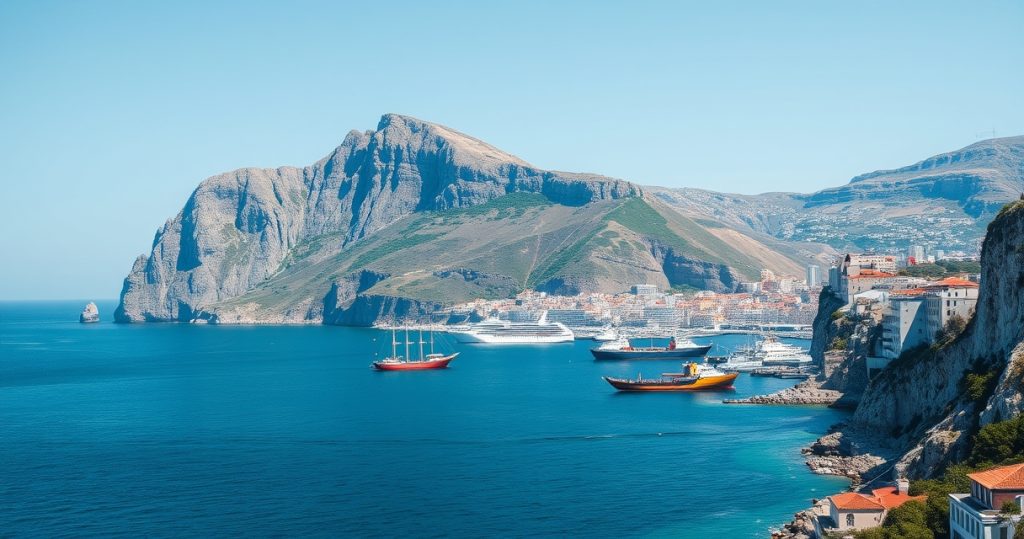
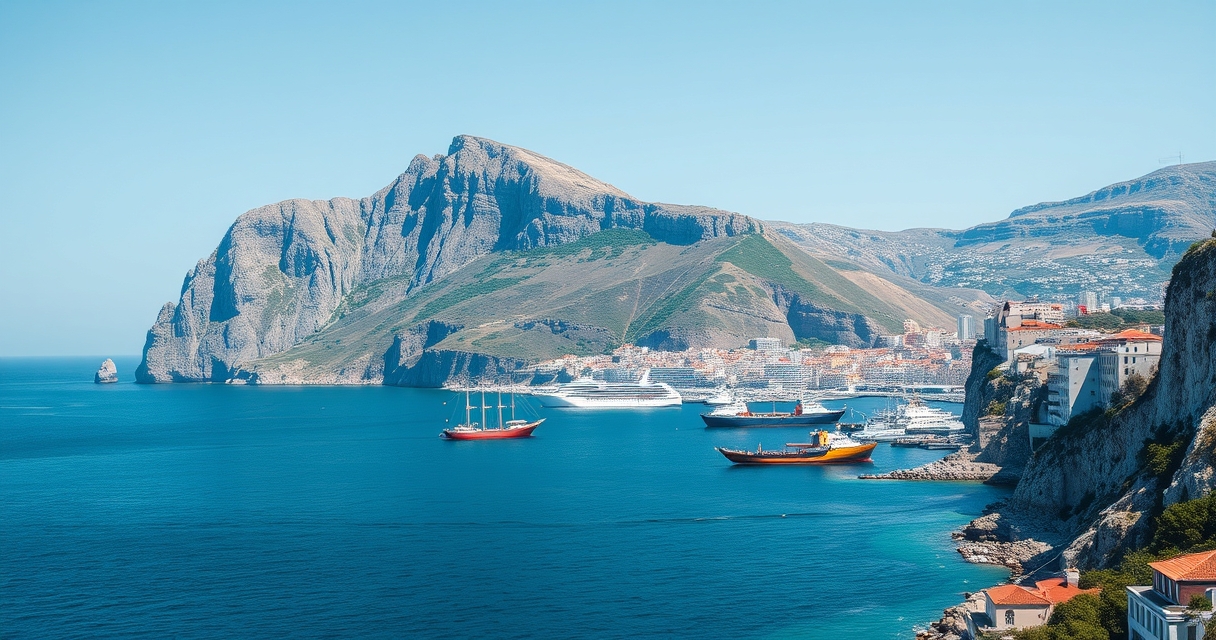
Gibraltar, a strategic territory located at the entrance to the Mediterranean Sea, has a rich maritime history that intertwines with key events and treaties shaping its role in global trade and military strategy. This small but significant piece of land has been a focal point for naval powers for centuries, influencing everything from trade routes to military engagements. Understanding Gibraltar’s maritime history not only sheds light on its past but also highlights its importance in contemporary geopolitics.
The Strategic Importance of Gibraltar
Gibraltar’s location at the southern tip of the Iberian Peninsula gives it a commanding position over the Strait of Gibraltar, the gateway between the Atlantic Ocean and the Mediterranean Sea. This has made it a vital strategic point for naval operations and trade routes. Throughout history, various powers have sought control of Gibraltar for its ability to monitor maritime traffic and protect shipping lanes. The British capture of Gibraltar in 1704 during the War of the Spanish Succession marked the beginning of its significance as a British naval base, which still exists today.
The narrow strait only spans about 13 kilometers at its narrowest point, making it a critical choke point for naval and commercial vessels. This strategic importance has led to numerous military conflicts, treaties, and diplomatic negotiations over the centuries. The ability to control this key maritime passage has often decided the outcomes of larger geopolitical struggles in Europe and beyond.
The Capture of Gibraltar: 1704
The capture of Gibraltar by British forces in 1704 was a pivotal moment in its maritime history. During the War of the Spanish Succession, a combined Anglo-Dutch fleet seized the fortress from Spanish control. The British recognized the strategic advantage of holding Gibraltar, leading to its formal cession in the Treaty of Utrecht in 1713. The treaty not only confirmed British sovereignty over Gibraltar but also established its role as a key military outpost, which would later become integral to British naval operations in the Mediterranean.
This event initiated the origins of Gibraltar’s transformation into a key fortified naval stronghold. The British fortified the Rock, enhancing its defenses and establishing it as a pivotal point for naval operations. This military presence would influence European naval strategies for centuries, as control of Gibraltar allowed Britain to project power throughout the Mediterranean and beyond.
The Treaty of Utrecht: 1713
The Treaty of Utrecht, signed in 1713, was a landmark agreement that formally recognized British sovereignty over Gibraltar. This treaty was part of a larger peace settlement that ended the War of the Spanish Succession and redistributed territories among European powers. The provisions of the treaty not only solidified British control but also established Gibraltar as a vital link in the British Empire’s maritime strategy.
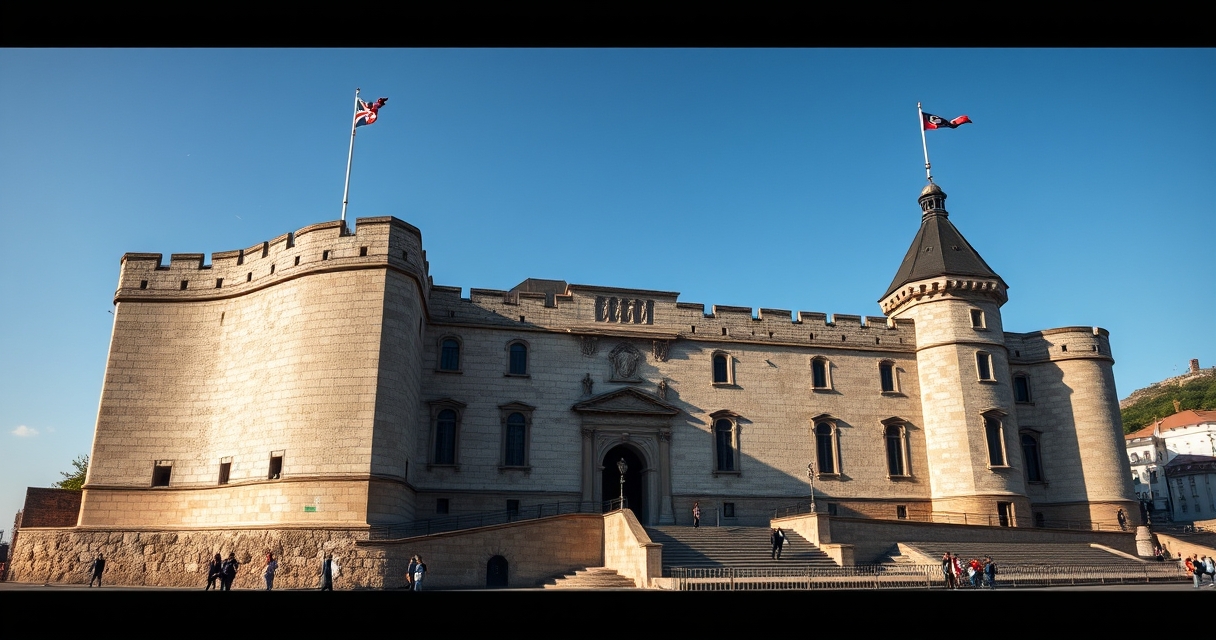
The treaty stipulated that Spain would retain ownership of Gibraltar but would allow Britain to govern it. This arrangement led to a unique status for Gibraltar, where it became a British territory but remained geographically surrounded by Spanish territory. The treaty set the stage for future conflicts and negotiations, as Spain continually sought to regain control over Gibraltar, highlighting its enduring significance in regional politics.
The Great Siege of Gibraltar: 1779-1783
The Great Siege of Gibraltar, lasting from 1779 to 1783, was one of the longest sieges in modern history and a critical event in Gibraltar’s maritime narrative. During this period, Spanish and French forces attempted to reclaim Gibraltar from British control, employing a combination of land and naval forces to encircle the territory. The siege was marked by significant military engagements, including naval battles aimed at disrupting British supply lines.
The resilience of the British garrison and the strategic use of naval reinforcements ultimately led to the failure of the siege. The successful defense of Gibraltar not only solidified British control but also demonstrated the Rock’s strategic military capabilities. The siege became a symbol of British endurance and military prowess, reinforcing Gibraltar’s status as a critical naval base in the Mediterranean.
The Treaty of Paris: 1783
The Treaty of Paris, signed in 1783, concluded the American Revolutionary War and included provisions regarding Gibraltar. Although the treaty primarily focused on recognizing American independence, it also reaffirmed British control over Gibraltar, effectively ending Spanish aspirations to reclaim the territory following the Great Siege. This treaty underscored the geopolitical dynamics of the time and the importance of Gibraltar as a military asset.
The reaffirmation of British sovereignty through the Treaty of Paris solidified Gibraltar’s role in British naval strategy, allowing it to serve as a base for operations in the Mediterranean and the Atlantic. The treaty illustrated how Gibraltar had become a permanent fixture in the British Empire, with its strategic location recognized as invaluable for maintaining naval dominance.
Modern Treaties and the Future of Gibraltar
In recent history, Gibraltar has remained a focal point in discussions between the United Kingdom and Spain, particularly regarding its sovereignty and status. The 2006 Constitution of Gibraltar marked a significant step in self-governance, allowing for greater autonomy while still under British sovereignty. However, Spain has continued to assert its claims over the territory, leading to ongoing diplomatic negotiations.
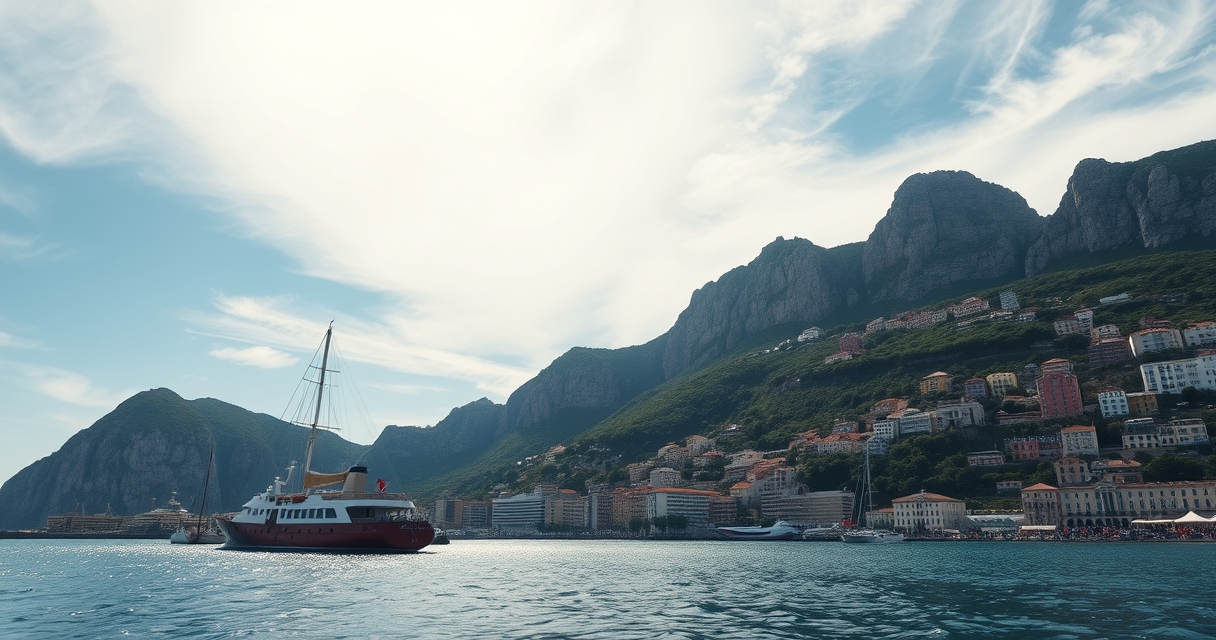
In 2019, the United Kingdom and Spain reached a preliminary agreement regarding the future relationship between Gibraltar and the European Union post-Brexit. This agreement emphasized cooperation over contentious issues, such as border control and economic ties. The evolving nature of these treaties reflects the ongoing importance of Gibraltar in regional politics and its maritime significance as a gateway to the Mediterranean.
Gibraltar Today: A Maritime Hub
Today, Gibraltar stands as a modern maritime hub, balancing its historical legacy with contemporary challenges. The territory’s port services a variety of shipping needs, from commercial shipping to military logistics. Its strategic location continues to attract maritime traffic, making it a vital point for both trade and military operations.
Moreover, Gibraltar has developed as a center for maritime tourism, attracting cruise ships and recreational vessels. The Rock’s unique geographical features and historical significance offer a rich experience for visitors, blending natural beauty with a deep maritime heritage. As Gibraltar navigates the complexities of modern geopolitics, its maritime history remains a key element of its identity and future prospects.

I have always been captivated by the unique cultural tapestry of the Rock, particularly how Moorish, Spanish, and British influences shaped its development over centuries. My passion lies in translating these complex historical narratives into engaging educational resources that make Gibraltar’s past accessible to everyone. I spend my free time exploring military fortifications and reading first-hand accounts of life at the Pillar of Hercules.