School dress codes in Gibraltar have shifted from strict military-inspired standards to more flexible, identity-focused designs over the last century. These changes reflect broader shifts in local society, educational philosophy, and the territory’s unique position between British and Mediterranean cultures. Understanding Gibraltar school uniforms history offers a clear window into how the community has balanced tradition with modernity. The visual markers of student life have become a subject of genuine academic interest, not merely nostalgia. Researchers and educators alike examine these garments as primary sources for social history.
Military Heritage and Early Standardization
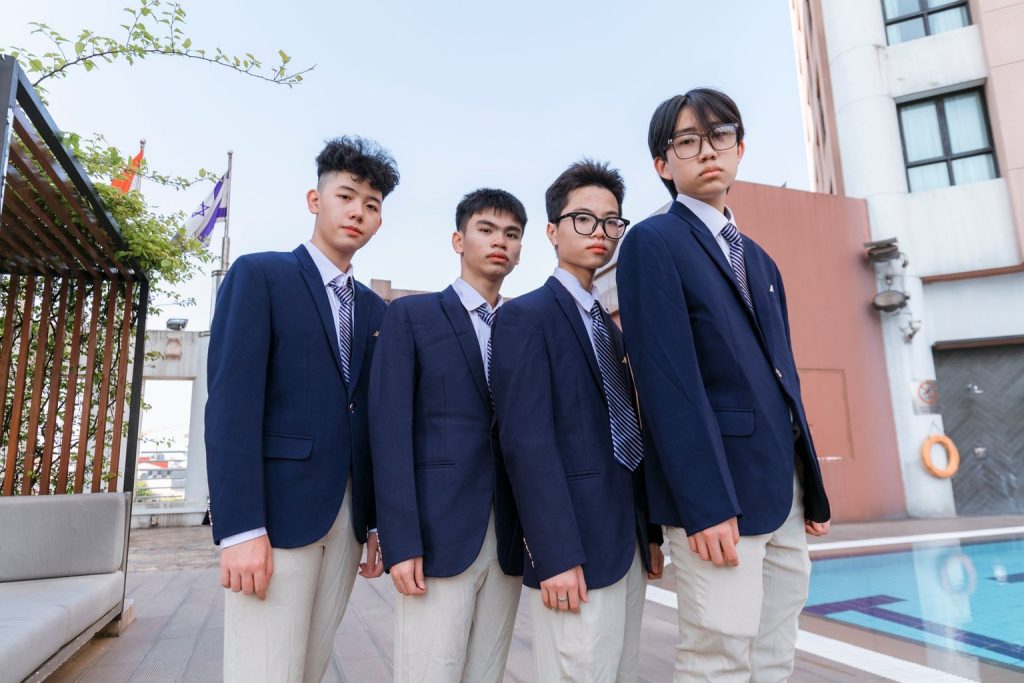
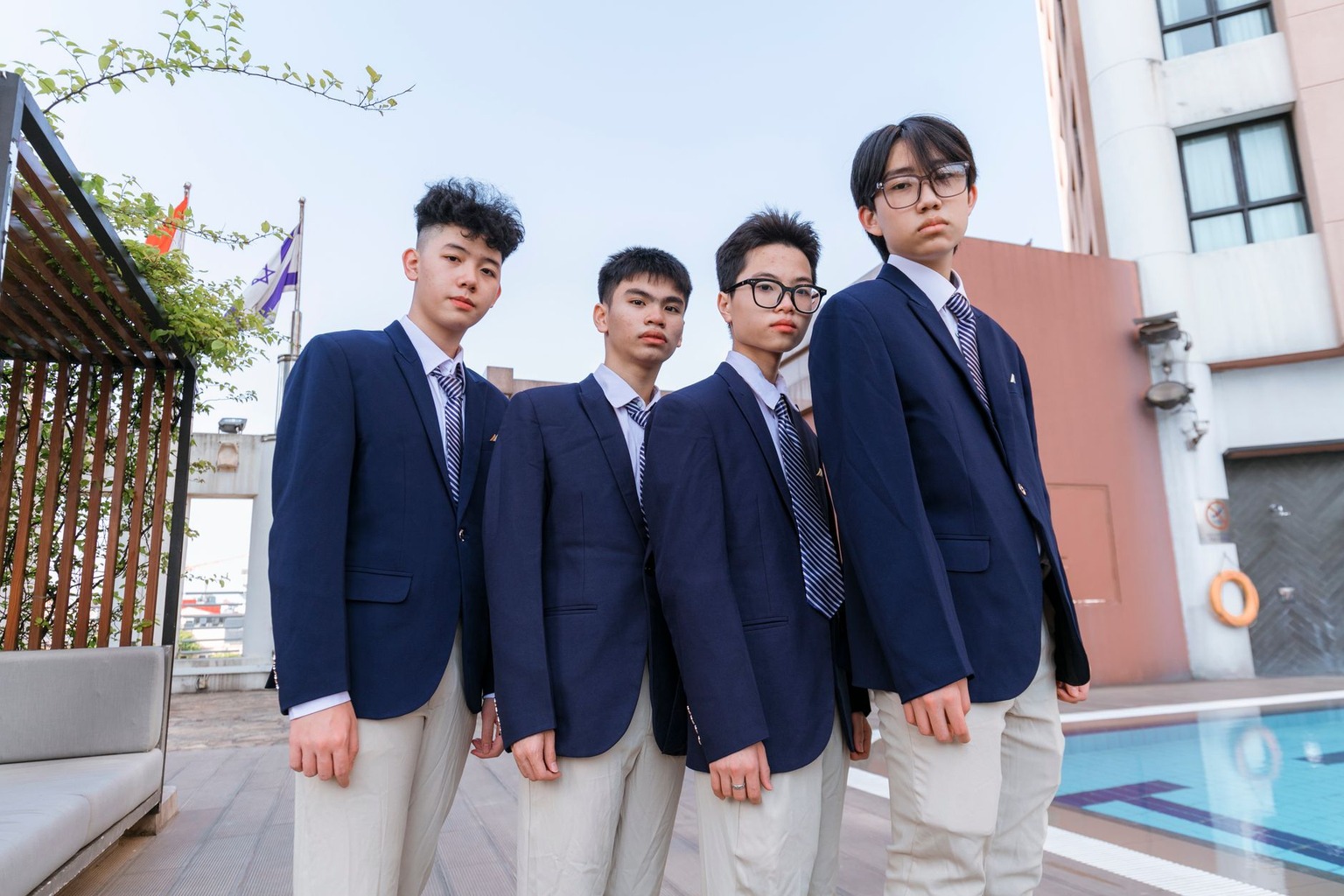
The earliest documented uniforms in Gibraltar date back to the late nineteenth century, when education was heavily influenced by British colonial structures. These initial sets featured dark navy blazers with brass buttons, white shirts, and grey trousers or skirts that mimicked the attire of junior officers in the Royal Navy. The strict uniformity was not accidental but a deliberate choice to project discipline and order within the classroom environment. Parents at the time viewed this formal presentation as a sign of respectability and a pathway to better social standing for their children.
Local tailors in the Upper Town began producing these garments in small workshops, creating a nascent local industry that catered specifically to the school population. The materials used were often imported from the mainland, which made the uniforms a visible marker of economic status within families. Teachers enforced these rules with considerable strictness, and deviations were met with public criticism during assembly times. This era established the foundational expectation that clothing should subordinate individual expression to collective identity.
The Llanito Influence on Fabric Choices
As the twentieth century progressed, the distinct Llanito culture of Gibraltar began to subtly influence the practical aspects of school attire. The hot, humid climate of the Rock made heavy woolen fabrics increasingly difficult for students to manage during long school days. Local vendors started introducing lighter cotton blends that retained the required color codes while offering better breathability and comfort. This shift was driven by necessity rather than rebellion, as parents and teachers recognized the health risks associated with overheating.
The integration of Mediterranean textile practices brought a slight variation in cut and fit compared to mainland British schools. These adaptations allowed for greater freedom of movement during physical education lessons, which were becoming a more central part of the curriculum. While the official color palette remained unchanged, the tactile experience of the uniform evolved to suit the local environment. This period marks a quiet but significant divergence from strict metropolitan standards in favor of local practicality.
Post-War Reforms and Color Diversification
The aftermath of World War II brought new educational policies that encouraged a softer approach to student discipline and personal expression. Several independent schools in Gibraltar introduced subtle variations in their uniform designs, such as striped ties or different collar styles, to foster a sense of house identity. This move was supported by educators who believed that small distinctions could enhance school spirit without undermining overall order. The government schools followed suit gradually, adopting similar identifiers to reduce the rigid homogeneity of the past.
During this period, the cost of uniforms became a more pressing concern for working-class families in the Lower Town. The introduction of second-hand markets and community swap events helped mitigate these financial burdens, creating a secondary economy around school attire. Parents began to view uniforms not just as symbols of status but as practical necessities that required careful management. This economic reality forced a reevaluation of how strictly newness was enforced by school administrations.
Modern Identity and Symbolic Debates
In recent decades, discussions around school uniforms in Gibraltar have increasingly focused on questions of national identity and cultural belonging. The presence of both British and Spanish influences is reflected in ongoing debates about whether uniforms should emphasize one heritage over the other. Some educators argue for maintaining the traditional British style to preserve historical continuity, while others advocate for designs that incorporate local Llanito elements more visibly. These discussions often extend beyond clothing to broader questions about how Gibraltar defines itself educationally.
The introduction of gender-neutral options in several schools has further complicated the traditional uniform structure, challenging long-standing norms about dress codes. This change was driven by a growing awareness of inclusivity and the need to accommodate diverse student identities within the classroom. Administrators have had to rewrite policy documents to reflect these new realities, ensuring that regulations are both fair and practical. The uniform thus serves as a live document of social progress within the local educational system.
Economic Impacts on Uniform Production
The shift from imported garments to locally produced items has had significant economic implications for Gibraltar’s small businesses over time. Several local shops now specialize exclusively in school uniforms, employing staff who understand the specific requirements of each institution. This localized production reduces shipping costs and delivery times, making it easier for families to replace worn items quickly. The business model also allows for faster response to changes in size or design requested by school boards.
The cost of these locally made items remains a point of contention, with some parents feeling that prices have risen sharply in recent years. However, producers argue that the higher quality of local materials and labor justifies the price point compared to cheaper overseas alternatives. This economic dynamic creates a constant tension between affordability and quality that affects every family in the territory. The uniform market has become a microcosm of Gibraltar’s broader consumer economy, reflecting shifts in wages and spending habits.
Digital Archiving and Historical Preservation
Local historical societies have begun digitizing old photographs of school uniforms to create an accessible archive for researchers and families. This project helps preserve the visual record of how these garments have changed, providing a tangible link to the past for younger generations. The digital format allows for detailed analysis of fabric patterns and cut styles that might be lost in physical storage. Educators use these archives to teach students about social history, making the abstract concept of change concrete and visible.
The preservation of these items also raises questions about how historical artifacts should be interpreted in a modern context. Some older uniforms carry connotations of strictness and conformity that may not resonate with current values, requiring careful contextualization. By examining these objects closely, historians can trace the exact moments when policy changes occurred and how they were received by the community. This work ensures that the full complexity of Gibraltar school uniforms history is documented accurately for future study.

I have always been captivated by the unique cultural tapestry of the Rock, particularly how Moorish, Spanish, and British influences shaped its development over centuries. My passion lies in translating these complex historical narratives into engaging educational resources that make Gibraltar’s past accessible to everyone. I spend my free time exploring military fortifications and reading first-hand accounts of life at the Pillar of Hercules.