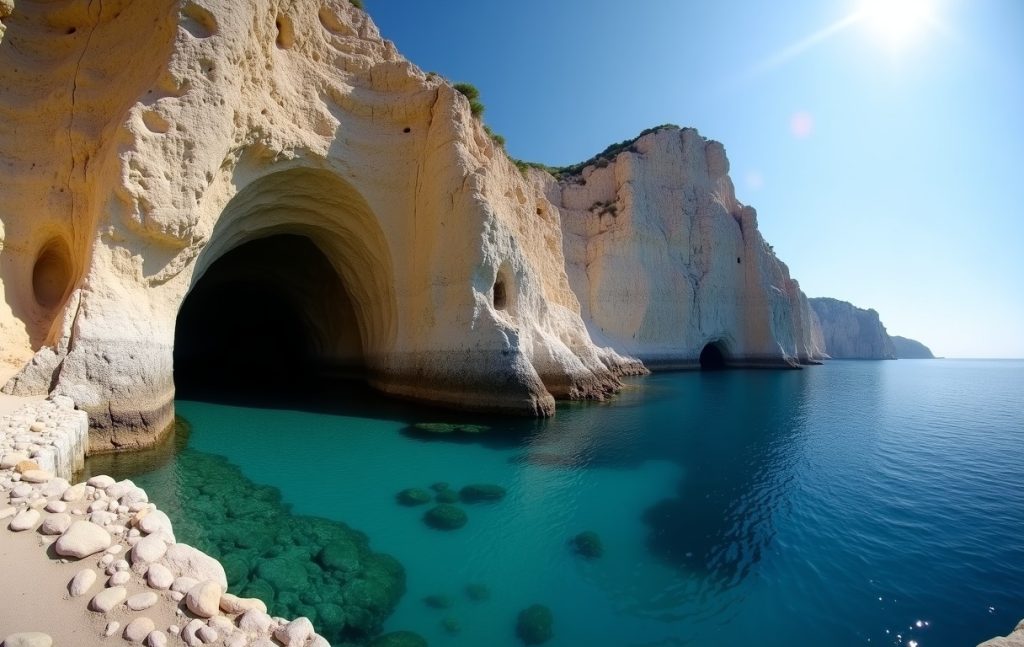
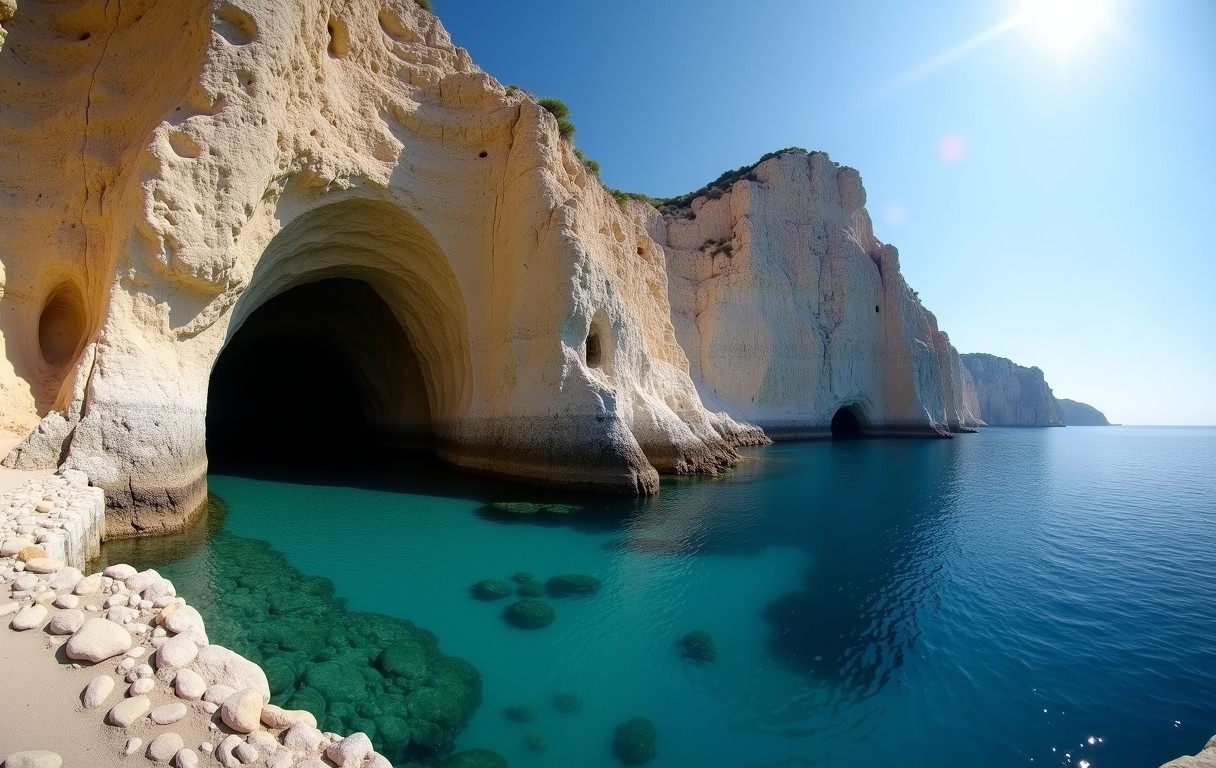
Gibraltar’s Rock is more than a limestone massif that juts into the Strait. It is the silent architect of Llanito identity, a physical anchor that has shaped how Gibraltarians speak, build, trade, defend, and remember. From the Neanderthal caves at Gorham’s to the wartime tunnels beneath the Upper Rock, every layer of stone carries a story that Llanitos have absorbed into their daily language, their festivals, and their sense of belonging. The Rock does not merely stand over the city; it is woven into the very grammar of Llanito culture, dictating what is possible, what is remembered, and what is passed down to the next generation.
The Rock as a Natural Classroom
The limestone cliffs of Gibraltar have served as the first textbook for every Llanito child. School trips to St Michael’s Cave or the Great Siege Tunnels are not optional extras; they are curriculum staples that teach geology, history, and ecology in the same breath. Teachers use the Rock’s strata to explain plate tectonics, its caves to illustrate Neanderthal tool-making, and its wartime galleries to dramatise the 1779-83 siege. In 2022, the Gibraltar Museum reported that 92% of local primary pupils had visited at least one heritage site on the Rock by age ten, a figure unmatched in most European cities. These visits are not passive sightseeing; children measure stalactites, sketch medieval Moorish baths, and recite Llanito proverbs that reference the Rock’s landmarks, turning abstract lessons into tactile memories.
Beyond the classroom, the Rock’s microclimates create living laboratories. The north face, shaded and damp, supports rare ferns that pupils press into herbarium sheets, while the sun-baked south face yields fossilised coral that illustrates the Strait’s ancient sea levels. Secondary schools run annual “Rock Days” where students map erosion patterns using GPS devices, then present findings in Llanito-inflected English to visiting British school groups. The practice reinforces both scientific method and linguistic identity, showing how the physical Rock becomes a pedagogical tool that shapes how Llanitos learn and speak.
Llanito Language Carved by the Rock’s Geography
The Rock’s steep slopes and narrow alleys forced Gibraltarians into close quarters, accelerating the fusion of Andalusian Spanish and British English into Llanito. Words for everyday objects reflect the Rock’s topography: a “cuesta” describes a steep street, “la peñita” refers to a small cliff, and “el monte” is always the Rock itself, never a generic hill. Linguists at the University of Gibraltar have documented over 200 toponyms derived from the Rock’s features, from “la Senda de los Contrabandistas” to “el Callejón del Moro,” each name encoding a story of smuggling, siege, or daily life. These terms are not quaint archaisms; they are living vocabulary that children learn before they can read, recited during school assemblies and family walks.
The Rock’s military history further enriched Llanito lexicon. Terms like “la batería” for a gun emplacement, “el túnel” for the wartime galleries, and “el cable” for the old aerial tramway entered daily speech, blending Spanish morphology with English military jargon. A 2019 survey by the Llanito Language Project found that 78% of Gibraltarians under 30 use at least five Rock-specific terms weekly, proving the landscape’s ongoing influence. Even Llanito’s characteristic code-switching, flipping between Spanish and English mid-sentence, mirrors the Rock’s dual identity, a geological fault line that separates Europe from Africa yet connects both.
Urban Planning Constrained by the Rock’s Shape
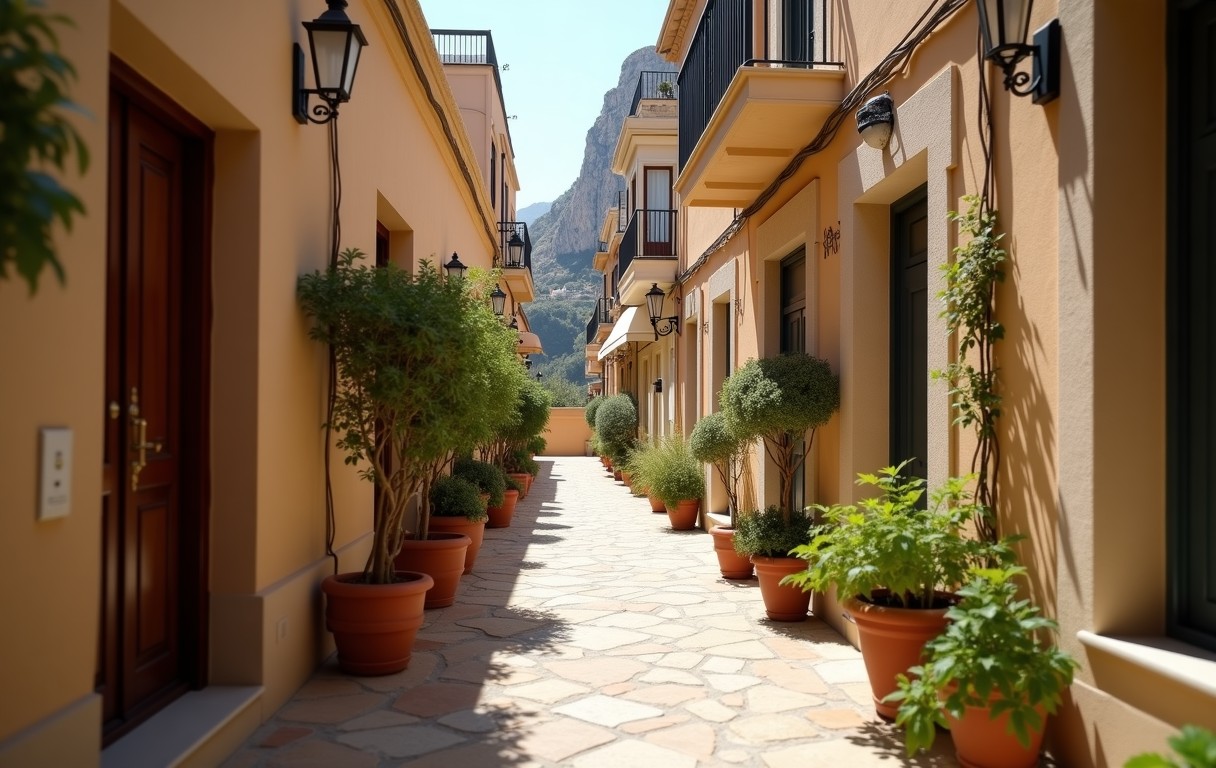
Gibraltar’s urban fabric is a direct response to the Rock’s unyielding contours. The city’s grid, with its famous Main Street running north-south, was not a planner’s whim but a necessity dictated by the Rock’s steep eastern face and the flat isthmus to the west. The 18th-century British military engineers who laid out the town faced a stark choice: build upwards or outwards. They chose both, creating the “patios” that characterise Llanito homes, internal courtyards that maximise light in narrow plots hemmed in by the Rock’s slopes. Today, 63% of Gibraltarian residences still follow this patio model, a statistic from the 2021 Housing Census that underscores the Rock’s enduring influence on domestic architecture.
The Rock’s height also dictated Gibraltar’s water supply, a challenge that shaped Llanito ingenuity. With no natural aquifers, Gibraltarians relied on rainwater collected from the Rock’s slopes, stored in vast underground cisterns carved into the limestone. The largest, the Nun’s Well, could hold 2.5 million litres, a feat of hydraulic engineering that allowed the garrison to withstand sieges. Modern desalination plants now supplement this system, but the cisterns remain a point of pride, featured in school history projects and heritage tours. The Rock’s impermeable limestone thus forced Llanitos to develop technologies that became cultural markers, from the “aljibes” of Moorish times to today’s reverse-osmosis plants.
Military History Etched into the Rock’s Stone
The Rock’s strategic position made it a perpetual battleground, and every conflict left its mark on Llanito memory. The 1779-83 Great Siege, when Spanish and French forces blockaded Gibraltar for nearly four years, is not a distant event but a living narrative recounted in school plays, re-enactments, and family stories. The tunnels bored into the Rock during this siege, over 50 kilometres of them, are now heritage sites where children learn about the “Gibraltar Key,” a defensive tactic that used the Rock’s height to rain cannon fire on enemy ships. The tunnels also serve as classrooms for military history, with original graffiti from 18th-century soldiers still visible, offering a tangible link to the past.
World War II further embedded the Rock into Llanito identity. The evacuation of 16,000 Gibraltarians to London, Madeira, and Jamaica in 1940 created a diaspora that returned with new cultural influences, yet the Rock remained their emotional anchor. Schools teach the evacuation through firsthand accounts, with pupils interviewing elderly evacuees and recording their stories for the Gibraltar National Archives. The wartime tunnels, expanded to house a hospital and command centre, are now part of the curriculum, with students studying the Rock’s role in Operation Torch and the Allied invasion of North Africa. This military history is not just taught; it is performed, with annual “Siege Week” events where children dress as 18th-century soldiers and re-enact the Rock’s defences.
Festivals Anchored to the Rock’s Landmarks
Llanito festivals are not abstract celebrations; they are tied to the Rock’s physical features, turning geography into ritual. The annual “Calentita” food festival, named after Gibraltar’s national dish, takes place in Grand Casemates Square, a space carved from the Rock’s base. The festival’s origins lie in the 18th century, when soldiers and civilians gathered here to share rations during sieges, a tradition that evolved into a communal feast. Today, schools organise “Calentita cook-offs” where pupils prepare the dish using family recipes, linking culinary heritage to the Rock’s wartime resilience. The festival’s location is not arbitrary; the square’s proximity to the Rock’s cliffs makes it a natural amphitheatre, with the limestone walls amplifying the sounds of music and laughter.
Religious festivals also reflect the Rock’s influence. The Feast of Our Lady of Europe, Gibraltar’s patron saint, centres on the shrine at Europa Point, where the Rock meets the sea. The procession winds along the Rock’s eastern face, with participants carrying a statue of the Virgin along paths first trodden by 14th-century Genoese sailors. Schools incorporate the feast into their calendars, with pupils creating floats that depict the Rock’s history, from Neanderthals to modern-day Gibraltar. The festival’s climax, a fireworks display over the Strait, visually connects the Rock to its African counterpart, reinforcing Llanito identity as a bridge between continents.
The Rock’s Biodiversity as a Cultural Symbol
The Rock’s unique flora and fauna have become emblems of Llanito resilience. The Barbary macaques, Europe’s only wild monkeys, are not just tourist attractions but cultural icons, featured in school mascots, local art, and even the Gibraltar pound coin. A 2020 survey by the Gibraltar Ornithological and Natural History Society found that 85% of Gibraltarians could identify at least five Rock-specific species, from the Gibraltar candytuft to the Barbary partridge. Schools use these species to teach ecology, with pupils participating in annual “BioBlitz” events where they catalogue the Rock’s biodiversity, linking science to local pride.
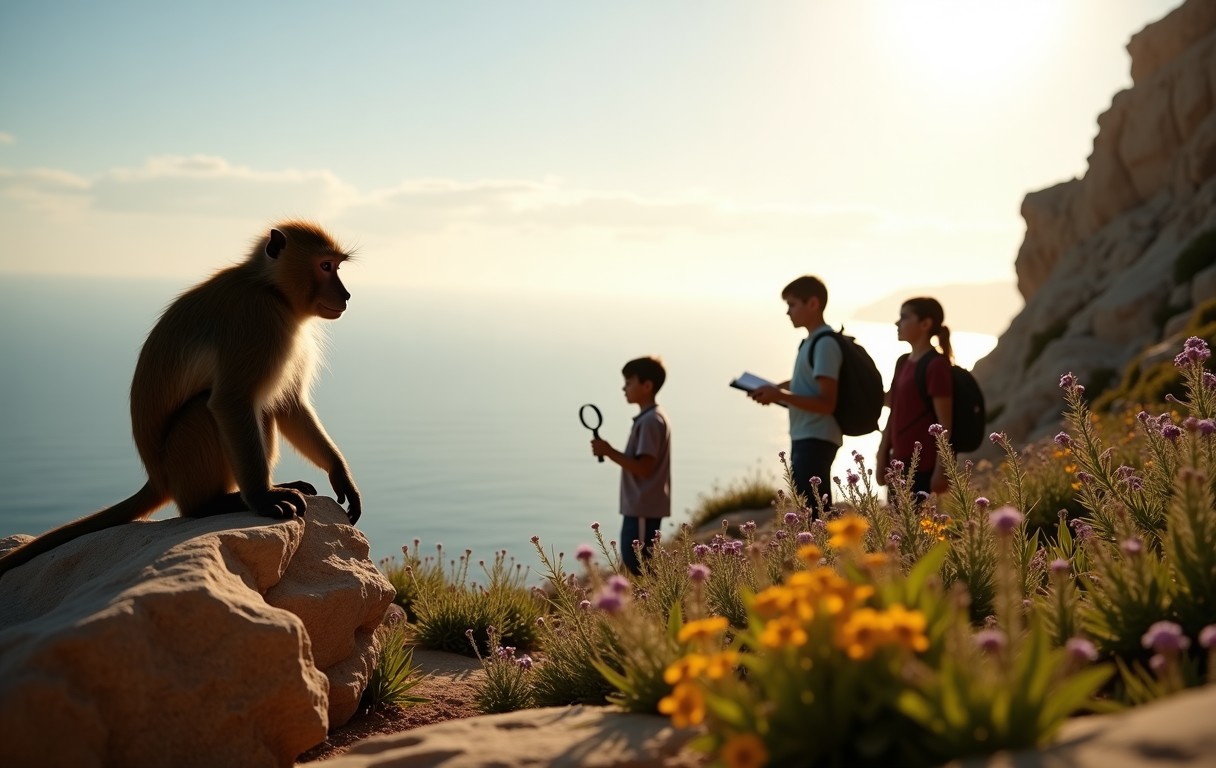
The Rock’s plants also carry cultural weight. The Gibraltar thyme, a fragrant herb that grows on the upper slopes, is used in traditional Llanito cooking, while the Gibraltar campion, a rare flower found only on the Rock, symbolises endurance. Schools run “seed banks” where pupils collect and preserve these plants, ensuring their survival. The Rock’s biodiversity is not just a scientific curiosity; it is a living classroom where Llanitos learn about adaptation, conservation, and their own place in the natural world. The macaques, in particular, have entered Llanito folklore, with proverbs like “más listo que un mono” (smarter than a monkey) reflecting their cunning reputation.
Oral Histories Preserved in the Rock’s Echoes
The Rock’s caves and tunnels have preserved Llanito oral histories for centuries. The Gorham’s Cave complex, a UNESCO World Heritage Site, is not just an archaeological treasure but a repository of stories passed down through generations. Schoolchildren visit the caves to hear tales of Neanderthals and early humans, with teachers using the site to illustrate how oral traditions evolve. The caves’ acoustics, which carry whispers across chambers, become a metaphor for how Llanito culture transmits knowledge, through spoken word, not just written text.
Modern Llanito oral histories are equally tied to the Rock. The Gibraltar Heritage Trust runs a “Voices of the Rock” project where pupils interview elderly Gibraltarians about their lives, recording stories of evacuation, smuggling, and daily life. These interviews are archived in the Gibraltar National Archives, but they are also performed in schools, with pupils acting out the stories in the very locations where they occurred. The Rock’s physical presence ensures that these histories are not abstract; they are anchored in place, from the wartime tunnels to the Moorish baths. This oral tradition is not static; it evolves with each generation, yet the Rock remains its constant, a silent witness to Llanito memory.

I have always been captivated by the unique cultural tapestry of the Rock, particularly how Moorish, Spanish, and British influences shaped its development over centuries. My passion lies in translating these complex historical narratives into engaging educational resources that make Gibraltar’s past accessible to everyone. I spend my free time exploring military fortifications and reading first-hand accounts of life at the Pillar of Hercules.