When historians trace the development of schooling on the Rock, the name “Key Figures Gibraltar Education” often appears as a shorthand for the individuals whose vision turned a modest outpost into a centre of learning, and this article follows their footsteps from the eighteenth century to the present day.
Early Mission Schools and the Birth of Formal Learning
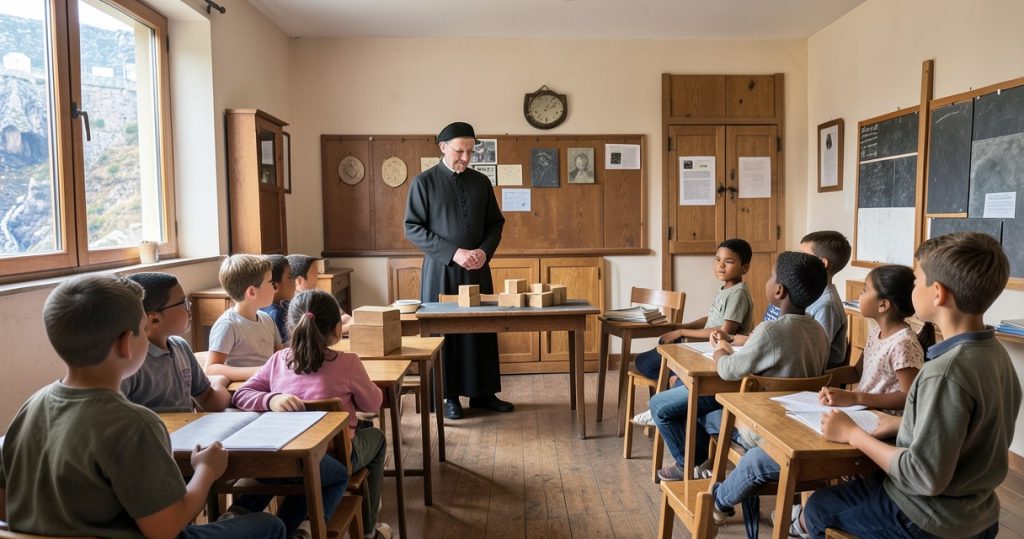
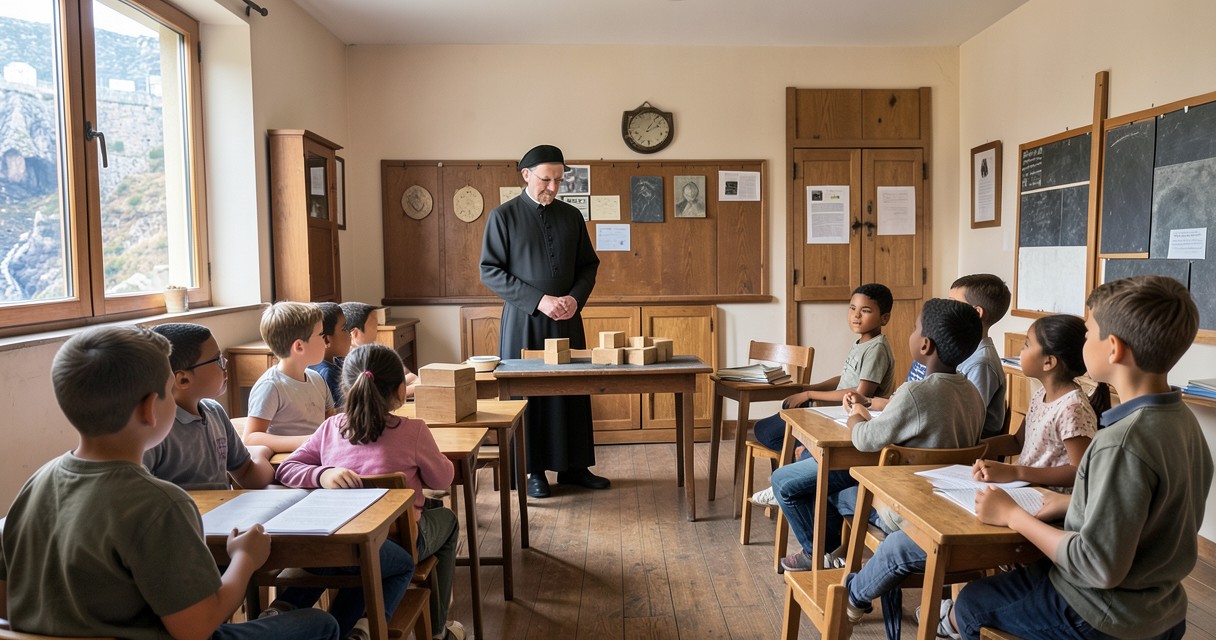
In the late 1700s the first organized instruction came from Catholic missionaries who set up a modest school near the old town wall. Father Thomas O’Leary, a Jesuit priest, taught reading and arithmetic to the children of both the civilian population and the garrison, using a single slate and a handful of wooden blocks. By 1794 the school counted roughly eighty pupils, a remarkable figure for a settlement of fewer than three thousand souls. The curriculum, though basic, introduced the Latin alphabet and simple religious texts, laying the groundwork for later secular institutions.
The mission school soon attracted the attention of the British authorities, who recognised that a literate populace could support the administration of customs and the navy. In 1805 the governor authorised a modest grant that allowed the school to acquire a set of brass rulers and a small library of English primers. This early partnership between church and state demonstrated how education could serve both spiritual and practical needs, a theme that would echo through Gibraltar’s later reforms.
Key Figures Gibraltar Education: Reformers of the 19th Century
The nineteenth century brought a wave of legislative change, driven by officials such as Sir Robert Gardiner, the governor from 1848 to 1855. Gardiner championed the establishment of a public school system that would be open to all children regardless of faith. In 1852 the Gibraltar Public School opened its doors with a staff of six teachers and an enrolment of two hundred pupils, a number that quickly rose as families migrated from neighbouring Spanish towns. The school’s timetable included subjects like geography, history and basic science, reflecting a broader European trend toward a more rounded education.
Another pivotal figure was Dr. John Mackintosh, appointed as the first inspector of schools in 1863. Mackintosh introduced standardized examinations and a teacher‑training programme that required candidates to complete a two‑year apprenticeship under experienced mentors. By the end of the decade, the inspectorate reported that literacy rates among boys aged ten to fourteen had climbed from 45 percent to 68 percent, a testament to the systematic approach championed by the reformers.
Influential Educators Who Shaped Gibraltar’s Curriculum
Beyond administrators, individual teachers left an indelible mark on the island’s intellectual life. Miss Eleanor Jones, who taught at the Gibraltar Girls’ School from 1880 to 1910, introduced a progressive curriculum that included needlework, music and modern languages alongside the traditional emphasis on reading and arithmetic. Her classes often featured field trips to the Moorish Castle, where she used the historic setting to teach students about local heritage and architecture. Jones’ students frequently won regional competitions in poetry and drawing, raising the profile of female education across the colony.
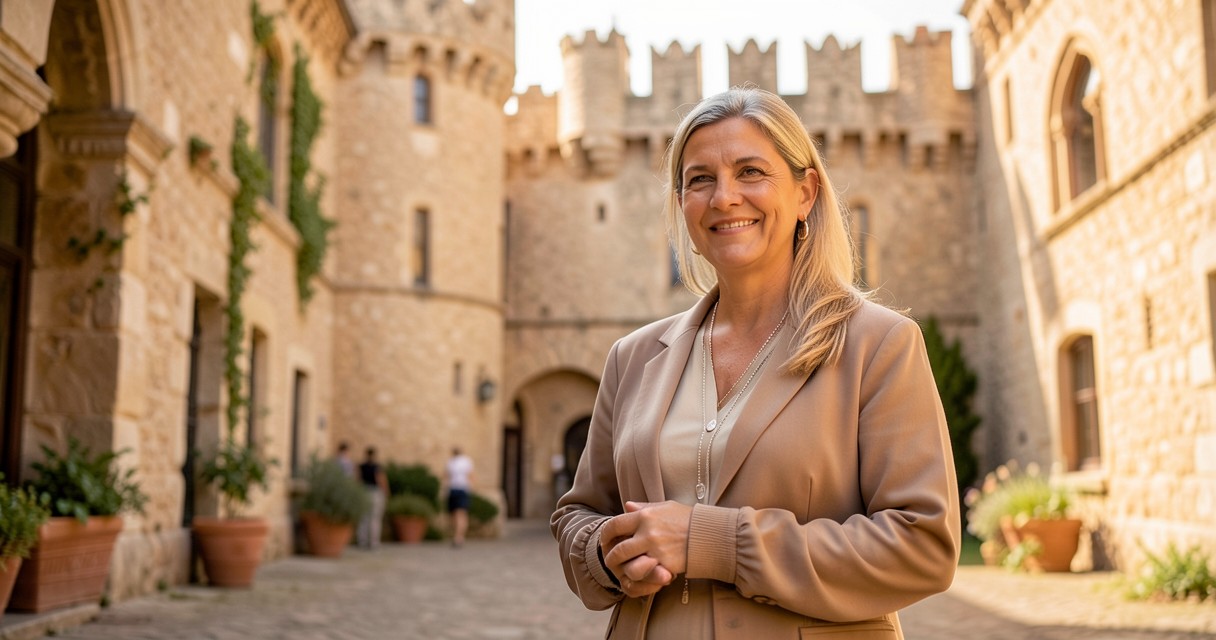
In the early twentieth century, the arrival of Professor Antonio de la Cruz, a Spanish‑born mathematician, broadened the scientific offerings at the newly founded Gibraltar College. De la Cruz introduced algebra and geometry modules that were previously unavailable in local schools, and he organised evening lectures for working adults eager to improve their technical skills. By 1925, the college reported that over three hundred adults had completed at least one mathematics course, many of whom later secured positions in the burgeoning railway and shipping industries.
The Role of the British Military in Educational Development
The military presence on the Rock has always intersected with education, particularly through the establishment of the Royal Naval School in 1911. Lieutenant Colonel William S. Jackson, the school’s first commandant, insisted that naval cadets receive a rigorous grounding in navigation, engineering and foreign languages. The school’s library, stocked with charts and technical manuals, became a resource for civilian scholars as well, fostering a culture of shared knowledge between the garrison and the town.
During the Second World War, the military’s logistical network facilitated the rapid distribution of textbooks to schools that had been damaged by bombing. Colonel Edward H. Sinclair, overseeing the Education Corps, coordinated the delivery of over ten thousand volumes to temporary classrooms set up in the Rock’s tunnels. This effort not only kept the academic year on track but also demonstrated how the armed forces could act as custodians of cultural continuity during crises.
Women Pioneers and the Expansion of Girls’ Education
While early schools primarily served boys, the early 1900s saw a surge in initiatives aimed at girls. Maria Marquez, a local philanthropist, funded the construction of the St. Catherine’s Hall in 1914, a boarding facility that allowed girls from remote villages to attend secondary school. Marquez’s endowment covered tuition, uniforms and a modest stipend for books, enabling families of modest means to send their daughters to school for the first time. By 1920, enrolment at St. Catherine’s had reached one hundred and fifty, a figure that represented a significant shift in societal attitudes toward female education.
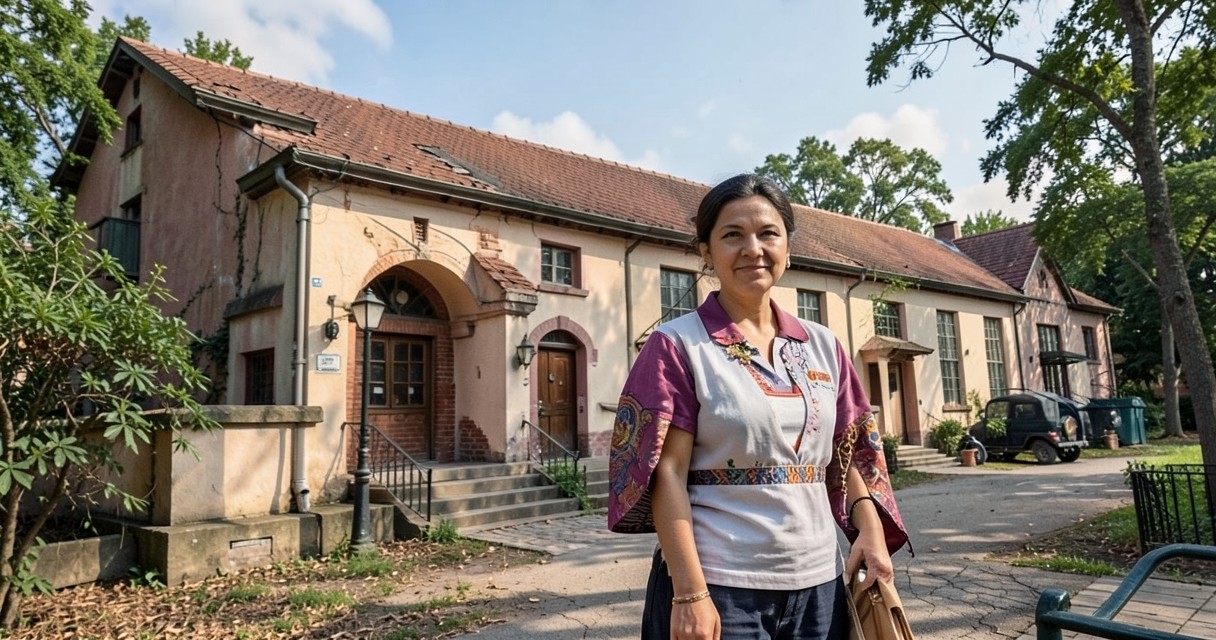
In the post‑war era, the Ministry of Education appointed the first female superintendent, Isabel Fernández, in 1948. Fernández introduced a curriculum that balanced academic subjects with domestic science, believing that both were essential for the modern woman. Under her leadership, the number of girls progressing to higher education rose sharply; in 1955, thirty‑seven percent of Gibraltar’s university‑bound students were women, a proportion that would continue to grow in the following decades.
Modern University Partnerships and International Collaboration
Since the turn of the twenty‑first century, Gibraltar has deepened its ties with universities abroad, most notably through a partnership with University College London that began in 2003. The collaboration brought a team of scholars to the Rock’s northern defences, where they conducted archaeological surveys that doubled as field‑work opportunities for undergraduate students. This joint venture not only enriched the academic curriculum but also highlighted the strategic importance of Gibraltar’s heritage sites as living classrooms.
Today, the Gibraltar College offers a range of associate degrees in tourism, maritime studies and information technology, many of which are validated by European institutions. Enrollment figures show that more than two thousand students are currently pursuing higher qualifications on the island, a number that reflects the sustained commitment of past and present educators to broaden access to learning. The ongoing exchange programmes and research projects ensure that the legacy of the Key Figures Gibraltar Education continues to inspire new generations.

I have always been captivated by the unique cultural tapestry of the Rock, particularly how Moorish, Spanish, and British influences shaped its development over centuries. My passion lies in translating these complex historical narratives into engaging educational resources that make Gibraltar’s past accessible to everyone. I spend my free time exploring military fortifications and reading first-hand accounts of life at the Pillar of Hercules.