Gibraltar’s classrooms are shifting toward experiential learning, driven by recent cross-border cultural exchanges. The storytelling initiative in Tetouan shows exactly how teachers are bringing local heritage to life for young students. This method moves beyond simple lectures to create real engagement with history and language. By 2026, the curriculum will likely deepen these international ties, offering more immersive projects than ever before. We should see a heavier reliance on digital resources that connect Gibraltar’s unique position with broader European educational standards. This evolution marks a decisive step away from traditional rote memorization.
Gibraltar’s Educational System History
The evolution of vocational training in Gibraltar’s history shows how the educational system has adapted to the territory’s unique cultural and historical context. The early education system history of Gibraltar officially began with the establishment of its first school in 1816. This marked a pivotal moment in providing structured education to children in the territory. Over the decades, education in Gibraltar expanded, with the introduction of various schools catering to different age groups and educational needs, reflecting the growing population and the diverse backgrounds of its residents.
By the 20th century, the educational framework had further diversified, incorporating not only primary and secondary education but also vocational training and higher education opportunities. The introduction of the comprehensive school system in the 1980s was a significant milestone, aiming to provide equal educational opportunities for all students, regardless of their socio-economic background. Today, Gibraltar boasts a well-rounded educational system that includes both public and private institutions, focusing on a curriculum that balances academic rigor with personal development. This evolution has laid a strong foundation for the current educational landscape, which continues to adapt and innovate in response to the needs of its students.
Primary Education in Gibraltar 2026
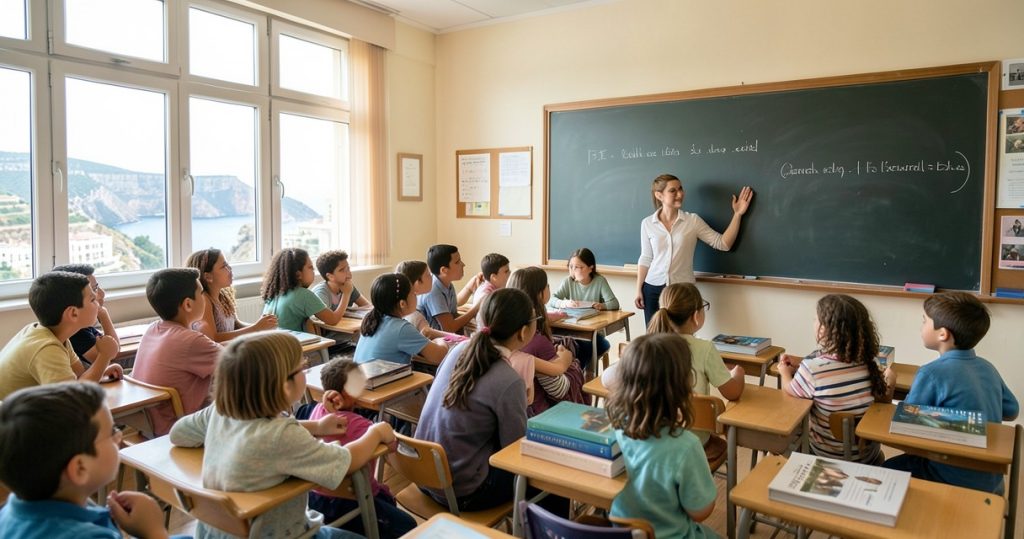
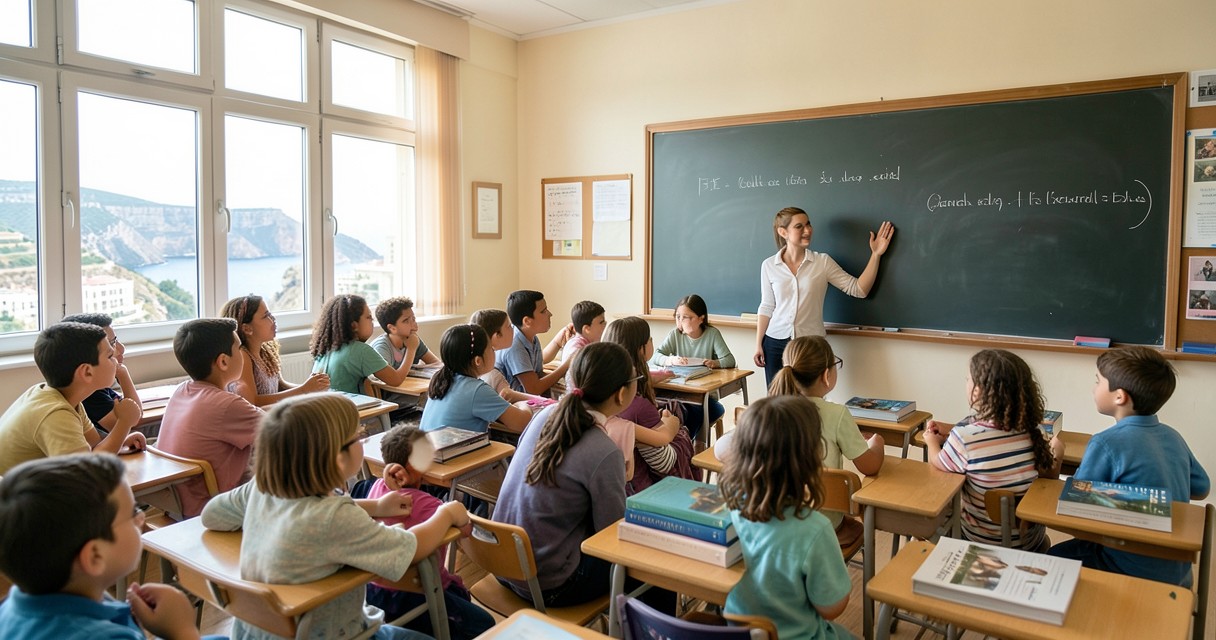
In 2026, primary education in Gibraltar continues to evolve, focusing on a curriculum that blends academic rigor with the development of social and emotional skills. Schools emphasize a holistic approach, integrating subjects such as history, science, and art while incorporating local culture and heritage into the learning experience. For instance, students participate in interactive storytelling sessions that bring Gibraltar’s rich history to life, fostering a sense of identity and community among young learners. This method not only enhances engagement but also helps students appreciate their unique cultural background.
Technology plays a significant role in modern classrooms, with many schools adopting digital tools to enhance learning. Interactive whiteboards, tablets, and educational software are commonly used to create a dynamic learning environment. Teachers are increasingly trained in digital literacy, ensuring that students develop the skills necessary for a technologically driven world. Additionally, initiatives promoting outdoor learning and field trips to historical sites provide practical experiences that complement classroom instruction, making education in Gibraltar both comprehensive and relevant to the lives of its students.
Higher Education Institutions in Gibraltar
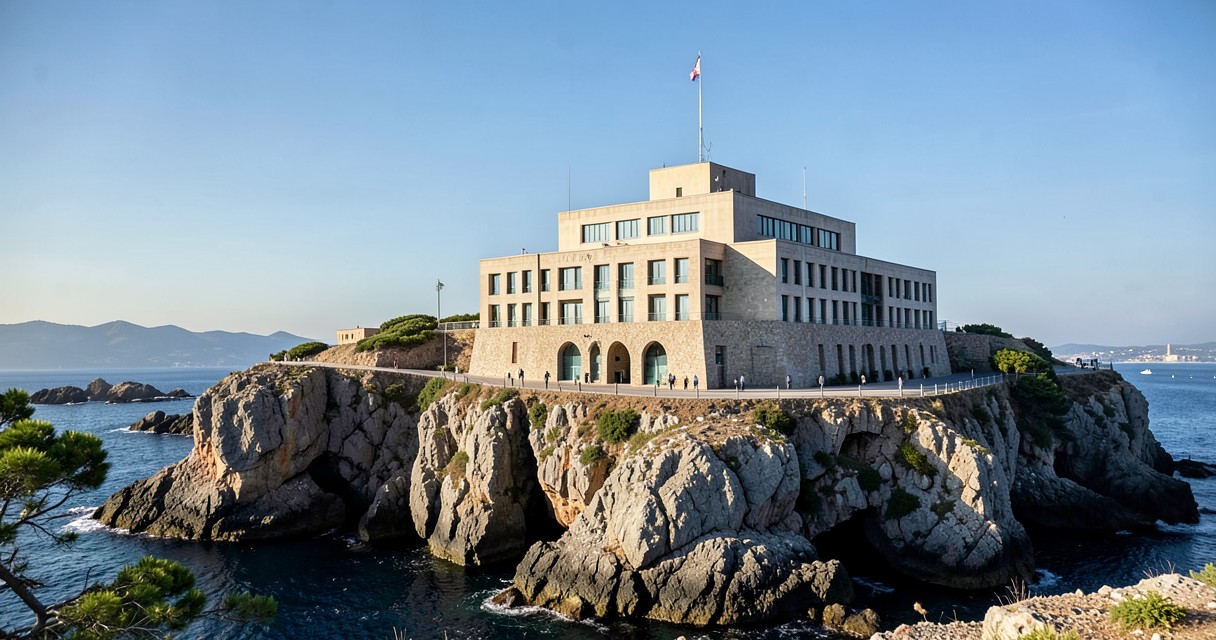
The education history of Gibraltar features the University of Gibraltar as the pillar of tertiary learning on the Rock. Since its establishment in 2015, this institution has expanded its academic reach to address specific local and regional needs. Students in 2026 can pursue specialized degrees in niche fields such as maritime studies, medtech, and business management that align with the territory’s economic drivers. The campus at Europa Point continues to host a growing number of international researchers and local undergraduates alike. This growth reflects a deliberate strategy to retain local talent rather than seeing them depart for the UK immediately.
Alongside the university, the Gibraltar College plays a vital role in bridging the gap between secondary schooling and university or direct employment. It provides vocational qualifications and professional certifications that are essential for the local finance and gaming sectors. Many students utilize these courses to gain practical skills before entering the workforce or transferring to degree programs. Furthermore, strategic partnerships with British institutions allow Gibraltarian students to access top tier UK degrees without leaving home. This blended approach ensures the educational ecosystem remains versatile and responsive to market demands.
Gibraltar’s Bilingual Education Policy
Language in Gibraltar’s education is emphasized through a bilingual curriculum that integrates both English and Spanish. Gibraltar history encompasses its unique cultural heritage as a British Overseas Territory with a rich Spanish influence. In classrooms, students are taught subjects in both languages, allowing them to develop proficiency and fluency in both English and Spanish from an early age. This dual-language approach not only enhances cognitive skills but also prepares students for a multicultural environment, fostering a sense of identity that embraces both languages.
The bilingual education policy is supported by a range of resources and initiatives designed to promote language acquisition. Schools often incorporate storytelling sessions and cultural activities that engage students in both languages, making learning more relatable and enjoyable. For instance, recent programs have included interactive storytelling in Spanish, which not only captivates young learners but also strengthens their connection to the language. As a result, Gibraltarian students emerge as competent communicators, equipped to navigate the complexities of a bilingual society and engage with the diverse communities surrounding them.
The Role of the University of Gibraltar
The University of Gibraltar has emerged as a pivotal institution in the region’s educational landscape, fostering a unique blend of local and international perspectives. With a focus on applied learning and research, the university offers programs that cater specifically to the needs of Gibraltar and its surrounding areas. This includes courses in business, tourism, and environmental studies, all designed to equip students with skills that are directly relevant to the local job market. By emphasizing practical experience and community engagement, the university not only enhances students’ academic journeys but also contributes to the socio-economic development of Gibraltar.
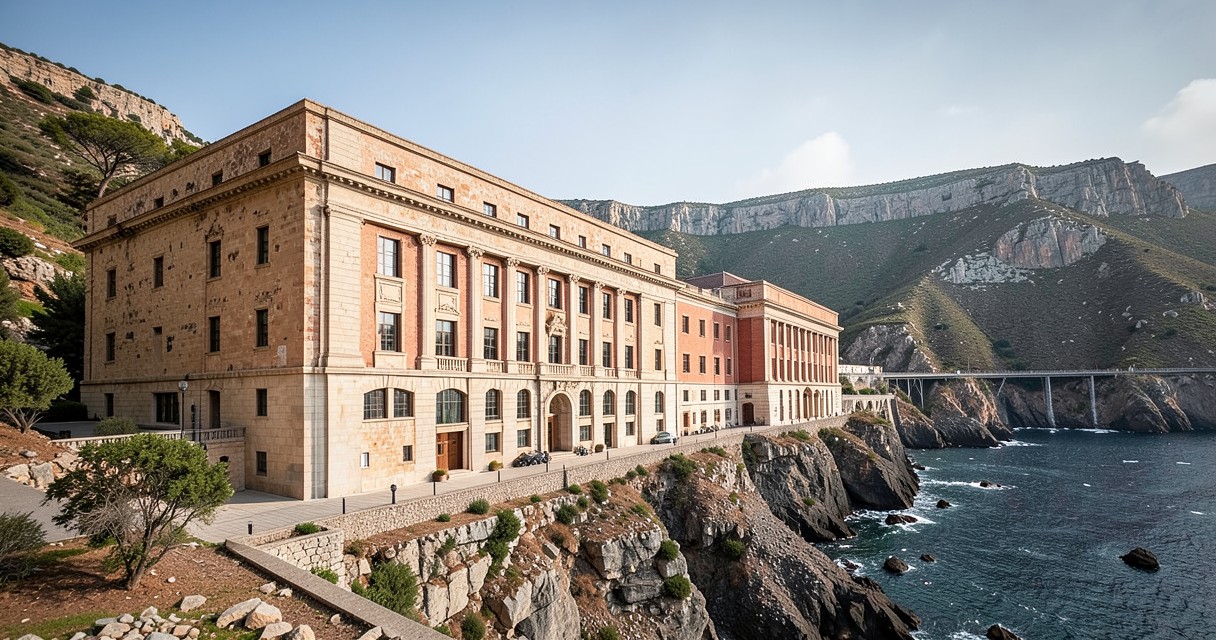
Furthermore, the university plays an essential role in promoting cross-border educational initiatives, collaborating with institutions in Spain and beyond. This collaboration enhances cultural exchange and broadens academic opportunities for students in Gibraltar, allowing them to gain insights from diverse educational practices. Events such as storytelling sessions and historical explorations have been instrumental in engaging students with their heritage and surroundings, deepening their understanding of Gibraltar’s rich history. The future of Gibraltar identity will be shaped by the university’s growth as it becomes a hub for innovation, influencing the territory’s emerging leaders.
Challenges Facing Gibraltar’s Educational Sector
British rule influence shapes Gibraltar’s education history, leading the sector to face significant challenges that affect student development. One of the primary concerns is the limited resources available for educational institutions. With a small population and a constrained budget, schools often struggle to provide a diverse range of extracurricular activities and advanced educational materials. This lack of resources can hinder the ability of educators to deliver a well-rounded curriculum that meets the needs of all students, particularly those with special educational requirements.
Another challenge is the increasing demand for modernized teaching methods and technology integration in classrooms. As the world becomes more digitally oriented, Gibraltar’s educational institutions must adapt to these changes to prepare students for future careers. However, many schools lack the necessary infrastructure and training to implement these technological advancements effectively. This gap in preparedness can lead to disparities in student engagement and achievement, making it essential for policymakers to prioritize investments in educational technology and teacher training programs to bridge this divide.

I have always been captivated by the unique cultural tapestry of the Rock, particularly how Moorish, Spanish, and British influences shaped its development over centuries. My passion lies in translating these complex historical narratives into engaging educational resources that make Gibraltar’s past accessible to everyone. I spend my free time exploring military fortifications and reading first-hand accounts of life at the Pillar of Hercules.