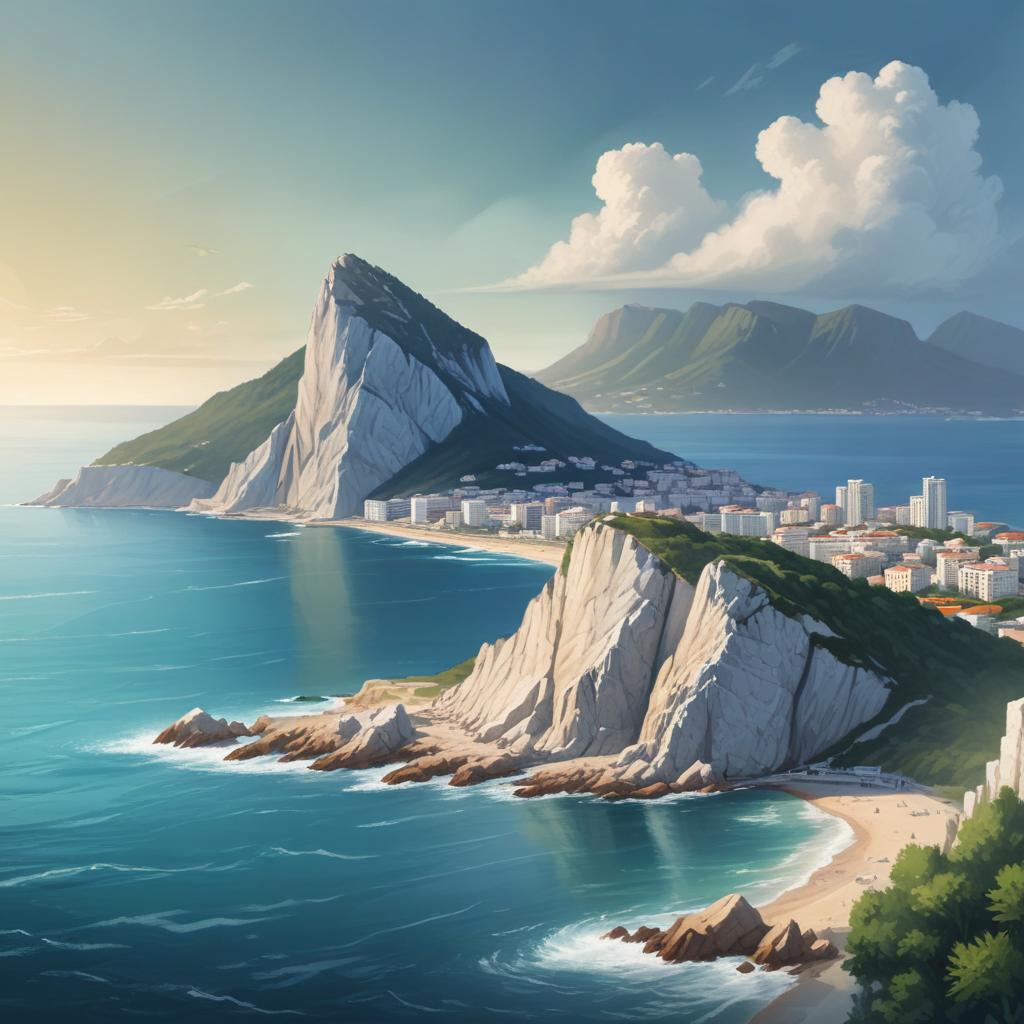
Understanding Gibraltar Identity
The Gibraltar identity is a unique and complex tapestry woven from its rich historical background, diverse cultural influences, and a resilient sense of national pride among its people. At the core of this identity is the blending of various traditions and experiences that have shaped Gibraltarian culture over centuries.
Historically, Gibraltar has been a coveted strategic point, serving as a crucial naval base and gateway between the Mediterranean and the Atlantic. This diverse history has seen the territory under British control since 1713, though it has been influenced by Moors, Spanish, Genoese, and other Mediterranean peoples throughout earlier centuries. Such a confluence of cultures has deeply influenced Gibraltar’s social and cultural fabric, making its national identity distinct from neighboring Spain and the broader British Isles.
Gibraltarian culture reflects this multicultural heritage. The predominant language, Llanito, is itself a symbol of Gibraltar identity—an eclectic mix of English, Andalusian Spanish, and other linguistic elements. Culinary traditions, music, and festivals further reflect this cultural blend, contributing to a vibrant community life. Religious and social traditions also mirror this diversity, reinforcing the sense of belonging shared by the inhabitants.
In contemporary times, the sense of Gibraltar identity has grown stronger, particularly in response to political challenges and the assertion of sovereignty. Gibraltarians take pride in their autonomy and self-governance, fostering a distinct national identity that emphasizes resilience and unity. This sense of nationalism is not just about political allegiance but is deeply tied to the protection and celebration of their unique cultural heritage.
Overall, Gibraltar identity is characterized by a harmonious blend of its historic experiences, diverse cultural influences, and a vibrant expression of Gibraltarian culture that continues to evolve while maintaining a strong connection to its roots. It is this dynamic interplay that defines the national identity and enduring spirit of Gibraltar today.
Historical Roots of Gibraltar Identity
The identity of Gibraltar has been profoundly shaped by its rich and complex history. Positioned at a strategic crossroads between Europe and Africa, Gibraltar’s cultural roots have been influenced by a diverse array of civilizations including the Moors, Spanish, and British. This unique blend of influences has contributed to a distinctive identity that sets Gibraltar apart from its neighboring regions.
Central to the understanding of Gibraltar’s identity formation is its colonial past, which began prominently in 1713 when it was ceded to Britain under the Treaty of Utrecht. This era introduced British governance and cultural elements into the mix, overlaying them onto the already dynamic Gibraltar history. The colonial rule not only shaped political and economic structures but also infused the local society with new traditions and languages.
The intermingling of these various historical periods has fostered a strong sense of community among Gibraltarians, who identify as distinct from both their Spanish and British neighbors. Their cultural roots, enriched by centuries of diverse influences, cultivate a unique identity that is both resilient and proud. Understanding these historical layers is essential to appreciating how Gibraltar’s people see themselves today, strongly connected to their town’s storied past.
Cultural Symbols and Traditions
Gibraltar’s unique identity is deeply rooted in its rich traditions and cultural symbols that resonate throughout the community. One of the most prominent cultural symbols is the Rock of Gibraltar itself, a natural landmark that embodies strength and resilience, serving as a constant reminder of the territory’s distinct heritage. Festivals play a pivotal role in reinforcing community bonds, with annual events such as Gibraltar National Day celebrated with great enthusiasm. These festivals not only highlight the territory’s history and achievements but also provide an opportunity for residents to express pride in their shared identity.
Language is another crucial element that strengthens Gibraltar’s cultural fabric. Llanito, a unique dialect blending Andalusian Spanish with British English and other Mediterranean influences, is a living testament to the territory’s multicultural makeup. This language is spoken widely and passed down through generations, acting as a bridge that connects the past with the present. Its use in daily life, music, and informal communication fosters a strong sense of belonging among its speakers.
Traditional customs and celebrations, including religious and community festivals, further emphasize Gibraltar’s cultural diversity and unity. These traditions, alongside the enduring symbols and the vibrant linguistic landscape, collectively nurture a cohesive community spirit, ensuring that the identity of Gibraltar remains vivid and celebrated across generations.
Challenges and Changes Affecting Gibraltar Identity
Gibraltar’s identity has long been a complex and multifaceted aspect shaped by its unique geographic position and historical experiences. However, in recent years, this identity has been increasingly influenced and challenged by a range of contemporary developments. Notably, political changes, the Brexit impact, and ongoing social evolution are among the most significant forces reshaping how Gibraltarians see themselves and how they are perceived from outside.
Political changes within and around Gibraltar continue to test the resilience of the community’s identity. Gibraltar’s political landscape is closely tied to its relationship with both the United Kingdom and Spain, and fluctuations in diplomatic relations have profound effects on local identity challenges. The island’s residents often find themselves negotiating a dual sense of belonging—firmly tied to Britain while geographically and culturally connected to the Iberian Peninsula. These political dynamics create a backdrop where identity is continuously re-examined and redefined.
Brexit, arguably the most significant recent political change, has introduced new complexities. Gibraltar’s departure from the European Union with the UK has brought both uncertainty and opportunity regarding its future status and cross-border relations. The Brexit impact on everyday life, trade, and movement has forced Gibraltarians to reconsider their place within Europe and the broader world stage. This has also stirred identity debates, highlighting the community’s desire to maintain its unique characteristics despite external political pressures.
Additionally, demographic shifts and social evolution are influencing Gibraltar’s identity in profound ways. As new residents arrive and younger generations grow up in an increasingly interconnected world, traditional cultural markers evolve. The population diversity continues to rise, enriching Gibraltar’s social fabric but also introducing fresh conversations about what it means to be Gibraltarian. This ongoing social evolution emphasizes inclusion and broader identity expressions, acknowledging both historical roots and contemporary realities.
In summary, Gibraltar faces a period of transformation where identity challenges are intertwined with political changes and social developments. While Brexit has been a defining moment, it is the combined effect of all these factors that continues to influence how Gibraltar’s identity is shaped. The community’s ability to adapt and integrate these changes while preserving a strong sense of self will be critical in facing future challenges and embracing ongoing evolution.
Impact of Brexit on Gibraltar Identity
Brexit has profoundly influenced Gibraltar’s political status, creating new dynamics in UK-EU relations that directly impact the territory’s identity. As a British Overseas Territory located on the Iberian Peninsula, Gibraltar’s future has been closely tied to both the UK and the European Union. The UK’s withdrawal from the EU introduced complexities in border management, reigniting longstanding border issues that affect daily life and cross-border cooperation with Spain.
Politically, Brexit has emphasized Gibraltar’s unique position. While the territory remains under British sovereignty, the loss of EU membership raised concerns about economic stability, freedom of movement, and access to the Spanish border. Negotiations between the UK, the EU, and Spain have attempted to mitigate these challenges, but border delays and customs checks have underscored the tangible consequences of Brexit. These changes have heightened awareness among residents about their distinct identity, balancing a strong British allegiance with the practical interdependence on cross-border relations.
Identity politics in Gibraltar have thus evolved, with Brexit reinforcing a collective desire to affirm both political autonomy and cultural uniqueness. Residents often express a dual sense of belonging, fiercely protecting their British ties while adapting to new realities shaped by altered UK-EU relations. In this way, Brexit has not only reshaped Gibraltar’s geopolitical landscape but also deepened the local discourse on identity, underscoring the intricate link between sovereignty, borders, and community sentiment in a post-Brexit era.
Demographic and Social Evolution
Gibraltar’s demographics have undergone significant changes over recent decades, shaped by an influx of immigrants from various countries and regions. This dynamic immigration has contributed to a richer cultural mosaic, bringing new languages, traditions, and perspectives into the community. As a result, the social fabric of Gibraltar has evolved, reflecting increasingly diverse influences that intermingle with deep-rooted local customs and heritage.
Social change in Gibraltar is closely linked to these demographic trends, as the population adapts to growing multiculturalism. The integration of immigrants has introduced fresh social dynamics, creating opportunities for greater inclusivity, tolerance, and shared identity. This evolution challenges traditional notions of identity, pushing Gibraltar toward a future where multicultural coexistence becomes a defining characteristic.
As demographics continue to shift, the future of Gibraltar’s identity will likely be shaped by the balance between preserving historical legacies and embracing contemporary social transformations. Immigration acts as both a catalyst for change and a bridge connecting Gibraltar to broader global currents. Ultimately, the evolution of identity in Gibraltar reflects ongoing negotiations between the past and present, producing a unique social tapestry that is both resilient and adaptive to new influences.
The Future Outlook of Gibraltar Identity
The future identity of Gibraltar is poised to be a dynamic blend of tradition and modernity, shaped by the community’s ongoing commitment to identity preservation and cultural sustainability. As global influences continue to permeate, Gibraltar’s unique cultural heritage stands as both a challenge and a beacon, compelling residents to actively safeguard what makes their identity distinct.
Efforts to preserve Gibraltar’s identity are increasingly sophisticated, encompassing education, cultural events, and digital archiving of traditions and history. The emphasis on cultural sustainability means that Gibraltar is not only protecting its past but also nurturing a living identity that evolves without losing its core essence. Local initiatives are encouraging the younger generations to engage deeply with their heritage, ensuring the continuation of language, customs, and community narratives.
The youth perspective plays a crucial role in shaping the future identity of Gibraltar. Young people today balance pride in their heritage with an openness to global culture, creating a forward-looking Gibraltar identity that is inclusive yet rooted. Their creative expression through arts, music, and technology acts as a conduit for cultural transmission, blending historical consciousness with contemporary relevance.
Predictions for Gibraltar’s future identity suggest a community that is increasingly aware of its value and the need for proactive stewardship. The integration of cultural education in schools, community workshops, and collaborative projects fosters a strong sense of belonging and responsibility among the youth. This strategic engagement ensures that identity preservation is not a passive effort but an active and evolving dialogue within society.
Ultimately, the future identity of Gibraltar will reflect a resilient cultural sustainability model—one that honors its rich past while embracing change. The involvement of young Gibraltarians is essential to this vision, as their perspectives and initiatives will drive the evolution of an identity that remains authentic and vibrant in the decades to come.
Preserving Cultural Heritage and Identity
Preserving Gibraltar’s cultural heritage and strengthening local identity for future generations requires a multifaceted approach. Key strategies include fostering heritage preservation through the documentation and protection of historic sites, traditions, and artifacts that define Gibraltar’s unique character. Community engagement plays a vital role in these efforts, encouraging residents to participate actively in cultural programs and events that celebrate their heritage and promote shared values.
Education is fundamental to these initiatives, integrating Gibraltar’s history and cultural identity into school curricula to instill pride and awareness from an early age. Cultural programs, such as traditional music, dance, and arts workshops, offer hands-on experiences that deepen understanding and appreciation of local customs. These programs also serve to bridge generational gaps, allowing elders to pass on knowledge to younger community members.
Collaborations between local government, cultural organizations, and educational institutions can further enhance these preservation efforts by securing funding and resources for heritage projects. Public awareness campaigns and festivals dedicated to Gibraltar’s history also encourage tourism and global recognition, which in turn support the local economy and cultural sustainability. By combining education, community involvement, and structured cultural programs, Gibraltar can nurture a resilient identity that honors its past while embracing the future.
Role of Youth in Shaping Identity
The youth of Gibraltar hold a unique perspective on their identity, balancing a deep respect for their rich cultural heritage with an openness to modern influences. Youth engagement plays a crucial role in shaping the future of Gibraltar’s identity, as young people are both the inheritors and the innovators of their community’s traditions. They view their identity not as a static relic but as a dynamic and evolving concept that reflects the blend of history, language, and multiculturalism that defines Gibraltar.
Identity formation among Gibraltar’s youth is influenced by a globalized world, yet many express a strong connection to local customs and the distinct Llanito language. As future leaders, their understanding and appreciation of their roots empower them to adapt their culture in ways that are relevant to contemporary society. This cultural adaptation ensures that Gibraltar’s identity remains vibrant and resilient, capable of withstanding external pressures while embracing diversity.
Young Gibraltarians actively promote their culture through various forms of expression such as art, music, and digital media, fostering pride and awareness both locally and internationally. Their commitment to preserving traditions while encouraging innovation highlights their essential role in guiding Gibraltar towards a future where its unique identity thrives. In essence, the youth are not only custodians but also architects of Gibraltar’s evolving cultural landscape.

I have always been captivated by the unique cultural tapestry of the Rock, particularly how Moorish, Spanish, and British influences shaped its development over centuries. My passion lies in translating these complex historical narratives into engaging educational resources that make Gibraltar’s past accessible to everyone. I spend my free time exploring military fortifications and reading first-hand accounts of life at the Pillar of Hercules.