History of the Shrine of Our Lady of Europe
The Shrine of Our Lady of Europe holds a significant place in Gibraltar’s rich historical tapestry. Dating back to the early 14th century, it represents not only a religious landmark but also a beacon of hope and protection for seafarers navigating the treacherous waters around the Rock of Gibraltar. The shrine’s origins are closely intertwined with the region’s maritime heritage, symbolizing both spiritual sanctuary and cultural identity.
Originally established by Christian conquerors following the capture of Gibraltar in 1309, the Shrine of Our Lady of Europe was dedicated to the Virgin Mary under the title “Our Lady of Europe.” It quickly became a focal point for the local community and visiting sailors alike, who sought blessing and protection before embarking on perilous journeys across the Mediterranean. The shrine was strategically positioned overlooking the Bay of Gibraltar, which further cemented its role as a guardian of maritime passage.
Throughout its history, the shrine has endured various phases of destruction and rebuilding, reflecting the turbulent political and cultural shifts in the region. It survived Moorish rule, the Spanish reconquest, and later British control, each era leaving its imprint on the structure and its significance. Despite these changes, the Shrine of Our Lady of Europe remained a constant emblem of faith and resilience for the people of Gibraltar.
The shrine’s importance extends beyond its spiritual function; it played a crucial role in Gibraltar’s maritime heritage. As a landmark visible from the sea, it served as a navigational aid for sailors and a symbol of safe harbor. Pilgrimages and naval ceremonies held at the shrine reinforced the connection between faith and the sea, underscoring the community’s reliance on divine protection in an area deeply influenced by maritime activities.
Today, the Shrine of Our Lady of Europe continues to be a beloved cultural and religious site, preserving a legacy that spans centuries. Its history is a testament to the enduring bond between Gibraltar’s people and the sea, encapsulating the spirit of devotion that has guided countless generations through the challenges of life on this historic crossroads of Europe and Africa.
Founding and Early History
The founding of the Shrine of Our Lady of Europe marks a significant chapter in the rich historical tapestry of Gibraltar. Established in the early 14th century, this Gibraltar shrine quickly became a prominent religious and cultural landmark. Its foundation is deeply linked to the Christian reconquest efforts, as it was built to honor Our Lady of Europe, a revered Marian figure symbolizing protection and faith for the local population and travelers alike.
Throughout its early history, the shrine witnessed numerous key historical moments that shaped its role in the region. It survived periods of conflict and change, standing resilient through different ruling powers. The shrine’s importance grew as it became a focal point for religious devotion and pilgrimage, drawing visitors not only from Gibraltar but also from surrounding areas. Its strategic location contributed to its stature, reinforcing the spiritual and communal significance of Our Lady of Europe.
In the centuries following its establishment, the shrine played a crucial role in the spiritual life of Gibraltar’s inhabitants. It served as a beacon of hope and unity, fostering a sense of identity tied closely to faith and heritage. The early history of the shrine reflects its enduring legacy as a symbol of devotion, community, and the rich cultural heritage of the region, making it an integral part of Gibraltar’s historical narrative.
Cultural and Religious Significance
The Shrine of Our Lady of Europe holds profound cultural significance and religious importance within the community of Gibraltar. Serving as a spiritual beacon, the shrine is not only a place of worship but also a symbol of the historical and cultural identity of the region. Its rich heritage attracts both locals and visitors, fostering a deep connection to Gibraltar’s religious traditions and communal values.
Religiously, the shrine is a pivotal site for pilgrimage, drawing devotees from across the region who come to seek blessings and offer prayers. This ongoing practice highlights the shrine’s enduring role in nurturing faith and spirituality. Pilgrimage to the shrine is woven into the fabric of Gibraltar’s religious calendar, contributing significantly to the community’s collective expressions of devotion and commitment to faith.
Beyond its religious function, the shrine influences a variety of community traditions, reinforcing social bonds and cultural continuity. Events and celebrations centered around the shrine serve to unite people across generations, honoring the legacy of past worshippers while inspiring future devotion. In this way, the shrine acts as both a spiritual center and a cultural landmark, embodying the intertwined nature of heritage and faith in Gibraltar.
Architecture and Artifacts of the Shrine
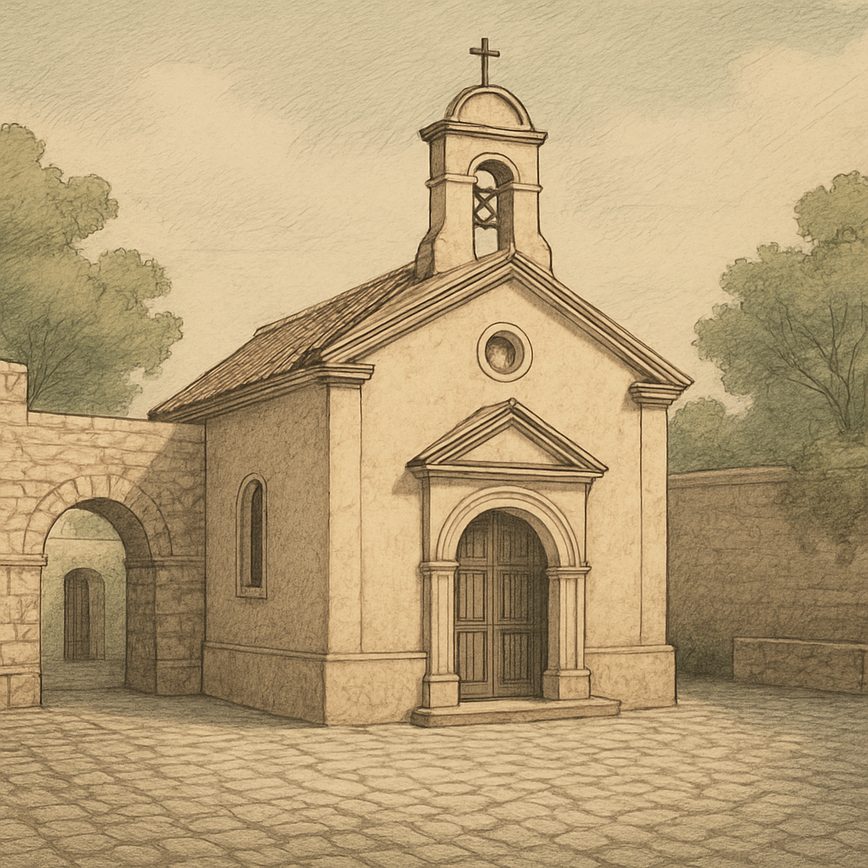
The Shrine of Our Lady of Europe in Gibraltar stands as a magnificent example of religious architecture that blends historical and cultural influences. The architecture of the shrine is primarily Baroque, characterized by intricate details, ornate decorations, and an emphasis on grandeur and dramatic effect. This style is evident in the façade, which is adorned with elegant columns, decorative moldings, and a beautifully sculpted pediment that frames the entrance, welcoming visitors with a sense of reverence and awe.
Inside the Gibraltar shrine, notable features include a richly decorated altar that serves as the focal point of worship. The altar is flanked by detailed carvings and gilded accents, emphasizing the sacred importance of the space. Stained glass windows depict biblical scenes and moments from the life of Our Lady of Europe, casting colorful light into the sanctuary and adding to the spiritual ambiance.
One of the most important artifacts housed within the shrine is the original statue of Our Lady of Europe. This revered statue, central to the shrine’s religious significance, is carefully preserved and displayed prominently. The statue portrays the Virgin Mary holding the infant Jesus, symbolizing protection and guidance over the people of Gibraltar and beyond.
Additional artifacts include centuries-old religious manuscripts, chalices, and vestments that reflect the rich history and devotion associated with Our Lady of Europe. These items provide insight into the enduring faith and cultural heritage of the shrine, offering visitors a tangible connection to the past.
The combination of exquisite architecture and treasured artifacts makes the Shrine of Our Lady of Europe a unique destination for both worshippers and admirers of religious art. Its design and contents continue to inspire devotion and appreciation for the historical legacy embedded within this landmark Gibraltar shrine.
Design and Structural Features
The Shrine of Our Lady of Europe showcases a distinctive architectural design that reflects its historical and cultural significance. The structure is primarily built from locally sourced limestone, a material known for its durability and resilience against the coastal climate. The shrine’s architecture combines traditional Mediterranean elements with Gothic influences, evident in its arched windows and ornate detailing around the altar and façade.
One of the notable design features of the shrine building is its elegant bell tower, which rises above the main entrance and serves as a focal point for visitors and worshippers alike. The interiors are adorned with intricate woodwork and religious iconography that highlight the craftsmanship involved in its construction. Over the years, the shrine has undergone several renovations to preserve its structural integrity and enhance its aesthetic appeal.
Renovations have included reinforcing the foundation to prevent erosion damage, restoring the stone masonry, and refurbishing the stained-glass windows to their original vibrant colors. These careful restorations ensure that the shrine maintains its historical authenticity while accommodating modern preservation standards. The blend of traditional design and ongoing restoration efforts makes the Shrine of Our Lady of Europe a remarkable example of enduring religious architecture.
Religious Artifacts and Relics
The Shrine of Our Lady of Europe is home to a remarkable collection of religious artifacts and relics that hold deep spiritual and historical significance. Among the most treasured items are the venerable statues and sacred icons of Our Lady of Europe, which date back several centuries. These artifacts not only serve as focal points of devotion but also connect worshippers to the rich history of Marian veneration in the region.
One of the most notable relics housed within the shrine is a fragment believed to be from the True Cross, a symbol of profound Christian faith. This relic attracts pilgrims from far and wide who seek to experience a tangible connection to the early Christian era. The shrine also safeguards ancient manuscripts and liturgical vestments that reflect the artistic and religious heritage of Gibraltar.
These religious artifacts are more than mere historical objects; they embody the spiritual journey of generations of believers who have found solace and inspiration through their presence. The relics and treasures of Our Lady of Europe offer a powerful testament to faith, serving both as spiritual anchors and as cultural symbols that enrich the religious landscape of the shrine.

I have always been captivated by the unique cultural tapestry of the Rock, particularly how Moorish, Spanish, and British influences shaped its development over centuries. My passion lies in translating these complex historical narratives into engaging educational resources that make Gibraltar’s past accessible to everyone. I spend my free time exploring military fortifications and reading first-hand accounts of life at the Pillar of Hercules.