History of the Cathedral of St Mary Gibraltar
The Cathedral of St Mary in Gibraltar holds a prominent place in the rich tapestry of Gibraltar history. Its origins trace back to a significant era when the region was undergoing profound cultural and religious developments. The church was founded as a symbol of faith and resilience, serving as a spiritual cornerstone for the local community. Through centuries, it has witnessed numerous historical events that have shaped both the cathedral itself and the broader context of Gibraltar.
Initially established as a modest place of worship, the Cathedral of St Mary evolved alongside the growing population and changing political landscape of Gibraltar. The church origins reflect the diverse influences that have swept through the territory, including shifts in governance and population demographics. Its architectural style and structural expansions bear testimony to these changes, showcasing a blend of traditional and contemporary elements that narrate the cathedral’s journey through time.
Significant events have marked the development of the cathedral, such as restorations following periods of conflict and the addition of various artistic and religious features. These developments were not only aimed at preserving the building but also at enhancing its role as a spiritual and cultural hub within Gibraltar’s community. The cathedral has been a witness to many milestones, including important religious ceremonies and community gatherings that highlight its ongoing importance.
Over the years, the Cathedral of St Mary has maintained its position as a beacon of faith, deeply intertwined with the historical background of Gibraltar. Its enduring presence offers insight into the resilience and adaptability of the local populace. The cathedral not only stands as a place of worship but also as a monument reflecting the complex and layered history of Gibraltar from its early beginnings to the present day.
Founding and Early Years
The cathedral founding of the Cathedral of St Mary in Gibraltar is rooted deeply in the early history of the territory. Established in the 19th century, the cathedral was built to serve the spiritual needs of the British military and civilians residing in Gibraltar. Its origins are closely tied to the expanding British presence in the area, reflecting Gibraltar church origins that combined both religious and cultural significance for the local community.
The early construction phases of the cathedral involved a thoughtful design and careful planning to ensure it would withstand Gibraltar’s unique climate and geographical challenges. Initial building efforts focused on establishing a strong foundation and erecting the central nave, which became the focal point of worship. As the structure took shape, it quickly became apparent that the cathedral would play a vital role not only as a place of worship but also as a communal hub for many residents.
From its inception, the cathedral served as more than just a religious building; it symbolized stability and continuity for Gibraltar’s inhabitants. Its early years were marked by the cathedral’s engagement with the community through ceremonies, gatherings, and support to the local population. The cathedral’s role in the community during these formative years was foundational in establishing it as a cherished landmark and a testament to the enduring faith and resilience of Gibraltar’s people.
Renovations and Additions
The Cathedral of St Mary Gibraltar has undergone several significant cathedral renovations and architectural changes throughout its long history, reflecting both its spiritual importance and adaptation to modern needs. Historical renovations have been carefully executed to preserve the essence of the original structure while enhancing its functionality and aesthetic appeal.
One of the earliest notable renovations involved reinforcing the cathedral’s foundations and repairing damage caused by natural wear and conflicts in the region. These efforts were crucial in maintaining the cathedral’s structural integrity and ensuring its longevity.
Later architectural changes introduced elements of Gothic and Baroque styles, blending tradition with evolving design trends. This included the addition of intricately carved altarpieces, stained glass windows, and the refurbishment of the bell tower, which became a distinctive feature visible from various parts of Gibraltar.
In the 20th century, modernization efforts focused on improving internal spaces to accommodate growing congregations and visitors. This included installation of advanced lighting systems and restoration of historic artworks, preserving cultural heritage while adapting to contemporary requirements.
Overall, the cathedral renovations and architectural changes highlight a respectful balance between preserving historical significance and embracing necessary upgrades, ensuring the Cathedral of St Mary remains a vibrant and revered landmark in Gibraltar.
Architecture and Artistic Features
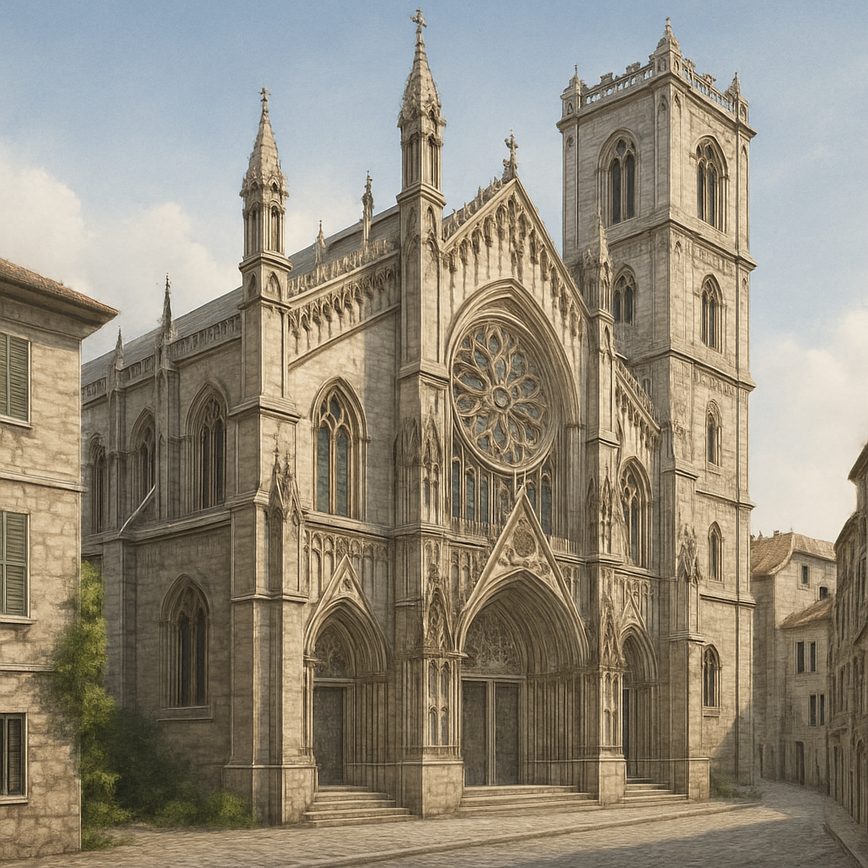
The Cathedral of St Mary in Gibraltar stands as a prominent example of religious architecture, blending elements that reflect its historical and cultural significance among Gibraltar landmarks. The cathedral showcases a predominantly Gothic Revival architectural style, visible in its pointed arches, ribbed vaults, and flying buttresses which serve both decorative and structural functions. These features not only enhance the aesthetic appeal of the building but also support its towering walls and expansive ceilings, creating an awe-inspiring interior space for worshippers and visitors alike.
One of the main structural elements of the cathedral is its imposing façade, characterized by intricately carved stonework and large stained glass windows that depict various biblical scenes. These windows contribute to the serene ambiance within the cathedral by filtering colorful light into the nave. The central tower of the cathedral rises gracefully above the rest of the structure, acting as a visual focal point and symbolizing the spiritual ascent central to religious art traditions.
Inside the cathedral, artistic features abound, ranging from finely crafted wooden pews to an elaborately adorned altar. The altar area often serves as the heart of religious ceremonies and is decorated with detailed iconography and sculptures that narrate the history and teachings of the Christian faith. Paintings and statues of saints and biblical figures further embellish the interior, allowing visitors to engage deeply with the religious and cultural narratives depicted through these artworks.
Exterior elements also play a significant role in the cathedral’s architectural identity. The use of local limestone provides a warm, earthy tone that harmonizes with the surrounding landscape. The cathedral’s detailed cornices and buttress pinnacles not only strengthen the structure but also add to its elaborate silhouette against the Gibraltar skyline. These architectural components collectively highlight the craftsmanship and artistic dedication invested in the creation of this sacred space.
Overall, the Cathedral of St Mary is a fascinating example of cathedral architecture that combines structural ingenuity with rich religious art. Its standing as a landmark in Gibraltar is reinforced not only by its physical prominence but also by the depth of artistic expression found both inside and outside the building, making it a significant cultural and spiritual monument in the region.
Architectural Style and Structure
The Cathedral of St Mary in Gibraltar is a striking example of Gothic architecture, showcasing the classic elements of this revered style in its building design. Characterized by pointed arches, ribbed vaults, and flying buttresses, the cathedral’s architectural style draws heavily from the Gothic tradition that flourished in Europe from the 12th to the 16th centuries. These design features not only create an imposing verticality but also allow for expansive window spaces that flood the cathedral’s interior with natural light.
The cathedral structure demonstrates a meticulous attention to detail, with intricate stone carvings and decorative tracery that adorn the façade, emphasizing the craftsmanship integral to Gothic architecture. The elevated spires and pinnacles reach skyward, symbolizing a connection to the divine, while the robust buttresses offer essential support, enabling the soaring heights of the cathedral walls.
Uniquely, the Cathedral of St Mary marries traditional Gothic design with regional influences, adapting the building to its Mediterranean setting. The layout follows a cruciform plan, a hallmark of cathedral structures, featuring a central nave flanked by aisles and a prominent chancel. This blend of structural engineering and artistic expression underscores the cathedral’s historical and architectural significance, making it a distinguished landmark that highlights both the grandeur and the intricacy of Gothic building design.
Interior Artwork and Decorations
The cathedral interior of the Cathedral of St Mary Gibraltar is a captivating showcase of religious artwork and decorative elements that enrich the spiritual atmosphere. Visitors are greeted by a stunning array of stained glass windows that bathe the sanctuary in vibrant colors, each pane illustrating biblical scenes and saints. These windows not only add beauty but also serve as a means of storytelling and spiritual reflection.
Throughout the cathedral, intricate sculptures and statues are thoughtfully placed, depicting revered figures from Christian history. These religious artworks, carved with fine detail, enhance the sacred ambiance and provide focal points for prayer and contemplation. The craftsmanship in these sculptures reflects both artistic skill and deep devotion.
Complementing these artistic elements are a series of paintings that adorn the walls and altar, portraying moments of religious significance and adding rich visual depth to the worship space. The decorative elements extend to the ornate woodwork and gilded accents found on pews, doors, and altars, showcasing expert artisanship and a commitment to beauty in worship.
Overall, the cathedral interior is a harmonious blend of stained glass, sculptures, paintings, and other decorative features, all working together to create a spiritually uplifting environment that honors tradition and inspires visitors.
Role and Significance Today
The Cathedral of St Mary in Gibraltar continues to hold a pivotal place in the spiritual and cultural life of the territory. Its Gibraltar cathedral significance is deeply rooted not only in its historical grandeur but also in the vibrant role it plays today as a center for religious worship and community gathering. As the principal church of the Roman Catholic Diocese of Gibraltar, the cathedral serves as the hub for major religious ceremonies, including daily masses, weddings, baptisms, and special liturgical celebrations that mark important dates in the Christian calendar.
Beyond its sacred functions, the cathedral has embraced a broader current role within the community by hosting a variety of cultural events. These include classical music concerts, art exhibitions, and educational tours that open its doors to visitors from all walks of life. Such events not only enrich Gibraltar’s cultural landscape but also facilitate a dynamic interaction between the cathedral and the wider public, making it a cherished landmark that transcends purely religious boundaries.
Its continued religious importance is reflected in the everyday lives of residents, where the cathedral acts as a sanctuary for reflection, prayer, and spiritual guidance. It embodies a sense of continuity and stability amidst the changing times, fostering a strong sense of faith and identity among the local population. Clergy and church leaders remain actively engaged in pastoral care, ensuring the cathedral is a welcoming place for both longtime parishioners and newcomers.
The cathedral’s community involvement extends far beyond its walls. It is a key player in charitable activities, social outreach programs, and ecumenical initiatives aimed at promoting harmony and support across Gibraltar’s diverse population. Partnerships with local schools, charities, and civic organizations help the cathedral address social issues and foster a spirit of solidarity, making it an indispensable institution within the social fabric of Gibraltar.
In conclusion, the Cathedral of St Mary stands today as a beacon of faith, culture, and community in Gibraltar. Its significance is apparent not only in its sacred traditions but also through its active role in enriching the religious life, cultural vibrancy, and social well-being of Gibraltar’s people. This enduring legacy and contemporary relevance ensure the cathedral remains a treasured landmark and a vital contributor to the territory’s identity and communal harmony.
Religious Services and Community Activities
The Cathedral of St Mary Gibraltar hosts a variety of church services designed to cater to the spiritual needs of its diverse congregation. Regular religious ceremonies include daily mass, Sunday services, and special holy day observances which are integral to the cathedral’s worship schedule. These services are conducted with reverence, providing parishioners with opportunities for prayer, reflection, and participation in sacraments such as baptisms, confirmations, weddings, and funerals.
Beyond religious worship, the cathedral is a vibrant center for community events that foster fellowship and engagement. Throughout the year, it organizes activities such as charity fundraisers, cultural festivals, and educational workshops that bring people together from all walks of life. The cathedral also supports youth groups, choirs, and interfaith dialogues, which contribute to a strong sense of community and shared purpose among attendees.
These community activities, alongside the structured church services and religious ceremonies, play a vital role in nurturing both spiritual growth and social connection within Gibraltar. The cathedral stands as a beacon not only of faith but also of unity, encouraging participation in its many offerings to enrich the lives of individuals and families alike.
Tourism and Cultural Impact
The Cathedral of St Mary stands as a prominent tourist attraction in Gibraltar, drawing visitors from across the globe who are eager to explore its rich history and architectural beauty. As a key cultural site, the cathedral plays an essential role in promoting Gibraltar tourism by offering a unique glimpse into the territory’s religious heritage and its colonial past. Its striking design, historical significance, and serene atmosphere contribute to its appeal, making it a must-visit landmark for travelers interested in cultural and heritage tourism.
Beyond its spiritual functions, the cathedral significantly enriches Gibraltar’s cultural landscape. It serves as a repository of art, history, and tradition, which attracts not only tourists but also scholars and enthusiasts of ecclesiastical architecture. The site is equipped with visitor information services that enhance the tourist experience, providing detailed insights into the cathedral’s origins, restorations, and its role in the community. This accessibility encourages longer visits and greater engagement with Gibraltar’s broader historical narrative.
Overall, the Cathedral of St Mary contributes substantially to cultural heritage tourism in Gibraltar, supporting the local economy while fostering an appreciation for the territory’s unique identity. Its sustained popularity helps preserve Gibraltar’s historical sites and promotes continued investment in maintaining the cultural fabric of the region, making it a cornerstone of tourist and cultural endeavors alike.

I have always been captivated by the unique cultural tapestry of the Rock, particularly how Moorish, Spanish, and British influences shaped its development over centuries. My passion lies in translating these complex historical narratives into engaging educational resources that make Gibraltar’s past accessible to everyone. I spend my free time exploring military fortifications and reading first-hand accounts of life at the Pillar of Hercules.