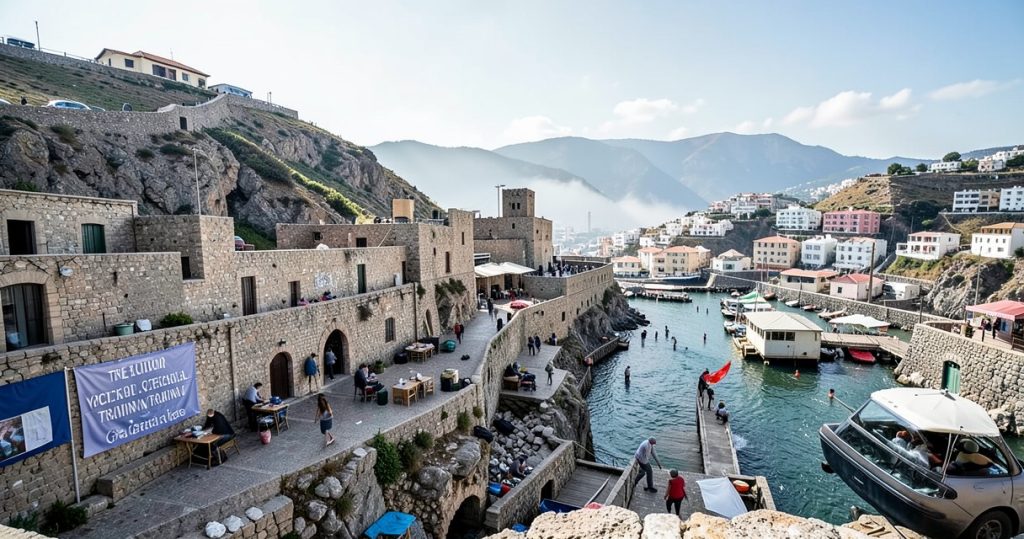
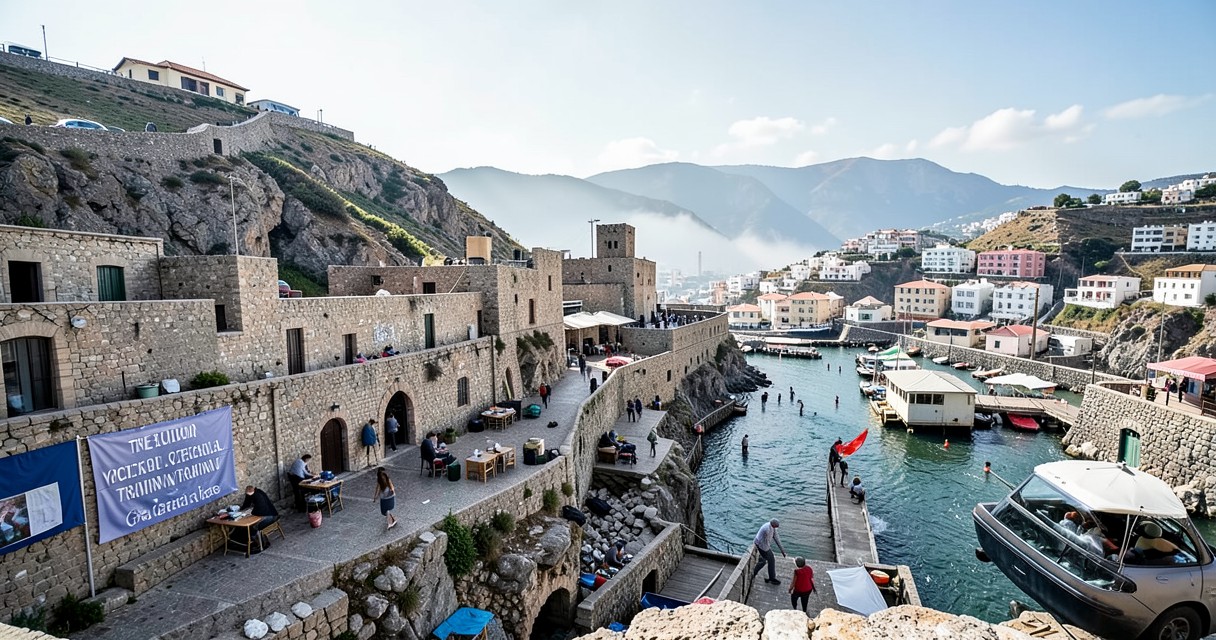
The evolution of vocational training in Gibraltar’s history reflects the changing dynamics of the workforce, economy, and educational needs of the community. Over the years, vocational education in this small British Overseas Territory has adapted to meet the demands of various industries, from military and maritime to healthcare and tourism. Understanding this journey provides insight into how Gibraltar has shaped its educational landscape to equip its citizens with practical skills essential for employment and economic growth.
Early Beginnings of Vocational Training
The roots of vocational training in Gibraltar can be traced back to the early 18th century, a period when the territory was primarily a military outpost. The British military established training programs focused on skills necessary for naval operations and engineering. These early initiatives laid the groundwork for a structured approach to vocational education, emphasizing practical skills relevant to the local economy. As Gibraltar’s strategic importance grew, so did the need for specialized training in areas such as shipbuilding and carpentry, vital for maintaining the naval fleet.
The Influence of British Educational Models
In the 19th century, Gibraltar began to adopt British educational models that included vocational training. The introduction of the Royal Naval School in 1840 marked a significant shift, offering formal education alongside practical training. This institution aimed to prepare young men for careers in the Royal Navy, reflecting the territory’s military ties. The curriculum included subjects such as navigation, engineering, and mathematics, providing students with a well-rounded education that combined theory with hands-on experience. This model influenced other vocational programs that emerged in Gibraltar, establishing a precedent for future educational developments.
The Establishment of Gibraltar College
The establishment of Gibraltar College in 1997 marked a pivotal moment in vocational training in Gibraltar’s history. The college was designed to provide a comprehensive range of vocational courses tailored to the needs of the local economy. With programs in areas such as business administration, hospitality management, and health care, the college became a central hub for vocational education. This transition towards a more formalized structure allowed students to gain recognized qualifications that enhanced their employability and skill sets, aligning education with market demands.

Technological Advancements and New Training Programs
As technology evolved, so too did the nature of vocational training in Gibraltar. The introduction of digital technologies in the early 2000s prompted the need for new skill sets. In response, Gibraltar College expanded its curriculum to include information technology and computer science courses. This forward-thinking approach ensured that students were equipped with relevant skills to thrive in an increasingly digital job market. Programs focused on software development, cybersecurity, and digital marketing emerged, reflecting global trends and the necessity for a tech-savvy workforce.
Partnerships with Local Industries
In recent years, Gibraltar’s vocational training landscape has increasingly emphasized partnerships with local industries. Collaborations between Gibraltar College and various sectors, such as tourism and healthcare, have led to the development of tailored training programs. These initiatives ensure that students receive practical experience through internships and apprenticeships, which are crucial for their career readiness. By aligning educational offerings with industry needs, Gibraltar effectively bridges the gap between education and employment, fostering a skilled workforce prepared to meet market demands.
Focus on Lifelong Learning and Professional Development
The concept of lifelong learning has gained traction in Gibraltar, influencing vocational training strategies. Recognizing that skills need constant updating, educational institutions have begun offering professional development courses for adults. These programs cater to individuals looking to enhance their skills or transition into new careers. With the rise of online learning platforms, vocational training has become more accessible, allowing working professionals to balance their education with job responsibilities. This shift acknowledges the importance of continual skill development in a rapidly changing economic landscape.

Future Trends in Vocational Training
Looking ahead, the future of vocational training in Gibraltar appears promising, with ongoing efforts to innovate and adapt to emerging trends. The integration of soft skills, such as communication and teamwork, alongside technical training is becoming increasingly important. Employers are seeking candidates who not only possess practical skills but also demonstrate the ability to collaborate effectively in diverse work environments. Additionally, as Gibraltar continues to diversify its economy, vocational training programs will likely expand to include fields such as renewable energy and sustainable tourism, preparing the workforce for future challenges.

I have always been captivated by the unique cultural tapestry of the Rock, particularly how Moorish, Spanish, and British influences shaped its development over centuries. My passion lies in translating these complex historical narratives into engaging educational resources that make Gibraltar’s past accessible to everyone. I spend my free time exploring military fortifications and reading first-hand accounts of life at the Pillar of Hercules.