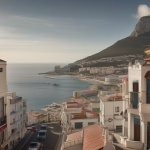
The Great Siege of Gibraltar, which lasted from 1779 to 1783, wasn’t just a defining moment in the Rock’s military history, it reshaped the very foundations of its early education system. As British and Spanish forces clashed over control of the strategic peninsula, the siege forced Gibraltar’s fledgling schools to adapt or collapse under the strain of war. This wasn’t just about survival; it was about redefining how knowledge was preserved, taught, and passed down in a place where every resource was scarce and every lesson could be a matter of life or death. The siege’s education impact left scars that lingered long after the cannons fell silent, proving that even in the most desperate circumstances, the will to educate never fully surrendered.
How the Siege Disrupted Gibraltar’s Early School Infrastructure
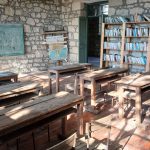
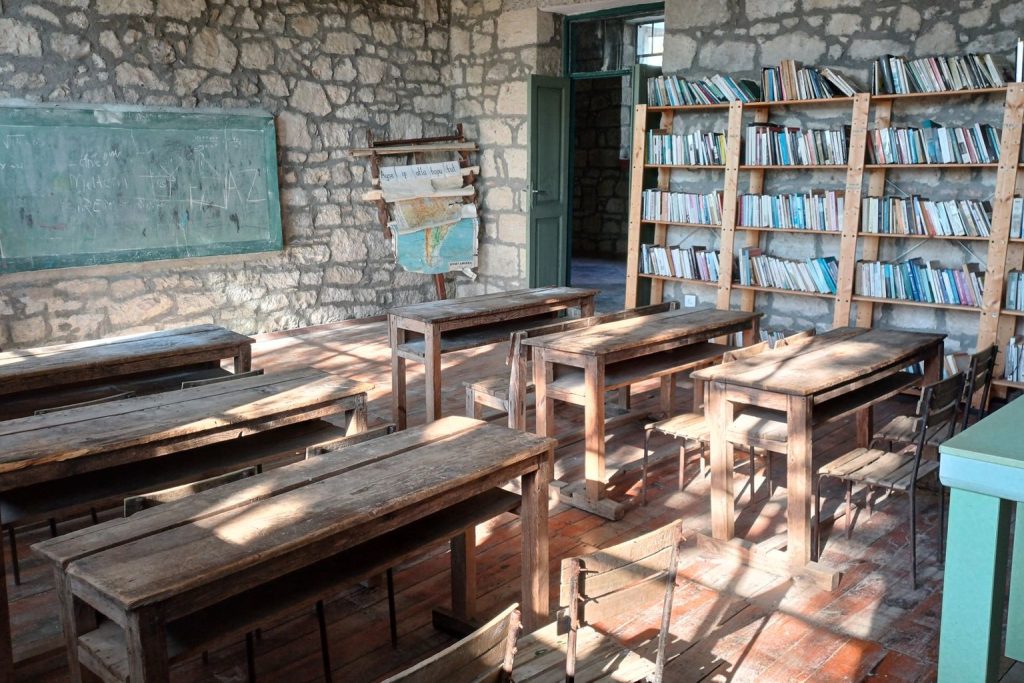
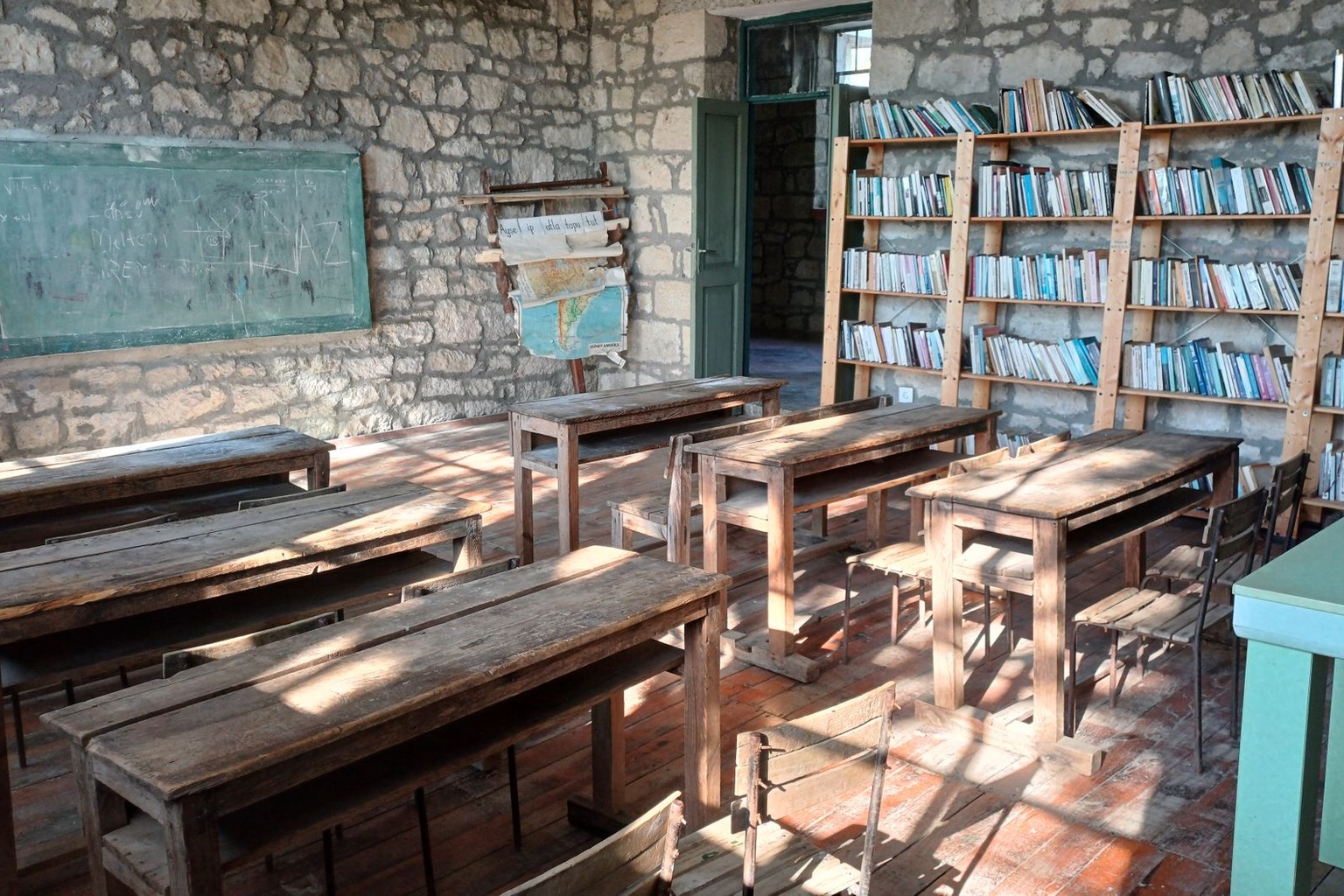
The Great Siege didn’t just threaten Gibraltar’s walls, it dismantled the fragile infrastructure of its early schools almost overnight. Before 1779, education in Gibraltar was already a patchwork affair, relying on makeshift classrooms in private homes, the Church of England’s modest efforts, and the occasional charity school for the poor. When the Spanish blockade cut off supplies, teachers who had relied on imported books and stationery found themselves with nothing. The British garrison, stretched thin, couldn’t spare the manpower to maintain schools, and many teachers fled or were conscripted into military service. By the siege’s third year, some schools had closed entirely, leaving children to learn in makeshift shelters or not at all. The most vulnerable, orphans and the children of soldiers, were particularly hard hit, as their parents were either dead or too occupied to supervise their studies. This wasn’t just an interruption; it was a near-total collapse of the system, forcing educators to improvise with whatever scraps of knowledge they could salvage from the chaos.
One of the most striking examples of this disruption was the closure of the Gibraltar Grammar School, which had been the island’s most prestigious institution before the siege. Founded in 1723, it had trained generations of Gibraltar’s elite, but by 1780, its classrooms were repurposed as barracks or hospitals. The school’s surviving records show that enrollment dropped by nearly 60% during the siege, as families prioritized survival over education. Even after the siege ended in 1783, it took years for the school to recover, and its curriculum never fully returned to its pre-war rigor. This wasn’t just a temporary setback; it was a permanent shift in how Gibraltar’s elite viewed education, making it more of a practical necessity than a luxury. The siege proved that schools couldn’t exist in isolation, they were as fragile as the walls they stood beside.
Teachers and Students Who Kept Learning Amid the Siege
Despite the chaos, some educators and students refused to let the siege extinguish Gibraltar’s educational flame. The most resilient teachers, often former military officers or clergy, turned their classrooms into makeshift study halls where children could learn by candlelight under the cover of night. One of the most notable figures was Reverend John Moore, a Church of England minister who secretly ran a school in his home, teaching Latin, arithmetic, and basic scripture to a handful of boys while the Spanish artillery pounded the streets below. Moore’s approach was radical for its time, he didn’t just teach; he instilled discipline and critical thinking, skills that would serve his students long after the siege ended. His methods were later adopted by other educators, proving that even in the most extreme conditions, education could thrive if the will was there.
The students who survived the siege often became its greatest testament to resilience. Many were the children of British soldiers or Gibraltar’s working-class families, who memorized lessons in the cracks between bombings. Some schools, like the one run by the Sisters of Mercy, managed to keep a few girls educated despite the odds. Their survival wasn’t just about books, it was about community. Parents who could read aloud to their children, neighbors who shared pencils and paper, and even soldiers who taught basic literacy to the youngest recruits all played a role in keeping learning alive. The siege didn’t just test Gibraltar’s schools; it tested the island’s collective will to preserve knowledge, no matter the cost. Those who persevered didn’t just learn, they became the architects of Gibraltar’s educational recovery.
The Role of Military Discipline in Shaping Early Education
The Great Siege forced Gibraltar’s early schools to adopt military discipline as a survival tactic, and this influence would shape the island’s educational culture for decades. As the British garrison tightened control over the Rock, schools began incorporating drill, obedience, and structured routines, lessons that had previously been the domain of barracks, not classrooms. Teachers who had once focused solely on academics now drilled their students in marching, memorization, and quick thinking, skills that would later translate into better discipline in civilian life. This wasn’t just about military preparedness; it was about creating a generation of students who could function under pressure, a necessity in a place where survival often depended on adaptability. The siege turned education into a tool of resilience, teaching children that knowledge and discipline were equally vital.
SandRhoman History: The European Siege That Decided American Independence: The (Great) Siege of Gibraltar 1779–1783
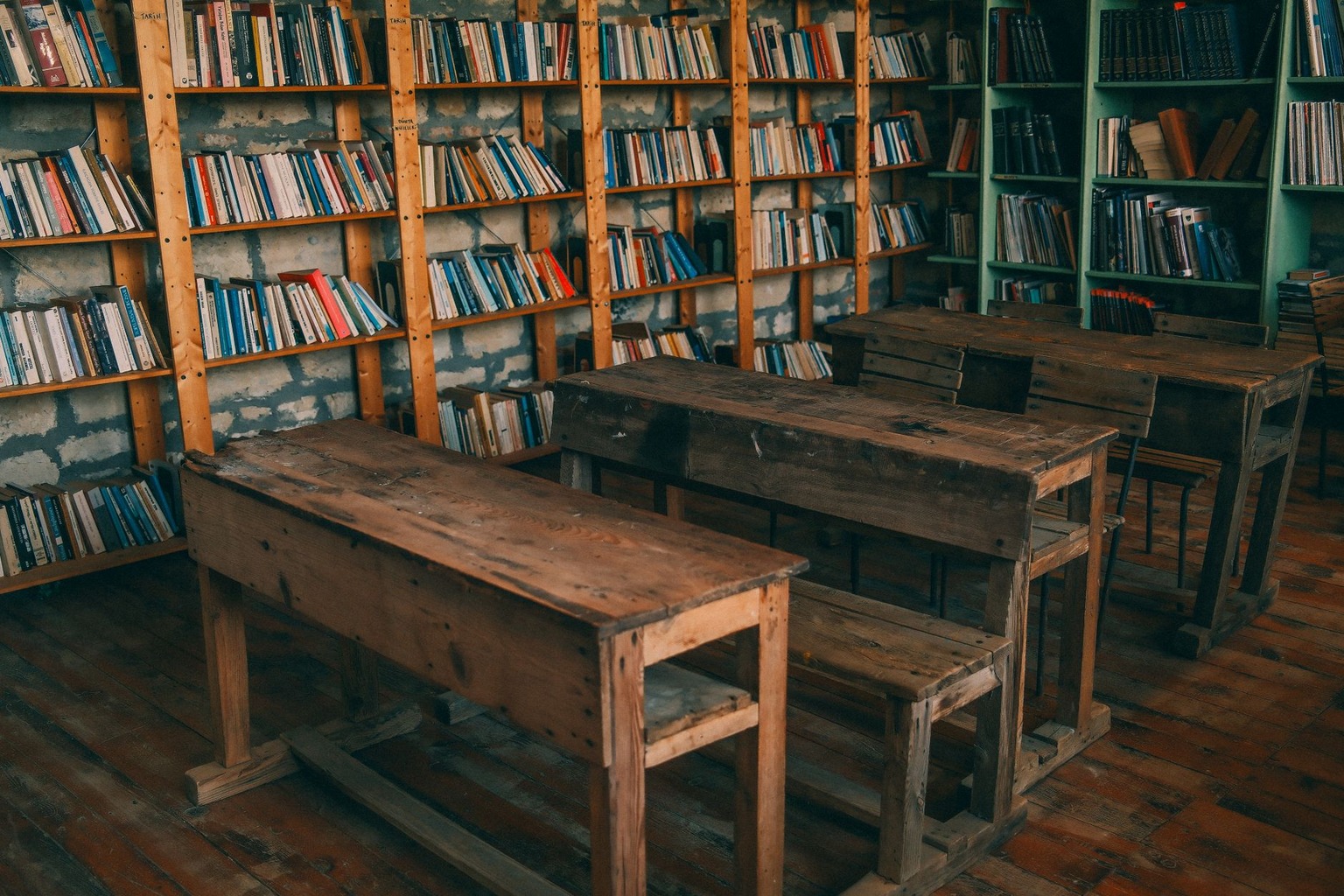
One of the most enduring legacies of this military influence was the introduction of structured lesson plans that mirrored military training. Instead of the ad-hoc teaching methods that had dominated pre-siege schools, educators began using rigid schedules, standardized tests, and even rank-based learning, where older students mentored younger ones. This system wasn’t just efficient; it was a direct response to the siege’s chaos. When resources were scarce, repetition and hierarchy ensured that even the most basic lessons stuck. The result was a generation of Gibraltarians who were not only literate but also disciplined, a combination that would later define Gibraltar’s educational reputation. The siege didn’t just change how schools operated, it changed what they valued.
How the Siege Forced Innovations in Teaching Methods
With traditional teaching materials destroyed or unavailable, Gibraltar’s educators had no choice but to innovate. The Great Siege education impact was most visible in the radical changes to how lessons were delivered. Teachers who had once relied on imported textbooks now turned to oral tradition, passing down knowledge through songs, rhymes, and oral histories. One of the most famous examples was the use of “siege ballads,” folk songs that encoded historical lessons, military strategies, and even basic arithmetic into memorable verses. These weren’t just entertainment, they were survival tools, ensuring that critical information was retained even when written records were lost. The siege turned education into a living, breathing tradition, passed down through memory rather than ink.
Another innovation was the repurposing of everyday objects as teaching tools. With paper scarce, students practiced writing on slate, chalkboards, or even the smooth surfaces of cannonballs. Teachers who had once used elaborate diagrams now relied on simple sketches drawn in the dirt or on scrap wood. One particularly resourceful educator, a former naval officer named Captain Thomas Graves, developed a system where students learned navigation and geography by tracing the Rock’s fortifications with their fingers as they recited coordinates. These methods weren’t just practical, they were a direct response to the siege’s scarcity. The result was a generation of Gibraltarians who were not only educated but also ingenious, proving that necessity is the mother of invention in education as much as in war.
The Long-Term Effects on Gibraltar’s Educational Identity
The Great Siege didn’t just disrupt Gibraltar’s schools, it redefined what education meant on the Rock. Before the siege, learning was often seen as a privilege for the elite, but the hardships of war forced the island’s leaders to recognize that education was a necessity for survival. After 1783, the British government invested more heavily in Gibraltar’s schools, recognizing that a literate population was as vital as fortified walls. The siege had proven that knowledge was a weapon, and Gibraltar’s leaders were determined to ensure that future generations would never be left defenseless against ignorance. This shift wasn’t just about rebuilding schools, it was about building a culture where education was valued above all else.
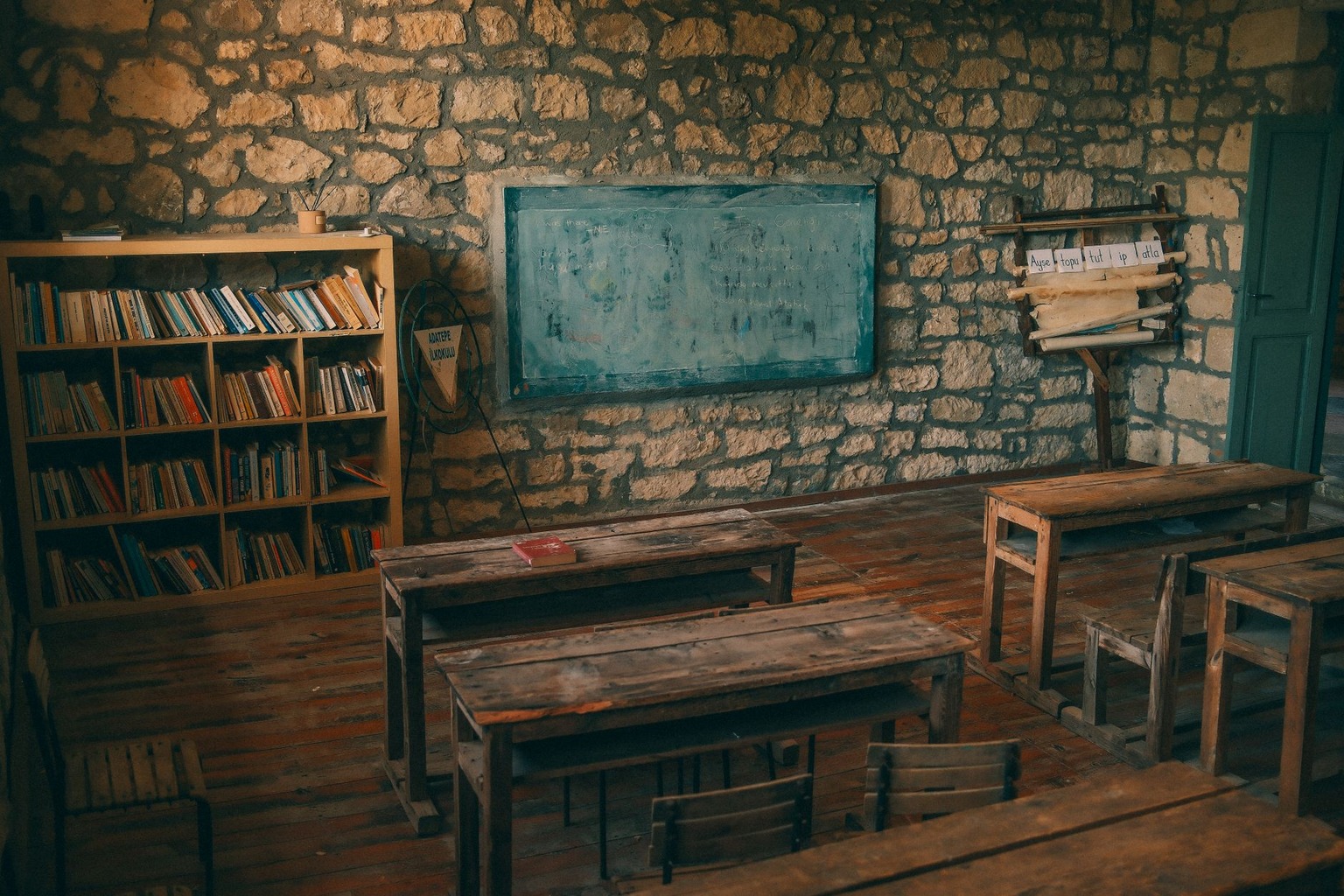
One of the most lasting changes was the institutionalization of education as a public good rather than a private luxury. The Church of England’s schools expanded, the government established the first public school system, and even the military began offering formal education to its recruits. The siege had shown that when resources were scarce, education couldn’t be left to chance, it had to be structured, accessible, and resilient. This wasn’t just a recovery; it was a revolution. Gibraltar’s schools emerged from the siege stronger, more disciplined, and more determined than ever to ensure that no generation would face the same hardships. The Great Siege education impact wasn’t just felt in the classrooms of 1783, it shaped the very soul of Gibraltar’s educational identity for generations to come.

I have always been captivated by the unique cultural tapestry of the Rock, particularly how Moorish, Spanish, and British influences shaped its development over centuries. My passion lies in translating these complex historical narratives into engaging educational resources that make Gibraltar’s past accessible to everyone. I spend my free time exploring military fortifications and reading first-hand accounts of life at the Pillar of Hercules.