Blog » Schools in colonial Gibraltar

Schools in colonial Gibraltar

Language instruction was a crucial component of the curriculum. English was the primary language of instruction, reflecting Gibraltar’s status as a British colony. However, due to the diverse population, Spanish was also taught in many schools to accommodate the linguistic heritage of the local Llanito community. This bilingual approach not only facilitated communication but also helped preserve the cultural identity of the colony’s inhabitants.

Religious education played a significant role, with schools often affiliated with the Church of England or other Christian denominations. Lessons in religious doctrine, Bible reading, and moral instruction were integrated into the daily schedule. This religious framework aimed to instill discipline and ethical values, which were considered foundational for both personal development and societal order.

Teaching methods during this period were largely traditional and teacher-centered, focusing on rote learning and memorization. The use of the Lancasterian method—where advanced students taught their peers under the supervision of a master teacher—was common, especially in larger classrooms. This approach was efficient for educating large numbers of children with limited resources but often prioritized repetition over critical thinking.

Practical subjects such as needlework for girls and basic vocational training for boys were included to prepare students for their expected roles in society. The teaching methods reflected the social and economic expectations of the time, with an emphasis on producing disciplined and well-mannered citizens who could contribute to the colony’s stability and growth.

Overall, the colonial curriculum and teaching methods in Gibraltar schools were shaped by a combination of British imperial educational ideals and local cultural dynamics. This blend aimed to equip students with both the knowledge and the values needed to navigate life in a colonial society, balancing academic rigor with religious and practical instruction.

Language of Instruction and Religious Education

In colonial Gibraltar, the language instruction within schools played a pivotal role in shaping the educational landscape. English language schools were the primary institutions, reflecting the British influence on the territory. Instruction was predominantly conducted in English, which served not only as the medium of communication but also as a cultural bridge linking colonial Gibraltar to the wider British Empire. However, the multilingual nature of the community meant that other languages, such as Spanish and Llanito—a local vernacular blend of English and Andalusian Spanish—often influenced informal interactions and social exchanges around the school environment.

Religious education formed a significant part of the colonial Gibraltar curriculum, deeply influencing the ethos and daily routines of schools. Most educational institutions integrated Christian teachings as a foundation, reinforcing moral values and community identity among students. This blend of language instruction and religious education was essential in maintaining social cohesion and instilling a sense of British colonial identity while respecting the diverse cultural backgrounds of the student body. Together, language and religion shaped a unique school environment that reflected both local traditions and imperial aspirations.

Pedagogical Practices and Student Experience

During the colonial period in Gibraltar, teaching methods were largely traditional and formal, reflecting broader British educational practices of the time. Classroom practices emphasized rote learning, memorization, and strict discipline. Teachers relied heavily on repetition and recitation to instill foundational knowledge, particularly in subjects like reading, writing, arithmetic, and religious studies. The use of blackboards was common, and students often worked individually, with less focus on group activities or interactive learning.

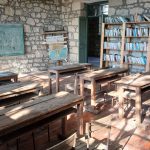
Classroom environments were typically austere and utilitarian, with rows of wooden desks facing the teacher’s bench. Ventilation and lighting were basic, often making the setting somewhat uncomfortable, especially during the hotter months. Despite these conditions, teachers attempted to maintain order and structure to maximize learning. The curriculum was relatively rigid, focusing on core academic subjects and moral instruction, with limited opportunities for creative or critical thinking.

Student life in colonial schools involved a strict regimen that balanced lessons, prayers, and occasional physical activity. Engagement was often measured by obedience and performance rather than enthusiasm or curiosity. However, participation in school events and communal activities fostered a sense of camaraderie among students. These early educational experiences laid the groundwork for community cohesion and social discipline, reflecting the broader colonial objectives of governance and integration through education.

Legacy and Evolution of Colonial-era Schools in Gibraltar

The schools established during Gibraltar’s colonial period laid a critical foundation for the education system that continues to shape modern Gibraltar today. These colonial-era schools introduced structured education frameworks, curricular standards, and pedagogical approaches that have influenced the evolution of education in the territory. By embedding English language instruction and British educational values into the local schooling system, colonial schools created a legacy that has persisted well into contemporary times.

One of the most significant impacts of the colonial schools was the emphasis on bilingual education, combining English with the local Llanito dialect, to foster both international integration and cultural identity. This approach has evolved but remained central, reflecting the unique cultural fabric of Gibraltar and supporting modern Gibraltar education’s inclusive and multilingual character. The colonial schools’ commitment to accessibility also encouraged the gradual expansion of education opportunities to a wider population, influencing Gibraltar’s current policies aimed at universal education.

The administration and regulatory models introduced by colonial authorities created infrastructures for school governance that enabled consistent educational delivery and quality control. These frameworks have been adapted over time to meet contemporary standards yet continue to trace their roots back to colonial governance structures. This continuity underlines the education legacy of colonial schools, where early investments in schooling infrastructure have become pillars of Gibraltar’s educational system today.

Moreover, the curriculum established in colonial times reflected a balance between practical skills and academic knowledge, preparing students for roles in both civil service and the broader economy. This holistic approach laid the groundwork for diversified education paths seen in modern Gibraltar education, including vocational training and specialized academic programs. The evolution of these colonial schools into modern institutions demonstrates how historic educational practices have been adapted to fit the needs of a growing and dynamic society.

In summary, the education legacy of colonial-era schools in Gibraltar is evident in the contemporary system’s structure, philosophy, and cultural integration. Their influence extends beyond mere historical significance; it is a living legacy that supports Gibraltar’s ongoing development and educational aspirations. By evolving colonial educational principles to meet modern demands, Gibraltar continues to build on its rich heritage while promoting an inclusive and forward-looking education system.

Transition from Colonial to Modern Education System

Following the end of colonial rule, Gibraltar’s education system underwent a significant transition marked by reform and modernization efforts. The move away from a colonial framework towards a more autonomous educational approach was essential for aligning schools with the evolving societal needs of post-colonial Gibraltar. This education transition focused on updating curricula to better reflect local culture and history while adopting contemporary pedagogical practices.

Reforms in the modernization of schools included infrastructure improvements, integration of technology, and teacher training programs aimed at enhancing instructional quality. Emphasis was placed on creating a more inclusive and equitable education environment that could cater to diverse learner needs. Additionally, Gibraltar’s education authorities worked on expanding access to education and introducing new subjects relevant to the modern workforce.

These measures collectively helped shape a dynamic education system that supports personal development and economic growth in post-colonial Gibraltar. The modernization process not only preserved important elements of the colonial education legacy but also propelled Gibraltar’s schools into a new era focused on innovation and local relevance, securing better opportunities for future generations.

Preservation of Colonial Educational Heritage

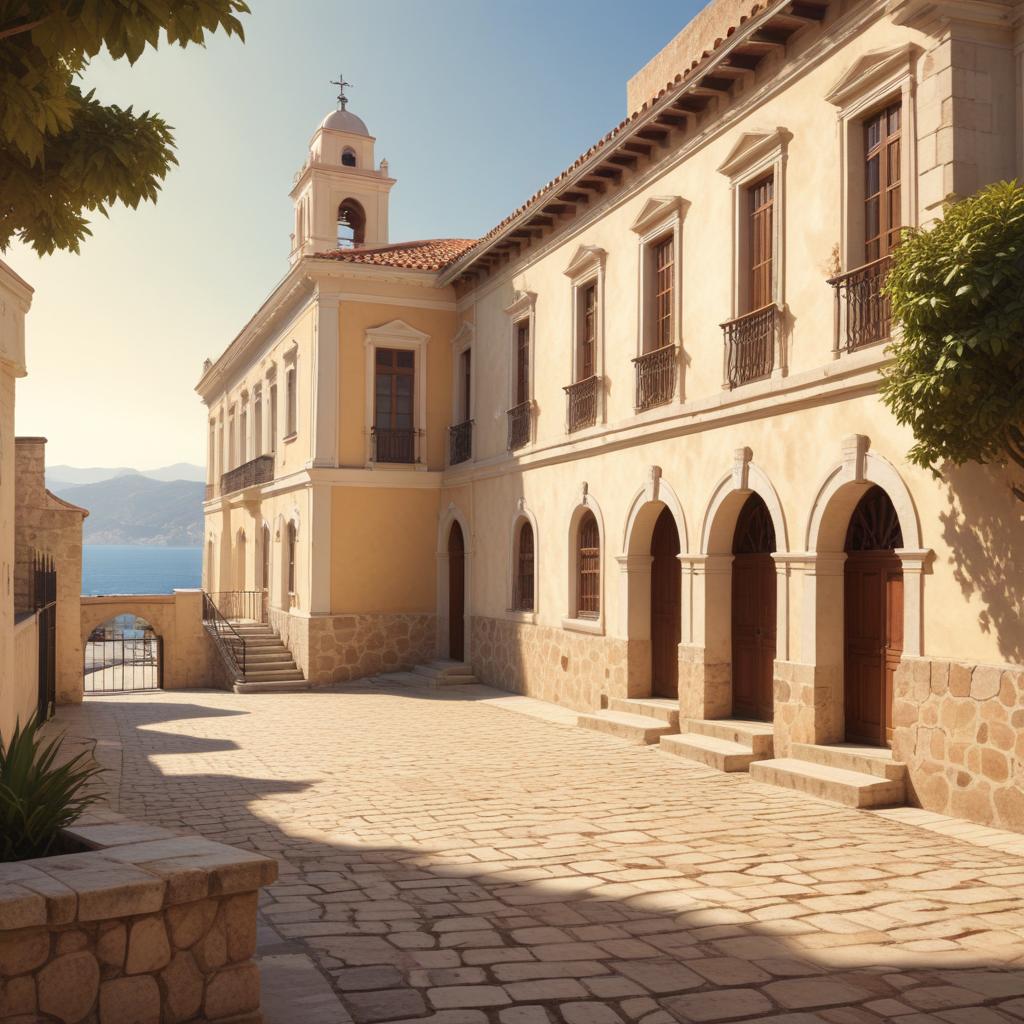
Efforts to preserve the educational heritage of colonial Gibraltar are a vital part of maintaining the territory’s rich cultural identity. Colonial school buildings, many of which date back to the 18th and 19th centuries, stand as tangible markers of Gibraltar’s historical journey. These buildings are carefully maintained and restored to protect their architectural integrity, reflecting the educational practices and colonial history that shaped the community.

Historical preservation initiatives in Gibraltar focus not only on the physical structures but also on the traditions and educational methods that were employed during the colonial period. Museums, local heritage projects, and educational programs work together to document and celebrate the legacy of colonial education, ensuring that future generations appreciate the foundations laid by early schooling systems.

By preserving colonial school buildings and promoting awareness of Gibraltar’s educational heritage, the community fosters a greater understanding of its multicultural past. These efforts contribute to safeguarding valuable cultural assets, making the history of education in Gibraltar accessible and relevant today.

The history of Gibraltar schools during the colonial era highlights the gradual introduction of a curriculum influenced by British educational standards. Subjects such as English language, mathematics, history, and geography were emphasized to ensure that students received an education aligned with that of their counterparts in Britain. The education system colonial era was characterized by efforts to promote literacy and provide practical skills that would be valuable for employment and civic participation in the expanding colonial administration and economy.

A key feature of colonial Gibraltar education was the role of religious institutions in providing schooling. Various denominational schools operated alongside government-run institutions, reflecting the multicultural and multi-religious character of the population. Over time, the British administration increased its oversight and support for education, introducing regulations to standardize teaching methods and school management. This laid the groundwork for the modern education system in Gibraltar and helped integrate diverse communities through a shared educational experience.

In summary, the development of education in colonial Gibraltar was a dynamic process influenced heavily by British colonial policies. The history of Gibraltar schools during this period reveals a commitment to establishing a formal education system that could address the complexities of a multicultural colony while promoting British cultural and administrative values. This foundation was essential in shaping the education system colonial era and contributed significantly to Gibraltar’s social and economic development.

Historical Background of Colonial Gibraltar Schools

The history of schools in Gibraltar during the colonial period is closely tied to the territory’s strategic importance and its governance under British rule. Schools were established not only to educate the children of the local population but also to reinforce the British cultural and administrative presence. The colonial education background of Gibraltar saw significant changes as the British sought to implement a system that mirrored that of the United Kingdom, fostering loyalty and integrating British values and language into the curriculum.

Under British control, the establishment of schools was driven by the need to provide structured education to a diverse population, including the children of military personnel and civilian settlers. Early education efforts focused on basic literacy, numeracy, and religious instruction, reflecting the educational standards of the time. As the colony developed, schools became more formalized, introducing standardized curricula and expanding to accommodate growing enrollments. This transition marked a key era in the history of schools in Gibraltar, where education was seen as a tool for social cohesion and imperial stability.

The colonial education background also included the introduction of English as the primary language of instruction, replacing or supplementing local languages and dialects. Gibraltar’s schools under British rule thus played a crucial role in shaping the local identity while preparing students to participate in the broader British imperial framework. These developments in colonial education are essential to understanding how Gibraltar’s education system evolved during its time as a British territory.

Types of Schools in Colonial Gibraltar

In colonial Gibraltar, the education system was composed of several types of schools, each serving distinct roles within the community. The primary schools formed the foundation of education, focusing on basic literacy and numeracy for young children. These institutions were usually the first step in a child’s academic journey and were crucial in promoting literacy among the local population.

Religious schools played a significant role in colonial Gibraltar’s education landscape. Operated mainly by various Christian denominations, these schools provided not only general education but also religious instruction, shaping the moral and spiritual lives of their students. These institutions were influential in fostering a sense of community and cultural identity tied to religious faith.

Public schools, supported by the colonial government, aimed to provide accessible education to children from different socio-economic backgrounds. These schools embodied the colonial administration’s objective of creating an educated populace capable of contributing to the colony’s development. Public schools often emphasized a standardized curriculum aligned with British educational policies.

Private schools in colonial Gibraltar offered education options for families seeking specialized or higher-quality instruction beyond what public and religious schools could provide. These schools often catered to the children of wealthier families and expatriates, focusing on preparing students for professional careers or further education abroad. Together, these various types of schools created a diverse educational environment, reflecting the complex social and cultural fabric of colonial Gibraltar.

Curriculum and Teaching Methods in Colonial Gibraltar Schools

The colonial curriculum in Gibraltar schools during the colonial era was designed to reflect both British educational standards and the local cultural influences. The subjects taught were a combination of traditional academic disciplines and practical knowledge deemed essential for the colony’s development. Core subjects included reading, writing, arithmetic, history, geography, and religious education, with a particular emphasis on Anglican Christian doctrine.

Language instruction was a crucial component of the curriculum. English was the primary language of instruction, reflecting Gibraltar’s status as a British colony. However, due to the diverse population, Spanish was also taught in many schools to accommodate the linguistic heritage of the local Llanito community. This bilingual approach not only facilitated communication but also helped preserve the cultural identity of the colony’s inhabitants.

Religious education played a significant role, with schools often affiliated with the Church of England or other Christian denominations. Lessons in religious doctrine, Bible reading, and moral instruction were integrated into the daily schedule. This religious framework aimed to instill discipline and ethical values, which were considered foundational for both personal development and societal order.

Teaching methods during this period were largely traditional and teacher-centered, focusing on rote learning and memorization. The use of the Lancasterian method—where advanced students taught their peers under the supervision of a master teacher—was common, especially in larger classrooms. This approach was efficient for educating large numbers of children with limited resources but often prioritized repetition over critical thinking.

Practical subjects such as needlework for girls and basic vocational training for boys were included to prepare students for their expected roles in society. The teaching methods reflected the social and economic expectations of the time, with an emphasis on producing disciplined and well-mannered citizens who could contribute to the colony’s stability and growth.

Overall, the colonial curriculum and teaching methods in Gibraltar schools were shaped by a combination of British imperial educational ideals and local cultural dynamics. This blend aimed to equip students with both the knowledge and the values needed to navigate life in a colonial society, balancing academic rigor with religious and practical instruction.

Language of Instruction and Religious Education

In colonial Gibraltar, the language instruction within schools played a pivotal role in shaping the educational landscape. English language schools were the primary institutions, reflecting the British influence on the territory. Instruction was predominantly conducted in English, which served not only as the medium of communication but also as a cultural bridge linking colonial Gibraltar to the wider British Empire. However, the multilingual nature of the community meant that other languages, such as Spanish and Llanito—a local vernacular blend of English and Andalusian Spanish—often influenced informal interactions and social exchanges around the school environment.

Religious education formed a significant part of the colonial Gibraltar curriculum, deeply influencing the ethos and daily routines of schools. Most educational institutions integrated Christian teachings as a foundation, reinforcing moral values and community identity among students. This blend of language instruction and religious education was essential in maintaining social cohesion and instilling a sense of British colonial identity while respecting the diverse cultural backgrounds of the student body. Together, language and religion shaped a unique school environment that reflected both local traditions and imperial aspirations.

Pedagogical Practices and Student Experience

During the colonial period in Gibraltar, teaching methods were largely traditional and formal, reflecting broader British educational practices of the time. Classroom practices emphasized rote learning, memorization, and strict discipline. Teachers relied heavily on repetition and recitation to instill foundational knowledge, particularly in subjects like reading, writing, arithmetic, and religious studies. The use of blackboards was common, and students often worked individually, with less focus on group activities or interactive learning.

Classroom environments were typically austere and utilitarian, with rows of wooden desks facing the teacher’s bench. Ventilation and lighting were basic, often making the setting somewhat uncomfortable, especially during the hotter months. Despite these conditions, teachers attempted to maintain order and structure to maximize learning. The curriculum was relatively rigid, focusing on core academic subjects and moral instruction, with limited opportunities for creative or critical thinking.

Student life in colonial schools involved a strict regimen that balanced lessons, prayers, and occasional physical activity. Engagement was often measured by obedience and performance rather than enthusiasm or curiosity. However, participation in school events and communal activities fostered a sense of camaraderie among students. These early educational experiences laid the groundwork for community cohesion and social discipline, reflecting the broader colonial objectives of governance and integration through education.

Legacy and Evolution of Colonial-era Schools in Gibraltar

The schools established during Gibraltar’s colonial period laid a critical foundation for the education system that continues to shape modern Gibraltar today. These colonial-era schools introduced structured education frameworks, curricular standards, and pedagogical approaches that have influenced the evolution of education in the territory. By embedding English language instruction and British educational values into the local schooling system, colonial schools created a legacy that has persisted well into contemporary times.

One of the most significant impacts of the colonial schools was the emphasis on bilingual education, combining English with the local Llanito dialect, to foster both international integration and cultural identity. This approach has evolved but remained central, reflecting the unique cultural fabric of Gibraltar and supporting modern Gibraltar education’s inclusive and multilingual character. The colonial schools’ commitment to accessibility also encouraged the gradual expansion of education opportunities to a wider population, influencing Gibraltar’s current policies aimed at universal education.

The administration and regulatory models introduced by colonial authorities created infrastructures for school governance that enabled consistent educational delivery and quality control. These frameworks have been adapted over time to meet contemporary standards yet continue to trace their roots back to colonial governance structures. This continuity underlines the education legacy of colonial schools, where early investments in schooling infrastructure have become pillars of Gibraltar’s educational system today.

Moreover, the curriculum established in colonial times reflected a balance between practical skills and academic knowledge, preparing students for roles in both civil service and the broader economy. This holistic approach laid the groundwork for diversified education paths seen in modern Gibraltar education, including vocational training and specialized academic programs. The evolution of these colonial schools into modern institutions demonstrates how historic educational practices have been adapted to fit the needs of a growing and dynamic society.

In summary, the education legacy of colonial-era schools in Gibraltar is evident in the contemporary system’s structure, philosophy, and cultural integration. Their influence extends beyond mere historical significance; it is a living legacy that supports Gibraltar’s ongoing development and educational aspirations. By evolving colonial educational principles to meet modern demands, Gibraltar continues to build on its rich heritage while promoting an inclusive and forward-looking education system.

Transition from Colonial to Modern Education System

Following the end of colonial rule, Gibraltar’s education system underwent a significant transition marked by reform and modernization efforts. The move away from a colonial framework towards a more autonomous educational approach was essential for aligning schools with the evolving societal needs of post-colonial Gibraltar. This education transition focused on updating curricula to better reflect local culture and history while adopting contemporary pedagogical practices.

Reforms in the modernization of schools included infrastructure improvements, integration of technology, and teacher training programs aimed at enhancing instructional quality. Emphasis was placed on creating a more inclusive and equitable education environment that could cater to diverse learner needs. Additionally, Gibraltar’s education authorities worked on expanding access to education and introducing new subjects relevant to the modern workforce.

These measures collectively helped shape a dynamic education system that supports personal development and economic growth in post-colonial Gibraltar. The modernization process not only preserved important elements of the colonial education legacy but also propelled Gibraltar’s schools into a new era focused on innovation and local relevance, securing better opportunities for future generations.

Preservation of Colonial Educational Heritage

Efforts to preserve the educational heritage of colonial Gibraltar are a vital part of maintaining the territory’s rich cultural identity. Colonial school buildings, many of which date back to the 18th and 19th centuries, stand as tangible markers of Gibraltar’s historical journey. These buildings are carefully maintained and restored to protect their architectural integrity, reflecting the educational practices and colonial history that shaped the community.

Historical preservation initiatives in Gibraltar focus not only on the physical structures but also on the traditions and educational methods that were employed during the colonial period. Museums, local heritage projects, and educational programs work together to document and celebrate the legacy of colonial education, ensuring that future generations appreciate the foundations laid by early schooling systems.

By preserving colonial school buildings and promoting awareness of Gibraltar’s educational heritage, the community fosters a greater understanding of its multicultural past. These efforts contribute to safeguarding valuable cultural assets, making the history of education in Gibraltar accessible and relevant today.

The history of Gibraltar schools during the colonial era highlights the gradual introduction of a curriculum influenced by British educational standards. Subjects such as English language, mathematics, history, and geography were emphasized to ensure that students received an education aligned with that of their counterparts in Britain. The education system colonial era was characterized by efforts to promote literacy and provide practical skills that would be valuable for employment and civic participation in the expanding colonial administration and economy.

A key feature of colonial Gibraltar education was the role of religious institutions in providing schooling. Various denominational schools operated alongside government-run institutions, reflecting the multicultural and multi-religious character of the population. Over time, the British administration increased its oversight and support for education, introducing regulations to standardize teaching methods and school management. This laid the groundwork for the modern education system in Gibraltar and helped integrate diverse communities through a shared educational experience.

In summary, the development of education in colonial Gibraltar was a dynamic process influenced heavily by British colonial policies. The history of Gibraltar schools during this period reveals a commitment to establishing a formal education system that could address the complexities of a multicultural colony while promoting British cultural and administrative values. This foundation was essential in shaping the education system colonial era and contributed significantly to Gibraltar’s social and economic development.

Historical Background of Colonial Gibraltar Schools

The history of schools in Gibraltar during the colonial period is closely tied to the territory’s strategic importance and its governance under British rule. Schools were established not only to educate the children of the local population but also to reinforce the British cultural and administrative presence. The colonial education background of Gibraltar saw significant changes as the British sought to implement a system that mirrored that of the United Kingdom, fostering loyalty and integrating British values and language into the curriculum.

Under British control, the establishment of schools was driven by the need to provide structured education to a diverse population, including the children of military personnel and civilian settlers. Early education efforts focused on basic literacy, numeracy, and religious instruction, reflecting the educational standards of the time. As the colony developed, schools became more formalized, introducing standardized curricula and expanding to accommodate growing enrollments. This transition marked a key era in the history of schools in Gibraltar, where education was seen as a tool for social cohesion and imperial stability.

The colonial education background also included the introduction of English as the primary language of instruction, replacing or supplementing local languages and dialects. Gibraltar’s schools under British rule thus played a crucial role in shaping the local identity while preparing students to participate in the broader British imperial framework. These developments in colonial education are essential to understanding how Gibraltar’s education system evolved during its time as a British territory.

Types of Schools in Colonial Gibraltar

In colonial Gibraltar, the education system was composed of several types of schools, each serving distinct roles within the community. The primary schools formed the foundation of education, focusing on basic literacy and numeracy for young children. These institutions were usually the first step in a child’s academic journey and were crucial in promoting literacy among the local population.

Religious schools played a significant role in colonial Gibraltar’s education landscape. Operated mainly by various Christian denominations, these schools provided not only general education but also religious instruction, shaping the moral and spiritual lives of their students. These institutions were influential in fostering a sense of community and cultural identity tied to religious faith.

Public schools, supported by the colonial government, aimed to provide accessible education to children from different socio-economic backgrounds. These schools embodied the colonial administration’s objective of creating an educated populace capable of contributing to the colony’s development. Public schools often emphasized a standardized curriculum aligned with British educational policies.

Private schools in colonial Gibraltar offered education options for families seeking specialized or higher-quality instruction beyond what public and religious schools could provide. These schools often catered to the children of wealthier families and expatriates, focusing on preparing students for professional careers or further education abroad. Together, these various types of schools created a diverse educational environment, reflecting the complex social and cultural fabric of colonial Gibraltar.

Curriculum and Teaching Methods in Colonial Gibraltar Schools

The colonial curriculum in Gibraltar schools during the colonial era was designed to reflect both British educational standards and the local cultural influences. The subjects taught were a combination of traditional academic disciplines and practical knowledge deemed essential for the colony’s development. Core subjects included reading, writing, arithmetic, history, geography, and religious education, with a particular emphasis on Anglican Christian doctrine.

Language instruction was a crucial component of the curriculum. English was the primary language of instruction, reflecting Gibraltar’s status as a British colony. However, due to the diverse population, Spanish was also taught in many schools to accommodate the linguistic heritage of the local Llanito community. This bilingual approach not only facilitated communication but also helped preserve the cultural identity of the colony’s inhabitants.

Religious education played a significant role, with schools often affiliated with the Church of England or other Christian denominations. Lessons in religious doctrine, Bible reading, and moral instruction were integrated into the daily schedule. This religious framework aimed to instill discipline and ethical values, which were considered foundational for both personal development and societal order.

Teaching methods during this period were largely traditional and teacher-centered, focusing on rote learning and memorization. The use of the Lancasterian method—where advanced students taught their peers under the supervision of a master teacher—was common, especially in larger classrooms. This approach was efficient for educating large numbers of children with limited resources but often prioritized repetition over critical thinking.

Practical subjects such as needlework for girls and basic vocational training for boys were included to prepare students for their expected roles in society. The teaching methods reflected the social and economic expectations of the time, with an emphasis on producing disciplined and well-mannered citizens who could contribute to the colony’s stability and growth.

Overall, the colonial curriculum and teaching methods in Gibraltar schools were shaped by a combination of British imperial educational ideals and local cultural dynamics. This blend aimed to equip students with both the knowledge and the values needed to navigate life in a colonial society, balancing academic rigor with religious and practical instruction.

Language of Instruction and Religious Education

In colonial Gibraltar, the language instruction within schools played a pivotal role in shaping the educational landscape. English language schools were the primary institutions, reflecting the British influence on the territory. Instruction was predominantly conducted in English, which served not only as the medium of communication but also as a cultural bridge linking colonial Gibraltar to the wider British Empire. However, the multilingual nature of the community meant that other languages, such as Spanish and Llanito—a local vernacular blend of English and Andalusian Spanish—often influenced informal interactions and social exchanges around the school environment.

Religious education formed a significant part of the colonial Gibraltar curriculum, deeply influencing the ethos and daily routines of schools. Most educational institutions integrated Christian teachings as a foundation, reinforcing moral values and community identity among students. This blend of language instruction and religious education was essential in maintaining social cohesion and instilling a sense of British colonial identity while respecting the diverse cultural backgrounds of the student body. Together, language and religion shaped a unique school environment that reflected both local traditions and imperial aspirations.

Pedagogical Practices and Student Experience

During the colonial period in Gibraltar, teaching methods were largely traditional and formal, reflecting broader British educational practices of the time. Classroom practices emphasized rote learning, memorization, and strict discipline. Teachers relied heavily on repetition and recitation to instill foundational knowledge, particularly in subjects like reading, writing, arithmetic, and religious studies. The use of blackboards was common, and students often worked individually, with less focus on group activities or interactive learning.

Classroom environments were typically austere and utilitarian, with rows of wooden desks facing the teacher’s bench. Ventilation and lighting were basic, often making the setting somewhat uncomfortable, especially during the hotter months. Despite these conditions, teachers attempted to maintain order and structure to maximize learning. The curriculum was relatively rigid, focusing on core academic subjects and moral instruction, with limited opportunities for creative or critical thinking.

Student life in colonial schools involved a strict regimen that balanced lessons, prayers, and occasional physical activity. Engagement was often measured by obedience and performance rather than enthusiasm or curiosity. However, participation in school events and communal activities fostered a sense of camaraderie among students. These early educational experiences laid the groundwork for community cohesion and social discipline, reflecting the broader colonial objectives of governance and integration through education.

Legacy and Evolution of Colonial-era Schools in Gibraltar

The schools established during Gibraltar’s colonial period laid a critical foundation for the education system that continues to shape modern Gibraltar today. These colonial-era schools introduced structured education frameworks, curricular standards, and pedagogical approaches that have influenced the evolution of education in the territory. By embedding English language instruction and British educational values into the local schooling system, colonial schools created a legacy that has persisted well into contemporary times.

One of the most significant impacts of the colonial schools was the emphasis on bilingual education, combining English with the local Llanito dialect, to foster both international integration and cultural identity. This approach has evolved but remained central, reflecting the unique cultural fabric of Gibraltar and supporting modern Gibraltar education’s inclusive and multilingual character. The colonial schools’ commitment to accessibility also encouraged the gradual expansion of education opportunities to a wider population, influencing Gibraltar’s current policies aimed at universal education.

The administration and regulatory models introduced by colonial authorities created infrastructures for school governance that enabled consistent educational delivery and quality control. These frameworks have been adapted over time to meet contemporary standards yet continue to trace their roots back to colonial governance structures. This continuity underlines the education legacy of colonial schools, where early investments in schooling infrastructure have become pillars of Gibraltar’s educational system today.

Moreover, the curriculum established in colonial times reflected a balance between practical skills and academic knowledge, preparing students for roles in both civil service and the broader economy. This holistic approach laid the groundwork for diversified education paths seen in modern Gibraltar education, including vocational training and specialized academic programs. The evolution of these colonial schools into modern institutions demonstrates how historic educational practices have been adapted to fit the needs of a growing and dynamic society.

In summary, the education legacy of colonial-era schools in Gibraltar is evident in the contemporary system’s structure, philosophy, and cultural integration. Their influence extends beyond mere historical significance; it is a living legacy that supports Gibraltar’s ongoing development and educational aspirations. By evolving colonial educational principles to meet modern demands, Gibraltar continues to build on its rich heritage while promoting an inclusive and forward-looking education system.

Transition from Colonial to Modern Education System

Following the end of colonial rule, Gibraltar’s education system underwent a significant transition marked by reform and modernization efforts. The move away from a colonial framework towards a more autonomous educational approach was essential for aligning schools with the evolving societal needs of post-colonial Gibraltar. This education transition focused on updating curricula to better reflect local culture and history while adopting contemporary pedagogical practices.

Reforms in the modernization of schools included infrastructure improvements, integration of technology, and teacher training programs aimed at enhancing instructional quality. Emphasis was placed on creating a more inclusive and equitable education environment that could cater to diverse learner needs. Additionally, Gibraltar’s education authorities worked on expanding access to education and introducing new subjects relevant to the modern workforce.

These measures collectively helped shape a dynamic education system that supports personal development and economic growth in post-colonial Gibraltar. The modernization process not only preserved important elements of the colonial education legacy but also propelled Gibraltar’s schools into a new era focused on innovation and local relevance, securing better opportunities for future generations.

Preservation of Colonial Educational Heritage

Efforts to preserve the educational heritage of colonial Gibraltar are a vital part of maintaining the territory’s rich cultural identity. Colonial school buildings, many of which date back to the 18th and 19th centuries, stand as tangible markers of Gibraltar’s historical journey. These buildings are carefully maintained and restored to protect their architectural integrity, reflecting the educational practices and colonial history that shaped the community.

Historical preservation initiatives in Gibraltar focus not only on the physical structures but also on the traditions and educational methods that were employed during the colonial period. Museums, local heritage projects, and educational programs work together to document and celebrate the legacy of colonial education, ensuring that future generations appreciate the foundations laid by early schooling systems.

By preserving colonial school buildings and promoting awareness of Gibraltar’s educational heritage, the community fosters a greater understanding of its multicultural past. These efforts contribute to safeguarding valuable cultural assets, making the history of education in Gibraltar accessible and relevant today.

Overview of Education in Colonial Gibraltar

The history of education in colonial Gibraltar is deeply intertwined with its unique geopolitical position and the influence of the British administration. During the colonial era, Gibraltar’s education system was shaped by both local needs and the broader objectives of British governance, reflecting a blend of cultural influences and practical considerations. The establishment and development of schools in colonial Gibraltar were pivotal in shaping the territory’s social fabric and provided a foundation for future educational advancements.

Colonial Gibraltar education was initially informal, with limited resources and a focus on basic literacy and religious instruction. However, as the British took a more structured approach to the administration of Gibraltar, the education system began to formalize and expand. The British government recognized the strategic importance of Gibraltar and sought to create an education framework that would serve both the local population and the military families stationed there. This period saw the emergence of schools that catered to a diverse community, including British, Spanish, and other Mediterranean influences.

The history of Gibraltar schools during the colonial era highlights the gradual introduction of a curriculum influenced by British educational standards. Subjects such as English language, mathematics, history, and geography were emphasized to ensure that students received an education aligned with that of their counterparts in Britain. The education system colonial era was characterized by efforts to promote literacy and provide practical skills that would be valuable for employment and civic participation in the expanding colonial administration and economy.

A key feature of colonial Gibraltar education was the role of religious institutions in providing schooling. Various denominational schools operated alongside government-run institutions, reflecting the multicultural and multi-religious character of the population. Over time, the British administration increased its oversight and support for education, introducing regulations to standardize teaching methods and school management. This laid the groundwork for the modern education system in Gibraltar and helped integrate diverse communities through a shared educational experience.

In summary, the development of education in colonial Gibraltar was a dynamic process influenced heavily by British colonial policies. The history of Gibraltar schools during this period reveals a commitment to establishing a formal education system that could address the complexities of a multicultural colony while promoting British cultural and administrative values. This foundation was essential in shaping the education system colonial era and contributed significantly to Gibraltar’s social and economic development.

Historical Background of Colonial Gibraltar Schools

The history of schools in Gibraltar during the colonial period is closely tied to the territory’s strategic importance and its governance under British rule. Schools were established not only to educate the children of the local population but also to reinforce the British cultural and administrative presence. The colonial education background of Gibraltar saw significant changes as the British sought to implement a system that mirrored that of the United Kingdom, fostering loyalty and integrating British values and language into the curriculum.

Under British control, the establishment of schools was driven by the need to provide structured education to a diverse population, including the children of military personnel and civilian settlers. Early education efforts focused on basic literacy, numeracy, and religious instruction, reflecting the educational standards of the time. As the colony developed, schools became more formalized, introducing standardized curricula and expanding to accommodate growing enrollments. This transition marked a key era in the history of schools in Gibraltar, where education was seen as a tool for social cohesion and imperial stability.

The colonial education background also included the introduction of English as the primary language of instruction, replacing or supplementing local languages and dialects. Gibraltar’s schools under British rule thus played a crucial role in shaping the local identity while preparing students to participate in the broader British imperial framework. These developments in colonial education are essential to understanding how Gibraltar’s education system evolved during its time as a British territory.

Types of Schools in Colonial Gibraltar

In colonial Gibraltar, the education system was composed of several types of schools, each serving distinct roles within the community. The primary schools formed the foundation of education, focusing on basic literacy and numeracy for young children. These institutions were usually the first step in a child’s academic journey and were crucial in promoting literacy among the local population.

Religious schools played a significant role in colonial Gibraltar’s education landscape. Operated mainly by various Christian denominations, these schools provided not only general education but also religious instruction, shaping the moral and spiritual lives of their students. These institutions were influential in fostering a sense of community and cultural identity tied to religious faith.

Public schools, supported by the colonial government, aimed to provide accessible education to children from different socio-economic backgrounds. These schools embodied the colonial administration’s objective of creating an educated populace capable of contributing to the colony’s development. Public schools often emphasized a standardized curriculum aligned with British educational policies.

Private schools in colonial Gibraltar offered education options for families seeking specialized or higher-quality instruction beyond what public and religious schools could provide. These schools often catered to the children of wealthier families and expatriates, focusing on preparing students for professional careers or further education abroad. Together, these various types of schools created a diverse educational environment, reflecting the complex social and cultural fabric of colonial Gibraltar.

Curriculum and Teaching Methods in Colonial Gibraltar Schools

The colonial curriculum in Gibraltar schools during the colonial era was designed to reflect both British educational standards and the local cultural influences. The subjects taught were a combination of traditional academic disciplines and practical knowledge deemed essential for the colony’s development. Core subjects included reading, writing, arithmetic, history, geography, and religious education, with a particular emphasis on Anglican Christian doctrine.

Language instruction was a crucial component of the curriculum. English was the primary language of instruction, reflecting Gibraltar’s status as a British colony. However, due to the diverse population, Spanish was also taught in many schools to accommodate the linguistic heritage of the local Llanito community. This bilingual approach not only facilitated communication but also helped preserve the cultural identity of the colony’s inhabitants.

Religious education played a significant role, with schools often affiliated with the Church of England or other Christian denominations. Lessons in religious doctrine, Bible reading, and moral instruction were integrated into the daily schedule. This religious framework aimed to instill discipline and ethical values, which were considered foundational for both personal development and societal order.

Teaching methods during this period were largely traditional and teacher-centered, focusing on rote learning and memorization. The use of the Lancasterian method—where advanced students taught their peers under the supervision of a master teacher—was common, especially in larger classrooms. This approach was efficient for educating large numbers of children with limited resources but often prioritized repetition over critical thinking.

Practical subjects such as needlework for girls and basic vocational training for boys were included to prepare students for their expected roles in society. The teaching methods reflected the social and economic expectations of the time, with an emphasis on producing disciplined and well-mannered citizens who could contribute to the colony’s stability and growth.

Overall, the colonial curriculum and teaching methods in Gibraltar schools were shaped by a combination of British imperial educational ideals and local cultural dynamics. This blend aimed to equip students with both the knowledge and the values needed to navigate life in a colonial society, balancing academic rigor with religious and practical instruction.

Language of Instruction and Religious Education

In colonial Gibraltar, the language instruction within schools played a pivotal role in shaping the educational landscape. English language schools were the primary institutions, reflecting the British influence on the territory. Instruction was predominantly conducted in English, which served not only as the medium of communication but also as a cultural bridge linking colonial Gibraltar to the wider British Empire. However, the multilingual nature of the community meant that other languages, such as Spanish and Llanito—a local vernacular blend of English and Andalusian Spanish—often influenced informal interactions and social exchanges around the school environment.

Religious education formed a significant part of the colonial Gibraltar curriculum, deeply influencing the ethos and daily routines of schools. Most educational institutions integrated Christian teachings as a foundation, reinforcing moral values and community identity among students. This blend of language instruction and religious education was essential in maintaining social cohesion and instilling a sense of British colonial identity while respecting the diverse cultural backgrounds of the student body. Together, language and religion shaped a unique school environment that reflected both local traditions and imperial aspirations.

Pedagogical Practices and Student Experience

During the colonial period in Gibraltar, teaching methods were largely traditional and formal, reflecting broader British educational practices of the time. Classroom practices emphasized rote learning, memorization, and strict discipline. Teachers relied heavily on repetition and recitation to instill foundational knowledge, particularly in subjects like reading, writing, arithmetic, and religious studies. The use of blackboards was common, and students often worked individually, with less focus on group activities or interactive learning.

Classroom environments were typically austere and utilitarian, with rows of wooden desks facing the teacher’s bench. Ventilation and lighting were basic, often making the setting somewhat uncomfortable, especially during the hotter months. Despite these conditions, teachers attempted to maintain order and structure to maximize learning. The curriculum was relatively rigid, focusing on core academic subjects and moral instruction, with limited opportunities for creative or critical thinking.

Student life in colonial schools involved a strict regimen that balanced lessons, prayers, and occasional physical activity. Engagement was often measured by obedience and performance rather than enthusiasm or curiosity. However, participation in school events and communal activities fostered a sense of camaraderie among students. These early educational experiences laid the groundwork for community cohesion and social discipline, reflecting the broader colonial objectives of governance and integration through education.

Legacy and Evolution of Colonial-era Schools in Gibraltar

The schools established during Gibraltar’s colonial period laid a critical foundation for the education system that continues to shape modern Gibraltar today. These colonial-era schools introduced structured education frameworks, curricular standards, and pedagogical approaches that have influenced the evolution of education in the territory. By embedding English language instruction and British educational values into the local schooling system, colonial schools created a legacy that has persisted well into contemporary times.

One of the most significant impacts of the colonial schools was the emphasis on bilingual education, combining English with the local Llanito dialect, to foster both international integration and cultural identity. This approach has evolved but remained central, reflecting the unique cultural fabric of Gibraltar and supporting modern Gibraltar education’s inclusive and multilingual character. The colonial schools’ commitment to accessibility also encouraged the gradual expansion of education opportunities to a wider population, influencing Gibraltar’s current policies aimed at universal education.

The administration and regulatory models introduced by colonial authorities created infrastructures for school governance that enabled consistent educational delivery and quality control. These frameworks have been adapted over time to meet contemporary standards yet continue to trace their roots back to colonial governance structures. This continuity underlines the education legacy of colonial schools, where early investments in schooling infrastructure have become pillars of Gibraltar’s educational system today.

Moreover, the curriculum established in colonial times reflected a balance between practical skills and academic knowledge, preparing students for roles in both civil service and the broader economy. This holistic approach laid the groundwork for diversified education paths seen in modern Gibraltar education, including vocational training and specialized academic programs. The evolution of these colonial schools into modern institutions demonstrates how historic educational practices have been adapted to fit the needs of a growing and dynamic society.

In summary, the education legacy of colonial-era schools in Gibraltar is evident in the contemporary system’s structure, philosophy, and cultural integration. Their influence extends beyond mere historical significance; it is a living legacy that supports Gibraltar’s ongoing development and educational aspirations. By evolving colonial educational principles to meet modern demands, Gibraltar continues to build on its rich heritage while promoting an inclusive and forward-looking education system.

Transition from Colonial to Modern Education System

Following the end of colonial rule, Gibraltar’s education system underwent a significant transition marked by reform and modernization efforts. The move away from a colonial framework towards a more autonomous educational approach was essential for aligning schools with the evolving societal needs of post-colonial Gibraltar. This education transition focused on updating curricula to better reflect local culture and history while adopting contemporary pedagogical practices.

Reforms in the modernization of schools included infrastructure improvements, integration of technology, and teacher training programs aimed at enhancing instructional quality. Emphasis was placed on creating a more inclusive and equitable education environment that could cater to diverse learner needs. Additionally, Gibraltar’s education authorities worked on expanding access to education and introducing new subjects relevant to the modern workforce.

These measures collectively helped shape a dynamic education system that supports personal development and economic growth in post-colonial Gibraltar. The modernization process not only preserved important elements of the colonial education legacy but also propelled Gibraltar’s schools into a new era focused on innovation and local relevance, securing better opportunities for future generations.

Preservation of Colonial Educational Heritage

Efforts to preserve the educational heritage of colonial Gibraltar are a vital part of maintaining the territory’s rich cultural identity. Colonial school buildings, many of which date back to the 18th and 19th centuries, stand as tangible markers of Gibraltar’s historical journey. These buildings are carefully maintained and restored to protect their architectural integrity, reflecting the educational practices and colonial history that shaped the community.

Historical preservation initiatives in Gibraltar focus not only on the physical structures but also on the traditions and educational methods that were employed during the colonial period. Museums, local heritage projects, and educational programs work together to document and celebrate the legacy of colonial education, ensuring that future generations appreciate the foundations laid by early schooling systems.

By preserving colonial school buildings and promoting awareness of Gibraltar’s educational heritage, the community fosters a greater understanding of its multicultural past. These efforts contribute to safeguarding valuable cultural assets, making the history of education in Gibraltar accessible and relevant today.

The history of Gibraltar schools during the colonial era highlights the gradual introduction of a curriculum influenced by British educational standards. Subjects such as English language, mathematics, history, and geography were emphasized to ensure that students received an education aligned with that of their counterparts in Britain. The education system colonial era was characterized by efforts to promote literacy and provide practical skills that would be valuable for employment and civic participation in the expanding colonial administration and economy.

A key feature of colonial Gibraltar education was the role of religious institutions in providing schooling. Various denominational schools operated alongside government-run institutions, reflecting the multicultural and multi-religious character of the population. Over time, the British administration increased its oversight and support for education, introducing regulations to standardize teaching methods and school management. This laid the groundwork for the modern education system in Gibraltar and helped integrate diverse communities through a shared educational experience.

In summary, the development of education in colonial Gibraltar was a dynamic process influenced heavily by British colonial policies. The history of Gibraltar schools during this period reveals a commitment to establishing a formal education system that could address the complexities of a multicultural colony while promoting British cultural and administrative values. This foundation was essential in shaping the education system colonial era and contributed significantly to Gibraltar’s social and economic development.

Historical Background of Colonial Gibraltar Schools

The history of schools in Gibraltar during the colonial period is closely tied to the territory’s strategic importance and its governance under British rule. Schools were established not only to educate the children of the local population but also to reinforce the British cultural and administrative presence. The colonial education background of Gibraltar saw significant changes as the British sought to implement a system that mirrored that of the United Kingdom, fostering loyalty and integrating British values and language into the curriculum.

Under British control, the establishment of schools was driven by the need to provide structured education to a diverse population, including the children of military personnel and civilian settlers. Early education efforts focused on basic literacy, numeracy, and religious instruction, reflecting the educational standards of the time. As the colony developed, schools became more formalized, introducing standardized curricula and expanding to accommodate growing enrollments. This transition marked a key era in the history of schools in Gibraltar, where education was seen as a tool for social cohesion and imperial stability.

The colonial education background also included the introduction of English as the primary language of instruction, replacing or supplementing local languages and dialects. Gibraltar’s schools under British rule thus played a crucial role in shaping the local identity while preparing students to participate in the broader British imperial framework. These developments in colonial education are essential to understanding how Gibraltar’s education system evolved during its time as a British territory.

Types of Schools in Colonial Gibraltar

In colonial Gibraltar, the education system was composed of several types of schools, each serving distinct roles within the community. The primary schools formed the foundation of education, focusing on basic literacy and numeracy for young children. These institutions were usually the first step in a child’s academic journey and were crucial in promoting literacy among the local population.

Religious schools played a significant role in colonial Gibraltar’s education landscape. Operated mainly by various Christian denominations, these schools provided not only general education but also religious instruction, shaping the moral and spiritual lives of their students. These institutions were influential in fostering a sense of community and cultural identity tied to religious faith.

Public schools, supported by the colonial government, aimed to provide accessible education to children from different socio-economic backgrounds. These schools embodied the colonial administration’s objective of creating an educated populace capable of contributing to the colony’s development. Public schools often emphasized a standardized curriculum aligned with British educational policies.

Private schools in colonial Gibraltar offered education options for families seeking specialized or higher-quality instruction beyond what public and religious schools could provide. These schools often catered to the children of wealthier families and expatriates, focusing on preparing students for professional careers or further education abroad. Together, these various types of schools created a diverse educational environment, reflecting the complex social and cultural fabric of colonial Gibraltar.

Curriculum and Teaching Methods in Colonial Gibraltar Schools

The colonial curriculum in Gibraltar schools during the colonial era was designed to reflect both British educational standards and the local cultural influences. The subjects taught were a combination of traditional academic disciplines and practical knowledge deemed essential for the colony’s development. Core subjects included reading, writing, arithmetic, history, geography, and religious education, with a particular emphasis on Anglican Christian doctrine.

Language instruction was a crucial component of the curriculum. English was the primary language of instruction, reflecting Gibraltar’s status as a British colony. However, due to the diverse population, Spanish was also taught in many schools to accommodate the linguistic heritage of the local Llanito community. This bilingual approach not only facilitated communication but also helped preserve the cultural identity of the colony’s inhabitants.

Religious education played a significant role, with schools often affiliated with the Church of England or other Christian denominations. Lessons in religious doctrine, Bible reading, and moral instruction were integrated into the daily schedule. This religious framework aimed to instill discipline and ethical values, which were considered foundational for both personal development and societal order.

Teaching methods during this period were largely traditional and teacher-centered, focusing on rote learning and memorization. The use of the Lancasterian method—where advanced students taught their peers under the supervision of a master teacher—was common, especially in larger classrooms. This approach was efficient for educating large numbers of children with limited resources but often prioritized repetition over critical thinking.

Practical subjects such as needlework for girls and basic vocational training for boys were included to prepare students for their expected roles in society. The teaching methods reflected the social and economic expectations of the time, with an emphasis on producing disciplined and well-mannered citizens who could contribute to the colony’s stability and growth.

Overall, the colonial curriculum and teaching methods in Gibraltar schools were shaped by a combination of British imperial educational ideals and local cultural dynamics. This blend aimed to equip students with both the knowledge and the values needed to navigate life in a colonial society, balancing academic rigor with religious and practical instruction.

Language of Instruction and Religious Education

In colonial Gibraltar, the language instruction within schools played a pivotal role in shaping the educational landscape. English language schools were the primary institutions, reflecting the British influence on the territory. Instruction was predominantly conducted in English, which served not only as the medium of communication but also as a cultural bridge linking colonial Gibraltar to the wider British Empire. However, the multilingual nature of the community meant that other languages, such as Spanish and Llanito—a local vernacular blend of English and Andalusian Spanish—often influenced informal interactions and social exchanges around the school environment.

Religious education formed a significant part of the colonial Gibraltar curriculum, deeply influencing the ethos and daily routines of schools. Most educational institutions integrated Christian teachings as a foundation, reinforcing moral values and community identity among students. This blend of language instruction and religious education was essential in maintaining social cohesion and instilling a sense of British colonial identity while respecting the diverse cultural backgrounds of the student body. Together, language and religion shaped a unique school environment that reflected both local traditions and imperial aspirations.

Pedagogical Practices and Student Experience

During the colonial period in Gibraltar, teaching methods were largely traditional and formal, reflecting broader British educational practices of the time. Classroom practices emphasized rote learning, memorization, and strict discipline. Teachers relied heavily on repetition and recitation to instill foundational knowledge, particularly in subjects like reading, writing, arithmetic, and religious studies. The use of blackboards was common, and students often worked individually, with less focus on group activities or interactive learning.

Classroom environments were typically austere and utilitarian, with rows of wooden desks facing the teacher’s bench. Ventilation and lighting were basic, often making the setting somewhat uncomfortable, especially during the hotter months. Despite these conditions, teachers attempted to maintain order and structure to maximize learning. The curriculum was relatively rigid, focusing on core academic subjects and moral instruction, with limited opportunities for creative or critical thinking.

Student life in colonial schools involved a strict regimen that balanced lessons, prayers, and occasional physical activity. Engagement was often measured by obedience and performance rather than enthusiasm or curiosity. However, participation in school events and communal activities fostered a sense of camaraderie among students. These early educational experiences laid the groundwork for community cohesion and social discipline, reflecting the broader colonial objectives of governance and integration through education.

Legacy and Evolution of Colonial-era Schools in Gibraltar

The schools established during Gibraltar’s colonial period laid a critical foundation for the education system that continues to shape modern Gibraltar today. These colonial-era schools introduced structured education frameworks, curricular standards, and pedagogical approaches that have influenced the evolution of education in the territory. By embedding English language instruction and British educational values into the local schooling system, colonial schools created a legacy that has persisted well into contemporary times.

One of the most significant impacts of the colonial schools was the emphasis on bilingual education, combining English with the local Llanito dialect, to foster both international integration and cultural identity. This approach has evolved but remained central, reflecting the unique cultural fabric of Gibraltar and supporting modern Gibraltar education’s inclusive and multilingual character. The colonial schools’ commitment to accessibility also encouraged the gradual expansion of education opportunities to a wider population, influencing Gibraltar’s current policies aimed at universal education.

The administration and regulatory models introduced by colonial authorities created infrastructures for school governance that enabled consistent educational delivery and quality control. These frameworks have been adapted over time to meet contemporary standards yet continue to trace their roots back to colonial governance structures. This continuity underlines the education legacy of colonial schools, where early investments in schooling infrastructure have become pillars of Gibraltar’s educational system today.

Moreover, the curriculum established in colonial times reflected a balance between practical skills and academic knowledge, preparing students for roles in both civil service and the broader economy. This holistic approach laid the groundwork for diversified education paths seen in modern Gibraltar education, including vocational training and specialized academic programs. The evolution of these colonial schools into modern institutions demonstrates how historic educational practices have been adapted to fit the needs of a growing and dynamic society.

In summary, the education legacy of colonial-era schools in Gibraltar is evident in the contemporary system’s structure, philosophy, and cultural integration. Their influence extends beyond mere historical significance; it is a living legacy that supports Gibraltar’s ongoing development and educational aspirations. By evolving colonial educational principles to meet modern demands, Gibraltar continues to build on its rich heritage while promoting an inclusive and forward-looking education system.

Transition from Colonial to Modern Education System

Following the end of colonial rule, Gibraltar’s education system underwent a significant transition marked by reform and modernization efforts. The move away from a colonial framework towards a more autonomous educational approach was essential for aligning schools with the evolving societal needs of post-colonial Gibraltar. This education transition focused on updating curricula to better reflect local culture and history while adopting contemporary pedagogical practices.

Reforms in the modernization of schools included infrastructure improvements, integration of technology, and teacher training programs aimed at enhancing instructional quality. Emphasis was placed on creating a more inclusive and equitable education environment that could cater to diverse learner needs. Additionally, Gibraltar’s education authorities worked on expanding access to education and introducing new subjects relevant to the modern workforce.

These measures collectively helped shape a dynamic education system that supports personal development and economic growth in post-colonial Gibraltar. The modernization process not only preserved important elements of the colonial education legacy but also propelled Gibraltar’s schools into a new era focused on innovation and local relevance, securing better opportunities for future generations.

Preservation of Colonial Educational Heritage

Efforts to preserve the educational heritage of colonial Gibraltar are a vital part of maintaining the territory’s rich cultural identity. Colonial school buildings, many of which date back to the 18th and 19th centuries, stand as tangible markers of Gibraltar’s historical journey. These buildings are carefully maintained and restored to protect their architectural integrity, reflecting the educational practices and colonial history that shaped the community.

Historical preservation initiatives in Gibraltar focus not only on the physical structures but also on the traditions and educational methods that were employed during the colonial period. Museums, local heritage projects, and educational programs work together to document and celebrate the legacy of colonial education, ensuring that future generations appreciate the foundations laid by early schooling systems.

By preserving colonial school buildings and promoting awareness of Gibraltar’s educational heritage, the community fosters a greater understanding of its multicultural past. These efforts contribute to safeguarding valuable cultural assets, making the history of education in Gibraltar accessible and relevant today.

Overview of Education in Colonial Gibraltar

The history of education in colonial Gibraltar is deeply intertwined with its unique geopolitical position and the influence of the British administration. During the colonial era, Gibraltar’s education system was shaped by both local needs and the broader objectives of British governance, reflecting a blend of cultural influences and practical considerations. The establishment and development of schools in colonial Gibraltar were pivotal in shaping the territory’s social fabric and provided a foundation for future educational advancements.

Colonial Gibraltar education was initially informal, with limited resources and a focus on basic literacy and religious instruction. However, as the British took a more structured approach to the administration of Gibraltar, the education system began to formalize and expand. The British government recognized the strategic importance of Gibraltar and sought to create an education framework that would serve both the local population and the military families stationed there. This period saw the emergence of schools that catered to a diverse community, including British, Spanish, and other Mediterranean influences.

The history of Gibraltar schools during the colonial era highlights the gradual introduction of a curriculum influenced by British educational standards. Subjects such as English language, mathematics, history, and geography were emphasized to ensure that students received an education aligned with that of their counterparts in Britain. The education system colonial era was characterized by efforts to promote literacy and provide practical skills that would be valuable for employment and civic participation in the expanding colonial administration and economy.

A key feature of colonial Gibraltar education was the role of religious institutions in providing schooling. Various denominational schools operated alongside government-run institutions, reflecting the multicultural and multi-religious character of the population. Over time, the British administration increased its oversight and support for education, introducing regulations to standardize teaching methods and school management. This laid the groundwork for the modern education system in Gibraltar and helped integrate diverse communities through a shared educational experience.

In summary, the development of education in colonial Gibraltar was a dynamic process influenced heavily by British colonial policies. The history of Gibraltar schools during this period reveals a commitment to establishing a formal education system that could address the complexities of a multicultural colony while promoting British cultural and administrative values. This foundation was essential in shaping the education system colonial era and contributed significantly to Gibraltar’s social and economic development.

Historical Background of Colonial Gibraltar Schools

The history of schools in Gibraltar during the colonial period is closely tied to the territory’s strategic importance and its governance under British rule. Schools were established not only to educate the children of the local population but also to reinforce the British cultural and administrative presence. The colonial education background of Gibraltar saw significant changes as the British sought to implement a system that mirrored that of the United Kingdom, fostering loyalty and integrating British values and language into the curriculum.

Under British control, the establishment of schools was driven by the need to provide structured education to a diverse population, including the children of military personnel and civilian settlers. Early education efforts focused on basic literacy, numeracy, and religious instruction, reflecting the educational standards of the time. As the colony developed, schools became more formalized, introducing standardized curricula and expanding to accommodate growing enrollments. This transition marked a key era in the history of schools in Gibraltar, where education was seen as a tool for social cohesion and imperial stability.

The colonial education background also included the introduction of English as the primary language of instruction, replacing or supplementing local languages and dialects. Gibraltar’s schools under British rule thus played a crucial role in shaping the local identity while preparing students to participate in the broader British imperial framework. These developments in colonial education are essential to understanding how Gibraltar’s education system evolved during its time as a British territory.

Types of Schools in Colonial Gibraltar

In colonial Gibraltar, the education system was composed of several types of schools, each serving distinct roles within the community. The primary schools formed the foundation of education, focusing on basic literacy and numeracy for young children. These institutions were usually the first step in a child’s academic journey and were crucial in promoting literacy among the local population.

Religious schools played a significant role in colonial Gibraltar’s education landscape. Operated mainly by various Christian denominations, these schools provided not only general education but also religious instruction, shaping the moral and spiritual lives of their students. These institutions were influential in fostering a sense of community and cultural identity tied to religious faith.

Public schools, supported by the colonial government, aimed to provide accessible education to children from different socio-economic backgrounds. These schools embodied the colonial administration’s objective of creating an educated populace capable of contributing to the colony’s development. Public schools often emphasized a standardized curriculum aligned with British educational policies.

Private schools in colonial Gibraltar offered education options for families seeking specialized or higher-quality instruction beyond what public and religious schools could provide. These schools often catered to the children of wealthier families and expatriates, focusing on preparing students for professional careers or further education abroad. Together, these various types of schools created a diverse educational environment, reflecting the complex social and cultural fabric of colonial Gibraltar.

Curriculum and Teaching Methods in Colonial Gibraltar Schools

The colonial curriculum in Gibraltar schools during the colonial era was designed to reflect both British educational standards and the local cultural influences. The subjects taught were a combination of traditional academic disciplines and practical knowledge deemed essential for the colony’s development. Core subjects included reading, writing, arithmetic, history, geography, and religious education, with a particular emphasis on Anglican Christian doctrine.

Language instruction was a crucial component of the curriculum. English was the primary language of instruction, reflecting Gibraltar’s status as a British colony. However, due to the diverse population, Spanish was also taught in many schools to accommodate the linguistic heritage of the local Llanito community. This bilingual approach not only facilitated communication but also helped preserve the cultural identity of the colony’s inhabitants.

Religious education played a significant role, with schools often affiliated with the Church of England or other Christian denominations. Lessons in religious doctrine, Bible reading, and moral instruction were integrated into the daily schedule. This religious framework aimed to instill discipline and ethical values, which were considered foundational for both personal development and societal order.

Teaching methods during this period were largely traditional and teacher-centered, focusing on rote learning and memorization. The use of the Lancasterian method—where advanced students taught their peers under the supervision of a master teacher—was common, especially in larger classrooms. This approach was efficient for educating large numbers of children with limited resources but often prioritized repetition over critical thinking.

Practical subjects such as needlework for girls and basic vocational training for boys were included to prepare students for their expected roles in society. The teaching methods reflected the social and economic expectations of the time, with an emphasis on producing disciplined and well-mannered citizens who could contribute to the colony’s stability and growth.

Overall, the colonial curriculum and teaching methods in Gibraltar schools were shaped by a combination of British imperial educational ideals and local cultural dynamics. This blend aimed to equip students with both the knowledge and the values needed to navigate life in a colonial society, balancing academic rigor with religious and practical instruction.

Language of Instruction and Religious Education

In colonial Gibraltar, the language instruction within schools played a pivotal role in shaping the educational landscape. English language schools were the primary institutions, reflecting the British influence on the territory. Instruction was predominantly conducted in English, which served not only as the medium of communication but also as a cultural bridge linking colonial Gibraltar to the wider British Empire. However, the multilingual nature of the community meant that other languages, such as Spanish and Llanito—a local vernacular blend of English and Andalusian Spanish—often influenced informal interactions and social exchanges around the school environment.

Religious education formed a significant part of the colonial Gibraltar curriculum, deeply influencing the ethos and daily routines of schools. Most educational institutions integrated Christian teachings as a foundation, reinforcing moral values and community identity among students. This blend of language instruction and religious education was essential in maintaining social cohesion and instilling a sense of British colonial identity while respecting the diverse cultural backgrounds of the student body. Together, language and religion shaped a unique school environment that reflected both local traditions and imperial aspirations.

Pedagogical Practices and Student Experience

During the colonial period in Gibraltar, teaching methods were largely traditional and formal, reflecting broader British educational practices of the time. Classroom practices emphasized rote learning, memorization, and strict discipline. Teachers relied heavily on repetition and recitation to instill foundational knowledge, particularly in subjects like reading, writing, arithmetic, and religious studies. The use of blackboards was common, and students often worked individually, with less focus on group activities or interactive learning.

Classroom environments were typically austere and utilitarian, with rows of wooden desks facing the teacher’s bench. Ventilation and lighting were basic, often making the setting somewhat uncomfortable, especially during the hotter months. Despite these conditions, teachers attempted to maintain order and structure to maximize learning. The curriculum was relatively rigid, focusing on core academic subjects and moral instruction, with limited opportunities for creative or critical thinking.

Student life in colonial schools involved a strict regimen that balanced lessons, prayers, and occasional physical activity. Engagement was often measured by obedience and performance rather than enthusiasm or curiosity. However, participation in school events and communal activities fostered a sense of camaraderie among students. These early educational experiences laid the groundwork for community cohesion and social discipline, reflecting the broader colonial objectives of governance and integration through education.

Legacy and Evolution of Colonial-era Schools in Gibraltar

The schools established during Gibraltar’s colonial period laid a critical foundation for the education system that continues to shape modern Gibraltar today. These colonial-era schools introduced structured education frameworks, curricular standards, and pedagogical approaches that have influenced the evolution of education in the territory. By embedding English language instruction and British educational values into the local schooling system, colonial schools created a legacy that has persisted well into contemporary times.

One of the most significant impacts of the colonial schools was the emphasis on bilingual education, combining English with the local Llanito dialect, to foster both international integration and cultural identity. This approach has evolved but remained central, reflecting the unique cultural fabric of Gibraltar and supporting modern Gibraltar education’s inclusive and multilingual character. The colonial schools’ commitment to accessibility also encouraged the gradual expansion of education opportunities to a wider population, influencing Gibraltar’s current policies aimed at universal education.

The administration and regulatory models introduced by colonial authorities created infrastructures for school governance that enabled consistent educational delivery and quality control. These frameworks have been adapted over time to meet contemporary standards yet continue to trace their roots back to colonial governance structures. This continuity underlines the education legacy of colonial schools, where early investments in schooling infrastructure have become pillars of Gibraltar’s educational system today.

Moreover, the curriculum established in colonial times reflected a balance between practical skills and academic knowledge, preparing students for roles in both civil service and the broader economy. This holistic approach laid the groundwork for diversified education paths seen in modern Gibraltar education, including vocational training and specialized academic programs. The evolution of these colonial schools into modern institutions demonstrates how historic educational practices have been adapted to fit the needs of a growing and dynamic society.

In summary, the education legacy of colonial-era schools in Gibraltar is evident in the contemporary system’s structure, philosophy, and cultural integration. Their influence extends beyond mere historical significance; it is a living legacy that supports Gibraltar’s ongoing development and educational aspirations. By evolving colonial educational principles to meet modern demands, Gibraltar continues to build on its rich heritage while promoting an inclusive and forward-looking education system.

Transition from Colonial to Modern Education System

Following the end of colonial rule, Gibraltar’s education system underwent a significant transition marked by reform and modernization efforts. The move away from a colonial framework towards a more autonomous educational approach was essential for aligning schools with the evolving societal needs of post-colonial Gibraltar. This education transition focused on updating curricula to better reflect local culture and history while adopting contemporary pedagogical practices.

Reforms in the modernization of schools included infrastructure improvements, integration of technology, and teacher training programs aimed at enhancing instructional quality. Emphasis was placed on creating a more inclusive and equitable education environment that could cater to diverse learner needs. Additionally, Gibraltar’s education authorities worked on expanding access to education and introducing new subjects relevant to the modern workforce.

These measures collectively helped shape a dynamic education system that supports personal development and economic growth in post-colonial Gibraltar. The modernization process not only preserved important elements of the colonial education legacy but also propelled Gibraltar’s schools into a new era focused on innovation and local relevance, securing better opportunities for future generations.

Preservation of Colonial Educational Heritage

Efforts to preserve the educational heritage of colonial Gibraltar are a vital part of maintaining the territory’s rich cultural identity. Colonial school buildings, many of which date back to the 18th and 19th centuries, stand as tangible markers of Gibraltar’s historical journey. These buildings are carefully maintained and restored to protect their architectural integrity, reflecting the educational practices and colonial history that shaped the community.

Historical preservation initiatives in Gibraltar focus not only on the physical structures but also on the traditions and educational methods that were employed during the colonial period. Museums, local heritage projects, and educational programs work together to document and celebrate the legacy of colonial education, ensuring that future generations appreciate the foundations laid by early schooling systems.

By preserving colonial school buildings and promoting awareness of Gibraltar’s educational heritage, the community fosters a greater understanding of its multicultural past. These efforts contribute to safeguarding valuable cultural assets, making the history of education in Gibraltar accessible and relevant today.

The history of Gibraltar schools during the colonial era highlights the gradual introduction of a curriculum influenced by British educational standards. Subjects such as English language, mathematics, history, and geography were emphasized to ensure that students received an education aligned with that of their counterparts in Britain. The education system colonial era was characterized by efforts to promote literacy and provide practical skills that would be valuable for employment and civic participation in the expanding colonial administration and economy.

A key feature of colonial Gibraltar education was the role of religious institutions in providing schooling. Various denominational schools operated alongside government-run institutions, reflecting the multicultural and multi-religious character of the population. Over time, the British administration increased its oversight and support for education, introducing regulations to standardize teaching methods and school management. This laid the groundwork for the modern education system in Gibraltar and helped integrate diverse communities through a shared educational experience.

In summary, the development of education in colonial Gibraltar was a dynamic process influenced heavily by British colonial policies. The history of Gibraltar schools during this period reveals a commitment to establishing a formal education system that could address the complexities of a multicultural colony while promoting British cultural and administrative values. This foundation was essential in shaping the education system colonial era and contributed significantly to Gibraltar’s social and economic development.

Historical Background of Colonial Gibraltar Schools

The history of schools in Gibraltar during the colonial period is closely tied to the territory’s strategic importance and its governance under British rule. Schools were established not only to educate the children of the local population but also to reinforce the British cultural and administrative presence. The colonial education background of Gibraltar saw significant changes as the British sought to implement a system that mirrored that of the United Kingdom, fostering loyalty and integrating British values and language into the curriculum.

Under British control, the establishment of schools was driven by the need to provide structured education to a diverse population, including the children of military personnel and civilian settlers. Early education efforts focused on basic literacy, numeracy, and religious instruction, reflecting the educational standards of the time. As the colony developed, schools became more formalized, introducing standardized curricula and expanding to accommodate growing enrollments. This transition marked a key era in the history of schools in Gibraltar, where education was seen as a tool for social cohesion and imperial stability.

The colonial education background also included the introduction of English as the primary language of instruction, replacing or supplementing local languages and dialects. Gibraltar’s schools under British rule thus played a crucial role in shaping the local identity while preparing students to participate in the broader British imperial framework. These developments in colonial education are essential to understanding how Gibraltar’s education system evolved during its time as a British territory.

Types of Schools in Colonial Gibraltar

In colonial Gibraltar, the education system was composed of several types of schools, each serving distinct roles within the community. The primary schools formed the foundation of education, focusing on basic literacy and numeracy for young children. These institutions were usually the first step in a child’s academic journey and were crucial in promoting literacy among the local population.

Religious schools played a significant role in colonial Gibraltar’s education landscape. Operated mainly by various Christian denominations, these schools provided not only general education but also religious instruction, shaping the moral and spiritual lives of their students. These institutions were influential in fostering a sense of community and cultural identity tied to religious faith.

Public schools, supported by the colonial government, aimed to provide accessible education to children from different socio-economic backgrounds. These schools embodied the colonial administration’s objective of creating an educated populace capable of contributing to the colony’s development. Public schools often emphasized a standardized curriculum aligned with British educational policies.

Private schools in colonial Gibraltar offered education options for families seeking specialized or higher-quality instruction beyond what public and religious schools could provide. These schools often catered to the children of wealthier families and expatriates, focusing on preparing students for professional careers or further education abroad. Together, these various types of schools created a diverse educational environment, reflecting the complex social and cultural fabric of colonial Gibraltar.

Curriculum and Teaching Methods in Colonial Gibraltar Schools

The colonial curriculum in Gibraltar schools during the colonial era was designed to reflect both British educational standards and the local cultural influences. The subjects taught were a combination of traditional academic disciplines and practical knowledge deemed essential for the colony’s development. Core subjects included reading, writing, arithmetic, history, geography, and religious education, with a particular emphasis on Anglican Christian doctrine.

Language instruction was a crucial component of the curriculum. English was the primary language of instruction, reflecting Gibraltar’s status as a British colony. However, due to the diverse population, Spanish was also taught in many schools to accommodate the linguistic heritage of the local Llanito community. This bilingual approach not only facilitated communication but also helped preserve the cultural identity of the colony’s inhabitants.

Religious education played a significant role, with schools often affiliated with the Church of England or other Christian denominations. Lessons in religious doctrine, Bible reading, and moral instruction were integrated into the daily schedule. This religious framework aimed to instill discipline and ethical values, which were considered foundational for both personal development and societal order.

Teaching methods during this period were largely traditional and teacher-centered, focusing on rote learning and memorization. The use of the Lancasterian method—where advanced students taught their peers under the supervision of a master teacher—was common, especially in larger classrooms. This approach was efficient for educating large numbers of children with limited resources but often prioritized repetition over critical thinking.

Practical subjects such as needlework for girls and basic vocational training for boys were included to prepare students for their expected roles in society. The teaching methods reflected the social and economic expectations of the time, with an emphasis on producing disciplined and well-mannered citizens who could contribute to the colony’s stability and growth.

Overall, the colonial curriculum and teaching methods in Gibraltar schools were shaped by a combination of British imperial educational ideals and local cultural dynamics. This blend aimed to equip students with both the knowledge and the values needed to navigate life in a colonial society, balancing academic rigor with religious and practical instruction.

Language of Instruction and Religious Education

In colonial Gibraltar, the language instruction within schools played a pivotal role in shaping the educational landscape. English language schools were the primary institutions, reflecting the British influence on the territory. Instruction was predominantly conducted in English, which served not only as the medium of communication but also as a cultural bridge linking colonial Gibraltar to the wider British Empire. However, the multilingual nature of the community meant that other languages, such as Spanish and Llanito—a local vernacular blend of English and Andalusian Spanish—often influenced informal interactions and social exchanges around the school environment.

Religious education formed a significant part of the colonial Gibraltar curriculum, deeply influencing the ethos and daily routines of schools. Most educational institutions integrated Christian teachings as a foundation, reinforcing moral values and community identity among students. This blend of language instruction and religious education was essential in maintaining social cohesion and instilling a sense of British colonial identity while respecting the diverse cultural backgrounds of the student body. Together, language and religion shaped a unique school environment that reflected both local traditions and imperial aspirations.

Pedagogical Practices and Student Experience

During the colonial period in Gibraltar, teaching methods were largely traditional and formal, reflecting broader British educational practices of the time. Classroom practices emphasized rote learning, memorization, and strict discipline. Teachers relied heavily on repetition and recitation to instill foundational knowledge, particularly in subjects like reading, writing, arithmetic, and religious studies. The use of blackboards was common, and students often worked individually, with less focus on group activities or interactive learning.

Classroom environments were typically austere and utilitarian, with rows of wooden desks facing the teacher’s bench. Ventilation and lighting were basic, often making the setting somewhat uncomfortable, especially during the hotter months. Despite these conditions, teachers attempted to maintain order and structure to maximize learning. The curriculum was relatively rigid, focusing on core academic subjects and moral instruction, with limited opportunities for creative or critical thinking.

Student life in colonial schools involved a strict regimen that balanced lessons, prayers, and occasional physical activity. Engagement was often measured by obedience and performance rather than enthusiasm or curiosity. However, participation in school events and communal activities fostered a sense of camaraderie among students. These early educational experiences laid the groundwork for community cohesion and social discipline, reflecting the broader colonial objectives of governance and integration through education.

Legacy and Evolution of Colonial-era Schools in Gibraltar

The schools established during Gibraltar’s colonial period laid a critical foundation for the education system that continues to shape modern Gibraltar today. These colonial-era schools introduced structured education frameworks, curricular standards, and pedagogical approaches that have influenced the evolution of education in the territory. By embedding English language instruction and British educational values into the local schooling system, colonial schools created a legacy that has persisted well into contemporary times.

One of the most significant impacts of the colonial schools was the emphasis on bilingual education, combining English with the local Llanito dialect, to foster both international integration and cultural identity. This approach has evolved but remained central, reflecting the unique cultural fabric of Gibraltar and supporting modern Gibraltar education’s inclusive and multilingual character. The colonial schools’ commitment to accessibility also encouraged the gradual expansion of education opportunities to a wider population, influencing Gibraltar’s current policies aimed at universal education.

The administration and regulatory models introduced by colonial authorities created infrastructures for school governance that enabled consistent educational delivery and quality control. These frameworks have been adapted over time to meet contemporary standards yet continue to trace their roots back to colonial governance structures. This continuity underlines the education legacy of colonial schools, where early investments in schooling infrastructure have become pillars of Gibraltar’s educational system today.

Moreover, the curriculum established in colonial times reflected a balance between practical skills and academic knowledge, preparing students for roles in both civil service and the broader economy. This holistic approach laid the groundwork for diversified education paths seen in modern Gibraltar education, including vocational training and specialized academic programs. The evolution of these colonial schools into modern institutions demonstrates how historic educational practices have been adapted to fit the needs of a growing and dynamic society.

In summary, the education legacy of colonial-era schools in Gibraltar is evident in the contemporary system’s structure, philosophy, and cultural integration. Their influence extends beyond mere historical significance; it is a living legacy that supports Gibraltar’s ongoing development and educational aspirations. By evolving colonial educational principles to meet modern demands, Gibraltar continues to build on its rich heritage while promoting an inclusive and forward-looking education system.

Transition from Colonial to Modern Education System

Following the end of colonial rule, Gibraltar’s education system underwent a significant transition marked by reform and modernization efforts. The move away from a colonial framework towards a more autonomous educational approach was essential for aligning schools with the evolving societal needs of post-colonial Gibraltar. This education transition focused on updating curricula to better reflect local culture and history while adopting contemporary pedagogical practices.

Reforms in the modernization of schools included infrastructure improvements, integration of technology, and teacher training programs aimed at enhancing instructional quality. Emphasis was placed on creating a more inclusive and equitable education environment that could cater to diverse learner needs. Additionally, Gibraltar’s education authorities worked on expanding access to education and introducing new subjects relevant to the modern workforce.

These measures collectively helped shape a dynamic education system that supports personal development and economic growth in post-colonial Gibraltar. The modernization process not only preserved important elements of the colonial education legacy but also propelled Gibraltar’s schools into a new era focused on innovation and local relevance, securing better opportunities for future generations.

Preservation of Colonial Educational Heritage

Efforts to preserve the educational heritage of colonial Gibraltar are a vital part of maintaining the territory’s rich cultural identity. Colonial school buildings, many of which date back to the 18th and 19th centuries, stand as tangible markers of Gibraltar’s historical journey. These buildings are carefully maintained and restored to protect their architectural integrity, reflecting the educational practices and colonial history that shaped the community.

Historical preservation initiatives in Gibraltar focus not only on the physical structures but also on the traditions and educational methods that were employed during the colonial period. Museums, local heritage projects, and educational programs work together to document and celebrate the legacy of colonial education, ensuring that future generations appreciate the foundations laid by early schooling systems.

By preserving colonial school buildings and promoting awareness of Gibraltar’s educational heritage, the community fosters a greater understanding of its multicultural past. These efforts contribute to safeguarding valuable cultural assets, making the history of education in Gibraltar accessible and relevant today.

Overview of Education in Colonial Gibraltar

The history of education in colonial Gibraltar is deeply intertwined with its unique geopolitical position and the influence of the British administration. During the colonial era, Gibraltar’s education system was shaped by both local needs and the broader objectives of British governance, reflecting a blend of cultural influences and practical considerations. The establishment and development of schools in colonial Gibraltar were pivotal in shaping the territory’s social fabric and provided a foundation for future educational advancements.

Colonial Gibraltar education was initially informal, with limited resources and a focus on basic literacy and religious instruction. However, as the British took a more structured approach to the administration of Gibraltar, the education system began to formalize and expand. The British government recognized the strategic importance of Gibraltar and sought to create an education framework that would serve both the local population and the military families stationed there. This period saw the emergence of schools that catered to a diverse community, including British, Spanish, and other Mediterranean influences.

The history of Gibraltar schools during the colonial era highlights the gradual introduction of a curriculum influenced by British educational standards. Subjects such as English language, mathematics, history, and geography were emphasized to ensure that students received an education aligned with that of their counterparts in Britain. The education system colonial era was characterized by efforts to promote literacy and provide practical skills that would be valuable for employment and civic participation in the expanding colonial administration and economy.

A key feature of colonial Gibraltar education was the role of religious institutions in providing schooling. Various denominational schools operated alongside government-run institutions, reflecting the multicultural and multi-religious character of the population. Over time, the British administration increased its oversight and support for education, introducing regulations to standardize teaching methods and school management. This laid the groundwork for the modern education system in Gibraltar and helped integrate diverse communities through a shared educational experience.

In summary, the development of education in colonial Gibraltar was a dynamic process influenced heavily by British colonial policies. The history of Gibraltar schools during this period reveals a commitment to establishing a formal education system that could address the complexities of a multicultural colony while promoting British cultural and administrative values. This foundation was essential in shaping the education system colonial era and contributed significantly to Gibraltar’s social and economic development.

Historical Background of Colonial Gibraltar Schools

The history of schools in Gibraltar during the colonial period is closely tied to the territory’s strategic importance and its governance under British rule. Schools were established not only to educate the children of the local population but also to reinforce the British cultural and administrative presence. The colonial education background of Gibraltar saw significant changes as the British sought to implement a system that mirrored that of the United Kingdom, fostering loyalty and integrating British values and language into the curriculum.

Under British control, the establishment of schools was driven by the need to provide structured education to a diverse population, including the children of military personnel and civilian settlers. Early education efforts focused on basic literacy, numeracy, and religious instruction, reflecting the educational standards of the time. As the colony developed, schools became more formalized, introducing standardized curricula and expanding to accommodate growing enrollments. This transition marked a key era in the history of schools in Gibraltar, where education was seen as a tool for social cohesion and imperial stability.

The colonial education background also included the introduction of English as the primary language of instruction, replacing or supplementing local languages and dialects. Gibraltar’s schools under British rule thus played a crucial role in shaping the local identity while preparing students to participate in the broader British imperial framework. These developments in colonial education are essential to understanding how Gibraltar’s education system evolved during its time as a British territory.

Types of Schools in Colonial Gibraltar

In colonial Gibraltar, the education system was composed of several types of schools, each serving distinct roles within the community. The primary schools formed the foundation of education, focusing on basic literacy and numeracy for young children. These institutions were usually the first step in a child’s academic journey and were crucial in promoting literacy among the local population.

Religious schools played a significant role in colonial Gibraltar’s education landscape. Operated mainly by various Christian denominations, these schools provided not only general education but also religious instruction, shaping the moral and spiritual lives of their students. These institutions were influential in fostering a sense of community and cultural identity tied to religious faith.

Public schools, supported by the colonial government, aimed to provide accessible education to children from different socio-economic backgrounds. These schools embodied the colonial administration’s objective of creating an educated populace capable of contributing to the colony’s development. Public schools often emphasized a standardized curriculum aligned with British educational policies.

Private schools in colonial Gibraltar offered education options for families seeking specialized or higher-quality instruction beyond what public and religious schools could provide. These schools often catered to the children of wealthier families and expatriates, focusing on preparing students for professional careers or further education abroad. Together, these various types of schools created a diverse educational environment, reflecting the complex social and cultural fabric of colonial Gibraltar.

Curriculum and Teaching Methods in Colonial Gibraltar Schools

The colonial curriculum in Gibraltar schools during the colonial era was designed to reflect both British educational standards and the local cultural influences. The subjects taught were a combination of traditional academic disciplines and practical knowledge deemed essential for the colony’s development. Core subjects included reading, writing, arithmetic, history, geography, and religious education, with a particular emphasis on Anglican Christian doctrine.

Language instruction was a crucial component of the curriculum. English was the primary language of instruction, reflecting Gibraltar’s status as a British colony. However, due to the diverse population, Spanish was also taught in many schools to accommodate the linguistic heritage of the local Llanito community. This bilingual approach not only facilitated communication but also helped preserve the cultural identity of the colony’s inhabitants.

Religious education played a significant role, with schools often affiliated with the Church of England or other Christian denominations. Lessons in religious doctrine, Bible reading, and moral instruction were integrated into the daily schedule. This religious framework aimed to instill discipline and ethical values, which were considered foundational for both personal development and societal order.

Teaching methods during this period were largely traditional and teacher-centered, focusing on rote learning and memorization. The use of the Lancasterian method—where advanced students taught their peers under the supervision of a master teacher—was common, especially in larger classrooms. This approach was efficient for educating large numbers of children with limited resources but often prioritized repetition over critical thinking.

Practical subjects such as needlework for girls and basic vocational training for boys were included to prepare students for their expected roles in society. The teaching methods reflected the social and economic expectations of the time, with an emphasis on producing disciplined and well-mannered citizens who could contribute to the colony’s stability and growth.

Overall, the colonial curriculum and teaching methods in Gibraltar schools were shaped by a combination of British imperial educational ideals and local cultural dynamics. This blend aimed to equip students with both the knowledge and the values needed to navigate life in a colonial society, balancing academic rigor with religious and practical instruction.

Language of Instruction and Religious Education

In colonial Gibraltar, the language instruction within schools played a pivotal role in shaping the educational landscape. English language schools were the primary institutions, reflecting the British influence on the territory. Instruction was predominantly conducted in English, which served not only as the medium of communication but also as a cultural bridge linking colonial Gibraltar to the wider British Empire. However, the multilingual nature of the community meant that other languages, such as Spanish and Llanito—a local vernacular blend of English and Andalusian Spanish—often influenced informal interactions and social exchanges around the school environment.

Religious education formed a significant part of the colonial Gibraltar curriculum, deeply influencing the ethos and daily routines of schools. Most educational institutions integrated Christian teachings as a foundation, reinforcing moral values and community identity among students. This blend of language instruction and religious education was essential in maintaining social cohesion and instilling a sense of British colonial identity while respecting the diverse cultural backgrounds of the student body. Together, language and religion shaped a unique school environment that reflected both local traditions and imperial aspirations.

Pedagogical Practices and Student Experience

During the colonial period in Gibraltar, teaching methods were largely traditional and formal, reflecting broader British educational practices of the time. Classroom practices emphasized rote learning, memorization, and strict discipline. Teachers relied heavily on repetition and recitation to instill foundational knowledge, particularly in subjects like reading, writing, arithmetic, and religious studies. The use of blackboards was common, and students often worked individually, with less focus on group activities or interactive learning.

Classroom environments were typically austere and utilitarian, with rows of wooden desks facing the teacher’s bench. Ventilation and lighting were basic, often making the setting somewhat uncomfortable, especially during the hotter months. Despite these conditions, teachers attempted to maintain order and structure to maximize learning. The curriculum was relatively rigid, focusing on core academic subjects and moral instruction, with limited opportunities for creative or critical thinking.

Student life in colonial schools involved a strict regimen that balanced lessons, prayers, and occasional physical activity. Engagement was often measured by obedience and performance rather than enthusiasm or curiosity. However, participation in school events and communal activities fostered a sense of camaraderie among students. These early educational experiences laid the groundwork for community cohesion and social discipline, reflecting the broader colonial objectives of governance and integration through education.

Legacy and Evolution of Colonial-era Schools in Gibraltar

The schools established during Gibraltar’s colonial period laid a critical foundation for the education system that continues to shape modern Gibraltar today. These colonial-era schools introduced structured education frameworks, curricular standards, and pedagogical approaches that have influenced the evolution of education in the territory. By embedding English language instruction and British educational values into the local schooling system, colonial schools created a legacy that has persisted well into contemporary times.

One of the most significant impacts of the colonial schools was the emphasis on bilingual education, combining English with the local Llanito dialect, to foster both international integration and cultural identity. This approach has evolved but remained central, reflecting the unique cultural fabric of Gibraltar and supporting modern Gibraltar education’s inclusive and multilingual character. The colonial schools’ commitment to accessibility also encouraged the gradual expansion of education opportunities to a wider population, influencing Gibraltar’s current policies aimed at universal education.

The administration and regulatory models introduced by colonial authorities created infrastructures for school governance that enabled consistent educational delivery and quality control. These frameworks have been adapted over time to meet contemporary standards yet continue to trace their roots back to colonial governance structures. This continuity underlines the education legacy of colonial schools, where early investments in schooling infrastructure have become pillars of Gibraltar’s educational system today.

Moreover, the curriculum established in colonial times reflected a balance between practical skills and academic knowledge, preparing students for roles in both civil service and the broader economy. This holistic approach laid the groundwork for diversified education paths seen in modern Gibraltar education, including vocational training and specialized academic programs. The evolution of these colonial schools into modern institutions demonstrates how historic educational practices have been adapted to fit the needs of a growing and dynamic society.

In summary, the education legacy of colonial-era schools in Gibraltar is evident in the contemporary system’s structure, philosophy, and cultural integration. Their influence extends beyond mere historical significance; it is a living legacy that supports Gibraltar’s ongoing development and educational aspirations. By evolving colonial educational principles to meet modern demands, Gibraltar continues to build on its rich heritage while promoting an inclusive and forward-looking education system.

Transition from Colonial to Modern Education System

Following the end of colonial rule, Gibraltar’s education system underwent a significant transition marked by reform and modernization efforts. The move away from a colonial framework towards a more autonomous educational approach was essential for aligning schools with the evolving societal needs of post-colonial Gibraltar. This education transition focused on updating curricula to better reflect local culture and history while adopting contemporary pedagogical practices.

Reforms in the modernization of schools included infrastructure improvements, integration of technology, and teacher training programs aimed at enhancing instructional quality. Emphasis was placed on creating a more inclusive and equitable education environment that could cater to diverse learner needs. Additionally, Gibraltar’s education authorities worked on expanding access to education and introducing new subjects relevant to the modern workforce.

These measures collectively helped shape a dynamic education system that supports personal development and economic growth in post-colonial Gibraltar. The modernization process not only preserved important elements of the colonial education legacy but also propelled Gibraltar’s schools into a new era focused on innovation and local relevance, securing better opportunities for future generations.

Preservation of Colonial Educational Heritage

Efforts to preserve the educational heritage of colonial Gibraltar are a vital part of maintaining the territory’s rich cultural identity. Colonial school buildings, many of which date back to the 18th and 19th centuries, stand as tangible markers of Gibraltar’s historical journey. These buildings are carefully maintained and restored to protect their architectural integrity, reflecting the educational practices and colonial history that shaped the community.

Historical preservation initiatives in Gibraltar focus not only on the physical structures but also on the traditions and educational methods that were employed during the colonial period. Museums, local heritage projects, and educational programs work together to document and celebrate the legacy of colonial education, ensuring that future generations appreciate the foundations laid by early schooling systems.

By preserving colonial school buildings and promoting awareness of Gibraltar’s educational heritage, the community fosters a greater understanding of its multicultural past. These efforts contribute to safeguarding valuable cultural assets, making the history of education in Gibraltar accessible and relevant today.

The history of Gibraltar schools during the colonial era highlights the gradual introduction of a curriculum influenced by British educational standards. Subjects such as English language, mathematics, history, and geography were emphasized to ensure that students received an education aligned with that of their counterparts in Britain. The education system colonial era was characterized by efforts to promote literacy and provide practical skills that would be valuable for employment and civic participation in the expanding colonial administration and economy.

A key feature of colonial Gibraltar education was the role of religious institutions in providing schooling. Various denominational schools operated alongside government-run institutions, reflecting the multicultural and multi-religious character of the population. Over time, the British administration increased its oversight and support for education, introducing regulations to standardize teaching methods and school management. This laid the groundwork for the modern education system in Gibraltar and helped integrate diverse communities through a shared educational experience.

In summary, the development of education in colonial Gibraltar was a dynamic process influenced heavily by British colonial policies. The history of Gibraltar schools during this period reveals a commitment to establishing a formal education system that could address the complexities of a multicultural colony while promoting British cultural and administrative values. This foundation was essential in shaping the education system colonial era and contributed significantly to Gibraltar’s social and economic development.

Historical Background of Colonial Gibraltar Schools

The history of schools in Gibraltar during the colonial period is closely tied to the territory’s strategic importance and its governance under British rule. Schools were established not only to educate the children of the local population but also to reinforce the British cultural and administrative presence. The colonial education background of Gibraltar saw significant changes as the British sought to implement a system that mirrored that of the United Kingdom, fostering loyalty and integrating British values and language into the curriculum.

Under British control, the establishment of schools was driven by the need to provide structured education to a diverse population, including the children of military personnel and civilian settlers. Early education efforts focused on basic literacy, numeracy, and religious instruction, reflecting the educational standards of the time. As the colony developed, schools became more formalized, introducing standardized curricula and expanding to accommodate growing enrollments. This transition marked a key era in the history of schools in Gibraltar, where education was seen as a tool for social cohesion and imperial stability.

The colonial education background also included the introduction of English as the primary language of instruction, replacing or supplementing local languages and dialects. Gibraltar’s schools under British rule thus played a crucial role in shaping the local identity while preparing students to participate in the broader British imperial framework. These developments in colonial education are essential to understanding how Gibraltar’s education system evolved during its time as a British territory.

Types of Schools in Colonial Gibraltar

In colonial Gibraltar, the education system was composed of several types of schools, each serving distinct roles within the community. The primary schools formed the foundation of education, focusing on basic literacy and numeracy for young children. These institutions were usually the first step in a child’s academic journey and were crucial in promoting literacy among the local population.

Religious schools played a significant role in colonial Gibraltar’s education landscape. Operated mainly by various Christian denominations, these schools provided not only general education but also religious instruction, shaping the moral and spiritual lives of their students. These institutions were influential in fostering a sense of community and cultural identity tied to religious faith.

Public schools, supported by the colonial government, aimed to provide accessible education to children from different socio-economic backgrounds. These schools embodied the colonial administration’s objective of creating an educated populace capable of contributing to the colony’s development. Public schools often emphasized a standardized curriculum aligned with British educational policies.

Private schools in colonial Gibraltar offered education options for families seeking specialized or higher-quality instruction beyond what public and religious schools could provide. These schools often catered to the children of wealthier families and expatriates, focusing on preparing students for professional careers or further education abroad. Together, these various types of schools created a diverse educational environment, reflecting the complex social and cultural fabric of colonial Gibraltar.

Curriculum and Teaching Methods in Colonial Gibraltar Schools

The colonial curriculum in Gibraltar schools during the colonial era was designed to reflect both British educational standards and the local cultural influences. The subjects taught were a combination of traditional academic disciplines and practical knowledge deemed essential for the colony’s development. Core subjects included reading, writing, arithmetic, history, geography, and religious education, with a particular emphasis on Anglican Christian doctrine.

Language instruction was a crucial component of the curriculum. English was the primary language of instruction, reflecting Gibraltar’s status as a British colony. However, due to the diverse population, Spanish was also taught in many schools to accommodate the linguistic heritage of the local Llanito community. This bilingual approach not only facilitated communication but also helped preserve the cultural identity of the colony’s inhabitants.

Religious education played a significant role, with schools often affiliated with the Church of England or other Christian denominations. Lessons in religious doctrine, Bible reading, and moral instruction were integrated into the daily schedule. This religious framework aimed to instill discipline and ethical values, which were considered foundational for both personal development and societal order.

Teaching methods during this period were largely traditional and teacher-centered, focusing on rote learning and memorization. The use of the Lancasterian method—where advanced students taught their peers under the supervision of a master teacher—was common, especially in larger classrooms. This approach was efficient for educating large numbers of children with limited resources but often prioritized repetition over critical thinking.

Practical subjects such as needlework for girls and basic vocational training for boys were included to prepare students for their expected roles in society. The teaching methods reflected the social and economic expectations of the time, with an emphasis on producing disciplined and well-mannered citizens who could contribute to the colony’s stability and growth.

Overall, the colonial curriculum and teaching methods in Gibraltar schools were shaped by a combination of British imperial educational ideals and local cultural dynamics. This blend aimed to equip students with both the knowledge and the values needed to navigate life in a colonial society, balancing academic rigor with religious and practical instruction.

Language of Instruction and Religious Education

In colonial Gibraltar, the language instruction within schools played a pivotal role in shaping the educational landscape. English language schools were the primary institutions, reflecting the British influence on the territory. Instruction was predominantly conducted in English, which served not only as the medium of communication but also as a cultural bridge linking colonial Gibraltar to the wider British Empire. However, the multilingual nature of the community meant that other languages, such as Spanish and Llanito—a local vernacular blend of English and Andalusian Spanish—often influenced informal interactions and social exchanges around the school environment.

Religious education formed a significant part of the colonial Gibraltar curriculum, deeply influencing the ethos and daily routines of schools. Most educational institutions integrated Christian teachings as a foundation, reinforcing moral values and community identity among students. This blend of language instruction and religious education was essential in maintaining social cohesion and instilling a sense of British colonial identity while respecting the diverse cultural backgrounds of the student body. Together, language and religion shaped a unique school environment that reflected both local traditions and imperial aspirations.

Pedagogical Practices and Student Experience

During the colonial period in Gibraltar, teaching methods were largely traditional and formal, reflecting broader British educational practices of the time. Classroom practices emphasized rote learning, memorization, and strict discipline. Teachers relied heavily on repetition and recitation to instill foundational knowledge, particularly in subjects like reading, writing, arithmetic, and religious studies. The use of blackboards was common, and students often worked individually, with less focus on group activities or interactive learning.

Classroom environments were typically austere and utilitarian, with rows of wooden desks facing the teacher’s bench. Ventilation and lighting were basic, often making the setting somewhat uncomfortable, especially during the hotter months. Despite these conditions, teachers attempted to maintain order and structure to maximize learning. The curriculum was relatively rigid, focusing on core academic subjects and moral instruction, with limited opportunities for creative or critical thinking.

Student life in colonial schools involved a strict regimen that balanced lessons, prayers, and occasional physical activity. Engagement was often measured by obedience and performance rather than enthusiasm or curiosity. However, participation in school events and communal activities fostered a sense of camaraderie among students. These early educational experiences laid the groundwork for community cohesion and social discipline, reflecting the broader colonial objectives of governance and integration through education.

Legacy and Evolution of Colonial-era Schools in Gibraltar

The schools established during Gibraltar’s colonial period laid a critical foundation for the education system that continues to shape modern Gibraltar today. These colonial-era schools introduced structured education frameworks, curricular standards, and pedagogical approaches that have influenced the evolution of education in the territory. By embedding English language instruction and British educational values into the local schooling system, colonial schools created a legacy that has persisted well into contemporary times.

One of the most significant impacts of the colonial schools was the emphasis on bilingual education, combining English with the local Llanito dialect, to foster both international integration and cultural identity. This approach has evolved but remained central, reflecting the unique cultural fabric of Gibraltar and supporting modern Gibraltar education’s inclusive and multilingual character. The colonial schools’ commitment to accessibility also encouraged the gradual expansion of education opportunities to a wider population, influencing Gibraltar’s current policies aimed at universal education.

The administration and regulatory models introduced by colonial authorities created infrastructures for school governance that enabled consistent educational delivery and quality control. These frameworks have been adapted over time to meet contemporary standards yet continue to trace their roots back to colonial governance structures. This continuity underlines the education legacy of colonial schools, where early investments in schooling infrastructure have become pillars of Gibraltar’s educational system today.

Moreover, the curriculum established in colonial times reflected a balance between practical skills and academic knowledge, preparing students for roles in both civil service and the broader economy. This holistic approach laid the groundwork for diversified education paths seen in modern Gibraltar education, including vocational training and specialized academic programs. The evolution of these colonial schools into modern institutions demonstrates how historic educational practices have been adapted to fit the needs of a growing and dynamic society.

In summary, the education legacy of colonial-era schools in Gibraltar is evident in the contemporary system’s structure, philosophy, and cultural integration. Their influence extends beyond mere historical significance; it is a living legacy that supports Gibraltar’s ongoing development and educational aspirations. By evolving colonial educational principles to meet modern demands, Gibraltar continues to build on its rich heritage while promoting an inclusive and forward-looking education system.

Transition from Colonial to Modern Education System

Following the end of colonial rule, Gibraltar’s education system underwent a significant transition marked by reform and modernization efforts. The move away from a colonial framework towards a more autonomous educational approach was essential for aligning schools with the evolving societal needs of post-colonial Gibraltar. This education transition focused on updating curricula to better reflect local culture and history while adopting contemporary pedagogical practices.

Reforms in the modernization of schools included infrastructure improvements, integration of technology, and teacher training programs aimed at enhancing instructional quality. Emphasis was placed on creating a more inclusive and equitable education environment that could cater to diverse learner needs. Additionally, Gibraltar’s education authorities worked on expanding access to education and introducing new subjects relevant to the modern workforce.

These measures collectively helped shape a dynamic education system that supports personal development and economic growth in post-colonial Gibraltar. The modernization process not only preserved important elements of the colonial education legacy but also propelled Gibraltar’s schools into a new era focused on innovation and local relevance, securing better opportunities for future generations.

Preservation of Colonial Educational Heritage

Efforts to preserve the educational heritage of colonial Gibraltar are a vital part of maintaining the territory’s rich cultural identity. Colonial school buildings, many of which date back to the 18th and 19th centuries, stand as tangible markers of Gibraltar’s historical journey. These buildings are carefully maintained and restored to protect their architectural integrity, reflecting the educational practices and colonial history that shaped the community.

Historical preservation initiatives in Gibraltar focus not only on the physical structures but also on the traditions and educational methods that were employed during the colonial period. Museums, local heritage projects, and educational programs work together to document and celebrate the legacy of colonial education, ensuring that future generations appreciate the foundations laid by early schooling systems.

By preserving colonial school buildings and promoting awareness of Gibraltar’s educational heritage, the community fosters a greater understanding of its multicultural past. These efforts contribute to safeguarding valuable cultural assets, making the history of education in Gibraltar accessible and relevant today.

The history of Gibraltar schools during the colonial era highlights the gradual introduction of a curriculum influenced by British educational standards. Subjects such as English language, mathematics, history, and geography were emphasized to ensure that students received an education aligned with that of their counterparts in Britain. The education system colonial era was characterized by efforts to promote literacy and provide practical skills that would be valuable for employment and civic participation in the expanding colonial administration and economy.

A key feature of colonial Gibraltar education was the role of religious institutions in providing schooling. Various denominational schools operated alongside government-run institutions, reflecting the multicultural and multi-religious character of the population. Over time, the British administration increased its oversight and support for education, introducing regulations to standardize teaching methods and school management. This laid the groundwork for the modern education system in Gibraltar and helped integrate diverse communities through a shared educational experience.

In summary, the development of education in colonial Gibraltar was a dynamic process influenced heavily by British colonial policies. The history of Gibraltar schools during this period reveals a commitment to establishing a formal education system that could address the complexities of a multicultural colony while promoting British cultural and administrative values. This foundation was essential in shaping the education system colonial era and contributed significantly to Gibraltar’s social and economic development.

Historical Background of Colonial Gibraltar Schools

The history of schools in Gibraltar during the colonial period is closely tied to the territory’s strategic importance and its governance under British rule. Schools were established not only to educate the children of the local population but also to reinforce the British cultural and administrative presence. The colonial education background of Gibraltar saw significant changes as the British sought to implement a system that mirrored that of the United Kingdom, fostering loyalty and integrating British values and language into the curriculum.

Under British control, the establishment of schools was driven by the need to provide structured education to a diverse population, including the children of military personnel and civilian settlers. Early education efforts focused on basic literacy, numeracy, and religious instruction, reflecting the educational standards of the time. As the colony developed, schools became more formalized, introducing standardized curricula and expanding to accommodate growing enrollments. This transition marked a key era in the history of schools in Gibraltar, where education was seen as a tool for social cohesion and imperial stability.

The colonial education background also included the introduction of English as the primary language of instruction, replacing or supplementing local languages and dialects. Gibraltar’s schools under British rule thus played a crucial role in shaping the local identity while preparing students to participate in the broader British imperial framework. These developments in colonial education are essential to understanding how Gibraltar’s education system evolved during its time as a British territory.

Types of Schools in Colonial Gibraltar

In colonial Gibraltar, the education system was composed of several types of schools, each serving distinct roles within the community. The primary schools formed the foundation of education, focusing on basic literacy and numeracy for young children. These institutions were usually the first step in a child’s academic journey and were crucial in promoting literacy among the local population.

Religious schools played a significant role in colonial Gibraltar’s education landscape. Operated mainly by various Christian denominations, these schools provided not only general education but also religious instruction, shaping the moral and spiritual lives of their students. These institutions were influential in fostering a sense of community and cultural identity tied to religious faith.

Public schools, supported by the colonial government, aimed to provide accessible education to children from different socio-economic backgrounds. These schools embodied the colonial administration’s objective of creating an educated populace capable of contributing to the colony’s development. Public schools often emphasized a standardized curriculum aligned with British educational policies.

Private schools in colonial Gibraltar offered education options for families seeking specialized or higher-quality instruction beyond what public and religious schools could provide. These schools often catered to the children of wealthier families and expatriates, focusing on preparing students for professional careers or further education abroad. Together, these various types of schools created a diverse educational environment, reflecting the complex social and cultural fabric of colonial Gibraltar.

Curriculum and Teaching Methods in Colonial Gibraltar Schools

The colonial curriculum in Gibraltar schools during the colonial era was designed to reflect both British educational standards and the local cultural influences. The subjects taught were a combination of traditional academic disciplines and practical knowledge deemed essential for the colony’s development. Core subjects included reading, writing, arithmetic, history, geography, and religious education, with a particular emphasis on Anglican Christian doctrine.

Language instruction was a crucial component of the curriculum. English was the primary language of instruction, reflecting Gibraltar’s status as a British colony. However, due to the diverse population, Spanish was also taught in many schools to accommodate the linguistic heritage of the local Llanito community. This bilingual approach not only facilitated communication but also helped preserve the cultural identity of the colony’s inhabitants.

Religious education played a significant role, with schools often affiliated with the Church of England or other Christian denominations. Lessons in religious doctrine, Bible reading, and moral instruction were integrated into the daily schedule. This religious framework aimed to instill discipline and ethical values, which were considered foundational for both personal development and societal order.

Teaching methods during this period were largely traditional and teacher-centered, focusing on rote learning and memorization. The use of the Lancasterian method—where advanced students taught their peers under the supervision of a master teacher—was common, especially in larger classrooms. This approach was efficient for educating large numbers of children with limited resources but often prioritized repetition over critical thinking.

Practical subjects such as needlework for girls and basic vocational training for boys were included to prepare students for their expected roles in society. The teaching methods reflected the social and economic expectations of the time, with an emphasis on producing disciplined and well-mannered citizens who could contribute to the colony’s stability and growth.

Overall, the colonial curriculum and teaching methods in Gibraltar schools were shaped by a combination of British imperial educational ideals and local cultural dynamics. This blend aimed to equip students with both the knowledge and the values needed to navigate life in a colonial society, balancing academic rigor with religious and practical instruction.

Language of Instruction and Religious Education

In colonial Gibraltar, the language instruction within schools played a pivotal role in shaping the educational landscape. English language schools were the primary institutions, reflecting the British influence on the territory. Instruction was predominantly conducted in English, which served not only as the medium of communication but also as a cultural bridge linking colonial Gibraltar to the wider British Empire. However, the multilingual nature of the community meant that other languages, such as Spanish and Llanito—a local vernacular blend of English and Andalusian Spanish—often influenced informal interactions and social exchanges around the school environment.

Religious education formed a significant part of the colonial Gibraltar curriculum, deeply influencing the ethos and daily routines of schools. Most educational institutions integrated Christian teachings as a foundation, reinforcing moral values and community identity among students. This blend of language instruction and religious education was essential in maintaining social cohesion and instilling a sense of British colonial identity while respecting the diverse cultural backgrounds of the student body. Together, language and religion shaped a unique school environment that reflected both local traditions and imperial aspirations.

Pedagogical Practices and Student Experience

During the colonial period in Gibraltar, teaching methods were largely traditional and formal, reflecting broader British educational practices of the time. Classroom practices emphasized rote learning, memorization, and strict discipline. Teachers relied heavily on repetition and recitation to instill foundational knowledge, particularly in subjects like reading, writing, arithmetic, and religious studies. The use of blackboards was common, and students often worked individually, with less focus on group activities or interactive learning.

Classroom environments were typically austere and utilitarian, with rows of wooden desks facing the teacher’s bench. Ventilation and lighting were basic, often making the setting somewhat uncomfortable, especially during the hotter months. Despite these conditions, teachers attempted to maintain order and structure to maximize learning. The curriculum was relatively rigid, focusing on core academic subjects and moral instruction, with limited opportunities for creative or critical thinking.

Student life in colonial schools involved a strict regimen that balanced lessons, prayers, and occasional physical activity. Engagement was often measured by obedience and performance rather than enthusiasm or curiosity. However, participation in school events and communal activities fostered a sense of camaraderie among students. These early educational experiences laid the groundwork for community cohesion and social discipline, reflecting the broader colonial objectives of governance and integration through education.

Legacy and Evolution of Colonial-era Schools in Gibraltar

The schools established during Gibraltar’s colonial period laid a critical foundation for the education system that continues to shape modern Gibraltar today. These colonial-era schools introduced structured education frameworks, curricular standards, and pedagogical approaches that have influenced the evolution of education in the territory. By embedding English language instruction and British educational values into the local schooling system, colonial schools created a legacy that has persisted well into contemporary times.

One of the most significant impacts of the colonial schools was the emphasis on bilingual education, combining English with the local Llanito dialect, to foster both international integration and cultural identity. This approach has evolved but remained central, reflecting the unique cultural fabric of Gibraltar and supporting modern Gibraltar education’s inclusive and multilingual character. The colonial schools’ commitment to accessibility also encouraged the gradual expansion of education opportunities to a wider population, influencing Gibraltar’s current policies aimed at universal education.

The administration and regulatory models introduced by colonial authorities created infrastructures for school governance that enabled consistent educational delivery and quality control. These frameworks have been adapted over time to meet contemporary standards yet continue to trace their roots back to colonial governance structures. This continuity underlines the education legacy of colonial schools, where early investments in schooling infrastructure have become pillars of Gibraltar’s educational system today.

Moreover, the curriculum established in colonial times reflected a balance between practical skills and academic knowledge, preparing students for roles in both civil service and the broader economy. This holistic approach laid the groundwork for diversified education paths seen in modern Gibraltar education, including vocational training and specialized academic programs. The evolution of these colonial schools into modern institutions demonstrates how historic educational practices have been adapted to fit the needs of a growing and dynamic society.

In summary, the education legacy of colonial-era schools in Gibraltar is evident in the contemporary system’s structure, philosophy, and cultural integration. Their influence extends beyond mere historical significance; it is a living legacy that supports Gibraltar’s ongoing development and educational aspirations. By evolving colonial educational principles to meet modern demands, Gibraltar continues to build on its rich heritage while promoting an inclusive and forward-looking education system.

Transition from Colonial to Modern Education System

Following the end of colonial rule, Gibraltar’s education system underwent a significant transition marked by reform and modernization efforts. The move away from a colonial framework towards a more autonomous educational approach was essential for aligning schools with the evolving societal needs of post-colonial Gibraltar. This education transition focused on updating curricula to better reflect local culture and history while adopting contemporary pedagogical practices.

Reforms in the modernization of schools included infrastructure improvements, integration of technology, and teacher training programs aimed at enhancing instructional quality. Emphasis was placed on creating a more inclusive and equitable education environment that could cater to diverse learner needs. Additionally, Gibraltar’s education authorities worked on expanding access to education and introducing new subjects relevant to the modern workforce.

These measures collectively helped shape a dynamic education system that supports personal development and economic growth in post-colonial Gibraltar. The modernization process not only preserved important elements of the colonial education legacy but also propelled Gibraltar’s schools into a new era focused on innovation and local relevance, securing better opportunities for future generations.

Preservation of Colonial Educational Heritage

Efforts to preserve the educational heritage of colonial Gibraltar are a vital part of maintaining the territory’s rich cultural identity. Colonial school buildings, many of which date back to the 18th and 19th centuries, stand as tangible markers of Gibraltar’s historical journey. These buildings are carefully maintained and restored to protect their architectural integrity, reflecting the educational practices and colonial history that shaped the community.

Historical preservation initiatives in Gibraltar focus not only on the physical structures but also on the traditions and educational methods that were employed during the colonial period. Museums, local heritage projects, and educational programs work together to document and celebrate the legacy of colonial education, ensuring that future generations appreciate the foundations laid by early schooling systems.

By preserving colonial school buildings and promoting awareness of Gibraltar’s educational heritage, the community fosters a greater understanding of its multicultural past. These efforts contribute to safeguarding valuable cultural assets, making the history of education in Gibraltar accessible and relevant today.

Overview of Education in Colonial Gibraltar

The history of education in colonial Gibraltar is deeply intertwined with its unique geopolitical position and the influence of the British administration. During the colonial era, Gibraltar’s education system was shaped by both local needs and the broader objectives of British governance, reflecting a blend of cultural influences and practical considerations. The establishment and development of schools in colonial Gibraltar were pivotal in shaping the territory’s social fabric and provided a foundation for future educational advancements.

Colonial Gibraltar education was initially informal, with limited resources and a focus on basic literacy and religious instruction. However, as the British took a more structured approach to the administration of Gibraltar, the education system began to formalize and expand. The British government recognized the strategic importance of Gibraltar and sought to create an education framework that would serve both the local population and the military families stationed there. This period saw the emergence of schools that catered to a diverse community, including British, Spanish, and other Mediterranean influences.

The history of Gibraltar schools during the colonial era highlights the gradual introduction of a curriculum influenced by British educational standards. Subjects such as English language, mathematics, history, and geography were emphasized to ensure that students received an education aligned with that of their counterparts in Britain. The education system colonial era was characterized by efforts to promote literacy and provide practical skills that would be valuable for employment and civic participation in the expanding colonial administration and economy.

A key feature of colonial Gibraltar education was the role of religious institutions in providing schooling. Various denominational schools operated alongside government-run institutions, reflecting the multicultural and multi-religious character of the population. Over time, the British administration increased its oversight and support for education, introducing regulations to standardize teaching methods and school management. This laid the groundwork for the modern education system in Gibraltar and helped integrate diverse communities through a shared educational experience.

In summary, the development of education in colonial Gibraltar was a dynamic process influenced heavily by British colonial policies. The history of Gibraltar schools during this period reveals a commitment to establishing a formal education system that could address the complexities of a multicultural colony while promoting British cultural and administrative values. This foundation was essential in shaping the education system colonial era and contributed significantly to Gibraltar’s social and economic development.

Historical Background of Colonial Gibraltar Schools

The history of schools in Gibraltar during the colonial period is closely tied to the territory’s strategic importance and its governance under British rule. Schools were established not only to educate the children of the local population but also to reinforce the British cultural and administrative presence. The colonial education background of Gibraltar saw significant changes as the British sought to implement a system that mirrored that of the United Kingdom, fostering loyalty and integrating British values and language into the curriculum.

Under British control, the establishment of schools was driven by the need to provide structured education to a diverse population, including the children of military personnel and civilian settlers. Early education efforts focused on basic literacy, numeracy, and religious instruction, reflecting the educational standards of the time. As the colony developed, schools became more formalized, introducing standardized curricula and expanding to accommodate growing enrollments. This transition marked a key era in the history of schools in Gibraltar, where education was seen as a tool for social cohesion and imperial stability.

The colonial education background also included the introduction of English as the primary language of instruction, replacing or supplementing local languages and dialects. Gibraltar’s schools under British rule thus played a crucial role in shaping the local identity while preparing students to participate in the broader British imperial framework. These developments in colonial education are essential to understanding how Gibraltar’s education system evolved during its time as a British territory.

Types of Schools in Colonial Gibraltar

In colonial Gibraltar, the education system was composed of several types of schools, each serving distinct roles within the community. The primary schools formed the foundation of education, focusing on basic literacy and numeracy for young children. These institutions were usually the first step in a child’s academic journey and were crucial in promoting literacy among the local population.

Religious schools played a significant role in colonial Gibraltar’s education landscape. Operated mainly by various Christian denominations, these schools provided not only general education but also religious instruction, shaping the moral and spiritual lives of their students. These institutions were influential in fostering a sense of community and cultural identity tied to religious faith.

Public schools, supported by the colonial government, aimed to provide accessible education to children from different socio-economic backgrounds. These schools embodied the colonial administration’s objective of creating an educated populace capable of contributing to the colony’s development. Public schools often emphasized a standardized curriculum aligned with British educational policies.

Private schools in colonial Gibraltar offered education options for families seeking specialized or higher-quality instruction beyond what public and religious schools could provide. These schools often catered to the children of wealthier families and expatriates, focusing on preparing students for professional careers or further education abroad. Together, these various types of schools created a diverse educational environment, reflecting the complex social and cultural fabric of colonial Gibraltar.

Curriculum and Teaching Methods in Colonial Gibraltar Schools

The colonial curriculum in Gibraltar schools during the colonial era was designed to reflect both British educational standards and the local cultural influences. The subjects taught were a combination of traditional academic disciplines and practical knowledge deemed essential for the colony’s development. Core subjects included reading, writing, arithmetic, history, geography, and religious education, with a particular emphasis on Anglican Christian doctrine.

Language instruction was a crucial component of the curriculum. English was the primary language of instruction, reflecting Gibraltar’s status as a British colony. However, due to the diverse population, Spanish was also taught in many schools to accommodate the linguistic heritage of the local Llanito community. This bilingual approach not only facilitated communication but also helped preserve the cultural identity of the colony’s inhabitants.

Religious education played a significant role, with schools often affiliated with the Church of England or other Christian denominations. Lessons in religious doctrine, Bible reading, and moral instruction were integrated into the daily schedule. This religious framework aimed to instill discipline and ethical values, which were considered foundational for both personal development and societal order.

Teaching methods during this period were largely traditional and teacher-centered, focusing on rote learning and memorization. The use of the Lancasterian method—where advanced students taught their peers under the supervision of a master teacher—was common, especially in larger classrooms. This approach was efficient for educating large numbers of children with limited resources but often prioritized repetition over critical thinking.

Practical subjects such as needlework for girls and basic vocational training for boys were included to prepare students for their expected roles in society. The teaching methods reflected the social and economic expectations of the time, with an emphasis on producing disciplined and well-mannered citizens who could contribute to the colony’s stability and growth.

Overall, the colonial curriculum and teaching methods in Gibraltar schools were shaped by a combination of British imperial educational ideals and local cultural dynamics. This blend aimed to equip students with both the knowledge and the values needed to navigate life in a colonial society, balancing academic rigor with religious and practical instruction.

Language of Instruction and Religious Education

In colonial Gibraltar, the language instruction within schools played a pivotal role in shaping the educational landscape. English language schools were the primary institutions, reflecting the British influence on the territory. Instruction was predominantly conducted in English, which served not only as the medium of communication but also as a cultural bridge linking colonial Gibraltar to the wider British Empire. However, the multilingual nature of the community meant that other languages, such as Spanish and Llanito—a local vernacular blend of English and Andalusian Spanish—often influenced informal interactions and social exchanges around the school environment.

Religious education formed a significant part of the colonial Gibraltar curriculum, deeply influencing the ethos and daily routines of schools. Most educational institutions integrated Christian teachings as a foundation, reinforcing moral values and community identity among students. This blend of language instruction and religious education was essential in maintaining social cohesion and instilling a sense of British colonial identity while respecting the diverse cultural backgrounds of the student body. Together, language and religion shaped a unique school environment that reflected both local traditions and imperial aspirations.

Pedagogical Practices and Student Experience

During the colonial period in Gibraltar, teaching methods were largely traditional and formal, reflecting broader British educational practices of the time. Classroom practices emphasized rote learning, memorization, and strict discipline. Teachers relied heavily on repetition and recitation to instill foundational knowledge, particularly in subjects like reading, writing, arithmetic, and religious studies. The use of blackboards was common, and students often worked individually, with less focus on group activities or interactive learning.

Classroom environments were typically austere and utilitarian, with rows of wooden desks facing the teacher’s bench. Ventilation and lighting were basic, often making the setting somewhat uncomfortable, especially during the hotter months. Despite these conditions, teachers attempted to maintain order and structure to maximize learning. The curriculum was relatively rigid, focusing on core academic subjects and moral instruction, with limited opportunities for creative or critical thinking.

Student life in colonial schools involved a strict regimen that balanced lessons, prayers, and occasional physical activity. Engagement was often measured by obedience and performance rather than enthusiasm or curiosity. However, participation in school events and communal activities fostered a sense of camaraderie among students. These early educational experiences laid the groundwork for community cohesion and social discipline, reflecting the broader colonial objectives of governance and integration through education.

Legacy and Evolution of Colonial-era Schools in Gibraltar

The schools established during Gibraltar’s colonial period laid a critical foundation for the education system that continues to shape modern Gibraltar today. These colonial-era schools introduced structured education frameworks, curricular standards, and pedagogical approaches that have influenced the evolution of education in the territory. By embedding English language instruction and British educational values into the local schooling system, colonial schools created a legacy that has persisted well into contemporary times.

One of the most significant impacts of the colonial schools was the emphasis on bilingual education, combining English with the local Llanito dialect, to foster both international integration and cultural identity. This approach has evolved but remained central, reflecting the unique cultural fabric of Gibraltar and supporting modern Gibraltar education’s inclusive and multilingual character. The colonial schools’ commitment to accessibility also encouraged the gradual expansion of education opportunities to a wider population, influencing Gibraltar’s current policies aimed at universal education.

The administration and regulatory models introduced by colonial authorities created infrastructures for school governance that enabled consistent educational delivery and quality control. These frameworks have been adapted over time to meet contemporary standards yet continue to trace their roots back to colonial governance structures. This continuity underlines the education legacy of colonial schools, where early investments in schooling infrastructure have become pillars of Gibraltar’s educational system today.

Moreover, the curriculum established in colonial times reflected a balance between practical skills and academic knowledge, preparing students for roles in both civil service and the broader economy. This holistic approach laid the groundwork for diversified education paths seen in modern Gibraltar education, including vocational training and specialized academic programs. The evolution of these colonial schools into modern institutions demonstrates how historic educational practices have been adapted to fit the needs of a growing and dynamic society.

In summary, the education legacy of colonial-era schools in Gibraltar is evident in the contemporary system’s structure, philosophy, and cultural integration. Their influence extends beyond mere historical significance; it is a living legacy that supports Gibraltar’s ongoing development and educational aspirations. By evolving colonial educational principles to meet modern demands, Gibraltar continues to build on its rich heritage while promoting an inclusive and forward-looking education system.

Transition from Colonial to Modern Education System

Following the end of colonial rule, Gibraltar’s education system underwent a significant transition marked by reform and modernization efforts. The move away from a colonial framework towards a more autonomous educational approach was essential for aligning schools with the evolving societal needs of post-colonial Gibraltar. This education transition focused on updating curricula to better reflect local culture and history while adopting contemporary pedagogical practices.

Reforms in the modernization of schools included infrastructure improvements, integration of technology, and teacher training programs aimed at enhancing instructional quality. Emphasis was placed on creating a more inclusive and equitable education environment that could cater to diverse learner needs. Additionally, Gibraltar’s education authorities worked on expanding access to education and introducing new subjects relevant to the modern workforce.

These measures collectively helped shape a dynamic education system that supports personal development and economic growth in post-colonial Gibraltar. The modernization process not only preserved important elements of the colonial education legacy but also propelled Gibraltar’s schools into a new era focused on innovation and local relevance, securing better opportunities for future generations.

Preservation of Colonial Educational Heritage

Efforts to preserve the educational heritage of colonial Gibraltar are a vital part of maintaining the territory’s rich cultural identity. Colonial school buildings, many of which date back to the 18th and 19th centuries, stand as tangible markers of Gibraltar’s historical journey. These buildings are carefully maintained and restored to protect their architectural integrity, reflecting the educational practices and colonial history that shaped the community.

Historical preservation initiatives in Gibraltar focus not only on the physical structures but also on the traditions and educational methods that were employed during the colonial period. Museums, local heritage projects, and educational programs work together to document and celebrate the legacy of colonial education, ensuring that future generations appreciate the foundations laid by early schooling systems.

By preserving colonial school buildings and promoting awareness of Gibraltar’s educational heritage, the community fosters a greater understanding of its multicultural past. These efforts contribute to safeguarding valuable cultural assets, making the history of education in Gibraltar accessible and relevant today.

Categories: