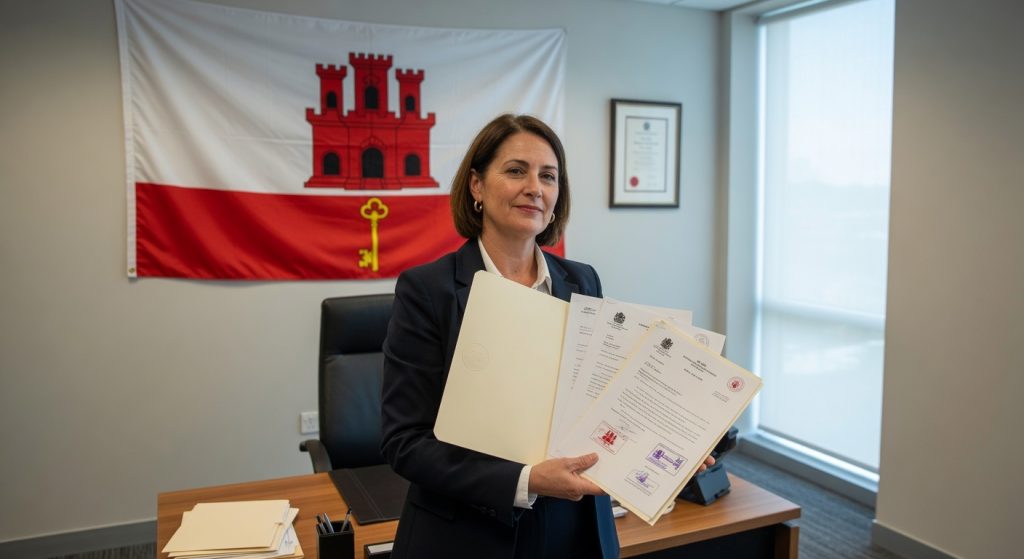
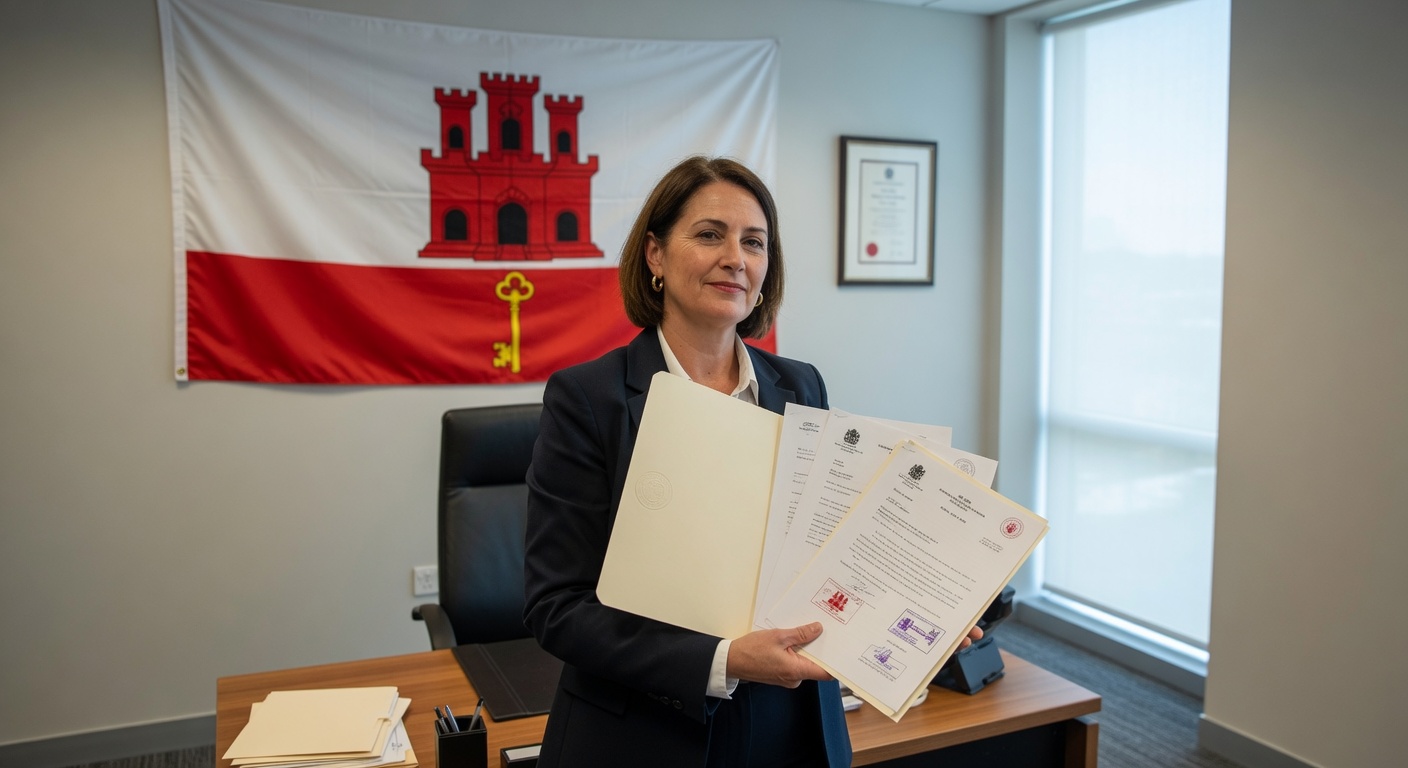
Requests for civil documents in Gibraltar can often be made in person, by mail, or online through official government portals. When applying, individuals may be required to present identification and pay a fee for processing. The fees and processing times can vary depending on the type of document and the urgency of the request.
In addition to the Civil Status and Registration Office, Gibraltar’s public archives serve as a valuable resource for accessing historical civil status records. These archives store older documents and records that may not be available through current civil registration channels. Access to public archives may involve scheduled visits or special permissions, especially for records of significant age or sensitivity.
It is advisable to check the official Gibraltar government website or contact relevant offices directly to understand the latest procedures, fees, and requirements for accessing civil status history records. Being well-informed helps streamline the process and ensure that requests are handled efficiently.
In summary, accessing civil documents in Gibraltar involves contacting the Civil Status and Registration Office, submitting detailed requests, and possibly utilizing public archives for older records. These resources and established procedures make it possible for individuals to obtain the civil status information they need, whether for legal verification or personal research.
Where to Find Civil Status Records
In Gibraltar, civil status records are primarily maintained by several key organizations and locations, each serving as essential repositories for civil documents such as birth, marriage, and death records. Understanding where to look is crucial for anyone researching family history or legal documentation.
- Gibraltar Registry Office: The Gibraltar registry is the central authority responsible for recording all civil status events. It holds comprehensive civil documents including births, marriages, and deaths registered within Gibraltar. This registry is often the first stop for anyone searching for official records.
- Gibraltar Archives: The archives location preserves historical civil status documents and older records that may no longer be active in the registry system. It is an invaluable resource for genealogical research, offering access to archived records that provide insights into Gibraltar’s civil history.
- Local Parish Churches: Some older civil documents may also be found in local churches, as church records often predate official civil registrations. These records can include baptisms, marriages, and burials which complement the civil documents maintained by the Gibraltar registry.
- Government Departments: Various government offices hold specific civil documents related to identity and civil status. These include departments responsible for issuing identification cards, passports, and other civil status documents critical for legal identification and citizenship.
- Online Databases and Digital Repositories: Increasingly, civil status records are being digitized and made available online. Researchers can access certain records through official government websites or authorized digital archives, making it easier to find information remotely.
Process for Requesting Records
Requesting civil status records in Gibraltar involves a clear application process with specific requirements and fees. Understanding these steps will help ensure your record requests are handled efficiently.
- Submit an Application: Begin by filling out the official application form for civil status records, which can typically be found on the Gibraltar government’s civil registry website or obtained directly from the registry office.
- Provide Required Documents: You must include valid identification, such as a passport or national ID card, and proof of your relationship to the person named in the record if you are applying on behalf of someone else.
- Specify Record Details: Clearly indicate the type of record you want to request (birth, marriage, death, etc.) along with pertinent details such as the full name, date, and place of the event to help locate the correct document.
- Pay Applicable Fees: A fee is required to process record requests. The exact amount varies depending on the type of record requested and whether a certified copy is needed. Payment methods and fee amounts are detailed on the official website or provided by the registry office.
- Submit the Application and Payment: Applications can be submitted in person at the civil registry office, by post, or in some cases, electronically. Ensure payment is included or made according to the registry’s guidelines.
- Wait for Processing: Once submitted, the application will be reviewed, and if all requirements are met, the requested record will be processed and provided within the stipulated timeframe.
Following these steps carefully and providing all required documents and fees will facilitate a smooth application process for obtaining civil status records in Gibraltar.
Registers were typically maintained by local parish officials or appointed civil officers, who recorded events in handwritten ledgers. These registers reflect the social and demographic fabric of Gibraltar during its formative colonial years and provide invaluable insights for historians and genealogists alike. The detailed approach to documentation helped to maintain accurate population data and legal recognition of individuals’ civil status.
These early civil status documents were carefully preserved, often within church archives or government offices, ensuring their endurance over time. They stand today as significant primary sources, offering a window into the colonial period’s administrative and social structure. The commitment to maintaining these historical documents laid the groundwork for modern civil registration systems in Gibraltar, underscoring the importance of documentation in governance and community life.
Modernization and Digital Records
Gibraltar has embraced modernization in its civil status record keeping through significant digitalization efforts. The transition from traditional paper-based records to electronic systems marks a major advancement in how civil registration is managed. By implementing modern civil registration practices, Gibraltar has created more efficient and reliable methods for documenting vital events such as births, marriages, and deaths.
One of the key improvements has been the establishment of online databases, which store civil status records securely in digital formats. These online databases enable authorized personnel to access records quickly and accurately, reducing the time and effort needed to retrieve physical documents. Furthermore, digitization has enhanced the preservation of historical data, protecting valuable records from damage or loss due to environmental factors.
Access to civil status records has also improved for the public and government agencies alike. With digital records, applications for certificates and other official documents can be handled more efficiently, often allowing online requests and faster processing times. This modernization effort supports transparency and convenience, meeting the needs of a digitally connected society.
Overall, Gibraltar’s shift to digital records and modern civil registration practices represents a significant step forward in the administration of vital statistics, ensuring better accuracy, security, and accessibility for all users.
Accessing Civil Status History Records in Gibraltar

Accessing civil status history records in Gibraltar is a process that allows individuals to obtain official civil documents such as birth, marriage, and death certificates. These records are essential for various legal, genealogical, and personal purposes. Gibraltar maintains a systematic archive of civil status documents, managed primarily through local government offices and public archives.
To access these records, individuals can start by submitting a formal request to the Civil Status and Registration Office located in Gibraltar. Requests typically require providing accurate details related to the event, such as full names, dates, and places, to facilitate a thorough search. It is also important to specify the type of document needed when making a request.
Requests for civil documents in Gibraltar can often be made in person, by mail, or online through official government portals. When applying, individuals may be required to present identification and pay a fee for processing. The fees and processing times can vary depending on the type of document and the urgency of the request.
In addition to the Civil Status and Registration Office, Gibraltar’s public archives serve as a valuable resource for accessing historical civil status records. These archives store older documents and records that may not be available through current civil registration channels. Access to public archives may involve scheduled visits or special permissions, especially for records of significant age or sensitivity.
It is advisable to check the official Gibraltar government website or contact relevant offices directly to understand the latest procedures, fees, and requirements for accessing civil status history records. Being well-informed helps streamline the process and ensure that requests are handled efficiently.
In summary, accessing civil documents in Gibraltar involves contacting the Civil Status and Registration Office, submitting detailed requests, and possibly utilizing public archives for older records. These resources and established procedures make it possible for individuals to obtain the civil status information they need, whether for legal verification or personal research.
Where to Find Civil Status Records
In Gibraltar, civil status records are primarily maintained by several key organizations and locations, each serving as essential repositories for civil documents such as birth, marriage, and death records. Understanding where to look is crucial for anyone researching family history or legal documentation.
- Gibraltar Registry Office: The Gibraltar registry is the central authority responsible for recording all civil status events. It holds comprehensive civil documents including births, marriages, and deaths registered within Gibraltar. This registry is often the first stop for anyone searching for official records.
- Gibraltar Archives: The archives location preserves historical civil status documents and older records that may no longer be active in the registry system. It is an invaluable resource for genealogical research, offering access to archived records that provide insights into Gibraltar’s civil history.
- Local Parish Churches: Some older civil documents may also be found in local churches, as church records often predate official civil registrations. These records can include baptisms, marriages, and burials which complement the civil documents maintained by the Gibraltar registry.
- Government Departments: Various government offices hold specific civil documents related to identity and civil status. These include departments responsible for issuing identification cards, passports, and other civil status documents critical for legal identification and citizenship.
- Online Databases and Digital Repositories: Increasingly, civil status records are being digitized and made available online. Researchers can access certain records through official government websites or authorized digital archives, making it easier to find information remotely.
Process for Requesting Records
Requesting civil status records in Gibraltar involves a clear application process with specific requirements and fees. Understanding these steps will help ensure your record requests are handled efficiently.
- Submit an Application: Begin by filling out the official application form for civil status records, which can typically be found on the Gibraltar government’s civil registry website or obtained directly from the registry office.
- Provide Required Documents: You must include valid identification, such as a passport or national ID card, and proof of your relationship to the person named in the record if you are applying on behalf of someone else.
- Specify Record Details: Clearly indicate the type of record you want to request (birth, marriage, death, etc.) along with pertinent details such as the full name, date, and place of the event to help locate the correct document.
- Pay Applicable Fees: A fee is required to process record requests. The exact amount varies depending on the type of record requested and whether a certified copy is needed. Payment methods and fee amounts are detailed on the official website or provided by the registry office.
- Submit the Application and Payment: Applications can be submitted in person at the civil registry office, by post, or in some cases, electronically. Ensure payment is included or made according to the registry’s guidelines.
- Wait for Processing: Once submitted, the application will be reviewed, and if all requirements are met, the requested record will be processed and provided within the stipulated timeframe.
Following these steps carefully and providing all required documents and fees will facilitate a smooth application process for obtaining civil status records in Gibraltar.
Registers were typically maintained by local parish officials or appointed civil officers, who recorded events in handwritten ledgers. These registers reflect the social and demographic fabric of Gibraltar during its formative colonial years and provide invaluable insights for historians and genealogists alike. The detailed approach to documentation helped to maintain accurate population data and legal recognition of individuals’ civil status.
These early civil status documents were carefully preserved, often within church archives or government offices, ensuring their endurance over time. They stand today as significant primary sources, offering a window into the colonial period’s administrative and social structure. The commitment to maintaining these historical documents laid the groundwork for modern civil registration systems in Gibraltar, underscoring the importance of documentation in governance and community life.
Modernization and Digital Records
Gibraltar has embraced modernization in its civil status record keeping through significant digitalization efforts. The transition from traditional paper-based records to electronic systems marks a major advancement in how civil registration is managed. By implementing modern civil registration practices, Gibraltar has created more efficient and reliable methods for documenting vital events such as births, marriages, and deaths.
One of the key improvements has been the establishment of online databases, which store civil status records securely in digital formats. These online databases enable authorized personnel to access records quickly and accurately, reducing the time and effort needed to retrieve physical documents. Furthermore, digitization has enhanced the preservation of historical data, protecting valuable records from damage or loss due to environmental factors.
Access to civil status records has also improved for the public and government agencies alike. With digital records, applications for certificates and other official documents can be handled more efficiently, often allowing online requests and faster processing times. This modernization effort supports transparency and convenience, meeting the needs of a digitally connected society.
Overall, Gibraltar’s shift to digital records and modern civil registration practices represents a significant step forward in the administration of vital statistics, ensuring better accuracy, security, and accessibility for all users.
Accessing Civil Status History Records in Gibraltar

Accessing civil status history records in Gibraltar is a process that allows individuals to obtain official civil documents such as birth, marriage, and death certificates. These records are essential for various legal, genealogical, and personal purposes. Gibraltar maintains a systematic archive of civil status documents, managed primarily through local government offices and public archives.
To access these records, individuals can start by submitting a formal request to the Civil Status and Registration Office located in Gibraltar. Requests typically require providing accurate details related to the event, such as full names, dates, and places, to facilitate a thorough search. It is also important to specify the type of document needed when making a request.
Requests for civil documents in Gibraltar can often be made in person, by mail, or online through official government portals. When applying, individuals may be required to present identification and pay a fee for processing. The fees and processing times can vary depending on the type of document and the urgency of the request.
In addition to the Civil Status and Registration Office, Gibraltar’s public archives serve as a valuable resource for accessing historical civil status records. These archives store older documents and records that may not be available through current civil registration channels. Access to public archives may involve scheduled visits or special permissions, especially for records of significant age or sensitivity.
It is advisable to check the official Gibraltar government website or contact relevant offices directly to understand the latest procedures, fees, and requirements for accessing civil status history records. Being well-informed helps streamline the process and ensure that requests are handled efficiently.
In summary, accessing civil documents in Gibraltar involves contacting the Civil Status and Registration Office, submitting detailed requests, and possibly utilizing public archives for older records. These resources and established procedures make it possible for individuals to obtain the civil status information they need, whether for legal verification or personal research.
Where to Find Civil Status Records
In Gibraltar, civil status records are primarily maintained by several key organizations and locations, each serving as essential repositories for civil documents such as birth, marriage, and death records. Understanding where to look is crucial for anyone researching family history or legal documentation.
- Gibraltar Registry Office: The Gibraltar registry is the central authority responsible for recording all civil status events. It holds comprehensive civil documents including births, marriages, and deaths registered within Gibraltar. This registry is often the first stop for anyone searching for official records.
- Gibraltar Archives: The archives location preserves historical civil status documents and older records that may no longer be active in the registry system. It is an invaluable resource for genealogical research, offering access to archived records that provide insights into Gibraltar’s civil history.
- Local Parish Churches: Some older civil documents may also be found in local churches, as church records often predate official civil registrations. These records can include baptisms, marriages, and burials which complement the civil documents maintained by the Gibraltar registry.
- Government Departments: Various government offices hold specific civil documents related to identity and civil status. These include departments responsible for issuing identification cards, passports, and other civil status documents critical for legal identification and citizenship.
- Online Databases and Digital Repositories: Increasingly, civil status records are being digitized and made available online. Researchers can access certain records through official government websites or authorized digital archives, making it easier to find information remotely.
Process for Requesting Records
Requesting civil status records in Gibraltar involves a clear application process with specific requirements and fees. Understanding these steps will help ensure your record requests are handled efficiently.
- Submit an Application: Begin by filling out the official application form for civil status records, which can typically be found on the Gibraltar government’s civil registry website or obtained directly from the registry office.
- Provide Required Documents: You must include valid identification, such as a passport or national ID card, and proof of your relationship to the person named in the record if you are applying on behalf of someone else.
- Specify Record Details: Clearly indicate the type of record you want to request (birth, marriage, death, etc.) along with pertinent details such as the full name, date, and place of the event to help locate the correct document.
- Pay Applicable Fees: A fee is required to process record requests. The exact amount varies depending on the type of record requested and whether a certified copy is needed. Payment methods and fee amounts are detailed on the official website or provided by the registry office.
- Submit the Application and Payment: Applications can be submitted in person at the civil registry office, by post, or in some cases, electronically. Ensure payment is included or made according to the registry’s guidelines.
- Wait for Processing: Once submitted, the application will be reviewed, and if all requirements are met, the requested record will be processed and provided within the stipulated timeframe.
Following these steps carefully and providing all required documents and fees will facilitate a smooth application process for obtaining civil status records in Gibraltar.
Overview of Civil Status in Gibraltar
Civil status refers to the legal recognition of an individual’s personal and family situation under the law. In Gibraltar, civil status is a crucial aspect of the legal and social framework, governing rights and obligations in areas such as marriage, divorce, parentage, and inheritance. Understanding civil status is essential for the Gibraltar population as it directly influences one’s legal identity and social standing within the community.
The concept of civil status in Gibraltar encompasses various categories including single, married, divorced, widowed, and legally separated individuals. These statuses are officially recorded and maintained by governmental authorities and serve as vital civil records. For the Gibraltar population, maintaining accurate civil status is important not only for personal identification but also for accessing social services, healthcare, and participating in legal processes.
Gibraltar’s demographic overview shows a diverse population with varying civil statuses, reflecting changes in societal norms and family structures. The legal status granted by civil documentation ensures that individuals can assert their rights within the jurisdiction, whether it concerns property ownership, child custody, or spousal support. Accurate documentation of civil status is also essential for census and statistical purposes, helping the government plan and allocate resources effectively.
Moreover, civil status in Gibraltar plays a significant role in social identity and community relationships. It influences matters such as eligibility for social benefits and participation in civic duties. The legal framework surrounding civil status supports the enforcement of laws related to family matters and personal rights, thus protecting individuals and families within the society.
In summary, civil status in Gibraltar is a fundamental legal concept that integrates identity, legal rights, and social responsibilities for the Gibraltar population. Its importance extends beyond personal affairs to affect broader demographic and societal dynamics, making it a key element in understanding Gibraltar’s legal and social structure.
Definition and Types of Civil Status
Civil status in Gibraltar encompasses several key types that officially document an individual’s legal and familial standing. The primary civil status types recognized include marriage, divorce, and birth registration, each playing a crucial role in the legal framework of personal identity and relationships.
Marriage is a formal legal union between two individuals, which in Gibraltar is recognized through a civil registration process. This type of civil status confirms the marital relationship, affecting rights related to property, inheritance, and social benefits.
Divorce, on the other hand, marks the legal dissolution of a marriage. In Gibraltar, divorce requires a formal procedure through the courts, ensuring that all legal aspects are settled, including custody, division of assets, and financial support. This civil status type updates an individual’s marital status from married to divorced.
Birth registration is another fundamental civil status type. It serves as the official record of a person’s birth within Gibraltar’s jurisdiction, documenting essential details such as the date and place of birth, as well as parentage. Birth registration is vital for establishing identity, nationality, and the right to access various civic rights and services.
Together, these civil status types form the backbone of personal legal identity in Gibraltar, ensuring that significant life events are formally acknowledged and recorded for legal and administrative purposes.
Civil Status Records and Their Importance
Maintaining civil records in Gibraltar is crucial for both legal and historical purposes. These documents serve as official proof of significant life events such as births, marriages, and deaths. As legal documents, civil records are indispensable for establishing identity, nationality, and family relationships, which are often required in legal proceedings, inheritance claims, and other official matters. The Gibraltar archives play a central role in preserving these records meticulously, ensuring their accuracy and security.
Beyond their legal utility, civil status records hold immense value for historical research and the study of demographic trends in Gibraltar. Researchers and genealogists rely on these archives to trace family histories, understand population changes, and analyze social patterns over time. The careful preservation of civil records thus contributes not only to administrative order but also to the cultural heritage of Gibraltar. These historical data provide insights that help frame the evolution of communities and offer a tangible connection to the past.
In summary, civil records housed within the Gibraltar archives are fundamental resources that support both current legal needs and long-term historical scholarship. Their ongoing maintenance reflects a commitment to safeguarding personal identities and collective memory across generations.
Historical Development of Civil Status Documentation in Gibraltar
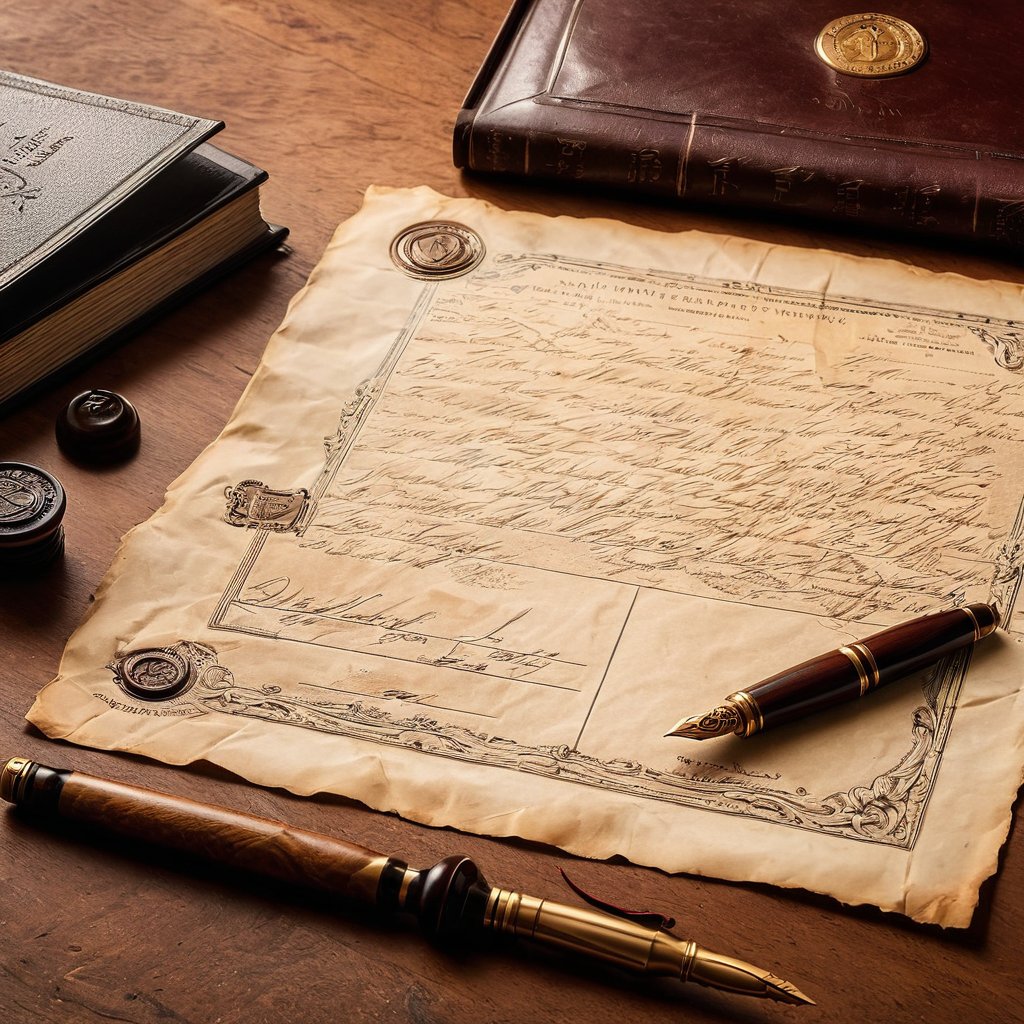
The civil records history of Gibraltar reflects a rich tapestry of legal and administrative evolution that mirrors the territory’s complex cultural and political background. From early ecclesiastical record keeping to modern digital archives, the Gibraltar archives offer a unique insight into how civil status documentation has developed over centuries.
In the earliest periods, vital records such as births, marriages, and deaths were chiefly maintained by religious institutions. Churches acted as the primary record keepers, documenting key life events in parish registers. These ecclesiastical records served as precursors to civil documentation in Gibraltar and were essential for legal and social purposes during that time. However, the fragmented nature of these records often posed challenges in standardizing civil status documentation.
The evolution of record keeping gained momentum as Gibraltar’s strategic importance increased under British control in the early 18th century. The need for systematic documentation became clear to support governance, property rights, and legal proceedings. Consequently, the administration began implementing more formal civil registration systems to complement the existing church records, ensuring that vital events were officially recorded and traceable.
Throughout the 19th and 20th centuries, the legal history of Gibraltar saw significant reforms in the registration and preservation of civil status data. Government offices established dedicated registries to centralize records, moving beyond the ecclesiastical foundations. This shift improved the accuracy and accessibility of civil records, enabling better administration of public services and the protection of individual rights.
In recent decades, Gibraltar archives have embraced technological advances, transitioning from paper-based documents to digital record keeping systems. This modernization has enhanced the security, longevity, and accessibility of civil status documentation. Today, civil records in Gibraltar are meticulously managed within an integrated system that supports legal verification, historical research, and genealogical studies, underscoring the ongoing importance of thorough record keeping in both administrative and cultural contexts.
Early Civil Registration Practices
During Gibraltar’s colonial period, the earliest records of civil status were meticulously maintained through registers that served as fundamental historical documents. These early records primarily documented births, marriages, and deaths within the community, acting as essential proof of identity and civil standing. The colonial authorities ensured these registers were systematically kept to establish order and legal clarity in this strategically important territory.
Registers were typically maintained by local parish officials or appointed civil officers, who recorded events in handwritten ledgers. These registers reflect the social and demographic fabric of Gibraltar during its formative colonial years and provide invaluable insights for historians and genealogists alike. The detailed approach to documentation helped to maintain accurate population data and legal recognition of individuals’ civil status.
These early civil status documents were carefully preserved, often within church archives or government offices, ensuring their endurance over time. They stand today as significant primary sources, offering a window into the colonial period’s administrative and social structure. The commitment to maintaining these historical documents laid the groundwork for modern civil registration systems in Gibraltar, underscoring the importance of documentation in governance and community life.
Modernization and Digital Records
Gibraltar has embraced modernization in its civil status record keeping through significant digitalization efforts. The transition from traditional paper-based records to electronic systems marks a major advancement in how civil registration is managed. By implementing modern civil registration practices, Gibraltar has created more efficient and reliable methods for documenting vital events such as births, marriages, and deaths.
One of the key improvements has been the establishment of online databases, which store civil status records securely in digital formats. These online databases enable authorized personnel to access records quickly and accurately, reducing the time and effort needed to retrieve physical documents. Furthermore, digitization has enhanced the preservation of historical data, protecting valuable records from damage or loss due to environmental factors.
Access to civil status records has also improved for the public and government agencies alike. With digital records, applications for certificates and other official documents can be handled more efficiently, often allowing online requests and faster processing times. This modernization effort supports transparency and convenience, meeting the needs of a digitally connected society.
Overall, Gibraltar’s shift to digital records and modern civil registration practices represents a significant step forward in the administration of vital statistics, ensuring better accuracy, security, and accessibility for all users.
Accessing Civil Status History Records in Gibraltar
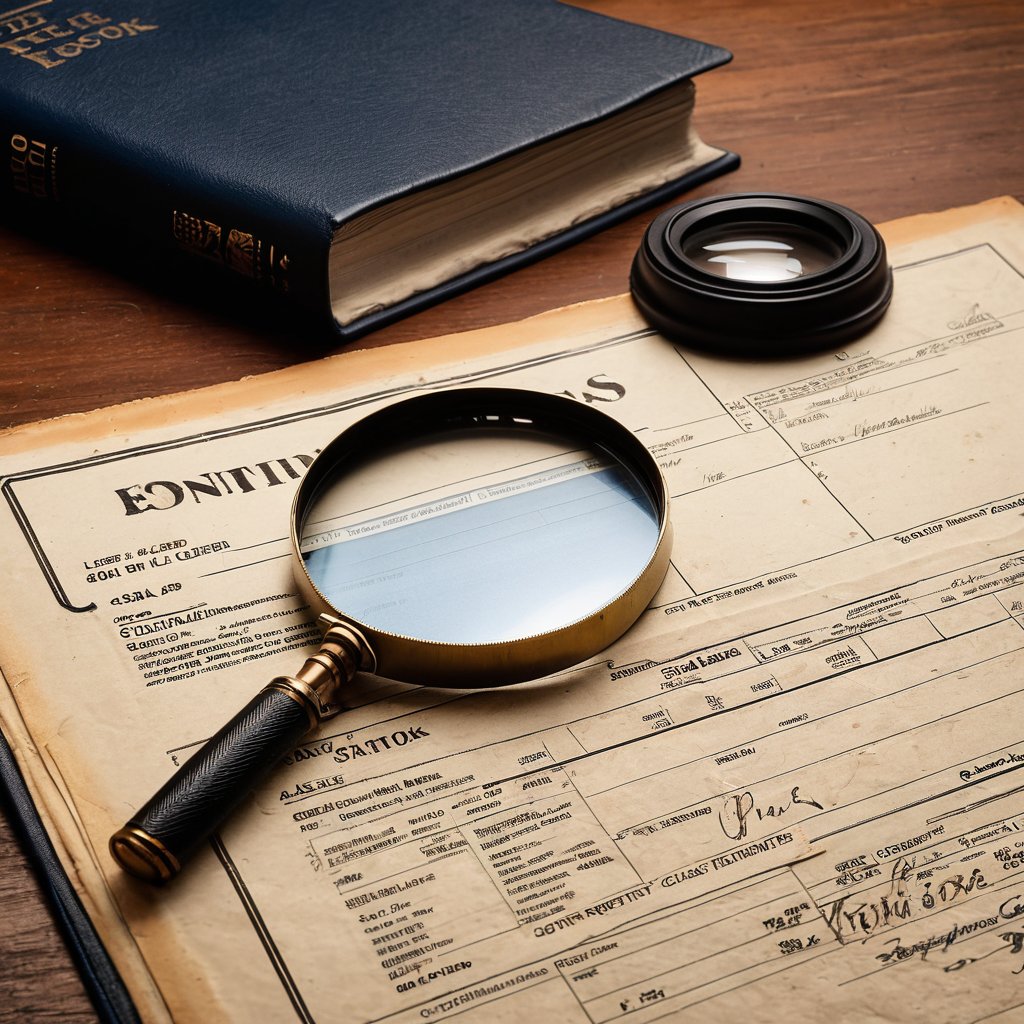
Accessing civil status history records in Gibraltar is a process that allows individuals to obtain official civil documents such as birth, marriage, and death certificates. These records are essential for various legal, genealogical, and personal purposes. Gibraltar maintains a systematic archive of civil status documents, managed primarily through local government offices and public archives.
To access these records, individuals can start by submitting a formal request to the Civil Status and Registration Office located in Gibraltar. Requests typically require providing accurate details related to the event, such as full names, dates, and places, to facilitate a thorough search. It is also important to specify the type of document needed when making a request.
Requests for civil documents in Gibraltar can often be made in person, by mail, or online through official government portals. When applying, individuals may be required to present identification and pay a fee for processing. The fees and processing times can vary depending on the type of document and the urgency of the request.
In addition to the Civil Status and Registration Office, Gibraltar’s public archives serve as a valuable resource for accessing historical civil status records. These archives store older documents and records that may not be available through current civil registration channels. Access to public archives may involve scheduled visits or special permissions, especially for records of significant age or sensitivity.
It is advisable to check the official Gibraltar government website or contact relevant offices directly to understand the latest procedures, fees, and requirements for accessing civil status history records. Being well-informed helps streamline the process and ensure that requests are handled efficiently.
In summary, accessing civil documents in Gibraltar involves contacting the Civil Status and Registration Office, submitting detailed requests, and possibly utilizing public archives for older records. These resources and established procedures make it possible for individuals to obtain the civil status information they need, whether for legal verification or personal research.
Where to Find Civil Status Records
In Gibraltar, civil status records are primarily maintained by several key organizations and locations, each serving as essential repositories for civil documents such as birth, marriage, and death records. Understanding where to look is crucial for anyone researching family history or legal documentation.
- Gibraltar Registry Office: The Gibraltar registry is the central authority responsible for recording all civil status events. It holds comprehensive civil documents including births, marriages, and deaths registered within Gibraltar. This registry is often the first stop for anyone searching for official records.
- Gibraltar Archives: The archives location preserves historical civil status documents and older records that may no longer be active in the registry system. It is an invaluable resource for genealogical research, offering access to archived records that provide insights into Gibraltar’s civil history.
- Local Parish Churches: Some older civil documents may also be found in local churches, as church records often predate official civil registrations. These records can include baptisms, marriages, and burials which complement the civil documents maintained by the Gibraltar registry.
- Government Departments: Various government offices hold specific civil documents related to identity and civil status. These include departments responsible for issuing identification cards, passports, and other civil status documents critical for legal identification and citizenship.
- Online Databases and Digital Repositories: Increasingly, civil status records are being digitized and made available online. Researchers can access certain records through official government websites or authorized digital archives, making it easier to find information remotely.
Process for Requesting Records
Requesting civil status records in Gibraltar involves a clear application process with specific requirements and fees. Understanding these steps will help ensure your record requests are handled efficiently.
- Submit an Application: Begin by filling out the official application form for civil status records, which can typically be found on the Gibraltar government’s civil registry website or obtained directly from the registry office.
- Provide Required Documents: You must include valid identification, such as a passport or national ID card, and proof of your relationship to the person named in the record if you are applying on behalf of someone else.
- Specify Record Details: Clearly indicate the type of record you want to request (birth, marriage, death, etc.) along with pertinent details such as the full name, date, and place of the event to help locate the correct document.
- Pay Applicable Fees: A fee is required to process record requests. The exact amount varies depending on the type of record requested and whether a certified copy is needed. Payment methods and fee amounts are detailed on the official website or provided by the registry office.
- Submit the Application and Payment: Applications can be submitted in person at the civil registry office, by post, or in some cases, electronically. Ensure payment is included or made according to the registry’s guidelines.
- Wait for Processing: Once submitted, the application will be reviewed, and if all requirements are met, the requested record will be processed and provided within the stipulated timeframe.
Following these steps carefully and providing all required documents and fees will facilitate a smooth application process for obtaining civil status records in Gibraltar.

Registers were typically maintained by local parish officials or appointed civil officers, who recorded events in handwritten ledgers. These registers reflect the social and demographic fabric of Gibraltar during its formative colonial years and provide invaluable insights for historians and genealogists alike. The detailed approach to documentation helped to maintain accurate population data and legal recognition of individuals’ civil status.
These early civil status documents were carefully preserved, often within church archives or government offices, ensuring their endurance over time. They stand today as significant primary sources, offering a window into the colonial period’s administrative and social structure. The commitment to maintaining these historical documents laid the groundwork for modern civil registration systems in Gibraltar, underscoring the importance of documentation in governance and community life.
Modernization and Digital Records
Gibraltar has embraced modernization in its civil status record keeping through significant digitalization efforts. The transition from traditional paper-based records to electronic systems marks a major advancement in how civil registration is managed. By implementing modern civil registration practices, Gibraltar has created more efficient and reliable methods for documenting vital events such as births, marriages, and deaths.
One of the key improvements has been the establishment of online databases, which store civil status records securely in digital formats. These online databases enable authorized personnel to access records quickly and accurately, reducing the time and effort needed to retrieve physical documents. Furthermore, digitization has enhanced the preservation of historical data, protecting valuable records from damage or loss due to environmental factors.
Access to civil status records has also improved for the public and government agencies alike. With digital records, applications for certificates and other official documents can be handled more efficiently, often allowing online requests and faster processing times. This modernization effort supports transparency and convenience, meeting the needs of a digitally connected society.
Overall, Gibraltar’s shift to digital records and modern civil registration practices represents a significant step forward in the administration of vital statistics, ensuring better accuracy, security, and accessibility for all users.
Accessing Civil Status History Records in Gibraltar

Accessing civil status history records in Gibraltar is a process that allows individuals to obtain official civil documents such as birth, marriage, and death certificates. These records are essential for various legal, genealogical, and personal purposes. Gibraltar maintains a systematic archive of civil status documents, managed primarily through local government offices and public archives.
To access these records, individuals can start by submitting a formal request to the Civil Status and Registration Office located in Gibraltar. Requests typically require providing accurate details related to the event, such as full names, dates, and places, to facilitate a thorough search. It is also important to specify the type of document needed when making a request.
Requests for civil documents in Gibraltar can often be made in person, by mail, or online through official government portals. When applying, individuals may be required to present identification and pay a fee for processing. The fees and processing times can vary depending on the type of document and the urgency of the request.
In addition to the Civil Status and Registration Office, Gibraltar’s public archives serve as a valuable resource for accessing historical civil status records. These archives store older documents and records that may not be available through current civil registration channels. Access to public archives may involve scheduled visits or special permissions, especially for records of significant age or sensitivity.
It is advisable to check the official Gibraltar government website or contact relevant offices directly to understand the latest procedures, fees, and requirements for accessing civil status history records. Being well-informed helps streamline the process and ensure that requests are handled efficiently.
In summary, accessing civil documents in Gibraltar involves contacting the Civil Status and Registration Office, submitting detailed requests, and possibly utilizing public archives for older records. These resources and established procedures make it possible for individuals to obtain the civil status information they need, whether for legal verification or personal research.
Where to Find Civil Status Records
In Gibraltar, civil status records are primarily maintained by several key organizations and locations, each serving as essential repositories for civil documents such as birth, marriage, and death records. Understanding where to look is crucial for anyone researching family history or legal documentation.
- Gibraltar Registry Office: The Gibraltar registry is the central authority responsible for recording all civil status events. It holds comprehensive civil documents including births, marriages, and deaths registered within Gibraltar. This registry is often the first stop for anyone searching for official records.
- Gibraltar Archives: The archives location preserves historical civil status documents and older records that may no longer be active in the registry system. It is an invaluable resource for genealogical research, offering access to archived records that provide insights into Gibraltar’s civil history.
- Local Parish Churches: Some older civil documents may also be found in local churches, as church records often predate official civil registrations. These records can include baptisms, marriages, and burials which complement the civil documents maintained by the Gibraltar registry.
- Government Departments: Various government offices hold specific civil documents related to identity and civil status. These include departments responsible for issuing identification cards, passports, and other civil status documents critical for legal identification and citizenship.
- Online Databases and Digital Repositories: Increasingly, civil status records are being digitized and made available online. Researchers can access certain records through official government websites or authorized digital archives, making it easier to find information remotely.
Process for Requesting Records
Requesting civil status records in Gibraltar involves a clear application process with specific requirements and fees. Understanding these steps will help ensure your record requests are handled efficiently.
- Submit an Application: Begin by filling out the official application form for civil status records, which can typically be found on the Gibraltar government’s civil registry website or obtained directly from the registry office.
- Provide Required Documents: You must include valid identification, such as a passport or national ID card, and proof of your relationship to the person named in the record if you are applying on behalf of someone else.
- Specify Record Details: Clearly indicate the type of record you want to request (birth, marriage, death, etc.) along with pertinent details such as the full name, date, and place of the event to help locate the correct document.
- Pay Applicable Fees: A fee is required to process record requests. The exact amount varies depending on the type of record requested and whether a certified copy is needed. Payment methods and fee amounts are detailed on the official website or provided by the registry office.
- Submit the Application and Payment: Applications can be submitted in person at the civil registry office, by post, or in some cases, electronically. Ensure payment is included or made according to the registry’s guidelines.
- Wait for Processing: Once submitted, the application will be reviewed, and if all requirements are met, the requested record will be processed and provided within the stipulated timeframe.
Following these steps carefully and providing all required documents and fees will facilitate a smooth application process for obtaining civil status records in Gibraltar.
Overview of Civil Status in Gibraltar
Civil status refers to the legal recognition of an individual’s personal and family situation under the law. In Gibraltar, civil status is a crucial aspect of the legal and social framework, governing rights and obligations in areas such as marriage, divorce, parentage, and inheritance. Understanding civil status is essential for the Gibraltar population as it directly influences one’s legal identity and social standing within the community.
The concept of civil status in Gibraltar encompasses various categories including single, married, divorced, widowed, and legally separated individuals. These statuses are officially recorded and maintained by governmental authorities and serve as vital civil records. For the Gibraltar population, maintaining accurate civil status is important not only for personal identification but also for accessing social services, healthcare, and participating in legal processes.
Gibraltar’s demographic overview shows a diverse population with varying civil statuses, reflecting changes in societal norms and family structures. The legal status granted by civil documentation ensures that individuals can assert their rights within the jurisdiction, whether it concerns property ownership, child custody, or spousal support. Accurate documentation of civil status is also essential for census and statistical purposes, helping the government plan and allocate resources effectively.
Moreover, civil status in Gibraltar plays a significant role in social identity and community relationships. It influences matters such as eligibility for social benefits and participation in civic duties. The legal framework surrounding civil status supports the enforcement of laws related to family matters and personal rights, thus protecting individuals and families within the society.
In summary, civil status in Gibraltar is a fundamental legal concept that integrates identity, legal rights, and social responsibilities for the Gibraltar population. Its importance extends beyond personal affairs to affect broader demographic and societal dynamics, making it a key element in understanding Gibraltar’s legal and social structure.
Definition and Types of Civil Status
Civil status in Gibraltar encompasses several key types that officially document an individual’s legal and familial standing. The primary civil status types recognized include marriage, divorce, and birth registration, each playing a crucial role in the legal framework of personal identity and relationships.
Marriage is a formal legal union between two individuals, which in Gibraltar is recognized through a civil registration process. This type of civil status confirms the marital relationship, affecting rights related to property, inheritance, and social benefits.
Divorce, on the other hand, marks the legal dissolution of a marriage. In Gibraltar, divorce requires a formal procedure through the courts, ensuring that all legal aspects are settled, including custody, division of assets, and financial support. This civil status type updates an individual’s marital status from married to divorced.
Birth registration is another fundamental civil status type. It serves as the official record of a person’s birth within Gibraltar’s jurisdiction, documenting essential details such as the date and place of birth, as well as parentage. Birth registration is vital for establishing identity, nationality, and the right to access various civic rights and services.
Together, these civil status types form the backbone of personal legal identity in Gibraltar, ensuring that significant life events are formally acknowledged and recorded for legal and administrative purposes.
Civil Status Records and Their Importance
Maintaining civil records in Gibraltar is crucial for both legal and historical purposes. These documents serve as official proof of significant life events such as births, marriages, and deaths. As legal documents, civil records are indispensable for establishing identity, nationality, and family relationships, which are often required in legal proceedings, inheritance claims, and other official matters. The Gibraltar archives play a central role in preserving these records meticulously, ensuring their accuracy and security.
Beyond their legal utility, civil status records hold immense value for historical research and the study of demographic trends in Gibraltar. Researchers and genealogists rely on these archives to trace family histories, understand population changes, and analyze social patterns over time. The careful preservation of civil records thus contributes not only to administrative order but also to the cultural heritage of Gibraltar. These historical data provide insights that help frame the evolution of communities and offer a tangible connection to the past.
In summary, civil records housed within the Gibraltar archives are fundamental resources that support both current legal needs and long-term historical scholarship. Their ongoing maintenance reflects a commitment to safeguarding personal identities and collective memory across generations.
Historical Development of Civil Status Documentation in Gibraltar

The civil records history of Gibraltar reflects a rich tapestry of legal and administrative evolution that mirrors the territory’s complex cultural and political background. From early ecclesiastical record keeping to modern digital archives, the Gibraltar archives offer a unique insight into how civil status documentation has developed over centuries.
In the earliest periods, vital records such as births, marriages, and deaths were chiefly maintained by religious institutions. Churches acted as the primary record keepers, documenting key life events in parish registers. These ecclesiastical records served as precursors to civil documentation in Gibraltar and were essential for legal and social purposes during that time. However, the fragmented nature of these records often posed challenges in standardizing civil status documentation.
The evolution of record keeping gained momentum as Gibraltar’s strategic importance increased under British control in the early 18th century. The need for systematic documentation became clear to support governance, property rights, and legal proceedings. Consequently, the administration began implementing more formal civil registration systems to complement the existing church records, ensuring that vital events were officially recorded and traceable.
Throughout the 19th and 20th centuries, the legal history of Gibraltar saw significant reforms in the registration and preservation of civil status data. Government offices established dedicated registries to centralize records, moving beyond the ecclesiastical foundations. This shift improved the accuracy and accessibility of civil records, enabling better administration of public services and the protection of individual rights.
In recent decades, Gibraltar archives have embraced technological advances, transitioning from paper-based documents to digital record keeping systems. This modernization has enhanced the security, longevity, and accessibility of civil status documentation. Today, civil records in Gibraltar are meticulously managed within an integrated system that supports legal verification, historical research, and genealogical studies, underscoring the ongoing importance of thorough record keeping in both administrative and cultural contexts.
Early Civil Registration Practices
During Gibraltar’s colonial period, the earliest records of civil status were meticulously maintained through registers that served as fundamental historical documents. These early records primarily documented births, marriages, and deaths within the community, acting as essential proof of identity and civil standing. The colonial authorities ensured these registers were systematically kept to establish order and legal clarity in this strategically important territory.
Registers were typically maintained by local parish officials or appointed civil officers, who recorded events in handwritten ledgers. These registers reflect the social and demographic fabric of Gibraltar during its formative colonial years and provide invaluable insights for historians and genealogists alike. The detailed approach to documentation helped to maintain accurate population data and legal recognition of individuals’ civil status.
These early civil status documents were carefully preserved, often within church archives or government offices, ensuring their endurance over time. They stand today as significant primary sources, offering a window into the colonial period’s administrative and social structure. The commitment to maintaining these historical documents laid the groundwork for modern civil registration systems in Gibraltar, underscoring the importance of documentation in governance and community life.
Modernization and Digital Records
Gibraltar has embraced modernization in its civil status record keeping through significant digitalization efforts. The transition from traditional paper-based records to electronic systems marks a major advancement in how civil registration is managed. By implementing modern civil registration practices, Gibraltar has created more efficient and reliable methods for documenting vital events such as births, marriages, and deaths.
One of the key improvements has been the establishment of online databases, which store civil status records securely in digital formats. These online databases enable authorized personnel to access records quickly and accurately, reducing the time and effort needed to retrieve physical documents. Furthermore, digitization has enhanced the preservation of historical data, protecting valuable records from damage or loss due to environmental factors.
Access to civil status records has also improved for the public and government agencies alike. With digital records, applications for certificates and other official documents can be handled more efficiently, often allowing online requests and faster processing times. This modernization effort supports transparency and convenience, meeting the needs of a digitally connected society.
Overall, Gibraltar’s shift to digital records and modern civil registration practices represents a significant step forward in the administration of vital statistics, ensuring better accuracy, security, and accessibility for all users.
Accessing Civil Status History Records in Gibraltar

Accessing civil status history records in Gibraltar is a process that allows individuals to obtain official civil documents such as birth, marriage, and death certificates. These records are essential for various legal, genealogical, and personal purposes. Gibraltar maintains a systematic archive of civil status documents, managed primarily through local government offices and public archives.
To access these records, individuals can start by submitting a formal request to the Civil Status and Registration Office located in Gibraltar. Requests typically require providing accurate details related to the event, such as full names, dates, and places, to facilitate a thorough search. It is also important to specify the type of document needed when making a request.
Requests for civil documents in Gibraltar can often be made in person, by mail, or online through official government portals. When applying, individuals may be required to present identification and pay a fee for processing. The fees and processing times can vary depending on the type of document and the urgency of the request.
In addition to the Civil Status and Registration Office, Gibraltar’s public archives serve as a valuable resource for accessing historical civil status records. These archives store older documents and records that may not be available through current civil registration channels. Access to public archives may involve scheduled visits or special permissions, especially for records of significant age or sensitivity.
It is advisable to check the official Gibraltar government website or contact relevant offices directly to understand the latest procedures, fees, and requirements for accessing civil status history records. Being well-informed helps streamline the process and ensure that requests are handled efficiently.
In summary, accessing civil documents in Gibraltar involves contacting the Civil Status and Registration Office, submitting detailed requests, and possibly utilizing public archives for older records. These resources and established procedures make it possible for individuals to obtain the civil status information they need, whether for legal verification or personal research.
Where to Find Civil Status Records
In Gibraltar, civil status records are primarily maintained by several key organizations and locations, each serving as essential repositories for civil documents such as birth, marriage, and death records. Understanding where to look is crucial for anyone researching family history or legal documentation.
- Gibraltar Registry Office: The Gibraltar registry is the central authority responsible for recording all civil status events. It holds comprehensive civil documents including births, marriages, and deaths registered within Gibraltar. This registry is often the first stop for anyone searching for official records.
- Gibraltar Archives: The archives location preserves historical civil status documents and older records that may no longer be active in the registry system. It is an invaluable resource for genealogical research, offering access to archived records that provide insights into Gibraltar’s civil history.
- Local Parish Churches: Some older civil documents may also be found in local churches, as church records often predate official civil registrations. These records can include baptisms, marriages, and burials which complement the civil documents maintained by the Gibraltar registry.
- Government Departments: Various government offices hold specific civil documents related to identity and civil status. These include departments responsible for issuing identification cards, passports, and other civil status documents critical for legal identification and citizenship.
- Online Databases and Digital Repositories: Increasingly, civil status records are being digitized and made available online. Researchers can access certain records through official government websites or authorized digital archives, making it easier to find information remotely.
Process for Requesting Records
Requesting civil status records in Gibraltar involves a clear application process with specific requirements and fees. Understanding these steps will help ensure your record requests are handled efficiently.
- Submit an Application: Begin by filling out the official application form for civil status records, which can typically be found on the Gibraltar government’s civil registry website or obtained directly from the registry office.
- Provide Required Documents: You must include valid identification, such as a passport or national ID card, and proof of your relationship to the person named in the record if you are applying on behalf of someone else.
- Specify Record Details: Clearly indicate the type of record you want to request (birth, marriage, death, etc.) along with pertinent details such as the full name, date, and place of the event to help locate the correct document.
- Pay Applicable Fees: A fee is required to process record requests. The exact amount varies depending on the type of record requested and whether a certified copy is needed. Payment methods and fee amounts are detailed on the official website or provided by the registry office.
- Submit the Application and Payment: Applications can be submitted in person at the civil registry office, by post, or in some cases, electronically. Ensure payment is included or made according to the registry’s guidelines.
- Wait for Processing: Once submitted, the application will be reviewed, and if all requirements are met, the requested record will be processed and provided within the stipulated timeframe.
Following these steps carefully and providing all required documents and fees will facilitate a smooth application process for obtaining civil status records in Gibraltar.
Registers were typically maintained by local parish officials or appointed civil officers, who recorded events in handwritten ledgers. These registers reflect the social and demographic fabric of Gibraltar during its formative colonial years and provide invaluable insights for historians and genealogists alike. The detailed approach to documentation helped to maintain accurate population data and legal recognition of individuals’ civil status.
These early civil status documents were carefully preserved, often within church archives or government offices, ensuring their endurance over time. They stand today as significant primary sources, offering a window into the colonial period’s administrative and social structure. The commitment to maintaining these historical documents laid the groundwork for modern civil registration systems in Gibraltar, underscoring the importance of documentation in governance and community life.
Modernization and Digital Records
Gibraltar has embraced modernization in its civil status record keeping through significant digitalization efforts. The transition from traditional paper-based records to electronic systems marks a major advancement in how civil registration is managed. By implementing modern civil registration practices, Gibraltar has created more efficient and reliable methods for documenting vital events such as births, marriages, and deaths.
One of the key improvements has been the establishment of online databases, which store civil status records securely in digital formats. These online databases enable authorized personnel to access records quickly and accurately, reducing the time and effort needed to retrieve physical documents. Furthermore, digitization has enhanced the preservation of historical data, protecting valuable records from damage or loss due to environmental factors.
Access to civil status records has also improved for the public and government agencies alike. With digital records, applications for certificates and other official documents can be handled more efficiently, often allowing online requests and faster processing times. This modernization effort supports transparency and convenience, meeting the needs of a digitally connected society.
Overall, Gibraltar’s shift to digital records and modern civil registration practices represents a significant step forward in the administration of vital statistics, ensuring better accuracy, security, and accessibility for all users.
Accessing Civil Status History Records in Gibraltar

Accessing civil status history records in Gibraltar is a process that allows individuals to obtain official civil documents such as birth, marriage, and death certificates. These records are essential for various legal, genealogical, and personal purposes. Gibraltar maintains a systematic archive of civil status documents, managed primarily through local government offices and public archives.
To access these records, individuals can start by submitting a formal request to the Civil Status and Registration Office located in Gibraltar. Requests typically require providing accurate details related to the event, such as full names, dates, and places, to facilitate a thorough search. It is also important to specify the type of document needed when making a request.
Requests for civil documents in Gibraltar can often be made in person, by mail, or online through official government portals. When applying, individuals may be required to present identification and pay a fee for processing. The fees and processing times can vary depending on the type of document and the urgency of the request.
In addition to the Civil Status and Registration Office, Gibraltar’s public archives serve as a valuable resource for accessing historical civil status records. These archives store older documents and records that may not be available through current civil registration channels. Access to public archives may involve scheduled visits or special permissions, especially for records of significant age or sensitivity.
It is advisable to check the official Gibraltar government website or contact relevant offices directly to understand the latest procedures, fees, and requirements for accessing civil status history records. Being well-informed helps streamline the process and ensure that requests are handled efficiently.
In summary, accessing civil documents in Gibraltar involves contacting the Civil Status and Registration Office, submitting detailed requests, and possibly utilizing public archives for older records. These resources and established procedures make it possible for individuals to obtain the civil status information they need, whether for legal verification or personal research.
Where to Find Civil Status Records
In Gibraltar, civil status records are primarily maintained by several key organizations and locations, each serving as essential repositories for civil documents such as birth, marriage, and death records. Understanding where to look is crucial for anyone researching family history or legal documentation.
- Gibraltar Registry Office: The Gibraltar registry is the central authority responsible for recording all civil status events. It holds comprehensive civil documents including births, marriages, and deaths registered within Gibraltar. This registry is often the first stop for anyone searching for official records.
- Gibraltar Archives: The archives location preserves historical civil status documents and older records that may no longer be active in the registry system. It is an invaluable resource for genealogical research, offering access to archived records that provide insights into Gibraltar’s civil history.
- Local Parish Churches: Some older civil documents may also be found in local churches, as church records often predate official civil registrations. These records can include baptisms, marriages, and burials which complement the civil documents maintained by the Gibraltar registry.
- Government Departments: Various government offices hold specific civil documents related to identity and civil status. These include departments responsible for issuing identification cards, passports, and other civil status documents critical for legal identification and citizenship.
- Online Databases and Digital Repositories: Increasingly, civil status records are being digitized and made available online. Researchers can access certain records through official government websites or authorized digital archives, making it easier to find information remotely.
Process for Requesting Records
Requesting civil status records in Gibraltar involves a clear application process with specific requirements and fees. Understanding these steps will help ensure your record requests are handled efficiently.
- Submit an Application: Begin by filling out the official application form for civil status records, which can typically be found on the Gibraltar government’s civil registry website or obtained directly from the registry office.
- Provide Required Documents: You must include valid identification, such as a passport or national ID card, and proof of your relationship to the person named in the record if you are applying on behalf of someone else.
- Specify Record Details: Clearly indicate the type of record you want to request (birth, marriage, death, etc.) along with pertinent details such as the full name, date, and place of the event to help locate the correct document.
- Pay Applicable Fees: A fee is required to process record requests. The exact amount varies depending on the type of record requested and whether a certified copy is needed. Payment methods and fee amounts are detailed on the official website or provided by the registry office.
- Submit the Application and Payment: Applications can be submitted in person at the civil registry office, by post, or in some cases, electronically. Ensure payment is included or made according to the registry’s guidelines.
- Wait for Processing: Once submitted, the application will be reviewed, and if all requirements are met, the requested record will be processed and provided within the stipulated timeframe.
Following these steps carefully and providing all required documents and fees will facilitate a smooth application process for obtaining civil status records in Gibraltar.
Overview of Civil Status in Gibraltar
Civil status refers to the legal recognition of an individual’s personal and family situation under the law. In Gibraltar, civil status is a crucial aspect of the legal and social framework, governing rights and obligations in areas such as marriage, divorce, parentage, and inheritance. Understanding civil status is essential for the Gibraltar population as it directly influences one’s legal identity and social standing within the community.
The concept of civil status in Gibraltar encompasses various categories including single, married, divorced, widowed, and legally separated individuals. These statuses are officially recorded and maintained by governmental authorities and serve as vital civil records. For the Gibraltar population, maintaining accurate civil status is important not only for personal identification but also for accessing social services, healthcare, and participating in legal processes.
Gibraltar’s demographic overview shows a diverse population with varying civil statuses, reflecting changes in societal norms and family structures. The legal status granted by civil documentation ensures that individuals can assert their rights within the jurisdiction, whether it concerns property ownership, child custody, or spousal support. Accurate documentation of civil status is also essential for census and statistical purposes, helping the government plan and allocate resources effectively.
Moreover, civil status in Gibraltar plays a significant role in social identity and community relationships. It influences matters such as eligibility for social benefits and participation in civic duties. The legal framework surrounding civil status supports the enforcement of laws related to family matters and personal rights, thus protecting individuals and families within the society.
In summary, civil status in Gibraltar is a fundamental legal concept that integrates identity, legal rights, and social responsibilities for the Gibraltar population. Its importance extends beyond personal affairs to affect broader demographic and societal dynamics, making it a key element in understanding Gibraltar’s legal and social structure.
Definition and Types of Civil Status
Civil status in Gibraltar encompasses several key types that officially document an individual’s legal and familial standing. The primary civil status types recognized include marriage, divorce, and birth registration, each playing a crucial role in the legal framework of personal identity and relationships.
Marriage is a formal legal union between two individuals, which in Gibraltar is recognized through a civil registration process. This type of civil status confirms the marital relationship, affecting rights related to property, inheritance, and social benefits.
Divorce, on the other hand, marks the legal dissolution of a marriage. In Gibraltar, divorce requires a formal procedure through the courts, ensuring that all legal aspects are settled, including custody, division of assets, and financial support. This civil status type updates an individual’s marital status from married to divorced.
Birth registration is another fundamental civil status type. It serves as the official record of a person’s birth within Gibraltar’s jurisdiction, documenting essential details such as the date and place of birth, as well as parentage. Birth registration is vital for establishing identity, nationality, and the right to access various civic rights and services.
Together, these civil status types form the backbone of personal legal identity in Gibraltar, ensuring that significant life events are formally acknowledged and recorded for legal and administrative purposes.
Civil Status Records and Their Importance
Maintaining civil records in Gibraltar is crucial for both legal and historical purposes. These documents serve as official proof of significant life events such as births, marriages, and deaths. As legal documents, civil records are indispensable for establishing identity, nationality, and family relationships, which are often required in legal proceedings, inheritance claims, and other official matters. The Gibraltar archives play a central role in preserving these records meticulously, ensuring their accuracy and security.
Beyond their legal utility, civil status records hold immense value for historical research and the study of demographic trends in Gibraltar. Researchers and genealogists rely on these archives to trace family histories, understand population changes, and analyze social patterns over time. The careful preservation of civil records thus contributes not only to administrative order but also to the cultural heritage of Gibraltar. These historical data provide insights that help frame the evolution of communities and offer a tangible connection to the past.
In summary, civil records housed within the Gibraltar archives are fundamental resources that support both current legal needs and long-term historical scholarship. Their ongoing maintenance reflects a commitment to safeguarding personal identities and collective memory across generations.
Historical Development of Civil Status Documentation in Gibraltar

The civil records history of Gibraltar reflects a rich tapestry of legal and administrative evolution that mirrors the territory’s complex cultural and political background. From early ecclesiastical record keeping to modern digital archives, the Gibraltar archives offer a unique insight into how civil status documentation has developed over centuries.
In the earliest periods, vital records such as births, marriages, and deaths were chiefly maintained by religious institutions. Churches acted as the primary record keepers, documenting key life events in parish registers. These ecclesiastical records served as precursors to civil documentation in Gibraltar and were essential for legal and social purposes during that time. However, the fragmented nature of these records often posed challenges in standardizing civil status documentation.
The evolution of record keeping gained momentum as Gibraltar’s strategic importance increased under British control in the early 18th century. The need for systematic documentation became clear to support governance, property rights, and legal proceedings. Consequently, the administration began implementing more formal civil registration systems to complement the existing church records, ensuring that vital events were officially recorded and traceable.
Throughout the 19th and 20th centuries, the legal history of Gibraltar saw significant reforms in the registration and preservation of civil status data. Government offices established dedicated registries to centralize records, moving beyond the ecclesiastical foundations. This shift improved the accuracy and accessibility of civil records, enabling better administration of public services and the protection of individual rights.
In recent decades, Gibraltar archives have embraced technological advances, transitioning from paper-based documents to digital record keeping systems. This modernization has enhanced the security, longevity, and accessibility of civil status documentation. Today, civil records in Gibraltar are meticulously managed within an integrated system that supports legal verification, historical research, and genealogical studies, underscoring the ongoing importance of thorough record keeping in both administrative and cultural contexts.
Early Civil Registration Practices
During Gibraltar’s colonial period, the earliest records of civil status were meticulously maintained through registers that served as fundamental historical documents. These early records primarily documented births, marriages, and deaths within the community, acting as essential proof of identity and civil standing. The colonial authorities ensured these registers were systematically kept to establish order and legal clarity in this strategically important territory.
Registers were typically maintained by local parish officials or appointed civil officers, who recorded events in handwritten ledgers. These registers reflect the social and demographic fabric of Gibraltar during its formative colonial years and provide invaluable insights for historians and genealogists alike. The detailed approach to documentation helped to maintain accurate population data and legal recognition of individuals’ civil status.
These early civil status documents were carefully preserved, often within church archives or government offices, ensuring their endurance over time. They stand today as significant primary sources, offering a window into the colonial period’s administrative and social structure. The commitment to maintaining these historical documents laid the groundwork for modern civil registration systems in Gibraltar, underscoring the importance of documentation in governance and community life.
Modernization and Digital Records
Gibraltar has embraced modernization in its civil status record keeping through significant digitalization efforts. The transition from traditional paper-based records to electronic systems marks a major advancement in how civil registration is managed. By implementing modern civil registration practices, Gibraltar has created more efficient and reliable methods for documenting vital events such as births, marriages, and deaths.
One of the key improvements has been the establishment of online databases, which store civil status records securely in digital formats. These online databases enable authorized personnel to access records quickly and accurately, reducing the time and effort needed to retrieve physical documents. Furthermore, digitization has enhanced the preservation of historical data, protecting valuable records from damage or loss due to environmental factors.
Access to civil status records has also improved for the public and government agencies alike. With digital records, applications for certificates and other official documents can be handled more efficiently, often allowing online requests and faster processing times. This modernization effort supports transparency and convenience, meeting the needs of a digitally connected society.
Overall, Gibraltar’s shift to digital records and modern civil registration practices represents a significant step forward in the administration of vital statistics, ensuring better accuracy, security, and accessibility for all users.
Accessing Civil Status History Records in Gibraltar

Accessing civil status history records in Gibraltar is a process that allows individuals to obtain official civil documents such as birth, marriage, and death certificates. These records are essential for various legal, genealogical, and personal purposes. Gibraltar maintains a systematic archive of civil status documents, managed primarily through local government offices and public archives.
To access these records, individuals can start by submitting a formal request to the Civil Status and Registration Office located in Gibraltar. Requests typically require providing accurate details related to the event, such as full names, dates, and places, to facilitate a thorough search. It is also important to specify the type of document needed when making a request.
Requests for civil documents in Gibraltar can often be made in person, by mail, or online through official government portals. When applying, individuals may be required to present identification and pay a fee for processing. The fees and processing times can vary depending on the type of document and the urgency of the request.
In addition to the Civil Status and Registration Office, Gibraltar’s public archives serve as a valuable resource for accessing historical civil status records. These archives store older documents and records that may not be available through current civil registration channels. Access to public archives may involve scheduled visits or special permissions, especially for records of significant age or sensitivity.
It is advisable to check the official Gibraltar government website or contact relevant offices directly to understand the latest procedures, fees, and requirements for accessing civil status history records. Being well-informed helps streamline the process and ensure that requests are handled efficiently.
In summary, accessing civil documents in Gibraltar involves contacting the Civil Status and Registration Office, submitting detailed requests, and possibly utilizing public archives for older records. These resources and established procedures make it possible for individuals to obtain the civil status information they need, whether for legal verification or personal research.
Where to Find Civil Status Records
In Gibraltar, civil status records are primarily maintained by several key organizations and locations, each serving as essential repositories for civil documents such as birth, marriage, and death records. Understanding where to look is crucial for anyone researching family history or legal documentation.
- Gibraltar Registry Office: The Gibraltar registry is the central authority responsible for recording all civil status events. It holds comprehensive civil documents including births, marriages, and deaths registered within Gibraltar. This registry is often the first stop for anyone searching for official records.
- Gibraltar Archives: The archives location preserves historical civil status documents and older records that may no longer be active in the registry system. It is an invaluable resource for genealogical research, offering access to archived records that provide insights into Gibraltar’s civil history.
- Local Parish Churches: Some older civil documents may also be found in local churches, as church records often predate official civil registrations. These records can include baptisms, marriages, and burials which complement the civil documents maintained by the Gibraltar registry.
- Government Departments: Various government offices hold specific civil documents related to identity and civil status. These include departments responsible for issuing identification cards, passports, and other civil status documents critical for legal identification and citizenship.
- Online Databases and Digital Repositories: Increasingly, civil status records are being digitized and made available online. Researchers can access certain records through official government websites or authorized digital archives, making it easier to find information remotely.
Process for Requesting Records
Requesting civil status records in Gibraltar involves a clear application process with specific requirements and fees. Understanding these steps will help ensure your record requests are handled efficiently.
- Submit an Application: Begin by filling out the official application form for civil status records, which can typically be found on the Gibraltar government’s civil registry website or obtained directly from the registry office.
- Provide Required Documents: You must include valid identification, such as a passport or national ID card, and proof of your relationship to the person named in the record if you are applying on behalf of someone else.
- Specify Record Details: Clearly indicate the type of record you want to request (birth, marriage, death, etc.) along with pertinent details such as the full name, date, and place of the event to help locate the correct document.
- Pay Applicable Fees: A fee is required to process record requests. The exact amount varies depending on the type of record requested and whether a certified copy is needed. Payment methods and fee amounts are detailed on the official website or provided by the registry office.
- Submit the Application and Payment: Applications can be submitted in person at the civil registry office, by post, or in some cases, electronically. Ensure payment is included or made according to the registry’s guidelines.
- Wait for Processing: Once submitted, the application will be reviewed, and if all requirements are met, the requested record will be processed and provided within the stipulated timeframe.
Following these steps carefully and providing all required documents and fees will facilitate a smooth application process for obtaining civil status records in Gibraltar.
Registers were typically maintained by local parish officials or appointed civil officers, who recorded events in handwritten ledgers. These registers reflect the social and demographic fabric of Gibraltar during its formative colonial years and provide invaluable insights for historians and genealogists alike. The detailed approach to documentation helped to maintain accurate population data and legal recognition of individuals’ civil status.
These early civil status documents were carefully preserved, often within church archives or government offices, ensuring their endurance over time. They stand today as significant primary sources, offering a window into the colonial period’s administrative and social structure. The commitment to maintaining these historical documents laid the groundwork for modern civil registration systems in Gibraltar, underscoring the importance of documentation in governance and community life.
Modernization and Digital Records
Gibraltar has embraced modernization in its civil status record keeping through significant digitalization efforts. The transition from traditional paper-based records to electronic systems marks a major advancement in how civil registration is managed. By implementing modern civil registration practices, Gibraltar has created more efficient and reliable methods for documenting vital events such as births, marriages, and deaths.
One of the key improvements has been the establishment of online databases, which store civil status records securely in digital formats. These online databases enable authorized personnel to access records quickly and accurately, reducing the time and effort needed to retrieve physical documents. Furthermore, digitization has enhanced the preservation of historical data, protecting valuable records from damage or loss due to environmental factors.
Access to civil status records has also improved for the public and government agencies alike. With digital records, applications for certificates and other official documents can be handled more efficiently, often allowing online requests and faster processing times. This modernization effort supports transparency and convenience, meeting the needs of a digitally connected society.
Overall, Gibraltar’s shift to digital records and modern civil registration practices represents a significant step forward in the administration of vital statistics, ensuring better accuracy, security, and accessibility for all users.
Accessing Civil Status History Records in Gibraltar

Accessing civil status history records in Gibraltar is a process that allows individuals to obtain official civil documents such as birth, marriage, and death certificates. These records are essential for various legal, genealogical, and personal purposes. Gibraltar maintains a systematic archive of civil status documents, managed primarily through local government offices and public archives.
To access these records, individuals can start by submitting a formal request to the Civil Status and Registration Office located in Gibraltar. Requests typically require providing accurate details related to the event, such as full names, dates, and places, to facilitate a thorough search. It is also important to specify the type of document needed when making a request.
Requests for civil documents in Gibraltar can often be made in person, by mail, or online through official government portals. When applying, individuals may be required to present identification and pay a fee for processing. The fees and processing times can vary depending on the type of document and the urgency of the request.
In addition to the Civil Status and Registration Office, Gibraltar’s public archives serve as a valuable resource for accessing historical civil status records. These archives store older documents and records that may not be available through current civil registration channels. Access to public archives may involve scheduled visits or special permissions, especially for records of significant age or sensitivity.
It is advisable to check the official Gibraltar government website or contact relevant offices directly to understand the latest procedures, fees, and requirements for accessing civil status history records. Being well-informed helps streamline the process and ensure that requests are handled efficiently.
In summary, accessing civil documents in Gibraltar involves contacting the Civil Status and Registration Office, submitting detailed requests, and possibly utilizing public archives for older records. These resources and established procedures make it possible for individuals to obtain the civil status information they need, whether for legal verification or personal research.
Where to Find Civil Status Records
In Gibraltar, civil status records are primarily maintained by several key organizations and locations, each serving as essential repositories for civil documents such as birth, marriage, and death records. Understanding where to look is crucial for anyone researching family history or legal documentation.
- Gibraltar Registry Office: The Gibraltar registry is the central authority responsible for recording all civil status events. It holds comprehensive civil documents including births, marriages, and deaths registered within Gibraltar. This registry is often the first stop for anyone searching for official records.
- Gibraltar Archives: The archives location preserves historical civil status documents and older records that may no longer be active in the registry system. It is an invaluable resource for genealogical research, offering access to archived records that provide insights into Gibraltar’s civil history.
- Local Parish Churches: Some older civil documents may also be found in local churches, as church records often predate official civil registrations. These records can include baptisms, marriages, and burials which complement the civil documents maintained by the Gibraltar registry.
- Government Departments: Various government offices hold specific civil documents related to identity and civil status. These include departments responsible for issuing identification cards, passports, and other civil status documents critical for legal identification and citizenship.
- Online Databases and Digital Repositories: Increasingly, civil status records are being digitized and made available online. Researchers can access certain records through official government websites or authorized digital archives, making it easier to find information remotely.
Process for Requesting Records
Requesting civil status records in Gibraltar involves a clear application process with specific requirements and fees. Understanding these steps will help ensure your record requests are handled efficiently.
- Submit an Application: Begin by filling out the official application form for civil status records, which can typically be found on the Gibraltar government’s civil registry website or obtained directly from the registry office.
- Provide Required Documents: You must include valid identification, such as a passport or national ID card, and proof of your relationship to the person named in the record if you are applying on behalf of someone else.
- Specify Record Details: Clearly indicate the type of record you want to request (birth, marriage, death, etc.) along with pertinent details such as the full name, date, and place of the event to help locate the correct document.
- Pay Applicable Fees: A fee is required to process record requests. The exact amount varies depending on the type of record requested and whether a certified copy is needed. Payment methods and fee amounts are detailed on the official website or provided by the registry office.
- Submit the Application and Payment: Applications can be submitted in person at the civil registry office, by post, or in some cases, electronically. Ensure payment is included or made according to the registry’s guidelines.
- Wait for Processing: Once submitted, the application will be reviewed, and if all requirements are met, the requested record will be processed and provided within the stipulated timeframe.
Following these steps carefully and providing all required documents and fees will facilitate a smooth application process for obtaining civil status records in Gibraltar.
Registers were typically maintained by local parish officials or appointed civil officers, who recorded events in handwritten ledgers. These registers reflect the social and demographic fabric of Gibraltar during its formative colonial years and provide invaluable insights for historians and genealogists alike. The detailed approach to documentation helped to maintain accurate population data and legal recognition of individuals’ civil status.
These early civil status documents were carefully preserved, often within church archives or government offices, ensuring their endurance over time. They stand today as significant primary sources, offering a window into the colonial period’s administrative and social structure. The commitment to maintaining these historical documents laid the groundwork for modern civil registration systems in Gibraltar, underscoring the importance of documentation in governance and community life.
Modernization and Digital Records
Gibraltar has embraced modernization in its civil status record keeping through significant digitalization efforts. The transition from traditional paper-based records to electronic systems marks a major advancement in how civil registration is managed. By implementing modern civil registration practices, Gibraltar has created more efficient and reliable methods for documenting vital events such as births, marriages, and deaths.
One of the key improvements has been the establishment of online databases, which store civil status records securely in digital formats. These online databases enable authorized personnel to access records quickly and accurately, reducing the time and effort needed to retrieve physical documents. Furthermore, digitization has enhanced the preservation of historical data, protecting valuable records from damage or loss due to environmental factors.
Access to civil status records has also improved for the public and government agencies alike. With digital records, applications for certificates and other official documents can be handled more efficiently, often allowing online requests and faster processing times. This modernization effort supports transparency and convenience, meeting the needs of a digitally connected society.
Overall, Gibraltar’s shift to digital records and modern civil registration practices represents a significant step forward in the administration of vital statistics, ensuring better accuracy, security, and accessibility for all users.
Accessing Civil Status History Records in Gibraltar

Accessing civil status history records in Gibraltar is a process that allows individuals to obtain official civil documents such as birth, marriage, and death certificates. These records are essential for various legal, genealogical, and personal purposes. Gibraltar maintains a systematic archive of civil status documents, managed primarily through local government offices and public archives.
To access these records, individuals can start by submitting a formal request to the Civil Status and Registration Office located in Gibraltar. Requests typically require providing accurate details related to the event, such as full names, dates, and places, to facilitate a thorough search. It is also important to specify the type of document needed when making a request.
Requests for civil documents in Gibraltar can often be made in person, by mail, or online through official government portals. When applying, individuals may be required to present identification and pay a fee for processing. The fees and processing times can vary depending on the type of document and the urgency of the request.
In addition to the Civil Status and Registration Office, Gibraltar’s public archives serve as a valuable resource for accessing historical civil status records. These archives store older documents and records that may not be available through current civil registration channels. Access to public archives may involve scheduled visits or special permissions, especially for records of significant age or sensitivity.
It is advisable to check the official Gibraltar government website or contact relevant offices directly to understand the latest procedures, fees, and requirements for accessing civil status history records. Being well-informed helps streamline the process and ensure that requests are handled efficiently.
In summary, accessing civil documents in Gibraltar involves contacting the Civil Status and Registration Office, submitting detailed requests, and possibly utilizing public archives for older records. These resources and established procedures make it possible for individuals to obtain the civil status information they need, whether for legal verification or personal research.
Where to Find Civil Status Records
In Gibraltar, civil status records are primarily maintained by several key organizations and locations, each serving as essential repositories for civil documents such as birth, marriage, and death records. Understanding where to look is crucial for anyone researching family history or legal documentation.
- Gibraltar Registry Office: The Gibraltar registry is the central authority responsible for recording all civil status events. It holds comprehensive civil documents including births, marriages, and deaths registered within Gibraltar. This registry is often the first stop for anyone searching for official records.
- Gibraltar Archives: The archives location preserves historical civil status documents and older records that may no longer be active in the registry system. It is an invaluable resource for genealogical research, offering access to archived records that provide insights into Gibraltar’s civil history.
- Local Parish Churches: Some older civil documents may also be found in local churches, as church records often predate official civil registrations. These records can include baptisms, marriages, and burials which complement the civil documents maintained by the Gibraltar registry.
- Government Departments: Various government offices hold specific civil documents related to identity and civil status. These include departments responsible for issuing identification cards, passports, and other civil status documents critical for legal identification and citizenship.
- Online Databases and Digital Repositories: Increasingly, civil status records are being digitized and made available online. Researchers can access certain records through official government websites or authorized digital archives, making it easier to find information remotely.
Process for Requesting Records
Requesting civil status records in Gibraltar involves a clear application process with specific requirements and fees. Understanding these steps will help ensure your record requests are handled efficiently.
- Submit an Application: Begin by filling out the official application form for civil status records, which can typically be found on the Gibraltar government’s civil registry website or obtained directly from the registry office.
- Provide Required Documents: You must include valid identification, such as a passport or national ID card, and proof of your relationship to the person named in the record if you are applying on behalf of someone else.
- Specify Record Details: Clearly indicate the type of record you want to request (birth, marriage, death, etc.) along with pertinent details such as the full name, date, and place of the event to help locate the correct document.
- Pay Applicable Fees: A fee is required to process record requests. The exact amount varies depending on the type of record requested and whether a certified copy is needed. Payment methods and fee amounts are detailed on the official website or provided by the registry office.
- Submit the Application and Payment: Applications can be submitted in person at the civil registry office, by post, or in some cases, electronically. Ensure payment is included or made according to the registry’s guidelines.
- Wait for Processing: Once submitted, the application will be reviewed, and if all requirements are met, the requested record will be processed and provided within the stipulated timeframe.
Following these steps carefully and providing all required documents and fees will facilitate a smooth application process for obtaining civil status records in Gibraltar.
Overview of Civil Status in Gibraltar
Civil status refers to the legal recognition of an individual’s personal and family situation under the law. In Gibraltar, civil status is a crucial aspect of the legal and social framework, governing rights and obligations in areas such as marriage, divorce, parentage, and inheritance. Understanding civil status is essential for the Gibraltar population as it directly influences one’s legal identity and social standing within the community.
The concept of civil status in Gibraltar encompasses various categories including single, married, divorced, widowed, and legally separated individuals. These statuses are officially recorded and maintained by governmental authorities and serve as vital civil records. For the Gibraltar population, maintaining accurate civil status is important not only for personal identification but also for accessing social services, healthcare, and participating in legal processes.
Gibraltar’s demographic overview shows a diverse population with varying civil statuses, reflecting changes in societal norms and family structures. The legal status granted by civil documentation ensures that individuals can assert their rights within the jurisdiction, whether it concerns property ownership, child custody, or spousal support. Accurate documentation of civil status is also essential for census and statistical purposes, helping the government plan and allocate resources effectively.
Moreover, civil status in Gibraltar plays a significant role in social identity and community relationships. It influences matters such as eligibility for social benefits and participation in civic duties. The legal framework surrounding civil status supports the enforcement of laws related to family matters and personal rights, thus protecting individuals and families within the society.
In summary, civil status in Gibraltar is a fundamental legal concept that integrates identity, legal rights, and social responsibilities for the Gibraltar population. Its importance extends beyond personal affairs to affect broader demographic and societal dynamics, making it a key element in understanding Gibraltar’s legal and social structure.
Definition and Types of Civil Status
Civil status in Gibraltar encompasses several key types that officially document an individual’s legal and familial standing. The primary civil status types recognized include marriage, divorce, and birth registration, each playing a crucial role in the legal framework of personal identity and relationships.
Marriage is a formal legal union between two individuals, which in Gibraltar is recognized through a civil registration process. This type of civil status confirms the marital relationship, affecting rights related to property, inheritance, and social benefits.
Divorce, on the other hand, marks the legal dissolution of a marriage. In Gibraltar, divorce requires a formal procedure through the courts, ensuring that all legal aspects are settled, including custody, division of assets, and financial support. This civil status type updates an individual’s marital status from married to divorced.
Birth registration is another fundamental civil status type. It serves as the official record of a person’s birth within Gibraltar’s jurisdiction, documenting essential details such as the date and place of birth, as well as parentage. Birth registration is vital for establishing identity, nationality, and the right to access various civic rights and services.
Together, these civil status types form the backbone of personal legal identity in Gibraltar, ensuring that significant life events are formally acknowledged and recorded for legal and administrative purposes.
Civil Status Records and Their Importance
Maintaining civil records in Gibraltar is crucial for both legal and historical purposes. These documents serve as official proof of significant life events such as births, marriages, and deaths. As legal documents, civil records are indispensable for establishing identity, nationality, and family relationships, which are often required in legal proceedings, inheritance claims, and other official matters. The Gibraltar archives play a central role in preserving these records meticulously, ensuring their accuracy and security.
Beyond their legal utility, civil status records hold immense value for historical research and the study of demographic trends in Gibraltar. Researchers and genealogists rely on these archives to trace family histories, understand population changes, and analyze social patterns over time. The careful preservation of civil records thus contributes not only to administrative order but also to the cultural heritage of Gibraltar. These historical data provide insights that help frame the evolution of communities and offer a tangible connection to the past.
In summary, civil records housed within the Gibraltar archives are fundamental resources that support both current legal needs and long-term historical scholarship. Their ongoing maintenance reflects a commitment to safeguarding personal identities and collective memory across generations.
Historical Development of Civil Status Documentation in Gibraltar

The civil records history of Gibraltar reflects a rich tapestry of legal and administrative evolution that mirrors the territory’s complex cultural and political background. From early ecclesiastical record keeping to modern digital archives, the Gibraltar archives offer a unique insight into how civil status documentation has developed over centuries.
In the earliest periods, vital records such as births, marriages, and deaths were chiefly maintained by religious institutions. Churches acted as the primary record keepers, documenting key life events in parish registers. These ecclesiastical records served as precursors to civil documentation in Gibraltar and were essential for legal and social purposes during that time. However, the fragmented nature of these records often posed challenges in standardizing civil status documentation.
The evolution of record keeping gained momentum as Gibraltar’s strategic importance increased under British control in the early 18th century. The need for systematic documentation became clear to support governance, property rights, and legal proceedings. Consequently, the administration began implementing more formal civil registration systems to complement the existing church records, ensuring that vital events were officially recorded and traceable.
Throughout the 19th and 20th centuries, the legal history of Gibraltar saw significant reforms in the registration and preservation of civil status data. Government offices established dedicated registries to centralize records, moving beyond the ecclesiastical foundations. This shift improved the accuracy and accessibility of civil records, enabling better administration of public services and the protection of individual rights.
In recent decades, Gibraltar archives have embraced technological advances, transitioning from paper-based documents to digital record keeping systems. This modernization has enhanced the security, longevity, and accessibility of civil status documentation. Today, civil records in Gibraltar are meticulously managed within an integrated system that supports legal verification, historical research, and genealogical studies, underscoring the ongoing importance of thorough record keeping in both administrative and cultural contexts.
Early Civil Registration Practices
During Gibraltar’s colonial period, the earliest records of civil status were meticulously maintained through registers that served as fundamental historical documents. These early records primarily documented births, marriages, and deaths within the community, acting as essential proof of identity and civil standing. The colonial authorities ensured these registers were systematically kept to establish order and legal clarity in this strategically important territory.
Registers were typically maintained by local parish officials or appointed civil officers, who recorded events in handwritten ledgers. These registers reflect the social and demographic fabric of Gibraltar during its formative colonial years and provide invaluable insights for historians and genealogists alike. The detailed approach to documentation helped to maintain accurate population data and legal recognition of individuals’ civil status.
These early civil status documents were carefully preserved, often within church archives or government offices, ensuring their endurance over time. They stand today as significant primary sources, offering a window into the colonial period’s administrative and social structure. The commitment to maintaining these historical documents laid the groundwork for modern civil registration systems in Gibraltar, underscoring the importance of documentation in governance and community life.
Modernization and Digital Records
Gibraltar has embraced modernization in its civil status record keeping through significant digitalization efforts. The transition from traditional paper-based records to electronic systems marks a major advancement in how civil registration is managed. By implementing modern civil registration practices, Gibraltar has created more efficient and reliable methods for documenting vital events such as births, marriages, and deaths.
One of the key improvements has been the establishment of online databases, which store civil status records securely in digital formats. These online databases enable authorized personnel to access records quickly and accurately, reducing the time and effort needed to retrieve physical documents. Furthermore, digitization has enhanced the preservation of historical data, protecting valuable records from damage or loss due to environmental factors.
Access to civil status records has also improved for the public and government agencies alike. With digital records, applications for certificates and other official documents can be handled more efficiently, often allowing online requests and faster processing times. This modernization effort supports transparency and convenience, meeting the needs of a digitally connected society.
Overall, Gibraltar’s shift to digital records and modern civil registration practices represents a significant step forward in the administration of vital statistics, ensuring better accuracy, security, and accessibility for all users.
Accessing Civil Status History Records in Gibraltar

Accessing civil status history records in Gibraltar is a process that allows individuals to obtain official civil documents such as birth, marriage, and death certificates. These records are essential for various legal, genealogical, and personal purposes. Gibraltar maintains a systematic archive of civil status documents, managed primarily through local government offices and public archives.
To access these records, individuals can start by submitting a formal request to the Civil Status and Registration Office located in Gibraltar. Requests typically require providing accurate details related to the event, such as full names, dates, and places, to facilitate a thorough search. It is also important to specify the type of document needed when making a request.
Requests for civil documents in Gibraltar can often be made in person, by mail, or online through official government portals. When applying, individuals may be required to present identification and pay a fee for processing. The fees and processing times can vary depending on the type of document and the urgency of the request.
In addition to the Civil Status and Registration Office, Gibraltar’s public archives serve as a valuable resource for accessing historical civil status records. These archives store older documents and records that may not be available through current civil registration channels. Access to public archives may involve scheduled visits or special permissions, especially for records of significant age or sensitivity.
It is advisable to check the official Gibraltar government website or contact relevant offices directly to understand the latest procedures, fees, and requirements for accessing civil status history records. Being well-informed helps streamline the process and ensure that requests are handled efficiently.
In summary, accessing civil documents in Gibraltar involves contacting the Civil Status and Registration Office, submitting detailed requests, and possibly utilizing public archives for older records. These resources and established procedures make it possible for individuals to obtain the civil status information they need, whether for legal verification or personal research.
Where to Find Civil Status Records
In Gibraltar, civil status records are primarily maintained by several key organizations and locations, each serving as essential repositories for civil documents such as birth, marriage, and death records. Understanding where to look is crucial for anyone researching family history or legal documentation.
- Gibraltar Registry Office: The Gibraltar registry is the central authority responsible for recording all civil status events. It holds comprehensive civil documents including births, marriages, and deaths registered within Gibraltar. This registry is often the first stop for anyone searching for official records.
- Gibraltar Archives: The archives location preserves historical civil status documents and older records that may no longer be active in the registry system. It is an invaluable resource for genealogical research, offering access to archived records that provide insights into Gibraltar’s civil history.
- Local Parish Churches: Some older civil documents may also be found in local churches, as church records often predate official civil registrations. These records can include baptisms, marriages, and burials which complement the civil documents maintained by the Gibraltar registry.
- Government Departments: Various government offices hold specific civil documents related to identity and civil status. These include departments responsible for issuing identification cards, passports, and other civil status documents critical for legal identification and citizenship.
- Online Databases and Digital Repositories: Increasingly, civil status records are being digitized and made available online. Researchers can access certain records through official government websites or authorized digital archives, making it easier to find information remotely.
Process for Requesting Records
Requesting civil status records in Gibraltar involves a clear application process with specific requirements and fees. Understanding these steps will help ensure your record requests are handled efficiently.
- Submit an Application: Begin by filling out the official application form for civil status records, which can typically be found on the Gibraltar government’s civil registry website or obtained directly from the registry office.
- Provide Required Documents: You must include valid identification, such as a passport or national ID card, and proof of your relationship to the person named in the record if you are applying on behalf of someone else.
- Specify Record Details: Clearly indicate the type of record you want to request (birth, marriage, death, etc.) along with pertinent details such as the full name, date, and place of the event to help locate the correct document.
- Pay Applicable Fees: A fee is required to process record requests. The exact amount varies depending on the type of record requested and whether a certified copy is needed. Payment methods and fee amounts are detailed on the official website or provided by the registry office.
- Submit the Application and Payment: Applications can be submitted in person at the civil registry office, by post, or in some cases, electronically. Ensure payment is included or made according to the registry’s guidelines.
- Wait for Processing: Once submitted, the application will be reviewed, and if all requirements are met, the requested record will be processed and provided within the stipulated timeframe.
Following these steps carefully and providing all required documents and fees will facilitate a smooth application process for obtaining civil status records in Gibraltar.