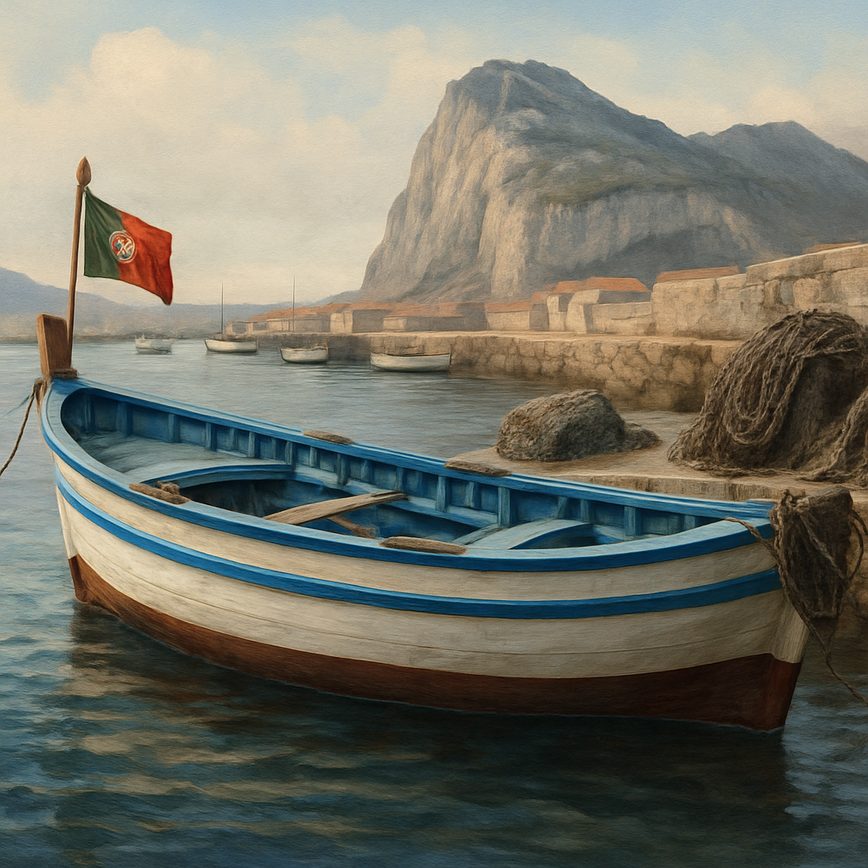
History of the Portuguese Community in Gibraltar
The history of the Portuguese community in Gibraltar is deeply intertwined with the broader narrative of Portuguese migration and the historical development of Gibraltar itself. Over the centuries, waves of Portuguese settlers have contributed to shaping the cultural and social fabric of this unique British Overseas Territory, blending their heritage with the diverse influences of the region.
Portuguese migration to Gibraltar has its roots in the early periods of Gibraltar’s history, when strategic maritime trade routes encouraged movement of people throughout the Iberian Peninsula. The close proximity of Portugal to Gibraltar, coupled with economic opportunities and political factors, prompted many Portuguese individuals and families to seek new lives in the territory. These settlers were often involved in maritime industries, agriculture, and trade, laying the groundwork for a vibrant community.
Throughout the 18th and 19th centuries, significant waves of Portuguese migration occurred. This period was marked by economic hardship and political instability in various parts of Portugal, driving many to migrate in search of stability and better livelihoods. Gibraltar’s growing importance as a military and trading hub attracted these settlers, who found employment in infrastructure development, port activities, and local businesses.
The settlement patterns of the Portuguese community in Gibraltar were characterized by close-knit neighborhoods where cultural traditions and the Portuguese language were preserved and nurtured. Many Portuguese families established themselves in areas close to the port and the Old Town, areas that remain culturally distinct to this day. The community’s resilience and adaptability allowed it to thrive alongside other ethnic groups, contributing significantly to the territory’s multicultural identity.
In summary, the Portuguese community’s history in Gibraltar is a testament to the enduring legacy of Portuguese migration and the dynamic historical evolution of the territory. From early settlers to modern descendants, the Portuguese have played a vital role in crafting Gibraltar’s unique cultural mosaic, enriching its history and ensuring their customs and traditions continue to flourish.
Early Portuguese Migration to Gibraltar
The early migration of Portuguese settlers to Gibraltar marked the beginning of a vibrant and enduring community within the territory. These initial Portuguese migrants were primarily drawn by economic opportunities and the strategic location of Gibraltar as a bustling port. Many of the settlers were fishermen, laborers, and tradespeople seeking to improve their living conditions by relocating to a place with growing demand for their skills and services.
Gibraltar’s proximity to Portugal and its expanding maritime activities made it an attractive destination for Portuguese settlers looking to establish themselves outside their homeland. The community quickly formed strong social and familial ties, contributing to Gibraltar’s diverse cultural landscape. The reasons behind this early migration included not only economic prospects but also social and political factors that encouraged movement from Portugal to this British territory.
Over time, these early Portuguese settlers laid the foundations for a close-knit Gibraltar community characterized by shared language, traditions, and mutual support. Their presence influenced various aspects of Gibraltar’s development, from commerce to cultural integration, ensuring that the Portuguese heritage became a significant part of the territory’s identity.
Growth and Integration Over Time
The Portuguese community in Gibraltar has experienced significant growth and cultural integration over the decades. Initially drawn by economic opportunities, Portuguese immigrants established themselves firmly within the local society. Over time, the community grew not only in numbers but also in influence, contributing to Gibraltar’s diverse cultural fabric.
Community growth was gradual but steady, spurred by waves of migration particularly in the mid-20th century. As Portuguese settlers arrived, they brought with them rich traditions and a language that blended harmoniously with the existing local dialect known as Llanito. This melding created a unique cultural synergy within Gibraltar, highlighting the importance of cultural integration in fostering social cohesion.
Integration into Gibraltar society was facilitated through shared economic activities, social interactions, and participation in communal events. The Portuguese became pivotal in sectors such as construction, hospitality, and retail, which helped to cement their role in the economic life of Gibraltar. This economic integration was closely followed by cultural assimilation, as Portuguese customs, cuisine, and festivals became part of the broader Gibraltarian lifestyle.
Through education, intermarriage, and active community organizations, the Portuguese in Gibraltar have preserved their identity while embracing their place within the larger society. This dual process of community growth and cultural integration exemplifies the dynamic multicultural environment that defines Gibraltar today.
Cultural Influence of the Portuguese Community
The Portuguese community has left an indelible mark on Gibraltar’s rich cultural mosaic, significantly shaping its traditions, language, and celebrations. This vibrant group has seamlessly woven aspects of Portuguese culture into the local customs, contributing to Gibraltar’s unique identity. From the linguistic nuances to the festive calendar, the Portuguese influence remains a vital thread in the fabric of Gibraltarian life.
One of the most noticeable impacts of the Portuguese community is evident in the local dialect, Llanito. This distinctive vernacular, spoken throughout Gibraltar, blends English, Spanish, and a variety of Mediterranean languages, including Portuguese. The Portuguese lexicon and pronunciation subtly enrich Llanito, reflecting the daily interactions and close-knit communal ties between the Portuguese immigrants and other residents.
Traditionally, Portuguese customs have found a welcoming home in Gibraltar’s cultural scene. Celebrations such as festivals and religious holidays showcase Portuguese heritage, often blending with other cultural influences unique to the territory. For instance, Portuguese culinary traditions have become popular, adding flavors and dishes that are now well-loved staples at local gatherings. These cultural contributions highlight the community’s role in enhancing Gibraltar’s social and gastronomic landscape.
Furthermore, Portuguese music and dance forms are cherished in Gibraltar, performed at various community events and public celebrations. These traditions serve not only as entertainment but also as a means of preserving and passing down cultural heritage to younger generations. The community’s ongoing commitment to celebrating Portuguese customs ensures that this cultural lineage remains a vibrant part of Gibraltar’s identity.
In essence, the cultural contributions of the Portuguese community extend far beyond basic customs; they have helped shape the way of life in Gibraltar. By intertwining Portuguese culture with local traditions, the community enriches the territory’s cultural diversity, fostering an environment of mutual respect and coexistence. This blend of influences continues to define Gibraltar’s unique charm and multicultural character today.
Language and Traditions
The Portuguese language holds a cherished place within Gibraltar’s Portuguese community, serving as a vital link to their cultural heritage. Despite English being Gibraltar’s official language, Portuguese is widely spoken at home and in community gatherings, ensuring that the language remains vibrant among newer generations. Many families prioritize teaching Portuguese to their children, reinforcing their connection to ancestral roots and fostering bilingualism.
Traditional customs play a significant role in preserving the community’s cultural identity. Festivals and cultural events, such as the annual celebrations of Portuguese saints and national holidays, are enthusiastically observed and provide opportunities for the community to come together and honor their shared history. These events often feature traditional music, dance, and cuisine, reflecting the richness of Portuguese culture.
Community organizations and cultural centers dedicate efforts to promoting Portuguese traditions, offering language classes, folk dance workshops, and historical exhibitions. Such initiatives not only preserve the heritage but also educate younger generations about their roots. This active celebration of the Portuguese language and traditions in Gibraltar underscores the community’s commitment to maintaining its unique cultural legacy amidst a diverse society.
Festivals and Religious Practices
The Portuguese community in Gibraltar deeply cherishes its rich cultural heritage, prominently showcased through its vibrant festivals and religious practices. These events are not only a testament to their enduring traditions but also play a crucial role in strengthening community bonds. Among the most significant festivals celebrated are those dedicated to religious figures and saints, reflecting the community’s strong Catholic roots.
One of the key festivals is the annual celebration of the feast of Our Lady of Fátima, an event marked with great reverence and enthusiasm. The community organizes processions, masses, and social gatherings that bring together families and friends in a shared expression of faith. This festival, along with others like St. Anthony’s Day, helps preserve the distinctive Portuguese identity within Gibraltar.
Religious practices within the Portuguese community often involve traditional church services held in Portuguese, ensuring that the younger generations remain connected to their ancestral language. Community events frequently include prayer meetings, cultural performances related to religious storytelling, and the sharing of Portuguese cuisine, all intertwined with the spiritual observance of their faith.
In addition to these religious festivals, secular community events are also prominent. These festivals serve as occasions for celebration, showcasing Portuguese music, dance, and culinary traditions, thereby fostering a vibrant cultural scene that respects and maintains the heritage of the Portuguese community in Gibraltar.
Current Socioeconomic Status of the Portuguese in Gibraltar
The Portuguese community in Gibraltar has established a distinct presence within the territory’s social and economic landscape. Today, their socioeconomic status reflects a community that has integrated effectively while maintaining strong cultural ties to their heritage. This dynamic is evident in the patterns of employment, community demographics, and the overall contribution of the Portuguese population to Gibraltarian society.
In terms of socioeconomic status, many Portuguese residents in Gibraltar have achieved stable and often upwardly mobile economic positions. Their integration into the local economy is underscored by participation in diverse employment sectors. Historically known for jobs in construction, hospitality, and retail, the Portuguese workforce today also spans professional services, administration, and specialized trades. This diversification indicates a shifting trend towards broader economic engagement beyond traditional roles.
Employment among the Portuguese in Gibraltar is significant in sectors such as construction, where skilled laborers and tradespeople play essential roles in the territory’s ongoing development projects. Similarly, the hospitality sector benefits from Portuguese community members who contribute as chefs, hotel staff, and service workers, supporting Gibraltar’s robust tourism industry. Additionally, the retail sector employs many Portuguese individuals, reflecting their role in everyday commercial activity.
Community demographics highlight a mix of both older and younger generations, with a noticeable presence of second and third-generation Portuguese Gibraltarians who are born and educated locally. This demographic composition promotes cultural continuity while encouraging assimilation into the broader Gibraltarian identity. The Portuguese language and cultural practices remain vibrant within families and community events, serving as a bridge between heritage and contemporary life.
Overall, the Portuguese community’s socioeconomic status in Gibraltar showcases a balance of maintaining cultural distinctiveness and pursuing economic integration. Their employment patterns and demographic presence contribute positively to Gibraltar’s multicultural fabric, strengthening the territory’s social cohesion and economic vitality.
Employment and Economic Contributions
The Portuguese community in Gibraltar plays a vital role in the territory’s employment landscape and overall economy. Many Portuguese residents are employed across various sectors, contributing their skills and labor to strengthen Gibraltar’s economic foundations. Predominantly, Portuguese workers are engaged in construction, hospitality, retail, and service industries, sectors that are crucial to supporting Gibraltar’s growing population and tourism industry.
In construction, Portuguese laborers and skilled tradespeople help meet the demand for infrastructure development and renovation projects, ensuring that Gibraltar’s urban growth keeps pace with economic needs. Their dedication and work ethic have cemented their reputation as reliable contributors within this sector. In hospitality, Portuguese employees are often found working in restaurants, hotels, and bars, sectors essential to Gibraltar’s tourism-driven economy. Their role helps maintain high standards of customer service and enhances the visitor experience.
Moreover, the Portuguese workforce contributes significantly to retail and other service-oriented jobs, adding to the overall dynamism of Gibraltar’s marketplace. By integrating within these sectors, Portuguese residents not only support their families but also help stimulate local consumption and business activity. Collectively, their economic role extends beyond individual employment to fostering community stability and growth.
Overall, the Portuguese community’s involvement in employment showcases their indispensable economic role in Gibraltar. Their contributions in various industries underscore their importance as a cornerstone of Gibraltar’s workforce, driving development and prosperity in this unique British Overseas Territory.
Community Challenges and Opportunities
The Portuguese community in Gibraltar faces several challenges that stem from social integration issues and economic pressures. Community challenges often include maintaining cultural identity while adapting to the broader Gibraltarian society. Language barriers and limited access to certain social services can exacerbate these issues, making it difficult for some members to fully engage in the community. Economic challenges also arise due to fluctuating job markets and competition for employment within Gibraltar and neighboring regions.
Despite these social issues, there are significant future opportunities for the Portuguese community. Economic prospects are expanding, particularly in sectors like tourism, finance, and trade, which could provide new avenues for employment and entrepreneurship. The community’s strong cultural heritage also presents opportunities to enhance social cohesion and promote cultural tourism. Initiatives aimed at education, skills development, and community support programs can help overcome current challenges and empower individuals to fully participate in Gibraltar’s economic growth.
Fostering collaboration between local government, businesses, and community organizations will be crucial in addressing social issues and tapping into future opportunities. By focusing on inclusive policies and supporting cultural expression, the Portuguese community can thrive as a fundamental part of Gibraltar’s diverse social fabric, turning challenges into pathways for sustainable growth and development.
I have always been captivated by the unique cultural tapestry of the Rock, particularly how Moorish, Spanish, and British influences shaped its development over centuries. My passion lies in translating these complex historical narratives into engaging educational resources that make Gibraltar’s past accessible to everyone. I spend my free time exploring military fortifications and reading first-hand accounts of life at the Pillar of Hercules.