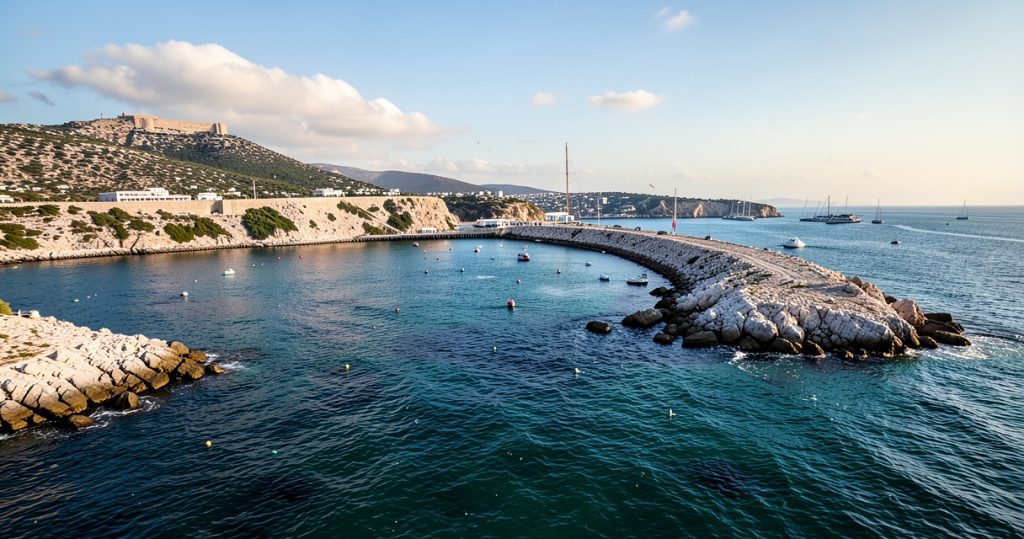
The history of Gibraltar is deeply intertwined with maritime activities, and its role in maritime education has evolved significantly over the years. As a strategic naval base and a key point of passage for ships, Gibraltar has fostered a culture of maritime learning and training that is crucial to the development of seafaring professionals. This article explores the various dimensions of Gibraltar maritime education and its historical significance in shaping the maritime workforce.
The Historical Context of Gibraltar’s Maritime Significance
Gibraltar’s geographical position at the entrance of the Mediterranean Sea has made it a pivotal location for maritime navigation since ancient times. The Rock has served as a naval base for various empires, including the Romans and the British, each contributing to its maritime legacy. In this context, maritime education in Gibraltar began to take shape as the need for skilled seafarers grew, particularly during periods of conflict when naval prowess was essential for defense and trade.
By the 18th and 19th centuries, Gibraltar was recognized not only for its military importance but also for its potential in maritime education. The establishment of naval academies and training schools reflected a growing awareness of the need for systematic training in navigation, ship handling, and maritime law. These institutions laid the foundation for Gibraltar’s ongoing commitment to maritime education, which continues to evolve today.
Development of Maritime Training Institutions
The establishment of formal maritime training institutions in Gibraltar marked a significant turning point in its maritime education history. The University of Gibraltar Maritime Academy is a prime example of this development. Founded to cater to the increasing demand for maritime professionals, the academy offers a range of programs that focus on various aspects of maritime studies, including navigation, engineering, and environmental management.
In collaboration with international partners, the academy has expanded its curriculum to include specialized training in emerging fields such as Liquefied Natural Gas (LNG) operations. This partnership with GTT Training is a testament to Gibraltar maritime education’s adaptability and responsiveness to industry needs, ensuring that graduates are well-equipped to meet the challenges of modern maritime operations.
Innovation in Maritime Simulation Training
As technology continues to advance, so too does the approach to maritime education in Gibraltar. Recent investments in simulation training facilities have enhanced the learning experience for cadets. These state-of-the-art simulators provide realistic scenarios that prepare students for real-world challenges they may face at sea.
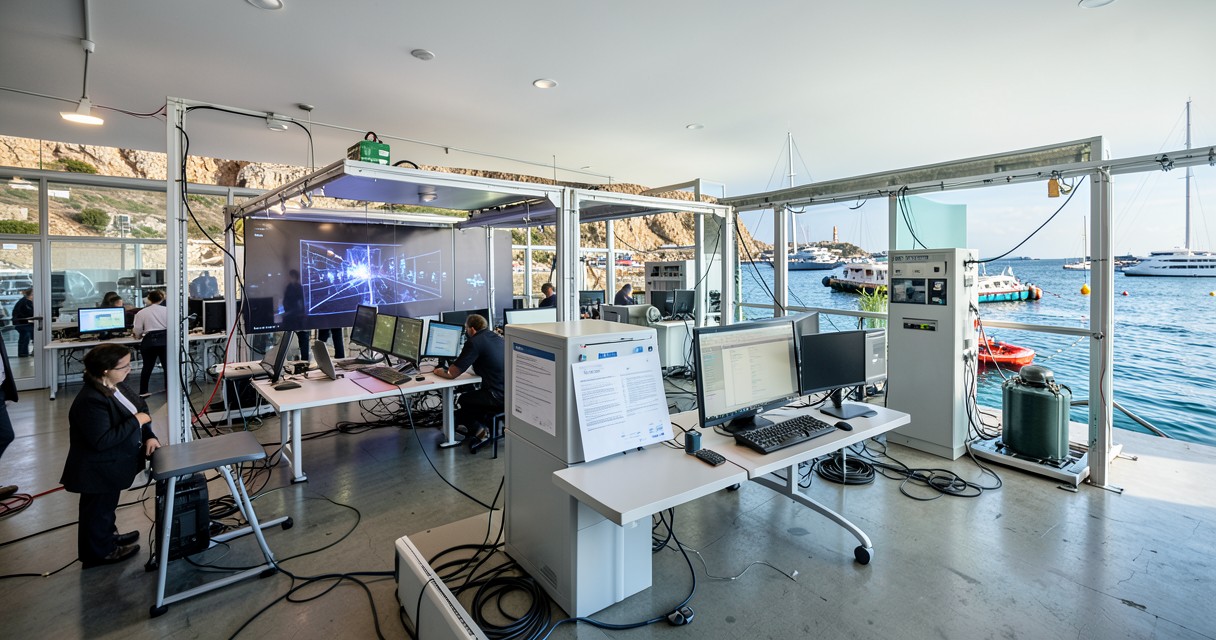
This innovative training approach not only improves the skills of future mariners but also emphasizes the importance of safety and emergency preparedness. By incorporating simulation training into the curriculum, Gibraltar maritime education ensures that students are not only knowledgeable but also capable of applying their skills effectively in high-pressure situations.
Community Engagement and Environmental Stewardship
Gibraltar’s maritime education initiatives extend beyond traditional training programs; they also engage the community in environmental stewardship. Organizations such as the Oceanographic Institute of Gibraltar play a crucial role in promoting awareness about marine conservation and sustainability.
Through educational outreach programs, these organizations foster a sense of responsibility among young people and encourage them to pursue careers in marine science and related fields. This holistic approach to maritime education emphasizes the importance of protecting the marine environment while preparing the next generation of maritime professionals to navigate the complexities of both the sea and environmental stewardship.
International Collaborations and Research Opportunities
Gibraltar’s maritime education landscape has been enriched through international collaborations that provide students with unique research opportunities. Partnerships with universities and maritime organizations around the world facilitate knowledge exchange and enhance the educational experience for cadets.
These collaborations often result in joint research projects that tackle pressing maritime issues such as climate change, shipping safety, and sustainable practices. By participating in these initiatives, students not only gain valuable insights but also contribute to the global discourse on maritime challenges, positioning Gibraltar as a significant player in maritime education on an international scale.
The Future of Maritime Education in Gibraltar
Looking ahead, the future of maritime education in Gibraltar appears promising. The continued evolution of the maritime industry, driven by technological advancements and regulatory changes, will necessitate ongoing adaptations in educational programs. Institutions in Gibraltar are poised to respond to these shifts by enhancing their curricula and incorporating new technologies into the learning process.
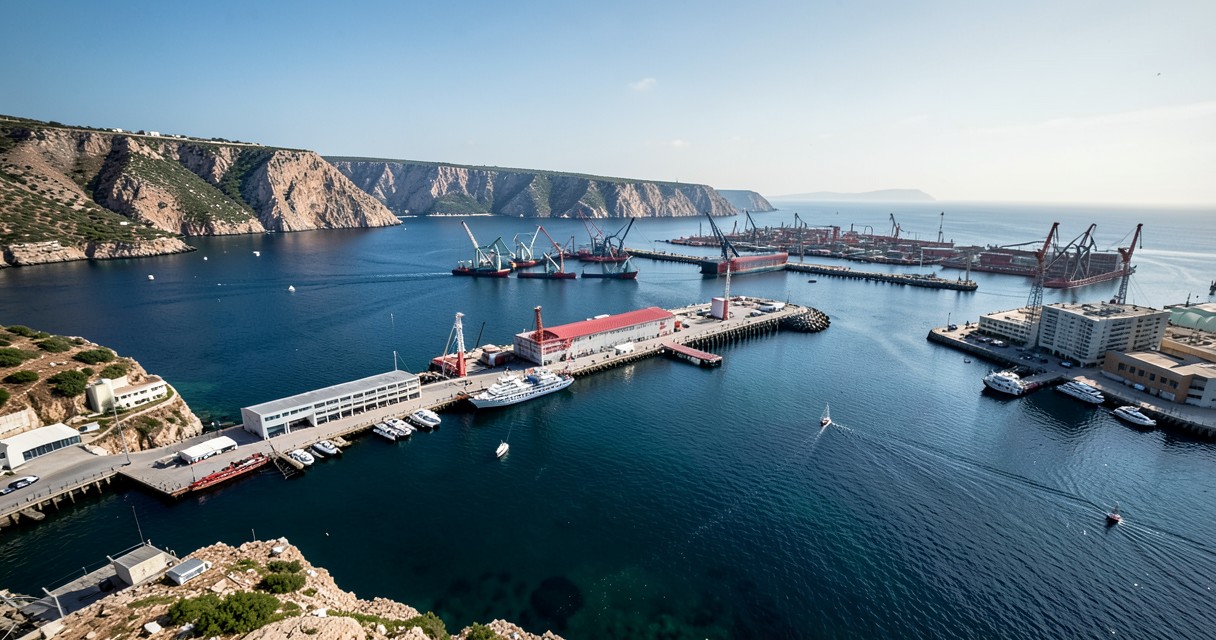
Furthermore, as global shipping practices evolve, there will likely be an increased emphasis on sustainability and environmental awareness within maritime education. Gibraltar’s commitment to these principles will play a crucial role in shaping the skills and mindsets of future maritime professionals, ensuring they are prepared to meet the challenges of a rapidly changing industry.
Conclusion: A Legacy of Maritime Education
Gibraltar’s role in maritime education history is characterized by a legacy of adaptability, innovation, and community engagement. From its historical significance as a strategic naval base to its modern-day status as a hub for maritime training, Gibraltar has consistently prioritized the development of skilled seafarers. As the maritime industry continues to evolve, so too will Gibraltar maritime education, ensuring that it remains at the forefront of training the next generation of maritime professionals.

I have always been captivated by the unique cultural tapestry of the Rock, particularly how Moorish, Spanish, and British influences shaped its development over centuries. My passion lies in translating these complex historical narratives into engaging educational resources that make Gibraltar’s past accessible to everyone. I spend my free time exploring military fortifications and reading first-hand accounts of life at the Pillar of Hercules.