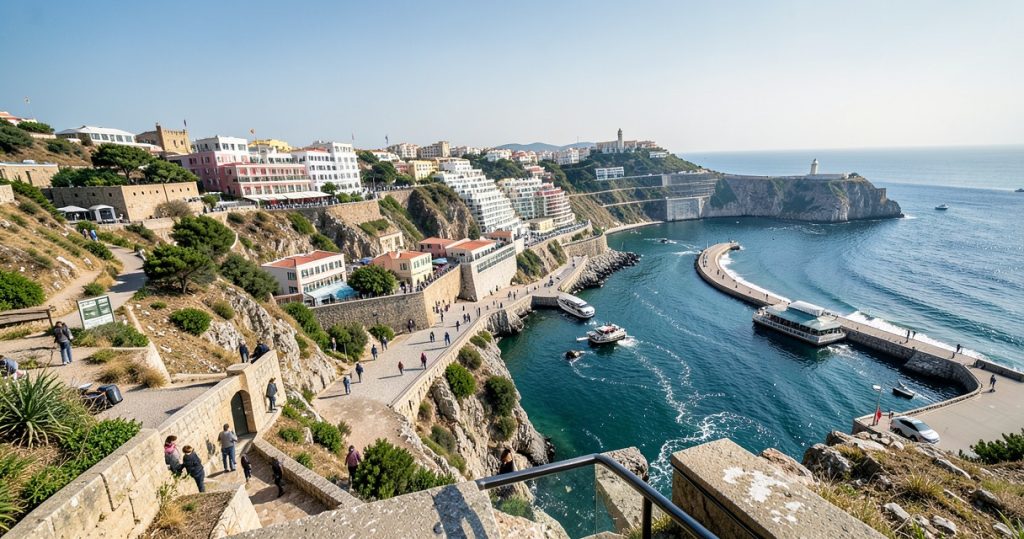
The influence of British rule on Gibraltar’s education history is a multifaceted topic that encapsulates the evolution of learning and cultural exchange on this strategically located peninsula. Since the Treaty of Utrecht in 1713, which ceded Gibraltar to Britain, the educational landscape has been shaped significantly by British governance. This article explores how British Rule Gibraltar Education has transformed over the centuries, reflecting broader trends in British educational practices and localized adaptations to meet the needs of its diverse population.
Early Educational Structures Under British Rule
When Britain took control of Gibraltar, the educational system was rudimentary, primarily serving the needs of military families and a small number of local residents. The first formal school, established in the early 18th century, was intended for the children of British soldiers. This initial setup laid the groundwork for a more structured educational framework. As the community grew, so did the need for a more comprehensive educational approach, leading to the establishment of additional schools that catered to both British expatriates and local Gibraltarians.
The introduction of British educational models brought new subjects and methods of instruction to Gibraltar. The curriculum began to reflect British standards, emphasizing subjects like mathematics, science, and the humanities. The influence of British Rule Gibraltar Education became evident as these schools adopted English as the primary language of instruction, marking a significant cultural shift in the region.
The 19th Century: Expansion and Reform
By the 19th century, Gibraltar’s educational landscape underwent substantial reform, driven by both local demand and British educational policy. The establishment of the Royal Gibraltar Grammar School in 1841 marked a pivotal moment in Gibraltar’s educational history. This institution was designed to provide a classical education, mirroring elite British schools and catering to the aspirations of local families wishing for their children to receive a prestigious education.
During this period, the British government also implemented educational reforms aimed at improving literacy and access to education for all children in Gibraltar. Initiatives included the introduction of compulsory education, which significantly increased enrollment rates. These reforms reflected broader trends in Victorian Britain, where education became increasingly recognized as a fundamental right and a tool for social mobility.
20th Century Developments: Addressing Diversity
The 20th century brought further changes to Gibraltar’s education system, particularly in response to the unique cultural and linguistic diversity of its population. The influx of immigrants, especially during and after the Second World War, necessitated adaptations in educational practices. Schools began to incorporate bilingual education, recognizing the importance of both English and Spanish in the daily lives of students.
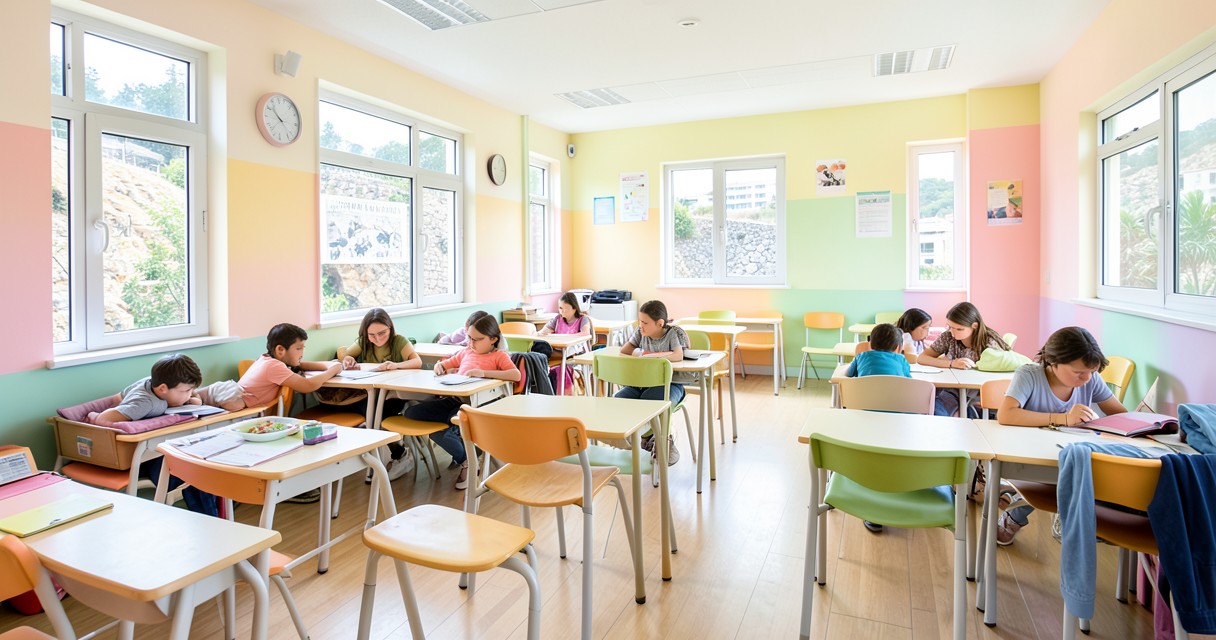
British Rule Gibraltar Education continued to evolve, with an increasing emphasis on inclusivity. Schools began to offer programs that addressed the specific needs of various ethnic groups, ensuring that all children had access to quality education. This inclusivity was not just a response to demographic changes but also a reflection of the British commitment to equality in education.
Modern Education: Integration and Innovation
In recent decades, Gibraltar’s education system has experienced significant modernization. The introduction of new technologies and teaching methods has transformed the classroom experience. The government has invested in digital resources and training for teachers, aligning with global educational trends and preparing students for a rapidly changing world.
Additionally, the curriculum has expanded to include a wider range of subjects, including vocational training and the arts, which cater to the diverse interests of students. The influence of British Rule Gibraltar Education remains strong, yet it is now complemented by local initiatives that reflect the unique identity of Gibraltar. Schools actively promote cultural heritage, fostering a sense of pride among students in their Gibraltarian roots.
The Role of Higher Education
Higher education in Gibraltar has also seen significant development since British rule began. The establishment of the University of Gibraltar in 2015 marked a new chapter in local higher education. This institution offers degree programs that are tailored to the needs of the local economy while maintaining high academic standards consistent with British universities.
The University of Gibraltar has not only provided opportunities for higher education but has also strengthened the ties between Gibraltar and the UK. Collaboration with British universities has allowed for the exchange of knowledge and resources, enhancing the educational offerings available to Gibraltarian students. This evolution reflects the enduring influence of British educational practices while also addressing local needs and aspirations.
Challenges and Opportunities in Education Today
Despite the advancements in Gibraltar’s education system, challenges remain. The ongoing debate regarding language policy in schools, particularly the balance between English and Spanish, continues to be a significant issue. Stakeholders are working to find solutions that respect the bilingual nature of Gibraltar while also ensuring that students are proficient in both languages.
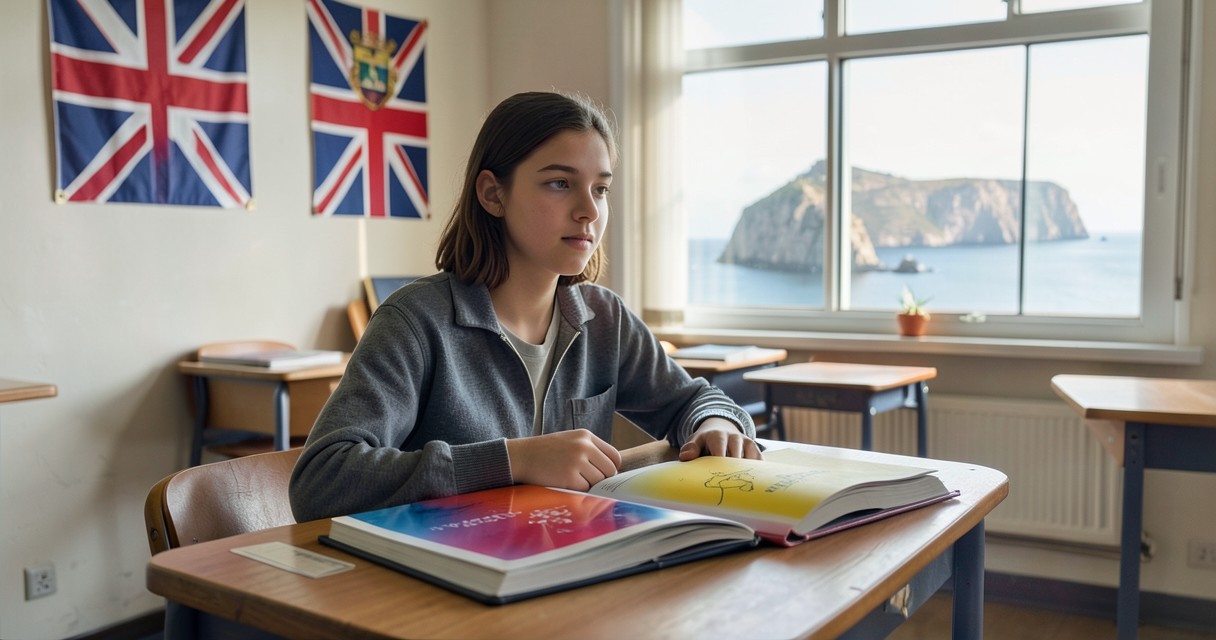
Moreover, the impact of global events, such as Brexit, has introduced uncertainties that could affect educational funding and policies. However, these challenges also present opportunities for innovation and growth. The educational community in Gibraltar is committed to adapting and evolving, ensuring that British Rule Gibraltar Education remains relevant and effective in a changing world.
The Future of Education in Gibraltar
Looking ahead, the future of education in Gibraltar will likely continue to be shaped by its historical ties to British rule while embracing the influences of globalization and local identity. As the education system adapts to new challenges, it will be essential to balance tradition with innovation, ensuring that students are equipped with the skills and knowledge necessary for success in a dynamic environment.
The commitment to providing high-quality education in Gibraltar reflects a broader understanding of the importance of education in fostering community cohesion and economic development. As Gibraltar continues to navigate its unique position, the legacy of British Rule Gibraltar Education will undoubtedly play a significant role in shaping its educational landscape for generations to come.

I have always been captivated by the unique cultural tapestry of the Rock, particularly how Moorish, Spanish, and British influences shaped its development over centuries. My passion lies in translating these complex historical narratives into engaging educational resources that make Gibraltar’s past accessible to everyone. I spend my free time exploring military fortifications and reading first-hand accounts of life at the Pillar of Hercules.