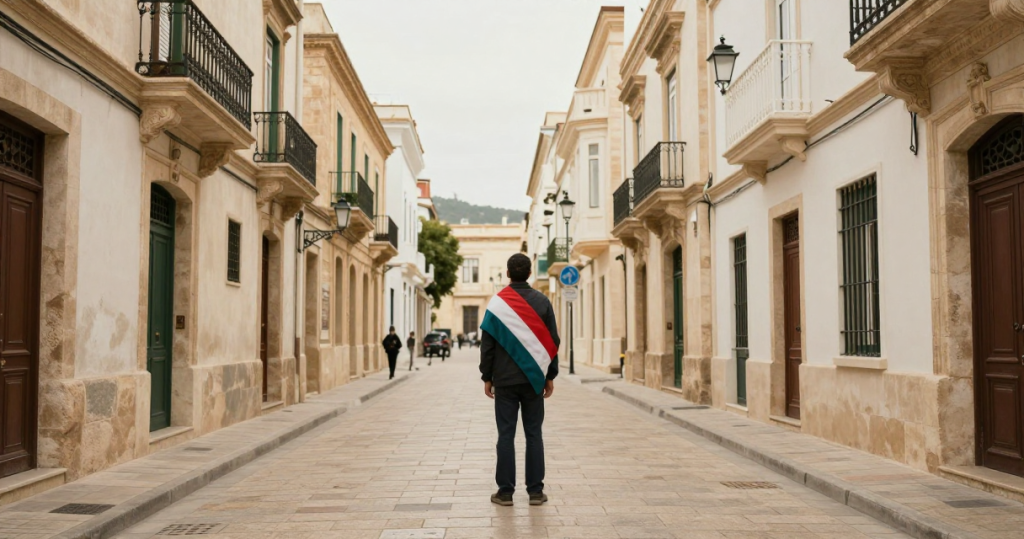
The impact of British rule on Gibraltar’s culture is multifaceted, reflecting a rich historical tapestry that has evolved over centuries. Since the Treaty of Utrecht in 1713, which ceded Gibraltar to Britain, the cultural landscape of this small but strategically significant enclave has undergone significant transformations. This article explores the various dimensions of British influence on Gibraltar’s culture, including language, traditions, cuisine, and identity, shedding light on how these elements have shaped the unique character of Gibraltar today.
Language and Linguistic Heritage
One of the most profound impacts of British rule on Gibraltar’s culture is evident in its linguistic landscape. The primary language spoken in Gibraltar is English, largely due to British colonial influence. However, Gibraltarians also communicate in a unique blend of English and Spanish, known as Llanito. This vernacular incorporates elements from various languages, including Italian and Maltese, reflecting the diverse heritage of the Gibraltarian people. The use of Llanito showcases the cultural fusion that has occurred over the years, allowing Gibraltarians to maintain their distinct identity while embracing aspects of British culture.
Moreover, the educational system in Gibraltar, which is based on the British model, has further cemented the use of English in both formal and informal contexts. Schools teach primarily in English, and official documents are predominantly written in this language. This linguistic policy has not only preserved English as a dominant language but has also fostered a sense of connection to Britain, influencing how Gibraltarians perceive their cultural identity.
Traditions and Celebrations
British rule has significantly influenced the traditions and celebrations observed in Gibraltar. Many of the public holidays and cultural festivities reflect British customs, such as the celebration of the Queen’s Birthday and Remembrance Day, which honors British military history. These events often draw large crowds and serve as a means for the community to express its loyalty to the British Crown.
In addition to British celebrations, Gibraltar has also retained its unique local traditions, such as the Festival of the Holy Spirit and the Gibraltar National Day. The coexistence of these cultural events illustrates how British influence has intertwined with local customs, resulting in a rich tapestry of celebrations that reflect both loyalty to Britain and pride in Gibraltarian heritage.
Culinary Influences
The culinary landscape of Gibraltar is a testament to its diverse cultural influences, particularly those stemming from British rule. Traditional British dishes are prevalent, with favorites such as fish and chips, roast dinners, and shepherd’s pie being commonly enjoyed by locals. However, the culinary scene in Gibraltar is far from one-dimensional; it also features Mediterranean flavors, reflecting the proximity to Spain and the historical interactions between the two cultures.
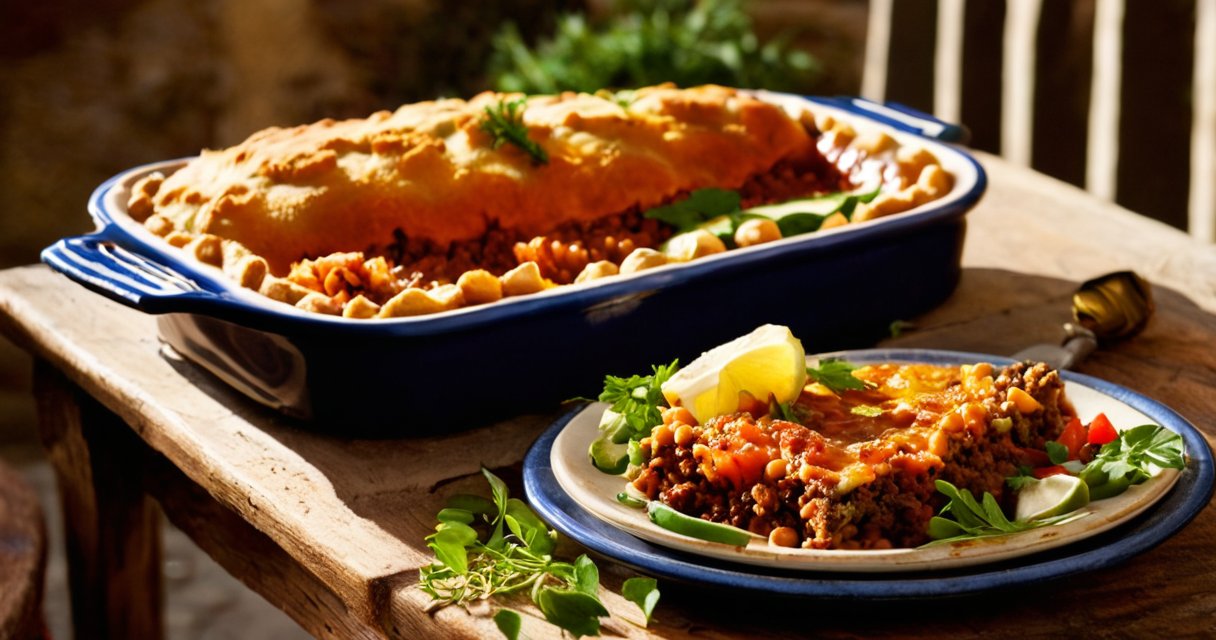
Gibraltarians often partake in a mix of traditional British and Spanish foods, creating a unique gastronomic experience. Dishes like calentita, a chickpea-based dish, and the Spanish influence in tapas highlight the blend of cultures that define Gibraltarian cuisine. This culinary fusion not only showcases the impact of British rule but also emphasizes the importance of cultural exchange in shaping Gibraltar’s identity.
Architecture and Urban Development
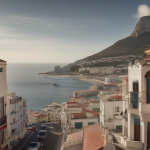
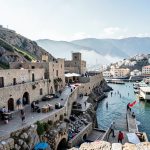
The architectural landscape of Gibraltar bears the distinct marks of British influence, with many buildings reflecting British styles and designs. The iconic Rock of Gibraltar is dotted with structures that showcase a mix of military architecture and colonial style. The construction of the famous Gibraltar Castle and the impressive fortifications around the city are direct results of British military strategy and urban planning during colonial times.
In contrast to these British-style buildings, the town also features Spanish-inspired architecture, particularly in the older parts of the city. This blend of architectural styles is a physical representation of Gibraltar’s cultural duality, where British and Spanish influences coexist. The preservation of both styles contributes to Gibraltar’s unique aesthetic, attracting visitors who appreciate its historical significance and cultural diversity.
Identity and Nationalism
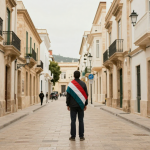
The impact of British rule on Gibraltar’s culture is also deeply intertwined with issues of identity and nationalism. For many Gibraltarians, British identity is a source of pride, particularly in the face of ongoing disputes with Spain over sovereignty. The Gibraltarian people have consistently expressed their desire to remain British, as demonstrated in referendums and public surveys that show overwhelming support for remaining a British Overseas Territory.
This sense of identity is reinforced through education, media, and cultural expressions that emphasize Gibraltarian uniqueness while celebrating British heritage. The strong attachment to British symbols, such as the Union Jack and British royal family, further illustrates how British rule has shaped the collective identity of the Gibraltarian people, fostering a sense of belonging and community.
Sports and Recreation
Sports play a significant role in Gibraltar’s culture, heavily influenced by British traditions. Football, cricket, and rugby are among the most popular sports, reflecting the sporting heritage brought by British colonization. The Gibraltar Football Association, for instance, oversees local leagues and represents Gibraltar in international competitions, allowing Gibraltarians to showcase their talent on a larger stage.
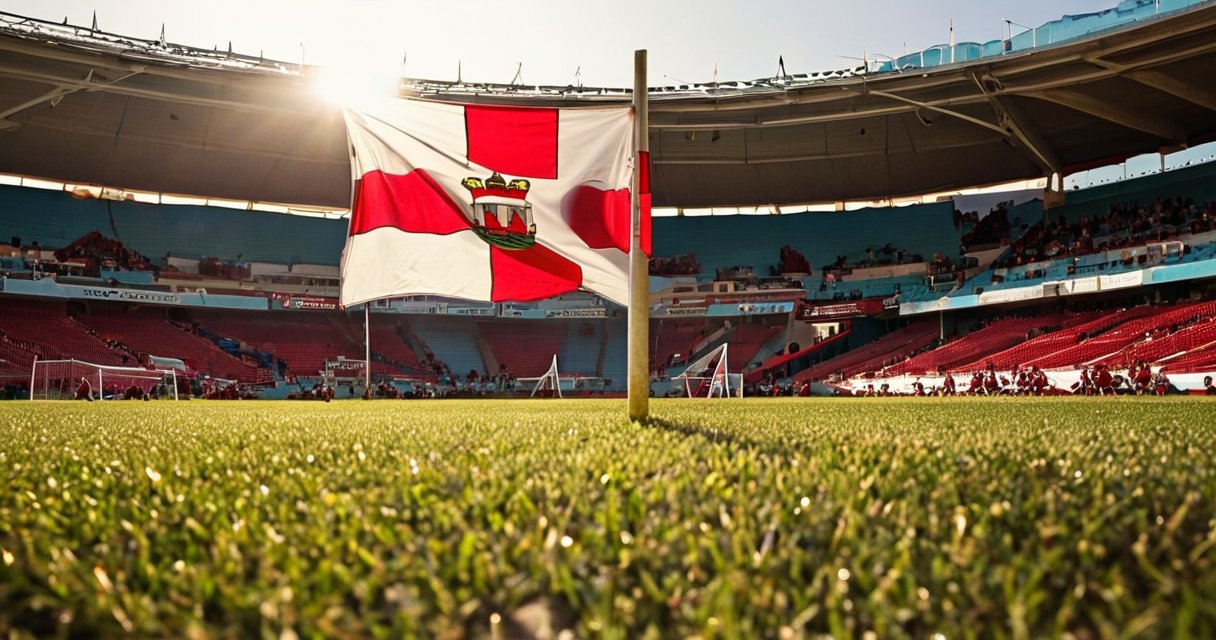
The influence of British sports culture extends beyond participation; it also fosters a sense of community and national pride. Local teams often draw large crowds, and sporting events serve as social gatherings where Gibraltarians come together to celebrate their shared identity. These activities not only promote physical fitness but also strengthen community bonds, illustrating how British rule has left a lasting legacy on Gibraltar’s recreational landscape.
Art and Literature
The arts in Gibraltar have also been shaped by British influences, with local artists and writers often drawing inspiration from both British and Mediterranean cultures. Literature, in particular, has flourished in Gibraltar, with writers exploring themes of identity, belonging, and the complexities of living in a territory marked by both British and Spanish influences. The annual Gibraltar Literary Festival attracts authors and readers from around the world, highlighting the vibrant literary scene that has emerged in this small enclave.
Visual arts, including painting and sculpture, often reflect the unique landscape of Gibraltar as well as its cultural heritage. Galleries and exhibitions showcase works that celebrate both local and British themes, allowing artists to express their identity through various mediums. This artistic expression serves as a means of cultural dialogue, bridging the gap between the past and present, and reinforcing the complex identity of Gibraltar as a British territory with a rich multicultural heritage.

I have always been captivated by the unique cultural tapestry of the Rock, particularly how Moorish, Spanish, and British influences shaped its development over centuries. My passion lies in translating these complex historical narratives into engaging educational resources that make Gibraltar’s past accessible to everyone. I spend my free time exploring military fortifications and reading first-hand accounts of life at the Pillar of Hercules.