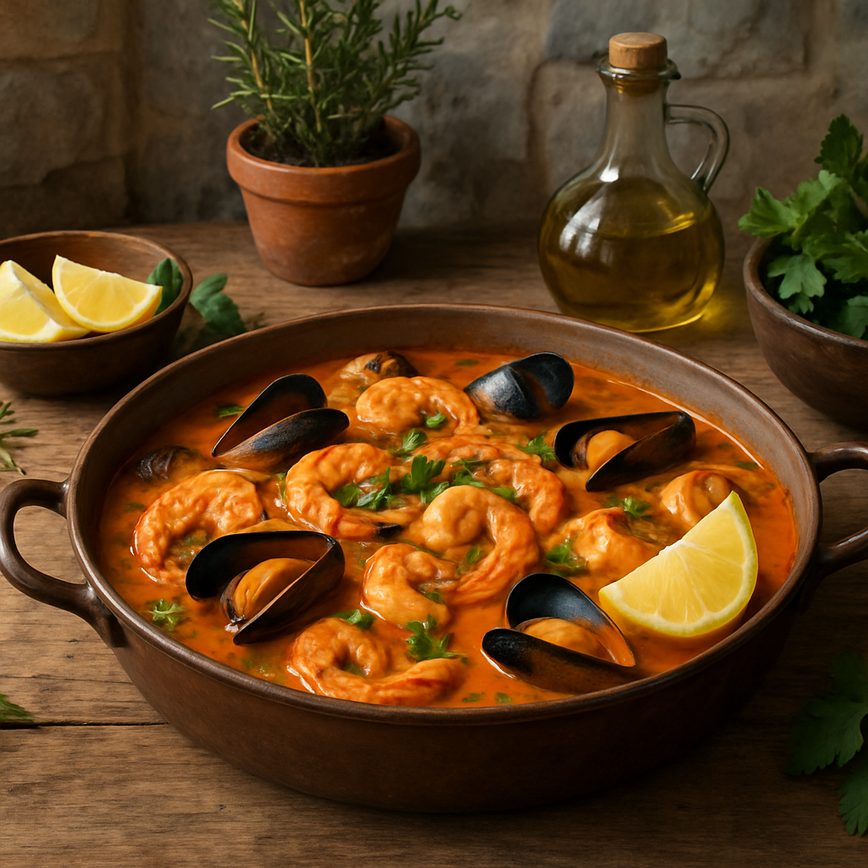
Gibraltar food experiences are equally compelling, with food festivals and chef-led tasting menus that invite visitors to explore the territory’s gastronomic diversity. Culinary tourism thrives here, as many restaurants offer interactive cooking classes, showcasing how to make local specialties infused with modern flair. From vineyard tours paired with tapas to bustling street food markets, visitors can immerse themselves in unique food journeys that blend history with novelty.
The culinary landscape in Gibraltar is a testament to its multicultural heritage, where contemporary chefs emphasize fresh, locally sourced ingredients and bold flavors that reflect the Rock’s evolving food identity. Whether it’s enjoying a seafood paella by the harbor or savoring fusion dishes that incorporate flavors from neighboring Spain and North Africa, Gibraltar continues to attract food lovers seeking authentic yet innovative dining experiences that celebrate its vibrant culinary tourism scene.
Origins of Gibraltar Cuisine
The rich tapestry of Gibraltar cuisine history is deeply rooted in its Mediterranean heritage, combined with the significant influences brought by the Moors during their centuries-long presence in the region. Gibraltar’s culinary origins are a unique blend of cultures that have shaped the food traditions still cherished today.
Situated at the crossroads of Europe and Africa, Gibraltar’s location has made it a melting pot of Mediterranean cultures. The Mediterranean influence is evident in many aspects of its cuisine, from the use of olive oil and fresh seafood to the abundant herbs and vegetables typical of this sun-kissed region. The diet reflects the traditional Mediterranean emphasis on fresh, locally sourced ingredients, often prepared simply to highlight their natural flavors.
One of the most significant historical contributors to Gibraltar’s culinary heritage is the Moorish influence, which introduced a variety of spices, cooking techniques, and dishes that have become integral to the local gastronomy. The Moors brought with them a rich culinary tradition, characterized by the use of spices like saffron, cumin, and coriander, which added layers of complexity to Gibraltar’s flavors. Their impact is also seen in the incorporation of dishes such as tagines and couscous, adapted over time to local tastes.
Early food traditions in Gibraltar were shaped by the region’s strategic maritime position. This allowed for the exchange of food products and cooking ideas, blending Mediterranean and North African influences with British culinary practices. Staples such as fresh fish, goat cheese, and hearty stews reflect this diversity, while bread and pastries often show a synthesis of Moorish and Mediterranean baking styles.
Overall, the history of Gibraltar cuisine highlights a harmonious fusion of cultural influences. The Mediterranean and Moorish contributions have survived the passage of time, continuing to influence the ways locals prepare and enjoy food. Gibraltar’s culinary origins are a testament to its vibrant cultural interactions, making its cuisine a distinctive reflection of its historical and geographical legacy.
Mediterranean and Moorish Influences
The culinary landscape of Gibraltar has been profoundly shaped by Mediterranean cuisine, infused with a rich Moorish food influence that reflects centuries of cultural exchange. Mediterranean cuisine, known for its emphasis on fresh vegetables, olive oil, herbs, and seafood, finds a natural home in Gibraltar thanks to its coastal geography and temperate climate. Classic Mediterranean ingredients such as tomatoes, garlic, and olives are staples in Gibraltarian kitchens, creating vibrant, healthy, and flavorful dishes that pay homage to this heritage.
Simultaneously, the Moorish food influence brought a distinctive touch to Gibraltar food history, introducing spices, cooking techniques, and ingredients that have become integral to the region’s culinary identity. The Moors, who ruled parts of the Iberian Peninsula for centuries, introduced the use of exotic spices like cumin and coriander, as well as dried fruits and nuts, which added depth and complexity to local recipes. Their influence is also seen in savory stews and the artful blending of sweet and savory flavors, hallmark traits that still define many traditional Gibraltar dishes today.
Together, Mediterranean and Moorish cultures have contributed to a unique fusion of flavors, ingredients, and cooking styles in Gibraltar. This dynamic blend highlights a culinary history deeply intertwined with the broader Mediterranean world while standing out for its own distinctive character. Exploring Gibraltar food history reveals how these influences have melded seamlessly, creating a cuisine that is a true reflection of its diverse cultural roots.
Early Local Ingredients and Dishes
The foundation of Gibraltar culinary history is deeply rooted in the use of fresh, local ingredients and traditional dishes that have been passed down through generations. Early on, the natural abundance of the region’s land and sea played a critical role in shaping the local ingredients that would define Gibraltar’s unique cuisine. Staples like fresh seafood, including fish, octopus, and shellfish, were plentiful and commonly used in everyday meals. Additionally, locally grown vegetables such as tomatoes, peppers, and chickpeas became essential components of many traditional recipes.
One of the most iconic traditional dishes that emerged from these local ingredients is Calentita, a chickpea flour-based flatbread that reflects the Mediterranean influence on Gibraltar’s culinary history. Another beloved dish is the calentita’s close relative, panissa, crafted from similar ingredients but prepared in a fried, finger-food style, demonstrating the resourcefulness of early cooks who made the most of what was available. These dishes, alongside hearty stews featuring fresh produce and aromatic herbs, highlight the emphasis on simplicity and full flavor in early Gibraltar cuisine.
Moreover, early meals were characterized by their communal nature, bringing families and neighbors together to enjoy traditional dishes rich in local ingredients. This emphasis on community and the celebration of regional flavors are integral to the rich tapestry of Gibraltar culinary history, helping to preserve and continue its distinct cultural identity through food.
Cultural Influences Shaping Gibraltar Food
Gibraltar’s cuisine is a vivid tapestry woven from a rich blend of cultural influences, each contributing unique flavors and techniques that define the territory’s distinctive culinary identity. The strategic position of Gibraltar at the crossroads of Europe and Africa has made it a melting pot of traditions, shaping a gastronomic heritage that is both eclectic and deeply rooted in history.
At the core of Gibraltar’s culinary scene lies the profound British food impact. As a British Overseas Territory, Gibraltar has absorbed many characteristics of British cuisine, from the penchant for hearty meals to the inclusion of classic dishes like fish and chips and savory pies. This influence is evident not only in the staples served at local eateries but also in the cultural practices surrounding food, such as afternoon tea, which remains a popular social ritual. The British impact balances nicely with the vibrant Mediterranean flavours that permeate the local food culture.
The Mediterranean flavours stem largely from Gibraltar’s geographic proximity to Spain and its historic ties with Mediterranean nations. Spanish culinary traditions have deeply influenced Gibraltar, particularly through the use of fresh seafood, olive oil, and aromatic herbs. Traditional Spanish dishes like tapas have found their way onto Gibraltarian menus, often with local adaptations that highlight regional ingredients. The fusion of Spanish culinary practices with local preferences has created unique dishes that celebrate the bounty of the Mediterranean Sea alongside classic Iberian flavors.
Further enriching Gibraltar’s cuisine are the Genoese contributions, reflective of the once-thriving Genoese community that settled in the region. The Genoese brought with them their love for robust ingredients and simple yet flavorful preparations. This is evident in dishes that incorporate pasta, garlic, and fresh vegetables, as well as in historic recipes such as calentita, a savory chickpea flour cake that remains a beloved local specialty. The Genoese influence highlights the diversity of the Mediterranean culinary mosaic present in Gibraltar.
Lastly, the Moroccan influence adds a tantalizing North African dimension to Gibraltar’s food culture. The proximity to Morocco and the interaction through trade and migration introduced exotic spices, couscous, and tagines to the local palate. Moroccan culinary traditions emphasize bold seasonings and slow-cooked dishes, which meld harmoniously with the other Mediterranean and British influences, bringing warmth and complexity to the overall flavor profile of Gibraltar’s cuisine.
Together, these cultural influences—British food impact, Mediterranean flavours from Spain and Genoa, and the aromatic richness of Moroccan cooking—create a vibrant and dynamic culinary scene. Gibraltar’s food history is a testament to its role as a cultural crossroads, where diverse traditions blend to form a cuisine that is uniquely Gibraltarian and irresistibly flavorful.
British and Spanish Culinary Contributions
The unique culinary landscape of Gibraltar is a vibrant tapestry woven from British cuisine, Spanish food influence, and local traditions, creating a rich fusion that reflects the territory’s diverse heritage. British culinary contributions are evident in Gibraltar’s affinity for hearty dishes such as pies, roasts, and teas, which bring a sense of comfort and tradition to the local food scene. This British presence has infused Gibraltar’s diet with classic flavors and cooking techniques that emphasize substance and warmth.
Simultaneously, the close proximity and historic ties to Spain have profoundly impacted Gibraltar’s gastronomy. The Spanish food influence manifests in the frequent use of olive oil, fresh seafood, vibrant spices, and an abundance of fresh fruits and vegetables, lending a Mediterranean brightness and zest to the dishes. Traditional Spanish staples like tapas and paella have found their way into Gibraltar’s eateries, further enriching the food culture.
This fusion of British and Spanish culinary traditions with the local Llanito heritage has created a unique gastronomic experience that celebrates diversity. Gibraltar fusion cuisine showcases a harmonious blend where British comfort meets Spanish zest, enhanced by locally sourced ingredients and multicultural influences. The result is a dynamic food culture that honors the past while continuously evolving, reflecting Gibraltar’s identity as a crossroads of cultures and flavors.
Genoese and Moroccan Impact on Local Cuisine
The culinary landscape of Gibraltar owes much to the rich heritage brought by Genoese and Moroccan immigrants, whose influence has significantly shaped Gibraltar culinary diversity. Genoese cuisine, with its Mediterranean roots, introduced a variety of fresh fish dishes, herbs, and olive oil-based cooking techniques that blended seamlessly with local flavors. The Genoese settlers’ love for simple yet flavorful meals is evident in many traditional Gibraltarian dishes that emphasize fresh ingredients and balanced seasoning.
Similarly, Moroccan food contributed an exotic touch to the local palate. Spices like cumin, coriander, and cinnamon became integral to several recipes, adding warmth and depth to Gibraltar’s culinary repertoire. The arrival of Moroccan immigrants meant the introduction of tagines, couscous, and richly spiced stews, which enriched the gastronomic diversity of Gibraltar. These dishes not only brought new tastes but also distinctive cooking methods that were embraced and adapted by local cooks.
Together, the Genoese and Moroccan culinary traditions have woven a vibrant tapestry within Gibraltar’s food culture. They enhanced the flavors and variety available, creating a unique fusion that reflects the territory’s history and multicultural essence. This impact remains evident in the menus of contemporary Gibraltar, offering a delicious reminder of the diverse influences that have shaped its distinctive food scene.
Evolution and Modern Trends in Gibraltar Cuisine
The culinary landscape of Gibraltar has undergone significant transformation over the centuries, reflecting its unique geographical position and multicultural heritage. Modern Gibraltar cuisine is a vibrant tapestry that has evolved from the humble roots of British, Mediterranean, and North African influences into a sophisticated culinary scene. Today, food evolution in Gibraltar is marked by the blending of traditional recipes with contemporary techniques, resulting in an exciting fusion of flavors that speak to both history and innovation.
Historically, Gibraltar’s cuisine was largely shaped by the availability of fresh seafood, local produce, and the influences brought by various cultures passing through this strategic port. Staple dishes often combined elements from Spanish, British, and Moroccan kitchens, which led to the creation of Llanito cuisine—a distinctive style that embraces cross-cultural exchange. As times progressed, this traditional foundation began to expand, absorbing new culinary trends that reflect the global palate without losing the essence of Gibraltar’s food heritage.
In recent years, the food evolution in Gibraltar has embraced modern dining trends such as farm-to-table sourcing, sustainability, and health-conscious eating. Many local chefs have taken pride in highlighting regional ingredients with new presentations that appeal to both residents and tourists. This shift towards contemporary dining experiences brings a refined edge to casual eateries and fine dining establishments alike, making the food scene more dynamic and appealing to a wider audience.
One of the most notable aspects of modern Gibraltar cuisine is its fusion approach. Culinary trends here often emphasize creative blends of Mediterranean and British flavors, with the occasional North African twist. This approach fosters innovation while respecting tradition, evident in dishes that combine diverse spices, cooking methods, and presentations. Fusion cuisine in Gibraltar is not just a trend but a reflection of the community’s history and openness to cultural exchange, resulting in inventive menus that delight the palate.
Contemporary dining in Gibraltar now features a variety of international influences, artisan food producers, and a growing interest in gourmet and experimental gastronomy. From casual tapas bars to upscale restaurants, there is a clear movement towards embracing a cosmopolitan culinary identity that merges the old with the new. Modern Gibraltar cuisine today stands as a testament to ongoing food evolution, where culinary trends continue to reshape the way local flavors and traditions are celebrated and shared.
Fusion of Traditional and Contemporary Styles
Gibraltar’s vibrant culinary scene is a remarkable example of fusion cuisine, where traditional dishes are reimagined through the lens of modern cooking techniques and international influences. This unique blend reflects Gibraltar’s rich cultural tapestry, combining British, Spanish, Moroccan, and Mediterranean flavors into contemporary creations that honor heritage while embracing innovation.
Traditional recipes such as calentita, a chickpea flour-based snack, and calentita-inspired dishes have been reinterpreted with modern presentation and cooking methods, like sous-vide and molecular gastronomy. Chefs in Gibraltar skillfully blend these time-honored flavors with new ingredients and cutting-edge culinary tools, resulting in dishes that excite both the palate and the eye.
The trend toward fusion cuisine in Gibraltar encourages experimentation where classic local seafood dishes marry international spices and cooking styles. For example, freshly caught fish might be served with a Moroccan-style harissa sauce or paired with Mediterranean herbs prepared using modern techniques that enhance flavor and texture. This approach not only preserves Gibraltar’s gastronomic traditions but also pushes boundaries to create innovative dining experiences.
Ultimately, the fusion of traditional and contemporary styles in Gibraltar’s cuisine highlights a dynamic culinary evolution—one that respects its roots while boldly exploring new possibilities. This exciting interplay between the old and new continues to define Gibraltar’s ever-evolving food culture and attract food enthusiasts from around the world.
Popular Modern Dishes and Food Experiences
Gibraltar’s culinary scene has evolved beautifully, blending its rich history with contemporary influences to offer a variety of modern dishes that captivate both locals and tourists. Among the standout modern dishes, one can find innovative takes on traditional recipes, like freshly prepared calpean seafood tapas that fuse Mediterranean flavors with international twists, and gourmet versions of the classic calentita, a chickpea flour-based cake loved across the Rock, now often enhanced with herbs, cheeses, or spices for a sophisticated palate.

I have always been captivated by the unique cultural tapestry of the Rock, particularly how Moorish, Spanish, and British influences shaped its development over centuries. My passion lies in translating these complex historical narratives into engaging educational resources that make Gibraltar’s past accessible to everyone. I spend my free time exploring military fortifications and reading first-hand accounts of life at the Pillar of Hercules.