Community efforts play a crucial role in promoting sustainability. Fishermen, local authorities, and environmental groups collaborate to implement responsible fishing techniques that minimize bycatch and damage to the seabed. Educational programs raise awareness among fishers about the importance of adhering to quotas and seasonal restrictions to avoid overfishing. Through such initiatives, Gibraltar’s fishing industry fosters a culture of environmental stewardship.
Looking ahead, the future of the fishing industry in Gibraltar hinges on balancing economic growth with environmental protection. Sustainable fishing practices combined with robust marine protection policies are pivotal to supporting the industry’s resilience against challenges such as climate change and overexploitation. By prioritizing these measures, Gibraltar can secure a prosperous industry future that safeguards marine resources for generations to come.
Historical Overview of the Fishing Industry in Gibraltar
The Gibraltar fishing history is a rich tapestry woven through centuries, reflecting the strategic maritime position of this small but significant enclave. From ancient times, the waters surrounding Gibraltar have been a vital resource for fishing communities, serving both as a source of sustenance and economic livelihood. The historic fishing industry in Gibraltar began with the earliest known settlers, who exploited the bountiful marine life of the Mediterranean and Atlantic confluence. Archaeological discoveries have indicated that fishing activities date back to prehistoric eras, highlighting the long-standing relationship between the people and the sea.
As Gibraltar’s maritime past evolved, so too did its fishing industry. During Roman times, the area was recognized as a crucial point for controlling maritime routes, and fishing formed an essential part of the local economy. The fishery techniques improved with the introduction of new tools and vessels, enabling fishermen to venture further and harvest a wider variety of species. Throughout the Middle Ages, the fishing community in Gibraltar grew steadily, with local fishermen developing skills that were passed down through generations, reinforcing the area’s dependence on its marine resources.
The 18th and 19th centuries saw significant changes in Gibraltar’s fishing industry, driven by geopolitical shifts and technological advancements. The British capture of Gibraltar in 1704 altered the region’s socio-political landscape, but the fishing industry remained vital. British naval presence ensured maritime security, which benefitted both commercial and small-scale fisheries. During this period, the historic fishing industry adapted to new market demands and the introduction of improved fishing equipment, such as larger boats and refined nets. This era underscored the importance of Gibraltar as a hub for maritime activities, where fishing was intertwined with trade and naval operations.
By the early 20th century, Gibraltar fishing history had become a story of resilience and adaptation. Despite the challenges posed by industrialization and urban expansion, the fishing sector persisted, with families maintaining centuries-old fishing traditions while embracing modern methods. The maritime past of Gibraltar, shaped by both opportunity and adversity, remains evident in the continued presence of fishing vessels and markets that echo the historic prominence of this industry.
Early Fishing Practices and Traditions
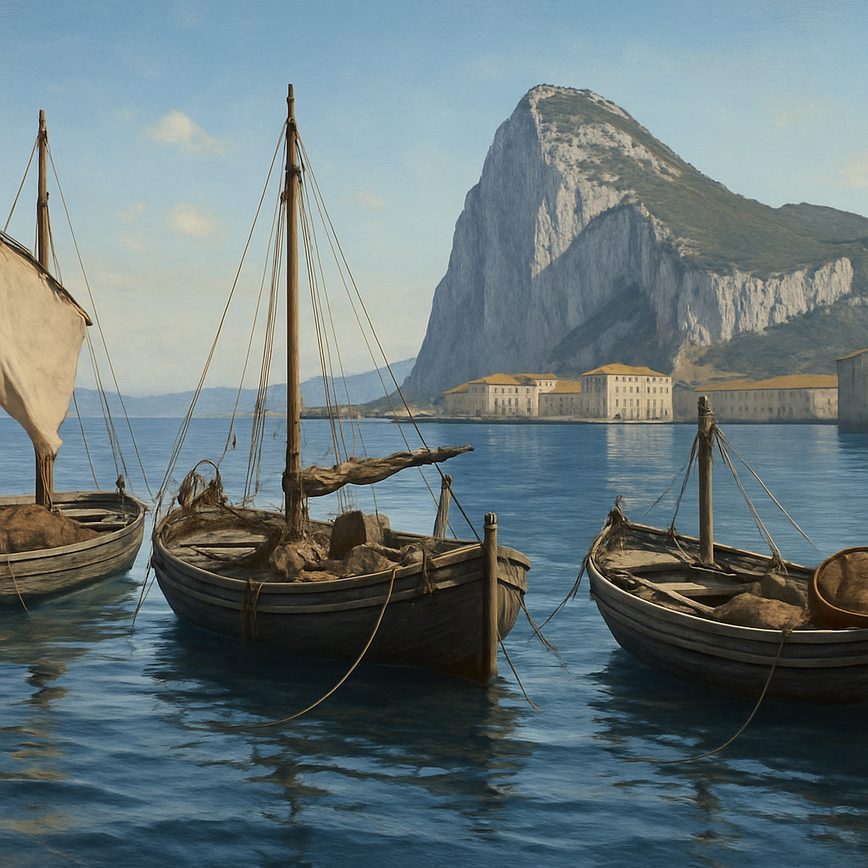
The traditional fishing practices of early Gibraltar communities are deeply rooted in the region’s rich aquatic heritage. These communities relied primarily on small, sturdy wooden vessels designed to navigate both the calm Mediterranean waters and the rougher Atlantic influences near the Straits. These boats, often referred to as llaüts or dories, were essential for their ease of handling and durability against strong currents.
Early fishery methods included the use of hand lines, nets, and traps carefully crafted from natural fibres. Fishermen skillfully deployed fixed nets such as gillnets and trammel nets, which were set close to the rocky coastlines to catch species common to the area. Spears and hook-and-line fishing were also widespread, reflecting the adaptability of traditional fishing techniques to the diverse marine life found around Gibraltar.
The Gibraltar fishing heritage highlights the capture of species such as mullet, sea bass, and sardines, all staples in the local diet and economy. Additionally, octopus and cuttlefish were often caught using pots or by free-diving, underlining the comprehensive knowledge of the sea possessed by early fishermen. These time-honored methods laid the foundation for the fishing industry in Gibraltar, preserving cultural identity while sustainably exploiting marine resources.
Impact of Maritime Trade on Fisheries
Gibraltar’s strategic position as a key maritime trading port has profoundly shaped the development and commercialisation of its fishing industry. The bustling maritime trade routes passing through the port amplified the demand for fresh fish and seafood, turning local fisheries into vital suppliers for ships and markets beyond Gibraltar itself. This dynamic trade environment fostered a symbiotic relationship between maritime commerce and fish trade, enabling fishermen to expand their reach and improve their catches to meet the needs of a growing customer base.
The port’s prominence in international shipping facilitated the influx of diverse fishing techniques and technologies, boosting the efficiency and productivity of Gibraltar port fisheries. Merchants and fishermen capitalised on the strategic location, using the port as a hub to export large quantities of fish to neighboring regions and importing supplies necessary for sustainable fishing practices. The commercialisation of the fishing industry was further propelled by the ease of access to broader markets, enhancing economic opportunities for the local fishing communities.
Moreover, maritime trade routes ensured continuous exchange of knowledge and fishery-related innovations, reinforcing Gibraltar’s reputation as a significant fishing center. The integration of Gibraltar’s fisheries within the larger maritime trade networks not only increased fish trade volumes but also contributed to the cultural and economic vitality of the region, embedding fishing deeply into Gibraltar’s commercial identity and heritage.
Modern Developments and Challenges in Gibraltar’s Fishing Industry
In recent years, Gibraltar’s fishing industry has experienced significant transformations driven by the adoption of modern fishing methods. The integration of advanced technology such as GPS navigation, sonar fish-finders, and automated sorting systems has revolutionized the way local fishermen operate. These innovations have not only increased efficiency and catch precision but have also contributed to safer working conditions at sea. Modern fishing vessels in Gibraltar are equipped with state-of-the-art equipment that allows fishermen to better locate fish schools and optimize their daily yields while minimizing environmental impact.
Current industry practices emphasize sustainable fisheries management to ensure the long-term viability of marine resources around Gibraltar. Local authorities and fishermen collaborate to implement quotas, seasonal restrictions, and protected areas designed to safeguard fish populations and preserve biodiversity. This cooperative approach reflects a growing awareness of the delicate balance between economic interests and environmental stewardship. Many fishermen also diversify their activities by engaging in responsible aquaculture and eco-tourism, which help reduce pressure on wild fish stocks and open new revenue streams.
Despite these advancements, Gibraltar’s fishing sector faces several significant challenges. One of the main obstacles is the ongoing geopolitical tension in the region, which can restrict fishing zones and complicate access to traditional waters. Additionally, overfishing by foreign fleets, climate change effects such as rising sea temperatures, and pollution continue to threaten local fish populations and habitat quality. The industry also grapples with economic pressures including fluctuating fish market prices and competition from larger commercial fisheries operating on an industrial scale.
Addressing these Gibraltar fishing challenges requires adaptive fisheries management strategies that integrate scientific research, modern technology, and community engagement. Efforts are underway to improve data collection and monitoring systems, enhance enforcement of fishing regulations, and promote sustainable practices among fishermen. By embracing innovation and collaboration, Gibraltar aims to secure a resilient fishing industry that supports local livelihoods while conserving marine ecosystems for future generations.
Technological Innovations in Fishing
The fishing industry in Gibraltar experienced a significant transformation in the late 20th and early 21st centuries, largely due to advances in fishing technology. The introduction of motorized boats revolutionized traditional fishing practices by enabling longer trips farther from shore and increasing the efficiency of catching fish. These modern fishing boats were more durable and faster, allowing fishermen to access a wider range of fishing grounds within Gibraltar’s surrounding waters.
Sonar technology was another groundbreaking innovation that changed Gibraltar fisheries equipment. With sonar, fishermen could detect schools of fish underwater, significantly improving their success rates and reducing time spent searching. This precision allowed for more sustainable fishing practices by targeting specific fish populations rather than indiscriminate netting.
Other technological advancements included the use of GPS systems, improved navigation tools, and modern communication devices onboard fishing vessels. These innovations enhanced safety at sea and allowed Gibraltar’s fishing community to coordinate and optimize their operations more effectively. The combination of these modern tools reshaped the fishing industry, allowing it to adapt to contemporary demands while preserving the heritage of Gibraltar’s maritime economy.
Environmental and Regulatory Challenges
The fishing industry in Gibraltar faces significant environmental and regulatory challenges that impact its sustainability. One of the foremost concerns is overfishing, which threatens the delicate marine ecosystems in the waters surrounding Gibraltar. Overexploitation of fish stocks can lead to a drastic decline in certain species, disrupting the biodiversity and balance of the marine environment. This issue is compounded by pollution, which further degrades habitats and affects fish health and reproduction.
To combat these issues, strict fishing regulations have been implemented, focusing on sustainable practices and conservation efforts. These guidelines regulate catch limits, specify seasonal fishing bans, and enforce gear restrictions aimed at minimizing environmental damage. Marine conservation initiatives in Gibraltar also play a crucial role by protecting vulnerable areas and promoting the recovery of depleted fish populations.
The regulatory framework reflects a commitment to balancing the economic needs of the fishing industry with the imperative to preserve marine resources for future generations. Enforcement of these regulations is vital to ensure compliance and safeguard Gibraltar’s unique marine biodiversity. By addressing overfishing, reducing pollution, and supporting marine conservation, Gibraltar aims to maintain a thriving and sustainable fishing community in the face of growing environmental challenges.
Cultural Significance and Future Outlook
The fishing industry holds a deep cultural heritage in Gibraltar, serving as the backbone of its coastal communities for centuries. The ways of life in the fishing community Gibraltar are intertwined with the sea, embodying traditions and practices passed down through generations. Fishing is not merely an economic activity but a vital thread in the social fabric, fostering a sense of identity and continuity among local families. Festivals, folklore, and community gatherings often revolve around the rhythms of the fishing seasons, highlighting the enduring respect and connection the people have with the maritime environment.
In contemporary times, the future of Gibraltar fisheries is facing both challenges and opportunities. Environmental concerns, regulatory changes, and shifting market demands are prompting the fishing community to adapt with sustainable practices and innovative approaches. Local authorities and stakeholders have increasingly emphasized sustainability, aiming to balance economic viability with the preservation of marine ecosystems.
Plans for the industry’s future sustainability include adopting modern technology for better resource management, reducing bycatch, and promoting responsible fishing quotas. Community-driven initiatives are also playing a key role, empowering fishermen to engage in conservation efforts and sustainable development plans. Education and awareness programs aim to pass on the importance of marine stewardship to younger generations, ensuring that the cultural heritage of fishing is maintained alongside environmental responsibility.
Looking forward, the fishing community Gibraltar envisions a resilient industry that honors its cultural roots while embracing change for long-term sustainability. Collaborations between government, environmental organizations, and local fishermen are fostering a shared commitment to safeguard the future of Gibraltar’s fisheries. This integrated approach not only supports the livelihoods of those involved but also uplifts the cultural legacy embedded in the island’s maritime history, securing it for future generations.
Fishing in Gibraltar’s Cultural Identity
Fishing is deeply woven into the cultural traditions of Gibraltar, playing a central role in shaping the community’s social customs and identity. For generations, the sea has been a source of livelihood and pride, inspiring a way of life that continues to influence local customs today. Gibraltar’s fishing festivals, celebrated annually, are vibrant events that honor this enduring connection to the sea. These festivals bring together families and neighbors, showcasing traditional music, dance, and culinary delights centered around freshly caught seafood. They serve both as a tribute to the maritime heritage and as an opportunity to strengthen community bonds.
Family fishing legacies are a cornerstone of Gibraltar’s identity, with knowledge and skills passed down through many generations. Fishing families in Gibraltar are often recognized not only for their expertise at sea but also for their role as cultural custodians, preserving stories and practices that define the town’s unique character. This rich heritage fosters a strong sense of belonging among residents, connecting them to their ancestors and to each other through shared experiences and traditions.
Community events centered on fishing go beyond economic activity; they are moments of celebration and reflection on Gibraltar’s maritime roots. Through these social gatherings and festivals, the fishing industry remains not just a trade but a vital part of the cultural fabric that continues to shape Gibraltar’s collective identity.
Sustainable Practices and Industry Prospects
The fishing industry in Gibraltar has increasingly embraced sustainable fishing practices to ensure the longevity of this vital economic sector. Central to these efforts are marine protection policies that designate specific marine protected areas (MPAs), where fishing activities are regulated or restricted to allow fish populations and marine ecosystems to recover and thrive. These MPAs not only help preserve biodiversity but also support the replenishment of fish stocks, benefiting fishermen in the long term.

I have always been captivated by the unique cultural tapestry of the Rock, particularly how Moorish, Spanish, and British influences shaped its development over centuries. My passion lies in translating these complex historical narratives into engaging educational resources that make Gibraltar’s past accessible to everyone. I spend my free time exploring military fortifications and reading first-hand accounts of life at the Pillar of Hercules.