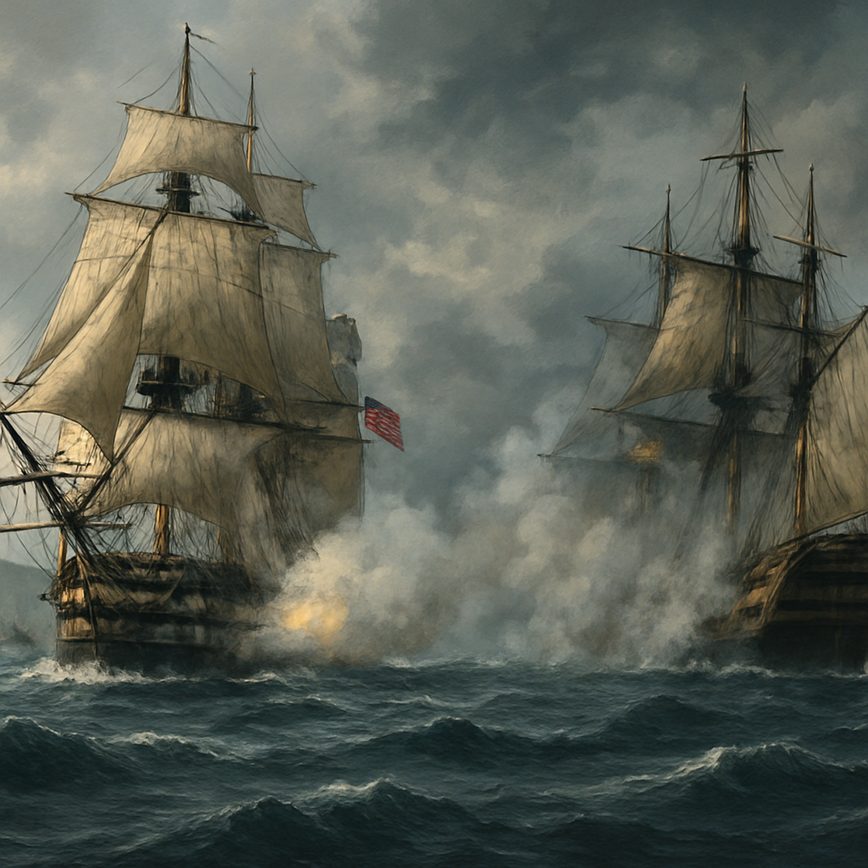
Historical Background of the Battle of Trafalgar
The Battle of Trafalgar, fought in 1805, stands as one of the most significant naval engagements in history, deeply rooted in the political and military turbulence of the Napoleonic Wars. This crucial 1805 battle was the result of escalating tensions between major European powers vying for dominance both on land and at sea.
During the early 19th century, Europe was engulfed in a series of conflicts known collectively as the Napoleonic Wars. These wars arose from the ambition of Napoleon Bonaparte, who sought to expand French influence across the continent after the upheaval of the French Revolution. As Napoleon’s power grew, so did the resistance among other European nations, culminating in complex alliances designed to counteract French expansionism.
The naval aspect of these conflicts was pivotal, for control of the seas allowed the transfer of troops, supplies, and strategic advantage. Britain, possessing the most formidable navy of the time, aimed to maintain its maritime superiority against a combined fleet of French and Spanish ships. The alliance between France and Spain intensified the naval threat facing Britain, setting the stage for the Battle of Trafalgar.
Prior to the battle, key events shaped the political landscape. The Treaty of San Ildefonso renewed the Franco-Spanish alliance, and the planned invasion of Britain loomed large in French strategy. The British Royal Navy, under the command of Admiral Horatio Nelson, sought to preemptively strike this allied fleet to neutralize the threat and secure naval dominance.
Thus, the Battle of Trafalgar emerged not just as a clash of ships but as a decisive moment in naval history, marking the culmination of strategic moves and alliances forged amidst the wider Napoleonic Wars. Its outcome decisively established British control of the seas, a factor that would shape European geopolitical dynamics for decades to come.
Naval Forces and Commanders Involved
The Battle of Trafalgar was a pivotal naval engagement involving two primary fleets: the British Royal Navy, commanded by Admiral Nelson, and the combined forces of the French fleet and the Spanish navy. Admiral Nelson, renowned for his tactical brilliance and leadership, played a decisive role in shaping the outcome of this battle. Leading the British fleet, Nelson’s strategic goal was to break the power of the allied fleets and establish British naval supremacy, thereby preventing Napoleon’s plans for invasion across the English Channel.
The French fleet, led by Vice-Admiral Pierre-Charles Villeneuve, aimed to challenge British naval dominance and secure safe passage for Napoleon’s invasion forces. The Spanish navy, under Admiral Federico Gravina, allied with the French to strengthen the combined armada. Both commanders sought to disrupt British control of the seas and support Napoleon’s broader European ambitions by defeating Admiral Nelson’s fleet.
The confrontation near Cape Trafalgar brought these formidable naval commanders and their fleets into direct conflict. Nelson’s innovative tactics, including breaking the enemy line, contrasted with the traditional approach of the French and Spanish commanders. This decisive battle reflected not only the strength and skill of the individual naval commanders but also the high stakes of control over strategic maritime routes.
Strategic Importance of Trafalgar
The Battle of Trafalgar holds immense strategic importance in the context of naval dominance during the Napoleonic Wars. This decisive conflict, fought between Britain and the combined naval forces of France and Spain, fundamentally shaped the balance of power at sea. Trafalgar was not merely a battle; it was a pivotal moment that solidified Britain’s control over the seas, preventing Napoleon’s ambitions of invading Britain and disrupting French-Spanish naval coordination. The victory ensured that Britain’s Royal Navy remained the supreme maritime force, effectively blockading French ports and limiting the movement of enemy fleets.
The strategic importance of Trafalgar extended beyond just a single military triumph. It played a critical role in preserving British naval dominance, which was essential for protecting trade routes, colonial possessions, and maintaining global influence. By decisively defeating the Franco-Spanish alliance, Britain crippled their ability to challenge its naval power for years to come. This supremacy at sea helped interrupt Napoleon’s efforts to control Europe and ultimately contributed to his downfall. Trafalgar thus became a symbol of British resilience and strategic foresight amid the broader Napoleonic conflict.
In essence, the Battle of Trafalgar was a foundational event that ensured Britain’s dominance of the oceans. It curtailed the ambitions of France and Spain, bolstered British morale, and reshaped the course of European history through naval supremacy. The clash underscored the importance of naval strength in geopolitical struggles and marked the beginning of nearly a century of British control over global waters.
Role of Gibraltar in the Battle of Trafalgar
Gibraltar held a pivotal strategic role before and during the Battle of Trafalgar, serving as a key British naval base that greatly influenced the outcome of one of the most significant naval engagements in history. As a British stronghold located at the entrance to the Mediterranean Sea, Gibraltar enabled the Royal Navy to maintain a powerful presence in the region, controlling naval routes and securing supply lines essential for sustained naval operations.
Before the battle, Gibraltar functioned as a vital staging ground for the British fleet. Its well-equipped docks and fortifications allowed for the repair, resupply, and reinforcement of ships. This capability was crucial for Admiral Nelson’s fleet as it prepared to face the combined forces of the French and Spanish navies. The close proximity of Gibraltar to the battleground enabled the British to keep their vessels in optimum condition and maintain high levels of readiness.
During the battle itself, Gibraltar’s role as a naval base was instrumental in providing ongoing logistical support. The British fleet relied on Gibraltar for fresh provisions and ammunition, which ensured that the ships could sustain their combat effectiveness throughout the intense and prolonged engagement. This support from Gibraltar contributed directly to the British fleet’s ability to execute complex maneuvers and maintain pressure on the enemy forces.
Moreover, Gibraltar’s position as a fortified British stronghold acted as a deterrent against enemy counterattacks in the region, safeguarding vital maritime supply routes. Its ability to serve as a safe harbor for wounded sailors and damaged vessels after battle further underscored its strategic importance.
In summary, Gibraltar’s strategic significance as a naval base was central to the British victory at Trafalgar. It provided the necessary infrastructure for fleet maintenance, ensured consistent battle support, and reinforced British naval dominance in the Mediterranean. The stronghold’s contribution to the battle’s outcome exemplifies how geography, combined with military foresight, can decisively impact the course of history.
Gibraltar’s Geographic and Military Significance
Gibraltar’s unique geography has long made it a critical point of military significance, especially during the era of the Battle of Trafalgar. This small but strategically positioned peninsula sits at the southern tip of the Iberian Peninsula, serving as the gateway to the Mediterranean Sea from the Atlantic Ocean. Its location allowed the controlling naval power to oversee and regulate maritime traffic through the narrow Strait of Gibraltar, a vital chokepoint for naval logistics and military operations.
During the battle period, dominance over Gibraltar directly influenced the control of the Mediterranean. The British Royal Navy’s possession of Gibraltar ensured a fortified naval base that provided repair, resupply, and shelter for fleets. This stronghold allowed the British to project power deep into the Mediterranean, interrupt enemy supply lines, and maintain a strategic vantage point against French and Spanish fleets.
The geographic advantages of Gibraltar enhanced naval strategies by facilitating effective blockades and quick mobilization within the region. Control of Gibraltar enabled flexibility in naval maneuvers and secure coordination of allied fleets, cementing its role as an indispensable military asset. Its position not only shaped the outcome of key naval encounters but also underscored the broader struggle for supremacy over Mediterranean waters during this turbulent period.
Logistical Support and Aftermath in Gibraltar
Gibraltar played a critical role in the logistics and resupply efforts following the Battle of Trafalgar, serving as a vital base for the British Navy. After the intense engagement, British ships required immediate restocking of supplies such as food, ammunition, and fresh water to maintain their operational readiness. Gibraltar’s strategic location and well-equipped harbor enabled the swift turnaround of vessels, allowing them to remain a dominant naval force in the region.
In addition to resupply, Gibraltar was essential for the care of the wounded. The port’s medical facilities were quickly mobilized to treat casualties brought in from the battle, providing critical care that saved numerous lives. These medical efforts not only lessened the human toll but also allowed many sailors to recover and return to service, preserving British naval manpower during a period of ongoing conflict.
The logistical support and medical aid facilitated by Gibraltar directly contributed to sustaining Britain’s naval strength after Trafalgar. By ensuring that ships were adequately supplied and crews properly cared for, Gibraltar helped maintain the Royal Navy’s ability to project power and control sea lanes crucial to the British Empire. This support hub underscored Gibraltar’s wider strategic importance as a bastion of British maritime supremacy in the aftermath of one of history’s most significant naval battles.
Legacy and Impact of the Battle of Trafalgar and Gibraltar
The Battle of Trafalgar and the strategic role of Gibraltar have left an indelible legacy on naval warfare and global maritime dominance. This landmark naval engagement, fought in 1805, not only reshaped the power dynamics of the seas but also cemented the British Empire’s supremacy over naval routes for more than a century. The historical impact of Trafalgar extends beyond the immediate military victory; it fundamentally altered naval tactics and established the framework for modern naval dominance.
One of the most enduring legacies of the battle is its reinforcement of British naval dominance. The decisive British victory disrupted the ambitions of rival European powers, particularly France and Spain, curtailing their influence on the seas. This victory ensured the British Royal Navy’s uncontested control over key maritime routes, which was crucial for maintaining and expanding the British Empire’s global reach. The control of the seas translated to economic prosperity and geopolitical influence, underpinning the empire’s position as the world’s foremost superpower for generations.
In terms of naval warfare, Trafalgar marked a tactical evolution. The battle demonstrated the effectiveness of innovative strategies like Admiral Nelson’s famous “crossing the T” maneuver, which maximized firepower while minimizing risk. Such tactics underscored the importance of superior training, leadership, and ship maneuverability, shaping naval engagements well into the 19th and 20th centuries. The battle’s lessons influenced naval doctrine, inspiring future generations to prioritize agility over sheer numbers.
Gibraltar’s continuing strategic importance is deeply intertwined with this legacy. Serving as a vital naval base controlling the entrance to the Mediterranean Sea, Gibraltar has maintained its significance as a military and shipping hub since the battle. Its geographical position allowed the British to project power into the Mediterranean and safeguard maritime trade routes—an advantage that endures to this day. Gibraltar remains a symbol of British resilience and strategic foresight in controlling key global chokepoints.
In summary, the legacy of the Battle of Trafalgar and Gibraltar’s strategic role have had a profound historical impact on naval warfare and the British Empire’s maritime dominance. These events not only redefined the art of naval combat but also secured Britain’s naval supremacy and territorial influence for over a century, shaping the course of global history.
Nelson’s Lasting Influence
Admiral Nelson remains one of the most celebrated naval heroes in history, his name synonymous with courage, strategy, and the indomitable spirit of the British Navy. His legacy at the Battle of Trafalgar not only secured British naval supremacy for over a century but also revolutionized naval tactics. Nelson’s approach, characterized by bold maneuvers and decisive action, broke away from traditional line-of-battle tactics and emphasized aggressive offense to exploit enemy vulnerabilities.
The Trafalgar legacy endures as naval commanders worldwide study and emulate his strategies. Nelson’s tactics, such as breaking the enemy line to create chaos and disrupt formation, have influenced countless naval engagements beyond his era. His leadership fostered a spirit of innovation and audacity that encouraged officers to adapt and think creatively in the heat of battle.
Through his naval heroics, Admiral Nelson set new standards for leadership and tactical brilliance, shaping modern naval warfare. His influence extends beyond strategy, becoming a symbol of national pride and the embodiment of naval excellence. The lessons drawn from his command continue to inform and inspire naval tactics, ensuring his impact is felt centuries after Trafalgar’s decisive victory.
Gibraltar’s Continuing Strategic Role
Modern Gibraltar continues to hold immense strategic importance as a British Overseas Territory located at the southern tip of the Iberian Peninsula. Its position at the entrance of the Mediterranean Sea ensures it remains a vital stronghold for controlling maritime traffic between the Atlantic Ocean and the Mediterranean. Over the centuries, Gibraltar’s role as a strategic military base has evolved, yet its core significance in naval and military policies has only intensified in recent times.
The British government recognizes Gibraltar as essential for safeguarding national interests, ensuring security in the Mediterranean region, and projecting naval power. The military installations and naval facilities on Gibraltar act as a critical hub for NATO operations and provide logistical support, surveillance capabilities, and rapid response options for modern defense strategies. This strategic position enhances Britain’s ability to control key maritime routes, monitor potential threats, and maintain influence over the Mediterranean’s geopolitical landscape.
Furthermore, Gibraltar’s status as a British Overseas Territory symbolizes Britain’s enduring naval heritage and commitment to global security. It plays a pivotal role in maritime diplomacy, joint military exercises, and counter-terrorism operations in the region. As modern security challenges evolve, Gibraltar’s strategic value is underscored by its ability to support advanced military technology and host multinational forces, ensuring it remains a cornerstone of Britain’s defense and Mediterranean control efforts well into the future.

I have always been captivated by the unique cultural tapestry of the Rock, particularly how Moorish, Spanish, and British influences shaped its development over centuries. My passion lies in translating these complex historical narratives into engaging educational resources that make Gibraltar’s past accessible to everyone. I spend my free time exploring military fortifications and reading first-hand accounts of life at the Pillar of Hercules.