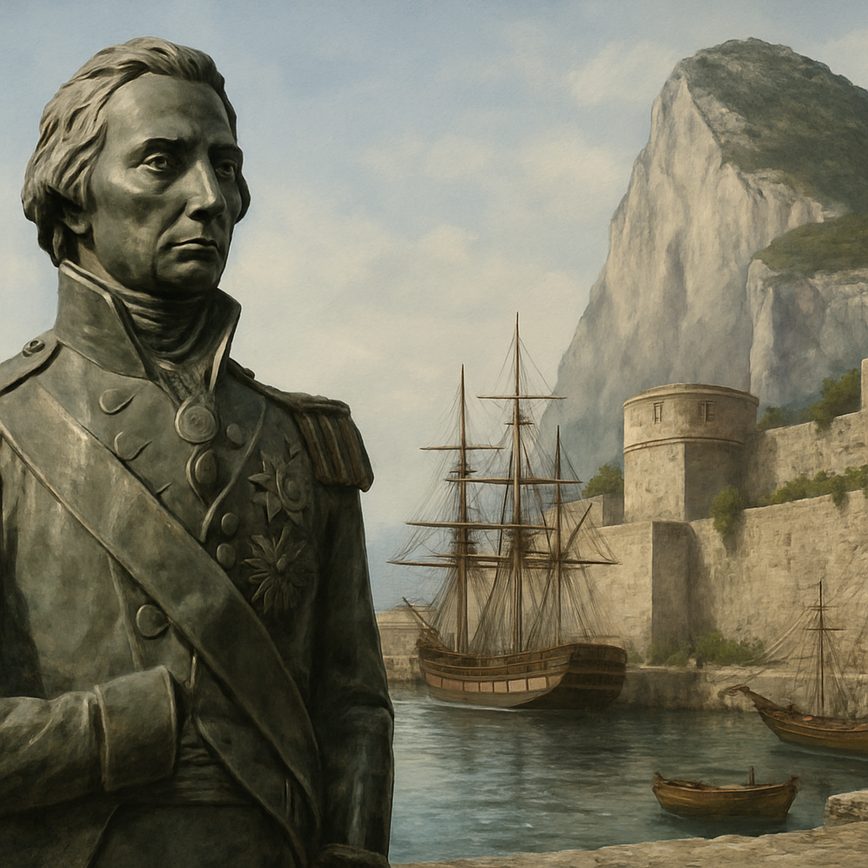
Introduction to Nelson’s Connection to Gibraltar
Admiral Horatio Nelson’s connection to Gibraltar is a significant chapter in both British naval history and Gibraltar history. Known widely for his strategic brilliance, Nelson’s ties to Gibraltar are deeply intertwined with his naval campaigns and the broader geopolitical importance of Gibraltar during the late 18th and early 19th centuries. Gibraltar, a vital British naval base at the entrance of the Mediterranean Sea, played a crucial role in British maritime dominance, and Nelson’s association with this fortress is a testament to its strategic importance.
Nelson Gibraltar relations were forged through various military engagements and his visits to the Rock, which served as a key launching point for British naval operations in the Mediterranean. During the Napoleonic Wars, Gibraltar was a formidable Allied stronghold that helped Nelson maintain control over the Mediterranean routes. His presence in Gibraltar reinforced the base’s significance in thwarting French and Spanish naval forces, making it an essential element in his overall naval strategy.
Horatio Nelson’s historical link to Gibraltar extends beyond military strategy; it also reflects the broader history of Gibraltar as a British territory shaped by numerous conflicts and naval heroes. Nelson’s leadership and victories, notably his command during pivotal moments such as the Battle of the Nile, are celebrated in Gibraltar and contribute to the Rock’s enduring legacy as a symbol of British naval resilience and power.
This article will explore various dimensions of Nelson’s connection to Gibraltar, delving into historical events that highlight the synergy between the legendary admiral and this strategic outpost. Understanding Nelson’s Gibraltar history provides valuable insight into how his naval genius and Gibraltar’s geographical importance combined to influence the course of European maritime history.
Nelson’s Strategic Use of Gibraltar during Naval Campaigns
Admiral Horatio Nelson’s naval strategy prominently featured the use of Gibraltar as a critical naval base, which played a pivotal role in the British naval history, especially throughout the Napoleonic Wars. Gibraltar’s geographical position at the entrance to the Mediterranean Sea made it an invaluable asset for controlling naval movements and projecting British maritime power in the region.
Nelson utilized the Gibraltar naval base as a strategic stronghold where his fleet could resupply, repair, and regroup between engagements. This capability was essential during long naval campaigns, as maintaining the readiness and effectiveness of his ships was a constant challenge. The base’s facilities allowed for efficient upkeep of vessels, ensuring that Nelson’s squadron remained battle-ready when confronting the French and Spanish navies.
Moreover, Gibraltar served as a crucial watchpoint for the British fleet, enabling Nelson to monitor enemy movements and anticipate their strategies. The intelligence and control this provided enhanced his situational awareness, allowing for timely and decisive naval responses that often turned the tide of battle in favor of the British. This advantage was particularly evident during key confrontations such as the Battle of Trafalgar, where Nelson’s astute use of geographic positioning contributed to his historic victory.
The impact of Nelson’s strategic use of Gibraltar extended beyond immediate military engagements. By securing Gibraltar, Britain ensured a permanent naval presence in the Mediterranean, disrupting French ambitions and safeguarding vital trade routes. This base became a symbol of British dominance on the seas and a cornerstone of their broader naval strategy during the Napoleonic Wars.
In summary, Nelson’s integration of Gibraltar into his naval strategy was a defining element in British naval history. The Gibraltar naval base not only supported operational efficiency and strategic control but also significantly influenced the outcome of naval campaigns in the Napoleonic era. Nelson’s utilization of this base exemplified his innovative approach to maritime warfare and underscored Gibraltar’s enduring importance in British naval dominance.
Gibraltar’s Role in the Battle of Trafalgar
Gibraltar played a crucial logistical and strategic role in supporting Admiral Nelson and the British fleet before and after the Battle of Trafalgar. As a key naval base located at the entrance to the Mediterranean Sea, Gibraltar provided the British fleet with a secure harbor for repairs, resupply, and rest. This allowed Nelson to maintain the readiness and strength of his ships, essential for engaging in one of the most decisive naval battles in history.
Before the battle, Gibraltar’s docks were vital for provisioning and reinforcement. The availability of fresh supplies, ammunition, and safe waters meant Nelson’s fleet could prepare thoroughly and approach the battle in top condition. Gibraltar also served as a strategic point for gathering intelligence and monitoring enemy movements, giving the British fleet an operational advantage.
After the Battle of Trafalgar, Gibraltar’s role continued as a sanctuary where damaged ships from the battle could return for essential repairs and care. The port’s facilities and experienced crews helped ensure the fleet’s recovery and sustained British naval dominance. Thus, Gibraltar’s support was a backbone to Nelson’s success in this pivotal naval engagement, underpinning the broader British naval strategy in the region.
Nelson’s Residency and Memorials in Gibraltar
Gibraltar is home to several significant historical sites associated with Nelson’s residency and the enduring legacy he left behind. During his time stationed in Gibraltar, Nelson resided at the Official Naval Residence, a key location tied to his strategic command in the Mediterranean. This site, along with others in Gibraltar, stands as a testament to the deep connection Nelson had with the territory.
One of the most prominent Gibraltar memorials honoring Nelson is the Nelson’s Anchorage Park, which offers panoramic views of the Rock and commemorates his naval achievements. Additionally, the Nelson Memorial near the Upper Rock Nature Reserve is a focal point for visitors, symbolizing the respect and admiration Gibraltar continues to hold for the legendary admiral.
The Gibraltar Museum also houses exhibits dedicated to Nelson’s time in the area, featuring artifacts and stories that illustrate his impact on local history. Historical sites across Gibraltar not only highlight Nelson’s residency but also celebrate his strategic brilliance and leadership, keeping his legacy alive for future generations.
Through these carefully preserved sites and memorials, Gibraltar ensures that Nelson’s connection to the territory remains a vital part of its cultural and historical identity.
Legacy of Nelson in Gibraltar Today
Nelson’s legacy in Gibraltar remains a powerful influence that permeates various aspects of the territory’s tourism, culture, and local heritage. His historic connection to Gibraltar is not only a point of pride for residents but also a significant draw for visitors eager to explore the rich historical narratives entwined with this British Overseas Territory.
Tourism in Gibraltar benefits greatly from the storied past of Admiral Nelson, attracting history enthusiasts who come to witness the impact of one of Britain’s greatest naval heroes. Sites dedicated to Nelson’s memory, including monuments and plaques, serve as focal points for educational tours and cultural visits. These landmarks, strategically placed around Gibraltar, help visitors appreciate the depth of Nelson’s influence on the territory and its naval history.
The cultural fabric of Gibraltar continues to be shaped by the historical influence of Nelson. Events and commemorations celebrating his victories and the strategic role Gibraltar played during his campaigns are regularly held, fostering a strong sense of community pride. This ongoing recognition reinforces Nelson’s place not just in British naval history, but within Gibraltar’s own identity.
Local heritage organizations actively maintain and promote Nelson monuments, ensuring that his story remains accessible to future generations. These monuments stand as lasting symbols of Gibraltar’s naval and military significance, linking the past with the present cultural landscape. Their preservation is integral to educating the public about the strategic importance of Gibraltar during Nelson’s era and the legacy that endures today.
Overall, the Nelson legacy continues to enrich Gibraltar’s tourism appeal, enhance its cultural expressions, and strengthen its local heritage. His enduring presence is a testament to the historical ties between Gibraltar and the British Navy, making him an indelible part of the territory’s story and a vibrant element of its ongoing narrative.
Tourist Attractions Related to Nelson in Gibraltar
Gibraltar offers a fascinating array of Nelson monuments and historical landmarks that attract tourists interested in the legacy of this iconic figure. One of the most notable sites is the Nelson’s Anchorage, where visitors can imagine the British fleet’s strategic positioning during Admiral Nelson’s time. Nearby, the Nelson’s Viewpoint provides panoramic views of the Rock, giving insight into the landscapes that played a crucial role in his naval campaigns.
Gibraltar tours often include stops at the Nelson Monument located at the top of the Rock, a memorial dedicated to his leadership and heroism during the Battle of Trafalgar. This landmark is a key highlight for visitors exploring Nelson tourism, alongside the Gibraltar Museum, which features detailed exhibits on his impact and the region’s maritime history.
Walking tours in the historical district offer tourists the chance to see plaques and statues commemorating Nelson’s influence on Gibraltar’s military and cultural heritage. These visits enhance awareness of Gibraltar’s strategic importance and celebrate the enduring legacy Nelson left in the area. By exploring these historical landmarks, travelers gain a deeper appreciation for the rich history embedded in Gibraltar’s landscape.

I have always been captivated by the unique cultural tapestry of the Rock, particularly how Moorish, Spanish, and British influences shaped its development over centuries. My passion lies in translating these complex historical narratives into engaging educational resources that make Gibraltar’s past accessible to everyone. I spend my free time exploring military fortifications and reading first-hand accounts of life at the Pillar of Hercules.