Blog » Impact of Brexit on Gibraltar history

Impact of Brexit on Gibraltar history

The relationship with Spain, Gibraltar’s immediate neighbor, became a focal point due to shared borders and mutual trade dependencies. Brexit necessitated enhanced bilateral cooperation to address customs matters and avoid economic disruption. Although these changes posed short-term challenges, they also encouraged regulatory modernization and stronger cross-border business collaborations.

Overall, the business impact of Brexit on Gibraltar has been substantial, driving the territory to evolve its trade frameworks and embrace new economic realities. This adjustment period has been crucial for securing Gibraltar’s future economic resilience and growth in an altered international trade environment.

Impact on Workforce and Daily Life

Brexit has brought significant changes to the lives of cross-border workers in Gibraltar, fundamentally altering their daily routines and employment conditions. For many who commute from Spain into Gibraltar daily, the process has become more complex and time-consuming due to increased border checks and regulatory hurdles. These changes have affected not only the ease of daily commute but also the punctuality and flexibility of the workforce.

The shift in employment patterns is another notable consequence. Several businesses in Gibraltar experienced disruptions as they navigated new post-Brexit labor regulations and restrictions on the movement of workers. This led to a reshuffling of the local job market, with some sectors facing shortages of skilled labor while others adjusted to new workforce compositions. Employment changes have pushed companies to rethink their hiring strategies, focusing more on local recruitment and training initiatives to mitigate dependency on cross-border employees.

Beyond the professional sphere, Brexit sparked social challenges within the community, as families and friends accustomed to seamless cross-border interactions faced new barriers. The increased bureaucracy has sometimes resulted in feelings of frustration and uncertainty among residents. Social ties that rely heavily on the daily integration between Gibraltar and its neighboring Spanish towns encountered strain, impacting the social fabric and community cohesion.

In summary, Brexit has deeply influenced the workforce and daily life in Gibraltar by reshaping employment landscapes, complicating the daily commute for cross-border workers, and creating broader social challenges that continue to affect the territory’s unique socio-economic dynamics.

One of the key challenges was the transition from EU single market rules to new border arrangements. Gibraltar’s businesses faced additional paperwork, delays, and compliance costs, influencing their competitiveness. However, this also opened opportunities for sectors to innovate and diversify their trade practices. Many businesses sought to establish new partnerships beyond the EU to mitigate risks associated with the post-Brexit economy.

The relationship with Spain, Gibraltar’s immediate neighbor, became a focal point due to shared borders and mutual trade dependencies. Brexit necessitated enhanced bilateral cooperation to address customs matters and avoid economic disruption. Although these changes posed short-term challenges, they also encouraged regulatory modernization and stronger cross-border business collaborations.

Overall, the business impact of Brexit on Gibraltar has been substantial, driving the territory to evolve its trade frameworks and embrace new economic realities. This adjustment period has been crucial for securing Gibraltar’s future economic resilience and growth in an altered international trade environment.

Impact on Workforce and Daily Life

Brexit has brought significant changes to the lives of cross-border workers in Gibraltar, fundamentally altering their daily routines and employment conditions. For many who commute from Spain into Gibraltar daily, the process has become more complex and time-consuming due to increased border checks and regulatory hurdles. These changes have affected not only the ease of daily commute but also the punctuality and flexibility of the workforce.

The shift in employment patterns is another notable consequence. Several businesses in Gibraltar experienced disruptions as they navigated new post-Brexit labor regulations and restrictions on the movement of workers. This led to a reshuffling of the local job market, with some sectors facing shortages of skilled labor while others adjusted to new workforce compositions. Employment changes have pushed companies to rethink their hiring strategies, focusing more on local recruitment and training initiatives to mitigate dependency on cross-border employees.

Beyond the professional sphere, Brexit sparked social challenges within the community, as families and friends accustomed to seamless cross-border interactions faced new barriers. The increased bureaucracy has sometimes resulted in feelings of frustration and uncertainty among residents. Social ties that rely heavily on the daily integration between Gibraltar and its neighboring Spanish towns encountered strain, impacting the social fabric and community cohesion.

In summary, Brexit has deeply influenced the workforce and daily life in Gibraltar by reshaping employment landscapes, complicating the daily commute for cross-border workers, and creating broader social challenges that continue to affect the territory’s unique socio-economic dynamics.

One of the key challenges was the transition from EU single market rules to new border arrangements. Gibraltar’s businesses faced additional paperwork, delays, and compliance costs, influencing their competitiveness. However, this also opened opportunities for sectors to innovate and diversify their trade practices. Many businesses sought to establish new partnerships beyond the EU to mitigate risks associated with the post-Brexit economy.

The relationship with Spain, Gibraltar’s immediate neighbor, became a focal point due to shared borders and mutual trade dependencies. Brexit necessitated enhanced bilateral cooperation to address customs matters and avoid economic disruption. Although these changes posed short-term challenges, they also encouraged regulatory modernization and stronger cross-border business collaborations.

Overall, the business impact of Brexit on Gibraltar has been substantial, driving the territory to evolve its trade frameworks and embrace new economic realities. This adjustment period has been crucial for securing Gibraltar’s future economic resilience and growth in an altered international trade environment.

Impact on Workforce and Daily Life

Brexit has brought significant changes to the lives of cross-border workers in Gibraltar, fundamentally altering their daily routines and employment conditions. For many who commute from Spain into Gibraltar daily, the process has become more complex and time-consuming due to increased border checks and regulatory hurdles. These changes have affected not only the ease of daily commute but also the punctuality and flexibility of the workforce.

The shift in employment patterns is another notable consequence. Several businesses in Gibraltar experienced disruptions as they navigated new post-Brexit labor regulations and restrictions on the movement of workers. This led to a reshuffling of the local job market, with some sectors facing shortages of skilled labor while others adjusted to new workforce compositions. Employment changes have pushed companies to rethink their hiring strategies, focusing more on local recruitment and training initiatives to mitigate dependency on cross-border employees.

Beyond the professional sphere, Brexit sparked social challenges within the community, as families and friends accustomed to seamless cross-border interactions faced new barriers. The increased bureaucracy has sometimes resulted in feelings of frustration and uncertainty among residents. Social ties that rely heavily on the daily integration between Gibraltar and its neighboring Spanish towns encountered strain, impacting the social fabric and community cohesion.

In summary, Brexit has deeply influenced the workforce and daily life in Gibraltar by reshaping employment landscapes, complicating the daily commute for cross-border workers, and creating broader social challenges that continue to affect the territory’s unique socio-economic dynamics.

Moreover, Gibraltar society was deeply intertwined with the neighboring Spanish regions, creating strong social and economic bonds across the border. Cross-border employment played a crucial role in this dynamic; thousands of Spanish workers commuted daily to Gibraltar, contributing to the local economy and fostering a multicultural community. This interdependence reinforced social cohesion and economic stability, as many families relied on cross-border work opportunities.

Trade relations were streamlined by Gibraltar’s EU membership, promoting efficient movement of goods and services. The integration facilitated cooperation in transport, customs, and environmental policies, shaping a favorable environment for businesses and workers alike. Gibraltar’s position as an EU territory promoted confidence among investors and encouraged collaboration across the region, which was vital for the territory’s economic resilience and social development before Brexit.

Impact of Brexit on Gibraltar’s Political Landscape

Brexit has significantly influenced Gibraltar’s political landscape, reshaping its status and intensifying its long-standing sovereignty dispute. As a British Overseas Territory strategically located at the southern tip of the Iberian Peninsula, Gibraltar has historically been a focal point of tension between the United Kingdom and Spain. The Brexit impact on Gibraltar politics has been profound, affecting not only its relationship with the UK but also its interactions with the European Union and neighboring Spain.

Before Brexit, Gibraltar enjoyed a unique position as part of the EU through the UK’s membership, benefiting from cross-border cooperation, trade, and free movement with Spain and other EU countries. However, the UK’s decision to leave the EU altered this dynamic. Gibraltar was caught in a complex political situation, with the sovereignty dispute between the UK and Spain gaining renewed attention. Spain intensified its claims over Gibraltar, seeing Brexit as an opportunity to push for negotiations on the territory’s status, while Gibraltar’s government firmly reaffirmed its allegiance to the UK.

The post-Brexit changes brought new challenges. Gibraltar was excluded from the UK-EU Withdrawal Agreement initially, creating uncertainty about its future relationship with both the EU and the UK mainland. This exclusion led to concerns about border controls, economic stability, and citizen rights, as the territory relies heavily on cross-border workers and trade. The impact of Brexit on Gibraltar politics has necessitated continuous diplomatic negotiations involving the UK, Spain, and the EU to address these crucial issues.

Negotiations following Brexit have sought to balance Gibraltar’s desire to maintain close ties with the EU while preserving its status as a British territory. The landmark agreements have included provisions to ease border management, protect the rights of citizens, and foster economic cooperation. Despite these positive steps, sovereignty claims remain a contentious and unresolved problem, underpinning much of Gibraltar’s political discourse in the post-Brexit era.

In conclusion, the Brexit impact on Gibraltar’s political landscape has been multifaceted, re-energizing debates over sovereignty and compelling collaborative negotiations among the UK, Spain, and the EU. While Gibraltar has adapted to several post-Brexit changes, the future of its political status remains a subject of diplomatic sensitivity and strategic importance for all parties involved.

Negotiations and Agreements Post-Brexit

The Brexit negotiations involving Gibraltar were a complex and delicate process that required careful consideration of the region’s unique status. One of the primary concerns was border control, as Gibraltar shares a land border with Spain, an EU member. Ensuring the free movement of people and goods while maintaining security was a critical focus in the discussions.

Key UK-Spain agreements were reached to address these challenges, aiming to balance the sovereignty concerns of both the UK and Spain with the practical needs of Gibraltar’s residents and economy. These agreements included measures for streamlined customs checks and collaboration on border security, which were essential to prevent disruptions in daily cross-border activities and trade.

Trade agreements between the UK and Gibraltar were designed to allow Gibraltar to maintain access to the EU market under specific terms, supporting its economy which heavily relies on services like finance, online gaming, and tourism. These arrangements were instrumental in mitigating Brexit’s potential economic impact on Gibraltar.

Politically, the UK and Spain continued dialogue to uphold the principles of respect for sovereignty while fostering EU-Gibraltar relations that promote cooperation and stability. Through these negotiations post-Brexit, Gibraltar secured frameworks that help preserve its unique position, ensuring sustained economic growth and social cohesion despite the new political landscape.

Changes in Sovereignty and Diplomatic Relations

Brexit has significantly influenced the dialogue around Gibraltar sovereignty, heightening the already complex diplomatic relations between the United Kingdom and Spain. The departure of the UK from the European Union brought the longstanding UK-Spain dispute back into sharp focus, with sovereignty claims being more fervently asserted by both sides. The UK reaffirmed its commitment to maintaining Gibraltar as a British Overseas Territory, emphasizing the wishes of the Gibraltarian people, who overwhelmingly voted to remain under UK sovereignty in the 2016 Brexit referendum. Conversely, Spain intensified its diplomatic efforts to assert its historical claims over the territory, often invoking interpretations of international law to bolster its stance.

In response to Brexit, diplomatic relations between the UK and Spain have experienced both tensions and a cautious push for cooperation. Negotiations over border controls, trade arrangements, and jurisdictional oversight have been fraught, reflecting the complexities of applying international law in this unique geopolitical context. However, there have also been moments of pragmatic collaboration aimed at minimizing disruption for Gibraltar’s residents and ensuring the territory’s stability. The shifting political landscape has led to renewed calls for dialogue grounded in mutual respect and legal frameworks to manage sovereignty claims and maintain peaceful bilateral relations.

Ultimately, Brexit has reaffirmed Gibraltar’s status as a critical point of contention in UK-Spain diplomatic relations, underscoring the enduring importance of sovereignty issues and international law in shaping the future of the territory. While tensions persist, the post-Brexit era also presents opportunities for innovative diplomatic approaches to resolve disputes and foster sustainable cooperation.

Economic and Social Effects of Brexit on Gibraltar

The economic impact of Brexit on Gibraltar has been profound, reshaping its trade landscape, employment dynamics, and social fabric. As a British Overseas Territory located at the southern tip of the Iberian Peninsula, Gibraltar has traditionally depended heavily on seamless cross-border trade and a fluid workforce moving between Gibraltar and Spain. Brexit introduced significant disruptions to this status quo, especially with changes in customs and border controls, prompting immediate and long-term economic consequences.

One of the most visible effects of Gibraltar Brexit has been trade disruptions. Gibraltar’s economy relies heavily on imports and exports, and the introduction of new regulatory barriers has complicated transactions that were once straightforward. Increased customs checks and paperwork have slowed goods movement, leading to delays and extra costs for businesses. This has pressured sectors such as retail, construction, and services, which depend on timely shipments and access to EU markets.

Employment, a cornerstone of Gibraltar’s economic wellbeing, has also faced challenges post-Brexit. Many workers cross daily from Spain, contributing significantly to the labor pool. New border procedures, visa requirements, and uncertainties surrounding residency rights have introduced friction and anxiety for cross-border employees. This has resulted in labor shortages in some sectors and has forced local businesses to adapt to a changing workforce environment.

Beyond economics, the social impact of Brexit on Gibraltar is equally crucial. The border, once a symbol of daily interaction and integration between communities on both sides, has experienced heightened scrutiny and control. This has affected the social cohesion and everyday lives of families and workers who routinely rely on crossing the border. Despite efforts to maintain strong ties, the increased bureaucratic obstacles have strained community relations and introduced a sense of uncertainty about the future.

In conclusion, the economic impact and social impact of Gibraltar Brexit are intertwined and complex. Trade disruptions strain Gibraltar’s commercial activities, altering the movement of goods and services. Employment challenges, caused by border and regulatory changes, impact workforce availability and business operations. Socially, the border issues underscore broader concerns about identity and cross-border cooperation. Gibraltar continues to navigate these challenges, seeking to balance its unique geopolitical position while striving for stability and growth in a post-Brexit Europe.

Trade and Business Adjustments

Brexit brought significant changes to Gibraltar trade, reshaping the territory’s economic landscape and business environment. As Gibraltar navigated its new relationship outside the European Union, customs regulations underwent substantial adjustments, especially concerning trade with the EU and neighboring Spain. The introduction of new customs checks and controls impacted the traditionally seamless flow of goods, requiring businesses to adapt quickly to maintain supply chain efficiency.

One of the key challenges was the transition from EU single market rules to new border arrangements. Gibraltar’s businesses faced additional paperwork, delays, and compliance costs, influencing their competitiveness. However, this also opened opportunities for sectors to innovate and diversify their trade practices. Many businesses sought to establish new partnerships beyond the EU to mitigate risks associated with the post-Brexit economy.

The relationship with Spain, Gibraltar’s immediate neighbor, became a focal point due to shared borders and mutual trade dependencies. Brexit necessitated enhanced bilateral cooperation to address customs matters and avoid economic disruption. Although these changes posed short-term challenges, they also encouraged regulatory modernization and stronger cross-border business collaborations.

Overall, the business impact of Brexit on Gibraltar has been substantial, driving the territory to evolve its trade frameworks and embrace new economic realities. This adjustment period has been crucial for securing Gibraltar’s future economic resilience and growth in an altered international trade environment.

Impact on Workforce and Daily Life

Brexit has brought significant changes to the lives of cross-border workers in Gibraltar, fundamentally altering their daily routines and employment conditions. For many who commute from Spain into Gibraltar daily, the process has become more complex and time-consuming due to increased border checks and regulatory hurdles. These changes have affected not only the ease of daily commute but also the punctuality and flexibility of the workforce.

The shift in employment patterns is another notable consequence. Several businesses in Gibraltar experienced disruptions as they navigated new post-Brexit labor regulations and restrictions on the movement of workers. This led to a reshuffling of the local job market, with some sectors facing shortages of skilled labor while others adjusted to new workforce compositions. Employment changes have pushed companies to rethink their hiring strategies, focusing more on local recruitment and training initiatives to mitigate dependency on cross-border employees.

Beyond the professional sphere, Brexit sparked social challenges within the community, as families and friends accustomed to seamless cross-border interactions faced new barriers. The increased bureaucracy has sometimes resulted in feelings of frustration and uncertainty among residents. Social ties that rely heavily on the daily integration between Gibraltar and its neighboring Spanish towns encountered strain, impacting the social fabric and community cohesion.

In summary, Brexit has deeply influenced the workforce and daily life in Gibraltar by reshaping employment landscapes, complicating the daily commute for cross-border workers, and creating broader social challenges that continue to affect the territory’s unique socio-economic dynamics.

Moreover, Gibraltar society was deeply intertwined with the neighboring Spanish regions, creating strong social and economic bonds across the border. Cross-border employment played a crucial role in this dynamic; thousands of Spanish workers commuted daily to Gibraltar, contributing to the local economy and fostering a multicultural community. This interdependence reinforced social cohesion and economic stability, as many families relied on cross-border work opportunities.

Trade relations were streamlined by Gibraltar’s EU membership, promoting efficient movement of goods and services. The integration facilitated cooperation in transport, customs, and environmental policies, shaping a favorable environment for businesses and workers alike. Gibraltar’s position as an EU territory promoted confidence among investors and encouraged collaboration across the region, which was vital for the territory’s economic resilience and social development before Brexit.

Impact of Brexit on Gibraltar’s Political Landscape

Brexit has significantly influenced Gibraltar’s political landscape, reshaping its status and intensifying its long-standing sovereignty dispute. As a British Overseas Territory strategically located at the southern tip of the Iberian Peninsula, Gibraltar has historically been a focal point of tension between the United Kingdom and Spain. The Brexit impact on Gibraltar politics has been profound, affecting not only its relationship with the UK but also its interactions with the European Union and neighboring Spain.

Before Brexit, Gibraltar enjoyed a unique position as part of the EU through the UK’s membership, benefiting from cross-border cooperation, trade, and free movement with Spain and other EU countries. However, the UK’s decision to leave the EU altered this dynamic. Gibraltar was caught in a complex political situation, with the sovereignty dispute between the UK and Spain gaining renewed attention. Spain intensified its claims over Gibraltar, seeing Brexit as an opportunity to push for negotiations on the territory’s status, while Gibraltar’s government firmly reaffirmed its allegiance to the UK.

The post-Brexit changes brought new challenges. Gibraltar was excluded from the UK-EU Withdrawal Agreement initially, creating uncertainty about its future relationship with both the EU and the UK mainland. This exclusion led to concerns about border controls, economic stability, and citizen rights, as the territory relies heavily on cross-border workers and trade. The impact of Brexit on Gibraltar politics has necessitated continuous diplomatic negotiations involving the UK, Spain, and the EU to address these crucial issues.

Negotiations following Brexit have sought to balance Gibraltar’s desire to maintain close ties with the EU while preserving its status as a British territory. The landmark agreements have included provisions to ease border management, protect the rights of citizens, and foster economic cooperation. Despite these positive steps, sovereignty claims remain a contentious and unresolved problem, underpinning much of Gibraltar’s political discourse in the post-Brexit era.

In conclusion, the Brexit impact on Gibraltar’s political landscape has been multifaceted, re-energizing debates over sovereignty and compelling collaborative negotiations among the UK, Spain, and the EU. While Gibraltar has adapted to several post-Brexit changes, the future of its political status remains a subject of diplomatic sensitivity and strategic importance for all parties involved.

Negotiations and Agreements Post-Brexit

The Brexit negotiations involving Gibraltar were a complex and delicate process that required careful consideration of the region’s unique status. One of the primary concerns was border control, as Gibraltar shares a land border with Spain, an EU member. Ensuring the free movement of people and goods while maintaining security was a critical focus in the discussions.

Key UK-Spain agreements were reached to address these challenges, aiming to balance the sovereignty concerns of both the UK and Spain with the practical needs of Gibraltar’s residents and economy. These agreements included measures for streamlined customs checks and collaboration on border security, which were essential to prevent disruptions in daily cross-border activities and trade.

Trade agreements between the UK and Gibraltar were designed to allow Gibraltar to maintain access to the EU market under specific terms, supporting its economy which heavily relies on services like finance, online gaming, and tourism. These arrangements were instrumental in mitigating Brexit’s potential economic impact on Gibraltar.

Politically, the UK and Spain continued dialogue to uphold the principles of respect for sovereignty while fostering EU-Gibraltar relations that promote cooperation and stability. Through these negotiations post-Brexit, Gibraltar secured frameworks that help preserve its unique position, ensuring sustained economic growth and social cohesion despite the new political landscape.

Changes in Sovereignty and Diplomatic Relations

Brexit has significantly influenced the dialogue around Gibraltar sovereignty, heightening the already complex diplomatic relations between the United Kingdom and Spain. The departure of the UK from the European Union brought the longstanding UK-Spain dispute back into sharp focus, with sovereignty claims being more fervently asserted by both sides. The UK reaffirmed its commitment to maintaining Gibraltar as a British Overseas Territory, emphasizing the wishes of the Gibraltarian people, who overwhelmingly voted to remain under UK sovereignty in the 2016 Brexit referendum. Conversely, Spain intensified its diplomatic efforts to assert its historical claims over the territory, often invoking interpretations of international law to bolster its stance.

In response to Brexit, diplomatic relations between the UK and Spain have experienced both tensions and a cautious push for cooperation. Negotiations over border controls, trade arrangements, and jurisdictional oversight have been fraught, reflecting the complexities of applying international law in this unique geopolitical context. However, there have also been moments of pragmatic collaboration aimed at minimizing disruption for Gibraltar’s residents and ensuring the territory’s stability. The shifting political landscape has led to renewed calls for dialogue grounded in mutual respect and legal frameworks to manage sovereignty claims and maintain peaceful bilateral relations.

Ultimately, Brexit has reaffirmed Gibraltar’s status as a critical point of contention in UK-Spain diplomatic relations, underscoring the enduring importance of sovereignty issues and international law in shaping the future of the territory. While tensions persist, the post-Brexit era also presents opportunities for innovative diplomatic approaches to resolve disputes and foster sustainable cooperation.

Economic and Social Effects of Brexit on Gibraltar

The economic impact of Brexit on Gibraltar has been profound, reshaping its trade landscape, employment dynamics, and social fabric. As a British Overseas Territory located at the southern tip of the Iberian Peninsula, Gibraltar has traditionally depended heavily on seamless cross-border trade and a fluid workforce moving between Gibraltar and Spain. Brexit introduced significant disruptions to this status quo, especially with changes in customs and border controls, prompting immediate and long-term economic consequences.

One of the most visible effects of Gibraltar Brexit has been trade disruptions. Gibraltar’s economy relies heavily on imports and exports, and the introduction of new regulatory barriers has complicated transactions that were once straightforward. Increased customs checks and paperwork have slowed goods movement, leading to delays and extra costs for businesses. This has pressured sectors such as retail, construction, and services, which depend on timely shipments and access to EU markets.

Employment, a cornerstone of Gibraltar’s economic wellbeing, has also faced challenges post-Brexit. Many workers cross daily from Spain, contributing significantly to the labor pool. New border procedures, visa requirements, and uncertainties surrounding residency rights have introduced friction and anxiety for cross-border employees. This has resulted in labor shortages in some sectors and has forced local businesses to adapt to a changing workforce environment.

Beyond economics, the social impact of Brexit on Gibraltar is equally crucial. The border, once a symbol of daily interaction and integration between communities on both sides, has experienced heightened scrutiny and control. This has affected the social cohesion and everyday lives of families and workers who routinely rely on crossing the border. Despite efforts to maintain strong ties, the increased bureaucratic obstacles have strained community relations and introduced a sense of uncertainty about the future.

In conclusion, the economic impact and social impact of Gibraltar Brexit are intertwined and complex. Trade disruptions strain Gibraltar’s commercial activities, altering the movement of goods and services. Employment challenges, caused by border and regulatory changes, impact workforce availability and business operations. Socially, the border issues underscore broader concerns about identity and cross-border cooperation. Gibraltar continues to navigate these challenges, seeking to balance its unique geopolitical position while striving for stability and growth in a post-Brexit Europe.

Trade and Business Adjustments

Brexit brought significant changes to Gibraltar trade, reshaping the territory’s economic landscape and business environment. As Gibraltar navigated its new relationship outside the European Union, customs regulations underwent substantial adjustments, especially concerning trade with the EU and neighboring Spain. The introduction of new customs checks and controls impacted the traditionally seamless flow of goods, requiring businesses to adapt quickly to maintain supply chain efficiency.

One of the key challenges was the transition from EU single market rules to new border arrangements. Gibraltar’s businesses faced additional paperwork, delays, and compliance costs, influencing their competitiveness. However, this also opened opportunities for sectors to innovate and diversify their trade practices. Many businesses sought to establish new partnerships beyond the EU to mitigate risks associated with the post-Brexit economy.

The relationship with Spain, Gibraltar’s immediate neighbor, became a focal point due to shared borders and mutual trade dependencies. Brexit necessitated enhanced bilateral cooperation to address customs matters and avoid economic disruption. Although these changes posed short-term challenges, they also encouraged regulatory modernization and stronger cross-border business collaborations.

Overall, the business impact of Brexit on Gibraltar has been substantial, driving the territory to evolve its trade frameworks and embrace new economic realities. This adjustment period has been crucial for securing Gibraltar’s future economic resilience and growth in an altered international trade environment.

Impact on Workforce and Daily Life

Brexit has brought significant changes to the lives of cross-border workers in Gibraltar, fundamentally altering their daily routines and employment conditions. For many who commute from Spain into Gibraltar daily, the process has become more complex and time-consuming due to increased border checks and regulatory hurdles. These changes have affected not only the ease of daily commute but also the punctuality and flexibility of the workforce.

The shift in employment patterns is another notable consequence. Several businesses in Gibraltar experienced disruptions as they navigated new post-Brexit labor regulations and restrictions on the movement of workers. This led to a reshuffling of the local job market, with some sectors facing shortages of skilled labor while others adjusted to new workforce compositions. Employment changes have pushed companies to rethink their hiring strategies, focusing more on local recruitment and training initiatives to mitigate dependency on cross-border employees.

Beyond the professional sphere, Brexit sparked social challenges within the community, as families and friends accustomed to seamless cross-border interactions faced new barriers. The increased bureaucracy has sometimes resulted in feelings of frustration and uncertainty among residents. Social ties that rely heavily on the daily integration between Gibraltar and its neighboring Spanish towns encountered strain, impacting the social fabric and community cohesion.

In summary, Brexit has deeply influenced the workforce and daily life in Gibraltar by reshaping employment landscapes, complicating the daily commute for cross-border workers, and creating broader social challenges that continue to affect the territory’s unique socio-economic dynamics.

Historical Background of Gibraltar

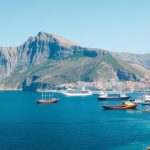
Gibraltar’s history is deeply intertwined with its strategic geographical position at the southern tip of the Iberian Peninsula, commanding the entrance to the Mediterranean Sea from the Atlantic Ocean. This unique location has made Gibraltar a site of significant military and naval importance throughout history, influencing its destiny as a British overseas territory. Gibraltar geography, characterized by the imposing Rock of Gibraltar, has long served as a natural fortress and a critical point for controlling naval traffic, which has attracted various powers over the centuries.

The story of Gibraltar’s colonial history began in earnest in 1713 with the signing of the Treaty of Utrecht, which ceded the territory from Spain to Britain. Since then, Gibraltar has remained under British sovereignty despite ongoing territorial claims by Spain, reflecting the complex and often tense relationship between the two countries. This British overseas territory has developed a unique identity, balancing its historic ties with the UK while situated geographically on the Iberian Peninsula, surrounded by Spanish territory. These Gibraltar facts highlight the longstanding contest over sovereignty and influence in the region.

Prior to Brexit, Gibraltar enjoyed a special status that allowed fluid cooperation and interaction between the UK, Gibraltar, and the European Union, particularly Spain. The border between Gibraltar and Spain was crucial for commerce, family connections, and daily activities for many inhabitants. This cooperation was also necessary for security and regional dynamics, given Gibraltar’s role as a naval base and strategic military outpost. The history of Gibraltar under British rule is marked by efforts to maintain sovereignty and reinforce its importance amid competing claims, showcasing its resilience and strategic value throughout evolving political landscapes.

Overall, the Gibraltar history encapsulates themes of colonialism, military strategy, and geopolitical significance, all shaped by its unique geography and its position as a British overseas territory bordered by Spain. Understanding these historical elements is essential to grasp the ongoing discussions and the impact of Brexit on Gibraltar, illuminating how past relationships influence its current and future status.

Gibraltar’s Political Status Pre-Brexit

Before Brexit, Gibraltar held a unique political and legal status as a British Overseas Territory. Despite its small size, Gibraltar’s position was significant in terms of Gibraltar politics and sovereignty. It has been under British control since 1713, following the Treaty of Utrecht, which ceded the territory from Spain to Britain. As a British Overseas Territory, Gibraltar was neither part of the United Kingdom nor a sovereign nation, but it maintained its own government and legal system while the UK managed its defense and foreign affairs.

Gibraltar’s pre-Brexit status was also shaped significantly by its relationship with the European Union. Though not a member state itself, Gibraltar was included in the EU as part of the UK’s membership. This membership allowed it access to the EU single market, free movement, and funding opportunities, yet it was uniquely excluded from certain EU policies such as the Common Agricultural Policy and Customs Union. This arrangement created a complex dynamic where Gibraltar had to navigate between its British sovereignty and its integration within the EU framework, which influenced its daily governance and cross-border relations with Spain.

Therefore, Gibraltar’s political status before Brexit was a balancing act — firmly a British territory with significant autonomy in local matters, yet intricately linked to the EU through its association with the UK. The territory’s sovereignty remained a contentious issue, particularly with Spain, which continues to claim sovereignty over Gibraltar. This backdrop set the stage for the more profound impacts and challenges Brexit would later bring to Gibraltar’s status and its people.

Economic and Social Conditions Before Brexit

Before Brexit, Gibraltar’s economy was notably influenced by its unique position within the European Union. The EU membership impact was significant, fostering robust trade ties and financial services growth. Gibraltar’s economy benefited from seamless access to EU markets, enabling local businesses to thrive through reduced tariffs and regulatory alignment. This economic integration supported diverse sectors, including tourism, online gaming, and finance, which were pivotal to Gibraltar’s prosperity.

Moreover, Gibraltar society was deeply intertwined with the neighboring Spanish regions, creating strong social and economic bonds across the border. Cross-border employment played a crucial role in this dynamic; thousands of Spanish workers commuted daily to Gibraltar, contributing to the local economy and fostering a multicultural community. This interdependence reinforced social cohesion and economic stability, as many families relied on cross-border work opportunities.

Trade relations were streamlined by Gibraltar’s EU membership, promoting efficient movement of goods and services. The integration facilitated cooperation in transport, customs, and environmental policies, shaping a favorable environment for businesses and workers alike. Gibraltar’s position as an EU territory promoted confidence among investors and encouraged collaboration across the region, which was vital for the territory’s economic resilience and social development before Brexit.

Impact of Brexit on Gibraltar’s Political Landscape

Brexit has significantly influenced Gibraltar’s political landscape, reshaping its status and intensifying its long-standing sovereignty dispute. As a British Overseas Territory strategically located at the southern tip of the Iberian Peninsula, Gibraltar has historically been a focal point of tension between the United Kingdom and Spain. The Brexit impact on Gibraltar politics has been profound, affecting not only its relationship with the UK but also its interactions with the European Union and neighboring Spain.

Before Brexit, Gibraltar enjoyed a unique position as part of the EU through the UK’s membership, benefiting from cross-border cooperation, trade, and free movement with Spain and other EU countries. However, the UK’s decision to leave the EU altered this dynamic. Gibraltar was caught in a complex political situation, with the sovereignty dispute between the UK and Spain gaining renewed attention. Spain intensified its claims over Gibraltar, seeing Brexit as an opportunity to push for negotiations on the territory’s status, while Gibraltar’s government firmly reaffirmed its allegiance to the UK.

The post-Brexit changes brought new challenges. Gibraltar was excluded from the UK-EU Withdrawal Agreement initially, creating uncertainty about its future relationship with both the EU and the UK mainland. This exclusion led to concerns about border controls, economic stability, and citizen rights, as the territory relies heavily on cross-border workers and trade. The impact of Brexit on Gibraltar politics has necessitated continuous diplomatic negotiations involving the UK, Spain, and the EU to address these crucial issues.

Negotiations following Brexit have sought to balance Gibraltar’s desire to maintain close ties with the EU while preserving its status as a British territory. The landmark agreements have included provisions to ease border management, protect the rights of citizens, and foster economic cooperation. Despite these positive steps, sovereignty claims remain a contentious and unresolved problem, underpinning much of Gibraltar’s political discourse in the post-Brexit era.

In conclusion, the Brexit impact on Gibraltar’s political landscape has been multifaceted, re-energizing debates over sovereignty and compelling collaborative negotiations among the UK, Spain, and the EU. While Gibraltar has adapted to several post-Brexit changes, the future of its political status remains a subject of diplomatic sensitivity and strategic importance for all parties involved.

Negotiations and Agreements Post-Brexit

The Brexit negotiations involving Gibraltar were a complex and delicate process that required careful consideration of the region’s unique status. One of the primary concerns was border control, as Gibraltar shares a land border with Spain, an EU member. Ensuring the free movement of people and goods while maintaining security was a critical focus in the discussions.

Key UK-Spain agreements were reached to address these challenges, aiming to balance the sovereignty concerns of both the UK and Spain with the practical needs of Gibraltar’s residents and economy. These agreements included measures for streamlined customs checks and collaboration on border security, which were essential to prevent disruptions in daily cross-border activities and trade.

Trade agreements between the UK and Gibraltar were designed to allow Gibraltar to maintain access to the EU market under specific terms, supporting its economy which heavily relies on services like finance, online gaming, and tourism. These arrangements were instrumental in mitigating Brexit’s potential economic impact on Gibraltar.

Politically, the UK and Spain continued dialogue to uphold the principles of respect for sovereignty while fostering EU-Gibraltar relations that promote cooperation and stability. Through these negotiations post-Brexit, Gibraltar secured frameworks that help preserve its unique position, ensuring sustained economic growth and social cohesion despite the new political landscape.

Changes in Sovereignty and Diplomatic Relations

Brexit has significantly influenced the dialogue around Gibraltar sovereignty, heightening the already complex diplomatic relations between the United Kingdom and Spain. The departure of the UK from the European Union brought the longstanding UK-Spain dispute back into sharp focus, with sovereignty claims being more fervently asserted by both sides. The UK reaffirmed its commitment to maintaining Gibraltar as a British Overseas Territory, emphasizing the wishes of the Gibraltarian people, who overwhelmingly voted to remain under UK sovereignty in the 2016 Brexit referendum. Conversely, Spain intensified its diplomatic efforts to assert its historical claims over the territory, often invoking interpretations of international law to bolster its stance.

In response to Brexit, diplomatic relations between the UK and Spain have experienced both tensions and a cautious push for cooperation. Negotiations over border controls, trade arrangements, and jurisdictional oversight have been fraught, reflecting the complexities of applying international law in this unique geopolitical context. However, there have also been moments of pragmatic collaboration aimed at minimizing disruption for Gibraltar’s residents and ensuring the territory’s stability. The shifting political landscape has led to renewed calls for dialogue grounded in mutual respect and legal frameworks to manage sovereignty claims and maintain peaceful bilateral relations.

Ultimately, Brexit has reaffirmed Gibraltar’s status as a critical point of contention in UK-Spain diplomatic relations, underscoring the enduring importance of sovereignty issues and international law in shaping the future of the territory. While tensions persist, the post-Brexit era also presents opportunities for innovative diplomatic approaches to resolve disputes and foster sustainable cooperation.

Economic and Social Effects of Brexit on Gibraltar

The economic impact of Brexit on Gibraltar has been profound, reshaping its trade landscape, employment dynamics, and social fabric. As a British Overseas Territory located at the southern tip of the Iberian Peninsula, Gibraltar has traditionally depended heavily on seamless cross-border trade and a fluid workforce moving between Gibraltar and Spain. Brexit introduced significant disruptions to this status quo, especially with changes in customs and border controls, prompting immediate and long-term economic consequences.

One of the most visible effects of Gibraltar Brexit has been trade disruptions. Gibraltar’s economy relies heavily on imports and exports, and the introduction of new regulatory barriers has complicated transactions that were once straightforward. Increased customs checks and paperwork have slowed goods movement, leading to delays and extra costs for businesses. This has pressured sectors such as retail, construction, and services, which depend on timely shipments and access to EU markets.

Employment, a cornerstone of Gibraltar’s economic wellbeing, has also faced challenges post-Brexit. Many workers cross daily from Spain, contributing significantly to the labor pool. New border procedures, visa requirements, and uncertainties surrounding residency rights have introduced friction and anxiety for cross-border employees. This has resulted in labor shortages in some sectors and has forced local businesses to adapt to a changing workforce environment.

Beyond economics, the social impact of Brexit on Gibraltar is equally crucial. The border, once a symbol of daily interaction and integration between communities on both sides, has experienced heightened scrutiny and control. This has affected the social cohesion and everyday lives of families and workers who routinely rely on crossing the border. Despite efforts to maintain strong ties, the increased bureaucratic obstacles have strained community relations and introduced a sense of uncertainty about the future.

In conclusion, the economic impact and social impact of Gibraltar Brexit are intertwined and complex. Trade disruptions strain Gibraltar’s commercial activities, altering the movement of goods and services. Employment challenges, caused by border and regulatory changes, impact workforce availability and business operations. Socially, the border issues underscore broader concerns about identity and cross-border cooperation. Gibraltar continues to navigate these challenges, seeking to balance its unique geopolitical position while striving for stability and growth in a post-Brexit Europe.

Trade and Business Adjustments

Brexit brought significant changes to Gibraltar trade, reshaping the territory’s economic landscape and business environment. As Gibraltar navigated its new relationship outside the European Union, customs regulations underwent substantial adjustments, especially concerning trade with the EU and neighboring Spain. The introduction of new customs checks and controls impacted the traditionally seamless flow of goods, requiring businesses to adapt quickly to maintain supply chain efficiency.

One of the key challenges was the transition from EU single market rules to new border arrangements. Gibraltar’s businesses faced additional paperwork, delays, and compliance costs, influencing their competitiveness. However, this also opened opportunities for sectors to innovate and diversify their trade practices. Many businesses sought to establish new partnerships beyond the EU to mitigate risks associated with the post-Brexit economy.

The relationship with Spain, Gibraltar’s immediate neighbor, became a focal point due to shared borders and mutual trade dependencies. Brexit necessitated enhanced bilateral cooperation to address customs matters and avoid economic disruption. Although these changes posed short-term challenges, they also encouraged regulatory modernization and stronger cross-border business collaborations.

Overall, the business impact of Brexit on Gibraltar has been substantial, driving the territory to evolve its trade frameworks and embrace new economic realities. This adjustment period has been crucial for securing Gibraltar’s future economic resilience and growth in an altered international trade environment.

Impact on Workforce and Daily Life

Brexit has brought significant changes to the lives of cross-border workers in Gibraltar, fundamentally altering their daily routines and employment conditions. For many who commute from Spain into Gibraltar daily, the process has become more complex and time-consuming due to increased border checks and regulatory hurdles. These changes have affected not only the ease of daily commute but also the punctuality and flexibility of the workforce.

The shift in employment patterns is another notable consequence. Several businesses in Gibraltar experienced disruptions as they navigated new post-Brexit labor regulations and restrictions on the movement of workers. This led to a reshuffling of the local job market, with some sectors facing shortages of skilled labor while others adjusted to new workforce compositions. Employment changes have pushed companies to rethink their hiring strategies, focusing more on local recruitment and training initiatives to mitigate dependency on cross-border employees.

Beyond the professional sphere, Brexit sparked social challenges within the community, as families and friends accustomed to seamless cross-border interactions faced new barriers. The increased bureaucracy has sometimes resulted in feelings of frustration and uncertainty among residents. Social ties that rely heavily on the daily integration between Gibraltar and its neighboring Spanish towns encountered strain, impacting the social fabric and community cohesion.

In summary, Brexit has deeply influenced the workforce and daily life in Gibraltar by reshaping employment landscapes, complicating the daily commute for cross-border workers, and creating broader social challenges that continue to affect the territory’s unique socio-economic dynamics.

One of the key challenges was the transition from EU single market rules to new border arrangements. Gibraltar’s businesses faced additional paperwork, delays, and compliance costs, influencing their competitiveness. However, this also opened opportunities for sectors to innovate and diversify their trade practices. Many businesses sought to establish new partnerships beyond the EU to mitigate risks associated with the post-Brexit economy.

The relationship with Spain, Gibraltar’s immediate neighbor, became a focal point due to shared borders and mutual trade dependencies. Brexit necessitated enhanced bilateral cooperation to address customs matters and avoid economic disruption. Although these changes posed short-term challenges, they also encouraged regulatory modernization and stronger cross-border business collaborations.

Overall, the business impact of Brexit on Gibraltar has been substantial, driving the territory to evolve its trade frameworks and embrace new economic realities. This adjustment period has been crucial for securing Gibraltar’s future economic resilience and growth in an altered international trade environment.

Impact on Workforce and Daily Life

Brexit has brought significant changes to the lives of cross-border workers in Gibraltar, fundamentally altering their daily routines and employment conditions. For many who commute from Spain into Gibraltar daily, the process has become more complex and time-consuming due to increased border checks and regulatory hurdles. These changes have affected not only the ease of daily commute but also the punctuality and flexibility of the workforce.

The shift in employment patterns is another notable consequence. Several businesses in Gibraltar experienced disruptions as they navigated new post-Brexit labor regulations and restrictions on the movement of workers. This led to a reshuffling of the local job market, with some sectors facing shortages of skilled labor while others adjusted to new workforce compositions. Employment changes have pushed companies to rethink their hiring strategies, focusing more on local recruitment and training initiatives to mitigate dependency on cross-border employees.

Beyond the professional sphere, Brexit sparked social challenges within the community, as families and friends accustomed to seamless cross-border interactions faced new barriers. The increased bureaucracy has sometimes resulted in feelings of frustration and uncertainty among residents. Social ties that rely heavily on the daily integration between Gibraltar and its neighboring Spanish towns encountered strain, impacting the social fabric and community cohesion.

In summary, Brexit has deeply influenced the workforce and daily life in Gibraltar by reshaping employment landscapes, complicating the daily commute for cross-border workers, and creating broader social challenges that continue to affect the territory’s unique socio-economic dynamics.

Historical Background of Gibraltar

Gibraltar’s history is deeply intertwined with its strategic geographical position at the southern tip of the Iberian Peninsula, commanding the entrance to the Mediterranean Sea from the Atlantic Ocean. This unique location has made Gibraltar a site of significant military and naval importance throughout history, influencing its destiny as a British overseas territory. Gibraltar geography, characterized by the imposing Rock of Gibraltar, has long served as a natural fortress and a critical point for controlling naval traffic, which has attracted various powers over the centuries.

The story of Gibraltar’s colonial history began in earnest in 1713 with the signing of the Treaty of Utrecht, which ceded the territory from Spain to Britain. Since then, Gibraltar has remained under British sovereignty despite ongoing territorial claims by Spain, reflecting the complex and often tense relationship between the two countries. This British overseas territory has developed a unique identity, balancing its historic ties with the UK while situated geographically on the Iberian Peninsula, surrounded by Spanish territory. These Gibraltar facts highlight the longstanding contest over sovereignty and influence in the region.

Prior to Brexit, Gibraltar enjoyed a special status that allowed fluid cooperation and interaction between the UK, Gibraltar, and the European Union, particularly Spain. The border between Gibraltar and Spain was crucial for commerce, family connections, and daily activities for many inhabitants. This cooperation was also necessary for security and regional dynamics, given Gibraltar’s role as a naval base and strategic military outpost. The history of Gibraltar under British rule is marked by efforts to maintain sovereignty and reinforce its importance amid competing claims, showcasing its resilience and strategic value throughout evolving political landscapes.

Overall, the Gibraltar history encapsulates themes of colonialism, military strategy, and geopolitical significance, all shaped by its unique geography and its position as a British overseas territory bordered by Spain. Understanding these historical elements is essential to grasp the ongoing discussions and the impact of Brexit on Gibraltar, illuminating how past relationships influence its current and future status.

Gibraltar’s Political Status Pre-Brexit

Before Brexit, Gibraltar held a unique political and legal status as a British Overseas Territory. Despite its small size, Gibraltar’s position was significant in terms of Gibraltar politics and sovereignty. It has been under British control since 1713, following the Treaty of Utrecht, which ceded the territory from Spain to Britain. As a British Overseas Territory, Gibraltar was neither part of the United Kingdom nor a sovereign nation, but it maintained its own government and legal system while the UK managed its defense and foreign affairs.

Gibraltar’s pre-Brexit status was also shaped significantly by its relationship with the European Union. Though not a member state itself, Gibraltar was included in the EU as part of the UK’s membership. This membership allowed it access to the EU single market, free movement, and funding opportunities, yet it was uniquely excluded from certain EU policies such as the Common Agricultural Policy and Customs Union. This arrangement created a complex dynamic where Gibraltar had to navigate between its British sovereignty and its integration within the EU framework, which influenced its daily governance and cross-border relations with Spain.

Therefore, Gibraltar’s political status before Brexit was a balancing act — firmly a British territory with significant autonomy in local matters, yet intricately linked to the EU through its association with the UK. The territory’s sovereignty remained a contentious issue, particularly with Spain, which continues to claim sovereignty over Gibraltar. This backdrop set the stage for the more profound impacts and challenges Brexit would later bring to Gibraltar’s status and its people.

Economic and Social Conditions Before Brexit

Before Brexit, Gibraltar’s economy was notably influenced by its unique position within the European Union. The EU membership impact was significant, fostering robust trade ties and financial services growth. Gibraltar’s economy benefited from seamless access to EU markets, enabling local businesses to thrive through reduced tariffs and regulatory alignment. This economic integration supported diverse sectors, including tourism, online gaming, and finance, which were pivotal to Gibraltar’s prosperity.

Moreover, Gibraltar society was deeply intertwined with the neighboring Spanish regions, creating strong social and economic bonds across the border. Cross-border employment played a crucial role in this dynamic; thousands of Spanish workers commuted daily to Gibraltar, contributing to the local economy and fostering a multicultural community. This interdependence reinforced social cohesion and economic stability, as many families relied on cross-border work opportunities.

Trade relations were streamlined by Gibraltar’s EU membership, promoting efficient movement of goods and services. The integration facilitated cooperation in transport, customs, and environmental policies, shaping a favorable environment for businesses and workers alike. Gibraltar’s position as an EU territory promoted confidence among investors and encouraged collaboration across the region, which was vital for the territory’s economic resilience and social development before Brexit.

Impact of Brexit on Gibraltar’s Political Landscape

Brexit has significantly influenced Gibraltar’s political landscape, reshaping its status and intensifying its long-standing sovereignty dispute. As a British Overseas Territory strategically located at the southern tip of the Iberian Peninsula, Gibraltar has historically been a focal point of tension between the United Kingdom and Spain. The Brexit impact on Gibraltar politics has been profound, affecting not only its relationship with the UK but also its interactions with the European Union and neighboring Spain.

Before Brexit, Gibraltar enjoyed a unique position as part of the EU through the UK’s membership, benefiting from cross-border cooperation, trade, and free movement with Spain and other EU countries. However, the UK’s decision to leave the EU altered this dynamic. Gibraltar was caught in a complex political situation, with the sovereignty dispute between the UK and Spain gaining renewed attention. Spain intensified its claims over Gibraltar, seeing Brexit as an opportunity to push for negotiations on the territory’s status, while Gibraltar’s government firmly reaffirmed its allegiance to the UK.

The post-Brexit changes brought new challenges. Gibraltar was excluded from the UK-EU Withdrawal Agreement initially, creating uncertainty about its future relationship with both the EU and the UK mainland. This exclusion led to concerns about border controls, economic stability, and citizen rights, as the territory relies heavily on cross-border workers and trade. The impact of Brexit on Gibraltar politics has necessitated continuous diplomatic negotiations involving the UK, Spain, and the EU to address these crucial issues.

Negotiations following Brexit have sought to balance Gibraltar’s desire to maintain close ties with the EU while preserving its status as a British territory. The landmark agreements have included provisions to ease border management, protect the rights of citizens, and foster economic cooperation. Despite these positive steps, sovereignty claims remain a contentious and unresolved problem, underpinning much of Gibraltar’s political discourse in the post-Brexit era.

In conclusion, the Brexit impact on Gibraltar’s political landscape has been multifaceted, re-energizing debates over sovereignty and compelling collaborative negotiations among the UK, Spain, and the EU. While Gibraltar has adapted to several post-Brexit changes, the future of its political status remains a subject of diplomatic sensitivity and strategic importance for all parties involved.

Negotiations and Agreements Post-Brexit

The Brexit negotiations involving Gibraltar were a complex and delicate process that required careful consideration of the region’s unique status. One of the primary concerns was border control, as Gibraltar shares a land border with Spain, an EU member. Ensuring the free movement of people and goods while maintaining security was a critical focus in the discussions.

Key UK-Spain agreements were reached to address these challenges, aiming to balance the sovereignty concerns of both the UK and Spain with the practical needs of Gibraltar’s residents and economy. These agreements included measures for streamlined customs checks and collaboration on border security, which were essential to prevent disruptions in daily cross-border activities and trade.

Trade agreements between the UK and Gibraltar were designed to allow Gibraltar to maintain access to the EU market under specific terms, supporting its economy which heavily relies on services like finance, online gaming, and tourism. These arrangements were instrumental in mitigating Brexit’s potential economic impact on Gibraltar.

Politically, the UK and Spain continued dialogue to uphold the principles of respect for sovereignty while fostering EU-Gibraltar relations that promote cooperation and stability. Through these negotiations post-Brexit, Gibraltar secured frameworks that help preserve its unique position, ensuring sustained economic growth and social cohesion despite the new political landscape.

Changes in Sovereignty and Diplomatic Relations

Brexit has significantly influenced the dialogue around Gibraltar sovereignty, heightening the already complex diplomatic relations between the United Kingdom and Spain. The departure of the UK from the European Union brought the longstanding UK-Spain dispute back into sharp focus, with sovereignty claims being more fervently asserted by both sides. The UK reaffirmed its commitment to maintaining Gibraltar as a British Overseas Territory, emphasizing the wishes of the Gibraltarian people, who overwhelmingly voted to remain under UK sovereignty in the 2016 Brexit referendum. Conversely, Spain intensified its diplomatic efforts to assert its historical claims over the territory, often invoking interpretations of international law to bolster its stance.

In response to Brexit, diplomatic relations between the UK and Spain have experienced both tensions and a cautious push for cooperation. Negotiations over border controls, trade arrangements, and jurisdictional oversight have been fraught, reflecting the complexities of applying international law in this unique geopolitical context. However, there have also been moments of pragmatic collaboration aimed at minimizing disruption for Gibraltar’s residents and ensuring the territory’s stability. The shifting political landscape has led to renewed calls for dialogue grounded in mutual respect and legal frameworks to manage sovereignty claims and maintain peaceful bilateral relations.

Ultimately, Brexit has reaffirmed Gibraltar’s status as a critical point of contention in UK-Spain diplomatic relations, underscoring the enduring importance of sovereignty issues and international law in shaping the future of the territory. While tensions persist, the post-Brexit era also presents opportunities for innovative diplomatic approaches to resolve disputes and foster sustainable cooperation.

Economic and Social Effects of Brexit on Gibraltar

The economic impact of Brexit on Gibraltar has been profound, reshaping its trade landscape, employment dynamics, and social fabric. As a British Overseas Territory located at the southern tip of the Iberian Peninsula, Gibraltar has traditionally depended heavily on seamless cross-border trade and a fluid workforce moving between Gibraltar and Spain. Brexit introduced significant disruptions to this status quo, especially with changes in customs and border controls, prompting immediate and long-term economic consequences.

One of the most visible effects of Gibraltar Brexit has been trade disruptions. Gibraltar’s economy relies heavily on imports and exports, and the introduction of new regulatory barriers has complicated transactions that were once straightforward. Increased customs checks and paperwork have slowed goods movement, leading to delays and extra costs for businesses. This has pressured sectors such as retail, construction, and services, which depend on timely shipments and access to EU markets.

Employment, a cornerstone of Gibraltar’s economic wellbeing, has also faced challenges post-Brexit. Many workers cross daily from Spain, contributing significantly to the labor pool. New border procedures, visa requirements, and uncertainties surrounding residency rights have introduced friction and anxiety for cross-border employees. This has resulted in labor shortages in some sectors and has forced local businesses to adapt to a changing workforce environment.

Beyond economics, the social impact of Brexit on Gibraltar is equally crucial. The border, once a symbol of daily interaction and integration between communities on both sides, has experienced heightened scrutiny and control. This has affected the social cohesion and everyday lives of families and workers who routinely rely on crossing the border. Despite efforts to maintain strong ties, the increased bureaucratic obstacles have strained community relations and introduced a sense of uncertainty about the future.

In conclusion, the economic impact and social impact of Gibraltar Brexit are intertwined and complex. Trade disruptions strain Gibraltar’s commercial activities, altering the movement of goods and services. Employment challenges, caused by border and regulatory changes, impact workforce availability and business operations. Socially, the border issues underscore broader concerns about identity and cross-border cooperation. Gibraltar continues to navigate these challenges, seeking to balance its unique geopolitical position while striving for stability and growth in a post-Brexit Europe.

Trade and Business Adjustments

Brexit brought significant changes to Gibraltar trade, reshaping the territory’s economic landscape and business environment. As Gibraltar navigated its new relationship outside the European Union, customs regulations underwent substantial adjustments, especially concerning trade with the EU and neighboring Spain. The introduction of new customs checks and controls impacted the traditionally seamless flow of goods, requiring businesses to adapt quickly to maintain supply chain efficiency.

One of the key challenges was the transition from EU single market rules to new border arrangements. Gibraltar’s businesses faced additional paperwork, delays, and compliance costs, influencing their competitiveness. However, this also opened opportunities for sectors to innovate and diversify their trade practices. Many businesses sought to establish new partnerships beyond the EU to mitigate risks associated with the post-Brexit economy.

The relationship with Spain, Gibraltar’s immediate neighbor, became a focal point due to shared borders and mutual trade dependencies. Brexit necessitated enhanced bilateral cooperation to address customs matters and avoid economic disruption. Although these changes posed short-term challenges, they also encouraged regulatory modernization and stronger cross-border business collaborations.

Overall, the business impact of Brexit on Gibraltar has been substantial, driving the territory to evolve its trade frameworks and embrace new economic realities. This adjustment period has been crucial for securing Gibraltar’s future economic resilience and growth in an altered international trade environment.

Impact on Workforce and Daily Life

Brexit has brought significant changes to the lives of cross-border workers in Gibraltar, fundamentally altering their daily routines and employment conditions. For many who commute from Spain into Gibraltar daily, the process has become more complex and time-consuming due to increased border checks and regulatory hurdles. These changes have affected not only the ease of daily commute but also the punctuality and flexibility of the workforce.

The shift in employment patterns is another notable consequence. Several businesses in Gibraltar experienced disruptions as they navigated new post-Brexit labor regulations and restrictions on the movement of workers. This led to a reshuffling of the local job market, with some sectors facing shortages of skilled labor while others adjusted to new workforce compositions. Employment changes have pushed companies to rethink their hiring strategies, focusing more on local recruitment and training initiatives to mitigate dependency on cross-border employees.

Beyond the professional sphere, Brexit sparked social challenges within the community, as families and friends accustomed to seamless cross-border interactions faced new barriers. The increased bureaucracy has sometimes resulted in feelings of frustration and uncertainty among residents. Social ties that rely heavily on the daily integration between Gibraltar and its neighboring Spanish towns encountered strain, impacting the social fabric and community cohesion.

In summary, Brexit has deeply influenced the workforce and daily life in Gibraltar by reshaping employment landscapes, complicating the daily commute for cross-border workers, and creating broader social challenges that continue to affect the territory’s unique socio-economic dynamics.

One of the key challenges was the transition from EU single market rules to new border arrangements. Gibraltar’s businesses faced additional paperwork, delays, and compliance costs, influencing their competitiveness. However, this also opened opportunities for sectors to innovate and diversify their trade practices. Many businesses sought to establish new partnerships beyond the EU to mitigate risks associated with the post-Brexit economy.

The relationship with Spain, Gibraltar’s immediate neighbor, became a focal point due to shared borders and mutual trade dependencies. Brexit necessitated enhanced bilateral cooperation to address customs matters and avoid economic disruption. Although these changes posed short-term challenges, they also encouraged regulatory modernization and stronger cross-border business collaborations.

Overall, the business impact of Brexit on Gibraltar has been substantial, driving the territory to evolve its trade frameworks and embrace new economic realities. This adjustment period has been crucial for securing Gibraltar’s future economic resilience and growth in an altered international trade environment.

Impact on Workforce and Daily Life

Brexit has brought significant changes to the lives of cross-border workers in Gibraltar, fundamentally altering their daily routines and employment conditions. For many who commute from Spain into Gibraltar daily, the process has become more complex and time-consuming due to increased border checks and regulatory hurdles. These changes have affected not only the ease of daily commute but also the punctuality and flexibility of the workforce.

The shift in employment patterns is another notable consequence. Several businesses in Gibraltar experienced disruptions as they navigated new post-Brexit labor regulations and restrictions on the movement of workers. This led to a reshuffling of the local job market, with some sectors facing shortages of skilled labor while others adjusted to new workforce compositions. Employment changes have pushed companies to rethink their hiring strategies, focusing more on local recruitment and training initiatives to mitigate dependency on cross-border employees.

Beyond the professional sphere, Brexit sparked social challenges within the community, as families and friends accustomed to seamless cross-border interactions faced new barriers. The increased bureaucracy has sometimes resulted in feelings of frustration and uncertainty among residents. Social ties that rely heavily on the daily integration between Gibraltar and its neighboring Spanish towns encountered strain, impacting the social fabric and community cohesion.

In summary, Brexit has deeply influenced the workforce and daily life in Gibraltar by reshaping employment landscapes, complicating the daily commute for cross-border workers, and creating broader social challenges that continue to affect the territory’s unique socio-economic dynamics.

Historical Background of Gibraltar

Gibraltar’s history is deeply intertwined with its strategic geographical position at the southern tip of the Iberian Peninsula, commanding the entrance to the Mediterranean Sea from the Atlantic Ocean. This unique location has made Gibraltar a site of significant military and naval importance throughout history, influencing its destiny as a British overseas territory. Gibraltar geography, characterized by the imposing Rock of Gibraltar, has long served as a natural fortress and a critical point for controlling naval traffic, which has attracted various powers over the centuries.

The story of Gibraltar’s colonial history began in earnest in 1713 with the signing of the Treaty of Utrecht, which ceded the territory from Spain to Britain. Since then, Gibraltar has remained under British sovereignty despite ongoing territorial claims by Spain, reflecting the complex and often tense relationship between the two countries. This British overseas territory has developed a unique identity, balancing its historic ties with the UK while situated geographically on the Iberian Peninsula, surrounded by Spanish territory. These Gibraltar facts highlight the longstanding contest over sovereignty and influence in the region.

Prior to Brexit, Gibraltar enjoyed a special status that allowed fluid cooperation and interaction between the UK, Gibraltar, and the European Union, particularly Spain. The border between Gibraltar and Spain was crucial for commerce, family connections, and daily activities for many inhabitants. This cooperation was also necessary for security and regional dynamics, given Gibraltar’s role as a naval base and strategic military outpost. The history of Gibraltar under British rule is marked by efforts to maintain sovereignty and reinforce its importance amid competing claims, showcasing its resilience and strategic value throughout evolving political landscapes.

Overall, the Gibraltar history encapsulates themes of colonialism, military strategy, and geopolitical significance, all shaped by its unique geography and its position as a British overseas territory bordered by Spain. Understanding these historical elements is essential to grasp the ongoing discussions and the impact of Brexit on Gibraltar, illuminating how past relationships influence its current and future status.

Gibraltar’s Political Status Pre-Brexit

Before Brexit, Gibraltar held a unique political and legal status as a British Overseas Territory. Despite its small size, Gibraltar’s position was significant in terms of Gibraltar politics and sovereignty. It has been under British control since 1713, following the Treaty of Utrecht, which ceded the territory from Spain to Britain. As a British Overseas Territory, Gibraltar was neither part of the United Kingdom nor a sovereign nation, but it maintained its own government and legal system while the UK managed its defense and foreign affairs.

Gibraltar’s pre-Brexit status was also shaped significantly by its relationship with the European Union. Though not a member state itself, Gibraltar was included in the EU as part of the UK’s membership. This membership allowed it access to the EU single market, free movement, and funding opportunities, yet it was uniquely excluded from certain EU policies such as the Common Agricultural Policy and Customs Union. This arrangement created a complex dynamic where Gibraltar had to navigate between its British sovereignty and its integration within the EU framework, which influenced its daily governance and cross-border relations with Spain.

Therefore, Gibraltar’s political status before Brexit was a balancing act — firmly a British territory with significant autonomy in local matters, yet intricately linked to the EU through its association with the UK. The territory’s sovereignty remained a contentious issue, particularly with Spain, which continues to claim sovereignty over Gibraltar. This backdrop set the stage for the more profound impacts and challenges Brexit would later bring to Gibraltar’s status and its people.

Economic and Social Conditions Before Brexit

Before Brexit, Gibraltar’s economy was notably influenced by its unique position within the European Union. The EU membership impact was significant, fostering robust trade ties and financial services growth. Gibraltar’s economy benefited from seamless access to EU markets, enabling local businesses to thrive through reduced tariffs and regulatory alignment. This economic integration supported diverse sectors, including tourism, online gaming, and finance, which were pivotal to Gibraltar’s prosperity.

Moreover, Gibraltar society was deeply intertwined with the neighboring Spanish regions, creating strong social and economic bonds across the border. Cross-border employment played a crucial role in this dynamic; thousands of Spanish workers commuted daily to Gibraltar, contributing to the local economy and fostering a multicultural community. This interdependence reinforced social cohesion and economic stability, as many families relied on cross-border work opportunities.

Trade relations were streamlined by Gibraltar’s EU membership, promoting efficient movement of goods and services. The integration facilitated cooperation in transport, customs, and environmental policies, shaping a favorable environment for businesses and workers alike. Gibraltar’s position as an EU territory promoted confidence among investors and encouraged collaboration across the region, which was vital for the territory’s economic resilience and social development before Brexit.

Impact of Brexit on Gibraltar’s Political Landscape

Brexit has significantly influenced Gibraltar’s political landscape, reshaping its status and intensifying its long-standing sovereignty dispute. As a British Overseas Territory strategically located at the southern tip of the Iberian Peninsula, Gibraltar has historically been a focal point of tension between the United Kingdom and Spain. The Brexit impact on Gibraltar politics has been profound, affecting not only its relationship with the UK but also its interactions with the European Union and neighboring Spain.

Before Brexit, Gibraltar enjoyed a unique position as part of the EU through the UK’s membership, benefiting from cross-border cooperation, trade, and free movement with Spain and other EU countries. However, the UK’s decision to leave the EU altered this dynamic. Gibraltar was caught in a complex political situation, with the sovereignty dispute between the UK and Spain gaining renewed attention. Spain intensified its claims over Gibraltar, seeing Brexit as an opportunity to push for negotiations on the territory’s status, while Gibraltar’s government firmly reaffirmed its allegiance to the UK.

The post-Brexit changes brought new challenges. Gibraltar was excluded from the UK-EU Withdrawal Agreement initially, creating uncertainty about its future relationship with both the EU and the UK mainland. This exclusion led to concerns about border controls, economic stability, and citizen rights, as the territory relies heavily on cross-border workers and trade. The impact of Brexit on Gibraltar politics has necessitated continuous diplomatic negotiations involving the UK, Spain, and the EU to address these crucial issues.

Negotiations following Brexit have sought to balance Gibraltar’s desire to maintain close ties with the EU while preserving its status as a British territory. The landmark agreements have included provisions to ease border management, protect the rights of citizens, and foster economic cooperation. Despite these positive steps, sovereignty claims remain a contentious and unresolved problem, underpinning much of Gibraltar’s political discourse in the post-Brexit era.

In conclusion, the Brexit impact on Gibraltar’s political landscape has been multifaceted, re-energizing debates over sovereignty and compelling collaborative negotiations among the UK, Spain, and the EU. While Gibraltar has adapted to several post-Brexit changes, the future of its political status remains a subject of diplomatic sensitivity and strategic importance for all parties involved.

Negotiations and Agreements Post-Brexit

The Brexit negotiations involving Gibraltar were a complex and delicate process that required careful consideration of the region’s unique status. One of the primary concerns was border control, as Gibraltar shares a land border with Spain, an EU member. Ensuring the free movement of people and goods while maintaining security was a critical focus in the discussions.

Key UK-Spain agreements were reached to address these challenges, aiming to balance the sovereignty concerns of both the UK and Spain with the practical needs of Gibraltar’s residents and economy. These agreements included measures for streamlined customs checks and collaboration on border security, which were essential to prevent disruptions in daily cross-border activities and trade.

Trade agreements between the UK and Gibraltar were designed to allow Gibraltar to maintain access to the EU market under specific terms, supporting its economy which heavily relies on services like finance, online gaming, and tourism. These arrangements were instrumental in mitigating Brexit’s potential economic impact on Gibraltar.

Politically, the UK and Spain continued dialogue to uphold the principles of respect for sovereignty while fostering EU-Gibraltar relations that promote cooperation and stability. Through these negotiations post-Brexit, Gibraltar secured frameworks that help preserve its unique position, ensuring sustained economic growth and social cohesion despite the new political landscape.

Changes in Sovereignty and Diplomatic Relations

Brexit has significantly influenced the dialogue around Gibraltar sovereignty, heightening the already complex diplomatic relations between the United Kingdom and Spain. The departure of the UK from the European Union brought the longstanding UK-Spain dispute back into sharp focus, with sovereignty claims being more fervently asserted by both sides. The UK reaffirmed its commitment to maintaining Gibraltar as a British Overseas Territory, emphasizing the wishes of the Gibraltarian people, who overwhelmingly voted to remain under UK sovereignty in the 2016 Brexit referendum. Conversely, Spain intensified its diplomatic efforts to assert its historical claims over the territory, often invoking interpretations of international law to bolster its stance.

In response to Brexit, diplomatic relations between the UK and Spain have experienced both tensions and a cautious push for cooperation. Negotiations over border controls, trade arrangements, and jurisdictional oversight have been fraught, reflecting the complexities of applying international law in this unique geopolitical context. However, there have also been moments of pragmatic collaboration aimed at minimizing disruption for Gibraltar’s residents and ensuring the territory’s stability. The shifting political landscape has led to renewed calls for dialogue grounded in mutual respect and legal frameworks to manage sovereignty claims and maintain peaceful bilateral relations.

Ultimately, Brexit has reaffirmed Gibraltar’s status as a critical point of contention in UK-Spain diplomatic relations, underscoring the enduring importance of sovereignty issues and international law in shaping the future of the territory. While tensions persist, the post-Brexit era also presents opportunities for innovative diplomatic approaches to resolve disputes and foster sustainable cooperation.

Economic and Social Effects of Brexit on Gibraltar

The economic impact of Brexit on Gibraltar has been profound, reshaping its trade landscape, employment dynamics, and social fabric. As a British Overseas Territory located at the southern tip of the Iberian Peninsula, Gibraltar has traditionally depended heavily on seamless cross-border trade and a fluid workforce moving between Gibraltar and Spain. Brexit introduced significant disruptions to this status quo, especially with changes in customs and border controls, prompting immediate and long-term economic consequences.

One of the most visible effects of Gibraltar Brexit has been trade disruptions. Gibraltar’s economy relies heavily on imports and exports, and the introduction of new regulatory barriers has complicated transactions that were once straightforward. Increased customs checks and paperwork have slowed goods movement, leading to delays and extra costs for businesses. This has pressured sectors such as retail, construction, and services, which depend on timely shipments and access to EU markets.

Employment, a cornerstone of Gibraltar’s economic wellbeing, has also faced challenges post-Brexit. Many workers cross daily from Spain, contributing significantly to the labor pool. New border procedures, visa requirements, and uncertainties surrounding residency rights have introduced friction and anxiety for cross-border employees. This has resulted in labor shortages in some sectors and has forced local businesses to adapt to a changing workforce environment.

Beyond economics, the social impact of Brexit on Gibraltar is equally crucial. The border, once a symbol of daily interaction and integration between communities on both sides, has experienced heightened scrutiny and control. This has affected the social cohesion and everyday lives of families and workers who routinely rely on crossing the border. Despite efforts to maintain strong ties, the increased bureaucratic obstacles have strained community relations and introduced a sense of uncertainty about the future.

In conclusion, the economic impact and social impact of Gibraltar Brexit are intertwined and complex. Trade disruptions strain Gibraltar’s commercial activities, altering the movement of goods and services. Employment challenges, caused by border and regulatory changes, impact workforce availability and business operations. Socially, the border issues underscore broader concerns about identity and cross-border cooperation. Gibraltar continues to navigate these challenges, seeking to balance its unique geopolitical position while striving for stability and growth in a post-Brexit Europe.

Trade and Business Adjustments

Brexit brought significant changes to Gibraltar trade, reshaping the territory’s economic landscape and business environment. As Gibraltar navigated its new relationship outside the European Union, customs regulations underwent substantial adjustments, especially concerning trade with the EU and neighboring Spain. The introduction of new customs checks and controls impacted the traditionally seamless flow of goods, requiring businesses to adapt quickly to maintain supply chain efficiency.

One of the key challenges was the transition from EU single market rules to new border arrangements. Gibraltar’s businesses faced additional paperwork, delays, and compliance costs, influencing their competitiveness. However, this also opened opportunities for sectors to innovate and diversify their trade practices. Many businesses sought to establish new partnerships beyond the EU to mitigate risks associated with the post-Brexit economy.

The relationship with Spain, Gibraltar’s immediate neighbor, became a focal point due to shared borders and mutual trade dependencies. Brexit necessitated enhanced bilateral cooperation to address customs matters and avoid economic disruption. Although these changes posed short-term challenges, they also encouraged regulatory modernization and stronger cross-border business collaborations.

Overall, the business impact of Brexit on Gibraltar has been substantial, driving the territory to evolve its trade frameworks and embrace new economic realities. This adjustment period has been crucial for securing Gibraltar’s future economic resilience and growth in an altered international trade environment.

Impact on Workforce and Daily Life

Brexit has brought significant changes to the lives of cross-border workers in Gibraltar, fundamentally altering their daily routines and employment conditions. For many who commute from Spain into Gibraltar daily, the process has become more complex and time-consuming due to increased border checks and regulatory hurdles. These changes have affected not only the ease of daily commute but also the punctuality and flexibility of the workforce.

The shift in employment patterns is another notable consequence. Several businesses in Gibraltar experienced disruptions as they navigated new post-Brexit labor regulations and restrictions on the movement of workers. This led to a reshuffling of the local job market, with some sectors facing shortages of skilled labor while others adjusted to new workforce compositions. Employment changes have pushed companies to rethink their hiring strategies, focusing more on local recruitment and training initiatives to mitigate dependency on cross-border employees.

Beyond the professional sphere, Brexit sparked social challenges within the community, as families and friends accustomed to seamless cross-border interactions faced new barriers. The increased bureaucracy has sometimes resulted in feelings of frustration and uncertainty among residents. Social ties that rely heavily on the daily integration between Gibraltar and its neighboring Spanish towns encountered strain, impacting the social fabric and community cohesion.

In summary, Brexit has deeply influenced the workforce and daily life in Gibraltar by reshaping employment landscapes, complicating the daily commute for cross-border workers, and creating broader social challenges that continue to affect the territory’s unique socio-economic dynamics.

Moreover, Gibraltar society was deeply intertwined with the neighboring Spanish regions, creating strong social and economic bonds across the border. Cross-border employment played a crucial role in this dynamic; thousands of Spanish workers commuted daily to Gibraltar, contributing to the local economy and fostering a multicultural community. This interdependence reinforced social cohesion and economic stability, as many families relied on cross-border work opportunities.

Trade relations were streamlined by Gibraltar’s EU membership, promoting efficient movement of goods and services. The integration facilitated cooperation in transport, customs, and environmental policies, shaping a favorable environment for businesses and workers alike. Gibraltar’s position as an EU territory promoted confidence among investors and encouraged collaboration across the region, which was vital for the territory’s economic resilience and social development before Brexit.

Impact of Brexit on Gibraltar’s Political Landscape

Brexit has significantly influenced Gibraltar’s political landscape, reshaping its status and intensifying its long-standing sovereignty dispute. As a British Overseas Territory strategically located at the southern tip of the Iberian Peninsula, Gibraltar has historically been a focal point of tension between the United Kingdom and Spain. The Brexit impact on Gibraltar politics has been profound, affecting not only its relationship with the UK but also its interactions with the European Union and neighboring Spain.

Before Brexit, Gibraltar enjoyed a unique position as part of the EU through the UK’s membership, benefiting from cross-border cooperation, trade, and free movement with Spain and other EU countries. However, the UK’s decision to leave the EU altered this dynamic. Gibraltar was caught in a complex political situation, with the sovereignty dispute between the UK and Spain gaining renewed attention. Spain intensified its claims over Gibraltar, seeing Brexit as an opportunity to push for negotiations on the territory’s status, while Gibraltar’s government firmly reaffirmed its allegiance to the UK.

The post-Brexit changes brought new challenges. Gibraltar was excluded from the UK-EU Withdrawal Agreement initially, creating uncertainty about its future relationship with both the EU and the UK mainland. This exclusion led to concerns about border controls, economic stability, and citizen rights, as the territory relies heavily on cross-border workers and trade. The impact of Brexit on Gibraltar politics has necessitated continuous diplomatic negotiations involving the UK, Spain, and the EU to address these crucial issues.

Negotiations following Brexit have sought to balance Gibraltar’s desire to maintain close ties with the EU while preserving its status as a British territory. The landmark agreements have included provisions to ease border management, protect the rights of citizens, and foster economic cooperation. Despite these positive steps, sovereignty claims remain a contentious and unresolved problem, underpinning much of Gibraltar’s political discourse in the post-Brexit era.

In conclusion, the Brexit impact on Gibraltar’s political landscape has been multifaceted, re-energizing debates over sovereignty and compelling collaborative negotiations among the UK, Spain, and the EU. While Gibraltar has adapted to several post-Brexit changes, the future of its political status remains a subject of diplomatic sensitivity and strategic importance for all parties involved.

Negotiations and Agreements Post-Brexit

The Brexit negotiations involving Gibraltar were a complex and delicate process that required careful consideration of the region’s unique status. One of the primary concerns was border control, as Gibraltar shares a land border with Spain, an EU member. Ensuring the free movement of people and goods while maintaining security was a critical focus in the discussions.

Key UK-Spain agreements were reached to address these challenges, aiming to balance the sovereignty concerns of both the UK and Spain with the practical needs of Gibraltar’s residents and economy. These agreements included measures for streamlined customs checks and collaboration on border security, which were essential to prevent disruptions in daily cross-border activities and trade.

Trade agreements between the UK and Gibraltar were designed to allow Gibraltar to maintain access to the EU market under specific terms, supporting its economy which heavily relies on services like finance, online gaming, and tourism. These arrangements were instrumental in mitigating Brexit’s potential economic impact on Gibraltar.

Politically, the UK and Spain continued dialogue to uphold the principles of respect for sovereignty while fostering EU-Gibraltar relations that promote cooperation and stability. Through these negotiations post-Brexit, Gibraltar secured frameworks that help preserve its unique position, ensuring sustained economic growth and social cohesion despite the new political landscape.

Changes in Sovereignty and Diplomatic Relations

Brexit has significantly influenced the dialogue around Gibraltar sovereignty, heightening the already complex diplomatic relations between the United Kingdom and Spain. The departure of the UK from the European Union brought the longstanding UK-Spain dispute back into sharp focus, with sovereignty claims being more fervently asserted by both sides. The UK reaffirmed its commitment to maintaining Gibraltar as a British Overseas Territory, emphasizing the wishes of the Gibraltarian people, who overwhelmingly voted to remain under UK sovereignty in the 2016 Brexit referendum. Conversely, Spain intensified its diplomatic efforts to assert its historical claims over the territory, often invoking interpretations of international law to bolster its stance.

In response to Brexit, diplomatic relations between the UK and Spain have experienced both tensions and a cautious push for cooperation. Negotiations over border controls, trade arrangements, and jurisdictional oversight have been fraught, reflecting the complexities of applying international law in this unique geopolitical context. However, there have also been moments of pragmatic collaboration aimed at minimizing disruption for Gibraltar’s residents and ensuring the territory’s stability. The shifting political landscape has led to renewed calls for dialogue grounded in mutual respect and legal frameworks to manage sovereignty claims and maintain peaceful bilateral relations.

Ultimately, Brexit has reaffirmed Gibraltar’s status as a critical point of contention in UK-Spain diplomatic relations, underscoring the enduring importance of sovereignty issues and international law in shaping the future of the territory. While tensions persist, the post-Brexit era also presents opportunities for innovative diplomatic approaches to resolve disputes and foster sustainable cooperation.

Economic and Social Effects of Brexit on Gibraltar

The economic impact of Brexit on Gibraltar has been profound, reshaping its trade landscape, employment dynamics, and social fabric. As a British Overseas Territory located at the southern tip of the Iberian Peninsula, Gibraltar has traditionally depended heavily on seamless cross-border trade and a fluid workforce moving between Gibraltar and Spain. Brexit introduced significant disruptions to this status quo, especially with changes in customs and border controls, prompting immediate and long-term economic consequences.

One of the most visible effects of Gibraltar Brexit has been trade disruptions. Gibraltar’s economy relies heavily on imports and exports, and the introduction of new regulatory barriers has complicated transactions that were once straightforward. Increased customs checks and paperwork have slowed goods movement, leading to delays and extra costs for businesses. This has pressured sectors such as retail, construction, and services, which depend on timely shipments and access to EU markets.

Employment, a cornerstone of Gibraltar’s economic wellbeing, has also faced challenges post-Brexit. Many workers cross daily from Spain, contributing significantly to the labor pool. New border procedures, visa requirements, and uncertainties surrounding residency rights have introduced friction and anxiety for cross-border employees. This has resulted in labor shortages in some sectors and has forced local businesses to adapt to a changing workforce environment.

Beyond economics, the social impact of Brexit on Gibraltar is equally crucial. The border, once a symbol of daily interaction and integration between communities on both sides, has experienced heightened scrutiny and control. This has affected the social cohesion and everyday lives of families and workers who routinely rely on crossing the border. Despite efforts to maintain strong ties, the increased bureaucratic obstacles have strained community relations and introduced a sense of uncertainty about the future.

In conclusion, the economic impact and social impact of Gibraltar Brexit are intertwined and complex. Trade disruptions strain Gibraltar’s commercial activities, altering the movement of goods and services. Employment challenges, caused by border and regulatory changes, impact workforce availability and business operations. Socially, the border issues underscore broader concerns about identity and cross-border cooperation. Gibraltar continues to navigate these challenges, seeking to balance its unique geopolitical position while striving for stability and growth in a post-Brexit Europe.

Trade and Business Adjustments

Brexit brought significant changes to Gibraltar trade, reshaping the territory’s economic landscape and business environment. As Gibraltar navigated its new relationship outside the European Union, customs regulations underwent substantial adjustments, especially concerning trade with the EU and neighboring Spain. The introduction of new customs checks and controls impacted the traditionally seamless flow of goods, requiring businesses to adapt quickly to maintain supply chain efficiency.

One of the key challenges was the transition from EU single market rules to new border arrangements. Gibraltar’s businesses faced additional paperwork, delays, and compliance costs, influencing their competitiveness. However, this also opened opportunities for sectors to innovate and diversify their trade practices. Many businesses sought to establish new partnerships beyond the EU to mitigate risks associated with the post-Brexit economy.

The relationship with Spain, Gibraltar’s immediate neighbor, became a focal point due to shared borders and mutual trade dependencies. Brexit necessitated enhanced bilateral cooperation to address customs matters and avoid economic disruption. Although these changes posed short-term challenges, they also encouraged regulatory modernization and stronger cross-border business collaborations.

Overall, the business impact of Brexit on Gibraltar has been substantial, driving the territory to evolve its trade frameworks and embrace new economic realities. This adjustment period has been crucial for securing Gibraltar’s future economic resilience and growth in an altered international trade environment.

Impact on Workforce and Daily Life

Brexit has brought significant changes to the lives of cross-border workers in Gibraltar, fundamentally altering their daily routines and employment conditions. For many who commute from Spain into Gibraltar daily, the process has become more complex and time-consuming due to increased border checks and regulatory hurdles. These changes have affected not only the ease of daily commute but also the punctuality and flexibility of the workforce.

The shift in employment patterns is another notable consequence. Several businesses in Gibraltar experienced disruptions as they navigated new post-Brexit labor regulations and restrictions on the movement of workers. This led to a reshuffling of the local job market, with some sectors facing shortages of skilled labor while others adjusted to new workforce compositions. Employment changes have pushed companies to rethink their hiring strategies, focusing more on local recruitment and training initiatives to mitigate dependency on cross-border employees.

Beyond the professional sphere, Brexit sparked social challenges within the community, as families and friends accustomed to seamless cross-border interactions faced new barriers. The increased bureaucracy has sometimes resulted in feelings of frustration and uncertainty among residents. Social ties that rely heavily on the daily integration between Gibraltar and its neighboring Spanish towns encountered strain, impacting the social fabric and community cohesion.

In summary, Brexit has deeply influenced the workforce and daily life in Gibraltar by reshaping employment landscapes, complicating the daily commute for cross-border workers, and creating broader social challenges that continue to affect the territory’s unique socio-economic dynamics.

Historical Background of Gibraltar

Gibraltar’s history is deeply intertwined with its strategic geographical position at the southern tip of the Iberian Peninsula, commanding the entrance to the Mediterranean Sea from the Atlantic Ocean. This unique location has made Gibraltar a site of significant military and naval importance throughout history, influencing its destiny as a British overseas territory. Gibraltar geography, characterized by the imposing Rock of Gibraltar, has long served as a natural fortress and a critical point for controlling naval traffic, which has attracted various powers over the centuries.

The story of Gibraltar’s colonial history began in earnest in 1713 with the signing of the Treaty of Utrecht, which ceded the territory from Spain to Britain. Since then, Gibraltar has remained under British sovereignty despite ongoing territorial claims by Spain, reflecting the complex and often tense relationship between the two countries. This British overseas territory has developed a unique identity, balancing its historic ties with the UK while situated geographically on the Iberian Peninsula, surrounded by Spanish territory. These Gibraltar facts highlight the longstanding contest over sovereignty and influence in the region.

Prior to Brexit, Gibraltar enjoyed a special status that allowed fluid cooperation and interaction between the UK, Gibraltar, and the European Union, particularly Spain. The border between Gibraltar and Spain was crucial for commerce, family connections, and daily activities for many inhabitants. This cooperation was also necessary for security and regional dynamics, given Gibraltar’s role as a naval base and strategic military outpost. The history of Gibraltar under British rule is marked by efforts to maintain sovereignty and reinforce its importance amid competing claims, showcasing its resilience and strategic value throughout evolving political landscapes.

Overall, the Gibraltar history encapsulates themes of colonialism, military strategy, and geopolitical significance, all shaped by its unique geography and its position as a British overseas territory bordered by Spain. Understanding these historical elements is essential to grasp the ongoing discussions and the impact of Brexit on Gibraltar, illuminating how past relationships influence its current and future status.

Gibraltar’s Political Status Pre-Brexit

Before Brexit, Gibraltar held a unique political and legal status as a British Overseas Territory. Despite its small size, Gibraltar’s position was significant in terms of Gibraltar politics and sovereignty. It has been under British control since 1713, following the Treaty of Utrecht, which ceded the territory from Spain to Britain. As a British Overseas Territory, Gibraltar was neither part of the United Kingdom nor a sovereign nation, but it maintained its own government and legal system while the UK managed its defense and foreign affairs.

Gibraltar’s pre-Brexit status was also shaped significantly by its relationship with the European Union. Though not a member state itself, Gibraltar was included in the EU as part of the UK’s membership. This membership allowed it access to the EU single market, free movement, and funding opportunities, yet it was uniquely excluded from certain EU policies such as the Common Agricultural Policy and Customs Union. This arrangement created a complex dynamic where Gibraltar had to navigate between its British sovereignty and its integration within the EU framework, which influenced its daily governance and cross-border relations with Spain.

Therefore, Gibraltar’s political status before Brexit was a balancing act — firmly a British territory with significant autonomy in local matters, yet intricately linked to the EU through its association with the UK. The territory’s sovereignty remained a contentious issue, particularly with Spain, which continues to claim sovereignty over Gibraltar. This backdrop set the stage for the more profound impacts and challenges Brexit would later bring to Gibraltar’s status and its people.

Economic and Social Conditions Before Brexit

Before Brexit, Gibraltar’s economy was notably influenced by its unique position within the European Union. The EU membership impact was significant, fostering robust trade ties and financial services growth. Gibraltar’s economy benefited from seamless access to EU markets, enabling local businesses to thrive through reduced tariffs and regulatory alignment. This economic integration supported diverse sectors, including tourism, online gaming, and finance, which were pivotal to Gibraltar’s prosperity.

Moreover, Gibraltar society was deeply intertwined with the neighboring Spanish regions, creating strong social and economic bonds across the border. Cross-border employment played a crucial role in this dynamic; thousands of Spanish workers commuted daily to Gibraltar, contributing to the local economy and fostering a multicultural community. This interdependence reinforced social cohesion and economic stability, as many families relied on cross-border work opportunities.

Trade relations were streamlined by Gibraltar’s EU membership, promoting efficient movement of goods and services. The integration facilitated cooperation in transport, customs, and environmental policies, shaping a favorable environment for businesses and workers alike. Gibraltar’s position as an EU territory promoted confidence among investors and encouraged collaboration across the region, which was vital for the territory’s economic resilience and social development before Brexit.

Impact of Brexit on Gibraltar’s Political Landscape

Brexit has significantly influenced Gibraltar’s political landscape, reshaping its status and intensifying its long-standing sovereignty dispute. As a British Overseas Territory strategically located at the southern tip of the Iberian Peninsula, Gibraltar has historically been a focal point of tension between the United Kingdom and Spain. The Brexit impact on Gibraltar politics has been profound, affecting not only its relationship with the UK but also its interactions with the European Union and neighboring Spain.

Before Brexit, Gibraltar enjoyed a unique position as part of the EU through the UK’s membership, benefiting from cross-border cooperation, trade, and free movement with Spain and other EU countries. However, the UK’s decision to leave the EU altered this dynamic. Gibraltar was caught in a complex political situation, with the sovereignty dispute between the UK and Spain gaining renewed attention. Spain intensified its claims over Gibraltar, seeing Brexit as an opportunity to push for negotiations on the territory’s status, while Gibraltar’s government firmly reaffirmed its allegiance to the UK.

The post-Brexit changes brought new challenges. Gibraltar was excluded from the UK-EU Withdrawal Agreement initially, creating uncertainty about its future relationship with both the EU and the UK mainland. This exclusion led to concerns about border controls, economic stability, and citizen rights, as the territory relies heavily on cross-border workers and trade. The impact of Brexit on Gibraltar politics has necessitated continuous diplomatic negotiations involving the UK, Spain, and the EU to address these crucial issues.

Negotiations following Brexit have sought to balance Gibraltar’s desire to maintain close ties with the EU while preserving its status as a British territory. The landmark agreements have included provisions to ease border management, protect the rights of citizens, and foster economic cooperation. Despite these positive steps, sovereignty claims remain a contentious and unresolved problem, underpinning much of Gibraltar’s political discourse in the post-Brexit era.

In conclusion, the Brexit impact on Gibraltar’s political landscape has been multifaceted, re-energizing debates over sovereignty and compelling collaborative negotiations among the UK, Spain, and the EU. While Gibraltar has adapted to several post-Brexit changes, the future of its political status remains a subject of diplomatic sensitivity and strategic importance for all parties involved.

Negotiations and Agreements Post-Brexit

The Brexit negotiations involving Gibraltar were a complex and delicate process that required careful consideration of the region’s unique status. One of the primary concerns was border control, as Gibraltar shares a land border with Spain, an EU member. Ensuring the free movement of people and goods while maintaining security was a critical focus in the discussions.

Key UK-Spain agreements were reached to address these challenges, aiming to balance the sovereignty concerns of both the UK and Spain with the practical needs of Gibraltar’s residents and economy. These agreements included measures for streamlined customs checks and collaboration on border security, which were essential to prevent disruptions in daily cross-border activities and trade.

Trade agreements between the UK and Gibraltar were designed to allow Gibraltar to maintain access to the EU market under specific terms, supporting its economy which heavily relies on services like finance, online gaming, and tourism. These arrangements were instrumental in mitigating Brexit’s potential economic impact on Gibraltar.

Politically, the UK and Spain continued dialogue to uphold the principles of respect for sovereignty while fostering EU-Gibraltar relations that promote cooperation and stability. Through these negotiations post-Brexit, Gibraltar secured frameworks that help preserve its unique position, ensuring sustained economic growth and social cohesion despite the new political landscape.

Changes in Sovereignty and Diplomatic Relations

Brexit has significantly influenced the dialogue around Gibraltar sovereignty, heightening the already complex diplomatic relations between the United Kingdom and Spain. The departure of the UK from the European Union brought the longstanding UK-Spain dispute back into sharp focus, with sovereignty claims being more fervently asserted by both sides. The UK reaffirmed its commitment to maintaining Gibraltar as a British Overseas Territory, emphasizing the wishes of the Gibraltarian people, who overwhelmingly voted to remain under UK sovereignty in the 2016 Brexit referendum. Conversely, Spain intensified its diplomatic efforts to assert its historical claims over the territory, often invoking interpretations of international law to bolster its stance.

In response to Brexit, diplomatic relations between the UK and Spain have experienced both tensions and a cautious push for cooperation. Negotiations over border controls, trade arrangements, and jurisdictional oversight have been fraught, reflecting the complexities of applying international law in this unique geopolitical context. However, there have also been moments of pragmatic collaboration aimed at minimizing disruption for Gibraltar’s residents and ensuring the territory’s stability. The shifting political landscape has led to renewed calls for dialogue grounded in mutual respect and legal frameworks to manage sovereignty claims and maintain peaceful bilateral relations.

Ultimately, Brexit has reaffirmed Gibraltar’s status as a critical point of contention in UK-Spain diplomatic relations, underscoring the enduring importance of sovereignty issues and international law in shaping the future of the territory. While tensions persist, the post-Brexit era also presents opportunities for innovative diplomatic approaches to resolve disputes and foster sustainable cooperation.

Economic and Social Effects of Brexit on Gibraltar

The economic impact of Brexit on Gibraltar has been profound, reshaping its trade landscape, employment dynamics, and social fabric. As a British Overseas Territory located at the southern tip of the Iberian Peninsula, Gibraltar has traditionally depended heavily on seamless cross-border trade and a fluid workforce moving between Gibraltar and Spain. Brexit introduced significant disruptions to this status quo, especially with changes in customs and border controls, prompting immediate and long-term economic consequences.

One of the most visible effects of Gibraltar Brexit has been trade disruptions. Gibraltar’s economy relies heavily on imports and exports, and the introduction of new regulatory barriers has complicated transactions that were once straightforward. Increased customs checks and paperwork have slowed goods movement, leading to delays and extra costs for businesses. This has pressured sectors such as retail, construction, and services, which depend on timely shipments and access to EU markets.

Employment, a cornerstone of Gibraltar’s economic wellbeing, has also faced challenges post-Brexit. Many workers cross daily from Spain, contributing significantly to the labor pool. New border procedures, visa requirements, and uncertainties surrounding residency rights have introduced friction and anxiety for cross-border employees. This has resulted in labor shortages in some sectors and has forced local businesses to adapt to a changing workforce environment.

Beyond economics, the social impact of Brexit on Gibraltar is equally crucial. The border, once a symbol of daily interaction and integration between communities on both sides, has experienced heightened scrutiny and control. This has affected the social cohesion and everyday lives of families and workers who routinely rely on crossing the border. Despite efforts to maintain strong ties, the increased bureaucratic obstacles have strained community relations and introduced a sense of uncertainty about the future.

In conclusion, the economic impact and social impact of Gibraltar Brexit are intertwined and complex. Trade disruptions strain Gibraltar’s commercial activities, altering the movement of goods and services. Employment challenges, caused by border and regulatory changes, impact workforce availability and business operations. Socially, the border issues underscore broader concerns about identity and cross-border cooperation. Gibraltar continues to navigate these challenges, seeking to balance its unique geopolitical position while striving for stability and growth in a post-Brexit Europe.

Trade and Business Adjustments

Brexit brought significant changes to Gibraltar trade, reshaping the territory’s economic landscape and business environment. As Gibraltar navigated its new relationship outside the European Union, customs regulations underwent substantial adjustments, especially concerning trade with the EU and neighboring Spain. The introduction of new customs checks and controls impacted the traditionally seamless flow of goods, requiring businesses to adapt quickly to maintain supply chain efficiency.

One of the key challenges was the transition from EU single market rules to new border arrangements. Gibraltar’s businesses faced additional paperwork, delays, and compliance costs, influencing their competitiveness. However, this also opened opportunities for sectors to innovate and diversify their trade practices. Many businesses sought to establish new partnerships beyond the EU to mitigate risks associated with the post-Brexit economy.

The relationship with Spain, Gibraltar’s immediate neighbor, became a focal point due to shared borders and mutual trade dependencies. Brexit necessitated enhanced bilateral cooperation to address customs matters and avoid economic disruption. Although these changes posed short-term challenges, they also encouraged regulatory modernization and stronger cross-border business collaborations.

Overall, the business impact of Brexit on Gibraltar has been substantial, driving the territory to evolve its trade frameworks and embrace new economic realities. This adjustment period has been crucial for securing Gibraltar’s future economic resilience and growth in an altered international trade environment.

Impact on Workforce and Daily Life

Brexit has brought significant changes to the lives of cross-border workers in Gibraltar, fundamentally altering their daily routines and employment conditions. For many who commute from Spain into Gibraltar daily, the process has become more complex and time-consuming due to increased border checks and regulatory hurdles. These changes have affected not only the ease of daily commute but also the punctuality and flexibility of the workforce.

The shift in employment patterns is another notable consequence. Several businesses in Gibraltar experienced disruptions as they navigated new post-Brexit labor regulations and restrictions on the movement of workers. This led to a reshuffling of the local job market, with some sectors facing shortages of skilled labor while others adjusted to new workforce compositions. Employment changes have pushed companies to rethink their hiring strategies, focusing more on local recruitment and training initiatives to mitigate dependency on cross-border employees.

Beyond the professional sphere, Brexit sparked social challenges within the community, as families and friends accustomed to seamless cross-border interactions faced new barriers. The increased bureaucracy has sometimes resulted in feelings of frustration and uncertainty among residents. Social ties that rely heavily on the daily integration between Gibraltar and its neighboring Spanish towns encountered strain, impacting the social fabric and community cohesion.

In summary, Brexit has deeply influenced the workforce and daily life in Gibraltar by reshaping employment landscapes, complicating the daily commute for cross-border workers, and creating broader social challenges that continue to affect the territory’s unique socio-economic dynamics.

Moreover, Gibraltar society was deeply intertwined with the neighboring Spanish regions, creating strong social and economic bonds across the border. Cross-border employment played a crucial role in this dynamic; thousands of Spanish workers commuted daily to Gibraltar, contributing to the local economy and fostering a multicultural community. This interdependence reinforced social cohesion and economic stability, as many families relied on cross-border work opportunities.

Trade relations were streamlined by Gibraltar’s EU membership, promoting efficient movement of goods and services. The integration facilitated cooperation in transport, customs, and environmental policies, shaping a favorable environment for businesses and workers alike. Gibraltar’s position as an EU territory promoted confidence among investors and encouraged collaboration across the region, which was vital for the territory’s economic resilience and social development before Brexit.

Impact of Brexit on Gibraltar’s Political Landscape

Brexit has significantly influenced Gibraltar’s political landscape, reshaping its status and intensifying its long-standing sovereignty dispute. As a British Overseas Territory strategically located at the southern tip of the Iberian Peninsula, Gibraltar has historically been a focal point of tension between the United Kingdom and Spain. The Brexit impact on Gibraltar politics has been profound, affecting not only its relationship with the UK but also its interactions with the European Union and neighboring Spain.

Before Brexit, Gibraltar enjoyed a unique position as part of the EU through the UK’s membership, benefiting from cross-border cooperation, trade, and free movement with Spain and other EU countries. However, the UK’s decision to leave the EU altered this dynamic. Gibraltar was caught in a complex political situation, with the sovereignty dispute between the UK and Spain gaining renewed attention. Spain intensified its claims over Gibraltar, seeing Brexit as an opportunity to push for negotiations on the territory’s status, while Gibraltar’s government firmly reaffirmed its allegiance to the UK.

The post-Brexit changes brought new challenges. Gibraltar was excluded from the UK-EU Withdrawal Agreement initially, creating uncertainty about its future relationship with both the EU and the UK mainland. This exclusion led to concerns about border controls, economic stability, and citizen rights, as the territory relies heavily on cross-border workers and trade. The impact of Brexit on Gibraltar politics has necessitated continuous diplomatic negotiations involving the UK, Spain, and the EU to address these crucial issues.

Negotiations following Brexit have sought to balance Gibraltar’s desire to maintain close ties with the EU while preserving its status as a British territory. The landmark agreements have included provisions to ease border management, protect the rights of citizens, and foster economic cooperation. Despite these positive steps, sovereignty claims remain a contentious and unresolved problem, underpinning much of Gibraltar’s political discourse in the post-Brexit era.

In conclusion, the Brexit impact on Gibraltar’s political landscape has been multifaceted, re-energizing debates over sovereignty and compelling collaborative negotiations among the UK, Spain, and the EU. While Gibraltar has adapted to several post-Brexit changes, the future of its political status remains a subject of diplomatic sensitivity and strategic importance for all parties involved.

Negotiations and Agreements Post-Brexit

The Brexit negotiations involving Gibraltar were a complex and delicate process that required careful consideration of the region’s unique status. One of the primary concerns was border control, as Gibraltar shares a land border with Spain, an EU member. Ensuring the free movement of people and goods while maintaining security was a critical focus in the discussions.

Key UK-Spain agreements were reached to address these challenges, aiming to balance the sovereignty concerns of both the UK and Spain with the practical needs of Gibraltar’s residents and economy. These agreements included measures for streamlined customs checks and collaboration on border security, which were essential to prevent disruptions in daily cross-border activities and trade.

Trade agreements between the UK and Gibraltar were designed to allow Gibraltar to maintain access to the EU market under specific terms, supporting its economy which heavily relies on services like finance, online gaming, and tourism. These arrangements were instrumental in mitigating Brexit’s potential economic impact on Gibraltar.

Politically, the UK and Spain continued dialogue to uphold the principles of respect for sovereignty while fostering EU-Gibraltar relations that promote cooperation and stability. Through these negotiations post-Brexit, Gibraltar secured frameworks that help preserve its unique position, ensuring sustained economic growth and social cohesion despite the new political landscape.

Changes in Sovereignty and Diplomatic Relations

Brexit has significantly influenced the dialogue around Gibraltar sovereignty, heightening the already complex diplomatic relations between the United Kingdom and Spain. The departure of the UK from the European Union brought the longstanding UK-Spain dispute back into sharp focus, with sovereignty claims being more fervently asserted by both sides. The UK reaffirmed its commitment to maintaining Gibraltar as a British Overseas Territory, emphasizing the wishes of the Gibraltarian people, who overwhelmingly voted to remain under UK sovereignty in the 2016 Brexit referendum. Conversely, Spain intensified its diplomatic efforts to assert its historical claims over the territory, often invoking interpretations of international law to bolster its stance.

In response to Brexit, diplomatic relations between the UK and Spain have experienced both tensions and a cautious push for cooperation. Negotiations over border controls, trade arrangements, and jurisdictional oversight have been fraught, reflecting the complexities of applying international law in this unique geopolitical context. However, there have also been moments of pragmatic collaboration aimed at minimizing disruption for Gibraltar’s residents and ensuring the territory’s stability. The shifting political landscape has led to renewed calls for dialogue grounded in mutual respect and legal frameworks to manage sovereignty claims and maintain peaceful bilateral relations.

Ultimately, Brexit has reaffirmed Gibraltar’s status as a critical point of contention in UK-Spain diplomatic relations, underscoring the enduring importance of sovereignty issues and international law in shaping the future of the territory. While tensions persist, the post-Brexit era also presents opportunities for innovative diplomatic approaches to resolve disputes and foster sustainable cooperation.

Economic and Social Effects of Brexit on Gibraltar

The economic impact of Brexit on Gibraltar has been profound, reshaping its trade landscape, employment dynamics, and social fabric. As a British Overseas Territory located at the southern tip of the Iberian Peninsula, Gibraltar has traditionally depended heavily on seamless cross-border trade and a fluid workforce moving between Gibraltar and Spain. Brexit introduced significant disruptions to this status quo, especially with changes in customs and border controls, prompting immediate and long-term economic consequences.

One of the most visible effects of Gibraltar Brexit has been trade disruptions. Gibraltar’s economy relies heavily on imports and exports, and the introduction of new regulatory barriers has complicated transactions that were once straightforward. Increased customs checks and paperwork have slowed goods movement, leading to delays and extra costs for businesses. This has pressured sectors such as retail, construction, and services, which depend on timely shipments and access to EU markets.

Employment, a cornerstone of Gibraltar’s economic wellbeing, has also faced challenges post-Brexit. Many workers cross daily from Spain, contributing significantly to the labor pool. New border procedures, visa requirements, and uncertainties surrounding residency rights have introduced friction and anxiety for cross-border employees. This has resulted in labor shortages in some sectors and has forced local businesses to adapt to a changing workforce environment.

Beyond economics, the social impact of Brexit on Gibraltar is equally crucial. The border, once a symbol of daily interaction and integration between communities on both sides, has experienced heightened scrutiny and control. This has affected the social cohesion and everyday lives of families and workers who routinely rely on crossing the border. Despite efforts to maintain strong ties, the increased bureaucratic obstacles have strained community relations and introduced a sense of uncertainty about the future.

In conclusion, the economic impact and social impact of Gibraltar Brexit are intertwined and complex. Trade disruptions strain Gibraltar’s commercial activities, altering the movement of goods and services. Employment challenges, caused by border and regulatory changes, impact workforce availability and business operations. Socially, the border issues underscore broader concerns about identity and cross-border cooperation. Gibraltar continues to navigate these challenges, seeking to balance its unique geopolitical position while striving for stability and growth in a post-Brexit Europe.

Trade and Business Adjustments

Brexit brought significant changes to Gibraltar trade, reshaping the territory’s economic landscape and business environment. As Gibraltar navigated its new relationship outside the European Union, customs regulations underwent substantial adjustments, especially concerning trade with the EU and neighboring Spain. The introduction of new customs checks and controls impacted the traditionally seamless flow of goods, requiring businesses to adapt quickly to maintain supply chain efficiency.

One of the key challenges was the transition from EU single market rules to new border arrangements. Gibraltar’s businesses faced additional paperwork, delays, and compliance costs, influencing their competitiveness. However, this also opened opportunities for sectors to innovate and diversify their trade practices. Many businesses sought to establish new partnerships beyond the EU to mitigate risks associated with the post-Brexit economy.

The relationship with Spain, Gibraltar’s immediate neighbor, became a focal point due to shared borders and mutual trade dependencies. Brexit necessitated enhanced bilateral cooperation to address customs matters and avoid economic disruption. Although these changes posed short-term challenges, they also encouraged regulatory modernization and stronger cross-border business collaborations.

Overall, the business impact of Brexit on Gibraltar has been substantial, driving the territory to evolve its trade frameworks and embrace new economic realities. This adjustment period has been crucial for securing Gibraltar’s future economic resilience and growth in an altered international trade environment.

Impact on Workforce and Daily Life

Brexit has brought significant changes to the lives of cross-border workers in Gibraltar, fundamentally altering their daily routines and employment conditions. For many who commute from Spain into Gibraltar daily, the process has become more complex and time-consuming due to increased border checks and regulatory hurdles. These changes have affected not only the ease of daily commute but also the punctuality and flexibility of the workforce.

The shift in employment patterns is another notable consequence. Several businesses in Gibraltar experienced disruptions as they navigated new post-Brexit labor regulations and restrictions on the movement of workers. This led to a reshuffling of the local job market, with some sectors facing shortages of skilled labor while others adjusted to new workforce compositions. Employment changes have pushed companies to rethink their hiring strategies, focusing more on local recruitment and training initiatives to mitigate dependency on cross-border employees.

Beyond the professional sphere, Brexit sparked social challenges within the community, as families and friends accustomed to seamless cross-border interactions faced new barriers. The increased bureaucracy has sometimes resulted in feelings of frustration and uncertainty among residents. Social ties that rely heavily on the daily integration between Gibraltar and its neighboring Spanish towns encountered strain, impacting the social fabric and community cohesion.

In summary, Brexit has deeply influenced the workforce and daily life in Gibraltar by reshaping employment landscapes, complicating the daily commute for cross-border workers, and creating broader social challenges that continue to affect the territory’s unique socio-economic dynamics.

Historical Background of Gibraltar

Gibraltar’s history is deeply intertwined with its strategic geographical position at the southern tip of the Iberian Peninsula, commanding the entrance to the Mediterranean Sea from the Atlantic Ocean. This unique location has made Gibraltar a site of significant military and naval importance throughout history, influencing its destiny as a British overseas territory. Gibraltar geography, characterized by the imposing Rock of Gibraltar, has long served as a natural fortress and a critical point for controlling naval traffic, which has attracted various powers over the centuries.

The story of Gibraltar’s colonial history began in earnest in 1713 with the signing of the Treaty of Utrecht, which ceded the territory from Spain to Britain. Since then, Gibraltar has remained under British sovereignty despite ongoing territorial claims by Spain, reflecting the complex and often tense relationship between the two countries. This British overseas territory has developed a unique identity, balancing its historic ties with the UK while situated geographically on the Iberian Peninsula, surrounded by Spanish territory. These Gibraltar facts highlight the longstanding contest over sovereignty and influence in the region.

Prior to Brexit, Gibraltar enjoyed a special status that allowed fluid cooperation and interaction between the UK, Gibraltar, and the European Union, particularly Spain. The border between Gibraltar and Spain was crucial for commerce, family connections, and daily activities for many inhabitants. This cooperation was also necessary for security and regional dynamics, given Gibraltar’s role as a naval base and strategic military outpost. The history of Gibraltar under British rule is marked by efforts to maintain sovereignty and reinforce its importance amid competing claims, showcasing its resilience and strategic value throughout evolving political landscapes.

Overall, the Gibraltar history encapsulates themes of colonialism, military strategy, and geopolitical significance, all shaped by its unique geography and its position as a British overseas territory bordered by Spain. Understanding these historical elements is essential to grasp the ongoing discussions and the impact of Brexit on Gibraltar, illuminating how past relationships influence its current and future status.

Gibraltar’s Political Status Pre-Brexit

Before Brexit, Gibraltar held a unique political and legal status as a British Overseas Territory. Despite its small size, Gibraltar’s position was significant in terms of Gibraltar politics and sovereignty. It has been under British control since 1713, following the Treaty of Utrecht, which ceded the territory from Spain to Britain. As a British Overseas Territory, Gibraltar was neither part of the United Kingdom nor a sovereign nation, but it maintained its own government and legal system while the UK managed its defense and foreign affairs.

Gibraltar’s pre-Brexit status was also shaped significantly by its relationship with the European Union. Though not a member state itself, Gibraltar was included in the EU as part of the UK’s membership. This membership allowed it access to the EU single market, free movement, and funding opportunities, yet it was uniquely excluded from certain EU policies such as the Common Agricultural Policy and Customs Union. This arrangement created a complex dynamic where Gibraltar had to navigate between its British sovereignty and its integration within the EU framework, which influenced its daily governance and cross-border relations with Spain.

Therefore, Gibraltar’s political status before Brexit was a balancing act — firmly a British territory with significant autonomy in local matters, yet intricately linked to the EU through its association with the UK. The territory’s sovereignty remained a contentious issue, particularly with Spain, which continues to claim sovereignty over Gibraltar. This backdrop set the stage for the more profound impacts and challenges Brexit would later bring to Gibraltar’s status and its people.

Economic and Social Conditions Before Brexit

Before Brexit, Gibraltar’s economy was notably influenced by its unique position within the European Union. The EU membership impact was significant, fostering robust trade ties and financial services growth. Gibraltar’s economy benefited from seamless access to EU markets, enabling local businesses to thrive through reduced tariffs and regulatory alignment. This economic integration supported diverse sectors, including tourism, online gaming, and finance, which were pivotal to Gibraltar’s prosperity.

Moreover, Gibraltar society was deeply intertwined with the neighboring Spanish regions, creating strong social and economic bonds across the border. Cross-border employment played a crucial role in this dynamic; thousands of Spanish workers commuted daily to Gibraltar, contributing to the local economy and fostering a multicultural community. This interdependence reinforced social cohesion and economic stability, as many families relied on cross-border work opportunities.

Trade relations were streamlined by Gibraltar’s EU membership, promoting efficient movement of goods and services. The integration facilitated cooperation in transport, customs, and environmental policies, shaping a favorable environment for businesses and workers alike. Gibraltar’s position as an EU territory promoted confidence among investors and encouraged collaboration across the region, which was vital for the territory’s economic resilience and social development before Brexit.

Impact of Brexit on Gibraltar’s Political Landscape

Brexit has significantly influenced Gibraltar’s political landscape, reshaping its status and intensifying its long-standing sovereignty dispute. As a British Overseas Territory strategically located at the southern tip of the Iberian Peninsula, Gibraltar has historically been a focal point of tension between the United Kingdom and Spain. The Brexit impact on Gibraltar politics has been profound, affecting not only its relationship with the UK but also its interactions with the European Union and neighboring Spain.

Before Brexit, Gibraltar enjoyed a unique position as part of the EU through the UK’s membership, benefiting from cross-border cooperation, trade, and free movement with Spain and other EU countries. However, the UK’s decision to leave the EU altered this dynamic. Gibraltar was caught in a complex political situation, with the sovereignty dispute between the UK and Spain gaining renewed attention. Spain intensified its claims over Gibraltar, seeing Brexit as an opportunity to push for negotiations on the territory’s status, while Gibraltar’s government firmly reaffirmed its allegiance to the UK.

The post-Brexit changes brought new challenges. Gibraltar was excluded from the UK-EU Withdrawal Agreement initially, creating uncertainty about its future relationship with both the EU and the UK mainland. This exclusion led to concerns about border controls, economic stability, and citizen rights, as the territory relies heavily on cross-border workers and trade. The impact of Brexit on Gibraltar politics has necessitated continuous diplomatic negotiations involving the UK, Spain, and the EU to address these crucial issues.

Negotiations following Brexit have sought to balance Gibraltar’s desire to maintain close ties with the EU while preserving its status as a British territory. The landmark agreements have included provisions to ease border management, protect the rights of citizens, and foster economic cooperation. Despite these positive steps, sovereignty claims remain a contentious and unresolved problem, underpinning much of Gibraltar’s political discourse in the post-Brexit era.

In conclusion, the Brexit impact on Gibraltar’s political landscape has been multifaceted, re-energizing debates over sovereignty and compelling collaborative negotiations among the UK, Spain, and the EU. While Gibraltar has adapted to several post-Brexit changes, the future of its political status remains a subject of diplomatic sensitivity and strategic importance for all parties involved.

Negotiations and Agreements Post-Brexit

The Brexit negotiations involving Gibraltar were a complex and delicate process that required careful consideration of the region’s unique status. One of the primary concerns was border control, as Gibraltar shares a land border with Spain, an EU member. Ensuring the free movement of people and goods while maintaining security was a critical focus in the discussions.

Key UK-Spain agreements were reached to address these challenges, aiming to balance the sovereignty concerns of both the UK and Spain with the practical needs of Gibraltar’s residents and economy. These agreements included measures for streamlined customs checks and collaboration on border security, which were essential to prevent disruptions in daily cross-border activities and trade.

Trade agreements between the UK and Gibraltar were designed to allow Gibraltar to maintain access to the EU market under specific terms, supporting its economy which heavily relies on services like finance, online gaming, and tourism. These arrangements were instrumental in mitigating Brexit’s potential economic impact on Gibraltar.

Politically, the UK and Spain continued dialogue to uphold the principles of respect for sovereignty while fostering EU-Gibraltar relations that promote cooperation and stability. Through these negotiations post-Brexit, Gibraltar secured frameworks that help preserve its unique position, ensuring sustained economic growth and social cohesion despite the new political landscape.

Changes in Sovereignty and Diplomatic Relations

Brexit has significantly influenced the dialogue around Gibraltar sovereignty, heightening the already complex diplomatic relations between the United Kingdom and Spain. The departure of the UK from the European Union brought the longstanding UK-Spain dispute back into sharp focus, with sovereignty claims being more fervently asserted by both sides. The UK reaffirmed its commitment to maintaining Gibraltar as a British Overseas Territory, emphasizing the wishes of the Gibraltarian people, who overwhelmingly voted to remain under UK sovereignty in the 2016 Brexit referendum. Conversely, Spain intensified its diplomatic efforts to assert its historical claims over the territory, often invoking interpretations of international law to bolster its stance.

In response to Brexit, diplomatic relations between the UK and Spain have experienced both tensions and a cautious push for cooperation. Negotiations over border controls, trade arrangements, and jurisdictional oversight have been fraught, reflecting the complexities of applying international law in this unique geopolitical context. However, there have also been moments of pragmatic collaboration aimed at minimizing disruption for Gibraltar’s residents and ensuring the territory’s stability. The shifting political landscape has led to renewed calls for dialogue grounded in mutual respect and legal frameworks to manage sovereignty claims and maintain peaceful bilateral relations.

Ultimately, Brexit has reaffirmed Gibraltar’s status as a critical point of contention in UK-Spain diplomatic relations, underscoring the enduring importance of sovereignty issues and international law in shaping the future of the territory. While tensions persist, the post-Brexit era also presents opportunities for innovative diplomatic approaches to resolve disputes and foster sustainable cooperation.

Economic and Social Effects of Brexit on Gibraltar

The economic impact of Brexit on Gibraltar has been profound, reshaping its trade landscape, employment dynamics, and social fabric. As a British Overseas Territory located at the southern tip of the Iberian Peninsula, Gibraltar has traditionally depended heavily on seamless cross-border trade and a fluid workforce moving between Gibraltar and Spain. Brexit introduced significant disruptions to this status quo, especially with changes in customs and border controls, prompting immediate and long-term economic consequences.

One of the most visible effects of Gibraltar Brexit has been trade disruptions. Gibraltar’s economy relies heavily on imports and exports, and the introduction of new regulatory barriers has complicated transactions that were once straightforward. Increased customs checks and paperwork have slowed goods movement, leading to delays and extra costs for businesses. This has pressured sectors such as retail, construction, and services, which depend on timely shipments and access to EU markets.

Employment, a cornerstone of Gibraltar’s economic wellbeing, has also faced challenges post-Brexit. Many workers cross daily from Spain, contributing significantly to the labor pool. New border procedures, visa requirements, and uncertainties surrounding residency rights have introduced friction and anxiety for cross-border employees. This has resulted in labor shortages in some sectors and has forced local businesses to adapt to a changing workforce environment.

Beyond economics, the social impact of Brexit on Gibraltar is equally crucial. The border, once a symbol of daily interaction and integration between communities on both sides, has experienced heightened scrutiny and control. This has affected the social cohesion and everyday lives of families and workers who routinely rely on crossing the border. Despite efforts to maintain strong ties, the increased bureaucratic obstacles have strained community relations and introduced a sense of uncertainty about the future.

In conclusion, the economic impact and social impact of Gibraltar Brexit are intertwined and complex. Trade disruptions strain Gibraltar’s commercial activities, altering the movement of goods and services. Employment challenges, caused by border and regulatory changes, impact workforce availability and business operations. Socially, the border issues underscore broader concerns about identity and cross-border cooperation. Gibraltar continues to navigate these challenges, seeking to balance its unique geopolitical position while striving for stability and growth in a post-Brexit Europe.

Trade and Business Adjustments

Brexit brought significant changes to Gibraltar trade, reshaping the territory’s economic landscape and business environment. As Gibraltar navigated its new relationship outside the European Union, customs regulations underwent substantial adjustments, especially concerning trade with the EU and neighboring Spain. The introduction of new customs checks and controls impacted the traditionally seamless flow of goods, requiring businesses to adapt quickly to maintain supply chain efficiency.

One of the key challenges was the transition from EU single market rules to new border arrangements. Gibraltar’s businesses faced additional paperwork, delays, and compliance costs, influencing their competitiveness. However, this also opened opportunities for sectors to innovate and diversify their trade practices. Many businesses sought to establish new partnerships beyond the EU to mitigate risks associated with the post-Brexit economy.

The relationship with Spain, Gibraltar’s immediate neighbor, became a focal point due to shared borders and mutual trade dependencies. Brexit necessitated enhanced bilateral cooperation to address customs matters and avoid economic disruption. Although these changes posed short-term challenges, they also encouraged regulatory modernization and stronger cross-border business collaborations.

Overall, the business impact of Brexit on Gibraltar has been substantial, driving the territory to evolve its trade frameworks and embrace new economic realities. This adjustment period has been crucial for securing Gibraltar’s future economic resilience and growth in an altered international trade environment.

Impact on Workforce and Daily Life

Brexit has brought significant changes to the lives of cross-border workers in Gibraltar, fundamentally altering their daily routines and employment conditions. For many who commute from Spain into Gibraltar daily, the process has become more complex and time-consuming due to increased border checks and regulatory hurdles. These changes have affected not only the ease of daily commute but also the punctuality and flexibility of the workforce.

The shift in employment patterns is another notable consequence. Several businesses in Gibraltar experienced disruptions as they navigated new post-Brexit labor regulations and restrictions on the movement of workers. This led to a reshuffling of the local job market, with some sectors facing shortages of skilled labor while others adjusted to new workforce compositions. Employment changes have pushed companies to rethink their hiring strategies, focusing more on local recruitment and training initiatives to mitigate dependency on cross-border employees.

Beyond the professional sphere, Brexit sparked social challenges within the community, as families and friends accustomed to seamless cross-border interactions faced new barriers. The increased bureaucracy has sometimes resulted in feelings of frustration and uncertainty among residents. Social ties that rely heavily on the daily integration between Gibraltar and its neighboring Spanish towns encountered strain, impacting the social fabric and community cohesion.

In summary, Brexit has deeply influenced the workforce and daily life in Gibraltar by reshaping employment landscapes, complicating the daily commute for cross-border workers, and creating broader social challenges that continue to affect the territory’s unique socio-economic dynamics.

One of the key challenges was the transition from EU single market rules to new border arrangements. Gibraltar’s businesses faced additional paperwork, delays, and compliance costs, influencing their competitiveness. However, this also opened opportunities for sectors to innovate and diversify their trade practices. Many businesses sought to establish new partnerships beyond the EU to mitigate risks associated with the post-Brexit economy.

The relationship with Spain, Gibraltar’s immediate neighbor, became a focal point due to shared borders and mutual trade dependencies. Brexit necessitated enhanced bilateral cooperation to address customs matters and avoid economic disruption. Although these changes posed short-term challenges, they also encouraged regulatory modernization and stronger cross-border business collaborations.

Overall, the business impact of Brexit on Gibraltar has been substantial, driving the territory to evolve its trade frameworks and embrace new economic realities. This adjustment period has been crucial for securing Gibraltar’s future economic resilience and growth in an altered international trade environment.

Impact on Workforce and Daily Life

Brexit has brought significant changes to the lives of cross-border workers in Gibraltar, fundamentally altering their daily routines and employment conditions. For many who commute from Spain into Gibraltar daily, the process has become more complex and time-consuming due to increased border checks and regulatory hurdles. These changes have affected not only the ease of daily commute but also the punctuality and flexibility of the workforce.

The shift in employment patterns is another notable consequence. Several businesses in Gibraltar experienced disruptions as they navigated new post-Brexit labor regulations and restrictions on the movement of workers. This led to a reshuffling of the local job market, with some sectors facing shortages of skilled labor while others adjusted to new workforce compositions. Employment changes have pushed companies to rethink their hiring strategies, focusing more on local recruitment and training initiatives to mitigate dependency on cross-border employees.

Beyond the professional sphere, Brexit sparked social challenges within the community, as families and friends accustomed to seamless cross-border interactions faced new barriers. The increased bureaucracy has sometimes resulted in feelings of frustration and uncertainty among residents. Social ties that rely heavily on the daily integration between Gibraltar and its neighboring Spanish towns encountered strain, impacting the social fabric and community cohesion.

In summary, Brexit has deeply influenced the workforce and daily life in Gibraltar by reshaping employment landscapes, complicating the daily commute for cross-border workers, and creating broader social challenges that continue to affect the territory’s unique socio-economic dynamics.

Moreover, Gibraltar society was deeply intertwined with the neighboring Spanish regions, creating strong social and economic bonds across the border. Cross-border employment played a crucial role in this dynamic; thousands of Spanish workers commuted daily to Gibraltar, contributing to the local economy and fostering a multicultural community. This interdependence reinforced social cohesion and economic stability, as many families relied on cross-border work opportunities.

Trade relations were streamlined by Gibraltar’s EU membership, promoting efficient movement of goods and services. The integration facilitated cooperation in transport, customs, and environmental policies, shaping a favorable environment for businesses and workers alike. Gibraltar’s position as an EU territory promoted confidence among investors and encouraged collaboration across the region, which was vital for the territory’s economic resilience and social development before Brexit.

Impact of Brexit on Gibraltar’s Political Landscape

Brexit has significantly influenced Gibraltar’s political landscape, reshaping its status and intensifying its long-standing sovereignty dispute. As a British Overseas Territory strategically located at the southern tip of the Iberian Peninsula, Gibraltar has historically been a focal point of tension between the United Kingdom and Spain. The Brexit impact on Gibraltar politics has been profound, affecting not only its relationship with the UK but also its interactions with the European Union and neighboring Spain.

Before Brexit, Gibraltar enjoyed a unique position as part of the EU through the UK’s membership, benefiting from cross-border cooperation, trade, and free movement with Spain and other EU countries. However, the UK’s decision to leave the EU altered this dynamic. Gibraltar was caught in a complex political situation, with the sovereignty dispute between the UK and Spain gaining renewed attention. Spain intensified its claims over Gibraltar, seeing Brexit as an opportunity to push for negotiations on the territory’s status, while Gibraltar’s government firmly reaffirmed its allegiance to the UK.

The post-Brexit changes brought new challenges. Gibraltar was excluded from the UK-EU Withdrawal Agreement initially, creating uncertainty about its future relationship with both the EU and the UK mainland. This exclusion led to concerns about border controls, economic stability, and citizen rights, as the territory relies heavily on cross-border workers and trade. The impact of Brexit on Gibraltar politics has necessitated continuous diplomatic negotiations involving the UK, Spain, and the EU to address these crucial issues.

Negotiations following Brexit have sought to balance Gibraltar’s desire to maintain close ties with the EU while preserving its status as a British territory. The landmark agreements have included provisions to ease border management, protect the rights of citizens, and foster economic cooperation. Despite these positive steps, sovereignty claims remain a contentious and unresolved problem, underpinning much of Gibraltar’s political discourse in the post-Brexit era.

In conclusion, the Brexit impact on Gibraltar’s political landscape has been multifaceted, re-energizing debates over sovereignty and compelling collaborative negotiations among the UK, Spain, and the EU. While Gibraltar has adapted to several post-Brexit changes, the future of its political status remains a subject of diplomatic sensitivity and strategic importance for all parties involved.

Negotiations and Agreements Post-Brexit

The Brexit negotiations involving Gibraltar were a complex and delicate process that required careful consideration of the region’s unique status. One of the primary concerns was border control, as Gibraltar shares a land border with Spain, an EU member. Ensuring the free movement of people and goods while maintaining security was a critical focus in the discussions.

Key UK-Spain agreements were reached to address these challenges, aiming to balance the sovereignty concerns of both the UK and Spain with the practical needs of Gibraltar’s residents and economy. These agreements included measures for streamlined customs checks and collaboration on border security, which were essential to prevent disruptions in daily cross-border activities and trade.

Trade agreements between the UK and Gibraltar were designed to allow Gibraltar to maintain access to the EU market under specific terms, supporting its economy which heavily relies on services like finance, online gaming, and tourism. These arrangements were instrumental in mitigating Brexit’s potential economic impact on Gibraltar.

Politically, the UK and Spain continued dialogue to uphold the principles of respect for sovereignty while fostering EU-Gibraltar relations that promote cooperation and stability. Through these negotiations post-Brexit, Gibraltar secured frameworks that help preserve its unique position, ensuring sustained economic growth and social cohesion despite the new political landscape.

Changes in Sovereignty and Diplomatic Relations

Brexit has significantly influenced the dialogue around Gibraltar sovereignty, heightening the already complex diplomatic relations between the United Kingdom and Spain. The departure of the UK from the European Union brought the longstanding UK-Spain dispute back into sharp focus, with sovereignty claims being more fervently asserted by both sides. The UK reaffirmed its commitment to maintaining Gibraltar as a British Overseas Territory, emphasizing the wishes of the Gibraltarian people, who overwhelmingly voted to remain under UK sovereignty in the 2016 Brexit referendum. Conversely, Spain intensified its diplomatic efforts to assert its historical claims over the territory, often invoking interpretations of international law to bolster its stance.

In response to Brexit, diplomatic relations between the UK and Spain have experienced both tensions and a cautious push for cooperation. Negotiations over border controls, trade arrangements, and jurisdictional oversight have been fraught, reflecting the complexities of applying international law in this unique geopolitical context. However, there have also been moments of pragmatic collaboration aimed at minimizing disruption for Gibraltar’s residents and ensuring the territory’s stability. The shifting political landscape has led to renewed calls for dialogue grounded in mutual respect and legal frameworks to manage sovereignty claims and maintain peaceful bilateral relations.

Ultimately, Brexit has reaffirmed Gibraltar’s status as a critical point of contention in UK-Spain diplomatic relations, underscoring the enduring importance of sovereignty issues and international law in shaping the future of the territory. While tensions persist, the post-Brexit era also presents opportunities for innovative diplomatic approaches to resolve disputes and foster sustainable cooperation.

Economic and Social Effects of Brexit on Gibraltar

The economic impact of Brexit on Gibraltar has been profound, reshaping its trade landscape, employment dynamics, and social fabric. As a British Overseas Territory located at the southern tip of the Iberian Peninsula, Gibraltar has traditionally depended heavily on seamless cross-border trade and a fluid workforce moving between Gibraltar and Spain. Brexit introduced significant disruptions to this status quo, especially with changes in customs and border controls, prompting immediate and long-term economic consequences.

One of the most visible effects of Gibraltar Brexit has been trade disruptions. Gibraltar’s economy relies heavily on imports and exports, and the introduction of new regulatory barriers has complicated transactions that were once straightforward. Increased customs checks and paperwork have slowed goods movement, leading to delays and extra costs for businesses. This has pressured sectors such as retail, construction, and services, which depend on timely shipments and access to EU markets.

Employment, a cornerstone of Gibraltar’s economic wellbeing, has also faced challenges post-Brexit. Many workers cross daily from Spain, contributing significantly to the labor pool. New border procedures, visa requirements, and uncertainties surrounding residency rights have introduced friction and anxiety for cross-border employees. This has resulted in labor shortages in some sectors and has forced local businesses to adapt to a changing workforce environment.

Beyond economics, the social impact of Brexit on Gibraltar is equally crucial. The border, once a symbol of daily interaction and integration between communities on both sides, has experienced heightened scrutiny and control. This has affected the social cohesion and everyday lives of families and workers who routinely rely on crossing the border. Despite efforts to maintain strong ties, the increased bureaucratic obstacles have strained community relations and introduced a sense of uncertainty about the future.

In conclusion, the economic impact and social impact of Gibraltar Brexit are intertwined and complex. Trade disruptions strain Gibraltar’s commercial activities, altering the movement of goods and services. Employment challenges, caused by border and regulatory changes, impact workforce availability and business operations. Socially, the border issues underscore broader concerns about identity and cross-border cooperation. Gibraltar continues to navigate these challenges, seeking to balance its unique geopolitical position while striving for stability and growth in a post-Brexit Europe.

Trade and Business Adjustments

Brexit brought significant changes to Gibraltar trade, reshaping the territory’s economic landscape and business environment. As Gibraltar navigated its new relationship outside the European Union, customs regulations underwent substantial adjustments, especially concerning trade with the EU and neighboring Spain. The introduction of new customs checks and controls impacted the traditionally seamless flow of goods, requiring businesses to adapt quickly to maintain supply chain efficiency.

One of the key challenges was the transition from EU single market rules to new border arrangements. Gibraltar’s businesses faced additional paperwork, delays, and compliance costs, influencing their competitiveness. However, this also opened opportunities for sectors to innovate and diversify their trade practices. Many businesses sought to establish new partnerships beyond the EU to mitigate risks associated with the post-Brexit economy.

The relationship with Spain, Gibraltar’s immediate neighbor, became a focal point due to shared borders and mutual trade dependencies. Brexit necessitated enhanced bilateral cooperation to address customs matters and avoid economic disruption. Although these changes posed short-term challenges, they also encouraged regulatory modernization and stronger cross-border business collaborations.

Overall, the business impact of Brexit on Gibraltar has been substantial, driving the territory to evolve its trade frameworks and embrace new economic realities. This adjustment period has been crucial for securing Gibraltar’s future economic resilience and growth in an altered international trade environment.

Impact on Workforce and Daily Life

Brexit has brought significant changes to the lives of cross-border workers in Gibraltar, fundamentally altering their daily routines and employment conditions. For many who commute from Spain into Gibraltar daily, the process has become more complex and time-consuming due to increased border checks and regulatory hurdles. These changes have affected not only the ease of daily commute but also the punctuality and flexibility of the workforce.

The shift in employment patterns is another notable consequence. Several businesses in Gibraltar experienced disruptions as they navigated new post-Brexit labor regulations and restrictions on the movement of workers. This led to a reshuffling of the local job market, with some sectors facing shortages of skilled labor while others adjusted to new workforce compositions. Employment changes have pushed companies to rethink their hiring strategies, focusing more on local recruitment and training initiatives to mitigate dependency on cross-border employees.

Beyond the professional sphere, Brexit sparked social challenges within the community, as families and friends accustomed to seamless cross-border interactions faced new barriers. The increased bureaucracy has sometimes resulted in feelings of frustration and uncertainty among residents. Social ties that rely heavily on the daily integration between Gibraltar and its neighboring Spanish towns encountered strain, impacting the social fabric and community cohesion.

In summary, Brexit has deeply influenced the workforce and daily life in Gibraltar by reshaping employment landscapes, complicating the daily commute for cross-border workers, and creating broader social challenges that continue to affect the territory’s unique socio-economic dynamics.

Historical Background of Gibraltar

Gibraltar’s history is deeply intertwined with its strategic geographical position at the southern tip of the Iberian Peninsula, commanding the entrance to the Mediterranean Sea from the Atlantic Ocean. This unique location has made Gibraltar a site of significant military and naval importance throughout history, influencing its destiny as a British overseas territory. Gibraltar geography, characterized by the imposing Rock of Gibraltar, has long served as a natural fortress and a critical point for controlling naval traffic, which has attracted various powers over the centuries.

The story of Gibraltar’s colonial history began in earnest in 1713 with the signing of the Treaty of Utrecht, which ceded the territory from Spain to Britain. Since then, Gibraltar has remained under British sovereignty despite ongoing territorial claims by Spain, reflecting the complex and often tense relationship between the two countries. This British overseas territory has developed a unique identity, balancing its historic ties with the UK while situated geographically on the Iberian Peninsula, surrounded by Spanish territory. These Gibraltar facts highlight the longstanding contest over sovereignty and influence in the region.

Prior to Brexit, Gibraltar enjoyed a special status that allowed fluid cooperation and interaction between the UK, Gibraltar, and the European Union, particularly Spain. The border between Gibraltar and Spain was crucial for commerce, family connections, and daily activities for many inhabitants. This cooperation was also necessary for security and regional dynamics, given Gibraltar’s role as a naval base and strategic military outpost. The history of Gibraltar under British rule is marked by efforts to maintain sovereignty and reinforce its importance amid competing claims, showcasing its resilience and strategic value throughout evolving political landscapes.

Overall, the Gibraltar history encapsulates themes of colonialism, military strategy, and geopolitical significance, all shaped by its unique geography and its position as a British overseas territory bordered by Spain. Understanding these historical elements is essential to grasp the ongoing discussions and the impact of Brexit on Gibraltar, illuminating how past relationships influence its current and future status.

Gibraltar’s Political Status Pre-Brexit

Before Brexit, Gibraltar held a unique political and legal status as a British Overseas Territory. Despite its small size, Gibraltar’s position was significant in terms of Gibraltar politics and sovereignty. It has been under British control since 1713, following the Treaty of Utrecht, which ceded the territory from Spain to Britain. As a British Overseas Territory, Gibraltar was neither part of the United Kingdom nor a sovereign nation, but it maintained its own government and legal system while the UK managed its defense and foreign affairs.

Gibraltar’s pre-Brexit status was also shaped significantly by its relationship with the European Union. Though not a member state itself, Gibraltar was included in the EU as part of the UK’s membership. This membership allowed it access to the EU single market, free movement, and funding opportunities, yet it was uniquely excluded from certain EU policies such as the Common Agricultural Policy and Customs Union. This arrangement created a complex dynamic where Gibraltar had to navigate between its British sovereignty and its integration within the EU framework, which influenced its daily governance and cross-border relations with Spain.

Therefore, Gibraltar’s political status before Brexit was a balancing act — firmly a British territory with significant autonomy in local matters, yet intricately linked to the EU through its association with the UK. The territory’s sovereignty remained a contentious issue, particularly with Spain, which continues to claim sovereignty over Gibraltar. This backdrop set the stage for the more profound impacts and challenges Brexit would later bring to Gibraltar’s status and its people.

Economic and Social Conditions Before Brexit

Before Brexit, Gibraltar’s economy was notably influenced by its unique position within the European Union. The EU membership impact was significant, fostering robust trade ties and financial services growth. Gibraltar’s economy benefited from seamless access to EU markets, enabling local businesses to thrive through reduced tariffs and regulatory alignment. This economic integration supported diverse sectors, including tourism, online gaming, and finance, which were pivotal to Gibraltar’s prosperity.

Moreover, Gibraltar society was deeply intertwined with the neighboring Spanish regions, creating strong social and economic bonds across the border. Cross-border employment played a crucial role in this dynamic; thousands of Spanish workers commuted daily to Gibraltar, contributing to the local economy and fostering a multicultural community. This interdependence reinforced social cohesion and economic stability, as many families relied on cross-border work opportunities.

Trade relations were streamlined by Gibraltar’s EU membership, promoting efficient movement of goods and services. The integration facilitated cooperation in transport, customs, and environmental policies, shaping a favorable environment for businesses and workers alike. Gibraltar’s position as an EU territory promoted confidence among investors and encouraged collaboration across the region, which was vital for the territory’s economic resilience and social development before Brexit.

Impact of Brexit on Gibraltar’s Political Landscape

Brexit has significantly influenced Gibraltar’s political landscape, reshaping its status and intensifying its long-standing sovereignty dispute. As a British Overseas Territory strategically located at the southern tip of the Iberian Peninsula, Gibraltar has historically been a focal point of tension between the United Kingdom and Spain. The Brexit impact on Gibraltar politics has been profound, affecting not only its relationship with the UK but also its interactions with the European Union and neighboring Spain.

Before Brexit, Gibraltar enjoyed a unique position as part of the EU through the UK’s membership, benefiting from cross-border cooperation, trade, and free movement with Spain and other EU countries. However, the UK’s decision to leave the EU altered this dynamic. Gibraltar was caught in a complex political situation, with the sovereignty dispute between the UK and Spain gaining renewed attention. Spain intensified its claims over Gibraltar, seeing Brexit as an opportunity to push for negotiations on the territory’s status, while Gibraltar’s government firmly reaffirmed its allegiance to the UK.

The post-Brexit changes brought new challenges. Gibraltar was excluded from the UK-EU Withdrawal Agreement initially, creating uncertainty about its future relationship with both the EU and the UK mainland. This exclusion led to concerns about border controls, economic stability, and citizen rights, as the territory relies heavily on cross-border workers and trade. The impact of Brexit on Gibraltar politics has necessitated continuous diplomatic negotiations involving the UK, Spain, and the EU to address these crucial issues.

Negotiations following Brexit have sought to balance Gibraltar’s desire to maintain close ties with the EU while preserving its status as a British territory. The landmark agreements have included provisions to ease border management, protect the rights of citizens, and foster economic cooperation. Despite these positive steps, sovereignty claims remain a contentious and unresolved problem, underpinning much of Gibraltar’s political discourse in the post-Brexit era.

In conclusion, the Brexit impact on Gibraltar’s political landscape has been multifaceted, re-energizing debates over sovereignty and compelling collaborative negotiations among the UK, Spain, and the EU. While Gibraltar has adapted to several post-Brexit changes, the future of its political status remains a subject of diplomatic sensitivity and strategic importance for all parties involved.

Negotiations and Agreements Post-Brexit

The Brexit negotiations involving Gibraltar were a complex and delicate process that required careful consideration of the region’s unique status. One of the primary concerns was border control, as Gibraltar shares a land border with Spain, an EU member. Ensuring the free movement of people and goods while maintaining security was a critical focus in the discussions.

Key UK-Spain agreements were reached to address these challenges, aiming to balance the sovereignty concerns of both the UK and Spain with the practical needs of Gibraltar’s residents and economy. These agreements included measures for streamlined customs checks and collaboration on border security, which were essential to prevent disruptions in daily cross-border activities and trade.

Trade agreements between the UK and Gibraltar were designed to allow Gibraltar to maintain access to the EU market under specific terms, supporting its economy which heavily relies on services like finance, online gaming, and tourism. These arrangements were instrumental in mitigating Brexit’s potential economic impact on Gibraltar.

Politically, the UK and Spain continued dialogue to uphold the principles of respect for sovereignty while fostering EU-Gibraltar relations that promote cooperation and stability. Through these negotiations post-Brexit, Gibraltar secured frameworks that help preserve its unique position, ensuring sustained economic growth and social cohesion despite the new political landscape.

Changes in Sovereignty and Diplomatic Relations

Brexit has significantly influenced the dialogue around Gibraltar sovereignty, heightening the already complex diplomatic relations between the United Kingdom and Spain. The departure of the UK from the European Union brought the longstanding UK-Spain dispute back into sharp focus, with sovereignty claims being more fervently asserted by both sides. The UK reaffirmed its commitment to maintaining Gibraltar as a British Overseas Territory, emphasizing the wishes of the Gibraltarian people, who overwhelmingly voted to remain under UK sovereignty in the 2016 Brexit referendum. Conversely, Spain intensified its diplomatic efforts to assert its historical claims over the territory, often invoking interpretations of international law to bolster its stance.

In response to Brexit, diplomatic relations between the UK and Spain have experienced both tensions and a cautious push for cooperation. Negotiations over border controls, trade arrangements, and jurisdictional oversight have been fraught, reflecting the complexities of applying international law in this unique geopolitical context. However, there have also been moments of pragmatic collaboration aimed at minimizing disruption for Gibraltar’s residents and ensuring the territory’s stability. The shifting political landscape has led to renewed calls for dialogue grounded in mutual respect and legal frameworks to manage sovereignty claims and maintain peaceful bilateral relations.

Ultimately, Brexit has reaffirmed Gibraltar’s status as a critical point of contention in UK-Spain diplomatic relations, underscoring the enduring importance of sovereignty issues and international law in shaping the future of the territory. While tensions persist, the post-Brexit era also presents opportunities for innovative diplomatic approaches to resolve disputes and foster sustainable cooperation.

Economic and Social Effects of Brexit on Gibraltar

The economic impact of Brexit on Gibraltar has been profound, reshaping its trade landscape, employment dynamics, and social fabric. As a British Overseas Territory located at the southern tip of the Iberian Peninsula, Gibraltar has traditionally depended heavily on seamless cross-border trade and a fluid workforce moving between Gibraltar and Spain. Brexit introduced significant disruptions to this status quo, especially with changes in customs and border controls, prompting immediate and long-term economic consequences.

One of the most visible effects of Gibraltar Brexit has been trade disruptions. Gibraltar’s economy relies heavily on imports and exports, and the introduction of new regulatory barriers has complicated transactions that were once straightforward. Increased customs checks and paperwork have slowed goods movement, leading to delays and extra costs for businesses. This has pressured sectors such as retail, construction, and services, which depend on timely shipments and access to EU markets.

Employment, a cornerstone of Gibraltar’s economic wellbeing, has also faced challenges post-Brexit. Many workers cross daily from Spain, contributing significantly to the labor pool. New border procedures, visa requirements, and uncertainties surrounding residency rights have introduced friction and anxiety for cross-border employees. This has resulted in labor shortages in some sectors and has forced local businesses to adapt to a changing workforce environment.

Beyond economics, the social impact of Brexit on Gibraltar is equally crucial. The border, once a symbol of daily interaction and integration between communities on both sides, has experienced heightened scrutiny and control. This has affected the social cohesion and everyday lives of families and workers who routinely rely on crossing the border. Despite efforts to maintain strong ties, the increased bureaucratic obstacles have strained community relations and introduced a sense of uncertainty about the future.

In conclusion, the economic impact and social impact of Gibraltar Brexit are intertwined and complex. Trade disruptions strain Gibraltar’s commercial activities, altering the movement of goods and services. Employment challenges, caused by border and regulatory changes, impact workforce availability and business operations. Socially, the border issues underscore broader concerns about identity and cross-border cooperation. Gibraltar continues to navigate these challenges, seeking to balance its unique geopolitical position while striving for stability and growth in a post-Brexit Europe.

Trade and Business Adjustments

Brexit brought significant changes to Gibraltar trade, reshaping the territory’s economic landscape and business environment. As Gibraltar navigated its new relationship outside the European Union, customs regulations underwent substantial adjustments, especially concerning trade with the EU and neighboring Spain. The introduction of new customs checks and controls impacted the traditionally seamless flow of goods, requiring businesses to adapt quickly to maintain supply chain efficiency.

One of the key challenges was the transition from EU single market rules to new border arrangements. Gibraltar’s businesses faced additional paperwork, delays, and compliance costs, influencing their competitiveness. However, this also opened opportunities for sectors to innovate and diversify their trade practices. Many businesses sought to establish new partnerships beyond the EU to mitigate risks associated with the post-Brexit economy.

The relationship with Spain, Gibraltar’s immediate neighbor, became a focal point due to shared borders and mutual trade dependencies. Brexit necessitated enhanced bilateral cooperation to address customs matters and avoid economic disruption. Although these changes posed short-term challenges, they also encouraged regulatory modernization and stronger cross-border business collaborations.

Overall, the business impact of Brexit on Gibraltar has been substantial, driving the territory to evolve its trade frameworks and embrace new economic realities. This adjustment period has been crucial for securing Gibraltar’s future economic resilience and growth in an altered international trade environment.

Impact on Workforce and Daily Life

Brexit has brought significant changes to the lives of cross-border workers in Gibraltar, fundamentally altering their daily routines and employment conditions. For many who commute from Spain into Gibraltar daily, the process has become more complex and time-consuming due to increased border checks and regulatory hurdles. These changes have affected not only the ease of daily commute but also the punctuality and flexibility of the workforce.

The shift in employment patterns is another notable consequence. Several businesses in Gibraltar experienced disruptions as they navigated new post-Brexit labor regulations and restrictions on the movement of workers. This led to a reshuffling of the local job market, with some sectors facing shortages of skilled labor while others adjusted to new workforce compositions. Employment changes have pushed companies to rethink their hiring strategies, focusing more on local recruitment and training initiatives to mitigate dependency on cross-border employees.

Beyond the professional sphere, Brexit sparked social challenges within the community, as families and friends accustomed to seamless cross-border interactions faced new barriers. The increased bureaucracy has sometimes resulted in feelings of frustration and uncertainty among residents. Social ties that rely heavily on the daily integration between Gibraltar and its neighboring Spanish towns encountered strain, impacting the social fabric and community cohesion.

In summary, Brexit has deeply influenced the workforce and daily life in Gibraltar by reshaping employment landscapes, complicating the daily commute for cross-border workers, and creating broader social challenges that continue to affect the territory’s unique socio-economic dynamics.

One of the key challenges was the transition from EU single market rules to new border arrangements. Gibraltar’s businesses faced additional paperwork, delays, and compliance costs, influencing their competitiveness. However, this also opened opportunities for sectors to innovate and diversify their trade practices. Many businesses sought to establish new partnerships beyond the EU to mitigate risks associated with the post-Brexit economy.

The relationship with Spain, Gibraltar’s immediate neighbor, became a focal point due to shared borders and mutual trade dependencies. Brexit necessitated enhanced bilateral cooperation to address customs matters and avoid economic disruption. Although these changes posed short-term challenges, they also encouraged regulatory modernization and stronger cross-border business collaborations.

Overall, the business impact of Brexit on Gibraltar has been substantial, driving the territory to evolve its trade frameworks and embrace new economic realities. This adjustment period has been crucial for securing Gibraltar’s future economic resilience and growth in an altered international trade environment.

Impact on Workforce and Daily Life

Brexit has brought significant changes to the lives of cross-border workers in Gibraltar, fundamentally altering their daily routines and employment conditions. For many who commute from Spain into Gibraltar daily, the process has become more complex and time-consuming due to increased border checks and regulatory hurdles. These changes have affected not only the ease of daily commute but also the punctuality and flexibility of the workforce.

The shift in employment patterns is another notable consequence. Several businesses in Gibraltar experienced disruptions as they navigated new post-Brexit labor regulations and restrictions on the movement of workers. This led to a reshuffling of the local job market, with some sectors facing shortages of skilled labor while others adjusted to new workforce compositions. Employment changes have pushed companies to rethink their hiring strategies, focusing more on local recruitment and training initiatives to mitigate dependency on cross-border employees.

Beyond the professional sphere, Brexit sparked social challenges within the community, as families and friends accustomed to seamless cross-border interactions faced new barriers. The increased bureaucracy has sometimes resulted in feelings of frustration and uncertainty among residents. Social ties that rely heavily on the daily integration between Gibraltar and its neighboring Spanish towns encountered strain, impacting the social fabric and community cohesion.

In summary, Brexit has deeply influenced the workforce and daily life in Gibraltar by reshaping employment landscapes, complicating the daily commute for cross-border workers, and creating broader social challenges that continue to affect the territory’s unique socio-economic dynamics.

Moreover, Gibraltar society was deeply intertwined with the neighboring Spanish regions, creating strong social and economic bonds across the border. Cross-border employment played a crucial role in this dynamic; thousands of Spanish workers commuted daily to Gibraltar, contributing to the local economy and fostering a multicultural community. This interdependence reinforced social cohesion and economic stability, as many families relied on cross-border work opportunities.

Trade relations were streamlined by Gibraltar’s EU membership, promoting efficient movement of goods and services. The integration facilitated cooperation in transport, customs, and environmental policies, shaping a favorable environment for businesses and workers alike. Gibraltar’s position as an EU territory promoted confidence among investors and encouraged collaboration across the region, which was vital for the territory’s economic resilience and social development before Brexit.

Impact of Brexit on Gibraltar’s Political Landscape

Brexit has significantly influenced Gibraltar’s political landscape, reshaping its status and intensifying its long-standing sovereignty dispute. As a British Overseas Territory strategically located at the southern tip of the Iberian Peninsula, Gibraltar has historically been a focal point of tension between the United Kingdom and Spain. The Brexit impact on Gibraltar politics has been profound, affecting not only its relationship with the UK but also its interactions with the European Union and neighboring Spain.

Before Brexit, Gibraltar enjoyed a unique position as part of the EU through the UK’s membership, benefiting from cross-border cooperation, trade, and free movement with Spain and other EU countries. However, the UK’s decision to leave the EU altered this dynamic. Gibraltar was caught in a complex political situation, with the sovereignty dispute between the UK and Spain gaining renewed attention. Spain intensified its claims over Gibraltar, seeing Brexit as an opportunity to push for negotiations on the territory’s status, while Gibraltar’s government firmly reaffirmed its allegiance to the UK.

The post-Brexit changes brought new challenges. Gibraltar was excluded from the UK-EU Withdrawal Agreement initially, creating uncertainty about its future relationship with both the EU and the UK mainland. This exclusion led to concerns about border controls, economic stability, and citizen rights, as the territory relies heavily on cross-border workers and trade. The impact of Brexit on Gibraltar politics has necessitated continuous diplomatic negotiations involving the UK, Spain, and the EU to address these crucial issues.

Negotiations following Brexit have sought to balance Gibraltar’s desire to maintain close ties with the EU while preserving its status as a British territory. The landmark agreements have included provisions to ease border management, protect the rights of citizens, and foster economic cooperation. Despite these positive steps, sovereignty claims remain a contentious and unresolved problem, underpinning much of Gibraltar’s political discourse in the post-Brexit era.

In conclusion, the Brexit impact on Gibraltar’s political landscape has been multifaceted, re-energizing debates over sovereignty and compelling collaborative negotiations among the UK, Spain, and the EU. While Gibraltar has adapted to several post-Brexit changes, the future of its political status remains a subject of diplomatic sensitivity and strategic importance for all parties involved.

Negotiations and Agreements Post-Brexit

The Brexit negotiations involving Gibraltar were a complex and delicate process that required careful consideration of the region’s unique status. One of the primary concerns was border control, as Gibraltar shares a land border with Spain, an EU member. Ensuring the free movement of people and goods while maintaining security was a critical focus in the discussions.

Key UK-Spain agreements were reached to address these challenges, aiming to balance the sovereignty concerns of both the UK and Spain with the practical needs of Gibraltar’s residents and economy. These agreements included measures for streamlined customs checks and collaboration on border security, which were essential to prevent disruptions in daily cross-border activities and trade.

Trade agreements between the UK and Gibraltar were designed to allow Gibraltar to maintain access to the EU market under specific terms, supporting its economy which heavily relies on services like finance, online gaming, and tourism. These arrangements were instrumental in mitigating Brexit’s potential economic impact on Gibraltar.

Politically, the UK and Spain continued dialogue to uphold the principles of respect for sovereignty while fostering EU-Gibraltar relations that promote cooperation and stability. Through these negotiations post-Brexit, Gibraltar secured frameworks that help preserve its unique position, ensuring sustained economic growth and social cohesion despite the new political landscape.

Changes in Sovereignty and Diplomatic Relations

Brexit has significantly influenced the dialogue around Gibraltar sovereignty, heightening the already complex diplomatic relations between the United Kingdom and Spain. The departure of the UK from the European Union brought the longstanding UK-Spain dispute back into sharp focus, with sovereignty claims being more fervently asserted by both sides. The UK reaffirmed its commitment to maintaining Gibraltar as a British Overseas Territory, emphasizing the wishes of the Gibraltarian people, who overwhelmingly voted to remain under UK sovereignty in the 2016 Brexit referendum. Conversely, Spain intensified its diplomatic efforts to assert its historical claims over the territory, often invoking interpretations of international law to bolster its stance.

In response to Brexit, diplomatic relations between the UK and Spain have experienced both tensions and a cautious push for cooperation. Negotiations over border controls, trade arrangements, and jurisdictional oversight have been fraught, reflecting the complexities of applying international law in this unique geopolitical context. However, there have also been moments of pragmatic collaboration aimed at minimizing disruption for Gibraltar’s residents and ensuring the territory’s stability. The shifting political landscape has led to renewed calls for dialogue grounded in mutual respect and legal frameworks to manage sovereignty claims and maintain peaceful bilateral relations.

Ultimately, Brexit has reaffirmed Gibraltar’s status as a critical point of contention in UK-Spain diplomatic relations, underscoring the enduring importance of sovereignty issues and international law in shaping the future of the territory. While tensions persist, the post-Brexit era also presents opportunities for innovative diplomatic approaches to resolve disputes and foster sustainable cooperation.

Economic and Social Effects of Brexit on Gibraltar

The economic impact of Brexit on Gibraltar has been profound, reshaping its trade landscape, employment dynamics, and social fabric. As a British Overseas Territory located at the southern tip of the Iberian Peninsula, Gibraltar has traditionally depended heavily on seamless cross-border trade and a fluid workforce moving between Gibraltar and Spain. Brexit introduced significant disruptions to this status quo, especially with changes in customs and border controls, prompting immediate and long-term economic consequences.

One of the most visible effects of Gibraltar Brexit has been trade disruptions. Gibraltar’s economy relies heavily on imports and exports, and the introduction of new regulatory barriers has complicated transactions that were once straightforward. Increased customs checks and paperwork have slowed goods movement, leading to delays and extra costs for businesses. This has pressured sectors such as retail, construction, and services, which depend on timely shipments and access to EU markets.

Employment, a cornerstone of Gibraltar’s economic wellbeing, has also faced challenges post-Brexit. Many workers cross daily from Spain, contributing significantly to the labor pool. New border procedures, visa requirements, and uncertainties surrounding residency rights have introduced friction and anxiety for cross-border employees. This has resulted in labor shortages in some sectors and has forced local businesses to adapt to a changing workforce environment.

Beyond economics, the social impact of Brexit on Gibraltar is equally crucial. The border, once a symbol of daily interaction and integration between communities on both sides, has experienced heightened scrutiny and control. This has affected the social cohesion and everyday lives of families and workers who routinely rely on crossing the border. Despite efforts to maintain strong ties, the increased bureaucratic obstacles have strained community relations and introduced a sense of uncertainty about the future.

In conclusion, the economic impact and social impact of Gibraltar Brexit are intertwined and complex. Trade disruptions strain Gibraltar’s commercial activities, altering the movement of goods and services. Employment challenges, caused by border and regulatory changes, impact workforce availability and business operations. Socially, the border issues underscore broader concerns about identity and cross-border cooperation. Gibraltar continues to navigate these challenges, seeking to balance its unique geopolitical position while striving for stability and growth in a post-Brexit Europe.

Trade and Business Adjustments

Brexit brought significant changes to Gibraltar trade, reshaping the territory’s economic landscape and business environment. As Gibraltar navigated its new relationship outside the European Union, customs regulations underwent substantial adjustments, especially concerning trade with the EU and neighboring Spain. The introduction of new customs checks and controls impacted the traditionally seamless flow of goods, requiring businesses to adapt quickly to maintain supply chain efficiency.

One of the key challenges was the transition from EU single market rules to new border arrangements. Gibraltar’s businesses faced additional paperwork, delays, and compliance costs, influencing their competitiveness. However, this also opened opportunities for sectors to innovate and diversify their trade practices. Many businesses sought to establish new partnerships beyond the EU to mitigate risks associated with the post-Brexit economy.

The relationship with Spain, Gibraltar’s immediate neighbor, became a focal point due to shared borders and mutual trade dependencies. Brexit necessitated enhanced bilateral cooperation to address customs matters and avoid economic disruption. Although these changes posed short-term challenges, they also encouraged regulatory modernization and stronger cross-border business collaborations.

Overall, the business impact of Brexit on Gibraltar has been substantial, driving the territory to evolve its trade frameworks and embrace new economic realities. This adjustment period has been crucial for securing Gibraltar’s future economic resilience and growth in an altered international trade environment.

Impact on Workforce and Daily Life

Brexit has brought significant changes to the lives of cross-border workers in Gibraltar, fundamentally altering their daily routines and employment conditions. For many who commute from Spain into Gibraltar daily, the process has become more complex and time-consuming due to increased border checks and regulatory hurdles. These changes have affected not only the ease of daily commute but also the punctuality and flexibility of the workforce.

The shift in employment patterns is another notable consequence. Several businesses in Gibraltar experienced disruptions as they navigated new post-Brexit labor regulations and restrictions on the movement of workers. This led to a reshuffling of the local job market, with some sectors facing shortages of skilled labor while others adjusted to new workforce compositions. Employment changes have pushed companies to rethink their hiring strategies, focusing more on local recruitment and training initiatives to mitigate dependency on cross-border employees.

Beyond the professional sphere, Brexit sparked social challenges within the community, as families and friends accustomed to seamless cross-border interactions faced new barriers. The increased bureaucracy has sometimes resulted in feelings of frustration and uncertainty among residents. Social ties that rely heavily on the daily integration between Gibraltar and its neighboring Spanish towns encountered strain, impacting the social fabric and community cohesion.

In summary, Brexit has deeply influenced the workforce and daily life in Gibraltar by reshaping employment landscapes, complicating the daily commute for cross-border workers, and creating broader social challenges that continue to affect the territory’s unique socio-economic dynamics.

Historical Background of Gibraltar

Gibraltar’s history is deeply intertwined with its strategic geographical position at the southern tip of the Iberian Peninsula, commanding the entrance to the Mediterranean Sea from the Atlantic Ocean. This unique location has made Gibraltar a site of significant military and naval importance throughout history, influencing its destiny as a British overseas territory. Gibraltar geography, characterized by the imposing Rock of Gibraltar, has long served as a natural fortress and a critical point for controlling naval traffic, which has attracted various powers over the centuries.

The story of Gibraltar’s colonial history began in earnest in 1713 with the signing of the Treaty of Utrecht, which ceded the territory from Spain to Britain. Since then, Gibraltar has remained under British sovereignty despite ongoing territorial claims by Spain, reflecting the complex and often tense relationship between the two countries. This British overseas territory has developed a unique identity, balancing its historic ties with the UK while situated geographically on the Iberian Peninsula, surrounded by Spanish territory. These Gibraltar facts highlight the longstanding contest over sovereignty and influence in the region.

Prior to Brexit, Gibraltar enjoyed a special status that allowed fluid cooperation and interaction between the UK, Gibraltar, and the European Union, particularly Spain. The border between Gibraltar and Spain was crucial for commerce, family connections, and daily activities for many inhabitants. This cooperation was also necessary for security and regional dynamics, given Gibraltar’s role as a naval base and strategic military outpost. The history of Gibraltar under British rule is marked by efforts to maintain sovereignty and reinforce its importance amid competing claims, showcasing its resilience and strategic value throughout evolving political landscapes.

Overall, the Gibraltar history encapsulates themes of colonialism, military strategy, and geopolitical significance, all shaped by its unique geography and its position as a British overseas territory bordered by Spain. Understanding these historical elements is essential to grasp the ongoing discussions and the impact of Brexit on Gibraltar, illuminating how past relationships influence its current and future status.

Gibraltar’s Political Status Pre-Brexit

Before Brexit, Gibraltar held a unique political and legal status as a British Overseas Territory. Despite its small size, Gibraltar’s position was significant in terms of Gibraltar politics and sovereignty. It has been under British control since 1713, following the Treaty of Utrecht, which ceded the territory from Spain to Britain. As a British Overseas Territory, Gibraltar was neither part of the United Kingdom nor a sovereign nation, but it maintained its own government and legal system while the UK managed its defense and foreign affairs.

Gibraltar’s pre-Brexit status was also shaped significantly by its relationship with the European Union. Though not a member state itself, Gibraltar was included in the EU as part of the UK’s membership. This membership allowed it access to the EU single market, free movement, and funding opportunities, yet it was uniquely excluded from certain EU policies such as the Common Agricultural Policy and Customs Union. This arrangement created a complex dynamic where Gibraltar had to navigate between its British sovereignty and its integration within the EU framework, which influenced its daily governance and cross-border relations with Spain.

Therefore, Gibraltar’s political status before Brexit was a balancing act — firmly a British territory with significant autonomy in local matters, yet intricately linked to the EU through its association with the UK. The territory’s sovereignty remained a contentious issue, particularly with Spain, which continues to claim sovereignty over Gibraltar. This backdrop set the stage for the more profound impacts and challenges Brexit would later bring to Gibraltar’s status and its people.

Economic and Social Conditions Before Brexit

Before Brexit, Gibraltar’s economy was notably influenced by its unique position within the European Union. The EU membership impact was significant, fostering robust trade ties and financial services growth. Gibraltar’s economy benefited from seamless access to EU markets, enabling local businesses to thrive through reduced tariffs and regulatory alignment. This economic integration supported diverse sectors, including tourism, online gaming, and finance, which were pivotal to Gibraltar’s prosperity.

Moreover, Gibraltar society was deeply intertwined with the neighboring Spanish regions, creating strong social and economic bonds across the border. Cross-border employment played a crucial role in this dynamic; thousands of Spanish workers commuted daily to Gibraltar, contributing to the local economy and fostering a multicultural community. This interdependence reinforced social cohesion and economic stability, as many families relied on cross-border work opportunities.

Trade relations were streamlined by Gibraltar’s EU membership, promoting efficient movement of goods and services. The integration facilitated cooperation in transport, customs, and environmental policies, shaping a favorable environment for businesses and workers alike. Gibraltar’s position as an EU territory promoted confidence among investors and encouraged collaboration across the region, which was vital for the territory’s economic resilience and social development before Brexit.

Impact of Brexit on Gibraltar’s Political Landscape

Brexit has significantly influenced Gibraltar’s political landscape, reshaping its status and intensifying its long-standing sovereignty dispute. As a British Overseas Territory strategically located at the southern tip of the Iberian Peninsula, Gibraltar has historically been a focal point of tension between the United Kingdom and Spain. The Brexit impact on Gibraltar politics has been profound, affecting not only its relationship with the UK but also its interactions with the European Union and neighboring Spain.

Before Brexit, Gibraltar enjoyed a unique position as part of the EU through the UK’s membership, benefiting from cross-border cooperation, trade, and free movement with Spain and other EU countries. However, the UK’s decision to leave the EU altered this dynamic. Gibraltar was caught in a complex political situation, with the sovereignty dispute between the UK and Spain gaining renewed attention. Spain intensified its claims over Gibraltar, seeing Brexit as an opportunity to push for negotiations on the territory’s status, while Gibraltar’s government firmly reaffirmed its allegiance to the UK.

The post-Brexit changes brought new challenges. Gibraltar was excluded from the UK-EU Withdrawal Agreement initially, creating uncertainty about its future relationship with both the EU and the UK mainland. This exclusion led to concerns about border controls, economic stability, and citizen rights, as the territory relies heavily on cross-border workers and trade. The impact of Brexit on Gibraltar politics has necessitated continuous diplomatic negotiations involving the UK, Spain, and the EU to address these crucial issues.

Negotiations following Brexit have sought to balance Gibraltar’s desire to maintain close ties with the EU while preserving its status as a British territory. The landmark agreements have included provisions to ease border management, protect the rights of citizens, and foster economic cooperation. Despite these positive steps, sovereignty claims remain a contentious and unresolved problem, underpinning much of Gibraltar’s political discourse in the post-Brexit era.

In conclusion, the Brexit impact on Gibraltar’s political landscape has been multifaceted, re-energizing debates over sovereignty and compelling collaborative negotiations among the UK, Spain, and the EU. While Gibraltar has adapted to several post-Brexit changes, the future of its political status remains a subject of diplomatic sensitivity and strategic importance for all parties involved.

Negotiations and Agreements Post-Brexit

The Brexit negotiations involving Gibraltar were a complex and delicate process that required careful consideration of the region’s unique status. One of the primary concerns was border control, as Gibraltar shares a land border with Spain, an EU member. Ensuring the free movement of people and goods while maintaining security was a critical focus in the discussions.

Key UK-Spain agreements were reached to address these challenges, aiming to balance the sovereignty concerns of both the UK and Spain with the practical needs of Gibraltar’s residents and economy. These agreements included measures for streamlined customs checks and collaboration on border security, which were essential to prevent disruptions in daily cross-border activities and trade.

Trade agreements between the UK and Gibraltar were designed to allow Gibraltar to maintain access to the EU market under specific terms, supporting its economy which heavily relies on services like finance, online gaming, and tourism. These arrangements were instrumental in mitigating Brexit’s potential economic impact on Gibraltar.

Politically, the UK and Spain continued dialogue to uphold the principles of respect for sovereignty while fostering EU-Gibraltar relations that promote cooperation and stability. Through these negotiations post-Brexit, Gibraltar secured frameworks that help preserve its unique position, ensuring sustained economic growth and social cohesion despite the new political landscape.

Changes in Sovereignty and Diplomatic Relations

Brexit has significantly influenced the dialogue around Gibraltar sovereignty, heightening the already complex diplomatic relations between the United Kingdom and Spain. The departure of the UK from the European Union brought the longstanding UK-Spain dispute back into sharp focus, with sovereignty claims being more fervently asserted by both sides. The UK reaffirmed its commitment to maintaining Gibraltar as a British Overseas Territory, emphasizing the wishes of the Gibraltarian people, who overwhelmingly voted to remain under UK sovereignty in the 2016 Brexit referendum. Conversely, Spain intensified its diplomatic efforts to assert its historical claims over the territory, often invoking interpretations of international law to bolster its stance.

In response to Brexit, diplomatic relations between the UK and Spain have experienced both tensions and a cautious push for cooperation. Negotiations over border controls, trade arrangements, and jurisdictional oversight have been fraught, reflecting the complexities of applying international law in this unique geopolitical context. However, there have also been moments of pragmatic collaboration aimed at minimizing disruption for Gibraltar’s residents and ensuring the territory’s stability. The shifting political landscape has led to renewed calls for dialogue grounded in mutual respect and legal frameworks to manage sovereignty claims and maintain peaceful bilateral relations.

Ultimately, Brexit has reaffirmed Gibraltar’s status as a critical point of contention in UK-Spain diplomatic relations, underscoring the enduring importance of sovereignty issues and international law in shaping the future of the territory. While tensions persist, the post-Brexit era also presents opportunities for innovative diplomatic approaches to resolve disputes and foster sustainable cooperation.

Economic and Social Effects of Brexit on Gibraltar

The economic impact of Brexit on Gibraltar has been profound, reshaping its trade landscape, employment dynamics, and social fabric. As a British Overseas Territory located at the southern tip of the Iberian Peninsula, Gibraltar has traditionally depended heavily on seamless cross-border trade and a fluid workforce moving between Gibraltar and Spain. Brexit introduced significant disruptions to this status quo, especially with changes in customs and border controls, prompting immediate and long-term economic consequences.

One of the most visible effects of Gibraltar Brexit has been trade disruptions. Gibraltar’s economy relies heavily on imports and exports, and the introduction of new regulatory barriers has complicated transactions that were once straightforward. Increased customs checks and paperwork have slowed goods movement, leading to delays and extra costs for businesses. This has pressured sectors such as retail, construction, and services, which depend on timely shipments and access to EU markets.

Employment, a cornerstone of Gibraltar’s economic wellbeing, has also faced challenges post-Brexit. Many workers cross daily from Spain, contributing significantly to the labor pool. New border procedures, visa requirements, and uncertainties surrounding residency rights have introduced friction and anxiety for cross-border employees. This has resulted in labor shortages in some sectors and has forced local businesses to adapt to a changing workforce environment.

Beyond economics, the social impact of Brexit on Gibraltar is equally crucial. The border, once a symbol of daily interaction and integration between communities on both sides, has experienced heightened scrutiny and control. This has affected the social cohesion and everyday lives of families and workers who routinely rely on crossing the border. Despite efforts to maintain strong ties, the increased bureaucratic obstacles have strained community relations and introduced a sense of uncertainty about the future.

In conclusion, the economic impact and social impact of Gibraltar Brexit are intertwined and complex. Trade disruptions strain Gibraltar’s commercial activities, altering the movement of goods and services. Employment challenges, caused by border and regulatory changes, impact workforce availability and business operations. Socially, the border issues underscore broader concerns about identity and cross-border cooperation. Gibraltar continues to navigate these challenges, seeking to balance its unique geopolitical position while striving for stability and growth in a post-Brexit Europe.

Trade and Business Adjustments

Brexit brought significant changes to Gibraltar trade, reshaping the territory’s economic landscape and business environment. As Gibraltar navigated its new relationship outside the European Union, customs regulations underwent substantial adjustments, especially concerning trade with the EU and neighboring Spain. The introduction of new customs checks and controls impacted the traditionally seamless flow of goods, requiring businesses to adapt quickly to maintain supply chain efficiency.

One of the key challenges was the transition from EU single market rules to new border arrangements. Gibraltar’s businesses faced additional paperwork, delays, and compliance costs, influencing their competitiveness. However, this also opened opportunities for sectors to innovate and diversify their trade practices. Many businesses sought to establish new partnerships beyond the EU to mitigate risks associated with the post-Brexit economy.

The relationship with Spain, Gibraltar’s immediate neighbor, became a focal point due to shared borders and mutual trade dependencies. Brexit necessitated enhanced bilateral cooperation to address customs matters and avoid economic disruption. Although these changes posed short-term challenges, they also encouraged regulatory modernization and stronger cross-border business collaborations.

Overall, the business impact of Brexit on Gibraltar has been substantial, driving the territory to evolve its trade frameworks and embrace new economic realities. This adjustment period has been crucial for securing Gibraltar’s future economic resilience and growth in an altered international trade environment.

Impact on Workforce and Daily Life

Brexit has brought significant changes to the lives of cross-border workers in Gibraltar, fundamentally altering their daily routines and employment conditions. For many who commute from Spain into Gibraltar daily, the process has become more complex and time-consuming due to increased border checks and regulatory hurdles. These changes have affected not only the ease of daily commute but also the punctuality and flexibility of the workforce.

The shift in employment patterns is another notable consequence. Several businesses in Gibraltar experienced disruptions as they navigated new post-Brexit labor regulations and restrictions on the movement of workers. This led to a reshuffling of the local job market, with some sectors facing shortages of skilled labor while others adjusted to new workforce compositions. Employment changes have pushed companies to rethink their hiring strategies, focusing more on local recruitment and training initiatives to mitigate dependency on cross-border employees.

Beyond the professional sphere, Brexit sparked social challenges within the community, as families and friends accustomed to seamless cross-border interactions faced new barriers. The increased bureaucracy has sometimes resulted in feelings of frustration and uncertainty among residents. Social ties that rely heavily on the daily integration between Gibraltar and its neighboring Spanish towns encountered strain, impacting the social fabric and community cohesion.

In summary, Brexit has deeply influenced the workforce and daily life in Gibraltar by reshaping employment landscapes, complicating the daily commute for cross-border workers, and creating broader social challenges that continue to affect the territory’s unique socio-economic dynamics.

Moreover, Gibraltar society was deeply intertwined with the neighboring Spanish regions, creating strong social and economic bonds across the border. Cross-border employment played a crucial role in this dynamic; thousands of Spanish workers commuted daily to Gibraltar, contributing to the local economy and fostering a multicultural community. This interdependence reinforced social cohesion and economic stability, as many families relied on cross-border work opportunities.

Trade relations were streamlined by Gibraltar’s EU membership, promoting efficient movement of goods and services. The integration facilitated cooperation in transport, customs, and environmental policies, shaping a favorable environment for businesses and workers alike. Gibraltar’s position as an EU territory promoted confidence among investors and encouraged collaboration across the region, which was vital for the territory’s economic resilience and social development before Brexit.

Impact of Brexit on Gibraltar’s Political Landscape

Brexit has significantly influenced Gibraltar’s political landscape, reshaping its status and intensifying its long-standing sovereignty dispute. As a British Overseas Territory strategically located at the southern tip of the Iberian Peninsula, Gibraltar has historically been a focal point of tension between the United Kingdom and Spain. The Brexit impact on Gibraltar politics has been profound, affecting not only its relationship with the UK but also its interactions with the European Union and neighboring Spain.

Before Brexit, Gibraltar enjoyed a unique position as part of the EU through the UK’s membership, benefiting from cross-border cooperation, trade, and free movement with Spain and other EU countries. However, the UK’s decision to leave the EU altered this dynamic. Gibraltar was caught in a complex political situation, with the sovereignty dispute between the UK and Spain gaining renewed attention. Spain intensified its claims over Gibraltar, seeing Brexit as an opportunity to push for negotiations on the territory’s status, while Gibraltar’s government firmly reaffirmed its allegiance to the UK.

The post-Brexit changes brought new challenges. Gibraltar was excluded from the UK-EU Withdrawal Agreement initially, creating uncertainty about its future relationship with both the EU and the UK mainland. This exclusion led to concerns about border controls, economic stability, and citizen rights, as the territory relies heavily on cross-border workers and trade. The impact of Brexit on Gibraltar politics has necessitated continuous diplomatic negotiations involving the UK, Spain, and the EU to address these crucial issues.

Negotiations following Brexit have sought to balance Gibraltar’s desire to maintain close ties with the EU while preserving its status as a British territory. The landmark agreements have included provisions to ease border management, protect the rights of citizens, and foster economic cooperation. Despite these positive steps, sovereignty claims remain a contentious and unresolved problem, underpinning much of Gibraltar’s political discourse in the post-Brexit era.

In conclusion, the Brexit impact on Gibraltar’s political landscape has been multifaceted, re-energizing debates over sovereignty and compelling collaborative negotiations among the UK, Spain, and the EU. While Gibraltar has adapted to several post-Brexit changes, the future of its political status remains a subject of diplomatic sensitivity and strategic importance for all parties involved.

Negotiations and Agreements Post-Brexit

The Brexit negotiations involving Gibraltar were a complex and delicate process that required careful consideration of the region’s unique status. One of the primary concerns was border control, as Gibraltar shares a land border with Spain, an EU member. Ensuring the free movement of people and goods while maintaining security was a critical focus in the discussions.

Key UK-Spain agreements were reached to address these challenges, aiming to balance the sovereignty concerns of both the UK and Spain with the practical needs of Gibraltar’s residents and economy. These agreements included measures for streamlined customs checks and collaboration on border security, which were essential to prevent disruptions in daily cross-border activities and trade.

Trade agreements between the UK and Gibraltar were designed to allow Gibraltar to maintain access to the EU market under specific terms, supporting its economy which heavily relies on services like finance, online gaming, and tourism. These arrangements were instrumental in mitigating Brexit’s potential economic impact on Gibraltar.

Politically, the UK and Spain continued dialogue to uphold the principles of respect for sovereignty while fostering EU-Gibraltar relations that promote cooperation and stability. Through these negotiations post-Brexit, Gibraltar secured frameworks that help preserve its unique position, ensuring sustained economic growth and social cohesion despite the new political landscape.

Changes in Sovereignty and Diplomatic Relations

Brexit has significantly influenced the dialogue around Gibraltar sovereignty, heightening the already complex diplomatic relations between the United Kingdom and Spain. The departure of the UK from the European Union brought the longstanding UK-Spain dispute back into sharp focus, with sovereignty claims being more fervently asserted by both sides. The UK reaffirmed its commitment to maintaining Gibraltar as a British Overseas Territory, emphasizing the wishes of the Gibraltarian people, who overwhelmingly voted to remain under UK sovereignty in the 2016 Brexit referendum. Conversely, Spain intensified its diplomatic efforts to assert its historical claims over the territory, often invoking interpretations of international law to bolster its stance.

In response to Brexit, diplomatic relations between the UK and Spain have experienced both tensions and a cautious push for cooperation. Negotiations over border controls, trade arrangements, and jurisdictional oversight have been fraught, reflecting the complexities of applying international law in this unique geopolitical context. However, there have also been moments of pragmatic collaboration aimed at minimizing disruption for Gibraltar’s residents and ensuring the territory’s stability. The shifting political landscape has led to renewed calls for dialogue grounded in mutual respect and legal frameworks to manage sovereignty claims and maintain peaceful bilateral relations.

Ultimately, Brexit has reaffirmed Gibraltar’s status as a critical point of contention in UK-Spain diplomatic relations, underscoring the enduring importance of sovereignty issues and international law in shaping the future of the territory. While tensions persist, the post-Brexit era also presents opportunities for innovative diplomatic approaches to resolve disputes and foster sustainable cooperation.

Economic and Social Effects of Brexit on Gibraltar

The economic impact of Brexit on Gibraltar has been profound, reshaping its trade landscape, employment dynamics, and social fabric. As a British Overseas Territory located at the southern tip of the Iberian Peninsula, Gibraltar has traditionally depended heavily on seamless cross-border trade and a fluid workforce moving between Gibraltar and Spain. Brexit introduced significant disruptions to this status quo, especially with changes in customs and border controls, prompting immediate and long-term economic consequences.

One of the most visible effects of Gibraltar Brexit has been trade disruptions. Gibraltar’s economy relies heavily on imports and exports, and the introduction of new regulatory barriers has complicated transactions that were once straightforward. Increased customs checks and paperwork have slowed goods movement, leading to delays and extra costs for businesses. This has pressured sectors such as retail, construction, and services, which depend on timely shipments and access to EU markets.

Employment, a cornerstone of Gibraltar’s economic wellbeing, has also faced challenges post-Brexit. Many workers cross daily from Spain, contributing significantly to the labor pool. New border procedures, visa requirements, and uncertainties surrounding residency rights have introduced friction and anxiety for cross-border employees. This has resulted in labor shortages in some sectors and has forced local businesses to adapt to a changing workforce environment.

Beyond economics, the social impact of Brexit on Gibraltar is equally crucial. The border, once a symbol of daily interaction and integration between communities on both sides, has experienced heightened scrutiny and control. This has affected the social cohesion and everyday lives of families and workers who routinely rely on crossing the border. Despite efforts to maintain strong ties, the increased bureaucratic obstacles have strained community relations and introduced a sense of uncertainty about the future.

In conclusion, the economic impact and social impact of Gibraltar Brexit are intertwined and complex. Trade disruptions strain Gibraltar’s commercial activities, altering the movement of goods and services. Employment challenges, caused by border and regulatory changes, impact workforce availability and business operations. Socially, the border issues underscore broader concerns about identity and cross-border cooperation. Gibraltar continues to navigate these challenges, seeking to balance its unique geopolitical position while striving for stability and growth in a post-Brexit Europe.

Trade and Business Adjustments

Brexit brought significant changes to Gibraltar trade, reshaping the territory’s economic landscape and business environment. As Gibraltar navigated its new relationship outside the European Union, customs regulations underwent substantial adjustments, especially concerning trade with the EU and neighboring Spain. The introduction of new customs checks and controls impacted the traditionally seamless flow of goods, requiring businesses to adapt quickly to maintain supply chain efficiency.

One of the key challenges was the transition from EU single market rules to new border arrangements. Gibraltar’s businesses faced additional paperwork, delays, and compliance costs, influencing their competitiveness. However, this also opened opportunities for sectors to innovate and diversify their trade practices. Many businesses sought to establish new partnerships beyond the EU to mitigate risks associated with the post-Brexit economy.

The relationship with Spain, Gibraltar’s immediate neighbor, became a focal point due to shared borders and mutual trade dependencies. Brexit necessitated enhanced bilateral cooperation to address customs matters and avoid economic disruption. Although these changes posed short-term challenges, they also encouraged regulatory modernization and stronger cross-border business collaborations.

Overall, the business impact of Brexit on Gibraltar has been substantial, driving the territory to evolve its trade frameworks and embrace new economic realities. This adjustment period has been crucial for securing Gibraltar’s future economic resilience and growth in an altered international trade environment.

Impact on Workforce and Daily Life

Brexit has brought significant changes to the lives of cross-border workers in Gibraltar, fundamentally altering their daily routines and employment conditions. For many who commute from Spain into Gibraltar daily, the process has become more complex and time-consuming due to increased border checks and regulatory hurdles. These changes have affected not only the ease of daily commute but also the punctuality and flexibility of the workforce.

The shift in employment patterns is another notable consequence. Several businesses in Gibraltar experienced disruptions as they navigated new post-Brexit labor regulations and restrictions on the movement of workers. This led to a reshuffling of the local job market, with some sectors facing shortages of skilled labor while others adjusted to new workforce compositions. Employment changes have pushed companies to rethink their hiring strategies, focusing more on local recruitment and training initiatives to mitigate dependency on cross-border employees.

Beyond the professional sphere, Brexit sparked social challenges within the community, as families and friends accustomed to seamless cross-border interactions faced new barriers. The increased bureaucracy has sometimes resulted in feelings of frustration and uncertainty among residents. Social ties that rely heavily on the daily integration between Gibraltar and its neighboring Spanish towns encountered strain, impacting the social fabric and community cohesion.

In summary, Brexit has deeply influenced the workforce and daily life in Gibraltar by reshaping employment landscapes, complicating the daily commute for cross-border workers, and creating broader social challenges that continue to affect the territory’s unique socio-economic dynamics.

Moreover, Gibraltar society was deeply intertwined with the neighboring Spanish regions, creating strong social and economic bonds across the border. Cross-border employment played a crucial role in this dynamic; thousands of Spanish workers commuted daily to Gibraltar, contributing to the local economy and fostering a multicultural community. This interdependence reinforced social cohesion and economic stability, as many families relied on cross-border work opportunities.

Trade relations were streamlined by Gibraltar’s EU membership, promoting efficient movement of goods and services. The integration facilitated cooperation in transport, customs, and environmental policies, shaping a favorable environment for businesses and workers alike. Gibraltar’s position as an EU territory promoted confidence among investors and encouraged collaboration across the region, which was vital for the territory’s economic resilience and social development before Brexit.

Impact of Brexit on Gibraltar’s Political Landscape

Brexit has significantly influenced Gibraltar’s political landscape, reshaping its status and intensifying its long-standing sovereignty dispute. As a British Overseas Territory strategically located at the southern tip of the Iberian Peninsula, Gibraltar has historically been a focal point of tension between the United Kingdom and Spain. The Brexit impact on Gibraltar politics has been profound, affecting not only its relationship with the UK but also its interactions with the European Union and neighboring Spain.

Before Brexit, Gibraltar enjoyed a unique position as part of the EU through the UK’s membership, benefiting from cross-border cooperation, trade, and free movement with Spain and other EU countries. However, the UK’s decision to leave the EU altered this dynamic. Gibraltar was caught in a complex political situation, with the sovereignty dispute between the UK and Spain gaining renewed attention. Spain intensified its claims over Gibraltar, seeing Brexit as an opportunity to push for negotiations on the territory’s status, while Gibraltar’s government firmly reaffirmed its allegiance to the UK.

The post-Brexit changes brought new challenges. Gibraltar was excluded from the UK-EU Withdrawal Agreement initially, creating uncertainty about its future relationship with both the EU and the UK mainland. This exclusion led to concerns about border controls, economic stability, and citizen rights, as the territory relies heavily on cross-border workers and trade. The impact of Brexit on Gibraltar politics has necessitated continuous diplomatic negotiations involving the UK, Spain, and the EU to address these crucial issues.

Negotiations following Brexit have sought to balance Gibraltar’s desire to maintain close ties with the EU while preserving its status as a British territory. The landmark agreements have included provisions to ease border management, protect the rights of citizens, and foster economic cooperation. Despite these positive steps, sovereignty claims remain a contentious and unresolved problem, underpinning much of Gibraltar’s political discourse in the post-Brexit era.

In conclusion, the Brexit impact on Gibraltar’s political landscape has been multifaceted, re-energizing debates over sovereignty and compelling collaborative negotiations among the UK, Spain, and the EU. While Gibraltar has adapted to several post-Brexit changes, the future of its political status remains a subject of diplomatic sensitivity and strategic importance for all parties involved.

Negotiations and Agreements Post-Brexit

The Brexit negotiations involving Gibraltar were a complex and delicate process that required careful consideration of the region’s unique status. One of the primary concerns was border control, as Gibraltar shares a land border with Spain, an EU member. Ensuring the free movement of people and goods while maintaining security was a critical focus in the discussions.

Key UK-Spain agreements were reached to address these challenges, aiming to balance the sovereignty concerns of both the UK and Spain with the practical needs of Gibraltar’s residents and economy. These agreements included measures for streamlined customs checks and collaboration on border security, which were essential to prevent disruptions in daily cross-border activities and trade.

Trade agreements between the UK and Gibraltar were designed to allow Gibraltar to maintain access to the EU market under specific terms, supporting its economy which heavily relies on services like finance, online gaming, and tourism. These arrangements were instrumental in mitigating Brexit’s potential economic impact on Gibraltar.

Politically, the UK and Spain continued dialogue to uphold the principles of respect for sovereignty while fostering EU-Gibraltar relations that promote cooperation and stability. Through these negotiations post-Brexit, Gibraltar secured frameworks that help preserve its unique position, ensuring sustained economic growth and social cohesion despite the new political landscape.

Changes in Sovereignty and Diplomatic Relations

Brexit has significantly influenced the dialogue around Gibraltar sovereignty, heightening the already complex diplomatic relations between the United Kingdom and Spain. The departure of the UK from the European Union brought the longstanding UK-Spain dispute back into sharp focus, with sovereignty claims being more fervently asserted by both sides. The UK reaffirmed its commitment to maintaining Gibraltar as a British Overseas Territory, emphasizing the wishes of the Gibraltarian people, who overwhelmingly voted to remain under UK sovereignty in the 2016 Brexit referendum. Conversely, Spain intensified its diplomatic efforts to assert its historical claims over the territory, often invoking interpretations of international law to bolster its stance.

In response to Brexit, diplomatic relations between the UK and Spain have experienced both tensions and a cautious push for cooperation. Negotiations over border controls, trade arrangements, and jurisdictional oversight have been fraught, reflecting the complexities of applying international law in this unique geopolitical context. However, there have also been moments of pragmatic collaboration aimed at minimizing disruption for Gibraltar’s residents and ensuring the territory’s stability. The shifting political landscape has led to renewed calls for dialogue grounded in mutual respect and legal frameworks to manage sovereignty claims and maintain peaceful bilateral relations.

Ultimately, Brexit has reaffirmed Gibraltar’s status as a critical point of contention in UK-Spain diplomatic relations, underscoring the enduring importance of sovereignty issues and international law in shaping the future of the territory. While tensions persist, the post-Brexit era also presents opportunities for innovative diplomatic approaches to resolve disputes and foster sustainable cooperation.

Economic and Social Effects of Brexit on Gibraltar

The economic impact of Brexit on Gibraltar has been profound, reshaping its trade landscape, employment dynamics, and social fabric. As a British Overseas Territory located at the southern tip of the Iberian Peninsula, Gibraltar has traditionally depended heavily on seamless cross-border trade and a fluid workforce moving between Gibraltar and Spain. Brexit introduced significant disruptions to this status quo, especially with changes in customs and border controls, prompting immediate and long-term economic consequences.

One of the most visible effects of Gibraltar Brexit has been trade disruptions. Gibraltar’s economy relies heavily on imports and exports, and the introduction of new regulatory barriers has complicated transactions that were once straightforward. Increased customs checks and paperwork have slowed goods movement, leading to delays and extra costs for businesses. This has pressured sectors such as retail, construction, and services, which depend on timely shipments and access to EU markets.

Employment, a cornerstone of Gibraltar’s economic wellbeing, has also faced challenges post-Brexit. Many workers cross daily from Spain, contributing significantly to the labor pool. New border procedures, visa requirements, and uncertainties surrounding residency rights have introduced friction and anxiety for cross-border employees. This has resulted in labor shortages in some sectors and has forced local businesses to adapt to a changing workforce environment.

Beyond economics, the social impact of Brexit on Gibraltar is equally crucial. The border, once a symbol of daily interaction and integration between communities on both sides, has experienced heightened scrutiny and control. This has affected the social cohesion and everyday lives of families and workers who routinely rely on crossing the border. Despite efforts to maintain strong ties, the increased bureaucratic obstacles have strained community relations and introduced a sense of uncertainty about the future.

In conclusion, the economic impact and social impact of Gibraltar Brexit are intertwined and complex. Trade disruptions strain Gibraltar’s commercial activities, altering the movement of goods and services. Employment challenges, caused by border and regulatory changes, impact workforce availability and business operations. Socially, the border issues underscore broader concerns about identity and cross-border cooperation. Gibraltar continues to navigate these challenges, seeking to balance its unique geopolitical position while striving for stability and growth in a post-Brexit Europe.

Trade and Business Adjustments

Brexit brought significant changes to Gibraltar trade, reshaping the territory’s economic landscape and business environment. As Gibraltar navigated its new relationship outside the European Union, customs regulations underwent substantial adjustments, especially concerning trade with the EU and neighboring Spain. The introduction of new customs checks and controls impacted the traditionally seamless flow of goods, requiring businesses to adapt quickly to maintain supply chain efficiency.

One of the key challenges was the transition from EU single market rules to new border arrangements. Gibraltar’s businesses faced additional paperwork, delays, and compliance costs, influencing their competitiveness. However, this also opened opportunities for sectors to innovate and diversify their trade practices. Many businesses sought to establish new partnerships beyond the EU to mitigate risks associated with the post-Brexit economy.

The relationship with Spain, Gibraltar’s immediate neighbor, became a focal point due to shared borders and mutual trade dependencies. Brexit necessitated enhanced bilateral cooperation to address customs matters and avoid economic disruption. Although these changes posed short-term challenges, they also encouraged regulatory modernization and stronger cross-border business collaborations.

Overall, the business impact of Brexit on Gibraltar has been substantial, driving the territory to evolve its trade frameworks and embrace new economic realities. This adjustment period has been crucial for securing Gibraltar’s future economic resilience and growth in an altered international trade environment.

Impact on Workforce and Daily Life

Brexit has brought significant changes to the lives of cross-border workers in Gibraltar, fundamentally altering their daily routines and employment conditions. For many who commute from Spain into Gibraltar daily, the process has become more complex and time-consuming due to increased border checks and regulatory hurdles. These changes have affected not only the ease of daily commute but also the punctuality and flexibility of the workforce.

The shift in employment patterns is another notable consequence. Several businesses in Gibraltar experienced disruptions as they navigated new post-Brexit labor regulations and restrictions on the movement of workers. This led to a reshuffling of the local job market, with some sectors facing shortages of skilled labor while others adjusted to new workforce compositions. Employment changes have pushed companies to rethink their hiring strategies, focusing more on local recruitment and training initiatives to mitigate dependency on cross-border employees.

Beyond the professional sphere, Brexit sparked social challenges within the community, as families and friends accustomed to seamless cross-border interactions faced new barriers. The increased bureaucracy has sometimes resulted in feelings of frustration and uncertainty among residents. Social ties that rely heavily on the daily integration between Gibraltar and its neighboring Spanish towns encountered strain, impacting the social fabric and community cohesion.

In summary, Brexit has deeply influenced the workforce and daily life in Gibraltar by reshaping employment landscapes, complicating the daily commute for cross-border workers, and creating broader social challenges that continue to affect the territory’s unique socio-economic dynamics.

Historical Background of Gibraltar

Gibraltar’s history is deeply intertwined with its strategic geographical position at the southern tip of the Iberian Peninsula, commanding the entrance to the Mediterranean Sea from the Atlantic Ocean. This unique location has made Gibraltar a site of significant military and naval importance throughout history, influencing its destiny as a British overseas territory. Gibraltar geography, characterized by the imposing Rock of Gibraltar, has long served as a natural fortress and a critical point for controlling naval traffic, which has attracted various powers over the centuries.

The story of Gibraltar’s colonial history began in earnest in 1713 with the signing of the Treaty of Utrecht, which ceded the territory from Spain to Britain. Since then, Gibraltar has remained under British sovereignty despite ongoing territorial claims by Spain, reflecting the complex and often tense relationship between the two countries. This British overseas territory has developed a unique identity, balancing its historic ties with the UK while situated geographically on the Iberian Peninsula, surrounded by Spanish territory. These Gibraltar facts highlight the longstanding contest over sovereignty and influence in the region.

Prior to Brexit, Gibraltar enjoyed a special status that allowed fluid cooperation and interaction between the UK, Gibraltar, and the European Union, particularly Spain. The border between Gibraltar and Spain was crucial for commerce, family connections, and daily activities for many inhabitants. This cooperation was also necessary for security and regional dynamics, given Gibraltar’s role as a naval base and strategic military outpost. The history of Gibraltar under British rule is marked by efforts to maintain sovereignty and reinforce its importance amid competing claims, showcasing its resilience and strategic value throughout evolving political landscapes.

Overall, the Gibraltar history encapsulates themes of colonialism, military strategy, and geopolitical significance, all shaped by its unique geography and its position as a British overseas territory bordered by Spain. Understanding these historical elements is essential to grasp the ongoing discussions and the impact of Brexit on Gibraltar, illuminating how past relationships influence its current and future status.

Gibraltar’s Political Status Pre-Brexit

Before Brexit, Gibraltar held a unique political and legal status as a British Overseas Territory. Despite its small size, Gibraltar’s position was significant in terms of Gibraltar politics and sovereignty. It has been under British control since 1713, following the Treaty of Utrecht, which ceded the territory from Spain to Britain. As a British Overseas Territory, Gibraltar was neither part of the United Kingdom nor a sovereign nation, but it maintained its own government and legal system while the UK managed its defense and foreign affairs.

Gibraltar’s pre-Brexit status was also shaped significantly by its relationship with the European Union. Though not a member state itself, Gibraltar was included in the EU as part of the UK’s membership. This membership allowed it access to the EU single market, free movement, and funding opportunities, yet it was uniquely excluded from certain EU policies such as the Common Agricultural Policy and Customs Union. This arrangement created a complex dynamic where Gibraltar had to navigate between its British sovereignty and its integration within the EU framework, which influenced its daily governance and cross-border relations with Spain.

Therefore, Gibraltar’s political status before Brexit was a balancing act — firmly a British territory with significant autonomy in local matters, yet intricately linked to the EU through its association with the UK. The territory’s sovereignty remained a contentious issue, particularly with Spain, which continues to claim sovereignty over Gibraltar. This backdrop set the stage for the more profound impacts and challenges Brexit would later bring to Gibraltar’s status and its people.

Economic and Social Conditions Before Brexit

Before Brexit, Gibraltar’s economy was notably influenced by its unique position within the European Union. The EU membership impact was significant, fostering robust trade ties and financial services growth. Gibraltar’s economy benefited from seamless access to EU markets, enabling local businesses to thrive through reduced tariffs and regulatory alignment. This economic integration supported diverse sectors, including tourism, online gaming, and finance, which were pivotal to Gibraltar’s prosperity.

Moreover, Gibraltar society was deeply intertwined with the neighboring Spanish regions, creating strong social and economic bonds across the border. Cross-border employment played a crucial role in this dynamic; thousands of Spanish workers commuted daily to Gibraltar, contributing to the local economy and fostering a multicultural community. This interdependence reinforced social cohesion and economic stability, as many families relied on cross-border work opportunities.

Trade relations were streamlined by Gibraltar’s EU membership, promoting efficient movement of goods and services. The integration facilitated cooperation in transport, customs, and environmental policies, shaping a favorable environment for businesses and workers alike. Gibraltar’s position as an EU territory promoted confidence among investors and encouraged collaboration across the region, which was vital for the territory’s economic resilience and social development before Brexit.

Impact of Brexit on Gibraltar’s Political Landscape

Brexit has significantly influenced Gibraltar’s political landscape, reshaping its status and intensifying its long-standing sovereignty dispute. As a British Overseas Territory strategically located at the southern tip of the Iberian Peninsula, Gibraltar has historically been a focal point of tension between the United Kingdom and Spain. The Brexit impact on Gibraltar politics has been profound, affecting not only its relationship with the UK but also its interactions with the European Union and neighboring Spain.

Before Brexit, Gibraltar enjoyed a unique position as part of the EU through the UK’s membership, benefiting from cross-border cooperation, trade, and free movement with Spain and other EU countries. However, the UK’s decision to leave the EU altered this dynamic. Gibraltar was caught in a complex political situation, with the sovereignty dispute between the UK and Spain gaining renewed attention. Spain intensified its claims over Gibraltar, seeing Brexit as an opportunity to push for negotiations on the territory’s status, while Gibraltar’s government firmly reaffirmed its allegiance to the UK.

The post-Brexit changes brought new challenges. Gibraltar was excluded from the UK-EU Withdrawal Agreement initially, creating uncertainty about its future relationship with both the EU and the UK mainland. This exclusion led to concerns about border controls, economic stability, and citizen rights, as the territory relies heavily on cross-border workers and trade. The impact of Brexit on Gibraltar politics has necessitated continuous diplomatic negotiations involving the UK, Spain, and the EU to address these crucial issues.

Negotiations following Brexit have sought to balance Gibraltar’s desire to maintain close ties with the EU while preserving its status as a British territory. The landmark agreements have included provisions to ease border management, protect the rights of citizens, and foster economic cooperation. Despite these positive steps, sovereignty claims remain a contentious and unresolved problem, underpinning much of Gibraltar’s political discourse in the post-Brexit era.

In conclusion, the Brexit impact on Gibraltar’s political landscape has been multifaceted, re-energizing debates over sovereignty and compelling collaborative negotiations among the UK, Spain, and the EU. While Gibraltar has adapted to several post-Brexit changes, the future of its political status remains a subject of diplomatic sensitivity and strategic importance for all parties involved.

Negotiations and Agreements Post-Brexit

The Brexit negotiations involving Gibraltar were a complex and delicate process that required careful consideration of the region’s unique status. One of the primary concerns was border control, as Gibraltar shares a land border with Spain, an EU member. Ensuring the free movement of people and goods while maintaining security was a critical focus in the discussions.

Key UK-Spain agreements were reached to address these challenges, aiming to balance the sovereignty concerns of both the UK and Spain with the practical needs of Gibraltar’s residents and economy. These agreements included measures for streamlined customs checks and collaboration on border security, which were essential to prevent disruptions in daily cross-border activities and trade.

Trade agreements between the UK and Gibraltar were designed to allow Gibraltar to maintain access to the EU market under specific terms, supporting its economy which heavily relies on services like finance, online gaming, and tourism. These arrangements were instrumental in mitigating Brexit’s potential economic impact on Gibraltar.

Politically, the UK and Spain continued dialogue to uphold the principles of respect for sovereignty while fostering EU-Gibraltar relations that promote cooperation and stability. Through these negotiations post-Brexit, Gibraltar secured frameworks that help preserve its unique position, ensuring sustained economic growth and social cohesion despite the new political landscape.

Changes in Sovereignty and Diplomatic Relations

Brexit has significantly influenced the dialogue around Gibraltar sovereignty, heightening the already complex diplomatic relations between the United Kingdom and Spain. The departure of the UK from the European Union brought the longstanding UK-Spain dispute back into sharp focus, with sovereignty claims being more fervently asserted by both sides. The UK reaffirmed its commitment to maintaining Gibraltar as a British Overseas Territory, emphasizing the wishes of the Gibraltarian people, who overwhelmingly voted to remain under UK sovereignty in the 2016 Brexit referendum. Conversely, Spain intensified its diplomatic efforts to assert its historical claims over the territory, often invoking interpretations of international law to bolster its stance.

In response to Brexit, diplomatic relations between the UK and Spain have experienced both tensions and a cautious push for cooperation. Negotiations over border controls, trade arrangements, and jurisdictional oversight have been fraught, reflecting the complexities of applying international law in this unique geopolitical context. However, there have also been moments of pragmatic collaboration aimed at minimizing disruption for Gibraltar’s residents and ensuring the territory’s stability. The shifting political landscape has led to renewed calls for dialogue grounded in mutual respect and legal frameworks to manage sovereignty claims and maintain peaceful bilateral relations.

Ultimately, Brexit has reaffirmed Gibraltar’s status as a critical point of contention in UK-Spain diplomatic relations, underscoring the enduring importance of sovereignty issues and international law in shaping the future of the territory. While tensions persist, the post-Brexit era also presents opportunities for innovative diplomatic approaches to resolve disputes and foster sustainable cooperation.

Economic and Social Effects of Brexit on Gibraltar

The economic impact of Brexit on Gibraltar has been profound, reshaping its trade landscape, employment dynamics, and social fabric. As a British Overseas Territory located at the southern tip of the Iberian Peninsula, Gibraltar has traditionally depended heavily on seamless cross-border trade and a fluid workforce moving between Gibraltar and Spain. Brexit introduced significant disruptions to this status quo, especially with changes in customs and border controls, prompting immediate and long-term economic consequences.

One of the most visible effects of Gibraltar Brexit has been trade disruptions. Gibraltar’s economy relies heavily on imports and exports, and the introduction of new regulatory barriers has complicated transactions that were once straightforward. Increased customs checks and paperwork have slowed goods movement, leading to delays and extra costs for businesses. This has pressured sectors such as retail, construction, and services, which depend on timely shipments and access to EU markets.

Employment, a cornerstone of Gibraltar’s economic wellbeing, has also faced challenges post-Brexit. Many workers cross daily from Spain, contributing significantly to the labor pool. New border procedures, visa requirements, and uncertainties surrounding residency rights have introduced friction and anxiety for cross-border employees. This has resulted in labor shortages in some sectors and has forced local businesses to adapt to a changing workforce environment.

Beyond economics, the social impact of Brexit on Gibraltar is equally crucial. The border, once a symbol of daily interaction and integration between communities on both sides, has experienced heightened scrutiny and control. This has affected the social cohesion and everyday lives of families and workers who routinely rely on crossing the border. Despite efforts to maintain strong ties, the increased bureaucratic obstacles have strained community relations and introduced a sense of uncertainty about the future.

In conclusion, the economic impact and social impact of Gibraltar Brexit are intertwined and complex. Trade disruptions strain Gibraltar’s commercial activities, altering the movement of goods and services. Employment challenges, caused by border and regulatory changes, impact workforce availability and business operations. Socially, the border issues underscore broader concerns about identity and cross-border cooperation. Gibraltar continues to navigate these challenges, seeking to balance its unique geopolitical position while striving for stability and growth in a post-Brexit Europe.

Trade and Business Adjustments

Brexit brought significant changes to Gibraltar trade, reshaping the territory’s economic landscape and business environment. As Gibraltar navigated its new relationship outside the European Union, customs regulations underwent substantial adjustments, especially concerning trade with the EU and neighboring Spain. The introduction of new customs checks and controls impacted the traditionally seamless flow of goods, requiring businesses to adapt quickly to maintain supply chain efficiency.

One of the key challenges was the transition from EU single market rules to new border arrangements. Gibraltar’s businesses faced additional paperwork, delays, and compliance costs, influencing their competitiveness. However, this also opened opportunities for sectors to innovate and diversify their trade practices. Many businesses sought to establish new partnerships beyond the EU to mitigate risks associated with the post-Brexit economy.

The relationship with Spain, Gibraltar’s immediate neighbor, became a focal point due to shared borders and mutual trade dependencies. Brexit necessitated enhanced bilateral cooperation to address customs matters and avoid economic disruption. Although these changes posed short-term challenges, they also encouraged regulatory modernization and stronger cross-border business collaborations.

Overall, the business impact of Brexit on Gibraltar has been substantial, driving the territory to evolve its trade frameworks and embrace new economic realities. This adjustment period has been crucial for securing Gibraltar’s future economic resilience and growth in an altered international trade environment.

Impact on Workforce and Daily Life

Brexit has brought significant changes to the lives of cross-border workers in Gibraltar, fundamentally altering their daily routines and employment conditions. For many who commute from Spain into Gibraltar daily, the process has become more complex and time-consuming due to increased border checks and regulatory hurdles. These changes have affected not only the ease of daily commute but also the punctuality and flexibility of the workforce.

The shift in employment patterns is another notable consequence. Several businesses in Gibraltar experienced disruptions as they navigated new post-Brexit labor regulations and restrictions on the movement of workers. This led to a reshuffling of the local job market, with some sectors facing shortages of skilled labor while others adjusted to new workforce compositions. Employment changes have pushed companies to rethink their hiring strategies, focusing more on local recruitment and training initiatives to mitigate dependency on cross-border employees.

Beyond the professional sphere, Brexit sparked social challenges within the community, as families and friends accustomed to seamless cross-border interactions faced new barriers. The increased bureaucracy has sometimes resulted in feelings of frustration and uncertainty among residents. Social ties that rely heavily on the daily integration between Gibraltar and its neighboring Spanish towns encountered strain, impacting the social fabric and community cohesion.

In summary, Brexit has deeply influenced the workforce and daily life in Gibraltar by reshaping employment landscapes, complicating the daily commute for cross-border workers, and creating broader social challenges that continue to affect the territory’s unique socio-economic dynamics.

One of the key challenges was the transition from EU single market rules to new border arrangements. Gibraltar’s businesses faced additional paperwork, delays, and compliance costs, influencing their competitiveness. However, this also opened opportunities for sectors to innovate and diversify their trade practices. Many businesses sought to establish new partnerships beyond the EU to mitigate risks associated with the post-Brexit economy.

The relationship with Spain, Gibraltar’s immediate neighbor, became a focal point due to shared borders and mutual trade dependencies. Brexit necessitated enhanced bilateral cooperation to address customs matters and avoid economic disruption. Although these changes posed short-term challenges, they also encouraged regulatory modernization and stronger cross-border business collaborations.

Overall, the business impact of Brexit on Gibraltar has been substantial, driving the territory to evolve its trade frameworks and embrace new economic realities. This adjustment period has been crucial for securing Gibraltar’s future economic resilience and growth in an altered international trade environment.

Impact on Workforce and Daily Life

Brexit has brought significant changes to the lives of cross-border workers in Gibraltar, fundamentally altering their daily routines and employment conditions. For many who commute from Spain into Gibraltar daily, the process has become more complex and time-consuming due to increased border checks and regulatory hurdles. These changes have affected not only the ease of daily commute but also the punctuality and flexibility of the workforce.

The shift in employment patterns is another notable consequence. Several businesses in Gibraltar experienced disruptions as they navigated new post-Brexit labor regulations and restrictions on the movement of workers. This led to a reshuffling of the local job market, with some sectors facing shortages of skilled labor while others adjusted to new workforce compositions. Employment changes have pushed companies to rethink their hiring strategies, focusing more on local recruitment and training initiatives to mitigate dependency on cross-border employees.

Beyond the professional sphere, Brexit sparked social challenges within the community, as families and friends accustomed to seamless cross-border interactions faced new barriers. The increased bureaucracy has sometimes resulted in feelings of frustration and uncertainty among residents. Social ties that rely heavily on the daily integration between Gibraltar and its neighboring Spanish towns encountered strain, impacting the social fabric and community cohesion.

In summary, Brexit has deeply influenced the workforce and daily life in Gibraltar by reshaping employment landscapes, complicating the daily commute for cross-border workers, and creating broader social challenges that continue to affect the territory’s unique socio-economic dynamics.

Moreover, Gibraltar society was deeply intertwined with the neighboring Spanish regions, creating strong social and economic bonds across the border. Cross-border employment played a crucial role in this dynamic; thousands of Spanish workers commuted daily to Gibraltar, contributing to the local economy and fostering a multicultural community. This interdependence reinforced social cohesion and economic stability, as many families relied on cross-border work opportunities.

Trade relations were streamlined by Gibraltar’s EU membership, promoting efficient movement of goods and services. The integration facilitated cooperation in transport, customs, and environmental policies, shaping a favorable environment for businesses and workers alike. Gibraltar’s position as an EU territory promoted confidence among investors and encouraged collaboration across the region, which was vital for the territory’s economic resilience and social development before Brexit.

Impact of Brexit on Gibraltar’s Political Landscape

Brexit has significantly influenced Gibraltar’s political landscape, reshaping its status and intensifying its long-standing sovereignty dispute. As a British Overseas Territory strategically located at the southern tip of the Iberian Peninsula, Gibraltar has historically been a focal point of tension between the United Kingdom and Spain. The Brexit impact on Gibraltar politics has been profound, affecting not only its relationship with the UK but also its interactions with the European Union and neighboring Spain.

Before Brexit, Gibraltar enjoyed a unique position as part of the EU through the UK’s membership, benefiting from cross-border cooperation, trade, and free movement with Spain and other EU countries. However, the UK’s decision to leave the EU altered this dynamic. Gibraltar was caught in a complex political situation, with the sovereignty dispute between the UK and Spain gaining renewed attention. Spain intensified its claims over Gibraltar, seeing Brexit as an opportunity to push for negotiations on the territory’s status, while Gibraltar’s government firmly reaffirmed its allegiance to the UK.

The post-Brexit changes brought new challenges. Gibraltar was excluded from the UK-EU Withdrawal Agreement initially, creating uncertainty about its future relationship with both the EU and the UK mainland. This exclusion led to concerns about border controls, economic stability, and citizen rights, as the territory relies heavily on cross-border workers and trade. The impact of Brexit on Gibraltar politics has necessitated continuous diplomatic negotiations involving the UK, Spain, and the EU to address these crucial issues.

Negotiations following Brexit have sought to balance Gibraltar’s desire to maintain close ties with the EU while preserving its status as a British territory. The landmark agreements have included provisions to ease border management, protect the rights of citizens, and foster economic cooperation. Despite these positive steps, sovereignty claims remain a contentious and unresolved problem, underpinning much of Gibraltar’s political discourse in the post-Brexit era.

In conclusion, the Brexit impact on Gibraltar’s political landscape has been multifaceted, re-energizing debates over sovereignty and compelling collaborative negotiations among the UK, Spain, and the EU. While Gibraltar has adapted to several post-Brexit changes, the future of its political status remains a subject of diplomatic sensitivity and strategic importance for all parties involved.

Negotiations and Agreements Post-Brexit

The Brexit negotiations involving Gibraltar were a complex and delicate process that required careful consideration of the region’s unique status. One of the primary concerns was border control, as Gibraltar shares a land border with Spain, an EU member. Ensuring the free movement of people and goods while maintaining security was a critical focus in the discussions.

Key UK-Spain agreements were reached to address these challenges, aiming to balance the sovereignty concerns of both the UK and Spain with the practical needs of Gibraltar’s residents and economy. These agreements included measures for streamlined customs checks and collaboration on border security, which were essential to prevent disruptions in daily cross-border activities and trade.

Trade agreements between the UK and Gibraltar were designed to allow Gibraltar to maintain access to the EU market under specific terms, supporting its economy which heavily relies on services like finance, online gaming, and tourism. These arrangements were instrumental in mitigating Brexit’s potential economic impact on Gibraltar.

Politically, the UK and Spain continued dialogue to uphold the principles of respect for sovereignty while fostering EU-Gibraltar relations that promote cooperation and stability. Through these negotiations post-Brexit, Gibraltar secured frameworks that help preserve its unique position, ensuring sustained economic growth and social cohesion despite the new political landscape.

Changes in Sovereignty and Diplomatic Relations

Brexit has significantly influenced the dialogue around Gibraltar sovereignty, heightening the already complex diplomatic relations between the United Kingdom and Spain. The departure of the UK from the European Union brought the longstanding UK-Spain dispute back into sharp focus, with sovereignty claims being more fervently asserted by both sides. The UK reaffirmed its commitment to maintaining Gibraltar as a British Overseas Territory, emphasizing the wishes of the Gibraltarian people, who overwhelmingly voted to remain under UK sovereignty in the 2016 Brexit referendum. Conversely, Spain intensified its diplomatic efforts to assert its historical claims over the territory, often invoking interpretations of international law to bolster its stance.

In response to Brexit, diplomatic relations between the UK and Spain have experienced both tensions and a cautious push for cooperation. Negotiations over border controls, trade arrangements, and jurisdictional oversight have been fraught, reflecting the complexities of applying international law in this unique geopolitical context. However, there have also been moments of pragmatic collaboration aimed at minimizing disruption for Gibraltar’s residents and ensuring the territory’s stability. The shifting political landscape has led to renewed calls for dialogue grounded in mutual respect and legal frameworks to manage sovereignty claims and maintain peaceful bilateral relations.

Ultimately, Brexit has reaffirmed Gibraltar’s status as a critical point of contention in UK-Spain diplomatic relations, underscoring the enduring importance of sovereignty issues and international law in shaping the future of the territory. While tensions persist, the post-Brexit era also presents opportunities for innovative diplomatic approaches to resolve disputes and foster sustainable cooperation.

Economic and Social Effects of Brexit on Gibraltar

The economic impact of Brexit on Gibraltar has been profound, reshaping its trade landscape, employment dynamics, and social fabric. As a British Overseas Territory located at the southern tip of the Iberian Peninsula, Gibraltar has traditionally depended heavily on seamless cross-border trade and a fluid workforce moving between Gibraltar and Spain. Brexit introduced significant disruptions to this status quo, especially with changes in customs and border controls, prompting immediate and long-term economic consequences.

One of the most visible effects of Gibraltar Brexit has been trade disruptions. Gibraltar’s economy relies heavily on imports and exports, and the introduction of new regulatory barriers has complicated transactions that were once straightforward. Increased customs checks and paperwork have slowed goods movement, leading to delays and extra costs for businesses. This has pressured sectors such as retail, construction, and services, which depend on timely shipments and access to EU markets.

Employment, a cornerstone of Gibraltar’s economic wellbeing, has also faced challenges post-Brexit. Many workers cross daily from Spain, contributing significantly to the labor pool. New border procedures, visa requirements, and uncertainties surrounding residency rights have introduced friction and anxiety for cross-border employees. This has resulted in labor shortages in some sectors and has forced local businesses to adapt to a changing workforce environment.

Beyond economics, the social impact of Brexit on Gibraltar is equally crucial. The border, once a symbol of daily interaction and integration between communities on both sides, has experienced heightened scrutiny and control. This has affected the social cohesion and everyday lives of families and workers who routinely rely on crossing the border. Despite efforts to maintain strong ties, the increased bureaucratic obstacles have strained community relations and introduced a sense of uncertainty about the future.

In conclusion, the economic impact and social impact of Gibraltar Brexit are intertwined and complex. Trade disruptions strain Gibraltar’s commercial activities, altering the movement of goods and services. Employment challenges, caused by border and regulatory changes, impact workforce availability and business operations. Socially, the border issues underscore broader concerns about identity and cross-border cooperation. Gibraltar continues to navigate these challenges, seeking to balance its unique geopolitical position while striving for stability and growth in a post-Brexit Europe.

Trade and Business Adjustments

Brexit brought significant changes to Gibraltar trade, reshaping the territory’s economic landscape and business environment. As Gibraltar navigated its new relationship outside the European Union, customs regulations underwent substantial adjustments, especially concerning trade with the EU and neighboring Spain. The introduction of new customs checks and controls impacted the traditionally seamless flow of goods, requiring businesses to adapt quickly to maintain supply chain efficiency.

One of the key challenges was the transition from EU single market rules to new border arrangements. Gibraltar’s businesses faced additional paperwork, delays, and compliance costs, influencing their competitiveness. However, this also opened opportunities for sectors to innovate and diversify their trade practices. Many businesses sought to establish new partnerships beyond the EU to mitigate risks associated with the post-Brexit economy.

The relationship with Spain, Gibraltar’s immediate neighbor, became a focal point due to shared borders and mutual trade dependencies. Brexit necessitated enhanced bilateral cooperation to address customs matters and avoid economic disruption. Although these changes posed short-term challenges, they also encouraged regulatory modernization and stronger cross-border business collaborations.

Overall, the business impact of Brexit on Gibraltar has been substantial, driving the territory to evolve its trade frameworks and embrace new economic realities. This adjustment period has been crucial for securing Gibraltar’s future economic resilience and growth in an altered international trade environment.

Impact on Workforce and Daily Life

Brexit has brought significant changes to the lives of cross-border workers in Gibraltar, fundamentally altering their daily routines and employment conditions. For many who commute from Spain into Gibraltar daily, the process has become more complex and time-consuming due to increased border checks and regulatory hurdles. These changes have affected not only the ease of daily commute but also the punctuality and flexibility of the workforce.

The shift in employment patterns is another notable consequence. Several businesses in Gibraltar experienced disruptions as they navigated new post-Brexit labor regulations and restrictions on the movement of workers. This led to a reshuffling of the local job market, with some sectors facing shortages of skilled labor while others adjusted to new workforce compositions. Employment changes have pushed companies to rethink their hiring strategies, focusing more on local recruitment and training initiatives to mitigate dependency on cross-border employees.

Beyond the professional sphere, Brexit sparked social challenges within the community, as families and friends accustomed to seamless cross-border interactions faced new barriers. The increased bureaucracy has sometimes resulted in feelings of frustration and uncertainty among residents. Social ties that rely heavily on the daily integration between Gibraltar and its neighboring Spanish towns encountered strain, impacting the social fabric and community cohesion.

In summary, Brexit has deeply influenced the workforce and daily life in Gibraltar by reshaping employment landscapes, complicating the daily commute for cross-border workers, and creating broader social challenges that continue to affect the territory’s unique socio-economic dynamics.

Moreover, Gibraltar society was deeply intertwined with the neighboring Spanish regions, creating strong social and economic bonds across the border. Cross-border employment played a crucial role in this dynamic; thousands of Spanish workers commuted daily to Gibraltar, contributing to the local economy and fostering a multicultural community. This interdependence reinforced social cohesion and economic stability, as many families relied on cross-border work opportunities.

Trade relations were streamlined by Gibraltar’s EU membership, promoting efficient movement of goods and services. The integration facilitated cooperation in transport, customs, and environmental policies, shaping a favorable environment for businesses and workers alike. Gibraltar’s position as an EU territory promoted confidence among investors and encouraged collaboration across the region, which was vital for the territory’s economic resilience and social development before Brexit.

Impact of Brexit on Gibraltar’s Political Landscape

Brexit has significantly influenced Gibraltar’s political landscape, reshaping its status and intensifying its long-standing sovereignty dispute. As a British Overseas Territory strategically located at the southern tip of the Iberian Peninsula, Gibraltar has historically been a focal point of tension between the United Kingdom and Spain. The Brexit impact on Gibraltar politics has been profound, affecting not only its relationship with the UK but also its interactions with the European Union and neighboring Spain.

Before Brexit, Gibraltar enjoyed a unique position as part of the EU through the UK’s membership, benefiting from cross-border cooperation, trade, and free movement with Spain and other EU countries. However, the UK’s decision to leave the EU altered this dynamic. Gibraltar was caught in a complex political situation, with the sovereignty dispute between the UK and Spain gaining renewed attention. Spain intensified its claims over Gibraltar, seeing Brexit as an opportunity to push for negotiations on the territory’s status, while Gibraltar’s government firmly reaffirmed its allegiance to the UK.

The post-Brexit changes brought new challenges. Gibraltar was excluded from the UK-EU Withdrawal Agreement initially, creating uncertainty about its future relationship with both the EU and the UK mainland. This exclusion led to concerns about border controls, economic stability, and citizen rights, as the territory relies heavily on cross-border workers and trade. The impact of Brexit on Gibraltar politics has necessitated continuous diplomatic negotiations involving the UK, Spain, and the EU to address these crucial issues.

Negotiations following Brexit have sought to balance Gibraltar’s desire to maintain close ties with the EU while preserving its status as a British territory. The landmark agreements have included provisions to ease border management, protect the rights of citizens, and foster economic cooperation. Despite these positive steps, sovereignty claims remain a contentious and unresolved problem, underpinning much of Gibraltar’s political discourse in the post-Brexit era.

In conclusion, the Brexit impact on Gibraltar’s political landscape has been multifaceted, re-energizing debates over sovereignty and compelling collaborative negotiations among the UK, Spain, and the EU. While Gibraltar has adapted to several post-Brexit changes, the future of its political status remains a subject of diplomatic sensitivity and strategic importance for all parties involved.

Negotiations and Agreements Post-Brexit

The Brexit negotiations involving Gibraltar were a complex and delicate process that required careful consideration of the region’s unique status. One of the primary concerns was border control, as Gibraltar shares a land border with Spain, an EU member. Ensuring the free movement of people and goods while maintaining security was a critical focus in the discussions.

Key UK-Spain agreements were reached to address these challenges, aiming to balance the sovereignty concerns of both the UK and Spain with the practical needs of Gibraltar’s residents and economy. These agreements included measures for streamlined customs checks and collaboration on border security, which were essential to prevent disruptions in daily cross-border activities and trade.

Trade agreements between the UK and Gibraltar were designed to allow Gibraltar to maintain access to the EU market under specific terms, supporting its economy which heavily relies on services like finance, online gaming, and tourism. These arrangements were instrumental in mitigating Brexit’s potential economic impact on Gibraltar.

Politically, the UK and Spain continued dialogue to uphold the principles of respect for sovereignty while fostering EU-Gibraltar relations that promote cooperation and stability. Through these negotiations post-Brexit, Gibraltar secured frameworks that help preserve its unique position, ensuring sustained economic growth and social cohesion despite the new political landscape.

Changes in Sovereignty and Diplomatic Relations

Brexit has significantly influenced the dialogue around Gibraltar sovereignty, heightening the already complex diplomatic relations between the United Kingdom and Spain. The departure of the UK from the European Union brought the longstanding UK-Spain dispute back into sharp focus, with sovereignty claims being more fervently asserted by both sides. The UK reaffirmed its commitment to maintaining Gibraltar as a British Overseas Territory, emphasizing the wishes of the Gibraltarian people, who overwhelmingly voted to remain under UK sovereignty in the 2016 Brexit referendum. Conversely, Spain intensified its diplomatic efforts to assert its historical claims over the territory, often invoking interpretations of international law to bolster its stance.

In response to Brexit, diplomatic relations between the UK and Spain have experienced both tensions and a cautious push for cooperation. Negotiations over border controls, trade arrangements, and jurisdictional oversight have been fraught, reflecting the complexities of applying international law in this unique geopolitical context. However, there have also been moments of pragmatic collaboration aimed at minimizing disruption for Gibraltar’s residents and ensuring the territory’s stability. The shifting political landscape has led to renewed calls for dialogue grounded in mutual respect and legal frameworks to manage sovereignty claims and maintain peaceful bilateral relations.

Ultimately, Brexit has reaffirmed Gibraltar’s status as a critical point of contention in UK-Spain diplomatic relations, underscoring the enduring importance of sovereignty issues and international law in shaping the future of the territory. While tensions persist, the post-Brexit era also presents opportunities for innovative diplomatic approaches to resolve disputes and foster sustainable cooperation.

Economic and Social Effects of Brexit on Gibraltar

The economic impact of Brexit on Gibraltar has been profound, reshaping its trade landscape, employment dynamics, and social fabric. As a British Overseas Territory located at the southern tip of the Iberian Peninsula, Gibraltar has traditionally depended heavily on seamless cross-border trade and a fluid workforce moving between Gibraltar and Spain. Brexit introduced significant disruptions to this status quo, especially with changes in customs and border controls, prompting immediate and long-term economic consequences.

One of the most visible effects of Gibraltar Brexit has been trade disruptions. Gibraltar’s economy relies heavily on imports and exports, and the introduction of new regulatory barriers has complicated transactions that were once straightforward. Increased customs checks and paperwork have slowed goods movement, leading to delays and extra costs for businesses. This has pressured sectors such as retail, construction, and services, which depend on timely shipments and access to EU markets.

Employment, a cornerstone of Gibraltar’s economic wellbeing, has also faced challenges post-Brexit. Many workers cross daily from Spain, contributing significantly to the labor pool. New border procedures, visa requirements, and uncertainties surrounding residency rights have introduced friction and anxiety for cross-border employees. This has resulted in labor shortages in some sectors and has forced local businesses to adapt to a changing workforce environment.

Beyond economics, the social impact of Brexit on Gibraltar is equally crucial. The border, once a symbol of daily interaction and integration between communities on both sides, has experienced heightened scrutiny and control. This has affected the social cohesion and everyday lives of families and workers who routinely rely on crossing the border. Despite efforts to maintain strong ties, the increased bureaucratic obstacles have strained community relations and introduced a sense of uncertainty about the future.

In conclusion, the economic impact and social impact of Gibraltar Brexit are intertwined and complex. Trade disruptions strain Gibraltar’s commercial activities, altering the movement of goods and services. Employment challenges, caused by border and regulatory changes, impact workforce availability and business operations. Socially, the border issues underscore broader concerns about identity and cross-border cooperation. Gibraltar continues to navigate these challenges, seeking to balance its unique geopolitical position while striving for stability and growth in a post-Brexit Europe.

Trade and Business Adjustments

Brexit brought significant changes to Gibraltar trade, reshaping the territory’s economic landscape and business environment. As Gibraltar navigated its new relationship outside the European Union, customs regulations underwent substantial adjustments, especially concerning trade with the EU and neighboring Spain. The introduction of new customs checks and controls impacted the traditionally seamless flow of goods, requiring businesses to adapt quickly to maintain supply chain efficiency.

One of the key challenges was the transition from EU single market rules to new border arrangements. Gibraltar’s businesses faced additional paperwork, delays, and compliance costs, influencing their competitiveness. However, this also opened opportunities for sectors to innovate and diversify their trade practices. Many businesses sought to establish new partnerships beyond the EU to mitigate risks associated with the post-Brexit economy.

The relationship with Spain, Gibraltar’s immediate neighbor, became a focal point due to shared borders and mutual trade dependencies. Brexit necessitated enhanced bilateral cooperation to address customs matters and avoid economic disruption. Although these changes posed short-term challenges, they also encouraged regulatory modernization and stronger cross-border business collaborations.

Overall, the business impact of Brexit on Gibraltar has been substantial, driving the territory to evolve its trade frameworks and embrace new economic realities. This adjustment period has been crucial for securing Gibraltar’s future economic resilience and growth in an altered international trade environment.

Impact on Workforce and Daily Life

Brexit has brought significant changes to the lives of cross-border workers in Gibraltar, fundamentally altering their daily routines and employment conditions. For many who commute from Spain into Gibraltar daily, the process has become more complex and time-consuming due to increased border checks and regulatory hurdles. These changes have affected not only the ease of daily commute but also the punctuality and flexibility of the workforce.

The shift in employment patterns is another notable consequence. Several businesses in Gibraltar experienced disruptions as they navigated new post-Brexit labor regulations and restrictions on the movement of workers. This led to a reshuffling of the local job market, with some sectors facing shortages of skilled labor while others adjusted to new workforce compositions. Employment changes have pushed companies to rethink their hiring strategies, focusing more on local recruitment and training initiatives to mitigate dependency on cross-border employees.

Beyond the professional sphere, Brexit sparked social challenges within the community, as families and friends accustomed to seamless cross-border interactions faced new barriers. The increased bureaucracy has sometimes resulted in feelings of frustration and uncertainty among residents. Social ties that rely heavily on the daily integration between Gibraltar and its neighboring Spanish towns encountered strain, impacting the social fabric and community cohesion.

In summary, Brexit has deeply influenced the workforce and daily life in Gibraltar by reshaping employment landscapes, complicating the daily commute for cross-border workers, and creating broader social challenges that continue to affect the territory’s unique socio-economic dynamics.

Historical Background of Gibraltar

Gibraltar’s history is deeply intertwined with its strategic geographical position at the southern tip of the Iberian Peninsula, commanding the entrance to the Mediterranean Sea from the Atlantic Ocean. This unique location has made Gibraltar a site of significant military and naval importance throughout history, influencing its destiny as a British overseas territory. Gibraltar geography, characterized by the imposing Rock of Gibraltar, has long served as a natural fortress and a critical point for controlling naval traffic, which has attracted various powers over the centuries.

The story of Gibraltar’s colonial history began in earnest in 1713 with the signing of the Treaty of Utrecht, which ceded the territory from Spain to Britain. Since then, Gibraltar has remained under British sovereignty despite ongoing territorial claims by Spain, reflecting the complex and often tense relationship between the two countries. This British overseas territory has developed a unique identity, balancing its historic ties with the UK while situated geographically on the Iberian Peninsula, surrounded by Spanish territory. These Gibraltar facts highlight the longstanding contest over sovereignty and influence in the region.

Prior to Brexit, Gibraltar enjoyed a special status that allowed fluid cooperation and interaction between the UK, Gibraltar, and the European Union, particularly Spain. The border between Gibraltar and Spain was crucial for commerce, family connections, and daily activities for many inhabitants. This cooperation was also necessary for security and regional dynamics, given Gibraltar’s role as a naval base and strategic military outpost. The history of Gibraltar under British rule is marked by efforts to maintain sovereignty and reinforce its importance amid competing claims, showcasing its resilience and strategic value throughout evolving political landscapes.

Overall, the Gibraltar history encapsulates themes of colonialism, military strategy, and geopolitical significance, all shaped by its unique geography and its position as a British overseas territory bordered by Spain. Understanding these historical elements is essential to grasp the ongoing discussions and the impact of Brexit on Gibraltar, illuminating how past relationships influence its current and future status.

Gibraltar’s Political Status Pre-Brexit

Before Brexit, Gibraltar held a unique political and legal status as a British Overseas Territory. Despite its small size, Gibraltar’s position was significant in terms of Gibraltar politics and sovereignty. It has been under British control since 1713, following the Treaty of Utrecht, which ceded the territory from Spain to Britain. As a British Overseas Territory, Gibraltar was neither part of the United Kingdom nor a sovereign nation, but it maintained its own government and legal system while the UK managed its defense and foreign affairs.

Gibraltar’s pre-Brexit status was also shaped significantly by its relationship with the European Union. Though not a member state itself, Gibraltar was included in the EU as part of the UK’s membership. This membership allowed it access to the EU single market, free movement, and funding opportunities, yet it was uniquely excluded from certain EU policies such as the Common Agricultural Policy and Customs Union. This arrangement created a complex dynamic where Gibraltar had to navigate between its British sovereignty and its integration within the EU framework, which influenced its daily governance and cross-border relations with Spain.

Therefore, Gibraltar’s political status before Brexit was a balancing act — firmly a British territory with significant autonomy in local matters, yet intricately linked to the EU through its association with the UK. The territory’s sovereignty remained a contentious issue, particularly with Spain, which continues to claim sovereignty over Gibraltar. This backdrop set the stage for the more profound impacts and challenges Brexit would later bring to Gibraltar’s status and its people.

Economic and Social Conditions Before Brexit

Before Brexit, Gibraltar’s economy was notably influenced by its unique position within the European Union. The EU membership impact was significant, fostering robust trade ties and financial services growth. Gibraltar’s economy benefited from seamless access to EU markets, enabling local businesses to thrive through reduced tariffs and regulatory alignment. This economic integration supported diverse sectors, including tourism, online gaming, and finance, which were pivotal to Gibraltar’s prosperity.

Moreover, Gibraltar society was deeply intertwined with the neighboring Spanish regions, creating strong social and economic bonds across the border. Cross-border employment played a crucial role in this dynamic; thousands of Spanish workers commuted daily to Gibraltar, contributing to the local economy and fostering a multicultural community. This interdependence reinforced social cohesion and economic stability, as many families relied on cross-border work opportunities.

Trade relations were streamlined by Gibraltar’s EU membership, promoting efficient movement of goods and services. The integration facilitated cooperation in transport, customs, and environmental policies, shaping a favorable environment for businesses and workers alike. Gibraltar’s position as an EU territory promoted confidence among investors and encouraged collaboration across the region, which was vital for the territory’s economic resilience and social development before Brexit.

Impact of Brexit on Gibraltar’s Political Landscape

Brexit has significantly influenced Gibraltar’s political landscape, reshaping its status and intensifying its long-standing sovereignty dispute. As a British Overseas Territory strategically located at the southern tip of the Iberian Peninsula, Gibraltar has historically been a focal point of tension between the United Kingdom and Spain. The Brexit impact on Gibraltar politics has been profound, affecting not only its relationship with the UK but also its interactions with the European Union and neighboring Spain.

Before Brexit, Gibraltar enjoyed a unique position as part of the EU through the UK’s membership, benefiting from cross-border cooperation, trade, and free movement with Spain and other EU countries. However, the UK’s decision to leave the EU altered this dynamic. Gibraltar was caught in a complex political situation, with the sovereignty dispute between the UK and Spain gaining renewed attention. Spain intensified its claims over Gibraltar, seeing Brexit as an opportunity to push for negotiations on the territory’s status, while Gibraltar’s government firmly reaffirmed its allegiance to the UK.

The post-Brexit changes brought new challenges. Gibraltar was excluded from the UK-EU Withdrawal Agreement initially, creating uncertainty about its future relationship with both the EU and the UK mainland. This exclusion led to concerns about border controls, economic stability, and citizen rights, as the territory relies heavily on cross-border workers and trade. The impact of Brexit on Gibraltar politics has necessitated continuous diplomatic negotiations involving the UK, Spain, and the EU to address these crucial issues.

Negotiations following Brexit have sought to balance Gibraltar’s desire to maintain close ties with the EU while preserving its status as a British territory. The landmark agreements have included provisions to ease border management, protect the rights of citizens, and foster economic cooperation. Despite these positive steps, sovereignty claims remain a contentious and unresolved problem, underpinning much of Gibraltar’s political discourse in the post-Brexit era.

In conclusion, the Brexit impact on Gibraltar’s political landscape has been multifaceted, re-energizing debates over sovereignty and compelling collaborative negotiations among the UK, Spain, and the EU. While Gibraltar has adapted to several post-Brexit changes, the future of its political status remains a subject of diplomatic sensitivity and strategic importance for all parties involved.

Negotiations and Agreements Post-Brexit

The Brexit negotiations involving Gibraltar were a complex and delicate process that required careful consideration of the region’s unique status. One of the primary concerns was border control, as Gibraltar shares a land border with Spain, an EU member. Ensuring the free movement of people and goods while maintaining security was a critical focus in the discussions.

Key UK-Spain agreements were reached to address these challenges, aiming to balance the sovereignty concerns of both the UK and Spain with the practical needs of Gibraltar’s residents and economy. These agreements included measures for streamlined customs checks and collaboration on border security, which were essential to prevent disruptions in daily cross-border activities and trade.

Trade agreements between the UK and Gibraltar were designed to allow Gibraltar to maintain access to the EU market under specific terms, supporting its economy which heavily relies on services like finance, online gaming, and tourism. These arrangements were instrumental in mitigating Brexit’s potential economic impact on Gibraltar.

Politically, the UK and Spain continued dialogue to uphold the principles of respect for sovereignty while fostering EU-Gibraltar relations that promote cooperation and stability. Through these negotiations post-Brexit, Gibraltar secured frameworks that help preserve its unique position, ensuring sustained economic growth and social cohesion despite the new political landscape.

Changes in Sovereignty and Diplomatic Relations

Brexit has significantly influenced the dialogue around Gibraltar sovereignty, heightening the already complex diplomatic relations between the United Kingdom and Spain. The departure of the UK from the European Union brought the longstanding UK-Spain dispute back into sharp focus, with sovereignty claims being more fervently asserted by both sides. The UK reaffirmed its commitment to maintaining Gibraltar as a British Overseas Territory, emphasizing the wishes of the Gibraltarian people, who overwhelmingly voted to remain under UK sovereignty in the 2016 Brexit referendum. Conversely, Spain intensified its diplomatic efforts to assert its historical claims over the territory, often invoking interpretations of international law to bolster its stance.

In response to Brexit, diplomatic relations between the UK and Spain have experienced both tensions and a cautious push for cooperation. Negotiations over border controls, trade arrangements, and jurisdictional oversight have been fraught, reflecting the complexities of applying international law in this unique geopolitical context. However, there have also been moments of pragmatic collaboration aimed at minimizing disruption for Gibraltar’s residents and ensuring the territory’s stability. The shifting political landscape has led to renewed calls for dialogue grounded in mutual respect and legal frameworks to manage sovereignty claims and maintain peaceful bilateral relations.

Ultimately, Brexit has reaffirmed Gibraltar’s status as a critical point of contention in UK-Spain diplomatic relations, underscoring the enduring importance of sovereignty issues and international law in shaping the future of the territory. While tensions persist, the post-Brexit era also presents opportunities for innovative diplomatic approaches to resolve disputes and foster sustainable cooperation.

Economic and Social Effects of Brexit on Gibraltar

The economic impact of Brexit on Gibraltar has been profound, reshaping its trade landscape, employment dynamics, and social fabric. As a British Overseas Territory located at the southern tip of the Iberian Peninsula, Gibraltar has traditionally depended heavily on seamless cross-border trade and a fluid workforce moving between Gibraltar and Spain. Brexit introduced significant disruptions to this status quo, especially with changes in customs and border controls, prompting immediate and long-term economic consequences.

One of the most visible effects of Gibraltar Brexit has been trade disruptions. Gibraltar’s economy relies heavily on imports and exports, and the introduction of new regulatory barriers has complicated transactions that were once straightforward. Increased customs checks and paperwork have slowed goods movement, leading to delays and extra costs for businesses. This has pressured sectors such as retail, construction, and services, which depend on timely shipments and access to EU markets.

Employment, a cornerstone of Gibraltar’s economic wellbeing, has also faced challenges post-Brexit. Many workers cross daily from Spain, contributing significantly to the labor pool. New border procedures, visa requirements, and uncertainties surrounding residency rights have introduced friction and anxiety for cross-border employees. This has resulted in labor shortages in some sectors and has forced local businesses to adapt to a changing workforce environment.

Beyond economics, the social impact of Brexit on Gibraltar is equally crucial. The border, once a symbol of daily interaction and integration between communities on both sides, has experienced heightened scrutiny and control. This has affected the social cohesion and everyday lives of families and workers who routinely rely on crossing the border. Despite efforts to maintain strong ties, the increased bureaucratic obstacles have strained community relations and introduced a sense of uncertainty about the future.

In conclusion, the economic impact and social impact of Gibraltar Brexit are intertwined and complex. Trade disruptions strain Gibraltar’s commercial activities, altering the movement of goods and services. Employment challenges, caused by border and regulatory changes, impact workforce availability and business operations. Socially, the border issues underscore broader concerns about identity and cross-border cooperation. Gibraltar continues to navigate these challenges, seeking to balance its unique geopolitical position while striving for stability and growth in a post-Brexit Europe.

Trade and Business Adjustments

Brexit brought significant changes to Gibraltar trade, reshaping the territory’s economic landscape and business environment. As Gibraltar navigated its new relationship outside the European Union, customs regulations underwent substantial adjustments, especially concerning trade with the EU and neighboring Spain. The introduction of new customs checks and controls impacted the traditionally seamless flow of goods, requiring businesses to adapt quickly to maintain supply chain efficiency.

One of the key challenges was the transition from EU single market rules to new border arrangements. Gibraltar’s businesses faced additional paperwork, delays, and compliance costs, influencing their competitiveness. However, this also opened opportunities for sectors to innovate and diversify their trade practices. Many businesses sought to establish new partnerships beyond the EU to mitigate risks associated with the post-Brexit economy.

The relationship with Spain, Gibraltar’s immediate neighbor, became a focal point due to shared borders and mutual trade dependencies. Brexit necessitated enhanced bilateral cooperation to address customs matters and avoid economic disruption. Although these changes posed short-term challenges, they also encouraged regulatory modernization and stronger cross-border business collaborations.

Overall, the business impact of Brexit on Gibraltar has been substantial, driving the territory to evolve its trade frameworks and embrace new economic realities. This adjustment period has been crucial for securing Gibraltar’s future economic resilience and growth in an altered international trade environment.

Impact on Workforce and Daily Life

Brexit has brought significant changes to the lives of cross-border workers in Gibraltar, fundamentally altering their daily routines and employment conditions. For many who commute from Spain into Gibraltar daily, the process has become more complex and time-consuming due to increased border checks and regulatory hurdles. These changes have affected not only the ease of daily commute but also the punctuality and flexibility of the workforce.

The shift in employment patterns is another notable consequence. Several businesses in Gibraltar experienced disruptions as they navigated new post-Brexit labor regulations and restrictions on the movement of workers. This led to a reshuffling of the local job market, with some sectors facing shortages of skilled labor while others adjusted to new workforce compositions. Employment changes have pushed companies to rethink their hiring strategies, focusing more on local recruitment and training initiatives to mitigate dependency on cross-border employees.

Beyond the professional sphere, Brexit sparked social challenges within the community, as families and friends accustomed to seamless cross-border interactions faced new barriers. The increased bureaucracy has sometimes resulted in feelings of frustration and uncertainty among residents. Social ties that rely heavily on the daily integration between Gibraltar and its neighboring Spanish towns encountered strain, impacting the social fabric and community cohesion.

In summary, Brexit has deeply influenced the workforce and daily life in Gibraltar by reshaping employment landscapes, complicating the daily commute for cross-border workers, and creating broader social challenges that continue to affect the territory’s unique socio-economic dynamics.

One of the key challenges was the transition from EU single market rules to new border arrangements. Gibraltar’s businesses faced additional paperwork, delays, and compliance costs, influencing their competitiveness. However, this also opened opportunities for sectors to innovate and diversify their trade practices. Many businesses sought to establish new partnerships beyond the EU to mitigate risks associated with the post-Brexit economy.

The relationship with Spain, Gibraltar’s immediate neighbor, became a focal point due to shared borders and mutual trade dependencies. Brexit necessitated enhanced bilateral cooperation to address customs matters and avoid economic disruption. Although these changes posed short-term challenges, they also encouraged regulatory modernization and stronger cross-border business collaborations.

Overall, the business impact of Brexit on Gibraltar has been substantial, driving the territory to evolve its trade frameworks and embrace new economic realities. This adjustment period has been crucial for securing Gibraltar’s future economic resilience and growth in an altered international trade environment.

Impact on Workforce and Daily Life

Brexit has brought significant changes to the lives of cross-border workers in Gibraltar, fundamentally altering their daily routines and employment conditions. For many who commute from Spain into Gibraltar daily, the process has become more complex and time-consuming due to increased border checks and regulatory hurdles. These changes have affected not only the ease of daily commute but also the punctuality and flexibility of the workforce.

The shift in employment patterns is another notable consequence. Several businesses in Gibraltar experienced disruptions as they navigated new post-Brexit labor regulations and restrictions on the movement of workers. This led to a reshuffling of the local job market, with some sectors facing shortages of skilled labor while others adjusted to new workforce compositions. Employment changes have pushed companies to rethink their hiring strategies, focusing more on local recruitment and training initiatives to mitigate dependency on cross-border employees.

Beyond the professional sphere, Brexit sparked social challenges within the community, as families and friends accustomed to seamless cross-border interactions faced new barriers. The increased bureaucracy has sometimes resulted in feelings of frustration and uncertainty among residents. Social ties that rely heavily on the daily integration between Gibraltar and its neighboring Spanish towns encountered strain, impacting the social fabric and community cohesion.

In summary, Brexit has deeply influenced the workforce and daily life in Gibraltar by reshaping employment landscapes, complicating the daily commute for cross-border workers, and creating broader social challenges that continue to affect the territory’s unique socio-economic dynamics.

Moreover, Gibraltar society was deeply intertwined with the neighboring Spanish regions, creating strong social and economic bonds across the border. Cross-border employment played a crucial role in this dynamic; thousands of Spanish workers commuted daily to Gibraltar, contributing to the local economy and fostering a multicultural community. This interdependence reinforced social cohesion and economic stability, as many families relied on cross-border work opportunities.

Trade relations were streamlined by Gibraltar’s EU membership, promoting efficient movement of goods and services. The integration facilitated cooperation in transport, customs, and environmental policies, shaping a favorable environment for businesses and workers alike. Gibraltar’s position as an EU territory promoted confidence among investors and encouraged collaboration across the region, which was vital for the territory’s economic resilience and social development before Brexit.

Impact of Brexit on Gibraltar’s Political Landscape

Brexit has significantly influenced Gibraltar’s political landscape, reshaping its status and intensifying its long-standing sovereignty dispute. As a British Overseas Territory strategically located at the southern tip of the Iberian Peninsula, Gibraltar has historically been a focal point of tension between the United Kingdom and Spain. The Brexit impact on Gibraltar politics has been profound, affecting not only its relationship with the UK but also its interactions with the European Union and neighboring Spain.

Before Brexit, Gibraltar enjoyed a unique position as part of the EU through the UK’s membership, benefiting from cross-border cooperation, trade, and free movement with Spain and other EU countries. However, the UK’s decision to leave the EU altered this dynamic. Gibraltar was caught in a complex political situation, with the sovereignty dispute between the UK and Spain gaining renewed attention. Spain intensified its claims over Gibraltar, seeing Brexit as an opportunity to push for negotiations on the territory’s status, while Gibraltar’s government firmly reaffirmed its allegiance to the UK.

The post-Brexit changes brought new challenges. Gibraltar was excluded from the UK-EU Withdrawal Agreement initially, creating uncertainty about its future relationship with both the EU and the UK mainland. This exclusion led to concerns about border controls, economic stability, and citizen rights, as the territory relies heavily on cross-border workers and trade. The impact of Brexit on Gibraltar politics has necessitated continuous diplomatic negotiations involving the UK, Spain, and the EU to address these crucial issues.

Negotiations following Brexit have sought to balance Gibraltar’s desire to maintain close ties with the EU while preserving its status as a British territory. The landmark agreements have included provisions to ease border management, protect the rights of citizens, and foster economic cooperation. Despite these positive steps, sovereignty claims remain a contentious and unresolved problem, underpinning much of Gibraltar’s political discourse in the post-Brexit era.

In conclusion, the Brexit impact on Gibraltar’s political landscape has been multifaceted, re-energizing debates over sovereignty and compelling collaborative negotiations among the UK, Spain, and the EU. While Gibraltar has adapted to several post-Brexit changes, the future of its political status remains a subject of diplomatic sensitivity and strategic importance for all parties involved.

Negotiations and Agreements Post-Brexit

The Brexit negotiations involving Gibraltar were a complex and delicate process that required careful consideration of the region’s unique status. One of the primary concerns was border control, as Gibraltar shares a land border with Spain, an EU member. Ensuring the free movement of people and goods while maintaining security was a critical focus in the discussions.

Key UK-Spain agreements were reached to address these challenges, aiming to balance the sovereignty concerns of both the UK and Spain with the practical needs of Gibraltar’s residents and economy. These agreements included measures for streamlined customs checks and collaboration on border security, which were essential to prevent disruptions in daily cross-border activities and trade.

Trade agreements between the UK and Gibraltar were designed to allow Gibraltar to maintain access to the EU market under specific terms, supporting its economy which heavily relies on services like finance, online gaming, and tourism. These arrangements were instrumental in mitigating Brexit’s potential economic impact on Gibraltar.

Politically, the UK and Spain continued dialogue to uphold the principles of respect for sovereignty while fostering EU-Gibraltar relations that promote cooperation and stability. Through these negotiations post-Brexit, Gibraltar secured frameworks that help preserve its unique position, ensuring sustained economic growth and social cohesion despite the new political landscape.

Changes in Sovereignty and Diplomatic Relations

Brexit has significantly influenced the dialogue around Gibraltar sovereignty, heightening the already complex diplomatic relations between the United Kingdom and Spain. The departure of the UK from the European Union brought the longstanding UK-Spain dispute back into sharp focus, with sovereignty claims being more fervently asserted by both sides. The UK reaffirmed its commitment to maintaining Gibraltar as a British Overseas Territory, emphasizing the wishes of the Gibraltarian people, who overwhelmingly voted to remain under UK sovereignty in the 2016 Brexit referendum. Conversely, Spain intensified its diplomatic efforts to assert its historical claims over the territory, often invoking interpretations of international law to bolster its stance.

In response to Brexit, diplomatic relations between the UK and Spain have experienced both tensions and a cautious push for cooperation. Negotiations over border controls, trade arrangements, and jurisdictional oversight have been fraught, reflecting the complexities of applying international law in this unique geopolitical context. However, there have also been moments of pragmatic collaboration aimed at minimizing disruption for Gibraltar’s residents and ensuring the territory’s stability. The shifting political landscape has led to renewed calls for dialogue grounded in mutual respect and legal frameworks to manage sovereignty claims and maintain peaceful bilateral relations.

Ultimately, Brexit has reaffirmed Gibraltar’s status as a critical point of contention in UK-Spain diplomatic relations, underscoring the enduring importance of sovereignty issues and international law in shaping the future of the territory. While tensions persist, the post-Brexit era also presents opportunities for innovative diplomatic approaches to resolve disputes and foster sustainable cooperation.

Economic and Social Effects of Brexit on Gibraltar

The economic impact of Brexit on Gibraltar has been profound, reshaping its trade landscape, employment dynamics, and social fabric. As a British Overseas Territory located at the southern tip of the Iberian Peninsula, Gibraltar has traditionally depended heavily on seamless cross-border trade and a fluid workforce moving between Gibraltar and Spain. Brexit introduced significant disruptions to this status quo, especially with changes in customs and border controls, prompting immediate and long-term economic consequences.

One of the most visible effects of Gibraltar Brexit has been trade disruptions. Gibraltar’s economy relies heavily on imports and exports, and the introduction of new regulatory barriers has complicated transactions that were once straightforward. Increased customs checks and paperwork have slowed goods movement, leading to delays and extra costs for businesses. This has pressured sectors such as retail, construction, and services, which depend on timely shipments and access to EU markets.

Employment, a cornerstone of Gibraltar’s economic wellbeing, has also faced challenges post-Brexit. Many workers cross daily from Spain, contributing significantly to the labor pool. New border procedures, visa requirements, and uncertainties surrounding residency rights have introduced friction and anxiety for cross-border employees. This has resulted in labor shortages in some sectors and has forced local businesses to adapt to a changing workforce environment.

Beyond economics, the social impact of Brexit on Gibraltar is equally crucial. The border, once a symbol of daily interaction and integration between communities on both sides, has experienced heightened scrutiny and control. This has affected the social cohesion and everyday lives of families and workers who routinely rely on crossing the border. Despite efforts to maintain strong ties, the increased bureaucratic obstacles have strained community relations and introduced a sense of uncertainty about the future.

In conclusion, the economic impact and social impact of Gibraltar Brexit are intertwined and complex. Trade disruptions strain Gibraltar’s commercial activities, altering the movement of goods and services. Employment challenges, caused by border and regulatory changes, impact workforce availability and business operations. Socially, the border issues underscore broader concerns about identity and cross-border cooperation. Gibraltar continues to navigate these challenges, seeking to balance its unique geopolitical position while striving for stability and growth in a post-Brexit Europe.

Trade and Business Adjustments

Brexit brought significant changes to Gibraltar trade, reshaping the territory’s economic landscape and business environment. As Gibraltar navigated its new relationship outside the European Union, customs regulations underwent substantial adjustments, especially concerning trade with the EU and neighboring Spain. The introduction of new customs checks and controls impacted the traditionally seamless flow of goods, requiring businesses to adapt quickly to maintain supply chain efficiency.

One of the key challenges was the transition from EU single market rules to new border arrangements. Gibraltar’s businesses faced additional paperwork, delays, and compliance costs, influencing their competitiveness. However, this also opened opportunities for sectors to innovate and diversify their trade practices. Many businesses sought to establish new partnerships beyond the EU to mitigate risks associated with the post-Brexit economy.

The relationship with Spain, Gibraltar’s immediate neighbor, became a focal point due to shared borders and mutual trade dependencies. Brexit necessitated enhanced bilateral cooperation to address customs matters and avoid economic disruption. Although these changes posed short-term challenges, they also encouraged regulatory modernization and stronger cross-border business collaborations.

Overall, the business impact of Brexit on Gibraltar has been substantial, driving the territory to evolve its trade frameworks and embrace new economic realities. This adjustment period has been crucial for securing Gibraltar’s future economic resilience and growth in an altered international trade environment.

Impact on Workforce and Daily Life

Brexit has brought significant changes to the lives of cross-border workers in Gibraltar, fundamentally altering their daily routines and employment conditions. For many who commute from Spain into Gibraltar daily, the process has become more complex and time-consuming due to increased border checks and regulatory hurdles. These changes have affected not only the ease of daily commute but also the punctuality and flexibility of the workforce.

The shift in employment patterns is another notable consequence. Several businesses in Gibraltar experienced disruptions as they navigated new post-Brexit labor regulations and restrictions on the movement of workers. This led to a reshuffling of the local job market, with some sectors facing shortages of skilled labor while others adjusted to new workforce compositions. Employment changes have pushed companies to rethink their hiring strategies, focusing more on local recruitment and training initiatives to mitigate dependency on cross-border employees.

Beyond the professional sphere, Brexit sparked social challenges within the community, as families and friends accustomed to seamless cross-border interactions faced new barriers. The increased bureaucracy has sometimes resulted in feelings of frustration and uncertainty among residents. Social ties that rely heavily on the daily integration between Gibraltar and its neighboring Spanish towns encountered strain, impacting the social fabric and community cohesion.

In summary, Brexit has deeply influenced the workforce and daily life in Gibraltar by reshaping employment landscapes, complicating the daily commute for cross-border workers, and creating broader social challenges that continue to affect the territory’s unique socio-economic dynamics.

Moreover, Gibraltar society was deeply intertwined with the neighboring Spanish regions, creating strong social and economic bonds across the border. Cross-border employment played a crucial role in this dynamic; thousands of Spanish workers commuted daily to Gibraltar, contributing to the local economy and fostering a multicultural community. This interdependence reinforced social cohesion and economic stability, as many families relied on cross-border work opportunities.

Trade relations were streamlined by Gibraltar’s EU membership, promoting efficient movement of goods and services. The integration facilitated cooperation in transport, customs, and environmental policies, shaping a favorable environment for businesses and workers alike. Gibraltar’s position as an EU territory promoted confidence among investors and encouraged collaboration across the region, which was vital for the territory’s economic resilience and social development before Brexit.

Impact of Brexit on Gibraltar’s Political Landscape

Brexit has significantly influenced Gibraltar’s political landscape, reshaping its status and intensifying its long-standing sovereignty dispute. As a British Overseas Territory strategically located at the southern tip of the Iberian Peninsula, Gibraltar has historically been a focal point of tension between the United Kingdom and Spain. The Brexit impact on Gibraltar politics has been profound, affecting not only its relationship with the UK but also its interactions with the European Union and neighboring Spain.

Before Brexit, Gibraltar enjoyed a unique position as part of the EU through the UK’s membership, benefiting from cross-border cooperation, trade, and free movement with Spain and other EU countries. However, the UK’s decision to leave the EU altered this dynamic. Gibraltar was caught in a complex political situation, with the sovereignty dispute between the UK and Spain gaining renewed attention. Spain intensified its claims over Gibraltar, seeing Brexit as an opportunity to push for negotiations on the territory’s status, while Gibraltar’s government firmly reaffirmed its allegiance to the UK.

The post-Brexit changes brought new challenges. Gibraltar was excluded from the UK-EU Withdrawal Agreement initially, creating uncertainty about its future relationship with both the EU and the UK mainland. This exclusion led to concerns about border controls, economic stability, and citizen rights, as the territory relies heavily on cross-border workers and trade. The impact of Brexit on Gibraltar politics has necessitated continuous diplomatic negotiations involving the UK, Spain, and the EU to address these crucial issues.

Negotiations following Brexit have sought to balance Gibraltar’s desire to maintain close ties with the EU while preserving its status as a British territory. The landmark agreements have included provisions to ease border management, protect the rights of citizens, and foster economic cooperation. Despite these positive steps, sovereignty claims remain a contentious and unresolved problem, underpinning much of Gibraltar’s political discourse in the post-Brexit era.

In conclusion, the Brexit impact on Gibraltar’s political landscape has been multifaceted, re-energizing debates over sovereignty and compelling collaborative negotiations among the UK, Spain, and the EU. While Gibraltar has adapted to several post-Brexit changes, the future of its political status remains a subject of diplomatic sensitivity and strategic importance for all parties involved.

Negotiations and Agreements Post-Brexit

The Brexit negotiations involving Gibraltar were a complex and delicate process that required careful consideration of the region’s unique status. One of the primary concerns was border control, as Gibraltar shares a land border with Spain, an EU member. Ensuring the free movement of people and goods while maintaining security was a critical focus in the discussions.

Key UK-Spain agreements were reached to address these challenges, aiming to balance the sovereignty concerns of both the UK and Spain with the practical needs of Gibraltar’s residents and economy. These agreements included measures for streamlined customs checks and collaboration on border security, which were essential to prevent disruptions in daily cross-border activities and trade.

Trade agreements between the UK and Gibraltar were designed to allow Gibraltar to maintain access to the EU market under specific terms, supporting its economy which heavily relies on services like finance, online gaming, and tourism. These arrangements were instrumental in mitigating Brexit’s potential economic impact on Gibraltar.

Politically, the UK and Spain continued dialogue to uphold the principles of respect for sovereignty while fostering EU-Gibraltar relations that promote cooperation and stability. Through these negotiations post-Brexit, Gibraltar secured frameworks that help preserve its unique position, ensuring sustained economic growth and social cohesion despite the new political landscape.

Changes in Sovereignty and Diplomatic Relations

Brexit has significantly influenced the dialogue around Gibraltar sovereignty, heightening the already complex diplomatic relations between the United Kingdom and Spain. The departure of the UK from the European Union brought the longstanding UK-Spain dispute back into sharp focus, with sovereignty claims being more fervently asserted by both sides. The UK reaffirmed its commitment to maintaining Gibraltar as a British Overseas Territory, emphasizing the wishes of the Gibraltarian people, who overwhelmingly voted to remain under UK sovereignty in the 2016 Brexit referendum. Conversely, Spain intensified its diplomatic efforts to assert its historical claims over the territory, often invoking interpretations of international law to bolster its stance.

In response to Brexit, diplomatic relations between the UK and Spain have experienced both tensions and a cautious push for cooperation. Negotiations over border controls, trade arrangements, and jurisdictional oversight have been fraught, reflecting the complexities of applying international law in this unique geopolitical context. However, there have also been moments of pragmatic collaboration aimed at minimizing disruption for Gibraltar’s residents and ensuring the territory’s stability. The shifting political landscape has led to renewed calls for dialogue grounded in mutual respect and legal frameworks to manage sovereignty claims and maintain peaceful bilateral relations.

Ultimately, Brexit has reaffirmed Gibraltar’s status as a critical point of contention in UK-Spain diplomatic relations, underscoring the enduring importance of sovereignty issues and international law in shaping the future of the territory. While tensions persist, the post-Brexit era also presents opportunities for innovative diplomatic approaches to resolve disputes and foster sustainable cooperation.

Economic and Social Effects of Brexit on Gibraltar

The economic impact of Brexit on Gibraltar has been profound, reshaping its trade landscape, employment dynamics, and social fabric. As a British Overseas Territory located at the southern tip of the Iberian Peninsula, Gibraltar has traditionally depended heavily on seamless cross-border trade and a fluid workforce moving between Gibraltar and Spain. Brexit introduced significant disruptions to this status quo, especially with changes in customs and border controls, prompting immediate and long-term economic consequences.

One of the most visible effects of Gibraltar Brexit has been trade disruptions. Gibraltar’s economy relies heavily on imports and exports, and the introduction of new regulatory barriers has complicated transactions that were once straightforward. Increased customs checks and paperwork have slowed goods movement, leading to delays and extra costs for businesses. This has pressured sectors such as retail, construction, and services, which depend on timely shipments and access to EU markets.

Employment, a cornerstone of Gibraltar’s economic wellbeing, has also faced challenges post-Brexit. Many workers cross daily from Spain, contributing significantly to the labor pool. New border procedures, visa requirements, and uncertainties surrounding residency rights have introduced friction and anxiety for cross-border employees. This has resulted in labor shortages in some sectors and has forced local businesses to adapt to a changing workforce environment.

Beyond economics, the social impact of Brexit on Gibraltar is equally crucial. The border, once a symbol of daily interaction and integration between communities on both sides, has experienced heightened scrutiny and control. This has affected the social cohesion and everyday lives of families and workers who routinely rely on crossing the border. Despite efforts to maintain strong ties, the increased bureaucratic obstacles have strained community relations and introduced a sense of uncertainty about the future.

In conclusion, the economic impact and social impact of Gibraltar Brexit are intertwined and complex. Trade disruptions strain Gibraltar’s commercial activities, altering the movement of goods and services. Employment challenges, caused by border and regulatory changes, impact workforce availability and business operations. Socially, the border issues underscore broader concerns about identity and cross-border cooperation. Gibraltar continues to navigate these challenges, seeking to balance its unique geopolitical position while striving for stability and growth in a post-Brexit Europe.

Trade and Business Adjustments

Brexit brought significant changes to Gibraltar trade, reshaping the territory’s economic landscape and business environment. As Gibraltar navigated its new relationship outside the European Union, customs regulations underwent substantial adjustments, especially concerning trade with the EU and neighboring Spain. The introduction of new customs checks and controls impacted the traditionally seamless flow of goods, requiring businesses to adapt quickly to maintain supply chain efficiency.

One of the key challenges was the transition from EU single market rules to new border arrangements. Gibraltar’s businesses faced additional paperwork, delays, and compliance costs, influencing their competitiveness. However, this also opened opportunities for sectors to innovate and diversify their trade practices. Many businesses sought to establish new partnerships beyond the EU to mitigate risks associated with the post-Brexit economy.

The relationship with Spain, Gibraltar’s immediate neighbor, became a focal point due to shared borders and mutual trade dependencies. Brexit necessitated enhanced bilateral cooperation to address customs matters and avoid economic disruption. Although these changes posed short-term challenges, they also encouraged regulatory modernization and stronger cross-border business collaborations.

Overall, the business impact of Brexit on Gibraltar has been substantial, driving the territory to evolve its trade frameworks and embrace new economic realities. This adjustment period has been crucial for securing Gibraltar’s future economic resilience and growth in an altered international trade environment.

Impact on Workforce and Daily Life

Brexit has brought significant changes to the lives of cross-border workers in Gibraltar, fundamentally altering their daily routines and employment conditions. For many who commute from Spain into Gibraltar daily, the process has become more complex and time-consuming due to increased border checks and regulatory hurdles. These changes have affected not only the ease of daily commute but also the punctuality and flexibility of the workforce.

The shift in employment patterns is another notable consequence. Several businesses in Gibraltar experienced disruptions as they navigated new post-Brexit labor regulations and restrictions on the movement of workers. This led to a reshuffling of the local job market, with some sectors facing shortages of skilled labor while others adjusted to new workforce compositions. Employment changes have pushed companies to rethink their hiring strategies, focusing more on local recruitment and training initiatives to mitigate dependency on cross-border employees.

Beyond the professional sphere, Brexit sparked social challenges within the community, as families and friends accustomed to seamless cross-border interactions faced new barriers. The increased bureaucracy has sometimes resulted in feelings of frustration and uncertainty among residents. Social ties that rely heavily on the daily integration between Gibraltar and its neighboring Spanish towns encountered strain, impacting the social fabric and community cohesion.

In summary, Brexit has deeply influenced the workforce and daily life in Gibraltar by reshaping employment landscapes, complicating the daily commute for cross-border workers, and creating broader social challenges that continue to affect the territory’s unique socio-economic dynamics.

Historical Background of Gibraltar

Gibraltar’s history is deeply intertwined with its strategic geographical position at the southern tip of the Iberian Peninsula, commanding the entrance to the Mediterranean Sea from the Atlantic Ocean. This unique location has made Gibraltar a site of significant military and naval importance throughout history, influencing its destiny as a British overseas territory. Gibraltar geography, characterized by the imposing Rock of Gibraltar, has long served as a natural fortress and a critical point for controlling naval traffic, which has attracted various powers over the centuries.

The story of Gibraltar’s colonial history began in earnest in 1713 with the signing of the Treaty of Utrecht, which ceded the territory from Spain to Britain. Since then, Gibraltar has remained under British sovereignty despite ongoing territorial claims by Spain, reflecting the complex and often tense relationship between the two countries. This British overseas territory has developed a unique identity, balancing its historic ties with the UK while situated geographically on the Iberian Peninsula, surrounded by Spanish territory. These Gibraltar facts highlight the longstanding contest over sovereignty and influence in the region.

Prior to Brexit, Gibraltar enjoyed a special status that allowed fluid cooperation and interaction between the UK, Gibraltar, and the European Union, particularly Spain. The border between Gibraltar and Spain was crucial for commerce, family connections, and daily activities for many inhabitants. This cooperation was also necessary for security and regional dynamics, given Gibraltar’s role as a naval base and strategic military outpost. The history of Gibraltar under British rule is marked by efforts to maintain sovereignty and reinforce its importance amid competing claims, showcasing its resilience and strategic value throughout evolving political landscapes.

Overall, the Gibraltar history encapsulates themes of colonialism, military strategy, and geopolitical significance, all shaped by its unique geography and its position as a British overseas territory bordered by Spain. Understanding these historical elements is essential to grasp the ongoing discussions and the impact of Brexit on Gibraltar, illuminating how past relationships influence its current and future status.

Gibraltar’s Political Status Pre-Brexit

Before Brexit, Gibraltar held a unique political and legal status as a British Overseas Territory. Despite its small size, Gibraltar’s position was significant in terms of Gibraltar politics and sovereignty. It has been under British control since 1713, following the Treaty of Utrecht, which ceded the territory from Spain to Britain. As a British Overseas Territory, Gibraltar was neither part of the United Kingdom nor a sovereign nation, but it maintained its own government and legal system while the UK managed its defense and foreign affairs.

Gibraltar’s pre-Brexit status was also shaped significantly by its relationship with the European Union. Though not a member state itself, Gibraltar was included in the EU as part of the UK’s membership. This membership allowed it access to the EU single market, free movement, and funding opportunities, yet it was uniquely excluded from certain EU policies such as the Common Agricultural Policy and Customs Union. This arrangement created a complex dynamic where Gibraltar had to navigate between its British sovereignty and its integration within the EU framework, which influenced its daily governance and cross-border relations with Spain.

Therefore, Gibraltar’s political status before Brexit was a balancing act — firmly a British territory with significant autonomy in local matters, yet intricately linked to the EU through its association with the UK. The territory’s sovereignty remained a contentious issue, particularly with Spain, which continues to claim sovereignty over Gibraltar. This backdrop set the stage for the more profound impacts and challenges Brexit would later bring to Gibraltar’s status and its people.

Economic and Social Conditions Before Brexit

Before Brexit, Gibraltar’s economy was notably influenced by its unique position within the European Union. The EU membership impact was significant, fostering robust trade ties and financial services growth. Gibraltar’s economy benefited from seamless access to EU markets, enabling local businesses to thrive through reduced tariffs and regulatory alignment. This economic integration supported diverse sectors, including tourism, online gaming, and finance, which were pivotal to Gibraltar’s prosperity.

Moreover, Gibraltar society was deeply intertwined with the neighboring Spanish regions, creating strong social and economic bonds across the border. Cross-border employment played a crucial role in this dynamic; thousands of Spanish workers commuted daily to Gibraltar, contributing to the local economy and fostering a multicultural community. This interdependence reinforced social cohesion and economic stability, as many families relied on cross-border work opportunities.

Trade relations were streamlined by Gibraltar’s EU membership, promoting efficient movement of goods and services. The integration facilitated cooperation in transport, customs, and environmental policies, shaping a favorable environment for businesses and workers alike. Gibraltar’s position as an EU territory promoted confidence among investors and encouraged collaboration across the region, which was vital for the territory’s economic resilience and social development before Brexit.

Impact of Brexit on Gibraltar’s Political Landscape

Brexit has significantly influenced Gibraltar’s political landscape, reshaping its status and intensifying its long-standing sovereignty dispute. As a British Overseas Territory strategically located at the southern tip of the Iberian Peninsula, Gibraltar has historically been a focal point of tension between the United Kingdom and Spain. The Brexit impact on Gibraltar politics has been profound, affecting not only its relationship with the UK but also its interactions with the European Union and neighboring Spain.

Before Brexit, Gibraltar enjoyed a unique position as part of the EU through the UK’s membership, benefiting from cross-border cooperation, trade, and free movement with Spain and other EU countries. However, the UK’s decision to leave the EU altered this dynamic. Gibraltar was caught in a complex political situation, with the sovereignty dispute between the UK and Spain gaining renewed attention. Spain intensified its claims over Gibraltar, seeing Brexit as an opportunity to push for negotiations on the territory’s status, while Gibraltar’s government firmly reaffirmed its allegiance to the UK.

The post-Brexit changes brought new challenges. Gibraltar was excluded from the UK-EU Withdrawal Agreement initially, creating uncertainty about its future relationship with both the EU and the UK mainland. This exclusion led to concerns about border controls, economic stability, and citizen rights, as the territory relies heavily on cross-border workers and trade. The impact of Brexit on Gibraltar politics has necessitated continuous diplomatic negotiations involving the UK, Spain, and the EU to address these crucial issues.

Negotiations following Brexit have sought to balance Gibraltar’s desire to maintain close ties with the EU while preserving its status as a British territory. The landmark agreements have included provisions to ease border management, protect the rights of citizens, and foster economic cooperation. Despite these positive steps, sovereignty claims remain a contentious and unresolved problem, underpinning much of Gibraltar’s political discourse in the post-Brexit era.

In conclusion, the Brexit impact on Gibraltar’s political landscape has been multifaceted, re-energizing debates over sovereignty and compelling collaborative negotiations among the UK, Spain, and the EU. While Gibraltar has adapted to several post-Brexit changes, the future of its political status remains a subject of diplomatic sensitivity and strategic importance for all parties involved.

Negotiations and Agreements Post-Brexit

The Brexit negotiations involving Gibraltar were a complex and delicate process that required careful consideration of the region’s unique status. One of the primary concerns was border control, as Gibraltar shares a land border with Spain, an EU member. Ensuring the free movement of people and goods while maintaining security was a critical focus in the discussions.

Key UK-Spain agreements were reached to address these challenges, aiming to balance the sovereignty concerns of both the UK and Spain with the practical needs of Gibraltar’s residents and economy. These agreements included measures for streamlined customs checks and collaboration on border security, which were essential to prevent disruptions in daily cross-border activities and trade.

Trade agreements between the UK and Gibraltar were designed to allow Gibraltar to maintain access to the EU market under specific terms, supporting its economy which heavily relies on services like finance, online gaming, and tourism. These arrangements were instrumental in mitigating Brexit’s potential economic impact on Gibraltar.

Politically, the UK and Spain continued dialogue to uphold the principles of respect for sovereignty while fostering EU-Gibraltar relations that promote cooperation and stability. Through these negotiations post-Brexit, Gibraltar secured frameworks that help preserve its unique position, ensuring sustained economic growth and social cohesion despite the new political landscape.

Changes in Sovereignty and Diplomatic Relations

Brexit has significantly influenced the dialogue around Gibraltar sovereignty, heightening the already complex diplomatic relations between the United Kingdom and Spain. The departure of the UK from the European Union brought the longstanding UK-Spain dispute back into sharp focus, with sovereignty claims being more fervently asserted by both sides. The UK reaffirmed its commitment to maintaining Gibraltar as a British Overseas Territory, emphasizing the wishes of the Gibraltarian people, who overwhelmingly voted to remain under UK sovereignty in the 2016 Brexit referendum. Conversely, Spain intensified its diplomatic efforts to assert its historical claims over the territory, often invoking interpretations of international law to bolster its stance.

In response to Brexit, diplomatic relations between the UK and Spain have experienced both tensions and a cautious push for cooperation. Negotiations over border controls, trade arrangements, and jurisdictional oversight have been fraught, reflecting the complexities of applying international law in this unique geopolitical context. However, there have also been moments of pragmatic collaboration aimed at minimizing disruption for Gibraltar’s residents and ensuring the territory’s stability. The shifting political landscape has led to renewed calls for dialogue grounded in mutual respect and legal frameworks to manage sovereignty claims and maintain peaceful bilateral relations.

Ultimately, Brexit has reaffirmed Gibraltar’s status as a critical point of contention in UK-Spain diplomatic relations, underscoring the enduring importance of sovereignty issues and international law in shaping the future of the territory. While tensions persist, the post-Brexit era also presents opportunities for innovative diplomatic approaches to resolve disputes and foster sustainable cooperation.

Economic and Social Effects of Brexit on Gibraltar

The economic impact of Brexit on Gibraltar has been profound, reshaping its trade landscape, employment dynamics, and social fabric. As a British Overseas Territory located at the southern tip of the Iberian Peninsula, Gibraltar has traditionally depended heavily on seamless cross-border trade and a fluid workforce moving between Gibraltar and Spain. Brexit introduced significant disruptions to this status quo, especially with changes in customs and border controls, prompting immediate and long-term economic consequences.

One of the most visible effects of Gibraltar Brexit has been trade disruptions. Gibraltar’s economy relies heavily on imports and exports, and the introduction of new regulatory barriers has complicated transactions that were once straightforward. Increased customs checks and paperwork have slowed goods movement, leading to delays and extra costs for businesses. This has pressured sectors such as retail, construction, and services, which depend on timely shipments and access to EU markets.

Employment, a cornerstone of Gibraltar’s economic wellbeing, has also faced challenges post-Brexit. Many workers cross daily from Spain, contributing significantly to the labor pool. New border procedures, visa requirements, and uncertainties surrounding residency rights have introduced friction and anxiety for cross-border employees. This has resulted in labor shortages in some sectors and has forced local businesses to adapt to a changing workforce environment.

Beyond economics, the social impact of Brexit on Gibraltar is equally crucial. The border, once a symbol of daily interaction and integration between communities on both sides, has experienced heightened scrutiny and control. This has affected the social cohesion and everyday lives of families and workers who routinely rely on crossing the border. Despite efforts to maintain strong ties, the increased bureaucratic obstacles have strained community relations and introduced a sense of uncertainty about the future.

In conclusion, the economic impact and social impact of Gibraltar Brexit are intertwined and complex. Trade disruptions strain Gibraltar’s commercial activities, altering the movement of goods and services. Employment challenges, caused by border and regulatory changes, impact workforce availability and business operations. Socially, the border issues underscore broader concerns about identity and cross-border cooperation. Gibraltar continues to navigate these challenges, seeking to balance its unique geopolitical position while striving for stability and growth in a post-Brexit Europe.

Trade and Business Adjustments

Brexit brought significant changes to Gibraltar trade, reshaping the territory’s economic landscape and business environment. As Gibraltar navigated its new relationship outside the European Union, customs regulations underwent substantial adjustments, especially concerning trade with the EU and neighboring Spain. The introduction of new customs checks and controls impacted the traditionally seamless flow of goods, requiring businesses to adapt quickly to maintain supply chain efficiency.

One of the key challenges was the transition from EU single market rules to new border arrangements. Gibraltar’s businesses faced additional paperwork, delays, and compliance costs, influencing their competitiveness. However, this also opened opportunities for sectors to innovate and diversify their trade practices. Many businesses sought to establish new partnerships beyond the EU to mitigate risks associated with the post-Brexit economy.

The relationship with Spain, Gibraltar’s immediate neighbor, became a focal point due to shared borders and mutual trade dependencies. Brexit necessitated enhanced bilateral cooperation to address customs matters and avoid economic disruption. Although these changes posed short-term challenges, they also encouraged regulatory modernization and stronger cross-border business collaborations.

Overall, the business impact of Brexit on Gibraltar has been substantial, driving the territory to evolve its trade frameworks and embrace new economic realities. This adjustment period has been crucial for securing Gibraltar’s future economic resilience and growth in an altered international trade environment.

Impact on Workforce and Daily Life

Brexit has brought significant changes to the lives of cross-border workers in Gibraltar, fundamentally altering their daily routines and employment conditions. For many who commute from Spain into Gibraltar daily, the process has become more complex and time-consuming due to increased border checks and regulatory hurdles. These changes have affected not only the ease of daily commute but also the punctuality and flexibility of the workforce.

The shift in employment patterns is another notable consequence. Several businesses in Gibraltar experienced disruptions as they navigated new post-Brexit labor regulations and restrictions on the movement of workers. This led to a reshuffling of the local job market, with some sectors facing shortages of skilled labor while others adjusted to new workforce compositions. Employment changes have pushed companies to rethink their hiring strategies, focusing more on local recruitment and training initiatives to mitigate dependency on cross-border employees.

Beyond the professional sphere, Brexit sparked social challenges within the community, as families and friends accustomed to seamless cross-border interactions faced new barriers. The increased bureaucracy has sometimes resulted in feelings of frustration and uncertainty among residents. Social ties that rely heavily on the daily integration between Gibraltar and its neighboring Spanish towns encountered strain, impacting the social fabric and community cohesion.

In summary, Brexit has deeply influenced the workforce and daily life in Gibraltar by reshaping employment landscapes, complicating the daily commute for cross-border workers, and creating broader social challenges that continue to affect the territory’s unique socio-economic dynamics.

One of the key challenges was the transition from EU single market rules to new border arrangements. Gibraltar’s businesses faced additional paperwork, delays, and compliance costs, influencing their competitiveness. However, this also opened opportunities for sectors to innovate and diversify their trade practices. Many businesses sought to establish new partnerships beyond the EU to mitigate risks associated with the post-Brexit economy.

The relationship with Spain, Gibraltar’s immediate neighbor, became a focal point due to shared borders and mutual trade dependencies. Brexit necessitated enhanced bilateral cooperation to address customs matters and avoid economic disruption. Although these changes posed short-term challenges, they also encouraged regulatory modernization and stronger cross-border business collaborations.

Overall, the business impact of Brexit on Gibraltar has been substantial, driving the territory to evolve its trade frameworks and embrace new economic realities. This adjustment period has been crucial for securing Gibraltar’s future economic resilience and growth in an altered international trade environment.

Impact on Workforce and Daily Life

Brexit has brought significant changes to the lives of cross-border workers in Gibraltar, fundamentally altering their daily routines and employment conditions. For many who commute from Spain into Gibraltar daily, the process has become more complex and time-consuming due to increased border checks and regulatory hurdles. These changes have affected not only the ease of daily commute but also the punctuality and flexibility of the workforce.

The shift in employment patterns is another notable consequence. Several businesses in Gibraltar experienced disruptions as they navigated new post-Brexit labor regulations and restrictions on the movement of workers. This led to a reshuffling of the local job market, with some sectors facing shortages of skilled labor while others adjusted to new workforce compositions. Employment changes have pushed companies to rethink their hiring strategies, focusing more on local recruitment and training initiatives to mitigate dependency on cross-border employees.

Beyond the professional sphere, Brexit sparked social challenges within the community, as families and friends accustomed to seamless cross-border interactions faced new barriers. The increased bureaucracy has sometimes resulted in feelings of frustration and uncertainty among residents. Social ties that rely heavily on the daily integration between Gibraltar and its neighboring Spanish towns encountered strain, impacting the social fabric and community cohesion.

In summary, Brexit has deeply influenced the workforce and daily life in Gibraltar by reshaping employment landscapes, complicating the daily commute for cross-border workers, and creating broader social challenges that continue to affect the territory’s unique socio-economic dynamics.

One of the key challenges was the transition from EU single market rules to new border arrangements. Gibraltar’s businesses faced additional paperwork, delays, and compliance costs, influencing their competitiveness. However, this also opened opportunities for sectors to innovate and diversify their trade practices. Many businesses sought to establish new partnerships beyond the EU to mitigate risks associated with the post-Brexit economy.

The relationship with Spain, Gibraltar’s immediate neighbor, became a focal point due to shared borders and mutual trade dependencies. Brexit necessitated enhanced bilateral cooperation to address customs matters and avoid economic disruption. Although these changes posed short-term challenges, they also encouraged regulatory modernization and stronger cross-border business collaborations.

Overall, the business impact of Brexit on Gibraltar has been substantial, driving the territory to evolve its trade frameworks and embrace new economic realities. This adjustment period has been crucial for securing Gibraltar’s future economic resilience and growth in an altered international trade environment.

Impact on Workforce and Daily Life

Brexit has brought significant changes to the lives of cross-border workers in Gibraltar, fundamentally altering their daily routines and employment conditions. For many who commute from Spain into Gibraltar daily, the process has become more complex and time-consuming due to increased border checks and regulatory hurdles. These changes have affected not only the ease of daily commute but also the punctuality and flexibility of the workforce.

The shift in employment patterns is another notable consequence. Several businesses in Gibraltar experienced disruptions as they navigated new post-Brexit labor regulations and restrictions on the movement of workers. This led to a reshuffling of the local job market, with some sectors facing shortages of skilled labor while others adjusted to new workforce compositions. Employment changes have pushed companies to rethink their hiring strategies, focusing more on local recruitment and training initiatives to mitigate dependency on cross-border employees.

Beyond the professional sphere, Brexit sparked social challenges within the community, as families and friends accustomed to seamless cross-border interactions faced new barriers. The increased bureaucracy has sometimes resulted in feelings of frustration and uncertainty among residents. Social ties that rely heavily on the daily integration between Gibraltar and its neighboring Spanish towns encountered strain, impacting the social fabric and community cohesion.

In summary, Brexit has deeply influenced the workforce and daily life in Gibraltar by reshaping employment landscapes, complicating the daily commute for cross-border workers, and creating broader social challenges that continue to affect the territory’s unique socio-economic dynamics.

Moreover, Gibraltar society was deeply intertwined with the neighboring Spanish regions, creating strong social and economic bonds across the border. Cross-border employment played a crucial role in this dynamic; thousands of Spanish workers commuted daily to Gibraltar, contributing to the local economy and fostering a multicultural community. This interdependence reinforced social cohesion and economic stability, as many families relied on cross-border work opportunities.

Trade relations were streamlined by Gibraltar’s EU membership, promoting efficient movement of goods and services. The integration facilitated cooperation in transport, customs, and environmental policies, shaping a favorable environment for businesses and workers alike. Gibraltar’s position as an EU territory promoted confidence among investors and encouraged collaboration across the region, which was vital for the territory’s economic resilience and social development before Brexit.

Impact of Brexit on Gibraltar’s Political Landscape

Brexit has significantly influenced Gibraltar’s political landscape, reshaping its status and intensifying its long-standing sovereignty dispute. As a British Overseas Territory strategically located at the southern tip of the Iberian Peninsula, Gibraltar has historically been a focal point of tension between the United Kingdom and Spain. The Brexit impact on Gibraltar politics has been profound, affecting not only its relationship with the UK but also its interactions with the European Union and neighboring Spain.

Before Brexit, Gibraltar enjoyed a unique position as part of the EU through the UK’s membership, benefiting from cross-border cooperation, trade, and free movement with Spain and other EU countries. However, the UK’s decision to leave the EU altered this dynamic. Gibraltar was caught in a complex political situation, with the sovereignty dispute between the UK and Spain gaining renewed attention. Spain intensified its claims over Gibraltar, seeing Brexit as an opportunity to push for negotiations on the territory’s status, while Gibraltar’s government firmly reaffirmed its allegiance to the UK.

The post-Brexit changes brought new challenges. Gibraltar was excluded from the UK-EU Withdrawal Agreement initially, creating uncertainty about its future relationship with both the EU and the UK mainland. This exclusion led to concerns about border controls, economic stability, and citizen rights, as the territory relies heavily on cross-border workers and trade. The impact of Brexit on Gibraltar politics has necessitated continuous diplomatic negotiations involving the UK, Spain, and the EU to address these crucial issues.

Negotiations following Brexit have sought to balance Gibraltar’s desire to maintain close ties with the EU while preserving its status as a British territory. The landmark agreements have included provisions to ease border management, protect the rights of citizens, and foster economic cooperation. Despite these positive steps, sovereignty claims remain a contentious and unresolved problem, underpinning much of Gibraltar’s political discourse in the post-Brexit era.

In conclusion, the Brexit impact on Gibraltar’s political landscape has been multifaceted, re-energizing debates over sovereignty and compelling collaborative negotiations among the UK, Spain, and the EU. While Gibraltar has adapted to several post-Brexit changes, the future of its political status remains a subject of diplomatic sensitivity and strategic importance for all parties involved.

Negotiations and Agreements Post-Brexit

The Brexit negotiations involving Gibraltar were a complex and delicate process that required careful consideration of the region’s unique status. One of the primary concerns was border control, as Gibraltar shares a land border with Spain, an EU member. Ensuring the free movement of people and goods while maintaining security was a critical focus in the discussions.

Key UK-Spain agreements were reached to address these challenges, aiming to balance the sovereignty concerns of both the UK and Spain with the practical needs of Gibraltar’s residents and economy. These agreements included measures for streamlined customs checks and collaboration on border security, which were essential to prevent disruptions in daily cross-border activities and trade.

Trade agreements between the UK and Gibraltar were designed to allow Gibraltar to maintain access to the EU market under specific terms, supporting its economy which heavily relies on services like finance, online gaming, and tourism. These arrangements were instrumental in mitigating Brexit’s potential economic impact on Gibraltar.

Politically, the UK and Spain continued dialogue to uphold the principles of respect for sovereignty while fostering EU-Gibraltar relations that promote cooperation and stability. Through these negotiations post-Brexit, Gibraltar secured frameworks that help preserve its unique position, ensuring sustained economic growth and social cohesion despite the new political landscape.

Changes in Sovereignty and Diplomatic Relations

Brexit has significantly influenced the dialogue around Gibraltar sovereignty, heightening the already complex diplomatic relations between the United Kingdom and Spain. The departure of the UK from the European Union brought the longstanding UK-Spain dispute back into sharp focus, with sovereignty claims being more fervently asserted by both sides. The UK reaffirmed its commitment to maintaining Gibraltar as a British Overseas Territory, emphasizing the wishes of the Gibraltarian people, who overwhelmingly voted to remain under UK sovereignty in the 2016 Brexit referendum. Conversely, Spain intensified its diplomatic efforts to assert its historical claims over the territory, often invoking interpretations of international law to bolster its stance.

In response to Brexit, diplomatic relations between the UK and Spain have experienced both tensions and a cautious push for cooperation. Negotiations over border controls, trade arrangements, and jurisdictional oversight have been fraught, reflecting the complexities of applying international law in this unique geopolitical context. However, there have also been moments of pragmatic collaboration aimed at minimizing disruption for Gibraltar’s residents and ensuring the territory’s stability. The shifting political landscape has led to renewed calls for dialogue grounded in mutual respect and legal frameworks to manage sovereignty claims and maintain peaceful bilateral relations.

Ultimately, Brexit has reaffirmed Gibraltar’s status as a critical point of contention in UK-Spain diplomatic relations, underscoring the enduring importance of sovereignty issues and international law in shaping the future of the territory. While tensions persist, the post-Brexit era also presents opportunities for innovative diplomatic approaches to resolve disputes and foster sustainable cooperation.

Economic and Social Effects of Brexit on Gibraltar

The economic impact of Brexit on Gibraltar has been profound, reshaping its trade landscape, employment dynamics, and social fabric. As a British Overseas Territory located at the southern tip of the Iberian Peninsula, Gibraltar has traditionally depended heavily on seamless cross-border trade and a fluid workforce moving between Gibraltar and Spain. Brexit introduced significant disruptions to this status quo, especially with changes in customs and border controls, prompting immediate and long-term economic consequences.

One of the most visible effects of Gibraltar Brexit has been trade disruptions. Gibraltar’s economy relies heavily on imports and exports, and the introduction of new regulatory barriers has complicated transactions that were once straightforward. Increased customs checks and paperwork have slowed goods movement, leading to delays and extra costs for businesses. This has pressured sectors such as retail, construction, and services, which depend on timely shipments and access to EU markets.

Employment, a cornerstone of Gibraltar’s economic wellbeing, has also faced challenges post-Brexit. Many workers cross daily from Spain, contributing significantly to the labor pool. New border procedures, visa requirements, and uncertainties surrounding residency rights have introduced friction and anxiety for cross-border employees. This has resulted in labor shortages in some sectors and has forced local businesses to adapt to a changing workforce environment.

Beyond economics, the social impact of Brexit on Gibraltar is equally crucial. The border, once a symbol of daily interaction and integration between communities on both sides, has experienced heightened scrutiny and control. This has affected the social cohesion and everyday lives of families and workers who routinely rely on crossing the border. Despite efforts to maintain strong ties, the increased bureaucratic obstacles have strained community relations and introduced a sense of uncertainty about the future.

In conclusion, the economic impact and social impact of Gibraltar Brexit are intertwined and complex. Trade disruptions strain Gibraltar’s commercial activities, altering the movement of goods and services. Employment challenges, caused by border and regulatory changes, impact workforce availability and business operations. Socially, the border issues underscore broader concerns about identity and cross-border cooperation. Gibraltar continues to navigate these challenges, seeking to balance its unique geopolitical position while striving for stability and growth in a post-Brexit Europe.

Trade and Business Adjustments

Brexit brought significant changes to Gibraltar trade, reshaping the territory’s economic landscape and business environment. As Gibraltar navigated its new relationship outside the European Union, customs regulations underwent substantial adjustments, especially concerning trade with the EU and neighboring Spain. The introduction of new customs checks and controls impacted the traditionally seamless flow of goods, requiring businesses to adapt quickly to maintain supply chain efficiency.

One of the key challenges was the transition from EU single market rules to new border arrangements. Gibraltar’s businesses faced additional paperwork, delays, and compliance costs, influencing their competitiveness. However, this also opened opportunities for sectors to innovate and diversify their trade practices. Many businesses sought to establish new partnerships beyond the EU to mitigate risks associated with the post-Brexit economy.

The relationship with Spain, Gibraltar’s immediate neighbor, became a focal point due to shared borders and mutual trade dependencies. Brexit necessitated enhanced bilateral cooperation to address customs matters and avoid economic disruption. Although these changes posed short-term challenges, they also encouraged regulatory modernization and stronger cross-border business collaborations.

Overall, the business impact of Brexit on Gibraltar has been substantial, driving the territory to evolve its trade frameworks and embrace new economic realities. This adjustment period has been crucial for securing Gibraltar’s future economic resilience and growth in an altered international trade environment.

Impact on Workforce and Daily Life

Brexit has brought significant changes to the lives of cross-border workers in Gibraltar, fundamentally altering their daily routines and employment conditions. For many who commute from Spain into Gibraltar daily, the process has become more complex and time-consuming due to increased border checks and regulatory hurdles. These changes have affected not only the ease of daily commute but also the punctuality and flexibility of the workforce.

The shift in employment patterns is another notable consequence. Several businesses in Gibraltar experienced disruptions as they navigated new post-Brexit labor regulations and restrictions on the movement of workers. This led to a reshuffling of the local job market, with some sectors facing shortages of skilled labor while others adjusted to new workforce compositions. Employment changes have pushed companies to rethink their hiring strategies, focusing more on local recruitment and training initiatives to mitigate dependency on cross-border employees.

Beyond the professional sphere, Brexit sparked social challenges within the community, as families and friends accustomed to seamless cross-border interactions faced new barriers. The increased bureaucracy has sometimes resulted in feelings of frustration and uncertainty among residents. Social ties that rely heavily on the daily integration between Gibraltar and its neighboring Spanish towns encountered strain, impacting the social fabric and community cohesion.

In summary, Brexit has deeply influenced the workforce and daily life in Gibraltar by reshaping employment landscapes, complicating the daily commute for cross-border workers, and creating broader social challenges that continue to affect the territory’s unique socio-economic dynamics.

Moreover, Gibraltar society was deeply intertwined with the neighboring Spanish regions, creating strong social and economic bonds across the border. Cross-border employment played a crucial role in this dynamic; thousands of Spanish workers commuted daily to Gibraltar, contributing to the local economy and fostering a multicultural community. This interdependence reinforced social cohesion and economic stability, as many families relied on cross-border work opportunities.

Trade relations were streamlined by Gibraltar’s EU membership, promoting efficient movement of goods and services. The integration facilitated cooperation in transport, customs, and environmental policies, shaping a favorable environment for businesses and workers alike. Gibraltar’s position as an EU territory promoted confidence among investors and encouraged collaboration across the region, which was vital for the territory’s economic resilience and social development before Brexit.

Impact of Brexit on Gibraltar’s Political Landscape

Brexit has significantly influenced Gibraltar’s political landscape, reshaping its status and intensifying its long-standing sovereignty dispute. As a British Overseas Territory strategically located at the southern tip of the Iberian Peninsula, Gibraltar has historically been a focal point of tension between the United Kingdom and Spain. The Brexit impact on Gibraltar politics has been profound, affecting not only its relationship with the UK but also its interactions with the European Union and neighboring Spain.

Before Brexit, Gibraltar enjoyed a unique position as part of the EU through the UK’s membership, benefiting from cross-border cooperation, trade, and free movement with Spain and other EU countries. However, the UK’s decision to leave the EU altered this dynamic. Gibraltar was caught in a complex political situation, with the sovereignty dispute between the UK and Spain gaining renewed attention. Spain intensified its claims over Gibraltar, seeing Brexit as an opportunity to push for negotiations on the territory’s status, while Gibraltar’s government firmly reaffirmed its allegiance to the UK.

The post-Brexit changes brought new challenges. Gibraltar was excluded from the UK-EU Withdrawal Agreement initially, creating uncertainty about its future relationship with both the EU and the UK mainland. This exclusion led to concerns about border controls, economic stability, and citizen rights, as the territory relies heavily on cross-border workers and trade. The impact of Brexit on Gibraltar politics has necessitated continuous diplomatic negotiations involving the UK, Spain, and the EU to address these crucial issues.

Negotiations following Brexit have sought to balance Gibraltar’s desire to maintain close ties with the EU while preserving its status as a British territory. The landmark agreements have included provisions to ease border management, protect the rights of citizens, and foster economic cooperation. Despite these positive steps, sovereignty claims remain a contentious and unresolved problem, underpinning much of Gibraltar’s political discourse in the post-Brexit era.

In conclusion, the Brexit impact on Gibraltar’s political landscape has been multifaceted, re-energizing debates over sovereignty and compelling collaborative negotiations among the UK, Spain, and the EU. While Gibraltar has adapted to several post-Brexit changes, the future of its political status remains a subject of diplomatic sensitivity and strategic importance for all parties involved.

Negotiations and Agreements Post-Brexit

The Brexit negotiations involving Gibraltar were a complex and delicate process that required careful consideration of the region’s unique status. One of the primary concerns was border control, as Gibraltar shares a land border with Spain, an EU member. Ensuring the free movement of people and goods while maintaining security was a critical focus in the discussions.

Key UK-Spain agreements were reached to address these challenges, aiming to balance the sovereignty concerns of both the UK and Spain with the practical needs of Gibraltar’s residents and economy. These agreements included measures for streamlined customs checks and collaboration on border security, which were essential to prevent disruptions in daily cross-border activities and trade.

Trade agreements between the UK and Gibraltar were designed to allow Gibraltar to maintain access to the EU market under specific terms, supporting its economy which heavily relies on services like finance, online gaming, and tourism. These arrangements were instrumental in mitigating Brexit’s potential economic impact on Gibraltar.

Politically, the UK and Spain continued dialogue to uphold the principles of respect for sovereignty while fostering EU-Gibraltar relations that promote cooperation and stability. Through these negotiations post-Brexit, Gibraltar secured frameworks that help preserve its unique position, ensuring sustained economic growth and social cohesion despite the new political landscape.

Changes in Sovereignty and Diplomatic Relations

Brexit has significantly influenced the dialogue around Gibraltar sovereignty, heightening the already complex diplomatic relations between the United Kingdom and Spain. The departure of the UK from the European Union brought the longstanding UK-Spain dispute back into sharp focus, with sovereignty claims being more fervently asserted by both sides. The UK reaffirmed its commitment to maintaining Gibraltar as a British Overseas Territory, emphasizing the wishes of the Gibraltarian people, who overwhelmingly voted to remain under UK sovereignty in the 2016 Brexit referendum. Conversely, Spain intensified its diplomatic efforts to assert its historical claims over the territory, often invoking interpretations of international law to bolster its stance.

In response to Brexit, diplomatic relations between the UK and Spain have experienced both tensions and a cautious push for cooperation. Negotiations over border controls, trade arrangements, and jurisdictional oversight have been fraught, reflecting the complexities of applying international law in this unique geopolitical context. However, there have also been moments of pragmatic collaboration aimed at minimizing disruption for Gibraltar’s residents and ensuring the territory’s stability. The shifting political landscape has led to renewed calls for dialogue grounded in mutual respect and legal frameworks to manage sovereignty claims and maintain peaceful bilateral relations.

Ultimately, Brexit has reaffirmed Gibraltar’s status as a critical point of contention in UK-Spain diplomatic relations, underscoring the enduring importance of sovereignty issues and international law in shaping the future of the territory. While tensions persist, the post-Brexit era also presents opportunities for innovative diplomatic approaches to resolve disputes and foster sustainable cooperation.

Economic and Social Effects of Brexit on Gibraltar

The economic impact of Brexit on Gibraltar has been profound, reshaping its trade landscape, employment dynamics, and social fabric. As a British Overseas Territory located at the southern tip of the Iberian Peninsula, Gibraltar has traditionally depended heavily on seamless cross-border trade and a fluid workforce moving between Gibraltar and Spain. Brexit introduced significant disruptions to this status quo, especially with changes in customs and border controls, prompting immediate and long-term economic consequences.

One of the most visible effects of Gibraltar Brexit has been trade disruptions. Gibraltar’s economy relies heavily on imports and exports, and the introduction of new regulatory barriers has complicated transactions that were once straightforward. Increased customs checks and paperwork have slowed goods movement, leading to delays and extra costs for businesses. This has pressured sectors such as retail, construction, and services, which depend on timely shipments and access to EU markets.

Employment, a cornerstone of Gibraltar’s economic wellbeing, has also faced challenges post-Brexit. Many workers cross daily from Spain, contributing significantly to the labor pool. New border procedures, visa requirements, and uncertainties surrounding residency rights have introduced friction and anxiety for cross-border employees. This has resulted in labor shortages in some sectors and has forced local businesses to adapt to a changing workforce environment.

Beyond economics, the social impact of Brexit on Gibraltar is equally crucial. The border, once a symbol of daily interaction and integration between communities on both sides, has experienced heightened scrutiny and control. This has affected the social cohesion and everyday lives of families and workers who routinely rely on crossing the border. Despite efforts to maintain strong ties, the increased bureaucratic obstacles have strained community relations and introduced a sense of uncertainty about the future.

In conclusion, the economic impact and social impact of Gibraltar Brexit are intertwined and complex. Trade disruptions strain Gibraltar’s commercial activities, altering the movement of goods and services. Employment challenges, caused by border and regulatory changes, impact workforce availability and business operations. Socially, the border issues underscore broader concerns about identity and cross-border cooperation. Gibraltar continues to navigate these challenges, seeking to balance its unique geopolitical position while striving for stability and growth in a post-Brexit Europe.

Trade and Business Adjustments

Brexit brought significant changes to Gibraltar trade, reshaping the territory’s economic landscape and business environment. As Gibraltar navigated its new relationship outside the European Union, customs regulations underwent substantial adjustments, especially concerning trade with the EU and neighboring Spain. The introduction of new customs checks and controls impacted the traditionally seamless flow of goods, requiring businesses to adapt quickly to maintain supply chain efficiency.

One of the key challenges was the transition from EU single market rules to new border arrangements. Gibraltar’s businesses faced additional paperwork, delays, and compliance costs, influencing their competitiveness. However, this also opened opportunities for sectors to innovate and diversify their trade practices. Many businesses sought to establish new partnerships beyond the EU to mitigate risks associated with the post-Brexit economy.

The relationship with Spain, Gibraltar’s immediate neighbor, became a focal point due to shared borders and mutual trade dependencies. Brexit necessitated enhanced bilateral cooperation to address customs matters and avoid economic disruption. Although these changes posed short-term challenges, they also encouraged regulatory modernization and stronger cross-border business collaborations.

Overall, the business impact of Brexit on Gibraltar has been substantial, driving the territory to evolve its trade frameworks and embrace new economic realities. This adjustment period has been crucial for securing Gibraltar’s future economic resilience and growth in an altered international trade environment.

Impact on Workforce and Daily Life

Brexit has brought significant changes to the lives of cross-border workers in Gibraltar, fundamentally altering their daily routines and employment conditions. For many who commute from Spain into Gibraltar daily, the process has become more complex and time-consuming due to increased border checks and regulatory hurdles. These changes have affected not only the ease of daily commute but also the punctuality and flexibility of the workforce.

The shift in employment patterns is another notable consequence. Several businesses in Gibraltar experienced disruptions as they navigated new post-Brexit labor regulations and restrictions on the movement of workers. This led to a reshuffling of the local job market, with some sectors facing shortages of skilled labor while others adjusted to new workforce compositions. Employment changes have pushed companies to rethink their hiring strategies, focusing more on local recruitment and training initiatives to mitigate dependency on cross-border employees.

Beyond the professional sphere, Brexit sparked social challenges within the community, as families and friends accustomed to seamless cross-border interactions faced new barriers. The increased bureaucracy has sometimes resulted in feelings of frustration and uncertainty among residents. Social ties that rely heavily on the daily integration between Gibraltar and its neighboring Spanish towns encountered strain, impacting the social fabric and community cohesion.

In summary, Brexit has deeply influenced the workforce and daily life in Gibraltar by reshaping employment landscapes, complicating the daily commute for cross-border workers, and creating broader social challenges that continue to affect the territory’s unique socio-economic dynamics.

Historical Background of Gibraltar

Gibraltar’s history is deeply intertwined with its strategic geographical position at the southern tip of the Iberian Peninsula, commanding the entrance to the Mediterranean Sea from the Atlantic Ocean. This unique location has made Gibraltar a site of significant military and naval importance throughout history, influencing its destiny as a British overseas territory. Gibraltar geography, characterized by the imposing Rock of Gibraltar, has long served as a natural fortress and a critical point for controlling naval traffic, which has attracted various powers over the centuries.

The story of Gibraltar’s colonial history began in earnest in 1713 with the signing of the Treaty of Utrecht, which ceded the territory from Spain to Britain. Since then, Gibraltar has remained under British sovereignty despite ongoing territorial claims by Spain, reflecting the complex and often tense relationship between the two countries. This British overseas territory has developed a unique identity, balancing its historic ties with the UK while situated geographically on the Iberian Peninsula, surrounded by Spanish territory. These Gibraltar facts highlight the longstanding contest over sovereignty and influence in the region.

Prior to Brexit, Gibraltar enjoyed a special status that allowed fluid cooperation and interaction between the UK, Gibraltar, and the European Union, particularly Spain. The border between Gibraltar and Spain was crucial for commerce, family connections, and daily activities for many inhabitants. This cooperation was also necessary for security and regional dynamics, given Gibraltar’s role as a naval base and strategic military outpost. The history of Gibraltar under British rule is marked by efforts to maintain sovereignty and reinforce its importance amid competing claims, showcasing its resilience and strategic value throughout evolving political landscapes.

Overall, the Gibraltar history encapsulates themes of colonialism, military strategy, and geopolitical significance, all shaped by its unique geography and its position as a British overseas territory bordered by Spain. Understanding these historical elements is essential to grasp the ongoing discussions and the impact of Brexit on Gibraltar, illuminating how past relationships influence its current and future status.

Gibraltar’s Political Status Pre-Brexit

Before Brexit, Gibraltar held a unique political and legal status as a British Overseas Territory. Despite its small size, Gibraltar’s position was significant in terms of Gibraltar politics and sovereignty. It has been under British control since 1713, following the Treaty of Utrecht, which ceded the territory from Spain to Britain. As a British Overseas Territory, Gibraltar was neither part of the United Kingdom nor a sovereign nation, but it maintained its own government and legal system while the UK managed its defense and foreign affairs.

Gibraltar’s pre-Brexit status was also shaped significantly by its relationship with the European Union. Though not a member state itself, Gibraltar was included in the EU as part of the UK’s membership. This membership allowed it access to the EU single market, free movement, and funding opportunities, yet it was uniquely excluded from certain EU policies such as the Common Agricultural Policy and Customs Union. This arrangement created a complex dynamic where Gibraltar had to navigate between its British sovereignty and its integration within the EU framework, which influenced its daily governance and cross-border relations with Spain.

Therefore, Gibraltar’s political status before Brexit was a balancing act — firmly a British territory with significant autonomy in local matters, yet intricately linked to the EU through its association with the UK. The territory’s sovereignty remained a contentious issue, particularly with Spain, which continues to claim sovereignty over Gibraltar. This backdrop set the stage for the more profound impacts and challenges Brexit would later bring to Gibraltar’s status and its people.

Economic and Social Conditions Before Brexit

Before Brexit, Gibraltar’s economy was notably influenced by its unique position within the European Union. The EU membership impact was significant, fostering robust trade ties and financial services growth. Gibraltar’s economy benefited from seamless access to EU markets, enabling local businesses to thrive through reduced tariffs and regulatory alignment. This economic integration supported diverse sectors, including tourism, online gaming, and finance, which were pivotal to Gibraltar’s prosperity.

Moreover, Gibraltar society was deeply intertwined with the neighboring Spanish regions, creating strong social and economic bonds across the border. Cross-border employment played a crucial role in this dynamic; thousands of Spanish workers commuted daily to Gibraltar, contributing to the local economy and fostering a multicultural community. This interdependence reinforced social cohesion and economic stability, as many families relied on cross-border work opportunities.

Trade relations were streamlined by Gibraltar’s EU membership, promoting efficient movement of goods and services. The integration facilitated cooperation in transport, customs, and environmental policies, shaping a favorable environment for businesses and workers alike. Gibraltar’s position as an EU territory promoted confidence among investors and encouraged collaboration across the region, which was vital for the territory’s economic resilience and social development before Brexit.

Impact of Brexit on Gibraltar’s Political Landscape

Brexit has significantly influenced Gibraltar’s political landscape, reshaping its status and intensifying its long-standing sovereignty dispute. As a British Overseas Territory strategically located at the southern tip of the Iberian Peninsula, Gibraltar has historically been a focal point of tension between the United Kingdom and Spain. The Brexit impact on Gibraltar politics has been profound, affecting not only its relationship with the UK but also its interactions with the European Union and neighboring Spain.

Before Brexit, Gibraltar enjoyed a unique position as part of the EU through the UK’s membership, benefiting from cross-border cooperation, trade, and free movement with Spain and other EU countries. However, the UK’s decision to leave the EU altered this dynamic. Gibraltar was caught in a complex political situation, with the sovereignty dispute between the UK and Spain gaining renewed attention. Spain intensified its claims over Gibraltar, seeing Brexit as an opportunity to push for negotiations on the territory’s status, while Gibraltar’s government firmly reaffirmed its allegiance to the UK.

The post-Brexit changes brought new challenges. Gibraltar was excluded from the UK-EU Withdrawal Agreement initially, creating uncertainty about its future relationship with both the EU and the UK mainland. This exclusion led to concerns about border controls, economic stability, and citizen rights, as the territory relies heavily on cross-border workers and trade. The impact of Brexit on Gibraltar politics has necessitated continuous diplomatic negotiations involving the UK, Spain, and the EU to address these crucial issues.

Negotiations following Brexit have sought to balance Gibraltar’s desire to maintain close ties with the EU while preserving its status as a British territory. The landmark agreements have included provisions to ease border management, protect the rights of citizens, and foster economic cooperation. Despite these positive steps, sovereignty claims remain a contentious and unresolved problem, underpinning much of Gibraltar’s political discourse in the post-Brexit era.

In conclusion, the Brexit impact on Gibraltar’s political landscape has been multifaceted, re-energizing debates over sovereignty and compelling collaborative negotiations among the UK, Spain, and the EU. While Gibraltar has adapted to several post-Brexit changes, the future of its political status remains a subject of diplomatic sensitivity and strategic importance for all parties involved.

Negotiations and Agreements Post-Brexit

The Brexit negotiations involving Gibraltar were a complex and delicate process that required careful consideration of the region’s unique status. One of the primary concerns was border control, as Gibraltar shares a land border with Spain, an EU member. Ensuring the free movement of people and goods while maintaining security was a critical focus in the discussions.

Key UK-Spain agreements were reached to address these challenges, aiming to balance the sovereignty concerns of both the UK and Spain with the practical needs of Gibraltar’s residents and economy. These agreements included measures for streamlined customs checks and collaboration on border security, which were essential to prevent disruptions in daily cross-border activities and trade.

Trade agreements between the UK and Gibraltar were designed to allow Gibraltar to maintain access to the EU market under specific terms, supporting its economy which heavily relies on services like finance, online gaming, and tourism. These arrangements were instrumental in mitigating Brexit’s potential economic impact on Gibraltar.

Politically, the UK and Spain continued dialogue to uphold the principles of respect for sovereignty while fostering EU-Gibraltar relations that promote cooperation and stability. Through these negotiations post-Brexit, Gibraltar secured frameworks that help preserve its unique position, ensuring sustained economic growth and social cohesion despite the new political landscape.

Changes in Sovereignty and Diplomatic Relations

Brexit has significantly influenced the dialogue around Gibraltar sovereignty, heightening the already complex diplomatic relations between the United Kingdom and Spain. The departure of the UK from the European Union brought the longstanding UK-Spain dispute back into sharp focus, with sovereignty claims being more fervently asserted by both sides. The UK reaffirmed its commitment to maintaining Gibraltar as a British Overseas Territory, emphasizing the wishes of the Gibraltarian people, who overwhelmingly voted to remain under UK sovereignty in the 2016 Brexit referendum. Conversely, Spain intensified its diplomatic efforts to assert its historical claims over the territory, often invoking interpretations of international law to bolster its stance.

In response to Brexit, diplomatic relations between the UK and Spain have experienced both tensions and a cautious push for cooperation. Negotiations over border controls, trade arrangements, and jurisdictional oversight have been fraught, reflecting the complexities of applying international law in this unique geopolitical context. However, there have also been moments of pragmatic collaboration aimed at minimizing disruption for Gibraltar’s residents and ensuring the territory’s stability. The shifting political landscape has led to renewed calls for dialogue grounded in mutual respect and legal frameworks to manage sovereignty claims and maintain peaceful bilateral relations.

Ultimately, Brexit has reaffirmed Gibraltar’s status as a critical point of contention in UK-Spain diplomatic relations, underscoring the enduring importance of sovereignty issues and international law in shaping the future of the territory. While tensions persist, the post-Brexit era also presents opportunities for innovative diplomatic approaches to resolve disputes and foster sustainable cooperation.

Economic and Social Effects of Brexit on Gibraltar

The economic impact of Brexit on Gibraltar has been profound, reshaping its trade landscape, employment dynamics, and social fabric. As a British Overseas Territory located at the southern tip of the Iberian Peninsula, Gibraltar has traditionally depended heavily on seamless cross-border trade and a fluid workforce moving between Gibraltar and Spain. Brexit introduced significant disruptions to this status quo, especially with changes in customs and border controls, prompting immediate and long-term economic consequences.

One of the most visible effects of Gibraltar Brexit has been trade disruptions. Gibraltar’s economy relies heavily on imports and exports, and the introduction of new regulatory barriers has complicated transactions that were once straightforward. Increased customs checks and paperwork have slowed goods movement, leading to delays and extra costs for businesses. This has pressured sectors such as retail, construction, and services, which depend on timely shipments and access to EU markets.

Employment, a cornerstone of Gibraltar’s economic wellbeing, has also faced challenges post-Brexit. Many workers cross daily from Spain, contributing significantly to the labor pool. New border procedures, visa requirements, and uncertainties surrounding residency rights have introduced friction and anxiety for cross-border employees. This has resulted in labor shortages in some sectors and has forced local businesses to adapt to a changing workforce environment.

Beyond economics, the social impact of Brexit on Gibraltar is equally crucial. The border, once a symbol of daily interaction and integration between communities on both sides, has experienced heightened scrutiny and control. This has affected the social cohesion and everyday lives of families and workers who routinely rely on crossing the border. Despite efforts to maintain strong ties, the increased bureaucratic obstacles have strained community relations and introduced a sense of uncertainty about the future.

In conclusion, the economic impact and social impact of Gibraltar Brexit are intertwined and complex. Trade disruptions strain Gibraltar’s commercial activities, altering the movement of goods and services. Employment challenges, caused by border and regulatory changes, impact workforce availability and business operations. Socially, the border issues underscore broader concerns about identity and cross-border cooperation. Gibraltar continues to navigate these challenges, seeking to balance its unique geopolitical position while striving for stability and growth in a post-Brexit Europe.

Trade and Business Adjustments

Brexit brought significant changes to Gibraltar trade, reshaping the territory’s economic landscape and business environment. As Gibraltar navigated its new relationship outside the European Union, customs regulations underwent substantial adjustments, especially concerning trade with the EU and neighboring Spain. The introduction of new customs checks and controls impacted the traditionally seamless flow of goods, requiring businesses to adapt quickly to maintain supply chain efficiency.

One of the key challenges was the transition from EU single market rules to new border arrangements. Gibraltar’s businesses faced additional paperwork, delays, and compliance costs, influencing their competitiveness. However, this also opened opportunities for sectors to innovate and diversify their trade practices. Many businesses sought to establish new partnerships beyond the EU to mitigate risks associated with the post-Brexit economy.

The relationship with Spain, Gibraltar’s immediate neighbor, became a focal point due to shared borders and mutual trade dependencies. Brexit necessitated enhanced bilateral cooperation to address customs matters and avoid economic disruption. Although these changes posed short-term challenges, they also encouraged regulatory modernization and stronger cross-border business collaborations.

Overall, the business impact of Brexit on Gibraltar has been substantial, driving the territory to evolve its trade frameworks and embrace new economic realities. This adjustment period has been crucial for securing Gibraltar’s future economic resilience and growth in an altered international trade environment.

Impact on Workforce and Daily Life

Brexit has brought significant changes to the lives of cross-border workers in Gibraltar, fundamentally altering their daily routines and employment conditions. For many who commute from Spain into Gibraltar daily, the process has become more complex and time-consuming due to increased border checks and regulatory hurdles. These changes have affected not only the ease of daily commute but also the punctuality and flexibility of the workforce.

The shift in employment patterns is another notable consequence. Several businesses in Gibraltar experienced disruptions as they navigated new post-Brexit labor regulations and restrictions on the movement of workers. This led to a reshuffling of the local job market, with some sectors facing shortages of skilled labor while others adjusted to new workforce compositions. Employment changes have pushed companies to rethink their hiring strategies, focusing more on local recruitment and training initiatives to mitigate dependency on cross-border employees.

Beyond the professional sphere, Brexit sparked social challenges within the community, as families and friends accustomed to seamless cross-border interactions faced new barriers. The increased bureaucracy has sometimes resulted in feelings of frustration and uncertainty among residents. Social ties that rely heavily on the daily integration between Gibraltar and its neighboring Spanish towns encountered strain, impacting the social fabric and community cohesion.

In summary, Brexit has deeply influenced the workforce and daily life in Gibraltar by reshaping employment landscapes, complicating the daily commute for cross-border workers, and creating broader social challenges that continue to affect the territory’s unique socio-economic dynamics.

Categories: