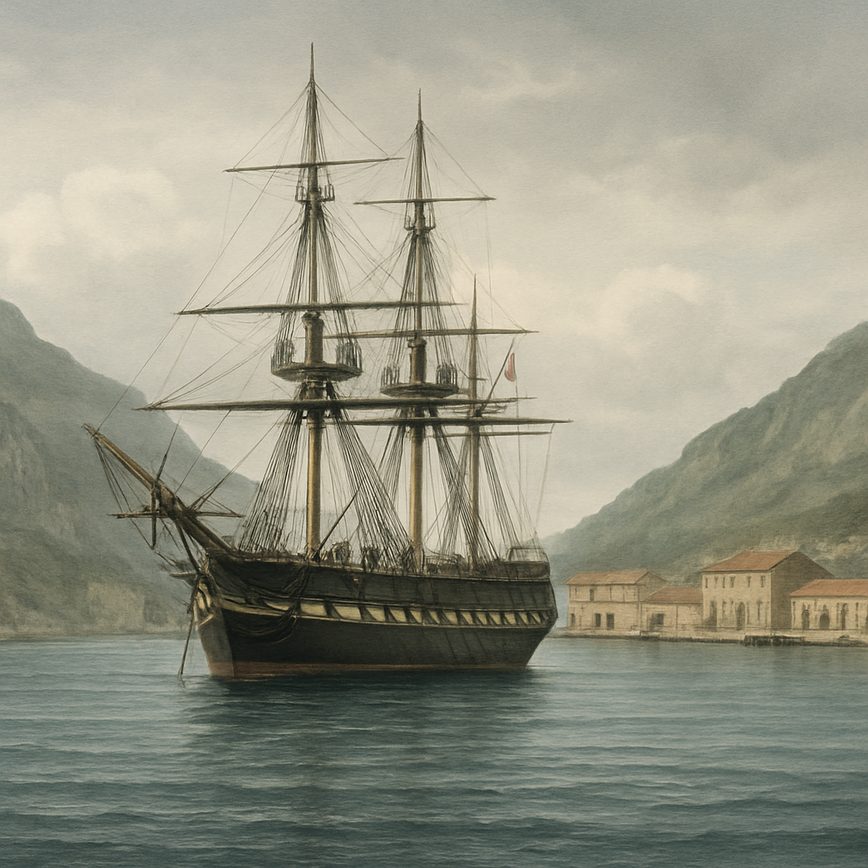
Overview of Rosia Bay’s Naval History
Rosia Bay, located on the western side of the British Overseas Territory of Gibraltar, holds a pivotal place in naval history. Its strategic location in the western Mediterranean has made it an essential naval base for centuries, offering a natural harbor that has supported countless maritime operations and facilitated control over the crucial Strait of Gibraltar. This narrow waterway connects the Atlantic Ocean to the Mediterranean Sea, making Rosia Bay a key maritime asset for the British Royal Navy and other naval forces throughout history.
The significance of Rosia Bay’s naval history is deeply intertwined with the development of Gibraltar as a fortified naval base. Since the early 18th century, following the capture of Gibraltar by Anglo-Dutch forces, Rosia Bay became an integral part of the Gibraltar naval base infrastructure. Its sheltered waters allowed for safe anchorage of warships, provision of essential supplies, and the repair and maintenance of vessels that patrolled the Mediterranean and beyond. The bay’s proximity to the naval dockyards and fortifications underscored its strategic importance in maintaining naval dominance in the region.
Throughout its history, Rosia Bay has witnessed numerous naval events and played a role in major military conflicts, including the Napoleonic Wars and both World Wars. The bay’s anchorage was a crucial staging area for fleets preparing for battle or engaged in blockades. Gibraltar’s naval base, with Rosia Bay as a key component, served as a vital logistics and supply hub, ensuring that British naval forces remained operational and ready to respond to threats in the Mediterranean and beyond.
In addition to its military importance, Rosia Bay also holds historical significance as a testament to naval engineering and maritime strategy. The construction of dry docks, warehouses, and supporting infrastructure around the bay demonstrated advanced naval planning and the foresight to maintain a permanent and formidable naval presence. Today, Rosia Bay stands as a historical landmark, reflecting its rich naval heritage and continued importance within the Gibraltar naval base complex.
Overall, Rosia Bay’s naval history offers a fascinating overview of the strategic maritime role Gibraltar has played over centuries. Its natural features combined with its development into a robust naval base have ensured that Rosia Bay remains emblematic of naval strength and historical legacy in the Mediterranean region.
Strategic Importance of Rosia Bay
Rosia Bay’s strategic location at the southern end of Gibraltar made it an essential hub for naval operations and defense strategies throughout history. Nestled within the protective embrace of the Rock of Gibraltar, the bay offered natural shelter for naval vessels against harsh weather and enemy attacks. This geographic advantage allowed it to serve as a vital anchorage point for the British Royal Navy, ensuring a secure and accessible naval base in one of the world’s most pivotal maritime chokepoints.
The military importance of Rosia Bay stemmed not only from its safe harbor but also from its proximity to key shipping lanes in the Mediterranean. Control over Rosia Bay meant oversight of maritime traffic entering and leaving the Mediterranean Sea, which was crucial for protecting British interests and maintaining naval dominance in the region. The bay’s naval base was equipped with essential infrastructure for ship repairs, resupply, and armament, thereby enhancing the operational readiness and sustainability of naval forces stationed there.
Additionally, Rosia Bay’s position within Gibraltar provided strategic defense benefits, allowing for effective coastal defense systems and surveillance capabilities. Its location offered a tactical advantage to detect and counter potential naval threats swiftly. As a cornerstone of Gibraltar’s military importance, Rosia Bay remains a historical testament to the strategic foresight in naval defense planning and the military significance of this unique Mediterranean maritime outpost.
Early Naval Activities at Rosia Bay
Rosia Bay played a pivotal role in the early naval history of Gibraltar from the 18th century onwards. As a naturally sheltered harbor, it quickly became a strategic location for naval activities, serving as a vital base for the British Royal Navy. The bay’s calm waters offered protection for warships and supply vessels, enabling efficient maintenance and logistical support during times of conflict.
During the 18th century, Rosia Bay was primarily used for docking and refitting naval vessels. Its proximity to the main Gibraltar fortifications made it an essential point for operations related to the defense and control of the strategically important Strait of Gibraltar. The bay facilitated the storage of naval supplies such as gunpowder, provisions, and equipment necessary for sustained maritime operations.
Naval activities at Rosia Bay included not only the repair and resupply of ships but also coordination for patrols that monitored shipping lanes and protected the British Empire’s interests in the Mediterranean. The development of Rosia Bay as a naval base marked a significant chapter in Gibraltar history, highlighting its transformation into a fortified naval stronghold that contributed to the security and naval dominance of the region.
Overall, the early naval history of Rosia Bay reflects its importance as a hub for maritime operations, supporting naval endeavors throughout the 18th century and laying the groundwork for its continued military significance in subsequent centuries.
Rosia Bay During the Napoleonic Wars
During the Napoleonic Wars, Rosia Bay held a strategic and critical role for the British Navy, serving as a vital naval logistics hub in the Mediterranean. The bay became especially significant due to its well-equipped dockyard, which supported the British fleet’s operations against Napoleonic France and its allies. As conflict raged across Europe and beyond, maintaining naval dominance was essential for Britain, and Rosia Bay was at the heart of this effort.
The Rosia Bay dockyard was not just any repair and resupply station but a carefully developed naval facility that ensured fleet readiness. It offered dock space, repair services, and replenishment resources necessary for the maintenance and outfitting of warships. This dockyard was uniquely important because it allowed the British Navy to conduct essential repairs close to the contested waters of the Mediterranean without having to return to distant home ports. The dockyard’s engineers and skilled workforce performed complex repairs, enabling the fleet to remain operational and effective throughout the prolonged conflict.
Naval logistics at Rosia Bay were meticulously organized to meet the intense demands of wartime. Supplies of food, water, ammunition, and naval stores flowed through the dockyard, supporting vessels preparing for sorties or returning from battle. The strategic location of Rosia Bay allowed for the quick turnaround of ships, strengthening British naval power projection in the region. The dockyard’s capacity to handle a steady flow of vessels was a testament to the efficiency and dedication of the personnel involved in naval logistics operations.
Moreover, Rosia Bay’s role extended beyond simple repairs and logistics; it acted as a forward base, enabling the British Navy to maintain control over key maritime routes and deter French naval forces. The presence of the dockyard increased the operational reach of the British fleet, contributing significantly to their success during the Napoleonic Wars. Ensuring that ships were battle-ready and well-supplied at Rosia Bay helped to sustain prolonged maritime campaigns and reinforced British naval supremacy in the Mediterranean theater.
In conclusion, Rosia Bay’s dockyard and its naval logistics capabilities were indispensable to the British Navy during the Napoleonic Wars. This small bay became a cornerstone of naval strategy, underpinning the ability of Britain to challenge and ultimately contain French ambitions at sea. Its operational importance during this turbulent period cements Rosia Bay’s place in the annals of naval history.
Construction and Use of the Rosia Bay Dockyard
The Rosia Bay dockyard, constructed in the early 19th century, was a vital component of the naval base infrastructure at Gibraltar. Built to support the British Royal Navy’s operations in the Mediterranean, this dockyard was strategically designed for both naval construction and ship repair. The layout included a series of dry docks, workshops, and storehouses, facilitating the maintenance and outfitting of warships.
The dockyard’s construction involved significant engineering efforts, including the excavation of the natural bay to create quays and sheltered docks capable of accommodating major naval vessels. These docks allowed ships to be brought out of the water for repairs, refurbishment, or upgrades without the need for lengthy voyages to distant ports. This operational capability was crucial for maintaining the fleet’s readiness and operational efficiency.
Operationally, the Rosia Bay dockyard served as a key repair hub, enabling rapid turnaround of damaged or worn vessels. Its workshops were equipped with skilled craftsmen and the necessary tools to undertake complex repairs and construction projects. As part of the broader naval base infrastructure, the dockyard ensured uninterrupted naval presence and dominance in the region by supporting the Royal Navy’s strategic and tactical requirements in the Mediterranean Sea during this era.
Notable Naval Battles and Events
Rosia Bay holds a significant place in Gibraltar naval history, especially during the Napoleonic period, marked by several key naval battles and military engagements. As a strategic harbor, it served as a vital supply and repair station for the British Royal Navy, playing a crucial role in maintaining naval dominance in the Mediterranean. Its natural protection and proximity to the Great Siege of Gibraltar made it an indispensable asset in naval operations against Napoleonic forces.
One of the most notable events linked to Rosia Bay was its function during the Great Siege of Gibraltar (1779–1783). Though predating the Napoleonic Wars slightly, the Bay’s role set the stage for future naval battles by ensuring sustained British naval presence. During the Napoleonic period, the naval engagements around Gibraltar, including patrols and skirmishes, relied heavily on the logistical support provided at Rosia Bay, which enabled swift repairs and resupply of warships facing French and Spanish naval threats.
The impact of these military engagements and the naval battles connected to Rosia Bay went beyond immediate tactical victories. They helped secure British control of the strategic gateway between the Atlantic and Mediterranean, influencing the broader Napoleonic war efforts. This control ensured uninterrupted British maritime trade and military movements, setting a precedent for the continued military importance of Gibraltar through subsequent centuries.
Legacy and Preservation of Rosia Bay Naval Heritage
The naval heritage of Rosia Bay stands as a vital testament to Gibraltar’s rich maritime history. Today, many of the naval sites that once bustled with strategic military activity remain intact, though they face the inevitable challenges brought on by time and environmental exposure. The current state of these landmarks varies: while some structures such as the Rosia Bay Victualling Yard have been carefully maintained or restored, others require increased attention to prevent further degradation.
Preservation efforts in Rosia Bay are ongoing and have become a focal point for both local authorities and heritage organizations. These initiatives aim not only to protect the physical remnants of the naval past but also to promote wider awareness of their historical significance. Restoration projects often involve meticulous work to maintain the authenticity of the buildings and docks, using traditional materials and methods whenever possible. Such dedication ensures that the naval heritage of Rosia Bay remains a tangible link to Gibraltar’s storied maritime defense and logistical prowess.
Rosia Bay preservation goes beyond mere upkeep of old structures; it is also about safeguarding cultural heritage. These historical landmarks serve as educational sites where visitors can explore Gibraltar’s naval history firsthand. This preservation enriches the community’s understanding of its past, fostering a sense of identity and pride among residents and historians alike. Moreover, the work influences urban planning and development policies, ensuring that modernization does not come at the expense of cultural loss.
From a tourism perspective, Rosia Bay’s naval heritage is a unique asset that draws history enthusiasts and casual visitors alike. The evocative ruins and restored naval facilities attract tourists interested in military history and Gibraltar’s strategic role through centuries. Promoting these sites as part of Gibraltar tourism contributes significantly to the local economy, creating jobs and encouraging investments in the hospitality sector. Educational tours, museums, and cultural events centered around the naval legacy further enhance visitor engagement and appreciation.
In conclusion, the legacy and preservation of Rosia Bay’s naval heritage are crucial for protecting Gibraltar’s historical narrative. Maintaining these historical landmarks ensures that future generations can connect with the past, while also supporting cultural tourism. Continuous preservation efforts affirm the importance of Rosia Bay as a cherished historical environment and a dynamic contributor to Gibraltar’s cultural and economic vitality.
Preservation Efforts and Challenges
Significant heritage preservation initiatives are currently underway to protect and restore the historic naval structures of Rosia Bay, recognizing their importance as cultural and historic sites. Efforts include structural restoration, archaeological research, and adaptive reuse projects aimed at maintaining the integrity of the naval buildings while allowing public engagement. Local authorities, heritage organizations, and community groups collaborate to secure funding and raise awareness of Rosia Bay’s unique naval history through educational programs and guided tours.
Despite these initiatives, conservation challenges remain substantial. The coastal location of Rosia Bay exposes the structures to harsh marine weather conditions, accelerating deterioration of stonework and metal fixtures. Additionally, limited financial resources and competing developmental pressures present ongoing obstacles to comprehensive preservation. There is also the complexity of balancing modern usage needs with maintaining historical authenticity, requiring careful planning and expert craftsmanship.
Efforts to engage local communities and stakeholders have been crucial in addressing these challenges, fostering a shared commitment to preserving the historic sites. Innovative approaches such as digital documentation and non-invasive conservation techniques are also being explored to enhance the effectiveness of preservation undertakings. Although obstacles persist, the dedication to safeguarding Rosia Bay’s naval heritage remains strong, ensuring these landmark structures endure for future generations to appreciate and study.
Tourism and Educational Opportunities
Rosia Bay’s rich naval history plays a pivotal role in promoting naval tourism, drawing history enthusiasts and casual visitors alike. The bay offers a variety of historical tours that delve into the strategic importance of the site and its maritime heritage. These tours take visitors through key locations that showcase the remnants of naval fortifications and facilities, providing an immersive experience of Rosia Bay’s past.
In addition to walking tours, several museums in the area feature extensive collections of artifacts, documents, and exhibits related to naval history. These institutions serve as educational hubs, making history accessible and engaging through interactive displays and curated exhibitions. Informational resources such as brochures, guided audio tours, and digital archives complement the physical experience, enriching the understanding of Rosia Bay’s naval legacy.
Educational programs aimed at schools and special interest groups further emphasize the significance of Rosia Bay. These programs combine hands-on activities with expert lectures, fostering a deeper connection to naval history. By integrating historical tours, museums, and educational initiatives, Rosia Bay not only preserves its maritime heritage but also transforms it into a dynamic resource for learning and tourism, encouraging continuous exploration and appreciation of its strategic past.

I have always been captivated by the unique cultural tapestry of the Rock, particularly how Moorish, Spanish, and British influences shaped its development over centuries. My passion lies in translating these complex historical narratives into engaging educational resources that make Gibraltar’s past accessible to everyone. I spend my free time exploring military fortifications and reading first-hand accounts of life at the Pillar of Hercules.