Historical Origins of King’s Bastion
The King’s Bastion holds a prominent place in the history of Gibraltar fortifications, symbolizing the island’s strategic military significance during the 18th century. Its origins date back to a period marked by intense military innovation and the ongoing struggle to control this key gateway between the Atlantic Ocean and the Mediterranean Sea. The construction of King’s Bastion was a critical response to evolving military threats and advancements in artillery technology, reflecting the broader defensive strategies employed by the British Empire to fortify Gibraltar against potential sieges and invasions.
The initial construction of King’s Bastion took place in the mid-1700s, designed as a vital part of the fortress complex safeguarding Gibraltar’s western front. The bastion was built upon the site of the earlier Moorish and Spanish fortifications, incorporating not only improvements in structural design but also enhanced offensive and defensive capabilities. The origins of King’s Bastion are closely linked to the aftermath of the War of Spanish Succession and the subsequent British acquisition of Gibraltar in 1704, necessitating robust fortifications to maintain control over the territory.
Early designs of King’s Bastion were heavily influenced by the principles of bastioned fortification, a style that emerged in Europe during the Renaissance and was perfected by military engineers in the 17th and 18th centuries. This style emphasized angular, protruding bastions that could provide overlapping fields of fire, making it difficult for attackers to approach without being exposed to defensive artillery. King’s Bastion, with its strong angular walls and carefully calculated gun placements, embodied these principles, serving both as a defensive stronghold and an offensive platform for artillery.
Throughout the 18th century, King’s Bastion played a crucial role in Gibraltar’s military history, notably during the Great Siege of Gibraltar (1779–1783). It was strategically positioned to defend the harbor and repel naval attacks, featuring a powerful battery of cannons capable of delivering devastating firepower. The bastion’s design and armament exemplify the integration of advanced European military engineering techniques, showcasing how Gibraltar’s fortifications evolved in response to the shifting demands of warfare.
In summary, the origins of King’s Bastion highlight a blend of historical influences and practical military considerations that defined Gibraltar fortifications in the 18th century. Its construction marked a significant chapter in King’s Bastion history, emphasizing the bastion’s role not only as a defensive structure but also as a symbol of British resilience and strategic foresight in maintaining control over one of the world’s most contested maritime gateways.
Construction and Architectural Design
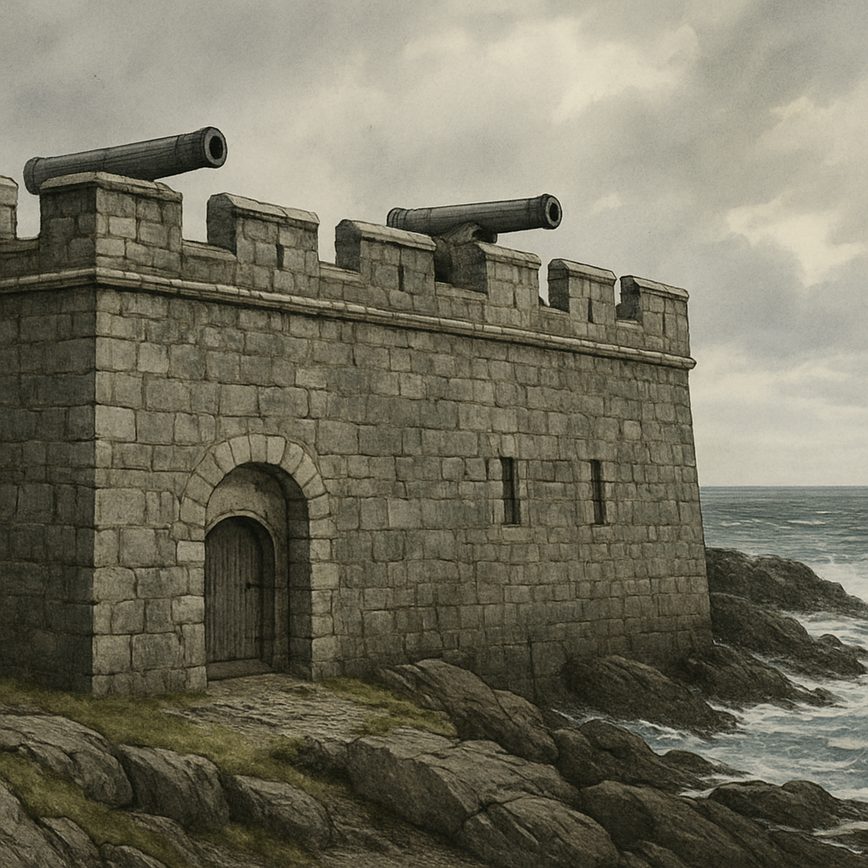
The construction of King’s Bastion in Gibraltar is a remarkable example of military engineering, designed to serve as a formidable defensive stronghold. The bastion was built using robust masonry techniques, incorporating thick limestone walls that could withstand heavy artillery bombardment. The architectural style reflects the military design principles of the era, combining functionality with strategic foresight. Its massive stone blocks were carefully laid to create a solid fortress capable of enduring sieges and prolonged attacks.
Architecturally, King’s Bastion features a classic bastion shape with angular outlines, allowing for optimal defensive coverage. This design enabled defenders to fire along the walls, eliminating blind spots and preventing enemy forces from finding safe positions to mount an assault. The strategic layout included multiple gun ports and casemates, where cannons could be housed and fired with precision. These elements underscore the importance of the bastion’s construction in Gibraltar’s coastal defense network.
Key to the construction King’s Bastion was its integration into the broader fortifications of Gibraltar, providing overlapping fields of fire and serving as a critical cornerstone in the fortress system. The military design prioritized both strength and tactical advantage, positioning the bastion to control access to the harbor and repel naval attacks effectively. This combination of advanced construction techniques, architectural style, and strategic military design secured King’s Bastion’s status as a vital defensive structure throughout its history.
Role During the Great Siege of Gibraltar
The King’s Bastion played a pivotal role during the Great Siege of Gibraltar (1779-1783), marking one of the most critical military engagements in the fortress’s long history. As the centerpiece of Gibraltar’s coastal defenses, the bastion served as a strategic stronghold for British forces in repelling the combined Spanish and French assault.
During the King’s Bastion battle, its artillery was crucial in disrupting enemy ships and fortifications, leveraging advanced cannon placements to deliver devastating firepower. The bastion’s robust construction enabled it to withstand heavy bombardments, allowing the British to maintain control over the western coastline despite prolonged enemy offensives.
The military role of King’s Bastion extended beyond mere defense; it was a launching point for counterattacks and a symbol of resilience. Notable events include the repulsion of the floating batteries attack in 1782, where the bastion’s artillery helped destroy heavily fortified enemy vessels, turning the tide of the siege in favor of the defenders. This victory highlighted the strategic importance of the bastion in protecting Gibraltar’s access to the Mediterranean.
Overall, King’s Bastion’s military significance during the Great Siege underscored its function as a vital defensive and offensive asset. Its success in the battle solidified Gibraltar’s reputation as an impregnable fortress and remains a testament to the skill and determination of the British garrison.
Military and Strategic Importance Through the Centuries
King’s Bastion has played a crucial role in the military history of Gibraltar, standing as a testament to the territory’s enduring strategic importance. Constructed in the 18th century, the bastion was originally designed to strengthen Gibraltar’s defenses against naval and land attacks, showcasing the military ingenuity of its time. Its prime location allowed it to dominate both the land approaches and the crucial sea routes, making it a vital fortification in controlling access to the Mediterranean.
Throughout the centuries, King’s Bastion underwent numerous adaptations that reflected changes in military technology and tactics. Initially built as a stone bastion equipped with heavy artillery, it was part of a broader network of fortifications intended to repel Spanish and French forces. As artillery technology advanced, the bastion was upgraded to accommodate larger and more powerful guns, further enhancing its defensive capabilities. Its ability to adapt was key to maintaining Gibraltar’s strategic importance amidst the shifting power dynamics of the region.
The bastion’s military significance was particularly evident during the Great Siege of Gibraltar (1779-1783), when it played a pivotal role in the successful defense against prolonged Spanish and French attacks. King’s Bastion’s artillery proved crucial in defending the fortress town, preventing enemy forces from breaching Gibraltar’s robust fortifications. This period cemented its reputation as one of the most formidable defensive structures in military history Gibraltar has witnessed.
Moving into the 20th century, King’s Bastion continued to adapt through the World War periods. It was modernized to meet the demands of contemporary warfare, including the installation of anti-aircraft guns during World War II. This transition from traditional artillery to more modern weaponry ensured that King’s Bastion retained its military relevance, contributing to Allied defenses in the Mediterranean theatre. Its strategic importance extended beyond simple fortification, serving as a crucial military hub during a time of global conflict.
Today, King’s Bastion stands as a historical monument reflecting centuries of military evolution. Its use and adaptation over time demonstrate the continuous strategic importance of Gibraltar as a military stronghold. By examining the King’s Bastion use through different military eras, we can appreciate how this bastion was not only a static defense point but an evolving military asset that shaped the history and future of Gibraltar’s defense strategy.
18th and 19th Century Military Uses
During the 18th century military period, King’s Bastion in Gibraltar played a crucial role in the defense of the territory. Constructed initially as a formidable fortification, it served as a primary defensive stronghold protecting the western side of Gibraltar’s fortifications. The bastion was strategically important for controlling access to the harbor and repelling potential naval invasions. Its thick walls and elevated positions allowed defenders to mount a range of artillery pieces crucial for withstanding sieges and naval bombardments.
As the 19th century fortifications evolved, King’s Bastion was upgraded to adapt to advancements in military technology and changing tactical demands. The bastion was strengthened with reinforced parapets and additional gun emplacements to house more powerful and longer-range artillery. These upgrades significantly enhanced King’s Bastion defense capabilities, allowing it to support a heavier and more effective artillery presence. It became a key element in the broader network of fortifications that protected Gibraltar throughout the 19th century, ensuring the territory’s status as a vital military stronghold for the British Empire.
Throughout these centuries, King’s Bastion remained actively garrisoned and maintained, reflecting its ongoing military importance. Its adaptation and reinforcement highlight how military engineering responded to the challenges of the 18th and 19th centuries, with the bastion standing as a testament to Gibraltar’s enduring strategic significance.
Role in 20th Century Conflicts
King’s Bastion stood as a pivotal military stronghold throughout the 20th century, playing a crucial role in Gibraltar’s defense during major global conflicts. Its strategic importance was especially pronounced during World War I, where it served as a key fortification in the 20th century military network safeguarding the Rock of Gibraltar against potential threats from the Central Powers. Though not directly engaged in combat during World War I, the bastion was integral in maintaining the security and readiness of Gibraltar as a British naval base.
During World War II, King’s Bastion’s significance heightened considerably. The fortress was modernized and equipped with upgraded artillery and anti-aircraft defenses, adapting to the evolving nature of warfare. Its robust structure and strategic positioning allowed it to provide vital coverage against aerial and naval attacks. King’s Bastion was central in the defense system that protected Gibraltar from Axis forces, earning it a renowned status in World War Gibraltar history. The bastion not only housed military personnel but also served as a command center for coordinating defensive operations in the region.
Throughout the 20th century, King’s Bastion exemplified Gibraltar’s resilience and its critical role in British military strategy. Its continued use and fortification underscored the importance of Gibraltar as a fortress colony, reinforcing the bastion’s legacy in both World War conflicts and the broader 20th century military narrative.
King’s Bastion in Modern Times
King’s Bastion, once a formidable military installation integral to Gibraltar’s defense system, has evolved dramatically in modern times. No longer serving its original purpose of military defense, the bastion has been transformed into a vibrant cultural and tourist site, drawing visitors from around the world who are eager to explore its rich history within a contemporary context.
The transformation of the modern King’s Bastion began with extensive restoration and preservation efforts aimed at maintaining the structural integrity and historical significance of the site. These initiatives have ensured that key architectural features of the bastion are preserved while adapting the area to accommodate public access and cultural uses. Restoration teams have meticulously worked to repair walls, gun embrasures, and other elements, respecting the original masonry and materials, thus safeguarding the bastion’s unique character for generations to come.
Today, King’s Bastion stands as a prominent tourist attraction in Gibraltar, seamlessly blending its military past with cultural vitality. The site hosts a variety of events including art exhibitions, music concerts, and festivals that celebrate Gibraltar’s diverse heritage. Visitors can enjoy guided tours that share insights on the bastion’s historical role and architectural features, making it an educational experience as well as an enjoyable one.
The transformation into a cultural hub has been supported by local organizations and government bodies committed to promoting Gibraltar’s history and tourism. Modern facilities have been thoughtfully integrated without compromising the site’s historical atmosphere, providing amenities that enhance visitor comfort and engagement. King’s Bastion now not only serves as a reminder of Gibraltar’s strategic military past but also as a symbol of cultural regeneration and community pride.
In summary, the modern King’s Bastion represents a successful example of adaptive reuse in heritage conservation. Its journey from a key military bastion to a celebrated tourist attraction in Gibraltar highlights the importance of restoration and preservation in breathing new life into historical sites. As a dynamic venue for cultural expression and historical education, King’s Bastion continues to enrich Gibraltar’s cultural landscape while honoring its storied past.
Restoration and Preservation Efforts
Recent restoration efforts at King’s Bastion have been a pivotal part of Gibraltar’s dedication to heritage preservation. Recognizing the bastion not only as a historical military fortification but also as a symbol of the community’s identity, authorities and heritage organizations have launched comprehensive initiatives to conserve this landmark. These initiatives focus on structural repairs, preservation of original features, and adaptive reuse that respects the site’s historical significance.
The restoration of King’s Bastion involves careful research and expert craftsmanship to maintain the integrity of the structure while ensuring safety and accessibility for visitors. Projects have included masonry work to repair weathered stone, restoration of artillery emplacements, and preservation of the bastion’s iconic silhouette against the Gibraltar skyline. These efforts underscore a commitment to sustaining Gibraltar’s historical sites for future generations.
Beyond the physical restoration, heritage preservation at King’s Bastion includes educational programs and community engagement activities that promote awareness and pride in Gibraltar’s history. By safeguarding the bastion, Gibraltar reinforces its cultural heritage as a unique and inspiring part of the region’s identity. These initiatives also contribute to tourism, supporting the local economy while honoring the bastion’s role in Gibraltar’s storied past.
Current Role as a Cultural and Tourist Attraction
King’s Bastion has evolved into a vibrant hub for tourism in Gibraltar, serving as a prime venue for a wide array of cultural activities that engage both locals and visitors. Its historic walls now echo with the sounds of music, theatre, and community celebrations, making it a focal point for cultural expression. The bastion hosts numerous events throughout the year, from art exhibitions and film screenings to festivals and live performances, all designed to showcase Gibraltar’s rich heritage and diverse artistic talents.
Tourism in Gibraltar greatly benefits from the dynamic offerings at King’s Bastion, attracting travelers eager to experience the fusion of history and contemporary culture. Visitors not only explore the site’s defensive architecture but also immerse themselves in the cultural vibe that permeates the space during King’s Bastion events. These gatherings foster a strong sense of community while enhancing the cultural tourism appeal of Gibraltar.
In addition to entertainment, the bastion provides an educational platform where cultural activities encourage community engagement and broaden understanding of Gibraltar’s unique historical importance. Through workshops, guided tours, and interactive events, King’s Bastion continues to be an essential landmark that promotes cultural pride and brings life to Gibraltar’s tourism sector, making it a must-visit destination for cultural enthusiasts.

I have always been captivated by the unique cultural tapestry of the Rock, particularly how Moorish, Spanish, and British influences shaped its development over centuries. My passion lies in translating these complex historical narratives into engaging educational resources that make Gibraltar’s past accessible to everyone. I spend my free time exploring military fortifications and reading first-hand accounts of life at the Pillar of Hercules.