Overview of Historical Monuments in Gibraltar
Gibraltar, a strategic peninsula located at the southern tip of the Iberian Peninsula, boasts a rich tapestry of history that is vividly reflected in its numerous historical monuments. Its unique position controlling the entrance to the Mediterranean Sea has made Gibraltar an important military and cultural crossroads for centuries. This historical significance is preserved and celebrated through a variety of Gibraltar historical monuments that attract visitors from around the world eager to explore its heritage sites.
The history of Gibraltar is marked by various periods of occupation, including the Moors, Spanish, and British, each leaving an indelible mark on the territory. Among the most famous heritage sites in Gibraltar is the iconic Rock of Gibraltar itself, a natural fortress that has served as a symbol of strength and resilience throughout history. Within this limestone promontory, visitors can discover the extensive tunnel network used during World War II, showcasing Gibraltar’s military past. These tunnels stand as a testament to its strategic importance and are among the must-see Gibraltar historical monuments.
Another significant site is the Moorish Castle, which dates back to the 8th century and highlights the Islamic architectural and cultural influence on the region. This castle offers a glimpse into Gibraltar’s medieval history and its role in protecting the peninsula against invasions. Close by, the Great Siege Tunnels also tell a compelling story from the late 18th century, constructed during the Great Siege of Gibraltar when British forces resisted a combined Spanish and French attack. Together, these sites paint a vivid picture of Gibraltar’s turbulent yet fascinating past.
In addition to its military heritage, Gibraltar is home to several other important monuments such as the Cathedral of St. Mary the Crowned, reflecting the religious history intertwined with the peninsula’s identity. The panorama of Gibraltar’s heritage sites also includes museums that preserve artifacts spanning different eras, enriching the narrative of the history of Gibraltar. These sites not only honor Gibraltar’s past but also contribute significantly to the cultural tourism industry, inviting exploration and appreciation of this unique historical landscape.
Gibraltar’s Strategic Historical Importance
Gibraltar’s unique geographical location at the southern tip of the Iberian Peninsula has made it a crucial point of interest in Gibraltar history. Positioned at the entrance to the Mediterranean Sea from the Atlantic Ocean, it serves as a natural gateway between Europe and Africa, controlling one of the world’s busiest maritime routes. This strategic location has played a significant role in its military significance, as various powers throughout history have sought to control Gibraltar to secure naval dominance and safeguard trade routes.
Throughout centuries, Gibraltar’s military significance has been underscored by its fortified structures and its role in numerous conflicts. The Rock of Gibraltar itself provided a formidable natural fortress, bolstered by man-made defenses, making it a stronghold that was difficult to capture. Its position allowed controlling naval traffic, facilitating trade but also enabling defense against potential invasions. From the Moors to the Spanish, and later the British, Gibraltar’s control has been pivotal in shaping the political and economic landscape of the western Mediterranean.
Moreover, Gibraltar’s strategic location made it an essential trading post, connecting different continents and cultures. Its harbor functioned as a key resupply and refueling station for merchant and military ships alike. This combination of military significance and commercial value has cemented Gibraltar’s place in history as a vital stronghold and trading hub, making it an enduring symbol of power and strategic importance.
Cultural and Architectural Heritage
Gibraltar’s architecture is a unique tapestry woven from the diverse cultural influences that have shaped this historic territory over centuries. The strategic location of Gibraltar at the crossroads of Europe and Africa has made it a melting pot of styles and traditions, reflected vividly in its cultural monuments and historic buildings. From Moorish fortifications to British colonial structures, the array of architectural styles tells the story of Gibraltar’s complex past.
The Moorish period introduced Islamic architectural elements such as horseshoe arches and intricate tile work, visible in some of the oldest surviving structures. Later, Spanish influences left their mark through Renaissance and Baroque styles evident in churches and public buildings. These cultural monuments not only serve as historical landmarks but also highlight the artistic and construction techniques of their time.
British rule, beginning in the early 18th century, brought Georgian and Victorian architectural styles to Gibraltar. Military buildings, government offices, and residential areas from this era display characteristic British design features, including symmetry, sash windows, and decorative moldings. These historic buildings in Gibraltar contribute to the territory’s distinct identity, bridging the past with the present.
Today, Gibraltar’s architectural heritage is preserved and celebrated as a testament to its multicultural history. The preservation of these cultural monuments not only enhances the aesthetic value of the cityscape but also promotes understanding of the cultural diversity that has shaped Gibraltar through the ages.
Key Historical Monuments to Visit in Gibraltar
Gibraltar is home to a wealth of historical monuments that offer fascinating insights into its rich past. Visitors seeking top monuments in Gibraltar will find a variety of sites that reflect centuries of strategic military importance and cultural heritage.
One of the most iconic Gibraltar landmarks is the Great Siege Tunnels. Carved out during the late 18th century, these tunnels were a key defensive structure during the Great Siege of Gibraltar. Today, visitors can explore the tunnels and learn about their historical significance through informative displays. The tunnels are open daily, and guided tours are available to enhance the experience.
The Moorish Castle is another must-visit historic site in Gibraltar. Dating back to the 8th century, this fortress stands as a testament to Gibraltar’s Moorish heritage. The castle offers sweeping views across the territory and the surrounding sea, making it both a visually and historically captivating monument. Visitors can walk around the castle walls freely, with opening times generally from morning to early evening.
The Charles V Wall is a remarkable historic site to visit that was built as a defensive barricade in the 16th century. It stretches along the western side of Gibraltar and provides insight into the town’s military past. A stroll along this wall offers fantastic photo opportunities and panoramic views of the area.
For those interested in more recent history, the World War II Tunnels are not to be missed. These tunnels, dug by the British forces, housed an underground complex that was crucial during WWII. Visitors can explore parts of this vast network and discover its role in Gibraltar’s wartime history. Entry is available via guided tours that run several times a week.
Lastly, the Napier of Magdala Battery is a historic artillery battery offering excellent views over the Strait of Gibraltar. It is home to the famous 100-ton gun, one of the largest cannons ever installed. Open to visitors, the battery provides a glimpse into Gibraltar’s coastal defenses and is a fascinating stop for history enthusiasts.
These historic sites to visit in Gibraltar not only highlight the territory’s strategic significance over the centuries but also provide captivating experiences for visitors. Whether interested in military history or breathtaking views, Gibraltar’s top monuments offer something for everyone.
The Great Siege Tunnels
The Great Siege Tunnels are an impressive network of military tunnels carved into the northern face of the Rock of Gibraltar. Created during the Great Siege of Gibraltar, which lasted from 1779 to 1783, these tunnels played a crucial role in the territory’s defense. Their construction was driven by the urgent need for protected firing positions against the combined forces of Spain and France during the siege.
The tunnels were hand-excavated by the Royal Engineers and soldiers using only hand tools, a remarkable feat considering the harsh limestone rock they had to work through. Their design allowed for artillery placements that overlooked enemy positions, giving the British garrison a strategic advantage. Over time, the tunnel system expanded to provide accommodations, storage, and communication routes, making them vital for Gibraltar’s military resilience.
Today, visitors to the Great Siege Tunnels can explore this historic labyrinth and gain insight into its significant military history. Walking through the cool, dimly lit chambers, guests experience firsthand the ingenuity and determination of those who built and defended Gibraltar during one of its most challenging periods. The tunnels remain one of the best-preserved examples of military tunnels in Gibraltar and offer an unforgettable historic tunnels visit for history enthusiasts and tourists alike.
The Moorish Castle
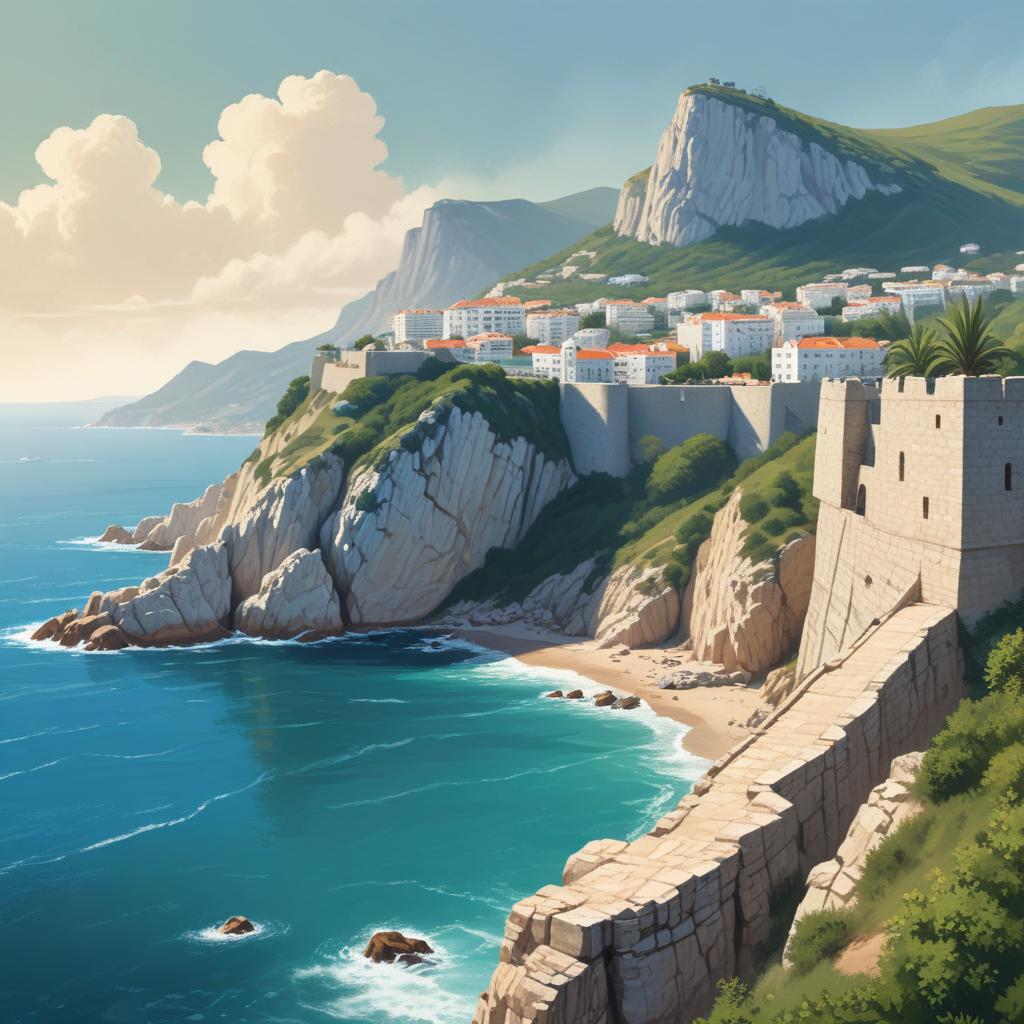
The Moorish Castle stands as a prominent symbol of Gibraltar castle history, reflecting its strategic importance during medieval times. Constructed in the early 8th century by the Moors following their conquest of the Iberian Peninsula, the castle played a crucial role in controlling the Strait of Gibraltar and defending the territory from invading forces.
The architecture of the Moorish Castle is a fine example of medieval fortress Gibraltar design, incorporating robust defensive walls, towers, and fortified gates. Its most notable feature is the Tower of Homage, a large keep that served as a stronghold and lookout point. Built predominantly from stone, the castle’s design emphasizes functionality, with narrow windows for archers and battlements for added protection during sieges.
As a landmark, the Moorish Castle represents Gibraltar’s rich cultural heritage and complex history of occupation by various civilizations. It not only illustrates the military ingenuity of the medieval period but also serves as a reminder of the region’s strategic significance through centuries. Today, the castle attracts visitors keen to explore its ancient walls and learn about Gibraltar’s layered history, making it an indispensable part of the territory’s identity.
The Gibraltar Cathedral
The Gibraltar Cathedral, officially known as the Cathedral of the Holy Trinity, stands as one of the most significant religious monuments in Gibraltar. Its history dates back to the early 19th century, when it was constructed to serve the spiritual needs of the British military and residents after Gibraltar became a British territory. The cathedral was built on the site of a former Franciscan friary, blending historical layers into its foundation.
Architecturally, the Gibraltar Cathedral is a striking example of Gothic Revival architecture, which was popular in Britain during the Victorian era. Characterized by pointed arches, ribbed vaults, and flying buttresses, the cathedral’s design reflects the desire to evoke a sense of medieval ecclesiastical grandeur. Its façade exhibits intricate stone carvings and tall lancet windows, which allow natural light to illuminate the richly decorated interior, emphasizing the cathedral’s spiritual ambiance.
Beyond its architectural beauty, the Gibraltar Cathedral holds deep cultural importance, serving as a hub for religious ceremonies, community events, and cultural gatherings. It symbolizes Gibraltar’s historical evolution and the enduring presence of Christianity in the territory. As one of the premier cathedral architecture examples in Gibraltar, it attracts both worshippers and tourists, enriching the cultural and religious tapestry of the region.
Preservation and Tourism Impact on Gibraltar’s Monuments
Gibraltar is home to a wealth of historical monuments that embody its rich cultural heritage and strategic importance over centuries. The preservation of these monuments in Gibraltar is a priority for both local authorities and heritage organizations, who recognize their value as irreplaceable links to the past. Monument preservation in Gibraltar involves a combination of careful restoration, regular maintenance, and protective measures designed to prevent decay caused by natural elements and human activity. Efforts include detailed research to ensure historical accuracy, use of traditional materials and methods in restoration, and the implementation of modern technologies to monitor the state of these sites.
Tourism plays a crucial role in Gibraltar’s economy and directly influences heritage conservation efforts. The steady influx of visitors eager to explore Gibraltar’s historic sites creates a strong incentive for continued investment in the upkeep and promotion of these monuments. Tourism impact in this context is twofold: not only does it generate revenue that funds preservation projects, but it also raises public awareness about the importance of heritage conservation. The local government and tourism agencies work collaboratively to promote sustainable tourism practices, ensuring that the growing number of tourists does not compromise the integrity of the monuments.
One of the key challenges in balancing tourism and conservation in Gibraltar is managing visitor impact. High foot traffic, especially in enclosed spaces and fragile structures, can accelerate wear and tear. To mitigate these effects, Gibraltar has implemented visitor management strategies such as guided tours, limited access zones, and informative signage that educates tourists on responsible behavior. Additionally, part of the tourism revenue is reinvested in community outreach and educational programs designed to foster a collective sense of stewardship among locals and visitors alike.
The combined focus on monument preservation in Gibraltar and the proactive management of tourism impact exemplifies a successful model of heritage conservation. This approach not only safeguards the physical monuments but also enhances Gibraltar’s cultural identity and boosts its local economy. By sustaining their historical monuments, Gibraltar ensures that future generations can continue to appreciate the city’s unique legacy, while benefiting from the economic opportunities that heritage tourism offers.
Conservation Initiatives and Challenges
Heritage conservation in Gibraltar involves a series of well-coordinated preservation projects aimed at safeguarding its rich historical monuments. Authorities have launched comprehensive programs that focus on the restoration and maintenance of key historic sites, employing both traditional craftsmanship and modern technologies to ensure structural integrity and aesthetic authenticity. These efforts are complemented by educational initiatives that promote public awareness and community involvement in preserving Gibraltar’s cultural legacy.
Despite these ambitious programs, several challenges continue to hinder effective conservation. Environmental factors such as coastal erosion and humidity pose significant threats to the longevity of monuments, accelerating wear and structural decay. Additionally, urban development pressures and limited funding can restrict the scope of preservation projects, making it difficult to address all vulnerable sites adequately. Navigating these constraints requires balancing modernization with heritage protection.
To overcome these challenges, authorities have adopted strategic measures that include rigorous site assessments and the prioritization of interventions based on urgency and historical value. Collaborative partnerships with international conservation organizations provide technical expertise and additional resources. Furthermore, integrating sustainable tourism practices helps generate funds for ongoing preservation while minimizing the impact on historic sites. Together, these strategies form a robust framework aimed at ensuring the continued protection and appreciation of Gibraltar’s invaluable historic monuments.
Tourism’s Role in Promoting Heritage
Heritage tourism plays a crucial role in promoting awareness and appreciation of Gibraltar’s rich historical monuments. By attracting visitors keen to explore the past, tourism fosters a deeper understanding of the cultural and historical significance embedded within these sites. This heightened visitor engagement not only educates the public but also cultivates a sense of pride and responsibility towards heritage preservation.
Economic benefits from heritage tourism are pivotal in funding the maintenance and restoration of Gibraltar’s monuments. Entrance fees, guided tours, and related tourism activities generate a steady stream of revenue dedicated to the upkeep of these invaluable sites. This financial support ensures that historic landmarks receive the care necessary to withstand the test of time, safeguarding them for future generations.
Balancing preservation with increasing tourist footfall requires careful management strategies. Authorities in Gibraltar employ sustainable tourism practices to mitigate wear and tear on sensitive structures while enhancing the visitor experience. Educational programs and controlled access help minimize impact, ensuring that tourism benefits do not come at the expense of the monuments’ integrity.
In summary, heritage tourism in Gibraltar acts as a catalyst for both cultural awareness and economic support. By fostering visitor engagement and channeling funds into conservation, tourism enables the ongoing preservation of Gibraltar’s historical treasures, creating a lasting legacy that enriches both locals and visitors alike.

I have always been captivated by the unique cultural tapestry of the Rock, particularly how Moorish, Spanish, and British influences shaped its development over centuries. My passion lies in translating these complex historical narratives into engaging educational resources that make Gibraltar’s past accessible to everyone. I spend my free time exploring military fortifications and reading first-hand accounts of life at the Pillar of Hercules.