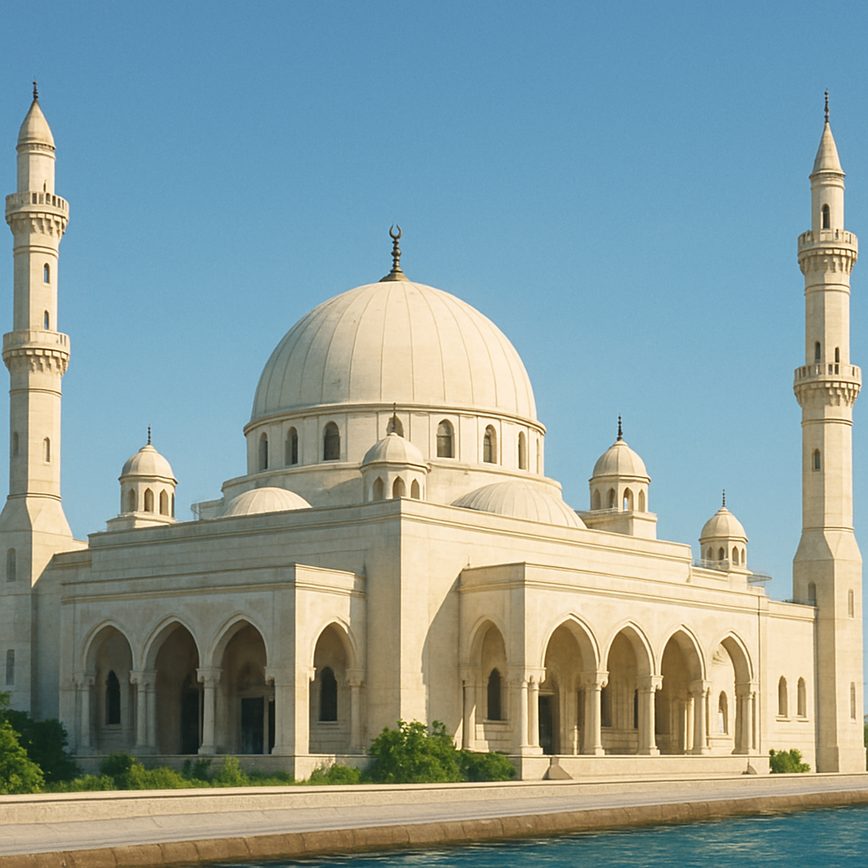
One of the primary focuses of the restoration projects has been the meticulous repair of the mosque’s intricate tilework and interiors, which are vital to its unique Islamic artistic heritage. Skilled craftsmen have been employed to restore damaged portions while preserving the original designs, thus striking a balance between restoration and conservation. These preservation efforts also include reinforcing the mosque’s foundation and roofing structures to withstand weather-related wear and tear.
Maintaining the mosque’s external façade has involved cleaning and refurbishing the marble and stone elements that define its majestic appearance. Environmental pollutants and natural decay pose constant threats, which are tackled through specialized cleaning techniques that do not compromise the materials’ quality. Additionally, modernization of electrical and lighting systems has been carefully integrated so as not to disturb the mosque’s historic ambiance.
These ongoing restoration and maintenance efforts demonstrate a deep commitment to the preservation of the Ibrahim-al-Ibrahim Mosque, ensuring that future generations can continue to appreciate its historical and architectural splendor. By combining traditional craftsmanship with contemporary conservation technologies, the mosque remains both a place of worship and a treasured cultural landmark.
Integration with Modern Infrastructure
The Ibrahim-al-Ibrahim Mosque stands as a remarkable example of harmonizing historical significance with contemporary needs through thoughtful modernization. While preserving its rich architectural heritage, modern infrastructure has been seamlessly integrated to enhance both functionality and visitor experience. Advanced technology systems now support climate control, lighting, and security, ensuring the mosque remains comfortable and safe for worshippers without compromising its traditional aesthetics.
Modern infrastructure improvements also include state-of-the-art sound systems that facilitate clear communication during prayers and events, blending cutting-edge audio technology with the mosque’s historic interior. Additionally, discreet electrical and data wiring has been installed to support essential operations, including multimedia presentations and administrative functions, all carried out in a manner that respects and preserves the mosque’s original design.
This integration of technology and infrastructure reflects a broader commitment to sustainability and accessibility. Energy-efficient lighting and climate control systems reduce environmental impact, while ensuring the mosque remains welcoming to all visitors. The careful incorporation of these modern elements demonstrates how tradition and innovation can coexist, maintaining the mosque’s cultural legacy while embracing the advancements that serve today’s community.

Moreover, the mosque incorporates elements from Andalusian architecture, reflecting the historical connections between the Iberian Peninsula and the Islamic world. This style is evident in the use of horseshoe arches, detailed tile work, and elaborately decorated calligraphy that adorns the mosque’s interiors and exteriors. These design choices are not only decorative but also serve to create a serene and contemplative environment for worshippers.
Another significant influence on the mosque’s architecture is Moorish style, which adds a distinctive flair to its overall design. This influence is especially visible in the ornate columns and arches, blending seamlessly with modern construction techniques to create a structure that is both timeless and contemporary. The combination of these style influences forms a unique architectural identity that pays homage to the mosque’s spiritual and cultural roots while also embracing modern aesthetics.
In summary, the Ibrahim-al-Ibrahim Mosque’s architectural design is a rich tapestry of various style influences, showcasing a harmonious blend of traditional Islamic motifs with Andalusian and Moorish elements. This synthesis not only enhances the mosque’s visual appeal but also reflects the cultural diversity and historical significance embedded in its construction.
Significance and Role in the Community
The Ibrahim-al-Ibrahim Mosque holds a profound religious importance and cultural significance within its local community. As a landmark of faith and architectural beauty, it serves as more than just a place for worship; it is a vibrant hub of community life, fostering unity and spiritual growth among its members. The mosque’s role extends deeply into the social and cultural fabric, providing a space where traditions are preserved and religious teachings are shared.
Its community role is multifaceted, encompassing educational activities, charitable events, and cultural celebrations. Regular religious services attract hundreds of worshippers who come together for daily prayers, Friday congregations, and special religious observances such as Ramadan and Eid. These gatherings reinforce a strong sense of belonging and collective identity among community members, bridging generational and ethnic differences through shared beliefs and practices.
Beyond its function as a place of worship, the mosque plays an essential part in organizing cultural activities that highlight Islamic heritage and promote intercultural dialogue. It frequently hosts lectures, workshops, and exhibitions that educate both Muslims and non-Muslims alike about Islamic history, art, and values. Through these initiatives, the mosque enhances mutual understanding and respect within the wider community, serving as a beacon of cultural harmony.
In times of need, the Ibrahim-al-Ibrahim Mosque acts as a center for social support and humanitarian aid. The mosque’s leadership coordinates initiatives to assist the underprivileged, including food drives, healthcare outreach, and educational scholarships. This altruistic aspect underscores the mosque’s commitment to social justice and compassion, further solidifying its revered position in the community.
Overall, the mosque’s cultural significance and active engagement in community well-being make it a cornerstone of local life. It nurtures spiritual devotion while simultaneously fostering an inclusive environment where cultural traditions thrive and social solidarity is cultivated. The Ibrahim-al-Ibrahim Mosque not only enriches the religious experiences of its congregants but also stands as a symbol of cultural resilience and communal harmony.
Religious Functions
The Ibrahim-al-Ibrahim Mosque serves as a vital hub for prayer and spiritual enrichment within its community. Central to its religious functions are the five daily prayers (Salah) that gather worshippers in devotion and reflection. These prayer sessions are conducted with great reverence, reinforcing the mosque’s role as a sanctuary for personal and communal spiritual connection.
Beyond the daily prayers, the mosque hosts a range of Islamic services that cater to the diverse spiritual needs of its attendees. These include Jummah (Friday) prayers, which are a significant weekly event drawing larger congregations for a unifying sermon and collective worship. The mosque also facilitates Taraweeh prayers during the holy month of Ramadan, enhancing the spiritual experience through extended nightly worship.
In addition to prayer, the mosque is a center for various spiritual activities such as Quranic recitations, religious lectures, and educational classes that deepen understanding of Islamic teachings. These activities foster a strong sense of community and provide spiritual guidance, encouraging attendees to lead lives anchored in faith and compassion. The mosque thereby not only serves as a place of worship but also as a beacon for ongoing spiritual growth and communal support.
Cultural and Social Impact
The Ibrahim-al-Ibrahim Mosque plays a pivotal role in fostering culture and community engagement within its surroundings. It regularly supports and organizes a variety of cultural events that celebrate the rich heritage of the Muslim community while promoting intercultural dialogue. These events often include art exhibitions, traditional music performances, and poetry readings that highlight the diverse cultural expressions belonging to the Islamic world.
In addition to cultural showcases, the mosque serves as a hub for social events aimed at strengthening communal bonds. It hosts lectures, workshops, and discussion groups where members of the community come together to explore topics such as history, religion, and social issues. These gatherings foster an inclusive environment where dialogue and learning thrive, enriching the social fabric of the area.
Community engagement is at the heart of the mosque’s mission. Beyond religious activities, it actively participates in charitable initiatives and social outreach programs. The mosque often collaborates with local organizations to address social needs, offering support to vulnerable populations and promoting social welfare. Such engagement promotes unity and a shared sense of responsibility among all members of the community.
Through these cultural events and social engagements, the Ibrahim-al-Ibrahim Mosque not only preserves tradition but also encourages a dynamic interaction between diverse communities, nurturing a stronger, more vibrant society built on mutual respect and understanding.
Preservation and Modern Developments
The Ibrahim-al-Ibrahim Mosque, an iconic symbol of cultural and religious heritage, has witnessed numerous preservation efforts to maintain its original grandeur and spiritual significance. Preservation initiatives have focused on safeguarding the mosque’s intricate architectural features, including its ornate minarets, beautifully crafted domes, and meticulously designed interior decorations. Regular inspections and careful maintenance work have been crucial in preventing deterioration caused by environmental elements and the passage of time.
Over the years, multiple renovations have been undertaken to restore the mosque’s structural integrity and aesthetic appeal. These renovations have been executed with great respect for the mosque’s historic value, using traditional materials and techniques whenever possible to ensure authenticity. The restoration projects have also aimed to improve accessibility, making the mosque a welcoming place for worshippers and visitors alike while preserving its cultural essence.
In addition to preservation and renovations, the mosque has embraced modern updates to meet contemporary needs without compromising its historic character. Modern developments include the integration of advanced lighting systems that highlight the architectural beauty during evening hours and the installation of climate control solutions to provide comfort for attendees. These updates help enhance the mosque’s functionality and sustainability, ensuring it remains a vibrant place of worship and community gathering.
Efforts to preserve the mosque also extend into community engagement and educational activities, promoting awareness about its historical significance. The mosque serves as an educational resource, where visitors can learn about Islamic architecture, religious practices, and the rich cultural traditions associated with the site. This combination of preservation, renovations, and thoughtful modern updates ensures that the Ibrahim-al-Ibrahim Mosque continues to be a treasured landmark, harmonizing its illustrious past with the present and future needs of the community.
Restoration Projects
The Ibrahim-al-Ibrahim Mosque has undergone several significant restoration projects aimed at preserving its architectural beauty and historical significance. These restoration efforts are crucial to maintaining the mosque’s structural integrity, given its exposure to environmental elements and the passage of time. Regular maintenance works have been implemented to ensure the mosque remains safe, functional, and visually stunning for worshippers and visitors alike.
One of the primary focuses of the restoration projects has been the meticulous repair of the mosque’s intricate tilework and interiors, which are vital to its unique Islamic artistic heritage. Skilled craftsmen have been employed to restore damaged portions while preserving the original designs, thus striking a balance between restoration and conservation. These preservation efforts also include reinforcing the mosque’s foundation and roofing structures to withstand weather-related wear and tear.
Maintaining the mosque’s external façade has involved cleaning and refurbishing the marble and stone elements that define its majestic appearance. Environmental pollutants and natural decay pose constant threats, which are tackled through specialized cleaning techniques that do not compromise the materials’ quality. Additionally, modernization of electrical and lighting systems has been carefully integrated so as not to disturb the mosque’s historic ambiance.
These ongoing restoration and maintenance efforts demonstrate a deep commitment to the preservation of the Ibrahim-al-Ibrahim Mosque, ensuring that future generations can continue to appreciate its historical and architectural splendor. By combining traditional craftsmanship with contemporary conservation technologies, the mosque remains both a place of worship and a treasured cultural landmark.
Integration with Modern Infrastructure
The Ibrahim-al-Ibrahim Mosque stands as a remarkable example of harmonizing historical significance with contemporary needs through thoughtful modernization. While preserving its rich architectural heritage, modern infrastructure has been seamlessly integrated to enhance both functionality and visitor experience. Advanced technology systems now support climate control, lighting, and security, ensuring the mosque remains comfortable and safe for worshippers without compromising its traditional aesthetics.
Modern infrastructure improvements also include state-of-the-art sound systems that facilitate clear communication during prayers and events, blending cutting-edge audio technology with the mosque’s historic interior. Additionally, discreet electrical and data wiring has been installed to support essential operations, including multimedia presentations and administrative functions, all carried out in a manner that respects and preserves the mosque’s original design.
This integration of technology and infrastructure reflects a broader commitment to sustainability and accessibility. Energy-efficient lighting and climate control systems reduce environmental impact, while ensuring the mosque remains welcoming to all visitors. The careful incorporation of these modern elements demonstrates how tradition and innovation can coexist, maintaining the mosque’s cultural legacy while embracing the advancements that serve today’s community.
Moreover, the mosque incorporates elements from Andalusian architecture, reflecting the historical connections between the Iberian Peninsula and the Islamic world. This style is evident in the use of horseshoe arches, detailed tile work, and elaborately decorated calligraphy that adorns the mosque’s interiors and exteriors. These design choices are not only decorative but also serve to create a serene and contemplative environment for worshippers.
Another significant influence on the mosque’s architecture is Moorish style, which adds a distinctive flair to its overall design. This influence is especially visible in the ornate columns and arches, blending seamlessly with modern construction techniques to create a structure that is both timeless and contemporary. The combination of these style influences forms a unique architectural identity that pays homage to the mosque’s spiritual and cultural roots while also embracing modern aesthetics.
In summary, the Ibrahim-al-Ibrahim Mosque’s architectural design is a rich tapestry of various style influences, showcasing a harmonious blend of traditional Islamic motifs with Andalusian and Moorish elements. This synthesis not only enhances the mosque’s visual appeal but also reflects the cultural diversity and historical significance embedded in its construction.
Significance and Role in the Community
The Ibrahim-al-Ibrahim Mosque holds a profound religious importance and cultural significance within its local community. As a landmark of faith and architectural beauty, it serves as more than just a place for worship; it is a vibrant hub of community life, fostering unity and spiritual growth among its members. The mosque’s role extends deeply into the social and cultural fabric, providing a space where traditions are preserved and religious teachings are shared.
Its community role is multifaceted, encompassing educational activities, charitable events, and cultural celebrations. Regular religious services attract hundreds of worshippers who come together for daily prayers, Friday congregations, and special religious observances such as Ramadan and Eid. These gatherings reinforce a strong sense of belonging and collective identity among community members, bridging generational and ethnic differences through shared beliefs and practices.
Beyond its function as a place of worship, the mosque plays an essential part in organizing cultural activities that highlight Islamic heritage and promote intercultural dialogue. It frequently hosts lectures, workshops, and exhibitions that educate both Muslims and non-Muslims alike about Islamic history, art, and values. Through these initiatives, the mosque enhances mutual understanding and respect within the wider community, serving as a beacon of cultural harmony.
In times of need, the Ibrahim-al-Ibrahim Mosque acts as a center for social support and humanitarian aid. The mosque’s leadership coordinates initiatives to assist the underprivileged, including food drives, healthcare outreach, and educational scholarships. This altruistic aspect underscores the mosque’s commitment to social justice and compassion, further solidifying its revered position in the community.
Overall, the mosque’s cultural significance and active engagement in community well-being make it a cornerstone of local life. It nurtures spiritual devotion while simultaneously fostering an inclusive environment where cultural traditions thrive and social solidarity is cultivated. The Ibrahim-al-Ibrahim Mosque not only enriches the religious experiences of its congregants but also stands as a symbol of cultural resilience and communal harmony.
Religious Functions
The Ibrahim-al-Ibrahim Mosque serves as a vital hub for prayer and spiritual enrichment within its community. Central to its religious functions are the five daily prayers (Salah) that gather worshippers in devotion and reflection. These prayer sessions are conducted with great reverence, reinforcing the mosque’s role as a sanctuary for personal and communal spiritual connection.
Beyond the daily prayers, the mosque hosts a range of Islamic services that cater to the diverse spiritual needs of its attendees. These include Jummah (Friday) prayers, which are a significant weekly event drawing larger congregations for a unifying sermon and collective worship. The mosque also facilitates Taraweeh prayers during the holy month of Ramadan, enhancing the spiritual experience through extended nightly worship.
In addition to prayer, the mosque is a center for various spiritual activities such as Quranic recitations, religious lectures, and educational classes that deepen understanding of Islamic teachings. These activities foster a strong sense of community and provide spiritual guidance, encouraging attendees to lead lives anchored in faith and compassion. The mosque thereby not only serves as a place of worship but also as a beacon for ongoing spiritual growth and communal support.
Cultural and Social Impact
The Ibrahim-al-Ibrahim Mosque plays a pivotal role in fostering culture and community engagement within its surroundings. It regularly supports and organizes a variety of cultural events that celebrate the rich heritage of the Muslim community while promoting intercultural dialogue. These events often include art exhibitions, traditional music performances, and poetry readings that highlight the diverse cultural expressions belonging to the Islamic world.
In addition to cultural showcases, the mosque serves as a hub for social events aimed at strengthening communal bonds. It hosts lectures, workshops, and discussion groups where members of the community come together to explore topics such as history, religion, and social issues. These gatherings foster an inclusive environment where dialogue and learning thrive, enriching the social fabric of the area.
Community engagement is at the heart of the mosque’s mission. Beyond religious activities, it actively participates in charitable initiatives and social outreach programs. The mosque often collaborates with local organizations to address social needs, offering support to vulnerable populations and promoting social welfare. Such engagement promotes unity and a shared sense of responsibility among all members of the community.
Through these cultural events and social engagements, the Ibrahim-al-Ibrahim Mosque not only preserves tradition but also encourages a dynamic interaction between diverse communities, nurturing a stronger, more vibrant society built on mutual respect and understanding.
Preservation and Modern Developments
The Ibrahim-al-Ibrahim Mosque, an iconic symbol of cultural and religious heritage, has witnessed numerous preservation efforts to maintain its original grandeur and spiritual significance. Preservation initiatives have focused on safeguarding the mosque’s intricate architectural features, including its ornate minarets, beautifully crafted domes, and meticulously designed interior decorations. Regular inspections and careful maintenance work have been crucial in preventing deterioration caused by environmental elements and the passage of time.
Over the years, multiple renovations have been undertaken to restore the mosque’s structural integrity and aesthetic appeal. These renovations have been executed with great respect for the mosque’s historic value, using traditional materials and techniques whenever possible to ensure authenticity. The restoration projects have also aimed to improve accessibility, making the mosque a welcoming place for worshippers and visitors alike while preserving its cultural essence.
In addition to preservation and renovations, the mosque has embraced modern updates to meet contemporary needs without compromising its historic character. Modern developments include the integration of advanced lighting systems that highlight the architectural beauty during evening hours and the installation of climate control solutions to provide comfort for attendees. These updates help enhance the mosque’s functionality and sustainability, ensuring it remains a vibrant place of worship and community gathering.
Efforts to preserve the mosque also extend into community engagement and educational activities, promoting awareness about its historical significance. The mosque serves as an educational resource, where visitors can learn about Islamic architecture, religious practices, and the rich cultural traditions associated with the site. This combination of preservation, renovations, and thoughtful modern updates ensures that the Ibrahim-al-Ibrahim Mosque continues to be a treasured landmark, harmonizing its illustrious past with the present and future needs of the community.
Restoration Projects
The Ibrahim-al-Ibrahim Mosque has undergone several significant restoration projects aimed at preserving its architectural beauty and historical significance. These restoration efforts are crucial to maintaining the mosque’s structural integrity, given its exposure to environmental elements and the passage of time. Regular maintenance works have been implemented to ensure the mosque remains safe, functional, and visually stunning for worshippers and visitors alike.
One of the primary focuses of the restoration projects has been the meticulous repair of the mosque’s intricate tilework and interiors, which are vital to its unique Islamic artistic heritage. Skilled craftsmen have been employed to restore damaged portions while preserving the original designs, thus striking a balance between restoration and conservation. These preservation efforts also include reinforcing the mosque’s foundation and roofing structures to withstand weather-related wear and tear.
Maintaining the mosque’s external façade has involved cleaning and refurbishing the marble and stone elements that define its majestic appearance. Environmental pollutants and natural decay pose constant threats, which are tackled through specialized cleaning techniques that do not compromise the materials’ quality. Additionally, modernization of electrical and lighting systems has been carefully integrated so as not to disturb the mosque’s historic ambiance.
These ongoing restoration and maintenance efforts demonstrate a deep commitment to the preservation of the Ibrahim-al-Ibrahim Mosque, ensuring that future generations can continue to appreciate its historical and architectural splendor. By combining traditional craftsmanship with contemporary conservation technologies, the mosque remains both a place of worship and a treasured cultural landmark.
Integration with Modern Infrastructure
The Ibrahim-al-Ibrahim Mosque stands as a remarkable example of harmonizing historical significance with contemporary needs through thoughtful modernization. While preserving its rich architectural heritage, modern infrastructure has been seamlessly integrated to enhance both functionality and visitor experience. Advanced technology systems now support climate control, lighting, and security, ensuring the mosque remains comfortable and safe for worshippers without compromising its traditional aesthetics.
Modern infrastructure improvements also include state-of-the-art sound systems that facilitate clear communication during prayers and events, blending cutting-edge audio technology with the mosque’s historic interior. Additionally, discreet electrical and data wiring has been installed to support essential operations, including multimedia presentations and administrative functions, all carried out in a manner that respects and preserves the mosque’s original design.
This integration of technology and infrastructure reflects a broader commitment to sustainability and accessibility. Energy-efficient lighting and climate control systems reduce environmental impact, while ensuring the mosque remains welcoming to all visitors. The careful incorporation of these modern elements demonstrates how tradition and innovation can coexist, maintaining the mosque’s cultural legacy while embracing the advancements that serve today’s community.
Historical Background of Ibrahim-al-Ibrahim Mosque
The Ibrahim-al-Ibrahim Mosque, also known as the King Abdul Aziz Mosque, holds a significant place in the religious and cultural landscape of Gibraltar. Its origins trace back to the late 20th century, marking a notable development in the region’s architectural and religious heritage. The mosque was commissioned as part of a broader initiative to foster intercultural dialogue and to provide a dedicated place of worship for the Muslim community in Gibraltar and beyond.
The mosque’s establishment was made possible through the patronage of King Fahd of Saudi Arabia, who envisioned the creation of a grand mosque that would not only serve as a spiritual center but also symbolize the presence and contribution of Islam in the area. Construction began in the 1980s, and the mosque was officially inaugurated in 1997. The commissioning of the Ibrahim-al-Ibrahim Mosque marked a carefully planned effort to blend Islamic architectural tradition with the unique geographical and cultural context of Gibraltar.
Situated prominently near the Europa Point, the southernmost tip of Gibraltar, the mosque commands striking views over the Strait of Gibraltar, bridging two continents and numerous cultures. This location was deliberately chosen to enhance the mosque’s symbolic role as a beacon of faith and unity. The mosque history reflects its founding as a place not only for prayer but also for educational and community activities, thus reinforcing its role in promoting understanding within the diverse population of Gibraltar.
Over the years, the Ibrahim-al-Ibrahim Mosque has become an iconic landmark representing the origin and ongoing presence of Islam in the region. Its commissioning and establishment were milestones that continue to influence Gibraltar’s cultural tapestry. The mosque’s history underscores a story of cooperation, respect, and the celebration of religious diversity that resonates powerfully in Gibraltar’s community.
Founding and Construction
The founding and construction of the Ibrahim-al-Ibrahim Mosque mark a significant chapter in its history, characterized by a meticulous building process and the involvement of key figures committed to its establishment. The mosque’s foundation was laid in the late 20th century, reflecting a strategic timeline aimed at creating a landmark of spiritual and architectural significance. The driving force behind its construction was the generous patronage of King Fahd of Saudi Arabia, whose vision and financial support were crucial in bringing the project to life.
The building process was carefully planned and executed, involving skilled architects and craftsmen who ensured that the mosque not only served its religious purpose but also stood as a symbol of cultural unity and artistic excellence. The construction spanned several years, with attention to detail that combined traditional Islamic design elements with modern architectural techniques. This careful balance resulted in a structure that honors its heritage while integrating seamlessly into its surroundings.
Throughout the construction phase, collaboration between local authorities and international experts helped address both technical and cultural considerations. The foundation stone was ceremoniously laid to mark the commencement of this grand project, reflecting the collective commitment to fostering religious harmony and community spirit. Overall, the founding and construction of the Ibrahim-al-Ibrahim Mosque represent a remarkable achievement in architecture and a lasting legacy for future generations.
Architectural Influences
The Ibrahim-al-Ibrahim Mosque is a stunning example of how architectural design can be deeply influenced by a confluence of cultural and religious traditions. The mosque’s architecture is predominantly inspired by classical Islamic design, characterized by its grand domes, intricate geometric patterns, and elegant minarets. These features highlight the rich spiritual heritage and the emphasis on symmetry and beauty inherent in Islamic art and architecture.
Moreover, the mosque incorporates elements from Andalusian architecture, reflecting the historical connections between the Iberian Peninsula and the Islamic world. This style is evident in the use of horseshoe arches, detailed tile work, and elaborately decorated calligraphy that adorns the mosque’s interiors and exteriors. These design choices are not only decorative but also serve to create a serene and contemplative environment for worshippers.
Another significant influence on the mosque’s architecture is Moorish style, which adds a distinctive flair to its overall design. This influence is especially visible in the ornate columns and arches, blending seamlessly with modern construction techniques to create a structure that is both timeless and contemporary. The combination of these style influences forms a unique architectural identity that pays homage to the mosque’s spiritual and cultural roots while also embracing modern aesthetics.
In summary, the Ibrahim-al-Ibrahim Mosque’s architectural design is a rich tapestry of various style influences, showcasing a harmonious blend of traditional Islamic motifs with Andalusian and Moorish elements. This synthesis not only enhances the mosque’s visual appeal but also reflects the cultural diversity and historical significance embedded in its construction.
Significance and Role in the Community
The Ibrahim-al-Ibrahim Mosque holds a profound religious importance and cultural significance within its local community. As a landmark of faith and architectural beauty, it serves as more than just a place for worship; it is a vibrant hub of community life, fostering unity and spiritual growth among its members. The mosque’s role extends deeply into the social and cultural fabric, providing a space where traditions are preserved and religious teachings are shared.
Its community role is multifaceted, encompassing educational activities, charitable events, and cultural celebrations. Regular religious services attract hundreds of worshippers who come together for daily prayers, Friday congregations, and special religious observances such as Ramadan and Eid. These gatherings reinforce a strong sense of belonging and collective identity among community members, bridging generational and ethnic differences through shared beliefs and practices.
Beyond its function as a place of worship, the mosque plays an essential part in organizing cultural activities that highlight Islamic heritage and promote intercultural dialogue. It frequently hosts lectures, workshops, and exhibitions that educate both Muslims and non-Muslims alike about Islamic history, art, and values. Through these initiatives, the mosque enhances mutual understanding and respect within the wider community, serving as a beacon of cultural harmony.
In times of need, the Ibrahim-al-Ibrahim Mosque acts as a center for social support and humanitarian aid. The mosque’s leadership coordinates initiatives to assist the underprivileged, including food drives, healthcare outreach, and educational scholarships. This altruistic aspect underscores the mosque’s commitment to social justice and compassion, further solidifying its revered position in the community.
Overall, the mosque’s cultural significance and active engagement in community well-being make it a cornerstone of local life. It nurtures spiritual devotion while simultaneously fostering an inclusive environment where cultural traditions thrive and social solidarity is cultivated. The Ibrahim-al-Ibrahim Mosque not only enriches the religious experiences of its congregants but also stands as a symbol of cultural resilience and communal harmony.
Religious Functions
The Ibrahim-al-Ibrahim Mosque serves as a vital hub for prayer and spiritual enrichment within its community. Central to its religious functions are the five daily prayers (Salah) that gather worshippers in devotion and reflection. These prayer sessions are conducted with great reverence, reinforcing the mosque’s role as a sanctuary for personal and communal spiritual connection.
Beyond the daily prayers, the mosque hosts a range of Islamic services that cater to the diverse spiritual needs of its attendees. These include Jummah (Friday) prayers, which are a significant weekly event drawing larger congregations for a unifying sermon and collective worship. The mosque also facilitates Taraweeh prayers during the holy month of Ramadan, enhancing the spiritual experience through extended nightly worship.
In addition to prayer, the mosque is a center for various spiritual activities such as Quranic recitations, religious lectures, and educational classes that deepen understanding of Islamic teachings. These activities foster a strong sense of community and provide spiritual guidance, encouraging attendees to lead lives anchored in faith and compassion. The mosque thereby not only serves as a place of worship but also as a beacon for ongoing spiritual growth and communal support.
Cultural and Social Impact
The Ibrahim-al-Ibrahim Mosque plays a pivotal role in fostering culture and community engagement within its surroundings. It regularly supports and organizes a variety of cultural events that celebrate the rich heritage of the Muslim community while promoting intercultural dialogue. These events often include art exhibitions, traditional music performances, and poetry readings that highlight the diverse cultural expressions belonging to the Islamic world.
In addition to cultural showcases, the mosque serves as a hub for social events aimed at strengthening communal bonds. It hosts lectures, workshops, and discussion groups where members of the community come together to explore topics such as history, religion, and social issues. These gatherings foster an inclusive environment where dialogue and learning thrive, enriching the social fabric of the area.
Community engagement is at the heart of the mosque’s mission. Beyond religious activities, it actively participates in charitable initiatives and social outreach programs. The mosque often collaborates with local organizations to address social needs, offering support to vulnerable populations and promoting social welfare. Such engagement promotes unity and a shared sense of responsibility among all members of the community.
Through these cultural events and social engagements, the Ibrahim-al-Ibrahim Mosque not only preserves tradition but also encourages a dynamic interaction between diverse communities, nurturing a stronger, more vibrant society built on mutual respect and understanding.
Preservation and Modern Developments
The Ibrahim-al-Ibrahim Mosque, an iconic symbol of cultural and religious heritage, has witnessed numerous preservation efforts to maintain its original grandeur and spiritual significance. Preservation initiatives have focused on safeguarding the mosque’s intricate architectural features, including its ornate minarets, beautifully crafted domes, and meticulously designed interior decorations. Regular inspections and careful maintenance work have been crucial in preventing deterioration caused by environmental elements and the passage of time.
Over the years, multiple renovations have been undertaken to restore the mosque’s structural integrity and aesthetic appeal. These renovations have been executed with great respect for the mosque’s historic value, using traditional materials and techniques whenever possible to ensure authenticity. The restoration projects have also aimed to improve accessibility, making the mosque a welcoming place for worshippers and visitors alike while preserving its cultural essence.
In addition to preservation and renovations, the mosque has embraced modern updates to meet contemporary needs without compromising its historic character. Modern developments include the integration of advanced lighting systems that highlight the architectural beauty during evening hours and the installation of climate control solutions to provide comfort for attendees. These updates help enhance the mosque’s functionality and sustainability, ensuring it remains a vibrant place of worship and community gathering.
Efforts to preserve the mosque also extend into community engagement and educational activities, promoting awareness about its historical significance. The mosque serves as an educational resource, where visitors can learn about Islamic architecture, religious practices, and the rich cultural traditions associated with the site. This combination of preservation, renovations, and thoughtful modern updates ensures that the Ibrahim-al-Ibrahim Mosque continues to be a treasured landmark, harmonizing its illustrious past with the present and future needs of the community.
Restoration Projects
The Ibrahim-al-Ibrahim Mosque has undergone several significant restoration projects aimed at preserving its architectural beauty and historical significance. These restoration efforts are crucial to maintaining the mosque’s structural integrity, given its exposure to environmental elements and the passage of time. Regular maintenance works have been implemented to ensure the mosque remains safe, functional, and visually stunning for worshippers and visitors alike.
One of the primary focuses of the restoration projects has been the meticulous repair of the mosque’s intricate tilework and interiors, which are vital to its unique Islamic artistic heritage. Skilled craftsmen have been employed to restore damaged portions while preserving the original designs, thus striking a balance between restoration and conservation. These preservation efforts also include reinforcing the mosque’s foundation and roofing structures to withstand weather-related wear and tear.
Maintaining the mosque’s external façade has involved cleaning and refurbishing the marble and stone elements that define its majestic appearance. Environmental pollutants and natural decay pose constant threats, which are tackled through specialized cleaning techniques that do not compromise the materials’ quality. Additionally, modernization of electrical and lighting systems has been carefully integrated so as not to disturb the mosque’s historic ambiance.
These ongoing restoration and maintenance efforts demonstrate a deep commitment to the preservation of the Ibrahim-al-Ibrahim Mosque, ensuring that future generations can continue to appreciate its historical and architectural splendor. By combining traditional craftsmanship with contemporary conservation technologies, the mosque remains both a place of worship and a treasured cultural landmark.
Integration with Modern Infrastructure
The Ibrahim-al-Ibrahim Mosque stands as a remarkable example of harmonizing historical significance with contemporary needs through thoughtful modernization. While preserving its rich architectural heritage, modern infrastructure has been seamlessly integrated to enhance both functionality and visitor experience. Advanced technology systems now support climate control, lighting, and security, ensuring the mosque remains comfortable and safe for worshippers without compromising its traditional aesthetics.
Modern infrastructure improvements also include state-of-the-art sound systems that facilitate clear communication during prayers and events, blending cutting-edge audio technology with the mosque’s historic interior. Additionally, discreet electrical and data wiring has been installed to support essential operations, including multimedia presentations and administrative functions, all carried out in a manner that respects and preserves the mosque’s original design.
This integration of technology and infrastructure reflects a broader commitment to sustainability and accessibility. Energy-efficient lighting and climate control systems reduce environmental impact, while ensuring the mosque remains welcoming to all visitors. The careful incorporation of these modern elements demonstrates how tradition and innovation can coexist, maintaining the mosque’s cultural legacy while embracing the advancements that serve today’s community.
Moreover, the mosque incorporates elements from Andalusian architecture, reflecting the historical connections between the Iberian Peninsula and the Islamic world. This style is evident in the use of horseshoe arches, detailed tile work, and elaborately decorated calligraphy that adorns the mosque’s interiors and exteriors. These design choices are not only decorative but also serve to create a serene and contemplative environment for worshippers.
Another significant influence on the mosque’s architecture is Moorish style, which adds a distinctive flair to its overall design. This influence is especially visible in the ornate columns and arches, blending seamlessly with modern construction techniques to create a structure that is both timeless and contemporary. The combination of these style influences forms a unique architectural identity that pays homage to the mosque’s spiritual and cultural roots while also embracing modern aesthetics.
In summary, the Ibrahim-al-Ibrahim Mosque’s architectural design is a rich tapestry of various style influences, showcasing a harmonious blend of traditional Islamic motifs with Andalusian and Moorish elements. This synthesis not only enhances the mosque’s visual appeal but also reflects the cultural diversity and historical significance embedded in its construction.
Significance and Role in the Community
The Ibrahim-al-Ibrahim Mosque holds a profound religious importance and cultural significance within its local community. As a landmark of faith and architectural beauty, it serves as more than just a place for worship; it is a vibrant hub of community life, fostering unity and spiritual growth among its members. The mosque’s role extends deeply into the social and cultural fabric, providing a space where traditions are preserved and religious teachings are shared.
Its community role is multifaceted, encompassing educational activities, charitable events, and cultural celebrations. Regular religious services attract hundreds of worshippers who come together for daily prayers, Friday congregations, and special religious observances such as Ramadan and Eid. These gatherings reinforce a strong sense of belonging and collective identity among community members, bridging generational and ethnic differences through shared beliefs and practices.
Beyond its function as a place of worship, the mosque plays an essential part in organizing cultural activities that highlight Islamic heritage and promote intercultural dialogue. It frequently hosts lectures, workshops, and exhibitions that educate both Muslims and non-Muslims alike about Islamic history, art, and values. Through these initiatives, the mosque enhances mutual understanding and respect within the wider community, serving as a beacon of cultural harmony.
In times of need, the Ibrahim-al-Ibrahim Mosque acts as a center for social support and humanitarian aid. The mosque’s leadership coordinates initiatives to assist the underprivileged, including food drives, healthcare outreach, and educational scholarships. This altruistic aspect underscores the mosque’s commitment to social justice and compassion, further solidifying its revered position in the community.
Overall, the mosque’s cultural significance and active engagement in community well-being make it a cornerstone of local life. It nurtures spiritual devotion while simultaneously fostering an inclusive environment where cultural traditions thrive and social solidarity is cultivated. The Ibrahim-al-Ibrahim Mosque not only enriches the religious experiences of its congregants but also stands as a symbol of cultural resilience and communal harmony.
Religious Functions
The Ibrahim-al-Ibrahim Mosque serves as a vital hub for prayer and spiritual enrichment within its community. Central to its religious functions are the five daily prayers (Salah) that gather worshippers in devotion and reflection. These prayer sessions are conducted with great reverence, reinforcing the mosque’s role as a sanctuary for personal and communal spiritual connection.
Beyond the daily prayers, the mosque hosts a range of Islamic services that cater to the diverse spiritual needs of its attendees. These include Jummah (Friday) prayers, which are a significant weekly event drawing larger congregations for a unifying sermon and collective worship. The mosque also facilitates Taraweeh prayers during the holy month of Ramadan, enhancing the spiritual experience through extended nightly worship.
In addition to prayer, the mosque is a center for various spiritual activities such as Quranic recitations, religious lectures, and educational classes that deepen understanding of Islamic teachings. These activities foster a strong sense of community and provide spiritual guidance, encouraging attendees to lead lives anchored in faith and compassion. The mosque thereby not only serves as a place of worship but also as a beacon for ongoing spiritual growth and communal support.
Cultural and Social Impact
The Ibrahim-al-Ibrahim Mosque plays a pivotal role in fostering culture and community engagement within its surroundings. It regularly supports and organizes a variety of cultural events that celebrate the rich heritage of the Muslim community while promoting intercultural dialogue. These events often include art exhibitions, traditional music performances, and poetry readings that highlight the diverse cultural expressions belonging to the Islamic world.
In addition to cultural showcases, the mosque serves as a hub for social events aimed at strengthening communal bonds. It hosts lectures, workshops, and discussion groups where members of the community come together to explore topics such as history, religion, and social issues. These gatherings foster an inclusive environment where dialogue and learning thrive, enriching the social fabric of the area.
Community engagement is at the heart of the mosque’s mission. Beyond religious activities, it actively participates in charitable initiatives and social outreach programs. The mosque often collaborates with local organizations to address social needs, offering support to vulnerable populations and promoting social welfare. Such engagement promotes unity and a shared sense of responsibility among all members of the community.
Through these cultural events and social engagements, the Ibrahim-al-Ibrahim Mosque not only preserves tradition but also encourages a dynamic interaction between diverse communities, nurturing a stronger, more vibrant society built on mutual respect and understanding.
Preservation and Modern Developments
The Ibrahim-al-Ibrahim Mosque, an iconic symbol of cultural and religious heritage, has witnessed numerous preservation efforts to maintain its original grandeur and spiritual significance. Preservation initiatives have focused on safeguarding the mosque’s intricate architectural features, including its ornate minarets, beautifully crafted domes, and meticulously designed interior decorations. Regular inspections and careful maintenance work have been crucial in preventing deterioration caused by environmental elements and the passage of time.
Over the years, multiple renovations have been undertaken to restore the mosque’s structural integrity and aesthetic appeal. These renovations have been executed with great respect for the mosque’s historic value, using traditional materials and techniques whenever possible to ensure authenticity. The restoration projects have also aimed to improve accessibility, making the mosque a welcoming place for worshippers and visitors alike while preserving its cultural essence.
In addition to preservation and renovations, the mosque has embraced modern updates to meet contemporary needs without compromising its historic character. Modern developments include the integration of advanced lighting systems that highlight the architectural beauty during evening hours and the installation of climate control solutions to provide comfort for attendees. These updates help enhance the mosque’s functionality and sustainability, ensuring it remains a vibrant place of worship and community gathering.
Efforts to preserve the mosque also extend into community engagement and educational activities, promoting awareness about its historical significance. The mosque serves as an educational resource, where visitors can learn about Islamic architecture, religious practices, and the rich cultural traditions associated with the site. This combination of preservation, renovations, and thoughtful modern updates ensures that the Ibrahim-al-Ibrahim Mosque continues to be a treasured landmark, harmonizing its illustrious past with the present and future needs of the community.
Restoration Projects
The Ibrahim-al-Ibrahim Mosque has undergone several significant restoration projects aimed at preserving its architectural beauty and historical significance. These restoration efforts are crucial to maintaining the mosque’s structural integrity, given its exposure to environmental elements and the passage of time. Regular maintenance works have been implemented to ensure the mosque remains safe, functional, and visually stunning for worshippers and visitors alike.
One of the primary focuses of the restoration projects has been the meticulous repair of the mosque’s intricate tilework and interiors, which are vital to its unique Islamic artistic heritage. Skilled craftsmen have been employed to restore damaged portions while preserving the original designs, thus striking a balance between restoration and conservation. These preservation efforts also include reinforcing the mosque’s foundation and roofing structures to withstand weather-related wear and tear.
Maintaining the mosque’s external façade has involved cleaning and refurbishing the marble and stone elements that define its majestic appearance. Environmental pollutants and natural decay pose constant threats, which are tackled through specialized cleaning techniques that do not compromise the materials’ quality. Additionally, modernization of electrical and lighting systems has been carefully integrated so as not to disturb the mosque’s historic ambiance.
These ongoing restoration and maintenance efforts demonstrate a deep commitment to the preservation of the Ibrahim-al-Ibrahim Mosque, ensuring that future generations can continue to appreciate its historical and architectural splendor. By combining traditional craftsmanship with contemporary conservation technologies, the mosque remains both a place of worship and a treasured cultural landmark.
Integration with Modern Infrastructure
The Ibrahim-al-Ibrahim Mosque stands as a remarkable example of harmonizing historical significance with contemporary needs through thoughtful modernization. While preserving its rich architectural heritage, modern infrastructure has been seamlessly integrated to enhance both functionality and visitor experience. Advanced technology systems now support climate control, lighting, and security, ensuring the mosque remains comfortable and safe for worshippers without compromising its traditional aesthetics.
Modern infrastructure improvements also include state-of-the-art sound systems that facilitate clear communication during prayers and events, blending cutting-edge audio technology with the mosque’s historic interior. Additionally, discreet electrical and data wiring has been installed to support essential operations, including multimedia presentations and administrative functions, all carried out in a manner that respects and preserves the mosque’s original design.
This integration of technology and infrastructure reflects a broader commitment to sustainability and accessibility. Energy-efficient lighting and climate control systems reduce environmental impact, while ensuring the mosque remains welcoming to all visitors. The careful incorporation of these modern elements demonstrates how tradition and innovation can coexist, maintaining the mosque’s cultural legacy while embracing the advancements that serve today’s community.
Historical Background of Ibrahim-al-Ibrahim Mosque
The Ibrahim-al-Ibrahim Mosque, also known as the King Abdul Aziz Mosque, holds a significant place in the religious and cultural landscape of Gibraltar. Its origins trace back to the late 20th century, marking a notable development in the region’s architectural and religious heritage. The mosque was commissioned as part of a broader initiative to foster intercultural dialogue and to provide a dedicated place of worship for the Muslim community in Gibraltar and beyond.
The mosque’s establishment was made possible through the patronage of King Fahd of Saudi Arabia, who envisioned the creation of a grand mosque that would not only serve as a spiritual center but also symbolize the presence and contribution of Islam in the area. Construction began in the 1980s, and the mosque was officially inaugurated in 1997. The commissioning of the Ibrahim-al-Ibrahim Mosque marked a carefully planned effort to blend Islamic architectural tradition with the unique geographical and cultural context of Gibraltar.
Situated prominently near the Europa Point, the southernmost tip of Gibraltar, the mosque commands striking views over the Strait of Gibraltar, bridging two continents and numerous cultures. This location was deliberately chosen to enhance the mosque’s symbolic role as a beacon of faith and unity. The mosque history reflects its founding as a place not only for prayer but also for educational and community activities, thus reinforcing its role in promoting understanding within the diverse population of Gibraltar.
Over the years, the Ibrahim-al-Ibrahim Mosque has become an iconic landmark representing the origin and ongoing presence of Islam in the region. Its commissioning and establishment were milestones that continue to influence Gibraltar’s cultural tapestry. The mosque’s history underscores a story of cooperation, respect, and the celebration of religious diversity that resonates powerfully in Gibraltar’s community.
Founding and Construction
The founding and construction of the Ibrahim-al-Ibrahim Mosque mark a significant chapter in its history, characterized by a meticulous building process and the involvement of key figures committed to its establishment. The mosque’s foundation was laid in the late 20th century, reflecting a strategic timeline aimed at creating a landmark of spiritual and architectural significance. The driving force behind its construction was the generous patronage of King Fahd of Saudi Arabia, whose vision and financial support were crucial in bringing the project to life.
The building process was carefully planned and executed, involving skilled architects and craftsmen who ensured that the mosque not only served its religious purpose but also stood as a symbol of cultural unity and artistic excellence. The construction spanned several years, with attention to detail that combined traditional Islamic design elements with modern architectural techniques. This careful balance resulted in a structure that honors its heritage while integrating seamlessly into its surroundings.
Throughout the construction phase, collaboration between local authorities and international experts helped address both technical and cultural considerations. The foundation stone was ceremoniously laid to mark the commencement of this grand project, reflecting the collective commitment to fostering religious harmony and community spirit. Overall, the founding and construction of the Ibrahim-al-Ibrahim Mosque represent a remarkable achievement in architecture and a lasting legacy for future generations.
Architectural Influences
The Ibrahim-al-Ibrahim Mosque is a stunning example of how architectural design can be deeply influenced by a confluence of cultural and religious traditions. The mosque’s architecture is predominantly inspired by classical Islamic design, characterized by its grand domes, intricate geometric patterns, and elegant minarets. These features highlight the rich spiritual heritage and the emphasis on symmetry and beauty inherent in Islamic art and architecture.
Moreover, the mosque incorporates elements from Andalusian architecture, reflecting the historical connections between the Iberian Peninsula and the Islamic world. This style is evident in the use of horseshoe arches, detailed tile work, and elaborately decorated calligraphy that adorns the mosque’s interiors and exteriors. These design choices are not only decorative but also serve to create a serene and contemplative environment for worshippers.
Another significant influence on the mosque’s architecture is Moorish style, which adds a distinctive flair to its overall design. This influence is especially visible in the ornate columns and arches, blending seamlessly with modern construction techniques to create a structure that is both timeless and contemporary. The combination of these style influences forms a unique architectural identity that pays homage to the mosque’s spiritual and cultural roots while also embracing modern aesthetics.
In summary, the Ibrahim-al-Ibrahim Mosque’s architectural design is a rich tapestry of various style influences, showcasing a harmonious blend of traditional Islamic motifs with Andalusian and Moorish elements. This synthesis not only enhances the mosque’s visual appeal but also reflects the cultural diversity and historical significance embedded in its construction.
Significance and Role in the Community
The Ibrahim-al-Ibrahim Mosque holds a profound religious importance and cultural significance within its local community. As a landmark of faith and architectural beauty, it serves as more than just a place for worship; it is a vibrant hub of community life, fostering unity and spiritual growth among its members. The mosque’s role extends deeply into the social and cultural fabric, providing a space where traditions are preserved and religious teachings are shared.
Its community role is multifaceted, encompassing educational activities, charitable events, and cultural celebrations. Regular religious services attract hundreds of worshippers who come together for daily prayers, Friday congregations, and special religious observances such as Ramadan and Eid. These gatherings reinforce a strong sense of belonging and collective identity among community members, bridging generational and ethnic differences through shared beliefs and practices.
Beyond its function as a place of worship, the mosque plays an essential part in organizing cultural activities that highlight Islamic heritage and promote intercultural dialogue. It frequently hosts lectures, workshops, and exhibitions that educate both Muslims and non-Muslims alike about Islamic history, art, and values. Through these initiatives, the mosque enhances mutual understanding and respect within the wider community, serving as a beacon of cultural harmony.
In times of need, the Ibrahim-al-Ibrahim Mosque acts as a center for social support and humanitarian aid. The mosque’s leadership coordinates initiatives to assist the underprivileged, including food drives, healthcare outreach, and educational scholarships. This altruistic aspect underscores the mosque’s commitment to social justice and compassion, further solidifying its revered position in the community.
Overall, the mosque’s cultural significance and active engagement in community well-being make it a cornerstone of local life. It nurtures spiritual devotion while simultaneously fostering an inclusive environment where cultural traditions thrive and social solidarity is cultivated. The Ibrahim-al-Ibrahim Mosque not only enriches the religious experiences of its congregants but also stands as a symbol of cultural resilience and communal harmony.
Religious Functions
The Ibrahim-al-Ibrahim Mosque serves as a vital hub for prayer and spiritual enrichment within its community. Central to its religious functions are the five daily prayers (Salah) that gather worshippers in devotion and reflection. These prayer sessions are conducted with great reverence, reinforcing the mosque’s role as a sanctuary for personal and communal spiritual connection.
Beyond the daily prayers, the mosque hosts a range of Islamic services that cater to the diverse spiritual needs of its attendees. These include Jummah (Friday) prayers, which are a significant weekly event drawing larger congregations for a unifying sermon and collective worship. The mosque also facilitates Taraweeh prayers during the holy month of Ramadan, enhancing the spiritual experience through extended nightly worship.
In addition to prayer, the mosque is a center for various spiritual activities such as Quranic recitations, religious lectures, and educational classes that deepen understanding of Islamic teachings. These activities foster a strong sense of community and provide spiritual guidance, encouraging attendees to lead lives anchored in faith and compassion. The mosque thereby not only serves as a place of worship but also as a beacon for ongoing spiritual growth and communal support.
Cultural and Social Impact
The Ibrahim-al-Ibrahim Mosque plays a pivotal role in fostering culture and community engagement within its surroundings. It regularly supports and organizes a variety of cultural events that celebrate the rich heritage of the Muslim community while promoting intercultural dialogue. These events often include art exhibitions, traditional music performances, and poetry readings that highlight the diverse cultural expressions belonging to the Islamic world.
In addition to cultural showcases, the mosque serves as a hub for social events aimed at strengthening communal bonds. It hosts lectures, workshops, and discussion groups where members of the community come together to explore topics such as history, religion, and social issues. These gatherings foster an inclusive environment where dialogue and learning thrive, enriching the social fabric of the area.
Community engagement is at the heart of the mosque’s mission. Beyond religious activities, it actively participates in charitable initiatives and social outreach programs. The mosque often collaborates with local organizations to address social needs, offering support to vulnerable populations and promoting social welfare. Such engagement promotes unity and a shared sense of responsibility among all members of the community.
Through these cultural events and social engagements, the Ibrahim-al-Ibrahim Mosque not only preserves tradition but also encourages a dynamic interaction between diverse communities, nurturing a stronger, more vibrant society built on mutual respect and understanding.
Preservation and Modern Developments
The Ibrahim-al-Ibrahim Mosque, an iconic symbol of cultural and religious heritage, has witnessed numerous preservation efforts to maintain its original grandeur and spiritual significance. Preservation initiatives have focused on safeguarding the mosque’s intricate architectural features, including its ornate minarets, beautifully crafted domes, and meticulously designed interior decorations. Regular inspections and careful maintenance work have been crucial in preventing deterioration caused by environmental elements and the passage of time.
Over the years, multiple renovations have been undertaken to restore the mosque’s structural integrity and aesthetic appeal. These renovations have been executed with great respect for the mosque’s historic value, using traditional materials and techniques whenever possible to ensure authenticity. The restoration projects have also aimed to improve accessibility, making the mosque a welcoming place for worshippers and visitors alike while preserving its cultural essence.
In addition to preservation and renovations, the mosque has embraced modern updates to meet contemporary needs without compromising its historic character. Modern developments include the integration of advanced lighting systems that highlight the architectural beauty during evening hours and the installation of climate control solutions to provide comfort for attendees. These updates help enhance the mosque’s functionality and sustainability, ensuring it remains a vibrant place of worship and community gathering.
Efforts to preserve the mosque also extend into community engagement and educational activities, promoting awareness about its historical significance. The mosque serves as an educational resource, where visitors can learn about Islamic architecture, religious practices, and the rich cultural traditions associated with the site. This combination of preservation, renovations, and thoughtful modern updates ensures that the Ibrahim-al-Ibrahim Mosque continues to be a treasured landmark, harmonizing its illustrious past with the present and future needs of the community.
Restoration Projects
The Ibrahim-al-Ibrahim Mosque has undergone several significant restoration projects aimed at preserving its architectural beauty and historical significance. These restoration efforts are crucial to maintaining the mosque’s structural integrity, given its exposure to environmental elements and the passage of time. Regular maintenance works have been implemented to ensure the mosque remains safe, functional, and visually stunning for worshippers and visitors alike.
One of the primary focuses of the restoration projects has been the meticulous repair of the mosque’s intricate tilework and interiors, which are vital to its unique Islamic artistic heritage. Skilled craftsmen have been employed to restore damaged portions while preserving the original designs, thus striking a balance between restoration and conservation. These preservation efforts also include reinforcing the mosque’s foundation and roofing structures to withstand weather-related wear and tear.
Maintaining the mosque’s external façade has involved cleaning and refurbishing the marble and stone elements that define its majestic appearance. Environmental pollutants and natural decay pose constant threats, which are tackled through specialized cleaning techniques that do not compromise the materials’ quality. Additionally, modernization of electrical and lighting systems has been carefully integrated so as not to disturb the mosque’s historic ambiance.
These ongoing restoration and maintenance efforts demonstrate a deep commitment to the preservation of the Ibrahim-al-Ibrahim Mosque, ensuring that future generations can continue to appreciate its historical and architectural splendor. By combining traditional craftsmanship with contemporary conservation technologies, the mosque remains both a place of worship and a treasured cultural landmark.
Integration with Modern Infrastructure
The Ibrahim-al-Ibrahim Mosque stands as a remarkable example of harmonizing historical significance with contemporary needs through thoughtful modernization. While preserving its rich architectural heritage, modern infrastructure has been seamlessly integrated to enhance both functionality and visitor experience. Advanced technology systems now support climate control, lighting, and security, ensuring the mosque remains comfortable and safe for worshippers without compromising its traditional aesthetics.
Modern infrastructure improvements also include state-of-the-art sound systems that facilitate clear communication during prayers and events, blending cutting-edge audio technology with the mosque’s historic interior. Additionally, discreet electrical and data wiring has been installed to support essential operations, including multimedia presentations and administrative functions, all carried out in a manner that respects and preserves the mosque’s original design.
This integration of technology and infrastructure reflects a broader commitment to sustainability and accessibility. Energy-efficient lighting and climate control systems reduce environmental impact, while ensuring the mosque remains welcoming to all visitors. The careful incorporation of these modern elements demonstrates how tradition and innovation can coexist, maintaining the mosque’s cultural legacy while embracing the advancements that serve today’s community.
Moreover, the mosque incorporates elements from Andalusian architecture, reflecting the historical connections between the Iberian Peninsula and the Islamic world. This style is evident in the use of horseshoe arches, detailed tile work, and elaborately decorated calligraphy that adorns the mosque’s interiors and exteriors. These design choices are not only decorative but also serve to create a serene and contemplative environment for worshippers.
Another significant influence on the mosque’s architecture is Moorish style, which adds a distinctive flair to its overall design. This influence is especially visible in the ornate columns and arches, blending seamlessly with modern construction techniques to create a structure that is both timeless and contemporary. The combination of these style influences forms a unique architectural identity that pays homage to the mosque’s spiritual and cultural roots while also embracing modern aesthetics.
In summary, the Ibrahim-al-Ibrahim Mosque’s architectural design is a rich tapestry of various style influences, showcasing a harmonious blend of traditional Islamic motifs with Andalusian and Moorish elements. This synthesis not only enhances the mosque’s visual appeal but also reflects the cultural diversity and historical significance embedded in its construction.
Significance and Role in the Community
The Ibrahim-al-Ibrahim Mosque holds a profound religious importance and cultural significance within its local community. As a landmark of faith and architectural beauty, it serves as more than just a place for worship; it is a vibrant hub of community life, fostering unity and spiritual growth among its members. The mosque’s role extends deeply into the social and cultural fabric, providing a space where traditions are preserved and religious teachings are shared.
Its community role is multifaceted, encompassing educational activities, charitable events, and cultural celebrations. Regular religious services attract hundreds of worshippers who come together for daily prayers, Friday congregations, and special religious observances such as Ramadan and Eid. These gatherings reinforce a strong sense of belonging and collective identity among community members, bridging generational and ethnic differences through shared beliefs and practices.
Beyond its function as a place of worship, the mosque plays an essential part in organizing cultural activities that highlight Islamic heritage and promote intercultural dialogue. It frequently hosts lectures, workshops, and exhibitions that educate both Muslims and non-Muslims alike about Islamic history, art, and values. Through these initiatives, the mosque enhances mutual understanding and respect within the wider community, serving as a beacon of cultural harmony.
In times of need, the Ibrahim-al-Ibrahim Mosque acts as a center for social support and humanitarian aid. The mosque’s leadership coordinates initiatives to assist the underprivileged, including food drives, healthcare outreach, and educational scholarships. This altruistic aspect underscores the mosque’s commitment to social justice and compassion, further solidifying its revered position in the community.
Overall, the mosque’s cultural significance and active engagement in community well-being make it a cornerstone of local life. It nurtures spiritual devotion while simultaneously fostering an inclusive environment where cultural traditions thrive and social solidarity is cultivated. The Ibrahim-al-Ibrahim Mosque not only enriches the religious experiences of its congregants but also stands as a symbol of cultural resilience and communal harmony.
Religious Functions
The Ibrahim-al-Ibrahim Mosque serves as a vital hub for prayer and spiritual enrichment within its community. Central to its religious functions are the five daily prayers (Salah) that gather worshippers in devotion and reflection. These prayer sessions are conducted with great reverence, reinforcing the mosque’s role as a sanctuary for personal and communal spiritual connection.
Beyond the daily prayers, the mosque hosts a range of Islamic services that cater to the diverse spiritual needs of its attendees. These include Jummah (Friday) prayers, which are a significant weekly event drawing larger congregations for a unifying sermon and collective worship. The mosque also facilitates Taraweeh prayers during the holy month of Ramadan, enhancing the spiritual experience through extended nightly worship.
In addition to prayer, the mosque is a center for various spiritual activities such as Quranic recitations, religious lectures, and educational classes that deepen understanding of Islamic teachings. These activities foster a strong sense of community and provide spiritual guidance, encouraging attendees to lead lives anchored in faith and compassion. The mosque thereby not only serves as a place of worship but also as a beacon for ongoing spiritual growth and communal support.
Cultural and Social Impact
The Ibrahim-al-Ibrahim Mosque plays a pivotal role in fostering culture and community engagement within its surroundings. It regularly supports and organizes a variety of cultural events that celebrate the rich heritage of the Muslim community while promoting intercultural dialogue. These events often include art exhibitions, traditional music performances, and poetry readings that highlight the diverse cultural expressions belonging to the Islamic world.
In addition to cultural showcases, the mosque serves as a hub for social events aimed at strengthening communal bonds. It hosts lectures, workshops, and discussion groups where members of the community come together to explore topics such as history, religion, and social issues. These gatherings foster an inclusive environment where dialogue and learning thrive, enriching the social fabric of the area.
Community engagement is at the heart of the mosque’s mission. Beyond religious activities, it actively participates in charitable initiatives and social outreach programs. The mosque often collaborates with local organizations to address social needs, offering support to vulnerable populations and promoting social welfare. Such engagement promotes unity and a shared sense of responsibility among all members of the community.
Through these cultural events and social engagements, the Ibrahim-al-Ibrahim Mosque not only preserves tradition but also encourages a dynamic interaction between diverse communities, nurturing a stronger, more vibrant society built on mutual respect and understanding.
Preservation and Modern Developments
The Ibrahim-al-Ibrahim Mosque, an iconic symbol of cultural and religious heritage, has witnessed numerous preservation efforts to maintain its original grandeur and spiritual significance. Preservation initiatives have focused on safeguarding the mosque’s intricate architectural features, including its ornate minarets, beautifully crafted domes, and meticulously designed interior decorations. Regular inspections and careful maintenance work have been crucial in preventing deterioration caused by environmental elements and the passage of time.
Over the years, multiple renovations have been undertaken to restore the mosque’s structural integrity and aesthetic appeal. These renovations have been executed with great respect for the mosque’s historic value, using traditional materials and techniques whenever possible to ensure authenticity. The restoration projects have also aimed to improve accessibility, making the mosque a welcoming place for worshippers and visitors alike while preserving its cultural essence.
In addition to preservation and renovations, the mosque has embraced modern updates to meet contemporary needs without compromising its historic character. Modern developments include the integration of advanced lighting systems that highlight the architectural beauty during evening hours and the installation of climate control solutions to provide comfort for attendees. These updates help enhance the mosque’s functionality and sustainability, ensuring it remains a vibrant place of worship and community gathering.
Efforts to preserve the mosque also extend into community engagement and educational activities, promoting awareness about its historical significance. The mosque serves as an educational resource, where visitors can learn about Islamic architecture, religious practices, and the rich cultural traditions associated with the site. This combination of preservation, renovations, and thoughtful modern updates ensures that the Ibrahim-al-Ibrahim Mosque continues to be a treasured landmark, harmonizing its illustrious past with the present and future needs of the community.
Restoration Projects
The Ibrahim-al-Ibrahim Mosque has undergone several significant restoration projects aimed at preserving its architectural beauty and historical significance. These restoration efforts are crucial to maintaining the mosque’s structural integrity, given its exposure to environmental elements and the passage of time. Regular maintenance works have been implemented to ensure the mosque remains safe, functional, and visually stunning for worshippers and visitors alike.
One of the primary focuses of the restoration projects has been the meticulous repair of the mosque’s intricate tilework and interiors, which are vital to its unique Islamic artistic heritage. Skilled craftsmen have been employed to restore damaged portions while preserving the original designs, thus striking a balance between restoration and conservation. These preservation efforts also include reinforcing the mosque’s foundation and roofing structures to withstand weather-related wear and tear.
Maintaining the mosque’s external façade has involved cleaning and refurbishing the marble and stone elements that define its majestic appearance. Environmental pollutants and natural decay pose constant threats, which are tackled through specialized cleaning techniques that do not compromise the materials’ quality. Additionally, modernization of electrical and lighting systems has been carefully integrated so as not to disturb the mosque’s historic ambiance.
These ongoing restoration and maintenance efforts demonstrate a deep commitment to the preservation of the Ibrahim-al-Ibrahim Mosque, ensuring that future generations can continue to appreciate its historical and architectural splendor. By combining traditional craftsmanship with contemporary conservation technologies, the mosque remains both a place of worship and a treasured cultural landmark.
Integration with Modern Infrastructure
The Ibrahim-al-Ibrahim Mosque stands as a remarkable example of harmonizing historical significance with contemporary needs through thoughtful modernization. While preserving its rich architectural heritage, modern infrastructure has been seamlessly integrated to enhance both functionality and visitor experience. Advanced technology systems now support climate control, lighting, and security, ensuring the mosque remains comfortable and safe for worshippers without compromising its traditional aesthetics.
Modern infrastructure improvements also include state-of-the-art sound systems that facilitate clear communication during prayers and events, blending cutting-edge audio technology with the mosque’s historic interior. Additionally, discreet electrical and data wiring has been installed to support essential operations, including multimedia presentations and administrative functions, all carried out in a manner that respects and preserves the mosque’s original design.
This integration of technology and infrastructure reflects a broader commitment to sustainability and accessibility. Energy-efficient lighting and climate control systems reduce environmental impact, while ensuring the mosque remains welcoming to all visitors. The careful incorporation of these modern elements demonstrates how tradition and innovation can coexist, maintaining the mosque’s cultural legacy while embracing the advancements that serve today’s community.
Historical Background of Ibrahim-al-Ibrahim Mosque
The Ibrahim-al-Ibrahim Mosque, also known as the King Abdul Aziz Mosque, holds a significant place in the religious and cultural landscape of Gibraltar. Its origins trace back to the late 20th century, marking a notable development in the region’s architectural and religious heritage. The mosque was commissioned as part of a broader initiative to foster intercultural dialogue and to provide a dedicated place of worship for the Muslim community in Gibraltar and beyond.
The mosque’s establishment was made possible through the patronage of King Fahd of Saudi Arabia, who envisioned the creation of a grand mosque that would not only serve as a spiritual center but also symbolize the presence and contribution of Islam in the area. Construction began in the 1980s, and the mosque was officially inaugurated in 1997. The commissioning of the Ibrahim-al-Ibrahim Mosque marked a carefully planned effort to blend Islamic architectural tradition with the unique geographical and cultural context of Gibraltar.
Situated prominently near the Europa Point, the southernmost tip of Gibraltar, the mosque commands striking views over the Strait of Gibraltar, bridging two continents and numerous cultures. This location was deliberately chosen to enhance the mosque’s symbolic role as a beacon of faith and unity. The mosque history reflects its founding as a place not only for prayer but also for educational and community activities, thus reinforcing its role in promoting understanding within the diverse population of Gibraltar.
Over the years, the Ibrahim-al-Ibrahim Mosque has become an iconic landmark representing the origin and ongoing presence of Islam in the region. Its commissioning and establishment were milestones that continue to influence Gibraltar’s cultural tapestry. The mosque’s history underscores a story of cooperation, respect, and the celebration of religious diversity that resonates powerfully in Gibraltar’s community.
Founding and Construction
The founding and construction of the Ibrahim-al-Ibrahim Mosque mark a significant chapter in its history, characterized by a meticulous building process and the involvement of key figures committed to its establishment. The mosque’s foundation was laid in the late 20th century, reflecting a strategic timeline aimed at creating a landmark of spiritual and architectural significance. The driving force behind its construction was the generous patronage of King Fahd of Saudi Arabia, whose vision and financial support were crucial in bringing the project to life.
The building process was carefully planned and executed, involving skilled architects and craftsmen who ensured that the mosque not only served its religious purpose but also stood as a symbol of cultural unity and artistic excellence. The construction spanned several years, with attention to detail that combined traditional Islamic design elements with modern architectural techniques. This careful balance resulted in a structure that honors its heritage while integrating seamlessly into its surroundings.
Throughout the construction phase, collaboration between local authorities and international experts helped address both technical and cultural considerations. The foundation stone was ceremoniously laid to mark the commencement of this grand project, reflecting the collective commitment to fostering religious harmony and community spirit. Overall, the founding and construction of the Ibrahim-al-Ibrahim Mosque represent a remarkable achievement in architecture and a lasting legacy for future generations.
Architectural Influences
The Ibrahim-al-Ibrahim Mosque is a stunning example of how architectural design can be deeply influenced by a confluence of cultural and religious traditions. The mosque’s architecture is predominantly inspired by classical Islamic design, characterized by its grand domes, intricate geometric patterns, and elegant minarets. These features highlight the rich spiritual heritage and the emphasis on symmetry and beauty inherent in Islamic art and architecture.
Moreover, the mosque incorporates elements from Andalusian architecture, reflecting the historical connections between the Iberian Peninsula and the Islamic world. This style is evident in the use of horseshoe arches, detailed tile work, and elaborately decorated calligraphy that adorns the mosque’s interiors and exteriors. These design choices are not only decorative but also serve to create a serene and contemplative environment for worshippers.
Another significant influence on the mosque’s architecture is Moorish style, which adds a distinctive flair to its overall design. This influence is especially visible in the ornate columns and arches, blending seamlessly with modern construction techniques to create a structure that is both timeless and contemporary. The combination of these style influences forms a unique architectural identity that pays homage to the mosque’s spiritual and cultural roots while also embracing modern aesthetics.
In summary, the Ibrahim-al-Ibrahim Mosque’s architectural design is a rich tapestry of various style influences, showcasing a harmonious blend of traditional Islamic motifs with Andalusian and Moorish elements. This synthesis not only enhances the mosque’s visual appeal but also reflects the cultural diversity and historical significance embedded in its construction.
Significance and Role in the Community
The Ibrahim-al-Ibrahim Mosque holds a profound religious importance and cultural significance within its local community. As a landmark of faith and architectural beauty, it serves as more than just a place for worship; it is a vibrant hub of community life, fostering unity and spiritual growth among its members. The mosque’s role extends deeply into the social and cultural fabric, providing a space where traditions are preserved and religious teachings are shared.
Its community role is multifaceted, encompassing educational activities, charitable events, and cultural celebrations. Regular religious services attract hundreds of worshippers who come together for daily prayers, Friday congregations, and special religious observances such as Ramadan and Eid. These gatherings reinforce a strong sense of belonging and collective identity among community members, bridging generational and ethnic differences through shared beliefs and practices.
Beyond its function as a place of worship, the mosque plays an essential part in organizing cultural activities that highlight Islamic heritage and promote intercultural dialogue. It frequently hosts lectures, workshops, and exhibitions that educate both Muslims and non-Muslims alike about Islamic history, art, and values. Through these initiatives, the mosque enhances mutual understanding and respect within the wider community, serving as a beacon of cultural harmony.
In times of need, the Ibrahim-al-Ibrahim Mosque acts as a center for social support and humanitarian aid. The mosque’s leadership coordinates initiatives to assist the underprivileged, including food drives, healthcare outreach, and educational scholarships. This altruistic aspect underscores the mosque’s commitment to social justice and compassion, further solidifying its revered position in the community.
Overall, the mosque’s cultural significance and active engagement in community well-being make it a cornerstone of local life. It nurtures spiritual devotion while simultaneously fostering an inclusive environment where cultural traditions thrive and social solidarity is cultivated. The Ibrahim-al-Ibrahim Mosque not only enriches the religious experiences of its congregants but also stands as a symbol of cultural resilience and communal harmony.
Religious Functions
The Ibrahim-al-Ibrahim Mosque serves as a vital hub for prayer and spiritual enrichment within its community. Central to its religious functions are the five daily prayers (Salah) that gather worshippers in devotion and reflection. These prayer sessions are conducted with great reverence, reinforcing the mosque’s role as a sanctuary for personal and communal spiritual connection.
Beyond the daily prayers, the mosque hosts a range of Islamic services that cater to the diverse spiritual needs of its attendees. These include Jummah (Friday) prayers, which are a significant weekly event drawing larger congregations for a unifying sermon and collective worship. The mosque also facilitates Taraweeh prayers during the holy month of Ramadan, enhancing the spiritual experience through extended nightly worship.
In addition to prayer, the mosque is a center for various spiritual activities such as Quranic recitations, religious lectures, and educational classes that deepen understanding of Islamic teachings. These activities foster a strong sense of community and provide spiritual guidance, encouraging attendees to lead lives anchored in faith and compassion. The mosque thereby not only serves as a place of worship but also as a beacon for ongoing spiritual growth and communal support.
Cultural and Social Impact
The Ibrahim-al-Ibrahim Mosque plays a pivotal role in fostering culture and community engagement within its surroundings. It regularly supports and organizes a variety of cultural events that celebrate the rich heritage of the Muslim community while promoting intercultural dialogue. These events often include art exhibitions, traditional music performances, and poetry readings that highlight the diverse cultural expressions belonging to the Islamic world.
In addition to cultural showcases, the mosque serves as a hub for social events aimed at strengthening communal bonds. It hosts lectures, workshops, and discussion groups where members of the community come together to explore topics such as history, religion, and social issues. These gatherings foster an inclusive environment where dialogue and learning thrive, enriching the social fabric of the area.
Community engagement is at the heart of the mosque’s mission. Beyond religious activities, it actively participates in charitable initiatives and social outreach programs. The mosque often collaborates with local organizations to address social needs, offering support to vulnerable populations and promoting social welfare. Such engagement promotes unity and a shared sense of responsibility among all members of the community.
Through these cultural events and social engagements, the Ibrahim-al-Ibrahim Mosque not only preserves tradition but also encourages a dynamic interaction between diverse communities, nurturing a stronger, more vibrant society built on mutual respect and understanding.
Preservation and Modern Developments
The Ibrahim-al-Ibrahim Mosque, an iconic symbol of cultural and religious heritage, has witnessed numerous preservation efforts to maintain its original grandeur and spiritual significance. Preservation initiatives have focused on safeguarding the mosque’s intricate architectural features, including its ornate minarets, beautifully crafted domes, and meticulously designed interior decorations. Regular inspections and careful maintenance work have been crucial in preventing deterioration caused by environmental elements and the passage of time.
Over the years, multiple renovations have been undertaken to restore the mosque’s structural integrity and aesthetic appeal. These renovations have been executed with great respect for the mosque’s historic value, using traditional materials and techniques whenever possible to ensure authenticity. The restoration projects have also aimed to improve accessibility, making the mosque a welcoming place for worshippers and visitors alike while preserving its cultural essence.
In addition to preservation and renovations, the mosque has embraced modern updates to meet contemporary needs without compromising its historic character. Modern developments include the integration of advanced lighting systems that highlight the architectural beauty during evening hours and the installation of climate control solutions to provide comfort for attendees. These updates help enhance the mosque’s functionality and sustainability, ensuring it remains a vibrant place of worship and community gathering.
Efforts to preserve the mosque also extend into community engagement and educational activities, promoting awareness about its historical significance. The mosque serves as an educational resource, where visitors can learn about Islamic architecture, religious practices, and the rich cultural traditions associated with the site. This combination of preservation, renovations, and thoughtful modern updates ensures that the Ibrahim-al-Ibrahim Mosque continues to be a treasured landmark, harmonizing its illustrious past with the present and future needs of the community.
Restoration Projects
The Ibrahim-al-Ibrahim Mosque has undergone several significant restoration projects aimed at preserving its architectural beauty and historical significance. These restoration efforts are crucial to maintaining the mosque’s structural integrity, given its exposure to environmental elements and the passage of time. Regular maintenance works have been implemented to ensure the mosque remains safe, functional, and visually stunning for worshippers and visitors alike.
One of the primary focuses of the restoration projects has been the meticulous repair of the mosque’s intricate tilework and interiors, which are vital to its unique Islamic artistic heritage. Skilled craftsmen have been employed to restore damaged portions while preserving the original designs, thus striking a balance between restoration and conservation. These preservation efforts also include reinforcing the mosque’s foundation and roofing structures to withstand weather-related wear and tear.
Maintaining the mosque’s external façade has involved cleaning and refurbishing the marble and stone elements that define its majestic appearance. Environmental pollutants and natural decay pose constant threats, which are tackled through specialized cleaning techniques that do not compromise the materials’ quality. Additionally, modernization of electrical and lighting systems has been carefully integrated so as not to disturb the mosque’s historic ambiance.
These ongoing restoration and maintenance efforts demonstrate a deep commitment to the preservation of the Ibrahim-al-Ibrahim Mosque, ensuring that future generations can continue to appreciate its historical and architectural splendor. By combining traditional craftsmanship with contemporary conservation technologies, the mosque remains both a place of worship and a treasured cultural landmark.
Integration with Modern Infrastructure
The Ibrahim-al-Ibrahim Mosque stands as a remarkable example of harmonizing historical significance with contemporary needs through thoughtful modernization. While preserving its rich architectural heritage, modern infrastructure has been seamlessly integrated to enhance both functionality and visitor experience. Advanced technology systems now support climate control, lighting, and security, ensuring the mosque remains comfortable and safe for worshippers without compromising its traditional aesthetics.
Modern infrastructure improvements also include state-of-the-art sound systems that facilitate clear communication during prayers and events, blending cutting-edge audio technology with the mosque’s historic interior. Additionally, discreet electrical and data wiring has been installed to support essential operations, including multimedia presentations and administrative functions, all carried out in a manner that respects and preserves the mosque’s original design.
This integration of technology and infrastructure reflects a broader commitment to sustainability and accessibility. Energy-efficient lighting and climate control systems reduce environmental impact, while ensuring the mosque remains welcoming to all visitors. The careful incorporation of these modern elements demonstrates how tradition and innovation can coexist, maintaining the mosque’s cultural legacy while embracing the advancements that serve today’s community.
Moreover, the mosque incorporates elements from Andalusian architecture, reflecting the historical connections between the Iberian Peninsula and the Islamic world. This style is evident in the use of horseshoe arches, detailed tile work, and elaborately decorated calligraphy that adorns the mosque’s interiors and exteriors. These design choices are not only decorative but also serve to create a serene and contemplative environment for worshippers.
Another significant influence on the mosque’s architecture is Moorish style, which adds a distinctive flair to its overall design. This influence is especially visible in the ornate columns and arches, blending seamlessly with modern construction techniques to create a structure that is both timeless and contemporary. The combination of these style influences forms a unique architectural identity that pays homage to the mosque’s spiritual and cultural roots while also embracing modern aesthetics.
In summary, the Ibrahim-al-Ibrahim Mosque’s architectural design is a rich tapestry of various style influences, showcasing a harmonious blend of traditional Islamic motifs with Andalusian and Moorish elements. This synthesis not only enhances the mosque’s visual appeal but also reflects the cultural diversity and historical significance embedded in its construction.
Significance and Role in the Community
The Ibrahim-al-Ibrahim Mosque holds a profound religious importance and cultural significance within its local community. As a landmark of faith and architectural beauty, it serves as more than just a place for worship; it is a vibrant hub of community life, fostering unity and spiritual growth among its members. The mosque’s role extends deeply into the social and cultural fabric, providing a space where traditions are preserved and religious teachings are shared.
Its community role is multifaceted, encompassing educational activities, charitable events, and cultural celebrations. Regular religious services attract hundreds of worshippers who come together for daily prayers, Friday congregations, and special religious observances such as Ramadan and Eid. These gatherings reinforce a strong sense of belonging and collective identity among community members, bridging generational and ethnic differences through shared beliefs and practices.
Beyond its function as a place of worship, the mosque plays an essential part in organizing cultural activities that highlight Islamic heritage and promote intercultural dialogue. It frequently hosts lectures, workshops, and exhibitions that educate both Muslims and non-Muslims alike about Islamic history, art, and values. Through these initiatives, the mosque enhances mutual understanding and respect within the wider community, serving as a beacon of cultural harmony.
In times of need, the Ibrahim-al-Ibrahim Mosque acts as a center for social support and humanitarian aid. The mosque’s leadership coordinates initiatives to assist the underprivileged, including food drives, healthcare outreach, and educational scholarships. This altruistic aspect underscores the mosque’s commitment to social justice and compassion, further solidifying its revered position in the community.
Overall, the mosque’s cultural significance and active engagement in community well-being make it a cornerstone of local life. It nurtures spiritual devotion while simultaneously fostering an inclusive environment where cultural traditions thrive and social solidarity is cultivated. The Ibrahim-al-Ibrahim Mosque not only enriches the religious experiences of its congregants but also stands as a symbol of cultural resilience and communal harmony.
Religious Functions
The Ibrahim-al-Ibrahim Mosque serves as a vital hub for prayer and spiritual enrichment within its community. Central to its religious functions are the five daily prayers (Salah) that gather worshippers in devotion and reflection. These prayer sessions are conducted with great reverence, reinforcing the mosque’s role as a sanctuary for personal and communal spiritual connection.
Beyond the daily prayers, the mosque hosts a range of Islamic services that cater to the diverse spiritual needs of its attendees. These include Jummah (Friday) prayers, which are a significant weekly event drawing larger congregations for a unifying sermon and collective worship. The mosque also facilitates Taraweeh prayers during the holy month of Ramadan, enhancing the spiritual experience through extended nightly worship.
In addition to prayer, the mosque is a center for various spiritual activities such as Quranic recitations, religious lectures, and educational classes that deepen understanding of Islamic teachings. These activities foster a strong sense of community and provide spiritual guidance, encouraging attendees to lead lives anchored in faith and compassion. The mosque thereby not only serves as a place of worship but also as a beacon for ongoing spiritual growth and communal support.
Cultural and Social Impact
The Ibrahim-al-Ibrahim Mosque plays a pivotal role in fostering culture and community engagement within its surroundings. It regularly supports and organizes a variety of cultural events that celebrate the rich heritage of the Muslim community while promoting intercultural dialogue. These events often include art exhibitions, traditional music performances, and poetry readings that highlight the diverse cultural expressions belonging to the Islamic world.
In addition to cultural showcases, the mosque serves as a hub for social events aimed at strengthening communal bonds. It hosts lectures, workshops, and discussion groups where members of the community come together to explore topics such as history, religion, and social issues. These gatherings foster an inclusive environment where dialogue and learning thrive, enriching the social fabric of the area.
Community engagement is at the heart of the mosque’s mission. Beyond religious activities, it actively participates in charitable initiatives and social outreach programs. The mosque often collaborates with local organizations to address social needs, offering support to vulnerable populations and promoting social welfare. Such engagement promotes unity and a shared sense of responsibility among all members of the community.
Through these cultural events and social engagements, the Ibrahim-al-Ibrahim Mosque not only preserves tradition but also encourages a dynamic interaction between diverse communities, nurturing a stronger, more vibrant society built on mutual respect and understanding.
Preservation and Modern Developments
The Ibrahim-al-Ibrahim Mosque, an iconic symbol of cultural and religious heritage, has witnessed numerous preservation efforts to maintain its original grandeur and spiritual significance. Preservation initiatives have focused on safeguarding the mosque’s intricate architectural features, including its ornate minarets, beautifully crafted domes, and meticulously designed interior decorations. Regular inspections and careful maintenance work have been crucial in preventing deterioration caused by environmental elements and the passage of time.
Over the years, multiple renovations have been undertaken to restore the mosque’s structural integrity and aesthetic appeal. These renovations have been executed with great respect for the mosque’s historic value, using traditional materials and techniques whenever possible to ensure authenticity. The restoration projects have also aimed to improve accessibility, making the mosque a welcoming place for worshippers and visitors alike while preserving its cultural essence.
In addition to preservation and renovations, the mosque has embraced modern updates to meet contemporary needs without compromising its historic character. Modern developments include the integration of advanced lighting systems that highlight the architectural beauty during evening hours and the installation of climate control solutions to provide comfort for attendees. These updates help enhance the mosque’s functionality and sustainability, ensuring it remains a vibrant place of worship and community gathering.
Efforts to preserve the mosque also extend into community engagement and educational activities, promoting awareness about its historical significance. The mosque serves as an educational resource, where visitors can learn about Islamic architecture, religious practices, and the rich cultural traditions associated with the site. This combination of preservation, renovations, and thoughtful modern updates ensures that the Ibrahim-al-Ibrahim Mosque continues to be a treasured landmark, harmonizing its illustrious past with the present and future needs of the community.
Restoration Projects
The Ibrahim-al-Ibrahim Mosque has undergone several significant restoration projects aimed at preserving its architectural beauty and historical significance. These restoration efforts are crucial to maintaining the mosque’s structural integrity, given its exposure to environmental elements and the passage of time. Regular maintenance works have been implemented to ensure the mosque remains safe, functional, and visually stunning for worshippers and visitors alike.
One of the primary focuses of the restoration projects has been the meticulous repair of the mosque’s intricate tilework and interiors, which are vital to its unique Islamic artistic heritage. Skilled craftsmen have been employed to restore damaged portions while preserving the original designs, thus striking a balance between restoration and conservation. These preservation efforts also include reinforcing the mosque’s foundation and roofing structures to withstand weather-related wear and tear.
Maintaining the mosque’s external façade has involved cleaning and refurbishing the marble and stone elements that define its majestic appearance. Environmental pollutants and natural decay pose constant threats, which are tackled through specialized cleaning techniques that do not compromise the materials’ quality. Additionally, modernization of electrical and lighting systems has been carefully integrated so as not to disturb the mosque’s historic ambiance.
These ongoing restoration and maintenance efforts demonstrate a deep commitment to the preservation of the Ibrahim-al-Ibrahim Mosque, ensuring that future generations can continue to appreciate its historical and architectural splendor. By combining traditional craftsmanship with contemporary conservation technologies, the mosque remains both a place of worship and a treasured cultural landmark.
Integration with Modern Infrastructure
The Ibrahim-al-Ibrahim Mosque stands as a remarkable example of harmonizing historical significance with contemporary needs through thoughtful modernization. While preserving its rich architectural heritage, modern infrastructure has been seamlessly integrated to enhance both functionality and visitor experience. Advanced technology systems now support climate control, lighting, and security, ensuring the mosque remains comfortable and safe for worshippers without compromising its traditional aesthetics.
Modern infrastructure improvements also include state-of-the-art sound systems that facilitate clear communication during prayers and events, blending cutting-edge audio technology with the mosque’s historic interior. Additionally, discreet electrical and data wiring has been installed to support essential operations, including multimedia presentations and administrative functions, all carried out in a manner that respects and preserves the mosque’s original design.
This integration of technology and infrastructure reflects a broader commitment to sustainability and accessibility. Energy-efficient lighting and climate control systems reduce environmental impact, while ensuring the mosque remains welcoming to all visitors. The careful incorporation of these modern elements demonstrates how tradition and innovation can coexist, maintaining the mosque’s cultural legacy while embracing the advancements that serve today’s community.
Moreover, the mosque incorporates elements from Andalusian architecture, reflecting the historical connections between the Iberian Peninsula and the Islamic world. This style is evident in the use of horseshoe arches, detailed tile work, and elaborately decorated calligraphy that adorns the mosque’s interiors and exteriors. These design choices are not only decorative but also serve to create a serene and contemplative environment for worshippers.
Another significant influence on the mosque’s architecture is Moorish style, which adds a distinctive flair to its overall design. This influence is especially visible in the ornate columns and arches, blending seamlessly with modern construction techniques to create a structure that is both timeless and contemporary. The combination of these style influences forms a unique architectural identity that pays homage to the mosque’s spiritual and cultural roots while also embracing modern aesthetics.
In summary, the Ibrahim-al-Ibrahim Mosque’s architectural design is a rich tapestry of various style influences, showcasing a harmonious blend of traditional Islamic motifs with Andalusian and Moorish elements. This synthesis not only enhances the mosque’s visual appeal but also reflects the cultural diversity and historical significance embedded in its construction.
Significance and Role in the Community
The Ibrahim-al-Ibrahim Mosque holds a profound religious importance and cultural significance within its local community. As a landmark of faith and architectural beauty, it serves as more than just a place for worship; it is a vibrant hub of community life, fostering unity and spiritual growth among its members. The mosque’s role extends deeply into the social and cultural fabric, providing a space where traditions are preserved and religious teachings are shared.
Its community role is multifaceted, encompassing educational activities, charitable events, and cultural celebrations. Regular religious services attract hundreds of worshippers who come together for daily prayers, Friday congregations, and special religious observances such as Ramadan and Eid. These gatherings reinforce a strong sense of belonging and collective identity among community members, bridging generational and ethnic differences through shared beliefs and practices.
Beyond its function as a place of worship, the mosque plays an essential part in organizing cultural activities that highlight Islamic heritage and promote intercultural dialogue. It frequently hosts lectures, workshops, and exhibitions that educate both Muslims and non-Muslims alike about Islamic history, art, and values. Through these initiatives, the mosque enhances mutual understanding and respect within the wider community, serving as a beacon of cultural harmony.
In times of need, the Ibrahim-al-Ibrahim Mosque acts as a center for social support and humanitarian aid. The mosque’s leadership coordinates initiatives to assist the underprivileged, including food drives, healthcare outreach, and educational scholarships. This altruistic aspect underscores the mosque’s commitment to social justice and compassion, further solidifying its revered position in the community.
Overall, the mosque’s cultural significance and active engagement in community well-being make it a cornerstone of local life. It nurtures spiritual devotion while simultaneously fostering an inclusive environment where cultural traditions thrive and social solidarity is cultivated. The Ibrahim-al-Ibrahim Mosque not only enriches the religious experiences of its congregants but also stands as a symbol of cultural resilience and communal harmony.
Religious Functions
The Ibrahim-al-Ibrahim Mosque serves as a vital hub for prayer and spiritual enrichment within its community. Central to its religious functions are the five daily prayers (Salah) that gather worshippers in devotion and reflection. These prayer sessions are conducted with great reverence, reinforcing the mosque’s role as a sanctuary for personal and communal spiritual connection.
Beyond the daily prayers, the mosque hosts a range of Islamic services that cater to the diverse spiritual needs of its attendees. These include Jummah (Friday) prayers, which are a significant weekly event drawing larger congregations for a unifying sermon and collective worship. The mosque also facilitates Taraweeh prayers during the holy month of Ramadan, enhancing the spiritual experience through extended nightly worship.
In addition to prayer, the mosque is a center for various spiritual activities such as Quranic recitations, religious lectures, and educational classes that deepen understanding of Islamic teachings. These activities foster a strong sense of community and provide spiritual guidance, encouraging attendees to lead lives anchored in faith and compassion. The mosque thereby not only serves as a place of worship but also as a beacon for ongoing spiritual growth and communal support.
Cultural and Social Impact
The Ibrahim-al-Ibrahim Mosque plays a pivotal role in fostering culture and community engagement within its surroundings. It regularly supports and organizes a variety of cultural events that celebrate the rich heritage of the Muslim community while promoting intercultural dialogue. These events often include art exhibitions, traditional music performances, and poetry readings that highlight the diverse cultural expressions belonging to the Islamic world.
In addition to cultural showcases, the mosque serves as a hub for social events aimed at strengthening communal bonds. It hosts lectures, workshops, and discussion groups where members of the community come together to explore topics such as history, religion, and social issues. These gatherings foster an inclusive environment where dialogue and learning thrive, enriching the social fabric of the area.
Community engagement is at the heart of the mosque’s mission. Beyond religious activities, it actively participates in charitable initiatives and social outreach programs. The mosque often collaborates with local organizations to address social needs, offering support to vulnerable populations and promoting social welfare. Such engagement promotes unity and a shared sense of responsibility among all members of the community.
Through these cultural events and social engagements, the Ibrahim-al-Ibrahim Mosque not only preserves tradition but also encourages a dynamic interaction between diverse communities, nurturing a stronger, more vibrant society built on mutual respect and understanding.
Preservation and Modern Developments
The Ibrahim-al-Ibrahim Mosque, an iconic symbol of cultural and religious heritage, has witnessed numerous preservation efforts to maintain its original grandeur and spiritual significance. Preservation initiatives have focused on safeguarding the mosque’s intricate architectural features, including its ornate minarets, beautifully crafted domes, and meticulously designed interior decorations. Regular inspections and careful maintenance work have been crucial in preventing deterioration caused by environmental elements and the passage of time.
Over the years, multiple renovations have been undertaken to restore the mosque’s structural integrity and aesthetic appeal. These renovations have been executed with great respect for the mosque’s historic value, using traditional materials and techniques whenever possible to ensure authenticity. The restoration projects have also aimed to improve accessibility, making the mosque a welcoming place for worshippers and visitors alike while preserving its cultural essence.
In addition to preservation and renovations, the mosque has embraced modern updates to meet contemporary needs without compromising its historic character. Modern developments include the integration of advanced lighting systems that highlight the architectural beauty during evening hours and the installation of climate control solutions to provide comfort for attendees. These updates help enhance the mosque’s functionality and sustainability, ensuring it remains a vibrant place of worship and community gathering.
Efforts to preserve the mosque also extend into community engagement and educational activities, promoting awareness about its historical significance. The mosque serves as an educational resource, where visitors can learn about Islamic architecture, religious practices, and the rich cultural traditions associated with the site. This combination of preservation, renovations, and thoughtful modern updates ensures that the Ibrahim-al-Ibrahim Mosque continues to be a treasured landmark, harmonizing its illustrious past with the present and future needs of the community.
Restoration Projects
The Ibrahim-al-Ibrahim Mosque has undergone several significant restoration projects aimed at preserving its architectural beauty and historical significance. These restoration efforts are crucial to maintaining the mosque’s structural integrity, given its exposure to environmental elements and the passage of time. Regular maintenance works have been implemented to ensure the mosque remains safe, functional, and visually stunning for worshippers and visitors alike.
One of the primary focuses of the restoration projects has been the meticulous repair of the mosque’s intricate tilework and interiors, which are vital to its unique Islamic artistic heritage. Skilled craftsmen have been employed to restore damaged portions while preserving the original designs, thus striking a balance between restoration and conservation. These preservation efforts also include reinforcing the mosque’s foundation and roofing structures to withstand weather-related wear and tear.
Maintaining the mosque’s external façade has involved cleaning and refurbishing the marble and stone elements that define its majestic appearance. Environmental pollutants and natural decay pose constant threats, which are tackled through specialized cleaning techniques that do not compromise the materials’ quality. Additionally, modernization of electrical and lighting systems has been carefully integrated so as not to disturb the mosque’s historic ambiance.
These ongoing restoration and maintenance efforts demonstrate a deep commitment to the preservation of the Ibrahim-al-Ibrahim Mosque, ensuring that future generations can continue to appreciate its historical and architectural splendor. By combining traditional craftsmanship with contemporary conservation technologies, the mosque remains both a place of worship and a treasured cultural landmark.
Integration with Modern Infrastructure
The Ibrahim-al-Ibrahim Mosque stands as a remarkable example of harmonizing historical significance with contemporary needs through thoughtful modernization. While preserving its rich architectural heritage, modern infrastructure has been seamlessly integrated to enhance both functionality and visitor experience. Advanced technology systems now support climate control, lighting, and security, ensuring the mosque remains comfortable and safe for worshippers without compromising its traditional aesthetics.
Modern infrastructure improvements also include state-of-the-art sound systems that facilitate clear communication during prayers and events, blending cutting-edge audio technology with the mosque’s historic interior. Additionally, discreet electrical and data wiring has been installed to support essential operations, including multimedia presentations and administrative functions, all carried out in a manner that respects and preserves the mosque’s original design.
This integration of technology and infrastructure reflects a broader commitment to sustainability and accessibility. Energy-efficient lighting and climate control systems reduce environmental impact, while ensuring the mosque remains welcoming to all visitors. The careful incorporation of these modern elements demonstrates how tradition and innovation can coexist, maintaining the mosque’s cultural legacy while embracing the advancements that serve today’s community.
Historical Background of Ibrahim-al-Ibrahim Mosque
The Ibrahim-al-Ibrahim Mosque, also known as the King Abdul Aziz Mosque, holds a significant place in the religious and cultural landscape of Gibraltar. Its origins trace back to the late 20th century, marking a notable development in the region’s architectural and religious heritage. The mosque was commissioned as part of a broader initiative to foster intercultural dialogue and to provide a dedicated place of worship for the Muslim community in Gibraltar and beyond.
The mosque’s establishment was made possible through the patronage of King Fahd of Saudi Arabia, who envisioned the creation of a grand mosque that would not only serve as a spiritual center but also symbolize the presence and contribution of Islam in the area. Construction began in the 1980s, and the mosque was officially inaugurated in 1997. The commissioning of the Ibrahim-al-Ibrahim Mosque marked a carefully planned effort to blend Islamic architectural tradition with the unique geographical and cultural context of Gibraltar.
Situated prominently near the Europa Point, the southernmost tip of Gibraltar, the mosque commands striking views over the Strait of Gibraltar, bridging two continents and numerous cultures. This location was deliberately chosen to enhance the mosque’s symbolic role as a beacon of faith and unity. The mosque history reflects its founding as a place not only for prayer but also for educational and community activities, thus reinforcing its role in promoting understanding within the diverse population of Gibraltar.
Over the years, the Ibrahim-al-Ibrahim Mosque has become an iconic landmark representing the origin and ongoing presence of Islam in the region. Its commissioning and establishment were milestones that continue to influence Gibraltar’s cultural tapestry. The mosque’s history underscores a story of cooperation, respect, and the celebration of religious diversity that resonates powerfully in Gibraltar’s community.
Founding and Construction
The founding and construction of the Ibrahim-al-Ibrahim Mosque mark a significant chapter in its history, characterized by a meticulous building process and the involvement of key figures committed to its establishment. The mosque’s foundation was laid in the late 20th century, reflecting a strategic timeline aimed at creating a landmark of spiritual and architectural significance. The driving force behind its construction was the generous patronage of King Fahd of Saudi Arabia, whose vision and financial support were crucial in bringing the project to life.
The building process was carefully planned and executed, involving skilled architects and craftsmen who ensured that the mosque not only served its religious purpose but also stood as a symbol of cultural unity and artistic excellence. The construction spanned several years, with attention to detail that combined traditional Islamic design elements with modern architectural techniques. This careful balance resulted in a structure that honors its heritage while integrating seamlessly into its surroundings.
Throughout the construction phase, collaboration between local authorities and international experts helped address both technical and cultural considerations. The foundation stone was ceremoniously laid to mark the commencement of this grand project, reflecting the collective commitment to fostering religious harmony and community spirit. Overall, the founding and construction of the Ibrahim-al-Ibrahim Mosque represent a remarkable achievement in architecture and a lasting legacy for future generations.
Architectural Influences
The Ibrahim-al-Ibrahim Mosque is a stunning example of how architectural design can be deeply influenced by a confluence of cultural and religious traditions. The mosque’s architecture is predominantly inspired by classical Islamic design, characterized by its grand domes, intricate geometric patterns, and elegant minarets. These features highlight the rich spiritual heritage and the emphasis on symmetry and beauty inherent in Islamic art and architecture.
Moreover, the mosque incorporates elements from Andalusian architecture, reflecting the historical connections between the Iberian Peninsula and the Islamic world. This style is evident in the use of horseshoe arches, detailed tile work, and elaborately decorated calligraphy that adorns the mosque’s interiors and exteriors. These design choices are not only decorative but also serve to create a serene and contemplative environment for worshippers.
Another significant influence on the mosque’s architecture is Moorish style, which adds a distinctive flair to its overall design. This influence is especially visible in the ornate columns and arches, blending seamlessly with modern construction techniques to create a structure that is both timeless and contemporary. The combination of these style influences forms a unique architectural identity that pays homage to the mosque’s spiritual and cultural roots while also embracing modern aesthetics.
In summary, the Ibrahim-al-Ibrahim Mosque’s architectural design is a rich tapestry of various style influences, showcasing a harmonious blend of traditional Islamic motifs with Andalusian and Moorish elements. This synthesis not only enhances the mosque’s visual appeal but also reflects the cultural diversity and historical significance embedded in its construction.
Significance and Role in the Community
The Ibrahim-al-Ibrahim Mosque holds a profound religious importance and cultural significance within its local community. As a landmark of faith and architectural beauty, it serves as more than just a place for worship; it is a vibrant hub of community life, fostering unity and spiritual growth among its members. The mosque’s role extends deeply into the social and cultural fabric, providing a space where traditions are preserved and religious teachings are shared.
Its community role is multifaceted, encompassing educational activities, charitable events, and cultural celebrations. Regular religious services attract hundreds of worshippers who come together for daily prayers, Friday congregations, and special religious observances such as Ramadan and Eid. These gatherings reinforce a strong sense of belonging and collective identity among community members, bridging generational and ethnic differences through shared beliefs and practices.
Beyond its function as a place of worship, the mosque plays an essential part in organizing cultural activities that highlight Islamic heritage and promote intercultural dialogue. It frequently hosts lectures, workshops, and exhibitions that educate both Muslims and non-Muslims alike about Islamic history, art, and values. Through these initiatives, the mosque enhances mutual understanding and respect within the wider community, serving as a beacon of cultural harmony.
In times of need, the Ibrahim-al-Ibrahim Mosque acts as a center for social support and humanitarian aid. The mosque’s leadership coordinates initiatives to assist the underprivileged, including food drives, healthcare outreach, and educational scholarships. This altruistic aspect underscores the mosque’s commitment to social justice and compassion, further solidifying its revered position in the community.
Overall, the mosque’s cultural significance and active engagement in community well-being make it a cornerstone of local life. It nurtures spiritual devotion while simultaneously fostering an inclusive environment where cultural traditions thrive and social solidarity is cultivated. The Ibrahim-al-Ibrahim Mosque not only enriches the religious experiences of its congregants but also stands as a symbol of cultural resilience and communal harmony.
Religious Functions
The Ibrahim-al-Ibrahim Mosque serves as a vital hub for prayer and spiritual enrichment within its community. Central to its religious functions are the five daily prayers (Salah) that gather worshippers in devotion and reflection. These prayer sessions are conducted with great reverence, reinforcing the mosque’s role as a sanctuary for personal and communal spiritual connection.
Beyond the daily prayers, the mosque hosts a range of Islamic services that cater to the diverse spiritual needs of its attendees. These include Jummah (Friday) prayers, which are a significant weekly event drawing larger congregations for a unifying sermon and collective worship. The mosque also facilitates Taraweeh prayers during the holy month of Ramadan, enhancing the spiritual experience through extended nightly worship.
In addition to prayer, the mosque is a center for various spiritual activities such as Quranic recitations, religious lectures, and educational classes that deepen understanding of Islamic teachings. These activities foster a strong sense of community and provide spiritual guidance, encouraging attendees to lead lives anchored in faith and compassion. The mosque thereby not only serves as a place of worship but also as a beacon for ongoing spiritual growth and communal support.
Cultural and Social Impact
The Ibrahim-al-Ibrahim Mosque plays a pivotal role in fostering culture and community engagement within its surroundings. It regularly supports and organizes a variety of cultural events that celebrate the rich heritage of the Muslim community while promoting intercultural dialogue. These events often include art exhibitions, traditional music performances, and poetry readings that highlight the diverse cultural expressions belonging to the Islamic world.
In addition to cultural showcases, the mosque serves as a hub for social events aimed at strengthening communal bonds. It hosts lectures, workshops, and discussion groups where members of the community come together to explore topics such as history, religion, and social issues. These gatherings foster an inclusive environment where dialogue and learning thrive, enriching the social fabric of the area.
Community engagement is at the heart of the mosque’s mission. Beyond religious activities, it actively participates in charitable initiatives and social outreach programs. The mosque often collaborates with local organizations to address social needs, offering support to vulnerable populations and promoting social welfare. Such engagement promotes unity and a shared sense of responsibility among all members of the community.
Through these cultural events and social engagements, the Ibrahim-al-Ibrahim Mosque not only preserves tradition but also encourages a dynamic interaction between diverse communities, nurturing a stronger, more vibrant society built on mutual respect and understanding.
Preservation and Modern Developments
The Ibrahim-al-Ibrahim Mosque, an iconic symbol of cultural and religious heritage, has witnessed numerous preservation efforts to maintain its original grandeur and spiritual significance. Preservation initiatives have focused on safeguarding the mosque’s intricate architectural features, including its ornate minarets, beautifully crafted domes, and meticulously designed interior decorations. Regular inspections and careful maintenance work have been crucial in preventing deterioration caused by environmental elements and the passage of time.
Over the years, multiple renovations have been undertaken to restore the mosque’s structural integrity and aesthetic appeal. These renovations have been executed with great respect for the mosque’s historic value, using traditional materials and techniques whenever possible to ensure authenticity. The restoration projects have also aimed to improve accessibility, making the mosque a welcoming place for worshippers and visitors alike while preserving its cultural essence.
In addition to preservation and renovations, the mosque has embraced modern updates to meet contemporary needs without compromising its historic character. Modern developments include the integration of advanced lighting systems that highlight the architectural beauty during evening hours and the installation of climate control solutions to provide comfort for attendees. These updates help enhance the mosque’s functionality and sustainability, ensuring it remains a vibrant place of worship and community gathering.
Efforts to preserve the mosque also extend into community engagement and educational activities, promoting awareness about its historical significance. The mosque serves as an educational resource, where visitors can learn about Islamic architecture, religious practices, and the rich cultural traditions associated with the site. This combination of preservation, renovations, and thoughtful modern updates ensures that the Ibrahim-al-Ibrahim Mosque continues to be a treasured landmark, harmonizing its illustrious past with the present and future needs of the community.
Restoration Projects
The Ibrahim-al-Ibrahim Mosque has undergone several significant restoration projects aimed at preserving its architectural beauty and historical significance. These restoration efforts are crucial to maintaining the mosque’s structural integrity, given its exposure to environmental elements and the passage of time. Regular maintenance works have been implemented to ensure the mosque remains safe, functional, and visually stunning for worshippers and visitors alike.
One of the primary focuses of the restoration projects has been the meticulous repair of the mosque’s intricate tilework and interiors, which are vital to its unique Islamic artistic heritage. Skilled craftsmen have been employed to restore damaged portions while preserving the original designs, thus striking a balance between restoration and conservation. These preservation efforts also include reinforcing the mosque’s foundation and roofing structures to withstand weather-related wear and tear.
Maintaining the mosque’s external façade has involved cleaning and refurbishing the marble and stone elements that define its majestic appearance. Environmental pollutants and natural decay pose constant threats, which are tackled through specialized cleaning techniques that do not compromise the materials’ quality. Additionally, modernization of electrical and lighting systems has been carefully integrated so as not to disturb the mosque’s historic ambiance.
These ongoing restoration and maintenance efforts demonstrate a deep commitment to the preservation of the Ibrahim-al-Ibrahim Mosque, ensuring that future generations can continue to appreciate its historical and architectural splendor. By combining traditional craftsmanship with contemporary conservation technologies, the mosque remains both a place of worship and a treasured cultural landmark.
Integration with Modern Infrastructure
The Ibrahim-al-Ibrahim Mosque stands as a remarkable example of harmonizing historical significance with contemporary needs through thoughtful modernization. While preserving its rich architectural heritage, modern infrastructure has been seamlessly integrated to enhance both functionality and visitor experience. Advanced technology systems now support climate control, lighting, and security, ensuring the mosque remains comfortable and safe for worshippers without compromising its traditional aesthetics.
Modern infrastructure improvements also include state-of-the-art sound systems that facilitate clear communication during prayers and events, blending cutting-edge audio technology with the mosque’s historic interior. Additionally, discreet electrical and data wiring has been installed to support essential operations, including multimedia presentations and administrative functions, all carried out in a manner that respects and preserves the mosque’s original design.
This integration of technology and infrastructure reflects a broader commitment to sustainability and accessibility. Energy-efficient lighting and climate control systems reduce environmental impact, while ensuring the mosque remains welcoming to all visitors. The careful incorporation of these modern elements demonstrates how tradition and innovation can coexist, maintaining the mosque’s cultural legacy while embracing the advancements that serve today’s community.