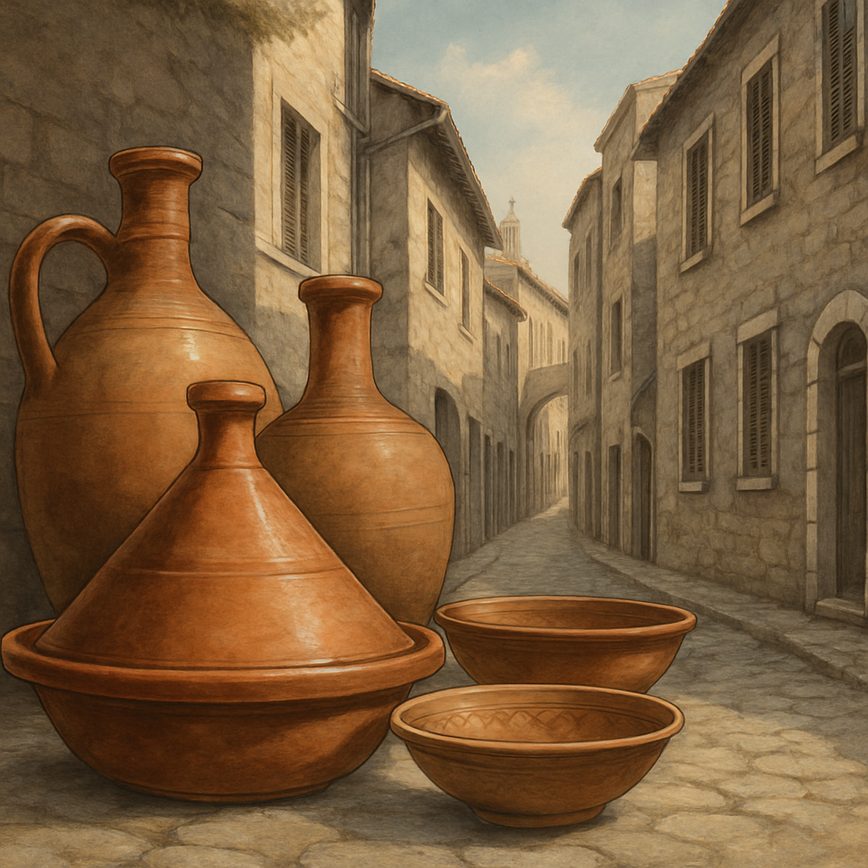
Entrepreneurship is another area where Moroccans have shown remarkable initiative. Numerous Moroccan-owned businesses thrive in Gibraltar, ranging from small shops and restaurants to service-oriented enterprises. This entrepreneurial spirit not only creates jobs within the community but also enriches the cultural and economic landscape of Gibraltar. Moroccan businesses often serve as cultural bridges, introducing traditional products and cuisines while fostering a sense of community and identity.
The economic contributions of the Moroccan community are notable; their participation in the labor market and business ownership helps diversify Gibraltar’s economy and stimulate growth. By engaging in employment and enterprise, Moroccans are integral to the economic development of Gibraltar, providing vital services and supporting local commerce. Their role enhances the multicultural fabric of Gibraltar while boosting overall economic resilience.
Social Integration and Community Issues
The Moroccan community in Gibraltar has made significant strides in social integration, yet it continues to face distinct challenges. Integration into Gibraltarian society involves navigating complex community relations where cultural differences and historical contexts play crucial roles. Many Moroccans participate actively in the local economy and cultural life, contributing to the diversity that characterizes Gibraltar. However, despite these contributions, barriers such as language differences, occasional social exclusion, and economic disparities remain persistent challenges.
Social integration is further complicated by the community’s status as a minority group, which sometimes leads to feelings of marginalization and limited access to certain opportunities. Community relations between Moroccans and other groups in Gibraltar are generally peaceful, but underlying tensions surface occasionally, driven by competition for jobs or resources. Efforts by local organizations and authorities to foster dialogue and cooperation have been instrumental in addressing some of these challenges, promoting mutual understanding and respect.
Despite progress, ongoing challenges faced by the Moroccan community include overcoming stereotypes and ensuring equitable representation in public and social spheres. Addressing these issues requires sustained commitment to inclusive policies and community engagement initiatives. Overall, while the Moroccan population in Gibraltar continues to integrate socially, it remains crucial to acknowledge and tackle the barriers that affect their full participation in society.
History of the Moroccan community in Gibraltar
The history of the Moroccan community in Gibraltar is deeply intertwined with the region’s strategic geographical location and its role as a cultural crossroads. Moroccan immigration to Gibraltar has occurred in several key waves, each influenced by various social, economic, and political factors shaping the broader history of Moroccan migration and settlement.
The origins of the Moroccan community in Gibraltar date back to the early 18th century when Gibraltar became a British territory following the Treaty of Utrecht in 1713. Its proximity to Morocco naturally fostered interaction and movement between the two regions. Early Moroccan arrivals were often traders, laborers, and families seeking economic opportunities in a territory burgeoning as a military and naval stronghold. The demand for workers in Gibraltar’s ports, shipyards, and construction projects created a steady influx of Moroccan migrants.
Another significant wave of Moroccan immigration occurred during the mid-20th century, as geopolitical tensions and economic hardships in the Maghreb prompted many Moroccans to seek better lives abroad. Gibraltar’s promise of employment and relative political stability attracted Moroccan workers, who gradually established a settled community. This period marked the foundation of many Moroccan families who contributed to the unique cultural tapestry of Gibraltar.
Throughout history, the Moroccan community’s origins in Gibraltar have also been shaped by the colonial and military dynamics of the Gibraltar territory. The movement of soldiers and civilians between Gibraltar and neighboring Moroccan regions facilitated further cultural exchange and migration. Additionally, the shared Islamic heritage and linguistic ties created a sense of familiarity and solidarity, encouraging Moroccan immigrants to settle in Gibraltar.
Overall, the Moroccan history in Gibraltar reflects a pattern of migration driven by economic needs, geopolitical events, and historical connections between North Africa and southern Europe. This community origins story underscores the blending of cultures and identities in Gibraltar, contributing to its rich, diverse social fabric.
Early Migration Patterns
The early migration of Moroccan settlers to Gibraltar marks a significant chapter in Gibraltar history. During the initial phases, migration was predominantly driven by geographical proximity and economic opportunities. Moroccan settlers were among the first to arrive, establishing a presence that would eventually contribute to the cultural and demographic fabric of Gibraltar. These early settlers were often small families and individuals seeking work and stability in a diverse community.
As the number of Moroccan settlers grew, the demographic landscape of Gibraltar began to shift. The early migration was characterized by steady but impactful increases, with Moroccan migrants integrating into various sectors such as trade, labor, and services. This early migration established strong social networks and laid the groundwork for future generations of the Moroccan community. Their efforts and settlement patterns played an essential role in shaping the multicultural identity of Gibraltar.
In summary, early migration to Gibraltar by Moroccan settlers was a gradual but transformative process. It not only introduced new cultural elements but also influenced Gibraltar history through demographic changes and community development. These foundational phases helped ensure that the Moroccan community became an enduring and influential part of Gibraltar’s social and cultural landscape.
Impact of Colonial and Political Factors
The colonial impact of British rule in Gibraltar played a significant role in shaping the development of the Moroccan community. Under British administration, Gibraltar became a strategic military and trading post, attracting various ethnic groups, including Moroccans. The colonial authorities imposed regulations and policies that influenced the socio-economic status and mobility of the Moroccan population within the territory. These policies affected employment opportunities, residency rights, and social integration, presenting both challenges and avenues for the community’s adaptation.
Political changes in the broader region, particularly tensions between Spain, the United Kingdom, and Morocco, also had a profound effect on Gibraltar Moroccans. The fluctuating political landscape influenced migration patterns, border controls, and diplomatic relations that directly impacted the Moroccan community’s ability to maintain ties with their homeland while establishing roots in Gibraltar. These dynamics contributed to a unique identity for Gibraltar Moroccans, who navigated complex cross-border affiliations amid colonial and political pressures.
Moreover, the British colonial administration’s approach to governance integrated the Moroccan community into the territory’s multicultural fabric, albeit within a hierarchical structure shaped by colonial priorities. Political developments, such as the status of Gibraltar in international discussions and changes in local governance, continually affected the Moroccan population’s social positioning and community cohesion. Overall, the colonial impact and ongoing political changes have been key forces in the historical and contemporary evolution of Gibraltar Moroccans, influencing their cultural identity and societal roles within this unique geopolitical space.
Cultural Influence and Traditions
The Moroccan community in Gibraltar plays a significant role in enriching the cultural tapestry of the region. Rooted deeply in Moroccan culture, this community faithfully preserves its cultural practices, religious traditions, and social norms while contributing to the collective identity of Gibraltar. Moroccan culture’s vivid colors, diverse culinary heritage, and artisanal crafts are commonly showcased during festivals and community gatherings, offering an authentic glimpse into their rich heritage.
Religious traditions form a cornerstone of the community culture. Islam, being the predominant religion, guides daily life and rituals within the Moroccan community. The observance of Ramadan, Eid celebrations, and daily prayers are integral parts of the social fabric. Mosques serve not only as places of worship but also as centers for education and social cohesion, helping to maintain a strong communal bond among members. These religious practices are warmly respected within Gibraltar’s multicultural environment.
Social norms within the Moroccan community in Gibraltar emphasize family values and mutual support. Extended family systems and respect for elders are pivotal aspects. The community often organizes social events that blend Moroccan customs with Gibraltar traditions, fostering a harmonious coexistence. Traditional music and dance, including the sound of the oud and the rhythms of Gnawa, enliven celebrations and mark important milestones such as weddings and religious festivities.
Moreover, Moroccan cuisine is a cherished element of both private and public life. Dishes like couscous, tagine, and pastilla are commonly prepared and shared during community meals, further strengthening social ties. The community also participates in Gibraltar’s broader cultural events, adding Moroccan influences that enrich the overall cultural diversity. This interaction underlines how community culture adapts and thrives while preserving its unique identity.
In summary, the Moroccan community in Gibraltar exemplifies a vibrant mosaic of cultural influence and tradition. By maintaining their distinct cultural practices, religious observances, and social norms, they not only uphold their heritage but also actively contribute to the multicultural spirit of Gibraltar. Their presence highlights the importance of cultural diversity in shaping a shared, inclusive community culture.
Language and Religion
The Moroccan community in Gibraltar maintains a rich cultural heritage deeply rooted in language and religion, which play a vital role in their daily lives and communal identity. Arabic, along with Berber dialects, serves as the primary language of communication within this community, reflecting their North African origins. These languages are not only means of interaction but also carriers of cultural values, traditions, and historical continuity. Many community members use Arabic to preserve their ancestral ties and pass their linguistic heritage to younger generations, ensuring the language’s vitality amidst a predominantly English-speaking environment.
Religion, particularly Islam, is a fundamental aspect of life for many in the Moroccan community in Gibraltar. Islam in Gibraltar is practiced with devotion, and the community actively engages in religious practices that reinforce their faith and social bonds. Mosques and prayer groups serve as focal points for spiritual growth, education, and communal support. Religious festivals, prayers, and customs are observed with enthusiasm, helping to sustain a strong sense of unity and cultural pride among Moroccans in Gibraltar.
Overall, the intertwining of language and religion within the Moroccan community in Gibraltar offers a profound connection to their heritage. Arabic and Berber dialects, coupled with Islamic beliefs and practices, shape their identity and provide a framework for preserving their distinct cultural legacy while integrating into the diverse fabric of Gibraltar society.
Festivals and Community Events
The Moroccan community in Gibraltar actively celebrates a variety of Moroccan festivals and community events that highlight their rich cultural heritage. These gatherings serve as vital opportunities for cultural expression, social bonding, and the preservation of traditions within the diverse environment of Gibraltar. Among the most celebrated Moroccan festivals are Eid al-Fitr and Eid al-Adha, which hold deep religious significance and are marked by communal prayers, feasting, and charity.
Beyond religious observances, other Moroccan community celebrations in Gibraltar include traditional music and dance events, which bring together families and friends to enjoy and pass down their cultural legacies. These festivals often feature vibrant attire, authentic Moroccan cuisine, and artisanal crafts, reinforcing a strong sense of identity and pride among community members. Gibraltar events that highlight Moroccan culture also promote intercultural understanding and strengthen ties between the Moroccan community and other groups on the Rock.
The significance of Moroccan festivals and community celebrations in Gibraltar extends beyond mere festivity. They play a crucial role in maintaining the cultural fabric of the community, fostering unity, and supporting newcomers in finding a sense of belonging. Additionally, these events contribute to the multicultural tapestry of Gibraltar, enriching the social landscape and promoting respect for diversity.
Socioeconomic Contributions and Challenges
The Moroccan community in Gibraltar plays a significant role in the economic landscape of the territory. Moroccans have established themselves as an essential part of the Gibraltar Moroccan workforce, taking on jobs in sectors such as construction, hospitality, retail, and public services. Their dedication and hard work contribute notably to the local economy by filling various roles that support Gibraltar’s infrastructure and service industries.
Many Moroccans in Gibraltar operate small businesses and entrepreneurial ventures, which help foster economic diversity and innovation. These ventures not only provide essential goods and services to both the Moroccan and wider Gibraltar communities but also create additional employment opportunities. Their economic roles extend to informal sectors where they contribute to community resilience and adaptive economic practices.
However, the community faces several challenges on social and economic fronts. Despite their contributions, many Moroccan workers encounter issues such as job insecurity, limited access to higher-paying employment, and occasional workplace discrimination. Language barriers and difficulties in obtaining formal qualifications recognized in Gibraltar sometimes restrict career advancement and integration into more specialized economic roles.
Socially, Moroccan families often deal with challenges linked to housing, education, and social inclusion. Access to quality education and professional training remains a critical need to empower younger generations and improve their socioeconomic prospects within Gibraltar. Additionally, the community sometimes experiences marginalization and stereotyping, which compounds social exclusion and economic disparities.
Efforts by local governmental and non-governmental organizations aim to address these challenges by promoting inclusive policies, support programs, and community engagement initiatives. These actions seek to enhance the economic roles and social welfare of the Moroccan workforce in Gibraltar, fostering greater equality and integration over time.
In summary, the Moroccan community’s socioeconomic contributions are vital to Gibraltar’s development. Their participation in the workforce enriches the local economy, while addressing community challenges remains essential to achieving a more inclusive and equitable society.
Employment and Business
The Moroccan community in Gibraltar has made significant strides in both employment and business sectors, contributing greatly to the local economy. Many Moroccans find employment in a variety of fields including construction, hospitality, retail, and public services, where their skills and dedication have become an essential part of the workforce. These common occupations provide stable livelihoods and help meet the labor demands of Gibraltar’s growing market.
I have always been captivated by the unique cultural tapestry of the Rock, particularly how Moorish, Spanish, and British influences shaped its development over centuries. My passion lies in translating these complex historical narratives into engaging educational resources that make Gibraltar’s past accessible to everyone. I spend my free time exploring military fortifications and reading first-hand accounts of life at the Pillar of Hercules.