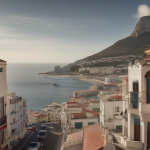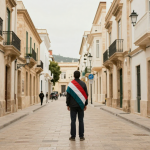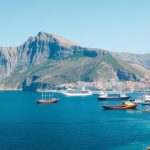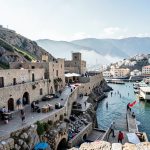
The dominant ethnic groups include Gibraltarians of Andalusian Spanish descent, alongside significant communities of British, Genoese Italians, and Maltese origin. Ethnic diversity is further enhanced by smaller populations of Moroccan, Portuguese, Indian, and Filipino residents, contributing to the multicultural fabric seen today. These groups coexist, influencing Gibraltar’s culture, language, and social practices.
Contemporary demographic trends indicate a stable population with slow growth, influenced by migration and natural increase. Population statistics highlight an aging demographic similar to trends in other developed regions, with increasing life expectancy and lower birth rates. Additionally, there is ongoing inward migration mainly tied to economic opportunities in sectors such as finance, tourism, and shipping, which shape the workforce and further diversify the ethnic composition.
Overall, the current demographics and ethnic groups of Gibraltar illustrate a dynamic interplay of historical legacies and modern socioeconomic factors, making it a distinctive and vibrant community today.
Cultural and Social Impact of Population Changes
The population shifts in Gibraltar have profoundly influenced the territory’s cultural diversity, social structure, language, and traditions. Historically, Gibraltar has been a melting pot of peoples from different ethnic and cultural backgrounds, including British, Spanish, Genoese, Maltese, Portuguese, and North African communities. These demographic changes have cultivated a unique cultural identity that is distinctly Gibraltarian, marked by a blend of customs, languages, and social norms.
Population impact is evident in Gibraltar’s linguistic landscape, where the local vernacular, Llanito, thrives. Llanito is a fascinating linguistic fusion composed predominantly of Andalusian Spanish combined with British English and elements from various other languages spoken by immigrant communities. This bilingual or multilingual ability of the population is a direct result of the diverse demographic composition and is a key cultural marker of Gibraltar’s social fabric.
Beyond language, the social changes brought by population movements have reshaped traditions and community life. Gibraltar’s festivals, culinary traditions, and religious celebrations reflect its multicultural heritage. For instance, the Rock on which Gibraltar stands hosts not only British national holidays but also honors religious and cultural festivities from Roman Catholic, Jewish, Hindu, and Muslim groups, illustrating the respect and integration of various population groups over time.
The social structure in Gibraltar has adapted to accommodate this diverse population, fostering a society that emphasizes inclusivity and coexistence. Migration waves and population growth led to urban development and the creation of neighborhoods where different cultural groups settled, yet shared public spaces, schools, and workplaces. This interaction has fostered a social atmosphere of mutual influence and cultural exchange, greatly enriching Gibraltar’s social tapestry.
In summary, the cultural diversity resulting from population changes in Gibraltar has not only enriched its traditions and daily life but has also played a critical role in shaping its social institutions and identity. The continual evolution of its population ensures that Gibraltar remains a living example of cultural hybridity and social resilience, where changes in population continue to impact the community’s cultural and social dynamics.
Language and Identity in Gibraltar
The linguistic landscape of Gibraltar is a fundamental aspect of its unique Gibraltarian identity and social cohesion. English, as the official language, plays a central role in governance, education, and formal communication. However, the everyday life of Gibraltarians is infused with a blend of languages that reflect the territory’s multicultural heritage.
Spanish is widely spoken due to Gibraltar’s proximity to Spain and the historical and cultural ties shared across the border. This bilingual environment fosters a sense of openness and connection to the wider region, enriching Gibraltarian identity with a broader Iberian cultural dimension.
Most distinctively, Llanito, a vernacular fabric woven from English, Andalusian Spanish, and influences from other Mediterranean languages, embodies the local spirit and cultural integration. Llanito is more than just a mode of communication; it symbolizes the shared history, resilience, and adaptability of the Gibraltarian people. Through its unique linguistic blend, it creates social cohesion by uniting diverse ethnic backgrounds and generations under a common cultural expression.
In sum, the interplay of English, Spanish, and Llanito not only facilitates practical communication but also reinforces Gibraltarian identity and community bonds. This multilingual dynamic is a key factor in maintaining cultural integration and pride among Gibraltar’s inhabitants.
Population Influence on Gibraltar’s Economy and Society
The demographic developments in Gibraltar have had a significant economic impact, particularly influencing key sectors such as tourism, finance, and social institutions. Population growth has contributed to an expanding labor force, which supports the flourishing financial services industry, a critical pillar of Gibraltar’s economy. As more residents contribute their skills, the finance sector sees increased diversification and capacity to serve international markets.
Tourism, another major economic driver, is closely linked to the population dynamics with an ever-growing demand for services, accommodations, and cultural experiences. The rise in population fuels the need for a robust tourism infrastructure, encouraging investment in hospitality and heritage sites. This, in turn, creates jobs and stimulates local businesses, further reinforcing the economic impact of demographic growth.
Social dynamics in Gibraltar have evolved alongside its population changes, influencing social institutions such as education, healthcare, and community organizations. An increasing population necessitates enhanced social services and infrastructure, fostering a vibrant society that integrates diverse cultures and backgrounds. The interaction between population growth and social institutions promotes cohesion and resilience within the community, making Gibraltar not just economically prosperous but socially dynamic as well.
The prehistoric population of Gibraltar was diverse, with early humans eventually replacing Neanderthals in the region. Excavations have revealed tools and remnants attributed to Homo sapiens, marking the transition from Neanderthal to modern human inhabitants. These early settlers adapted to the coastal environment, relying on marine resources as well as hunting terrestrial animals.
Archaeological evidence also points to complex behaviors among these ancient Gibraltar inhabitants, such as the use of fire, creation of specialized tools, and possibly symbolic activities. The combination of these factors paints a vivid picture of ancient Gibraltar as a thriving habitat for early humans, contributing vital information to the broader narrative of human prehistory.
In summary, the study of ancient Gibraltar through its archaeological sites offers invaluable insights into the early settlers and prehistoric population who made this region their home. The presence of Neanderthals and their eventual succession by early modern humans underscore Gibraltar’s role as a crucial site in the story of human evolution and migration in prehistoric times.
Neanderthal Presence in Gibraltar
Gibraltar holds a unique place in prehistoric human history as one of the last known habitats of Neanderthals. This prominence is primarily due to the discovery of significant fossil remains in various Gibraltar caves, which have provided invaluable insights into the life and environment of these ancient beings. The caves, such as Gorham’s Cave, have preserved evidence that suggests Neanderthals inhabited the area up until approximately 40,000 years ago, making Gibraltar one of the final refuges for this species before their extinction.
The significance of Gibraltar’s Neanderthal presence lies not only in the timeline but also in the quality and quantity of fossils found, which include bones, tools, and even symbolic engravings. These discoveries have allowed researchers to understand better the behavioral complexity and adaptability of Neanderthals in the challenging Mediterranean environment. The interplay between environmental changes and Neanderthal adaptation is particularly highlighted by the findings from these caves, showcasing how prehistoric humans may have survived climatic shifts and competition with modern humans.
Moreover, the Gibraltar caves serve as a critical archaeological site, connecting the broader narrative of human evolution in Europe and the interactions between Neanderthals and Homo sapiens. The research undertaken in these caves continues to shed light on the final chapters of Neanderthal existence and their eventual disappearance, making Gibraltar a cornerstone in the study of prehistoric humans and their legacy.
Roman and Moorish Influence
The Roman period marked a significant phase in the population history of Gibraltar, introducing notable changes in both demographics and culture. During this era, Gibraltar, known to the Romans as “Calpe,” became an important strategic point in their network of Mediterranean outposts. The Roman occupation facilitated migration patterns that brought various peoples, including soldiers, traders, and settlers from different parts of the empire, which diversified the local population. This influx resulted in a blending of local Iberian groups with Roman settlers, profoundly influencing cultural practices, language, and urban development. Archaeological evidence suggests increased settlement activities and the establishment of infrastructure that connected Gibraltar more closely with broader Roman trade routes.
Several centuries later, the Moorish Gibraltar period began with the Muslim conquest in the early 8th century, which triggered another wave of population changes. The Moors established Gibraltar as a key military and trading hub, attracting settlers from North Africa and the broader Islamic world. This migration reshaped the demographic landscape drastically, as the original inhabitants were either integrated or displaced. The Moorish influence extended beyond population shifts to include architectural innovations, agricultural techniques, and the introduction of new cultural and religious practices. The settlement patterns during this time favored fortified areas and urban centers, reflecting the strategic importance of Gibraltar under Moorish rule.
Overall, the Roman period and Moorish Gibraltar each played a pivotal role in shaping the population changes and cultural hybridization in the region. These historical phases were characterized by dynamic migration and settlement patterns that left enduring legacies on the identity of Gibraltar.
Modern Population Developments and Demographics
The modern population developments and demographic trends of Gibraltar provide a fascinating glimpse into how this unique territory has evolved from the 18th century to the present day. Over this extensive period, Gibraltar has experienced significant population growth, demographic shifts, and socioeconomic changes that have helped shape its current identity as a vibrant and diverse community.
Beginning in the 18th century, Gibraltar’s population was relatively sparse, concentrated mainly around the strategic military garrison and port facilities. However, following the Treaty of Utrecht in 1713 and continued British control, the population gradually increased as the territory became a crucial naval and commercial hub. The population growth was further spurred by waves of immigration from various regions including Britain, Spain, Italy, and North Africa. This influx helped establish the unique blend of cultures and languages that characterize modern Gibraltar today.
Entering the 19th and early 20th centuries, the demographic landscape began to shift more noticeably. The 20th century population of Gibraltar expanded rapidly due to improved living conditions, economic opportunities, and strategic military importance during both World Wars. The development of new infrastructure and services attracted workers and their families, contributing to an increasingly cosmopolitan society. The population density rose, and a variety of ethnic groups including Genoese, Maltese, Portuguese, and Jews became well established, adding to the cultural mosaic.
Demographic trends in modern Gibraltar have also reflected broader socioeconomic changes. The transition from a primarily military outpost to a thriving financial and tourism center has resulted in shifts in employment patterns and social structures. Education and healthcare have improved dramatically, helping to boost the overall quality of life. Additionally, the strong sense of local identity known as ‘Gibraltarian’ identity has strengthened, with the population maintaining a distinct cultural heritage while simultaneously embracing global influences.
Today, modern Gibraltar faces ongoing demographic challenges and opportunities as it continues to grow. Issues such as housing demand, immigration regulation, and cross-border relations with Spain remain significant. Nonetheless, the territory’s demographic evolution from the 18th century to the present day illustrates a dynamic story of resilience and adaptability that continues to define Gibraltar’s enduring appeal and status in the 21st century.
Impact of British Sovereignty on Population
The establishment of British Gibraltar has had a profound impact on the region’s population, shaping immigration patterns, cultural diversity, and the overall demographic composition. Since the early 18th century, British sovereignty transformed Gibraltar into a strategic military and naval base, attracting a range of immigrants looking for economic and social opportunities under British rule. This influx contributed to the growth of a distinct colonial population which combined British settlers with other ethnic groups, including Mediterranean peoples and North Africans.
Immigration to British Gibraltar was largely driven by its role as a commercial and military hub, encouraging workers and their families from various backgrounds to settle. This resulted in a multicultural society where English became the dominant language while maintaining a rich blend of traditions and customs from the diverse communities. The demographic composition evolved into a unique colonial population, characterized by the integration of British colonial governance with local cultural influences, often referred to locally as Llanito.
British control also ensured a stable political environment that facilitated continuous immigration waves, contributing to Gibraltar’s reputation as a melting pot. The cultural diversity fostered under British sovereignty continues to influence the region’s identity, making it a distinctive society where British administrative frameworks coexist with a varied population rooted in multiple ethnic heritages. Ultimately, British Gibraltar’s colonial legacy has profoundly shaped its demographic landscape through sustained immigration and cultural hybridity.
Contemporary Demographic Trends and Ethnic Composition
Gibraltar’s current demographics are characterized by a rich mosaic of ethnic groups, reflecting its unique geographic and historical position. The population density remains notably high due to the territory’s limited land area of just 6.7 square kilometers. As of recent population statistics, Gibraltar is home to roughly 34,000 residents, making it one of the most densely populated territories in the world.
The dominant ethnic groups include Gibraltarians of Andalusian Spanish descent, alongside significant communities of British, Genoese Italians, and Maltese origin. Ethnic diversity is further enhanced by smaller populations of Moroccan, Portuguese, Indian, and Filipino residents, contributing to the multicultural fabric seen today. These groups coexist, influencing Gibraltar’s culture, language, and social practices.
Contemporary demographic trends indicate a stable population with slow growth, influenced by migration and natural increase. Population statistics highlight an aging demographic similar to trends in other developed regions, with increasing life expectancy and lower birth rates. Additionally, there is ongoing inward migration mainly tied to economic opportunities in sectors such as finance, tourism, and shipping, which shape the workforce and further diversify the ethnic composition.
Overall, the current demographics and ethnic groups of Gibraltar illustrate a dynamic interplay of historical legacies and modern socioeconomic factors, making it a distinctive and vibrant community today.
Cultural and Social Impact of Population Changes
The population shifts in Gibraltar have profoundly influenced the territory’s cultural diversity, social structure, language, and traditions. Historically, Gibraltar has been a melting pot of peoples from different ethnic and cultural backgrounds, including British, Spanish, Genoese, Maltese, Portuguese, and North African communities. These demographic changes have cultivated a unique cultural identity that is distinctly Gibraltarian, marked by a blend of customs, languages, and social norms.
Population impact is evident in Gibraltar’s linguistic landscape, where the local vernacular, Llanito, thrives. Llanito is a fascinating linguistic fusion composed predominantly of Andalusian Spanish combined with British English and elements from various other languages spoken by immigrant communities. This bilingual or multilingual ability of the population is a direct result of the diverse demographic composition and is a key cultural marker of Gibraltar’s social fabric.
Beyond language, the social changes brought by population movements have reshaped traditions and community life. Gibraltar’s festivals, culinary traditions, and religious celebrations reflect its multicultural heritage. For instance, the Rock on which Gibraltar stands hosts not only British national holidays but also honors religious and cultural festivities from Roman Catholic, Jewish, Hindu, and Muslim groups, illustrating the respect and integration of various population groups over time.
The social structure in Gibraltar has adapted to accommodate this diverse population, fostering a society that emphasizes inclusivity and coexistence. Migration waves and population growth led to urban development and the creation of neighborhoods where different cultural groups settled, yet shared public spaces, schools, and workplaces. This interaction has fostered a social atmosphere of mutual influence and cultural exchange, greatly enriching Gibraltar’s social tapestry.
In summary, the cultural diversity resulting from population changes in Gibraltar has not only enriched its traditions and daily life but has also played a critical role in shaping its social institutions and identity. The continual evolution of its population ensures that Gibraltar remains a living example of cultural hybridity and social resilience, where changes in population continue to impact the community’s cultural and social dynamics.
Language and Identity in Gibraltar
The linguistic landscape of Gibraltar is a fundamental aspect of its unique Gibraltarian identity and social cohesion. English, as the official language, plays a central role in governance, education, and formal communication. However, the everyday life of Gibraltarians is infused with a blend of languages that reflect the territory’s multicultural heritage.
Spanish is widely spoken due to Gibraltar’s proximity to Spain and the historical and cultural ties shared across the border. This bilingual environment fosters a sense of openness and connection to the wider region, enriching Gibraltarian identity with a broader Iberian cultural dimension.
Most distinctively, Llanito, a vernacular fabric woven from English, Andalusian Spanish, and influences from other Mediterranean languages, embodies the local spirit and cultural integration. Llanito is more than just a mode of communication; it symbolizes the shared history, resilience, and adaptability of the Gibraltarian people. Through its unique linguistic blend, it creates social cohesion by uniting diverse ethnic backgrounds and generations under a common cultural expression.
In sum, the interplay of English, Spanish, and Llanito not only facilitates practical communication but also reinforces Gibraltarian identity and community bonds. This multilingual dynamic is a key factor in maintaining cultural integration and pride among Gibraltar’s inhabitants.
Population Influence on Gibraltar’s Economy and Society
The demographic developments in Gibraltar have had a significant economic impact, particularly influencing key sectors such as tourism, finance, and social institutions. Population growth has contributed to an expanding labor force, which supports the flourishing financial services industry, a critical pillar of Gibraltar’s economy. As more residents contribute their skills, the finance sector sees increased diversification and capacity to serve international markets.
Tourism, another major economic driver, is closely linked to the population dynamics with an ever-growing demand for services, accommodations, and cultural experiences. The rise in population fuels the need for a robust tourism infrastructure, encouraging investment in hospitality and heritage sites. This, in turn, creates jobs and stimulates local businesses, further reinforcing the economic impact of demographic growth.
Social dynamics in Gibraltar have evolved alongside its population changes, influencing social institutions such as education, healthcare, and community organizations. An increasing population necessitates enhanced social services and infrastructure, fostering a vibrant society that integrates diverse cultures and backgrounds. The interaction between population growth and social institutions promotes cohesion and resilience within the community, making Gibraltar not just economically prosperous but socially dynamic as well.
The prehistoric population of Gibraltar was diverse, with early humans eventually replacing Neanderthals in the region. Excavations have revealed tools and remnants attributed to Homo sapiens, marking the transition from Neanderthal to modern human inhabitants. These early settlers adapted to the coastal environment, relying on marine resources as well as hunting terrestrial animals.
Archaeological evidence also points to complex behaviors among these ancient Gibraltar inhabitants, such as the use of fire, creation of specialized tools, and possibly symbolic activities. The combination of these factors paints a vivid picture of ancient Gibraltar as a thriving habitat for early humans, contributing vital information to the broader narrative of human prehistory.
In summary, the study of ancient Gibraltar through its archaeological sites offers invaluable insights into the early settlers and prehistoric population who made this region their home. The presence of Neanderthals and their eventual succession by early modern humans underscore Gibraltar’s role as a crucial site in the story of human evolution and migration in prehistoric times.
Neanderthal Presence in Gibraltar
Gibraltar holds a unique place in prehistoric human history as one of the last known habitats of Neanderthals. This prominence is primarily due to the discovery of significant fossil remains in various Gibraltar caves, which have provided invaluable insights into the life and environment of these ancient beings. The caves, such as Gorham’s Cave, have preserved evidence that suggests Neanderthals inhabited the area up until approximately 40,000 years ago, making Gibraltar one of the final refuges for this species before their extinction.
The significance of Gibraltar’s Neanderthal presence lies not only in the timeline but also in the quality and quantity of fossils found, which include bones, tools, and even symbolic engravings. These discoveries have allowed researchers to understand better the behavioral complexity and adaptability of Neanderthals in the challenging Mediterranean environment. The interplay between environmental changes and Neanderthal adaptation is particularly highlighted by the findings from these caves, showcasing how prehistoric humans may have survived climatic shifts and competition with modern humans.
Moreover, the Gibraltar caves serve as a critical archaeological site, connecting the broader narrative of human evolution in Europe and the interactions between Neanderthals and Homo sapiens. The research undertaken in these caves continues to shed light on the final chapters of Neanderthal existence and their eventual disappearance, making Gibraltar a cornerstone in the study of prehistoric humans and their legacy.
Roman and Moorish Influence
The Roman period marked a significant phase in the population history of Gibraltar, introducing notable changes in both demographics and culture. During this era, Gibraltar, known to the Romans as “Calpe,” became an important strategic point in their network of Mediterranean outposts. The Roman occupation facilitated migration patterns that brought various peoples, including soldiers, traders, and settlers from different parts of the empire, which diversified the local population. This influx resulted in a blending of local Iberian groups with Roman settlers, profoundly influencing cultural practices, language, and urban development. Archaeological evidence suggests increased settlement activities and the establishment of infrastructure that connected Gibraltar more closely with broader Roman trade routes.
Several centuries later, the Moorish Gibraltar period began with the Muslim conquest in the early 8th century, which triggered another wave of population changes. The Moors established Gibraltar as a key military and trading hub, attracting settlers from North Africa and the broader Islamic world. This migration reshaped the demographic landscape drastically, as the original inhabitants were either integrated or displaced. The Moorish influence extended beyond population shifts to include architectural innovations, agricultural techniques, and the introduction of new cultural and religious practices. The settlement patterns during this time favored fortified areas and urban centers, reflecting the strategic importance of Gibraltar under Moorish rule.
Overall, the Roman period and Moorish Gibraltar each played a pivotal role in shaping the population changes and cultural hybridization in the region. These historical phases were characterized by dynamic migration and settlement patterns that left enduring legacies on the identity of Gibraltar.
Modern Population Developments and Demographics
The modern population developments and demographic trends of Gibraltar provide a fascinating glimpse into how this unique territory has evolved from the 18th century to the present day. Over this extensive period, Gibraltar has experienced significant population growth, demographic shifts, and socioeconomic changes that have helped shape its current identity as a vibrant and diverse community.
Beginning in the 18th century, Gibraltar’s population was relatively sparse, concentrated mainly around the strategic military garrison and port facilities. However, following the Treaty of Utrecht in 1713 and continued British control, the population gradually increased as the territory became a crucial naval and commercial hub. The population growth was further spurred by waves of immigration from various regions including Britain, Spain, Italy, and North Africa. This influx helped establish the unique blend of cultures and languages that characterize modern Gibraltar today.
Entering the 19th and early 20th centuries, the demographic landscape began to shift more noticeably. The 20th century population of Gibraltar expanded rapidly due to improved living conditions, economic opportunities, and strategic military importance during both World Wars. The development of new infrastructure and services attracted workers and their families, contributing to an increasingly cosmopolitan society. The population density rose, and a variety of ethnic groups including Genoese, Maltese, Portuguese, and Jews became well established, adding to the cultural mosaic.
Demographic trends in modern Gibraltar have also reflected broader socioeconomic changes. The transition from a primarily military outpost to a thriving financial and tourism center has resulted in shifts in employment patterns and social structures. Education and healthcare have improved dramatically, helping to boost the overall quality of life. Additionally, the strong sense of local identity known as ‘Gibraltarian’ identity has strengthened, with the population maintaining a distinct cultural heritage while simultaneously embracing global influences.
Today, modern Gibraltar faces ongoing demographic challenges and opportunities as it continues to grow. Issues such as housing demand, immigration regulation, and cross-border relations with Spain remain significant. Nonetheless, the territory’s demographic evolution from the 18th century to the present day illustrates a dynamic story of resilience and adaptability that continues to define Gibraltar’s enduring appeal and status in the 21st century.
Impact of British Sovereignty on Population
The establishment of British Gibraltar has had a profound impact on the region’s population, shaping immigration patterns, cultural diversity, and the overall demographic composition. Since the early 18th century, British sovereignty transformed Gibraltar into a strategic military and naval base, attracting a range of immigrants looking for economic and social opportunities under British rule. This influx contributed to the growth of a distinct colonial population which combined British settlers with other ethnic groups, including Mediterranean peoples and North Africans.
Immigration to British Gibraltar was largely driven by its role as a commercial and military hub, encouraging workers and their families from various backgrounds to settle. This resulted in a multicultural society where English became the dominant language while maintaining a rich blend of traditions and customs from the diverse communities. The demographic composition evolved into a unique colonial population, characterized by the integration of British colonial governance with local cultural influences, often referred to locally as Llanito.
British control also ensured a stable political environment that facilitated continuous immigration waves, contributing to Gibraltar’s reputation as a melting pot. The cultural diversity fostered under British sovereignty continues to influence the region’s identity, making it a distinctive society where British administrative frameworks coexist with a varied population rooted in multiple ethnic heritages. Ultimately, British Gibraltar’s colonial legacy has profoundly shaped its demographic landscape through sustained immigration and cultural hybridity.
Contemporary Demographic Trends and Ethnic Composition
Gibraltar’s current demographics are characterized by a rich mosaic of ethnic groups, reflecting its unique geographic and historical position. The population density remains notably high due to the territory’s limited land area of just 6.7 square kilometers. As of recent population statistics, Gibraltar is home to roughly 34,000 residents, making it one of the most densely populated territories in the world.
The dominant ethnic groups include Gibraltarians of Andalusian Spanish descent, alongside significant communities of British, Genoese Italians, and Maltese origin. Ethnic diversity is further enhanced by smaller populations of Moroccan, Portuguese, Indian, and Filipino residents, contributing to the multicultural fabric seen today. These groups coexist, influencing Gibraltar’s culture, language, and social practices.
Contemporary demographic trends indicate a stable population with slow growth, influenced by migration and natural increase. Population statistics highlight an aging demographic similar to trends in other developed regions, with increasing life expectancy and lower birth rates. Additionally, there is ongoing inward migration mainly tied to economic opportunities in sectors such as finance, tourism, and shipping, which shape the workforce and further diversify the ethnic composition.
Overall, the current demographics and ethnic groups of Gibraltar illustrate a dynamic interplay of historical legacies and modern socioeconomic factors, making it a distinctive and vibrant community today.
Cultural and Social Impact of Population Changes
The population shifts in Gibraltar have profoundly influenced the territory’s cultural diversity, social structure, language, and traditions. Historically, Gibraltar has been a melting pot of peoples from different ethnic and cultural backgrounds, including British, Spanish, Genoese, Maltese, Portuguese, and North African communities. These demographic changes have cultivated a unique cultural identity that is distinctly Gibraltarian, marked by a blend of customs, languages, and social norms.
Population impact is evident in Gibraltar’s linguistic landscape, where the local vernacular, Llanito, thrives. Llanito is a fascinating linguistic fusion composed predominantly of Andalusian Spanish combined with British English and elements from various other languages spoken by immigrant communities. This bilingual or multilingual ability of the population is a direct result of the diverse demographic composition and is a key cultural marker of Gibraltar’s social fabric.
Beyond language, the social changes brought by population movements have reshaped traditions and community life. Gibraltar’s festivals, culinary traditions, and religious celebrations reflect its multicultural heritage. For instance, the Rock on which Gibraltar stands hosts not only British national holidays but also honors religious and cultural festivities from Roman Catholic, Jewish, Hindu, and Muslim groups, illustrating the respect and integration of various population groups over time.
The social structure in Gibraltar has adapted to accommodate this diverse population, fostering a society that emphasizes inclusivity and coexistence. Migration waves and population growth led to urban development and the creation of neighborhoods where different cultural groups settled, yet shared public spaces, schools, and workplaces. This interaction has fostered a social atmosphere of mutual influence and cultural exchange, greatly enriching Gibraltar’s social tapestry.
In summary, the cultural diversity resulting from population changes in Gibraltar has not only enriched its traditions and daily life but has also played a critical role in shaping its social institutions and identity. The continual evolution of its population ensures that Gibraltar remains a living example of cultural hybridity and social resilience, where changes in population continue to impact the community’s cultural and social dynamics.
Language and Identity in Gibraltar
The linguistic landscape of Gibraltar is a fundamental aspect of its unique Gibraltarian identity and social cohesion. English, as the official language, plays a central role in governance, education, and formal communication. However, the everyday life of Gibraltarians is infused with a blend of languages that reflect the territory’s multicultural heritage.
Spanish is widely spoken due to Gibraltar’s proximity to Spain and the historical and cultural ties shared across the border. This bilingual environment fosters a sense of openness and connection to the wider region, enriching Gibraltarian identity with a broader Iberian cultural dimension.
Most distinctively, Llanito, a vernacular fabric woven from English, Andalusian Spanish, and influences from other Mediterranean languages, embodies the local spirit and cultural integration. Llanito is more than just a mode of communication; it symbolizes the shared history, resilience, and adaptability of the Gibraltarian people. Through its unique linguistic blend, it creates social cohesion by uniting diverse ethnic backgrounds and generations under a common cultural expression.
In sum, the interplay of English, Spanish, and Llanito not only facilitates practical communication but also reinforces Gibraltarian identity and community bonds. This multilingual dynamic is a key factor in maintaining cultural integration and pride among Gibraltar’s inhabitants.
Population Influence on Gibraltar’s Economy and Society
The demographic developments in Gibraltar have had a significant economic impact, particularly influencing key sectors such as tourism, finance, and social institutions. Population growth has contributed to an expanding labor force, which supports the flourishing financial services industry, a critical pillar of Gibraltar’s economy. As more residents contribute their skills, the finance sector sees increased diversification and capacity to serve international markets.
Tourism, another major economic driver, is closely linked to the population dynamics with an ever-growing demand for services, accommodations, and cultural experiences. The rise in population fuels the need for a robust tourism infrastructure, encouraging investment in hospitality and heritage sites. This, in turn, creates jobs and stimulates local businesses, further reinforcing the economic impact of demographic growth.
Social dynamics in Gibraltar have evolved alongside its population changes, influencing social institutions such as education, healthcare, and community organizations. An increasing population necessitates enhanced social services and infrastructure, fostering a vibrant society that integrates diverse cultures and backgrounds. The interaction between population growth and social institutions promotes cohesion and resilience within the community, making Gibraltar not just economically prosperous but socially dynamic as well.
Early Settlement and Ancient Populations
Gibraltar holds a significant place in the study of ancient populations and early human history, with numerous archaeological findings shedding light on its early settlers. Situated at the crossroads of Africa and Europe, this region has been inhabited since prehistoric times, making it a vital site for understanding human evolution and migration patterns.
One of the most remarkable discoveries in ancient Gibraltar is evidence of Neanderthal occupation. Archaeologists have uncovered fossils and stone tools in caves such as Gorham’s Cave, which indicate that Neanderthals lived in the area tens of thousands of years ago. These findings highlight that Gibraltar was one of the last known refuges for Neanderthal populations before their eventual extinction.
The prehistoric population of Gibraltar was diverse, with early humans eventually replacing Neanderthals in the region. Excavations have revealed tools and remnants attributed to Homo sapiens, marking the transition from Neanderthal to modern human inhabitants. These early settlers adapted to the coastal environment, relying on marine resources as well as hunting terrestrial animals.
Archaeological evidence also points to complex behaviors among these ancient Gibraltar inhabitants, such as the use of fire, creation of specialized tools, and possibly symbolic activities. The combination of these factors paints a vivid picture of ancient Gibraltar as a thriving habitat for early humans, contributing vital information to the broader narrative of human prehistory.
In summary, the study of ancient Gibraltar through its archaeological sites offers invaluable insights into the early settlers and prehistoric population who made this region their home. The presence of Neanderthals and their eventual succession by early modern humans underscore Gibraltar’s role as a crucial site in the story of human evolution and migration in prehistoric times.
Neanderthal Presence in Gibraltar
Gibraltar holds a unique place in prehistoric human history as one of the last known habitats of Neanderthals. This prominence is primarily due to the discovery of significant fossil remains in various Gibraltar caves, which have provided invaluable insights into the life and environment of these ancient beings. The caves, such as Gorham’s Cave, have preserved evidence that suggests Neanderthals inhabited the area up until approximately 40,000 years ago, making Gibraltar one of the final refuges for this species before their extinction.
The significance of Gibraltar’s Neanderthal presence lies not only in the timeline but also in the quality and quantity of fossils found, which include bones, tools, and even symbolic engravings. These discoveries have allowed researchers to understand better the behavioral complexity and adaptability of Neanderthals in the challenging Mediterranean environment. The interplay between environmental changes and Neanderthal adaptation is particularly highlighted by the findings from these caves, showcasing how prehistoric humans may have survived climatic shifts and competition with modern humans.
Moreover, the Gibraltar caves serve as a critical archaeological site, connecting the broader narrative of human evolution in Europe and the interactions between Neanderthals and Homo sapiens. The research undertaken in these caves continues to shed light on the final chapters of Neanderthal existence and their eventual disappearance, making Gibraltar a cornerstone in the study of prehistoric humans and their legacy.
Roman and Moorish Influence
The Roman period marked a significant phase in the population history of Gibraltar, introducing notable changes in both demographics and culture. During this era, Gibraltar, known to the Romans as “Calpe,” became an important strategic point in their network of Mediterranean outposts. The Roman occupation facilitated migration patterns that brought various peoples, including soldiers, traders, and settlers from different parts of the empire, which diversified the local population. This influx resulted in a blending of local Iberian groups with Roman settlers, profoundly influencing cultural practices, language, and urban development. Archaeological evidence suggests increased settlement activities and the establishment of infrastructure that connected Gibraltar more closely with broader Roman trade routes.
Several centuries later, the Moorish Gibraltar period began with the Muslim conquest in the early 8th century, which triggered another wave of population changes. The Moors established Gibraltar as a key military and trading hub, attracting settlers from North Africa and the broader Islamic world. This migration reshaped the demographic landscape drastically, as the original inhabitants were either integrated or displaced. The Moorish influence extended beyond population shifts to include architectural innovations, agricultural techniques, and the introduction of new cultural and religious practices. The settlement patterns during this time favored fortified areas and urban centers, reflecting the strategic importance of Gibraltar under Moorish rule.
Overall, the Roman period and Moorish Gibraltar each played a pivotal role in shaping the population changes and cultural hybridization in the region. These historical phases were characterized by dynamic migration and settlement patterns that left enduring legacies on the identity of Gibraltar.
Modern Population Developments and Demographics
The modern population developments and demographic trends of Gibraltar provide a fascinating glimpse into how this unique territory has evolved from the 18th century to the present day. Over this extensive period, Gibraltar has experienced significant population growth, demographic shifts, and socioeconomic changes that have helped shape its current identity as a vibrant and diverse community.
Beginning in the 18th century, Gibraltar’s population was relatively sparse, concentrated mainly around the strategic military garrison and port facilities. However, following the Treaty of Utrecht in 1713 and continued British control, the population gradually increased as the territory became a crucial naval and commercial hub. The population growth was further spurred by waves of immigration from various regions including Britain, Spain, Italy, and North Africa. This influx helped establish the unique blend of cultures and languages that characterize modern Gibraltar today.
Entering the 19th and early 20th centuries, the demographic landscape began to shift more noticeably. The 20th century population of Gibraltar expanded rapidly due to improved living conditions, economic opportunities, and strategic military importance during both World Wars. The development of new infrastructure and services attracted workers and their families, contributing to an increasingly cosmopolitan society. The population density rose, and a variety of ethnic groups including Genoese, Maltese, Portuguese, and Jews became well established, adding to the cultural mosaic.
Demographic trends in modern Gibraltar have also reflected broader socioeconomic changes. The transition from a primarily military outpost to a thriving financial and tourism center has resulted in shifts in employment patterns and social structures. Education and healthcare have improved dramatically, helping to boost the overall quality of life. Additionally, the strong sense of local identity known as ‘Gibraltarian’ identity has strengthened, with the population maintaining a distinct cultural heritage while simultaneously embracing global influences.
Today, modern Gibraltar faces ongoing demographic challenges and opportunities as it continues to grow. Issues such as housing demand, immigration regulation, and cross-border relations with Spain remain significant. Nonetheless, the territory’s demographic evolution from the 18th century to the present day illustrates a dynamic story of resilience and adaptability that continues to define Gibraltar’s enduring appeal and status in the 21st century.
Impact of British Sovereignty on Population
The establishment of British Gibraltar has had a profound impact on the region’s population, shaping immigration patterns, cultural diversity, and the overall demographic composition. Since the early 18th century, British sovereignty transformed Gibraltar into a strategic military and naval base, attracting a range of immigrants looking for economic and social opportunities under British rule. This influx contributed to the growth of a distinct colonial population which combined British settlers with other ethnic groups, including Mediterranean peoples and North Africans.
Immigration to British Gibraltar was largely driven by its role as a commercial and military hub, encouraging workers and their families from various backgrounds to settle. This resulted in a multicultural society where English became the dominant language while maintaining a rich blend of traditions and customs from the diverse communities. The demographic composition evolved into a unique colonial population, characterized by the integration of British colonial governance with local cultural influences, often referred to locally as Llanito.
British control also ensured a stable political environment that facilitated continuous immigration waves, contributing to Gibraltar’s reputation as a melting pot. The cultural diversity fostered under British sovereignty continues to influence the region’s identity, making it a distinctive society where British administrative frameworks coexist with a varied population rooted in multiple ethnic heritages. Ultimately, British Gibraltar’s colonial legacy has profoundly shaped its demographic landscape through sustained immigration and cultural hybridity.
Contemporary Demographic Trends and Ethnic Composition
Gibraltar’s current demographics are characterized by a rich mosaic of ethnic groups, reflecting its unique geographic and historical position. The population density remains notably high due to the territory’s limited land area of just 6.7 square kilometers. As of recent population statistics, Gibraltar is home to roughly 34,000 residents, making it one of the most densely populated territories in the world.
The dominant ethnic groups include Gibraltarians of Andalusian Spanish descent, alongside significant communities of British, Genoese Italians, and Maltese origin. Ethnic diversity is further enhanced by smaller populations of Moroccan, Portuguese, Indian, and Filipino residents, contributing to the multicultural fabric seen today. These groups coexist, influencing Gibraltar’s culture, language, and social practices.
Contemporary demographic trends indicate a stable population with slow growth, influenced by migration and natural increase. Population statistics highlight an aging demographic similar to trends in other developed regions, with increasing life expectancy and lower birth rates. Additionally, there is ongoing inward migration mainly tied to economic opportunities in sectors such as finance, tourism, and shipping, which shape the workforce and further diversify the ethnic composition.
Overall, the current demographics and ethnic groups of Gibraltar illustrate a dynamic interplay of historical legacies and modern socioeconomic factors, making it a distinctive and vibrant community today.
Cultural and Social Impact of Population Changes
The population shifts in Gibraltar have profoundly influenced the territory’s cultural diversity, social structure, language, and traditions. Historically, Gibraltar has been a melting pot of peoples from different ethnic and cultural backgrounds, including British, Spanish, Genoese, Maltese, Portuguese, and North African communities. These demographic changes have cultivated a unique cultural identity that is distinctly Gibraltarian, marked by a blend of customs, languages, and social norms.
Population impact is evident in Gibraltar’s linguistic landscape, where the local vernacular, Llanito, thrives. Llanito is a fascinating linguistic fusion composed predominantly of Andalusian Spanish combined with British English and elements from various other languages spoken by immigrant communities. This bilingual or multilingual ability of the population is a direct result of the diverse demographic composition and is a key cultural marker of Gibraltar’s social fabric.
Beyond language, the social changes brought by population movements have reshaped traditions and community life. Gibraltar’s festivals, culinary traditions, and religious celebrations reflect its multicultural heritage. For instance, the Rock on which Gibraltar stands hosts not only British national holidays but also honors religious and cultural festivities from Roman Catholic, Jewish, Hindu, and Muslim groups, illustrating the respect and integration of various population groups over time.
The social structure in Gibraltar has adapted to accommodate this diverse population, fostering a society that emphasizes inclusivity and coexistence. Migration waves and population growth led to urban development and the creation of neighborhoods where different cultural groups settled, yet shared public spaces, schools, and workplaces. This interaction has fostered a social atmosphere of mutual influence and cultural exchange, greatly enriching Gibraltar’s social tapestry.
In summary, the cultural diversity resulting from population changes in Gibraltar has not only enriched its traditions and daily life but has also played a critical role in shaping its social institutions and identity. The continual evolution of its population ensures that Gibraltar remains a living example of cultural hybridity and social resilience, where changes in population continue to impact the community’s cultural and social dynamics.
Language and Identity in Gibraltar
The linguistic landscape of Gibraltar is a fundamental aspect of its unique Gibraltarian identity and social cohesion. English, as the official language, plays a central role in governance, education, and formal communication. However, the everyday life of Gibraltarians is infused with a blend of languages that reflect the territory’s multicultural heritage.
Spanish is widely spoken due to Gibraltar’s proximity to Spain and the historical and cultural ties shared across the border. This bilingual environment fosters a sense of openness and connection to the wider region, enriching Gibraltarian identity with a broader Iberian cultural dimension.
Most distinctively, Llanito, a vernacular fabric woven from English, Andalusian Spanish, and influences from other Mediterranean languages, embodies the local spirit and cultural integration. Llanito is more than just a mode of communication; it symbolizes the shared history, resilience, and adaptability of the Gibraltarian people. Through its unique linguistic blend, it creates social cohesion by uniting diverse ethnic backgrounds and generations under a common cultural expression.
In sum, the interplay of English, Spanish, and Llanito not only facilitates practical communication but also reinforces Gibraltarian identity and community bonds. This multilingual dynamic is a key factor in maintaining cultural integration and pride among Gibraltar’s inhabitants.
Population Influence on Gibraltar’s Economy and Society
The demographic developments in Gibraltar have had a significant economic impact, particularly influencing key sectors such as tourism, finance, and social institutions. Population growth has contributed to an expanding labor force, which supports the flourishing financial services industry, a critical pillar of Gibraltar’s economy. As more residents contribute their skills, the finance sector sees increased diversification and capacity to serve international markets.
Tourism, another major economic driver, is closely linked to the population dynamics with an ever-growing demand for services, accommodations, and cultural experiences. The rise in population fuels the need for a robust tourism infrastructure, encouraging investment in hospitality and heritage sites. This, in turn, creates jobs and stimulates local businesses, further reinforcing the economic impact of demographic growth.
Social dynamics in Gibraltar have evolved alongside its population changes, influencing social institutions such as education, healthcare, and community organizations. An increasing population necessitates enhanced social services and infrastructure, fostering a vibrant society that integrates diverse cultures and backgrounds. The interaction between population growth and social institutions promotes cohesion and resilience within the community, making Gibraltar not just economically prosperous but socially dynamic as well.
The prehistoric population of Gibraltar was diverse, with early humans eventually replacing Neanderthals in the region. Excavations have revealed tools and remnants attributed to Homo sapiens, marking the transition from Neanderthal to modern human inhabitants. These early settlers adapted to the coastal environment, relying on marine resources as well as hunting terrestrial animals.
Archaeological evidence also points to complex behaviors among these ancient Gibraltar inhabitants, such as the use of fire, creation of specialized tools, and possibly symbolic activities. The combination of these factors paints a vivid picture of ancient Gibraltar as a thriving habitat for early humans, contributing vital information to the broader narrative of human prehistory.
In summary, the study of ancient Gibraltar through its archaeological sites offers invaluable insights into the early settlers and prehistoric population who made this region their home. The presence of Neanderthals and their eventual succession by early modern humans underscore Gibraltar’s role as a crucial site in the story of human evolution and migration in prehistoric times.
Neanderthal Presence in Gibraltar
Gibraltar holds a unique place in prehistoric human history as one of the last known habitats of Neanderthals. This prominence is primarily due to the discovery of significant fossil remains in various Gibraltar caves, which have provided invaluable insights into the life and environment of these ancient beings. The caves, such as Gorham’s Cave, have preserved evidence that suggests Neanderthals inhabited the area up until approximately 40,000 years ago, making Gibraltar one of the final refuges for this species before their extinction.
The significance of Gibraltar’s Neanderthal presence lies not only in the timeline but also in the quality and quantity of fossils found, which include bones, tools, and even symbolic engravings. These discoveries have allowed researchers to understand better the behavioral complexity and adaptability of Neanderthals in the challenging Mediterranean environment. The interplay between environmental changes and Neanderthal adaptation is particularly highlighted by the findings from these caves, showcasing how prehistoric humans may have survived climatic shifts and competition with modern humans.
Moreover, the Gibraltar caves serve as a critical archaeological site, connecting the broader narrative of human evolution in Europe and the interactions between Neanderthals and Homo sapiens. The research undertaken in these caves continues to shed light on the final chapters of Neanderthal existence and their eventual disappearance, making Gibraltar a cornerstone in the study of prehistoric humans and their legacy.
Roman and Moorish Influence
The Roman period marked a significant phase in the population history of Gibraltar, introducing notable changes in both demographics and culture. During this era, Gibraltar, known to the Romans as “Calpe,” became an important strategic point in their network of Mediterranean outposts. The Roman occupation facilitated migration patterns that brought various peoples, including soldiers, traders, and settlers from different parts of the empire, which diversified the local population. This influx resulted in a blending of local Iberian groups with Roman settlers, profoundly influencing cultural practices, language, and urban development. Archaeological evidence suggests increased settlement activities and the establishment of infrastructure that connected Gibraltar more closely with broader Roman trade routes.
Several centuries later, the Moorish Gibraltar period began with the Muslim conquest in the early 8th century, which triggered another wave of population changes. The Moors established Gibraltar as a key military and trading hub, attracting settlers from North Africa and the broader Islamic world. This migration reshaped the demographic landscape drastically, as the original inhabitants were either integrated or displaced. The Moorish influence extended beyond population shifts to include architectural innovations, agricultural techniques, and the introduction of new cultural and religious practices. The settlement patterns during this time favored fortified areas and urban centers, reflecting the strategic importance of Gibraltar under Moorish rule.
Overall, the Roman period and Moorish Gibraltar each played a pivotal role in shaping the population changes and cultural hybridization in the region. These historical phases were characterized by dynamic migration and settlement patterns that left enduring legacies on the identity of Gibraltar.
Modern Population Developments and Demographics
The modern population developments and demographic trends of Gibraltar provide a fascinating glimpse into how this unique territory has evolved from the 18th century to the present day. Over this extensive period, Gibraltar has experienced significant population growth, demographic shifts, and socioeconomic changes that have helped shape its current identity as a vibrant and diverse community.
Beginning in the 18th century, Gibraltar’s population was relatively sparse, concentrated mainly around the strategic military garrison and port facilities. However, following the Treaty of Utrecht in 1713 and continued British control, the population gradually increased as the territory became a crucial naval and commercial hub. The population growth was further spurred by waves of immigration from various regions including Britain, Spain, Italy, and North Africa. This influx helped establish the unique blend of cultures and languages that characterize modern Gibraltar today.
Entering the 19th and early 20th centuries, the demographic landscape began to shift more noticeably. The 20th century population of Gibraltar expanded rapidly due to improved living conditions, economic opportunities, and strategic military importance during both World Wars. The development of new infrastructure and services attracted workers and their families, contributing to an increasingly cosmopolitan society. The population density rose, and a variety of ethnic groups including Genoese, Maltese, Portuguese, and Jews became well established, adding to the cultural mosaic.
Demographic trends in modern Gibraltar have also reflected broader socioeconomic changes. The transition from a primarily military outpost to a thriving financial and tourism center has resulted in shifts in employment patterns and social structures. Education and healthcare have improved dramatically, helping to boost the overall quality of life. Additionally, the strong sense of local identity known as ‘Gibraltarian’ identity has strengthened, with the population maintaining a distinct cultural heritage while simultaneously embracing global influences.
Today, modern Gibraltar faces ongoing demographic challenges and opportunities as it continues to grow. Issues such as housing demand, immigration regulation, and cross-border relations with Spain remain significant. Nonetheless, the territory’s demographic evolution from the 18th century to the present day illustrates a dynamic story of resilience and adaptability that continues to define Gibraltar’s enduring appeal and status in the 21st century.
Impact of British Sovereignty on Population
The establishment of British Gibraltar has had a profound impact on the region’s population, shaping immigration patterns, cultural diversity, and the overall demographic composition. Since the early 18th century, British sovereignty transformed Gibraltar into a strategic military and naval base, attracting a range of immigrants looking for economic and social opportunities under British rule. This influx contributed to the growth of a distinct colonial population which combined British settlers with other ethnic groups, including Mediterranean peoples and North Africans.
Immigration to British Gibraltar was largely driven by its role as a commercial and military hub, encouraging workers and their families from various backgrounds to settle. This resulted in a multicultural society where English became the dominant language while maintaining a rich blend of traditions and customs from the diverse communities. The demographic composition evolved into a unique colonial population, characterized by the integration of British colonial governance with local cultural influences, often referred to locally as Llanito.
British control also ensured a stable political environment that facilitated continuous immigration waves, contributing to Gibraltar’s reputation as a melting pot. The cultural diversity fostered under British sovereignty continues to influence the region’s identity, making it a distinctive society where British administrative frameworks coexist with a varied population rooted in multiple ethnic heritages. Ultimately, British Gibraltar’s colonial legacy has profoundly shaped its demographic landscape through sustained immigration and cultural hybridity.
Contemporary Demographic Trends and Ethnic Composition
Gibraltar’s current demographics are characterized by a rich mosaic of ethnic groups, reflecting its unique geographic and historical position. The population density remains notably high due to the territory’s limited land area of just 6.7 square kilometers. As of recent population statistics, Gibraltar is home to roughly 34,000 residents, making it one of the most densely populated territories in the world.
The dominant ethnic groups include Gibraltarians of Andalusian Spanish descent, alongside significant communities of British, Genoese Italians, and Maltese origin. Ethnic diversity is further enhanced by smaller populations of Moroccan, Portuguese, Indian, and Filipino residents, contributing to the multicultural fabric seen today. These groups coexist, influencing Gibraltar’s culture, language, and social practices.
Contemporary demographic trends indicate a stable population with slow growth, influenced by migration and natural increase. Population statistics highlight an aging demographic similar to trends in other developed regions, with increasing life expectancy and lower birth rates. Additionally, there is ongoing inward migration mainly tied to economic opportunities in sectors such as finance, tourism, and shipping, which shape the workforce and further diversify the ethnic composition.
Overall, the current demographics and ethnic groups of Gibraltar illustrate a dynamic interplay of historical legacies and modern socioeconomic factors, making it a distinctive and vibrant community today.
Cultural and Social Impact of Population Changes
The population shifts in Gibraltar have profoundly influenced the territory’s cultural diversity, social structure, language, and traditions. Historically, Gibraltar has been a melting pot of peoples from different ethnic and cultural backgrounds, including British, Spanish, Genoese, Maltese, Portuguese, and North African communities. These demographic changes have cultivated a unique cultural identity that is distinctly Gibraltarian, marked by a blend of customs, languages, and social norms.
Population impact is evident in Gibraltar’s linguistic landscape, where the local vernacular, Llanito, thrives. Llanito is a fascinating linguistic fusion composed predominantly of Andalusian Spanish combined with British English and elements from various other languages spoken by immigrant communities. This bilingual or multilingual ability of the population is a direct result of the diverse demographic composition and is a key cultural marker of Gibraltar’s social fabric.
Beyond language, the social changes brought by population movements have reshaped traditions and community life. Gibraltar’s festivals, culinary traditions, and religious celebrations reflect its multicultural heritage. For instance, the Rock on which Gibraltar stands hosts not only British national holidays but also honors religious and cultural festivities from Roman Catholic, Jewish, Hindu, and Muslim groups, illustrating the respect and integration of various population groups over time.
The social structure in Gibraltar has adapted to accommodate this diverse population, fostering a society that emphasizes inclusivity and coexistence. Migration waves and population growth led to urban development and the creation of neighborhoods where different cultural groups settled, yet shared public spaces, schools, and workplaces. This interaction has fostered a social atmosphere of mutual influence and cultural exchange, greatly enriching Gibraltar’s social tapestry.
In summary, the cultural diversity resulting from population changes in Gibraltar has not only enriched its traditions and daily life but has also played a critical role in shaping its social institutions and identity. The continual evolution of its population ensures that Gibraltar remains a living example of cultural hybridity and social resilience, where changes in population continue to impact the community’s cultural and social dynamics.
Language and Identity in Gibraltar
The linguistic landscape of Gibraltar is a fundamental aspect of its unique Gibraltarian identity and social cohesion. English, as the official language, plays a central role in governance, education, and formal communication. However, the everyday life of Gibraltarians is infused with a blend of languages that reflect the territory’s multicultural heritage.
Spanish is widely spoken due to Gibraltar’s proximity to Spain and the historical and cultural ties shared across the border. This bilingual environment fosters a sense of openness and connection to the wider region, enriching Gibraltarian identity with a broader Iberian cultural dimension.
Most distinctively, Llanito, a vernacular fabric woven from English, Andalusian Spanish, and influences from other Mediterranean languages, embodies the local spirit and cultural integration. Llanito is more than just a mode of communication; it symbolizes the shared history, resilience, and adaptability of the Gibraltarian people. Through its unique linguistic blend, it creates social cohesion by uniting diverse ethnic backgrounds and generations under a common cultural expression.
In sum, the interplay of English, Spanish, and Llanito not only facilitates practical communication but also reinforces Gibraltarian identity and community bonds. This multilingual dynamic is a key factor in maintaining cultural integration and pride among Gibraltar’s inhabitants.
Population Influence on Gibraltar’s Economy and Society
The demographic developments in Gibraltar have had a significant economic impact, particularly influencing key sectors such as tourism, finance, and social institutions. Population growth has contributed to an expanding labor force, which supports the flourishing financial services industry, a critical pillar of Gibraltar’s economy. As more residents contribute their skills, the finance sector sees increased diversification and capacity to serve international markets.
Tourism, another major economic driver, is closely linked to the population dynamics with an ever-growing demand for services, accommodations, and cultural experiences. The rise in population fuels the need for a robust tourism infrastructure, encouraging investment in hospitality and heritage sites. This, in turn, creates jobs and stimulates local businesses, further reinforcing the economic impact of demographic growth.
Social dynamics in Gibraltar have evolved alongside its population changes, influencing social institutions such as education, healthcare, and community organizations. An increasing population necessitates enhanced social services and infrastructure, fostering a vibrant society that integrates diverse cultures and backgrounds. The interaction between population growth and social institutions promotes cohesion and resilience within the community, making Gibraltar not just economically prosperous but socially dynamic as well.
Early Settlement and Ancient Populations
Gibraltar holds a significant place in the study of ancient populations and early human history, with numerous archaeological findings shedding light on its early settlers. Situated at the crossroads of Africa and Europe, this region has been inhabited since prehistoric times, making it a vital site for understanding human evolution and migration patterns.
One of the most remarkable discoveries in ancient Gibraltar is evidence of Neanderthal occupation. Archaeologists have uncovered fossils and stone tools in caves such as Gorham’s Cave, which indicate that Neanderthals lived in the area tens of thousands of years ago. These findings highlight that Gibraltar was one of the last known refuges for Neanderthal populations before their eventual extinction.
The prehistoric population of Gibraltar was diverse, with early humans eventually replacing Neanderthals in the region. Excavations have revealed tools and remnants attributed to Homo sapiens, marking the transition from Neanderthal to modern human inhabitants. These early settlers adapted to the coastal environment, relying on marine resources as well as hunting terrestrial animals.
Archaeological evidence also points to complex behaviors among these ancient Gibraltar inhabitants, such as the use of fire, creation of specialized tools, and possibly symbolic activities. The combination of these factors paints a vivid picture of ancient Gibraltar as a thriving habitat for early humans, contributing vital information to the broader narrative of human prehistory.
In summary, the study of ancient Gibraltar through its archaeological sites offers invaluable insights into the early settlers and prehistoric population who made this region their home. The presence of Neanderthals and their eventual succession by early modern humans underscore Gibraltar’s role as a crucial site in the story of human evolution and migration in prehistoric times.
Neanderthal Presence in Gibraltar
Gibraltar holds a unique place in prehistoric human history as one of the last known habitats of Neanderthals. This prominence is primarily due to the discovery of significant fossil remains in various Gibraltar caves, which have provided invaluable insights into the life and environment of these ancient beings. The caves, such as Gorham’s Cave, have preserved evidence that suggests Neanderthals inhabited the area up until approximately 40,000 years ago, making Gibraltar one of the final refuges for this species before their extinction.
The significance of Gibraltar’s Neanderthal presence lies not only in the timeline but also in the quality and quantity of fossils found, which include bones, tools, and even symbolic engravings. These discoveries have allowed researchers to understand better the behavioral complexity and adaptability of Neanderthals in the challenging Mediterranean environment. The interplay between environmental changes and Neanderthal adaptation is particularly highlighted by the findings from these caves, showcasing how prehistoric humans may have survived climatic shifts and competition with modern humans.
Moreover, the Gibraltar caves serve as a critical archaeological site, connecting the broader narrative of human evolution in Europe and the interactions between Neanderthals and Homo sapiens. The research undertaken in these caves continues to shed light on the final chapters of Neanderthal existence and their eventual disappearance, making Gibraltar a cornerstone in the study of prehistoric humans and their legacy.
Roman and Moorish Influence
The Roman period marked a significant phase in the population history of Gibraltar, introducing notable changes in both demographics and culture. During this era, Gibraltar, known to the Romans as “Calpe,” became an important strategic point in their network of Mediterranean outposts. The Roman occupation facilitated migration patterns that brought various peoples, including soldiers, traders, and settlers from different parts of the empire, which diversified the local population. This influx resulted in a blending of local Iberian groups with Roman settlers, profoundly influencing cultural practices, language, and urban development. Archaeological evidence suggests increased settlement activities and the establishment of infrastructure that connected Gibraltar more closely with broader Roman trade routes.
Several centuries later, the Moorish Gibraltar period began with the Muslim conquest in the early 8th century, which triggered another wave of population changes. The Moors established Gibraltar as a key military and trading hub, attracting settlers from North Africa and the broader Islamic world. This migration reshaped the demographic landscape drastically, as the original inhabitants were either integrated or displaced. The Moorish influence extended beyond population shifts to include architectural innovations, agricultural techniques, and the introduction of new cultural and religious practices. The settlement patterns during this time favored fortified areas and urban centers, reflecting the strategic importance of Gibraltar under Moorish rule.
Overall, the Roman period and Moorish Gibraltar each played a pivotal role in shaping the population changes and cultural hybridization in the region. These historical phases were characterized by dynamic migration and settlement patterns that left enduring legacies on the identity of Gibraltar.
Modern Population Developments and Demographics
The modern population developments and demographic trends of Gibraltar provide a fascinating glimpse into how this unique territory has evolved from the 18th century to the present day. Over this extensive period, Gibraltar has experienced significant population growth, demographic shifts, and socioeconomic changes that have helped shape its current identity as a vibrant and diverse community.
Beginning in the 18th century, Gibraltar’s population was relatively sparse, concentrated mainly around the strategic military garrison and port facilities. However, following the Treaty of Utrecht in 1713 and continued British control, the population gradually increased as the territory became a crucial naval and commercial hub. The population growth was further spurred by waves of immigration from various regions including Britain, Spain, Italy, and North Africa. This influx helped establish the unique blend of cultures and languages that characterize modern Gibraltar today.
Entering the 19th and early 20th centuries, the demographic landscape began to shift more noticeably. The 20th century population of Gibraltar expanded rapidly due to improved living conditions, economic opportunities, and strategic military importance during both World Wars. The development of new infrastructure and services attracted workers and their families, contributing to an increasingly cosmopolitan society. The population density rose, and a variety of ethnic groups including Genoese, Maltese, Portuguese, and Jews became well established, adding to the cultural mosaic.
Demographic trends in modern Gibraltar have also reflected broader socioeconomic changes. The transition from a primarily military outpost to a thriving financial and tourism center has resulted in shifts in employment patterns and social structures. Education and healthcare have improved dramatically, helping to boost the overall quality of life. Additionally, the strong sense of local identity known as ‘Gibraltarian’ identity has strengthened, with the population maintaining a distinct cultural heritage while simultaneously embracing global influences.
Today, modern Gibraltar faces ongoing demographic challenges and opportunities as it continues to grow. Issues such as housing demand, immigration regulation, and cross-border relations with Spain remain significant. Nonetheless, the territory’s demographic evolution from the 18th century to the present day illustrates a dynamic story of resilience and adaptability that continues to define Gibraltar’s enduring appeal and status in the 21st century.
Impact of British Sovereignty on Population
The establishment of British Gibraltar has had a profound impact on the region’s population, shaping immigration patterns, cultural diversity, and the overall demographic composition. Since the early 18th century, British sovereignty transformed Gibraltar into a strategic military and naval base, attracting a range of immigrants looking for economic and social opportunities under British rule. This influx contributed to the growth of a distinct colonial population which combined British settlers with other ethnic groups, including Mediterranean peoples and North Africans.
Immigration to British Gibraltar was largely driven by its role as a commercial and military hub, encouraging workers and their families from various backgrounds to settle. This resulted in a multicultural society where English became the dominant language while maintaining a rich blend of traditions and customs from the diverse communities. The demographic composition evolved into a unique colonial population, characterized by the integration of British colonial governance with local cultural influences, often referred to locally as Llanito.
British control also ensured a stable political environment that facilitated continuous immigration waves, contributing to Gibraltar’s reputation as a melting pot. The cultural diversity fostered under British sovereignty continues to influence the region’s identity, making it a distinctive society where British administrative frameworks coexist with a varied population rooted in multiple ethnic heritages. Ultimately, British Gibraltar’s colonial legacy has profoundly shaped its demographic landscape through sustained immigration and cultural hybridity.
Contemporary Demographic Trends and Ethnic Composition
Gibraltar’s current demographics are characterized by a rich mosaic of ethnic groups, reflecting its unique geographic and historical position. The population density remains notably high due to the territory’s limited land area of just 6.7 square kilometers. As of recent population statistics, Gibraltar is home to roughly 34,000 residents, making it one of the most densely populated territories in the world.
The dominant ethnic groups include Gibraltarians of Andalusian Spanish descent, alongside significant communities of British, Genoese Italians, and Maltese origin. Ethnic diversity is further enhanced by smaller populations of Moroccan, Portuguese, Indian, and Filipino residents, contributing to the multicultural fabric seen today. These groups coexist, influencing Gibraltar’s culture, language, and social practices.
Contemporary demographic trends indicate a stable population with slow growth, influenced by migration and natural increase. Population statistics highlight an aging demographic similar to trends in other developed regions, with increasing life expectancy and lower birth rates. Additionally, there is ongoing inward migration mainly tied to economic opportunities in sectors such as finance, tourism, and shipping, which shape the workforce and further diversify the ethnic composition.
Overall, the current demographics and ethnic groups of Gibraltar illustrate a dynamic interplay of historical legacies and modern socioeconomic factors, making it a distinctive and vibrant community today.
Cultural and Social Impact of Population Changes
The population shifts in Gibraltar have profoundly influenced the territory’s cultural diversity, social structure, language, and traditions. Historically, Gibraltar has been a melting pot of peoples from different ethnic and cultural backgrounds, including British, Spanish, Genoese, Maltese, Portuguese, and North African communities. These demographic changes have cultivated a unique cultural identity that is distinctly Gibraltarian, marked by a blend of customs, languages, and social norms.
Population impact is evident in Gibraltar’s linguistic landscape, where the local vernacular, Llanito, thrives. Llanito is a fascinating linguistic fusion composed predominantly of Andalusian Spanish combined with British English and elements from various other languages spoken by immigrant communities. This bilingual or multilingual ability of the population is a direct result of the diverse demographic composition and is a key cultural marker of Gibraltar’s social fabric.
Beyond language, the social changes brought by population movements have reshaped traditions and community life. Gibraltar’s festivals, culinary traditions, and religious celebrations reflect its multicultural heritage. For instance, the Rock on which Gibraltar stands hosts not only British national holidays but also honors religious and cultural festivities from Roman Catholic, Jewish, Hindu, and Muslim groups, illustrating the respect and integration of various population groups over time.
The social structure in Gibraltar has adapted to accommodate this diverse population, fostering a society that emphasizes inclusivity and coexistence. Migration waves and population growth led to urban development and the creation of neighborhoods where different cultural groups settled, yet shared public spaces, schools, and workplaces. This interaction has fostered a social atmosphere of mutual influence and cultural exchange, greatly enriching Gibraltar’s social tapestry.
In summary, the cultural diversity resulting from population changes in Gibraltar has not only enriched its traditions and daily life but has also played a critical role in shaping its social institutions and identity. The continual evolution of its population ensures that Gibraltar remains a living example of cultural hybridity and social resilience, where changes in population continue to impact the community’s cultural and social dynamics.
Language and Identity in Gibraltar
The linguistic landscape of Gibraltar is a fundamental aspect of its unique Gibraltarian identity and social cohesion. English, as the official language, plays a central role in governance, education, and formal communication. However, the everyday life of Gibraltarians is infused with a blend of languages that reflect the territory’s multicultural heritage.
Spanish is widely spoken due to Gibraltar’s proximity to Spain and the historical and cultural ties shared across the border. This bilingual environment fosters a sense of openness and connection to the wider region, enriching Gibraltarian identity with a broader Iberian cultural dimension.
Most distinctively, Llanito, a vernacular fabric woven from English, Andalusian Spanish, and influences from other Mediterranean languages, embodies the local spirit and cultural integration. Llanito is more than just a mode of communication; it symbolizes the shared history, resilience, and adaptability of the Gibraltarian people. Through its unique linguistic blend, it creates social cohesion by uniting diverse ethnic backgrounds and generations under a common cultural expression.
In sum, the interplay of English, Spanish, and Llanito not only facilitates practical communication but also reinforces Gibraltarian identity and community bonds. This multilingual dynamic is a key factor in maintaining cultural integration and pride among Gibraltar’s inhabitants.
Population Influence on Gibraltar’s Economy and Society
The demographic developments in Gibraltar have had a significant economic impact, particularly influencing key sectors such as tourism, finance, and social institutions. Population growth has contributed to an expanding labor force, which supports the flourishing financial services industry, a critical pillar of Gibraltar’s economy. As more residents contribute their skills, the finance sector sees increased diversification and capacity to serve international markets.
Tourism, another major economic driver, is closely linked to the population dynamics with an ever-growing demand for services, accommodations, and cultural experiences. The rise in population fuels the need for a robust tourism infrastructure, encouraging investment in hospitality and heritage sites. This, in turn, creates jobs and stimulates local businesses, further reinforcing the economic impact of demographic growth.
Social dynamics in Gibraltar have evolved alongside its population changes, influencing social institutions such as education, healthcare, and community organizations. An increasing population necessitates enhanced social services and infrastructure, fostering a vibrant society that integrates diverse cultures and backgrounds. The interaction between population growth and social institutions promotes cohesion and resilience within the community, making Gibraltar not just economically prosperous but socially dynamic as well.
The prehistoric population of Gibraltar was diverse, with early humans eventually replacing Neanderthals in the region. Excavations have revealed tools and remnants attributed to Homo sapiens, marking the transition from Neanderthal to modern human inhabitants. These early settlers adapted to the coastal environment, relying on marine resources as well as hunting terrestrial animals.
Archaeological evidence also points to complex behaviors among these ancient Gibraltar inhabitants, such as the use of fire, creation of specialized tools, and possibly symbolic activities. The combination of these factors paints a vivid picture of ancient Gibraltar as a thriving habitat for early humans, contributing vital information to the broader narrative of human prehistory.
In summary, the study of ancient Gibraltar through its archaeological sites offers invaluable insights into the early settlers and prehistoric population who made this region their home. The presence of Neanderthals and their eventual succession by early modern humans underscore Gibraltar’s role as a crucial site in the story of human evolution and migration in prehistoric times.
Neanderthal Presence in Gibraltar
Gibraltar holds a unique place in prehistoric human history as one of the last known habitats of Neanderthals. This prominence is primarily due to the discovery of significant fossil remains in various Gibraltar caves, which have provided invaluable insights into the life and environment of these ancient beings. The caves, such as Gorham’s Cave, have preserved evidence that suggests Neanderthals inhabited the area up until approximately 40,000 years ago, making Gibraltar one of the final refuges for this species before their extinction.
The significance of Gibraltar’s Neanderthal presence lies not only in the timeline but also in the quality and quantity of fossils found, which include bones, tools, and even symbolic engravings. These discoveries have allowed researchers to understand better the behavioral complexity and adaptability of Neanderthals in the challenging Mediterranean environment. The interplay between environmental changes and Neanderthal adaptation is particularly highlighted by the findings from these caves, showcasing how prehistoric humans may have survived climatic shifts and competition with modern humans.
Moreover, the Gibraltar caves serve as a critical archaeological site, connecting the broader narrative of human evolution in Europe and the interactions between Neanderthals and Homo sapiens. The research undertaken in these caves continues to shed light on the final chapters of Neanderthal existence and their eventual disappearance, making Gibraltar a cornerstone in the study of prehistoric humans and their legacy.
Roman and Moorish Influence
The Roman period marked a significant phase in the population history of Gibraltar, introducing notable changes in both demographics and culture. During this era, Gibraltar, known to the Romans as “Calpe,” became an important strategic point in their network of Mediterranean outposts. The Roman occupation facilitated migration patterns that brought various peoples, including soldiers, traders, and settlers from different parts of the empire, which diversified the local population. This influx resulted in a blending of local Iberian groups with Roman settlers, profoundly influencing cultural practices, language, and urban development. Archaeological evidence suggests increased settlement activities and the establishment of infrastructure that connected Gibraltar more closely with broader Roman trade routes.
Several centuries later, the Moorish Gibraltar period began with the Muslim conquest in the early 8th century, which triggered another wave of population changes. The Moors established Gibraltar as a key military and trading hub, attracting settlers from North Africa and the broader Islamic world. This migration reshaped the demographic landscape drastically, as the original inhabitants were either integrated or displaced. The Moorish influence extended beyond population shifts to include architectural innovations, agricultural techniques, and the introduction of new cultural and religious practices. The settlement patterns during this time favored fortified areas and urban centers, reflecting the strategic importance of Gibraltar under Moorish rule.
Overall, the Roman period and Moorish Gibraltar each played a pivotal role in shaping the population changes and cultural hybridization in the region. These historical phases were characterized by dynamic migration and settlement patterns that left enduring legacies on the identity of Gibraltar.
Modern Population Developments and Demographics
The modern population developments and demographic trends of Gibraltar provide a fascinating glimpse into how this unique territory has evolved from the 18th century to the present day. Over this extensive period, Gibraltar has experienced significant population growth, demographic shifts, and socioeconomic changes that have helped shape its current identity as a vibrant and diverse community.
Beginning in the 18th century, Gibraltar’s population was relatively sparse, concentrated mainly around the strategic military garrison and port facilities. However, following the Treaty of Utrecht in 1713 and continued British control, the population gradually increased as the territory became a crucial naval and commercial hub. The population growth was further spurred by waves of immigration from various regions including Britain, Spain, Italy, and North Africa. This influx helped establish the unique blend of cultures and languages that characterize modern Gibraltar today.
Entering the 19th and early 20th centuries, the demographic landscape began to shift more noticeably. The 20th century population of Gibraltar expanded rapidly due to improved living conditions, economic opportunities, and strategic military importance during both World Wars. The development of new infrastructure and services attracted workers and their families, contributing to an increasingly cosmopolitan society. The population density rose, and a variety of ethnic groups including Genoese, Maltese, Portuguese, and Jews became well established, adding to the cultural mosaic.
Demographic trends in modern Gibraltar have also reflected broader socioeconomic changes. The transition from a primarily military outpost to a thriving financial and tourism center has resulted in shifts in employment patterns and social structures. Education and healthcare have improved dramatically, helping to boost the overall quality of life. Additionally, the strong sense of local identity known as ‘Gibraltarian’ identity has strengthened, with the population maintaining a distinct cultural heritage while simultaneously embracing global influences.
Today, modern Gibraltar faces ongoing demographic challenges and opportunities as it continues to grow. Issues such as housing demand, immigration regulation, and cross-border relations with Spain remain significant. Nonetheless, the territory’s demographic evolution from the 18th century to the present day illustrates a dynamic story of resilience and adaptability that continues to define Gibraltar’s enduring appeal and status in the 21st century.
Impact of British Sovereignty on Population
The establishment of British Gibraltar has had a profound impact on the region’s population, shaping immigration patterns, cultural diversity, and the overall demographic composition. Since the early 18th century, British sovereignty transformed Gibraltar into a strategic military and naval base, attracting a range of immigrants looking for economic and social opportunities under British rule. This influx contributed to the growth of a distinct colonial population which combined British settlers with other ethnic groups, including Mediterranean peoples and North Africans.
Immigration to British Gibraltar was largely driven by its role as a commercial and military hub, encouraging workers and their families from various backgrounds to settle. This resulted in a multicultural society where English became the dominant language while maintaining a rich blend of traditions and customs from the diverse communities. The demographic composition evolved into a unique colonial population, characterized by the integration of British colonial governance with local cultural influences, often referred to locally as Llanito.
British control also ensured a stable political environment that facilitated continuous immigration waves, contributing to Gibraltar’s reputation as a melting pot. The cultural diversity fostered under British sovereignty continues to influence the region’s identity, making it a distinctive society where British administrative frameworks coexist with a varied population rooted in multiple ethnic heritages. Ultimately, British Gibraltar’s colonial legacy has profoundly shaped its demographic landscape through sustained immigration and cultural hybridity.
Contemporary Demographic Trends and Ethnic Composition
Gibraltar’s current demographics are characterized by a rich mosaic of ethnic groups, reflecting its unique geographic and historical position. The population density remains notably high due to the territory’s limited land area of just 6.7 square kilometers. As of recent population statistics, Gibraltar is home to roughly 34,000 residents, making it one of the most densely populated territories in the world.
The dominant ethnic groups include Gibraltarians of Andalusian Spanish descent, alongside significant communities of British, Genoese Italians, and Maltese origin. Ethnic diversity is further enhanced by smaller populations of Moroccan, Portuguese, Indian, and Filipino residents, contributing to the multicultural fabric seen today. These groups coexist, influencing Gibraltar’s culture, language, and social practices.
Contemporary demographic trends indicate a stable population with slow growth, influenced by migration and natural increase. Population statistics highlight an aging demographic similar to trends in other developed regions, with increasing life expectancy and lower birth rates. Additionally, there is ongoing inward migration mainly tied to economic opportunities in sectors such as finance, tourism, and shipping, which shape the workforce and further diversify the ethnic composition.
Overall, the current demographics and ethnic groups of Gibraltar illustrate a dynamic interplay of historical legacies and modern socioeconomic factors, making it a distinctive and vibrant community today.
Cultural and Social Impact of Population Changes
The population shifts in Gibraltar have profoundly influenced the territory’s cultural diversity, social structure, language, and traditions. Historically, Gibraltar has been a melting pot of peoples from different ethnic and cultural backgrounds, including British, Spanish, Genoese, Maltese, Portuguese, and North African communities. These demographic changes have cultivated a unique cultural identity that is distinctly Gibraltarian, marked by a blend of customs, languages, and social norms.
Population impact is evident in Gibraltar’s linguistic landscape, where the local vernacular, Llanito, thrives. Llanito is a fascinating linguistic fusion composed predominantly of Andalusian Spanish combined with British English and elements from various other languages spoken by immigrant communities. This bilingual or multilingual ability of the population is a direct result of the diverse demographic composition and is a key cultural marker of Gibraltar’s social fabric.
Beyond language, the social changes brought by population movements have reshaped traditions and community life. Gibraltar’s festivals, culinary traditions, and religious celebrations reflect its multicultural heritage. For instance, the Rock on which Gibraltar stands hosts not only British national holidays but also honors religious and cultural festivities from Roman Catholic, Jewish, Hindu, and Muslim groups, illustrating the respect and integration of various population groups over time.
The social structure in Gibraltar has adapted to accommodate this diverse population, fostering a society that emphasizes inclusivity and coexistence. Migration waves and population growth led to urban development and the creation of neighborhoods where different cultural groups settled, yet shared public spaces, schools, and workplaces. This interaction has fostered a social atmosphere of mutual influence and cultural exchange, greatly enriching Gibraltar’s social tapestry.
In summary, the cultural diversity resulting from population changes in Gibraltar has not only enriched its traditions and daily life but has also played a critical role in shaping its social institutions and identity. The continual evolution of its population ensures that Gibraltar remains a living example of cultural hybridity and social resilience, where changes in population continue to impact the community’s cultural and social dynamics.
Language and Identity in Gibraltar
The linguistic landscape of Gibraltar is a fundamental aspect of its unique Gibraltarian identity and social cohesion. English, as the official language, plays a central role in governance, education, and formal communication. However, the everyday life of Gibraltarians is infused with a blend of languages that reflect the territory’s multicultural heritage.
Spanish is widely spoken due to Gibraltar’s proximity to Spain and the historical and cultural ties shared across the border. This bilingual environment fosters a sense of openness and connection to the wider region, enriching Gibraltarian identity with a broader Iberian cultural dimension.
Most distinctively, Llanito, a vernacular fabric woven from English, Andalusian Spanish, and influences from other Mediterranean languages, embodies the local spirit and cultural integration. Llanito is more than just a mode of communication; it symbolizes the shared history, resilience, and adaptability of the Gibraltarian people. Through its unique linguistic blend, it creates social cohesion by uniting diverse ethnic backgrounds and generations under a common cultural expression.
In sum, the interplay of English, Spanish, and Llanito not only facilitates practical communication but also reinforces Gibraltarian identity and community bonds. This multilingual dynamic is a key factor in maintaining cultural integration and pride among Gibraltar’s inhabitants.
Population Influence on Gibraltar’s Economy and Society
The demographic developments in Gibraltar have had a significant economic impact, particularly influencing key sectors such as tourism, finance, and social institutions. Population growth has contributed to an expanding labor force, which supports the flourishing financial services industry, a critical pillar of Gibraltar’s economy. As more residents contribute their skills, the finance sector sees increased diversification and capacity to serve international markets.
Tourism, another major economic driver, is closely linked to the population dynamics with an ever-growing demand for services, accommodations, and cultural experiences. The rise in population fuels the need for a robust tourism infrastructure, encouraging investment in hospitality and heritage sites. This, in turn, creates jobs and stimulates local businesses, further reinforcing the economic impact of demographic growth.
Social dynamics in Gibraltar have evolved alongside its population changes, influencing social institutions such as education, healthcare, and community organizations. An increasing population necessitates enhanced social services and infrastructure, fostering a vibrant society that integrates diverse cultures and backgrounds. The interaction between population growth and social institutions promotes cohesion and resilience within the community, making Gibraltar not just economically prosperous but socially dynamic as well.
Early Settlement and Ancient Populations
Gibraltar holds a significant place in the study of ancient populations and early human history, with numerous archaeological findings shedding light on its early settlers. Situated at the crossroads of Africa and Europe, this region has been inhabited since prehistoric times, making it a vital site for understanding human evolution and migration patterns.
One of the most remarkable discoveries in ancient Gibraltar is evidence of Neanderthal occupation. Archaeologists have uncovered fossils and stone tools in caves such as Gorham’s Cave, which indicate that Neanderthals lived in the area tens of thousands of years ago. These findings highlight that Gibraltar was one of the last known refuges for Neanderthal populations before their eventual extinction.
The prehistoric population of Gibraltar was diverse, with early humans eventually replacing Neanderthals in the region. Excavations have revealed tools and remnants attributed to Homo sapiens, marking the transition from Neanderthal to modern human inhabitants. These early settlers adapted to the coastal environment, relying on marine resources as well as hunting terrestrial animals.
Archaeological evidence also points to complex behaviors among these ancient Gibraltar inhabitants, such as the use of fire, creation of specialized tools, and possibly symbolic activities. The combination of these factors paints a vivid picture of ancient Gibraltar as a thriving habitat for early humans, contributing vital information to the broader narrative of human prehistory.
In summary, the study of ancient Gibraltar through its archaeological sites offers invaluable insights into the early settlers and prehistoric population who made this region their home. The presence of Neanderthals and their eventual succession by early modern humans underscore Gibraltar’s role as a crucial site in the story of human evolution and migration in prehistoric times.
Neanderthal Presence in Gibraltar
Gibraltar holds a unique place in prehistoric human history as one of the last known habitats of Neanderthals. This prominence is primarily due to the discovery of significant fossil remains in various Gibraltar caves, which have provided invaluable insights into the life and environment of these ancient beings. The caves, such as Gorham’s Cave, have preserved evidence that suggests Neanderthals inhabited the area up until approximately 40,000 years ago, making Gibraltar one of the final refuges for this species before their extinction.
The significance of Gibraltar’s Neanderthal presence lies not only in the timeline but also in the quality and quantity of fossils found, which include bones, tools, and even symbolic engravings. These discoveries have allowed researchers to understand better the behavioral complexity and adaptability of Neanderthals in the challenging Mediterranean environment. The interplay between environmental changes and Neanderthal adaptation is particularly highlighted by the findings from these caves, showcasing how prehistoric humans may have survived climatic shifts and competition with modern humans.
Moreover, the Gibraltar caves serve as a critical archaeological site, connecting the broader narrative of human evolution in Europe and the interactions between Neanderthals and Homo sapiens. The research undertaken in these caves continues to shed light on the final chapters of Neanderthal existence and their eventual disappearance, making Gibraltar a cornerstone in the study of prehistoric humans and their legacy.
Roman and Moorish Influence
The Roman period marked a significant phase in the population history of Gibraltar, introducing notable changes in both demographics and culture. During this era, Gibraltar, known to the Romans as “Calpe,” became an important strategic point in their network of Mediterranean outposts. The Roman occupation facilitated migration patterns that brought various peoples, including soldiers, traders, and settlers from different parts of the empire, which diversified the local population. This influx resulted in a blending of local Iberian groups with Roman settlers, profoundly influencing cultural practices, language, and urban development. Archaeological evidence suggests increased settlement activities and the establishment of infrastructure that connected Gibraltar more closely with broader Roman trade routes.
Several centuries later, the Moorish Gibraltar period began with the Muslim conquest in the early 8th century, which triggered another wave of population changes. The Moors established Gibraltar as a key military and trading hub, attracting settlers from North Africa and the broader Islamic world. This migration reshaped the demographic landscape drastically, as the original inhabitants were either integrated or displaced. The Moorish influence extended beyond population shifts to include architectural innovations, agricultural techniques, and the introduction of new cultural and religious practices. The settlement patterns during this time favored fortified areas and urban centers, reflecting the strategic importance of Gibraltar under Moorish rule.
Overall, the Roman period and Moorish Gibraltar each played a pivotal role in shaping the population changes and cultural hybridization in the region. These historical phases were characterized by dynamic migration and settlement patterns that left enduring legacies on the identity of Gibraltar.
Modern Population Developments and Demographics
The modern population developments and demographic trends of Gibraltar provide a fascinating glimpse into how this unique territory has evolved from the 18th century to the present day. Over this extensive period, Gibraltar has experienced significant population growth, demographic shifts, and socioeconomic changes that have helped shape its current identity as a vibrant and diverse community.
Beginning in the 18th century, Gibraltar’s population was relatively sparse, concentrated mainly around the strategic military garrison and port facilities. However, following the Treaty of Utrecht in 1713 and continued British control, the population gradually increased as the territory became a crucial naval and commercial hub. The population growth was further spurred by waves of immigration from various regions including Britain, Spain, Italy, and North Africa. This influx helped establish the unique blend of cultures and languages that characterize modern Gibraltar today.
Entering the 19th and early 20th centuries, the demographic landscape began to shift more noticeably. The 20th century population of Gibraltar expanded rapidly due to improved living conditions, economic opportunities, and strategic military importance during both World Wars. The development of new infrastructure and services attracted workers and their families, contributing to an increasingly cosmopolitan society. The population density rose, and a variety of ethnic groups including Genoese, Maltese, Portuguese, and Jews became well established, adding to the cultural mosaic.
Demographic trends in modern Gibraltar have also reflected broader socioeconomic changes. The transition from a primarily military outpost to a thriving financial and tourism center has resulted in shifts in employment patterns and social structures. Education and healthcare have improved dramatically, helping to boost the overall quality of life. Additionally, the strong sense of local identity known as ‘Gibraltarian’ identity has strengthened, with the population maintaining a distinct cultural heritage while simultaneously embracing global influences.
Today, modern Gibraltar faces ongoing demographic challenges and opportunities as it continues to grow. Issues such as housing demand, immigration regulation, and cross-border relations with Spain remain significant. Nonetheless, the territory’s demographic evolution from the 18th century to the present day illustrates a dynamic story of resilience and adaptability that continues to define Gibraltar’s enduring appeal and status in the 21st century.
Impact of British Sovereignty on Population
The establishment of British Gibraltar has had a profound impact on the region’s population, shaping immigration patterns, cultural diversity, and the overall demographic composition. Since the early 18th century, British sovereignty transformed Gibraltar into a strategic military and naval base, attracting a range of immigrants looking for economic and social opportunities under British rule. This influx contributed to the growth of a distinct colonial population which combined British settlers with other ethnic groups, including Mediterranean peoples and North Africans.
Immigration to British Gibraltar was largely driven by its role as a commercial and military hub, encouraging workers and their families from various backgrounds to settle. This resulted in a multicultural society where English became the dominant language while maintaining a rich blend of traditions and customs from the diverse communities. The demographic composition evolved into a unique colonial population, characterized by the integration of British colonial governance with local cultural influences, often referred to locally as Llanito.
British control also ensured a stable political environment that facilitated continuous immigration waves, contributing to Gibraltar’s reputation as a melting pot. The cultural diversity fostered under British sovereignty continues to influence the region’s identity, making it a distinctive society where British administrative frameworks coexist with a varied population rooted in multiple ethnic heritages. Ultimately, British Gibraltar’s colonial legacy has profoundly shaped its demographic landscape through sustained immigration and cultural hybridity.
Contemporary Demographic Trends and Ethnic Composition
Gibraltar’s current demographics are characterized by a rich mosaic of ethnic groups, reflecting its unique geographic and historical position. The population density remains notably high due to the territory’s limited land area of just 6.7 square kilometers. As of recent population statistics, Gibraltar is home to roughly 34,000 residents, making it one of the most densely populated territories in the world.
The dominant ethnic groups include Gibraltarians of Andalusian Spanish descent, alongside significant communities of British, Genoese Italians, and Maltese origin. Ethnic diversity is further enhanced by smaller populations of Moroccan, Portuguese, Indian, and Filipino residents, contributing to the multicultural fabric seen today. These groups coexist, influencing Gibraltar’s culture, language, and social practices.
Contemporary demographic trends indicate a stable population with slow growth, influenced by migration and natural increase. Population statistics highlight an aging demographic similar to trends in other developed regions, with increasing life expectancy and lower birth rates. Additionally, there is ongoing inward migration mainly tied to economic opportunities in sectors such as finance, tourism, and shipping, which shape the workforce and further diversify the ethnic composition.
Overall, the current demographics and ethnic groups of Gibraltar illustrate a dynamic interplay of historical legacies and modern socioeconomic factors, making it a distinctive and vibrant community today.
Cultural and Social Impact of Population Changes
The population shifts in Gibraltar have profoundly influenced the territory’s cultural diversity, social structure, language, and traditions. Historically, Gibraltar has been a melting pot of peoples from different ethnic and cultural backgrounds, including British, Spanish, Genoese, Maltese, Portuguese, and North African communities. These demographic changes have cultivated a unique cultural identity that is distinctly Gibraltarian, marked by a blend of customs, languages, and social norms.
Population impact is evident in Gibraltar’s linguistic landscape, where the local vernacular, Llanito, thrives. Llanito is a fascinating linguistic fusion composed predominantly of Andalusian Spanish combined with British English and elements from various other languages spoken by immigrant communities. This bilingual or multilingual ability of the population is a direct result of the diverse demographic composition and is a key cultural marker of Gibraltar’s social fabric.
Beyond language, the social changes brought by population movements have reshaped traditions and community life. Gibraltar’s festivals, culinary traditions, and religious celebrations reflect its multicultural heritage. For instance, the Rock on which Gibraltar stands hosts not only British national holidays but also honors religious and cultural festivities from Roman Catholic, Jewish, Hindu, and Muslim groups, illustrating the respect and integration of various population groups over time.
The social structure in Gibraltar has adapted to accommodate this diverse population, fostering a society that emphasizes inclusivity and coexistence. Migration waves and population growth led to urban development and the creation of neighborhoods where different cultural groups settled, yet shared public spaces, schools, and workplaces. This interaction has fostered a social atmosphere of mutual influence and cultural exchange, greatly enriching Gibraltar’s social tapestry.
In summary, the cultural diversity resulting from population changes in Gibraltar has not only enriched its traditions and daily life but has also played a critical role in shaping its social institutions and identity. The continual evolution of its population ensures that Gibraltar remains a living example of cultural hybridity and social resilience, where changes in population continue to impact the community’s cultural and social dynamics.
Language and Identity in Gibraltar
The linguistic landscape of Gibraltar is a fundamental aspect of its unique Gibraltarian identity and social cohesion. English, as the official language, plays a central role in governance, education, and formal communication. However, the everyday life of Gibraltarians is infused with a blend of languages that reflect the territory’s multicultural heritage.
Spanish is widely spoken due to Gibraltar’s proximity to Spain and the historical and cultural ties shared across the border. This bilingual environment fosters a sense of openness and connection to the wider region, enriching Gibraltarian identity with a broader Iberian cultural dimension.
Most distinctively, Llanito, a vernacular fabric woven from English, Andalusian Spanish, and influences from other Mediterranean languages, embodies the local spirit and cultural integration. Llanito is more than just a mode of communication; it symbolizes the shared history, resilience, and adaptability of the Gibraltarian people. Through its unique linguistic blend, it creates social cohesion by uniting diverse ethnic backgrounds and generations under a common cultural expression.
In sum, the interplay of English, Spanish, and Llanito not only facilitates practical communication but also reinforces Gibraltarian identity and community bonds. This multilingual dynamic is a key factor in maintaining cultural integration and pride among Gibraltar’s inhabitants.
Population Influence on Gibraltar’s Economy and Society
The demographic developments in Gibraltar have had a significant economic impact, particularly influencing key sectors such as tourism, finance, and social institutions. Population growth has contributed to an expanding labor force, which supports the flourishing financial services industry, a critical pillar of Gibraltar’s economy. As more residents contribute their skills, the finance sector sees increased diversification and capacity to serve international markets.
Tourism, another major economic driver, is closely linked to the population dynamics with an ever-growing demand for services, accommodations, and cultural experiences. The rise in population fuels the need for a robust tourism infrastructure, encouraging investment in hospitality and heritage sites. This, in turn, creates jobs and stimulates local businesses, further reinforcing the economic impact of demographic growth.
Social dynamics in Gibraltar have evolved alongside its population changes, influencing social institutions such as education, healthcare, and community organizations. An increasing population necessitates enhanced social services and infrastructure, fostering a vibrant society that integrates diverse cultures and backgrounds. The interaction between population growth and social institutions promotes cohesion and resilience within the community, making Gibraltar not just economically prosperous but socially dynamic as well.
The prehistoric population of Gibraltar was diverse, with early humans eventually replacing Neanderthals in the region. Excavations have revealed tools and remnants attributed to Homo sapiens, marking the transition from Neanderthal to modern human inhabitants. These early settlers adapted to the coastal environment, relying on marine resources as well as hunting terrestrial animals.
Archaeological evidence also points to complex behaviors among these ancient Gibraltar inhabitants, such as the use of fire, creation of specialized tools, and possibly symbolic activities. The combination of these factors paints a vivid picture of ancient Gibraltar as a thriving habitat for early humans, contributing vital information to the broader narrative of human prehistory.
In summary, the study of ancient Gibraltar through its archaeological sites offers invaluable insights into the early settlers and prehistoric population who made this region their home. The presence of Neanderthals and their eventual succession by early modern humans underscore Gibraltar’s role as a crucial site in the story of human evolution and migration in prehistoric times.
Neanderthal Presence in Gibraltar
Gibraltar holds a unique place in prehistoric human history as one of the last known habitats of Neanderthals. This prominence is primarily due to the discovery of significant fossil remains in various Gibraltar caves, which have provided invaluable insights into the life and environment of these ancient beings. The caves, such as Gorham’s Cave, have preserved evidence that suggests Neanderthals inhabited the area up until approximately 40,000 years ago, making Gibraltar one of the final refuges for this species before their extinction.
The significance of Gibraltar’s Neanderthal presence lies not only in the timeline but also in the quality and quantity of fossils found, which include bones, tools, and even symbolic engravings. These discoveries have allowed researchers to understand better the behavioral complexity and adaptability of Neanderthals in the challenging Mediterranean environment. The interplay between environmental changes and Neanderthal adaptation is particularly highlighted by the findings from these caves, showcasing how prehistoric humans may have survived climatic shifts and competition with modern humans.
Moreover, the Gibraltar caves serve as a critical archaeological site, connecting the broader narrative of human evolution in Europe and the interactions between Neanderthals and Homo sapiens. The research undertaken in these caves continues to shed light on the final chapters of Neanderthal existence and their eventual disappearance, making Gibraltar a cornerstone in the study of prehistoric humans and their legacy.
Roman and Moorish Influence
The Roman period marked a significant phase in the population history of Gibraltar, introducing notable changes in both demographics and culture. During this era, Gibraltar, known to the Romans as “Calpe,” became an important strategic point in their network of Mediterranean outposts. The Roman occupation facilitated migration patterns that brought various peoples, including soldiers, traders, and settlers from different parts of the empire, which diversified the local population. This influx resulted in a blending of local Iberian groups with Roman settlers, profoundly influencing cultural practices, language, and urban development. Archaeological evidence suggests increased settlement activities and the establishment of infrastructure that connected Gibraltar more closely with broader Roman trade routes.
Several centuries later, the Moorish Gibraltar period began with the Muslim conquest in the early 8th century, which triggered another wave of population changes. The Moors established Gibraltar as a key military and trading hub, attracting settlers from North Africa and the broader Islamic world. This migration reshaped the demographic landscape drastically, as the original inhabitants were either integrated or displaced. The Moorish influence extended beyond population shifts to include architectural innovations, agricultural techniques, and the introduction of new cultural and religious practices. The settlement patterns during this time favored fortified areas and urban centers, reflecting the strategic importance of Gibraltar under Moorish rule.
Overall, the Roman period and Moorish Gibraltar each played a pivotal role in shaping the population changes and cultural hybridization in the region. These historical phases were characterized by dynamic migration and settlement patterns that left enduring legacies on the identity of Gibraltar.
Modern Population Developments and Demographics
The modern population developments and demographic trends of Gibraltar provide a fascinating glimpse into how this unique territory has evolved from the 18th century to the present day. Over this extensive period, Gibraltar has experienced significant population growth, demographic shifts, and socioeconomic changes that have helped shape its current identity as a vibrant and diverse community.
Beginning in the 18th century, Gibraltar’s population was relatively sparse, concentrated mainly around the strategic military garrison and port facilities. However, following the Treaty of Utrecht in 1713 and continued British control, the population gradually increased as the territory became a crucial naval and commercial hub. The population growth was further spurred by waves of immigration from various regions including Britain, Spain, Italy, and North Africa. This influx helped establish the unique blend of cultures and languages that characterize modern Gibraltar today.
Entering the 19th and early 20th centuries, the demographic landscape began to shift more noticeably. The 20th century population of Gibraltar expanded rapidly due to improved living conditions, economic opportunities, and strategic military importance during both World Wars. The development of new infrastructure and services attracted workers and their families, contributing to an increasingly cosmopolitan society. The population density rose, and a variety of ethnic groups including Genoese, Maltese, Portuguese, and Jews became well established, adding to the cultural mosaic.
Demographic trends in modern Gibraltar have also reflected broader socioeconomic changes. The transition from a primarily military outpost to a thriving financial and tourism center has resulted in shifts in employment patterns and social structures. Education and healthcare have improved dramatically, helping to boost the overall quality of life. Additionally, the strong sense of local identity known as ‘Gibraltarian’ identity has strengthened, with the population maintaining a distinct cultural heritage while simultaneously embracing global influences.
Today, modern Gibraltar faces ongoing demographic challenges and opportunities as it continues to grow. Issues such as housing demand, immigration regulation, and cross-border relations with Spain remain significant. Nonetheless, the territory’s demographic evolution from the 18th century to the present day illustrates a dynamic story of resilience and adaptability that continues to define Gibraltar’s enduring appeal and status in the 21st century.
Impact of British Sovereignty on Population
The establishment of British Gibraltar has had a profound impact on the region’s population, shaping immigration patterns, cultural diversity, and the overall demographic composition. Since the early 18th century, British sovereignty transformed Gibraltar into a strategic military and naval base, attracting a range of immigrants looking for economic and social opportunities under British rule. This influx contributed to the growth of a distinct colonial population which combined British settlers with other ethnic groups, including Mediterranean peoples and North Africans.
Immigration to British Gibraltar was largely driven by its role as a commercial and military hub, encouraging workers and their families from various backgrounds to settle. This resulted in a multicultural society where English became the dominant language while maintaining a rich blend of traditions and customs from the diverse communities. The demographic composition evolved into a unique colonial population, characterized by the integration of British colonial governance with local cultural influences, often referred to locally as Llanito.
British control also ensured a stable political environment that facilitated continuous immigration waves, contributing to Gibraltar’s reputation as a melting pot. The cultural diversity fostered under British sovereignty continues to influence the region’s identity, making it a distinctive society where British administrative frameworks coexist with a varied population rooted in multiple ethnic heritages. Ultimately, British Gibraltar’s colonial legacy has profoundly shaped its demographic landscape through sustained immigration and cultural hybridity.
Contemporary Demographic Trends and Ethnic Composition
Gibraltar’s current demographics are characterized by a rich mosaic of ethnic groups, reflecting its unique geographic and historical position. The population density remains notably high due to the territory’s limited land area of just 6.7 square kilometers. As of recent population statistics, Gibraltar is home to roughly 34,000 residents, making it one of the most densely populated territories in the world.
The dominant ethnic groups include Gibraltarians of Andalusian Spanish descent, alongside significant communities of British, Genoese Italians, and Maltese origin. Ethnic diversity is further enhanced by smaller populations of Moroccan, Portuguese, Indian, and Filipino residents, contributing to the multicultural fabric seen today. These groups coexist, influencing Gibraltar’s culture, language, and social practices.
Contemporary demographic trends indicate a stable population with slow growth, influenced by migration and natural increase. Population statistics highlight an aging demographic similar to trends in other developed regions, with increasing life expectancy and lower birth rates. Additionally, there is ongoing inward migration mainly tied to economic opportunities in sectors such as finance, tourism, and shipping, which shape the workforce and further diversify the ethnic composition.
Overall, the current demographics and ethnic groups of Gibraltar illustrate a dynamic interplay of historical legacies and modern socioeconomic factors, making it a distinctive and vibrant community today.
Cultural and Social Impact of Population Changes
The population shifts in Gibraltar have profoundly influenced the territory’s cultural diversity, social structure, language, and traditions. Historically, Gibraltar has been a melting pot of peoples from different ethnic and cultural backgrounds, including British, Spanish, Genoese, Maltese, Portuguese, and North African communities. These demographic changes have cultivated a unique cultural identity that is distinctly Gibraltarian, marked by a blend of customs, languages, and social norms.
Population impact is evident in Gibraltar’s linguistic landscape, where the local vernacular, Llanito, thrives. Llanito is a fascinating linguistic fusion composed predominantly of Andalusian Spanish combined with British English and elements from various other languages spoken by immigrant communities. This bilingual or multilingual ability of the population is a direct result of the diverse demographic composition and is a key cultural marker of Gibraltar’s social fabric.
Beyond language, the social changes brought by population movements have reshaped traditions and community life. Gibraltar’s festivals, culinary traditions, and religious celebrations reflect its multicultural heritage. For instance, the Rock on which Gibraltar stands hosts not only British national holidays but also honors religious and cultural festivities from Roman Catholic, Jewish, Hindu, and Muslim groups, illustrating the respect and integration of various population groups over time.
The social structure in Gibraltar has adapted to accommodate this diverse population, fostering a society that emphasizes inclusivity and coexistence. Migration waves and population growth led to urban development and the creation of neighborhoods where different cultural groups settled, yet shared public spaces, schools, and workplaces. This interaction has fostered a social atmosphere of mutual influence and cultural exchange, greatly enriching Gibraltar’s social tapestry.
In summary, the cultural diversity resulting from population changes in Gibraltar has not only enriched its traditions and daily life but has also played a critical role in shaping its social institutions and identity. The continual evolution of its population ensures that Gibraltar remains a living example of cultural hybridity and social resilience, where changes in population continue to impact the community’s cultural and social dynamics.
Language and Identity in Gibraltar
The linguistic landscape of Gibraltar is a fundamental aspect of its unique Gibraltarian identity and social cohesion. English, as the official language, plays a central role in governance, education, and formal communication. However, the everyday life of Gibraltarians is infused with a blend of languages that reflect the territory’s multicultural heritage.
Spanish is widely spoken due to Gibraltar’s proximity to Spain and the historical and cultural ties shared across the border. This bilingual environment fosters a sense of openness and connection to the wider region, enriching Gibraltarian identity with a broader Iberian cultural dimension.
Most distinctively, Llanito, a vernacular fabric woven from English, Andalusian Spanish, and influences from other Mediterranean languages, embodies the local spirit and cultural integration. Llanito is more than just a mode of communication; it symbolizes the shared history, resilience, and adaptability of the Gibraltarian people. Through its unique linguistic blend, it creates social cohesion by uniting diverse ethnic backgrounds and generations under a common cultural expression.
In sum, the interplay of English, Spanish, and Llanito not only facilitates practical communication but also reinforces Gibraltarian identity and community bonds. This multilingual dynamic is a key factor in maintaining cultural integration and pride among Gibraltar’s inhabitants.
Population Influence on Gibraltar’s Economy and Society
The demographic developments in Gibraltar have had a significant economic impact, particularly influencing key sectors such as tourism, finance, and social institutions. Population growth has contributed to an expanding labor force, which supports the flourishing financial services industry, a critical pillar of Gibraltar’s economy. As more residents contribute their skills, the finance sector sees increased diversification and capacity to serve international markets.
Tourism, another major economic driver, is closely linked to the population dynamics with an ever-growing demand for services, accommodations, and cultural experiences. The rise in population fuels the need for a robust tourism infrastructure, encouraging investment in hospitality and heritage sites. This, in turn, creates jobs and stimulates local businesses, further reinforcing the economic impact of demographic growth.
Social dynamics in Gibraltar have evolved alongside its population changes, influencing social institutions such as education, healthcare, and community organizations. An increasing population necessitates enhanced social services and infrastructure, fostering a vibrant society that integrates diverse cultures and backgrounds. The interaction between population growth and social institutions promotes cohesion and resilience within the community, making Gibraltar not just economically prosperous but socially dynamic as well.
The prehistoric population of Gibraltar was diverse, with early humans eventually replacing Neanderthals in the region. Excavations have revealed tools and remnants attributed to Homo sapiens, marking the transition from Neanderthal to modern human inhabitants. These early settlers adapted to the coastal environment, relying on marine resources as well as hunting terrestrial animals.
Archaeological evidence also points to complex behaviors among these ancient Gibraltar inhabitants, such as the use of fire, creation of specialized tools, and possibly symbolic activities. The combination of these factors paints a vivid picture of ancient Gibraltar as a thriving habitat for early humans, contributing vital information to the broader narrative of human prehistory.
In summary, the study of ancient Gibraltar through its archaeological sites offers invaluable insights into the early settlers and prehistoric population who made this region their home. The presence of Neanderthals and their eventual succession by early modern humans underscore Gibraltar’s role as a crucial site in the story of human evolution and migration in prehistoric times.
Neanderthal Presence in Gibraltar
Gibraltar holds a unique place in prehistoric human history as one of the last known habitats of Neanderthals. This prominence is primarily due to the discovery of significant fossil remains in various Gibraltar caves, which have provided invaluable insights into the life and environment of these ancient beings. The caves, such as Gorham’s Cave, have preserved evidence that suggests Neanderthals inhabited the area up until approximately 40,000 years ago, making Gibraltar one of the final refuges for this species before their extinction.
The significance of Gibraltar’s Neanderthal presence lies not only in the timeline but also in the quality and quantity of fossils found, which include bones, tools, and even symbolic engravings. These discoveries have allowed researchers to understand better the behavioral complexity and adaptability of Neanderthals in the challenging Mediterranean environment. The interplay between environmental changes and Neanderthal adaptation is particularly highlighted by the findings from these caves, showcasing how prehistoric humans may have survived climatic shifts and competition with modern humans.
Moreover, the Gibraltar caves serve as a critical archaeological site, connecting the broader narrative of human evolution in Europe and the interactions between Neanderthals and Homo sapiens. The research undertaken in these caves continues to shed light on the final chapters of Neanderthal existence and their eventual disappearance, making Gibraltar a cornerstone in the study of prehistoric humans and their legacy.
Roman and Moorish Influence
The Roman period marked a significant phase in the population history of Gibraltar, introducing notable changes in both demographics and culture. During this era, Gibraltar, known to the Romans as “Calpe,” became an important strategic point in their network of Mediterranean outposts. The Roman occupation facilitated migration patterns that brought various peoples, including soldiers, traders, and settlers from different parts of the empire, which diversified the local population. This influx resulted in a blending of local Iberian groups with Roman settlers, profoundly influencing cultural practices, language, and urban development. Archaeological evidence suggests increased settlement activities and the establishment of infrastructure that connected Gibraltar more closely with broader Roman trade routes.
Several centuries later, the Moorish Gibraltar period began with the Muslim conquest in the early 8th century, which triggered another wave of population changes. The Moors established Gibraltar as a key military and trading hub, attracting settlers from North Africa and the broader Islamic world. This migration reshaped the demographic landscape drastically, as the original inhabitants were either integrated or displaced. The Moorish influence extended beyond population shifts to include architectural innovations, agricultural techniques, and the introduction of new cultural and religious practices. The settlement patterns during this time favored fortified areas and urban centers, reflecting the strategic importance of Gibraltar under Moorish rule.
Overall, the Roman period and Moorish Gibraltar each played a pivotal role in shaping the population changes and cultural hybridization in the region. These historical phases were characterized by dynamic migration and settlement patterns that left enduring legacies on the identity of Gibraltar.
Modern Population Developments and Demographics
The modern population developments and demographic trends of Gibraltar provide a fascinating glimpse into how this unique territory has evolved from the 18th century to the present day. Over this extensive period, Gibraltar has experienced significant population growth, demographic shifts, and socioeconomic changes that have helped shape its current identity as a vibrant and diverse community.
Beginning in the 18th century, Gibraltar’s population was relatively sparse, concentrated mainly around the strategic military garrison and port facilities. However, following the Treaty of Utrecht in 1713 and continued British control, the population gradually increased as the territory became a crucial naval and commercial hub. The population growth was further spurred by waves of immigration from various regions including Britain, Spain, Italy, and North Africa. This influx helped establish the unique blend of cultures and languages that characterize modern Gibraltar today.
Entering the 19th and early 20th centuries, the demographic landscape began to shift more noticeably. The 20th century population of Gibraltar expanded rapidly due to improved living conditions, economic opportunities, and strategic military importance during both World Wars. The development of new infrastructure and services attracted workers and their families, contributing to an increasingly cosmopolitan society. The population density rose, and a variety of ethnic groups including Genoese, Maltese, Portuguese, and Jews became well established, adding to the cultural mosaic.
Demographic trends in modern Gibraltar have also reflected broader socioeconomic changes. The transition from a primarily military outpost to a thriving financial and tourism center has resulted in shifts in employment patterns and social structures. Education and healthcare have improved dramatically, helping to boost the overall quality of life. Additionally, the strong sense of local identity known as ‘Gibraltarian’ identity has strengthened, with the population maintaining a distinct cultural heritage while simultaneously embracing global influences.
Today, modern Gibraltar faces ongoing demographic challenges and opportunities as it continues to grow. Issues such as housing demand, immigration regulation, and cross-border relations with Spain remain significant. Nonetheless, the territory’s demographic evolution from the 18th century to the present day illustrates a dynamic story of resilience and adaptability that continues to define Gibraltar’s enduring appeal and status in the 21st century.
Impact of British Sovereignty on Population
The establishment of British Gibraltar has had a profound impact on the region’s population, shaping immigration patterns, cultural diversity, and the overall demographic composition. Since the early 18th century, British sovereignty transformed Gibraltar into a strategic military and naval base, attracting a range of immigrants looking for economic and social opportunities under British rule. This influx contributed to the growth of a distinct colonial population which combined British settlers with other ethnic groups, including Mediterranean peoples and North Africans.
Immigration to British Gibraltar was largely driven by its role as a commercial and military hub, encouraging workers and their families from various backgrounds to settle. This resulted in a multicultural society where English became the dominant language while maintaining a rich blend of traditions and customs from the diverse communities. The demographic composition evolved into a unique colonial population, characterized by the integration of British colonial governance with local cultural influences, often referred to locally as Llanito.
British control also ensured a stable political environment that facilitated continuous immigration waves, contributing to Gibraltar’s reputation as a melting pot. The cultural diversity fostered under British sovereignty continues to influence the region’s identity, making it a distinctive society where British administrative frameworks coexist with a varied population rooted in multiple ethnic heritages. Ultimately, British Gibraltar’s colonial legacy has profoundly shaped its demographic landscape through sustained immigration and cultural hybridity.
Contemporary Demographic Trends and Ethnic Composition
Gibraltar’s current demographics are characterized by a rich mosaic of ethnic groups, reflecting its unique geographic and historical position. The population density remains notably high due to the territory’s limited land area of just 6.7 square kilometers. As of recent population statistics, Gibraltar is home to roughly 34,000 residents, making it one of the most densely populated territories in the world.
The dominant ethnic groups include Gibraltarians of Andalusian Spanish descent, alongside significant communities of British, Genoese Italians, and Maltese origin. Ethnic diversity is further enhanced by smaller populations of Moroccan, Portuguese, Indian, and Filipino residents, contributing to the multicultural fabric seen today. These groups coexist, influencing Gibraltar’s culture, language, and social practices.
Contemporary demographic trends indicate a stable population with slow growth, influenced by migration and natural increase. Population statistics highlight an aging demographic similar to trends in other developed regions, with increasing life expectancy and lower birth rates. Additionally, there is ongoing inward migration mainly tied to economic opportunities in sectors such as finance, tourism, and shipping, which shape the workforce and further diversify the ethnic composition.
Overall, the current demographics and ethnic groups of Gibraltar illustrate a dynamic interplay of historical legacies and modern socioeconomic factors, making it a distinctive and vibrant community today.
Cultural and Social Impact of Population Changes
The population shifts in Gibraltar have profoundly influenced the territory’s cultural diversity, social structure, language, and traditions. Historically, Gibraltar has been a melting pot of peoples from different ethnic and cultural backgrounds, including British, Spanish, Genoese, Maltese, Portuguese, and North African communities. These demographic changes have cultivated a unique cultural identity that is distinctly Gibraltarian, marked by a blend of customs, languages, and social norms.
Population impact is evident in Gibraltar’s linguistic landscape, where the local vernacular, Llanito, thrives. Llanito is a fascinating linguistic fusion composed predominantly of Andalusian Spanish combined with British English and elements from various other languages spoken by immigrant communities. This bilingual or multilingual ability of the population is a direct result of the diverse demographic composition and is a key cultural marker of Gibraltar’s social fabric.
Beyond language, the social changes brought by population movements have reshaped traditions and community life. Gibraltar’s festivals, culinary traditions, and religious celebrations reflect its multicultural heritage. For instance, the Rock on which Gibraltar stands hosts not only British national holidays but also honors religious and cultural festivities from Roman Catholic, Jewish, Hindu, and Muslim groups, illustrating the respect and integration of various population groups over time.
The social structure in Gibraltar has adapted to accommodate this diverse population, fostering a society that emphasizes inclusivity and coexistence. Migration waves and population growth led to urban development and the creation of neighborhoods where different cultural groups settled, yet shared public spaces, schools, and workplaces. This interaction has fostered a social atmosphere of mutual influence and cultural exchange, greatly enriching Gibraltar’s social tapestry.
In summary, the cultural diversity resulting from population changes in Gibraltar has not only enriched its traditions and daily life but has also played a critical role in shaping its social institutions and identity. The continual evolution of its population ensures that Gibraltar remains a living example of cultural hybridity and social resilience, where changes in population continue to impact the community’s cultural and social dynamics.
Language and Identity in Gibraltar
The linguistic landscape of Gibraltar is a fundamental aspect of its unique Gibraltarian identity and social cohesion. English, as the official language, plays a central role in governance, education, and formal communication. However, the everyday life of Gibraltarians is infused with a blend of languages that reflect the territory’s multicultural heritage.
Spanish is widely spoken due to Gibraltar’s proximity to Spain and the historical and cultural ties shared across the border. This bilingual environment fosters a sense of openness and connection to the wider region, enriching Gibraltarian identity with a broader Iberian cultural dimension.
Most distinctively, Llanito, a vernacular fabric woven from English, Andalusian Spanish, and influences from other Mediterranean languages, embodies the local spirit and cultural integration. Llanito is more than just a mode of communication; it symbolizes the shared history, resilience, and adaptability of the Gibraltarian people. Through its unique linguistic blend, it creates social cohesion by uniting diverse ethnic backgrounds and generations under a common cultural expression.
In sum, the interplay of English, Spanish, and Llanito not only facilitates practical communication but also reinforces Gibraltarian identity and community bonds. This multilingual dynamic is a key factor in maintaining cultural integration and pride among Gibraltar’s inhabitants.
Population Influence on Gibraltar’s Economy and Society
The demographic developments in Gibraltar have had a significant economic impact, particularly influencing key sectors such as tourism, finance, and social institutions. Population growth has contributed to an expanding labor force, which supports the flourishing financial services industry, a critical pillar of Gibraltar’s economy. As more residents contribute their skills, the finance sector sees increased diversification and capacity to serve international markets.
Tourism, another major economic driver, is closely linked to the population dynamics with an ever-growing demand for services, accommodations, and cultural experiences. The rise in population fuels the need for a robust tourism infrastructure, encouraging investment in hospitality and heritage sites. This, in turn, creates jobs and stimulates local businesses, further reinforcing the economic impact of demographic growth.
Social dynamics in Gibraltar have evolved alongside its population changes, influencing social institutions such as education, healthcare, and community organizations. An increasing population necessitates enhanced social services and infrastructure, fostering a vibrant society that integrates diverse cultures and backgrounds. The interaction between population growth and social institutions promotes cohesion and resilience within the community, making Gibraltar not just economically prosperous but socially dynamic as well.
Early Settlement and Ancient Populations
Gibraltar holds a significant place in the study of ancient populations and early human history, with numerous archaeological findings shedding light on its early settlers. Situated at the crossroads of Africa and Europe, this region has been inhabited since prehistoric times, making it a vital site for understanding human evolution and migration patterns.
One of the most remarkable discoveries in ancient Gibraltar is evidence of Neanderthal occupation. Archaeologists have uncovered fossils and stone tools in caves such as Gorham’s Cave, which indicate that Neanderthals lived in the area tens of thousands of years ago. These findings highlight that Gibraltar was one of the last known refuges for Neanderthal populations before their eventual extinction.
The prehistoric population of Gibraltar was diverse, with early humans eventually replacing Neanderthals in the region. Excavations have revealed tools and remnants attributed to Homo sapiens, marking the transition from Neanderthal to modern human inhabitants. These early settlers adapted to the coastal environment, relying on marine resources as well as hunting terrestrial animals.
Archaeological evidence also points to complex behaviors among these ancient Gibraltar inhabitants, such as the use of fire, creation of specialized tools, and possibly symbolic activities. The combination of these factors paints a vivid picture of ancient Gibraltar as a thriving habitat for early humans, contributing vital information to the broader narrative of human prehistory.
In summary, the study of ancient Gibraltar through its archaeological sites offers invaluable insights into the early settlers and prehistoric population who made this region their home. The presence of Neanderthals and their eventual succession by early modern humans underscore Gibraltar’s role as a crucial site in the story of human evolution and migration in prehistoric times.
Neanderthal Presence in Gibraltar
Gibraltar holds a unique place in prehistoric human history as one of the last known habitats of Neanderthals. This prominence is primarily due to the discovery of significant fossil remains in various Gibraltar caves, which have provided invaluable insights into the life and environment of these ancient beings. The caves, such as Gorham’s Cave, have preserved evidence that suggests Neanderthals inhabited the area up until approximately 40,000 years ago, making Gibraltar one of the final refuges for this species before their extinction.
The significance of Gibraltar’s Neanderthal presence lies not only in the timeline but also in the quality and quantity of fossils found, which include bones, tools, and even symbolic engravings. These discoveries have allowed researchers to understand better the behavioral complexity and adaptability of Neanderthals in the challenging Mediterranean environment. The interplay between environmental changes and Neanderthal adaptation is particularly highlighted by the findings from these caves, showcasing how prehistoric humans may have survived climatic shifts and competition with modern humans.
Moreover, the Gibraltar caves serve as a critical archaeological site, connecting the broader narrative of human evolution in Europe and the interactions between Neanderthals and Homo sapiens. The research undertaken in these caves continues to shed light on the final chapters of Neanderthal existence and their eventual disappearance, making Gibraltar a cornerstone in the study of prehistoric humans and their legacy.
Roman and Moorish Influence
The Roman period marked a significant phase in the population history of Gibraltar, introducing notable changes in both demographics and culture. During this era, Gibraltar, known to the Romans as “Calpe,” became an important strategic point in their network of Mediterranean outposts. The Roman occupation facilitated migration patterns that brought various peoples, including soldiers, traders, and settlers from different parts of the empire, which diversified the local population. This influx resulted in a blending of local Iberian groups with Roman settlers, profoundly influencing cultural practices, language, and urban development. Archaeological evidence suggests increased settlement activities and the establishment of infrastructure that connected Gibraltar more closely with broader Roman trade routes.
Several centuries later, the Moorish Gibraltar period began with the Muslim conquest in the early 8th century, which triggered another wave of population changes. The Moors established Gibraltar as a key military and trading hub, attracting settlers from North Africa and the broader Islamic world. This migration reshaped the demographic landscape drastically, as the original inhabitants were either integrated or displaced. The Moorish influence extended beyond population shifts to include architectural innovations, agricultural techniques, and the introduction of new cultural and religious practices. The settlement patterns during this time favored fortified areas and urban centers, reflecting the strategic importance of Gibraltar under Moorish rule.
Overall, the Roman period and Moorish Gibraltar each played a pivotal role in shaping the population changes and cultural hybridization in the region. These historical phases were characterized by dynamic migration and settlement patterns that left enduring legacies on the identity of Gibraltar.
Modern Population Developments and Demographics
The modern population developments and demographic trends of Gibraltar provide a fascinating glimpse into how this unique territory has evolved from the 18th century to the present day. Over this extensive period, Gibraltar has experienced significant population growth, demographic shifts, and socioeconomic changes that have helped shape its current identity as a vibrant and diverse community.
Beginning in the 18th century, Gibraltar’s population was relatively sparse, concentrated mainly around the strategic military garrison and port facilities. However, following the Treaty of Utrecht in 1713 and continued British control, the population gradually increased as the territory became a crucial naval and commercial hub. The population growth was further spurred by waves of immigration from various regions including Britain, Spain, Italy, and North Africa. This influx helped establish the unique blend of cultures and languages that characterize modern Gibraltar today.
Entering the 19th and early 20th centuries, the demographic landscape began to shift more noticeably. The 20th century population of Gibraltar expanded rapidly due to improved living conditions, economic opportunities, and strategic military importance during both World Wars. The development of new infrastructure and services attracted workers and their families, contributing to an increasingly cosmopolitan society. The population density rose, and a variety of ethnic groups including Genoese, Maltese, Portuguese, and Jews became well established, adding to the cultural mosaic.
Demographic trends in modern Gibraltar have also reflected broader socioeconomic changes. The transition from a primarily military outpost to a thriving financial and tourism center has resulted in shifts in employment patterns and social structures. Education and healthcare have improved dramatically, helping to boost the overall quality of life. Additionally, the strong sense of local identity known as ‘Gibraltarian’ identity has strengthened, with the population maintaining a distinct cultural heritage while simultaneously embracing global influences.
Today, modern Gibraltar faces ongoing demographic challenges and opportunities as it continues to grow. Issues such as housing demand, immigration regulation, and cross-border relations with Spain remain significant. Nonetheless, the territory’s demographic evolution from the 18th century to the present day illustrates a dynamic story of resilience and adaptability that continues to define Gibraltar’s enduring appeal and status in the 21st century.
Impact of British Sovereignty on Population
The establishment of British Gibraltar has had a profound impact on the region’s population, shaping immigration patterns, cultural diversity, and the overall demographic composition. Since the early 18th century, British sovereignty transformed Gibraltar into a strategic military and naval base, attracting a range of immigrants looking for economic and social opportunities under British rule. This influx contributed to the growth of a distinct colonial population which combined British settlers with other ethnic groups, including Mediterranean peoples and North Africans.
Immigration to British Gibraltar was largely driven by its role as a commercial and military hub, encouraging workers and their families from various backgrounds to settle. This resulted in a multicultural society where English became the dominant language while maintaining a rich blend of traditions and customs from the diverse communities. The demographic composition evolved into a unique colonial population, characterized by the integration of British colonial governance with local cultural influences, often referred to locally as Llanito.
British control also ensured a stable political environment that facilitated continuous immigration waves, contributing to Gibraltar’s reputation as a melting pot. The cultural diversity fostered under British sovereignty continues to influence the region’s identity, making it a distinctive society where British administrative frameworks coexist with a varied population rooted in multiple ethnic heritages. Ultimately, British Gibraltar’s colonial legacy has profoundly shaped its demographic landscape through sustained immigration and cultural hybridity.
Contemporary Demographic Trends and Ethnic Composition
Gibraltar’s current demographics are characterized by a rich mosaic of ethnic groups, reflecting its unique geographic and historical position. The population density remains notably high due to the territory’s limited land area of just 6.7 square kilometers. As of recent population statistics, Gibraltar is home to roughly 34,000 residents, making it one of the most densely populated territories in the world.
The dominant ethnic groups include Gibraltarians of Andalusian Spanish descent, alongside significant communities of British, Genoese Italians, and Maltese origin. Ethnic diversity is further enhanced by smaller populations of Moroccan, Portuguese, Indian, and Filipino residents, contributing to the multicultural fabric seen today. These groups coexist, influencing Gibraltar’s culture, language, and social practices.
Contemporary demographic trends indicate a stable population with slow growth, influenced by migration and natural increase. Population statistics highlight an aging demographic similar to trends in other developed regions, with increasing life expectancy and lower birth rates. Additionally, there is ongoing inward migration mainly tied to economic opportunities in sectors such as finance, tourism, and shipping, which shape the workforce and further diversify the ethnic composition.
Overall, the current demographics and ethnic groups of Gibraltar illustrate a dynamic interplay of historical legacies and modern socioeconomic factors, making it a distinctive and vibrant community today.
Cultural and Social Impact of Population Changes
The population shifts in Gibraltar have profoundly influenced the territory’s cultural diversity, social structure, language, and traditions. Historically, Gibraltar has been a melting pot of peoples from different ethnic and cultural backgrounds, including British, Spanish, Genoese, Maltese, Portuguese, and North African communities. These demographic changes have cultivated a unique cultural identity that is distinctly Gibraltarian, marked by a blend of customs, languages, and social norms.
Population impact is evident in Gibraltar’s linguistic landscape, where the local vernacular, Llanito, thrives. Llanito is a fascinating linguistic fusion composed predominantly of Andalusian Spanish combined with British English and elements from various other languages spoken by immigrant communities. This bilingual or multilingual ability of the population is a direct result of the diverse demographic composition and is a key cultural marker of Gibraltar’s social fabric.
Beyond language, the social changes brought by population movements have reshaped traditions and community life. Gibraltar’s festivals, culinary traditions, and religious celebrations reflect its multicultural heritage. For instance, the Rock on which Gibraltar stands hosts not only British national holidays but also honors religious and cultural festivities from Roman Catholic, Jewish, Hindu, and Muslim groups, illustrating the respect and integration of various population groups over time.
The social structure in Gibraltar has adapted to accommodate this diverse population, fostering a society that emphasizes inclusivity and coexistence. Migration waves and population growth led to urban development and the creation of neighborhoods where different cultural groups settled, yet shared public spaces, schools, and workplaces. This interaction has fostered a social atmosphere of mutual influence and cultural exchange, greatly enriching Gibraltar’s social tapestry.
In summary, the cultural diversity resulting from population changes in Gibraltar has not only enriched its traditions and daily life but has also played a critical role in shaping its social institutions and identity. The continual evolution of its population ensures that Gibraltar remains a living example of cultural hybridity and social resilience, where changes in population continue to impact the community’s cultural and social dynamics.
Language and Identity in Gibraltar
The linguistic landscape of Gibraltar is a fundamental aspect of its unique Gibraltarian identity and social cohesion. English, as the official language, plays a central role in governance, education, and formal communication. However, the everyday life of Gibraltarians is infused with a blend of languages that reflect the territory’s multicultural heritage.
Spanish is widely spoken due to Gibraltar’s proximity to Spain and the historical and cultural ties shared across the border. This bilingual environment fosters a sense of openness and connection to the wider region, enriching Gibraltarian identity with a broader Iberian cultural dimension.
Most distinctively, Llanito, a vernacular fabric woven from English, Andalusian Spanish, and influences from other Mediterranean languages, embodies the local spirit and cultural integration. Llanito is more than just a mode of communication; it symbolizes the shared history, resilience, and adaptability of the Gibraltarian people. Through its unique linguistic blend, it creates social cohesion by uniting diverse ethnic backgrounds and generations under a common cultural expression.
In sum, the interplay of English, Spanish, and Llanito not only facilitates practical communication but also reinforces Gibraltarian identity and community bonds. This multilingual dynamic is a key factor in maintaining cultural integration and pride among Gibraltar’s inhabitants.
Population Influence on Gibraltar’s Economy and Society
The demographic developments in Gibraltar have had a significant economic impact, particularly influencing key sectors such as tourism, finance, and social institutions. Population growth has contributed to an expanding labor force, which supports the flourishing financial services industry, a critical pillar of Gibraltar’s economy. As more residents contribute their skills, the finance sector sees increased diversification and capacity to serve international markets.
Tourism, another major economic driver, is closely linked to the population dynamics with an ever-growing demand for services, accommodations, and cultural experiences. The rise in population fuels the need for a robust tourism infrastructure, encouraging investment in hospitality and heritage sites. This, in turn, creates jobs and stimulates local businesses, further reinforcing the economic impact of demographic growth.
Social dynamics in Gibraltar have evolved alongside its population changes, influencing social institutions such as education, healthcare, and community organizations. An increasing population necessitates enhanced social services and infrastructure, fostering a vibrant society that integrates diverse cultures and backgrounds. The interaction between population growth and social institutions promotes cohesion and resilience within the community, making Gibraltar not just economically prosperous but socially dynamic as well.