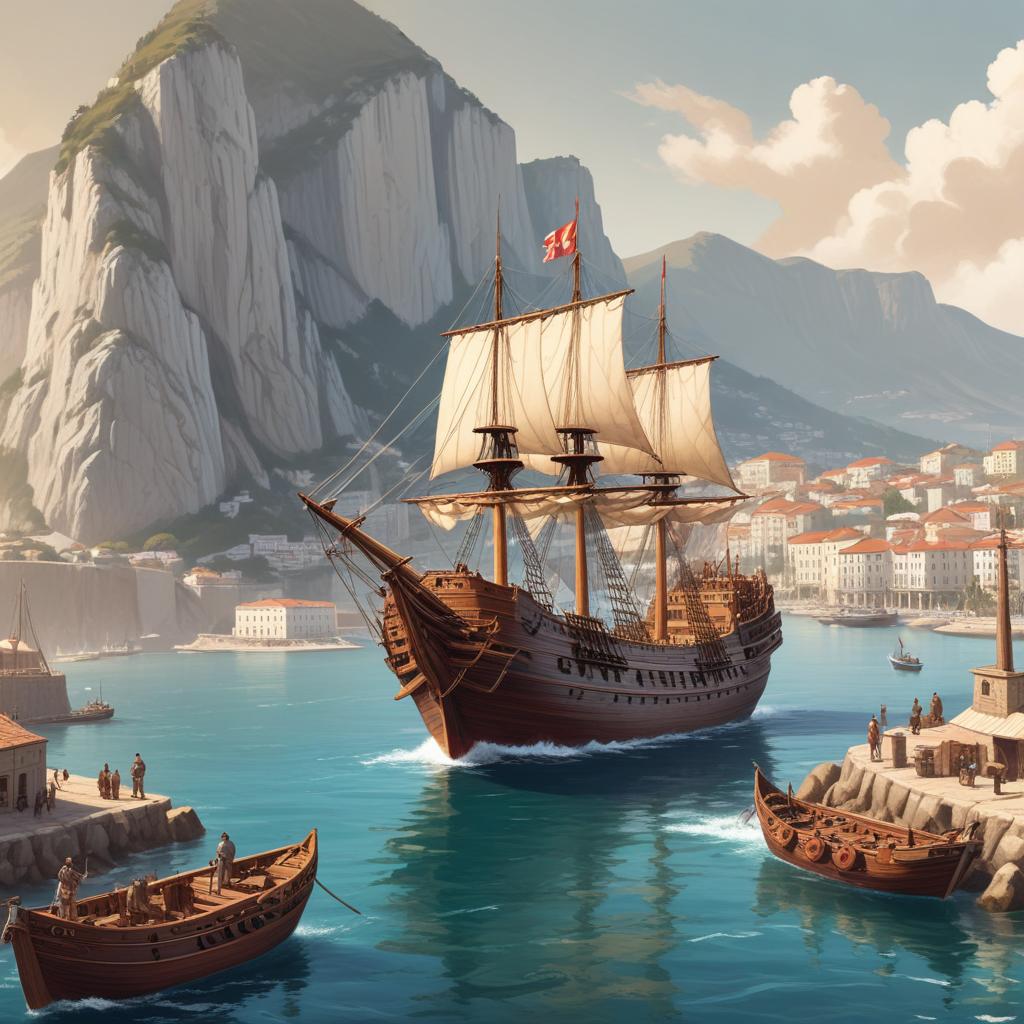
Economic barriers further complicate the trade landscape for Gibraltar. These include regulatory differences, customs controls, and tariffs stemming from its distinctive status outside the European Union’s customs union, despite being geographically situated in Europe. Such factors increase the cost and administrative burden for businesses operating in or through Gibraltar, limiting trade flow and competitive advantage.
Additionally, Gibraltar grapples with other risks such as fluctuating global markets, changes in international trade policies, and infrastructure constraints. These vulnerabilities heighten the unpredictability of its trade environment. To mitigate these challenges, Gibraltar continuously seeks to strengthen its trade agreements, diversify economic partnerships, and enhance logistical frameworks, aiming to sustain economic growth despite ongoing geopolitical and economic obstacles.
Another sector showing potential is renewable energy and green technologies. With increasing international focus on environmental sustainability, Gibraltar’s investment in clean energy infrastructure offers new avenues for trade and collaboration. The supply chains involved in these sectors are expected to generate significant business activity, fostering bilateral trade with countries investing in similar initiatives.
Tourism-related industries are also evolving, including wellness and eco-tourism, which cater to niche markets seeking experiential travel. The trade in services linked to these sectors can serve as a complementary driver alongside traditional goods trade. Additionally, Gibraltar’s position as a hub for maritime services and logistics continues to offer investment opportunities, particularly in leveraging emerging markets in Africa and the Mediterranean.
In summary, by focusing on new trade sectors such as fintech, renewable energy, specialized tourism, and expanded maritime logistics, Gibraltar is positioning itself to capitalize on emerging markets. These sectors present contemporary investment opportunities that can broaden the territory’s trade horizon and promote sustainable economic growth in the future.
Geopolitical and Economic Challenges
Gibraltar’s trade faces multifaceted challenges rooted in both geopolitical tensions and economic barriers. Its unique position at the crossroads of Europe and Africa places it under constant geopolitical risks, including territorial disputes and diplomatic frictions, that can disrupt trade routes and affect market stability. The ongoing debate over sovereignty between the United Kingdom and Spain often spills over into economic implications, creating uncertainty for investors and traders.

Economic barriers further complicate the trade landscape for Gibraltar. These include regulatory differences, customs controls, and tariffs stemming from its distinctive status outside the European Union’s customs union, despite being geographically situated in Europe. Such factors increase the cost and administrative burden for businesses operating in or through Gibraltar, limiting trade flow and competitive advantage.
Additionally, Gibraltar grapples with other risks such as fluctuating global markets, changes in international trade policies, and infrastructure constraints. These vulnerabilities heighten the unpredictability of its trade environment. To mitigate these challenges, Gibraltar continuously seeks to strengthen its trade agreements, diversify economic partnerships, and enhance logistical frameworks, aiming to sustain economic growth despite ongoing geopolitical and economic obstacles.
Another sector showing potential is renewable energy and green technologies. With increasing international focus on environmental sustainability, Gibraltar’s investment in clean energy infrastructure offers new avenues for trade and collaboration. The supply chains involved in these sectors are expected to generate significant business activity, fostering bilateral trade with countries investing in similar initiatives.
Tourism-related industries are also evolving, including wellness and eco-tourism, which cater to niche markets seeking experiential travel. The trade in services linked to these sectors can serve as a complementary driver alongside traditional goods trade. Additionally, Gibraltar’s position as a hub for maritime services and logistics continues to offer investment opportunities, particularly in leveraging emerging markets in Africa and the Mediterranean.
In summary, by focusing on new trade sectors such as fintech, renewable energy, specialized tourism, and expanded maritime logistics, Gibraltar is positioning itself to capitalize on emerging markets. These sectors present contemporary investment opportunities that can broaden the territory’s trade horizon and promote sustainable economic growth in the future.
Geopolitical and Economic Challenges
Gibraltar’s trade faces multifaceted challenges rooted in both geopolitical tensions and economic barriers. Its unique position at the crossroads of Europe and Africa places it under constant geopolitical risks, including territorial disputes and diplomatic frictions, that can disrupt trade routes and affect market stability. The ongoing debate over sovereignty between the United Kingdom and Spain often spills over into economic implications, creating uncertainty for investors and traders.
Economic barriers further complicate the trade landscape for Gibraltar. These include regulatory differences, customs controls, and tariffs stemming from its distinctive status outside the European Union’s customs union, despite being geographically situated in Europe. Such factors increase the cost and administrative burden for businesses operating in or through Gibraltar, limiting trade flow and competitive advantage.
Additionally, Gibraltar grapples with other risks such as fluctuating global markets, changes in international trade policies, and infrastructure constraints. These vulnerabilities heighten the unpredictability of its trade environment. To mitigate these challenges, Gibraltar continuously seeks to strengthen its trade agreements, diversify economic partnerships, and enhance logistical frameworks, aiming to sustain economic growth despite ongoing geopolitical and economic obstacles.
Since Brexit, Gibraltar has faced challenges in maintaining its trade volume with the EU, as new customs checks, regulatory barriers, and border controls were introduced. The uncertainty created disruption for businesses that relied heavily on EU markets, especially in sectors like financial services, shipping, and retail. Despite these hurdles, ongoing negotiations between Gibraltar, the UK, and the EU aim to establish tailored trade agreements that will mitigate these disruptions and facilitate smoother cross-border trade.
The trade agreements currently under discussion focus on preserving Gibraltar’s competitive position by seeking preferential access to the EU market, similar to or better than existing arrangements. These negotiations emphasize regulatory cooperation, customs facilitation, and mutual recognition of standards to reduce friction. Although the final terms remain to be settled, Gibraltar’s strategic position and economic dependencies make securing favorable EU trade relations a key priority to ensure long-term economic stability and growth post-Brexit.
Future Prospects and Challenges for Gibraltar’s Trade
Gibraltar’s trade sector is poised at a critical juncture, with various future trade Gibraltar opportunities presenting themselves amidst a backdrop of economic challenges. The region’s strategic location as a gateway between the Atlantic Ocean and the Mediterranean Sea continues to offer significant advantages that can be leveraged to enhance trade growth prospects. Key sectors such as shipping, financial services, and tourism—all closely linked to trade activities—are expected to drive future economic expansion.
One potential growth area lies in the expansion of the maritime economy. Gibraltar’s well-established port infrastructure supports a thriving bunkering and ship repair industry, which is likely to see increased demand as global shipping routes evolve. This creates a compelling opportunity to attract more maritime business, positioning Gibraltar as a competitive trading hub in the region. Additionally, investments in technology and sustainability practices within the port could further enhance its appeal to international traders and shipping companies focused on greener operations.
Furthermore, emerging digital trade platforms and enhanced connectivity can open up new avenues for Gibraltar’s economy. The integration of digital trade mechanisms can facilitate smoother cross-border transactions, boost e-commerce, and attract fintech enterprises, thereby diversifying Gibraltar’s trade portfolio. Exploring partnerships with neighboring economies could also pave the way for increased trade collaboration and market access, which are essential for sustaining trade growth prospects.
Despite these promising prospects, Gibraltar’s trade sector faces notable economic challenges that must be addressed. Political uncertainties stemming from its unique status and external regulatory changes can impact trade agreements and market stability. Additionally, competition from larger nearby ports and logistical hubs requires Gibraltar to continuously innovate and optimize its trading systems. There is also the challenge of adapting to global economic fluctuations, including shifts in trade policies and rising operational costs that could strain local businesses.
In conclusion, while Gibraltar’s future trade prospects appear robust with numerous potential growth areas, the region must navigate its economic challenges strategically. By focusing on sustainable development, leveraging its geographical advantages, and embracing digital innovation, Gibraltar can strengthen its position as a vital player in regional and global trade networks for years to come.
Emerging Industries and Trade Opportunities
Gibraltar is poised to expand its economic landscape by tapping into emerging markets that offer promising growth and investment opportunities. As global trade evolves, the territory is strategically diversifying beyond traditional sectors, recognizing new trade sectors that align with technological advancements and sustainability trends. One key area is the digital economy—particularly fintech and blockchain technologies—which leverage Gibraltar’s robust regulatory framework and strategic location to attract innovative companies and startups.
Another sector showing potential is renewable energy and green technologies. With increasing international focus on environmental sustainability, Gibraltar’s investment in clean energy infrastructure offers new avenues for trade and collaboration. The supply chains involved in these sectors are expected to generate significant business activity, fostering bilateral trade with countries investing in similar initiatives.
Tourism-related industries are also evolving, including wellness and eco-tourism, which cater to niche markets seeking experiential travel. The trade in services linked to these sectors can serve as a complementary driver alongside traditional goods trade. Additionally, Gibraltar’s position as a hub for maritime services and logistics continues to offer investment opportunities, particularly in leveraging emerging markets in Africa and the Mediterranean.
In summary, by focusing on new trade sectors such as fintech, renewable energy, specialized tourism, and expanded maritime logistics, Gibraltar is positioning itself to capitalize on emerging markets. These sectors present contemporary investment opportunities that can broaden the territory’s trade horizon and promote sustainable economic growth in the future.
Geopolitical and Economic Challenges
Gibraltar’s trade faces multifaceted challenges rooted in both geopolitical tensions and economic barriers. Its unique position at the crossroads of Europe and Africa places it under constant geopolitical risks, including territorial disputes and diplomatic frictions, that can disrupt trade routes and affect market stability. The ongoing debate over sovereignty between the United Kingdom and Spain often spills over into economic implications, creating uncertainty for investors and traders.
Economic barriers further complicate the trade landscape for Gibraltar. These include regulatory differences, customs controls, and tariffs stemming from its distinctive status outside the European Union’s customs union, despite being geographically situated in Europe. Such factors increase the cost and administrative burden for businesses operating in or through Gibraltar, limiting trade flow and competitive advantage.
Additionally, Gibraltar grapples with other risks such as fluctuating global markets, changes in international trade policies, and infrastructure constraints. These vulnerabilities heighten the unpredictability of its trade environment. To mitigate these challenges, Gibraltar continuously seeks to strengthen its trade agreements, diversify economic partnerships, and enhance logistical frameworks, aiming to sustain economic growth despite ongoing geopolitical and economic obstacles.
Since Brexit, Gibraltar has faced challenges in maintaining its trade volume with the EU, as new customs checks, regulatory barriers, and border controls were introduced. The uncertainty created disruption for businesses that relied heavily on EU markets, especially in sectors like financial services, shipping, and retail. Despite these hurdles, ongoing negotiations between Gibraltar, the UK, and the EU aim to establish tailored trade agreements that will mitigate these disruptions and facilitate smoother cross-border trade.
The trade agreements currently under discussion focus on preserving Gibraltar’s competitive position by seeking preferential access to the EU market, similar to or better than existing arrangements. These negotiations emphasize regulatory cooperation, customs facilitation, and mutual recognition of standards to reduce friction. Although the final terms remain to be settled, Gibraltar’s strategic position and economic dependencies make securing favorable EU trade relations a key priority to ensure long-term economic stability and growth post-Brexit.
Future Prospects and Challenges for Gibraltar’s Trade
Gibraltar’s trade sector is poised at a critical juncture, with various future trade Gibraltar opportunities presenting themselves amidst a backdrop of economic challenges. The region’s strategic location as a gateway between the Atlantic Ocean and the Mediterranean Sea continues to offer significant advantages that can be leveraged to enhance trade growth prospects. Key sectors such as shipping, financial services, and tourism—all closely linked to trade activities—are expected to drive future economic expansion.
One potential growth area lies in the expansion of the maritime economy. Gibraltar’s well-established port infrastructure supports a thriving bunkering and ship repair industry, which is likely to see increased demand as global shipping routes evolve. This creates a compelling opportunity to attract more maritime business, positioning Gibraltar as a competitive trading hub in the region. Additionally, investments in technology and sustainability practices within the port could further enhance its appeal to international traders and shipping companies focused on greener operations.
Furthermore, emerging digital trade platforms and enhanced connectivity can open up new avenues for Gibraltar’s economy. The integration of digital trade mechanisms can facilitate smoother cross-border transactions, boost e-commerce, and attract fintech enterprises, thereby diversifying Gibraltar’s trade portfolio. Exploring partnerships with neighboring economies could also pave the way for increased trade collaboration and market access, which are essential for sustaining trade growth prospects.
Despite these promising prospects, Gibraltar’s trade sector faces notable economic challenges that must be addressed. Political uncertainties stemming from its unique status and external regulatory changes can impact trade agreements and market stability. Additionally, competition from larger nearby ports and logistical hubs requires Gibraltar to continuously innovate and optimize its trading systems. There is also the challenge of adapting to global economic fluctuations, including shifts in trade policies and rising operational costs that could strain local businesses.
In conclusion, while Gibraltar’s future trade prospects appear robust with numerous potential growth areas, the region must navigate its economic challenges strategically. By focusing on sustainable development, leveraging its geographical advantages, and embracing digital innovation, Gibraltar can strengthen its position as a vital player in regional and global trade networks for years to come.
Emerging Industries and Trade Opportunities
Gibraltar is poised to expand its economic landscape by tapping into emerging markets that offer promising growth and investment opportunities. As global trade evolves, the territory is strategically diversifying beyond traditional sectors, recognizing new trade sectors that align with technological advancements and sustainability trends. One key area is the digital economy—particularly fintech and blockchain technologies—which leverage Gibraltar’s robust regulatory framework and strategic location to attract innovative companies and startups.
Another sector showing potential is renewable energy and green technologies. With increasing international focus on environmental sustainability, Gibraltar’s investment in clean energy infrastructure offers new avenues for trade and collaboration. The supply chains involved in these sectors are expected to generate significant business activity, fostering bilateral trade with countries investing in similar initiatives.
Tourism-related industries are also evolving, including wellness and eco-tourism, which cater to niche markets seeking experiential travel. The trade in services linked to these sectors can serve as a complementary driver alongside traditional goods trade. Additionally, Gibraltar’s position as a hub for maritime services and logistics continues to offer investment opportunities, particularly in leveraging emerging markets in Africa and the Mediterranean.
In summary, by focusing on new trade sectors such as fintech, renewable energy, specialized tourism, and expanded maritime logistics, Gibraltar is positioning itself to capitalize on emerging markets. These sectors present contemporary investment opportunities that can broaden the territory’s trade horizon and promote sustainable economic growth in the future.
Geopolitical and Economic Challenges
Gibraltar’s trade faces multifaceted challenges rooted in both geopolitical tensions and economic barriers. Its unique position at the crossroads of Europe and Africa places it under constant geopolitical risks, including territorial disputes and diplomatic frictions, that can disrupt trade routes and affect market stability. The ongoing debate over sovereignty between the United Kingdom and Spain often spills over into economic implications, creating uncertainty for investors and traders.
Economic barriers further complicate the trade landscape for Gibraltar. These include regulatory differences, customs controls, and tariffs stemming from its distinctive status outside the European Union’s customs union, despite being geographically situated in Europe. Such factors increase the cost and administrative burden for businesses operating in or through Gibraltar, limiting trade flow and competitive advantage.
Additionally, Gibraltar grapples with other risks such as fluctuating global markets, changes in international trade policies, and infrastructure constraints. These vulnerabilities heighten the unpredictability of its trade environment. To mitigate these challenges, Gibraltar continuously seeks to strengthen its trade agreements, diversify economic partnerships, and enhance logistical frameworks, aiming to sustain economic growth despite ongoing geopolitical and economic obstacles.
Trade partnerships remain central to Gibraltar’s economic success. The United Kingdom stands as one of the most important trading partners, providing essential goods and services while also serving as a gateway for Gibraltar’s exports. Additionally, maintaining amicable and productive trade relationships with neighboring Spain and other European countries is vital for the seamless flow of goods and services, ensuring that Gibraltar remains a competitive player in regional commerce.
In summary, the current trade in Gibraltar is a mix of historic maritime strength and modern economic innovation. By nurturing industries such as shipping, finance, and tourism, and cultivating robust trading partnerships, Gibraltar continues to thrive as a significant commercial and economic hub. The dynamic nature of Gibraltar’s economy underscores its ability to adapt and prosper amidst changing global trade conditions.
Role of the Port of Gibraltar
The Port of Gibraltar serves as a pivotal shipping hub in the heart of the Mediterranean, strategically positioned at the crossroads of major international maritime trade routes. Its location at the entrance to the Mediterranean Sea enables it to act as a critical gateway linking Europe, Africa, and the Americas, fostering seamless global shipping connections.
As a modern shipping hub, the Port of Gibraltar provides state-of-the-art logistics and port facilities that accommodate a wide variety of vessels including container ships, bulk carriers, and tankers. Its deep-water harbor and efficient infrastructure facilitate swift cargo handling, bunkering services, and vessel repairs, making it an attractive stopover for international shipping lines.
The port plays a vital role in supporting maritime trade, enabling the smooth flow of goods and commodities such as oil, fuels, and consumer products between continents. Its free port status and competitive service offerings enhance trade efficiency and reduce delays, cementing its importance in the global supply chain.
Moreover, the Port of Gibraltar is increasingly investing in sustainable port operations to meet environmental standards, ensuring that its growth as a maritime trade center aligns with ecological responsibility. This commitment further strengthens its reputation as a leading international shipping hub, crucial to global commerce and logistics.
Trade Relations with the European Union
Gibraltar’s trade relations with the European Union have undergone significant changes following Brexit. Prior to the UK’s departure from the EU, Gibraltar enjoyed seamless access to the EU single market, benefiting from tariff-free trade and regulatory alignment. However, the Brexit impact resulted in the end of this automatic access, compelling Gibraltar to renegotiate its trade framework with the EU.
Since Brexit, Gibraltar has faced challenges in maintaining its trade volume with the EU, as new customs checks, regulatory barriers, and border controls were introduced. The uncertainty created disruption for businesses that relied heavily on EU markets, especially in sectors like financial services, shipping, and retail. Despite these hurdles, ongoing negotiations between Gibraltar, the UK, and the EU aim to establish tailored trade agreements that will mitigate these disruptions and facilitate smoother cross-border trade.
The trade agreements currently under discussion focus on preserving Gibraltar’s competitive position by seeking preferential access to the EU market, similar to or better than existing arrangements. These negotiations emphasize regulatory cooperation, customs facilitation, and mutual recognition of standards to reduce friction. Although the final terms remain to be settled, Gibraltar’s strategic position and economic dependencies make securing favorable EU trade relations a key priority to ensure long-term economic stability and growth post-Brexit.
Future Prospects and Challenges for Gibraltar’s Trade
Gibraltar’s trade sector is poised at a critical juncture, with various future trade Gibraltar opportunities presenting themselves amidst a backdrop of economic challenges. The region’s strategic location as a gateway between the Atlantic Ocean and the Mediterranean Sea continues to offer significant advantages that can be leveraged to enhance trade growth prospects. Key sectors such as shipping, financial services, and tourism—all closely linked to trade activities—are expected to drive future economic expansion.
One potential growth area lies in the expansion of the maritime economy. Gibraltar’s well-established port infrastructure supports a thriving bunkering and ship repair industry, which is likely to see increased demand as global shipping routes evolve. This creates a compelling opportunity to attract more maritime business, positioning Gibraltar as a competitive trading hub in the region. Additionally, investments in technology and sustainability practices within the port could further enhance its appeal to international traders and shipping companies focused on greener operations.
Furthermore, emerging digital trade platforms and enhanced connectivity can open up new avenues for Gibraltar’s economy. The integration of digital trade mechanisms can facilitate smoother cross-border transactions, boost e-commerce, and attract fintech enterprises, thereby diversifying Gibraltar’s trade portfolio. Exploring partnerships with neighboring economies could also pave the way for increased trade collaboration and market access, which are essential for sustaining trade growth prospects.
Despite these promising prospects, Gibraltar’s trade sector faces notable economic challenges that must be addressed. Political uncertainties stemming from its unique status and external regulatory changes can impact trade agreements and market stability. Additionally, competition from larger nearby ports and logistical hubs requires Gibraltar to continuously innovate and optimize its trading systems. There is also the challenge of adapting to global economic fluctuations, including shifts in trade policies and rising operational costs that could strain local businesses.
In conclusion, while Gibraltar’s future trade prospects appear robust with numerous potential growth areas, the region must navigate its economic challenges strategically. By focusing on sustainable development, leveraging its geographical advantages, and embracing digital innovation, Gibraltar can strengthen its position as a vital player in regional and global trade networks for years to come.
Emerging Industries and Trade Opportunities
Gibraltar is poised to expand its economic landscape by tapping into emerging markets that offer promising growth and investment opportunities. As global trade evolves, the territory is strategically diversifying beyond traditional sectors, recognizing new trade sectors that align with technological advancements and sustainability trends. One key area is the digital economy—particularly fintech and blockchain technologies—which leverage Gibraltar’s robust regulatory framework and strategic location to attract innovative companies and startups.
Another sector showing potential is renewable energy and green technologies. With increasing international focus on environmental sustainability, Gibraltar’s investment in clean energy infrastructure offers new avenues for trade and collaboration. The supply chains involved in these sectors are expected to generate significant business activity, fostering bilateral trade with countries investing in similar initiatives.
Tourism-related industries are also evolving, including wellness and eco-tourism, which cater to niche markets seeking experiential travel. The trade in services linked to these sectors can serve as a complementary driver alongside traditional goods trade. Additionally, Gibraltar’s position as a hub for maritime services and logistics continues to offer investment opportunities, particularly in leveraging emerging markets in Africa and the Mediterranean.
In summary, by focusing on new trade sectors such as fintech, renewable energy, specialized tourism, and expanded maritime logistics, Gibraltar is positioning itself to capitalize on emerging markets. These sectors present contemporary investment opportunities that can broaden the territory’s trade horizon and promote sustainable economic growth in the future.
Geopolitical and Economic Challenges
Gibraltar’s trade faces multifaceted challenges rooted in both geopolitical tensions and economic barriers. Its unique position at the crossroads of Europe and Africa places it under constant geopolitical risks, including territorial disputes and diplomatic frictions, that can disrupt trade routes and affect market stability. The ongoing debate over sovereignty between the United Kingdom and Spain often spills over into economic implications, creating uncertainty for investors and traders.
Economic barriers further complicate the trade landscape for Gibraltar. These include regulatory differences, customs controls, and tariffs stemming from its distinctive status outside the European Union’s customs union, despite being geographically situated in Europe. Such factors increase the cost and administrative burden for businesses operating in or through Gibraltar, limiting trade flow and competitive advantage.
Additionally, Gibraltar grapples with other risks such as fluctuating global markets, changes in international trade policies, and infrastructure constraints. These vulnerabilities heighten the unpredictability of its trade environment. To mitigate these challenges, Gibraltar continuously seeks to strengthen its trade agreements, diversify economic partnerships, and enhance logistical frameworks, aiming to sustain economic growth despite ongoing geopolitical and economic obstacles.
Trade partnerships remain central to Gibraltar’s economic success. The United Kingdom stands as one of the most important trading partners, providing essential goods and services while also serving as a gateway for Gibraltar’s exports. Additionally, maintaining amicable and productive trade relationships with neighboring Spain and other European countries is vital for the seamless flow of goods and services, ensuring that Gibraltar remains a competitive player in regional commerce.
In summary, the current trade in Gibraltar is a mix of historic maritime strength and modern economic innovation. By nurturing industries such as shipping, finance, and tourism, and cultivating robust trading partnerships, Gibraltar continues to thrive as a significant commercial and economic hub. The dynamic nature of Gibraltar’s economy underscores its ability to adapt and prosper amidst changing global trade conditions.
Role of the Port of Gibraltar
The Port of Gibraltar serves as a pivotal shipping hub in the heart of the Mediterranean, strategically positioned at the crossroads of major international maritime trade routes. Its location at the entrance to the Mediterranean Sea enables it to act as a critical gateway linking Europe, Africa, and the Americas, fostering seamless global shipping connections.
As a modern shipping hub, the Port of Gibraltar provides state-of-the-art logistics and port facilities that accommodate a wide variety of vessels including container ships, bulk carriers, and tankers. Its deep-water harbor and efficient infrastructure facilitate swift cargo handling, bunkering services, and vessel repairs, making it an attractive stopover for international shipping lines.
The port plays a vital role in supporting maritime trade, enabling the smooth flow of goods and commodities such as oil, fuels, and consumer products between continents. Its free port status and competitive service offerings enhance trade efficiency and reduce delays, cementing its importance in the global supply chain.
Moreover, the Port of Gibraltar is increasingly investing in sustainable port operations to meet environmental standards, ensuring that its growth as a maritime trade center aligns with ecological responsibility. This commitment further strengthens its reputation as a leading international shipping hub, crucial to global commerce and logistics.
Trade Relations with the European Union
Gibraltar’s trade relations with the European Union have undergone significant changes following Brexit. Prior to the UK’s departure from the EU, Gibraltar enjoyed seamless access to the EU single market, benefiting from tariff-free trade and regulatory alignment. However, the Brexit impact resulted in the end of this automatic access, compelling Gibraltar to renegotiate its trade framework with the EU.
Since Brexit, Gibraltar has faced challenges in maintaining its trade volume with the EU, as new customs checks, regulatory barriers, and border controls were introduced. The uncertainty created disruption for businesses that relied heavily on EU markets, especially in sectors like financial services, shipping, and retail. Despite these hurdles, ongoing negotiations between Gibraltar, the UK, and the EU aim to establish tailored trade agreements that will mitigate these disruptions and facilitate smoother cross-border trade.
The trade agreements currently under discussion focus on preserving Gibraltar’s competitive position by seeking preferential access to the EU market, similar to or better than existing arrangements. These negotiations emphasize regulatory cooperation, customs facilitation, and mutual recognition of standards to reduce friction. Although the final terms remain to be settled, Gibraltar’s strategic position and economic dependencies make securing favorable EU trade relations a key priority to ensure long-term economic stability and growth post-Brexit.
Future Prospects and Challenges for Gibraltar’s Trade
Gibraltar’s trade sector is poised at a critical juncture, with various future trade Gibraltar opportunities presenting themselves amidst a backdrop of economic challenges. The region’s strategic location as a gateway between the Atlantic Ocean and the Mediterranean Sea continues to offer significant advantages that can be leveraged to enhance trade growth prospects. Key sectors such as shipping, financial services, and tourism—all closely linked to trade activities—are expected to drive future economic expansion.
One potential growth area lies in the expansion of the maritime economy. Gibraltar’s well-established port infrastructure supports a thriving bunkering and ship repair industry, which is likely to see increased demand as global shipping routes evolve. This creates a compelling opportunity to attract more maritime business, positioning Gibraltar as a competitive trading hub in the region. Additionally, investments in technology and sustainability practices within the port could further enhance its appeal to international traders and shipping companies focused on greener operations.
Furthermore, emerging digital trade platforms and enhanced connectivity can open up new avenues for Gibraltar’s economy. The integration of digital trade mechanisms can facilitate smoother cross-border transactions, boost e-commerce, and attract fintech enterprises, thereby diversifying Gibraltar’s trade portfolio. Exploring partnerships with neighboring economies could also pave the way for increased trade collaboration and market access, which are essential for sustaining trade growth prospects.
Despite these promising prospects, Gibraltar’s trade sector faces notable economic challenges that must be addressed. Political uncertainties stemming from its unique status and external regulatory changes can impact trade agreements and market stability. Additionally, competition from larger nearby ports and logistical hubs requires Gibraltar to continuously innovate and optimize its trading systems. There is also the challenge of adapting to global economic fluctuations, including shifts in trade policies and rising operational costs that could strain local businesses.
In conclusion, while Gibraltar’s future trade prospects appear robust with numerous potential growth areas, the region must navigate its economic challenges strategically. By focusing on sustainable development, leveraging its geographical advantages, and embracing digital innovation, Gibraltar can strengthen its position as a vital player in regional and global trade networks for years to come.
Emerging Industries and Trade Opportunities
Gibraltar is poised to expand its economic landscape by tapping into emerging markets that offer promising growth and investment opportunities. As global trade evolves, the territory is strategically diversifying beyond traditional sectors, recognizing new trade sectors that align with technological advancements and sustainability trends. One key area is the digital economy—particularly fintech and blockchain technologies—which leverage Gibraltar’s robust regulatory framework and strategic location to attract innovative companies and startups.
Another sector showing potential is renewable energy and green technologies. With increasing international focus on environmental sustainability, Gibraltar’s investment in clean energy infrastructure offers new avenues for trade and collaboration. The supply chains involved in these sectors are expected to generate significant business activity, fostering bilateral trade with countries investing in similar initiatives.
Tourism-related industries are also evolving, including wellness and eco-tourism, which cater to niche markets seeking experiential travel. The trade in services linked to these sectors can serve as a complementary driver alongside traditional goods trade. Additionally, Gibraltar’s position as a hub for maritime services and logistics continues to offer investment opportunities, particularly in leveraging emerging markets in Africa and the Mediterranean.
In summary, by focusing on new trade sectors such as fintech, renewable energy, specialized tourism, and expanded maritime logistics, Gibraltar is positioning itself to capitalize on emerging markets. These sectors present contemporary investment opportunities that can broaden the territory’s trade horizon and promote sustainable economic growth in the future.
Geopolitical and Economic Challenges
Gibraltar’s trade faces multifaceted challenges rooted in both geopolitical tensions and economic barriers. Its unique position at the crossroads of Europe and Africa places it under constant geopolitical risks, including territorial disputes and diplomatic frictions, that can disrupt trade routes and affect market stability. The ongoing debate over sovereignty between the United Kingdom and Spain often spills over into economic implications, creating uncertainty for investors and traders.
Economic barriers further complicate the trade landscape for Gibraltar. These include regulatory differences, customs controls, and tariffs stemming from its distinctive status outside the European Union’s customs union, despite being geographically situated in Europe. Such factors increase the cost and administrative burden for businesses operating in or through Gibraltar, limiting trade flow and competitive advantage.
Additionally, Gibraltar grapples with other risks such as fluctuating global markets, changes in international trade policies, and infrastructure constraints. These vulnerabilities heighten the unpredictability of its trade environment. To mitigate these challenges, Gibraltar continuously seeks to strengthen its trade agreements, diversify economic partnerships, and enhance logistical frameworks, aiming to sustain economic growth despite ongoing geopolitical and economic obstacles.
Historical Overview of Gibraltar’s Trade
The trade history of Gibraltar is a fascinating tale shaped by its strategic location at the crossroads of Europe and Africa, where the Mediterranean Sea meets the Atlantic Ocean. From ancient times, Gibraltar has served as a vital point in historical trade routes, linking various civilizations and cultures through commerce. Its position made it a coveted gateway for merchants and traders navigating between the east and west, as well as between the north and south of the Mediterranean basin.
The origins of Gibraltar’s trade can be traced back to the ancient Phoenicians and Carthaginians, who recognized the value of the rock as a landmark and trading hub. This early period laid the groundwork for a flourishing commerce past, as Gibraltar became a stopover for ships carrying goods such as spices, textiles, metals, and other valuable commodities. Following this, the Romans further enhanced Gibraltar’s role in the trade network, using it as a strategic naval base and facilitating the movement of goods across the empire.
During the medieval period, Gibraltar’s importance in historical trade routes grew significantly under Moorish control. The Moors fortified the rock and used it as a commercial outpost to control the passage of ships through the Strait of Gibraltar. Trade flourished with North African and Mediterranean ports, with the exchange of goods like silk, ceramics, and precious metals. This period also saw the development of a cosmopolitan trading community, laying a foundation for Gibraltar’s diverse commercial culture.
The turning point in Gibraltar trade history came after the British capture of the territory in 1704. Recognizing its commercial potential, the British expanded the port facilities and established Gibraltar as a free port. This status attracted international merchants and increased its role as a global trade hub. During the 18th and 19th centuries, Gibraltar became a critical supply point for naval and merchant vessels, bolstering its commerce past with goods ranging from coal and naval stores to exotic imports brought from its extensive empire.
In summary, the historical development of trade in Gibraltar reflects a rich tapestry influenced by its unique geographical position and successive periods of cultural and political control. From its ancient origins through medieval and modern times, Gibraltar’s commerce past has been defined by its role in facilitating trade between continents, making it a key player in the broader story of Mediterranean and global trade history.
Trade During the British Empire Era
Under British rule, Gibraltar’s trade experienced significant transformation, becoming a vital hub within the British Empire trade Gibraltar network. Its strategic location at the entrance to the Mediterranean Sea allowed it to control key colonial trade routes, enhancing its importance not only as a military stronghold but also as a commercial gateway. Throughout the British Empire era, Gibraltar served as a critical refueling and resupply station, facilitating the movement of goods and naval vessels between Europe, Africa, and Asia.
The Empire commerce Gibraltar witnessed was characterized by a diverse flow of commodities, including textiles, spices, and raw materials. Gibraltar’s docks and warehouses expanded to accommodate increasing maritime traffic, reinforcing its role in supporting Britain’s global trade ambitions. Additionally, its customs regulations and port facilities developed to handle the complexity of imperial trade efficiently, ensuring smooth transitions of goods along the colonial trade routes.
Moreover, Gibraltar’s maritime role evolved beyond mere logistics; it became a pivotal naval base protecting British interests and maintaining maritime security across the Mediterranean. This dual commercial and military significance amplified Gibraltar’s standing in Empire commerce Gibraltar, solidifying its position as an essential node in British maritime dominance during the height of the Empire.
Impact of Mediterranean Trade Routes
The Mediterranean trade routes have played a crucial role in shaping Gibraltar’s trading activities and boosting its economic growth. Situated at the strategic junction of the Mediterranean Sea and the Atlantic Ocean, Gibraltar has long been a pivotal point for maritime trade. The well-established Mediterranean trade networks enabled a consistent flow of goods, cultures, and ideas through Gibraltar’s shipping lanes, significantly enhancing its status as a trading hub.
Through these Mediterranean trade routes, Gibraltar became a key stopover for vessels transporting spices, textiles, precious metals, and other commodities across regions. This access not only facilitated regional commerce but also promoted the diversification of Gibraltar’s economy. Merchants and traders found Gibraltar an ideal location to exchange goods from Europe, North Africa, and beyond, which amplified the volume and variety of trade passing through the port.
The influence of Mediterranean trade extended beyond mere goods exchange; it encouraged the development of a sophisticated maritime infrastructure in Gibraltar. The consistent traffic through Gibraltar shipping lanes necessitated efficient port facilities and logistic services, contributing further to local employment and economic prosperity. Consequently, Gibraltar’s position on these trade routes was indispensable in establishing its long-term economic relevance in regional commerce.
Modern Trade Dynamics in Gibraltar
Gibraltar’s current trade landscape is a vibrant reflection of its strategic location and evolving economy. As a pivotal crossroads between Europe and Africa, Gibraltar has leveraged its unique position to develop a diverse and dynamic commercial sector. Modern commerce in Gibraltar is characterized by a mix of traditional industries and emerging sectors that together fortify the Gibraltar economy.
The backbone of Gibraltar’s trade continues to be its port activities, which serve as a crucial hub for the import and export of goods. The port facilitates extensive maritime traffic, attracting international shipping companies and boosting logistics and freight handling services. This maritime trade not only supports the local economy but also fosters strong connections with key global trading partners, including the United Kingdom, Spain, and other European nations.
Besides port-related trade, Gibraltar has seen substantial growth in sectors such as financial services, online gaming, and tourism, all contributing significantly to the modern commerce landscape. The financial sector, in particular, benefits from Gibraltar’s favorable regulatory environment, positioning it as an attractive destination for international businesses and investors. This diversification of the economy enhances the resilience of Gibraltar’s trade activities while promoting sustainable economic growth.
Trade partnerships remain central to Gibraltar’s economic success. The United Kingdom stands as one of the most important trading partners, providing essential goods and services while also serving as a gateway for Gibraltar’s exports. Additionally, maintaining amicable and productive trade relationships with neighboring Spain and other European countries is vital for the seamless flow of goods and services, ensuring that Gibraltar remains a competitive player in regional commerce.
In summary, the current trade in Gibraltar is a mix of historic maritime strength and modern economic innovation. By nurturing industries such as shipping, finance, and tourism, and cultivating robust trading partnerships, Gibraltar continues to thrive as a significant commercial and economic hub. The dynamic nature of Gibraltar’s economy underscores its ability to adapt and prosper amidst changing global trade conditions.
Role of the Port of Gibraltar
The Port of Gibraltar serves as a pivotal shipping hub in the heart of the Mediterranean, strategically positioned at the crossroads of major international maritime trade routes. Its location at the entrance to the Mediterranean Sea enables it to act as a critical gateway linking Europe, Africa, and the Americas, fostering seamless global shipping connections.
As a modern shipping hub, the Port of Gibraltar provides state-of-the-art logistics and port facilities that accommodate a wide variety of vessels including container ships, bulk carriers, and tankers. Its deep-water harbor and efficient infrastructure facilitate swift cargo handling, bunkering services, and vessel repairs, making it an attractive stopover for international shipping lines.
The port plays a vital role in supporting maritime trade, enabling the smooth flow of goods and commodities such as oil, fuels, and consumer products between continents. Its free port status and competitive service offerings enhance trade efficiency and reduce delays, cementing its importance in the global supply chain.
Moreover, the Port of Gibraltar is increasingly investing in sustainable port operations to meet environmental standards, ensuring that its growth as a maritime trade center aligns with ecological responsibility. This commitment further strengthens its reputation as a leading international shipping hub, crucial to global commerce and logistics.
Trade Relations with the European Union
Gibraltar’s trade relations with the European Union have undergone significant changes following Brexit. Prior to the UK’s departure from the EU, Gibraltar enjoyed seamless access to the EU single market, benefiting from tariff-free trade and regulatory alignment. However, the Brexit impact resulted in the end of this automatic access, compelling Gibraltar to renegotiate its trade framework with the EU.
Since Brexit, Gibraltar has faced challenges in maintaining its trade volume with the EU, as new customs checks, regulatory barriers, and border controls were introduced. The uncertainty created disruption for businesses that relied heavily on EU markets, especially in sectors like financial services, shipping, and retail. Despite these hurdles, ongoing negotiations between Gibraltar, the UK, and the EU aim to establish tailored trade agreements that will mitigate these disruptions and facilitate smoother cross-border trade.
The trade agreements currently under discussion focus on preserving Gibraltar’s competitive position by seeking preferential access to the EU market, similar to or better than existing arrangements. These negotiations emphasize regulatory cooperation, customs facilitation, and mutual recognition of standards to reduce friction. Although the final terms remain to be settled, Gibraltar’s strategic position and economic dependencies make securing favorable EU trade relations a key priority to ensure long-term economic stability and growth post-Brexit.
Future Prospects and Challenges for Gibraltar’s Trade
Gibraltar’s trade sector is poised at a critical juncture, with various future trade Gibraltar opportunities presenting themselves amidst a backdrop of economic challenges. The region’s strategic location as a gateway between the Atlantic Ocean and the Mediterranean Sea continues to offer significant advantages that can be leveraged to enhance trade growth prospects. Key sectors such as shipping, financial services, and tourism—all closely linked to trade activities—are expected to drive future economic expansion.
One potential growth area lies in the expansion of the maritime economy. Gibraltar’s well-established port infrastructure supports a thriving bunkering and ship repair industry, which is likely to see increased demand as global shipping routes evolve. This creates a compelling opportunity to attract more maritime business, positioning Gibraltar as a competitive trading hub in the region. Additionally, investments in technology and sustainability practices within the port could further enhance its appeal to international traders and shipping companies focused on greener operations.
Furthermore, emerging digital trade platforms and enhanced connectivity can open up new avenues for Gibraltar’s economy. The integration of digital trade mechanisms can facilitate smoother cross-border transactions, boost e-commerce, and attract fintech enterprises, thereby diversifying Gibraltar’s trade portfolio. Exploring partnerships with neighboring economies could also pave the way for increased trade collaboration and market access, which are essential for sustaining trade growth prospects.
Despite these promising prospects, Gibraltar’s trade sector faces notable economic challenges that must be addressed. Political uncertainties stemming from its unique status and external regulatory changes can impact trade agreements and market stability. Additionally, competition from larger nearby ports and logistical hubs requires Gibraltar to continuously innovate and optimize its trading systems. There is also the challenge of adapting to global economic fluctuations, including shifts in trade policies and rising operational costs that could strain local businesses.
In conclusion, while Gibraltar’s future trade prospects appear robust with numerous potential growth areas, the region must navigate its economic challenges strategically. By focusing on sustainable development, leveraging its geographical advantages, and embracing digital innovation, Gibraltar can strengthen its position as a vital player in regional and global trade networks for years to come.
Emerging Industries and Trade Opportunities
Gibraltar is poised to expand its economic landscape by tapping into emerging markets that offer promising growth and investment opportunities. As global trade evolves, the territory is strategically diversifying beyond traditional sectors, recognizing new trade sectors that align with technological advancements and sustainability trends. One key area is the digital economy—particularly fintech and blockchain technologies—which leverage Gibraltar’s robust regulatory framework and strategic location to attract innovative companies and startups.
Another sector showing potential is renewable energy and green technologies. With increasing international focus on environmental sustainability, Gibraltar’s investment in clean energy infrastructure offers new avenues for trade and collaboration. The supply chains involved in these sectors are expected to generate significant business activity, fostering bilateral trade with countries investing in similar initiatives.
Tourism-related industries are also evolving, including wellness and eco-tourism, which cater to niche markets seeking experiential travel. The trade in services linked to these sectors can serve as a complementary driver alongside traditional goods trade. Additionally, Gibraltar’s position as a hub for maritime services and logistics continues to offer investment opportunities, particularly in leveraging emerging markets in Africa and the Mediterranean.
In summary, by focusing on new trade sectors such as fintech, renewable energy, specialized tourism, and expanded maritime logistics, Gibraltar is positioning itself to capitalize on emerging markets. These sectors present contemporary investment opportunities that can broaden the territory’s trade horizon and promote sustainable economic growth in the future.
Geopolitical and Economic Challenges
Gibraltar’s trade faces multifaceted challenges rooted in both geopolitical tensions and economic barriers. Its unique position at the crossroads of Europe and Africa places it under constant geopolitical risks, including territorial disputes and diplomatic frictions, that can disrupt trade routes and affect market stability. The ongoing debate over sovereignty between the United Kingdom and Spain often spills over into economic implications, creating uncertainty for investors and traders.
Economic barriers further complicate the trade landscape for Gibraltar. These include regulatory differences, customs controls, and tariffs stemming from its distinctive status outside the European Union’s customs union, despite being geographically situated in Europe. Such factors increase the cost and administrative burden for businesses operating in or through Gibraltar, limiting trade flow and competitive advantage.
Additionally, Gibraltar grapples with other risks such as fluctuating global markets, changes in international trade policies, and infrastructure constraints. These vulnerabilities heighten the unpredictability of its trade environment. To mitigate these challenges, Gibraltar continuously seeks to strengthen its trade agreements, diversify economic partnerships, and enhance logistical frameworks, aiming to sustain economic growth despite ongoing geopolitical and economic obstacles.
Another sector showing potential is renewable energy and green technologies. With increasing international focus on environmental sustainability, Gibraltar’s investment in clean energy infrastructure offers new avenues for trade and collaboration. The supply chains involved in these sectors are expected to generate significant business activity, fostering bilateral trade with countries investing in similar initiatives.
Tourism-related industries are also evolving, including wellness and eco-tourism, which cater to niche markets seeking experiential travel. The trade in services linked to these sectors can serve as a complementary driver alongside traditional goods trade. Additionally, Gibraltar’s position as a hub for maritime services and logistics continues to offer investment opportunities, particularly in leveraging emerging markets in Africa and the Mediterranean.
In summary, by focusing on new trade sectors such as fintech, renewable energy, specialized tourism, and expanded maritime logistics, Gibraltar is positioning itself to capitalize on emerging markets. These sectors present contemporary investment opportunities that can broaden the territory’s trade horizon and promote sustainable economic growth in the future.
Geopolitical and Economic Challenges
Gibraltar’s trade faces multifaceted challenges rooted in both geopolitical tensions and economic barriers. Its unique position at the crossroads of Europe and Africa places it under constant geopolitical risks, including territorial disputes and diplomatic frictions, that can disrupt trade routes and affect market stability. The ongoing debate over sovereignty between the United Kingdom and Spain often spills over into economic implications, creating uncertainty for investors and traders.
Economic barriers further complicate the trade landscape for Gibraltar. These include regulatory differences, customs controls, and tariffs stemming from its distinctive status outside the European Union’s customs union, despite being geographically situated in Europe. Such factors increase the cost and administrative burden for businesses operating in or through Gibraltar, limiting trade flow and competitive advantage.
Additionally, Gibraltar grapples with other risks such as fluctuating global markets, changes in international trade policies, and infrastructure constraints. These vulnerabilities heighten the unpredictability of its trade environment. To mitigate these challenges, Gibraltar continuously seeks to strengthen its trade agreements, diversify economic partnerships, and enhance logistical frameworks, aiming to sustain economic growth despite ongoing geopolitical and economic obstacles.
Historical Overview of Gibraltar’s Trade
The trade history of Gibraltar is a fascinating tale shaped by its strategic location at the crossroads of Europe and Africa, where the Mediterranean Sea meets the Atlantic Ocean. From ancient times, Gibraltar has served as a vital point in historical trade routes, linking various civilizations and cultures through commerce. Its position made it a coveted gateway for merchants and traders navigating between the east and west, as well as between the north and south of the Mediterranean basin.
The origins of Gibraltar’s trade can be traced back to the ancient Phoenicians and Carthaginians, who recognized the value of the rock as a landmark and trading hub. This early period laid the groundwork for a flourishing commerce past, as Gibraltar became a stopover for ships carrying goods such as spices, textiles, metals, and other valuable commodities. Following this, the Romans further enhanced Gibraltar’s role in the trade network, using it as a strategic naval base and facilitating the movement of goods across the empire.
During the medieval period, Gibraltar’s importance in historical trade routes grew significantly under Moorish control. The Moors fortified the rock and used it as a commercial outpost to control the passage of ships through the Strait of Gibraltar. Trade flourished with North African and Mediterranean ports, with the exchange of goods like silk, ceramics, and precious metals. This period also saw the development of a cosmopolitan trading community, laying a foundation for Gibraltar’s diverse commercial culture.
The turning point in Gibraltar trade history came after the British capture of the territory in 1704. Recognizing its commercial potential, the British expanded the port facilities and established Gibraltar as a free port. This status attracted international merchants and increased its role as a global trade hub. During the 18th and 19th centuries, Gibraltar became a critical supply point for naval and merchant vessels, bolstering its commerce past with goods ranging from coal and naval stores to exotic imports brought from its extensive empire.
In summary, the historical development of trade in Gibraltar reflects a rich tapestry influenced by its unique geographical position and successive periods of cultural and political control. From its ancient origins through medieval and modern times, Gibraltar’s commerce past has been defined by its role in facilitating trade between continents, making it a key player in the broader story of Mediterranean and global trade history.
Trade During the British Empire Era
Under British rule, Gibraltar’s trade experienced significant transformation, becoming a vital hub within the British Empire trade Gibraltar network. Its strategic location at the entrance to the Mediterranean Sea allowed it to control key colonial trade routes, enhancing its importance not only as a military stronghold but also as a commercial gateway. Throughout the British Empire era, Gibraltar served as a critical refueling and resupply station, facilitating the movement of goods and naval vessels between Europe, Africa, and Asia.
The Empire commerce Gibraltar witnessed was characterized by a diverse flow of commodities, including textiles, spices, and raw materials. Gibraltar’s docks and warehouses expanded to accommodate increasing maritime traffic, reinforcing its role in supporting Britain’s global trade ambitions. Additionally, its customs regulations and port facilities developed to handle the complexity of imperial trade efficiently, ensuring smooth transitions of goods along the colonial trade routes.
Moreover, Gibraltar’s maritime role evolved beyond mere logistics; it became a pivotal naval base protecting British interests and maintaining maritime security across the Mediterranean. This dual commercial and military significance amplified Gibraltar’s standing in Empire commerce Gibraltar, solidifying its position as an essential node in British maritime dominance during the height of the Empire.
Impact of Mediterranean Trade Routes
The Mediterranean trade routes have played a crucial role in shaping Gibraltar’s trading activities and boosting its economic growth. Situated at the strategic junction of the Mediterranean Sea and the Atlantic Ocean, Gibraltar has long been a pivotal point for maritime trade. The well-established Mediterranean trade networks enabled a consistent flow of goods, cultures, and ideas through Gibraltar’s shipping lanes, significantly enhancing its status as a trading hub.
Through these Mediterranean trade routes, Gibraltar became a key stopover for vessels transporting spices, textiles, precious metals, and other commodities across regions. This access not only facilitated regional commerce but also promoted the diversification of Gibraltar’s economy. Merchants and traders found Gibraltar an ideal location to exchange goods from Europe, North Africa, and beyond, which amplified the volume and variety of trade passing through the port.
The influence of Mediterranean trade extended beyond mere goods exchange; it encouraged the development of a sophisticated maritime infrastructure in Gibraltar. The consistent traffic through Gibraltar shipping lanes necessitated efficient port facilities and logistic services, contributing further to local employment and economic prosperity. Consequently, Gibraltar’s position on these trade routes was indispensable in establishing its long-term economic relevance in regional commerce.
Modern Trade Dynamics in Gibraltar
Gibraltar’s current trade landscape is a vibrant reflection of its strategic location and evolving economy. As a pivotal crossroads between Europe and Africa, Gibraltar has leveraged its unique position to develop a diverse and dynamic commercial sector. Modern commerce in Gibraltar is characterized by a mix of traditional industries and emerging sectors that together fortify the Gibraltar economy.
The backbone of Gibraltar’s trade continues to be its port activities, which serve as a crucial hub for the import and export of goods. The port facilitates extensive maritime traffic, attracting international shipping companies and boosting logistics and freight handling services. This maritime trade not only supports the local economy but also fosters strong connections with key global trading partners, including the United Kingdom, Spain, and other European nations.
Besides port-related trade, Gibraltar has seen substantial growth in sectors such as financial services, online gaming, and tourism, all contributing significantly to the modern commerce landscape. The financial sector, in particular, benefits from Gibraltar’s favorable regulatory environment, positioning it as an attractive destination for international businesses and investors. This diversification of the economy enhances the resilience of Gibraltar’s trade activities while promoting sustainable economic growth.
Trade partnerships remain central to Gibraltar’s economic success. The United Kingdom stands as one of the most important trading partners, providing essential goods and services while also serving as a gateway for Gibraltar’s exports. Additionally, maintaining amicable and productive trade relationships with neighboring Spain and other European countries is vital for the seamless flow of goods and services, ensuring that Gibraltar remains a competitive player in regional commerce.
In summary, the current trade in Gibraltar is a mix of historic maritime strength and modern economic innovation. By nurturing industries such as shipping, finance, and tourism, and cultivating robust trading partnerships, Gibraltar continues to thrive as a significant commercial and economic hub. The dynamic nature of Gibraltar’s economy underscores its ability to adapt and prosper amidst changing global trade conditions.
Role of the Port of Gibraltar
The Port of Gibraltar serves as a pivotal shipping hub in the heart of the Mediterranean, strategically positioned at the crossroads of major international maritime trade routes. Its location at the entrance to the Mediterranean Sea enables it to act as a critical gateway linking Europe, Africa, and the Americas, fostering seamless global shipping connections.
As a modern shipping hub, the Port of Gibraltar provides state-of-the-art logistics and port facilities that accommodate a wide variety of vessels including container ships, bulk carriers, and tankers. Its deep-water harbor and efficient infrastructure facilitate swift cargo handling, bunkering services, and vessel repairs, making it an attractive stopover for international shipping lines.
The port plays a vital role in supporting maritime trade, enabling the smooth flow of goods and commodities such as oil, fuels, and consumer products between continents. Its free port status and competitive service offerings enhance trade efficiency and reduce delays, cementing its importance in the global supply chain.
Moreover, the Port of Gibraltar is increasingly investing in sustainable port operations to meet environmental standards, ensuring that its growth as a maritime trade center aligns with ecological responsibility. This commitment further strengthens its reputation as a leading international shipping hub, crucial to global commerce and logistics.
Trade Relations with the European Union
Gibraltar’s trade relations with the European Union have undergone significant changes following Brexit. Prior to the UK’s departure from the EU, Gibraltar enjoyed seamless access to the EU single market, benefiting from tariff-free trade and regulatory alignment. However, the Brexit impact resulted in the end of this automatic access, compelling Gibraltar to renegotiate its trade framework with the EU.
Since Brexit, Gibraltar has faced challenges in maintaining its trade volume with the EU, as new customs checks, regulatory barriers, and border controls were introduced. The uncertainty created disruption for businesses that relied heavily on EU markets, especially in sectors like financial services, shipping, and retail. Despite these hurdles, ongoing negotiations between Gibraltar, the UK, and the EU aim to establish tailored trade agreements that will mitigate these disruptions and facilitate smoother cross-border trade.
The trade agreements currently under discussion focus on preserving Gibraltar’s competitive position by seeking preferential access to the EU market, similar to or better than existing arrangements. These negotiations emphasize regulatory cooperation, customs facilitation, and mutual recognition of standards to reduce friction. Although the final terms remain to be settled, Gibraltar’s strategic position and economic dependencies make securing favorable EU trade relations a key priority to ensure long-term economic stability and growth post-Brexit.
Future Prospects and Challenges for Gibraltar’s Trade
Gibraltar’s trade sector is poised at a critical juncture, with various future trade Gibraltar opportunities presenting themselves amidst a backdrop of economic challenges. The region’s strategic location as a gateway between the Atlantic Ocean and the Mediterranean Sea continues to offer significant advantages that can be leveraged to enhance trade growth prospects. Key sectors such as shipping, financial services, and tourism—all closely linked to trade activities—are expected to drive future economic expansion.
One potential growth area lies in the expansion of the maritime economy. Gibraltar’s well-established port infrastructure supports a thriving bunkering and ship repair industry, which is likely to see increased demand as global shipping routes evolve. This creates a compelling opportunity to attract more maritime business, positioning Gibraltar as a competitive trading hub in the region. Additionally, investments in technology and sustainability practices within the port could further enhance its appeal to international traders and shipping companies focused on greener operations.
Furthermore, emerging digital trade platforms and enhanced connectivity can open up new avenues for Gibraltar’s economy. The integration of digital trade mechanisms can facilitate smoother cross-border transactions, boost e-commerce, and attract fintech enterprises, thereby diversifying Gibraltar’s trade portfolio. Exploring partnerships with neighboring economies could also pave the way for increased trade collaboration and market access, which are essential for sustaining trade growth prospects.
Despite these promising prospects, Gibraltar’s trade sector faces notable economic challenges that must be addressed. Political uncertainties stemming from its unique status and external regulatory changes can impact trade agreements and market stability. Additionally, competition from larger nearby ports and logistical hubs requires Gibraltar to continuously innovate and optimize its trading systems. There is also the challenge of adapting to global economic fluctuations, including shifts in trade policies and rising operational costs that could strain local businesses.
In conclusion, while Gibraltar’s future trade prospects appear robust with numerous potential growth areas, the region must navigate its economic challenges strategically. By focusing on sustainable development, leveraging its geographical advantages, and embracing digital innovation, Gibraltar can strengthen its position as a vital player in regional and global trade networks for years to come.
Emerging Industries and Trade Opportunities
Gibraltar is poised to expand its economic landscape by tapping into emerging markets that offer promising growth and investment opportunities. As global trade evolves, the territory is strategically diversifying beyond traditional sectors, recognizing new trade sectors that align with technological advancements and sustainability trends. One key area is the digital economy—particularly fintech and blockchain technologies—which leverage Gibraltar’s robust regulatory framework and strategic location to attract innovative companies and startups.
Another sector showing potential is renewable energy and green technologies. With increasing international focus on environmental sustainability, Gibraltar’s investment in clean energy infrastructure offers new avenues for trade and collaboration. The supply chains involved in these sectors are expected to generate significant business activity, fostering bilateral trade with countries investing in similar initiatives.
Tourism-related industries are also evolving, including wellness and eco-tourism, which cater to niche markets seeking experiential travel. The trade in services linked to these sectors can serve as a complementary driver alongside traditional goods trade. Additionally, Gibraltar’s position as a hub for maritime services and logistics continues to offer investment opportunities, particularly in leveraging emerging markets in Africa and the Mediterranean.
In summary, by focusing on new trade sectors such as fintech, renewable energy, specialized tourism, and expanded maritime logistics, Gibraltar is positioning itself to capitalize on emerging markets. These sectors present contemporary investment opportunities that can broaden the territory’s trade horizon and promote sustainable economic growth in the future.
Geopolitical and Economic Challenges
Gibraltar’s trade faces multifaceted challenges rooted in both geopolitical tensions and economic barriers. Its unique position at the crossroads of Europe and Africa places it under constant geopolitical risks, including territorial disputes and diplomatic frictions, that can disrupt trade routes and affect market stability. The ongoing debate over sovereignty between the United Kingdom and Spain often spills over into economic implications, creating uncertainty for investors and traders.
Economic barriers further complicate the trade landscape for Gibraltar. These include regulatory differences, customs controls, and tariffs stemming from its distinctive status outside the European Union’s customs union, despite being geographically situated in Europe. Such factors increase the cost and administrative burden for businesses operating in or through Gibraltar, limiting trade flow and competitive advantage.
Additionally, Gibraltar grapples with other risks such as fluctuating global markets, changes in international trade policies, and infrastructure constraints. These vulnerabilities heighten the unpredictability of its trade environment. To mitigate these challenges, Gibraltar continuously seeks to strengthen its trade agreements, diversify economic partnerships, and enhance logistical frameworks, aiming to sustain economic growth despite ongoing geopolitical and economic obstacles.
Another sector showing potential is renewable energy and green technologies. With increasing international focus on environmental sustainability, Gibraltar’s investment in clean energy infrastructure offers new avenues for trade and collaboration. The supply chains involved in these sectors are expected to generate significant business activity, fostering bilateral trade with countries investing in similar initiatives.
Tourism-related industries are also evolving, including wellness and eco-tourism, which cater to niche markets seeking experiential travel. The trade in services linked to these sectors can serve as a complementary driver alongside traditional goods trade. Additionally, Gibraltar’s position as a hub for maritime services and logistics continues to offer investment opportunities, particularly in leveraging emerging markets in Africa and the Mediterranean.
In summary, by focusing on new trade sectors such as fintech, renewable energy, specialized tourism, and expanded maritime logistics, Gibraltar is positioning itself to capitalize on emerging markets. These sectors present contemporary investment opportunities that can broaden the territory’s trade horizon and promote sustainable economic growth in the future.
Geopolitical and Economic Challenges
Gibraltar’s trade faces multifaceted challenges rooted in both geopolitical tensions and economic barriers. Its unique position at the crossroads of Europe and Africa places it under constant geopolitical risks, including territorial disputes and diplomatic frictions, that can disrupt trade routes and affect market stability. The ongoing debate over sovereignty between the United Kingdom and Spain often spills over into economic implications, creating uncertainty for investors and traders.
Economic barriers further complicate the trade landscape for Gibraltar. These include regulatory differences, customs controls, and tariffs stemming from its distinctive status outside the European Union’s customs union, despite being geographically situated in Europe. Such factors increase the cost and administrative burden for businesses operating in or through Gibraltar, limiting trade flow and competitive advantage.
Additionally, Gibraltar grapples with other risks such as fluctuating global markets, changes in international trade policies, and infrastructure constraints. These vulnerabilities heighten the unpredictability of its trade environment. To mitigate these challenges, Gibraltar continuously seeks to strengthen its trade agreements, diversify economic partnerships, and enhance logistical frameworks, aiming to sustain economic growth despite ongoing geopolitical and economic obstacles.
Historical Overview of Gibraltar’s Trade
The trade history of Gibraltar is a fascinating tale shaped by its strategic location at the crossroads of Europe and Africa, where the Mediterranean Sea meets the Atlantic Ocean. From ancient times, Gibraltar has served as a vital point in historical trade routes, linking various civilizations and cultures through commerce. Its position made it a coveted gateway for merchants and traders navigating between the east and west, as well as between the north and south of the Mediterranean basin.
The origins of Gibraltar’s trade can be traced back to the ancient Phoenicians and Carthaginians, who recognized the value of the rock as a landmark and trading hub. This early period laid the groundwork for a flourishing commerce past, as Gibraltar became a stopover for ships carrying goods such as spices, textiles, metals, and other valuable commodities. Following this, the Romans further enhanced Gibraltar’s role in the trade network, using it as a strategic naval base and facilitating the movement of goods across the empire.
During the medieval period, Gibraltar’s importance in historical trade routes grew significantly under Moorish control. The Moors fortified the rock and used it as a commercial outpost to control the passage of ships through the Strait of Gibraltar. Trade flourished with North African and Mediterranean ports, with the exchange of goods like silk, ceramics, and precious metals. This period also saw the development of a cosmopolitan trading community, laying a foundation for Gibraltar’s diverse commercial culture.
The turning point in Gibraltar trade history came after the British capture of the territory in 1704. Recognizing its commercial potential, the British expanded the port facilities and established Gibraltar as a free port. This status attracted international merchants and increased its role as a global trade hub. During the 18th and 19th centuries, Gibraltar became a critical supply point for naval and merchant vessels, bolstering its commerce past with goods ranging from coal and naval stores to exotic imports brought from its extensive empire.
In summary, the historical development of trade in Gibraltar reflects a rich tapestry influenced by its unique geographical position and successive periods of cultural and political control. From its ancient origins through medieval and modern times, Gibraltar’s commerce past has been defined by its role in facilitating trade between continents, making it a key player in the broader story of Mediterranean and global trade history.
Trade During the British Empire Era
Under British rule, Gibraltar’s trade experienced significant transformation, becoming a vital hub within the British Empire trade Gibraltar network. Its strategic location at the entrance to the Mediterranean Sea allowed it to control key colonial trade routes, enhancing its importance not only as a military stronghold but also as a commercial gateway. Throughout the British Empire era, Gibraltar served as a critical refueling and resupply station, facilitating the movement of goods and naval vessels between Europe, Africa, and Asia.
The Empire commerce Gibraltar witnessed was characterized by a diverse flow of commodities, including textiles, spices, and raw materials. Gibraltar’s docks and warehouses expanded to accommodate increasing maritime traffic, reinforcing its role in supporting Britain’s global trade ambitions. Additionally, its customs regulations and port facilities developed to handle the complexity of imperial trade efficiently, ensuring smooth transitions of goods along the colonial trade routes.
Moreover, Gibraltar’s maritime role evolved beyond mere logistics; it became a pivotal naval base protecting British interests and maintaining maritime security across the Mediterranean. This dual commercial and military significance amplified Gibraltar’s standing in Empire commerce Gibraltar, solidifying its position as an essential node in British maritime dominance during the height of the Empire.
Impact of Mediterranean Trade Routes
The Mediterranean trade routes have played a crucial role in shaping Gibraltar’s trading activities and boosting its economic growth. Situated at the strategic junction of the Mediterranean Sea and the Atlantic Ocean, Gibraltar has long been a pivotal point for maritime trade. The well-established Mediterranean trade networks enabled a consistent flow of goods, cultures, and ideas through Gibraltar’s shipping lanes, significantly enhancing its status as a trading hub.
Through these Mediterranean trade routes, Gibraltar became a key stopover for vessels transporting spices, textiles, precious metals, and other commodities across regions. This access not only facilitated regional commerce but also promoted the diversification of Gibraltar’s economy. Merchants and traders found Gibraltar an ideal location to exchange goods from Europe, North Africa, and beyond, which amplified the volume and variety of trade passing through the port.
The influence of Mediterranean trade extended beyond mere goods exchange; it encouraged the development of a sophisticated maritime infrastructure in Gibraltar. The consistent traffic through Gibraltar shipping lanes necessitated efficient port facilities and logistic services, contributing further to local employment and economic prosperity. Consequently, Gibraltar’s position on these trade routes was indispensable in establishing its long-term economic relevance in regional commerce.
Modern Trade Dynamics in Gibraltar
Gibraltar’s current trade landscape is a vibrant reflection of its strategic location and evolving economy. As a pivotal crossroads between Europe and Africa, Gibraltar has leveraged its unique position to develop a diverse and dynamic commercial sector. Modern commerce in Gibraltar is characterized by a mix of traditional industries and emerging sectors that together fortify the Gibraltar economy.
The backbone of Gibraltar’s trade continues to be its port activities, which serve as a crucial hub for the import and export of goods. The port facilitates extensive maritime traffic, attracting international shipping companies and boosting logistics and freight handling services. This maritime trade not only supports the local economy but also fosters strong connections with key global trading partners, including the United Kingdom, Spain, and other European nations.
Besides port-related trade, Gibraltar has seen substantial growth in sectors such as financial services, online gaming, and tourism, all contributing significantly to the modern commerce landscape. The financial sector, in particular, benefits from Gibraltar’s favorable regulatory environment, positioning it as an attractive destination for international businesses and investors. This diversification of the economy enhances the resilience of Gibraltar’s trade activities while promoting sustainable economic growth.
Trade partnerships remain central to Gibraltar’s economic success. The United Kingdom stands as one of the most important trading partners, providing essential goods and services while also serving as a gateway for Gibraltar’s exports. Additionally, maintaining amicable and productive trade relationships with neighboring Spain and other European countries is vital for the seamless flow of goods and services, ensuring that Gibraltar remains a competitive player in regional commerce.
In summary, the current trade in Gibraltar is a mix of historic maritime strength and modern economic innovation. By nurturing industries such as shipping, finance, and tourism, and cultivating robust trading partnerships, Gibraltar continues to thrive as a significant commercial and economic hub. The dynamic nature of Gibraltar’s economy underscores its ability to adapt and prosper amidst changing global trade conditions.
Role of the Port of Gibraltar
The Port of Gibraltar serves as a pivotal shipping hub in the heart of the Mediterranean, strategically positioned at the crossroads of major international maritime trade routes. Its location at the entrance to the Mediterranean Sea enables it to act as a critical gateway linking Europe, Africa, and the Americas, fostering seamless global shipping connections.
As a modern shipping hub, the Port of Gibraltar provides state-of-the-art logistics and port facilities that accommodate a wide variety of vessels including container ships, bulk carriers, and tankers. Its deep-water harbor and efficient infrastructure facilitate swift cargo handling, bunkering services, and vessel repairs, making it an attractive stopover for international shipping lines.
The port plays a vital role in supporting maritime trade, enabling the smooth flow of goods and commodities such as oil, fuels, and consumer products between continents. Its free port status and competitive service offerings enhance trade efficiency and reduce delays, cementing its importance in the global supply chain.
Moreover, the Port of Gibraltar is increasingly investing in sustainable port operations to meet environmental standards, ensuring that its growth as a maritime trade center aligns with ecological responsibility. This commitment further strengthens its reputation as a leading international shipping hub, crucial to global commerce and logistics.
Trade Relations with the European Union
Gibraltar’s trade relations with the European Union have undergone significant changes following Brexit. Prior to the UK’s departure from the EU, Gibraltar enjoyed seamless access to the EU single market, benefiting from tariff-free trade and regulatory alignment. However, the Brexit impact resulted in the end of this automatic access, compelling Gibraltar to renegotiate its trade framework with the EU.
Since Brexit, Gibraltar has faced challenges in maintaining its trade volume with the EU, as new customs checks, regulatory barriers, and border controls were introduced. The uncertainty created disruption for businesses that relied heavily on EU markets, especially in sectors like financial services, shipping, and retail. Despite these hurdles, ongoing negotiations between Gibraltar, the UK, and the EU aim to establish tailored trade agreements that will mitigate these disruptions and facilitate smoother cross-border trade.
The trade agreements currently under discussion focus on preserving Gibraltar’s competitive position by seeking preferential access to the EU market, similar to or better than existing arrangements. These negotiations emphasize regulatory cooperation, customs facilitation, and mutual recognition of standards to reduce friction. Although the final terms remain to be settled, Gibraltar’s strategic position and economic dependencies make securing favorable EU trade relations a key priority to ensure long-term economic stability and growth post-Brexit.
Future Prospects and Challenges for Gibraltar’s Trade
Gibraltar’s trade sector is poised at a critical juncture, with various future trade Gibraltar opportunities presenting themselves amidst a backdrop of economic challenges. The region’s strategic location as a gateway between the Atlantic Ocean and the Mediterranean Sea continues to offer significant advantages that can be leveraged to enhance trade growth prospects. Key sectors such as shipping, financial services, and tourism—all closely linked to trade activities—are expected to drive future economic expansion.
One potential growth area lies in the expansion of the maritime economy. Gibraltar’s well-established port infrastructure supports a thriving bunkering and ship repair industry, which is likely to see increased demand as global shipping routes evolve. This creates a compelling opportunity to attract more maritime business, positioning Gibraltar as a competitive trading hub in the region. Additionally, investments in technology and sustainability practices within the port could further enhance its appeal to international traders and shipping companies focused on greener operations.
Furthermore, emerging digital trade platforms and enhanced connectivity can open up new avenues for Gibraltar’s economy. The integration of digital trade mechanisms can facilitate smoother cross-border transactions, boost e-commerce, and attract fintech enterprises, thereby diversifying Gibraltar’s trade portfolio. Exploring partnerships with neighboring economies could also pave the way for increased trade collaboration and market access, which are essential for sustaining trade growth prospects.
Despite these promising prospects, Gibraltar’s trade sector faces notable economic challenges that must be addressed. Political uncertainties stemming from its unique status and external regulatory changes can impact trade agreements and market stability. Additionally, competition from larger nearby ports and logistical hubs requires Gibraltar to continuously innovate and optimize its trading systems. There is also the challenge of adapting to global economic fluctuations, including shifts in trade policies and rising operational costs that could strain local businesses.
In conclusion, while Gibraltar’s future trade prospects appear robust with numerous potential growth areas, the region must navigate its economic challenges strategically. By focusing on sustainable development, leveraging its geographical advantages, and embracing digital innovation, Gibraltar can strengthen its position as a vital player in regional and global trade networks for years to come.
Emerging Industries and Trade Opportunities
Gibraltar is poised to expand its economic landscape by tapping into emerging markets that offer promising growth and investment opportunities. As global trade evolves, the territory is strategically diversifying beyond traditional sectors, recognizing new trade sectors that align with technological advancements and sustainability trends. One key area is the digital economy—particularly fintech and blockchain technologies—which leverage Gibraltar’s robust regulatory framework and strategic location to attract innovative companies and startups.
Another sector showing potential is renewable energy and green technologies. With increasing international focus on environmental sustainability, Gibraltar’s investment in clean energy infrastructure offers new avenues for trade and collaboration. The supply chains involved in these sectors are expected to generate significant business activity, fostering bilateral trade with countries investing in similar initiatives.
Tourism-related industries are also evolving, including wellness and eco-tourism, which cater to niche markets seeking experiential travel. The trade in services linked to these sectors can serve as a complementary driver alongside traditional goods trade. Additionally, Gibraltar’s position as a hub for maritime services and logistics continues to offer investment opportunities, particularly in leveraging emerging markets in Africa and the Mediterranean.
In summary, by focusing on new trade sectors such as fintech, renewable energy, specialized tourism, and expanded maritime logistics, Gibraltar is positioning itself to capitalize on emerging markets. These sectors present contemporary investment opportunities that can broaden the territory’s trade horizon and promote sustainable economic growth in the future.
Geopolitical and Economic Challenges
Gibraltar’s trade faces multifaceted challenges rooted in both geopolitical tensions and economic barriers. Its unique position at the crossroads of Europe and Africa places it under constant geopolitical risks, including territorial disputes and diplomatic frictions, that can disrupt trade routes and affect market stability. The ongoing debate over sovereignty between the United Kingdom and Spain often spills over into economic implications, creating uncertainty for investors and traders.
Economic barriers further complicate the trade landscape for Gibraltar. These include regulatory differences, customs controls, and tariffs stemming from its distinctive status outside the European Union’s customs union, despite being geographically situated in Europe. Such factors increase the cost and administrative burden for businesses operating in or through Gibraltar, limiting trade flow and competitive advantage.
Additionally, Gibraltar grapples with other risks such as fluctuating global markets, changes in international trade policies, and infrastructure constraints. These vulnerabilities heighten the unpredictability of its trade environment. To mitigate these challenges, Gibraltar continuously seeks to strengthen its trade agreements, diversify economic partnerships, and enhance logistical frameworks, aiming to sustain economic growth despite ongoing geopolitical and economic obstacles.
Since Brexit, Gibraltar has faced challenges in maintaining its trade volume with the EU, as new customs checks, regulatory barriers, and border controls were introduced. The uncertainty created disruption for businesses that relied heavily on EU markets, especially in sectors like financial services, shipping, and retail. Despite these hurdles, ongoing negotiations between Gibraltar, the UK, and the EU aim to establish tailored trade agreements that will mitigate these disruptions and facilitate smoother cross-border trade.
The trade agreements currently under discussion focus on preserving Gibraltar’s competitive position by seeking preferential access to the EU market, similar to or better than existing arrangements. These negotiations emphasize regulatory cooperation, customs facilitation, and mutual recognition of standards to reduce friction. Although the final terms remain to be settled, Gibraltar’s strategic position and economic dependencies make securing favorable EU trade relations a key priority to ensure long-term economic stability and growth post-Brexit.
Future Prospects and Challenges for Gibraltar’s Trade
Gibraltar’s trade sector is poised at a critical juncture, with various future trade Gibraltar opportunities presenting themselves amidst a backdrop of economic challenges. The region’s strategic location as a gateway between the Atlantic Ocean and the Mediterranean Sea continues to offer significant advantages that can be leveraged to enhance trade growth prospects. Key sectors such as shipping, financial services, and tourism—all closely linked to trade activities—are expected to drive future economic expansion.
One potential growth area lies in the expansion of the maritime economy. Gibraltar’s well-established port infrastructure supports a thriving bunkering and ship repair industry, which is likely to see increased demand as global shipping routes evolve. This creates a compelling opportunity to attract more maritime business, positioning Gibraltar as a competitive trading hub in the region. Additionally, investments in technology and sustainability practices within the port could further enhance its appeal to international traders and shipping companies focused on greener operations.
Furthermore, emerging digital trade platforms and enhanced connectivity can open up new avenues for Gibraltar’s economy. The integration of digital trade mechanisms can facilitate smoother cross-border transactions, boost e-commerce, and attract fintech enterprises, thereby diversifying Gibraltar’s trade portfolio. Exploring partnerships with neighboring economies could also pave the way for increased trade collaboration and market access, which are essential for sustaining trade growth prospects.
Despite these promising prospects, Gibraltar’s trade sector faces notable economic challenges that must be addressed. Political uncertainties stemming from its unique status and external regulatory changes can impact trade agreements and market stability. Additionally, competition from larger nearby ports and logistical hubs requires Gibraltar to continuously innovate and optimize its trading systems. There is also the challenge of adapting to global economic fluctuations, including shifts in trade policies and rising operational costs that could strain local businesses.
In conclusion, while Gibraltar’s future trade prospects appear robust with numerous potential growth areas, the region must navigate its economic challenges strategically. By focusing on sustainable development, leveraging its geographical advantages, and embracing digital innovation, Gibraltar can strengthen its position as a vital player in regional and global trade networks for years to come.
Emerging Industries and Trade Opportunities
Gibraltar is poised to expand its economic landscape by tapping into emerging markets that offer promising growth and investment opportunities. As global trade evolves, the territory is strategically diversifying beyond traditional sectors, recognizing new trade sectors that align with technological advancements and sustainability trends. One key area is the digital economy—particularly fintech and blockchain technologies—which leverage Gibraltar’s robust regulatory framework and strategic location to attract innovative companies and startups.
Another sector showing potential is renewable energy and green technologies. With increasing international focus on environmental sustainability, Gibraltar’s investment in clean energy infrastructure offers new avenues for trade and collaboration. The supply chains involved in these sectors are expected to generate significant business activity, fostering bilateral trade with countries investing in similar initiatives.
Tourism-related industries are also evolving, including wellness and eco-tourism, which cater to niche markets seeking experiential travel. The trade in services linked to these sectors can serve as a complementary driver alongside traditional goods trade. Additionally, Gibraltar’s position as a hub for maritime services and logistics continues to offer investment opportunities, particularly in leveraging emerging markets in Africa and the Mediterranean.
In summary, by focusing on new trade sectors such as fintech, renewable energy, specialized tourism, and expanded maritime logistics, Gibraltar is positioning itself to capitalize on emerging markets. These sectors present contemporary investment opportunities that can broaden the territory’s trade horizon and promote sustainable economic growth in the future.
Geopolitical and Economic Challenges
Gibraltar’s trade faces multifaceted challenges rooted in both geopolitical tensions and economic barriers. Its unique position at the crossroads of Europe and Africa places it under constant geopolitical risks, including territorial disputes and diplomatic frictions, that can disrupt trade routes and affect market stability. The ongoing debate over sovereignty between the United Kingdom and Spain often spills over into economic implications, creating uncertainty for investors and traders.
Economic barriers further complicate the trade landscape for Gibraltar. These include regulatory differences, customs controls, and tariffs stemming from its distinctive status outside the European Union’s customs union, despite being geographically situated in Europe. Such factors increase the cost and administrative burden for businesses operating in or through Gibraltar, limiting trade flow and competitive advantage.
Additionally, Gibraltar grapples with other risks such as fluctuating global markets, changes in international trade policies, and infrastructure constraints. These vulnerabilities heighten the unpredictability of its trade environment. To mitigate these challenges, Gibraltar continuously seeks to strengthen its trade agreements, diversify economic partnerships, and enhance logistical frameworks, aiming to sustain economic growth despite ongoing geopolitical and economic obstacles.
Historical Overview of Gibraltar’s Trade
The trade history of Gibraltar is a fascinating tale shaped by its strategic location at the crossroads of Europe and Africa, where the Mediterranean Sea meets the Atlantic Ocean. From ancient times, Gibraltar has served as a vital point in historical trade routes, linking various civilizations and cultures through commerce. Its position made it a coveted gateway for merchants and traders navigating between the east and west, as well as between the north and south of the Mediterranean basin.
The origins of Gibraltar’s trade can be traced back to the ancient Phoenicians and Carthaginians, who recognized the value of the rock as a landmark and trading hub. This early period laid the groundwork for a flourishing commerce past, as Gibraltar became a stopover for ships carrying goods such as spices, textiles, metals, and other valuable commodities. Following this, the Romans further enhanced Gibraltar’s role in the trade network, using it as a strategic naval base and facilitating the movement of goods across the empire.
During the medieval period, Gibraltar’s importance in historical trade routes grew significantly under Moorish control. The Moors fortified the rock and used it as a commercial outpost to control the passage of ships through the Strait of Gibraltar. Trade flourished with North African and Mediterranean ports, with the exchange of goods like silk, ceramics, and precious metals. This period also saw the development of a cosmopolitan trading community, laying a foundation for Gibraltar’s diverse commercial culture.
The turning point in Gibraltar trade history came after the British capture of the territory in 1704. Recognizing its commercial potential, the British expanded the port facilities and established Gibraltar as a free port. This status attracted international merchants and increased its role as a global trade hub. During the 18th and 19th centuries, Gibraltar became a critical supply point for naval and merchant vessels, bolstering its commerce past with goods ranging from coal and naval stores to exotic imports brought from its extensive empire.
In summary, the historical development of trade in Gibraltar reflects a rich tapestry influenced by its unique geographical position and successive periods of cultural and political control. From its ancient origins through medieval and modern times, Gibraltar’s commerce past has been defined by its role in facilitating trade between continents, making it a key player in the broader story of Mediterranean and global trade history.
Trade During the British Empire Era
Under British rule, Gibraltar’s trade experienced significant transformation, becoming a vital hub within the British Empire trade Gibraltar network. Its strategic location at the entrance to the Mediterranean Sea allowed it to control key colonial trade routes, enhancing its importance not only as a military stronghold but also as a commercial gateway. Throughout the British Empire era, Gibraltar served as a critical refueling and resupply station, facilitating the movement of goods and naval vessels between Europe, Africa, and Asia.
The Empire commerce Gibraltar witnessed was characterized by a diverse flow of commodities, including textiles, spices, and raw materials. Gibraltar’s docks and warehouses expanded to accommodate increasing maritime traffic, reinforcing its role in supporting Britain’s global trade ambitions. Additionally, its customs regulations and port facilities developed to handle the complexity of imperial trade efficiently, ensuring smooth transitions of goods along the colonial trade routes.
Moreover, Gibraltar’s maritime role evolved beyond mere logistics; it became a pivotal naval base protecting British interests and maintaining maritime security across the Mediterranean. This dual commercial and military significance amplified Gibraltar’s standing in Empire commerce Gibraltar, solidifying its position as an essential node in British maritime dominance during the height of the Empire.
Impact of Mediterranean Trade Routes
The Mediterranean trade routes have played a crucial role in shaping Gibraltar’s trading activities and boosting its economic growth. Situated at the strategic junction of the Mediterranean Sea and the Atlantic Ocean, Gibraltar has long been a pivotal point for maritime trade. The well-established Mediterranean trade networks enabled a consistent flow of goods, cultures, and ideas through Gibraltar’s shipping lanes, significantly enhancing its status as a trading hub.
Through these Mediterranean trade routes, Gibraltar became a key stopover for vessels transporting spices, textiles, precious metals, and other commodities across regions. This access not only facilitated regional commerce but also promoted the diversification of Gibraltar’s economy. Merchants and traders found Gibraltar an ideal location to exchange goods from Europe, North Africa, and beyond, which amplified the volume and variety of trade passing through the port.
The influence of Mediterranean trade extended beyond mere goods exchange; it encouraged the development of a sophisticated maritime infrastructure in Gibraltar. The consistent traffic through Gibraltar shipping lanes necessitated efficient port facilities and logistic services, contributing further to local employment and economic prosperity. Consequently, Gibraltar’s position on these trade routes was indispensable in establishing its long-term economic relevance in regional commerce.
Modern Trade Dynamics in Gibraltar
Gibraltar’s current trade landscape is a vibrant reflection of its strategic location and evolving economy. As a pivotal crossroads between Europe and Africa, Gibraltar has leveraged its unique position to develop a diverse and dynamic commercial sector. Modern commerce in Gibraltar is characterized by a mix of traditional industries and emerging sectors that together fortify the Gibraltar economy.
The backbone of Gibraltar’s trade continues to be its port activities, which serve as a crucial hub for the import and export of goods. The port facilitates extensive maritime traffic, attracting international shipping companies and boosting logistics and freight handling services. This maritime trade not only supports the local economy but also fosters strong connections with key global trading partners, including the United Kingdom, Spain, and other European nations.
Besides port-related trade, Gibraltar has seen substantial growth in sectors such as financial services, online gaming, and tourism, all contributing significantly to the modern commerce landscape. The financial sector, in particular, benefits from Gibraltar’s favorable regulatory environment, positioning it as an attractive destination for international businesses and investors. This diversification of the economy enhances the resilience of Gibraltar’s trade activities while promoting sustainable economic growth.
Trade partnerships remain central to Gibraltar’s economic success. The United Kingdom stands as one of the most important trading partners, providing essential goods and services while also serving as a gateway for Gibraltar’s exports. Additionally, maintaining amicable and productive trade relationships with neighboring Spain and other European countries is vital for the seamless flow of goods and services, ensuring that Gibraltar remains a competitive player in regional commerce.
In summary, the current trade in Gibraltar is a mix of historic maritime strength and modern economic innovation. By nurturing industries such as shipping, finance, and tourism, and cultivating robust trading partnerships, Gibraltar continues to thrive as a significant commercial and economic hub. The dynamic nature of Gibraltar’s economy underscores its ability to adapt and prosper amidst changing global trade conditions.
Role of the Port of Gibraltar
The Port of Gibraltar serves as a pivotal shipping hub in the heart of the Mediterranean, strategically positioned at the crossroads of major international maritime trade routes. Its location at the entrance to the Mediterranean Sea enables it to act as a critical gateway linking Europe, Africa, and the Americas, fostering seamless global shipping connections.
As a modern shipping hub, the Port of Gibraltar provides state-of-the-art logistics and port facilities that accommodate a wide variety of vessels including container ships, bulk carriers, and tankers. Its deep-water harbor and efficient infrastructure facilitate swift cargo handling, bunkering services, and vessel repairs, making it an attractive stopover for international shipping lines.
The port plays a vital role in supporting maritime trade, enabling the smooth flow of goods and commodities such as oil, fuels, and consumer products between continents. Its free port status and competitive service offerings enhance trade efficiency and reduce delays, cementing its importance in the global supply chain.
Moreover, the Port of Gibraltar is increasingly investing in sustainable port operations to meet environmental standards, ensuring that its growth as a maritime trade center aligns with ecological responsibility. This commitment further strengthens its reputation as a leading international shipping hub, crucial to global commerce and logistics.
Trade Relations with the European Union
Gibraltar’s trade relations with the European Union have undergone significant changes following Brexit. Prior to the UK’s departure from the EU, Gibraltar enjoyed seamless access to the EU single market, benefiting from tariff-free trade and regulatory alignment. However, the Brexit impact resulted in the end of this automatic access, compelling Gibraltar to renegotiate its trade framework with the EU.
Since Brexit, Gibraltar has faced challenges in maintaining its trade volume with the EU, as new customs checks, regulatory barriers, and border controls were introduced. The uncertainty created disruption for businesses that relied heavily on EU markets, especially in sectors like financial services, shipping, and retail. Despite these hurdles, ongoing negotiations between Gibraltar, the UK, and the EU aim to establish tailored trade agreements that will mitigate these disruptions and facilitate smoother cross-border trade.
The trade agreements currently under discussion focus on preserving Gibraltar’s competitive position by seeking preferential access to the EU market, similar to or better than existing arrangements. These negotiations emphasize regulatory cooperation, customs facilitation, and mutual recognition of standards to reduce friction. Although the final terms remain to be settled, Gibraltar’s strategic position and economic dependencies make securing favorable EU trade relations a key priority to ensure long-term economic stability and growth post-Brexit.
Future Prospects and Challenges for Gibraltar’s Trade
Gibraltar’s trade sector is poised at a critical juncture, with various future trade Gibraltar opportunities presenting themselves amidst a backdrop of economic challenges. The region’s strategic location as a gateway between the Atlantic Ocean and the Mediterranean Sea continues to offer significant advantages that can be leveraged to enhance trade growth prospects. Key sectors such as shipping, financial services, and tourism—all closely linked to trade activities—are expected to drive future economic expansion.
One potential growth area lies in the expansion of the maritime economy. Gibraltar’s well-established port infrastructure supports a thriving bunkering and ship repair industry, which is likely to see increased demand as global shipping routes evolve. This creates a compelling opportunity to attract more maritime business, positioning Gibraltar as a competitive trading hub in the region. Additionally, investments in technology and sustainability practices within the port could further enhance its appeal to international traders and shipping companies focused on greener operations.
Furthermore, emerging digital trade platforms and enhanced connectivity can open up new avenues for Gibraltar’s economy. The integration of digital trade mechanisms can facilitate smoother cross-border transactions, boost e-commerce, and attract fintech enterprises, thereby diversifying Gibraltar’s trade portfolio. Exploring partnerships with neighboring economies could also pave the way for increased trade collaboration and market access, which are essential for sustaining trade growth prospects.
Despite these promising prospects, Gibraltar’s trade sector faces notable economic challenges that must be addressed. Political uncertainties stemming from its unique status and external regulatory changes can impact trade agreements and market stability. Additionally, competition from larger nearby ports and logistical hubs requires Gibraltar to continuously innovate and optimize its trading systems. There is also the challenge of adapting to global economic fluctuations, including shifts in trade policies and rising operational costs that could strain local businesses.
In conclusion, while Gibraltar’s future trade prospects appear robust with numerous potential growth areas, the region must navigate its economic challenges strategically. By focusing on sustainable development, leveraging its geographical advantages, and embracing digital innovation, Gibraltar can strengthen its position as a vital player in regional and global trade networks for years to come.
Emerging Industries and Trade Opportunities
Gibraltar is poised to expand its economic landscape by tapping into emerging markets that offer promising growth and investment opportunities. As global trade evolves, the territory is strategically diversifying beyond traditional sectors, recognizing new trade sectors that align with technological advancements and sustainability trends. One key area is the digital economy—particularly fintech and blockchain technologies—which leverage Gibraltar’s robust regulatory framework and strategic location to attract innovative companies and startups.
Another sector showing potential is renewable energy and green technologies. With increasing international focus on environmental sustainability, Gibraltar’s investment in clean energy infrastructure offers new avenues for trade and collaboration. The supply chains involved in these sectors are expected to generate significant business activity, fostering bilateral trade with countries investing in similar initiatives.
Tourism-related industries are also evolving, including wellness and eco-tourism, which cater to niche markets seeking experiential travel. The trade in services linked to these sectors can serve as a complementary driver alongside traditional goods trade. Additionally, Gibraltar’s position as a hub for maritime services and logistics continues to offer investment opportunities, particularly in leveraging emerging markets in Africa and the Mediterranean.
In summary, by focusing on new trade sectors such as fintech, renewable energy, specialized tourism, and expanded maritime logistics, Gibraltar is positioning itself to capitalize on emerging markets. These sectors present contemporary investment opportunities that can broaden the territory’s trade horizon and promote sustainable economic growth in the future.
Geopolitical and Economic Challenges
Gibraltar’s trade faces multifaceted challenges rooted in both geopolitical tensions and economic barriers. Its unique position at the crossroads of Europe and Africa places it under constant geopolitical risks, including territorial disputes and diplomatic frictions, that can disrupt trade routes and affect market stability. The ongoing debate over sovereignty between the United Kingdom and Spain often spills over into economic implications, creating uncertainty for investors and traders.
Economic barriers further complicate the trade landscape for Gibraltar. These include regulatory differences, customs controls, and tariffs stemming from its distinctive status outside the European Union’s customs union, despite being geographically situated in Europe. Such factors increase the cost and administrative burden for businesses operating in or through Gibraltar, limiting trade flow and competitive advantage.
Additionally, Gibraltar grapples with other risks such as fluctuating global markets, changes in international trade policies, and infrastructure constraints. These vulnerabilities heighten the unpredictability of its trade environment. To mitigate these challenges, Gibraltar continuously seeks to strengthen its trade agreements, diversify economic partnerships, and enhance logistical frameworks, aiming to sustain economic growth despite ongoing geopolitical and economic obstacles.
Since Brexit, Gibraltar has faced challenges in maintaining its trade volume with the EU, as new customs checks, regulatory barriers, and border controls were introduced. The uncertainty created disruption for businesses that relied heavily on EU markets, especially in sectors like financial services, shipping, and retail. Despite these hurdles, ongoing negotiations between Gibraltar, the UK, and the EU aim to establish tailored trade agreements that will mitigate these disruptions and facilitate smoother cross-border trade.
The trade agreements currently under discussion focus on preserving Gibraltar’s competitive position by seeking preferential access to the EU market, similar to or better than existing arrangements. These negotiations emphasize regulatory cooperation, customs facilitation, and mutual recognition of standards to reduce friction. Although the final terms remain to be settled, Gibraltar’s strategic position and economic dependencies make securing favorable EU trade relations a key priority to ensure long-term economic stability and growth post-Brexit.
Future Prospects and Challenges for Gibraltar’s Trade
Gibraltar’s trade sector is poised at a critical juncture, with various future trade Gibraltar opportunities presenting themselves amidst a backdrop of economic challenges. The region’s strategic location as a gateway between the Atlantic Ocean and the Mediterranean Sea continues to offer significant advantages that can be leveraged to enhance trade growth prospects. Key sectors such as shipping, financial services, and tourism—all closely linked to trade activities—are expected to drive future economic expansion.
One potential growth area lies in the expansion of the maritime economy. Gibraltar’s well-established port infrastructure supports a thriving bunkering and ship repair industry, which is likely to see increased demand as global shipping routes evolve. This creates a compelling opportunity to attract more maritime business, positioning Gibraltar as a competitive trading hub in the region. Additionally, investments in technology and sustainability practices within the port could further enhance its appeal to international traders and shipping companies focused on greener operations.
Furthermore, emerging digital trade platforms and enhanced connectivity can open up new avenues for Gibraltar’s economy. The integration of digital trade mechanisms can facilitate smoother cross-border transactions, boost e-commerce, and attract fintech enterprises, thereby diversifying Gibraltar’s trade portfolio. Exploring partnerships with neighboring economies could also pave the way for increased trade collaboration and market access, which are essential for sustaining trade growth prospects.
Despite these promising prospects, Gibraltar’s trade sector faces notable economic challenges that must be addressed. Political uncertainties stemming from its unique status and external regulatory changes can impact trade agreements and market stability. Additionally, competition from larger nearby ports and logistical hubs requires Gibraltar to continuously innovate and optimize its trading systems. There is also the challenge of adapting to global economic fluctuations, including shifts in trade policies and rising operational costs that could strain local businesses.
In conclusion, while Gibraltar’s future trade prospects appear robust with numerous potential growth areas, the region must navigate its economic challenges strategically. By focusing on sustainable development, leveraging its geographical advantages, and embracing digital innovation, Gibraltar can strengthen its position as a vital player in regional and global trade networks for years to come.
Emerging Industries and Trade Opportunities
Gibraltar is poised to expand its economic landscape by tapping into emerging markets that offer promising growth and investment opportunities. As global trade evolves, the territory is strategically diversifying beyond traditional sectors, recognizing new trade sectors that align with technological advancements and sustainability trends. One key area is the digital economy—particularly fintech and blockchain technologies—which leverage Gibraltar’s robust regulatory framework and strategic location to attract innovative companies and startups.
Another sector showing potential is renewable energy and green technologies. With increasing international focus on environmental sustainability, Gibraltar’s investment in clean energy infrastructure offers new avenues for trade and collaboration. The supply chains involved in these sectors are expected to generate significant business activity, fostering bilateral trade with countries investing in similar initiatives.
Tourism-related industries are also evolving, including wellness and eco-tourism, which cater to niche markets seeking experiential travel. The trade in services linked to these sectors can serve as a complementary driver alongside traditional goods trade. Additionally, Gibraltar’s position as a hub for maritime services and logistics continues to offer investment opportunities, particularly in leveraging emerging markets in Africa and the Mediterranean.
In summary, by focusing on new trade sectors such as fintech, renewable energy, specialized tourism, and expanded maritime logistics, Gibraltar is positioning itself to capitalize on emerging markets. These sectors present contemporary investment opportunities that can broaden the territory’s trade horizon and promote sustainable economic growth in the future.
Geopolitical and Economic Challenges
Gibraltar’s trade faces multifaceted challenges rooted in both geopolitical tensions and economic barriers. Its unique position at the crossroads of Europe and Africa places it under constant geopolitical risks, including territorial disputes and diplomatic frictions, that can disrupt trade routes and affect market stability. The ongoing debate over sovereignty between the United Kingdom and Spain often spills over into economic implications, creating uncertainty for investors and traders.
Economic barriers further complicate the trade landscape for Gibraltar. These include regulatory differences, customs controls, and tariffs stemming from its distinctive status outside the European Union’s customs union, despite being geographically situated in Europe. Such factors increase the cost and administrative burden for businesses operating in or through Gibraltar, limiting trade flow and competitive advantage.
Additionally, Gibraltar grapples with other risks such as fluctuating global markets, changes in international trade policies, and infrastructure constraints. These vulnerabilities heighten the unpredictability of its trade environment. To mitigate these challenges, Gibraltar continuously seeks to strengthen its trade agreements, diversify economic partnerships, and enhance logistical frameworks, aiming to sustain economic growth despite ongoing geopolitical and economic obstacles.
Historical Overview of Gibraltar’s Trade
The trade history of Gibraltar is a fascinating tale shaped by its strategic location at the crossroads of Europe and Africa, where the Mediterranean Sea meets the Atlantic Ocean. From ancient times, Gibraltar has served as a vital point in historical trade routes, linking various civilizations and cultures through commerce. Its position made it a coveted gateway for merchants and traders navigating between the east and west, as well as between the north and south of the Mediterranean basin.
The origins of Gibraltar’s trade can be traced back to the ancient Phoenicians and Carthaginians, who recognized the value of the rock as a landmark and trading hub. This early period laid the groundwork for a flourishing commerce past, as Gibraltar became a stopover for ships carrying goods such as spices, textiles, metals, and other valuable commodities. Following this, the Romans further enhanced Gibraltar’s role in the trade network, using it as a strategic naval base and facilitating the movement of goods across the empire.
During the medieval period, Gibraltar’s importance in historical trade routes grew significantly under Moorish control. The Moors fortified the rock and used it as a commercial outpost to control the passage of ships through the Strait of Gibraltar. Trade flourished with North African and Mediterranean ports, with the exchange of goods like silk, ceramics, and precious metals. This period also saw the development of a cosmopolitan trading community, laying a foundation for Gibraltar’s diverse commercial culture.
The turning point in Gibraltar trade history came after the British capture of the territory in 1704. Recognizing its commercial potential, the British expanded the port facilities and established Gibraltar as a free port. This status attracted international merchants and increased its role as a global trade hub. During the 18th and 19th centuries, Gibraltar became a critical supply point for naval and merchant vessels, bolstering its commerce past with goods ranging from coal and naval stores to exotic imports brought from its extensive empire.
In summary, the historical development of trade in Gibraltar reflects a rich tapestry influenced by its unique geographical position and successive periods of cultural and political control. From its ancient origins through medieval and modern times, Gibraltar’s commerce past has been defined by its role in facilitating trade between continents, making it a key player in the broader story of Mediterranean and global trade history.
Trade During the British Empire Era
Under British rule, Gibraltar’s trade experienced significant transformation, becoming a vital hub within the British Empire trade Gibraltar network. Its strategic location at the entrance to the Mediterranean Sea allowed it to control key colonial trade routes, enhancing its importance not only as a military stronghold but also as a commercial gateway. Throughout the British Empire era, Gibraltar served as a critical refueling and resupply station, facilitating the movement of goods and naval vessels between Europe, Africa, and Asia.
The Empire commerce Gibraltar witnessed was characterized by a diverse flow of commodities, including textiles, spices, and raw materials. Gibraltar’s docks and warehouses expanded to accommodate increasing maritime traffic, reinforcing its role in supporting Britain’s global trade ambitions. Additionally, its customs regulations and port facilities developed to handle the complexity of imperial trade efficiently, ensuring smooth transitions of goods along the colonial trade routes.
Moreover, Gibraltar’s maritime role evolved beyond mere logistics; it became a pivotal naval base protecting British interests and maintaining maritime security across the Mediterranean. This dual commercial and military significance amplified Gibraltar’s standing in Empire commerce Gibraltar, solidifying its position as an essential node in British maritime dominance during the height of the Empire.
Impact of Mediterranean Trade Routes
The Mediterranean trade routes have played a crucial role in shaping Gibraltar’s trading activities and boosting its economic growth. Situated at the strategic junction of the Mediterranean Sea and the Atlantic Ocean, Gibraltar has long been a pivotal point for maritime trade. The well-established Mediterranean trade networks enabled a consistent flow of goods, cultures, and ideas through Gibraltar’s shipping lanes, significantly enhancing its status as a trading hub.
Through these Mediterranean trade routes, Gibraltar became a key stopover for vessels transporting spices, textiles, precious metals, and other commodities across regions. This access not only facilitated regional commerce but also promoted the diversification of Gibraltar’s economy. Merchants and traders found Gibraltar an ideal location to exchange goods from Europe, North Africa, and beyond, which amplified the volume and variety of trade passing through the port.
The influence of Mediterranean trade extended beyond mere goods exchange; it encouraged the development of a sophisticated maritime infrastructure in Gibraltar. The consistent traffic through Gibraltar shipping lanes necessitated efficient port facilities and logistic services, contributing further to local employment and economic prosperity. Consequently, Gibraltar’s position on these trade routes was indispensable in establishing its long-term economic relevance in regional commerce.
Modern Trade Dynamics in Gibraltar
Gibraltar’s current trade landscape is a vibrant reflection of its strategic location and evolving economy. As a pivotal crossroads between Europe and Africa, Gibraltar has leveraged its unique position to develop a diverse and dynamic commercial sector. Modern commerce in Gibraltar is characterized by a mix of traditional industries and emerging sectors that together fortify the Gibraltar economy.
The backbone of Gibraltar’s trade continues to be its port activities, which serve as a crucial hub for the import and export of goods. The port facilitates extensive maritime traffic, attracting international shipping companies and boosting logistics and freight handling services. This maritime trade not only supports the local economy but also fosters strong connections with key global trading partners, including the United Kingdom, Spain, and other European nations.
Besides port-related trade, Gibraltar has seen substantial growth in sectors such as financial services, online gaming, and tourism, all contributing significantly to the modern commerce landscape. The financial sector, in particular, benefits from Gibraltar’s favorable regulatory environment, positioning it as an attractive destination for international businesses and investors. This diversification of the economy enhances the resilience of Gibraltar’s trade activities while promoting sustainable economic growth.
Trade partnerships remain central to Gibraltar’s economic success. The United Kingdom stands as one of the most important trading partners, providing essential goods and services while also serving as a gateway for Gibraltar’s exports. Additionally, maintaining amicable and productive trade relationships with neighboring Spain and other European countries is vital for the seamless flow of goods and services, ensuring that Gibraltar remains a competitive player in regional commerce.
In summary, the current trade in Gibraltar is a mix of historic maritime strength and modern economic innovation. By nurturing industries such as shipping, finance, and tourism, and cultivating robust trading partnerships, Gibraltar continues to thrive as a significant commercial and economic hub. The dynamic nature of Gibraltar’s economy underscores its ability to adapt and prosper amidst changing global trade conditions.
Role of the Port of Gibraltar
The Port of Gibraltar serves as a pivotal shipping hub in the heart of the Mediterranean, strategically positioned at the crossroads of major international maritime trade routes. Its location at the entrance to the Mediterranean Sea enables it to act as a critical gateway linking Europe, Africa, and the Americas, fostering seamless global shipping connections.
As a modern shipping hub, the Port of Gibraltar provides state-of-the-art logistics and port facilities that accommodate a wide variety of vessels including container ships, bulk carriers, and tankers. Its deep-water harbor and efficient infrastructure facilitate swift cargo handling, bunkering services, and vessel repairs, making it an attractive stopover for international shipping lines.
The port plays a vital role in supporting maritime trade, enabling the smooth flow of goods and commodities such as oil, fuels, and consumer products between continents. Its free port status and competitive service offerings enhance trade efficiency and reduce delays, cementing its importance in the global supply chain.
Moreover, the Port of Gibraltar is increasingly investing in sustainable port operations to meet environmental standards, ensuring that its growth as a maritime trade center aligns with ecological responsibility. This commitment further strengthens its reputation as a leading international shipping hub, crucial to global commerce and logistics.
Trade Relations with the European Union
Gibraltar’s trade relations with the European Union have undergone significant changes following Brexit. Prior to the UK’s departure from the EU, Gibraltar enjoyed seamless access to the EU single market, benefiting from tariff-free trade and regulatory alignment. However, the Brexit impact resulted in the end of this automatic access, compelling Gibraltar to renegotiate its trade framework with the EU.
Since Brexit, Gibraltar has faced challenges in maintaining its trade volume with the EU, as new customs checks, regulatory barriers, and border controls were introduced. The uncertainty created disruption for businesses that relied heavily on EU markets, especially in sectors like financial services, shipping, and retail. Despite these hurdles, ongoing negotiations between Gibraltar, the UK, and the EU aim to establish tailored trade agreements that will mitigate these disruptions and facilitate smoother cross-border trade.
The trade agreements currently under discussion focus on preserving Gibraltar’s competitive position by seeking preferential access to the EU market, similar to or better than existing arrangements. These negotiations emphasize regulatory cooperation, customs facilitation, and mutual recognition of standards to reduce friction. Although the final terms remain to be settled, Gibraltar’s strategic position and economic dependencies make securing favorable EU trade relations a key priority to ensure long-term economic stability and growth post-Brexit.
Future Prospects and Challenges for Gibraltar’s Trade
Gibraltar’s trade sector is poised at a critical juncture, with various future trade Gibraltar opportunities presenting themselves amidst a backdrop of economic challenges. The region’s strategic location as a gateway between the Atlantic Ocean and the Mediterranean Sea continues to offer significant advantages that can be leveraged to enhance trade growth prospects. Key sectors such as shipping, financial services, and tourism—all closely linked to trade activities—are expected to drive future economic expansion.
One potential growth area lies in the expansion of the maritime economy. Gibraltar’s well-established port infrastructure supports a thriving bunkering and ship repair industry, which is likely to see increased demand as global shipping routes evolve. This creates a compelling opportunity to attract more maritime business, positioning Gibraltar as a competitive trading hub in the region. Additionally, investments in technology and sustainability practices within the port could further enhance its appeal to international traders and shipping companies focused on greener operations.
Furthermore, emerging digital trade platforms and enhanced connectivity can open up new avenues for Gibraltar’s economy. The integration of digital trade mechanisms can facilitate smoother cross-border transactions, boost e-commerce, and attract fintech enterprises, thereby diversifying Gibraltar’s trade portfolio. Exploring partnerships with neighboring economies could also pave the way for increased trade collaboration and market access, which are essential for sustaining trade growth prospects.
Despite these promising prospects, Gibraltar’s trade sector faces notable economic challenges that must be addressed. Political uncertainties stemming from its unique status and external regulatory changes can impact trade agreements and market stability. Additionally, competition from larger nearby ports and logistical hubs requires Gibraltar to continuously innovate and optimize its trading systems. There is also the challenge of adapting to global economic fluctuations, including shifts in trade policies and rising operational costs that could strain local businesses.
In conclusion, while Gibraltar’s future trade prospects appear robust with numerous potential growth areas, the region must navigate its economic challenges strategically. By focusing on sustainable development, leveraging its geographical advantages, and embracing digital innovation, Gibraltar can strengthen its position as a vital player in regional and global trade networks for years to come.
Emerging Industries and Trade Opportunities
Gibraltar is poised to expand its economic landscape by tapping into emerging markets that offer promising growth and investment opportunities. As global trade evolves, the territory is strategically diversifying beyond traditional sectors, recognizing new trade sectors that align with technological advancements and sustainability trends. One key area is the digital economy—particularly fintech and blockchain technologies—which leverage Gibraltar’s robust regulatory framework and strategic location to attract innovative companies and startups.
Another sector showing potential is renewable energy and green technologies. With increasing international focus on environmental sustainability, Gibraltar’s investment in clean energy infrastructure offers new avenues for trade and collaboration. The supply chains involved in these sectors are expected to generate significant business activity, fostering bilateral trade with countries investing in similar initiatives.
Tourism-related industries are also evolving, including wellness and eco-tourism, which cater to niche markets seeking experiential travel. The trade in services linked to these sectors can serve as a complementary driver alongside traditional goods trade. Additionally, Gibraltar’s position as a hub for maritime services and logistics continues to offer investment opportunities, particularly in leveraging emerging markets in Africa and the Mediterranean.
In summary, by focusing on new trade sectors such as fintech, renewable energy, specialized tourism, and expanded maritime logistics, Gibraltar is positioning itself to capitalize on emerging markets. These sectors present contemporary investment opportunities that can broaden the territory’s trade horizon and promote sustainable economic growth in the future.
Geopolitical and Economic Challenges
Gibraltar’s trade faces multifaceted challenges rooted in both geopolitical tensions and economic barriers. Its unique position at the crossroads of Europe and Africa places it under constant geopolitical risks, including territorial disputes and diplomatic frictions, that can disrupt trade routes and affect market stability. The ongoing debate over sovereignty between the United Kingdom and Spain often spills over into economic implications, creating uncertainty for investors and traders.
Economic barriers further complicate the trade landscape for Gibraltar. These include regulatory differences, customs controls, and tariffs stemming from its distinctive status outside the European Union’s customs union, despite being geographically situated in Europe. Such factors increase the cost and administrative burden for businesses operating in or through Gibraltar, limiting trade flow and competitive advantage.
Additionally, Gibraltar grapples with other risks such as fluctuating global markets, changes in international trade policies, and infrastructure constraints. These vulnerabilities heighten the unpredictability of its trade environment. To mitigate these challenges, Gibraltar continuously seeks to strengthen its trade agreements, diversify economic partnerships, and enhance logistical frameworks, aiming to sustain economic growth despite ongoing geopolitical and economic obstacles.
Trade partnerships remain central to Gibraltar’s economic success. The United Kingdom stands as one of the most important trading partners, providing essential goods and services while also serving as a gateway for Gibraltar’s exports. Additionally, maintaining amicable and productive trade relationships with neighboring Spain and other European countries is vital for the seamless flow of goods and services, ensuring that Gibraltar remains a competitive player in regional commerce.
In summary, the current trade in Gibraltar is a mix of historic maritime strength and modern economic innovation. By nurturing industries such as shipping, finance, and tourism, and cultivating robust trading partnerships, Gibraltar continues to thrive as a significant commercial and economic hub. The dynamic nature of Gibraltar’s economy underscores its ability to adapt and prosper amidst changing global trade conditions.
Role of the Port of Gibraltar
The Port of Gibraltar serves as a pivotal shipping hub in the heart of the Mediterranean, strategically positioned at the crossroads of major international maritime trade routes. Its location at the entrance to the Mediterranean Sea enables it to act as a critical gateway linking Europe, Africa, and the Americas, fostering seamless global shipping connections.
As a modern shipping hub, the Port of Gibraltar provides state-of-the-art logistics and port facilities that accommodate a wide variety of vessels including container ships, bulk carriers, and tankers. Its deep-water harbor and efficient infrastructure facilitate swift cargo handling, bunkering services, and vessel repairs, making it an attractive stopover for international shipping lines.
The port plays a vital role in supporting maritime trade, enabling the smooth flow of goods and commodities such as oil, fuels, and consumer products between continents. Its free port status and competitive service offerings enhance trade efficiency and reduce delays, cementing its importance in the global supply chain.
Moreover, the Port of Gibraltar is increasingly investing in sustainable port operations to meet environmental standards, ensuring that its growth as a maritime trade center aligns with ecological responsibility. This commitment further strengthens its reputation as a leading international shipping hub, crucial to global commerce and logistics.
Trade Relations with the European Union
Gibraltar’s trade relations with the European Union have undergone significant changes following Brexit. Prior to the UK’s departure from the EU, Gibraltar enjoyed seamless access to the EU single market, benefiting from tariff-free trade and regulatory alignment. However, the Brexit impact resulted in the end of this automatic access, compelling Gibraltar to renegotiate its trade framework with the EU.
Since Brexit, Gibraltar has faced challenges in maintaining its trade volume with the EU, as new customs checks, regulatory barriers, and border controls were introduced. The uncertainty created disruption for businesses that relied heavily on EU markets, especially in sectors like financial services, shipping, and retail. Despite these hurdles, ongoing negotiations between Gibraltar, the UK, and the EU aim to establish tailored trade agreements that will mitigate these disruptions and facilitate smoother cross-border trade.
The trade agreements currently under discussion focus on preserving Gibraltar’s competitive position by seeking preferential access to the EU market, similar to or better than existing arrangements. These negotiations emphasize regulatory cooperation, customs facilitation, and mutual recognition of standards to reduce friction. Although the final terms remain to be settled, Gibraltar’s strategic position and economic dependencies make securing favorable EU trade relations a key priority to ensure long-term economic stability and growth post-Brexit.
Future Prospects and Challenges for Gibraltar’s Trade
Gibraltar’s trade sector is poised at a critical juncture, with various future trade Gibraltar opportunities presenting themselves amidst a backdrop of economic challenges. The region’s strategic location as a gateway between the Atlantic Ocean and the Mediterranean Sea continues to offer significant advantages that can be leveraged to enhance trade growth prospects. Key sectors such as shipping, financial services, and tourism—all closely linked to trade activities—are expected to drive future economic expansion.
One potential growth area lies in the expansion of the maritime economy. Gibraltar’s well-established port infrastructure supports a thriving bunkering and ship repair industry, which is likely to see increased demand as global shipping routes evolve. This creates a compelling opportunity to attract more maritime business, positioning Gibraltar as a competitive trading hub in the region. Additionally, investments in technology and sustainability practices within the port could further enhance its appeal to international traders and shipping companies focused on greener operations.
Furthermore, emerging digital trade platforms and enhanced connectivity can open up new avenues for Gibraltar’s economy. The integration of digital trade mechanisms can facilitate smoother cross-border transactions, boost e-commerce, and attract fintech enterprises, thereby diversifying Gibraltar’s trade portfolio. Exploring partnerships with neighboring economies could also pave the way for increased trade collaboration and market access, which are essential for sustaining trade growth prospects.
Despite these promising prospects, Gibraltar’s trade sector faces notable economic challenges that must be addressed. Political uncertainties stemming from its unique status and external regulatory changes can impact trade agreements and market stability. Additionally, competition from larger nearby ports and logistical hubs requires Gibraltar to continuously innovate and optimize its trading systems. There is also the challenge of adapting to global economic fluctuations, including shifts in trade policies and rising operational costs that could strain local businesses.
In conclusion, while Gibraltar’s future trade prospects appear robust with numerous potential growth areas, the region must navigate its economic challenges strategically. By focusing on sustainable development, leveraging its geographical advantages, and embracing digital innovation, Gibraltar can strengthen its position as a vital player in regional and global trade networks for years to come.
Emerging Industries and Trade Opportunities
Gibraltar is poised to expand its economic landscape by tapping into emerging markets that offer promising growth and investment opportunities. As global trade evolves, the territory is strategically diversifying beyond traditional sectors, recognizing new trade sectors that align with technological advancements and sustainability trends. One key area is the digital economy—particularly fintech and blockchain technologies—which leverage Gibraltar’s robust regulatory framework and strategic location to attract innovative companies and startups.
Another sector showing potential is renewable energy and green technologies. With increasing international focus on environmental sustainability, Gibraltar’s investment in clean energy infrastructure offers new avenues for trade and collaboration. The supply chains involved in these sectors are expected to generate significant business activity, fostering bilateral trade with countries investing in similar initiatives.
Tourism-related industries are also evolving, including wellness and eco-tourism, which cater to niche markets seeking experiential travel. The trade in services linked to these sectors can serve as a complementary driver alongside traditional goods trade. Additionally, Gibraltar’s position as a hub for maritime services and logistics continues to offer investment opportunities, particularly in leveraging emerging markets in Africa and the Mediterranean.
In summary, by focusing on new trade sectors such as fintech, renewable energy, specialized tourism, and expanded maritime logistics, Gibraltar is positioning itself to capitalize on emerging markets. These sectors present contemporary investment opportunities that can broaden the territory’s trade horizon and promote sustainable economic growth in the future.
Geopolitical and Economic Challenges
Gibraltar’s trade faces multifaceted challenges rooted in both geopolitical tensions and economic barriers. Its unique position at the crossroads of Europe and Africa places it under constant geopolitical risks, including territorial disputes and diplomatic frictions, that can disrupt trade routes and affect market stability. The ongoing debate over sovereignty between the United Kingdom and Spain often spills over into economic implications, creating uncertainty for investors and traders.
Economic barriers further complicate the trade landscape for Gibraltar. These include regulatory differences, customs controls, and tariffs stemming from its distinctive status outside the European Union’s customs union, despite being geographically situated in Europe. Such factors increase the cost and administrative burden for businesses operating in or through Gibraltar, limiting trade flow and competitive advantage.
Additionally, Gibraltar grapples with other risks such as fluctuating global markets, changes in international trade policies, and infrastructure constraints. These vulnerabilities heighten the unpredictability of its trade environment. To mitigate these challenges, Gibraltar continuously seeks to strengthen its trade agreements, diversify economic partnerships, and enhance logistical frameworks, aiming to sustain economic growth despite ongoing geopolitical and economic obstacles.
Historical Overview of Gibraltar’s Trade
The trade history of Gibraltar is a fascinating tale shaped by its strategic location at the crossroads of Europe and Africa, where the Mediterranean Sea meets the Atlantic Ocean. From ancient times, Gibraltar has served as a vital point in historical trade routes, linking various civilizations and cultures through commerce. Its position made it a coveted gateway for merchants and traders navigating between the east and west, as well as between the north and south of the Mediterranean basin.
The origins of Gibraltar’s trade can be traced back to the ancient Phoenicians and Carthaginians, who recognized the value of the rock as a landmark and trading hub. This early period laid the groundwork for a flourishing commerce past, as Gibraltar became a stopover for ships carrying goods such as spices, textiles, metals, and other valuable commodities. Following this, the Romans further enhanced Gibraltar’s role in the trade network, using it as a strategic naval base and facilitating the movement of goods across the empire.
During the medieval period, Gibraltar’s importance in historical trade routes grew significantly under Moorish control. The Moors fortified the rock and used it as a commercial outpost to control the passage of ships through the Strait of Gibraltar. Trade flourished with North African and Mediterranean ports, with the exchange of goods like silk, ceramics, and precious metals. This period also saw the development of a cosmopolitan trading community, laying a foundation for Gibraltar’s diverse commercial culture.
The turning point in Gibraltar trade history came after the British capture of the territory in 1704. Recognizing its commercial potential, the British expanded the port facilities and established Gibraltar as a free port. This status attracted international merchants and increased its role as a global trade hub. During the 18th and 19th centuries, Gibraltar became a critical supply point for naval and merchant vessels, bolstering its commerce past with goods ranging from coal and naval stores to exotic imports brought from its extensive empire.
In summary, the historical development of trade in Gibraltar reflects a rich tapestry influenced by its unique geographical position and successive periods of cultural and political control. From its ancient origins through medieval and modern times, Gibraltar’s commerce past has been defined by its role in facilitating trade between continents, making it a key player in the broader story of Mediterranean and global trade history.
Trade During the British Empire Era
Under British rule, Gibraltar’s trade experienced significant transformation, becoming a vital hub within the British Empire trade Gibraltar network. Its strategic location at the entrance to the Mediterranean Sea allowed it to control key colonial trade routes, enhancing its importance not only as a military stronghold but also as a commercial gateway. Throughout the British Empire era, Gibraltar served as a critical refueling and resupply station, facilitating the movement of goods and naval vessels between Europe, Africa, and Asia.
The Empire commerce Gibraltar witnessed was characterized by a diverse flow of commodities, including textiles, spices, and raw materials. Gibraltar’s docks and warehouses expanded to accommodate increasing maritime traffic, reinforcing its role in supporting Britain’s global trade ambitions. Additionally, its customs regulations and port facilities developed to handle the complexity of imperial trade efficiently, ensuring smooth transitions of goods along the colonial trade routes.
Moreover, Gibraltar’s maritime role evolved beyond mere logistics; it became a pivotal naval base protecting British interests and maintaining maritime security across the Mediterranean. This dual commercial and military significance amplified Gibraltar’s standing in Empire commerce Gibraltar, solidifying its position as an essential node in British maritime dominance during the height of the Empire.
Impact of Mediterranean Trade Routes
The Mediterranean trade routes have played a crucial role in shaping Gibraltar’s trading activities and boosting its economic growth. Situated at the strategic junction of the Mediterranean Sea and the Atlantic Ocean, Gibraltar has long been a pivotal point for maritime trade. The well-established Mediterranean trade networks enabled a consistent flow of goods, cultures, and ideas through Gibraltar’s shipping lanes, significantly enhancing its status as a trading hub.
Through these Mediterranean trade routes, Gibraltar became a key stopover for vessels transporting spices, textiles, precious metals, and other commodities across regions. This access not only facilitated regional commerce but also promoted the diversification of Gibraltar’s economy. Merchants and traders found Gibraltar an ideal location to exchange goods from Europe, North Africa, and beyond, which amplified the volume and variety of trade passing through the port.
The influence of Mediterranean trade extended beyond mere goods exchange; it encouraged the development of a sophisticated maritime infrastructure in Gibraltar. The consistent traffic through Gibraltar shipping lanes necessitated efficient port facilities and logistic services, contributing further to local employment and economic prosperity. Consequently, Gibraltar’s position on these trade routes was indispensable in establishing its long-term economic relevance in regional commerce.
Modern Trade Dynamics in Gibraltar
Gibraltar’s current trade landscape is a vibrant reflection of its strategic location and evolving economy. As a pivotal crossroads between Europe and Africa, Gibraltar has leveraged its unique position to develop a diverse and dynamic commercial sector. Modern commerce in Gibraltar is characterized by a mix of traditional industries and emerging sectors that together fortify the Gibraltar economy.
The backbone of Gibraltar’s trade continues to be its port activities, which serve as a crucial hub for the import and export of goods. The port facilitates extensive maritime traffic, attracting international shipping companies and boosting logistics and freight handling services. This maritime trade not only supports the local economy but also fosters strong connections with key global trading partners, including the United Kingdom, Spain, and other European nations.
Besides port-related trade, Gibraltar has seen substantial growth in sectors such as financial services, online gaming, and tourism, all contributing significantly to the modern commerce landscape. The financial sector, in particular, benefits from Gibraltar’s favorable regulatory environment, positioning it as an attractive destination for international businesses and investors. This diversification of the economy enhances the resilience of Gibraltar’s trade activities while promoting sustainable economic growth.
Trade partnerships remain central to Gibraltar’s economic success. The United Kingdom stands as one of the most important trading partners, providing essential goods and services while also serving as a gateway for Gibraltar’s exports. Additionally, maintaining amicable and productive trade relationships with neighboring Spain and other European countries is vital for the seamless flow of goods and services, ensuring that Gibraltar remains a competitive player in regional commerce.
In summary, the current trade in Gibraltar is a mix of historic maritime strength and modern economic innovation. By nurturing industries such as shipping, finance, and tourism, and cultivating robust trading partnerships, Gibraltar continues to thrive as a significant commercial and economic hub. The dynamic nature of Gibraltar’s economy underscores its ability to adapt and prosper amidst changing global trade conditions.
Role of the Port of Gibraltar
The Port of Gibraltar serves as a pivotal shipping hub in the heart of the Mediterranean, strategically positioned at the crossroads of major international maritime trade routes. Its location at the entrance to the Mediterranean Sea enables it to act as a critical gateway linking Europe, Africa, and the Americas, fostering seamless global shipping connections.
As a modern shipping hub, the Port of Gibraltar provides state-of-the-art logistics and port facilities that accommodate a wide variety of vessels including container ships, bulk carriers, and tankers. Its deep-water harbor and efficient infrastructure facilitate swift cargo handling, bunkering services, and vessel repairs, making it an attractive stopover for international shipping lines.
The port plays a vital role in supporting maritime trade, enabling the smooth flow of goods and commodities such as oil, fuels, and consumer products between continents. Its free port status and competitive service offerings enhance trade efficiency and reduce delays, cementing its importance in the global supply chain.
Moreover, the Port of Gibraltar is increasingly investing in sustainable port operations to meet environmental standards, ensuring that its growth as a maritime trade center aligns with ecological responsibility. This commitment further strengthens its reputation as a leading international shipping hub, crucial to global commerce and logistics.
Trade Relations with the European Union
Gibraltar’s trade relations with the European Union have undergone significant changes following Brexit. Prior to the UK’s departure from the EU, Gibraltar enjoyed seamless access to the EU single market, benefiting from tariff-free trade and regulatory alignment. However, the Brexit impact resulted in the end of this automatic access, compelling Gibraltar to renegotiate its trade framework with the EU.
Since Brexit, Gibraltar has faced challenges in maintaining its trade volume with the EU, as new customs checks, regulatory barriers, and border controls were introduced. The uncertainty created disruption for businesses that relied heavily on EU markets, especially in sectors like financial services, shipping, and retail. Despite these hurdles, ongoing negotiations between Gibraltar, the UK, and the EU aim to establish tailored trade agreements that will mitigate these disruptions and facilitate smoother cross-border trade.
The trade agreements currently under discussion focus on preserving Gibraltar’s competitive position by seeking preferential access to the EU market, similar to or better than existing arrangements. These negotiations emphasize regulatory cooperation, customs facilitation, and mutual recognition of standards to reduce friction. Although the final terms remain to be settled, Gibraltar’s strategic position and economic dependencies make securing favorable EU trade relations a key priority to ensure long-term economic stability and growth post-Brexit.
Future Prospects and Challenges for Gibraltar’s Trade
Gibraltar’s trade sector is poised at a critical juncture, with various future trade Gibraltar opportunities presenting themselves amidst a backdrop of economic challenges. The region’s strategic location as a gateway between the Atlantic Ocean and the Mediterranean Sea continues to offer significant advantages that can be leveraged to enhance trade growth prospects. Key sectors such as shipping, financial services, and tourism—all closely linked to trade activities—are expected to drive future economic expansion.
One potential growth area lies in the expansion of the maritime economy. Gibraltar’s well-established port infrastructure supports a thriving bunkering and ship repair industry, which is likely to see increased demand as global shipping routes evolve. This creates a compelling opportunity to attract more maritime business, positioning Gibraltar as a competitive trading hub in the region. Additionally, investments in technology and sustainability practices within the port could further enhance its appeal to international traders and shipping companies focused on greener operations.
Furthermore, emerging digital trade platforms and enhanced connectivity can open up new avenues for Gibraltar’s economy. The integration of digital trade mechanisms can facilitate smoother cross-border transactions, boost e-commerce, and attract fintech enterprises, thereby diversifying Gibraltar’s trade portfolio. Exploring partnerships with neighboring economies could also pave the way for increased trade collaboration and market access, which are essential for sustaining trade growth prospects.
Despite these promising prospects, Gibraltar’s trade sector faces notable economic challenges that must be addressed. Political uncertainties stemming from its unique status and external regulatory changes can impact trade agreements and market stability. Additionally, competition from larger nearby ports and logistical hubs requires Gibraltar to continuously innovate and optimize its trading systems. There is also the challenge of adapting to global economic fluctuations, including shifts in trade policies and rising operational costs that could strain local businesses.
In conclusion, while Gibraltar’s future trade prospects appear robust with numerous potential growth areas, the region must navigate its economic challenges strategically. By focusing on sustainable development, leveraging its geographical advantages, and embracing digital innovation, Gibraltar can strengthen its position as a vital player in regional and global trade networks for years to come.
Emerging Industries and Trade Opportunities
Gibraltar is poised to expand its economic landscape by tapping into emerging markets that offer promising growth and investment opportunities. As global trade evolves, the territory is strategically diversifying beyond traditional sectors, recognizing new trade sectors that align with technological advancements and sustainability trends. One key area is the digital economy—particularly fintech and blockchain technologies—which leverage Gibraltar’s robust regulatory framework and strategic location to attract innovative companies and startups.
Another sector showing potential is renewable energy and green technologies. With increasing international focus on environmental sustainability, Gibraltar’s investment in clean energy infrastructure offers new avenues for trade and collaboration. The supply chains involved in these sectors are expected to generate significant business activity, fostering bilateral trade with countries investing in similar initiatives.
Tourism-related industries are also evolving, including wellness and eco-tourism, which cater to niche markets seeking experiential travel. The trade in services linked to these sectors can serve as a complementary driver alongside traditional goods trade. Additionally, Gibraltar’s position as a hub for maritime services and logistics continues to offer investment opportunities, particularly in leveraging emerging markets in Africa and the Mediterranean.
In summary, by focusing on new trade sectors such as fintech, renewable energy, specialized tourism, and expanded maritime logistics, Gibraltar is positioning itself to capitalize on emerging markets. These sectors present contemporary investment opportunities that can broaden the territory’s trade horizon and promote sustainable economic growth in the future.
Geopolitical and Economic Challenges
Gibraltar’s trade faces multifaceted challenges rooted in both geopolitical tensions and economic barriers. Its unique position at the crossroads of Europe and Africa places it under constant geopolitical risks, including territorial disputes and diplomatic frictions, that can disrupt trade routes and affect market stability. The ongoing debate over sovereignty between the United Kingdom and Spain often spills over into economic implications, creating uncertainty for investors and traders.
Economic barriers further complicate the trade landscape for Gibraltar. These include regulatory differences, customs controls, and tariffs stemming from its distinctive status outside the European Union’s customs union, despite being geographically situated in Europe. Such factors increase the cost and administrative burden for businesses operating in or through Gibraltar, limiting trade flow and competitive advantage.
Additionally, Gibraltar grapples with other risks such as fluctuating global markets, changes in international trade policies, and infrastructure constraints. These vulnerabilities heighten the unpredictability of its trade environment. To mitigate these challenges, Gibraltar continuously seeks to strengthen its trade agreements, diversify economic partnerships, and enhance logistical frameworks, aiming to sustain economic growth despite ongoing geopolitical and economic obstacles.
Trade partnerships remain central to Gibraltar’s economic success. The United Kingdom stands as one of the most important trading partners, providing essential goods and services while also serving as a gateway for Gibraltar’s exports. Additionally, maintaining amicable and productive trade relationships with neighboring Spain and other European countries is vital for the seamless flow of goods and services, ensuring that Gibraltar remains a competitive player in regional commerce.
In summary, the current trade in Gibraltar is a mix of historic maritime strength and modern economic innovation. By nurturing industries such as shipping, finance, and tourism, and cultivating robust trading partnerships, Gibraltar continues to thrive as a significant commercial and economic hub. The dynamic nature of Gibraltar’s economy underscores its ability to adapt and prosper amidst changing global trade conditions.
Role of the Port of Gibraltar
The Port of Gibraltar serves as a pivotal shipping hub in the heart of the Mediterranean, strategically positioned at the crossroads of major international maritime trade routes. Its location at the entrance to the Mediterranean Sea enables it to act as a critical gateway linking Europe, Africa, and the Americas, fostering seamless global shipping connections.
As a modern shipping hub, the Port of Gibraltar provides state-of-the-art logistics and port facilities that accommodate a wide variety of vessels including container ships, bulk carriers, and tankers. Its deep-water harbor and efficient infrastructure facilitate swift cargo handling, bunkering services, and vessel repairs, making it an attractive stopover for international shipping lines.
The port plays a vital role in supporting maritime trade, enabling the smooth flow of goods and commodities such as oil, fuels, and consumer products between continents. Its free port status and competitive service offerings enhance trade efficiency and reduce delays, cementing its importance in the global supply chain.
Moreover, the Port of Gibraltar is increasingly investing in sustainable port operations to meet environmental standards, ensuring that its growth as a maritime trade center aligns with ecological responsibility. This commitment further strengthens its reputation as a leading international shipping hub, crucial to global commerce and logistics.
Trade Relations with the European Union
Gibraltar’s trade relations with the European Union have undergone significant changes following Brexit. Prior to the UK’s departure from the EU, Gibraltar enjoyed seamless access to the EU single market, benefiting from tariff-free trade and regulatory alignment. However, the Brexit impact resulted in the end of this automatic access, compelling Gibraltar to renegotiate its trade framework with the EU.
Since Brexit, Gibraltar has faced challenges in maintaining its trade volume with the EU, as new customs checks, regulatory barriers, and border controls were introduced. The uncertainty created disruption for businesses that relied heavily on EU markets, especially in sectors like financial services, shipping, and retail. Despite these hurdles, ongoing negotiations between Gibraltar, the UK, and the EU aim to establish tailored trade agreements that will mitigate these disruptions and facilitate smoother cross-border trade.
The trade agreements currently under discussion focus on preserving Gibraltar’s competitive position by seeking preferential access to the EU market, similar to or better than existing arrangements. These negotiations emphasize regulatory cooperation, customs facilitation, and mutual recognition of standards to reduce friction. Although the final terms remain to be settled, Gibraltar’s strategic position and economic dependencies make securing favorable EU trade relations a key priority to ensure long-term economic stability and growth post-Brexit.
Future Prospects and Challenges for Gibraltar’s Trade
Gibraltar’s trade sector is poised at a critical juncture, with various future trade Gibraltar opportunities presenting themselves amidst a backdrop of economic challenges. The region’s strategic location as a gateway between the Atlantic Ocean and the Mediterranean Sea continues to offer significant advantages that can be leveraged to enhance trade growth prospects. Key sectors such as shipping, financial services, and tourism—all closely linked to trade activities—are expected to drive future economic expansion.
One potential growth area lies in the expansion of the maritime economy. Gibraltar’s well-established port infrastructure supports a thriving bunkering and ship repair industry, which is likely to see increased demand as global shipping routes evolve. This creates a compelling opportunity to attract more maritime business, positioning Gibraltar as a competitive trading hub in the region. Additionally, investments in technology and sustainability practices within the port could further enhance its appeal to international traders and shipping companies focused on greener operations.
Furthermore, emerging digital trade platforms and enhanced connectivity can open up new avenues for Gibraltar’s economy. The integration of digital trade mechanisms can facilitate smoother cross-border transactions, boost e-commerce, and attract fintech enterprises, thereby diversifying Gibraltar’s trade portfolio. Exploring partnerships with neighboring economies could also pave the way for increased trade collaboration and market access, which are essential for sustaining trade growth prospects.
Despite these promising prospects, Gibraltar’s trade sector faces notable economic challenges that must be addressed. Political uncertainties stemming from its unique status and external regulatory changes can impact trade agreements and market stability. Additionally, competition from larger nearby ports and logistical hubs requires Gibraltar to continuously innovate and optimize its trading systems. There is also the challenge of adapting to global economic fluctuations, including shifts in trade policies and rising operational costs that could strain local businesses.
In conclusion, while Gibraltar’s future trade prospects appear robust with numerous potential growth areas, the region must navigate its economic challenges strategically. By focusing on sustainable development, leveraging its geographical advantages, and embracing digital innovation, Gibraltar can strengthen its position as a vital player in regional and global trade networks for years to come.
Emerging Industries and Trade Opportunities
Gibraltar is poised to expand its economic landscape by tapping into emerging markets that offer promising growth and investment opportunities. As global trade evolves, the territory is strategically diversifying beyond traditional sectors, recognizing new trade sectors that align with technological advancements and sustainability trends. One key area is the digital economy—particularly fintech and blockchain technologies—which leverage Gibraltar’s robust regulatory framework and strategic location to attract innovative companies and startups.
Another sector showing potential is renewable energy and green technologies. With increasing international focus on environmental sustainability, Gibraltar’s investment in clean energy infrastructure offers new avenues for trade and collaboration. The supply chains involved in these sectors are expected to generate significant business activity, fostering bilateral trade with countries investing in similar initiatives.
Tourism-related industries are also evolving, including wellness and eco-tourism, which cater to niche markets seeking experiential travel. The trade in services linked to these sectors can serve as a complementary driver alongside traditional goods trade. Additionally, Gibraltar’s position as a hub for maritime services and logistics continues to offer investment opportunities, particularly in leveraging emerging markets in Africa and the Mediterranean.
In summary, by focusing on new trade sectors such as fintech, renewable energy, specialized tourism, and expanded maritime logistics, Gibraltar is positioning itself to capitalize on emerging markets. These sectors present contemporary investment opportunities that can broaden the territory’s trade horizon and promote sustainable economic growth in the future.
Geopolitical and Economic Challenges
Gibraltar’s trade faces multifaceted challenges rooted in both geopolitical tensions and economic barriers. Its unique position at the crossroads of Europe and Africa places it under constant geopolitical risks, including territorial disputes and diplomatic frictions, that can disrupt trade routes and affect market stability. The ongoing debate over sovereignty between the United Kingdom and Spain often spills over into economic implications, creating uncertainty for investors and traders.
Economic barriers further complicate the trade landscape for Gibraltar. These include regulatory differences, customs controls, and tariffs stemming from its distinctive status outside the European Union’s customs union, despite being geographically situated in Europe. Such factors increase the cost and administrative burden for businesses operating in or through Gibraltar, limiting trade flow and competitive advantage.
Additionally, Gibraltar grapples with other risks such as fluctuating global markets, changes in international trade policies, and infrastructure constraints. These vulnerabilities heighten the unpredictability of its trade environment. To mitigate these challenges, Gibraltar continuously seeks to strengthen its trade agreements, diversify economic partnerships, and enhance logistical frameworks, aiming to sustain economic growth despite ongoing geopolitical and economic obstacles.
Historical Overview of Gibraltar’s Trade
The trade history of Gibraltar is a fascinating tale shaped by its strategic location at the crossroads of Europe and Africa, where the Mediterranean Sea meets the Atlantic Ocean. From ancient times, Gibraltar has served as a vital point in historical trade routes, linking various civilizations and cultures through commerce. Its position made it a coveted gateway for merchants and traders navigating between the east and west, as well as between the north and south of the Mediterranean basin.
The origins of Gibraltar’s trade can be traced back to the ancient Phoenicians and Carthaginians, who recognized the value of the rock as a landmark and trading hub. This early period laid the groundwork for a flourishing commerce past, as Gibraltar became a stopover for ships carrying goods such as spices, textiles, metals, and other valuable commodities. Following this, the Romans further enhanced Gibraltar’s role in the trade network, using it as a strategic naval base and facilitating the movement of goods across the empire.
During the medieval period, Gibraltar’s importance in historical trade routes grew significantly under Moorish control. The Moors fortified the rock and used it as a commercial outpost to control the passage of ships through the Strait of Gibraltar. Trade flourished with North African and Mediterranean ports, with the exchange of goods like silk, ceramics, and precious metals. This period also saw the development of a cosmopolitan trading community, laying a foundation for Gibraltar’s diverse commercial culture.
The turning point in Gibraltar trade history came after the British capture of the territory in 1704. Recognizing its commercial potential, the British expanded the port facilities and established Gibraltar as a free port. This status attracted international merchants and increased its role as a global trade hub. During the 18th and 19th centuries, Gibraltar became a critical supply point for naval and merchant vessels, bolstering its commerce past with goods ranging from coal and naval stores to exotic imports brought from its extensive empire.
In summary, the historical development of trade in Gibraltar reflects a rich tapestry influenced by its unique geographical position and successive periods of cultural and political control. From its ancient origins through medieval and modern times, Gibraltar’s commerce past has been defined by its role in facilitating trade between continents, making it a key player in the broader story of Mediterranean and global trade history.
Trade During the British Empire Era
Under British rule, Gibraltar’s trade experienced significant transformation, becoming a vital hub within the British Empire trade Gibraltar network. Its strategic location at the entrance to the Mediterranean Sea allowed it to control key colonial trade routes, enhancing its importance not only as a military stronghold but also as a commercial gateway. Throughout the British Empire era, Gibraltar served as a critical refueling and resupply station, facilitating the movement of goods and naval vessels between Europe, Africa, and Asia.
The Empire commerce Gibraltar witnessed was characterized by a diverse flow of commodities, including textiles, spices, and raw materials. Gibraltar’s docks and warehouses expanded to accommodate increasing maritime traffic, reinforcing its role in supporting Britain’s global trade ambitions. Additionally, its customs regulations and port facilities developed to handle the complexity of imperial trade efficiently, ensuring smooth transitions of goods along the colonial trade routes.
Moreover, Gibraltar’s maritime role evolved beyond mere logistics; it became a pivotal naval base protecting British interests and maintaining maritime security across the Mediterranean. This dual commercial and military significance amplified Gibraltar’s standing in Empire commerce Gibraltar, solidifying its position as an essential node in British maritime dominance during the height of the Empire.
Impact of Mediterranean Trade Routes
The Mediterranean trade routes have played a crucial role in shaping Gibraltar’s trading activities and boosting its economic growth. Situated at the strategic junction of the Mediterranean Sea and the Atlantic Ocean, Gibraltar has long been a pivotal point for maritime trade. The well-established Mediterranean trade networks enabled a consistent flow of goods, cultures, and ideas through Gibraltar’s shipping lanes, significantly enhancing its status as a trading hub.
Through these Mediterranean trade routes, Gibraltar became a key stopover for vessels transporting spices, textiles, precious metals, and other commodities across regions. This access not only facilitated regional commerce but also promoted the diversification of Gibraltar’s economy. Merchants and traders found Gibraltar an ideal location to exchange goods from Europe, North Africa, and beyond, which amplified the volume and variety of trade passing through the port.
The influence of Mediterranean trade extended beyond mere goods exchange; it encouraged the development of a sophisticated maritime infrastructure in Gibraltar. The consistent traffic through Gibraltar shipping lanes necessitated efficient port facilities and logistic services, contributing further to local employment and economic prosperity. Consequently, Gibraltar’s position on these trade routes was indispensable in establishing its long-term economic relevance in regional commerce.
Modern Trade Dynamics in Gibraltar
Gibraltar’s current trade landscape is a vibrant reflection of its strategic location and evolving economy. As a pivotal crossroads between Europe and Africa, Gibraltar has leveraged its unique position to develop a diverse and dynamic commercial sector. Modern commerce in Gibraltar is characterized by a mix of traditional industries and emerging sectors that together fortify the Gibraltar economy.
The backbone of Gibraltar’s trade continues to be its port activities, which serve as a crucial hub for the import and export of goods. The port facilitates extensive maritime traffic, attracting international shipping companies and boosting logistics and freight handling services. This maritime trade not only supports the local economy but also fosters strong connections with key global trading partners, including the United Kingdom, Spain, and other European nations.
Besides port-related trade, Gibraltar has seen substantial growth in sectors such as financial services, online gaming, and tourism, all contributing significantly to the modern commerce landscape. The financial sector, in particular, benefits from Gibraltar’s favorable regulatory environment, positioning it as an attractive destination for international businesses and investors. This diversification of the economy enhances the resilience of Gibraltar’s trade activities while promoting sustainable economic growth.
Trade partnerships remain central to Gibraltar’s economic success. The United Kingdom stands as one of the most important trading partners, providing essential goods and services while also serving as a gateway for Gibraltar’s exports. Additionally, maintaining amicable and productive trade relationships with neighboring Spain and other European countries is vital for the seamless flow of goods and services, ensuring that Gibraltar remains a competitive player in regional commerce.
In summary, the current trade in Gibraltar is a mix of historic maritime strength and modern economic innovation. By nurturing industries such as shipping, finance, and tourism, and cultivating robust trading partnerships, Gibraltar continues to thrive as a significant commercial and economic hub. The dynamic nature of Gibraltar’s economy underscores its ability to adapt and prosper amidst changing global trade conditions.
Role of the Port of Gibraltar
The Port of Gibraltar serves as a pivotal shipping hub in the heart of the Mediterranean, strategically positioned at the crossroads of major international maritime trade routes. Its location at the entrance to the Mediterranean Sea enables it to act as a critical gateway linking Europe, Africa, and the Americas, fostering seamless global shipping connections.
As a modern shipping hub, the Port of Gibraltar provides state-of-the-art logistics and port facilities that accommodate a wide variety of vessels including container ships, bulk carriers, and tankers. Its deep-water harbor and efficient infrastructure facilitate swift cargo handling, bunkering services, and vessel repairs, making it an attractive stopover for international shipping lines.
The port plays a vital role in supporting maritime trade, enabling the smooth flow of goods and commodities such as oil, fuels, and consumer products between continents. Its free port status and competitive service offerings enhance trade efficiency and reduce delays, cementing its importance in the global supply chain.
Moreover, the Port of Gibraltar is increasingly investing in sustainable port operations to meet environmental standards, ensuring that its growth as a maritime trade center aligns with ecological responsibility. This commitment further strengthens its reputation as a leading international shipping hub, crucial to global commerce and logistics.
Trade Relations with the European Union
Gibraltar’s trade relations with the European Union have undergone significant changes following Brexit. Prior to the UK’s departure from the EU, Gibraltar enjoyed seamless access to the EU single market, benefiting from tariff-free trade and regulatory alignment. However, the Brexit impact resulted in the end of this automatic access, compelling Gibraltar to renegotiate its trade framework with the EU.
Since Brexit, Gibraltar has faced challenges in maintaining its trade volume with the EU, as new customs checks, regulatory barriers, and border controls were introduced. The uncertainty created disruption for businesses that relied heavily on EU markets, especially in sectors like financial services, shipping, and retail. Despite these hurdles, ongoing negotiations between Gibraltar, the UK, and the EU aim to establish tailored trade agreements that will mitigate these disruptions and facilitate smoother cross-border trade.
The trade agreements currently under discussion focus on preserving Gibraltar’s competitive position by seeking preferential access to the EU market, similar to or better than existing arrangements. These negotiations emphasize regulatory cooperation, customs facilitation, and mutual recognition of standards to reduce friction. Although the final terms remain to be settled, Gibraltar’s strategic position and economic dependencies make securing favorable EU trade relations a key priority to ensure long-term economic stability and growth post-Brexit.
Future Prospects and Challenges for Gibraltar’s Trade
Gibraltar’s trade sector is poised at a critical juncture, with various future trade Gibraltar opportunities presenting themselves amidst a backdrop of economic challenges. The region’s strategic location as a gateway between the Atlantic Ocean and the Mediterranean Sea continues to offer significant advantages that can be leveraged to enhance trade growth prospects. Key sectors such as shipping, financial services, and tourism—all closely linked to trade activities—are expected to drive future economic expansion.
One potential growth area lies in the expansion of the maritime economy. Gibraltar’s well-established port infrastructure supports a thriving bunkering and ship repair industry, which is likely to see increased demand as global shipping routes evolve. This creates a compelling opportunity to attract more maritime business, positioning Gibraltar as a competitive trading hub in the region. Additionally, investments in technology and sustainability practices within the port could further enhance its appeal to international traders and shipping companies focused on greener operations.
Furthermore, emerging digital trade platforms and enhanced connectivity can open up new avenues for Gibraltar’s economy. The integration of digital trade mechanisms can facilitate smoother cross-border transactions, boost e-commerce, and attract fintech enterprises, thereby diversifying Gibraltar’s trade portfolio. Exploring partnerships with neighboring economies could also pave the way for increased trade collaboration and market access, which are essential for sustaining trade growth prospects.
Despite these promising prospects, Gibraltar’s trade sector faces notable economic challenges that must be addressed. Political uncertainties stemming from its unique status and external regulatory changes can impact trade agreements and market stability. Additionally, competition from larger nearby ports and logistical hubs requires Gibraltar to continuously innovate and optimize its trading systems. There is also the challenge of adapting to global economic fluctuations, including shifts in trade policies and rising operational costs that could strain local businesses.
In conclusion, while Gibraltar’s future trade prospects appear robust with numerous potential growth areas, the region must navigate its economic challenges strategically. By focusing on sustainable development, leveraging its geographical advantages, and embracing digital innovation, Gibraltar can strengthen its position as a vital player in regional and global trade networks for years to come.
Emerging Industries and Trade Opportunities
Gibraltar is poised to expand its economic landscape by tapping into emerging markets that offer promising growth and investment opportunities. As global trade evolves, the territory is strategically diversifying beyond traditional sectors, recognizing new trade sectors that align with technological advancements and sustainability trends. One key area is the digital economy—particularly fintech and blockchain technologies—which leverage Gibraltar’s robust regulatory framework and strategic location to attract innovative companies and startups.
Another sector showing potential is renewable energy and green technologies. With increasing international focus on environmental sustainability, Gibraltar’s investment in clean energy infrastructure offers new avenues for trade and collaboration. The supply chains involved in these sectors are expected to generate significant business activity, fostering bilateral trade with countries investing in similar initiatives.
Tourism-related industries are also evolving, including wellness and eco-tourism, which cater to niche markets seeking experiential travel. The trade in services linked to these sectors can serve as a complementary driver alongside traditional goods trade. Additionally, Gibraltar’s position as a hub for maritime services and logistics continues to offer investment opportunities, particularly in leveraging emerging markets in Africa and the Mediterranean.
In summary, by focusing on new trade sectors such as fintech, renewable energy, specialized tourism, and expanded maritime logistics, Gibraltar is positioning itself to capitalize on emerging markets. These sectors present contemporary investment opportunities that can broaden the territory’s trade horizon and promote sustainable economic growth in the future.
Geopolitical and Economic Challenges
Gibraltar’s trade faces multifaceted challenges rooted in both geopolitical tensions and economic barriers. Its unique position at the crossroads of Europe and Africa places it under constant geopolitical risks, including territorial disputes and diplomatic frictions, that can disrupt trade routes and affect market stability. The ongoing debate over sovereignty between the United Kingdom and Spain often spills over into economic implications, creating uncertainty for investors and traders.
Economic barriers further complicate the trade landscape for Gibraltar. These include regulatory differences, customs controls, and tariffs stemming from its distinctive status outside the European Union’s customs union, despite being geographically situated in Europe. Such factors increase the cost and administrative burden for businesses operating in or through Gibraltar, limiting trade flow and competitive advantage.
Additionally, Gibraltar grapples with other risks such as fluctuating global markets, changes in international trade policies, and infrastructure constraints. These vulnerabilities heighten the unpredictability of its trade environment. To mitigate these challenges, Gibraltar continuously seeks to strengthen its trade agreements, diversify economic partnerships, and enhance logistical frameworks, aiming to sustain economic growth despite ongoing geopolitical and economic obstacles.
Another sector showing potential is renewable energy and green technologies. With increasing international focus on environmental sustainability, Gibraltar’s investment in clean energy infrastructure offers new avenues for trade and collaboration. The supply chains involved in these sectors are expected to generate significant business activity, fostering bilateral trade with countries investing in similar initiatives.
Tourism-related industries are also evolving, including wellness and eco-tourism, which cater to niche markets seeking experiential travel. The trade in services linked to these sectors can serve as a complementary driver alongside traditional goods trade. Additionally, Gibraltar’s position as a hub for maritime services and logistics continues to offer investment opportunities, particularly in leveraging emerging markets in Africa and the Mediterranean.
In summary, by focusing on new trade sectors such as fintech, renewable energy, specialized tourism, and expanded maritime logistics, Gibraltar is positioning itself to capitalize on emerging markets. These sectors present contemporary investment opportunities that can broaden the territory’s trade horizon and promote sustainable economic growth in the future.
Geopolitical and Economic Challenges
Gibraltar’s trade faces multifaceted challenges rooted in both geopolitical tensions and economic barriers. Its unique position at the crossroads of Europe and Africa places it under constant geopolitical risks, including territorial disputes and diplomatic frictions, that can disrupt trade routes and affect market stability. The ongoing debate over sovereignty between the United Kingdom and Spain often spills over into economic implications, creating uncertainty for investors and traders.
Economic barriers further complicate the trade landscape for Gibraltar. These include regulatory differences, customs controls, and tariffs stemming from its distinctive status outside the European Union’s customs union, despite being geographically situated in Europe. Such factors increase the cost and administrative burden for businesses operating in or through Gibraltar, limiting trade flow and competitive advantage.
Additionally, Gibraltar grapples with other risks such as fluctuating global markets, changes in international trade policies, and infrastructure constraints. These vulnerabilities heighten the unpredictability of its trade environment. To mitigate these challenges, Gibraltar continuously seeks to strengthen its trade agreements, diversify economic partnerships, and enhance logistical frameworks, aiming to sustain economic growth despite ongoing geopolitical and economic obstacles.
Trade partnerships remain central to Gibraltar’s economic success. The United Kingdom stands as one of the most important trading partners, providing essential goods and services while also serving as a gateway for Gibraltar’s exports. Additionally, maintaining amicable and productive trade relationships with neighboring Spain and other European countries is vital for the seamless flow of goods and services, ensuring that Gibraltar remains a competitive player in regional commerce.
In summary, the current trade in Gibraltar is a mix of historic maritime strength and modern economic innovation. By nurturing industries such as shipping, finance, and tourism, and cultivating robust trading partnerships, Gibraltar continues to thrive as a significant commercial and economic hub. The dynamic nature of Gibraltar’s economy underscores its ability to adapt and prosper amidst changing global trade conditions.
Role of the Port of Gibraltar
The Port of Gibraltar serves as a pivotal shipping hub in the heart of the Mediterranean, strategically positioned at the crossroads of major international maritime trade routes. Its location at the entrance to the Mediterranean Sea enables it to act as a critical gateway linking Europe, Africa, and the Americas, fostering seamless global shipping connections.
As a modern shipping hub, the Port of Gibraltar provides state-of-the-art logistics and port facilities that accommodate a wide variety of vessels including container ships, bulk carriers, and tankers. Its deep-water harbor and efficient infrastructure facilitate swift cargo handling, bunkering services, and vessel repairs, making it an attractive stopover for international shipping lines.
The port plays a vital role in supporting maritime trade, enabling the smooth flow of goods and commodities such as oil, fuels, and consumer products between continents. Its free port status and competitive service offerings enhance trade efficiency and reduce delays, cementing its importance in the global supply chain.
Moreover, the Port of Gibraltar is increasingly investing in sustainable port operations to meet environmental standards, ensuring that its growth as a maritime trade center aligns with ecological responsibility. This commitment further strengthens its reputation as a leading international shipping hub, crucial to global commerce and logistics.
Trade Relations with the European Union
Gibraltar’s trade relations with the European Union have undergone significant changes following Brexit. Prior to the UK’s departure from the EU, Gibraltar enjoyed seamless access to the EU single market, benefiting from tariff-free trade and regulatory alignment. However, the Brexit impact resulted in the end of this automatic access, compelling Gibraltar to renegotiate its trade framework with the EU.
Since Brexit, Gibraltar has faced challenges in maintaining its trade volume with the EU, as new customs checks, regulatory barriers, and border controls were introduced. The uncertainty created disruption for businesses that relied heavily on EU markets, especially in sectors like financial services, shipping, and retail. Despite these hurdles, ongoing negotiations between Gibraltar, the UK, and the EU aim to establish tailored trade agreements that will mitigate these disruptions and facilitate smoother cross-border trade.
The trade agreements currently under discussion focus on preserving Gibraltar’s competitive position by seeking preferential access to the EU market, similar to or better than existing arrangements. These negotiations emphasize regulatory cooperation, customs facilitation, and mutual recognition of standards to reduce friction. Although the final terms remain to be settled, Gibraltar’s strategic position and economic dependencies make securing favorable EU trade relations a key priority to ensure long-term economic stability and growth post-Brexit.
Future Prospects and Challenges for Gibraltar’s Trade
Gibraltar’s trade sector is poised at a critical juncture, with various future trade Gibraltar opportunities presenting themselves amidst a backdrop of economic challenges. The region’s strategic location as a gateway between the Atlantic Ocean and the Mediterranean Sea continues to offer significant advantages that can be leveraged to enhance trade growth prospects. Key sectors such as shipping, financial services, and tourism—all closely linked to trade activities—are expected to drive future economic expansion.
One potential growth area lies in the expansion of the maritime economy. Gibraltar’s well-established port infrastructure supports a thriving bunkering and ship repair industry, which is likely to see increased demand as global shipping routes evolve. This creates a compelling opportunity to attract more maritime business, positioning Gibraltar as a competitive trading hub in the region. Additionally, investments in technology and sustainability practices within the port could further enhance its appeal to international traders and shipping companies focused on greener operations.
Furthermore, emerging digital trade platforms and enhanced connectivity can open up new avenues for Gibraltar’s economy. The integration of digital trade mechanisms can facilitate smoother cross-border transactions, boost e-commerce, and attract fintech enterprises, thereby diversifying Gibraltar’s trade portfolio. Exploring partnerships with neighboring economies could also pave the way for increased trade collaboration and market access, which are essential for sustaining trade growth prospects.
Despite these promising prospects, Gibraltar’s trade sector faces notable economic challenges that must be addressed. Political uncertainties stemming from its unique status and external regulatory changes can impact trade agreements and market stability. Additionally, competition from larger nearby ports and logistical hubs requires Gibraltar to continuously innovate and optimize its trading systems. There is also the challenge of adapting to global economic fluctuations, including shifts in trade policies and rising operational costs that could strain local businesses.
In conclusion, while Gibraltar’s future trade prospects appear robust with numerous potential growth areas, the region must navigate its economic challenges strategically. By focusing on sustainable development, leveraging its geographical advantages, and embracing digital innovation, Gibraltar can strengthen its position as a vital player in regional and global trade networks for years to come.
Emerging Industries and Trade Opportunities
Gibraltar is poised to expand its economic landscape by tapping into emerging markets that offer promising growth and investment opportunities. As global trade evolves, the territory is strategically diversifying beyond traditional sectors, recognizing new trade sectors that align with technological advancements and sustainability trends. One key area is the digital economy—particularly fintech and blockchain technologies—which leverage Gibraltar’s robust regulatory framework and strategic location to attract innovative companies and startups.
Another sector showing potential is renewable energy and green technologies. With increasing international focus on environmental sustainability, Gibraltar’s investment in clean energy infrastructure offers new avenues for trade and collaboration. The supply chains involved in these sectors are expected to generate significant business activity, fostering bilateral trade with countries investing in similar initiatives.
Tourism-related industries are also evolving, including wellness and eco-tourism, which cater to niche markets seeking experiential travel. The trade in services linked to these sectors can serve as a complementary driver alongside traditional goods trade. Additionally, Gibraltar’s position as a hub for maritime services and logistics continues to offer investment opportunities, particularly in leveraging emerging markets in Africa and the Mediterranean.
In summary, by focusing on new trade sectors such as fintech, renewable energy, specialized tourism, and expanded maritime logistics, Gibraltar is positioning itself to capitalize on emerging markets. These sectors present contemporary investment opportunities that can broaden the territory’s trade horizon and promote sustainable economic growth in the future.
Geopolitical and Economic Challenges
Gibraltar’s trade faces multifaceted challenges rooted in both geopolitical tensions and economic barriers. Its unique position at the crossroads of Europe and Africa places it under constant geopolitical risks, including territorial disputes and diplomatic frictions, that can disrupt trade routes and affect market stability. The ongoing debate over sovereignty between the United Kingdom and Spain often spills over into economic implications, creating uncertainty for investors and traders.
Economic barriers further complicate the trade landscape for Gibraltar. These include regulatory differences, customs controls, and tariffs stemming from its distinctive status outside the European Union’s customs union, despite being geographically situated in Europe. Such factors increase the cost and administrative burden for businesses operating in or through Gibraltar, limiting trade flow and competitive advantage.
Additionally, Gibraltar grapples with other risks such as fluctuating global markets, changes in international trade policies, and infrastructure constraints. These vulnerabilities heighten the unpredictability of its trade environment. To mitigate these challenges, Gibraltar continuously seeks to strengthen its trade agreements, diversify economic partnerships, and enhance logistical frameworks, aiming to sustain economic growth despite ongoing geopolitical and economic obstacles.
Historical Overview of Gibraltar’s Trade
The trade history of Gibraltar is a fascinating tale shaped by its strategic location at the crossroads of Europe and Africa, where the Mediterranean Sea meets the Atlantic Ocean. From ancient times, Gibraltar has served as a vital point in historical trade routes, linking various civilizations and cultures through commerce. Its position made it a coveted gateway for merchants and traders navigating between the east and west, as well as between the north and south of the Mediterranean basin.
The origins of Gibraltar’s trade can be traced back to the ancient Phoenicians and Carthaginians, who recognized the value of the rock as a landmark and trading hub. This early period laid the groundwork for a flourishing commerce past, as Gibraltar became a stopover for ships carrying goods such as spices, textiles, metals, and other valuable commodities. Following this, the Romans further enhanced Gibraltar’s role in the trade network, using it as a strategic naval base and facilitating the movement of goods across the empire.
During the medieval period, Gibraltar’s importance in historical trade routes grew significantly under Moorish control. The Moors fortified the rock and used it as a commercial outpost to control the passage of ships through the Strait of Gibraltar. Trade flourished with North African and Mediterranean ports, with the exchange of goods like silk, ceramics, and precious metals. This period also saw the development of a cosmopolitan trading community, laying a foundation for Gibraltar’s diverse commercial culture.
The turning point in Gibraltar trade history came after the British capture of the territory in 1704. Recognizing its commercial potential, the British expanded the port facilities and established Gibraltar as a free port. This status attracted international merchants and increased its role as a global trade hub. During the 18th and 19th centuries, Gibraltar became a critical supply point for naval and merchant vessels, bolstering its commerce past with goods ranging from coal and naval stores to exotic imports brought from its extensive empire.
In summary, the historical development of trade in Gibraltar reflects a rich tapestry influenced by its unique geographical position and successive periods of cultural and political control. From its ancient origins through medieval and modern times, Gibraltar’s commerce past has been defined by its role in facilitating trade between continents, making it a key player in the broader story of Mediterranean and global trade history.
Trade During the British Empire Era
Under British rule, Gibraltar’s trade experienced significant transformation, becoming a vital hub within the British Empire trade Gibraltar network. Its strategic location at the entrance to the Mediterranean Sea allowed it to control key colonial trade routes, enhancing its importance not only as a military stronghold but also as a commercial gateway. Throughout the British Empire era, Gibraltar served as a critical refueling and resupply station, facilitating the movement of goods and naval vessels between Europe, Africa, and Asia.
The Empire commerce Gibraltar witnessed was characterized by a diverse flow of commodities, including textiles, spices, and raw materials. Gibraltar’s docks and warehouses expanded to accommodate increasing maritime traffic, reinforcing its role in supporting Britain’s global trade ambitions. Additionally, its customs regulations and port facilities developed to handle the complexity of imperial trade efficiently, ensuring smooth transitions of goods along the colonial trade routes.
Moreover, Gibraltar’s maritime role evolved beyond mere logistics; it became a pivotal naval base protecting British interests and maintaining maritime security across the Mediterranean. This dual commercial and military significance amplified Gibraltar’s standing in Empire commerce Gibraltar, solidifying its position as an essential node in British maritime dominance during the height of the Empire.
Impact of Mediterranean Trade Routes
The Mediterranean trade routes have played a crucial role in shaping Gibraltar’s trading activities and boosting its economic growth. Situated at the strategic junction of the Mediterranean Sea and the Atlantic Ocean, Gibraltar has long been a pivotal point for maritime trade. The well-established Mediterranean trade networks enabled a consistent flow of goods, cultures, and ideas through Gibraltar’s shipping lanes, significantly enhancing its status as a trading hub.
Through these Mediterranean trade routes, Gibraltar became a key stopover for vessels transporting spices, textiles, precious metals, and other commodities across regions. This access not only facilitated regional commerce but also promoted the diversification of Gibraltar’s economy. Merchants and traders found Gibraltar an ideal location to exchange goods from Europe, North Africa, and beyond, which amplified the volume and variety of trade passing through the port.
The influence of Mediterranean trade extended beyond mere goods exchange; it encouraged the development of a sophisticated maritime infrastructure in Gibraltar. The consistent traffic through Gibraltar shipping lanes necessitated efficient port facilities and logistic services, contributing further to local employment and economic prosperity. Consequently, Gibraltar’s position on these trade routes was indispensable in establishing its long-term economic relevance in regional commerce.
Modern Trade Dynamics in Gibraltar
Gibraltar’s current trade landscape is a vibrant reflection of its strategic location and evolving economy. As a pivotal crossroads between Europe and Africa, Gibraltar has leveraged its unique position to develop a diverse and dynamic commercial sector. Modern commerce in Gibraltar is characterized by a mix of traditional industries and emerging sectors that together fortify the Gibraltar economy.
The backbone of Gibraltar’s trade continues to be its port activities, which serve as a crucial hub for the import and export of goods. The port facilitates extensive maritime traffic, attracting international shipping companies and boosting logistics and freight handling services. This maritime trade not only supports the local economy but also fosters strong connections with key global trading partners, including the United Kingdom, Spain, and other European nations.
Besides port-related trade, Gibraltar has seen substantial growth in sectors such as financial services, online gaming, and tourism, all contributing significantly to the modern commerce landscape. The financial sector, in particular, benefits from Gibraltar’s favorable regulatory environment, positioning it as an attractive destination for international businesses and investors. This diversification of the economy enhances the resilience of Gibraltar’s trade activities while promoting sustainable economic growth.
Trade partnerships remain central to Gibraltar’s economic success. The United Kingdom stands as one of the most important trading partners, providing essential goods and services while also serving as a gateway for Gibraltar’s exports. Additionally, maintaining amicable and productive trade relationships with neighboring Spain and other European countries is vital for the seamless flow of goods and services, ensuring that Gibraltar remains a competitive player in regional commerce.
In summary, the current trade in Gibraltar is a mix of historic maritime strength and modern economic innovation. By nurturing industries such as shipping, finance, and tourism, and cultivating robust trading partnerships, Gibraltar continues to thrive as a significant commercial and economic hub. The dynamic nature of Gibraltar’s economy underscores its ability to adapt and prosper amidst changing global trade conditions.
Role of the Port of Gibraltar
The Port of Gibraltar serves as a pivotal shipping hub in the heart of the Mediterranean, strategically positioned at the crossroads of major international maritime trade routes. Its location at the entrance to the Mediterranean Sea enables it to act as a critical gateway linking Europe, Africa, and the Americas, fostering seamless global shipping connections.
As a modern shipping hub, the Port of Gibraltar provides state-of-the-art logistics and port facilities that accommodate a wide variety of vessels including container ships, bulk carriers, and tankers. Its deep-water harbor and efficient infrastructure facilitate swift cargo handling, bunkering services, and vessel repairs, making it an attractive stopover for international shipping lines.
The port plays a vital role in supporting maritime trade, enabling the smooth flow of goods and commodities such as oil, fuels, and consumer products between continents. Its free port status and competitive service offerings enhance trade efficiency and reduce delays, cementing its importance in the global supply chain.
Moreover, the Port of Gibraltar is increasingly investing in sustainable port operations to meet environmental standards, ensuring that its growth as a maritime trade center aligns with ecological responsibility. This commitment further strengthens its reputation as a leading international shipping hub, crucial to global commerce and logistics.
Trade Relations with the European Union
Gibraltar’s trade relations with the European Union have undergone significant changes following Brexit. Prior to the UK’s departure from the EU, Gibraltar enjoyed seamless access to the EU single market, benefiting from tariff-free trade and regulatory alignment. However, the Brexit impact resulted in the end of this automatic access, compelling Gibraltar to renegotiate its trade framework with the EU.
Since Brexit, Gibraltar has faced challenges in maintaining its trade volume with the EU, as new customs checks, regulatory barriers, and border controls were introduced. The uncertainty created disruption for businesses that relied heavily on EU markets, especially in sectors like financial services, shipping, and retail. Despite these hurdles, ongoing negotiations between Gibraltar, the UK, and the EU aim to establish tailored trade agreements that will mitigate these disruptions and facilitate smoother cross-border trade.
The trade agreements currently under discussion focus on preserving Gibraltar’s competitive position by seeking preferential access to the EU market, similar to or better than existing arrangements. These negotiations emphasize regulatory cooperation, customs facilitation, and mutual recognition of standards to reduce friction. Although the final terms remain to be settled, Gibraltar’s strategic position and economic dependencies make securing favorable EU trade relations a key priority to ensure long-term economic stability and growth post-Brexit.
Future Prospects and Challenges for Gibraltar’s Trade
Gibraltar’s trade sector is poised at a critical juncture, with various future trade Gibraltar opportunities presenting themselves amidst a backdrop of economic challenges. The region’s strategic location as a gateway between the Atlantic Ocean and the Mediterranean Sea continues to offer significant advantages that can be leveraged to enhance trade growth prospects. Key sectors such as shipping, financial services, and tourism—all closely linked to trade activities—are expected to drive future economic expansion.
One potential growth area lies in the expansion of the maritime economy. Gibraltar’s well-established port infrastructure supports a thriving bunkering and ship repair industry, which is likely to see increased demand as global shipping routes evolve. This creates a compelling opportunity to attract more maritime business, positioning Gibraltar as a competitive trading hub in the region. Additionally, investments in technology and sustainability practices within the port could further enhance its appeal to international traders and shipping companies focused on greener operations.
Furthermore, emerging digital trade platforms and enhanced connectivity can open up new avenues for Gibraltar’s economy. The integration of digital trade mechanisms can facilitate smoother cross-border transactions, boost e-commerce, and attract fintech enterprises, thereby diversifying Gibraltar’s trade portfolio. Exploring partnerships with neighboring economies could also pave the way for increased trade collaboration and market access, which are essential for sustaining trade growth prospects.
Despite these promising prospects, Gibraltar’s trade sector faces notable economic challenges that must be addressed. Political uncertainties stemming from its unique status and external regulatory changes can impact trade agreements and market stability. Additionally, competition from larger nearby ports and logistical hubs requires Gibraltar to continuously innovate and optimize its trading systems. There is also the challenge of adapting to global economic fluctuations, including shifts in trade policies and rising operational costs that could strain local businesses.
In conclusion, while Gibraltar’s future trade prospects appear robust with numerous potential growth areas, the region must navigate its economic challenges strategically. By focusing on sustainable development, leveraging its geographical advantages, and embracing digital innovation, Gibraltar can strengthen its position as a vital player in regional and global trade networks for years to come.
Emerging Industries and Trade Opportunities
Gibraltar is poised to expand its economic landscape by tapping into emerging markets that offer promising growth and investment opportunities. As global trade evolves, the territory is strategically diversifying beyond traditional sectors, recognizing new trade sectors that align with technological advancements and sustainability trends. One key area is the digital economy—particularly fintech and blockchain technologies—which leverage Gibraltar’s robust regulatory framework and strategic location to attract innovative companies and startups.
Another sector showing potential is renewable energy and green technologies. With increasing international focus on environmental sustainability, Gibraltar’s investment in clean energy infrastructure offers new avenues for trade and collaboration. The supply chains involved in these sectors are expected to generate significant business activity, fostering bilateral trade with countries investing in similar initiatives.
Tourism-related industries are also evolving, including wellness and eco-tourism, which cater to niche markets seeking experiential travel. The trade in services linked to these sectors can serve as a complementary driver alongside traditional goods trade. Additionally, Gibraltar’s position as a hub for maritime services and logistics continues to offer investment opportunities, particularly in leveraging emerging markets in Africa and the Mediterranean.
In summary, by focusing on new trade sectors such as fintech, renewable energy, specialized tourism, and expanded maritime logistics, Gibraltar is positioning itself to capitalize on emerging markets. These sectors present contemporary investment opportunities that can broaden the territory’s trade horizon and promote sustainable economic growth in the future.
Geopolitical and Economic Challenges
Gibraltar’s trade faces multifaceted challenges rooted in both geopolitical tensions and economic barriers. Its unique position at the crossroads of Europe and Africa places it under constant geopolitical risks, including territorial disputes and diplomatic frictions, that can disrupt trade routes and affect market stability. The ongoing debate over sovereignty between the United Kingdom and Spain often spills over into economic implications, creating uncertainty for investors and traders.
Economic barriers further complicate the trade landscape for Gibraltar. These include regulatory differences, customs controls, and tariffs stemming from its distinctive status outside the European Union’s customs union, despite being geographically situated in Europe. Such factors increase the cost and administrative burden for businesses operating in or through Gibraltar, limiting trade flow and competitive advantage.
Additionally, Gibraltar grapples with other risks such as fluctuating global markets, changes in international trade policies, and infrastructure constraints. These vulnerabilities heighten the unpredictability of its trade environment. To mitigate these challenges, Gibraltar continuously seeks to strengthen its trade agreements, diversify economic partnerships, and enhance logistical frameworks, aiming to sustain economic growth despite ongoing geopolitical and economic obstacles.
Another sector showing potential is renewable energy and green technologies. With increasing international focus on environmental sustainability, Gibraltar’s investment in clean energy infrastructure offers new avenues for trade and collaboration. The supply chains involved in these sectors are expected to generate significant business activity, fostering bilateral trade with countries investing in similar initiatives.
Tourism-related industries are also evolving, including wellness and eco-tourism, which cater to niche markets seeking experiential travel. The trade in services linked to these sectors can serve as a complementary driver alongside traditional goods trade. Additionally, Gibraltar’s position as a hub for maritime services and logistics continues to offer investment opportunities, particularly in leveraging emerging markets in Africa and the Mediterranean.
In summary, by focusing on new trade sectors such as fintech, renewable energy, specialized tourism, and expanded maritime logistics, Gibraltar is positioning itself to capitalize on emerging markets. These sectors present contemporary investment opportunities that can broaden the territory’s trade horizon and promote sustainable economic growth in the future.
Geopolitical and Economic Challenges
Gibraltar’s trade faces multifaceted challenges rooted in both geopolitical tensions and economic barriers. Its unique position at the crossroads of Europe and Africa places it under constant geopolitical risks, including territorial disputes and diplomatic frictions, that can disrupt trade routes and affect market stability. The ongoing debate over sovereignty between the United Kingdom and Spain often spills over into economic implications, creating uncertainty for investors and traders.
Economic barriers further complicate the trade landscape for Gibraltar. These include regulatory differences, customs controls, and tariffs stemming from its distinctive status outside the European Union’s customs union, despite being geographically situated in Europe. Such factors increase the cost and administrative burden for businesses operating in or through Gibraltar, limiting trade flow and competitive advantage.
Additionally, Gibraltar grapples with other risks such as fluctuating global markets, changes in international trade policies, and infrastructure constraints. These vulnerabilities heighten the unpredictability of its trade environment. To mitigate these challenges, Gibraltar continuously seeks to strengthen its trade agreements, diversify economic partnerships, and enhance logistical frameworks, aiming to sustain economic growth despite ongoing geopolitical and economic obstacles.
Trade partnerships remain central to Gibraltar’s economic success. The United Kingdom stands as one of the most important trading partners, providing essential goods and services while also serving as a gateway for Gibraltar’s exports. Additionally, maintaining amicable and productive trade relationships with neighboring Spain and other European countries is vital for the seamless flow of goods and services, ensuring that Gibraltar remains a competitive player in regional commerce.
In summary, the current trade in Gibraltar is a mix of historic maritime strength and modern economic innovation. By nurturing industries such as shipping, finance, and tourism, and cultivating robust trading partnerships, Gibraltar continues to thrive as a significant commercial and economic hub. The dynamic nature of Gibraltar’s economy underscores its ability to adapt and prosper amidst changing global trade conditions.
Role of the Port of Gibraltar
The Port of Gibraltar serves as a pivotal shipping hub in the heart of the Mediterranean, strategically positioned at the crossroads of major international maritime trade routes. Its location at the entrance to the Mediterranean Sea enables it to act as a critical gateway linking Europe, Africa, and the Americas, fostering seamless global shipping connections.
As a modern shipping hub, the Port of Gibraltar provides state-of-the-art logistics and port facilities that accommodate a wide variety of vessels including container ships, bulk carriers, and tankers. Its deep-water harbor and efficient infrastructure facilitate swift cargo handling, bunkering services, and vessel repairs, making it an attractive stopover for international shipping lines.
The port plays a vital role in supporting maritime trade, enabling the smooth flow of goods and commodities such as oil, fuels, and consumer products between continents. Its free port status and competitive service offerings enhance trade efficiency and reduce delays, cementing its importance in the global supply chain.
Moreover, the Port of Gibraltar is increasingly investing in sustainable port operations to meet environmental standards, ensuring that its growth as a maritime trade center aligns with ecological responsibility. This commitment further strengthens its reputation as a leading international shipping hub, crucial to global commerce and logistics.
Trade Relations with the European Union
Gibraltar’s trade relations with the European Union have undergone significant changes following Brexit. Prior to the UK’s departure from the EU, Gibraltar enjoyed seamless access to the EU single market, benefiting from tariff-free trade and regulatory alignment. However, the Brexit impact resulted in the end of this automatic access, compelling Gibraltar to renegotiate its trade framework with the EU.
Since Brexit, Gibraltar has faced challenges in maintaining its trade volume with the EU, as new customs checks, regulatory barriers, and border controls were introduced. The uncertainty created disruption for businesses that relied heavily on EU markets, especially in sectors like financial services, shipping, and retail. Despite these hurdles, ongoing negotiations between Gibraltar, the UK, and the EU aim to establish tailored trade agreements that will mitigate these disruptions and facilitate smoother cross-border trade.
The trade agreements currently under discussion focus on preserving Gibraltar’s competitive position by seeking preferential access to the EU market, similar to or better than existing arrangements. These negotiations emphasize regulatory cooperation, customs facilitation, and mutual recognition of standards to reduce friction. Although the final terms remain to be settled, Gibraltar’s strategic position and economic dependencies make securing favorable EU trade relations a key priority to ensure long-term economic stability and growth post-Brexit.
Future Prospects and Challenges for Gibraltar’s Trade
Gibraltar’s trade sector is poised at a critical juncture, with various future trade Gibraltar opportunities presenting themselves amidst a backdrop of economic challenges. The region’s strategic location as a gateway between the Atlantic Ocean and the Mediterranean Sea continues to offer significant advantages that can be leveraged to enhance trade growth prospects. Key sectors such as shipping, financial services, and tourism—all closely linked to trade activities—are expected to drive future economic expansion.
One potential growth area lies in the expansion of the maritime economy. Gibraltar’s well-established port infrastructure supports a thriving bunkering and ship repair industry, which is likely to see increased demand as global shipping routes evolve. This creates a compelling opportunity to attract more maritime business, positioning Gibraltar as a competitive trading hub in the region. Additionally, investments in technology and sustainability practices within the port could further enhance its appeal to international traders and shipping companies focused on greener operations.
Furthermore, emerging digital trade platforms and enhanced connectivity can open up new avenues for Gibraltar’s economy. The integration of digital trade mechanisms can facilitate smoother cross-border transactions, boost e-commerce, and attract fintech enterprises, thereby diversifying Gibraltar’s trade portfolio. Exploring partnerships with neighboring economies could also pave the way for increased trade collaboration and market access, which are essential for sustaining trade growth prospects.
Despite these promising prospects, Gibraltar’s trade sector faces notable economic challenges that must be addressed. Political uncertainties stemming from its unique status and external regulatory changes can impact trade agreements and market stability. Additionally, competition from larger nearby ports and logistical hubs requires Gibraltar to continuously innovate and optimize its trading systems. There is also the challenge of adapting to global economic fluctuations, including shifts in trade policies and rising operational costs that could strain local businesses.
In conclusion, while Gibraltar’s future trade prospects appear robust with numerous potential growth areas, the region must navigate its economic challenges strategically. By focusing on sustainable development, leveraging its geographical advantages, and embracing digital innovation, Gibraltar can strengthen its position as a vital player in regional and global trade networks for years to come.
Emerging Industries and Trade Opportunities
Gibraltar is poised to expand its economic landscape by tapping into emerging markets that offer promising growth and investment opportunities. As global trade evolves, the territory is strategically diversifying beyond traditional sectors, recognizing new trade sectors that align with technological advancements and sustainability trends. One key area is the digital economy—particularly fintech and blockchain technologies—which leverage Gibraltar’s robust regulatory framework and strategic location to attract innovative companies and startups.
Another sector showing potential is renewable energy and green technologies. With increasing international focus on environmental sustainability, Gibraltar’s investment in clean energy infrastructure offers new avenues for trade and collaboration. The supply chains involved in these sectors are expected to generate significant business activity, fostering bilateral trade with countries investing in similar initiatives.
Tourism-related industries are also evolving, including wellness and eco-tourism, which cater to niche markets seeking experiential travel. The trade in services linked to these sectors can serve as a complementary driver alongside traditional goods trade. Additionally, Gibraltar’s position as a hub for maritime services and logistics continues to offer investment opportunities, particularly in leveraging emerging markets in Africa and the Mediterranean.
In summary, by focusing on new trade sectors such as fintech, renewable energy, specialized tourism, and expanded maritime logistics, Gibraltar is positioning itself to capitalize on emerging markets. These sectors present contemporary investment opportunities that can broaden the territory’s trade horizon and promote sustainable economic growth in the future.
Geopolitical and Economic Challenges
Gibraltar’s trade faces multifaceted challenges rooted in both geopolitical tensions and economic barriers. Its unique position at the crossroads of Europe and Africa places it under constant geopolitical risks, including territorial disputes and diplomatic frictions, that can disrupt trade routes and affect market stability. The ongoing debate over sovereignty between the United Kingdom and Spain often spills over into economic implications, creating uncertainty for investors and traders.
Economic barriers further complicate the trade landscape for Gibraltar. These include regulatory differences, customs controls, and tariffs stemming from its distinctive status outside the European Union’s customs union, despite being geographically situated in Europe. Such factors increase the cost and administrative burden for businesses operating in or through Gibraltar, limiting trade flow and competitive advantage.
Additionally, Gibraltar grapples with other risks such as fluctuating global markets, changes in international trade policies, and infrastructure constraints. These vulnerabilities heighten the unpredictability of its trade environment. To mitigate these challenges, Gibraltar continuously seeks to strengthen its trade agreements, diversify economic partnerships, and enhance logistical frameworks, aiming to sustain economic growth despite ongoing geopolitical and economic obstacles.
Historical Overview of Gibraltar’s Trade
The trade history of Gibraltar is a fascinating tale shaped by its strategic location at the crossroads of Europe and Africa, where the Mediterranean Sea meets the Atlantic Ocean. From ancient times, Gibraltar has served as a vital point in historical trade routes, linking various civilizations and cultures through commerce. Its position made it a coveted gateway for merchants and traders navigating between the east and west, as well as between the north and south of the Mediterranean basin.
The origins of Gibraltar’s trade can be traced back to the ancient Phoenicians and Carthaginians, who recognized the value of the rock as a landmark and trading hub. This early period laid the groundwork for a flourishing commerce past, as Gibraltar became a stopover for ships carrying goods such as spices, textiles, metals, and other valuable commodities. Following this, the Romans further enhanced Gibraltar’s role in the trade network, using it as a strategic naval base and facilitating the movement of goods across the empire.
During the medieval period, Gibraltar’s importance in historical trade routes grew significantly under Moorish control. The Moors fortified the rock and used it as a commercial outpost to control the passage of ships through the Strait of Gibraltar. Trade flourished with North African and Mediterranean ports, with the exchange of goods like silk, ceramics, and precious metals. This period also saw the development of a cosmopolitan trading community, laying a foundation for Gibraltar’s diverse commercial culture.
The turning point in Gibraltar trade history came after the British capture of the territory in 1704. Recognizing its commercial potential, the British expanded the port facilities and established Gibraltar as a free port. This status attracted international merchants and increased its role as a global trade hub. During the 18th and 19th centuries, Gibraltar became a critical supply point for naval and merchant vessels, bolstering its commerce past with goods ranging from coal and naval stores to exotic imports brought from its extensive empire.
In summary, the historical development of trade in Gibraltar reflects a rich tapestry influenced by its unique geographical position and successive periods of cultural and political control. From its ancient origins through medieval and modern times, Gibraltar’s commerce past has been defined by its role in facilitating trade between continents, making it a key player in the broader story of Mediterranean and global trade history.
Trade During the British Empire Era
Under British rule, Gibraltar’s trade experienced significant transformation, becoming a vital hub within the British Empire trade Gibraltar network. Its strategic location at the entrance to the Mediterranean Sea allowed it to control key colonial trade routes, enhancing its importance not only as a military stronghold but also as a commercial gateway. Throughout the British Empire era, Gibraltar served as a critical refueling and resupply station, facilitating the movement of goods and naval vessels between Europe, Africa, and Asia.
The Empire commerce Gibraltar witnessed was characterized by a diverse flow of commodities, including textiles, spices, and raw materials. Gibraltar’s docks and warehouses expanded to accommodate increasing maritime traffic, reinforcing its role in supporting Britain’s global trade ambitions. Additionally, its customs regulations and port facilities developed to handle the complexity of imperial trade efficiently, ensuring smooth transitions of goods along the colonial trade routes.
Moreover, Gibraltar’s maritime role evolved beyond mere logistics; it became a pivotal naval base protecting British interests and maintaining maritime security across the Mediterranean. This dual commercial and military significance amplified Gibraltar’s standing in Empire commerce Gibraltar, solidifying its position as an essential node in British maritime dominance during the height of the Empire.
Impact of Mediterranean Trade Routes
The Mediterranean trade routes have played a crucial role in shaping Gibraltar’s trading activities and boosting its economic growth. Situated at the strategic junction of the Mediterranean Sea and the Atlantic Ocean, Gibraltar has long been a pivotal point for maritime trade. The well-established Mediterranean trade networks enabled a consistent flow of goods, cultures, and ideas through Gibraltar’s shipping lanes, significantly enhancing its status as a trading hub.
Through these Mediterranean trade routes, Gibraltar became a key stopover for vessels transporting spices, textiles, precious metals, and other commodities across regions. This access not only facilitated regional commerce but also promoted the diversification of Gibraltar’s economy. Merchants and traders found Gibraltar an ideal location to exchange goods from Europe, North Africa, and beyond, which amplified the volume and variety of trade passing through the port.
The influence of Mediterranean trade extended beyond mere goods exchange; it encouraged the development of a sophisticated maritime infrastructure in Gibraltar. The consistent traffic through Gibraltar shipping lanes necessitated efficient port facilities and logistic services, contributing further to local employment and economic prosperity. Consequently, Gibraltar’s position on these trade routes was indispensable in establishing its long-term economic relevance in regional commerce.
Modern Trade Dynamics in Gibraltar
Gibraltar’s current trade landscape is a vibrant reflection of its strategic location and evolving economy. As a pivotal crossroads between Europe and Africa, Gibraltar has leveraged its unique position to develop a diverse and dynamic commercial sector. Modern commerce in Gibraltar is characterized by a mix of traditional industries and emerging sectors that together fortify the Gibraltar economy.
The backbone of Gibraltar’s trade continues to be its port activities, which serve as a crucial hub for the import and export of goods. The port facilitates extensive maritime traffic, attracting international shipping companies and boosting logistics and freight handling services. This maritime trade not only supports the local economy but also fosters strong connections with key global trading partners, including the United Kingdom, Spain, and other European nations.
Besides port-related trade, Gibraltar has seen substantial growth in sectors such as financial services, online gaming, and tourism, all contributing significantly to the modern commerce landscape. The financial sector, in particular, benefits from Gibraltar’s favorable regulatory environment, positioning it as an attractive destination for international businesses and investors. This diversification of the economy enhances the resilience of Gibraltar’s trade activities while promoting sustainable economic growth.
Trade partnerships remain central to Gibraltar’s economic success. The United Kingdom stands as one of the most important trading partners, providing essential goods and services while also serving as a gateway for Gibraltar’s exports. Additionally, maintaining amicable and productive trade relationships with neighboring Spain and other European countries is vital for the seamless flow of goods and services, ensuring that Gibraltar remains a competitive player in regional commerce.
In summary, the current trade in Gibraltar is a mix of historic maritime strength and modern economic innovation. By nurturing industries such as shipping, finance, and tourism, and cultivating robust trading partnerships, Gibraltar continues to thrive as a significant commercial and economic hub. The dynamic nature of Gibraltar’s economy underscores its ability to adapt and prosper amidst changing global trade conditions.
Role of the Port of Gibraltar
The Port of Gibraltar serves as a pivotal shipping hub in the heart of the Mediterranean, strategically positioned at the crossroads of major international maritime trade routes. Its location at the entrance to the Mediterranean Sea enables it to act as a critical gateway linking Europe, Africa, and the Americas, fostering seamless global shipping connections.
As a modern shipping hub, the Port of Gibraltar provides state-of-the-art logistics and port facilities that accommodate a wide variety of vessels including container ships, bulk carriers, and tankers. Its deep-water harbor and efficient infrastructure facilitate swift cargo handling, bunkering services, and vessel repairs, making it an attractive stopover for international shipping lines.
The port plays a vital role in supporting maritime trade, enabling the smooth flow of goods and commodities such as oil, fuels, and consumer products between continents. Its free port status and competitive service offerings enhance trade efficiency and reduce delays, cementing its importance in the global supply chain.
Moreover, the Port of Gibraltar is increasingly investing in sustainable port operations to meet environmental standards, ensuring that its growth as a maritime trade center aligns with ecological responsibility. This commitment further strengthens its reputation as a leading international shipping hub, crucial to global commerce and logistics.
Trade Relations with the European Union
Gibraltar’s trade relations with the European Union have undergone significant changes following Brexit. Prior to the UK’s departure from the EU, Gibraltar enjoyed seamless access to the EU single market, benefiting from tariff-free trade and regulatory alignment. However, the Brexit impact resulted in the end of this automatic access, compelling Gibraltar to renegotiate its trade framework with the EU.
Since Brexit, Gibraltar has faced challenges in maintaining its trade volume with the EU, as new customs checks, regulatory barriers, and border controls were introduced. The uncertainty created disruption for businesses that relied heavily on EU markets, especially in sectors like financial services, shipping, and retail. Despite these hurdles, ongoing negotiations between Gibraltar, the UK, and the EU aim to establish tailored trade agreements that will mitigate these disruptions and facilitate smoother cross-border trade.
The trade agreements currently under discussion focus on preserving Gibraltar’s competitive position by seeking preferential access to the EU market, similar to or better than existing arrangements. These negotiations emphasize regulatory cooperation, customs facilitation, and mutual recognition of standards to reduce friction. Although the final terms remain to be settled, Gibraltar’s strategic position and economic dependencies make securing favorable EU trade relations a key priority to ensure long-term economic stability and growth post-Brexit.
Future Prospects and Challenges for Gibraltar’s Trade
Gibraltar’s trade sector is poised at a critical juncture, with various future trade Gibraltar opportunities presenting themselves amidst a backdrop of economic challenges. The region’s strategic location as a gateway between the Atlantic Ocean and the Mediterranean Sea continues to offer significant advantages that can be leveraged to enhance trade growth prospects. Key sectors such as shipping, financial services, and tourism—all closely linked to trade activities—are expected to drive future economic expansion.
One potential growth area lies in the expansion of the maritime economy. Gibraltar’s well-established port infrastructure supports a thriving bunkering and ship repair industry, which is likely to see increased demand as global shipping routes evolve. This creates a compelling opportunity to attract more maritime business, positioning Gibraltar as a competitive trading hub in the region. Additionally, investments in technology and sustainability practices within the port could further enhance its appeal to international traders and shipping companies focused on greener operations.
Furthermore, emerging digital trade platforms and enhanced connectivity can open up new avenues for Gibraltar’s economy. The integration of digital trade mechanisms can facilitate smoother cross-border transactions, boost e-commerce, and attract fintech enterprises, thereby diversifying Gibraltar’s trade portfolio. Exploring partnerships with neighboring economies could also pave the way for increased trade collaboration and market access, which are essential for sustaining trade growth prospects.
Despite these promising prospects, Gibraltar’s trade sector faces notable economic challenges that must be addressed. Political uncertainties stemming from its unique status and external regulatory changes can impact trade agreements and market stability. Additionally, competition from larger nearby ports and logistical hubs requires Gibraltar to continuously innovate and optimize its trading systems. There is also the challenge of adapting to global economic fluctuations, including shifts in trade policies and rising operational costs that could strain local businesses.
In conclusion, while Gibraltar’s future trade prospects appear robust with numerous potential growth areas, the region must navigate its economic challenges strategically. By focusing on sustainable development, leveraging its geographical advantages, and embracing digital innovation, Gibraltar can strengthen its position as a vital player in regional and global trade networks for years to come.
Emerging Industries and Trade Opportunities
Gibraltar is poised to expand its economic landscape by tapping into emerging markets that offer promising growth and investment opportunities. As global trade evolves, the territory is strategically diversifying beyond traditional sectors, recognizing new trade sectors that align with technological advancements and sustainability trends. One key area is the digital economy—particularly fintech and blockchain technologies—which leverage Gibraltar’s robust regulatory framework and strategic location to attract innovative companies and startups.
Another sector showing potential is renewable energy and green technologies. With increasing international focus on environmental sustainability, Gibraltar’s investment in clean energy infrastructure offers new avenues for trade and collaboration. The supply chains involved in these sectors are expected to generate significant business activity, fostering bilateral trade with countries investing in similar initiatives.
Tourism-related industries are also evolving, including wellness and eco-tourism, which cater to niche markets seeking experiential travel. The trade in services linked to these sectors can serve as a complementary driver alongside traditional goods trade. Additionally, Gibraltar’s position as a hub for maritime services and logistics continues to offer investment opportunities, particularly in leveraging emerging markets in Africa and the Mediterranean.
In summary, by focusing on new trade sectors such as fintech, renewable energy, specialized tourism, and expanded maritime logistics, Gibraltar is positioning itself to capitalize on emerging markets. These sectors present contemporary investment opportunities that can broaden the territory’s trade horizon and promote sustainable economic growth in the future.
Geopolitical and Economic Challenges
Gibraltar’s trade faces multifaceted challenges rooted in both geopolitical tensions and economic barriers. Its unique position at the crossroads of Europe and Africa places it under constant geopolitical risks, including territorial disputes and diplomatic frictions, that can disrupt trade routes and affect market stability. The ongoing debate over sovereignty between the United Kingdom and Spain often spills over into economic implications, creating uncertainty for investors and traders.
Economic barriers further complicate the trade landscape for Gibraltar. These include regulatory differences, customs controls, and tariffs stemming from its distinctive status outside the European Union’s customs union, despite being geographically situated in Europe. Such factors increase the cost and administrative burden for businesses operating in or through Gibraltar, limiting trade flow and competitive advantage.
Additionally, Gibraltar grapples with other risks such as fluctuating global markets, changes in international trade policies, and infrastructure constraints. These vulnerabilities heighten the unpredictability of its trade environment. To mitigate these challenges, Gibraltar continuously seeks to strengthen its trade agreements, diversify economic partnerships, and enhance logistical frameworks, aiming to sustain economic growth despite ongoing geopolitical and economic obstacles.
Since Brexit, Gibraltar has faced challenges in maintaining its trade volume with the EU, as new customs checks, regulatory barriers, and border controls were introduced. The uncertainty created disruption for businesses that relied heavily on EU markets, especially in sectors like financial services, shipping, and retail. Despite these hurdles, ongoing negotiations between Gibraltar, the UK, and the EU aim to establish tailored trade agreements that will mitigate these disruptions and facilitate smoother cross-border trade.
The trade agreements currently under discussion focus on preserving Gibraltar’s competitive position by seeking preferential access to the EU market, similar to or better than existing arrangements. These negotiations emphasize regulatory cooperation, customs facilitation, and mutual recognition of standards to reduce friction. Although the final terms remain to be settled, Gibraltar’s strategic position and economic dependencies make securing favorable EU trade relations a key priority to ensure long-term economic stability and growth post-Brexit.
Future Prospects and Challenges for Gibraltar’s Trade
Gibraltar’s trade sector is poised at a critical juncture, with various future trade Gibraltar opportunities presenting themselves amidst a backdrop of economic challenges. The region’s strategic location as a gateway between the Atlantic Ocean and the Mediterranean Sea continues to offer significant advantages that can be leveraged to enhance trade growth prospects. Key sectors such as shipping, financial services, and tourism—all closely linked to trade activities—are expected to drive future economic expansion.
One potential growth area lies in the expansion of the maritime economy. Gibraltar’s well-established port infrastructure supports a thriving bunkering and ship repair industry, which is likely to see increased demand as global shipping routes evolve. This creates a compelling opportunity to attract more maritime business, positioning Gibraltar as a competitive trading hub in the region. Additionally, investments in technology and sustainability practices within the port could further enhance its appeal to international traders and shipping companies focused on greener operations.
Furthermore, emerging digital trade platforms and enhanced connectivity can open up new avenues for Gibraltar’s economy. The integration of digital trade mechanisms can facilitate smoother cross-border transactions, boost e-commerce, and attract fintech enterprises, thereby diversifying Gibraltar’s trade portfolio. Exploring partnerships with neighboring economies could also pave the way for increased trade collaboration and market access, which are essential for sustaining trade growth prospects.
Despite these promising prospects, Gibraltar’s trade sector faces notable economic challenges that must be addressed. Political uncertainties stemming from its unique status and external regulatory changes can impact trade agreements and market stability. Additionally, competition from larger nearby ports and logistical hubs requires Gibraltar to continuously innovate and optimize its trading systems. There is also the challenge of adapting to global economic fluctuations, including shifts in trade policies and rising operational costs that could strain local businesses.
In conclusion, while Gibraltar’s future trade prospects appear robust with numerous potential growth areas, the region must navigate its economic challenges strategically. By focusing on sustainable development, leveraging its geographical advantages, and embracing digital innovation, Gibraltar can strengthen its position as a vital player in regional and global trade networks for years to come.
Emerging Industries and Trade Opportunities
Gibraltar is poised to expand its economic landscape by tapping into emerging markets that offer promising growth and investment opportunities. As global trade evolves, the territory is strategically diversifying beyond traditional sectors, recognizing new trade sectors that align with technological advancements and sustainability trends. One key area is the digital economy—particularly fintech and blockchain technologies—which leverage Gibraltar’s robust regulatory framework and strategic location to attract innovative companies and startups.
Another sector showing potential is renewable energy and green technologies. With increasing international focus on environmental sustainability, Gibraltar’s investment in clean energy infrastructure offers new avenues for trade and collaboration. The supply chains involved in these sectors are expected to generate significant business activity, fostering bilateral trade with countries investing in similar initiatives.
Tourism-related industries are also evolving, including wellness and eco-tourism, which cater to niche markets seeking experiential travel. The trade in services linked to these sectors can serve as a complementary driver alongside traditional goods trade. Additionally, Gibraltar’s position as a hub for maritime services and logistics continues to offer investment opportunities, particularly in leveraging emerging markets in Africa and the Mediterranean.
In summary, by focusing on new trade sectors such as fintech, renewable energy, specialized tourism, and expanded maritime logistics, Gibraltar is positioning itself to capitalize on emerging markets. These sectors present contemporary investment opportunities that can broaden the territory’s trade horizon and promote sustainable economic growth in the future.
Geopolitical and Economic Challenges
Gibraltar’s trade faces multifaceted challenges rooted in both geopolitical tensions and economic barriers. Its unique position at the crossroads of Europe and Africa places it under constant geopolitical risks, including territorial disputes and diplomatic frictions, that can disrupt trade routes and affect market stability. The ongoing debate over sovereignty between the United Kingdom and Spain often spills over into economic implications, creating uncertainty for investors and traders.
Economic barriers further complicate the trade landscape for Gibraltar. These include regulatory differences, customs controls, and tariffs stemming from its distinctive status outside the European Union’s customs union, despite being geographically situated in Europe. Such factors increase the cost and administrative burden for businesses operating in or through Gibraltar, limiting trade flow and competitive advantage.
Additionally, Gibraltar grapples with other risks such as fluctuating global markets, changes in international trade policies, and infrastructure constraints. These vulnerabilities heighten the unpredictability of its trade environment. To mitigate these challenges, Gibraltar continuously seeks to strengthen its trade agreements, diversify economic partnerships, and enhance logistical frameworks, aiming to sustain economic growth despite ongoing geopolitical and economic obstacles.
Trade partnerships remain central to Gibraltar’s economic success. The United Kingdom stands as one of the most important trading partners, providing essential goods and services while also serving as a gateway for Gibraltar’s exports. Additionally, maintaining amicable and productive trade relationships with neighboring Spain and other European countries is vital for the seamless flow of goods and services, ensuring that Gibraltar remains a competitive player in regional commerce.
In summary, the current trade in Gibraltar is a mix of historic maritime strength and modern economic innovation. By nurturing industries such as shipping, finance, and tourism, and cultivating robust trading partnerships, Gibraltar continues to thrive as a significant commercial and economic hub. The dynamic nature of Gibraltar’s economy underscores its ability to adapt and prosper amidst changing global trade conditions.
Role of the Port of Gibraltar
The Port of Gibraltar serves as a pivotal shipping hub in the heart of the Mediterranean, strategically positioned at the crossroads of major international maritime trade routes. Its location at the entrance to the Mediterranean Sea enables it to act as a critical gateway linking Europe, Africa, and the Americas, fostering seamless global shipping connections.
As a modern shipping hub, the Port of Gibraltar provides state-of-the-art logistics and port facilities that accommodate a wide variety of vessels including container ships, bulk carriers, and tankers. Its deep-water harbor and efficient infrastructure facilitate swift cargo handling, bunkering services, and vessel repairs, making it an attractive stopover for international shipping lines.
The port plays a vital role in supporting maritime trade, enabling the smooth flow of goods and commodities such as oil, fuels, and consumer products between continents. Its free port status and competitive service offerings enhance trade efficiency and reduce delays, cementing its importance in the global supply chain.
Moreover, the Port of Gibraltar is increasingly investing in sustainable port operations to meet environmental standards, ensuring that its growth as a maritime trade center aligns with ecological responsibility. This commitment further strengthens its reputation as a leading international shipping hub, crucial to global commerce and logistics.
Trade Relations with the European Union
Gibraltar’s trade relations with the European Union have undergone significant changes following Brexit. Prior to the UK’s departure from the EU, Gibraltar enjoyed seamless access to the EU single market, benefiting from tariff-free trade and regulatory alignment. However, the Brexit impact resulted in the end of this automatic access, compelling Gibraltar to renegotiate its trade framework with the EU.
Since Brexit, Gibraltar has faced challenges in maintaining its trade volume with the EU, as new customs checks, regulatory barriers, and border controls were introduced. The uncertainty created disruption for businesses that relied heavily on EU markets, especially in sectors like financial services, shipping, and retail. Despite these hurdles, ongoing negotiations between Gibraltar, the UK, and the EU aim to establish tailored trade agreements that will mitigate these disruptions and facilitate smoother cross-border trade.
The trade agreements currently under discussion focus on preserving Gibraltar’s competitive position by seeking preferential access to the EU market, similar to or better than existing arrangements. These negotiations emphasize regulatory cooperation, customs facilitation, and mutual recognition of standards to reduce friction. Although the final terms remain to be settled, Gibraltar’s strategic position and economic dependencies make securing favorable EU trade relations a key priority to ensure long-term economic stability and growth post-Brexit.
Future Prospects and Challenges for Gibraltar’s Trade
Gibraltar’s trade sector is poised at a critical juncture, with various future trade Gibraltar opportunities presenting themselves amidst a backdrop of economic challenges. The region’s strategic location as a gateway between the Atlantic Ocean and the Mediterranean Sea continues to offer significant advantages that can be leveraged to enhance trade growth prospects. Key sectors such as shipping, financial services, and tourism—all closely linked to trade activities—are expected to drive future economic expansion.
One potential growth area lies in the expansion of the maritime economy. Gibraltar’s well-established port infrastructure supports a thriving bunkering and ship repair industry, which is likely to see increased demand as global shipping routes evolve. This creates a compelling opportunity to attract more maritime business, positioning Gibraltar as a competitive trading hub in the region. Additionally, investments in technology and sustainability practices within the port could further enhance its appeal to international traders and shipping companies focused on greener operations.
Furthermore, emerging digital trade platforms and enhanced connectivity can open up new avenues for Gibraltar’s economy. The integration of digital trade mechanisms can facilitate smoother cross-border transactions, boost e-commerce, and attract fintech enterprises, thereby diversifying Gibraltar’s trade portfolio. Exploring partnerships with neighboring economies could also pave the way for increased trade collaboration and market access, which are essential for sustaining trade growth prospects.
Despite these promising prospects, Gibraltar’s trade sector faces notable economic challenges that must be addressed. Political uncertainties stemming from its unique status and external regulatory changes can impact trade agreements and market stability. Additionally, competition from larger nearby ports and logistical hubs requires Gibraltar to continuously innovate and optimize its trading systems. There is also the challenge of adapting to global economic fluctuations, including shifts in trade policies and rising operational costs that could strain local businesses.
In conclusion, while Gibraltar’s future trade prospects appear robust with numerous potential growth areas, the region must navigate its economic challenges strategically. By focusing on sustainable development, leveraging its geographical advantages, and embracing digital innovation, Gibraltar can strengthen its position as a vital player in regional and global trade networks for years to come.
Emerging Industries and Trade Opportunities
Gibraltar is poised to expand its economic landscape by tapping into emerging markets that offer promising growth and investment opportunities. As global trade evolves, the territory is strategically diversifying beyond traditional sectors, recognizing new trade sectors that align with technological advancements and sustainability trends. One key area is the digital economy—particularly fintech and blockchain technologies—which leverage Gibraltar’s robust regulatory framework and strategic location to attract innovative companies and startups.
Another sector showing potential is renewable energy and green technologies. With increasing international focus on environmental sustainability, Gibraltar’s investment in clean energy infrastructure offers new avenues for trade and collaboration. The supply chains involved in these sectors are expected to generate significant business activity, fostering bilateral trade with countries investing in similar initiatives.
Tourism-related industries are also evolving, including wellness and eco-tourism, which cater to niche markets seeking experiential travel. The trade in services linked to these sectors can serve as a complementary driver alongside traditional goods trade. Additionally, Gibraltar’s position as a hub for maritime services and logistics continues to offer investment opportunities, particularly in leveraging emerging markets in Africa and the Mediterranean.
In summary, by focusing on new trade sectors such as fintech, renewable energy, specialized tourism, and expanded maritime logistics, Gibraltar is positioning itself to capitalize on emerging markets. These sectors present contemporary investment opportunities that can broaden the territory’s trade horizon and promote sustainable economic growth in the future.
Geopolitical and Economic Challenges
Gibraltar’s trade faces multifaceted challenges rooted in both geopolitical tensions and economic barriers. Its unique position at the crossroads of Europe and Africa places it under constant geopolitical risks, including territorial disputes and diplomatic frictions, that can disrupt trade routes and affect market stability. The ongoing debate over sovereignty between the United Kingdom and Spain often spills over into economic implications, creating uncertainty for investors and traders.
Economic barriers further complicate the trade landscape for Gibraltar. These include regulatory differences, customs controls, and tariffs stemming from its distinctive status outside the European Union’s customs union, despite being geographically situated in Europe. Such factors increase the cost and administrative burden for businesses operating in or through Gibraltar, limiting trade flow and competitive advantage.
Additionally, Gibraltar grapples with other risks such as fluctuating global markets, changes in international trade policies, and infrastructure constraints. These vulnerabilities heighten the unpredictability of its trade environment. To mitigate these challenges, Gibraltar continuously seeks to strengthen its trade agreements, diversify economic partnerships, and enhance logistical frameworks, aiming to sustain economic growth despite ongoing geopolitical and economic obstacles.
Historical Overview of Gibraltar’s Trade
The trade history of Gibraltar is a fascinating tale shaped by its strategic location at the crossroads of Europe and Africa, where the Mediterranean Sea meets the Atlantic Ocean. From ancient times, Gibraltar has served as a vital point in historical trade routes, linking various civilizations and cultures through commerce. Its position made it a coveted gateway for merchants and traders navigating between the east and west, as well as between the north and south of the Mediterranean basin.
The origins of Gibraltar’s trade can be traced back to the ancient Phoenicians and Carthaginians, who recognized the value of the rock as a landmark and trading hub. This early period laid the groundwork for a flourishing commerce past, as Gibraltar became a stopover for ships carrying goods such as spices, textiles, metals, and other valuable commodities. Following this, the Romans further enhanced Gibraltar’s role in the trade network, using it as a strategic naval base and facilitating the movement of goods across the empire.
During the medieval period, Gibraltar’s importance in historical trade routes grew significantly under Moorish control. The Moors fortified the rock and used it as a commercial outpost to control the passage of ships through the Strait of Gibraltar. Trade flourished with North African and Mediterranean ports, with the exchange of goods like silk, ceramics, and precious metals. This period also saw the development of a cosmopolitan trading community, laying a foundation for Gibraltar’s diverse commercial culture.
The turning point in Gibraltar trade history came after the British capture of the territory in 1704. Recognizing its commercial potential, the British expanded the port facilities and established Gibraltar as a free port. This status attracted international merchants and increased its role as a global trade hub. During the 18th and 19th centuries, Gibraltar became a critical supply point for naval and merchant vessels, bolstering its commerce past with goods ranging from coal and naval stores to exotic imports brought from its extensive empire.
In summary, the historical development of trade in Gibraltar reflects a rich tapestry influenced by its unique geographical position and successive periods of cultural and political control. From its ancient origins through medieval and modern times, Gibraltar’s commerce past has been defined by its role in facilitating trade between continents, making it a key player in the broader story of Mediterranean and global trade history.
Trade During the British Empire Era
Under British rule, Gibraltar’s trade experienced significant transformation, becoming a vital hub within the British Empire trade Gibraltar network. Its strategic location at the entrance to the Mediterranean Sea allowed it to control key colonial trade routes, enhancing its importance not only as a military stronghold but also as a commercial gateway. Throughout the British Empire era, Gibraltar served as a critical refueling and resupply station, facilitating the movement of goods and naval vessels between Europe, Africa, and Asia.
The Empire commerce Gibraltar witnessed was characterized by a diverse flow of commodities, including textiles, spices, and raw materials. Gibraltar’s docks and warehouses expanded to accommodate increasing maritime traffic, reinforcing its role in supporting Britain’s global trade ambitions. Additionally, its customs regulations and port facilities developed to handle the complexity of imperial trade efficiently, ensuring smooth transitions of goods along the colonial trade routes.
Moreover, Gibraltar’s maritime role evolved beyond mere logistics; it became a pivotal naval base protecting British interests and maintaining maritime security across the Mediterranean. This dual commercial and military significance amplified Gibraltar’s standing in Empire commerce Gibraltar, solidifying its position as an essential node in British maritime dominance during the height of the Empire.
Impact of Mediterranean Trade Routes
The Mediterranean trade routes have played a crucial role in shaping Gibraltar’s trading activities and boosting its economic growth. Situated at the strategic junction of the Mediterranean Sea and the Atlantic Ocean, Gibraltar has long been a pivotal point for maritime trade. The well-established Mediterranean trade networks enabled a consistent flow of goods, cultures, and ideas through Gibraltar’s shipping lanes, significantly enhancing its status as a trading hub.
Through these Mediterranean trade routes, Gibraltar became a key stopover for vessels transporting spices, textiles, precious metals, and other commodities across regions. This access not only facilitated regional commerce but also promoted the diversification of Gibraltar’s economy. Merchants and traders found Gibraltar an ideal location to exchange goods from Europe, North Africa, and beyond, which amplified the volume and variety of trade passing through the port.
The influence of Mediterranean trade extended beyond mere goods exchange; it encouraged the development of a sophisticated maritime infrastructure in Gibraltar. The consistent traffic through Gibraltar shipping lanes necessitated efficient port facilities and logistic services, contributing further to local employment and economic prosperity. Consequently, Gibraltar’s position on these trade routes was indispensable in establishing its long-term economic relevance in regional commerce.
Modern Trade Dynamics in Gibraltar
Gibraltar’s current trade landscape is a vibrant reflection of its strategic location and evolving economy. As a pivotal crossroads between Europe and Africa, Gibraltar has leveraged its unique position to develop a diverse and dynamic commercial sector. Modern commerce in Gibraltar is characterized by a mix of traditional industries and emerging sectors that together fortify the Gibraltar economy.
The backbone of Gibraltar’s trade continues to be its port activities, which serve as a crucial hub for the import and export of goods. The port facilitates extensive maritime traffic, attracting international shipping companies and boosting logistics and freight handling services. This maritime trade not only supports the local economy but also fosters strong connections with key global trading partners, including the United Kingdom, Spain, and other European nations.
Besides port-related trade, Gibraltar has seen substantial growth in sectors such as financial services, online gaming, and tourism, all contributing significantly to the modern commerce landscape. The financial sector, in particular, benefits from Gibraltar’s favorable regulatory environment, positioning it as an attractive destination for international businesses and investors. This diversification of the economy enhances the resilience of Gibraltar’s trade activities while promoting sustainable economic growth.
Trade partnerships remain central to Gibraltar’s economic success. The United Kingdom stands as one of the most important trading partners, providing essential goods and services while also serving as a gateway for Gibraltar’s exports. Additionally, maintaining amicable and productive trade relationships with neighboring Spain and other European countries is vital for the seamless flow of goods and services, ensuring that Gibraltar remains a competitive player in regional commerce.
In summary, the current trade in Gibraltar is a mix of historic maritime strength and modern economic innovation. By nurturing industries such as shipping, finance, and tourism, and cultivating robust trading partnerships, Gibraltar continues to thrive as a significant commercial and economic hub. The dynamic nature of Gibraltar’s economy underscores its ability to adapt and prosper amidst changing global trade conditions.
Role of the Port of Gibraltar
The Port of Gibraltar serves as a pivotal shipping hub in the heart of the Mediterranean, strategically positioned at the crossroads of major international maritime trade routes. Its location at the entrance to the Mediterranean Sea enables it to act as a critical gateway linking Europe, Africa, and the Americas, fostering seamless global shipping connections.
As a modern shipping hub, the Port of Gibraltar provides state-of-the-art logistics and port facilities that accommodate a wide variety of vessels including container ships, bulk carriers, and tankers. Its deep-water harbor and efficient infrastructure facilitate swift cargo handling, bunkering services, and vessel repairs, making it an attractive stopover for international shipping lines.
The port plays a vital role in supporting maritime trade, enabling the smooth flow of goods and commodities such as oil, fuels, and consumer products between continents. Its free port status and competitive service offerings enhance trade efficiency and reduce delays, cementing its importance in the global supply chain.
Moreover, the Port of Gibraltar is increasingly investing in sustainable port operations to meet environmental standards, ensuring that its growth as a maritime trade center aligns with ecological responsibility. This commitment further strengthens its reputation as a leading international shipping hub, crucial to global commerce and logistics.
Trade Relations with the European Union
Gibraltar’s trade relations with the European Union have undergone significant changes following Brexit. Prior to the UK’s departure from the EU, Gibraltar enjoyed seamless access to the EU single market, benefiting from tariff-free trade and regulatory alignment. However, the Brexit impact resulted in the end of this automatic access, compelling Gibraltar to renegotiate its trade framework with the EU.
Since Brexit, Gibraltar has faced challenges in maintaining its trade volume with the EU, as new customs checks, regulatory barriers, and border controls were introduced. The uncertainty created disruption for businesses that relied heavily on EU markets, especially in sectors like financial services, shipping, and retail. Despite these hurdles, ongoing negotiations between Gibraltar, the UK, and the EU aim to establish tailored trade agreements that will mitigate these disruptions and facilitate smoother cross-border trade.
The trade agreements currently under discussion focus on preserving Gibraltar’s competitive position by seeking preferential access to the EU market, similar to or better than existing arrangements. These negotiations emphasize regulatory cooperation, customs facilitation, and mutual recognition of standards to reduce friction. Although the final terms remain to be settled, Gibraltar’s strategic position and economic dependencies make securing favorable EU trade relations a key priority to ensure long-term economic stability and growth post-Brexit.
Future Prospects and Challenges for Gibraltar’s Trade
Gibraltar’s trade sector is poised at a critical juncture, with various future trade Gibraltar opportunities presenting themselves amidst a backdrop of economic challenges. The region’s strategic location as a gateway between the Atlantic Ocean and the Mediterranean Sea continues to offer significant advantages that can be leveraged to enhance trade growth prospects. Key sectors such as shipping, financial services, and tourism—all closely linked to trade activities—are expected to drive future economic expansion.
One potential growth area lies in the expansion of the maritime economy. Gibraltar’s well-established port infrastructure supports a thriving bunkering and ship repair industry, which is likely to see increased demand as global shipping routes evolve. This creates a compelling opportunity to attract more maritime business, positioning Gibraltar as a competitive trading hub in the region. Additionally, investments in technology and sustainability practices within the port could further enhance its appeal to international traders and shipping companies focused on greener operations.
Furthermore, emerging digital trade platforms and enhanced connectivity can open up new avenues for Gibraltar’s economy. The integration of digital trade mechanisms can facilitate smoother cross-border transactions, boost e-commerce, and attract fintech enterprises, thereby diversifying Gibraltar’s trade portfolio. Exploring partnerships with neighboring economies could also pave the way for increased trade collaboration and market access, which are essential for sustaining trade growth prospects.
Despite these promising prospects, Gibraltar’s trade sector faces notable economic challenges that must be addressed. Political uncertainties stemming from its unique status and external regulatory changes can impact trade agreements and market stability. Additionally, competition from larger nearby ports and logistical hubs requires Gibraltar to continuously innovate and optimize its trading systems. There is also the challenge of adapting to global economic fluctuations, including shifts in trade policies and rising operational costs that could strain local businesses.
In conclusion, while Gibraltar’s future trade prospects appear robust with numerous potential growth areas, the region must navigate its economic challenges strategically. By focusing on sustainable development, leveraging its geographical advantages, and embracing digital innovation, Gibraltar can strengthen its position as a vital player in regional and global trade networks for years to come.
Emerging Industries and Trade Opportunities
Gibraltar is poised to expand its economic landscape by tapping into emerging markets that offer promising growth and investment opportunities. As global trade evolves, the territory is strategically diversifying beyond traditional sectors, recognizing new trade sectors that align with technological advancements and sustainability trends. One key area is the digital economy—particularly fintech and blockchain technologies—which leverage Gibraltar’s robust regulatory framework and strategic location to attract innovative companies and startups.
Another sector showing potential is renewable energy and green technologies. With increasing international focus on environmental sustainability, Gibraltar’s investment in clean energy infrastructure offers new avenues for trade and collaboration. The supply chains involved in these sectors are expected to generate significant business activity, fostering bilateral trade with countries investing in similar initiatives.
Tourism-related industries are also evolving, including wellness and eco-tourism, which cater to niche markets seeking experiential travel. The trade in services linked to these sectors can serve as a complementary driver alongside traditional goods trade. Additionally, Gibraltar’s position as a hub for maritime services and logistics continues to offer investment opportunities, particularly in leveraging emerging markets in Africa and the Mediterranean.
In summary, by focusing on new trade sectors such as fintech, renewable energy, specialized tourism, and expanded maritime logistics, Gibraltar is positioning itself to capitalize on emerging markets. These sectors present contemporary investment opportunities that can broaden the territory’s trade horizon and promote sustainable economic growth in the future.
Geopolitical and Economic Challenges
Gibraltar’s trade faces multifaceted challenges rooted in both geopolitical tensions and economic barriers. Its unique position at the crossroads of Europe and Africa places it under constant geopolitical risks, including territorial disputes and diplomatic frictions, that can disrupt trade routes and affect market stability. The ongoing debate over sovereignty between the United Kingdom and Spain often spills over into economic implications, creating uncertainty for investors and traders.
Economic barriers further complicate the trade landscape for Gibraltar. These include regulatory differences, customs controls, and tariffs stemming from its distinctive status outside the European Union’s customs union, despite being geographically situated in Europe. Such factors increase the cost and administrative burden for businesses operating in or through Gibraltar, limiting trade flow and competitive advantage.
Additionally, Gibraltar grapples with other risks such as fluctuating global markets, changes in international trade policies, and infrastructure constraints. These vulnerabilities heighten the unpredictability of its trade environment. To mitigate these challenges, Gibraltar continuously seeks to strengthen its trade agreements, diversify economic partnerships, and enhance logistical frameworks, aiming to sustain economic growth despite ongoing geopolitical and economic obstacles.
Since Brexit, Gibraltar has faced challenges in maintaining its trade volume with the EU, as new customs checks, regulatory barriers, and border controls were introduced. The uncertainty created disruption for businesses that relied heavily on EU markets, especially in sectors like financial services, shipping, and retail. Despite these hurdles, ongoing negotiations between Gibraltar, the UK, and the EU aim to establish tailored trade agreements that will mitigate these disruptions and facilitate smoother cross-border trade.
The trade agreements currently under discussion focus on preserving Gibraltar’s competitive position by seeking preferential access to the EU market, similar to or better than existing arrangements. These negotiations emphasize regulatory cooperation, customs facilitation, and mutual recognition of standards to reduce friction. Although the final terms remain to be settled, Gibraltar’s strategic position and economic dependencies make securing favorable EU trade relations a key priority to ensure long-term economic stability and growth post-Brexit.
Future Prospects and Challenges for Gibraltar’s Trade
Gibraltar’s trade sector is poised at a critical juncture, with various future trade Gibraltar opportunities presenting themselves amidst a backdrop of economic challenges. The region’s strategic location as a gateway between the Atlantic Ocean and the Mediterranean Sea continues to offer significant advantages that can be leveraged to enhance trade growth prospects. Key sectors such as shipping, financial services, and tourism—all closely linked to trade activities—are expected to drive future economic expansion.
One potential growth area lies in the expansion of the maritime economy. Gibraltar’s well-established port infrastructure supports a thriving bunkering and ship repair industry, which is likely to see increased demand as global shipping routes evolve. This creates a compelling opportunity to attract more maritime business, positioning Gibraltar as a competitive trading hub in the region. Additionally, investments in technology and sustainability practices within the port could further enhance its appeal to international traders and shipping companies focused on greener operations.
Furthermore, emerging digital trade platforms and enhanced connectivity can open up new avenues for Gibraltar’s economy. The integration of digital trade mechanisms can facilitate smoother cross-border transactions, boost e-commerce, and attract fintech enterprises, thereby diversifying Gibraltar’s trade portfolio. Exploring partnerships with neighboring economies could also pave the way for increased trade collaboration and market access, which are essential for sustaining trade growth prospects.
Despite these promising prospects, Gibraltar’s trade sector faces notable economic challenges that must be addressed. Political uncertainties stemming from its unique status and external regulatory changes can impact trade agreements and market stability. Additionally, competition from larger nearby ports and logistical hubs requires Gibraltar to continuously innovate and optimize its trading systems. There is also the challenge of adapting to global economic fluctuations, including shifts in trade policies and rising operational costs that could strain local businesses.
In conclusion, while Gibraltar’s future trade prospects appear robust with numerous potential growth areas, the region must navigate its economic challenges strategically. By focusing on sustainable development, leveraging its geographical advantages, and embracing digital innovation, Gibraltar can strengthen its position as a vital player in regional and global trade networks for years to come.
Emerging Industries and Trade Opportunities
Gibraltar is poised to expand its economic landscape by tapping into emerging markets that offer promising growth and investment opportunities. As global trade evolves, the territory is strategically diversifying beyond traditional sectors, recognizing new trade sectors that align with technological advancements and sustainability trends. One key area is the digital economy—particularly fintech and blockchain technologies—which leverage Gibraltar’s robust regulatory framework and strategic location to attract innovative companies and startups.
Another sector showing potential is renewable energy and green technologies. With increasing international focus on environmental sustainability, Gibraltar’s investment in clean energy infrastructure offers new avenues for trade and collaboration. The supply chains involved in these sectors are expected to generate significant business activity, fostering bilateral trade with countries investing in similar initiatives.
Tourism-related industries are also evolving, including wellness and eco-tourism, which cater to niche markets seeking experiential travel. The trade in services linked to these sectors can serve as a complementary driver alongside traditional goods trade. Additionally, Gibraltar’s position as a hub for maritime services and logistics continues to offer investment opportunities, particularly in leveraging emerging markets in Africa and the Mediterranean.
In summary, by focusing on new trade sectors such as fintech, renewable energy, specialized tourism, and expanded maritime logistics, Gibraltar is positioning itself to capitalize on emerging markets. These sectors present contemporary investment opportunities that can broaden the territory’s trade horizon and promote sustainable economic growth in the future.
Geopolitical and Economic Challenges
Gibraltar’s trade faces multifaceted challenges rooted in both geopolitical tensions and economic barriers. Its unique position at the crossroads of Europe and Africa places it under constant geopolitical risks, including territorial disputes and diplomatic frictions, that can disrupt trade routes and affect market stability. The ongoing debate over sovereignty between the United Kingdom and Spain often spills over into economic implications, creating uncertainty for investors and traders.
Economic barriers further complicate the trade landscape for Gibraltar. These include regulatory differences, customs controls, and tariffs stemming from its distinctive status outside the European Union’s customs union, despite being geographically situated in Europe. Such factors increase the cost and administrative burden for businesses operating in or through Gibraltar, limiting trade flow and competitive advantage.
Additionally, Gibraltar grapples with other risks such as fluctuating global markets, changes in international trade policies, and infrastructure constraints. These vulnerabilities heighten the unpredictability of its trade environment. To mitigate these challenges, Gibraltar continuously seeks to strengthen its trade agreements, diversify economic partnerships, and enhance logistical frameworks, aiming to sustain economic growth despite ongoing geopolitical and economic obstacles.
Trade partnerships remain central to Gibraltar’s economic success. The United Kingdom stands as one of the most important trading partners, providing essential goods and services while also serving as a gateway for Gibraltar’s exports. Additionally, maintaining amicable and productive trade relationships with neighboring Spain and other European countries is vital for the seamless flow of goods and services, ensuring that Gibraltar remains a competitive player in regional commerce.
In summary, the current trade in Gibraltar is a mix of historic maritime strength and modern economic innovation. By nurturing industries such as shipping, finance, and tourism, and cultivating robust trading partnerships, Gibraltar continues to thrive as a significant commercial and economic hub. The dynamic nature of Gibraltar’s economy underscores its ability to adapt and prosper amidst changing global trade conditions.
Role of the Port of Gibraltar
The Port of Gibraltar serves as a pivotal shipping hub in the heart of the Mediterranean, strategically positioned at the crossroads of major international maritime trade routes. Its location at the entrance to the Mediterranean Sea enables it to act as a critical gateway linking Europe, Africa, and the Americas, fostering seamless global shipping connections.
As a modern shipping hub, the Port of Gibraltar provides state-of-the-art logistics and port facilities that accommodate a wide variety of vessels including container ships, bulk carriers, and tankers. Its deep-water harbor and efficient infrastructure facilitate swift cargo handling, bunkering services, and vessel repairs, making it an attractive stopover for international shipping lines.
The port plays a vital role in supporting maritime trade, enabling the smooth flow of goods and commodities such as oil, fuels, and consumer products between continents. Its free port status and competitive service offerings enhance trade efficiency and reduce delays, cementing its importance in the global supply chain.
Moreover, the Port of Gibraltar is increasingly investing in sustainable port operations to meet environmental standards, ensuring that its growth as a maritime trade center aligns with ecological responsibility. This commitment further strengthens its reputation as a leading international shipping hub, crucial to global commerce and logistics.
Trade Relations with the European Union
Gibraltar’s trade relations with the European Union have undergone significant changes following Brexit. Prior to the UK’s departure from the EU, Gibraltar enjoyed seamless access to the EU single market, benefiting from tariff-free trade and regulatory alignment. However, the Brexit impact resulted in the end of this automatic access, compelling Gibraltar to renegotiate its trade framework with the EU.
Since Brexit, Gibraltar has faced challenges in maintaining its trade volume with the EU, as new customs checks, regulatory barriers, and border controls were introduced. The uncertainty created disruption for businesses that relied heavily on EU markets, especially in sectors like financial services, shipping, and retail. Despite these hurdles, ongoing negotiations between Gibraltar, the UK, and the EU aim to establish tailored trade agreements that will mitigate these disruptions and facilitate smoother cross-border trade.
The trade agreements currently under discussion focus on preserving Gibraltar’s competitive position by seeking preferential access to the EU market, similar to or better than existing arrangements. These negotiations emphasize regulatory cooperation, customs facilitation, and mutual recognition of standards to reduce friction. Although the final terms remain to be settled, Gibraltar’s strategic position and economic dependencies make securing favorable EU trade relations a key priority to ensure long-term economic stability and growth post-Brexit.
Future Prospects and Challenges for Gibraltar’s Trade
Gibraltar’s trade sector is poised at a critical juncture, with various future trade Gibraltar opportunities presenting themselves amidst a backdrop of economic challenges. The region’s strategic location as a gateway between the Atlantic Ocean and the Mediterranean Sea continues to offer significant advantages that can be leveraged to enhance trade growth prospects. Key sectors such as shipping, financial services, and tourism—all closely linked to trade activities—are expected to drive future economic expansion.
One potential growth area lies in the expansion of the maritime economy. Gibraltar’s well-established port infrastructure supports a thriving bunkering and ship repair industry, which is likely to see increased demand as global shipping routes evolve. This creates a compelling opportunity to attract more maritime business, positioning Gibraltar as a competitive trading hub in the region. Additionally, investments in technology and sustainability practices within the port could further enhance its appeal to international traders and shipping companies focused on greener operations.
Furthermore, emerging digital trade platforms and enhanced connectivity can open up new avenues for Gibraltar’s economy. The integration of digital trade mechanisms can facilitate smoother cross-border transactions, boost e-commerce, and attract fintech enterprises, thereby diversifying Gibraltar’s trade portfolio. Exploring partnerships with neighboring economies could also pave the way for increased trade collaboration and market access, which are essential for sustaining trade growth prospects.
Despite these promising prospects, Gibraltar’s trade sector faces notable economic challenges that must be addressed. Political uncertainties stemming from its unique status and external regulatory changes can impact trade agreements and market stability. Additionally, competition from larger nearby ports and logistical hubs requires Gibraltar to continuously innovate and optimize its trading systems. There is also the challenge of adapting to global economic fluctuations, including shifts in trade policies and rising operational costs that could strain local businesses.
In conclusion, while Gibraltar’s future trade prospects appear robust with numerous potential growth areas, the region must navigate its economic challenges strategically. By focusing on sustainable development, leveraging its geographical advantages, and embracing digital innovation, Gibraltar can strengthen its position as a vital player in regional and global trade networks for years to come.
Emerging Industries and Trade Opportunities
Gibraltar is poised to expand its economic landscape by tapping into emerging markets that offer promising growth and investment opportunities. As global trade evolves, the territory is strategically diversifying beyond traditional sectors, recognizing new trade sectors that align with technological advancements and sustainability trends. One key area is the digital economy—particularly fintech and blockchain technologies—which leverage Gibraltar’s robust regulatory framework and strategic location to attract innovative companies and startups.
Another sector showing potential is renewable energy and green technologies. With increasing international focus on environmental sustainability, Gibraltar’s investment in clean energy infrastructure offers new avenues for trade and collaboration. The supply chains involved in these sectors are expected to generate significant business activity, fostering bilateral trade with countries investing in similar initiatives.
Tourism-related industries are also evolving, including wellness and eco-tourism, which cater to niche markets seeking experiential travel. The trade in services linked to these sectors can serve as a complementary driver alongside traditional goods trade. Additionally, Gibraltar’s position as a hub for maritime services and logistics continues to offer investment opportunities, particularly in leveraging emerging markets in Africa and the Mediterranean.
In summary, by focusing on new trade sectors such as fintech, renewable energy, specialized tourism, and expanded maritime logistics, Gibraltar is positioning itself to capitalize on emerging markets. These sectors present contemporary investment opportunities that can broaden the territory’s trade horizon and promote sustainable economic growth in the future.
Geopolitical and Economic Challenges
Gibraltar’s trade faces multifaceted challenges rooted in both geopolitical tensions and economic barriers. Its unique position at the crossroads of Europe and Africa places it under constant geopolitical risks, including territorial disputes and diplomatic frictions, that can disrupt trade routes and affect market stability. The ongoing debate over sovereignty between the United Kingdom and Spain often spills over into economic implications, creating uncertainty for investors and traders.
Economic barriers further complicate the trade landscape for Gibraltar. These include regulatory differences, customs controls, and tariffs stemming from its distinctive status outside the European Union’s customs union, despite being geographically situated in Europe. Such factors increase the cost and administrative burden for businesses operating in or through Gibraltar, limiting trade flow and competitive advantage.
Additionally, Gibraltar grapples with other risks such as fluctuating global markets, changes in international trade policies, and infrastructure constraints. These vulnerabilities heighten the unpredictability of its trade environment. To mitigate these challenges, Gibraltar continuously seeks to strengthen its trade agreements, diversify economic partnerships, and enhance logistical frameworks, aiming to sustain economic growth despite ongoing geopolitical and economic obstacles.
Historical Overview of Gibraltar’s Trade
The trade history of Gibraltar is a fascinating tale shaped by its strategic location at the crossroads of Europe and Africa, where the Mediterranean Sea meets the Atlantic Ocean. From ancient times, Gibraltar has served as a vital point in historical trade routes, linking various civilizations and cultures through commerce. Its position made it a coveted gateway for merchants and traders navigating between the east and west, as well as between the north and south of the Mediterranean basin.
The origins of Gibraltar’s trade can be traced back to the ancient Phoenicians and Carthaginians, who recognized the value of the rock as a landmark and trading hub. This early period laid the groundwork for a flourishing commerce past, as Gibraltar became a stopover for ships carrying goods such as spices, textiles, metals, and other valuable commodities. Following this, the Romans further enhanced Gibraltar’s role in the trade network, using it as a strategic naval base and facilitating the movement of goods across the empire.
During the medieval period, Gibraltar’s importance in historical trade routes grew significantly under Moorish control. The Moors fortified the rock and used it as a commercial outpost to control the passage of ships through the Strait of Gibraltar. Trade flourished with North African and Mediterranean ports, with the exchange of goods like silk, ceramics, and precious metals. This period also saw the development of a cosmopolitan trading community, laying a foundation for Gibraltar’s diverse commercial culture.
The turning point in Gibraltar trade history came after the British capture of the territory in 1704. Recognizing its commercial potential, the British expanded the port facilities and established Gibraltar as a free port. This status attracted international merchants and increased its role as a global trade hub. During the 18th and 19th centuries, Gibraltar became a critical supply point for naval and merchant vessels, bolstering its commerce past with goods ranging from coal and naval stores to exotic imports brought from its extensive empire.
In summary, the historical development of trade in Gibraltar reflects a rich tapestry influenced by its unique geographical position and successive periods of cultural and political control. From its ancient origins through medieval and modern times, Gibraltar’s commerce past has been defined by its role in facilitating trade between continents, making it a key player in the broader story of Mediterranean and global trade history.
Trade During the British Empire Era
Under British rule, Gibraltar’s trade experienced significant transformation, becoming a vital hub within the British Empire trade Gibraltar network. Its strategic location at the entrance to the Mediterranean Sea allowed it to control key colonial trade routes, enhancing its importance not only as a military stronghold but also as a commercial gateway. Throughout the British Empire era, Gibraltar served as a critical refueling and resupply station, facilitating the movement of goods and naval vessels between Europe, Africa, and Asia.
The Empire commerce Gibraltar witnessed was characterized by a diverse flow of commodities, including textiles, spices, and raw materials. Gibraltar’s docks and warehouses expanded to accommodate increasing maritime traffic, reinforcing its role in supporting Britain’s global trade ambitions. Additionally, its customs regulations and port facilities developed to handle the complexity of imperial trade efficiently, ensuring smooth transitions of goods along the colonial trade routes.
Moreover, Gibraltar’s maritime role evolved beyond mere logistics; it became a pivotal naval base protecting British interests and maintaining maritime security across the Mediterranean. This dual commercial and military significance amplified Gibraltar’s standing in Empire commerce Gibraltar, solidifying its position as an essential node in British maritime dominance during the height of the Empire.
Impact of Mediterranean Trade Routes
The Mediterranean trade routes have played a crucial role in shaping Gibraltar’s trading activities and boosting its economic growth. Situated at the strategic junction of the Mediterranean Sea and the Atlantic Ocean, Gibraltar has long been a pivotal point for maritime trade. The well-established Mediterranean trade networks enabled a consistent flow of goods, cultures, and ideas through Gibraltar’s shipping lanes, significantly enhancing its status as a trading hub.
Through these Mediterranean trade routes, Gibraltar became a key stopover for vessels transporting spices, textiles, precious metals, and other commodities across regions. This access not only facilitated regional commerce but also promoted the diversification of Gibraltar’s economy. Merchants and traders found Gibraltar an ideal location to exchange goods from Europe, North Africa, and beyond, which amplified the volume and variety of trade passing through the port.
The influence of Mediterranean trade extended beyond mere goods exchange; it encouraged the development of a sophisticated maritime infrastructure in Gibraltar. The consistent traffic through Gibraltar shipping lanes necessitated efficient port facilities and logistic services, contributing further to local employment and economic prosperity. Consequently, Gibraltar’s position on these trade routes was indispensable in establishing its long-term economic relevance in regional commerce.
Modern Trade Dynamics in Gibraltar
Gibraltar’s current trade landscape is a vibrant reflection of its strategic location and evolving economy. As a pivotal crossroads between Europe and Africa, Gibraltar has leveraged its unique position to develop a diverse and dynamic commercial sector. Modern commerce in Gibraltar is characterized by a mix of traditional industries and emerging sectors that together fortify the Gibraltar economy.
The backbone of Gibraltar’s trade continues to be its port activities, which serve as a crucial hub for the import and export of goods. The port facilitates extensive maritime traffic, attracting international shipping companies and boosting logistics and freight handling services. This maritime trade not only supports the local economy but also fosters strong connections with key global trading partners, including the United Kingdom, Spain, and other European nations.
Besides port-related trade, Gibraltar has seen substantial growth in sectors such as financial services, online gaming, and tourism, all contributing significantly to the modern commerce landscape. The financial sector, in particular, benefits from Gibraltar’s favorable regulatory environment, positioning it as an attractive destination for international businesses and investors. This diversification of the economy enhances the resilience of Gibraltar’s trade activities while promoting sustainable economic growth.
Trade partnerships remain central to Gibraltar’s economic success. The United Kingdom stands as one of the most important trading partners, providing essential goods and services while also serving as a gateway for Gibraltar’s exports. Additionally, maintaining amicable and productive trade relationships with neighboring Spain and other European countries is vital for the seamless flow of goods and services, ensuring that Gibraltar remains a competitive player in regional commerce.
In summary, the current trade in Gibraltar is a mix of historic maritime strength and modern economic innovation. By nurturing industries such as shipping, finance, and tourism, and cultivating robust trading partnerships, Gibraltar continues to thrive as a significant commercial and economic hub. The dynamic nature of Gibraltar’s economy underscores its ability to adapt and prosper amidst changing global trade conditions.
Role of the Port of Gibraltar
The Port of Gibraltar serves as a pivotal shipping hub in the heart of the Mediterranean, strategically positioned at the crossroads of major international maritime trade routes. Its location at the entrance to the Mediterranean Sea enables it to act as a critical gateway linking Europe, Africa, and the Americas, fostering seamless global shipping connections.
As a modern shipping hub, the Port of Gibraltar provides state-of-the-art logistics and port facilities that accommodate a wide variety of vessels including container ships, bulk carriers, and tankers. Its deep-water harbor and efficient infrastructure facilitate swift cargo handling, bunkering services, and vessel repairs, making it an attractive stopover for international shipping lines.
The port plays a vital role in supporting maritime trade, enabling the smooth flow of goods and commodities such as oil, fuels, and consumer products between continents. Its free port status and competitive service offerings enhance trade efficiency and reduce delays, cementing its importance in the global supply chain.
Moreover, the Port of Gibraltar is increasingly investing in sustainable port operations to meet environmental standards, ensuring that its growth as a maritime trade center aligns with ecological responsibility. This commitment further strengthens its reputation as a leading international shipping hub, crucial to global commerce and logistics.
Trade Relations with the European Union
Gibraltar’s trade relations with the European Union have undergone significant changes following Brexit. Prior to the UK’s departure from the EU, Gibraltar enjoyed seamless access to the EU single market, benefiting from tariff-free trade and regulatory alignment. However, the Brexit impact resulted in the end of this automatic access, compelling Gibraltar to renegotiate its trade framework with the EU.
Since Brexit, Gibraltar has faced challenges in maintaining its trade volume with the EU, as new customs checks, regulatory barriers, and border controls were introduced. The uncertainty created disruption for businesses that relied heavily on EU markets, especially in sectors like financial services, shipping, and retail. Despite these hurdles, ongoing negotiations between Gibraltar, the UK, and the EU aim to establish tailored trade agreements that will mitigate these disruptions and facilitate smoother cross-border trade.
The trade agreements currently under discussion focus on preserving Gibraltar’s competitive position by seeking preferential access to the EU market, similar to or better than existing arrangements. These negotiations emphasize regulatory cooperation, customs facilitation, and mutual recognition of standards to reduce friction. Although the final terms remain to be settled, Gibraltar’s strategic position and economic dependencies make securing favorable EU trade relations a key priority to ensure long-term economic stability and growth post-Brexit.
Future Prospects and Challenges for Gibraltar’s Trade
Gibraltar’s trade sector is poised at a critical juncture, with various future trade Gibraltar opportunities presenting themselves amidst a backdrop of economic challenges. The region’s strategic location as a gateway between the Atlantic Ocean and the Mediterranean Sea continues to offer significant advantages that can be leveraged to enhance trade growth prospects. Key sectors such as shipping, financial services, and tourism—all closely linked to trade activities—are expected to drive future economic expansion.
One potential growth area lies in the expansion of the maritime economy. Gibraltar’s well-established port infrastructure supports a thriving bunkering and ship repair industry, which is likely to see increased demand as global shipping routes evolve. This creates a compelling opportunity to attract more maritime business, positioning Gibraltar as a competitive trading hub in the region. Additionally, investments in technology and sustainability practices within the port could further enhance its appeal to international traders and shipping companies focused on greener operations.
Furthermore, emerging digital trade platforms and enhanced connectivity can open up new avenues for Gibraltar’s economy. The integration of digital trade mechanisms can facilitate smoother cross-border transactions, boost e-commerce, and attract fintech enterprises, thereby diversifying Gibraltar’s trade portfolio. Exploring partnerships with neighboring economies could also pave the way for increased trade collaboration and market access, which are essential for sustaining trade growth prospects.
Despite these promising prospects, Gibraltar’s trade sector faces notable economic challenges that must be addressed. Political uncertainties stemming from its unique status and external regulatory changes can impact trade agreements and market stability. Additionally, competition from larger nearby ports and logistical hubs requires Gibraltar to continuously innovate and optimize its trading systems. There is also the challenge of adapting to global economic fluctuations, including shifts in trade policies and rising operational costs that could strain local businesses.
In conclusion, while Gibraltar’s future trade prospects appear robust with numerous potential growth areas, the region must navigate its economic challenges strategically. By focusing on sustainable development, leveraging its geographical advantages, and embracing digital innovation, Gibraltar can strengthen its position as a vital player in regional and global trade networks for years to come.
Emerging Industries and Trade Opportunities
Gibraltar is poised to expand its economic landscape by tapping into emerging markets that offer promising growth and investment opportunities. As global trade evolves, the territory is strategically diversifying beyond traditional sectors, recognizing new trade sectors that align with technological advancements and sustainability trends. One key area is the digital economy—particularly fintech and blockchain technologies—which leverage Gibraltar’s robust regulatory framework and strategic location to attract innovative companies and startups.
Another sector showing potential is renewable energy and green technologies. With increasing international focus on environmental sustainability, Gibraltar’s investment in clean energy infrastructure offers new avenues for trade and collaboration. The supply chains involved in these sectors are expected to generate significant business activity, fostering bilateral trade with countries investing in similar initiatives.
Tourism-related industries are also evolving, including wellness and eco-tourism, which cater to niche markets seeking experiential travel. The trade in services linked to these sectors can serve as a complementary driver alongside traditional goods trade. Additionally, Gibraltar’s position as a hub for maritime services and logistics continues to offer investment opportunities, particularly in leveraging emerging markets in Africa and the Mediterranean.
In summary, by focusing on new trade sectors such as fintech, renewable energy, specialized tourism, and expanded maritime logistics, Gibraltar is positioning itself to capitalize on emerging markets. These sectors present contemporary investment opportunities that can broaden the territory’s trade horizon and promote sustainable economic growth in the future.
Geopolitical and Economic Challenges
Gibraltar’s trade faces multifaceted challenges rooted in both geopolitical tensions and economic barriers. Its unique position at the crossroads of Europe and Africa places it under constant geopolitical risks, including territorial disputes and diplomatic frictions, that can disrupt trade routes and affect market stability. The ongoing debate over sovereignty between the United Kingdom and Spain often spills over into economic implications, creating uncertainty for investors and traders.
Economic barriers further complicate the trade landscape for Gibraltar. These include regulatory differences, customs controls, and tariffs stemming from its distinctive status outside the European Union’s customs union, despite being geographically situated in Europe. Such factors increase the cost and administrative burden for businesses operating in or through Gibraltar, limiting trade flow and competitive advantage.
Additionally, Gibraltar grapples with other risks such as fluctuating global markets, changes in international trade policies, and infrastructure constraints. These vulnerabilities heighten the unpredictability of its trade environment. To mitigate these challenges, Gibraltar continuously seeks to strengthen its trade agreements, diversify economic partnerships, and enhance logistical frameworks, aiming to sustain economic growth despite ongoing geopolitical and economic obstacles.
Trade partnerships remain central to Gibraltar’s economic success. The United Kingdom stands as one of the most important trading partners, providing essential goods and services while also serving as a gateway for Gibraltar’s exports. Additionally, maintaining amicable and productive trade relationships with neighboring Spain and other European countries is vital for the seamless flow of goods and services, ensuring that Gibraltar remains a competitive player in regional commerce.
In summary, the current trade in Gibraltar is a mix of historic maritime strength and modern economic innovation. By nurturing industries such as shipping, finance, and tourism, and cultivating robust trading partnerships, Gibraltar continues to thrive as a significant commercial and economic hub. The dynamic nature of Gibraltar’s economy underscores its ability to adapt and prosper amidst changing global trade conditions.
Role of the Port of Gibraltar
The Port of Gibraltar serves as a pivotal shipping hub in the heart of the Mediterranean, strategically positioned at the crossroads of major international maritime trade routes. Its location at the entrance to the Mediterranean Sea enables it to act as a critical gateway linking Europe, Africa, and the Americas, fostering seamless global shipping connections.
As a modern shipping hub, the Port of Gibraltar provides state-of-the-art logistics and port facilities that accommodate a wide variety of vessels including container ships, bulk carriers, and tankers. Its deep-water harbor and efficient infrastructure facilitate swift cargo handling, bunkering services, and vessel repairs, making it an attractive stopover for international shipping lines.
The port plays a vital role in supporting maritime trade, enabling the smooth flow of goods and commodities such as oil, fuels, and consumer products between continents. Its free port status and competitive service offerings enhance trade efficiency and reduce delays, cementing its importance in the global supply chain.
Moreover, the Port of Gibraltar is increasingly investing in sustainable port operations to meet environmental standards, ensuring that its growth as a maritime trade center aligns with ecological responsibility. This commitment further strengthens its reputation as a leading international shipping hub, crucial to global commerce and logistics.
Trade Relations with the European Union
Gibraltar’s trade relations with the European Union have undergone significant changes following Brexit. Prior to the UK’s departure from the EU, Gibraltar enjoyed seamless access to the EU single market, benefiting from tariff-free trade and regulatory alignment. However, the Brexit impact resulted in the end of this automatic access, compelling Gibraltar to renegotiate its trade framework with the EU.
Since Brexit, Gibraltar has faced challenges in maintaining its trade volume with the EU, as new customs checks, regulatory barriers, and border controls were introduced. The uncertainty created disruption for businesses that relied heavily on EU markets, especially in sectors like financial services, shipping, and retail. Despite these hurdles, ongoing negotiations between Gibraltar, the UK, and the EU aim to establish tailored trade agreements that will mitigate these disruptions and facilitate smoother cross-border trade.
The trade agreements currently under discussion focus on preserving Gibraltar’s competitive position by seeking preferential access to the EU market, similar to or better than existing arrangements. These negotiations emphasize regulatory cooperation, customs facilitation, and mutual recognition of standards to reduce friction. Although the final terms remain to be settled, Gibraltar’s strategic position and economic dependencies make securing favorable EU trade relations a key priority to ensure long-term economic stability and growth post-Brexit.
Future Prospects and Challenges for Gibraltar’s Trade
Gibraltar’s trade sector is poised at a critical juncture, with various future trade Gibraltar opportunities presenting themselves amidst a backdrop of economic challenges. The region’s strategic location as a gateway between the Atlantic Ocean and the Mediterranean Sea continues to offer significant advantages that can be leveraged to enhance trade growth prospects. Key sectors such as shipping, financial services, and tourism—all closely linked to trade activities—are expected to drive future economic expansion.
One potential growth area lies in the expansion of the maritime economy. Gibraltar’s well-established port infrastructure supports a thriving bunkering and ship repair industry, which is likely to see increased demand as global shipping routes evolve. This creates a compelling opportunity to attract more maritime business, positioning Gibraltar as a competitive trading hub in the region. Additionally, investments in technology and sustainability practices within the port could further enhance its appeal to international traders and shipping companies focused on greener operations.
Furthermore, emerging digital trade platforms and enhanced connectivity can open up new avenues for Gibraltar’s economy. The integration of digital trade mechanisms can facilitate smoother cross-border transactions, boost e-commerce, and attract fintech enterprises, thereby diversifying Gibraltar’s trade portfolio. Exploring partnerships with neighboring economies could also pave the way for increased trade collaboration and market access, which are essential for sustaining trade growth prospects.
Despite these promising prospects, Gibraltar’s trade sector faces notable economic challenges that must be addressed. Political uncertainties stemming from its unique status and external regulatory changes can impact trade agreements and market stability. Additionally, competition from larger nearby ports and logistical hubs requires Gibraltar to continuously innovate and optimize its trading systems. There is also the challenge of adapting to global economic fluctuations, including shifts in trade policies and rising operational costs that could strain local businesses.
In conclusion, while Gibraltar’s future trade prospects appear robust with numerous potential growth areas, the region must navigate its economic challenges strategically. By focusing on sustainable development, leveraging its geographical advantages, and embracing digital innovation, Gibraltar can strengthen its position as a vital player in regional and global trade networks for years to come.
Emerging Industries and Trade Opportunities
Gibraltar is poised to expand its economic landscape by tapping into emerging markets that offer promising growth and investment opportunities. As global trade evolves, the territory is strategically diversifying beyond traditional sectors, recognizing new trade sectors that align with technological advancements and sustainability trends. One key area is the digital economy—particularly fintech and blockchain technologies—which leverage Gibraltar’s robust regulatory framework and strategic location to attract innovative companies and startups.
Another sector showing potential is renewable energy and green technologies. With increasing international focus on environmental sustainability, Gibraltar’s investment in clean energy infrastructure offers new avenues for trade and collaboration. The supply chains involved in these sectors are expected to generate significant business activity, fostering bilateral trade with countries investing in similar initiatives.
Tourism-related industries are also evolving, including wellness and eco-tourism, which cater to niche markets seeking experiential travel. The trade in services linked to these sectors can serve as a complementary driver alongside traditional goods trade. Additionally, Gibraltar’s position as a hub for maritime services and logistics continues to offer investment opportunities, particularly in leveraging emerging markets in Africa and the Mediterranean.
In summary, by focusing on new trade sectors such as fintech, renewable energy, specialized tourism, and expanded maritime logistics, Gibraltar is positioning itself to capitalize on emerging markets. These sectors present contemporary investment opportunities that can broaden the territory’s trade horizon and promote sustainable economic growth in the future.
Geopolitical and Economic Challenges
Gibraltar’s trade faces multifaceted challenges rooted in both geopolitical tensions and economic barriers. Its unique position at the crossroads of Europe and Africa places it under constant geopolitical risks, including territorial disputes and diplomatic frictions, that can disrupt trade routes and affect market stability. The ongoing debate over sovereignty between the United Kingdom and Spain often spills over into economic implications, creating uncertainty for investors and traders.
Economic barriers further complicate the trade landscape for Gibraltar. These include regulatory differences, customs controls, and tariffs stemming from its distinctive status outside the European Union’s customs union, despite being geographically situated in Europe. Such factors increase the cost and administrative burden for businesses operating in or through Gibraltar, limiting trade flow and competitive advantage.
Additionally, Gibraltar grapples with other risks such as fluctuating global markets, changes in international trade policies, and infrastructure constraints. These vulnerabilities heighten the unpredictability of its trade environment. To mitigate these challenges, Gibraltar continuously seeks to strengthen its trade agreements, diversify economic partnerships, and enhance logistical frameworks, aiming to sustain economic growth despite ongoing geopolitical and economic obstacles.
Trade partnerships remain central to Gibraltar’s economic success. The United Kingdom stands as one of the most important trading partners, providing essential goods and services while also serving as a gateway for Gibraltar’s exports. Additionally, maintaining amicable and productive trade relationships with neighboring Spain and other European countries is vital for the seamless flow of goods and services, ensuring that Gibraltar remains a competitive player in regional commerce.
In summary, the current trade in Gibraltar is a mix of historic maritime strength and modern economic innovation. By nurturing industries such as shipping, finance, and tourism, and cultivating robust trading partnerships, Gibraltar continues to thrive as a significant commercial and economic hub. The dynamic nature of Gibraltar’s economy underscores its ability to adapt and prosper amidst changing global trade conditions.
Role of the Port of Gibraltar
The Port of Gibraltar serves as a pivotal shipping hub in the heart of the Mediterranean, strategically positioned at the crossroads of major international maritime trade routes. Its location at the entrance to the Mediterranean Sea enables it to act as a critical gateway linking Europe, Africa, and the Americas, fostering seamless global shipping connections.
As a modern shipping hub, the Port of Gibraltar provides state-of-the-art logistics and port facilities that accommodate a wide variety of vessels including container ships, bulk carriers, and tankers. Its deep-water harbor and efficient infrastructure facilitate swift cargo handling, bunkering services, and vessel repairs, making it an attractive stopover for international shipping lines.
The port plays a vital role in supporting maritime trade, enabling the smooth flow of goods and commodities such as oil, fuels, and consumer products between continents. Its free port status and competitive service offerings enhance trade efficiency and reduce delays, cementing its importance in the global supply chain.
Moreover, the Port of Gibraltar is increasingly investing in sustainable port operations to meet environmental standards, ensuring that its growth as a maritime trade center aligns with ecological responsibility. This commitment further strengthens its reputation as a leading international shipping hub, crucial to global commerce and logistics.
Trade Relations with the European Union
Gibraltar’s trade relations with the European Union have undergone significant changes following Brexit. Prior to the UK’s departure from the EU, Gibraltar enjoyed seamless access to the EU single market, benefiting from tariff-free trade and regulatory alignment. However, the Brexit impact resulted in the end of this automatic access, compelling Gibraltar to renegotiate its trade framework with the EU.
Since Brexit, Gibraltar has faced challenges in maintaining its trade volume with the EU, as new customs checks, regulatory barriers, and border controls were introduced. The uncertainty created disruption for businesses that relied heavily on EU markets, especially in sectors like financial services, shipping, and retail. Despite these hurdles, ongoing negotiations between Gibraltar, the UK, and the EU aim to establish tailored trade agreements that will mitigate these disruptions and facilitate smoother cross-border trade.
The trade agreements currently under discussion focus on preserving Gibraltar’s competitive position by seeking preferential access to the EU market, similar to or better than existing arrangements. These negotiations emphasize regulatory cooperation, customs facilitation, and mutual recognition of standards to reduce friction. Although the final terms remain to be settled, Gibraltar’s strategic position and economic dependencies make securing favorable EU trade relations a key priority to ensure long-term economic stability and growth post-Brexit.
Future Prospects and Challenges for Gibraltar’s Trade
Gibraltar’s trade sector is poised at a critical juncture, with various future trade Gibraltar opportunities presenting themselves amidst a backdrop of economic challenges. The region’s strategic location as a gateway between the Atlantic Ocean and the Mediterranean Sea continues to offer significant advantages that can be leveraged to enhance trade growth prospects. Key sectors such as shipping, financial services, and tourism—all closely linked to trade activities—are expected to drive future economic expansion.
One potential growth area lies in the expansion of the maritime economy. Gibraltar’s well-established port infrastructure supports a thriving bunkering and ship repair industry, which is likely to see increased demand as global shipping routes evolve. This creates a compelling opportunity to attract more maritime business, positioning Gibraltar as a competitive trading hub in the region. Additionally, investments in technology and sustainability practices within the port could further enhance its appeal to international traders and shipping companies focused on greener operations.
Furthermore, emerging digital trade platforms and enhanced connectivity can open up new avenues for Gibraltar’s economy. The integration of digital trade mechanisms can facilitate smoother cross-border transactions, boost e-commerce, and attract fintech enterprises, thereby diversifying Gibraltar’s trade portfolio. Exploring partnerships with neighboring economies could also pave the way for increased trade collaboration and market access, which are essential for sustaining trade growth prospects.
Despite these promising prospects, Gibraltar’s trade sector faces notable economic challenges that must be addressed. Political uncertainties stemming from its unique status and external regulatory changes can impact trade agreements and market stability. Additionally, competition from larger nearby ports and logistical hubs requires Gibraltar to continuously innovate and optimize its trading systems. There is also the challenge of adapting to global economic fluctuations, including shifts in trade policies and rising operational costs that could strain local businesses.
In conclusion, while Gibraltar’s future trade prospects appear robust with numerous potential growth areas, the region must navigate its economic challenges strategically. By focusing on sustainable development, leveraging its geographical advantages, and embracing digital innovation, Gibraltar can strengthen its position as a vital player in regional and global trade networks for years to come.
Emerging Industries and Trade Opportunities
Gibraltar is poised to expand its economic landscape by tapping into emerging markets that offer promising growth and investment opportunities. As global trade evolves, the territory is strategically diversifying beyond traditional sectors, recognizing new trade sectors that align with technological advancements and sustainability trends. One key area is the digital economy—particularly fintech and blockchain technologies—which leverage Gibraltar’s robust regulatory framework and strategic location to attract innovative companies and startups.
Another sector showing potential is renewable energy and green technologies. With increasing international focus on environmental sustainability, Gibraltar’s investment in clean energy infrastructure offers new avenues for trade and collaboration. The supply chains involved in these sectors are expected to generate significant business activity, fostering bilateral trade with countries investing in similar initiatives.
Tourism-related industries are also evolving, including wellness and eco-tourism, which cater to niche markets seeking experiential travel. The trade in services linked to these sectors can serve as a complementary driver alongside traditional goods trade. Additionally, Gibraltar’s position as a hub for maritime services and logistics continues to offer investment opportunities, particularly in leveraging emerging markets in Africa and the Mediterranean.
In summary, by focusing on new trade sectors such as fintech, renewable energy, specialized tourism, and expanded maritime logistics, Gibraltar is positioning itself to capitalize on emerging markets. These sectors present contemporary investment opportunities that can broaden the territory’s trade horizon and promote sustainable economic growth in the future.
Geopolitical and Economic Challenges
Gibraltar’s trade faces multifaceted challenges rooted in both geopolitical tensions and economic barriers. Its unique position at the crossroads of Europe and Africa places it under constant geopolitical risks, including territorial disputes and diplomatic frictions, that can disrupt trade routes and affect market stability. The ongoing debate over sovereignty between the United Kingdom and Spain often spills over into economic implications, creating uncertainty for investors and traders.
Economic barriers further complicate the trade landscape for Gibraltar. These include regulatory differences, customs controls, and tariffs stemming from its distinctive status outside the European Union’s customs union, despite being geographically situated in Europe. Such factors increase the cost and administrative burden for businesses operating in or through Gibraltar, limiting trade flow and competitive advantage.
Additionally, Gibraltar grapples with other risks such as fluctuating global markets, changes in international trade policies, and infrastructure constraints. These vulnerabilities heighten the unpredictability of its trade environment. To mitigate these challenges, Gibraltar continuously seeks to strengthen its trade agreements, diversify economic partnerships, and enhance logistical frameworks, aiming to sustain economic growth despite ongoing geopolitical and economic obstacles.
Historical Overview of Gibraltar’s Trade
The trade history of Gibraltar is a fascinating tale shaped by its strategic location at the crossroads of Europe and Africa, where the Mediterranean Sea meets the Atlantic Ocean. From ancient times, Gibraltar has served as a vital point in historical trade routes, linking various civilizations and cultures through commerce. Its position made it a coveted gateway for merchants and traders navigating between the east and west, as well as between the north and south of the Mediterranean basin.
The origins of Gibraltar’s trade can be traced back to the ancient Phoenicians and Carthaginians, who recognized the value of the rock as a landmark and trading hub. This early period laid the groundwork for a flourishing commerce past, as Gibraltar became a stopover for ships carrying goods such as spices, textiles, metals, and other valuable commodities. Following this, the Romans further enhanced Gibraltar’s role in the trade network, using it as a strategic naval base and facilitating the movement of goods across the empire.
During the medieval period, Gibraltar’s importance in historical trade routes grew significantly under Moorish control. The Moors fortified the rock and used it as a commercial outpost to control the passage of ships through the Strait of Gibraltar. Trade flourished with North African and Mediterranean ports, with the exchange of goods like silk, ceramics, and precious metals. This period also saw the development of a cosmopolitan trading community, laying a foundation for Gibraltar’s diverse commercial culture.
The turning point in Gibraltar trade history came after the British capture of the territory in 1704. Recognizing its commercial potential, the British expanded the port facilities and established Gibraltar as a free port. This status attracted international merchants and increased its role as a global trade hub. During the 18th and 19th centuries, Gibraltar became a critical supply point for naval and merchant vessels, bolstering its commerce past with goods ranging from coal and naval stores to exotic imports brought from its extensive empire.
In summary, the historical development of trade in Gibraltar reflects a rich tapestry influenced by its unique geographical position and successive periods of cultural and political control. From its ancient origins through medieval and modern times, Gibraltar’s commerce past has been defined by its role in facilitating trade between continents, making it a key player in the broader story of Mediterranean and global trade history.
Trade During the British Empire Era
Under British rule, Gibraltar’s trade experienced significant transformation, becoming a vital hub within the British Empire trade Gibraltar network. Its strategic location at the entrance to the Mediterranean Sea allowed it to control key colonial trade routes, enhancing its importance not only as a military stronghold but also as a commercial gateway. Throughout the British Empire era, Gibraltar served as a critical refueling and resupply station, facilitating the movement of goods and naval vessels between Europe, Africa, and Asia.
The Empire commerce Gibraltar witnessed was characterized by a diverse flow of commodities, including textiles, spices, and raw materials. Gibraltar’s docks and warehouses expanded to accommodate increasing maritime traffic, reinforcing its role in supporting Britain’s global trade ambitions. Additionally, its customs regulations and port facilities developed to handle the complexity of imperial trade efficiently, ensuring smooth transitions of goods along the colonial trade routes.
Moreover, Gibraltar’s maritime role evolved beyond mere logistics; it became a pivotal naval base protecting British interests and maintaining maritime security across the Mediterranean. This dual commercial and military significance amplified Gibraltar’s standing in Empire commerce Gibraltar, solidifying its position as an essential node in British maritime dominance during the height of the Empire.
Impact of Mediterranean Trade Routes
The Mediterranean trade routes have played a crucial role in shaping Gibraltar’s trading activities and boosting its economic growth. Situated at the strategic junction of the Mediterranean Sea and the Atlantic Ocean, Gibraltar has long been a pivotal point for maritime trade. The well-established Mediterranean trade networks enabled a consistent flow of goods, cultures, and ideas through Gibraltar’s shipping lanes, significantly enhancing its status as a trading hub.
Through these Mediterranean trade routes, Gibraltar became a key stopover for vessels transporting spices, textiles, precious metals, and other commodities across regions. This access not only facilitated regional commerce but also promoted the diversification of Gibraltar’s economy. Merchants and traders found Gibraltar an ideal location to exchange goods from Europe, North Africa, and beyond, which amplified the volume and variety of trade passing through the port.
The influence of Mediterranean trade extended beyond mere goods exchange; it encouraged the development of a sophisticated maritime infrastructure in Gibraltar. The consistent traffic through Gibraltar shipping lanes necessitated efficient port facilities and logistic services, contributing further to local employment and economic prosperity. Consequently, Gibraltar’s position on these trade routes was indispensable in establishing its long-term economic relevance in regional commerce.
Modern Trade Dynamics in Gibraltar
Gibraltar’s current trade landscape is a vibrant reflection of its strategic location and evolving economy. As a pivotal crossroads between Europe and Africa, Gibraltar has leveraged its unique position to develop a diverse and dynamic commercial sector. Modern commerce in Gibraltar is characterized by a mix of traditional industries and emerging sectors that together fortify the Gibraltar economy.
The backbone of Gibraltar’s trade continues to be its port activities, which serve as a crucial hub for the import and export of goods. The port facilitates extensive maritime traffic, attracting international shipping companies and boosting logistics and freight handling services. This maritime trade not only supports the local economy but also fosters strong connections with key global trading partners, including the United Kingdom, Spain, and other European nations.
Besides port-related trade, Gibraltar has seen substantial growth in sectors such as financial services, online gaming, and tourism, all contributing significantly to the modern commerce landscape. The financial sector, in particular, benefits from Gibraltar’s favorable regulatory environment, positioning it as an attractive destination for international businesses and investors. This diversification of the economy enhances the resilience of Gibraltar’s trade activities while promoting sustainable economic growth.
Trade partnerships remain central to Gibraltar’s economic success. The United Kingdom stands as one of the most important trading partners, providing essential goods and services while also serving as a gateway for Gibraltar’s exports. Additionally, maintaining amicable and productive trade relationships with neighboring Spain and other European countries is vital for the seamless flow of goods and services, ensuring that Gibraltar remains a competitive player in regional commerce.
In summary, the current trade in Gibraltar is a mix of historic maritime strength and modern economic innovation. By nurturing industries such as shipping, finance, and tourism, and cultivating robust trading partnerships, Gibraltar continues to thrive as a significant commercial and economic hub. The dynamic nature of Gibraltar’s economy underscores its ability to adapt and prosper amidst changing global trade conditions.
Role of the Port of Gibraltar
The Port of Gibraltar serves as a pivotal shipping hub in the heart of the Mediterranean, strategically positioned at the crossroads of major international maritime trade routes. Its location at the entrance to the Mediterranean Sea enables it to act as a critical gateway linking Europe, Africa, and the Americas, fostering seamless global shipping connections.
As a modern shipping hub, the Port of Gibraltar provides state-of-the-art logistics and port facilities that accommodate a wide variety of vessels including container ships, bulk carriers, and tankers. Its deep-water harbor and efficient infrastructure facilitate swift cargo handling, bunkering services, and vessel repairs, making it an attractive stopover for international shipping lines.
The port plays a vital role in supporting maritime trade, enabling the smooth flow of goods and commodities such as oil, fuels, and consumer products between continents. Its free port status and competitive service offerings enhance trade efficiency and reduce delays, cementing its importance in the global supply chain.
Moreover, the Port of Gibraltar is increasingly investing in sustainable port operations to meet environmental standards, ensuring that its growth as a maritime trade center aligns with ecological responsibility. This commitment further strengthens its reputation as a leading international shipping hub, crucial to global commerce and logistics.
Trade Relations with the European Union
Gibraltar’s trade relations with the European Union have undergone significant changes following Brexit. Prior to the UK’s departure from the EU, Gibraltar enjoyed seamless access to the EU single market, benefiting from tariff-free trade and regulatory alignment. However, the Brexit impact resulted in the end of this automatic access, compelling Gibraltar to renegotiate its trade framework with the EU.
Since Brexit, Gibraltar has faced challenges in maintaining its trade volume with the EU, as new customs checks, regulatory barriers, and border controls were introduced. The uncertainty created disruption for businesses that relied heavily on EU markets, especially in sectors like financial services, shipping, and retail. Despite these hurdles, ongoing negotiations between Gibraltar, the UK, and the EU aim to establish tailored trade agreements that will mitigate these disruptions and facilitate smoother cross-border trade.
The trade agreements currently under discussion focus on preserving Gibraltar’s competitive position by seeking preferential access to the EU market, similar to or better than existing arrangements. These negotiations emphasize regulatory cooperation, customs facilitation, and mutual recognition of standards to reduce friction. Although the final terms remain to be settled, Gibraltar’s strategic position and economic dependencies make securing favorable EU trade relations a key priority to ensure long-term economic stability and growth post-Brexit.
Future Prospects and Challenges for Gibraltar’s Trade
Gibraltar’s trade sector is poised at a critical juncture, with various future trade Gibraltar opportunities presenting themselves amidst a backdrop of economic challenges. The region’s strategic location as a gateway between the Atlantic Ocean and the Mediterranean Sea continues to offer significant advantages that can be leveraged to enhance trade growth prospects. Key sectors such as shipping, financial services, and tourism—all closely linked to trade activities—are expected to drive future economic expansion.
One potential growth area lies in the expansion of the maritime economy. Gibraltar’s well-established port infrastructure supports a thriving bunkering and ship repair industry, which is likely to see increased demand as global shipping routes evolve. This creates a compelling opportunity to attract more maritime business, positioning Gibraltar as a competitive trading hub in the region. Additionally, investments in technology and sustainability practices within the port could further enhance its appeal to international traders and shipping companies focused on greener operations.
Furthermore, emerging digital trade platforms and enhanced connectivity can open up new avenues for Gibraltar’s economy. The integration of digital trade mechanisms can facilitate smoother cross-border transactions, boost e-commerce, and attract fintech enterprises, thereby diversifying Gibraltar’s trade portfolio. Exploring partnerships with neighboring economies could also pave the way for increased trade collaboration and market access, which are essential for sustaining trade growth prospects.
Despite these promising prospects, Gibraltar’s trade sector faces notable economic challenges that must be addressed. Political uncertainties stemming from its unique status and external regulatory changes can impact trade agreements and market stability. Additionally, competition from larger nearby ports and logistical hubs requires Gibraltar to continuously innovate and optimize its trading systems. There is also the challenge of adapting to global economic fluctuations, including shifts in trade policies and rising operational costs that could strain local businesses.
In conclusion, while Gibraltar’s future trade prospects appear robust with numerous potential growth areas, the region must navigate its economic challenges strategically. By focusing on sustainable development, leveraging its geographical advantages, and embracing digital innovation, Gibraltar can strengthen its position as a vital player in regional and global trade networks for years to come.
Emerging Industries and Trade Opportunities
Gibraltar is poised to expand its economic landscape by tapping into emerging markets that offer promising growth and investment opportunities. As global trade evolves, the territory is strategically diversifying beyond traditional sectors, recognizing new trade sectors that align with technological advancements and sustainability trends. One key area is the digital economy—particularly fintech and blockchain technologies—which leverage Gibraltar’s robust regulatory framework and strategic location to attract innovative companies and startups.
Another sector showing potential is renewable energy and green technologies. With increasing international focus on environmental sustainability, Gibraltar’s investment in clean energy infrastructure offers new avenues for trade and collaboration. The supply chains involved in these sectors are expected to generate significant business activity, fostering bilateral trade with countries investing in similar initiatives.
Tourism-related industries are also evolving, including wellness and eco-tourism, which cater to niche markets seeking experiential travel. The trade in services linked to these sectors can serve as a complementary driver alongside traditional goods trade. Additionally, Gibraltar’s position as a hub for maritime services and logistics continues to offer investment opportunities, particularly in leveraging emerging markets in Africa and the Mediterranean.
In summary, by focusing on new trade sectors such as fintech, renewable energy, specialized tourism, and expanded maritime logistics, Gibraltar is positioning itself to capitalize on emerging markets. These sectors present contemporary investment opportunities that can broaden the territory’s trade horizon and promote sustainable economic growth in the future.
Geopolitical and Economic Challenges
Gibraltar’s trade faces multifaceted challenges rooted in both geopolitical tensions and economic barriers. Its unique position at the crossroads of Europe and Africa places it under constant geopolitical risks, including territorial disputes and diplomatic frictions, that can disrupt trade routes and affect market stability. The ongoing debate over sovereignty between the United Kingdom and Spain often spills over into economic implications, creating uncertainty for investors and traders.
Economic barriers further complicate the trade landscape for Gibraltar. These include regulatory differences, customs controls, and tariffs stemming from its distinctive status outside the European Union’s customs union, despite being geographically situated in Europe. Such factors increase the cost and administrative burden for businesses operating in or through Gibraltar, limiting trade flow and competitive advantage.
Additionally, Gibraltar grapples with other risks such as fluctuating global markets, changes in international trade policies, and infrastructure constraints. These vulnerabilities heighten the unpredictability of its trade environment. To mitigate these challenges, Gibraltar continuously seeks to strengthen its trade agreements, diversify economic partnerships, and enhance logistical frameworks, aiming to sustain economic growth despite ongoing geopolitical and economic obstacles.
Another sector showing potential is renewable energy and green technologies. With increasing international focus on environmental sustainability, Gibraltar’s investment in clean energy infrastructure offers new avenues for trade and collaboration. The supply chains involved in these sectors are expected to generate significant business activity, fostering bilateral trade with countries investing in similar initiatives.
Tourism-related industries are also evolving, including wellness and eco-tourism, which cater to niche markets seeking experiential travel. The trade in services linked to these sectors can serve as a complementary driver alongside traditional goods trade. Additionally, Gibraltar’s position as a hub for maritime services and logistics continues to offer investment opportunities, particularly in leveraging emerging markets in Africa and the Mediterranean.
In summary, by focusing on new trade sectors such as fintech, renewable energy, specialized tourism, and expanded maritime logistics, Gibraltar is positioning itself to capitalize on emerging markets. These sectors present contemporary investment opportunities that can broaden the territory’s trade horizon and promote sustainable economic growth in the future.
Geopolitical and Economic Challenges
Gibraltar’s trade faces multifaceted challenges rooted in both geopolitical tensions and economic barriers. Its unique position at the crossroads of Europe and Africa places it under constant geopolitical risks, including territorial disputes and diplomatic frictions, that can disrupt trade routes and affect market stability. The ongoing debate over sovereignty between the United Kingdom and Spain often spills over into economic implications, creating uncertainty for investors and traders.
Economic barriers further complicate the trade landscape for Gibraltar. These include regulatory differences, customs controls, and tariffs stemming from its distinctive status outside the European Union’s customs union, despite being geographically situated in Europe. Such factors increase the cost and administrative burden for businesses operating in or through Gibraltar, limiting trade flow and competitive advantage.
Additionally, Gibraltar grapples with other risks such as fluctuating global markets, changes in international trade policies, and infrastructure constraints. These vulnerabilities heighten the unpredictability of its trade environment. To mitigate these challenges, Gibraltar continuously seeks to strengthen its trade agreements, diversify economic partnerships, and enhance logistical frameworks, aiming to sustain economic growth despite ongoing geopolitical and economic obstacles.
Trade partnerships remain central to Gibraltar’s economic success. The United Kingdom stands as one of the most important trading partners, providing essential goods and services while also serving as a gateway for Gibraltar’s exports. Additionally, maintaining amicable and productive trade relationships with neighboring Spain and other European countries is vital for the seamless flow of goods and services, ensuring that Gibraltar remains a competitive player in regional commerce.
In summary, the current trade in Gibraltar is a mix of historic maritime strength and modern economic innovation. By nurturing industries such as shipping, finance, and tourism, and cultivating robust trading partnerships, Gibraltar continues to thrive as a significant commercial and economic hub. The dynamic nature of Gibraltar’s economy underscores its ability to adapt and prosper amidst changing global trade conditions.
Role of the Port of Gibraltar
The Port of Gibraltar serves as a pivotal shipping hub in the heart of the Mediterranean, strategically positioned at the crossroads of major international maritime trade routes. Its location at the entrance to the Mediterranean Sea enables it to act as a critical gateway linking Europe, Africa, and the Americas, fostering seamless global shipping connections.
As a modern shipping hub, the Port of Gibraltar provides state-of-the-art logistics and port facilities that accommodate a wide variety of vessels including container ships, bulk carriers, and tankers. Its deep-water harbor and efficient infrastructure facilitate swift cargo handling, bunkering services, and vessel repairs, making it an attractive stopover for international shipping lines.
The port plays a vital role in supporting maritime trade, enabling the smooth flow of goods and commodities such as oil, fuels, and consumer products between continents. Its free port status and competitive service offerings enhance trade efficiency and reduce delays, cementing its importance in the global supply chain.
Moreover, the Port of Gibraltar is increasingly investing in sustainable port operations to meet environmental standards, ensuring that its growth as a maritime trade center aligns with ecological responsibility. This commitment further strengthens its reputation as a leading international shipping hub, crucial to global commerce and logistics.
Trade Relations with the European Union
Gibraltar’s trade relations with the European Union have undergone significant changes following Brexit. Prior to the UK’s departure from the EU, Gibraltar enjoyed seamless access to the EU single market, benefiting from tariff-free trade and regulatory alignment. However, the Brexit impact resulted in the end of this automatic access, compelling Gibraltar to renegotiate its trade framework with the EU.
Since Brexit, Gibraltar has faced challenges in maintaining its trade volume with the EU, as new customs checks, regulatory barriers, and border controls were introduced. The uncertainty created disruption for businesses that relied heavily on EU markets, especially in sectors like financial services, shipping, and retail. Despite these hurdles, ongoing negotiations between Gibraltar, the UK, and the EU aim to establish tailored trade agreements that will mitigate these disruptions and facilitate smoother cross-border trade.
The trade agreements currently under discussion focus on preserving Gibraltar’s competitive position by seeking preferential access to the EU market, similar to or better than existing arrangements. These negotiations emphasize regulatory cooperation, customs facilitation, and mutual recognition of standards to reduce friction. Although the final terms remain to be settled, Gibraltar’s strategic position and economic dependencies make securing favorable EU trade relations a key priority to ensure long-term economic stability and growth post-Brexit.
Future Prospects and Challenges for Gibraltar’s Trade
Gibraltar’s trade sector is poised at a critical juncture, with various future trade Gibraltar opportunities presenting themselves amidst a backdrop of economic challenges. The region’s strategic location as a gateway between the Atlantic Ocean and the Mediterranean Sea continues to offer significant advantages that can be leveraged to enhance trade growth prospects. Key sectors such as shipping, financial services, and tourism—all closely linked to trade activities—are expected to drive future economic expansion.
One potential growth area lies in the expansion of the maritime economy. Gibraltar’s well-established port infrastructure supports a thriving bunkering and ship repair industry, which is likely to see increased demand as global shipping routes evolve. This creates a compelling opportunity to attract more maritime business, positioning Gibraltar as a competitive trading hub in the region. Additionally, investments in technology and sustainability practices within the port could further enhance its appeal to international traders and shipping companies focused on greener operations.
Furthermore, emerging digital trade platforms and enhanced connectivity can open up new avenues for Gibraltar’s economy. The integration of digital trade mechanisms can facilitate smoother cross-border transactions, boost e-commerce, and attract fintech enterprises, thereby diversifying Gibraltar’s trade portfolio. Exploring partnerships with neighboring economies could also pave the way for increased trade collaboration and market access, which are essential for sustaining trade growth prospects.
Despite these promising prospects, Gibraltar’s trade sector faces notable economic challenges that must be addressed. Political uncertainties stemming from its unique status and external regulatory changes can impact trade agreements and market stability. Additionally, competition from larger nearby ports and logistical hubs requires Gibraltar to continuously innovate and optimize its trading systems. There is also the challenge of adapting to global economic fluctuations, including shifts in trade policies and rising operational costs that could strain local businesses.
In conclusion, while Gibraltar’s future trade prospects appear robust with numerous potential growth areas, the region must navigate its economic challenges strategically. By focusing on sustainable development, leveraging its geographical advantages, and embracing digital innovation, Gibraltar can strengthen its position as a vital player in regional and global trade networks for years to come.
Emerging Industries and Trade Opportunities
Gibraltar is poised to expand its economic landscape by tapping into emerging markets that offer promising growth and investment opportunities. As global trade evolves, the territory is strategically diversifying beyond traditional sectors, recognizing new trade sectors that align with technological advancements and sustainability trends. One key area is the digital economy—particularly fintech and blockchain technologies—which leverage Gibraltar’s robust regulatory framework and strategic location to attract innovative companies and startups.
Another sector showing potential is renewable energy and green technologies. With increasing international focus on environmental sustainability, Gibraltar’s investment in clean energy infrastructure offers new avenues for trade and collaboration. The supply chains involved in these sectors are expected to generate significant business activity, fostering bilateral trade with countries investing in similar initiatives.
Tourism-related industries are also evolving, including wellness and eco-tourism, which cater to niche markets seeking experiential travel. The trade in services linked to these sectors can serve as a complementary driver alongside traditional goods trade. Additionally, Gibraltar’s position as a hub for maritime services and logistics continues to offer investment opportunities, particularly in leveraging emerging markets in Africa and the Mediterranean.
In summary, by focusing on new trade sectors such as fintech, renewable energy, specialized tourism, and expanded maritime logistics, Gibraltar is positioning itself to capitalize on emerging markets. These sectors present contemporary investment opportunities that can broaden the territory’s trade horizon and promote sustainable economic growth in the future.
Geopolitical and Economic Challenges
Gibraltar’s trade faces multifaceted challenges rooted in both geopolitical tensions and economic barriers. Its unique position at the crossroads of Europe and Africa places it under constant geopolitical risks, including territorial disputes and diplomatic frictions, that can disrupt trade routes and affect market stability. The ongoing debate over sovereignty between the United Kingdom and Spain often spills over into economic implications, creating uncertainty for investors and traders.
Economic barriers further complicate the trade landscape for Gibraltar. These include regulatory differences, customs controls, and tariffs stemming from its distinctive status outside the European Union’s customs union, despite being geographically situated in Europe. Such factors increase the cost and administrative burden for businesses operating in or through Gibraltar, limiting trade flow and competitive advantage.
Additionally, Gibraltar grapples with other risks such as fluctuating global markets, changes in international trade policies, and infrastructure constraints. These vulnerabilities heighten the unpredictability of its trade environment. To mitigate these challenges, Gibraltar continuously seeks to strengthen its trade agreements, diversify economic partnerships, and enhance logistical frameworks, aiming to sustain economic growth despite ongoing geopolitical and economic obstacles.
Trade partnerships remain central to Gibraltar’s economic success. The United Kingdom stands as one of the most important trading partners, providing essential goods and services while also serving as a gateway for Gibraltar’s exports. Additionally, maintaining amicable and productive trade relationships with neighboring Spain and other European countries is vital for the seamless flow of goods and services, ensuring that Gibraltar remains a competitive player in regional commerce.
In summary, the current trade in Gibraltar is a mix of historic maritime strength and modern economic innovation. By nurturing industries such as shipping, finance, and tourism, and cultivating robust trading partnerships, Gibraltar continues to thrive as a significant commercial and economic hub. The dynamic nature of Gibraltar’s economy underscores its ability to adapt and prosper amidst changing global trade conditions.
Role of the Port of Gibraltar
The Port of Gibraltar serves as a pivotal shipping hub in the heart of the Mediterranean, strategically positioned at the crossroads of major international maritime trade routes. Its location at the entrance to the Mediterranean Sea enables it to act as a critical gateway linking Europe, Africa, and the Americas, fostering seamless global shipping connections.
As a modern shipping hub, the Port of Gibraltar provides state-of-the-art logistics and port facilities that accommodate a wide variety of vessels including container ships, bulk carriers, and tankers. Its deep-water harbor and efficient infrastructure facilitate swift cargo handling, bunkering services, and vessel repairs, making it an attractive stopover for international shipping lines.
The port plays a vital role in supporting maritime trade, enabling the smooth flow of goods and commodities such as oil, fuels, and consumer products between continents. Its free port status and competitive service offerings enhance trade efficiency and reduce delays, cementing its importance in the global supply chain.
Moreover, the Port of Gibraltar is increasingly investing in sustainable port operations to meet environmental standards, ensuring that its growth as a maritime trade center aligns with ecological responsibility. This commitment further strengthens its reputation as a leading international shipping hub, crucial to global commerce and logistics.
Trade Relations with the European Union
Gibraltar’s trade relations with the European Union have undergone significant changes following Brexit. Prior to the UK’s departure from the EU, Gibraltar enjoyed seamless access to the EU single market, benefiting from tariff-free trade and regulatory alignment. However, the Brexit impact resulted in the end of this automatic access, compelling Gibraltar to renegotiate its trade framework with the EU.
Since Brexit, Gibraltar has faced challenges in maintaining its trade volume with the EU, as new customs checks, regulatory barriers, and border controls were introduced. The uncertainty created disruption for businesses that relied heavily on EU markets, especially in sectors like financial services, shipping, and retail. Despite these hurdles, ongoing negotiations between Gibraltar, the UK, and the EU aim to establish tailored trade agreements that will mitigate these disruptions and facilitate smoother cross-border trade.
The trade agreements currently under discussion focus on preserving Gibraltar’s competitive position by seeking preferential access to the EU market, similar to or better than existing arrangements. These negotiations emphasize regulatory cooperation, customs facilitation, and mutual recognition of standards to reduce friction. Although the final terms remain to be settled, Gibraltar’s strategic position and economic dependencies make securing favorable EU trade relations a key priority to ensure long-term economic stability and growth post-Brexit.
Future Prospects and Challenges for Gibraltar’s Trade
Gibraltar’s trade sector is poised at a critical juncture, with various future trade Gibraltar opportunities presenting themselves amidst a backdrop of economic challenges. The region’s strategic location as a gateway between the Atlantic Ocean and the Mediterranean Sea continues to offer significant advantages that can be leveraged to enhance trade growth prospects. Key sectors such as shipping, financial services, and tourism—all closely linked to trade activities—are expected to drive future economic expansion.
One potential growth area lies in the expansion of the maritime economy. Gibraltar’s well-established port infrastructure supports a thriving bunkering and ship repair industry, which is likely to see increased demand as global shipping routes evolve. This creates a compelling opportunity to attract more maritime business, positioning Gibraltar as a competitive trading hub in the region. Additionally, investments in technology and sustainability practices within the port could further enhance its appeal to international traders and shipping companies focused on greener operations.
Furthermore, emerging digital trade platforms and enhanced connectivity can open up new avenues for Gibraltar’s economy. The integration of digital trade mechanisms can facilitate smoother cross-border transactions, boost e-commerce, and attract fintech enterprises, thereby diversifying Gibraltar’s trade portfolio. Exploring partnerships with neighboring economies could also pave the way for increased trade collaboration and market access, which are essential for sustaining trade growth prospects.
Despite these promising prospects, Gibraltar’s trade sector faces notable economic challenges that must be addressed. Political uncertainties stemming from its unique status and external regulatory changes can impact trade agreements and market stability. Additionally, competition from larger nearby ports and logistical hubs requires Gibraltar to continuously innovate and optimize its trading systems. There is also the challenge of adapting to global economic fluctuations, including shifts in trade policies and rising operational costs that could strain local businesses.
In conclusion, while Gibraltar’s future trade prospects appear robust with numerous potential growth areas, the region must navigate its economic challenges strategically. By focusing on sustainable development, leveraging its geographical advantages, and embracing digital innovation, Gibraltar can strengthen its position as a vital player in regional and global trade networks for years to come.
Emerging Industries and Trade Opportunities
Gibraltar is poised to expand its economic landscape by tapping into emerging markets that offer promising growth and investment opportunities. As global trade evolves, the territory is strategically diversifying beyond traditional sectors, recognizing new trade sectors that align with technological advancements and sustainability trends. One key area is the digital economy—particularly fintech and blockchain technologies—which leverage Gibraltar’s robust regulatory framework and strategic location to attract innovative companies and startups.
Another sector showing potential is renewable energy and green technologies. With increasing international focus on environmental sustainability, Gibraltar’s investment in clean energy infrastructure offers new avenues for trade and collaboration. The supply chains involved in these sectors are expected to generate significant business activity, fostering bilateral trade with countries investing in similar initiatives.
Tourism-related industries are also evolving, including wellness and eco-tourism, which cater to niche markets seeking experiential travel. The trade in services linked to these sectors can serve as a complementary driver alongside traditional goods trade. Additionally, Gibraltar’s position as a hub for maritime services and logistics continues to offer investment opportunities, particularly in leveraging emerging markets in Africa and the Mediterranean.
In summary, by focusing on new trade sectors such as fintech, renewable energy, specialized tourism, and expanded maritime logistics, Gibraltar is positioning itself to capitalize on emerging markets. These sectors present contemporary investment opportunities that can broaden the territory’s trade horizon and promote sustainable economic growth in the future.
Geopolitical and Economic Challenges
Gibraltar’s trade faces multifaceted challenges rooted in both geopolitical tensions and economic barriers. Its unique position at the crossroads of Europe and Africa places it under constant geopolitical risks, including territorial disputes and diplomatic frictions, that can disrupt trade routes and affect market stability. The ongoing debate over sovereignty between the United Kingdom and Spain often spills over into economic implications, creating uncertainty for investors and traders.
Economic barriers further complicate the trade landscape for Gibraltar. These include regulatory differences, customs controls, and tariffs stemming from its distinctive status outside the European Union’s customs union, despite being geographically situated in Europe. Such factors increase the cost and administrative burden for businesses operating in or through Gibraltar, limiting trade flow and competitive advantage.
Additionally, Gibraltar grapples with other risks such as fluctuating global markets, changes in international trade policies, and infrastructure constraints. These vulnerabilities heighten the unpredictability of its trade environment. To mitigate these challenges, Gibraltar continuously seeks to strengthen its trade agreements, diversify economic partnerships, and enhance logistical frameworks, aiming to sustain economic growth despite ongoing geopolitical and economic obstacles.
Historical Overview of Gibraltar’s Trade
The trade history of Gibraltar is a fascinating tale shaped by its strategic location at the crossroads of Europe and Africa, where the Mediterranean Sea meets the Atlantic Ocean. From ancient times, Gibraltar has served as a vital point in historical trade routes, linking various civilizations and cultures through commerce. Its position made it a coveted gateway for merchants and traders navigating between the east and west, as well as between the north and south of the Mediterranean basin.
The origins of Gibraltar’s trade can be traced back to the ancient Phoenicians and Carthaginians, who recognized the value of the rock as a landmark and trading hub. This early period laid the groundwork for a flourishing commerce past, as Gibraltar became a stopover for ships carrying goods such as spices, textiles, metals, and other valuable commodities. Following this, the Romans further enhanced Gibraltar’s role in the trade network, using it as a strategic naval base and facilitating the movement of goods across the empire.
During the medieval period, Gibraltar’s importance in historical trade routes grew significantly under Moorish control. The Moors fortified the rock and used it as a commercial outpost to control the passage of ships through the Strait of Gibraltar. Trade flourished with North African and Mediterranean ports, with the exchange of goods like silk, ceramics, and precious metals. This period also saw the development of a cosmopolitan trading community, laying a foundation for Gibraltar’s diverse commercial culture.
The turning point in Gibraltar trade history came after the British capture of the territory in 1704. Recognizing its commercial potential, the British expanded the port facilities and established Gibraltar as a free port. This status attracted international merchants and increased its role as a global trade hub. During the 18th and 19th centuries, Gibraltar became a critical supply point for naval and merchant vessels, bolstering its commerce past with goods ranging from coal and naval stores to exotic imports brought from its extensive empire.
In summary, the historical development of trade in Gibraltar reflects a rich tapestry influenced by its unique geographical position and successive periods of cultural and political control. From its ancient origins through medieval and modern times, Gibraltar’s commerce past has been defined by its role in facilitating trade between continents, making it a key player in the broader story of Mediterranean and global trade history.
Trade During the British Empire Era
Under British rule, Gibraltar’s trade experienced significant transformation, becoming a vital hub within the British Empire trade Gibraltar network. Its strategic location at the entrance to the Mediterranean Sea allowed it to control key colonial trade routes, enhancing its importance not only as a military stronghold but also as a commercial gateway. Throughout the British Empire era, Gibraltar served as a critical refueling and resupply station, facilitating the movement of goods and naval vessels between Europe, Africa, and Asia.
The Empire commerce Gibraltar witnessed was characterized by a diverse flow of commodities, including textiles, spices, and raw materials. Gibraltar’s docks and warehouses expanded to accommodate increasing maritime traffic, reinforcing its role in supporting Britain’s global trade ambitions. Additionally, its customs regulations and port facilities developed to handle the complexity of imperial trade efficiently, ensuring smooth transitions of goods along the colonial trade routes.
Moreover, Gibraltar’s maritime role evolved beyond mere logistics; it became a pivotal naval base protecting British interests and maintaining maritime security across the Mediterranean. This dual commercial and military significance amplified Gibraltar’s standing in Empire commerce Gibraltar, solidifying its position as an essential node in British maritime dominance during the height of the Empire.
Impact of Mediterranean Trade Routes
The Mediterranean trade routes have played a crucial role in shaping Gibraltar’s trading activities and boosting its economic growth. Situated at the strategic junction of the Mediterranean Sea and the Atlantic Ocean, Gibraltar has long been a pivotal point for maritime trade. The well-established Mediterranean trade networks enabled a consistent flow of goods, cultures, and ideas through Gibraltar’s shipping lanes, significantly enhancing its status as a trading hub.
Through these Mediterranean trade routes, Gibraltar became a key stopover for vessels transporting spices, textiles, precious metals, and other commodities across regions. This access not only facilitated regional commerce but also promoted the diversification of Gibraltar’s economy. Merchants and traders found Gibraltar an ideal location to exchange goods from Europe, North Africa, and beyond, which amplified the volume and variety of trade passing through the port.
The influence of Mediterranean trade extended beyond mere goods exchange; it encouraged the development of a sophisticated maritime infrastructure in Gibraltar. The consistent traffic through Gibraltar shipping lanes necessitated efficient port facilities and logistic services, contributing further to local employment and economic prosperity. Consequently, Gibraltar’s position on these trade routes was indispensable in establishing its long-term economic relevance in regional commerce.
Modern Trade Dynamics in Gibraltar
Gibraltar’s current trade landscape is a vibrant reflection of its strategic location and evolving economy. As a pivotal crossroads between Europe and Africa, Gibraltar has leveraged its unique position to develop a diverse and dynamic commercial sector. Modern commerce in Gibraltar is characterized by a mix of traditional industries and emerging sectors that together fortify the Gibraltar economy.
The backbone of Gibraltar’s trade continues to be its port activities, which serve as a crucial hub for the import and export of goods. The port facilitates extensive maritime traffic, attracting international shipping companies and boosting logistics and freight handling services. This maritime trade not only supports the local economy but also fosters strong connections with key global trading partners, including the United Kingdom, Spain, and other European nations.
Besides port-related trade, Gibraltar has seen substantial growth in sectors such as financial services, online gaming, and tourism, all contributing significantly to the modern commerce landscape. The financial sector, in particular, benefits from Gibraltar’s favorable regulatory environment, positioning it as an attractive destination for international businesses and investors. This diversification of the economy enhances the resilience of Gibraltar’s trade activities while promoting sustainable economic growth.
Trade partnerships remain central to Gibraltar’s economic success. The United Kingdom stands as one of the most important trading partners, providing essential goods and services while also serving as a gateway for Gibraltar’s exports. Additionally, maintaining amicable and productive trade relationships with neighboring Spain and other European countries is vital for the seamless flow of goods and services, ensuring that Gibraltar remains a competitive player in regional commerce.
In summary, the current trade in Gibraltar is a mix of historic maritime strength and modern economic innovation. By nurturing industries such as shipping, finance, and tourism, and cultivating robust trading partnerships, Gibraltar continues to thrive as a significant commercial and economic hub. The dynamic nature of Gibraltar’s economy underscores its ability to adapt and prosper amidst changing global trade conditions.
Role of the Port of Gibraltar
The Port of Gibraltar serves as a pivotal shipping hub in the heart of the Mediterranean, strategically positioned at the crossroads of major international maritime trade routes. Its location at the entrance to the Mediterranean Sea enables it to act as a critical gateway linking Europe, Africa, and the Americas, fostering seamless global shipping connections.
As a modern shipping hub, the Port of Gibraltar provides state-of-the-art logistics and port facilities that accommodate a wide variety of vessels including container ships, bulk carriers, and tankers. Its deep-water harbor and efficient infrastructure facilitate swift cargo handling, bunkering services, and vessel repairs, making it an attractive stopover for international shipping lines.
The port plays a vital role in supporting maritime trade, enabling the smooth flow of goods and commodities such as oil, fuels, and consumer products between continents. Its free port status and competitive service offerings enhance trade efficiency and reduce delays, cementing its importance in the global supply chain.
Moreover, the Port of Gibraltar is increasingly investing in sustainable port operations to meet environmental standards, ensuring that its growth as a maritime trade center aligns with ecological responsibility. This commitment further strengthens its reputation as a leading international shipping hub, crucial to global commerce and logistics.
Trade Relations with the European Union
Gibraltar’s trade relations with the European Union have undergone significant changes following Brexit. Prior to the UK’s departure from the EU, Gibraltar enjoyed seamless access to the EU single market, benefiting from tariff-free trade and regulatory alignment. However, the Brexit impact resulted in the end of this automatic access, compelling Gibraltar to renegotiate its trade framework with the EU.
Since Brexit, Gibraltar has faced challenges in maintaining its trade volume with the EU, as new customs checks, regulatory barriers, and border controls were introduced. The uncertainty created disruption for businesses that relied heavily on EU markets, especially in sectors like financial services, shipping, and retail. Despite these hurdles, ongoing negotiations between Gibraltar, the UK, and the EU aim to establish tailored trade agreements that will mitigate these disruptions and facilitate smoother cross-border trade.
The trade agreements currently under discussion focus on preserving Gibraltar’s competitive position by seeking preferential access to the EU market, similar to or better than existing arrangements. These negotiations emphasize regulatory cooperation, customs facilitation, and mutual recognition of standards to reduce friction. Although the final terms remain to be settled, Gibraltar’s strategic position and economic dependencies make securing favorable EU trade relations a key priority to ensure long-term economic stability and growth post-Brexit.
Future Prospects and Challenges for Gibraltar’s Trade
Gibraltar’s trade sector is poised at a critical juncture, with various future trade Gibraltar opportunities presenting themselves amidst a backdrop of economic challenges. The region’s strategic location as a gateway between the Atlantic Ocean and the Mediterranean Sea continues to offer significant advantages that can be leveraged to enhance trade growth prospects. Key sectors such as shipping, financial services, and tourism—all closely linked to trade activities—are expected to drive future economic expansion.
One potential growth area lies in the expansion of the maritime economy. Gibraltar’s well-established port infrastructure supports a thriving bunkering and ship repair industry, which is likely to see increased demand as global shipping routes evolve. This creates a compelling opportunity to attract more maritime business, positioning Gibraltar as a competitive trading hub in the region. Additionally, investments in technology and sustainability practices within the port could further enhance its appeal to international traders and shipping companies focused on greener operations.
Furthermore, emerging digital trade platforms and enhanced connectivity can open up new avenues for Gibraltar’s economy. The integration of digital trade mechanisms can facilitate smoother cross-border transactions, boost e-commerce, and attract fintech enterprises, thereby diversifying Gibraltar’s trade portfolio. Exploring partnerships with neighboring economies could also pave the way for increased trade collaboration and market access, which are essential for sustaining trade growth prospects.
Despite these promising prospects, Gibraltar’s trade sector faces notable economic challenges that must be addressed. Political uncertainties stemming from its unique status and external regulatory changes can impact trade agreements and market stability. Additionally, competition from larger nearby ports and logistical hubs requires Gibraltar to continuously innovate and optimize its trading systems. There is also the challenge of adapting to global economic fluctuations, including shifts in trade policies and rising operational costs that could strain local businesses.
In conclusion, while Gibraltar’s future trade prospects appear robust with numerous potential growth areas, the region must navigate its economic challenges strategically. By focusing on sustainable development, leveraging its geographical advantages, and embracing digital innovation, Gibraltar can strengthen its position as a vital player in regional and global trade networks for years to come.
Emerging Industries and Trade Opportunities
Gibraltar is poised to expand its economic landscape by tapping into emerging markets that offer promising growth and investment opportunities. As global trade evolves, the territory is strategically diversifying beyond traditional sectors, recognizing new trade sectors that align with technological advancements and sustainability trends. One key area is the digital economy—particularly fintech and blockchain technologies—which leverage Gibraltar’s robust regulatory framework and strategic location to attract innovative companies and startups.
Another sector showing potential is renewable energy and green technologies. With increasing international focus on environmental sustainability, Gibraltar’s investment in clean energy infrastructure offers new avenues for trade and collaboration. The supply chains involved in these sectors are expected to generate significant business activity, fostering bilateral trade with countries investing in similar initiatives.
Tourism-related industries are also evolving, including wellness and eco-tourism, which cater to niche markets seeking experiential travel. The trade in services linked to these sectors can serve as a complementary driver alongside traditional goods trade. Additionally, Gibraltar’s position as a hub for maritime services and logistics continues to offer investment opportunities, particularly in leveraging emerging markets in Africa and the Mediterranean.
In summary, by focusing on new trade sectors such as fintech, renewable energy, specialized tourism, and expanded maritime logistics, Gibraltar is positioning itself to capitalize on emerging markets. These sectors present contemporary investment opportunities that can broaden the territory’s trade horizon and promote sustainable economic growth in the future.
Geopolitical and Economic Challenges
Gibraltar’s trade faces multifaceted challenges rooted in both geopolitical tensions and economic barriers. Its unique position at the crossroads of Europe and Africa places it under constant geopolitical risks, including territorial disputes and diplomatic frictions, that can disrupt trade routes and affect market stability. The ongoing debate over sovereignty between the United Kingdom and Spain often spills over into economic implications, creating uncertainty for investors and traders.
Economic barriers further complicate the trade landscape for Gibraltar. These include regulatory differences, customs controls, and tariffs stemming from its distinctive status outside the European Union’s customs union, despite being geographically situated in Europe. Such factors increase the cost and administrative burden for businesses operating in or through Gibraltar, limiting trade flow and competitive advantage.
Additionally, Gibraltar grapples with other risks such as fluctuating global markets, changes in international trade policies, and infrastructure constraints. These vulnerabilities heighten the unpredictability of its trade environment. To mitigate these challenges, Gibraltar continuously seeks to strengthen its trade agreements, diversify economic partnerships, and enhance logistical frameworks, aiming to sustain economic growth despite ongoing geopolitical and economic obstacles.
Another sector showing potential is renewable energy and green technologies. With increasing international focus on environmental sustainability, Gibraltar’s investment in clean energy infrastructure offers new avenues for trade and collaboration. The supply chains involved in these sectors are expected to generate significant business activity, fostering bilateral trade with countries investing in similar initiatives.
Tourism-related industries are also evolving, including wellness and eco-tourism, which cater to niche markets seeking experiential travel. The trade in services linked to these sectors can serve as a complementary driver alongside traditional goods trade. Additionally, Gibraltar’s position as a hub for maritime services and logistics continues to offer investment opportunities, particularly in leveraging emerging markets in Africa and the Mediterranean.
In summary, by focusing on new trade sectors such as fintech, renewable energy, specialized tourism, and expanded maritime logistics, Gibraltar is positioning itself to capitalize on emerging markets. These sectors present contemporary investment opportunities that can broaden the territory’s trade horizon and promote sustainable economic growth in the future.
Geopolitical and Economic Challenges
Gibraltar’s trade faces multifaceted challenges rooted in both geopolitical tensions and economic barriers. Its unique position at the crossroads of Europe and Africa places it under constant geopolitical risks, including territorial disputes and diplomatic frictions, that can disrupt trade routes and affect market stability. The ongoing debate over sovereignty between the United Kingdom and Spain often spills over into economic implications, creating uncertainty for investors and traders.
Economic barriers further complicate the trade landscape for Gibraltar. These include regulatory differences, customs controls, and tariffs stemming from its distinctive status outside the European Union’s customs union, despite being geographically situated in Europe. Such factors increase the cost and administrative burden for businesses operating in or through Gibraltar, limiting trade flow and competitive advantage.
Additionally, Gibraltar grapples with other risks such as fluctuating global markets, changes in international trade policies, and infrastructure constraints. These vulnerabilities heighten the unpredictability of its trade environment. To mitigate these challenges, Gibraltar continuously seeks to strengthen its trade agreements, diversify economic partnerships, and enhance logistical frameworks, aiming to sustain economic growth despite ongoing geopolitical and economic obstacles.
Trade partnerships remain central to Gibraltar’s economic success. The United Kingdom stands as one of the most important trading partners, providing essential goods and services while also serving as a gateway for Gibraltar’s exports. Additionally, maintaining amicable and productive trade relationships with neighboring Spain and other European countries is vital for the seamless flow of goods and services, ensuring that Gibraltar remains a competitive player in regional commerce.
In summary, the current trade in Gibraltar is a mix of historic maritime strength and modern economic innovation. By nurturing industries such as shipping, finance, and tourism, and cultivating robust trading partnerships, Gibraltar continues to thrive as a significant commercial and economic hub. The dynamic nature of Gibraltar’s economy underscores its ability to adapt and prosper amidst changing global trade conditions.
Role of the Port of Gibraltar
The Port of Gibraltar serves as a pivotal shipping hub in the heart of the Mediterranean, strategically positioned at the crossroads of major international maritime trade routes. Its location at the entrance to the Mediterranean Sea enables it to act as a critical gateway linking Europe, Africa, and the Americas, fostering seamless global shipping connections.
As a modern shipping hub, the Port of Gibraltar provides state-of-the-art logistics and port facilities that accommodate a wide variety of vessels including container ships, bulk carriers, and tankers. Its deep-water harbor and efficient infrastructure facilitate swift cargo handling, bunkering services, and vessel repairs, making it an attractive stopover for international shipping lines.
The port plays a vital role in supporting maritime trade, enabling the smooth flow of goods and commodities such as oil, fuels, and consumer products between continents. Its free port status and competitive service offerings enhance trade efficiency and reduce delays, cementing its importance in the global supply chain.
Moreover, the Port of Gibraltar is increasingly investing in sustainable port operations to meet environmental standards, ensuring that its growth as a maritime trade center aligns with ecological responsibility. This commitment further strengthens its reputation as a leading international shipping hub, crucial to global commerce and logistics.
Trade Relations with the European Union
Gibraltar’s trade relations with the European Union have undergone significant changes following Brexit. Prior to the UK’s departure from the EU, Gibraltar enjoyed seamless access to the EU single market, benefiting from tariff-free trade and regulatory alignment. However, the Brexit impact resulted in the end of this automatic access, compelling Gibraltar to renegotiate its trade framework with the EU.
Since Brexit, Gibraltar has faced challenges in maintaining its trade volume with the EU, as new customs checks, regulatory barriers, and border controls were introduced. The uncertainty created disruption for businesses that relied heavily on EU markets, especially in sectors like financial services, shipping, and retail. Despite these hurdles, ongoing negotiations between Gibraltar, the UK, and the EU aim to establish tailored trade agreements that will mitigate these disruptions and facilitate smoother cross-border trade.
The trade agreements currently under discussion focus on preserving Gibraltar’s competitive position by seeking preferential access to the EU market, similar to or better than existing arrangements. These negotiations emphasize regulatory cooperation, customs facilitation, and mutual recognition of standards to reduce friction. Although the final terms remain to be settled, Gibraltar’s strategic position and economic dependencies make securing favorable EU trade relations a key priority to ensure long-term economic stability and growth post-Brexit.
Future Prospects and Challenges for Gibraltar’s Trade
Gibraltar’s trade sector is poised at a critical juncture, with various future trade Gibraltar opportunities presenting themselves amidst a backdrop of economic challenges. The region’s strategic location as a gateway between the Atlantic Ocean and the Mediterranean Sea continues to offer significant advantages that can be leveraged to enhance trade growth prospects. Key sectors such as shipping, financial services, and tourism—all closely linked to trade activities—are expected to drive future economic expansion.
One potential growth area lies in the expansion of the maritime economy. Gibraltar’s well-established port infrastructure supports a thriving bunkering and ship repair industry, which is likely to see increased demand as global shipping routes evolve. This creates a compelling opportunity to attract more maritime business, positioning Gibraltar as a competitive trading hub in the region. Additionally, investments in technology and sustainability practices within the port could further enhance its appeal to international traders and shipping companies focused on greener operations.
Furthermore, emerging digital trade platforms and enhanced connectivity can open up new avenues for Gibraltar’s economy. The integration of digital trade mechanisms can facilitate smoother cross-border transactions, boost e-commerce, and attract fintech enterprises, thereby diversifying Gibraltar’s trade portfolio. Exploring partnerships with neighboring economies could also pave the way for increased trade collaboration and market access, which are essential for sustaining trade growth prospects.
Despite these promising prospects, Gibraltar’s trade sector faces notable economic challenges that must be addressed. Political uncertainties stemming from its unique status and external regulatory changes can impact trade agreements and market stability. Additionally, competition from larger nearby ports and logistical hubs requires Gibraltar to continuously innovate and optimize its trading systems. There is also the challenge of adapting to global economic fluctuations, including shifts in trade policies and rising operational costs that could strain local businesses.
In conclusion, while Gibraltar’s future trade prospects appear robust with numerous potential growth areas, the region must navigate its economic challenges strategically. By focusing on sustainable development, leveraging its geographical advantages, and embracing digital innovation, Gibraltar can strengthen its position as a vital player in regional and global trade networks for years to come.
Emerging Industries and Trade Opportunities
Gibraltar is poised to expand its economic landscape by tapping into emerging markets that offer promising growth and investment opportunities. As global trade evolves, the territory is strategically diversifying beyond traditional sectors, recognizing new trade sectors that align with technological advancements and sustainability trends. One key area is the digital economy—particularly fintech and blockchain technologies—which leverage Gibraltar’s robust regulatory framework and strategic location to attract innovative companies and startups.
Another sector showing potential is renewable energy and green technologies. With increasing international focus on environmental sustainability, Gibraltar’s investment in clean energy infrastructure offers new avenues for trade and collaboration. The supply chains involved in these sectors are expected to generate significant business activity, fostering bilateral trade with countries investing in similar initiatives.
Tourism-related industries are also evolving, including wellness and eco-tourism, which cater to niche markets seeking experiential travel. The trade in services linked to these sectors can serve as a complementary driver alongside traditional goods trade. Additionally, Gibraltar’s position as a hub for maritime services and logistics continues to offer investment opportunities, particularly in leveraging emerging markets in Africa and the Mediterranean.
In summary, by focusing on new trade sectors such as fintech, renewable energy, specialized tourism, and expanded maritime logistics, Gibraltar is positioning itself to capitalize on emerging markets. These sectors present contemporary investment opportunities that can broaden the territory’s trade horizon and promote sustainable economic growth in the future.
Geopolitical and Economic Challenges
Gibraltar’s trade faces multifaceted challenges rooted in both geopolitical tensions and economic barriers. Its unique position at the crossroads of Europe and Africa places it under constant geopolitical risks, including territorial disputes and diplomatic frictions, that can disrupt trade routes and affect market stability. The ongoing debate over sovereignty between the United Kingdom and Spain often spills over into economic implications, creating uncertainty for investors and traders.
Economic barriers further complicate the trade landscape for Gibraltar. These include regulatory differences, customs controls, and tariffs stemming from its distinctive status outside the European Union’s customs union, despite being geographically situated in Europe. Such factors increase the cost and administrative burden for businesses operating in or through Gibraltar, limiting trade flow and competitive advantage.
Additionally, Gibraltar grapples with other risks such as fluctuating global markets, changes in international trade policies, and infrastructure constraints. These vulnerabilities heighten the unpredictability of its trade environment. To mitigate these challenges, Gibraltar continuously seeks to strengthen its trade agreements, diversify economic partnerships, and enhance logistical frameworks, aiming to sustain economic growth despite ongoing geopolitical and economic obstacles.
Trade partnerships remain central to Gibraltar’s economic success. The United Kingdom stands as one of the most important trading partners, providing essential goods and services while also serving as a gateway for Gibraltar’s exports. Additionally, maintaining amicable and productive trade relationships with neighboring Spain and other European countries is vital for the seamless flow of goods and services, ensuring that Gibraltar remains a competitive player in regional commerce.
In summary, the current trade in Gibraltar is a mix of historic maritime strength and modern economic innovation. By nurturing industries such as shipping, finance, and tourism, and cultivating robust trading partnerships, Gibraltar continues to thrive as a significant commercial and economic hub. The dynamic nature of Gibraltar’s economy underscores its ability to adapt and prosper amidst changing global trade conditions.
Role of the Port of Gibraltar
The Port of Gibraltar serves as a pivotal shipping hub in the heart of the Mediterranean, strategically positioned at the crossroads of major international maritime trade routes. Its location at the entrance to the Mediterranean Sea enables it to act as a critical gateway linking Europe, Africa, and the Americas, fostering seamless global shipping connections.
As a modern shipping hub, the Port of Gibraltar provides state-of-the-art logistics and port facilities that accommodate a wide variety of vessels including container ships, bulk carriers, and tankers. Its deep-water harbor and efficient infrastructure facilitate swift cargo handling, bunkering services, and vessel repairs, making it an attractive stopover for international shipping lines.
The port plays a vital role in supporting maritime trade, enabling the smooth flow of goods and commodities such as oil, fuels, and consumer products between continents. Its free port status and competitive service offerings enhance trade efficiency and reduce delays, cementing its importance in the global supply chain.
Moreover, the Port of Gibraltar is increasingly investing in sustainable port operations to meet environmental standards, ensuring that its growth as a maritime trade center aligns with ecological responsibility. This commitment further strengthens its reputation as a leading international shipping hub, crucial to global commerce and logistics.
Trade Relations with the European Union
Gibraltar’s trade relations with the European Union have undergone significant changes following Brexit. Prior to the UK’s departure from the EU, Gibraltar enjoyed seamless access to the EU single market, benefiting from tariff-free trade and regulatory alignment. However, the Brexit impact resulted in the end of this automatic access, compelling Gibraltar to renegotiate its trade framework with the EU.
Since Brexit, Gibraltar has faced challenges in maintaining its trade volume with the EU, as new customs checks, regulatory barriers, and border controls were introduced. The uncertainty created disruption for businesses that relied heavily on EU markets, especially in sectors like financial services, shipping, and retail. Despite these hurdles, ongoing negotiations between Gibraltar, the UK, and the EU aim to establish tailored trade agreements that will mitigate these disruptions and facilitate smoother cross-border trade.
The trade agreements currently under discussion focus on preserving Gibraltar’s competitive position by seeking preferential access to the EU market, similar to or better than existing arrangements. These negotiations emphasize regulatory cooperation, customs facilitation, and mutual recognition of standards to reduce friction. Although the final terms remain to be settled, Gibraltar’s strategic position and economic dependencies make securing favorable EU trade relations a key priority to ensure long-term economic stability and growth post-Brexit.
Future Prospects and Challenges for Gibraltar’s Trade
Gibraltar’s trade sector is poised at a critical juncture, with various future trade Gibraltar opportunities presenting themselves amidst a backdrop of economic challenges. The region’s strategic location as a gateway between the Atlantic Ocean and the Mediterranean Sea continues to offer significant advantages that can be leveraged to enhance trade growth prospects. Key sectors such as shipping, financial services, and tourism—all closely linked to trade activities—are expected to drive future economic expansion.
One potential growth area lies in the expansion of the maritime economy. Gibraltar’s well-established port infrastructure supports a thriving bunkering and ship repair industry, which is likely to see increased demand as global shipping routes evolve. This creates a compelling opportunity to attract more maritime business, positioning Gibraltar as a competitive trading hub in the region. Additionally, investments in technology and sustainability practices within the port could further enhance its appeal to international traders and shipping companies focused on greener operations.
Furthermore, emerging digital trade platforms and enhanced connectivity can open up new avenues for Gibraltar’s economy. The integration of digital trade mechanisms can facilitate smoother cross-border transactions, boost e-commerce, and attract fintech enterprises, thereby diversifying Gibraltar’s trade portfolio. Exploring partnerships with neighboring economies could also pave the way for increased trade collaboration and market access, which are essential for sustaining trade growth prospects.
Despite these promising prospects, Gibraltar’s trade sector faces notable economic challenges that must be addressed. Political uncertainties stemming from its unique status and external regulatory changes can impact trade agreements and market stability. Additionally, competition from larger nearby ports and logistical hubs requires Gibraltar to continuously innovate and optimize its trading systems. There is also the challenge of adapting to global economic fluctuations, including shifts in trade policies and rising operational costs that could strain local businesses.
In conclusion, while Gibraltar’s future trade prospects appear robust with numerous potential growth areas, the region must navigate its economic challenges strategically. By focusing on sustainable development, leveraging its geographical advantages, and embracing digital innovation, Gibraltar can strengthen its position as a vital player in regional and global trade networks for years to come.
Emerging Industries and Trade Opportunities
Gibraltar is poised to expand its economic landscape by tapping into emerging markets that offer promising growth and investment opportunities. As global trade evolves, the territory is strategically diversifying beyond traditional sectors, recognizing new trade sectors that align with technological advancements and sustainability trends. One key area is the digital economy—particularly fintech and blockchain technologies—which leverage Gibraltar’s robust regulatory framework and strategic location to attract innovative companies and startups.
Another sector showing potential is renewable energy and green technologies. With increasing international focus on environmental sustainability, Gibraltar’s investment in clean energy infrastructure offers new avenues for trade and collaboration. The supply chains involved in these sectors are expected to generate significant business activity, fostering bilateral trade with countries investing in similar initiatives.
Tourism-related industries are also evolving, including wellness and eco-tourism, which cater to niche markets seeking experiential travel. The trade in services linked to these sectors can serve as a complementary driver alongside traditional goods trade. Additionally, Gibraltar’s position as a hub for maritime services and logistics continues to offer investment opportunities, particularly in leveraging emerging markets in Africa and the Mediterranean.
In summary, by focusing on new trade sectors such as fintech, renewable energy, specialized tourism, and expanded maritime logistics, Gibraltar is positioning itself to capitalize on emerging markets. These sectors present contemporary investment opportunities that can broaden the territory’s trade horizon and promote sustainable economic growth in the future.
Geopolitical and Economic Challenges
Gibraltar’s trade faces multifaceted challenges rooted in both geopolitical tensions and economic barriers. Its unique position at the crossroads of Europe and Africa places it under constant geopolitical risks, including territorial disputes and diplomatic frictions, that can disrupt trade routes and affect market stability. The ongoing debate over sovereignty between the United Kingdom and Spain often spills over into economic implications, creating uncertainty for investors and traders.
Economic barriers further complicate the trade landscape for Gibraltar. These include regulatory differences, customs controls, and tariffs stemming from its distinctive status outside the European Union’s customs union, despite being geographically situated in Europe. Such factors increase the cost and administrative burden for businesses operating in or through Gibraltar, limiting trade flow and competitive advantage.
Additionally, Gibraltar grapples with other risks such as fluctuating global markets, changes in international trade policies, and infrastructure constraints. These vulnerabilities heighten the unpredictability of its trade environment. To mitigate these challenges, Gibraltar continuously seeks to strengthen its trade agreements, diversify economic partnerships, and enhance logistical frameworks, aiming to sustain economic growth despite ongoing geopolitical and economic obstacles.
Historical Overview of Gibraltar’s Trade
The trade history of Gibraltar is a fascinating tale shaped by its strategic location at the crossroads of Europe and Africa, where the Mediterranean Sea meets the Atlantic Ocean. From ancient times, Gibraltar has served as a vital point in historical trade routes, linking various civilizations and cultures through commerce. Its position made it a coveted gateway for merchants and traders navigating between the east and west, as well as between the north and south of the Mediterranean basin.
The origins of Gibraltar’s trade can be traced back to the ancient Phoenicians and Carthaginians, who recognized the value of the rock as a landmark and trading hub. This early period laid the groundwork for a flourishing commerce past, as Gibraltar became a stopover for ships carrying goods such as spices, textiles, metals, and other valuable commodities. Following this, the Romans further enhanced Gibraltar’s role in the trade network, using it as a strategic naval base and facilitating the movement of goods across the empire.
During the medieval period, Gibraltar’s importance in historical trade routes grew significantly under Moorish control. The Moors fortified the rock and used it as a commercial outpost to control the passage of ships through the Strait of Gibraltar. Trade flourished with North African and Mediterranean ports, with the exchange of goods like silk, ceramics, and precious metals. This period also saw the development of a cosmopolitan trading community, laying a foundation for Gibraltar’s diverse commercial culture.
The turning point in Gibraltar trade history came after the British capture of the territory in 1704. Recognizing its commercial potential, the British expanded the port facilities and established Gibraltar as a free port. This status attracted international merchants and increased its role as a global trade hub. During the 18th and 19th centuries, Gibraltar became a critical supply point for naval and merchant vessels, bolstering its commerce past with goods ranging from coal and naval stores to exotic imports brought from its extensive empire.
In summary, the historical development of trade in Gibraltar reflects a rich tapestry influenced by its unique geographical position and successive periods of cultural and political control. From its ancient origins through medieval and modern times, Gibraltar’s commerce past has been defined by its role in facilitating trade between continents, making it a key player in the broader story of Mediterranean and global trade history.
Trade During the British Empire Era
Under British rule, Gibraltar’s trade experienced significant transformation, becoming a vital hub within the British Empire trade Gibraltar network. Its strategic location at the entrance to the Mediterranean Sea allowed it to control key colonial trade routes, enhancing its importance not only as a military stronghold but also as a commercial gateway. Throughout the British Empire era, Gibraltar served as a critical refueling and resupply station, facilitating the movement of goods and naval vessels between Europe, Africa, and Asia.
The Empire commerce Gibraltar witnessed was characterized by a diverse flow of commodities, including textiles, spices, and raw materials. Gibraltar’s docks and warehouses expanded to accommodate increasing maritime traffic, reinforcing its role in supporting Britain’s global trade ambitions. Additionally, its customs regulations and port facilities developed to handle the complexity of imperial trade efficiently, ensuring smooth transitions of goods along the colonial trade routes.
Moreover, Gibraltar’s maritime role evolved beyond mere logistics; it became a pivotal naval base protecting British interests and maintaining maritime security across the Mediterranean. This dual commercial and military significance amplified Gibraltar’s standing in Empire commerce Gibraltar, solidifying its position as an essential node in British maritime dominance during the height of the Empire.
Impact of Mediterranean Trade Routes
The Mediterranean trade routes have played a crucial role in shaping Gibraltar’s trading activities and boosting its economic growth. Situated at the strategic junction of the Mediterranean Sea and the Atlantic Ocean, Gibraltar has long been a pivotal point for maritime trade. The well-established Mediterranean trade networks enabled a consistent flow of goods, cultures, and ideas through Gibraltar’s shipping lanes, significantly enhancing its status as a trading hub.
Through these Mediterranean trade routes, Gibraltar became a key stopover for vessels transporting spices, textiles, precious metals, and other commodities across regions. This access not only facilitated regional commerce but also promoted the diversification of Gibraltar’s economy. Merchants and traders found Gibraltar an ideal location to exchange goods from Europe, North Africa, and beyond, which amplified the volume and variety of trade passing through the port.
The influence of Mediterranean trade extended beyond mere goods exchange; it encouraged the development of a sophisticated maritime infrastructure in Gibraltar. The consistent traffic through Gibraltar shipping lanes necessitated efficient port facilities and logistic services, contributing further to local employment and economic prosperity. Consequently, Gibraltar’s position on these trade routes was indispensable in establishing its long-term economic relevance in regional commerce.
Modern Trade Dynamics in Gibraltar
Gibraltar’s current trade landscape is a vibrant reflection of its strategic location and evolving economy. As a pivotal crossroads between Europe and Africa, Gibraltar has leveraged its unique position to develop a diverse and dynamic commercial sector. Modern commerce in Gibraltar is characterized by a mix of traditional industries and emerging sectors that together fortify the Gibraltar economy.
The backbone of Gibraltar’s trade continues to be its port activities, which serve as a crucial hub for the import and export of goods. The port facilitates extensive maritime traffic, attracting international shipping companies and boosting logistics and freight handling services. This maritime trade not only supports the local economy but also fosters strong connections with key global trading partners, including the United Kingdom, Spain, and other European nations.
Besides port-related trade, Gibraltar has seen substantial growth in sectors such as financial services, online gaming, and tourism, all contributing significantly to the modern commerce landscape. The financial sector, in particular, benefits from Gibraltar’s favorable regulatory environment, positioning it as an attractive destination for international businesses and investors. This diversification of the economy enhances the resilience of Gibraltar’s trade activities while promoting sustainable economic growth.
Trade partnerships remain central to Gibraltar’s economic success. The United Kingdom stands as one of the most important trading partners, providing essential goods and services while also serving as a gateway for Gibraltar’s exports. Additionally, maintaining amicable and productive trade relationships with neighboring Spain and other European countries is vital for the seamless flow of goods and services, ensuring that Gibraltar remains a competitive player in regional commerce.
In summary, the current trade in Gibraltar is a mix of historic maritime strength and modern economic innovation. By nurturing industries such as shipping, finance, and tourism, and cultivating robust trading partnerships, Gibraltar continues to thrive as a significant commercial and economic hub. The dynamic nature of Gibraltar’s economy underscores its ability to adapt and prosper amidst changing global trade conditions.
Role of the Port of Gibraltar
The Port of Gibraltar serves as a pivotal shipping hub in the heart of the Mediterranean, strategically positioned at the crossroads of major international maritime trade routes. Its location at the entrance to the Mediterranean Sea enables it to act as a critical gateway linking Europe, Africa, and the Americas, fostering seamless global shipping connections.
As a modern shipping hub, the Port of Gibraltar provides state-of-the-art logistics and port facilities that accommodate a wide variety of vessels including container ships, bulk carriers, and tankers. Its deep-water harbor and efficient infrastructure facilitate swift cargo handling, bunkering services, and vessel repairs, making it an attractive stopover for international shipping lines.
The port plays a vital role in supporting maritime trade, enabling the smooth flow of goods and commodities such as oil, fuels, and consumer products between continents. Its free port status and competitive service offerings enhance trade efficiency and reduce delays, cementing its importance in the global supply chain.
Moreover, the Port of Gibraltar is increasingly investing in sustainable port operations to meet environmental standards, ensuring that its growth as a maritime trade center aligns with ecological responsibility. This commitment further strengthens its reputation as a leading international shipping hub, crucial to global commerce and logistics.
Trade Relations with the European Union
Gibraltar’s trade relations with the European Union have undergone significant changes following Brexit. Prior to the UK’s departure from the EU, Gibraltar enjoyed seamless access to the EU single market, benefiting from tariff-free trade and regulatory alignment. However, the Brexit impact resulted in the end of this automatic access, compelling Gibraltar to renegotiate its trade framework with the EU.
Since Brexit, Gibraltar has faced challenges in maintaining its trade volume with the EU, as new customs checks, regulatory barriers, and border controls were introduced. The uncertainty created disruption for businesses that relied heavily on EU markets, especially in sectors like financial services, shipping, and retail. Despite these hurdles, ongoing negotiations between Gibraltar, the UK, and the EU aim to establish tailored trade agreements that will mitigate these disruptions and facilitate smoother cross-border trade.
The trade agreements currently under discussion focus on preserving Gibraltar’s competitive position by seeking preferential access to the EU market, similar to or better than existing arrangements. These negotiations emphasize regulatory cooperation, customs facilitation, and mutual recognition of standards to reduce friction. Although the final terms remain to be settled, Gibraltar’s strategic position and economic dependencies make securing favorable EU trade relations a key priority to ensure long-term economic stability and growth post-Brexit.
Future Prospects and Challenges for Gibraltar’s Trade
Gibraltar’s trade sector is poised at a critical juncture, with various future trade Gibraltar opportunities presenting themselves amidst a backdrop of economic challenges. The region’s strategic location as a gateway between the Atlantic Ocean and the Mediterranean Sea continues to offer significant advantages that can be leveraged to enhance trade growth prospects. Key sectors such as shipping, financial services, and tourism—all closely linked to trade activities—are expected to drive future economic expansion.
One potential growth area lies in the expansion of the maritime economy. Gibraltar’s well-established port infrastructure supports a thriving bunkering and ship repair industry, which is likely to see increased demand as global shipping routes evolve. This creates a compelling opportunity to attract more maritime business, positioning Gibraltar as a competitive trading hub in the region. Additionally, investments in technology and sustainability practices within the port could further enhance its appeal to international traders and shipping companies focused on greener operations.
Furthermore, emerging digital trade platforms and enhanced connectivity can open up new avenues for Gibraltar’s economy. The integration of digital trade mechanisms can facilitate smoother cross-border transactions, boost e-commerce, and attract fintech enterprises, thereby diversifying Gibraltar’s trade portfolio. Exploring partnerships with neighboring economies could also pave the way for increased trade collaboration and market access, which are essential for sustaining trade growth prospects.
Despite these promising prospects, Gibraltar’s trade sector faces notable economic challenges that must be addressed. Political uncertainties stemming from its unique status and external regulatory changes can impact trade agreements and market stability. Additionally, competition from larger nearby ports and logistical hubs requires Gibraltar to continuously innovate and optimize its trading systems. There is also the challenge of adapting to global economic fluctuations, including shifts in trade policies and rising operational costs that could strain local businesses.
In conclusion, while Gibraltar’s future trade prospects appear robust with numerous potential growth areas, the region must navigate its economic challenges strategically. By focusing on sustainable development, leveraging its geographical advantages, and embracing digital innovation, Gibraltar can strengthen its position as a vital player in regional and global trade networks for years to come.
Emerging Industries and Trade Opportunities
Gibraltar is poised to expand its economic landscape by tapping into emerging markets that offer promising growth and investment opportunities. As global trade evolves, the territory is strategically diversifying beyond traditional sectors, recognizing new trade sectors that align with technological advancements and sustainability trends. One key area is the digital economy—particularly fintech and blockchain technologies—which leverage Gibraltar’s robust regulatory framework and strategic location to attract innovative companies and startups.
Another sector showing potential is renewable energy and green technologies. With increasing international focus on environmental sustainability, Gibraltar’s investment in clean energy infrastructure offers new avenues for trade and collaboration. The supply chains involved in these sectors are expected to generate significant business activity, fostering bilateral trade with countries investing in similar initiatives.
Tourism-related industries are also evolving, including wellness and eco-tourism, which cater to niche markets seeking experiential travel. The trade in services linked to these sectors can serve as a complementary driver alongside traditional goods trade. Additionally, Gibraltar’s position as a hub for maritime services and logistics continues to offer investment opportunities, particularly in leveraging emerging markets in Africa and the Mediterranean.
In summary, by focusing on new trade sectors such as fintech, renewable energy, specialized tourism, and expanded maritime logistics, Gibraltar is positioning itself to capitalize on emerging markets. These sectors present contemporary investment opportunities that can broaden the territory’s trade horizon and promote sustainable economic growth in the future.
Geopolitical and Economic Challenges
Gibraltar’s trade faces multifaceted challenges rooted in both geopolitical tensions and economic barriers. Its unique position at the crossroads of Europe and Africa places it under constant geopolitical risks, including territorial disputes and diplomatic frictions, that can disrupt trade routes and affect market stability. The ongoing debate over sovereignty between the United Kingdom and Spain often spills over into economic implications, creating uncertainty for investors and traders.
Economic barriers further complicate the trade landscape for Gibraltar. These include regulatory differences, customs controls, and tariffs stemming from its distinctive status outside the European Union’s customs union, despite being geographically situated in Europe. Such factors increase the cost and administrative burden for businesses operating in or through Gibraltar, limiting trade flow and competitive advantage.
Additionally, Gibraltar grapples with other risks such as fluctuating global markets, changes in international trade policies, and infrastructure constraints. These vulnerabilities heighten the unpredictability of its trade environment. To mitigate these challenges, Gibraltar continuously seeks to strengthen its trade agreements, diversify economic partnerships, and enhance logistical frameworks, aiming to sustain economic growth despite ongoing geopolitical and economic obstacles.
Since Brexit, Gibraltar has faced challenges in maintaining its trade volume with the EU, as new customs checks, regulatory barriers, and border controls were introduced. The uncertainty created disruption for businesses that relied heavily on EU markets, especially in sectors like financial services, shipping, and retail. Despite these hurdles, ongoing negotiations between Gibraltar, the UK, and the EU aim to establish tailored trade agreements that will mitigate these disruptions and facilitate smoother cross-border trade.
The trade agreements currently under discussion focus on preserving Gibraltar’s competitive position by seeking preferential access to the EU market, similar to or better than existing arrangements. These negotiations emphasize regulatory cooperation, customs facilitation, and mutual recognition of standards to reduce friction. Although the final terms remain to be settled, Gibraltar’s strategic position and economic dependencies make securing favorable EU trade relations a key priority to ensure long-term economic stability and growth post-Brexit.
Future Prospects and Challenges for Gibraltar’s Trade
Gibraltar’s trade sector is poised at a critical juncture, with various future trade Gibraltar opportunities presenting themselves amidst a backdrop of economic challenges. The region’s strategic location as a gateway between the Atlantic Ocean and the Mediterranean Sea continues to offer significant advantages that can be leveraged to enhance trade growth prospects. Key sectors such as shipping, financial services, and tourism—all closely linked to trade activities—are expected to drive future economic expansion.
One potential growth area lies in the expansion of the maritime economy. Gibraltar’s well-established port infrastructure supports a thriving bunkering and ship repair industry, which is likely to see increased demand as global shipping routes evolve. This creates a compelling opportunity to attract more maritime business, positioning Gibraltar as a competitive trading hub in the region. Additionally, investments in technology and sustainability practices within the port could further enhance its appeal to international traders and shipping companies focused on greener operations.
Furthermore, emerging digital trade platforms and enhanced connectivity can open up new avenues for Gibraltar’s economy. The integration of digital trade mechanisms can facilitate smoother cross-border transactions, boost e-commerce, and attract fintech enterprises, thereby diversifying Gibraltar’s trade portfolio. Exploring partnerships with neighboring economies could also pave the way for increased trade collaboration and market access, which are essential for sustaining trade growth prospects.
Despite these promising prospects, Gibraltar’s trade sector faces notable economic challenges that must be addressed. Political uncertainties stemming from its unique status and external regulatory changes can impact trade agreements and market stability. Additionally, competition from larger nearby ports and logistical hubs requires Gibraltar to continuously innovate and optimize its trading systems. There is also the challenge of adapting to global economic fluctuations, including shifts in trade policies and rising operational costs that could strain local businesses.
In conclusion, while Gibraltar’s future trade prospects appear robust with numerous potential growth areas, the region must navigate its economic challenges strategically. By focusing on sustainable development, leveraging its geographical advantages, and embracing digital innovation, Gibraltar can strengthen its position as a vital player in regional and global trade networks for years to come.
Emerging Industries and Trade Opportunities
Gibraltar is poised to expand its economic landscape by tapping into emerging markets that offer promising growth and investment opportunities. As global trade evolves, the territory is strategically diversifying beyond traditional sectors, recognizing new trade sectors that align with technological advancements and sustainability trends. One key area is the digital economy—particularly fintech and blockchain technologies—which leverage Gibraltar’s robust regulatory framework and strategic location to attract innovative companies and startups.
Another sector showing potential is renewable energy and green technologies. With increasing international focus on environmental sustainability, Gibraltar’s investment in clean energy infrastructure offers new avenues for trade and collaboration. The supply chains involved in these sectors are expected to generate significant business activity, fostering bilateral trade with countries investing in similar initiatives.
Tourism-related industries are also evolving, including wellness and eco-tourism, which cater to niche markets seeking experiential travel. The trade in services linked to these sectors can serve as a complementary driver alongside traditional goods trade. Additionally, Gibraltar’s position as a hub for maritime services and logistics continues to offer investment opportunities, particularly in leveraging emerging markets in Africa and the Mediterranean.
In summary, by focusing on new trade sectors such as fintech, renewable energy, specialized tourism, and expanded maritime logistics, Gibraltar is positioning itself to capitalize on emerging markets. These sectors present contemporary investment opportunities that can broaden the territory’s trade horizon and promote sustainable economic growth in the future.
Geopolitical and Economic Challenges
Gibraltar’s trade faces multifaceted challenges rooted in both geopolitical tensions and economic barriers. Its unique position at the crossroads of Europe and Africa places it under constant geopolitical risks, including territorial disputes and diplomatic frictions, that can disrupt trade routes and affect market stability. The ongoing debate over sovereignty between the United Kingdom and Spain often spills over into economic implications, creating uncertainty for investors and traders.
Economic barriers further complicate the trade landscape for Gibraltar. These include regulatory differences, customs controls, and tariffs stemming from its distinctive status outside the European Union’s customs union, despite being geographically situated in Europe. Such factors increase the cost and administrative burden for businesses operating in or through Gibraltar, limiting trade flow and competitive advantage.
Additionally, Gibraltar grapples with other risks such as fluctuating global markets, changes in international trade policies, and infrastructure constraints. These vulnerabilities heighten the unpredictability of its trade environment. To mitigate these challenges, Gibraltar continuously seeks to strengthen its trade agreements, diversify economic partnerships, and enhance logistical frameworks, aiming to sustain economic growth despite ongoing geopolitical and economic obstacles.
Trade partnerships remain central to Gibraltar’s economic success. The United Kingdom stands as one of the most important trading partners, providing essential goods and services while also serving as a gateway for Gibraltar’s exports. Additionally, maintaining amicable and productive trade relationships with neighboring Spain and other European countries is vital for the seamless flow of goods and services, ensuring that Gibraltar remains a competitive player in regional commerce.
In summary, the current trade in Gibraltar is a mix of historic maritime strength and modern economic innovation. By nurturing industries such as shipping, finance, and tourism, and cultivating robust trading partnerships, Gibraltar continues to thrive as a significant commercial and economic hub. The dynamic nature of Gibraltar’s economy underscores its ability to adapt and prosper amidst changing global trade conditions.
Role of the Port of Gibraltar
The Port of Gibraltar serves as a pivotal shipping hub in the heart of the Mediterranean, strategically positioned at the crossroads of major international maritime trade routes. Its location at the entrance to the Mediterranean Sea enables it to act as a critical gateway linking Europe, Africa, and the Americas, fostering seamless global shipping connections.
As a modern shipping hub, the Port of Gibraltar provides state-of-the-art logistics and port facilities that accommodate a wide variety of vessels including container ships, bulk carriers, and tankers. Its deep-water harbor and efficient infrastructure facilitate swift cargo handling, bunkering services, and vessel repairs, making it an attractive stopover for international shipping lines.
The port plays a vital role in supporting maritime trade, enabling the smooth flow of goods and commodities such as oil, fuels, and consumer products between continents. Its free port status and competitive service offerings enhance trade efficiency and reduce delays, cementing its importance in the global supply chain.
Moreover, the Port of Gibraltar is increasingly investing in sustainable port operations to meet environmental standards, ensuring that its growth as a maritime trade center aligns with ecological responsibility. This commitment further strengthens its reputation as a leading international shipping hub, crucial to global commerce and logistics.
Trade Relations with the European Union
Gibraltar’s trade relations with the European Union have undergone significant changes following Brexit. Prior to the UK’s departure from the EU, Gibraltar enjoyed seamless access to the EU single market, benefiting from tariff-free trade and regulatory alignment. However, the Brexit impact resulted in the end of this automatic access, compelling Gibraltar to renegotiate its trade framework with the EU.
Since Brexit, Gibraltar has faced challenges in maintaining its trade volume with the EU, as new customs checks, regulatory barriers, and border controls were introduced. The uncertainty created disruption for businesses that relied heavily on EU markets, especially in sectors like financial services, shipping, and retail. Despite these hurdles, ongoing negotiations between Gibraltar, the UK, and the EU aim to establish tailored trade agreements that will mitigate these disruptions and facilitate smoother cross-border trade.
The trade agreements currently under discussion focus on preserving Gibraltar’s competitive position by seeking preferential access to the EU market, similar to or better than existing arrangements. These negotiations emphasize regulatory cooperation, customs facilitation, and mutual recognition of standards to reduce friction. Although the final terms remain to be settled, Gibraltar’s strategic position and economic dependencies make securing favorable EU trade relations a key priority to ensure long-term economic stability and growth post-Brexit.
Future Prospects and Challenges for Gibraltar’s Trade
Gibraltar’s trade sector is poised at a critical juncture, with various future trade Gibraltar opportunities presenting themselves amidst a backdrop of economic challenges. The region’s strategic location as a gateway between the Atlantic Ocean and the Mediterranean Sea continues to offer significant advantages that can be leveraged to enhance trade growth prospects. Key sectors such as shipping, financial services, and tourism—all closely linked to trade activities—are expected to drive future economic expansion.
One potential growth area lies in the expansion of the maritime economy. Gibraltar’s well-established port infrastructure supports a thriving bunkering and ship repair industry, which is likely to see increased demand as global shipping routes evolve. This creates a compelling opportunity to attract more maritime business, positioning Gibraltar as a competitive trading hub in the region. Additionally, investments in technology and sustainability practices within the port could further enhance its appeal to international traders and shipping companies focused on greener operations.
Furthermore, emerging digital trade platforms and enhanced connectivity can open up new avenues for Gibraltar’s economy. The integration of digital trade mechanisms can facilitate smoother cross-border transactions, boost e-commerce, and attract fintech enterprises, thereby diversifying Gibraltar’s trade portfolio. Exploring partnerships with neighboring economies could also pave the way for increased trade collaboration and market access, which are essential for sustaining trade growth prospects.
Despite these promising prospects, Gibraltar’s trade sector faces notable economic challenges that must be addressed. Political uncertainties stemming from its unique status and external regulatory changes can impact trade agreements and market stability. Additionally, competition from larger nearby ports and logistical hubs requires Gibraltar to continuously innovate and optimize its trading systems. There is also the challenge of adapting to global economic fluctuations, including shifts in trade policies and rising operational costs that could strain local businesses.
In conclusion, while Gibraltar’s future trade prospects appear robust with numerous potential growth areas, the region must navigate its economic challenges strategically. By focusing on sustainable development, leveraging its geographical advantages, and embracing digital innovation, Gibraltar can strengthen its position as a vital player in regional and global trade networks for years to come.
Emerging Industries and Trade Opportunities
Gibraltar is poised to expand its economic landscape by tapping into emerging markets that offer promising growth and investment opportunities. As global trade evolves, the territory is strategically diversifying beyond traditional sectors, recognizing new trade sectors that align with technological advancements and sustainability trends. One key area is the digital economy—particularly fintech and blockchain technologies—which leverage Gibraltar’s robust regulatory framework and strategic location to attract innovative companies and startups.
Another sector showing potential is renewable energy and green technologies. With increasing international focus on environmental sustainability, Gibraltar’s investment in clean energy infrastructure offers new avenues for trade and collaboration. The supply chains involved in these sectors are expected to generate significant business activity, fostering bilateral trade with countries investing in similar initiatives.
Tourism-related industries are also evolving, including wellness and eco-tourism, which cater to niche markets seeking experiential travel. The trade in services linked to these sectors can serve as a complementary driver alongside traditional goods trade. Additionally, Gibraltar’s position as a hub for maritime services and logistics continues to offer investment opportunities, particularly in leveraging emerging markets in Africa and the Mediterranean.
In summary, by focusing on new trade sectors such as fintech, renewable energy, specialized tourism, and expanded maritime logistics, Gibraltar is positioning itself to capitalize on emerging markets. These sectors present contemporary investment opportunities that can broaden the territory’s trade horizon and promote sustainable economic growth in the future.
Geopolitical and Economic Challenges
Gibraltar’s trade faces multifaceted challenges rooted in both geopolitical tensions and economic barriers. Its unique position at the crossroads of Europe and Africa places it under constant geopolitical risks, including territorial disputes and diplomatic frictions, that can disrupt trade routes and affect market stability. The ongoing debate over sovereignty between the United Kingdom and Spain often spills over into economic implications, creating uncertainty for investors and traders.
Economic barriers further complicate the trade landscape for Gibraltar. These include regulatory differences, customs controls, and tariffs stemming from its distinctive status outside the European Union’s customs union, despite being geographically situated in Europe. Such factors increase the cost and administrative burden for businesses operating in or through Gibraltar, limiting trade flow and competitive advantage.
Additionally, Gibraltar grapples with other risks such as fluctuating global markets, changes in international trade policies, and infrastructure constraints. These vulnerabilities heighten the unpredictability of its trade environment. To mitigate these challenges, Gibraltar continuously seeks to strengthen its trade agreements, diversify economic partnerships, and enhance logistical frameworks, aiming to sustain economic growth despite ongoing geopolitical and economic obstacles.
Trade partnerships remain central to Gibraltar’s economic success. The United Kingdom stands as one of the most important trading partners, providing essential goods and services while also serving as a gateway for Gibraltar’s exports. Additionally, maintaining amicable and productive trade relationships with neighboring Spain and other European countries is vital for the seamless flow of goods and services, ensuring that Gibraltar remains a competitive player in regional commerce.
In summary, the current trade in Gibraltar is a mix of historic maritime strength and modern economic innovation. By nurturing industries such as shipping, finance, and tourism, and cultivating robust trading partnerships, Gibraltar continues to thrive as a significant commercial and economic hub. The dynamic nature of Gibraltar’s economy underscores its ability to adapt and prosper amidst changing global trade conditions.
Role of the Port of Gibraltar
The Port of Gibraltar serves as a pivotal shipping hub in the heart of the Mediterranean, strategically positioned at the crossroads of major international maritime trade routes. Its location at the entrance to the Mediterranean Sea enables it to act as a critical gateway linking Europe, Africa, and the Americas, fostering seamless global shipping connections.
As a modern shipping hub, the Port of Gibraltar provides state-of-the-art logistics and port facilities that accommodate a wide variety of vessels including container ships, bulk carriers, and tankers. Its deep-water harbor and efficient infrastructure facilitate swift cargo handling, bunkering services, and vessel repairs, making it an attractive stopover for international shipping lines.
The port plays a vital role in supporting maritime trade, enabling the smooth flow of goods and commodities such as oil, fuels, and consumer products between continents. Its free port status and competitive service offerings enhance trade efficiency and reduce delays, cementing its importance in the global supply chain.
Moreover, the Port of Gibraltar is increasingly investing in sustainable port operations to meet environmental standards, ensuring that its growth as a maritime trade center aligns with ecological responsibility. This commitment further strengthens its reputation as a leading international shipping hub, crucial to global commerce and logistics.
Trade Relations with the European Union
Gibraltar’s trade relations with the European Union have undergone significant changes following Brexit. Prior to the UK’s departure from the EU, Gibraltar enjoyed seamless access to the EU single market, benefiting from tariff-free trade and regulatory alignment. However, the Brexit impact resulted in the end of this automatic access, compelling Gibraltar to renegotiate its trade framework with the EU.
Since Brexit, Gibraltar has faced challenges in maintaining its trade volume with the EU, as new customs checks, regulatory barriers, and border controls were introduced. The uncertainty created disruption for businesses that relied heavily on EU markets, especially in sectors like financial services, shipping, and retail. Despite these hurdles, ongoing negotiations between Gibraltar, the UK, and the EU aim to establish tailored trade agreements that will mitigate these disruptions and facilitate smoother cross-border trade.
The trade agreements currently under discussion focus on preserving Gibraltar’s competitive position by seeking preferential access to the EU market, similar to or better than existing arrangements. These negotiations emphasize regulatory cooperation, customs facilitation, and mutual recognition of standards to reduce friction. Although the final terms remain to be settled, Gibraltar’s strategic position and economic dependencies make securing favorable EU trade relations a key priority to ensure long-term economic stability and growth post-Brexit.
Future Prospects and Challenges for Gibraltar’s Trade
Gibraltar’s trade sector is poised at a critical juncture, with various future trade Gibraltar opportunities presenting themselves amidst a backdrop of economic challenges. The region’s strategic location as a gateway between the Atlantic Ocean and the Mediterranean Sea continues to offer significant advantages that can be leveraged to enhance trade growth prospects. Key sectors such as shipping, financial services, and tourism—all closely linked to trade activities—are expected to drive future economic expansion.
One potential growth area lies in the expansion of the maritime economy. Gibraltar’s well-established port infrastructure supports a thriving bunkering and ship repair industry, which is likely to see increased demand as global shipping routes evolve. This creates a compelling opportunity to attract more maritime business, positioning Gibraltar as a competitive trading hub in the region. Additionally, investments in technology and sustainability practices within the port could further enhance its appeal to international traders and shipping companies focused on greener operations.
Furthermore, emerging digital trade platforms and enhanced connectivity can open up new avenues for Gibraltar’s economy. The integration of digital trade mechanisms can facilitate smoother cross-border transactions, boost e-commerce, and attract fintech enterprises, thereby diversifying Gibraltar’s trade portfolio. Exploring partnerships with neighboring economies could also pave the way for increased trade collaboration and market access, which are essential for sustaining trade growth prospects.
Despite these promising prospects, Gibraltar’s trade sector faces notable economic challenges that must be addressed. Political uncertainties stemming from its unique status and external regulatory changes can impact trade agreements and market stability. Additionally, competition from larger nearby ports and logistical hubs requires Gibraltar to continuously innovate and optimize its trading systems. There is also the challenge of adapting to global economic fluctuations, including shifts in trade policies and rising operational costs that could strain local businesses.
In conclusion, while Gibraltar’s future trade prospects appear robust with numerous potential growth areas, the region must navigate its economic challenges strategically. By focusing on sustainable development, leveraging its geographical advantages, and embracing digital innovation, Gibraltar can strengthen its position as a vital player in regional and global trade networks for years to come.
Emerging Industries and Trade Opportunities
Gibraltar is poised to expand its economic landscape by tapping into emerging markets that offer promising growth and investment opportunities. As global trade evolves, the territory is strategically diversifying beyond traditional sectors, recognizing new trade sectors that align with technological advancements and sustainability trends. One key area is the digital economy—particularly fintech and blockchain technologies—which leverage Gibraltar’s robust regulatory framework and strategic location to attract innovative companies and startups.
Another sector showing potential is renewable energy and green technologies. With increasing international focus on environmental sustainability, Gibraltar’s investment in clean energy infrastructure offers new avenues for trade and collaboration. The supply chains involved in these sectors are expected to generate significant business activity, fostering bilateral trade with countries investing in similar initiatives.
Tourism-related industries are also evolving, including wellness and eco-tourism, which cater to niche markets seeking experiential travel. The trade in services linked to these sectors can serve as a complementary driver alongside traditional goods trade. Additionally, Gibraltar’s position as a hub for maritime services and logistics continues to offer investment opportunities, particularly in leveraging emerging markets in Africa and the Mediterranean.
In summary, by focusing on new trade sectors such as fintech, renewable energy, specialized tourism, and expanded maritime logistics, Gibraltar is positioning itself to capitalize on emerging markets. These sectors present contemporary investment opportunities that can broaden the territory’s trade horizon and promote sustainable economic growth in the future.
Geopolitical and Economic Challenges
Gibraltar’s trade faces multifaceted challenges rooted in both geopolitical tensions and economic barriers. Its unique position at the crossroads of Europe and Africa places it under constant geopolitical risks, including territorial disputes and diplomatic frictions, that can disrupt trade routes and affect market stability. The ongoing debate over sovereignty between the United Kingdom and Spain often spills over into economic implications, creating uncertainty for investors and traders.
Economic barriers further complicate the trade landscape for Gibraltar. These include regulatory differences, customs controls, and tariffs stemming from its distinctive status outside the European Union’s customs union, despite being geographically situated in Europe. Such factors increase the cost and administrative burden for businesses operating in or through Gibraltar, limiting trade flow and competitive advantage.
Additionally, Gibraltar grapples with other risks such as fluctuating global markets, changes in international trade policies, and infrastructure constraints. These vulnerabilities heighten the unpredictability of its trade environment. To mitigate these challenges, Gibraltar continuously seeks to strengthen its trade agreements, diversify economic partnerships, and enhance logistical frameworks, aiming to sustain economic growth despite ongoing geopolitical and economic obstacles.
Historical Overview of Gibraltar’s Trade
The trade history of Gibraltar is a fascinating tale shaped by its strategic location at the crossroads of Europe and Africa, where the Mediterranean Sea meets the Atlantic Ocean. From ancient times, Gibraltar has served as a vital point in historical trade routes, linking various civilizations and cultures through commerce. Its position made it a coveted gateway for merchants and traders navigating between the east and west, as well as between the north and south of the Mediterranean basin.
The origins of Gibraltar’s trade can be traced back to the ancient Phoenicians and Carthaginians, who recognized the value of the rock as a landmark and trading hub. This early period laid the groundwork for a flourishing commerce past, as Gibraltar became a stopover for ships carrying goods such as spices, textiles, metals, and other valuable commodities. Following this, the Romans further enhanced Gibraltar’s role in the trade network, using it as a strategic naval base and facilitating the movement of goods across the empire.
During the medieval period, Gibraltar’s importance in historical trade routes grew significantly under Moorish control. The Moors fortified the rock and used it as a commercial outpost to control the passage of ships through the Strait of Gibraltar. Trade flourished with North African and Mediterranean ports, with the exchange of goods like silk, ceramics, and precious metals. This period also saw the development of a cosmopolitan trading community, laying a foundation for Gibraltar’s diverse commercial culture.
The turning point in Gibraltar trade history came after the British capture of the territory in 1704. Recognizing its commercial potential, the British expanded the port facilities and established Gibraltar as a free port. This status attracted international merchants and increased its role as a global trade hub. During the 18th and 19th centuries, Gibraltar became a critical supply point for naval and merchant vessels, bolstering its commerce past with goods ranging from coal and naval stores to exotic imports brought from its extensive empire.
In summary, the historical development of trade in Gibraltar reflects a rich tapestry influenced by its unique geographical position and successive periods of cultural and political control. From its ancient origins through medieval and modern times, Gibraltar’s commerce past has been defined by its role in facilitating trade between continents, making it a key player in the broader story of Mediterranean and global trade history.
Trade During the British Empire Era
Under British rule, Gibraltar’s trade experienced significant transformation, becoming a vital hub within the British Empire trade Gibraltar network. Its strategic location at the entrance to the Mediterranean Sea allowed it to control key colonial trade routes, enhancing its importance not only as a military stronghold but also as a commercial gateway. Throughout the British Empire era, Gibraltar served as a critical refueling and resupply station, facilitating the movement of goods and naval vessels between Europe, Africa, and Asia.
The Empire commerce Gibraltar witnessed was characterized by a diverse flow of commodities, including textiles, spices, and raw materials. Gibraltar’s docks and warehouses expanded to accommodate increasing maritime traffic, reinforcing its role in supporting Britain’s global trade ambitions. Additionally, its customs regulations and port facilities developed to handle the complexity of imperial trade efficiently, ensuring smooth transitions of goods along the colonial trade routes.
Moreover, Gibraltar’s maritime role evolved beyond mere logistics; it became a pivotal naval base protecting British interests and maintaining maritime security across the Mediterranean. This dual commercial and military significance amplified Gibraltar’s standing in Empire commerce Gibraltar, solidifying its position as an essential node in British maritime dominance during the height of the Empire.
Impact of Mediterranean Trade Routes
The Mediterranean trade routes have played a crucial role in shaping Gibraltar’s trading activities and boosting its economic growth. Situated at the strategic junction of the Mediterranean Sea and the Atlantic Ocean, Gibraltar has long been a pivotal point for maritime trade. The well-established Mediterranean trade networks enabled a consistent flow of goods, cultures, and ideas through Gibraltar’s shipping lanes, significantly enhancing its status as a trading hub.
Through these Mediterranean trade routes, Gibraltar became a key stopover for vessels transporting spices, textiles, precious metals, and other commodities across regions. This access not only facilitated regional commerce but also promoted the diversification of Gibraltar’s economy. Merchants and traders found Gibraltar an ideal location to exchange goods from Europe, North Africa, and beyond, which amplified the volume and variety of trade passing through the port.
The influence of Mediterranean trade extended beyond mere goods exchange; it encouraged the development of a sophisticated maritime infrastructure in Gibraltar. The consistent traffic through Gibraltar shipping lanes necessitated efficient port facilities and logistic services, contributing further to local employment and economic prosperity. Consequently, Gibraltar’s position on these trade routes was indispensable in establishing its long-term economic relevance in regional commerce.
Modern Trade Dynamics in Gibraltar
Gibraltar’s current trade landscape is a vibrant reflection of its strategic location and evolving economy. As a pivotal crossroads between Europe and Africa, Gibraltar has leveraged its unique position to develop a diverse and dynamic commercial sector. Modern commerce in Gibraltar is characterized by a mix of traditional industries and emerging sectors that together fortify the Gibraltar economy.
The backbone of Gibraltar’s trade continues to be its port activities, which serve as a crucial hub for the import and export of goods. The port facilitates extensive maritime traffic, attracting international shipping companies and boosting logistics and freight handling services. This maritime trade not only supports the local economy but also fosters strong connections with key global trading partners, including the United Kingdom, Spain, and other European nations.
Besides port-related trade, Gibraltar has seen substantial growth in sectors such as financial services, online gaming, and tourism, all contributing significantly to the modern commerce landscape. The financial sector, in particular, benefits from Gibraltar’s favorable regulatory environment, positioning it as an attractive destination for international businesses and investors. This diversification of the economy enhances the resilience of Gibraltar’s trade activities while promoting sustainable economic growth.
Trade partnerships remain central to Gibraltar’s economic success. The United Kingdom stands as one of the most important trading partners, providing essential goods and services while also serving as a gateway for Gibraltar’s exports. Additionally, maintaining amicable and productive trade relationships with neighboring Spain and other European countries is vital for the seamless flow of goods and services, ensuring that Gibraltar remains a competitive player in regional commerce.
In summary, the current trade in Gibraltar is a mix of historic maritime strength and modern economic innovation. By nurturing industries such as shipping, finance, and tourism, and cultivating robust trading partnerships, Gibraltar continues to thrive as a significant commercial and economic hub. The dynamic nature of Gibraltar’s economy underscores its ability to adapt and prosper amidst changing global trade conditions.
Role of the Port of Gibraltar
The Port of Gibraltar serves as a pivotal shipping hub in the heart of the Mediterranean, strategically positioned at the crossroads of major international maritime trade routes. Its location at the entrance to the Mediterranean Sea enables it to act as a critical gateway linking Europe, Africa, and the Americas, fostering seamless global shipping connections.
As a modern shipping hub, the Port of Gibraltar provides state-of-the-art logistics and port facilities that accommodate a wide variety of vessels including container ships, bulk carriers, and tankers. Its deep-water harbor and efficient infrastructure facilitate swift cargo handling, bunkering services, and vessel repairs, making it an attractive stopover for international shipping lines.
The port plays a vital role in supporting maritime trade, enabling the smooth flow of goods and commodities such as oil, fuels, and consumer products between continents. Its free port status and competitive service offerings enhance trade efficiency and reduce delays, cementing its importance in the global supply chain.
Moreover, the Port of Gibraltar is increasingly investing in sustainable port operations to meet environmental standards, ensuring that its growth as a maritime trade center aligns with ecological responsibility. This commitment further strengthens its reputation as a leading international shipping hub, crucial to global commerce and logistics.
Trade Relations with the European Union
Gibraltar’s trade relations with the European Union have undergone significant changes following Brexit. Prior to the UK’s departure from the EU, Gibraltar enjoyed seamless access to the EU single market, benefiting from tariff-free trade and regulatory alignment. However, the Brexit impact resulted in the end of this automatic access, compelling Gibraltar to renegotiate its trade framework with the EU.
Since Brexit, Gibraltar has faced challenges in maintaining its trade volume with the EU, as new customs checks, regulatory barriers, and border controls were introduced. The uncertainty created disruption for businesses that relied heavily on EU markets, especially in sectors like financial services, shipping, and retail. Despite these hurdles, ongoing negotiations between Gibraltar, the UK, and the EU aim to establish tailored trade agreements that will mitigate these disruptions and facilitate smoother cross-border trade.
The trade agreements currently under discussion focus on preserving Gibraltar’s competitive position by seeking preferential access to the EU market, similar to or better than existing arrangements. These negotiations emphasize regulatory cooperation, customs facilitation, and mutual recognition of standards to reduce friction. Although the final terms remain to be settled, Gibraltar’s strategic position and economic dependencies make securing favorable EU trade relations a key priority to ensure long-term economic stability and growth post-Brexit.
Future Prospects and Challenges for Gibraltar’s Trade
Gibraltar’s trade sector is poised at a critical juncture, with various future trade Gibraltar opportunities presenting themselves amidst a backdrop of economic challenges. The region’s strategic location as a gateway between the Atlantic Ocean and the Mediterranean Sea continues to offer significant advantages that can be leveraged to enhance trade growth prospects. Key sectors such as shipping, financial services, and tourism—all closely linked to trade activities—are expected to drive future economic expansion.
One potential growth area lies in the expansion of the maritime economy. Gibraltar’s well-established port infrastructure supports a thriving bunkering and ship repair industry, which is likely to see increased demand as global shipping routes evolve. This creates a compelling opportunity to attract more maritime business, positioning Gibraltar as a competitive trading hub in the region. Additionally, investments in technology and sustainability practices within the port could further enhance its appeal to international traders and shipping companies focused on greener operations.
Furthermore, emerging digital trade platforms and enhanced connectivity can open up new avenues for Gibraltar’s economy. The integration of digital trade mechanisms can facilitate smoother cross-border transactions, boost e-commerce, and attract fintech enterprises, thereby diversifying Gibraltar’s trade portfolio. Exploring partnerships with neighboring economies could also pave the way for increased trade collaboration and market access, which are essential for sustaining trade growth prospects.
Despite these promising prospects, Gibraltar’s trade sector faces notable economic challenges that must be addressed. Political uncertainties stemming from its unique status and external regulatory changes can impact trade agreements and market stability. Additionally, competition from larger nearby ports and logistical hubs requires Gibraltar to continuously innovate and optimize its trading systems. There is also the challenge of adapting to global economic fluctuations, including shifts in trade policies and rising operational costs that could strain local businesses.
In conclusion, while Gibraltar’s future trade prospects appear robust with numerous potential growth areas, the region must navigate its economic challenges strategically. By focusing on sustainable development, leveraging its geographical advantages, and embracing digital innovation, Gibraltar can strengthen its position as a vital player in regional and global trade networks for years to come.
Emerging Industries and Trade Opportunities
Gibraltar is poised to expand its economic landscape by tapping into emerging markets that offer promising growth and investment opportunities. As global trade evolves, the territory is strategically diversifying beyond traditional sectors, recognizing new trade sectors that align with technological advancements and sustainability trends. One key area is the digital economy—particularly fintech and blockchain technologies—which leverage Gibraltar’s robust regulatory framework and strategic location to attract innovative companies and startups.
Another sector showing potential is renewable energy and green technologies. With increasing international focus on environmental sustainability, Gibraltar’s investment in clean energy infrastructure offers new avenues for trade and collaboration. The supply chains involved in these sectors are expected to generate significant business activity, fostering bilateral trade with countries investing in similar initiatives.
Tourism-related industries are also evolving, including wellness and eco-tourism, which cater to niche markets seeking experiential travel. The trade in services linked to these sectors can serve as a complementary driver alongside traditional goods trade. Additionally, Gibraltar’s position as a hub for maritime services and logistics continues to offer investment opportunities, particularly in leveraging emerging markets in Africa and the Mediterranean.
In summary, by focusing on new trade sectors such as fintech, renewable energy, specialized tourism, and expanded maritime logistics, Gibraltar is positioning itself to capitalize on emerging markets. These sectors present contemporary investment opportunities that can broaden the territory’s trade horizon and promote sustainable economic growth in the future.
Geopolitical and Economic Challenges
Gibraltar’s trade faces multifaceted challenges rooted in both geopolitical tensions and economic barriers. Its unique position at the crossroads of Europe and Africa places it under constant geopolitical risks, including territorial disputes and diplomatic frictions, that can disrupt trade routes and affect market stability. The ongoing debate over sovereignty between the United Kingdom and Spain often spills over into economic implications, creating uncertainty for investors and traders.
Economic barriers further complicate the trade landscape for Gibraltar. These include regulatory differences, customs controls, and tariffs stemming from its distinctive status outside the European Union’s customs union, despite being geographically situated in Europe. Such factors increase the cost and administrative burden for businesses operating in or through Gibraltar, limiting trade flow and competitive advantage.
Additionally, Gibraltar grapples with other risks such as fluctuating global markets, changes in international trade policies, and infrastructure constraints. These vulnerabilities heighten the unpredictability of its trade environment. To mitigate these challenges, Gibraltar continuously seeks to strengthen its trade agreements, diversify economic partnerships, and enhance logistical frameworks, aiming to sustain economic growth despite ongoing geopolitical and economic obstacles.
Since Brexit, Gibraltar has faced challenges in maintaining its trade volume with the EU, as new customs checks, regulatory barriers, and border controls were introduced. The uncertainty created disruption for businesses that relied heavily on EU markets, especially in sectors like financial services, shipping, and retail. Despite these hurdles, ongoing negotiations between Gibraltar, the UK, and the EU aim to establish tailored trade agreements that will mitigate these disruptions and facilitate smoother cross-border trade.
The trade agreements currently under discussion focus on preserving Gibraltar’s competitive position by seeking preferential access to the EU market, similar to or better than existing arrangements. These negotiations emphasize regulatory cooperation, customs facilitation, and mutual recognition of standards to reduce friction. Although the final terms remain to be settled, Gibraltar’s strategic position and economic dependencies make securing favorable EU trade relations a key priority to ensure long-term economic stability and growth post-Brexit.
Future Prospects and Challenges for Gibraltar’s Trade
Gibraltar’s trade sector is poised at a critical juncture, with various future trade Gibraltar opportunities presenting themselves amidst a backdrop of economic challenges. The region’s strategic location as a gateway between the Atlantic Ocean and the Mediterranean Sea continues to offer significant advantages that can be leveraged to enhance trade growth prospects. Key sectors such as shipping, financial services, and tourism—all closely linked to trade activities—are expected to drive future economic expansion.
One potential growth area lies in the expansion of the maritime economy. Gibraltar’s well-established port infrastructure supports a thriving bunkering and ship repair industry, which is likely to see increased demand as global shipping routes evolve. This creates a compelling opportunity to attract more maritime business, positioning Gibraltar as a competitive trading hub in the region. Additionally, investments in technology and sustainability practices within the port could further enhance its appeal to international traders and shipping companies focused on greener operations.
Furthermore, emerging digital trade platforms and enhanced connectivity can open up new avenues for Gibraltar’s economy. The integration of digital trade mechanisms can facilitate smoother cross-border transactions, boost e-commerce, and attract fintech enterprises, thereby diversifying Gibraltar’s trade portfolio. Exploring partnerships with neighboring economies could also pave the way for increased trade collaboration and market access, which are essential for sustaining trade growth prospects.
Despite these promising prospects, Gibraltar’s trade sector faces notable economic challenges that must be addressed. Political uncertainties stemming from its unique status and external regulatory changes can impact trade agreements and market stability. Additionally, competition from larger nearby ports and logistical hubs requires Gibraltar to continuously innovate and optimize its trading systems. There is also the challenge of adapting to global economic fluctuations, including shifts in trade policies and rising operational costs that could strain local businesses.
In conclusion, while Gibraltar’s future trade prospects appear robust with numerous potential growth areas, the region must navigate its economic challenges strategically. By focusing on sustainable development, leveraging its geographical advantages, and embracing digital innovation, Gibraltar can strengthen its position as a vital player in regional and global trade networks for years to come.
Emerging Industries and Trade Opportunities
Gibraltar is poised to expand its economic landscape by tapping into emerging markets that offer promising growth and investment opportunities. As global trade evolves, the territory is strategically diversifying beyond traditional sectors, recognizing new trade sectors that align with technological advancements and sustainability trends. One key area is the digital economy—particularly fintech and blockchain technologies—which leverage Gibraltar’s robust regulatory framework and strategic location to attract innovative companies and startups.
Another sector showing potential is renewable energy and green technologies. With increasing international focus on environmental sustainability, Gibraltar’s investment in clean energy infrastructure offers new avenues for trade and collaboration. The supply chains involved in these sectors are expected to generate significant business activity, fostering bilateral trade with countries investing in similar initiatives.
Tourism-related industries are also evolving, including wellness and eco-tourism, which cater to niche markets seeking experiential travel. The trade in services linked to these sectors can serve as a complementary driver alongside traditional goods trade. Additionally, Gibraltar’s position as a hub for maritime services and logistics continues to offer investment opportunities, particularly in leveraging emerging markets in Africa and the Mediterranean.
In summary, by focusing on new trade sectors such as fintech, renewable energy, specialized tourism, and expanded maritime logistics, Gibraltar is positioning itself to capitalize on emerging markets. These sectors present contemporary investment opportunities that can broaden the territory’s trade horizon and promote sustainable economic growth in the future.
Geopolitical and Economic Challenges
Gibraltar’s trade faces multifaceted challenges rooted in both geopolitical tensions and economic barriers. Its unique position at the crossroads of Europe and Africa places it under constant geopolitical risks, including territorial disputes and diplomatic frictions, that can disrupt trade routes and affect market stability. The ongoing debate over sovereignty between the United Kingdom and Spain often spills over into economic implications, creating uncertainty for investors and traders.
Economic barriers further complicate the trade landscape for Gibraltar. These include regulatory differences, customs controls, and tariffs stemming from its distinctive status outside the European Union’s customs union, despite being geographically situated in Europe. Such factors increase the cost and administrative burden for businesses operating in or through Gibraltar, limiting trade flow and competitive advantage.
Additionally, Gibraltar grapples with other risks such as fluctuating global markets, changes in international trade policies, and infrastructure constraints. These vulnerabilities heighten the unpredictability of its trade environment. To mitigate these challenges, Gibraltar continuously seeks to strengthen its trade agreements, diversify economic partnerships, and enhance logistical frameworks, aiming to sustain economic growth despite ongoing geopolitical and economic obstacles.
Trade partnerships remain central to Gibraltar’s economic success. The United Kingdom stands as one of the most important trading partners, providing essential goods and services while also serving as a gateway for Gibraltar’s exports. Additionally, maintaining amicable and productive trade relationships with neighboring Spain and other European countries is vital for the seamless flow of goods and services, ensuring that Gibraltar remains a competitive player in regional commerce.
In summary, the current trade in Gibraltar is a mix of historic maritime strength and modern economic innovation. By nurturing industries such as shipping, finance, and tourism, and cultivating robust trading partnerships, Gibraltar continues to thrive as a significant commercial and economic hub. The dynamic nature of Gibraltar’s economy underscores its ability to adapt and prosper amidst changing global trade conditions.
Role of the Port of Gibraltar
The Port of Gibraltar serves as a pivotal shipping hub in the heart of the Mediterranean, strategically positioned at the crossroads of major international maritime trade routes. Its location at the entrance to the Mediterranean Sea enables it to act as a critical gateway linking Europe, Africa, and the Americas, fostering seamless global shipping connections.
As a modern shipping hub, the Port of Gibraltar provides state-of-the-art logistics and port facilities that accommodate a wide variety of vessels including container ships, bulk carriers, and tankers. Its deep-water harbor and efficient infrastructure facilitate swift cargo handling, bunkering services, and vessel repairs, making it an attractive stopover for international shipping lines.
The port plays a vital role in supporting maritime trade, enabling the smooth flow of goods and commodities such as oil, fuels, and consumer products between continents. Its free port status and competitive service offerings enhance trade efficiency and reduce delays, cementing its importance in the global supply chain.
Moreover, the Port of Gibraltar is increasingly investing in sustainable port operations to meet environmental standards, ensuring that its growth as a maritime trade center aligns with ecological responsibility. This commitment further strengthens its reputation as a leading international shipping hub, crucial to global commerce and logistics.
Trade Relations with the European Union
Gibraltar’s trade relations with the European Union have undergone significant changes following Brexit. Prior to the UK’s departure from the EU, Gibraltar enjoyed seamless access to the EU single market, benefiting from tariff-free trade and regulatory alignment. However, the Brexit impact resulted in the end of this automatic access, compelling Gibraltar to renegotiate its trade framework with the EU.
Since Brexit, Gibraltar has faced challenges in maintaining its trade volume with the EU, as new customs checks, regulatory barriers, and border controls were introduced. The uncertainty created disruption for businesses that relied heavily on EU markets, especially in sectors like financial services, shipping, and retail. Despite these hurdles, ongoing negotiations between Gibraltar, the UK, and the EU aim to establish tailored trade agreements that will mitigate these disruptions and facilitate smoother cross-border trade.
The trade agreements currently under discussion focus on preserving Gibraltar’s competitive position by seeking preferential access to the EU market, similar to or better than existing arrangements. These negotiations emphasize regulatory cooperation, customs facilitation, and mutual recognition of standards to reduce friction. Although the final terms remain to be settled, Gibraltar’s strategic position and economic dependencies make securing favorable EU trade relations a key priority to ensure long-term economic stability and growth post-Brexit.
Future Prospects and Challenges for Gibraltar’s Trade
Gibraltar’s trade sector is poised at a critical juncture, with various future trade Gibraltar opportunities presenting themselves amidst a backdrop of economic challenges. The region’s strategic location as a gateway between the Atlantic Ocean and the Mediterranean Sea continues to offer significant advantages that can be leveraged to enhance trade growth prospects. Key sectors such as shipping, financial services, and tourism—all closely linked to trade activities—are expected to drive future economic expansion.
One potential growth area lies in the expansion of the maritime economy. Gibraltar’s well-established port infrastructure supports a thriving bunkering and ship repair industry, which is likely to see increased demand as global shipping routes evolve. This creates a compelling opportunity to attract more maritime business, positioning Gibraltar as a competitive trading hub in the region. Additionally, investments in technology and sustainability practices within the port could further enhance its appeal to international traders and shipping companies focused on greener operations.
Furthermore, emerging digital trade platforms and enhanced connectivity can open up new avenues for Gibraltar’s economy. The integration of digital trade mechanisms can facilitate smoother cross-border transactions, boost e-commerce, and attract fintech enterprises, thereby diversifying Gibraltar’s trade portfolio. Exploring partnerships with neighboring economies could also pave the way for increased trade collaboration and market access, which are essential for sustaining trade growth prospects.
Despite these promising prospects, Gibraltar’s trade sector faces notable economic challenges that must be addressed. Political uncertainties stemming from its unique status and external regulatory changes can impact trade agreements and market stability. Additionally, competition from larger nearby ports and logistical hubs requires Gibraltar to continuously innovate and optimize its trading systems. There is also the challenge of adapting to global economic fluctuations, including shifts in trade policies and rising operational costs that could strain local businesses.
In conclusion, while Gibraltar’s future trade prospects appear robust with numerous potential growth areas, the region must navigate its economic challenges strategically. By focusing on sustainable development, leveraging its geographical advantages, and embracing digital innovation, Gibraltar can strengthen its position as a vital player in regional and global trade networks for years to come.
Emerging Industries and Trade Opportunities
Gibraltar is poised to expand its economic landscape by tapping into emerging markets that offer promising growth and investment opportunities. As global trade evolves, the territory is strategically diversifying beyond traditional sectors, recognizing new trade sectors that align with technological advancements and sustainability trends. One key area is the digital economy—particularly fintech and blockchain technologies—which leverage Gibraltar’s robust regulatory framework and strategic location to attract innovative companies and startups.
Another sector showing potential is renewable energy and green technologies. With increasing international focus on environmental sustainability, Gibraltar’s investment in clean energy infrastructure offers new avenues for trade and collaboration. The supply chains involved in these sectors are expected to generate significant business activity, fostering bilateral trade with countries investing in similar initiatives.
Tourism-related industries are also evolving, including wellness and eco-tourism, which cater to niche markets seeking experiential travel. The trade in services linked to these sectors can serve as a complementary driver alongside traditional goods trade. Additionally, Gibraltar’s position as a hub for maritime services and logistics continues to offer investment opportunities, particularly in leveraging emerging markets in Africa and the Mediterranean.
In summary, by focusing on new trade sectors such as fintech, renewable energy, specialized tourism, and expanded maritime logistics, Gibraltar is positioning itself to capitalize on emerging markets. These sectors present contemporary investment opportunities that can broaden the territory’s trade horizon and promote sustainable economic growth in the future.
Geopolitical and Economic Challenges
Gibraltar’s trade faces multifaceted challenges rooted in both geopolitical tensions and economic barriers. Its unique position at the crossroads of Europe and Africa places it under constant geopolitical risks, including territorial disputes and diplomatic frictions, that can disrupt trade routes and affect market stability. The ongoing debate over sovereignty between the United Kingdom and Spain often spills over into economic implications, creating uncertainty for investors and traders.
Economic barriers further complicate the trade landscape for Gibraltar. These include regulatory differences, customs controls, and tariffs stemming from its distinctive status outside the European Union’s customs union, despite being geographically situated in Europe. Such factors increase the cost and administrative burden for businesses operating in or through Gibraltar, limiting trade flow and competitive advantage.
Additionally, Gibraltar grapples with other risks such as fluctuating global markets, changes in international trade policies, and infrastructure constraints. These vulnerabilities heighten the unpredictability of its trade environment. To mitigate these challenges, Gibraltar continuously seeks to strengthen its trade agreements, diversify economic partnerships, and enhance logistical frameworks, aiming to sustain economic growth despite ongoing geopolitical and economic obstacles.
Trade partnerships remain central to Gibraltar’s economic success. The United Kingdom stands as one of the most important trading partners, providing essential goods and services while also serving as a gateway for Gibraltar’s exports. Additionally, maintaining amicable and productive trade relationships with neighboring Spain and other European countries is vital for the seamless flow of goods and services, ensuring that Gibraltar remains a competitive player in regional commerce.
In summary, the current trade in Gibraltar is a mix of historic maritime strength and modern economic innovation. By nurturing industries such as shipping, finance, and tourism, and cultivating robust trading partnerships, Gibraltar continues to thrive as a significant commercial and economic hub. The dynamic nature of Gibraltar’s economy underscores its ability to adapt and prosper amidst changing global trade conditions.
Role of the Port of Gibraltar
The Port of Gibraltar serves as a pivotal shipping hub in the heart of the Mediterranean, strategically positioned at the crossroads of major international maritime trade routes. Its location at the entrance to the Mediterranean Sea enables it to act as a critical gateway linking Europe, Africa, and the Americas, fostering seamless global shipping connections.
As a modern shipping hub, the Port of Gibraltar provides state-of-the-art logistics and port facilities that accommodate a wide variety of vessels including container ships, bulk carriers, and tankers. Its deep-water harbor and efficient infrastructure facilitate swift cargo handling, bunkering services, and vessel repairs, making it an attractive stopover for international shipping lines.
The port plays a vital role in supporting maritime trade, enabling the smooth flow of goods and commodities such as oil, fuels, and consumer products between continents. Its free port status and competitive service offerings enhance trade efficiency and reduce delays, cementing its importance in the global supply chain.
Moreover, the Port of Gibraltar is increasingly investing in sustainable port operations to meet environmental standards, ensuring that its growth as a maritime trade center aligns with ecological responsibility. This commitment further strengthens its reputation as a leading international shipping hub, crucial to global commerce and logistics.
Trade Relations with the European Union
Gibraltar’s trade relations with the European Union have undergone significant changes following Brexit. Prior to the UK’s departure from the EU, Gibraltar enjoyed seamless access to the EU single market, benefiting from tariff-free trade and regulatory alignment. However, the Brexit impact resulted in the end of this automatic access, compelling Gibraltar to renegotiate its trade framework with the EU.
Since Brexit, Gibraltar has faced challenges in maintaining its trade volume with the EU, as new customs checks, regulatory barriers, and border controls were introduced. The uncertainty created disruption for businesses that relied heavily on EU markets, especially in sectors like financial services, shipping, and retail. Despite these hurdles, ongoing negotiations between Gibraltar, the UK, and the EU aim to establish tailored trade agreements that will mitigate these disruptions and facilitate smoother cross-border trade.
The trade agreements currently under discussion focus on preserving Gibraltar’s competitive position by seeking preferential access to the EU market, similar to or better than existing arrangements. These negotiations emphasize regulatory cooperation, customs facilitation, and mutual recognition of standards to reduce friction. Although the final terms remain to be settled, Gibraltar’s strategic position and economic dependencies make securing favorable EU trade relations a key priority to ensure long-term economic stability and growth post-Brexit.
Future Prospects and Challenges for Gibraltar’s Trade
Gibraltar’s trade sector is poised at a critical juncture, with various future trade Gibraltar opportunities presenting themselves amidst a backdrop of economic challenges. The region’s strategic location as a gateway between the Atlantic Ocean and the Mediterranean Sea continues to offer significant advantages that can be leveraged to enhance trade growth prospects. Key sectors such as shipping, financial services, and tourism—all closely linked to trade activities—are expected to drive future economic expansion.
One potential growth area lies in the expansion of the maritime economy. Gibraltar’s well-established port infrastructure supports a thriving bunkering and ship repair industry, which is likely to see increased demand as global shipping routes evolve. This creates a compelling opportunity to attract more maritime business, positioning Gibraltar as a competitive trading hub in the region. Additionally, investments in technology and sustainability practices within the port could further enhance its appeal to international traders and shipping companies focused on greener operations.
Furthermore, emerging digital trade platforms and enhanced connectivity can open up new avenues for Gibraltar’s economy. The integration of digital trade mechanisms can facilitate smoother cross-border transactions, boost e-commerce, and attract fintech enterprises, thereby diversifying Gibraltar’s trade portfolio. Exploring partnerships with neighboring economies could also pave the way for increased trade collaboration and market access, which are essential for sustaining trade growth prospects.
Despite these promising prospects, Gibraltar’s trade sector faces notable economic challenges that must be addressed. Political uncertainties stemming from its unique status and external regulatory changes can impact trade agreements and market stability. Additionally, competition from larger nearby ports and logistical hubs requires Gibraltar to continuously innovate and optimize its trading systems. There is also the challenge of adapting to global economic fluctuations, including shifts in trade policies and rising operational costs that could strain local businesses.
In conclusion, while Gibraltar’s future trade prospects appear robust with numerous potential growth areas, the region must navigate its economic challenges strategically. By focusing on sustainable development, leveraging its geographical advantages, and embracing digital innovation, Gibraltar can strengthen its position as a vital player in regional and global trade networks for years to come.
Emerging Industries and Trade Opportunities
Gibraltar is poised to expand its economic landscape by tapping into emerging markets that offer promising growth and investment opportunities. As global trade evolves, the territory is strategically diversifying beyond traditional sectors, recognizing new trade sectors that align with technological advancements and sustainability trends. One key area is the digital economy—particularly fintech and blockchain technologies—which leverage Gibraltar’s robust regulatory framework and strategic location to attract innovative companies and startups.
Another sector showing potential is renewable energy and green technologies. With increasing international focus on environmental sustainability, Gibraltar’s investment in clean energy infrastructure offers new avenues for trade and collaboration. The supply chains involved in these sectors are expected to generate significant business activity, fostering bilateral trade with countries investing in similar initiatives.
Tourism-related industries are also evolving, including wellness and eco-tourism, which cater to niche markets seeking experiential travel. The trade in services linked to these sectors can serve as a complementary driver alongside traditional goods trade. Additionally, Gibraltar’s position as a hub for maritime services and logistics continues to offer investment opportunities, particularly in leveraging emerging markets in Africa and the Mediterranean.
In summary, by focusing on new trade sectors such as fintech, renewable energy, specialized tourism, and expanded maritime logistics, Gibraltar is positioning itself to capitalize on emerging markets. These sectors present contemporary investment opportunities that can broaden the territory’s trade horizon and promote sustainable economic growth in the future.
Geopolitical and Economic Challenges
Gibraltar’s trade faces multifaceted challenges rooted in both geopolitical tensions and economic barriers. Its unique position at the crossroads of Europe and Africa places it under constant geopolitical risks, including territorial disputes and diplomatic frictions, that can disrupt trade routes and affect market stability. The ongoing debate over sovereignty between the United Kingdom and Spain often spills over into economic implications, creating uncertainty for investors and traders.
Economic barriers further complicate the trade landscape for Gibraltar. These include regulatory differences, customs controls, and tariffs stemming from its distinctive status outside the European Union’s customs union, despite being geographically situated in Europe. Such factors increase the cost and administrative burden for businesses operating in or through Gibraltar, limiting trade flow and competitive advantage.
Additionally, Gibraltar grapples with other risks such as fluctuating global markets, changes in international trade policies, and infrastructure constraints. These vulnerabilities heighten the unpredictability of its trade environment. To mitigate these challenges, Gibraltar continuously seeks to strengthen its trade agreements, diversify economic partnerships, and enhance logistical frameworks, aiming to sustain economic growth despite ongoing geopolitical and economic obstacles.
Historical Overview of Gibraltar’s Trade
The trade history of Gibraltar is a fascinating tale shaped by its strategic location at the crossroads of Europe and Africa, where the Mediterranean Sea meets the Atlantic Ocean. From ancient times, Gibraltar has served as a vital point in historical trade routes, linking various civilizations and cultures through commerce. Its position made it a coveted gateway for merchants and traders navigating between the east and west, as well as between the north and south of the Mediterranean basin.
The origins of Gibraltar’s trade can be traced back to the ancient Phoenicians and Carthaginians, who recognized the value of the rock as a landmark and trading hub. This early period laid the groundwork for a flourishing commerce past, as Gibraltar became a stopover for ships carrying goods such as spices, textiles, metals, and other valuable commodities. Following this, the Romans further enhanced Gibraltar’s role in the trade network, using it as a strategic naval base and facilitating the movement of goods across the empire.
During the medieval period, Gibraltar’s importance in historical trade routes grew significantly under Moorish control. The Moors fortified the rock and used it as a commercial outpost to control the passage of ships through the Strait of Gibraltar. Trade flourished with North African and Mediterranean ports, with the exchange of goods like silk, ceramics, and precious metals. This period also saw the development of a cosmopolitan trading community, laying a foundation for Gibraltar’s diverse commercial culture.
The turning point in Gibraltar trade history came after the British capture of the territory in 1704. Recognizing its commercial potential, the British expanded the port facilities and established Gibraltar as a free port. This status attracted international merchants and increased its role as a global trade hub. During the 18th and 19th centuries, Gibraltar became a critical supply point for naval and merchant vessels, bolstering its commerce past with goods ranging from coal and naval stores to exotic imports brought from its extensive empire.
In summary, the historical development of trade in Gibraltar reflects a rich tapestry influenced by its unique geographical position and successive periods of cultural and political control. From its ancient origins through medieval and modern times, Gibraltar’s commerce past has been defined by its role in facilitating trade between continents, making it a key player in the broader story of Mediterranean and global trade history.
Trade During the British Empire Era
Under British rule, Gibraltar’s trade experienced significant transformation, becoming a vital hub within the British Empire trade Gibraltar network. Its strategic location at the entrance to the Mediterranean Sea allowed it to control key colonial trade routes, enhancing its importance not only as a military stronghold but also as a commercial gateway. Throughout the British Empire era, Gibraltar served as a critical refueling and resupply station, facilitating the movement of goods and naval vessels between Europe, Africa, and Asia.
The Empire commerce Gibraltar witnessed was characterized by a diverse flow of commodities, including textiles, spices, and raw materials. Gibraltar’s docks and warehouses expanded to accommodate increasing maritime traffic, reinforcing its role in supporting Britain’s global trade ambitions. Additionally, its customs regulations and port facilities developed to handle the complexity of imperial trade efficiently, ensuring smooth transitions of goods along the colonial trade routes.
Moreover, Gibraltar’s maritime role evolved beyond mere logistics; it became a pivotal naval base protecting British interests and maintaining maritime security across the Mediterranean. This dual commercial and military significance amplified Gibraltar’s standing in Empire commerce Gibraltar, solidifying its position as an essential node in British maritime dominance during the height of the Empire.
Impact of Mediterranean Trade Routes
The Mediterranean trade routes have played a crucial role in shaping Gibraltar’s trading activities and boosting its economic growth. Situated at the strategic junction of the Mediterranean Sea and the Atlantic Ocean, Gibraltar has long been a pivotal point for maritime trade. The well-established Mediterranean trade networks enabled a consistent flow of goods, cultures, and ideas through Gibraltar’s shipping lanes, significantly enhancing its status as a trading hub.
Through these Mediterranean trade routes, Gibraltar became a key stopover for vessels transporting spices, textiles, precious metals, and other commodities across regions. This access not only facilitated regional commerce but also promoted the diversification of Gibraltar’s economy. Merchants and traders found Gibraltar an ideal location to exchange goods from Europe, North Africa, and beyond, which amplified the volume and variety of trade passing through the port.
The influence of Mediterranean trade extended beyond mere goods exchange; it encouraged the development of a sophisticated maritime infrastructure in Gibraltar. The consistent traffic through Gibraltar shipping lanes necessitated efficient port facilities and logistic services, contributing further to local employment and economic prosperity. Consequently, Gibraltar’s position on these trade routes was indispensable in establishing its long-term economic relevance in regional commerce.
Modern Trade Dynamics in Gibraltar
Gibraltar’s current trade landscape is a vibrant reflection of its strategic location and evolving economy. As a pivotal crossroads between Europe and Africa, Gibraltar has leveraged its unique position to develop a diverse and dynamic commercial sector. Modern commerce in Gibraltar is characterized by a mix of traditional industries and emerging sectors that together fortify the Gibraltar economy.
The backbone of Gibraltar’s trade continues to be its port activities, which serve as a crucial hub for the import and export of goods. The port facilitates extensive maritime traffic, attracting international shipping companies and boosting logistics and freight handling services. This maritime trade not only supports the local economy but also fosters strong connections with key global trading partners, including the United Kingdom, Spain, and other European nations.
Besides port-related trade, Gibraltar has seen substantial growth in sectors such as financial services, online gaming, and tourism, all contributing significantly to the modern commerce landscape. The financial sector, in particular, benefits from Gibraltar’s favorable regulatory environment, positioning it as an attractive destination for international businesses and investors. This diversification of the economy enhances the resilience of Gibraltar’s trade activities while promoting sustainable economic growth.
Trade partnerships remain central to Gibraltar’s economic success. The United Kingdom stands as one of the most important trading partners, providing essential goods and services while also serving as a gateway for Gibraltar’s exports. Additionally, maintaining amicable and productive trade relationships with neighboring Spain and other European countries is vital for the seamless flow of goods and services, ensuring that Gibraltar remains a competitive player in regional commerce.
In summary, the current trade in Gibraltar is a mix of historic maritime strength and modern economic innovation. By nurturing industries such as shipping, finance, and tourism, and cultivating robust trading partnerships, Gibraltar continues to thrive as a significant commercial and economic hub. The dynamic nature of Gibraltar’s economy underscores its ability to adapt and prosper amidst changing global trade conditions.
Role of the Port of Gibraltar
The Port of Gibraltar serves as a pivotal shipping hub in the heart of the Mediterranean, strategically positioned at the crossroads of major international maritime trade routes. Its location at the entrance to the Mediterranean Sea enables it to act as a critical gateway linking Europe, Africa, and the Americas, fostering seamless global shipping connections.
As a modern shipping hub, the Port of Gibraltar provides state-of-the-art logistics and port facilities that accommodate a wide variety of vessels including container ships, bulk carriers, and tankers. Its deep-water harbor and efficient infrastructure facilitate swift cargo handling, bunkering services, and vessel repairs, making it an attractive stopover for international shipping lines.
The port plays a vital role in supporting maritime trade, enabling the smooth flow of goods and commodities such as oil, fuels, and consumer products between continents. Its free port status and competitive service offerings enhance trade efficiency and reduce delays, cementing its importance in the global supply chain.
Moreover, the Port of Gibraltar is increasingly investing in sustainable port operations to meet environmental standards, ensuring that its growth as a maritime trade center aligns with ecological responsibility. This commitment further strengthens its reputation as a leading international shipping hub, crucial to global commerce and logistics.
Trade Relations with the European Union
Gibraltar’s trade relations with the European Union have undergone significant changes following Brexit. Prior to the UK’s departure from the EU, Gibraltar enjoyed seamless access to the EU single market, benefiting from tariff-free trade and regulatory alignment. However, the Brexit impact resulted in the end of this automatic access, compelling Gibraltar to renegotiate its trade framework with the EU.
Since Brexit, Gibraltar has faced challenges in maintaining its trade volume with the EU, as new customs checks, regulatory barriers, and border controls were introduced. The uncertainty created disruption for businesses that relied heavily on EU markets, especially in sectors like financial services, shipping, and retail. Despite these hurdles, ongoing negotiations between Gibraltar, the UK, and the EU aim to establish tailored trade agreements that will mitigate these disruptions and facilitate smoother cross-border trade.
The trade agreements currently under discussion focus on preserving Gibraltar’s competitive position by seeking preferential access to the EU market, similar to or better than existing arrangements. These negotiations emphasize regulatory cooperation, customs facilitation, and mutual recognition of standards to reduce friction. Although the final terms remain to be settled, Gibraltar’s strategic position and economic dependencies make securing favorable EU trade relations a key priority to ensure long-term economic stability and growth post-Brexit.
Future Prospects and Challenges for Gibraltar’s Trade
Gibraltar’s trade sector is poised at a critical juncture, with various future trade Gibraltar opportunities presenting themselves amidst a backdrop of economic challenges. The region’s strategic location as a gateway between the Atlantic Ocean and the Mediterranean Sea continues to offer significant advantages that can be leveraged to enhance trade growth prospects. Key sectors such as shipping, financial services, and tourism—all closely linked to trade activities—are expected to drive future economic expansion.
One potential growth area lies in the expansion of the maritime economy. Gibraltar’s well-established port infrastructure supports a thriving bunkering and ship repair industry, which is likely to see increased demand as global shipping routes evolve. This creates a compelling opportunity to attract more maritime business, positioning Gibraltar as a competitive trading hub in the region. Additionally, investments in technology and sustainability practices within the port could further enhance its appeal to international traders and shipping companies focused on greener operations.
Furthermore, emerging digital trade platforms and enhanced connectivity can open up new avenues for Gibraltar’s economy. The integration of digital trade mechanisms can facilitate smoother cross-border transactions, boost e-commerce, and attract fintech enterprises, thereby diversifying Gibraltar’s trade portfolio. Exploring partnerships with neighboring economies could also pave the way for increased trade collaboration and market access, which are essential for sustaining trade growth prospects.
Despite these promising prospects, Gibraltar’s trade sector faces notable economic challenges that must be addressed. Political uncertainties stemming from its unique status and external regulatory changes can impact trade agreements and market stability. Additionally, competition from larger nearby ports and logistical hubs requires Gibraltar to continuously innovate and optimize its trading systems. There is also the challenge of adapting to global economic fluctuations, including shifts in trade policies and rising operational costs that could strain local businesses.
In conclusion, while Gibraltar’s future trade prospects appear robust with numerous potential growth areas, the region must navigate its economic challenges strategically. By focusing on sustainable development, leveraging its geographical advantages, and embracing digital innovation, Gibraltar can strengthen its position as a vital player in regional and global trade networks for years to come.
Emerging Industries and Trade Opportunities
Gibraltar is poised to expand its economic landscape by tapping into emerging markets that offer promising growth and investment opportunities. As global trade evolves, the territory is strategically diversifying beyond traditional sectors, recognizing new trade sectors that align with technological advancements and sustainability trends. One key area is the digital economy—particularly fintech and blockchain technologies—which leverage Gibraltar’s robust regulatory framework and strategic location to attract innovative companies and startups.
Another sector showing potential is renewable energy and green technologies. With increasing international focus on environmental sustainability, Gibraltar’s investment in clean energy infrastructure offers new avenues for trade and collaboration. The supply chains involved in these sectors are expected to generate significant business activity, fostering bilateral trade with countries investing in similar initiatives.
Tourism-related industries are also evolving, including wellness and eco-tourism, which cater to niche markets seeking experiential travel. The trade in services linked to these sectors can serve as a complementary driver alongside traditional goods trade. Additionally, Gibraltar’s position as a hub for maritime services and logistics continues to offer investment opportunities, particularly in leveraging emerging markets in Africa and the Mediterranean.
In summary, by focusing on new trade sectors such as fintech, renewable energy, specialized tourism, and expanded maritime logistics, Gibraltar is positioning itself to capitalize on emerging markets. These sectors present contemporary investment opportunities that can broaden the territory’s trade horizon and promote sustainable economic growth in the future.
Geopolitical and Economic Challenges
Gibraltar’s trade faces multifaceted challenges rooted in both geopolitical tensions and economic barriers. Its unique position at the crossroads of Europe and Africa places it under constant geopolitical risks, including territorial disputes and diplomatic frictions, that can disrupt trade routes and affect market stability. The ongoing debate over sovereignty between the United Kingdom and Spain often spills over into economic implications, creating uncertainty for investors and traders.
Economic barriers further complicate the trade landscape for Gibraltar. These include regulatory differences, customs controls, and tariffs stemming from its distinctive status outside the European Union’s customs union, despite being geographically situated in Europe. Such factors increase the cost and administrative burden for businesses operating in or through Gibraltar, limiting trade flow and competitive advantage.
Additionally, Gibraltar grapples with other risks such as fluctuating global markets, changes in international trade policies, and infrastructure constraints. These vulnerabilities heighten the unpredictability of its trade environment. To mitigate these challenges, Gibraltar continuously seeks to strengthen its trade agreements, diversify economic partnerships, and enhance logistical frameworks, aiming to sustain economic growth despite ongoing geopolitical and economic obstacles.
Another sector showing potential is renewable energy and green technologies. With increasing international focus on environmental sustainability, Gibraltar’s investment in clean energy infrastructure offers new avenues for trade and collaboration. The supply chains involved in these sectors are expected to generate significant business activity, fostering bilateral trade with countries investing in similar initiatives.
Tourism-related industries are also evolving, including wellness and eco-tourism, which cater to niche markets seeking experiential travel. The trade in services linked to these sectors can serve as a complementary driver alongside traditional goods trade. Additionally, Gibraltar’s position as a hub for maritime services and logistics continues to offer investment opportunities, particularly in leveraging emerging markets in Africa and the Mediterranean.
In summary, by focusing on new trade sectors such as fintech, renewable energy, specialized tourism, and expanded maritime logistics, Gibraltar is positioning itself to capitalize on emerging markets. These sectors present contemporary investment opportunities that can broaden the territory’s trade horizon and promote sustainable economic growth in the future.
Geopolitical and Economic Challenges
Gibraltar’s trade faces multifaceted challenges rooted in both geopolitical tensions and economic barriers. Its unique position at the crossroads of Europe and Africa places it under constant geopolitical risks, including territorial disputes and diplomatic frictions, that can disrupt trade routes and affect market stability. The ongoing debate over sovereignty between the United Kingdom and Spain often spills over into economic implications, creating uncertainty for investors and traders.
Economic barriers further complicate the trade landscape for Gibraltar. These include regulatory differences, customs controls, and tariffs stemming from its distinctive status outside the European Union’s customs union, despite being geographically situated in Europe. Such factors increase the cost and administrative burden for businesses operating in or through Gibraltar, limiting trade flow and competitive advantage.
Additionally, Gibraltar grapples with other risks such as fluctuating global markets, changes in international trade policies, and infrastructure constraints. These vulnerabilities heighten the unpredictability of its trade environment. To mitigate these challenges, Gibraltar continuously seeks to strengthen its trade agreements, diversify economic partnerships, and enhance logistical frameworks, aiming to sustain economic growth despite ongoing geopolitical and economic obstacles.
Since Brexit, Gibraltar has faced challenges in maintaining its trade volume with the EU, as new customs checks, regulatory barriers, and border controls were introduced. The uncertainty created disruption for businesses that relied heavily on EU markets, especially in sectors like financial services, shipping, and retail. Despite these hurdles, ongoing negotiations between Gibraltar, the UK, and the EU aim to establish tailored trade agreements that will mitigate these disruptions and facilitate smoother cross-border trade.
The trade agreements currently under discussion focus on preserving Gibraltar’s competitive position by seeking preferential access to the EU market, similar to or better than existing arrangements. These negotiations emphasize regulatory cooperation, customs facilitation, and mutual recognition of standards to reduce friction. Although the final terms remain to be settled, Gibraltar’s strategic position and economic dependencies make securing favorable EU trade relations a key priority to ensure long-term economic stability and growth post-Brexit.
Future Prospects and Challenges for Gibraltar’s Trade
Gibraltar’s trade sector is poised at a critical juncture, with various future trade Gibraltar opportunities presenting themselves amidst a backdrop of economic challenges. The region’s strategic location as a gateway between the Atlantic Ocean and the Mediterranean Sea continues to offer significant advantages that can be leveraged to enhance trade growth prospects. Key sectors such as shipping, financial services, and tourism—all closely linked to trade activities—are expected to drive future economic expansion.
One potential growth area lies in the expansion of the maritime economy. Gibraltar’s well-established port infrastructure supports a thriving bunkering and ship repair industry, which is likely to see increased demand as global shipping routes evolve. This creates a compelling opportunity to attract more maritime business, positioning Gibraltar as a competitive trading hub in the region. Additionally, investments in technology and sustainability practices within the port could further enhance its appeal to international traders and shipping companies focused on greener operations.
Furthermore, emerging digital trade platforms and enhanced connectivity can open up new avenues for Gibraltar’s economy. The integration of digital trade mechanisms can facilitate smoother cross-border transactions, boost e-commerce, and attract fintech enterprises, thereby diversifying Gibraltar’s trade portfolio. Exploring partnerships with neighboring economies could also pave the way for increased trade collaboration and market access, which are essential for sustaining trade growth prospects.
Despite these promising prospects, Gibraltar’s trade sector faces notable economic challenges that must be addressed. Political uncertainties stemming from its unique status and external regulatory changes can impact trade agreements and market stability. Additionally, competition from larger nearby ports and logistical hubs requires Gibraltar to continuously innovate and optimize its trading systems. There is also the challenge of adapting to global economic fluctuations, including shifts in trade policies and rising operational costs that could strain local businesses.
In conclusion, while Gibraltar’s future trade prospects appear robust with numerous potential growth areas, the region must navigate its economic challenges strategically. By focusing on sustainable development, leveraging its geographical advantages, and embracing digital innovation, Gibraltar can strengthen its position as a vital player in regional and global trade networks for years to come.
Emerging Industries and Trade Opportunities
Gibraltar is poised to expand its economic landscape by tapping into emerging markets that offer promising growth and investment opportunities. As global trade evolves, the territory is strategically diversifying beyond traditional sectors, recognizing new trade sectors that align with technological advancements and sustainability trends. One key area is the digital economy—particularly fintech and blockchain technologies—which leverage Gibraltar’s robust regulatory framework and strategic location to attract innovative companies and startups.
Another sector showing potential is renewable energy and green technologies. With increasing international focus on environmental sustainability, Gibraltar’s investment in clean energy infrastructure offers new avenues for trade and collaboration. The supply chains involved in these sectors are expected to generate significant business activity, fostering bilateral trade with countries investing in similar initiatives.
Tourism-related industries are also evolving, including wellness and eco-tourism, which cater to niche markets seeking experiential travel. The trade in services linked to these sectors can serve as a complementary driver alongside traditional goods trade. Additionally, Gibraltar’s position as a hub for maritime services and logistics continues to offer investment opportunities, particularly in leveraging emerging markets in Africa and the Mediterranean.
In summary, by focusing on new trade sectors such as fintech, renewable energy, specialized tourism, and expanded maritime logistics, Gibraltar is positioning itself to capitalize on emerging markets. These sectors present contemporary investment opportunities that can broaden the territory’s trade horizon and promote sustainable economic growth in the future.
Geopolitical and Economic Challenges
Gibraltar’s trade faces multifaceted challenges rooted in both geopolitical tensions and economic barriers. Its unique position at the crossroads of Europe and Africa places it under constant geopolitical risks, including territorial disputes and diplomatic frictions, that can disrupt trade routes and affect market stability. The ongoing debate over sovereignty between the United Kingdom and Spain often spills over into economic implications, creating uncertainty for investors and traders.
Economic barriers further complicate the trade landscape for Gibraltar. These include regulatory differences, customs controls, and tariffs stemming from its distinctive status outside the European Union’s customs union, despite being geographically situated in Europe. Such factors increase the cost and administrative burden for businesses operating in or through Gibraltar, limiting trade flow and competitive advantage.
Additionally, Gibraltar grapples with other risks such as fluctuating global markets, changes in international trade policies, and infrastructure constraints. These vulnerabilities heighten the unpredictability of its trade environment. To mitigate these challenges, Gibraltar continuously seeks to strengthen its trade agreements, diversify economic partnerships, and enhance logistical frameworks, aiming to sustain economic growth despite ongoing geopolitical and economic obstacles.
Trade partnerships remain central to Gibraltar’s economic success. The United Kingdom stands as one of the most important trading partners, providing essential goods and services while also serving as a gateway for Gibraltar’s exports. Additionally, maintaining amicable and productive trade relationships with neighboring Spain and other European countries is vital for the seamless flow of goods and services, ensuring that Gibraltar remains a competitive player in regional commerce.
In summary, the current trade in Gibraltar is a mix of historic maritime strength and modern economic innovation. By nurturing industries such as shipping, finance, and tourism, and cultivating robust trading partnerships, Gibraltar continues to thrive as a significant commercial and economic hub. The dynamic nature of Gibraltar’s economy underscores its ability to adapt and prosper amidst changing global trade conditions.
Role of the Port of Gibraltar
The Port of Gibraltar serves as a pivotal shipping hub in the heart of the Mediterranean, strategically positioned at the crossroads of major international maritime trade routes. Its location at the entrance to the Mediterranean Sea enables it to act as a critical gateway linking Europe, Africa, and the Americas, fostering seamless global shipping connections.
As a modern shipping hub, the Port of Gibraltar provides state-of-the-art logistics and port facilities that accommodate a wide variety of vessels including container ships, bulk carriers, and tankers. Its deep-water harbor and efficient infrastructure facilitate swift cargo handling, bunkering services, and vessel repairs, making it an attractive stopover for international shipping lines.
The port plays a vital role in supporting maritime trade, enabling the smooth flow of goods and commodities such as oil, fuels, and consumer products between continents. Its free port status and competitive service offerings enhance trade efficiency and reduce delays, cementing its importance in the global supply chain.
Moreover, the Port of Gibraltar is increasingly investing in sustainable port operations to meet environmental standards, ensuring that its growth as a maritime trade center aligns with ecological responsibility. This commitment further strengthens its reputation as a leading international shipping hub, crucial to global commerce and logistics.
Trade Relations with the European Union
Gibraltar’s trade relations with the European Union have undergone significant changes following Brexit. Prior to the UK’s departure from the EU, Gibraltar enjoyed seamless access to the EU single market, benefiting from tariff-free trade and regulatory alignment. However, the Brexit impact resulted in the end of this automatic access, compelling Gibraltar to renegotiate its trade framework with the EU.
Since Brexit, Gibraltar has faced challenges in maintaining its trade volume with the EU, as new customs checks, regulatory barriers, and border controls were introduced. The uncertainty created disruption for businesses that relied heavily on EU markets, especially in sectors like financial services, shipping, and retail. Despite these hurdles, ongoing negotiations between Gibraltar, the UK, and the EU aim to establish tailored trade agreements that will mitigate these disruptions and facilitate smoother cross-border trade.
The trade agreements currently under discussion focus on preserving Gibraltar’s competitive position by seeking preferential access to the EU market, similar to or better than existing arrangements. These negotiations emphasize regulatory cooperation, customs facilitation, and mutual recognition of standards to reduce friction. Although the final terms remain to be settled, Gibraltar’s strategic position and economic dependencies make securing favorable EU trade relations a key priority to ensure long-term economic stability and growth post-Brexit.
Future Prospects and Challenges for Gibraltar’s Trade
Gibraltar’s trade sector is poised at a critical juncture, with various future trade Gibraltar opportunities presenting themselves amidst a backdrop of economic challenges. The region’s strategic location as a gateway between the Atlantic Ocean and the Mediterranean Sea continues to offer significant advantages that can be leveraged to enhance trade growth prospects. Key sectors such as shipping, financial services, and tourism—all closely linked to trade activities—are expected to drive future economic expansion.
One potential growth area lies in the expansion of the maritime economy. Gibraltar’s well-established port infrastructure supports a thriving bunkering and ship repair industry, which is likely to see increased demand as global shipping routes evolve. This creates a compelling opportunity to attract more maritime business, positioning Gibraltar as a competitive trading hub in the region. Additionally, investments in technology and sustainability practices within the port could further enhance its appeal to international traders and shipping companies focused on greener operations.
Furthermore, emerging digital trade platforms and enhanced connectivity can open up new avenues for Gibraltar’s economy. The integration of digital trade mechanisms can facilitate smoother cross-border transactions, boost e-commerce, and attract fintech enterprises, thereby diversifying Gibraltar’s trade portfolio. Exploring partnerships with neighboring economies could also pave the way for increased trade collaboration and market access, which are essential for sustaining trade growth prospects.
Despite these promising prospects, Gibraltar’s trade sector faces notable economic challenges that must be addressed. Political uncertainties stemming from its unique status and external regulatory changes can impact trade agreements and market stability. Additionally, competition from larger nearby ports and logistical hubs requires Gibraltar to continuously innovate and optimize its trading systems. There is also the challenge of adapting to global economic fluctuations, including shifts in trade policies and rising operational costs that could strain local businesses.
In conclusion, while Gibraltar’s future trade prospects appear robust with numerous potential growth areas, the region must navigate its economic challenges strategically. By focusing on sustainable development, leveraging its geographical advantages, and embracing digital innovation, Gibraltar can strengthen its position as a vital player in regional and global trade networks for years to come.
Emerging Industries and Trade Opportunities
Gibraltar is poised to expand its economic landscape by tapping into emerging markets that offer promising growth and investment opportunities. As global trade evolves, the territory is strategically diversifying beyond traditional sectors, recognizing new trade sectors that align with technological advancements and sustainability trends. One key area is the digital economy—particularly fintech and blockchain technologies—which leverage Gibraltar’s robust regulatory framework and strategic location to attract innovative companies and startups.
Another sector showing potential is renewable energy and green technologies. With increasing international focus on environmental sustainability, Gibraltar’s investment in clean energy infrastructure offers new avenues for trade and collaboration. The supply chains involved in these sectors are expected to generate significant business activity, fostering bilateral trade with countries investing in similar initiatives.
Tourism-related industries are also evolving, including wellness and eco-tourism, which cater to niche markets seeking experiential travel. The trade in services linked to these sectors can serve as a complementary driver alongside traditional goods trade. Additionally, Gibraltar’s position as a hub for maritime services and logistics continues to offer investment opportunities, particularly in leveraging emerging markets in Africa and the Mediterranean.
In summary, by focusing on new trade sectors such as fintech, renewable energy, specialized tourism, and expanded maritime logistics, Gibraltar is positioning itself to capitalize on emerging markets. These sectors present contemporary investment opportunities that can broaden the territory’s trade horizon and promote sustainable economic growth in the future.
Geopolitical and Economic Challenges
Gibraltar’s trade faces multifaceted challenges rooted in both geopolitical tensions and economic barriers. Its unique position at the crossroads of Europe and Africa places it under constant geopolitical risks, including territorial disputes and diplomatic frictions, that can disrupt trade routes and affect market stability. The ongoing debate over sovereignty between the United Kingdom and Spain often spills over into economic implications, creating uncertainty for investors and traders.
Economic barriers further complicate the trade landscape for Gibraltar. These include regulatory differences, customs controls, and tariffs stemming from its distinctive status outside the European Union’s customs union, despite being geographically situated in Europe. Such factors increase the cost and administrative burden for businesses operating in or through Gibraltar, limiting trade flow and competitive advantage.
Additionally, Gibraltar grapples with other risks such as fluctuating global markets, changes in international trade policies, and infrastructure constraints. These vulnerabilities heighten the unpredictability of its trade environment. To mitigate these challenges, Gibraltar continuously seeks to strengthen its trade agreements, diversify economic partnerships, and enhance logistical frameworks, aiming to sustain economic growth despite ongoing geopolitical and economic obstacles.
Trade partnerships remain central to Gibraltar’s economic success. The United Kingdom stands as one of the most important trading partners, providing essential goods and services while also serving as a gateway for Gibraltar’s exports. Additionally, maintaining amicable and productive trade relationships with neighboring Spain and other European countries is vital for the seamless flow of goods and services, ensuring that Gibraltar remains a competitive player in regional commerce.
In summary, the current trade in Gibraltar is a mix of historic maritime strength and modern economic innovation. By nurturing industries such as shipping, finance, and tourism, and cultivating robust trading partnerships, Gibraltar continues to thrive as a significant commercial and economic hub. The dynamic nature of Gibraltar’s economy underscores its ability to adapt and prosper amidst changing global trade conditions.
Role of the Port of Gibraltar
The Port of Gibraltar serves as a pivotal shipping hub in the heart of the Mediterranean, strategically positioned at the crossroads of major international maritime trade routes. Its location at the entrance to the Mediterranean Sea enables it to act as a critical gateway linking Europe, Africa, and the Americas, fostering seamless global shipping connections.
As a modern shipping hub, the Port of Gibraltar provides state-of-the-art logistics and port facilities that accommodate a wide variety of vessels including container ships, bulk carriers, and tankers. Its deep-water harbor and efficient infrastructure facilitate swift cargo handling, bunkering services, and vessel repairs, making it an attractive stopover for international shipping lines.
The port plays a vital role in supporting maritime trade, enabling the smooth flow of goods and commodities such as oil, fuels, and consumer products between continents. Its free port status and competitive service offerings enhance trade efficiency and reduce delays, cementing its importance in the global supply chain.
Moreover, the Port of Gibraltar is increasingly investing in sustainable port operations to meet environmental standards, ensuring that its growth as a maritime trade center aligns with ecological responsibility. This commitment further strengthens its reputation as a leading international shipping hub, crucial to global commerce and logistics.
Trade Relations with the European Union
Gibraltar’s trade relations with the European Union have undergone significant changes following Brexit. Prior to the UK’s departure from the EU, Gibraltar enjoyed seamless access to the EU single market, benefiting from tariff-free trade and regulatory alignment. However, the Brexit impact resulted in the end of this automatic access, compelling Gibraltar to renegotiate its trade framework with the EU.
Since Brexit, Gibraltar has faced challenges in maintaining its trade volume with the EU, as new customs checks, regulatory barriers, and border controls were introduced. The uncertainty created disruption for businesses that relied heavily on EU markets, especially in sectors like financial services, shipping, and retail. Despite these hurdles, ongoing negotiations between Gibraltar, the UK, and the EU aim to establish tailored trade agreements that will mitigate these disruptions and facilitate smoother cross-border trade.
The trade agreements currently under discussion focus on preserving Gibraltar’s competitive position by seeking preferential access to the EU market, similar to or better than existing arrangements. These negotiations emphasize regulatory cooperation, customs facilitation, and mutual recognition of standards to reduce friction. Although the final terms remain to be settled, Gibraltar’s strategic position and economic dependencies make securing favorable EU trade relations a key priority to ensure long-term economic stability and growth post-Brexit.
Future Prospects and Challenges for Gibraltar’s Trade
Gibraltar’s trade sector is poised at a critical juncture, with various future trade Gibraltar opportunities presenting themselves amidst a backdrop of economic challenges. The region’s strategic location as a gateway between the Atlantic Ocean and the Mediterranean Sea continues to offer significant advantages that can be leveraged to enhance trade growth prospects. Key sectors such as shipping, financial services, and tourism—all closely linked to trade activities—are expected to drive future economic expansion.
One potential growth area lies in the expansion of the maritime economy. Gibraltar’s well-established port infrastructure supports a thriving bunkering and ship repair industry, which is likely to see increased demand as global shipping routes evolve. This creates a compelling opportunity to attract more maritime business, positioning Gibraltar as a competitive trading hub in the region. Additionally, investments in technology and sustainability practices within the port could further enhance its appeal to international traders and shipping companies focused on greener operations.
Furthermore, emerging digital trade platforms and enhanced connectivity can open up new avenues for Gibraltar’s economy. The integration of digital trade mechanisms can facilitate smoother cross-border transactions, boost e-commerce, and attract fintech enterprises, thereby diversifying Gibraltar’s trade portfolio. Exploring partnerships with neighboring economies could also pave the way for increased trade collaboration and market access, which are essential for sustaining trade growth prospects.
Despite these promising prospects, Gibraltar’s trade sector faces notable economic challenges that must be addressed. Political uncertainties stemming from its unique status and external regulatory changes can impact trade agreements and market stability. Additionally, competition from larger nearby ports and logistical hubs requires Gibraltar to continuously innovate and optimize its trading systems. There is also the challenge of adapting to global economic fluctuations, including shifts in trade policies and rising operational costs that could strain local businesses.
In conclusion, while Gibraltar’s future trade prospects appear robust with numerous potential growth areas, the region must navigate its economic challenges strategically. By focusing on sustainable development, leveraging its geographical advantages, and embracing digital innovation, Gibraltar can strengthen its position as a vital player in regional and global trade networks for years to come.
Emerging Industries and Trade Opportunities
Gibraltar is poised to expand its economic landscape by tapping into emerging markets that offer promising growth and investment opportunities. As global trade evolves, the territory is strategically diversifying beyond traditional sectors, recognizing new trade sectors that align with technological advancements and sustainability trends. One key area is the digital economy—particularly fintech and blockchain technologies—which leverage Gibraltar’s robust regulatory framework and strategic location to attract innovative companies and startups.
Another sector showing potential is renewable energy and green technologies. With increasing international focus on environmental sustainability, Gibraltar’s investment in clean energy infrastructure offers new avenues for trade and collaboration. The supply chains involved in these sectors are expected to generate significant business activity, fostering bilateral trade with countries investing in similar initiatives.
Tourism-related industries are also evolving, including wellness and eco-tourism, which cater to niche markets seeking experiential travel. The trade in services linked to these sectors can serve as a complementary driver alongside traditional goods trade. Additionally, Gibraltar’s position as a hub for maritime services and logistics continues to offer investment opportunities, particularly in leveraging emerging markets in Africa and the Mediterranean.
In summary, by focusing on new trade sectors such as fintech, renewable energy, specialized tourism, and expanded maritime logistics, Gibraltar is positioning itself to capitalize on emerging markets. These sectors present contemporary investment opportunities that can broaden the territory’s trade horizon and promote sustainable economic growth in the future.
Geopolitical and Economic Challenges
Gibraltar’s trade faces multifaceted challenges rooted in both geopolitical tensions and economic barriers. Its unique position at the crossroads of Europe and Africa places it under constant geopolitical risks, including territorial disputes and diplomatic frictions, that can disrupt trade routes and affect market stability. The ongoing debate over sovereignty between the United Kingdom and Spain often spills over into economic implications, creating uncertainty for investors and traders.
Economic barriers further complicate the trade landscape for Gibraltar. These include regulatory differences, customs controls, and tariffs stemming from its distinctive status outside the European Union’s customs union, despite being geographically situated in Europe. Such factors increase the cost and administrative burden for businesses operating in or through Gibraltar, limiting trade flow and competitive advantage.
Additionally, Gibraltar grapples with other risks such as fluctuating global markets, changes in international trade policies, and infrastructure constraints. These vulnerabilities heighten the unpredictability of its trade environment. To mitigate these challenges, Gibraltar continuously seeks to strengthen its trade agreements, diversify economic partnerships, and enhance logistical frameworks, aiming to sustain economic growth despite ongoing geopolitical and economic obstacles.
Historical Overview of Gibraltar’s Trade
The trade history of Gibraltar is a fascinating tale shaped by its strategic location at the crossroads of Europe and Africa, where the Mediterranean Sea meets the Atlantic Ocean. From ancient times, Gibraltar has served as a vital point in historical trade routes, linking various civilizations and cultures through commerce. Its position made it a coveted gateway for merchants and traders navigating between the east and west, as well as between the north and south of the Mediterranean basin.
The origins of Gibraltar’s trade can be traced back to the ancient Phoenicians and Carthaginians, who recognized the value of the rock as a landmark and trading hub. This early period laid the groundwork for a flourishing commerce past, as Gibraltar became a stopover for ships carrying goods such as spices, textiles, metals, and other valuable commodities. Following this, the Romans further enhanced Gibraltar’s role in the trade network, using it as a strategic naval base and facilitating the movement of goods across the empire.
During the medieval period, Gibraltar’s importance in historical trade routes grew significantly under Moorish control. The Moors fortified the rock and used it as a commercial outpost to control the passage of ships through the Strait of Gibraltar. Trade flourished with North African and Mediterranean ports, with the exchange of goods like silk, ceramics, and precious metals. This period also saw the development of a cosmopolitan trading community, laying a foundation for Gibraltar’s diverse commercial culture.
The turning point in Gibraltar trade history came after the British capture of the territory in 1704. Recognizing its commercial potential, the British expanded the port facilities and established Gibraltar as a free port. This status attracted international merchants and increased its role as a global trade hub. During the 18th and 19th centuries, Gibraltar became a critical supply point for naval and merchant vessels, bolstering its commerce past with goods ranging from coal and naval stores to exotic imports brought from its extensive empire.
In summary, the historical development of trade in Gibraltar reflects a rich tapestry influenced by its unique geographical position and successive periods of cultural and political control. From its ancient origins through medieval and modern times, Gibraltar’s commerce past has been defined by its role in facilitating trade between continents, making it a key player in the broader story of Mediterranean and global trade history.
Trade During the British Empire Era
Under British rule, Gibraltar’s trade experienced significant transformation, becoming a vital hub within the British Empire trade Gibraltar network. Its strategic location at the entrance to the Mediterranean Sea allowed it to control key colonial trade routes, enhancing its importance not only as a military stronghold but also as a commercial gateway. Throughout the British Empire era, Gibraltar served as a critical refueling and resupply station, facilitating the movement of goods and naval vessels between Europe, Africa, and Asia.
The Empire commerce Gibraltar witnessed was characterized by a diverse flow of commodities, including textiles, spices, and raw materials. Gibraltar’s docks and warehouses expanded to accommodate increasing maritime traffic, reinforcing its role in supporting Britain’s global trade ambitions. Additionally, its customs regulations and port facilities developed to handle the complexity of imperial trade efficiently, ensuring smooth transitions of goods along the colonial trade routes.
Moreover, Gibraltar’s maritime role evolved beyond mere logistics; it became a pivotal naval base protecting British interests and maintaining maritime security across the Mediterranean. This dual commercial and military significance amplified Gibraltar’s standing in Empire commerce Gibraltar, solidifying its position as an essential node in British maritime dominance during the height of the Empire.
Impact of Mediterranean Trade Routes
The Mediterranean trade routes have played a crucial role in shaping Gibraltar’s trading activities and boosting its economic growth. Situated at the strategic junction of the Mediterranean Sea and the Atlantic Ocean, Gibraltar has long been a pivotal point for maritime trade. The well-established Mediterranean trade networks enabled a consistent flow of goods, cultures, and ideas through Gibraltar’s shipping lanes, significantly enhancing its status as a trading hub.
Through these Mediterranean trade routes, Gibraltar became a key stopover for vessels transporting spices, textiles, precious metals, and other commodities across regions. This access not only facilitated regional commerce but also promoted the diversification of Gibraltar’s economy. Merchants and traders found Gibraltar an ideal location to exchange goods from Europe, North Africa, and beyond, which amplified the volume and variety of trade passing through the port.
The influence of Mediterranean trade extended beyond mere goods exchange; it encouraged the development of a sophisticated maritime infrastructure in Gibraltar. The consistent traffic through Gibraltar shipping lanes necessitated efficient port facilities and logistic services, contributing further to local employment and economic prosperity. Consequently, Gibraltar’s position on these trade routes was indispensable in establishing its long-term economic relevance in regional commerce.
Modern Trade Dynamics in Gibraltar
Gibraltar’s current trade landscape is a vibrant reflection of its strategic location and evolving economy. As a pivotal crossroads between Europe and Africa, Gibraltar has leveraged its unique position to develop a diverse and dynamic commercial sector. Modern commerce in Gibraltar is characterized by a mix of traditional industries and emerging sectors that together fortify the Gibraltar economy.
The backbone of Gibraltar’s trade continues to be its port activities, which serve as a crucial hub for the import and export of goods. The port facilitates extensive maritime traffic, attracting international shipping companies and boosting logistics and freight handling services. This maritime trade not only supports the local economy but also fosters strong connections with key global trading partners, including the United Kingdom, Spain, and other European nations.
Besides port-related trade, Gibraltar has seen substantial growth in sectors such as financial services, online gaming, and tourism, all contributing significantly to the modern commerce landscape. The financial sector, in particular, benefits from Gibraltar’s favorable regulatory environment, positioning it as an attractive destination for international businesses and investors. This diversification of the economy enhances the resilience of Gibraltar’s trade activities while promoting sustainable economic growth.
Trade partnerships remain central to Gibraltar’s economic success. The United Kingdom stands as one of the most important trading partners, providing essential goods and services while also serving as a gateway for Gibraltar’s exports. Additionally, maintaining amicable and productive trade relationships with neighboring Spain and other European countries is vital for the seamless flow of goods and services, ensuring that Gibraltar remains a competitive player in regional commerce.
In summary, the current trade in Gibraltar is a mix of historic maritime strength and modern economic innovation. By nurturing industries such as shipping, finance, and tourism, and cultivating robust trading partnerships, Gibraltar continues to thrive as a significant commercial and economic hub. The dynamic nature of Gibraltar’s economy underscores its ability to adapt and prosper amidst changing global trade conditions.
Role of the Port of Gibraltar
The Port of Gibraltar serves as a pivotal shipping hub in the heart of the Mediterranean, strategically positioned at the crossroads of major international maritime trade routes. Its location at the entrance to the Mediterranean Sea enables it to act as a critical gateway linking Europe, Africa, and the Americas, fostering seamless global shipping connections.
As a modern shipping hub, the Port of Gibraltar provides state-of-the-art logistics and port facilities that accommodate a wide variety of vessels including container ships, bulk carriers, and tankers. Its deep-water harbor and efficient infrastructure facilitate swift cargo handling, bunkering services, and vessel repairs, making it an attractive stopover for international shipping lines.
The port plays a vital role in supporting maritime trade, enabling the smooth flow of goods and commodities such as oil, fuels, and consumer products between continents. Its free port status and competitive service offerings enhance trade efficiency and reduce delays, cementing its importance in the global supply chain.
Moreover, the Port of Gibraltar is increasingly investing in sustainable port operations to meet environmental standards, ensuring that its growth as a maritime trade center aligns with ecological responsibility. This commitment further strengthens its reputation as a leading international shipping hub, crucial to global commerce and logistics.
Trade Relations with the European Union
Gibraltar’s trade relations with the European Union have undergone significant changes following Brexit. Prior to the UK’s departure from the EU, Gibraltar enjoyed seamless access to the EU single market, benefiting from tariff-free trade and regulatory alignment. However, the Brexit impact resulted in the end of this automatic access, compelling Gibraltar to renegotiate its trade framework with the EU.
Since Brexit, Gibraltar has faced challenges in maintaining its trade volume with the EU, as new customs checks, regulatory barriers, and border controls were introduced. The uncertainty created disruption for businesses that relied heavily on EU markets, especially in sectors like financial services, shipping, and retail. Despite these hurdles, ongoing negotiations between Gibraltar, the UK, and the EU aim to establish tailored trade agreements that will mitigate these disruptions and facilitate smoother cross-border trade.
The trade agreements currently under discussion focus on preserving Gibraltar’s competitive position by seeking preferential access to the EU market, similar to or better than existing arrangements. These negotiations emphasize regulatory cooperation, customs facilitation, and mutual recognition of standards to reduce friction. Although the final terms remain to be settled, Gibraltar’s strategic position and economic dependencies make securing favorable EU trade relations a key priority to ensure long-term economic stability and growth post-Brexit.
Future Prospects and Challenges for Gibraltar’s Trade
Gibraltar’s trade sector is poised at a critical juncture, with various future trade Gibraltar opportunities presenting themselves amidst a backdrop of economic challenges. The region’s strategic location as a gateway between the Atlantic Ocean and the Mediterranean Sea continues to offer significant advantages that can be leveraged to enhance trade growth prospects. Key sectors such as shipping, financial services, and tourism—all closely linked to trade activities—are expected to drive future economic expansion.
One potential growth area lies in the expansion of the maritime economy. Gibraltar’s well-established port infrastructure supports a thriving bunkering and ship repair industry, which is likely to see increased demand as global shipping routes evolve. This creates a compelling opportunity to attract more maritime business, positioning Gibraltar as a competitive trading hub in the region. Additionally, investments in technology and sustainability practices within the port could further enhance its appeal to international traders and shipping companies focused on greener operations.
Furthermore, emerging digital trade platforms and enhanced connectivity can open up new avenues for Gibraltar’s economy. The integration of digital trade mechanisms can facilitate smoother cross-border transactions, boost e-commerce, and attract fintech enterprises, thereby diversifying Gibraltar’s trade portfolio. Exploring partnerships with neighboring economies could also pave the way for increased trade collaboration and market access, which are essential for sustaining trade growth prospects.
Despite these promising prospects, Gibraltar’s trade sector faces notable economic challenges that must be addressed. Political uncertainties stemming from its unique status and external regulatory changes can impact trade agreements and market stability. Additionally, competition from larger nearby ports and logistical hubs requires Gibraltar to continuously innovate and optimize its trading systems. There is also the challenge of adapting to global economic fluctuations, including shifts in trade policies and rising operational costs that could strain local businesses.
In conclusion, while Gibraltar’s future trade prospects appear robust with numerous potential growth areas, the region must navigate its economic challenges strategically. By focusing on sustainable development, leveraging its geographical advantages, and embracing digital innovation, Gibraltar can strengthen its position as a vital player in regional and global trade networks for years to come.
Emerging Industries and Trade Opportunities
Gibraltar is poised to expand its economic landscape by tapping into emerging markets that offer promising growth and investment opportunities. As global trade evolves, the territory is strategically diversifying beyond traditional sectors, recognizing new trade sectors that align with technological advancements and sustainability trends. One key area is the digital economy—particularly fintech and blockchain technologies—which leverage Gibraltar’s robust regulatory framework and strategic location to attract innovative companies and startups.
Another sector showing potential is renewable energy and green technologies. With increasing international focus on environmental sustainability, Gibraltar’s investment in clean energy infrastructure offers new avenues for trade and collaboration. The supply chains involved in these sectors are expected to generate significant business activity, fostering bilateral trade with countries investing in similar initiatives.
Tourism-related industries are also evolving, including wellness and eco-tourism, which cater to niche markets seeking experiential travel. The trade in services linked to these sectors can serve as a complementary driver alongside traditional goods trade. Additionally, Gibraltar’s position as a hub for maritime services and logistics continues to offer investment opportunities, particularly in leveraging emerging markets in Africa and the Mediterranean.
In summary, by focusing on new trade sectors such as fintech, renewable energy, specialized tourism, and expanded maritime logistics, Gibraltar is positioning itself to capitalize on emerging markets. These sectors present contemporary investment opportunities that can broaden the territory’s trade horizon and promote sustainable economic growth in the future.
Geopolitical and Economic Challenges
Gibraltar’s trade faces multifaceted challenges rooted in both geopolitical tensions and economic barriers. Its unique position at the crossroads of Europe and Africa places it under constant geopolitical risks, including territorial disputes and diplomatic frictions, that can disrupt trade routes and affect market stability. The ongoing debate over sovereignty between the United Kingdom and Spain often spills over into economic implications, creating uncertainty for investors and traders.
Economic barriers further complicate the trade landscape for Gibraltar. These include regulatory differences, customs controls, and tariffs stemming from its distinctive status outside the European Union’s customs union, despite being geographically situated in Europe. Such factors increase the cost and administrative burden for businesses operating in or through Gibraltar, limiting trade flow and competitive advantage.
Additionally, Gibraltar grapples with other risks such as fluctuating global markets, changes in international trade policies, and infrastructure constraints. These vulnerabilities heighten the unpredictability of its trade environment. To mitigate these challenges, Gibraltar continuously seeks to strengthen its trade agreements, diversify economic partnerships, and enhance logistical frameworks, aiming to sustain economic growth despite ongoing geopolitical and economic obstacles.
Another sector showing potential is renewable energy and green technologies. With increasing international focus on environmental sustainability, Gibraltar’s investment in clean energy infrastructure offers new avenues for trade and collaboration. The supply chains involved in these sectors are expected to generate significant business activity, fostering bilateral trade with countries investing in similar initiatives.
Tourism-related industries are also evolving, including wellness and eco-tourism, which cater to niche markets seeking experiential travel. The trade in services linked to these sectors can serve as a complementary driver alongside traditional goods trade. Additionally, Gibraltar’s position as a hub for maritime services and logistics continues to offer investment opportunities, particularly in leveraging emerging markets in Africa and the Mediterranean.
In summary, by focusing on new trade sectors such as fintech, renewable energy, specialized tourism, and expanded maritime logistics, Gibraltar is positioning itself to capitalize on emerging markets. These sectors present contemporary investment opportunities that can broaden the territory’s trade horizon and promote sustainable economic growth in the future.
Geopolitical and Economic Challenges
Gibraltar’s trade faces multifaceted challenges rooted in both geopolitical tensions and economic barriers. Its unique position at the crossroads of Europe and Africa places it under constant geopolitical risks, including territorial disputes and diplomatic frictions, that can disrupt trade routes and affect market stability. The ongoing debate over sovereignty between the United Kingdom and Spain often spills over into economic implications, creating uncertainty for investors and traders.
Economic barriers further complicate the trade landscape for Gibraltar. These include regulatory differences, customs controls, and tariffs stemming from its distinctive status outside the European Union’s customs union, despite being geographically situated in Europe. Such factors increase the cost and administrative burden for businesses operating in or through Gibraltar, limiting trade flow and competitive advantage.
Additionally, Gibraltar grapples with other risks such as fluctuating global markets, changes in international trade policies, and infrastructure constraints. These vulnerabilities heighten the unpredictability of its trade environment. To mitigate these challenges, Gibraltar continuously seeks to strengthen its trade agreements, diversify economic partnerships, and enhance logistical frameworks, aiming to sustain economic growth despite ongoing geopolitical and economic obstacles.
Since Brexit, Gibraltar has faced challenges in maintaining its trade volume with the EU, as new customs checks, regulatory barriers, and border controls were introduced. The uncertainty created disruption for businesses that relied heavily on EU markets, especially in sectors like financial services, shipping, and retail. Despite these hurdles, ongoing negotiations between Gibraltar, the UK, and the EU aim to establish tailored trade agreements that will mitigate these disruptions and facilitate smoother cross-border trade.
The trade agreements currently under discussion focus on preserving Gibraltar’s competitive position by seeking preferential access to the EU market, similar to or better than existing arrangements. These negotiations emphasize regulatory cooperation, customs facilitation, and mutual recognition of standards to reduce friction. Although the final terms remain to be settled, Gibraltar’s strategic position and economic dependencies make securing favorable EU trade relations a key priority to ensure long-term economic stability and growth post-Brexit.
Future Prospects and Challenges for Gibraltar’s Trade
Gibraltar’s trade sector is poised at a critical juncture, with various future trade Gibraltar opportunities presenting themselves amidst a backdrop of economic challenges. The region’s strategic location as a gateway between the Atlantic Ocean and the Mediterranean Sea continues to offer significant advantages that can be leveraged to enhance trade growth prospects. Key sectors such as shipping, financial services, and tourism—all closely linked to trade activities—are expected to drive future economic expansion.
One potential growth area lies in the expansion of the maritime economy. Gibraltar’s well-established port infrastructure supports a thriving bunkering and ship repair industry, which is likely to see increased demand as global shipping routes evolve. This creates a compelling opportunity to attract more maritime business, positioning Gibraltar as a competitive trading hub in the region. Additionally, investments in technology and sustainability practices within the port could further enhance its appeal to international traders and shipping companies focused on greener operations.
Furthermore, emerging digital trade platforms and enhanced connectivity can open up new avenues for Gibraltar’s economy. The integration of digital trade mechanisms can facilitate smoother cross-border transactions, boost e-commerce, and attract fintech enterprises, thereby diversifying Gibraltar’s trade portfolio. Exploring partnerships with neighboring economies could also pave the way for increased trade collaboration and market access, which are essential for sustaining trade growth prospects.
Despite these promising prospects, Gibraltar’s trade sector faces notable economic challenges that must be addressed. Political uncertainties stemming from its unique status and external regulatory changes can impact trade agreements and market stability. Additionally, competition from larger nearby ports and logistical hubs requires Gibraltar to continuously innovate and optimize its trading systems. There is also the challenge of adapting to global economic fluctuations, including shifts in trade policies and rising operational costs that could strain local businesses.
In conclusion, while Gibraltar’s future trade prospects appear robust with numerous potential growth areas, the region must navigate its economic challenges strategically. By focusing on sustainable development, leveraging its geographical advantages, and embracing digital innovation, Gibraltar can strengthen its position as a vital player in regional and global trade networks for years to come.
Emerging Industries and Trade Opportunities
Gibraltar is poised to expand its economic landscape by tapping into emerging markets that offer promising growth and investment opportunities. As global trade evolves, the territory is strategically diversifying beyond traditional sectors, recognizing new trade sectors that align with technological advancements and sustainability trends. One key area is the digital economy—particularly fintech and blockchain technologies—which leverage Gibraltar’s robust regulatory framework and strategic location to attract innovative companies and startups.
Another sector showing potential is renewable energy and green technologies. With increasing international focus on environmental sustainability, Gibraltar’s investment in clean energy infrastructure offers new avenues for trade and collaboration. The supply chains involved in these sectors are expected to generate significant business activity, fostering bilateral trade with countries investing in similar initiatives.
Tourism-related industries are also evolving, including wellness and eco-tourism, which cater to niche markets seeking experiential travel. The trade in services linked to these sectors can serve as a complementary driver alongside traditional goods trade. Additionally, Gibraltar’s position as a hub for maritime services and logistics continues to offer investment opportunities, particularly in leveraging emerging markets in Africa and the Mediterranean.
In summary, by focusing on new trade sectors such as fintech, renewable energy, specialized tourism, and expanded maritime logistics, Gibraltar is positioning itself to capitalize on emerging markets. These sectors present contemporary investment opportunities that can broaden the territory’s trade horizon and promote sustainable economic growth in the future.
Geopolitical and Economic Challenges
Gibraltar’s trade faces multifaceted challenges rooted in both geopolitical tensions and economic barriers. Its unique position at the crossroads of Europe and Africa places it under constant geopolitical risks, including territorial disputes and diplomatic frictions, that can disrupt trade routes and affect market stability. The ongoing debate over sovereignty between the United Kingdom and Spain often spills over into economic implications, creating uncertainty for investors and traders.
Economic barriers further complicate the trade landscape for Gibraltar. These include regulatory differences, customs controls, and tariffs stemming from its distinctive status outside the European Union’s customs union, despite being geographically situated in Europe. Such factors increase the cost and administrative burden for businesses operating in or through Gibraltar, limiting trade flow and competitive advantage.
Additionally, Gibraltar grapples with other risks such as fluctuating global markets, changes in international trade policies, and infrastructure constraints. These vulnerabilities heighten the unpredictability of its trade environment. To mitigate these challenges, Gibraltar continuously seeks to strengthen its trade agreements, diversify economic partnerships, and enhance logistical frameworks, aiming to sustain economic growth despite ongoing geopolitical and economic obstacles.
Trade partnerships remain central to Gibraltar’s economic success. The United Kingdom stands as one of the most important trading partners, providing essential goods and services while also serving as a gateway for Gibraltar’s exports. Additionally, maintaining amicable and productive trade relationships with neighboring Spain and other European countries is vital for the seamless flow of goods and services, ensuring that Gibraltar remains a competitive player in regional commerce.
In summary, the current trade in Gibraltar is a mix of historic maritime strength and modern economic innovation. By nurturing industries such as shipping, finance, and tourism, and cultivating robust trading partnerships, Gibraltar continues to thrive as a significant commercial and economic hub. The dynamic nature of Gibraltar’s economy underscores its ability to adapt and prosper amidst changing global trade conditions.
Role of the Port of Gibraltar
The Port of Gibraltar serves as a pivotal shipping hub in the heart of the Mediterranean, strategically positioned at the crossroads of major international maritime trade routes. Its location at the entrance to the Mediterranean Sea enables it to act as a critical gateway linking Europe, Africa, and the Americas, fostering seamless global shipping connections.
As a modern shipping hub, the Port of Gibraltar provides state-of-the-art logistics and port facilities that accommodate a wide variety of vessels including container ships, bulk carriers, and tankers. Its deep-water harbor and efficient infrastructure facilitate swift cargo handling, bunkering services, and vessel repairs, making it an attractive stopover for international shipping lines.
The port plays a vital role in supporting maritime trade, enabling the smooth flow of goods and commodities such as oil, fuels, and consumer products between continents. Its free port status and competitive service offerings enhance trade efficiency and reduce delays, cementing its importance in the global supply chain.
Moreover, the Port of Gibraltar is increasingly investing in sustainable port operations to meet environmental standards, ensuring that its growth as a maritime trade center aligns with ecological responsibility. This commitment further strengthens its reputation as a leading international shipping hub, crucial to global commerce and logistics.
Trade Relations with the European Union
Gibraltar’s trade relations with the European Union have undergone significant changes following Brexit. Prior to the UK’s departure from the EU, Gibraltar enjoyed seamless access to the EU single market, benefiting from tariff-free trade and regulatory alignment. However, the Brexit impact resulted in the end of this automatic access, compelling Gibraltar to renegotiate its trade framework with the EU.
Since Brexit, Gibraltar has faced challenges in maintaining its trade volume with the EU, as new customs checks, regulatory barriers, and border controls were introduced. The uncertainty created disruption for businesses that relied heavily on EU markets, especially in sectors like financial services, shipping, and retail. Despite these hurdles, ongoing negotiations between Gibraltar, the UK, and the EU aim to establish tailored trade agreements that will mitigate these disruptions and facilitate smoother cross-border trade.
The trade agreements currently under discussion focus on preserving Gibraltar’s competitive position by seeking preferential access to the EU market, similar to or better than existing arrangements. These negotiations emphasize regulatory cooperation, customs facilitation, and mutual recognition of standards to reduce friction. Although the final terms remain to be settled, Gibraltar’s strategic position and economic dependencies make securing favorable EU trade relations a key priority to ensure long-term economic stability and growth post-Brexit.
Future Prospects and Challenges for Gibraltar’s Trade
Gibraltar’s trade sector is poised at a critical juncture, with various future trade Gibraltar opportunities presenting themselves amidst a backdrop of economic challenges. The region’s strategic location as a gateway between the Atlantic Ocean and the Mediterranean Sea continues to offer significant advantages that can be leveraged to enhance trade growth prospects. Key sectors such as shipping, financial services, and tourism—all closely linked to trade activities—are expected to drive future economic expansion.
One potential growth area lies in the expansion of the maritime economy. Gibraltar’s well-established port infrastructure supports a thriving bunkering and ship repair industry, which is likely to see increased demand as global shipping routes evolve. This creates a compelling opportunity to attract more maritime business, positioning Gibraltar as a competitive trading hub in the region. Additionally, investments in technology and sustainability practices within the port could further enhance its appeal to international traders and shipping companies focused on greener operations.
Furthermore, emerging digital trade platforms and enhanced connectivity can open up new avenues for Gibraltar’s economy. The integration of digital trade mechanisms can facilitate smoother cross-border transactions, boost e-commerce, and attract fintech enterprises, thereby diversifying Gibraltar’s trade portfolio. Exploring partnerships with neighboring economies could also pave the way for increased trade collaboration and market access, which are essential for sustaining trade growth prospects.
Despite these promising prospects, Gibraltar’s trade sector faces notable economic challenges that must be addressed. Political uncertainties stemming from its unique status and external regulatory changes can impact trade agreements and market stability. Additionally, competition from larger nearby ports and logistical hubs requires Gibraltar to continuously innovate and optimize its trading systems. There is also the challenge of adapting to global economic fluctuations, including shifts in trade policies and rising operational costs that could strain local businesses.
In conclusion, while Gibraltar’s future trade prospects appear robust with numerous potential growth areas, the region must navigate its economic challenges strategically. By focusing on sustainable development, leveraging its geographical advantages, and embracing digital innovation, Gibraltar can strengthen its position as a vital player in regional and global trade networks for years to come.
Emerging Industries and Trade Opportunities
Gibraltar is poised to expand its economic landscape by tapping into emerging markets that offer promising growth and investment opportunities. As global trade evolves, the territory is strategically diversifying beyond traditional sectors, recognizing new trade sectors that align with technological advancements and sustainability trends. One key area is the digital economy—particularly fintech and blockchain technologies—which leverage Gibraltar’s robust regulatory framework and strategic location to attract innovative companies and startups.
Another sector showing potential is renewable energy and green technologies. With increasing international focus on environmental sustainability, Gibraltar’s investment in clean energy infrastructure offers new avenues for trade and collaboration. The supply chains involved in these sectors are expected to generate significant business activity, fostering bilateral trade with countries investing in similar initiatives.
Tourism-related industries are also evolving, including wellness and eco-tourism, which cater to niche markets seeking experiential travel. The trade in services linked to these sectors can serve as a complementary driver alongside traditional goods trade. Additionally, Gibraltar’s position as a hub for maritime services and logistics continues to offer investment opportunities, particularly in leveraging emerging markets in Africa and the Mediterranean.
In summary, by focusing on new trade sectors such as fintech, renewable energy, specialized tourism, and expanded maritime logistics, Gibraltar is positioning itself to capitalize on emerging markets. These sectors present contemporary investment opportunities that can broaden the territory’s trade horizon and promote sustainable economic growth in the future.
Geopolitical and Economic Challenges
Gibraltar’s trade faces multifaceted challenges rooted in both geopolitical tensions and economic barriers. Its unique position at the crossroads of Europe and Africa places it under constant geopolitical risks, including territorial disputes and diplomatic frictions, that can disrupt trade routes and affect market stability. The ongoing debate over sovereignty between the United Kingdom and Spain often spills over into economic implications, creating uncertainty for investors and traders.
Economic barriers further complicate the trade landscape for Gibraltar. These include regulatory differences, customs controls, and tariffs stemming from its distinctive status outside the European Union’s customs union, despite being geographically situated in Europe. Such factors increase the cost and administrative burden for businesses operating in or through Gibraltar, limiting trade flow and competitive advantage.
Additionally, Gibraltar grapples with other risks such as fluctuating global markets, changes in international trade policies, and infrastructure constraints. These vulnerabilities heighten the unpredictability of its trade environment. To mitigate these challenges, Gibraltar continuously seeks to strengthen its trade agreements, diversify economic partnerships, and enhance logistical frameworks, aiming to sustain economic growth despite ongoing geopolitical and economic obstacles.
Trade partnerships remain central to Gibraltar’s economic success. The United Kingdom stands as one of the most important trading partners, providing essential goods and services while also serving as a gateway for Gibraltar’s exports. Additionally, maintaining amicable and productive trade relationships with neighboring Spain and other European countries is vital for the seamless flow of goods and services, ensuring that Gibraltar remains a competitive player in regional commerce.
In summary, the current trade in Gibraltar is a mix of historic maritime strength and modern economic innovation. By nurturing industries such as shipping, finance, and tourism, and cultivating robust trading partnerships, Gibraltar continues to thrive as a significant commercial and economic hub. The dynamic nature of Gibraltar’s economy underscores its ability to adapt and prosper amidst changing global trade conditions.
Role of the Port of Gibraltar
The Port of Gibraltar serves as a pivotal shipping hub in the heart of the Mediterranean, strategically positioned at the crossroads of major international maritime trade routes. Its location at the entrance to the Mediterranean Sea enables it to act as a critical gateway linking Europe, Africa, and the Americas, fostering seamless global shipping connections.
As a modern shipping hub, the Port of Gibraltar provides state-of-the-art logistics and port facilities that accommodate a wide variety of vessels including container ships, bulk carriers, and tankers. Its deep-water harbor and efficient infrastructure facilitate swift cargo handling, bunkering services, and vessel repairs, making it an attractive stopover for international shipping lines.
The port plays a vital role in supporting maritime trade, enabling the smooth flow of goods and commodities such as oil, fuels, and consumer products between continents. Its free port status and competitive service offerings enhance trade efficiency and reduce delays, cementing its importance in the global supply chain.
Moreover, the Port of Gibraltar is increasingly investing in sustainable port operations to meet environmental standards, ensuring that its growth as a maritime trade center aligns with ecological responsibility. This commitment further strengthens its reputation as a leading international shipping hub, crucial to global commerce and logistics.
Trade Relations with the European Union
Gibraltar’s trade relations with the European Union have undergone significant changes following Brexit. Prior to the UK’s departure from the EU, Gibraltar enjoyed seamless access to the EU single market, benefiting from tariff-free trade and regulatory alignment. However, the Brexit impact resulted in the end of this automatic access, compelling Gibraltar to renegotiate its trade framework with the EU.
Since Brexit, Gibraltar has faced challenges in maintaining its trade volume with the EU, as new customs checks, regulatory barriers, and border controls were introduced. The uncertainty created disruption for businesses that relied heavily on EU markets, especially in sectors like financial services, shipping, and retail. Despite these hurdles, ongoing negotiations between Gibraltar, the UK, and the EU aim to establish tailored trade agreements that will mitigate these disruptions and facilitate smoother cross-border trade.
The trade agreements currently under discussion focus on preserving Gibraltar’s competitive position by seeking preferential access to the EU market, similar to or better than existing arrangements. These negotiations emphasize regulatory cooperation, customs facilitation, and mutual recognition of standards to reduce friction. Although the final terms remain to be settled, Gibraltar’s strategic position and economic dependencies make securing favorable EU trade relations a key priority to ensure long-term economic stability and growth post-Brexit.
Future Prospects and Challenges for Gibraltar’s Trade
Gibraltar’s trade sector is poised at a critical juncture, with various future trade Gibraltar opportunities presenting themselves amidst a backdrop of economic challenges. The region’s strategic location as a gateway between the Atlantic Ocean and the Mediterranean Sea continues to offer significant advantages that can be leveraged to enhance trade growth prospects. Key sectors such as shipping, financial services, and tourism—all closely linked to trade activities—are expected to drive future economic expansion.
One potential growth area lies in the expansion of the maritime economy. Gibraltar’s well-established port infrastructure supports a thriving bunkering and ship repair industry, which is likely to see increased demand as global shipping routes evolve. This creates a compelling opportunity to attract more maritime business, positioning Gibraltar as a competitive trading hub in the region. Additionally, investments in technology and sustainability practices within the port could further enhance its appeal to international traders and shipping companies focused on greener operations.
Furthermore, emerging digital trade platforms and enhanced connectivity can open up new avenues for Gibraltar’s economy. The integration of digital trade mechanisms can facilitate smoother cross-border transactions, boost e-commerce, and attract fintech enterprises, thereby diversifying Gibraltar’s trade portfolio. Exploring partnerships with neighboring economies could also pave the way for increased trade collaboration and market access, which are essential for sustaining trade growth prospects.
Despite these promising prospects, Gibraltar’s trade sector faces notable economic challenges that must be addressed. Political uncertainties stemming from its unique status and external regulatory changes can impact trade agreements and market stability. Additionally, competition from larger nearby ports and logistical hubs requires Gibraltar to continuously innovate and optimize its trading systems. There is also the challenge of adapting to global economic fluctuations, including shifts in trade policies and rising operational costs that could strain local businesses.
In conclusion, while Gibraltar’s future trade prospects appear robust with numerous potential growth areas, the region must navigate its economic challenges strategically. By focusing on sustainable development, leveraging its geographical advantages, and embracing digital innovation, Gibraltar can strengthen its position as a vital player in regional and global trade networks for years to come.
Emerging Industries and Trade Opportunities
Gibraltar is poised to expand its economic landscape by tapping into emerging markets that offer promising growth and investment opportunities. As global trade evolves, the territory is strategically diversifying beyond traditional sectors, recognizing new trade sectors that align with technological advancements and sustainability trends. One key area is the digital economy—particularly fintech and blockchain technologies—which leverage Gibraltar’s robust regulatory framework and strategic location to attract innovative companies and startups.
Another sector showing potential is renewable energy and green technologies. With increasing international focus on environmental sustainability, Gibraltar’s investment in clean energy infrastructure offers new avenues for trade and collaboration. The supply chains involved in these sectors are expected to generate significant business activity, fostering bilateral trade with countries investing in similar initiatives.
Tourism-related industries are also evolving, including wellness and eco-tourism, which cater to niche markets seeking experiential travel. The trade in services linked to these sectors can serve as a complementary driver alongside traditional goods trade. Additionally, Gibraltar’s position as a hub for maritime services and logistics continues to offer investment opportunities, particularly in leveraging emerging markets in Africa and the Mediterranean.
In summary, by focusing on new trade sectors such as fintech, renewable energy, specialized tourism, and expanded maritime logistics, Gibraltar is positioning itself to capitalize on emerging markets. These sectors present contemporary investment opportunities that can broaden the territory’s trade horizon and promote sustainable economic growth in the future.
Geopolitical and Economic Challenges
Gibraltar’s trade faces multifaceted challenges rooted in both geopolitical tensions and economic barriers. Its unique position at the crossroads of Europe and Africa places it under constant geopolitical risks, including territorial disputes and diplomatic frictions, that can disrupt trade routes and affect market stability. The ongoing debate over sovereignty between the United Kingdom and Spain often spills over into economic implications, creating uncertainty for investors and traders.
Economic barriers further complicate the trade landscape for Gibraltar. These include regulatory differences, customs controls, and tariffs stemming from its distinctive status outside the European Union’s customs union, despite being geographically situated in Europe. Such factors increase the cost and administrative burden for businesses operating in or through Gibraltar, limiting trade flow and competitive advantage.
Additionally, Gibraltar grapples with other risks such as fluctuating global markets, changes in international trade policies, and infrastructure constraints. These vulnerabilities heighten the unpredictability of its trade environment. To mitigate these challenges, Gibraltar continuously seeks to strengthen its trade agreements, diversify economic partnerships, and enhance logistical frameworks, aiming to sustain economic growth despite ongoing geopolitical and economic obstacles.
Historical Overview of Gibraltar’s Trade
The trade history of Gibraltar is a fascinating tale shaped by its strategic location at the crossroads of Europe and Africa, where the Mediterranean Sea meets the Atlantic Ocean. From ancient times, Gibraltar has served as a vital point in historical trade routes, linking various civilizations and cultures through commerce. Its position made it a coveted gateway for merchants and traders navigating between the east and west, as well as between the north and south of the Mediterranean basin.
The origins of Gibraltar’s trade can be traced back to the ancient Phoenicians and Carthaginians, who recognized the value of the rock as a landmark and trading hub. This early period laid the groundwork for a flourishing commerce past, as Gibraltar became a stopover for ships carrying goods such as spices, textiles, metals, and other valuable commodities. Following this, the Romans further enhanced Gibraltar’s role in the trade network, using it as a strategic naval base and facilitating the movement of goods across the empire.
During the medieval period, Gibraltar’s importance in historical trade routes grew significantly under Moorish control. The Moors fortified the rock and used it as a commercial outpost to control the passage of ships through the Strait of Gibraltar. Trade flourished with North African and Mediterranean ports, with the exchange of goods like silk, ceramics, and precious metals. This period also saw the development of a cosmopolitan trading community, laying a foundation for Gibraltar’s diverse commercial culture.
The turning point in Gibraltar trade history came after the British capture of the territory in 1704. Recognizing its commercial potential, the British expanded the port facilities and established Gibraltar as a free port. This status attracted international merchants and increased its role as a global trade hub. During the 18th and 19th centuries, Gibraltar became a critical supply point for naval and merchant vessels, bolstering its commerce past with goods ranging from coal and naval stores to exotic imports brought from its extensive empire.
In summary, the historical development of trade in Gibraltar reflects a rich tapestry influenced by its unique geographical position and successive periods of cultural and political control. From its ancient origins through medieval and modern times, Gibraltar’s commerce past has been defined by its role in facilitating trade between continents, making it a key player in the broader story of Mediterranean and global trade history.
Trade During the British Empire Era
Under British rule, Gibraltar’s trade experienced significant transformation, becoming a vital hub within the British Empire trade Gibraltar network. Its strategic location at the entrance to the Mediterranean Sea allowed it to control key colonial trade routes, enhancing its importance not only as a military stronghold but also as a commercial gateway. Throughout the British Empire era, Gibraltar served as a critical refueling and resupply station, facilitating the movement of goods and naval vessels between Europe, Africa, and Asia.
The Empire commerce Gibraltar witnessed was characterized by a diverse flow of commodities, including textiles, spices, and raw materials. Gibraltar’s docks and warehouses expanded to accommodate increasing maritime traffic, reinforcing its role in supporting Britain’s global trade ambitions. Additionally, its customs regulations and port facilities developed to handle the complexity of imperial trade efficiently, ensuring smooth transitions of goods along the colonial trade routes.
Moreover, Gibraltar’s maritime role evolved beyond mere logistics; it became a pivotal naval base protecting British interests and maintaining maritime security across the Mediterranean. This dual commercial and military significance amplified Gibraltar’s standing in Empire commerce Gibraltar, solidifying its position as an essential node in British maritime dominance during the height of the Empire.
Impact of Mediterranean Trade Routes
The Mediterranean trade routes have played a crucial role in shaping Gibraltar’s trading activities and boosting its economic growth. Situated at the strategic junction of the Mediterranean Sea and the Atlantic Ocean, Gibraltar has long been a pivotal point for maritime trade. The well-established Mediterranean trade networks enabled a consistent flow of goods, cultures, and ideas through Gibraltar’s shipping lanes, significantly enhancing its status as a trading hub.
Through these Mediterranean trade routes, Gibraltar became a key stopover for vessels transporting spices, textiles, precious metals, and other commodities across regions. This access not only facilitated regional commerce but also promoted the diversification of Gibraltar’s economy. Merchants and traders found Gibraltar an ideal location to exchange goods from Europe, North Africa, and beyond, which amplified the volume and variety of trade passing through the port.
The influence of Mediterranean trade extended beyond mere goods exchange; it encouraged the development of a sophisticated maritime infrastructure in Gibraltar. The consistent traffic through Gibraltar shipping lanes necessitated efficient port facilities and logistic services, contributing further to local employment and economic prosperity. Consequently, Gibraltar’s position on these trade routes was indispensable in establishing its long-term economic relevance in regional commerce.
Modern Trade Dynamics in Gibraltar
Gibraltar’s current trade landscape is a vibrant reflection of its strategic location and evolving economy. As a pivotal crossroads between Europe and Africa, Gibraltar has leveraged its unique position to develop a diverse and dynamic commercial sector. Modern commerce in Gibraltar is characterized by a mix of traditional industries and emerging sectors that together fortify the Gibraltar economy.
The backbone of Gibraltar’s trade continues to be its port activities, which serve as a crucial hub for the import and export of goods. The port facilitates extensive maritime traffic, attracting international shipping companies and boosting logistics and freight handling services. This maritime trade not only supports the local economy but also fosters strong connections with key global trading partners, including the United Kingdom, Spain, and other European nations.
Besides port-related trade, Gibraltar has seen substantial growth in sectors such as financial services, online gaming, and tourism, all contributing significantly to the modern commerce landscape. The financial sector, in particular, benefits from Gibraltar’s favorable regulatory environment, positioning it as an attractive destination for international businesses and investors. This diversification of the economy enhances the resilience of Gibraltar’s trade activities while promoting sustainable economic growth.
Trade partnerships remain central to Gibraltar’s economic success. The United Kingdom stands as one of the most important trading partners, providing essential goods and services while also serving as a gateway for Gibraltar’s exports. Additionally, maintaining amicable and productive trade relationships with neighboring Spain and other European countries is vital for the seamless flow of goods and services, ensuring that Gibraltar remains a competitive player in regional commerce.
In summary, the current trade in Gibraltar is a mix of historic maritime strength and modern economic innovation. By nurturing industries such as shipping, finance, and tourism, and cultivating robust trading partnerships, Gibraltar continues to thrive as a significant commercial and economic hub. The dynamic nature of Gibraltar’s economy underscores its ability to adapt and prosper amidst changing global trade conditions.
Role of the Port of Gibraltar
The Port of Gibraltar serves as a pivotal shipping hub in the heart of the Mediterranean, strategically positioned at the crossroads of major international maritime trade routes. Its location at the entrance to the Mediterranean Sea enables it to act as a critical gateway linking Europe, Africa, and the Americas, fostering seamless global shipping connections.
As a modern shipping hub, the Port of Gibraltar provides state-of-the-art logistics and port facilities that accommodate a wide variety of vessels including container ships, bulk carriers, and tankers. Its deep-water harbor and efficient infrastructure facilitate swift cargo handling, bunkering services, and vessel repairs, making it an attractive stopover for international shipping lines.
The port plays a vital role in supporting maritime trade, enabling the smooth flow of goods and commodities such as oil, fuels, and consumer products between continents. Its free port status and competitive service offerings enhance trade efficiency and reduce delays, cementing its importance in the global supply chain.
Moreover, the Port of Gibraltar is increasingly investing in sustainable port operations to meet environmental standards, ensuring that its growth as a maritime trade center aligns with ecological responsibility. This commitment further strengthens its reputation as a leading international shipping hub, crucial to global commerce and logistics.
Trade Relations with the European Union
Gibraltar’s trade relations with the European Union have undergone significant changes following Brexit. Prior to the UK’s departure from the EU, Gibraltar enjoyed seamless access to the EU single market, benefiting from tariff-free trade and regulatory alignment. However, the Brexit impact resulted in the end of this automatic access, compelling Gibraltar to renegotiate its trade framework with the EU.
Since Brexit, Gibraltar has faced challenges in maintaining its trade volume with the EU, as new customs checks, regulatory barriers, and border controls were introduced. The uncertainty created disruption for businesses that relied heavily on EU markets, especially in sectors like financial services, shipping, and retail. Despite these hurdles, ongoing negotiations between Gibraltar, the UK, and the EU aim to establish tailored trade agreements that will mitigate these disruptions and facilitate smoother cross-border trade.
The trade agreements currently under discussion focus on preserving Gibraltar’s competitive position by seeking preferential access to the EU market, similar to or better than existing arrangements. These negotiations emphasize regulatory cooperation, customs facilitation, and mutual recognition of standards to reduce friction. Although the final terms remain to be settled, Gibraltar’s strategic position and economic dependencies make securing favorable EU trade relations a key priority to ensure long-term economic stability and growth post-Brexit.
Future Prospects and Challenges for Gibraltar’s Trade
Gibraltar’s trade sector is poised at a critical juncture, with various future trade Gibraltar opportunities presenting themselves amidst a backdrop of economic challenges. The region’s strategic location as a gateway between the Atlantic Ocean and the Mediterranean Sea continues to offer significant advantages that can be leveraged to enhance trade growth prospects. Key sectors such as shipping, financial services, and tourism—all closely linked to trade activities—are expected to drive future economic expansion.
One potential growth area lies in the expansion of the maritime economy. Gibraltar’s well-established port infrastructure supports a thriving bunkering and ship repair industry, which is likely to see increased demand as global shipping routes evolve. This creates a compelling opportunity to attract more maritime business, positioning Gibraltar as a competitive trading hub in the region. Additionally, investments in technology and sustainability practices within the port could further enhance its appeal to international traders and shipping companies focused on greener operations.
Furthermore, emerging digital trade platforms and enhanced connectivity can open up new avenues for Gibraltar’s economy. The integration of digital trade mechanisms can facilitate smoother cross-border transactions, boost e-commerce, and attract fintech enterprises, thereby diversifying Gibraltar’s trade portfolio. Exploring partnerships with neighboring economies could also pave the way for increased trade collaboration and market access, which are essential for sustaining trade growth prospects.
Despite these promising prospects, Gibraltar’s trade sector faces notable economic challenges that must be addressed. Political uncertainties stemming from its unique status and external regulatory changes can impact trade agreements and market stability. Additionally, competition from larger nearby ports and logistical hubs requires Gibraltar to continuously innovate and optimize its trading systems. There is also the challenge of adapting to global economic fluctuations, including shifts in trade policies and rising operational costs that could strain local businesses.
In conclusion, while Gibraltar’s future trade prospects appear robust with numerous potential growth areas, the region must navigate its economic challenges strategically. By focusing on sustainable development, leveraging its geographical advantages, and embracing digital innovation, Gibraltar can strengthen its position as a vital player in regional and global trade networks for years to come.
Emerging Industries and Trade Opportunities
Gibraltar is poised to expand its economic landscape by tapping into emerging markets that offer promising growth and investment opportunities. As global trade evolves, the territory is strategically diversifying beyond traditional sectors, recognizing new trade sectors that align with technological advancements and sustainability trends. One key area is the digital economy—particularly fintech and blockchain technologies—which leverage Gibraltar’s robust regulatory framework and strategic location to attract innovative companies and startups.
Another sector showing potential is renewable energy and green technologies. With increasing international focus on environmental sustainability, Gibraltar’s investment in clean energy infrastructure offers new avenues for trade and collaboration. The supply chains involved in these sectors are expected to generate significant business activity, fostering bilateral trade with countries investing in similar initiatives.
Tourism-related industries are also evolving, including wellness and eco-tourism, which cater to niche markets seeking experiential travel. The trade in services linked to these sectors can serve as a complementary driver alongside traditional goods trade. Additionally, Gibraltar’s position as a hub for maritime services and logistics continues to offer investment opportunities, particularly in leveraging emerging markets in Africa and the Mediterranean.
In summary, by focusing on new trade sectors such as fintech, renewable energy, specialized tourism, and expanded maritime logistics, Gibraltar is positioning itself to capitalize on emerging markets. These sectors present contemporary investment opportunities that can broaden the territory’s trade horizon and promote sustainable economic growth in the future.
Geopolitical and Economic Challenges
Gibraltar’s trade faces multifaceted challenges rooted in both geopolitical tensions and economic barriers. Its unique position at the crossroads of Europe and Africa places it under constant geopolitical risks, including territorial disputes and diplomatic frictions, that can disrupt trade routes and affect market stability. The ongoing debate over sovereignty between the United Kingdom and Spain often spills over into economic implications, creating uncertainty for investors and traders.
Economic barriers further complicate the trade landscape for Gibraltar. These include regulatory differences, customs controls, and tariffs stemming from its distinctive status outside the European Union’s customs union, despite being geographically situated in Europe. Such factors increase the cost and administrative burden for businesses operating in or through Gibraltar, limiting trade flow and competitive advantage.
Additionally, Gibraltar grapples with other risks such as fluctuating global markets, changes in international trade policies, and infrastructure constraints. These vulnerabilities heighten the unpredictability of its trade environment. To mitigate these challenges, Gibraltar continuously seeks to strengthen its trade agreements, diversify economic partnerships, and enhance logistical frameworks, aiming to sustain economic growth despite ongoing geopolitical and economic obstacles.
Since Brexit, Gibraltar has faced challenges in maintaining its trade volume with the EU, as new customs checks, regulatory barriers, and border controls were introduced. The uncertainty created disruption for businesses that relied heavily on EU markets, especially in sectors like financial services, shipping, and retail. Despite these hurdles, ongoing negotiations between Gibraltar, the UK, and the EU aim to establish tailored trade agreements that will mitigate these disruptions and facilitate smoother cross-border trade.
The trade agreements currently under discussion focus on preserving Gibraltar’s competitive position by seeking preferential access to the EU market, similar to or better than existing arrangements. These negotiations emphasize regulatory cooperation, customs facilitation, and mutual recognition of standards to reduce friction. Although the final terms remain to be settled, Gibraltar’s strategic position and economic dependencies make securing favorable EU trade relations a key priority to ensure long-term economic stability and growth post-Brexit.
Future Prospects and Challenges for Gibraltar’s Trade
Gibraltar’s trade sector is poised at a critical juncture, with various future trade Gibraltar opportunities presenting themselves amidst a backdrop of economic challenges. The region’s strategic location as a gateway between the Atlantic Ocean and the Mediterranean Sea continues to offer significant advantages that can be leveraged to enhance trade growth prospects. Key sectors such as shipping, financial services, and tourism—all closely linked to trade activities—are expected to drive future economic expansion.
One potential growth area lies in the expansion of the maritime economy. Gibraltar’s well-established port infrastructure supports a thriving bunkering and ship repair industry, which is likely to see increased demand as global shipping routes evolve. This creates a compelling opportunity to attract more maritime business, positioning Gibraltar as a competitive trading hub in the region. Additionally, investments in technology and sustainability practices within the port could further enhance its appeal to international traders and shipping companies focused on greener operations.
Furthermore, emerging digital trade platforms and enhanced connectivity can open up new avenues for Gibraltar’s economy. The integration of digital trade mechanisms can facilitate smoother cross-border transactions, boost e-commerce, and attract fintech enterprises, thereby diversifying Gibraltar’s trade portfolio. Exploring partnerships with neighboring economies could also pave the way for increased trade collaboration and market access, which are essential for sustaining trade growth prospects.
Despite these promising prospects, Gibraltar’s trade sector faces notable economic challenges that must be addressed. Political uncertainties stemming from its unique status and external regulatory changes can impact trade agreements and market stability. Additionally, competition from larger nearby ports and logistical hubs requires Gibraltar to continuously innovate and optimize its trading systems. There is also the challenge of adapting to global economic fluctuations, including shifts in trade policies and rising operational costs that could strain local businesses.
In conclusion, while Gibraltar’s future trade prospects appear robust with numerous potential growth areas, the region must navigate its economic challenges strategically. By focusing on sustainable development, leveraging its geographical advantages, and embracing digital innovation, Gibraltar can strengthen its position as a vital player in regional and global trade networks for years to come.
Emerging Industries and Trade Opportunities
Gibraltar is poised to expand its economic landscape by tapping into emerging markets that offer promising growth and investment opportunities. As global trade evolves, the territory is strategically diversifying beyond traditional sectors, recognizing new trade sectors that align with technological advancements and sustainability trends. One key area is the digital economy—particularly fintech and blockchain technologies—which leverage Gibraltar’s robust regulatory framework and strategic location to attract innovative companies and startups.
Another sector showing potential is renewable energy and green technologies. With increasing international focus on environmental sustainability, Gibraltar’s investment in clean energy infrastructure offers new avenues for trade and collaboration. The supply chains involved in these sectors are expected to generate significant business activity, fostering bilateral trade with countries investing in similar initiatives.
Tourism-related industries are also evolving, including wellness and eco-tourism, which cater to niche markets seeking experiential travel. The trade in services linked to these sectors can serve as a complementary driver alongside traditional goods trade. Additionally, Gibraltar’s position as a hub for maritime services and logistics continues to offer investment opportunities, particularly in leveraging emerging markets in Africa and the Mediterranean.
In summary, by focusing on new trade sectors such as fintech, renewable energy, specialized tourism, and expanded maritime logistics, Gibraltar is positioning itself to capitalize on emerging markets. These sectors present contemporary investment opportunities that can broaden the territory’s trade horizon and promote sustainable economic growth in the future.
Geopolitical and Economic Challenges
Gibraltar’s trade faces multifaceted challenges rooted in both geopolitical tensions and economic barriers. Its unique position at the crossroads of Europe and Africa places it under constant geopolitical risks, including territorial disputes and diplomatic frictions, that can disrupt trade routes and affect market stability. The ongoing debate over sovereignty between the United Kingdom and Spain often spills over into economic implications, creating uncertainty for investors and traders.
Economic barriers further complicate the trade landscape for Gibraltar. These include regulatory differences, customs controls, and tariffs stemming from its distinctive status outside the European Union’s customs union, despite being geographically situated in Europe. Such factors increase the cost and administrative burden for businesses operating in or through Gibraltar, limiting trade flow and competitive advantage.
Additionally, Gibraltar grapples with other risks such as fluctuating global markets, changes in international trade policies, and infrastructure constraints. These vulnerabilities heighten the unpredictability of its trade environment. To mitigate these challenges, Gibraltar continuously seeks to strengthen its trade agreements, diversify economic partnerships, and enhance logistical frameworks, aiming to sustain economic growth despite ongoing geopolitical and economic obstacles.
Since Brexit, Gibraltar has faced challenges in maintaining its trade volume with the EU, as new customs checks, regulatory barriers, and border controls were introduced. The uncertainty created disruption for businesses that relied heavily on EU markets, especially in sectors like financial services, shipping, and retail. Despite these hurdles, ongoing negotiations between Gibraltar, the UK, and the EU aim to establish tailored trade agreements that will mitigate these disruptions and facilitate smoother cross-border trade.
The trade agreements currently under discussion focus on preserving Gibraltar’s competitive position by seeking preferential access to the EU market, similar to or better than existing arrangements. These negotiations emphasize regulatory cooperation, customs facilitation, and mutual recognition of standards to reduce friction. Although the final terms remain to be settled, Gibraltar’s strategic position and economic dependencies make securing favorable EU trade relations a key priority to ensure long-term economic stability and growth post-Brexit.
Future Prospects and Challenges for Gibraltar’s Trade
Gibraltar’s trade sector is poised at a critical juncture, with various future trade Gibraltar opportunities presenting themselves amidst a backdrop of economic challenges. The region’s strategic location as a gateway between the Atlantic Ocean and the Mediterranean Sea continues to offer significant advantages that can be leveraged to enhance trade growth prospects. Key sectors such as shipping, financial services, and tourism—all closely linked to trade activities—are expected to drive future economic expansion.
One potential growth area lies in the expansion of the maritime economy. Gibraltar’s well-established port infrastructure supports a thriving bunkering and ship repair industry, which is likely to see increased demand as global shipping routes evolve. This creates a compelling opportunity to attract more maritime business, positioning Gibraltar as a competitive trading hub in the region. Additionally, investments in technology and sustainability practices within the port could further enhance its appeal to international traders and shipping companies focused on greener operations.
Furthermore, emerging digital trade platforms and enhanced connectivity can open up new avenues for Gibraltar’s economy. The integration of digital trade mechanisms can facilitate smoother cross-border transactions, boost e-commerce, and attract fintech enterprises, thereby diversifying Gibraltar’s trade portfolio. Exploring partnerships with neighboring economies could also pave the way for increased trade collaboration and market access, which are essential for sustaining trade growth prospects.
Despite these promising prospects, Gibraltar’s trade sector faces notable economic challenges that must be addressed. Political uncertainties stemming from its unique status and external regulatory changes can impact trade agreements and market stability. Additionally, competition from larger nearby ports and logistical hubs requires Gibraltar to continuously innovate and optimize its trading systems. There is also the challenge of adapting to global economic fluctuations, including shifts in trade policies and rising operational costs that could strain local businesses.
In conclusion, while Gibraltar’s future trade prospects appear robust with numerous potential growth areas, the region must navigate its economic challenges strategically. By focusing on sustainable development, leveraging its geographical advantages, and embracing digital innovation, Gibraltar can strengthen its position as a vital player in regional and global trade networks for years to come.
Emerging Industries and Trade Opportunities
Gibraltar is poised to expand its economic landscape by tapping into emerging markets that offer promising growth and investment opportunities. As global trade evolves, the territory is strategically diversifying beyond traditional sectors, recognizing new trade sectors that align with technological advancements and sustainability trends. One key area is the digital economy—particularly fintech and blockchain technologies—which leverage Gibraltar’s robust regulatory framework and strategic location to attract innovative companies and startups.
Another sector showing potential is renewable energy and green technologies. With increasing international focus on environmental sustainability, Gibraltar’s investment in clean energy infrastructure offers new avenues for trade and collaboration. The supply chains involved in these sectors are expected to generate significant business activity, fostering bilateral trade with countries investing in similar initiatives.
Tourism-related industries are also evolving, including wellness and eco-tourism, which cater to niche markets seeking experiential travel. The trade in services linked to these sectors can serve as a complementary driver alongside traditional goods trade. Additionally, Gibraltar’s position as a hub for maritime services and logistics continues to offer investment opportunities, particularly in leveraging emerging markets in Africa and the Mediterranean.
In summary, by focusing on new trade sectors such as fintech, renewable energy, specialized tourism, and expanded maritime logistics, Gibraltar is positioning itself to capitalize on emerging markets. These sectors present contemporary investment opportunities that can broaden the territory’s trade horizon and promote sustainable economic growth in the future.
Geopolitical and Economic Challenges
Gibraltar’s trade faces multifaceted challenges rooted in both geopolitical tensions and economic barriers. Its unique position at the crossroads of Europe and Africa places it under constant geopolitical risks, including territorial disputes and diplomatic frictions, that can disrupt trade routes and affect market stability. The ongoing debate over sovereignty between the United Kingdom and Spain often spills over into economic implications, creating uncertainty for investors and traders.
Economic barriers further complicate the trade landscape for Gibraltar. These include regulatory differences, customs controls, and tariffs stemming from its distinctive status outside the European Union’s customs union, despite being geographically situated in Europe. Such factors increase the cost and administrative burden for businesses operating in or through Gibraltar, limiting trade flow and competitive advantage.
Additionally, Gibraltar grapples with other risks such as fluctuating global markets, changes in international trade policies, and infrastructure constraints. These vulnerabilities heighten the unpredictability of its trade environment. To mitigate these challenges, Gibraltar continuously seeks to strengthen its trade agreements, diversify economic partnerships, and enhance logistical frameworks, aiming to sustain economic growth despite ongoing geopolitical and economic obstacles.
Trade partnerships remain central to Gibraltar’s economic success. The United Kingdom stands as one of the most important trading partners, providing essential goods and services while also serving as a gateway for Gibraltar’s exports. Additionally, maintaining amicable and productive trade relationships with neighboring Spain and other European countries is vital for the seamless flow of goods and services, ensuring that Gibraltar remains a competitive player in regional commerce.
In summary, the current trade in Gibraltar is a mix of historic maritime strength and modern economic innovation. By nurturing industries such as shipping, finance, and tourism, and cultivating robust trading partnerships, Gibraltar continues to thrive as a significant commercial and economic hub. The dynamic nature of Gibraltar’s economy underscores its ability to adapt and prosper amidst changing global trade conditions.
Role of the Port of Gibraltar
The Port of Gibraltar serves as a pivotal shipping hub in the heart of the Mediterranean, strategically positioned at the crossroads of major international maritime trade routes. Its location at the entrance to the Mediterranean Sea enables it to act as a critical gateway linking Europe, Africa, and the Americas, fostering seamless global shipping connections.
As a modern shipping hub, the Port of Gibraltar provides state-of-the-art logistics and port facilities that accommodate a wide variety of vessels including container ships, bulk carriers, and tankers. Its deep-water harbor and efficient infrastructure facilitate swift cargo handling, bunkering services, and vessel repairs, making it an attractive stopover for international shipping lines.
The port plays a vital role in supporting maritime trade, enabling the smooth flow of goods and commodities such as oil, fuels, and consumer products between continents. Its free port status and competitive service offerings enhance trade efficiency and reduce delays, cementing its importance in the global supply chain.
Moreover, the Port of Gibraltar is increasingly investing in sustainable port operations to meet environmental standards, ensuring that its growth as a maritime trade center aligns with ecological responsibility. This commitment further strengthens its reputation as a leading international shipping hub, crucial to global commerce and logistics.
Trade Relations with the European Union
Gibraltar’s trade relations with the European Union have undergone significant changes following Brexit. Prior to the UK’s departure from the EU, Gibraltar enjoyed seamless access to the EU single market, benefiting from tariff-free trade and regulatory alignment. However, the Brexit impact resulted in the end of this automatic access, compelling Gibraltar to renegotiate its trade framework with the EU.
Since Brexit, Gibraltar has faced challenges in maintaining its trade volume with the EU, as new customs checks, regulatory barriers, and border controls were introduced. The uncertainty created disruption for businesses that relied heavily on EU markets, especially in sectors like financial services, shipping, and retail. Despite these hurdles, ongoing negotiations between Gibraltar, the UK, and the EU aim to establish tailored trade agreements that will mitigate these disruptions and facilitate smoother cross-border trade.
The trade agreements currently under discussion focus on preserving Gibraltar’s competitive position by seeking preferential access to the EU market, similar to or better than existing arrangements. These negotiations emphasize regulatory cooperation, customs facilitation, and mutual recognition of standards to reduce friction. Although the final terms remain to be settled, Gibraltar’s strategic position and economic dependencies make securing favorable EU trade relations a key priority to ensure long-term economic stability and growth post-Brexit.
Future Prospects and Challenges for Gibraltar’s Trade
Gibraltar’s trade sector is poised at a critical juncture, with various future trade Gibraltar opportunities presenting themselves amidst a backdrop of economic challenges. The region’s strategic location as a gateway between the Atlantic Ocean and the Mediterranean Sea continues to offer significant advantages that can be leveraged to enhance trade growth prospects. Key sectors such as shipping, financial services, and tourism—all closely linked to trade activities—are expected to drive future economic expansion.
One potential growth area lies in the expansion of the maritime economy. Gibraltar’s well-established port infrastructure supports a thriving bunkering and ship repair industry, which is likely to see increased demand as global shipping routes evolve. This creates a compelling opportunity to attract more maritime business, positioning Gibraltar as a competitive trading hub in the region. Additionally, investments in technology and sustainability practices within the port could further enhance its appeal to international traders and shipping companies focused on greener operations.
Furthermore, emerging digital trade platforms and enhanced connectivity can open up new avenues for Gibraltar’s economy. The integration of digital trade mechanisms can facilitate smoother cross-border transactions, boost e-commerce, and attract fintech enterprises, thereby diversifying Gibraltar’s trade portfolio. Exploring partnerships with neighboring economies could also pave the way for increased trade collaboration and market access, which are essential for sustaining trade growth prospects.
Despite these promising prospects, Gibraltar’s trade sector faces notable economic challenges that must be addressed. Political uncertainties stemming from its unique status and external regulatory changes can impact trade agreements and market stability. Additionally, competition from larger nearby ports and logistical hubs requires Gibraltar to continuously innovate and optimize its trading systems. There is also the challenge of adapting to global economic fluctuations, including shifts in trade policies and rising operational costs that could strain local businesses.
In conclusion, while Gibraltar’s future trade prospects appear robust with numerous potential growth areas, the region must navigate its economic challenges strategically. By focusing on sustainable development, leveraging its geographical advantages, and embracing digital innovation, Gibraltar can strengthen its position as a vital player in regional and global trade networks for years to come.
Emerging Industries and Trade Opportunities
Gibraltar is poised to expand its economic landscape by tapping into emerging markets that offer promising growth and investment opportunities. As global trade evolves, the territory is strategically diversifying beyond traditional sectors, recognizing new trade sectors that align with technological advancements and sustainability trends. One key area is the digital economy—particularly fintech and blockchain technologies—which leverage Gibraltar’s robust regulatory framework and strategic location to attract innovative companies and startups.
Another sector showing potential is renewable energy and green technologies. With increasing international focus on environmental sustainability, Gibraltar’s investment in clean energy infrastructure offers new avenues for trade and collaboration. The supply chains involved in these sectors are expected to generate significant business activity, fostering bilateral trade with countries investing in similar initiatives.
Tourism-related industries are also evolving, including wellness and eco-tourism, which cater to niche markets seeking experiential travel. The trade in services linked to these sectors can serve as a complementary driver alongside traditional goods trade. Additionally, Gibraltar’s position as a hub for maritime services and logistics continues to offer investment opportunities, particularly in leveraging emerging markets in Africa and the Mediterranean.
In summary, by focusing on new trade sectors such as fintech, renewable energy, specialized tourism, and expanded maritime logistics, Gibraltar is positioning itself to capitalize on emerging markets. These sectors present contemporary investment opportunities that can broaden the territory’s trade horizon and promote sustainable economic growth in the future.
Geopolitical and Economic Challenges
Gibraltar’s trade faces multifaceted challenges rooted in both geopolitical tensions and economic barriers. Its unique position at the crossroads of Europe and Africa places it under constant geopolitical risks, including territorial disputes and diplomatic frictions, that can disrupt trade routes and affect market stability. The ongoing debate over sovereignty between the United Kingdom and Spain often spills over into economic implications, creating uncertainty for investors and traders.
Economic barriers further complicate the trade landscape for Gibraltar. These include regulatory differences, customs controls, and tariffs stemming from its distinctive status outside the European Union’s customs union, despite being geographically situated in Europe. Such factors increase the cost and administrative burden for businesses operating in or through Gibraltar, limiting trade flow and competitive advantage.
Additionally, Gibraltar grapples with other risks such as fluctuating global markets, changes in international trade policies, and infrastructure constraints. These vulnerabilities heighten the unpredictability of its trade environment. To mitigate these challenges, Gibraltar continuously seeks to strengthen its trade agreements, diversify economic partnerships, and enhance logistical frameworks, aiming to sustain economic growth despite ongoing geopolitical and economic obstacles.
Trade partnerships remain central to Gibraltar’s economic success. The United Kingdom stands as one of the most important trading partners, providing essential goods and services while also serving as a gateway for Gibraltar’s exports. Additionally, maintaining amicable and productive trade relationships with neighboring Spain and other European countries is vital for the seamless flow of goods and services, ensuring that Gibraltar remains a competitive player in regional commerce.
In summary, the current trade in Gibraltar is a mix of historic maritime strength and modern economic innovation. By nurturing industries such as shipping, finance, and tourism, and cultivating robust trading partnerships, Gibraltar continues to thrive as a significant commercial and economic hub. The dynamic nature of Gibraltar’s economy underscores its ability to adapt and prosper amidst changing global trade conditions.
Role of the Port of Gibraltar
The Port of Gibraltar serves as a pivotal shipping hub in the heart of the Mediterranean, strategically positioned at the crossroads of major international maritime trade routes. Its location at the entrance to the Mediterranean Sea enables it to act as a critical gateway linking Europe, Africa, and the Americas, fostering seamless global shipping connections.
As a modern shipping hub, the Port of Gibraltar provides state-of-the-art logistics and port facilities that accommodate a wide variety of vessels including container ships, bulk carriers, and tankers. Its deep-water harbor and efficient infrastructure facilitate swift cargo handling, bunkering services, and vessel repairs, making it an attractive stopover for international shipping lines.
The port plays a vital role in supporting maritime trade, enabling the smooth flow of goods and commodities such as oil, fuels, and consumer products between continents. Its free port status and competitive service offerings enhance trade efficiency and reduce delays, cementing its importance in the global supply chain.
Moreover, the Port of Gibraltar is increasingly investing in sustainable port operations to meet environmental standards, ensuring that its growth as a maritime trade center aligns with ecological responsibility. This commitment further strengthens its reputation as a leading international shipping hub, crucial to global commerce and logistics.
Trade Relations with the European Union
Gibraltar’s trade relations with the European Union have undergone significant changes following Brexit. Prior to the UK’s departure from the EU, Gibraltar enjoyed seamless access to the EU single market, benefiting from tariff-free trade and regulatory alignment. However, the Brexit impact resulted in the end of this automatic access, compelling Gibraltar to renegotiate its trade framework with the EU.
Since Brexit, Gibraltar has faced challenges in maintaining its trade volume with the EU, as new customs checks, regulatory barriers, and border controls were introduced. The uncertainty created disruption for businesses that relied heavily on EU markets, especially in sectors like financial services, shipping, and retail. Despite these hurdles, ongoing negotiations between Gibraltar, the UK, and the EU aim to establish tailored trade agreements that will mitigate these disruptions and facilitate smoother cross-border trade.
The trade agreements currently under discussion focus on preserving Gibraltar’s competitive position by seeking preferential access to the EU market, similar to or better than existing arrangements. These negotiations emphasize regulatory cooperation, customs facilitation, and mutual recognition of standards to reduce friction. Although the final terms remain to be settled, Gibraltar’s strategic position and economic dependencies make securing favorable EU trade relations a key priority to ensure long-term economic stability and growth post-Brexit.
Future Prospects and Challenges for Gibraltar’s Trade
Gibraltar’s trade sector is poised at a critical juncture, with various future trade Gibraltar opportunities presenting themselves amidst a backdrop of economic challenges. The region’s strategic location as a gateway between the Atlantic Ocean and the Mediterranean Sea continues to offer significant advantages that can be leveraged to enhance trade growth prospects. Key sectors such as shipping, financial services, and tourism—all closely linked to trade activities—are expected to drive future economic expansion.
One potential growth area lies in the expansion of the maritime economy. Gibraltar’s well-established port infrastructure supports a thriving bunkering and ship repair industry, which is likely to see increased demand as global shipping routes evolve. This creates a compelling opportunity to attract more maritime business, positioning Gibraltar as a competitive trading hub in the region. Additionally, investments in technology and sustainability practices within the port could further enhance its appeal to international traders and shipping companies focused on greener operations.
Furthermore, emerging digital trade platforms and enhanced connectivity can open up new avenues for Gibraltar’s economy. The integration of digital trade mechanisms can facilitate smoother cross-border transactions, boost e-commerce, and attract fintech enterprises, thereby diversifying Gibraltar’s trade portfolio. Exploring partnerships with neighboring economies could also pave the way for increased trade collaboration and market access, which are essential for sustaining trade growth prospects.
Despite these promising prospects, Gibraltar’s trade sector faces notable economic challenges that must be addressed. Political uncertainties stemming from its unique status and external regulatory changes can impact trade agreements and market stability. Additionally, competition from larger nearby ports and logistical hubs requires Gibraltar to continuously innovate and optimize its trading systems. There is also the challenge of adapting to global economic fluctuations, including shifts in trade policies and rising operational costs that could strain local businesses.
In conclusion, while Gibraltar’s future trade prospects appear robust with numerous potential growth areas, the region must navigate its economic challenges strategically. By focusing on sustainable development, leveraging its geographical advantages, and embracing digital innovation, Gibraltar can strengthen its position as a vital player in regional and global trade networks for years to come.
Emerging Industries and Trade Opportunities
Gibraltar is poised to expand its economic landscape by tapping into emerging markets that offer promising growth and investment opportunities. As global trade evolves, the territory is strategically diversifying beyond traditional sectors, recognizing new trade sectors that align with technological advancements and sustainability trends. One key area is the digital economy—particularly fintech and blockchain technologies—which leverage Gibraltar’s robust regulatory framework and strategic location to attract innovative companies and startups.
Another sector showing potential is renewable energy and green technologies. With increasing international focus on environmental sustainability, Gibraltar’s investment in clean energy infrastructure offers new avenues for trade and collaboration. The supply chains involved in these sectors are expected to generate significant business activity, fostering bilateral trade with countries investing in similar initiatives.
Tourism-related industries are also evolving, including wellness and eco-tourism, which cater to niche markets seeking experiential travel. The trade in services linked to these sectors can serve as a complementary driver alongside traditional goods trade. Additionally, Gibraltar’s position as a hub for maritime services and logistics continues to offer investment opportunities, particularly in leveraging emerging markets in Africa and the Mediterranean.
In summary, by focusing on new trade sectors such as fintech, renewable energy, specialized tourism, and expanded maritime logistics, Gibraltar is positioning itself to capitalize on emerging markets. These sectors present contemporary investment opportunities that can broaden the territory’s trade horizon and promote sustainable economic growth in the future.
Geopolitical and Economic Challenges
Gibraltar’s trade faces multifaceted challenges rooted in both geopolitical tensions and economic barriers. Its unique position at the crossroads of Europe and Africa places it under constant geopolitical risks, including territorial disputes and diplomatic frictions, that can disrupt trade routes and affect market stability. The ongoing debate over sovereignty between the United Kingdom and Spain often spills over into economic implications, creating uncertainty for investors and traders.
Economic barriers further complicate the trade landscape for Gibraltar. These include regulatory differences, customs controls, and tariffs stemming from its distinctive status outside the European Union’s customs union, despite being geographically situated in Europe. Such factors increase the cost and administrative burden for businesses operating in or through Gibraltar, limiting trade flow and competitive advantage.
Additionally, Gibraltar grapples with other risks such as fluctuating global markets, changes in international trade policies, and infrastructure constraints. These vulnerabilities heighten the unpredictability of its trade environment. To mitigate these challenges, Gibraltar continuously seeks to strengthen its trade agreements, diversify economic partnerships, and enhance logistical frameworks, aiming to sustain economic growth despite ongoing geopolitical and economic obstacles.
Historical Overview of Gibraltar’s Trade
The trade history of Gibraltar is a fascinating tale shaped by its strategic location at the crossroads of Europe and Africa, where the Mediterranean Sea meets the Atlantic Ocean. From ancient times, Gibraltar has served as a vital point in historical trade routes, linking various civilizations and cultures through commerce. Its position made it a coveted gateway for merchants and traders navigating between the east and west, as well as between the north and south of the Mediterranean basin.
The origins of Gibraltar’s trade can be traced back to the ancient Phoenicians and Carthaginians, who recognized the value of the rock as a landmark and trading hub. This early period laid the groundwork for a flourishing commerce past, as Gibraltar became a stopover for ships carrying goods such as spices, textiles, metals, and other valuable commodities. Following this, the Romans further enhanced Gibraltar’s role in the trade network, using it as a strategic naval base and facilitating the movement of goods across the empire.
During the medieval period, Gibraltar’s importance in historical trade routes grew significantly under Moorish control. The Moors fortified the rock and used it as a commercial outpost to control the passage of ships through the Strait of Gibraltar. Trade flourished with North African and Mediterranean ports, with the exchange of goods like silk, ceramics, and precious metals. This period also saw the development of a cosmopolitan trading community, laying a foundation for Gibraltar’s diverse commercial culture.
The turning point in Gibraltar trade history came after the British capture of the territory in 1704. Recognizing its commercial potential, the British expanded the port facilities and established Gibraltar as a free port. This status attracted international merchants and increased its role as a global trade hub. During the 18th and 19th centuries, Gibraltar became a critical supply point for naval and merchant vessels, bolstering its commerce past with goods ranging from coal and naval stores to exotic imports brought from its extensive empire.
In summary, the historical development of trade in Gibraltar reflects a rich tapestry influenced by its unique geographical position and successive periods of cultural and political control. From its ancient origins through medieval and modern times, Gibraltar’s commerce past has been defined by its role in facilitating trade between continents, making it a key player in the broader story of Mediterranean and global trade history.
Trade During the British Empire Era
Under British rule, Gibraltar’s trade experienced significant transformation, becoming a vital hub within the British Empire trade Gibraltar network. Its strategic location at the entrance to the Mediterranean Sea allowed it to control key colonial trade routes, enhancing its importance not only as a military stronghold but also as a commercial gateway. Throughout the British Empire era, Gibraltar served as a critical refueling and resupply station, facilitating the movement of goods and naval vessels between Europe, Africa, and Asia.
The Empire commerce Gibraltar witnessed was characterized by a diverse flow of commodities, including textiles, spices, and raw materials. Gibraltar’s docks and warehouses expanded to accommodate increasing maritime traffic, reinforcing its role in supporting Britain’s global trade ambitions. Additionally, its customs regulations and port facilities developed to handle the complexity of imperial trade efficiently, ensuring smooth transitions of goods along the colonial trade routes.
Moreover, Gibraltar’s maritime role evolved beyond mere logistics; it became a pivotal naval base protecting British interests and maintaining maritime security across the Mediterranean. This dual commercial and military significance amplified Gibraltar’s standing in Empire commerce Gibraltar, solidifying its position as an essential node in British maritime dominance during the height of the Empire.
Impact of Mediterranean Trade Routes
The Mediterranean trade routes have played a crucial role in shaping Gibraltar’s trading activities and boosting its economic growth. Situated at the strategic junction of the Mediterranean Sea and the Atlantic Ocean, Gibraltar has long been a pivotal point for maritime trade. The well-established Mediterranean trade networks enabled a consistent flow of goods, cultures, and ideas through Gibraltar’s shipping lanes, significantly enhancing its status as a trading hub.
Through these Mediterranean trade routes, Gibraltar became a key stopover for vessels transporting spices, textiles, precious metals, and other commodities across regions. This access not only facilitated regional commerce but also promoted the diversification of Gibraltar’s economy. Merchants and traders found Gibraltar an ideal location to exchange goods from Europe, North Africa, and beyond, which amplified the volume and variety of trade passing through the port.
The influence of Mediterranean trade extended beyond mere goods exchange; it encouraged the development of a sophisticated maritime infrastructure in Gibraltar. The consistent traffic through Gibraltar shipping lanes necessitated efficient port facilities and logistic services, contributing further to local employment and economic prosperity. Consequently, Gibraltar’s position on these trade routes was indispensable in establishing its long-term economic relevance in regional commerce.
Modern Trade Dynamics in Gibraltar
Gibraltar’s current trade landscape is a vibrant reflection of its strategic location and evolving economy. As a pivotal crossroads between Europe and Africa, Gibraltar has leveraged its unique position to develop a diverse and dynamic commercial sector. Modern commerce in Gibraltar is characterized by a mix of traditional industries and emerging sectors that together fortify the Gibraltar economy.
The backbone of Gibraltar’s trade continues to be its port activities, which serve as a crucial hub for the import and export of goods. The port facilitates extensive maritime traffic, attracting international shipping companies and boosting logistics and freight handling services. This maritime trade not only supports the local economy but also fosters strong connections with key global trading partners, including the United Kingdom, Spain, and other European nations.
Besides port-related trade, Gibraltar has seen substantial growth in sectors such as financial services, online gaming, and tourism, all contributing significantly to the modern commerce landscape. The financial sector, in particular, benefits from Gibraltar’s favorable regulatory environment, positioning it as an attractive destination for international businesses and investors. This diversification of the economy enhances the resilience of Gibraltar’s trade activities while promoting sustainable economic growth.
Trade partnerships remain central to Gibraltar’s economic success. The United Kingdom stands as one of the most important trading partners, providing essential goods and services while also serving as a gateway for Gibraltar’s exports. Additionally, maintaining amicable and productive trade relationships with neighboring Spain and other European countries is vital for the seamless flow of goods and services, ensuring that Gibraltar remains a competitive player in regional commerce.
In summary, the current trade in Gibraltar is a mix of historic maritime strength and modern economic innovation. By nurturing industries such as shipping, finance, and tourism, and cultivating robust trading partnerships, Gibraltar continues to thrive as a significant commercial and economic hub. The dynamic nature of Gibraltar’s economy underscores its ability to adapt and prosper amidst changing global trade conditions.
Role of the Port of Gibraltar
The Port of Gibraltar serves as a pivotal shipping hub in the heart of the Mediterranean, strategically positioned at the crossroads of major international maritime trade routes. Its location at the entrance to the Mediterranean Sea enables it to act as a critical gateway linking Europe, Africa, and the Americas, fostering seamless global shipping connections.
As a modern shipping hub, the Port of Gibraltar provides state-of-the-art logistics and port facilities that accommodate a wide variety of vessels including container ships, bulk carriers, and tankers. Its deep-water harbor and efficient infrastructure facilitate swift cargo handling, bunkering services, and vessel repairs, making it an attractive stopover for international shipping lines.
The port plays a vital role in supporting maritime trade, enabling the smooth flow of goods and commodities such as oil, fuels, and consumer products between continents. Its free port status and competitive service offerings enhance trade efficiency and reduce delays, cementing its importance in the global supply chain.
Moreover, the Port of Gibraltar is increasingly investing in sustainable port operations to meet environmental standards, ensuring that its growth as a maritime trade center aligns with ecological responsibility. This commitment further strengthens its reputation as a leading international shipping hub, crucial to global commerce and logistics.
Trade Relations with the European Union
Gibraltar’s trade relations with the European Union have undergone significant changes following Brexit. Prior to the UK’s departure from the EU, Gibraltar enjoyed seamless access to the EU single market, benefiting from tariff-free trade and regulatory alignment. However, the Brexit impact resulted in the end of this automatic access, compelling Gibraltar to renegotiate its trade framework with the EU.
Since Brexit, Gibraltar has faced challenges in maintaining its trade volume with the EU, as new customs checks, regulatory barriers, and border controls were introduced. The uncertainty created disruption for businesses that relied heavily on EU markets, especially in sectors like financial services, shipping, and retail. Despite these hurdles, ongoing negotiations between Gibraltar, the UK, and the EU aim to establish tailored trade agreements that will mitigate these disruptions and facilitate smoother cross-border trade.
The trade agreements currently under discussion focus on preserving Gibraltar’s competitive position by seeking preferential access to the EU market, similar to or better than existing arrangements. These negotiations emphasize regulatory cooperation, customs facilitation, and mutual recognition of standards to reduce friction. Although the final terms remain to be settled, Gibraltar’s strategic position and economic dependencies make securing favorable EU trade relations a key priority to ensure long-term economic stability and growth post-Brexit.
Future Prospects and Challenges for Gibraltar’s Trade
Gibraltar’s trade sector is poised at a critical juncture, with various future trade Gibraltar opportunities presenting themselves amidst a backdrop of economic challenges. The region’s strategic location as a gateway between the Atlantic Ocean and the Mediterranean Sea continues to offer significant advantages that can be leveraged to enhance trade growth prospects. Key sectors such as shipping, financial services, and tourism—all closely linked to trade activities—are expected to drive future economic expansion.
One potential growth area lies in the expansion of the maritime economy. Gibraltar’s well-established port infrastructure supports a thriving bunkering and ship repair industry, which is likely to see increased demand as global shipping routes evolve. This creates a compelling opportunity to attract more maritime business, positioning Gibraltar as a competitive trading hub in the region. Additionally, investments in technology and sustainability practices within the port could further enhance its appeal to international traders and shipping companies focused on greener operations.
Furthermore, emerging digital trade platforms and enhanced connectivity can open up new avenues for Gibraltar’s economy. The integration of digital trade mechanisms can facilitate smoother cross-border transactions, boost e-commerce, and attract fintech enterprises, thereby diversifying Gibraltar’s trade portfolio. Exploring partnerships with neighboring economies could also pave the way for increased trade collaboration and market access, which are essential for sustaining trade growth prospects.
Despite these promising prospects, Gibraltar’s trade sector faces notable economic challenges that must be addressed. Political uncertainties stemming from its unique status and external regulatory changes can impact trade agreements and market stability. Additionally, competition from larger nearby ports and logistical hubs requires Gibraltar to continuously innovate and optimize its trading systems. There is also the challenge of adapting to global economic fluctuations, including shifts in trade policies and rising operational costs that could strain local businesses.
In conclusion, while Gibraltar’s future trade prospects appear robust with numerous potential growth areas, the region must navigate its economic challenges strategically. By focusing on sustainable development, leveraging its geographical advantages, and embracing digital innovation, Gibraltar can strengthen its position as a vital player in regional and global trade networks for years to come.
Emerging Industries and Trade Opportunities
Gibraltar is poised to expand its economic landscape by tapping into emerging markets that offer promising growth and investment opportunities. As global trade evolves, the territory is strategically diversifying beyond traditional sectors, recognizing new trade sectors that align with technological advancements and sustainability trends. One key area is the digital economy—particularly fintech and blockchain technologies—which leverage Gibraltar’s robust regulatory framework and strategic location to attract innovative companies and startups.
Another sector showing potential is renewable energy and green technologies. With increasing international focus on environmental sustainability, Gibraltar’s investment in clean energy infrastructure offers new avenues for trade and collaboration. The supply chains involved in these sectors are expected to generate significant business activity, fostering bilateral trade with countries investing in similar initiatives.
Tourism-related industries are also evolving, including wellness and eco-tourism, which cater to niche markets seeking experiential travel. The trade in services linked to these sectors can serve as a complementary driver alongside traditional goods trade. Additionally, Gibraltar’s position as a hub for maritime services and logistics continues to offer investment opportunities, particularly in leveraging emerging markets in Africa and the Mediterranean.
In summary, by focusing on new trade sectors such as fintech, renewable energy, specialized tourism, and expanded maritime logistics, Gibraltar is positioning itself to capitalize on emerging markets. These sectors present contemporary investment opportunities that can broaden the territory’s trade horizon and promote sustainable economic growth in the future.
Geopolitical and Economic Challenges
Gibraltar’s trade faces multifaceted challenges rooted in both geopolitical tensions and economic barriers. Its unique position at the crossroads of Europe and Africa places it under constant geopolitical risks, including territorial disputes and diplomatic frictions, that can disrupt trade routes and affect market stability. The ongoing debate over sovereignty between the United Kingdom and Spain often spills over into economic implications, creating uncertainty for investors and traders.
Economic barriers further complicate the trade landscape for Gibraltar. These include regulatory differences, customs controls, and tariffs stemming from its distinctive status outside the European Union’s customs union, despite being geographically situated in Europe. Such factors increase the cost and administrative burden for businesses operating in or through Gibraltar, limiting trade flow and competitive advantage.
Additionally, Gibraltar grapples with other risks such as fluctuating global markets, changes in international trade policies, and infrastructure constraints. These vulnerabilities heighten the unpredictability of its trade environment. To mitigate these challenges, Gibraltar continuously seeks to strengthen its trade agreements, diversify economic partnerships, and enhance logistical frameworks, aiming to sustain economic growth despite ongoing geopolitical and economic obstacles.
Another sector showing potential is renewable energy and green technologies. With increasing international focus on environmental sustainability, Gibraltar’s investment in clean energy infrastructure offers new avenues for trade and collaboration. The supply chains involved in these sectors are expected to generate significant business activity, fostering bilateral trade with countries investing in similar initiatives.
Tourism-related industries are also evolving, including wellness and eco-tourism, which cater to niche markets seeking experiential travel. The trade in services linked to these sectors can serve as a complementary driver alongside traditional goods trade. Additionally, Gibraltar’s position as a hub for maritime services and logistics continues to offer investment opportunities, particularly in leveraging emerging markets in Africa and the Mediterranean.
In summary, by focusing on new trade sectors such as fintech, renewable energy, specialized tourism, and expanded maritime logistics, Gibraltar is positioning itself to capitalize on emerging markets. These sectors present contemporary investment opportunities that can broaden the territory’s trade horizon and promote sustainable economic growth in the future.
Geopolitical and Economic Challenges
Gibraltar’s trade faces multifaceted challenges rooted in both geopolitical tensions and economic barriers. Its unique position at the crossroads of Europe and Africa places it under constant geopolitical risks, including territorial disputes and diplomatic frictions, that can disrupt trade routes and affect market stability. The ongoing debate over sovereignty between the United Kingdom and Spain often spills over into economic implications, creating uncertainty for investors and traders.
Economic barriers further complicate the trade landscape for Gibraltar. These include regulatory differences, customs controls, and tariffs stemming from its distinctive status outside the European Union’s customs union, despite being geographically situated in Europe. Such factors increase the cost and administrative burden for businesses operating in or through Gibraltar, limiting trade flow and competitive advantage.
Additionally, Gibraltar grapples with other risks such as fluctuating global markets, changes in international trade policies, and infrastructure constraints. These vulnerabilities heighten the unpredictability of its trade environment. To mitigate these challenges, Gibraltar continuously seeks to strengthen its trade agreements, diversify economic partnerships, and enhance logistical frameworks, aiming to sustain economic growth despite ongoing geopolitical and economic obstacles.
Since Brexit, Gibraltar has faced challenges in maintaining its trade volume with the EU, as new customs checks, regulatory barriers, and border controls were introduced. The uncertainty created disruption for businesses that relied heavily on EU markets, especially in sectors like financial services, shipping, and retail. Despite these hurdles, ongoing negotiations between Gibraltar, the UK, and the EU aim to establish tailored trade agreements that will mitigate these disruptions and facilitate smoother cross-border trade.
The trade agreements currently under discussion focus on preserving Gibraltar’s competitive position by seeking preferential access to the EU market, similar to or better than existing arrangements. These negotiations emphasize regulatory cooperation, customs facilitation, and mutual recognition of standards to reduce friction. Although the final terms remain to be settled, Gibraltar’s strategic position and economic dependencies make securing favorable EU trade relations a key priority to ensure long-term economic stability and growth post-Brexit.
Future Prospects and Challenges for Gibraltar’s Trade
Gibraltar’s trade sector is poised at a critical juncture, with various future trade Gibraltar opportunities presenting themselves amidst a backdrop of economic challenges. The region’s strategic location as a gateway between the Atlantic Ocean and the Mediterranean Sea continues to offer significant advantages that can be leveraged to enhance trade growth prospects. Key sectors such as shipping, financial services, and tourism—all closely linked to trade activities—are expected to drive future economic expansion.
One potential growth area lies in the expansion of the maritime economy. Gibraltar’s well-established port infrastructure supports a thriving bunkering and ship repair industry, which is likely to see increased demand as global shipping routes evolve. This creates a compelling opportunity to attract more maritime business, positioning Gibraltar as a competitive trading hub in the region. Additionally, investments in technology and sustainability practices within the port could further enhance its appeal to international traders and shipping companies focused on greener operations.
Furthermore, emerging digital trade platforms and enhanced connectivity can open up new avenues for Gibraltar’s economy. The integration of digital trade mechanisms can facilitate smoother cross-border transactions, boost e-commerce, and attract fintech enterprises, thereby diversifying Gibraltar’s trade portfolio. Exploring partnerships with neighboring economies could also pave the way for increased trade collaboration and market access, which are essential for sustaining trade growth prospects.
Despite these promising prospects, Gibraltar’s trade sector faces notable economic challenges that must be addressed. Political uncertainties stemming from its unique status and external regulatory changes can impact trade agreements and market stability. Additionally, competition from larger nearby ports and logistical hubs requires Gibraltar to continuously innovate and optimize its trading systems. There is also the challenge of adapting to global economic fluctuations, including shifts in trade policies and rising operational costs that could strain local businesses.
In conclusion, while Gibraltar’s future trade prospects appear robust with numerous potential growth areas, the region must navigate its economic challenges strategically. By focusing on sustainable development, leveraging its geographical advantages, and embracing digital innovation, Gibraltar can strengthen its position as a vital player in regional and global trade networks for years to come.
Emerging Industries and Trade Opportunities
Gibraltar is poised to expand its economic landscape by tapping into emerging markets that offer promising growth and investment opportunities. As global trade evolves, the territory is strategically diversifying beyond traditional sectors, recognizing new trade sectors that align with technological advancements and sustainability trends. One key area is the digital economy—particularly fintech and blockchain technologies—which leverage Gibraltar’s robust regulatory framework and strategic location to attract innovative companies and startups.
Another sector showing potential is renewable energy and green technologies. With increasing international focus on environmental sustainability, Gibraltar’s investment in clean energy infrastructure offers new avenues for trade and collaboration. The supply chains involved in these sectors are expected to generate significant business activity, fostering bilateral trade with countries investing in similar initiatives.
Tourism-related industries are also evolving, including wellness and eco-tourism, which cater to niche markets seeking experiential travel. The trade in services linked to these sectors can serve as a complementary driver alongside traditional goods trade. Additionally, Gibraltar’s position as a hub for maritime services and logistics continues to offer investment opportunities, particularly in leveraging emerging markets in Africa and the Mediterranean.
In summary, by focusing on new trade sectors such as fintech, renewable energy, specialized tourism, and expanded maritime logistics, Gibraltar is positioning itself to capitalize on emerging markets. These sectors present contemporary investment opportunities that can broaden the territory’s trade horizon and promote sustainable economic growth in the future.
Geopolitical and Economic Challenges
Gibraltar’s trade faces multifaceted challenges rooted in both geopolitical tensions and economic barriers. Its unique position at the crossroads of Europe and Africa places it under constant geopolitical risks, including territorial disputes and diplomatic frictions, that can disrupt trade routes and affect market stability. The ongoing debate over sovereignty between the United Kingdom and Spain often spills over into economic implications, creating uncertainty for investors and traders.
Economic barriers further complicate the trade landscape for Gibraltar. These include regulatory differences, customs controls, and tariffs stemming from its distinctive status outside the European Union’s customs union, despite being geographically situated in Europe. Such factors increase the cost and administrative burden for businesses operating in or through Gibraltar, limiting trade flow and competitive advantage.
Additionally, Gibraltar grapples with other risks such as fluctuating global markets, changes in international trade policies, and infrastructure constraints. These vulnerabilities heighten the unpredictability of its trade environment. To mitigate these challenges, Gibraltar continuously seeks to strengthen its trade agreements, diversify economic partnerships, and enhance logistical frameworks, aiming to sustain economic growth despite ongoing geopolitical and economic obstacles.
Since Brexit, Gibraltar has faced challenges in maintaining its trade volume with the EU, as new customs checks, regulatory barriers, and border controls were introduced. The uncertainty created disruption for businesses that relied heavily on EU markets, especially in sectors like financial services, shipping, and retail. Despite these hurdles, ongoing negotiations between Gibraltar, the UK, and the EU aim to establish tailored trade agreements that will mitigate these disruptions and facilitate smoother cross-border trade.
The trade agreements currently under discussion focus on preserving Gibraltar’s competitive position by seeking preferential access to the EU market, similar to or better than existing arrangements. These negotiations emphasize regulatory cooperation, customs facilitation, and mutual recognition of standards to reduce friction. Although the final terms remain to be settled, Gibraltar’s strategic position and economic dependencies make securing favorable EU trade relations a key priority to ensure long-term economic stability and growth post-Brexit.
Future Prospects and Challenges for Gibraltar’s Trade
Gibraltar’s trade sector is poised at a critical juncture, with various future trade Gibraltar opportunities presenting themselves amidst a backdrop of economic challenges. The region’s strategic location as a gateway between the Atlantic Ocean and the Mediterranean Sea continues to offer significant advantages that can be leveraged to enhance trade growth prospects. Key sectors such as shipping, financial services, and tourism—all closely linked to trade activities—are expected to drive future economic expansion.
One potential growth area lies in the expansion of the maritime economy. Gibraltar’s well-established port infrastructure supports a thriving bunkering and ship repair industry, which is likely to see increased demand as global shipping routes evolve. This creates a compelling opportunity to attract more maritime business, positioning Gibraltar as a competitive trading hub in the region. Additionally, investments in technology and sustainability practices within the port could further enhance its appeal to international traders and shipping companies focused on greener operations.
Furthermore, emerging digital trade platforms and enhanced connectivity can open up new avenues for Gibraltar’s economy. The integration of digital trade mechanisms can facilitate smoother cross-border transactions, boost e-commerce, and attract fintech enterprises, thereby diversifying Gibraltar’s trade portfolio. Exploring partnerships with neighboring economies could also pave the way for increased trade collaboration and market access, which are essential for sustaining trade growth prospects.
Despite these promising prospects, Gibraltar’s trade sector faces notable economic challenges that must be addressed. Political uncertainties stemming from its unique status and external regulatory changes can impact trade agreements and market stability. Additionally, competition from larger nearby ports and logistical hubs requires Gibraltar to continuously innovate and optimize its trading systems. There is also the challenge of adapting to global economic fluctuations, including shifts in trade policies and rising operational costs that could strain local businesses.
In conclusion, while Gibraltar’s future trade prospects appear robust with numerous potential growth areas, the region must navigate its economic challenges strategically. By focusing on sustainable development, leveraging its geographical advantages, and embracing digital innovation, Gibraltar can strengthen its position as a vital player in regional and global trade networks for years to come.
Emerging Industries and Trade Opportunities
Gibraltar is poised to expand its economic landscape by tapping into emerging markets that offer promising growth and investment opportunities. As global trade evolves, the territory is strategically diversifying beyond traditional sectors, recognizing new trade sectors that align with technological advancements and sustainability trends. One key area is the digital economy—particularly fintech and blockchain technologies—which leverage Gibraltar’s robust regulatory framework and strategic location to attract innovative companies and startups.
Another sector showing potential is renewable energy and green technologies. With increasing international focus on environmental sustainability, Gibraltar’s investment in clean energy infrastructure offers new avenues for trade and collaboration. The supply chains involved in these sectors are expected to generate significant business activity, fostering bilateral trade with countries investing in similar initiatives.
Tourism-related industries are also evolving, including wellness and eco-tourism, which cater to niche markets seeking experiential travel. The trade in services linked to these sectors can serve as a complementary driver alongside traditional goods trade. Additionally, Gibraltar’s position as a hub for maritime services and logistics continues to offer investment opportunities, particularly in leveraging emerging markets in Africa and the Mediterranean.
In summary, by focusing on new trade sectors such as fintech, renewable energy, specialized tourism, and expanded maritime logistics, Gibraltar is positioning itself to capitalize on emerging markets. These sectors present contemporary investment opportunities that can broaden the territory’s trade horizon and promote sustainable economic growth in the future.
Geopolitical and Economic Challenges
Gibraltar’s trade faces multifaceted challenges rooted in both geopolitical tensions and economic barriers. Its unique position at the crossroads of Europe and Africa places it under constant geopolitical risks, including territorial disputes and diplomatic frictions, that can disrupt trade routes and affect market stability. The ongoing debate over sovereignty between the United Kingdom and Spain often spills over into economic implications, creating uncertainty for investors and traders.
Economic barriers further complicate the trade landscape for Gibraltar. These include regulatory differences, customs controls, and tariffs stemming from its distinctive status outside the European Union’s customs union, despite being geographically situated in Europe. Such factors increase the cost and administrative burden for businesses operating in or through Gibraltar, limiting trade flow and competitive advantage.
Additionally, Gibraltar grapples with other risks such as fluctuating global markets, changes in international trade policies, and infrastructure constraints. These vulnerabilities heighten the unpredictability of its trade environment. To mitigate these challenges, Gibraltar continuously seeks to strengthen its trade agreements, diversify economic partnerships, and enhance logistical frameworks, aiming to sustain economic growth despite ongoing geopolitical and economic obstacles.
Trade partnerships remain central to Gibraltar’s economic success. The United Kingdom stands as one of the most important trading partners, providing essential goods and services while also serving as a gateway for Gibraltar’s exports. Additionally, maintaining amicable and productive trade relationships with neighboring Spain and other European countries is vital for the seamless flow of goods and services, ensuring that Gibraltar remains a competitive player in regional commerce.
In summary, the current trade in Gibraltar is a mix of historic maritime strength and modern economic innovation. By nurturing industries such as shipping, finance, and tourism, and cultivating robust trading partnerships, Gibraltar continues to thrive as a significant commercial and economic hub. The dynamic nature of Gibraltar’s economy underscores its ability to adapt and prosper amidst changing global trade conditions.
Role of the Port of Gibraltar
The Port of Gibraltar serves as a pivotal shipping hub in the heart of the Mediterranean, strategically positioned at the crossroads of major international maritime trade routes. Its location at the entrance to the Mediterranean Sea enables it to act as a critical gateway linking Europe, Africa, and the Americas, fostering seamless global shipping connections.
As a modern shipping hub, the Port of Gibraltar provides state-of-the-art logistics and port facilities that accommodate a wide variety of vessels including container ships, bulk carriers, and tankers. Its deep-water harbor and efficient infrastructure facilitate swift cargo handling, bunkering services, and vessel repairs, making it an attractive stopover for international shipping lines.
The port plays a vital role in supporting maritime trade, enabling the smooth flow of goods and commodities such as oil, fuels, and consumer products between continents. Its free port status and competitive service offerings enhance trade efficiency and reduce delays, cementing its importance in the global supply chain.
Moreover, the Port of Gibraltar is increasingly investing in sustainable port operations to meet environmental standards, ensuring that its growth as a maritime trade center aligns with ecological responsibility. This commitment further strengthens its reputation as a leading international shipping hub, crucial to global commerce and logistics.
Trade Relations with the European Union
Gibraltar’s trade relations with the European Union have undergone significant changes following Brexit. Prior to the UK’s departure from the EU, Gibraltar enjoyed seamless access to the EU single market, benefiting from tariff-free trade and regulatory alignment. However, the Brexit impact resulted in the end of this automatic access, compelling Gibraltar to renegotiate its trade framework with the EU.
Since Brexit, Gibraltar has faced challenges in maintaining its trade volume with the EU, as new customs checks, regulatory barriers, and border controls were introduced. The uncertainty created disruption for businesses that relied heavily on EU markets, especially in sectors like financial services, shipping, and retail. Despite these hurdles, ongoing negotiations between Gibraltar, the UK, and the EU aim to establish tailored trade agreements that will mitigate these disruptions and facilitate smoother cross-border trade.
The trade agreements currently under discussion focus on preserving Gibraltar’s competitive position by seeking preferential access to the EU market, similar to or better than existing arrangements. These negotiations emphasize regulatory cooperation, customs facilitation, and mutual recognition of standards to reduce friction. Although the final terms remain to be settled, Gibraltar’s strategic position and economic dependencies make securing favorable EU trade relations a key priority to ensure long-term economic stability and growth post-Brexit.
Future Prospects and Challenges for Gibraltar’s Trade
Gibraltar’s trade sector is poised at a critical juncture, with various future trade Gibraltar opportunities presenting themselves amidst a backdrop of economic challenges. The region’s strategic location as a gateway between the Atlantic Ocean and the Mediterranean Sea continues to offer significant advantages that can be leveraged to enhance trade growth prospects. Key sectors such as shipping, financial services, and tourism—all closely linked to trade activities—are expected to drive future economic expansion.
One potential growth area lies in the expansion of the maritime economy. Gibraltar’s well-established port infrastructure supports a thriving bunkering and ship repair industry, which is likely to see increased demand as global shipping routes evolve. This creates a compelling opportunity to attract more maritime business, positioning Gibraltar as a competitive trading hub in the region. Additionally, investments in technology and sustainability practices within the port could further enhance its appeal to international traders and shipping companies focused on greener operations.
Furthermore, emerging digital trade platforms and enhanced connectivity can open up new avenues for Gibraltar’s economy. The integration of digital trade mechanisms can facilitate smoother cross-border transactions, boost e-commerce, and attract fintech enterprises, thereby diversifying Gibraltar’s trade portfolio. Exploring partnerships with neighboring economies could also pave the way for increased trade collaboration and market access, which are essential for sustaining trade growth prospects.
Despite these promising prospects, Gibraltar’s trade sector faces notable economic challenges that must be addressed. Political uncertainties stemming from its unique status and external regulatory changes can impact trade agreements and market stability. Additionally, competition from larger nearby ports and logistical hubs requires Gibraltar to continuously innovate and optimize its trading systems. There is also the challenge of adapting to global economic fluctuations, including shifts in trade policies and rising operational costs that could strain local businesses.
In conclusion, while Gibraltar’s future trade prospects appear robust with numerous potential growth areas, the region must navigate its economic challenges strategically. By focusing on sustainable development, leveraging its geographical advantages, and embracing digital innovation, Gibraltar can strengthen its position as a vital player in regional and global trade networks for years to come.
Emerging Industries and Trade Opportunities
Gibraltar is poised to expand its economic landscape by tapping into emerging markets that offer promising growth and investment opportunities. As global trade evolves, the territory is strategically diversifying beyond traditional sectors, recognizing new trade sectors that align with technological advancements and sustainability trends. One key area is the digital economy—particularly fintech and blockchain technologies—which leverage Gibraltar’s robust regulatory framework and strategic location to attract innovative companies and startups.
Another sector showing potential is renewable energy and green technologies. With increasing international focus on environmental sustainability, Gibraltar’s investment in clean energy infrastructure offers new avenues for trade and collaboration. The supply chains involved in these sectors are expected to generate significant business activity, fostering bilateral trade with countries investing in similar initiatives.
Tourism-related industries are also evolving, including wellness and eco-tourism, which cater to niche markets seeking experiential travel. The trade in services linked to these sectors can serve as a complementary driver alongside traditional goods trade. Additionally, Gibraltar’s position as a hub for maritime services and logistics continues to offer investment opportunities, particularly in leveraging emerging markets in Africa and the Mediterranean.
In summary, by focusing on new trade sectors such as fintech, renewable energy, specialized tourism, and expanded maritime logistics, Gibraltar is positioning itself to capitalize on emerging markets. These sectors present contemporary investment opportunities that can broaden the territory’s trade horizon and promote sustainable economic growth in the future.
Geopolitical and Economic Challenges
Gibraltar’s trade faces multifaceted challenges rooted in both geopolitical tensions and economic barriers. Its unique position at the crossroads of Europe and Africa places it under constant geopolitical risks, including territorial disputes and diplomatic frictions, that can disrupt trade routes and affect market stability. The ongoing debate over sovereignty between the United Kingdom and Spain often spills over into economic implications, creating uncertainty for investors and traders.
Economic barriers further complicate the trade landscape for Gibraltar. These include regulatory differences, customs controls, and tariffs stemming from its distinctive status outside the European Union’s customs union, despite being geographically situated in Europe. Such factors increase the cost and administrative burden for businesses operating in or through Gibraltar, limiting trade flow and competitive advantage.
Additionally, Gibraltar grapples with other risks such as fluctuating global markets, changes in international trade policies, and infrastructure constraints. These vulnerabilities heighten the unpredictability of its trade environment. To mitigate these challenges, Gibraltar continuously seeks to strengthen its trade agreements, diversify economic partnerships, and enhance logistical frameworks, aiming to sustain economic growth despite ongoing geopolitical and economic obstacles.
Trade partnerships remain central to Gibraltar’s economic success. The United Kingdom stands as one of the most important trading partners, providing essential goods and services while also serving as a gateway for Gibraltar’s exports. Additionally, maintaining amicable and productive trade relationships with neighboring Spain and other European countries is vital for the seamless flow of goods and services, ensuring that Gibraltar remains a competitive player in regional commerce.
In summary, the current trade in Gibraltar is a mix of historic maritime strength and modern economic innovation. By nurturing industries such as shipping, finance, and tourism, and cultivating robust trading partnerships, Gibraltar continues to thrive as a significant commercial and economic hub. The dynamic nature of Gibraltar’s economy underscores its ability to adapt and prosper amidst changing global trade conditions.
Role of the Port of Gibraltar
The Port of Gibraltar serves as a pivotal shipping hub in the heart of the Mediterranean, strategically positioned at the crossroads of major international maritime trade routes. Its location at the entrance to the Mediterranean Sea enables it to act as a critical gateway linking Europe, Africa, and the Americas, fostering seamless global shipping connections.
As a modern shipping hub, the Port of Gibraltar provides state-of-the-art logistics and port facilities that accommodate a wide variety of vessels including container ships, bulk carriers, and tankers. Its deep-water harbor and efficient infrastructure facilitate swift cargo handling, bunkering services, and vessel repairs, making it an attractive stopover for international shipping lines.
The port plays a vital role in supporting maritime trade, enabling the smooth flow of goods and commodities such as oil, fuels, and consumer products between continents. Its free port status and competitive service offerings enhance trade efficiency and reduce delays, cementing its importance in the global supply chain.
Moreover, the Port of Gibraltar is increasingly investing in sustainable port operations to meet environmental standards, ensuring that its growth as a maritime trade center aligns with ecological responsibility. This commitment further strengthens its reputation as a leading international shipping hub, crucial to global commerce and logistics.
Trade Relations with the European Union
Gibraltar’s trade relations with the European Union have undergone significant changes following Brexit. Prior to the UK’s departure from the EU, Gibraltar enjoyed seamless access to the EU single market, benefiting from tariff-free trade and regulatory alignment. However, the Brexit impact resulted in the end of this automatic access, compelling Gibraltar to renegotiate its trade framework with the EU.
Since Brexit, Gibraltar has faced challenges in maintaining its trade volume with the EU, as new customs checks, regulatory barriers, and border controls were introduced. The uncertainty created disruption for businesses that relied heavily on EU markets, especially in sectors like financial services, shipping, and retail. Despite these hurdles, ongoing negotiations between Gibraltar, the UK, and the EU aim to establish tailored trade agreements that will mitigate these disruptions and facilitate smoother cross-border trade.
The trade agreements currently under discussion focus on preserving Gibraltar’s competitive position by seeking preferential access to the EU market, similar to or better than existing arrangements. These negotiations emphasize regulatory cooperation, customs facilitation, and mutual recognition of standards to reduce friction. Although the final terms remain to be settled, Gibraltar’s strategic position and economic dependencies make securing favorable EU trade relations a key priority to ensure long-term economic stability and growth post-Brexit.
Future Prospects and Challenges for Gibraltar’s Trade
Gibraltar’s trade sector is poised at a critical juncture, with various future trade Gibraltar opportunities presenting themselves amidst a backdrop of economic challenges. The region’s strategic location as a gateway between the Atlantic Ocean and the Mediterranean Sea continues to offer significant advantages that can be leveraged to enhance trade growth prospects. Key sectors such as shipping, financial services, and tourism—all closely linked to trade activities—are expected to drive future economic expansion.
One potential growth area lies in the expansion of the maritime economy. Gibraltar’s well-established port infrastructure supports a thriving bunkering and ship repair industry, which is likely to see increased demand as global shipping routes evolve. This creates a compelling opportunity to attract more maritime business, positioning Gibraltar as a competitive trading hub in the region. Additionally, investments in technology and sustainability practices within the port could further enhance its appeal to international traders and shipping companies focused on greener operations.
Furthermore, emerging digital trade platforms and enhanced connectivity can open up new avenues for Gibraltar’s economy. The integration of digital trade mechanisms can facilitate smoother cross-border transactions, boost e-commerce, and attract fintech enterprises, thereby diversifying Gibraltar’s trade portfolio. Exploring partnerships with neighboring economies could also pave the way for increased trade collaboration and market access, which are essential for sustaining trade growth prospects.
Despite these promising prospects, Gibraltar’s trade sector faces notable economic challenges that must be addressed. Political uncertainties stemming from its unique status and external regulatory changes can impact trade agreements and market stability. Additionally, competition from larger nearby ports and logistical hubs requires Gibraltar to continuously innovate and optimize its trading systems. There is also the challenge of adapting to global economic fluctuations, including shifts in trade policies and rising operational costs that could strain local businesses.
In conclusion, while Gibraltar’s future trade prospects appear robust with numerous potential growth areas, the region must navigate its economic challenges strategically. By focusing on sustainable development, leveraging its geographical advantages, and embracing digital innovation, Gibraltar can strengthen its position as a vital player in regional and global trade networks for years to come.
Emerging Industries and Trade Opportunities
Gibraltar is poised to expand its economic landscape by tapping into emerging markets that offer promising growth and investment opportunities. As global trade evolves, the territory is strategically diversifying beyond traditional sectors, recognizing new trade sectors that align with technological advancements and sustainability trends. One key area is the digital economy—particularly fintech and blockchain technologies—which leverage Gibraltar’s robust regulatory framework and strategic location to attract innovative companies and startups.
Another sector showing potential is renewable energy and green technologies. With increasing international focus on environmental sustainability, Gibraltar’s investment in clean energy infrastructure offers new avenues for trade and collaboration. The supply chains involved in these sectors are expected to generate significant business activity, fostering bilateral trade with countries investing in similar initiatives.
Tourism-related industries are also evolving, including wellness and eco-tourism, which cater to niche markets seeking experiential travel. The trade in services linked to these sectors can serve as a complementary driver alongside traditional goods trade. Additionally, Gibraltar’s position as a hub for maritime services and logistics continues to offer investment opportunities, particularly in leveraging emerging markets in Africa and the Mediterranean.
In summary, by focusing on new trade sectors such as fintech, renewable energy, specialized tourism, and expanded maritime logistics, Gibraltar is positioning itself to capitalize on emerging markets. These sectors present contemporary investment opportunities that can broaden the territory’s trade horizon and promote sustainable economic growth in the future.
Geopolitical and Economic Challenges
Gibraltar’s trade faces multifaceted challenges rooted in both geopolitical tensions and economic barriers. Its unique position at the crossroads of Europe and Africa places it under constant geopolitical risks, including territorial disputes and diplomatic frictions, that can disrupt trade routes and affect market stability. The ongoing debate over sovereignty between the United Kingdom and Spain often spills over into economic implications, creating uncertainty for investors and traders.
Economic barriers further complicate the trade landscape for Gibraltar. These include regulatory differences, customs controls, and tariffs stemming from its distinctive status outside the European Union’s customs union, despite being geographically situated in Europe. Such factors increase the cost and administrative burden for businesses operating in or through Gibraltar, limiting trade flow and competitive advantage.
Additionally, Gibraltar grapples with other risks such as fluctuating global markets, changes in international trade policies, and infrastructure constraints. These vulnerabilities heighten the unpredictability of its trade environment. To mitigate these challenges, Gibraltar continuously seeks to strengthen its trade agreements, diversify economic partnerships, and enhance logistical frameworks, aiming to sustain economic growth despite ongoing geopolitical and economic obstacles.
Historical Overview of Gibraltar’s Trade
The trade history of Gibraltar is a fascinating tale shaped by its strategic location at the crossroads of Europe and Africa, where the Mediterranean Sea meets the Atlantic Ocean. From ancient times, Gibraltar has served as a vital point in historical trade routes, linking various civilizations and cultures through commerce. Its position made it a coveted gateway for merchants and traders navigating between the east and west, as well as between the north and south of the Mediterranean basin.
The origins of Gibraltar’s trade can be traced back to the ancient Phoenicians and Carthaginians, who recognized the value of the rock as a landmark and trading hub. This early period laid the groundwork for a flourishing commerce past, as Gibraltar became a stopover for ships carrying goods such as spices, textiles, metals, and other valuable commodities. Following this, the Romans further enhanced Gibraltar’s role in the trade network, using it as a strategic naval base and facilitating the movement of goods across the empire.
During the medieval period, Gibraltar’s importance in historical trade routes grew significantly under Moorish control. The Moors fortified the rock and used it as a commercial outpost to control the passage of ships through the Strait of Gibraltar. Trade flourished with North African and Mediterranean ports, with the exchange of goods like silk, ceramics, and precious metals. This period also saw the development of a cosmopolitan trading community, laying a foundation for Gibraltar’s diverse commercial culture.
The turning point in Gibraltar trade history came after the British capture of the territory in 1704. Recognizing its commercial potential, the British expanded the port facilities and established Gibraltar as a free port. This status attracted international merchants and increased its role as a global trade hub. During the 18th and 19th centuries, Gibraltar became a critical supply point for naval and merchant vessels, bolstering its commerce past with goods ranging from coal and naval stores to exotic imports brought from its extensive empire.
In summary, the historical development of trade in Gibraltar reflects a rich tapestry influenced by its unique geographical position and successive periods of cultural and political control. From its ancient origins through medieval and modern times, Gibraltar’s commerce past has been defined by its role in facilitating trade between continents, making it a key player in the broader story of Mediterranean and global trade history.
Trade During the British Empire Era
Under British rule, Gibraltar’s trade experienced significant transformation, becoming a vital hub within the British Empire trade Gibraltar network. Its strategic location at the entrance to the Mediterranean Sea allowed it to control key colonial trade routes, enhancing its importance not only as a military stronghold but also as a commercial gateway. Throughout the British Empire era, Gibraltar served as a critical refueling and resupply station, facilitating the movement of goods and naval vessels between Europe, Africa, and Asia.
The Empire commerce Gibraltar witnessed was characterized by a diverse flow of commodities, including textiles, spices, and raw materials. Gibraltar’s docks and warehouses expanded to accommodate increasing maritime traffic, reinforcing its role in supporting Britain’s global trade ambitions. Additionally, its customs regulations and port facilities developed to handle the complexity of imperial trade efficiently, ensuring smooth transitions of goods along the colonial trade routes.
Moreover, Gibraltar’s maritime role evolved beyond mere logistics; it became a pivotal naval base protecting British interests and maintaining maritime security across the Mediterranean. This dual commercial and military significance amplified Gibraltar’s standing in Empire commerce Gibraltar, solidifying its position as an essential node in British maritime dominance during the height of the Empire.
Impact of Mediterranean Trade Routes
The Mediterranean trade routes have played a crucial role in shaping Gibraltar’s trading activities and boosting its economic growth. Situated at the strategic junction of the Mediterranean Sea and the Atlantic Ocean, Gibraltar has long been a pivotal point for maritime trade. The well-established Mediterranean trade networks enabled a consistent flow of goods, cultures, and ideas through Gibraltar’s shipping lanes, significantly enhancing its status as a trading hub.
Through these Mediterranean trade routes, Gibraltar became a key stopover for vessels transporting spices, textiles, precious metals, and other commodities across regions. This access not only facilitated regional commerce but also promoted the diversification of Gibraltar’s economy. Merchants and traders found Gibraltar an ideal location to exchange goods from Europe, North Africa, and beyond, which amplified the volume and variety of trade passing through the port.
The influence of Mediterranean trade extended beyond mere goods exchange; it encouraged the development of a sophisticated maritime infrastructure in Gibraltar. The consistent traffic through Gibraltar shipping lanes necessitated efficient port facilities and logistic services, contributing further to local employment and economic prosperity. Consequently, Gibraltar’s position on these trade routes was indispensable in establishing its long-term economic relevance in regional commerce.
Modern Trade Dynamics in Gibraltar
Gibraltar’s current trade landscape is a vibrant reflection of its strategic location and evolving economy. As a pivotal crossroads between Europe and Africa, Gibraltar has leveraged its unique position to develop a diverse and dynamic commercial sector. Modern commerce in Gibraltar is characterized by a mix of traditional industries and emerging sectors that together fortify the Gibraltar economy.
The backbone of Gibraltar’s trade continues to be its port activities, which serve as a crucial hub for the import and export of goods. The port facilitates extensive maritime traffic, attracting international shipping companies and boosting logistics and freight handling services. This maritime trade not only supports the local economy but also fosters strong connections with key global trading partners, including the United Kingdom, Spain, and other European nations.
Besides port-related trade, Gibraltar has seen substantial growth in sectors such as financial services, online gaming, and tourism, all contributing significantly to the modern commerce landscape. The financial sector, in particular, benefits from Gibraltar’s favorable regulatory environment, positioning it as an attractive destination for international businesses and investors. This diversification of the economy enhances the resilience of Gibraltar’s trade activities while promoting sustainable economic growth.
Trade partnerships remain central to Gibraltar’s economic success. The United Kingdom stands as one of the most important trading partners, providing essential goods and services while also serving as a gateway for Gibraltar’s exports. Additionally, maintaining amicable and productive trade relationships with neighboring Spain and other European countries is vital for the seamless flow of goods and services, ensuring that Gibraltar remains a competitive player in regional commerce.
In summary, the current trade in Gibraltar is a mix of historic maritime strength and modern economic innovation. By nurturing industries such as shipping, finance, and tourism, and cultivating robust trading partnerships, Gibraltar continues to thrive as a significant commercial and economic hub. The dynamic nature of Gibraltar’s economy underscores its ability to adapt and prosper amidst changing global trade conditions.
Role of the Port of Gibraltar
The Port of Gibraltar serves as a pivotal shipping hub in the heart of the Mediterranean, strategically positioned at the crossroads of major international maritime trade routes. Its location at the entrance to the Mediterranean Sea enables it to act as a critical gateway linking Europe, Africa, and the Americas, fostering seamless global shipping connections.
As a modern shipping hub, the Port of Gibraltar provides state-of-the-art logistics and port facilities that accommodate a wide variety of vessels including container ships, bulk carriers, and tankers. Its deep-water harbor and efficient infrastructure facilitate swift cargo handling, bunkering services, and vessel repairs, making it an attractive stopover for international shipping lines.
The port plays a vital role in supporting maritime trade, enabling the smooth flow of goods and commodities such as oil, fuels, and consumer products between continents. Its free port status and competitive service offerings enhance trade efficiency and reduce delays, cementing its importance in the global supply chain.
Moreover, the Port of Gibraltar is increasingly investing in sustainable port operations to meet environmental standards, ensuring that its growth as a maritime trade center aligns with ecological responsibility. This commitment further strengthens its reputation as a leading international shipping hub, crucial to global commerce and logistics.
Trade Relations with the European Union
Gibraltar’s trade relations with the European Union have undergone significant changes following Brexit. Prior to the UK’s departure from the EU, Gibraltar enjoyed seamless access to the EU single market, benefiting from tariff-free trade and regulatory alignment. However, the Brexit impact resulted in the end of this automatic access, compelling Gibraltar to renegotiate its trade framework with the EU.
Since Brexit, Gibraltar has faced challenges in maintaining its trade volume with the EU, as new customs checks, regulatory barriers, and border controls were introduced. The uncertainty created disruption for businesses that relied heavily on EU markets, especially in sectors like financial services, shipping, and retail. Despite these hurdles, ongoing negotiations between Gibraltar, the UK, and the EU aim to establish tailored trade agreements that will mitigate these disruptions and facilitate smoother cross-border trade.
The trade agreements currently under discussion focus on preserving Gibraltar’s competitive position by seeking preferential access to the EU market, similar to or better than existing arrangements. These negotiations emphasize regulatory cooperation, customs facilitation, and mutual recognition of standards to reduce friction. Although the final terms remain to be settled, Gibraltar’s strategic position and economic dependencies make securing favorable EU trade relations a key priority to ensure long-term economic stability and growth post-Brexit.
Future Prospects and Challenges for Gibraltar’s Trade
Gibraltar’s trade sector is poised at a critical juncture, with various future trade Gibraltar opportunities presenting themselves amidst a backdrop of economic challenges. The region’s strategic location as a gateway between the Atlantic Ocean and the Mediterranean Sea continues to offer significant advantages that can be leveraged to enhance trade growth prospects. Key sectors such as shipping, financial services, and tourism—all closely linked to trade activities—are expected to drive future economic expansion.
One potential growth area lies in the expansion of the maritime economy. Gibraltar’s well-established port infrastructure supports a thriving bunkering and ship repair industry, which is likely to see increased demand as global shipping routes evolve. This creates a compelling opportunity to attract more maritime business, positioning Gibraltar as a competitive trading hub in the region. Additionally, investments in technology and sustainability practices within the port could further enhance its appeal to international traders and shipping companies focused on greener operations.
Furthermore, emerging digital trade platforms and enhanced connectivity can open up new avenues for Gibraltar’s economy. The integration of digital trade mechanisms can facilitate smoother cross-border transactions, boost e-commerce, and attract fintech enterprises, thereby diversifying Gibraltar’s trade portfolio. Exploring partnerships with neighboring economies could also pave the way for increased trade collaboration and market access, which are essential for sustaining trade growth prospects.
Despite these promising prospects, Gibraltar’s trade sector faces notable economic challenges that must be addressed. Political uncertainties stemming from its unique status and external regulatory changes can impact trade agreements and market stability. Additionally, competition from larger nearby ports and logistical hubs requires Gibraltar to continuously innovate and optimize its trading systems. There is also the challenge of adapting to global economic fluctuations, including shifts in trade policies and rising operational costs that could strain local businesses.
In conclusion, while Gibraltar’s future trade prospects appear robust with numerous potential growth areas, the region must navigate its economic challenges strategically. By focusing on sustainable development, leveraging its geographical advantages, and embracing digital innovation, Gibraltar can strengthen its position as a vital player in regional and global trade networks for years to come.
Emerging Industries and Trade Opportunities
Gibraltar is poised to expand its economic landscape by tapping into emerging markets that offer promising growth and investment opportunities. As global trade evolves, the territory is strategically diversifying beyond traditional sectors, recognizing new trade sectors that align with technological advancements and sustainability trends. One key area is the digital economy—particularly fintech and blockchain technologies—which leverage Gibraltar’s robust regulatory framework and strategic location to attract innovative companies and startups.
Another sector showing potential is renewable energy and green technologies. With increasing international focus on environmental sustainability, Gibraltar’s investment in clean energy infrastructure offers new avenues for trade and collaboration. The supply chains involved in these sectors are expected to generate significant business activity, fostering bilateral trade with countries investing in similar initiatives.
Tourism-related industries are also evolving, including wellness and eco-tourism, which cater to niche markets seeking experiential travel. The trade in services linked to these sectors can serve as a complementary driver alongside traditional goods trade. Additionally, Gibraltar’s position as a hub for maritime services and logistics continues to offer investment opportunities, particularly in leveraging emerging markets in Africa and the Mediterranean.
In summary, by focusing on new trade sectors such as fintech, renewable energy, specialized tourism, and expanded maritime logistics, Gibraltar is positioning itself to capitalize on emerging markets. These sectors present contemporary investment opportunities that can broaden the territory’s trade horizon and promote sustainable economic growth in the future.
Geopolitical and Economic Challenges
Gibraltar’s trade faces multifaceted challenges rooted in both geopolitical tensions and economic barriers. Its unique position at the crossroads of Europe and Africa places it under constant geopolitical risks, including territorial disputes and diplomatic frictions, that can disrupt trade routes and affect market stability. The ongoing debate over sovereignty between the United Kingdom and Spain often spills over into economic implications, creating uncertainty for investors and traders.
Economic barriers further complicate the trade landscape for Gibraltar. These include regulatory differences, customs controls, and tariffs stemming from its distinctive status outside the European Union’s customs union, despite being geographically situated in Europe. Such factors increase the cost and administrative burden for businesses operating in or through Gibraltar, limiting trade flow and competitive advantage.
Additionally, Gibraltar grapples with other risks such as fluctuating global markets, changes in international trade policies, and infrastructure constraints. These vulnerabilities heighten the unpredictability of its trade environment. To mitigate these challenges, Gibraltar continuously seeks to strengthen its trade agreements, diversify economic partnerships, and enhance logistical frameworks, aiming to sustain economic growth despite ongoing geopolitical and economic obstacles.
Another sector showing potential is renewable energy and green technologies. With increasing international focus on environmental sustainability, Gibraltar’s investment in clean energy infrastructure offers new avenues for trade and collaboration. The supply chains involved in these sectors are expected to generate significant business activity, fostering bilateral trade with countries investing in similar initiatives.
Tourism-related industries are also evolving, including wellness and eco-tourism, which cater to niche markets seeking experiential travel. The trade in services linked to these sectors can serve as a complementary driver alongside traditional goods trade. Additionally, Gibraltar’s position as a hub for maritime services and logistics continues to offer investment opportunities, particularly in leveraging emerging markets in Africa and the Mediterranean.
In summary, by focusing on new trade sectors such as fintech, renewable energy, specialized tourism, and expanded maritime logistics, Gibraltar is positioning itself to capitalize on emerging markets. These sectors present contemporary investment opportunities that can broaden the territory’s trade horizon and promote sustainable economic growth in the future.
Geopolitical and Economic Challenges
Gibraltar’s trade faces multifaceted challenges rooted in both geopolitical tensions and economic barriers. Its unique position at the crossroads of Europe and Africa places it under constant geopolitical risks, including territorial disputes and diplomatic frictions, that can disrupt trade routes and affect market stability. The ongoing debate over sovereignty between the United Kingdom and Spain often spills over into economic implications, creating uncertainty for investors and traders.
Economic barriers further complicate the trade landscape for Gibraltar. These include regulatory differences, customs controls, and tariffs stemming from its distinctive status outside the European Union’s customs union, despite being geographically situated in Europe. Such factors increase the cost and administrative burden for businesses operating in or through Gibraltar, limiting trade flow and competitive advantage.
Additionally, Gibraltar grapples with other risks such as fluctuating global markets, changes in international trade policies, and infrastructure constraints. These vulnerabilities heighten the unpredictability of its trade environment. To mitigate these challenges, Gibraltar continuously seeks to strengthen its trade agreements, diversify economic partnerships, and enhance logistical frameworks, aiming to sustain economic growth despite ongoing geopolitical and economic obstacles.
Since Brexit, Gibraltar has faced challenges in maintaining its trade volume with the EU, as new customs checks, regulatory barriers, and border controls were introduced. The uncertainty created disruption for businesses that relied heavily on EU markets, especially in sectors like financial services, shipping, and retail. Despite these hurdles, ongoing negotiations between Gibraltar, the UK, and the EU aim to establish tailored trade agreements that will mitigate these disruptions and facilitate smoother cross-border trade.
The trade agreements currently under discussion focus on preserving Gibraltar’s competitive position by seeking preferential access to the EU market, similar to or better than existing arrangements. These negotiations emphasize regulatory cooperation, customs facilitation, and mutual recognition of standards to reduce friction. Although the final terms remain to be settled, Gibraltar’s strategic position and economic dependencies make securing favorable EU trade relations a key priority to ensure long-term economic stability and growth post-Brexit.
Future Prospects and Challenges for Gibraltar’s Trade
Gibraltar’s trade sector is poised at a critical juncture, with various future trade Gibraltar opportunities presenting themselves amidst a backdrop of economic challenges. The region’s strategic location as a gateway between the Atlantic Ocean and the Mediterranean Sea continues to offer significant advantages that can be leveraged to enhance trade growth prospects. Key sectors such as shipping, financial services, and tourism—all closely linked to trade activities—are expected to drive future economic expansion.
One potential growth area lies in the expansion of the maritime economy. Gibraltar’s well-established port infrastructure supports a thriving bunkering and ship repair industry, which is likely to see increased demand as global shipping routes evolve. This creates a compelling opportunity to attract more maritime business, positioning Gibraltar as a competitive trading hub in the region. Additionally, investments in technology and sustainability practices within the port could further enhance its appeal to international traders and shipping companies focused on greener operations.
Furthermore, emerging digital trade platforms and enhanced connectivity can open up new avenues for Gibraltar’s economy. The integration of digital trade mechanisms can facilitate smoother cross-border transactions, boost e-commerce, and attract fintech enterprises, thereby diversifying Gibraltar’s trade portfolio. Exploring partnerships with neighboring economies could also pave the way for increased trade collaboration and market access, which are essential for sustaining trade growth prospects.
Despite these promising prospects, Gibraltar’s trade sector faces notable economic challenges that must be addressed. Political uncertainties stemming from its unique status and external regulatory changes can impact trade agreements and market stability. Additionally, competition from larger nearby ports and logistical hubs requires Gibraltar to continuously innovate and optimize its trading systems. There is also the challenge of adapting to global economic fluctuations, including shifts in trade policies and rising operational costs that could strain local businesses.
In conclusion, while Gibraltar’s future trade prospects appear robust with numerous potential growth areas, the region must navigate its economic challenges strategically. By focusing on sustainable development, leveraging its geographical advantages, and embracing digital innovation, Gibraltar can strengthen its position as a vital player in regional and global trade networks for years to come.
Emerging Industries and Trade Opportunities
Gibraltar is poised to expand its economic landscape by tapping into emerging markets that offer promising growth and investment opportunities. As global trade evolves, the territory is strategically diversifying beyond traditional sectors, recognizing new trade sectors that align with technological advancements and sustainability trends. One key area is the digital economy—particularly fintech and blockchain technologies—which leverage Gibraltar’s robust regulatory framework and strategic location to attract innovative companies and startups.
Another sector showing potential is renewable energy and green technologies. With increasing international focus on environmental sustainability, Gibraltar’s investment in clean energy infrastructure offers new avenues for trade and collaboration. The supply chains involved in these sectors are expected to generate significant business activity, fostering bilateral trade with countries investing in similar initiatives.
Tourism-related industries are also evolving, including wellness and eco-tourism, which cater to niche markets seeking experiential travel. The trade in services linked to these sectors can serve as a complementary driver alongside traditional goods trade. Additionally, Gibraltar’s position as a hub for maritime services and logistics continues to offer investment opportunities, particularly in leveraging emerging markets in Africa and the Mediterranean.
In summary, by focusing on new trade sectors such as fintech, renewable energy, specialized tourism, and expanded maritime logistics, Gibraltar is positioning itself to capitalize on emerging markets. These sectors present contemporary investment opportunities that can broaden the territory’s trade horizon and promote sustainable economic growth in the future.
Geopolitical and Economic Challenges
Gibraltar’s trade faces multifaceted challenges rooted in both geopolitical tensions and economic barriers. Its unique position at the crossroads of Europe and Africa places it under constant geopolitical risks, including territorial disputes and diplomatic frictions, that can disrupt trade routes and affect market stability. The ongoing debate over sovereignty between the United Kingdom and Spain often spills over into economic implications, creating uncertainty for investors and traders.
Economic barriers further complicate the trade landscape for Gibraltar. These include regulatory differences, customs controls, and tariffs stemming from its distinctive status outside the European Union’s customs union, despite being geographically situated in Europe. Such factors increase the cost and administrative burden for businesses operating in or through Gibraltar, limiting trade flow and competitive advantage.
Additionally, Gibraltar grapples with other risks such as fluctuating global markets, changes in international trade policies, and infrastructure constraints. These vulnerabilities heighten the unpredictability of its trade environment. To mitigate these challenges, Gibraltar continuously seeks to strengthen its trade agreements, diversify economic partnerships, and enhance logistical frameworks, aiming to sustain economic growth despite ongoing geopolitical and economic obstacles.
Since Brexit, Gibraltar has faced challenges in maintaining its trade volume with the EU, as new customs checks, regulatory barriers, and border controls were introduced. The uncertainty created disruption for businesses that relied heavily on EU markets, especially in sectors like financial services, shipping, and retail. Despite these hurdles, ongoing negotiations between Gibraltar, the UK, and the EU aim to establish tailored trade agreements that will mitigate these disruptions and facilitate smoother cross-border trade.
The trade agreements currently under discussion focus on preserving Gibraltar’s competitive position by seeking preferential access to the EU market, similar to or better than existing arrangements. These negotiations emphasize regulatory cooperation, customs facilitation, and mutual recognition of standards to reduce friction. Although the final terms remain to be settled, Gibraltar’s strategic position and economic dependencies make securing favorable EU trade relations a key priority to ensure long-term economic stability and growth post-Brexit.
Future Prospects and Challenges for Gibraltar’s Trade
Gibraltar’s trade sector is poised at a critical juncture, with various future trade Gibraltar opportunities presenting themselves amidst a backdrop of economic challenges. The region’s strategic location as a gateway between the Atlantic Ocean and the Mediterranean Sea continues to offer significant advantages that can be leveraged to enhance trade growth prospects. Key sectors such as shipping, financial services, and tourism—all closely linked to trade activities—are expected to drive future economic expansion.
One potential growth area lies in the expansion of the maritime economy. Gibraltar’s well-established port infrastructure supports a thriving bunkering and ship repair industry, which is likely to see increased demand as global shipping routes evolve. This creates a compelling opportunity to attract more maritime business, positioning Gibraltar as a competitive trading hub in the region. Additionally, investments in technology and sustainability practices within the port could further enhance its appeal to international traders and shipping companies focused on greener operations.
Furthermore, emerging digital trade platforms and enhanced connectivity can open up new avenues for Gibraltar’s economy. The integration of digital trade mechanisms can facilitate smoother cross-border transactions, boost e-commerce, and attract fintech enterprises, thereby diversifying Gibraltar’s trade portfolio. Exploring partnerships with neighboring economies could also pave the way for increased trade collaboration and market access, which are essential for sustaining trade growth prospects.
Despite these promising prospects, Gibraltar’s trade sector faces notable economic challenges that must be addressed. Political uncertainties stemming from its unique status and external regulatory changes can impact trade agreements and market stability. Additionally, competition from larger nearby ports and logistical hubs requires Gibraltar to continuously innovate and optimize its trading systems. There is also the challenge of adapting to global economic fluctuations, including shifts in trade policies and rising operational costs that could strain local businesses.
In conclusion, while Gibraltar’s future trade prospects appear robust with numerous potential growth areas, the region must navigate its economic challenges strategically. By focusing on sustainable development, leveraging its geographical advantages, and embracing digital innovation, Gibraltar can strengthen its position as a vital player in regional and global trade networks for years to come.
Emerging Industries and Trade Opportunities
Gibraltar is poised to expand its economic landscape by tapping into emerging markets that offer promising growth and investment opportunities. As global trade evolves, the territory is strategically diversifying beyond traditional sectors, recognizing new trade sectors that align with technological advancements and sustainability trends. One key area is the digital economy—particularly fintech and blockchain technologies—which leverage Gibraltar’s robust regulatory framework and strategic location to attract innovative companies and startups.
Another sector showing potential is renewable energy and green technologies. With increasing international focus on environmental sustainability, Gibraltar’s investment in clean energy infrastructure offers new avenues for trade and collaboration. The supply chains involved in these sectors are expected to generate significant business activity, fostering bilateral trade with countries investing in similar initiatives.
Tourism-related industries are also evolving, including wellness and eco-tourism, which cater to niche markets seeking experiential travel. The trade in services linked to these sectors can serve as a complementary driver alongside traditional goods trade. Additionally, Gibraltar’s position as a hub for maritime services and logistics continues to offer investment opportunities, particularly in leveraging emerging markets in Africa and the Mediterranean.
In summary, by focusing on new trade sectors such as fintech, renewable energy, specialized tourism, and expanded maritime logistics, Gibraltar is positioning itself to capitalize on emerging markets. These sectors present contemporary investment opportunities that can broaden the territory’s trade horizon and promote sustainable economic growth in the future.
Geopolitical and Economic Challenges
Gibraltar’s trade faces multifaceted challenges rooted in both geopolitical tensions and economic barriers. Its unique position at the crossroads of Europe and Africa places it under constant geopolitical risks, including territorial disputes and diplomatic frictions, that can disrupt trade routes and affect market stability. The ongoing debate over sovereignty between the United Kingdom and Spain often spills over into economic implications, creating uncertainty for investors and traders.
Economic barriers further complicate the trade landscape for Gibraltar. These include regulatory differences, customs controls, and tariffs stemming from its distinctive status outside the European Union’s customs union, despite being geographically situated in Europe. Such factors increase the cost and administrative burden for businesses operating in or through Gibraltar, limiting trade flow and competitive advantage.
Additionally, Gibraltar grapples with other risks such as fluctuating global markets, changes in international trade policies, and infrastructure constraints. These vulnerabilities heighten the unpredictability of its trade environment. To mitigate these challenges, Gibraltar continuously seeks to strengthen its trade agreements, diversify economic partnerships, and enhance logistical frameworks, aiming to sustain economic growth despite ongoing geopolitical and economic obstacles.
Trade partnerships remain central to Gibraltar’s economic success. The United Kingdom stands as one of the most important trading partners, providing essential goods and services while also serving as a gateway for Gibraltar’s exports. Additionally, maintaining amicable and productive trade relationships with neighboring Spain and other European countries is vital for the seamless flow of goods and services, ensuring that Gibraltar remains a competitive player in regional commerce.
In summary, the current trade in Gibraltar is a mix of historic maritime strength and modern economic innovation. By nurturing industries such as shipping, finance, and tourism, and cultivating robust trading partnerships, Gibraltar continues to thrive as a significant commercial and economic hub. The dynamic nature of Gibraltar’s economy underscores its ability to adapt and prosper amidst changing global trade conditions.
Role of the Port of Gibraltar
The Port of Gibraltar serves as a pivotal shipping hub in the heart of the Mediterranean, strategically positioned at the crossroads of major international maritime trade routes. Its location at the entrance to the Mediterranean Sea enables it to act as a critical gateway linking Europe, Africa, and the Americas, fostering seamless global shipping connections.
As a modern shipping hub, the Port of Gibraltar provides state-of-the-art logistics and port facilities that accommodate a wide variety of vessels including container ships, bulk carriers, and tankers. Its deep-water harbor and efficient infrastructure facilitate swift cargo handling, bunkering services, and vessel repairs, making it an attractive stopover for international shipping lines.
The port plays a vital role in supporting maritime trade, enabling the smooth flow of goods and commodities such as oil, fuels, and consumer products between continents. Its free port status and competitive service offerings enhance trade efficiency and reduce delays, cementing its importance in the global supply chain.
Moreover, the Port of Gibraltar is increasingly investing in sustainable port operations to meet environmental standards, ensuring that its growth as a maritime trade center aligns with ecological responsibility. This commitment further strengthens its reputation as a leading international shipping hub, crucial to global commerce and logistics.
Trade Relations with the European Union
Gibraltar’s trade relations with the European Union have undergone significant changes following Brexit. Prior to the UK’s departure from the EU, Gibraltar enjoyed seamless access to the EU single market, benefiting from tariff-free trade and regulatory alignment. However, the Brexit impact resulted in the end of this automatic access, compelling Gibraltar to renegotiate its trade framework with the EU.
Since Brexit, Gibraltar has faced challenges in maintaining its trade volume with the EU, as new customs checks, regulatory barriers, and border controls were introduced. The uncertainty created disruption for businesses that relied heavily on EU markets, especially in sectors like financial services, shipping, and retail. Despite these hurdles, ongoing negotiations between Gibraltar, the UK, and the EU aim to establish tailored trade agreements that will mitigate these disruptions and facilitate smoother cross-border trade.
The trade agreements currently under discussion focus on preserving Gibraltar’s competitive position by seeking preferential access to the EU market, similar to or better than existing arrangements. These negotiations emphasize regulatory cooperation, customs facilitation, and mutual recognition of standards to reduce friction. Although the final terms remain to be settled, Gibraltar’s strategic position and economic dependencies make securing favorable EU trade relations a key priority to ensure long-term economic stability and growth post-Brexit.
Future Prospects and Challenges for Gibraltar’s Trade
Gibraltar’s trade sector is poised at a critical juncture, with various future trade Gibraltar opportunities presenting themselves amidst a backdrop of economic challenges. The region’s strategic location as a gateway between the Atlantic Ocean and the Mediterranean Sea continues to offer significant advantages that can be leveraged to enhance trade growth prospects. Key sectors such as shipping, financial services, and tourism—all closely linked to trade activities—are expected to drive future economic expansion.
One potential growth area lies in the expansion of the maritime economy. Gibraltar’s well-established port infrastructure supports a thriving bunkering and ship repair industry, which is likely to see increased demand as global shipping routes evolve. This creates a compelling opportunity to attract more maritime business, positioning Gibraltar as a competitive trading hub in the region. Additionally, investments in technology and sustainability practices within the port could further enhance its appeal to international traders and shipping companies focused on greener operations.
Furthermore, emerging digital trade platforms and enhanced connectivity can open up new avenues for Gibraltar’s economy. The integration of digital trade mechanisms can facilitate smoother cross-border transactions, boost e-commerce, and attract fintech enterprises, thereby diversifying Gibraltar’s trade portfolio. Exploring partnerships with neighboring economies could also pave the way for increased trade collaboration and market access, which are essential for sustaining trade growth prospects.
Despite these promising prospects, Gibraltar’s trade sector faces notable economic challenges that must be addressed. Political uncertainties stemming from its unique status and external regulatory changes can impact trade agreements and market stability. Additionally, competition from larger nearby ports and logistical hubs requires Gibraltar to continuously innovate and optimize its trading systems. There is also the challenge of adapting to global economic fluctuations, including shifts in trade policies and rising operational costs that could strain local businesses.
In conclusion, while Gibraltar’s future trade prospects appear robust with numerous potential growth areas, the region must navigate its economic challenges strategically. By focusing on sustainable development, leveraging its geographical advantages, and embracing digital innovation, Gibraltar can strengthen its position as a vital player in regional and global trade networks for years to come.
Emerging Industries and Trade Opportunities
Gibraltar is poised to expand its economic landscape by tapping into emerging markets that offer promising growth and investment opportunities. As global trade evolves, the territory is strategically diversifying beyond traditional sectors, recognizing new trade sectors that align with technological advancements and sustainability trends. One key area is the digital economy—particularly fintech and blockchain technologies—which leverage Gibraltar’s robust regulatory framework and strategic location to attract innovative companies and startups.
Another sector showing potential is renewable energy and green technologies. With increasing international focus on environmental sustainability, Gibraltar’s investment in clean energy infrastructure offers new avenues for trade and collaboration. The supply chains involved in these sectors are expected to generate significant business activity, fostering bilateral trade with countries investing in similar initiatives.
Tourism-related industries are also evolving, including wellness and eco-tourism, which cater to niche markets seeking experiential travel. The trade in services linked to these sectors can serve as a complementary driver alongside traditional goods trade. Additionally, Gibraltar’s position as a hub for maritime services and logistics continues to offer investment opportunities, particularly in leveraging emerging markets in Africa and the Mediterranean.
In summary, by focusing on new trade sectors such as fintech, renewable energy, specialized tourism, and expanded maritime logistics, Gibraltar is positioning itself to capitalize on emerging markets. These sectors present contemporary investment opportunities that can broaden the territory’s trade horizon and promote sustainable economic growth in the future.
Geopolitical and Economic Challenges
Gibraltar’s trade faces multifaceted challenges rooted in both geopolitical tensions and economic barriers. Its unique position at the crossroads of Europe and Africa places it under constant geopolitical risks, including territorial disputes and diplomatic frictions, that can disrupt trade routes and affect market stability. The ongoing debate over sovereignty between the United Kingdom and Spain often spills over into economic implications, creating uncertainty for investors and traders.
Economic barriers further complicate the trade landscape for Gibraltar. These include regulatory differences, customs controls, and tariffs stemming from its distinctive status outside the European Union’s customs union, despite being geographically situated in Europe. Such factors increase the cost and administrative burden for businesses operating in or through Gibraltar, limiting trade flow and competitive advantage.
Additionally, Gibraltar grapples with other risks such as fluctuating global markets, changes in international trade policies, and infrastructure constraints. These vulnerabilities heighten the unpredictability of its trade environment. To mitigate these challenges, Gibraltar continuously seeks to strengthen its trade agreements, diversify economic partnerships, and enhance logistical frameworks, aiming to sustain economic growth despite ongoing geopolitical and economic obstacles.
Trade partnerships remain central to Gibraltar’s economic success. The United Kingdom stands as one of the most important trading partners, providing essential goods and services while also serving as a gateway for Gibraltar’s exports. Additionally, maintaining amicable and productive trade relationships with neighboring Spain and other European countries is vital for the seamless flow of goods and services, ensuring that Gibraltar remains a competitive player in regional commerce.
In summary, the current trade in Gibraltar is a mix of historic maritime strength and modern economic innovation. By nurturing industries such as shipping, finance, and tourism, and cultivating robust trading partnerships, Gibraltar continues to thrive as a significant commercial and economic hub. The dynamic nature of Gibraltar’s economy underscores its ability to adapt and prosper amidst changing global trade conditions.
Role of the Port of Gibraltar
The Port of Gibraltar serves as a pivotal shipping hub in the heart of the Mediterranean, strategically positioned at the crossroads of major international maritime trade routes. Its location at the entrance to the Mediterranean Sea enables it to act as a critical gateway linking Europe, Africa, and the Americas, fostering seamless global shipping connections.
As a modern shipping hub, the Port of Gibraltar provides state-of-the-art logistics and port facilities that accommodate a wide variety of vessels including container ships, bulk carriers, and tankers. Its deep-water harbor and efficient infrastructure facilitate swift cargo handling, bunkering services, and vessel repairs, making it an attractive stopover for international shipping lines.
The port plays a vital role in supporting maritime trade, enabling the smooth flow of goods and commodities such as oil, fuels, and consumer products between continents. Its free port status and competitive service offerings enhance trade efficiency and reduce delays, cementing its importance in the global supply chain.
Moreover, the Port of Gibraltar is increasingly investing in sustainable port operations to meet environmental standards, ensuring that its growth as a maritime trade center aligns with ecological responsibility. This commitment further strengthens its reputation as a leading international shipping hub, crucial to global commerce and logistics.
Trade Relations with the European Union
Gibraltar’s trade relations with the European Union have undergone significant changes following Brexit. Prior to the UK’s departure from the EU, Gibraltar enjoyed seamless access to the EU single market, benefiting from tariff-free trade and regulatory alignment. However, the Brexit impact resulted in the end of this automatic access, compelling Gibraltar to renegotiate its trade framework with the EU.
Since Brexit, Gibraltar has faced challenges in maintaining its trade volume with the EU, as new customs checks, regulatory barriers, and border controls were introduced. The uncertainty created disruption for businesses that relied heavily on EU markets, especially in sectors like financial services, shipping, and retail. Despite these hurdles, ongoing negotiations between Gibraltar, the UK, and the EU aim to establish tailored trade agreements that will mitigate these disruptions and facilitate smoother cross-border trade.
The trade agreements currently under discussion focus on preserving Gibraltar’s competitive position by seeking preferential access to the EU market, similar to or better than existing arrangements. These negotiations emphasize regulatory cooperation, customs facilitation, and mutual recognition of standards to reduce friction. Although the final terms remain to be settled, Gibraltar’s strategic position and economic dependencies make securing favorable EU trade relations a key priority to ensure long-term economic stability and growth post-Brexit.
Future Prospects and Challenges for Gibraltar’s Trade
Gibraltar’s trade sector is poised at a critical juncture, with various future trade Gibraltar opportunities presenting themselves amidst a backdrop of economic challenges. The region’s strategic location as a gateway between the Atlantic Ocean and the Mediterranean Sea continues to offer significant advantages that can be leveraged to enhance trade growth prospects. Key sectors such as shipping, financial services, and tourism—all closely linked to trade activities—are expected to drive future economic expansion.
One potential growth area lies in the expansion of the maritime economy. Gibraltar’s well-established port infrastructure supports a thriving bunkering and ship repair industry, which is likely to see increased demand as global shipping routes evolve. This creates a compelling opportunity to attract more maritime business, positioning Gibraltar as a competitive trading hub in the region. Additionally, investments in technology and sustainability practices within the port could further enhance its appeal to international traders and shipping companies focused on greener operations.
Furthermore, emerging digital trade platforms and enhanced connectivity can open up new avenues for Gibraltar’s economy. The integration of digital trade mechanisms can facilitate smoother cross-border transactions, boost e-commerce, and attract fintech enterprises, thereby diversifying Gibraltar’s trade portfolio. Exploring partnerships with neighboring economies could also pave the way for increased trade collaboration and market access, which are essential for sustaining trade growth prospects.
Despite these promising prospects, Gibraltar’s trade sector faces notable economic challenges that must be addressed. Political uncertainties stemming from its unique status and external regulatory changes can impact trade agreements and market stability. Additionally, competition from larger nearby ports and logistical hubs requires Gibraltar to continuously innovate and optimize its trading systems. There is also the challenge of adapting to global economic fluctuations, including shifts in trade policies and rising operational costs that could strain local businesses.
In conclusion, while Gibraltar’s future trade prospects appear robust with numerous potential growth areas, the region must navigate its economic challenges strategically. By focusing on sustainable development, leveraging its geographical advantages, and embracing digital innovation, Gibraltar can strengthen its position as a vital player in regional and global trade networks for years to come.
Emerging Industries and Trade Opportunities
Gibraltar is poised to expand its economic landscape by tapping into emerging markets that offer promising growth and investment opportunities. As global trade evolves, the territory is strategically diversifying beyond traditional sectors, recognizing new trade sectors that align with technological advancements and sustainability trends. One key area is the digital economy—particularly fintech and blockchain technologies—which leverage Gibraltar’s robust regulatory framework and strategic location to attract innovative companies and startups.
Another sector showing potential is renewable energy and green technologies. With increasing international focus on environmental sustainability, Gibraltar’s investment in clean energy infrastructure offers new avenues for trade and collaboration. The supply chains involved in these sectors are expected to generate significant business activity, fostering bilateral trade with countries investing in similar initiatives.
Tourism-related industries are also evolving, including wellness and eco-tourism, which cater to niche markets seeking experiential travel. The trade in services linked to these sectors can serve as a complementary driver alongside traditional goods trade. Additionally, Gibraltar’s position as a hub for maritime services and logistics continues to offer investment opportunities, particularly in leveraging emerging markets in Africa and the Mediterranean.
In summary, by focusing on new trade sectors such as fintech, renewable energy, specialized tourism, and expanded maritime logistics, Gibraltar is positioning itself to capitalize on emerging markets. These sectors present contemporary investment opportunities that can broaden the territory’s trade horizon and promote sustainable economic growth in the future.
Geopolitical and Economic Challenges
Gibraltar’s trade faces multifaceted challenges rooted in both geopolitical tensions and economic barriers. Its unique position at the crossroads of Europe and Africa places it under constant geopolitical risks, including territorial disputes and diplomatic frictions, that can disrupt trade routes and affect market stability. The ongoing debate over sovereignty between the United Kingdom and Spain often spills over into economic implications, creating uncertainty for investors and traders.
Economic barriers further complicate the trade landscape for Gibraltar. These include regulatory differences, customs controls, and tariffs stemming from its distinctive status outside the European Union’s customs union, despite being geographically situated in Europe. Such factors increase the cost and administrative burden for businesses operating in or through Gibraltar, limiting trade flow and competitive advantage.
Additionally, Gibraltar grapples with other risks such as fluctuating global markets, changes in international trade policies, and infrastructure constraints. These vulnerabilities heighten the unpredictability of its trade environment. To mitigate these challenges, Gibraltar continuously seeks to strengthen its trade agreements, diversify economic partnerships, and enhance logistical frameworks, aiming to sustain economic growth despite ongoing geopolitical and economic obstacles.
Historical Overview of Gibraltar’s Trade
The trade history of Gibraltar is a fascinating tale shaped by its strategic location at the crossroads of Europe and Africa, where the Mediterranean Sea meets the Atlantic Ocean. From ancient times, Gibraltar has served as a vital point in historical trade routes, linking various civilizations and cultures through commerce. Its position made it a coveted gateway for merchants and traders navigating between the east and west, as well as between the north and south of the Mediterranean basin.
The origins of Gibraltar’s trade can be traced back to the ancient Phoenicians and Carthaginians, who recognized the value of the rock as a landmark and trading hub. This early period laid the groundwork for a flourishing commerce past, as Gibraltar became a stopover for ships carrying goods such as spices, textiles, metals, and other valuable commodities. Following this, the Romans further enhanced Gibraltar’s role in the trade network, using it as a strategic naval base and facilitating the movement of goods across the empire.
During the medieval period, Gibraltar’s importance in historical trade routes grew significantly under Moorish control. The Moors fortified the rock and used it as a commercial outpost to control the passage of ships through the Strait of Gibraltar. Trade flourished with North African and Mediterranean ports, with the exchange of goods like silk, ceramics, and precious metals. This period also saw the development of a cosmopolitan trading community, laying a foundation for Gibraltar’s diverse commercial culture.
The turning point in Gibraltar trade history came after the British capture of the territory in 1704. Recognizing its commercial potential, the British expanded the port facilities and established Gibraltar as a free port. This status attracted international merchants and increased its role as a global trade hub. During the 18th and 19th centuries, Gibraltar became a critical supply point for naval and merchant vessels, bolstering its commerce past with goods ranging from coal and naval stores to exotic imports brought from its extensive empire.
In summary, the historical development of trade in Gibraltar reflects a rich tapestry influenced by its unique geographical position and successive periods of cultural and political control. From its ancient origins through medieval and modern times, Gibraltar’s commerce past has been defined by its role in facilitating trade between continents, making it a key player in the broader story of Mediterranean and global trade history.
Trade During the British Empire Era
Under British rule, Gibraltar’s trade experienced significant transformation, becoming a vital hub within the British Empire trade Gibraltar network. Its strategic location at the entrance to the Mediterranean Sea allowed it to control key colonial trade routes, enhancing its importance not only as a military stronghold but also as a commercial gateway. Throughout the British Empire era, Gibraltar served as a critical refueling and resupply station, facilitating the movement of goods and naval vessels between Europe, Africa, and Asia.
The Empire commerce Gibraltar witnessed was characterized by a diverse flow of commodities, including textiles, spices, and raw materials. Gibraltar’s docks and warehouses expanded to accommodate increasing maritime traffic, reinforcing its role in supporting Britain’s global trade ambitions. Additionally, its customs regulations and port facilities developed to handle the complexity of imperial trade efficiently, ensuring smooth transitions of goods along the colonial trade routes.
Moreover, Gibraltar’s maritime role evolved beyond mere logistics; it became a pivotal naval base protecting British interests and maintaining maritime security across the Mediterranean. This dual commercial and military significance amplified Gibraltar’s standing in Empire commerce Gibraltar, solidifying its position as an essential node in British maritime dominance during the height of the Empire.
Impact of Mediterranean Trade Routes
The Mediterranean trade routes have played a crucial role in shaping Gibraltar’s trading activities and boosting its economic growth. Situated at the strategic junction of the Mediterranean Sea and the Atlantic Ocean, Gibraltar has long been a pivotal point for maritime trade. The well-established Mediterranean trade networks enabled a consistent flow of goods, cultures, and ideas through Gibraltar’s shipping lanes, significantly enhancing its status as a trading hub.
Through these Mediterranean trade routes, Gibraltar became a key stopover for vessels transporting spices, textiles, precious metals, and other commodities across regions. This access not only facilitated regional commerce but also promoted the diversification of Gibraltar’s economy. Merchants and traders found Gibraltar an ideal location to exchange goods from Europe, North Africa, and beyond, which amplified the volume and variety of trade passing through the port.
The influence of Mediterranean trade extended beyond mere goods exchange; it encouraged the development of a sophisticated maritime infrastructure in Gibraltar. The consistent traffic through Gibraltar shipping lanes necessitated efficient port facilities and logistic services, contributing further to local employment and economic prosperity. Consequently, Gibraltar’s position on these trade routes was indispensable in establishing its long-term economic relevance in regional commerce.
Modern Trade Dynamics in Gibraltar
Gibraltar’s current trade landscape is a vibrant reflection of its strategic location and evolving economy. As a pivotal crossroads between Europe and Africa, Gibraltar has leveraged its unique position to develop a diverse and dynamic commercial sector. Modern commerce in Gibraltar is characterized by a mix of traditional industries and emerging sectors that together fortify the Gibraltar economy.
The backbone of Gibraltar’s trade continues to be its port activities, which serve as a crucial hub for the import and export of goods. The port facilitates extensive maritime traffic, attracting international shipping companies and boosting logistics and freight handling services. This maritime trade not only supports the local economy but also fosters strong connections with key global trading partners, including the United Kingdom, Spain, and other European nations.
Besides port-related trade, Gibraltar has seen substantial growth in sectors such as financial services, online gaming, and tourism, all contributing significantly to the modern commerce landscape. The financial sector, in particular, benefits from Gibraltar’s favorable regulatory environment, positioning it as an attractive destination for international businesses and investors. This diversification of the economy enhances the resilience of Gibraltar’s trade activities while promoting sustainable economic growth.
Trade partnerships remain central to Gibraltar’s economic success. The United Kingdom stands as one of the most important trading partners, providing essential goods and services while also serving as a gateway for Gibraltar’s exports. Additionally, maintaining amicable and productive trade relationships with neighboring Spain and other European countries is vital for the seamless flow of goods and services, ensuring that Gibraltar remains a competitive player in regional commerce.
In summary, the current trade in Gibraltar is a mix of historic maritime strength and modern economic innovation. By nurturing industries such as shipping, finance, and tourism, and cultivating robust trading partnerships, Gibraltar continues to thrive as a significant commercial and economic hub. The dynamic nature of Gibraltar’s economy underscores its ability to adapt and prosper amidst changing global trade conditions.
Role of the Port of Gibraltar
The Port of Gibraltar serves as a pivotal shipping hub in the heart of the Mediterranean, strategically positioned at the crossroads of major international maritime trade routes. Its location at the entrance to the Mediterranean Sea enables it to act as a critical gateway linking Europe, Africa, and the Americas, fostering seamless global shipping connections.
As a modern shipping hub, the Port of Gibraltar provides state-of-the-art logistics and port facilities that accommodate a wide variety of vessels including container ships, bulk carriers, and tankers. Its deep-water harbor and efficient infrastructure facilitate swift cargo handling, bunkering services, and vessel repairs, making it an attractive stopover for international shipping lines.
The port plays a vital role in supporting maritime trade, enabling the smooth flow of goods and commodities such as oil, fuels, and consumer products between continents. Its free port status and competitive service offerings enhance trade efficiency and reduce delays, cementing its importance in the global supply chain.
Moreover, the Port of Gibraltar is increasingly investing in sustainable port operations to meet environmental standards, ensuring that its growth as a maritime trade center aligns with ecological responsibility. This commitment further strengthens its reputation as a leading international shipping hub, crucial to global commerce and logistics.
Trade Relations with the European Union
Gibraltar’s trade relations with the European Union have undergone significant changes following Brexit. Prior to the UK’s departure from the EU, Gibraltar enjoyed seamless access to the EU single market, benefiting from tariff-free trade and regulatory alignment. However, the Brexit impact resulted in the end of this automatic access, compelling Gibraltar to renegotiate its trade framework with the EU.
Since Brexit, Gibraltar has faced challenges in maintaining its trade volume with the EU, as new customs checks, regulatory barriers, and border controls were introduced. The uncertainty created disruption for businesses that relied heavily on EU markets, especially in sectors like financial services, shipping, and retail. Despite these hurdles, ongoing negotiations between Gibraltar, the UK, and the EU aim to establish tailored trade agreements that will mitigate these disruptions and facilitate smoother cross-border trade.
The trade agreements currently under discussion focus on preserving Gibraltar’s competitive position by seeking preferential access to the EU market, similar to or better than existing arrangements. These negotiations emphasize regulatory cooperation, customs facilitation, and mutual recognition of standards to reduce friction. Although the final terms remain to be settled, Gibraltar’s strategic position and economic dependencies make securing favorable EU trade relations a key priority to ensure long-term economic stability and growth post-Brexit.
Future Prospects and Challenges for Gibraltar’s Trade
Gibraltar’s trade sector is poised at a critical juncture, with various future trade Gibraltar opportunities presenting themselves amidst a backdrop of economic challenges. The region’s strategic location as a gateway between the Atlantic Ocean and the Mediterranean Sea continues to offer significant advantages that can be leveraged to enhance trade growth prospects. Key sectors such as shipping, financial services, and tourism—all closely linked to trade activities—are expected to drive future economic expansion.
One potential growth area lies in the expansion of the maritime economy. Gibraltar’s well-established port infrastructure supports a thriving bunkering and ship repair industry, which is likely to see increased demand as global shipping routes evolve. This creates a compelling opportunity to attract more maritime business, positioning Gibraltar as a competitive trading hub in the region. Additionally, investments in technology and sustainability practices within the port could further enhance its appeal to international traders and shipping companies focused on greener operations.
Furthermore, emerging digital trade platforms and enhanced connectivity can open up new avenues for Gibraltar’s economy. The integration of digital trade mechanisms can facilitate smoother cross-border transactions, boost e-commerce, and attract fintech enterprises, thereby diversifying Gibraltar’s trade portfolio. Exploring partnerships with neighboring economies could also pave the way for increased trade collaboration and market access, which are essential for sustaining trade growth prospects.
Despite these promising prospects, Gibraltar’s trade sector faces notable economic challenges that must be addressed. Political uncertainties stemming from its unique status and external regulatory changes can impact trade agreements and market stability. Additionally, competition from larger nearby ports and logistical hubs requires Gibraltar to continuously innovate and optimize its trading systems. There is also the challenge of adapting to global economic fluctuations, including shifts in trade policies and rising operational costs that could strain local businesses.
In conclusion, while Gibraltar’s future trade prospects appear robust with numerous potential growth areas, the region must navigate its economic challenges strategically. By focusing on sustainable development, leveraging its geographical advantages, and embracing digital innovation, Gibraltar can strengthen its position as a vital player in regional and global trade networks for years to come.
Emerging Industries and Trade Opportunities
Gibraltar is poised to expand its economic landscape by tapping into emerging markets that offer promising growth and investment opportunities. As global trade evolves, the territory is strategically diversifying beyond traditional sectors, recognizing new trade sectors that align with technological advancements and sustainability trends. One key area is the digital economy—particularly fintech and blockchain technologies—which leverage Gibraltar’s robust regulatory framework and strategic location to attract innovative companies and startups.
Another sector showing potential is renewable energy and green technologies. With increasing international focus on environmental sustainability, Gibraltar’s investment in clean energy infrastructure offers new avenues for trade and collaboration. The supply chains involved in these sectors are expected to generate significant business activity, fostering bilateral trade with countries investing in similar initiatives.
Tourism-related industries are also evolving, including wellness and eco-tourism, which cater to niche markets seeking experiential travel. The trade in services linked to these sectors can serve as a complementary driver alongside traditional goods trade. Additionally, Gibraltar’s position as a hub for maritime services and logistics continues to offer investment opportunities, particularly in leveraging emerging markets in Africa and the Mediterranean.
In summary, by focusing on new trade sectors such as fintech, renewable energy, specialized tourism, and expanded maritime logistics, Gibraltar is positioning itself to capitalize on emerging markets. These sectors present contemporary investment opportunities that can broaden the territory’s trade horizon and promote sustainable economic growth in the future.
Geopolitical and Economic Challenges
Gibraltar’s trade faces multifaceted challenges rooted in both geopolitical tensions and economic barriers. Its unique position at the crossroads of Europe and Africa places it under constant geopolitical risks, including territorial disputes and diplomatic frictions, that can disrupt trade routes and affect market stability. The ongoing debate over sovereignty between the United Kingdom and Spain often spills over into economic implications, creating uncertainty for investors and traders.
Economic barriers further complicate the trade landscape for Gibraltar. These include regulatory differences, customs controls, and tariffs stemming from its distinctive status outside the European Union’s customs union, despite being geographically situated in Europe. Such factors increase the cost and administrative burden for businesses operating in or through Gibraltar, limiting trade flow and competitive advantage.
Additionally, Gibraltar grapples with other risks such as fluctuating global markets, changes in international trade policies, and infrastructure constraints. These vulnerabilities heighten the unpredictability of its trade environment. To mitigate these challenges, Gibraltar continuously seeks to strengthen its trade agreements, diversify economic partnerships, and enhance logistical frameworks, aiming to sustain economic growth despite ongoing geopolitical and economic obstacles.
Another sector showing potential is renewable energy and green technologies. With increasing international focus on environmental sustainability, Gibraltar’s investment in clean energy infrastructure offers new avenues for trade and collaboration. The supply chains involved in these sectors are expected to generate significant business activity, fostering bilateral trade with countries investing in similar initiatives.
Tourism-related industries are also evolving, including wellness and eco-tourism, which cater to niche markets seeking experiential travel. The trade in services linked to these sectors can serve as a complementary driver alongside traditional goods trade. Additionally, Gibraltar’s position as a hub for maritime services and logistics continues to offer investment opportunities, particularly in leveraging emerging markets in Africa and the Mediterranean.
In summary, by focusing on new trade sectors such as fintech, renewable energy, specialized tourism, and expanded maritime logistics, Gibraltar is positioning itself to capitalize on emerging markets. These sectors present contemporary investment opportunities that can broaden the territory’s trade horizon and promote sustainable economic growth in the future.
Geopolitical and Economic Challenges
Gibraltar’s trade faces multifaceted challenges rooted in both geopolitical tensions and economic barriers. Its unique position at the crossroads of Europe and Africa places it under constant geopolitical risks, including territorial disputes and diplomatic frictions, that can disrupt trade routes and affect market stability. The ongoing debate over sovereignty between the United Kingdom and Spain often spills over into economic implications, creating uncertainty for investors and traders.
Economic barriers further complicate the trade landscape for Gibraltar. These include regulatory differences, customs controls, and tariffs stemming from its distinctive status outside the European Union’s customs union, despite being geographically situated in Europe. Such factors increase the cost and administrative burden for businesses operating in or through Gibraltar, limiting trade flow and competitive advantage.
Additionally, Gibraltar grapples with other risks such as fluctuating global markets, changes in international trade policies, and infrastructure constraints. These vulnerabilities heighten the unpredictability of its trade environment. To mitigate these challenges, Gibraltar continuously seeks to strengthen its trade agreements, diversify economic partnerships, and enhance logistical frameworks, aiming to sustain economic growth despite ongoing geopolitical and economic obstacles.
Another sector showing potential is renewable energy and green technologies. With increasing international focus on environmental sustainability, Gibraltar’s investment in clean energy infrastructure offers new avenues for trade and collaboration. The supply chains involved in these sectors are expected to generate significant business activity, fostering bilateral trade with countries investing in similar initiatives.
Tourism-related industries are also evolving, including wellness and eco-tourism, which cater to niche markets seeking experiential travel. The trade in services linked to these sectors can serve as a complementary driver alongside traditional goods trade. Additionally, Gibraltar’s position as a hub for maritime services and logistics continues to offer investment opportunities, particularly in leveraging emerging markets in Africa and the Mediterranean.
In summary, by focusing on new trade sectors such as fintech, renewable energy, specialized tourism, and expanded maritime logistics, Gibraltar is positioning itself to capitalize on emerging markets. These sectors present contemporary investment opportunities that can broaden the territory’s trade horizon and promote sustainable economic growth in the future.
Geopolitical and Economic Challenges
Gibraltar’s trade faces multifaceted challenges rooted in both geopolitical tensions and economic barriers. Its unique position at the crossroads of Europe and Africa places it under constant geopolitical risks, including territorial disputes and diplomatic frictions, that can disrupt trade routes and affect market stability. The ongoing debate over sovereignty between the United Kingdom and Spain often spills over into economic implications, creating uncertainty for investors and traders.
Economic barriers further complicate the trade landscape for Gibraltar. These include regulatory differences, customs controls, and tariffs stemming from its distinctive status outside the European Union’s customs union, despite being geographically situated in Europe. Such factors increase the cost and administrative burden for businesses operating in or through Gibraltar, limiting trade flow and competitive advantage.
Additionally, Gibraltar grapples with other risks such as fluctuating global markets, changes in international trade policies, and infrastructure constraints. These vulnerabilities heighten the unpredictability of its trade environment. To mitigate these challenges, Gibraltar continuously seeks to strengthen its trade agreements, diversify economic partnerships, and enhance logistical frameworks, aiming to sustain economic growth despite ongoing geopolitical and economic obstacles.
Since Brexit, Gibraltar has faced challenges in maintaining its trade volume with the EU, as new customs checks, regulatory barriers, and border controls were introduced. The uncertainty created disruption for businesses that relied heavily on EU markets, especially in sectors like financial services, shipping, and retail. Despite these hurdles, ongoing negotiations between Gibraltar, the UK, and the EU aim to establish tailored trade agreements that will mitigate these disruptions and facilitate smoother cross-border trade.
The trade agreements currently under discussion focus on preserving Gibraltar’s competitive position by seeking preferential access to the EU market, similar to or better than existing arrangements. These negotiations emphasize regulatory cooperation, customs facilitation, and mutual recognition of standards to reduce friction. Although the final terms remain to be settled, Gibraltar’s strategic position and economic dependencies make securing favorable EU trade relations a key priority to ensure long-term economic stability and growth post-Brexit.
Future Prospects and Challenges for Gibraltar’s Trade
Gibraltar’s trade sector is poised at a critical juncture, with various future trade Gibraltar opportunities presenting themselves amidst a backdrop of economic challenges. The region’s strategic location as a gateway between the Atlantic Ocean and the Mediterranean Sea continues to offer significant advantages that can be leveraged to enhance trade growth prospects. Key sectors such as shipping, financial services, and tourism—all closely linked to trade activities—are expected to drive future economic expansion.
One potential growth area lies in the expansion of the maritime economy. Gibraltar’s well-established port infrastructure supports a thriving bunkering and ship repair industry, which is likely to see increased demand as global shipping routes evolve. This creates a compelling opportunity to attract more maritime business, positioning Gibraltar as a competitive trading hub in the region. Additionally, investments in technology and sustainability practices within the port could further enhance its appeal to international traders and shipping companies focused on greener operations.
Furthermore, emerging digital trade platforms and enhanced connectivity can open up new avenues for Gibraltar’s economy. The integration of digital trade mechanisms can facilitate smoother cross-border transactions, boost e-commerce, and attract fintech enterprises, thereby diversifying Gibraltar’s trade portfolio. Exploring partnerships with neighboring economies could also pave the way for increased trade collaboration and market access, which are essential for sustaining trade growth prospects.
Despite these promising prospects, Gibraltar’s trade sector faces notable economic challenges that must be addressed. Political uncertainties stemming from its unique status and external regulatory changes can impact trade agreements and market stability. Additionally, competition from larger nearby ports and logistical hubs requires Gibraltar to continuously innovate and optimize its trading systems. There is also the challenge of adapting to global economic fluctuations, including shifts in trade policies and rising operational costs that could strain local businesses.
In conclusion, while Gibraltar’s future trade prospects appear robust with numerous potential growth areas, the region must navigate its economic challenges strategically. By focusing on sustainable development, leveraging its geographical advantages, and embracing digital innovation, Gibraltar can strengthen its position as a vital player in regional and global trade networks for years to come.
Emerging Industries and Trade Opportunities
Gibraltar is poised to expand its economic landscape by tapping into emerging markets that offer promising growth and investment opportunities. As global trade evolves, the territory is strategically diversifying beyond traditional sectors, recognizing new trade sectors that align with technological advancements and sustainability trends. One key area is the digital economy—particularly fintech and blockchain technologies—which leverage Gibraltar’s robust regulatory framework and strategic location to attract innovative companies and startups.
Another sector showing potential is renewable energy and green technologies. With increasing international focus on environmental sustainability, Gibraltar’s investment in clean energy infrastructure offers new avenues for trade and collaboration. The supply chains involved in these sectors are expected to generate significant business activity, fostering bilateral trade with countries investing in similar initiatives.
Tourism-related industries are also evolving, including wellness and eco-tourism, which cater to niche markets seeking experiential travel. The trade in services linked to these sectors can serve as a complementary driver alongside traditional goods trade. Additionally, Gibraltar’s position as a hub for maritime services and logistics continues to offer investment opportunities, particularly in leveraging emerging markets in Africa and the Mediterranean.
In summary, by focusing on new trade sectors such as fintech, renewable energy, specialized tourism, and expanded maritime logistics, Gibraltar is positioning itself to capitalize on emerging markets. These sectors present contemporary investment opportunities that can broaden the territory’s trade horizon and promote sustainable economic growth in the future.
Geopolitical and Economic Challenges
Gibraltar’s trade faces multifaceted challenges rooted in both geopolitical tensions and economic barriers. Its unique position at the crossroads of Europe and Africa places it under constant geopolitical risks, including territorial disputes and diplomatic frictions, that can disrupt trade routes and affect market stability. The ongoing debate over sovereignty between the United Kingdom and Spain often spills over into economic implications, creating uncertainty for investors and traders.
Economic barriers further complicate the trade landscape for Gibraltar. These include regulatory differences, customs controls, and tariffs stemming from its distinctive status outside the European Union’s customs union, despite being geographically situated in Europe. Such factors increase the cost and administrative burden for businesses operating in or through Gibraltar, limiting trade flow and competitive advantage.
Additionally, Gibraltar grapples with other risks such as fluctuating global markets, changes in international trade policies, and infrastructure constraints. These vulnerabilities heighten the unpredictability of its trade environment. To mitigate these challenges, Gibraltar continuously seeks to strengthen its trade agreements, diversify economic partnerships, and enhance logistical frameworks, aiming to sustain economic growth despite ongoing geopolitical and economic obstacles.
Since Brexit, Gibraltar has faced challenges in maintaining its trade volume with the EU, as new customs checks, regulatory barriers, and border controls were introduced. The uncertainty created disruption for businesses that relied heavily on EU markets, especially in sectors like financial services, shipping, and retail. Despite these hurdles, ongoing negotiations between Gibraltar, the UK, and the EU aim to establish tailored trade agreements that will mitigate these disruptions and facilitate smoother cross-border trade.
The trade agreements currently under discussion focus on preserving Gibraltar’s competitive position by seeking preferential access to the EU market, similar to or better than existing arrangements. These negotiations emphasize regulatory cooperation, customs facilitation, and mutual recognition of standards to reduce friction. Although the final terms remain to be settled, Gibraltar’s strategic position and economic dependencies make securing favorable EU trade relations a key priority to ensure long-term economic stability and growth post-Brexit.
Future Prospects and Challenges for Gibraltar’s Trade
Gibraltar’s trade sector is poised at a critical juncture, with various future trade Gibraltar opportunities presenting themselves amidst a backdrop of economic challenges. The region’s strategic location as a gateway between the Atlantic Ocean and the Mediterranean Sea continues to offer significant advantages that can be leveraged to enhance trade growth prospects. Key sectors such as shipping, financial services, and tourism—all closely linked to trade activities—are expected to drive future economic expansion.
One potential growth area lies in the expansion of the maritime economy. Gibraltar’s well-established port infrastructure supports a thriving bunkering and ship repair industry, which is likely to see increased demand as global shipping routes evolve. This creates a compelling opportunity to attract more maritime business, positioning Gibraltar as a competitive trading hub in the region. Additionally, investments in technology and sustainability practices within the port could further enhance its appeal to international traders and shipping companies focused on greener operations.
Furthermore, emerging digital trade platforms and enhanced connectivity can open up new avenues for Gibraltar’s economy. The integration of digital trade mechanisms can facilitate smoother cross-border transactions, boost e-commerce, and attract fintech enterprises, thereby diversifying Gibraltar’s trade portfolio. Exploring partnerships with neighboring economies could also pave the way for increased trade collaboration and market access, which are essential for sustaining trade growth prospects.
Despite these promising prospects, Gibraltar’s trade sector faces notable economic challenges that must be addressed. Political uncertainties stemming from its unique status and external regulatory changes can impact trade agreements and market stability. Additionally, competition from larger nearby ports and logistical hubs requires Gibraltar to continuously innovate and optimize its trading systems. There is also the challenge of adapting to global economic fluctuations, including shifts in trade policies and rising operational costs that could strain local businesses.
In conclusion, while Gibraltar’s future trade prospects appear robust with numerous potential growth areas, the region must navigate its economic challenges strategically. By focusing on sustainable development, leveraging its geographical advantages, and embracing digital innovation, Gibraltar can strengthen its position as a vital player in regional and global trade networks for years to come.
Emerging Industries and Trade Opportunities
Gibraltar is poised to expand its economic landscape by tapping into emerging markets that offer promising growth and investment opportunities. As global trade evolves, the territory is strategically diversifying beyond traditional sectors, recognizing new trade sectors that align with technological advancements and sustainability trends. One key area is the digital economy—particularly fintech and blockchain technologies—which leverage Gibraltar’s robust regulatory framework and strategic location to attract innovative companies and startups.
Another sector showing potential is renewable energy and green technologies. With increasing international focus on environmental sustainability, Gibraltar’s investment in clean energy infrastructure offers new avenues for trade and collaboration. The supply chains involved in these sectors are expected to generate significant business activity, fostering bilateral trade with countries investing in similar initiatives.
Tourism-related industries are also evolving, including wellness and eco-tourism, which cater to niche markets seeking experiential travel. The trade in services linked to these sectors can serve as a complementary driver alongside traditional goods trade. Additionally, Gibraltar’s position as a hub for maritime services and logistics continues to offer investment opportunities, particularly in leveraging emerging markets in Africa and the Mediterranean.
In summary, by focusing on new trade sectors such as fintech, renewable energy, specialized tourism, and expanded maritime logistics, Gibraltar is positioning itself to capitalize on emerging markets. These sectors present contemporary investment opportunities that can broaden the territory’s trade horizon and promote sustainable economic growth in the future.
Geopolitical and Economic Challenges
Gibraltar’s trade faces multifaceted challenges rooted in both geopolitical tensions and economic barriers. Its unique position at the crossroads of Europe and Africa places it under constant geopolitical risks, including territorial disputes and diplomatic frictions, that can disrupt trade routes and affect market stability. The ongoing debate over sovereignty between the United Kingdom and Spain often spills over into economic implications, creating uncertainty for investors and traders.
Economic barriers further complicate the trade landscape for Gibraltar. These include regulatory differences, customs controls, and tariffs stemming from its distinctive status outside the European Union’s customs union, despite being geographically situated in Europe. Such factors increase the cost and administrative burden for businesses operating in or through Gibraltar, limiting trade flow and competitive advantage.
Additionally, Gibraltar grapples with other risks such as fluctuating global markets, changes in international trade policies, and infrastructure constraints. These vulnerabilities heighten the unpredictability of its trade environment. To mitigate these challenges, Gibraltar continuously seeks to strengthen its trade agreements, diversify economic partnerships, and enhance logistical frameworks, aiming to sustain economic growth despite ongoing geopolitical and economic obstacles.
Trade partnerships remain central to Gibraltar’s economic success. The United Kingdom stands as one of the most important trading partners, providing essential goods and services while also serving as a gateway for Gibraltar’s exports. Additionally, maintaining amicable and productive trade relationships with neighboring Spain and other European countries is vital for the seamless flow of goods and services, ensuring that Gibraltar remains a competitive player in regional commerce.
In summary, the current trade in Gibraltar is a mix of historic maritime strength and modern economic innovation. By nurturing industries such as shipping, finance, and tourism, and cultivating robust trading partnerships, Gibraltar continues to thrive as a significant commercial and economic hub. The dynamic nature of Gibraltar’s economy underscores its ability to adapt and prosper amidst changing global trade conditions.
Role of the Port of Gibraltar
The Port of Gibraltar serves as a pivotal shipping hub in the heart of the Mediterranean, strategically positioned at the crossroads of major international maritime trade routes. Its location at the entrance to the Mediterranean Sea enables it to act as a critical gateway linking Europe, Africa, and the Americas, fostering seamless global shipping connections.
As a modern shipping hub, the Port of Gibraltar provides state-of-the-art logistics and port facilities that accommodate a wide variety of vessels including container ships, bulk carriers, and tankers. Its deep-water harbor and efficient infrastructure facilitate swift cargo handling, bunkering services, and vessel repairs, making it an attractive stopover for international shipping lines.
The port plays a vital role in supporting maritime trade, enabling the smooth flow of goods and commodities such as oil, fuels, and consumer products between continents. Its free port status and competitive service offerings enhance trade efficiency and reduce delays, cementing its importance in the global supply chain.
Moreover, the Port of Gibraltar is increasingly investing in sustainable port operations to meet environmental standards, ensuring that its growth as a maritime trade center aligns with ecological responsibility. This commitment further strengthens its reputation as a leading international shipping hub, crucial to global commerce and logistics.
Trade Relations with the European Union
Gibraltar’s trade relations with the European Union have undergone significant changes following Brexit. Prior to the UK’s departure from the EU, Gibraltar enjoyed seamless access to the EU single market, benefiting from tariff-free trade and regulatory alignment. However, the Brexit impact resulted in the end of this automatic access, compelling Gibraltar to renegotiate its trade framework with the EU.
Since Brexit, Gibraltar has faced challenges in maintaining its trade volume with the EU, as new customs checks, regulatory barriers, and border controls were introduced. The uncertainty created disruption for businesses that relied heavily on EU markets, especially in sectors like financial services, shipping, and retail. Despite these hurdles, ongoing negotiations between Gibraltar, the UK, and the EU aim to establish tailored trade agreements that will mitigate these disruptions and facilitate smoother cross-border trade.
The trade agreements currently under discussion focus on preserving Gibraltar’s competitive position by seeking preferential access to the EU market, similar to or better than existing arrangements. These negotiations emphasize regulatory cooperation, customs facilitation, and mutual recognition of standards to reduce friction. Although the final terms remain to be settled, Gibraltar’s strategic position and economic dependencies make securing favorable EU trade relations a key priority to ensure long-term economic stability and growth post-Brexit.
Future Prospects and Challenges for Gibraltar’s Trade
Gibraltar’s trade sector is poised at a critical juncture, with various future trade Gibraltar opportunities presenting themselves amidst a backdrop of economic challenges. The region’s strategic location as a gateway between the Atlantic Ocean and the Mediterranean Sea continues to offer significant advantages that can be leveraged to enhance trade growth prospects. Key sectors such as shipping, financial services, and tourism—all closely linked to trade activities—are expected to drive future economic expansion.
One potential growth area lies in the expansion of the maritime economy. Gibraltar’s well-established port infrastructure supports a thriving bunkering and ship repair industry, which is likely to see increased demand as global shipping routes evolve. This creates a compelling opportunity to attract more maritime business, positioning Gibraltar as a competitive trading hub in the region. Additionally, investments in technology and sustainability practices within the port could further enhance its appeal to international traders and shipping companies focused on greener operations.
Furthermore, emerging digital trade platforms and enhanced connectivity can open up new avenues for Gibraltar’s economy. The integration of digital trade mechanisms can facilitate smoother cross-border transactions, boost e-commerce, and attract fintech enterprises, thereby diversifying Gibraltar’s trade portfolio. Exploring partnerships with neighboring economies could also pave the way for increased trade collaboration and market access, which are essential for sustaining trade growth prospects.
Despite these promising prospects, Gibraltar’s trade sector faces notable economic challenges that must be addressed. Political uncertainties stemming from its unique status and external regulatory changes can impact trade agreements and market stability. Additionally, competition from larger nearby ports and logistical hubs requires Gibraltar to continuously innovate and optimize its trading systems. There is also the challenge of adapting to global economic fluctuations, including shifts in trade policies and rising operational costs that could strain local businesses.
In conclusion, while Gibraltar’s future trade prospects appear robust with numerous potential growth areas, the region must navigate its economic challenges strategically. By focusing on sustainable development, leveraging its geographical advantages, and embracing digital innovation, Gibraltar can strengthen its position as a vital player in regional and global trade networks for years to come.
Emerging Industries and Trade Opportunities
Gibraltar is poised to expand its economic landscape by tapping into emerging markets that offer promising growth and investment opportunities. As global trade evolves, the territory is strategically diversifying beyond traditional sectors, recognizing new trade sectors that align with technological advancements and sustainability trends. One key area is the digital economy—particularly fintech and blockchain technologies—which leverage Gibraltar’s robust regulatory framework and strategic location to attract innovative companies and startups.
Another sector showing potential is renewable energy and green technologies. With increasing international focus on environmental sustainability, Gibraltar’s investment in clean energy infrastructure offers new avenues for trade and collaboration. The supply chains involved in these sectors are expected to generate significant business activity, fostering bilateral trade with countries investing in similar initiatives.
Tourism-related industries are also evolving, including wellness and eco-tourism, which cater to niche markets seeking experiential travel. The trade in services linked to these sectors can serve as a complementary driver alongside traditional goods trade. Additionally, Gibraltar’s position as a hub for maritime services and logistics continues to offer investment opportunities, particularly in leveraging emerging markets in Africa and the Mediterranean.
In summary, by focusing on new trade sectors such as fintech, renewable energy, specialized tourism, and expanded maritime logistics, Gibraltar is positioning itself to capitalize on emerging markets. These sectors present contemporary investment opportunities that can broaden the territory’s trade horizon and promote sustainable economic growth in the future.
Geopolitical and Economic Challenges
Gibraltar’s trade faces multifaceted challenges rooted in both geopolitical tensions and economic barriers. Its unique position at the crossroads of Europe and Africa places it under constant geopolitical risks, including territorial disputes and diplomatic frictions, that can disrupt trade routes and affect market stability. The ongoing debate over sovereignty between the United Kingdom and Spain often spills over into economic implications, creating uncertainty for investors and traders.
Economic barriers further complicate the trade landscape for Gibraltar. These include regulatory differences, customs controls, and tariffs stemming from its distinctive status outside the European Union’s customs union, despite being geographically situated in Europe. Such factors increase the cost and administrative burden for businesses operating in or through Gibraltar, limiting trade flow and competitive advantage.
Additionally, Gibraltar grapples with other risks such as fluctuating global markets, changes in international trade policies, and infrastructure constraints. These vulnerabilities heighten the unpredictability of its trade environment. To mitigate these challenges, Gibraltar continuously seeks to strengthen its trade agreements, diversify economic partnerships, and enhance logistical frameworks, aiming to sustain economic growth despite ongoing geopolitical and economic obstacles.
Trade partnerships remain central to Gibraltar’s economic success. The United Kingdom stands as one of the most important trading partners, providing essential goods and services while also serving as a gateway for Gibraltar’s exports. Additionally, maintaining amicable and productive trade relationships with neighboring Spain and other European countries is vital for the seamless flow of goods and services, ensuring that Gibraltar remains a competitive player in regional commerce.
In summary, the current trade in Gibraltar is a mix of historic maritime strength and modern economic innovation. By nurturing industries such as shipping, finance, and tourism, and cultivating robust trading partnerships, Gibraltar continues to thrive as a significant commercial and economic hub. The dynamic nature of Gibraltar’s economy underscores its ability to adapt and prosper amidst changing global trade conditions.
Role of the Port of Gibraltar
The Port of Gibraltar serves as a pivotal shipping hub in the heart of the Mediterranean, strategically positioned at the crossroads of major international maritime trade routes. Its location at the entrance to the Mediterranean Sea enables it to act as a critical gateway linking Europe, Africa, and the Americas, fostering seamless global shipping connections.
As a modern shipping hub, the Port of Gibraltar provides state-of-the-art logistics and port facilities that accommodate a wide variety of vessels including container ships, bulk carriers, and tankers. Its deep-water harbor and efficient infrastructure facilitate swift cargo handling, bunkering services, and vessel repairs, making it an attractive stopover for international shipping lines.
The port plays a vital role in supporting maritime trade, enabling the smooth flow of goods and commodities such as oil, fuels, and consumer products between continents. Its free port status and competitive service offerings enhance trade efficiency and reduce delays, cementing its importance in the global supply chain.
Moreover, the Port of Gibraltar is increasingly investing in sustainable port operations to meet environmental standards, ensuring that its growth as a maritime trade center aligns with ecological responsibility. This commitment further strengthens its reputation as a leading international shipping hub, crucial to global commerce and logistics.
Trade Relations with the European Union
Gibraltar’s trade relations with the European Union have undergone significant changes following Brexit. Prior to the UK’s departure from the EU, Gibraltar enjoyed seamless access to the EU single market, benefiting from tariff-free trade and regulatory alignment. However, the Brexit impact resulted in the end of this automatic access, compelling Gibraltar to renegotiate its trade framework with the EU.
Since Brexit, Gibraltar has faced challenges in maintaining its trade volume with the EU, as new customs checks, regulatory barriers, and border controls were introduced. The uncertainty created disruption for businesses that relied heavily on EU markets, especially in sectors like financial services, shipping, and retail. Despite these hurdles, ongoing negotiations between Gibraltar, the UK, and the EU aim to establish tailored trade agreements that will mitigate these disruptions and facilitate smoother cross-border trade.
The trade agreements currently under discussion focus on preserving Gibraltar’s competitive position by seeking preferential access to the EU market, similar to or better than existing arrangements. These negotiations emphasize regulatory cooperation, customs facilitation, and mutual recognition of standards to reduce friction. Although the final terms remain to be settled, Gibraltar’s strategic position and economic dependencies make securing favorable EU trade relations a key priority to ensure long-term economic stability and growth post-Brexit.
Future Prospects and Challenges for Gibraltar’s Trade
Gibraltar’s trade sector is poised at a critical juncture, with various future trade Gibraltar opportunities presenting themselves amidst a backdrop of economic challenges. The region’s strategic location as a gateway between the Atlantic Ocean and the Mediterranean Sea continues to offer significant advantages that can be leveraged to enhance trade growth prospects. Key sectors such as shipping, financial services, and tourism—all closely linked to trade activities—are expected to drive future economic expansion.
One potential growth area lies in the expansion of the maritime economy. Gibraltar’s well-established port infrastructure supports a thriving bunkering and ship repair industry, which is likely to see increased demand as global shipping routes evolve. This creates a compelling opportunity to attract more maritime business, positioning Gibraltar as a competitive trading hub in the region. Additionally, investments in technology and sustainability practices within the port could further enhance its appeal to international traders and shipping companies focused on greener operations.
Furthermore, emerging digital trade platforms and enhanced connectivity can open up new avenues for Gibraltar’s economy. The integration of digital trade mechanisms can facilitate smoother cross-border transactions, boost e-commerce, and attract fintech enterprises, thereby diversifying Gibraltar’s trade portfolio. Exploring partnerships with neighboring economies could also pave the way for increased trade collaboration and market access, which are essential for sustaining trade growth prospects.
Despite these promising prospects, Gibraltar’s trade sector faces notable economic challenges that must be addressed. Political uncertainties stemming from its unique status and external regulatory changes can impact trade agreements and market stability. Additionally, competition from larger nearby ports and logistical hubs requires Gibraltar to continuously innovate and optimize its trading systems. There is also the challenge of adapting to global economic fluctuations, including shifts in trade policies and rising operational costs that could strain local businesses.
In conclusion, while Gibraltar’s future trade prospects appear robust with numerous potential growth areas, the region must navigate its economic challenges strategically. By focusing on sustainable development, leveraging its geographical advantages, and embracing digital innovation, Gibraltar can strengthen its position as a vital player in regional and global trade networks for years to come.
Emerging Industries and Trade Opportunities
Gibraltar is poised to expand its economic landscape by tapping into emerging markets that offer promising growth and investment opportunities. As global trade evolves, the territory is strategically diversifying beyond traditional sectors, recognizing new trade sectors that align with technological advancements and sustainability trends. One key area is the digital economy—particularly fintech and blockchain technologies—which leverage Gibraltar’s robust regulatory framework and strategic location to attract innovative companies and startups.
Another sector showing potential is renewable energy and green technologies. With increasing international focus on environmental sustainability, Gibraltar’s investment in clean energy infrastructure offers new avenues for trade and collaboration. The supply chains involved in these sectors are expected to generate significant business activity, fostering bilateral trade with countries investing in similar initiatives.
Tourism-related industries are also evolving, including wellness and eco-tourism, which cater to niche markets seeking experiential travel. The trade in services linked to these sectors can serve as a complementary driver alongside traditional goods trade. Additionally, Gibraltar’s position as a hub for maritime services and logistics continues to offer investment opportunities, particularly in leveraging emerging markets in Africa and the Mediterranean.
In summary, by focusing on new trade sectors such as fintech, renewable energy, specialized tourism, and expanded maritime logistics, Gibraltar is positioning itself to capitalize on emerging markets. These sectors present contemporary investment opportunities that can broaden the territory’s trade horizon and promote sustainable economic growth in the future.
Geopolitical and Economic Challenges
Gibraltar’s trade faces multifaceted challenges rooted in both geopolitical tensions and economic barriers. Its unique position at the crossroads of Europe and Africa places it under constant geopolitical risks, including territorial disputes and diplomatic frictions, that can disrupt trade routes and affect market stability. The ongoing debate over sovereignty between the United Kingdom and Spain often spills over into economic implications, creating uncertainty for investors and traders.
Economic barriers further complicate the trade landscape for Gibraltar. These include regulatory differences, customs controls, and tariffs stemming from its distinctive status outside the European Union’s customs union, despite being geographically situated in Europe. Such factors increase the cost and administrative burden for businesses operating in or through Gibraltar, limiting trade flow and competitive advantage.
Additionally, Gibraltar grapples with other risks such as fluctuating global markets, changes in international trade policies, and infrastructure constraints. These vulnerabilities heighten the unpredictability of its trade environment. To mitigate these challenges, Gibraltar continuously seeks to strengthen its trade agreements, diversify economic partnerships, and enhance logistical frameworks, aiming to sustain economic growth despite ongoing geopolitical and economic obstacles.
Historical Overview of Gibraltar’s Trade
The trade history of Gibraltar is a fascinating tale shaped by its strategic location at the crossroads of Europe and Africa, where the Mediterranean Sea meets the Atlantic Ocean. From ancient times, Gibraltar has served as a vital point in historical trade routes, linking various civilizations and cultures through commerce. Its position made it a coveted gateway for merchants and traders navigating between the east and west, as well as between the north and south of the Mediterranean basin.
The origins of Gibraltar’s trade can be traced back to the ancient Phoenicians and Carthaginians, who recognized the value of the rock as a landmark and trading hub. This early period laid the groundwork for a flourishing commerce past, as Gibraltar became a stopover for ships carrying goods such as spices, textiles, metals, and other valuable commodities. Following this, the Romans further enhanced Gibraltar’s role in the trade network, using it as a strategic naval base and facilitating the movement of goods across the empire.
During the medieval period, Gibraltar’s importance in historical trade routes grew significantly under Moorish control. The Moors fortified the rock and used it as a commercial outpost to control the passage of ships through the Strait of Gibraltar. Trade flourished with North African and Mediterranean ports, with the exchange of goods like silk, ceramics, and precious metals. This period also saw the development of a cosmopolitan trading community, laying a foundation for Gibraltar’s diverse commercial culture.
The turning point in Gibraltar trade history came after the British capture of the territory in 1704. Recognizing its commercial potential, the British expanded the port facilities and established Gibraltar as a free port. This status attracted international merchants and increased its role as a global trade hub. During the 18th and 19th centuries, Gibraltar became a critical supply point for naval and merchant vessels, bolstering its commerce past with goods ranging from coal and naval stores to exotic imports brought from its extensive empire.
In summary, the historical development of trade in Gibraltar reflects a rich tapestry influenced by its unique geographical position and successive periods of cultural and political control. From its ancient origins through medieval and modern times, Gibraltar’s commerce past has been defined by its role in facilitating trade between continents, making it a key player in the broader story of Mediterranean and global trade history.
Trade During the British Empire Era
Under British rule, Gibraltar’s trade experienced significant transformation, becoming a vital hub within the British Empire trade Gibraltar network. Its strategic location at the entrance to the Mediterranean Sea allowed it to control key colonial trade routes, enhancing its importance not only as a military stronghold but also as a commercial gateway. Throughout the British Empire era, Gibraltar served as a critical refueling and resupply station, facilitating the movement of goods and naval vessels between Europe, Africa, and Asia.
The Empire commerce Gibraltar witnessed was characterized by a diverse flow of commodities, including textiles, spices, and raw materials. Gibraltar’s docks and warehouses expanded to accommodate increasing maritime traffic, reinforcing its role in supporting Britain’s global trade ambitions. Additionally, its customs regulations and port facilities developed to handle the complexity of imperial trade efficiently, ensuring smooth transitions of goods along the colonial trade routes.
Moreover, Gibraltar’s maritime role evolved beyond mere logistics; it became a pivotal naval base protecting British interests and maintaining maritime security across the Mediterranean. This dual commercial and military significance amplified Gibraltar’s standing in Empire commerce Gibraltar, solidifying its position as an essential node in British maritime dominance during the height of the Empire.
Impact of Mediterranean Trade Routes
The Mediterranean trade routes have played a crucial role in shaping Gibraltar’s trading activities and boosting its economic growth. Situated at the strategic junction of the Mediterranean Sea and the Atlantic Ocean, Gibraltar has long been a pivotal point for maritime trade. The well-established Mediterranean trade networks enabled a consistent flow of goods, cultures, and ideas through Gibraltar’s shipping lanes, significantly enhancing its status as a trading hub.
Through these Mediterranean trade routes, Gibraltar became a key stopover for vessels transporting spices, textiles, precious metals, and other commodities across regions. This access not only facilitated regional commerce but also promoted the diversification of Gibraltar’s economy. Merchants and traders found Gibraltar an ideal location to exchange goods from Europe, North Africa, and beyond, which amplified the volume and variety of trade passing through the port.
The influence of Mediterranean trade extended beyond mere goods exchange; it encouraged the development of a sophisticated maritime infrastructure in Gibraltar. The consistent traffic through Gibraltar shipping lanes necessitated efficient port facilities and logistic services, contributing further to local employment and economic prosperity. Consequently, Gibraltar’s position on these trade routes was indispensable in establishing its long-term economic relevance in regional commerce.
Modern Trade Dynamics in Gibraltar
Gibraltar’s current trade landscape is a vibrant reflection of its strategic location and evolving economy. As a pivotal crossroads between Europe and Africa, Gibraltar has leveraged its unique position to develop a diverse and dynamic commercial sector. Modern commerce in Gibraltar is characterized by a mix of traditional industries and emerging sectors that together fortify the Gibraltar economy.
The backbone of Gibraltar’s trade continues to be its port activities, which serve as a crucial hub for the import and export of goods. The port facilitates extensive maritime traffic, attracting international shipping companies and boosting logistics and freight handling services. This maritime trade not only supports the local economy but also fosters strong connections with key global trading partners, including the United Kingdom, Spain, and other European nations.
Besides port-related trade, Gibraltar has seen substantial growth in sectors such as financial services, online gaming, and tourism, all contributing significantly to the modern commerce landscape. The financial sector, in particular, benefits from Gibraltar’s favorable regulatory environment, positioning it as an attractive destination for international businesses and investors. This diversification of the economy enhances the resilience of Gibraltar’s trade activities while promoting sustainable economic growth.
Trade partnerships remain central to Gibraltar’s economic success. The United Kingdom stands as one of the most important trading partners, providing essential goods and services while also serving as a gateway for Gibraltar’s exports. Additionally, maintaining amicable and productive trade relationships with neighboring Spain and other European countries is vital for the seamless flow of goods and services, ensuring that Gibraltar remains a competitive player in regional commerce.
In summary, the current trade in Gibraltar is a mix of historic maritime strength and modern economic innovation. By nurturing industries such as shipping, finance, and tourism, and cultivating robust trading partnerships, Gibraltar continues to thrive as a significant commercial and economic hub. The dynamic nature of Gibraltar’s economy underscores its ability to adapt and prosper amidst changing global trade conditions.
Role of the Port of Gibraltar
The Port of Gibraltar serves as a pivotal shipping hub in the heart of the Mediterranean, strategically positioned at the crossroads of major international maritime trade routes. Its location at the entrance to the Mediterranean Sea enables it to act as a critical gateway linking Europe, Africa, and the Americas, fostering seamless global shipping connections.
As a modern shipping hub, the Port of Gibraltar provides state-of-the-art logistics and port facilities that accommodate a wide variety of vessels including container ships, bulk carriers, and tankers. Its deep-water harbor and efficient infrastructure facilitate swift cargo handling, bunkering services, and vessel repairs, making it an attractive stopover for international shipping lines.
The port plays a vital role in supporting maritime trade, enabling the smooth flow of goods and commodities such as oil, fuels, and consumer products between continents. Its free port status and competitive service offerings enhance trade efficiency and reduce delays, cementing its importance in the global supply chain.
Moreover, the Port of Gibraltar is increasingly investing in sustainable port operations to meet environmental standards, ensuring that its growth as a maritime trade center aligns with ecological responsibility. This commitment further strengthens its reputation as a leading international shipping hub, crucial to global commerce and logistics.
Trade Relations with the European Union
Gibraltar’s trade relations with the European Union have undergone significant changes following Brexit. Prior to the UK’s departure from the EU, Gibraltar enjoyed seamless access to the EU single market, benefiting from tariff-free trade and regulatory alignment. However, the Brexit impact resulted in the end of this automatic access, compelling Gibraltar to renegotiate its trade framework with the EU.
Since Brexit, Gibraltar has faced challenges in maintaining its trade volume with the EU, as new customs checks, regulatory barriers, and border controls were introduced. The uncertainty created disruption for businesses that relied heavily on EU markets, especially in sectors like financial services, shipping, and retail. Despite these hurdles, ongoing negotiations between Gibraltar, the UK, and the EU aim to establish tailored trade agreements that will mitigate these disruptions and facilitate smoother cross-border trade.
The trade agreements currently under discussion focus on preserving Gibraltar’s competitive position by seeking preferential access to the EU market, similar to or better than existing arrangements. These negotiations emphasize regulatory cooperation, customs facilitation, and mutual recognition of standards to reduce friction. Although the final terms remain to be settled, Gibraltar’s strategic position and economic dependencies make securing favorable EU trade relations a key priority to ensure long-term economic stability and growth post-Brexit.
Future Prospects and Challenges for Gibraltar’s Trade
Gibraltar’s trade sector is poised at a critical juncture, with various future trade Gibraltar opportunities presenting themselves amidst a backdrop of economic challenges. The region’s strategic location as a gateway between the Atlantic Ocean and the Mediterranean Sea continues to offer significant advantages that can be leveraged to enhance trade growth prospects. Key sectors such as shipping, financial services, and tourism—all closely linked to trade activities—are expected to drive future economic expansion.
One potential growth area lies in the expansion of the maritime economy. Gibraltar’s well-established port infrastructure supports a thriving bunkering and ship repair industry, which is likely to see increased demand as global shipping routes evolve. This creates a compelling opportunity to attract more maritime business, positioning Gibraltar as a competitive trading hub in the region. Additionally, investments in technology and sustainability practices within the port could further enhance its appeal to international traders and shipping companies focused on greener operations.
Furthermore, emerging digital trade platforms and enhanced connectivity can open up new avenues for Gibraltar’s economy. The integration of digital trade mechanisms can facilitate smoother cross-border transactions, boost e-commerce, and attract fintech enterprises, thereby diversifying Gibraltar’s trade portfolio. Exploring partnerships with neighboring economies could also pave the way for increased trade collaboration and market access, which are essential for sustaining trade growth prospects.
Despite these promising prospects, Gibraltar’s trade sector faces notable economic challenges that must be addressed. Political uncertainties stemming from its unique status and external regulatory changes can impact trade agreements and market stability. Additionally, competition from larger nearby ports and logistical hubs requires Gibraltar to continuously innovate and optimize its trading systems. There is also the challenge of adapting to global economic fluctuations, including shifts in trade policies and rising operational costs that could strain local businesses.
In conclusion, while Gibraltar’s future trade prospects appear robust with numerous potential growth areas, the region must navigate its economic challenges strategically. By focusing on sustainable development, leveraging its geographical advantages, and embracing digital innovation, Gibraltar can strengthen its position as a vital player in regional and global trade networks for years to come.
Emerging Industries and Trade Opportunities
Gibraltar is poised to expand its economic landscape by tapping into emerging markets that offer promising growth and investment opportunities. As global trade evolves, the territory is strategically diversifying beyond traditional sectors, recognizing new trade sectors that align with technological advancements and sustainability trends. One key area is the digital economy—particularly fintech and blockchain technologies—which leverage Gibraltar’s robust regulatory framework and strategic location to attract innovative companies and startups.
Another sector showing potential is renewable energy and green technologies. With increasing international focus on environmental sustainability, Gibraltar’s investment in clean energy infrastructure offers new avenues for trade and collaboration. The supply chains involved in these sectors are expected to generate significant business activity, fostering bilateral trade with countries investing in similar initiatives.
Tourism-related industries are also evolving, including wellness and eco-tourism, which cater to niche markets seeking experiential travel. The trade in services linked to these sectors can serve as a complementary driver alongside traditional goods trade. Additionally, Gibraltar’s position as a hub for maritime services and logistics continues to offer investment opportunities, particularly in leveraging emerging markets in Africa and the Mediterranean.
In summary, by focusing on new trade sectors such as fintech, renewable energy, specialized tourism, and expanded maritime logistics, Gibraltar is positioning itself to capitalize on emerging markets. These sectors present contemporary investment opportunities that can broaden the territory’s trade horizon and promote sustainable economic growth in the future.
Geopolitical and Economic Challenges
Gibraltar’s trade faces multifaceted challenges rooted in both geopolitical tensions and economic barriers. Its unique position at the crossroads of Europe and Africa places it under constant geopolitical risks, including territorial disputes and diplomatic frictions, that can disrupt trade routes and affect market stability. The ongoing debate over sovereignty between the United Kingdom and Spain often spills over into economic implications, creating uncertainty for investors and traders.
Economic barriers further complicate the trade landscape for Gibraltar. These include regulatory differences, customs controls, and tariffs stemming from its distinctive status outside the European Union’s customs union, despite being geographically situated in Europe. Such factors increase the cost and administrative burden for businesses operating in or through Gibraltar, limiting trade flow and competitive advantage.
Additionally, Gibraltar grapples with other risks such as fluctuating global markets, changes in international trade policies, and infrastructure constraints. These vulnerabilities heighten the unpredictability of its trade environment. To mitigate these challenges, Gibraltar continuously seeks to strengthen its trade agreements, diversify economic partnerships, and enhance logistical frameworks, aiming to sustain economic growth despite ongoing geopolitical and economic obstacles.