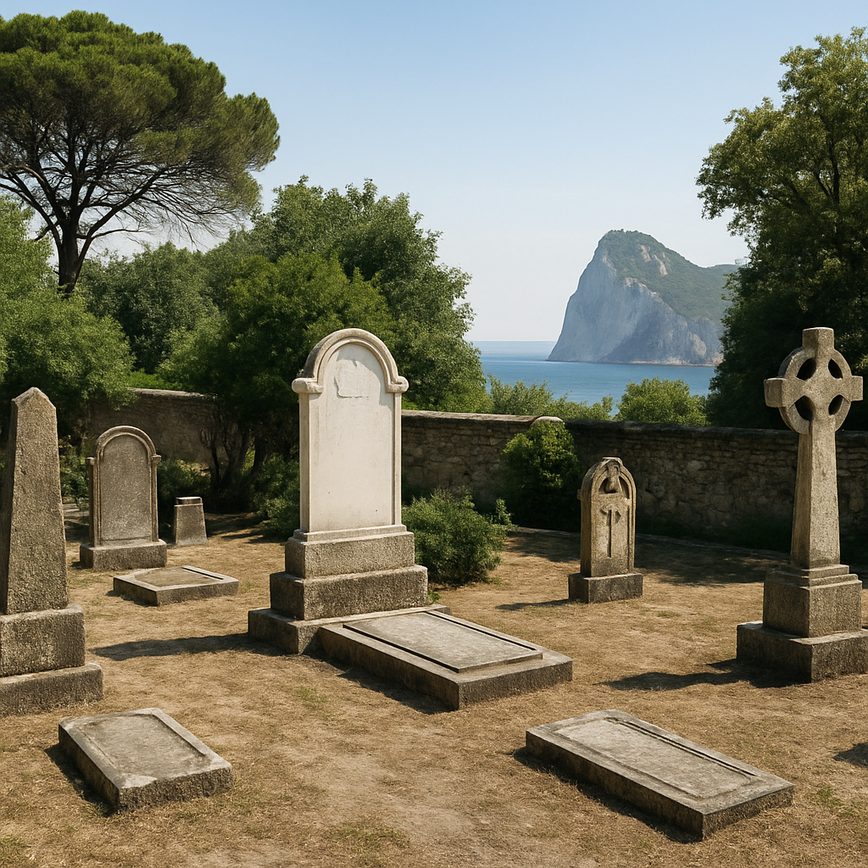
Overview of Trafalgar Cemetery Gibraltar
Trafalgar Cemetery is a historically significant site located in the heart of Gibraltar. This cemetery holds a unique place in Gibraltar history, serving as a silent witness to some of the most pivotal moments in the region’s past. Nestled within the old city walls, Trafalgar Cemetery is not just a resting place but a landmark that reflects the rich and diverse historical tapestry of Gibraltar.
The cemetery’s location is particularly noteworthy. Positioned close to the southern tip of Gibraltar, near the iconic Trafalgar House, it is easily accessible to visitors interested in exploring Gibraltar’s heritage. The site offers a peaceful retreat amid the bustling urban environment, allowing visitors to reflect on the historical events that shaped the territory.
Historically, Trafalgar Cemetery is most famous for its connection to the Battle of Trafalgar, one of the greatest naval battles in British history. The cemetery contains the graves of sailors who lost their lives during this battle in 1805, making it a poignant memorial to those who fought and died in the struggle for naval supremacy. This connection gives the cemetery a profound significance in the story of Gibraltar and its strategic maritime importance.
Beyond the Battle of Trafalgar, the cemetery also reflects the broader history of Gibraltar through its diverse interments. Over the years, it has become the final resting place for a range of individuals who played various roles in Gibraltar’s development, from military figures to local residents. This diverse representation highlights the cemetery’s role as a record of the community’s evolving history.
For historians and tourists alike, Trafalgar Cemetery provides an invaluable overview of Gibraltar history. Its combination of historical importance, evocative location, and well-preserved graves makes it a key site for understanding the heritage of this remarkable territory. Visiting Trafalgar Cemetery offers a chance to connect deeply with Gibraltar’s past and to appreciate the enduring legacy of those who shaped its fate.
Historical Background
Trafalgar Cemetery in Gibraltar holds a significant place in the annals of Gibraltar history. Its origins trace back to the early 18th century, making it one of the oldest cemeteries on the Rock. The cemetery earned its name due to its connection with the Battle of Trafalgar, fought in 1805 during the Napoleonic wars. Although the battle itself took place off the coast of Spain, many sailors who died as a result of wounds or other hardships were brought to Gibraltar for burial, making this site a resting place for several who perished in this pivotal naval conflict.
Beyond its association with the Battle of Trafalgar, the cemetery reflects the broader historical background of Gibraltar, including its strategic military importance and its role during various conflicts in the region. Over time, Trafalgar Cemetery became the final resting place for soldiers, sailors, and civilians linked to Gibraltar’s past military engagements and civilian history alike. Its gravestones and memorials serve as poignant reminders of the human stories intertwined with Gibraltar’s role as a fortress and naval base.
Visitors to the cemetery today can reflect on the sacrifices made during the Napoleonic wars and understand how Trafalgar Cemetery preserves a crucial chapter of Gibraltar history, symbolizing the enduring connection between the Rock, its inhabitants, and the wider historical events that have shaped it.
Location and Accessibility
Trafalgar Cemetery is centrally located within the historic town of Gibraltar, making it an accessible destination for visitors exploring Gibraltar attractions. Nestled near the southern end of the town, the cemetery is situated just a short walk from the bustling city center and other key points of interest. Its proximity to Main Street, Gibraltar’s main thoroughfare, means visitors can easily combine a visit to the cemetery with other sightseeing activities in the area.
For those planning how to visit the cemetery, it is reachable on foot from most parts of the town and is well signposted. Visitors arriving by car can use nearby public car parks, though parking spaces can be limited during peak tourist seasons. Alternatively, local buses serving the town center provide convenient access to the area. The cemetery’s location near the Mediterranean Steps and the Moorish Castle also makes it a convenient stop within a broader tour of Gibraltar’s historic sites.
The cemetery grounds are open to the public, and there are no entrance fees, making it an inviting and reflective spot for those interested in Gibraltar’s rich maritime and military history. Clear pathways and informative signage help visitors appreciate the significance of the site, which commemorates sailors lost during the Battle of Trafalgar. Overall, the Trafalgar Cemetery’s location offers a unique blend of tranquility and historical importance, perfectly complementing other Gibraltar attractions.
Significance and Features of Trafalgar Cemetery
Trafalgar Cemetery in Gibraltar is a site rich in cemetery features that capture both the historical significance and the solemnity of its past. Established in the late 18th century, the cemetery is notable not only for its age but also for its role as a memorial site dedicated to those who lost their lives in significant naval battles, including the famous Battle of Trafalgar. This makes the cemetery a poignant reminder of Gibraltar’s strategic maritime importance and the sacrifices made during times of conflict.
One of the noteworthy cemetery features includes its layout and the weathered, yet carefully preserved gravestones that offer insights into the individuals who were laid to rest there. Many of the memorials bear inscriptions highlighting the lives and naval ranks of the sailors, adding a personal touch to the collective memory held within the cemetery grounds. The aged stones, some of which date back to the early 1800s, stand as silent storytellers of the human cost of war and the passage of time in this historic enclave.
The cemetery is also an important cultural landmark, functioning as an outdoor memorial site that attracts visitors who seek to understand Gibraltar’s past and pay homage to fallen heroes. It provides a serene atmosphere conducive to reflection and remembrance, reinforced by its botanical features such as old trees and well-maintained grounds that contrast with the stark reminders of mortality. This blend of natural beauty and historical weight adds depth to its role as a site of commemoration.
Moreover, Trafalgar Cemetery’s historical significance extends beyond its function as a burial ground. It is one of the oldest cemeteries in Gibraltar and serves as a cultural repository, with guided tours often highlighting the memorials and their stories. Educational initiatives often emphasize the cemetery’s role in commemorating naval history and preserving the memory of those who fought in pivotal battles that shaped Gibraltar and the wider region.
In summary, the Trafalgar Cemetery stands out for its cemetery features that collectively tell a story of valor, sacrifice, and remembrance. Its role as a memorial site is invaluable, providing a tangible connection to Gibraltar’s maritime heritage and a solemn space to honor those who contributed to its defense. It remains a key historical site that preserves memories through its memorials and ensures that the past continues to be respected and remembered.
Notable Monuments and Graves
Trafalgar Cemetery in Gibraltar is home to several prominent monuments and notable graves that commemorate historic events and individuals. Among the most significant are the war memorials dedicated to sailors who perished during the Battle of Trafalgar in 1805. These monuments honor the bravery and sacrifice of those who fought in one of Britain’s most important naval victories.
The cemetery contains graves of famous individuals, including Captain Thomas Norman, a distinguished naval officer whose service contributed to Gibraltar’s maritime defense. Additionally, various war memorial plaques are displayed within the grounds, paying homage to soldiers and sailors from different conflicts tied to the region.
| Monument/Grave | Significance | Details |
|---|---|---|
| Battle of Trafalgar Memorial | War Memorial | Dedicated to sailors lost in the 1805 naval battle |
| Captain Thomas Norman’s Grave | Famous Grave | Distinguished naval officer of Gibraltar |
| War Plaques | War Memorials | Plaques commemorating soldiers from various conflicts |
Preservation and Conservation Efforts
Significant preservation and conservation efforts are actively underway to maintain Trafalgar Cemetery Gibraltar as a vital historical site. These initiatives focus on the careful restoration of the cemetery’s aging tombstones and monuments, ensuring that the delicate inscriptions and intricate carvings are protected from further erosion caused by natural elements. Expert-led restoration projects involve the use of advanced techniques and materials that respect the cemetery’s original construction while enhancing its durability for future generations.
Ongoing preservation programs also include landscaping and structural maintenance to prevent damage from vegetation overgrowth and to stabilize the site’s boundaries. These efforts help in creating a safe and accessible environment for visitors, while safeguarding the cemetery’s heritage. Collaborative partnerships between local authorities, historians, and conservation specialists play a crucial role in these projects, providing the necessary expertise and funding to sustain long-term conservation objectives.
Community engagement is another cornerstone of the cemetery’s preservation strategy. Educational workshops and guided tours raise public awareness about the importance of conserving this historic ground. Through these restoration projects and preservation activities, Trafalgar Cemetery Gibraltar continues to be honored as a cherished monument, ensuring its legacy endures well into the future.
Visiting Trafalgar Cemetery Gibraltar
For those interested in history and looking to enrich their tourism in Gibraltar experience, Trafalgar Cemetery is a must-visit. This historic site offers a poignant glimpse into Gibraltar’s past and is a serene place for reflection. If you are planning your visit, here is a practical visitor guide to help you make the most of your trip.
Opening hours for Trafalgar Cemetery are usually from 9:00 AM to 5:00 PM daily, but it’s advisable to check in advance as timings can occasionally vary, especially around public holidays or special events. Entry to the cemetery is free, making it an accessible spot for everyone.
Guided tours are available and highly recommended if you want to gain a deeper understanding of the historical significance of the site. These tours offer insightful commentary on the cemetery’s connection to the Battle of Trafalgar and notable burials, enhancing your appreciation of the heritage site. Tours can often be booked through local tourism offices or through Gibraltar’s official tourism websites.
When exploring the cemetery, visitors are encouraged to show respect by maintaining a quiet demeanor and refraining from touching or disturbing the gravestones. Photography is usually permitted, but using tripods or flash may sometimes be restricted to preserve the integrity of the site.
To fully enjoy your visit, consider bringing a bottle of water, wearing comfortable walking shoes, and applying sunscreen if you plan to explore in the summer heat. There are benches around the cemetery where you can rest and absorb the tranquil atmosphere.
Trafalgar Cemetery also offers a unique perspective on Gibraltar’s naval history and commemorates those who played a role in shaping the region. Whether you’re visiting as a history buff or just as a curious tourist, this peaceful site provides a meaningful complement to your exploration of Gibraltar’s many attractions.
Visitor Guidelines and Tips
When visiting Trafalgar Cemetery Gibraltar, it is important to respect visitor rules to ensure a pleasant experience for everyone and to preserve this historic site. The cemetery is a place of remembrance, so please behave with decorum—avoid loud conversations, refrain from touching monuments, and do not litter. Staying on designated paths helps protect the grounds and respects the resting places of those interred there.
Visitors should expect a tranquil atmosphere, ideal for reflection. The cemetery is an outdoor site, so wearing comfortable walking shoes and bringing sun protection—such as hats and sunscreen—is advisable, especially during the hotter months. Photography is allowed, but it is courteous to avoid capturing images of other visitors without permission.
Tourist advice suggests visiting early in the day to avoid crowds and to fully appreciate the historical significance of the site at a relaxed pace. Guided tours are sometimes available and can enhance your understanding of the cemetery’s unique heritage. Be mindful of opening hours and any special notices posted at the entrance.
Adhering to these visitor rules and following the tips provided will help you enjoy your visit to Trafalgar Cemetery Gibraltar while honoring its solemn importance. Remember that your respectful behavior contributes to preserving this treasured cultural landmark for future generations.
Nearby Attractions
When visiting Trafalgar Cemetery in Gibraltar, there are several nearby attractions that enrich the experience and offer a deeper dive into Gibraltar tourism. Just a short walk from the cemetery, you can explore the iconic Europa Point, where the majestic views of the meeting point of the Atlantic Ocean and the Mediterranean Sea await. This spot is perfect for visitors wanting to capture stunning landscapes and learn about the strategic maritime significance of Gibraltar.
Another fascinating place to visit nearby is the Moorish Castle, a historic fortress that dates back to the 8th century. Its towers and walls provide insight into the multicultural heritage of Gibraltar and offer panoramic views from its elevated position. History enthusiasts will find this landmark particularly compelling.
Additionally, the Gibraltar Museum is a must-see for those interested in the rich history and natural heritage of the Rock. Exhibits range from archaeological discoveries to military artifacts, making it an educational stop for the whole family. Close to the cemetery and located in the city center, it’s easily accessible.
For nature lovers, the nearby Alameda Wildlife Conservation Park offers a chance to see native and exotic animals in a well-maintained setting. It’s a pleasant detour from historical sites and provides a contrasting experience with its lush greenery and wildlife focus.
These places, together with Trafalgar Cemetery, form a compelling itinerary for anyone looking to explore the best places to visit nearby in Gibraltar. Embracing these attractions allows visitors to experience the diverse cultural, historical, and natural charms that Gibraltar tourism has to offer.

I have always been captivated by the unique cultural tapestry of the Rock, particularly how Moorish, Spanish, and British influences shaped its development over centuries. My passion lies in translating these complex historical narratives into engaging educational resources that make Gibraltar’s past accessible to everyone. I spend my free time exploring military fortifications and reading first-hand accounts of life at the Pillar of Hercules.