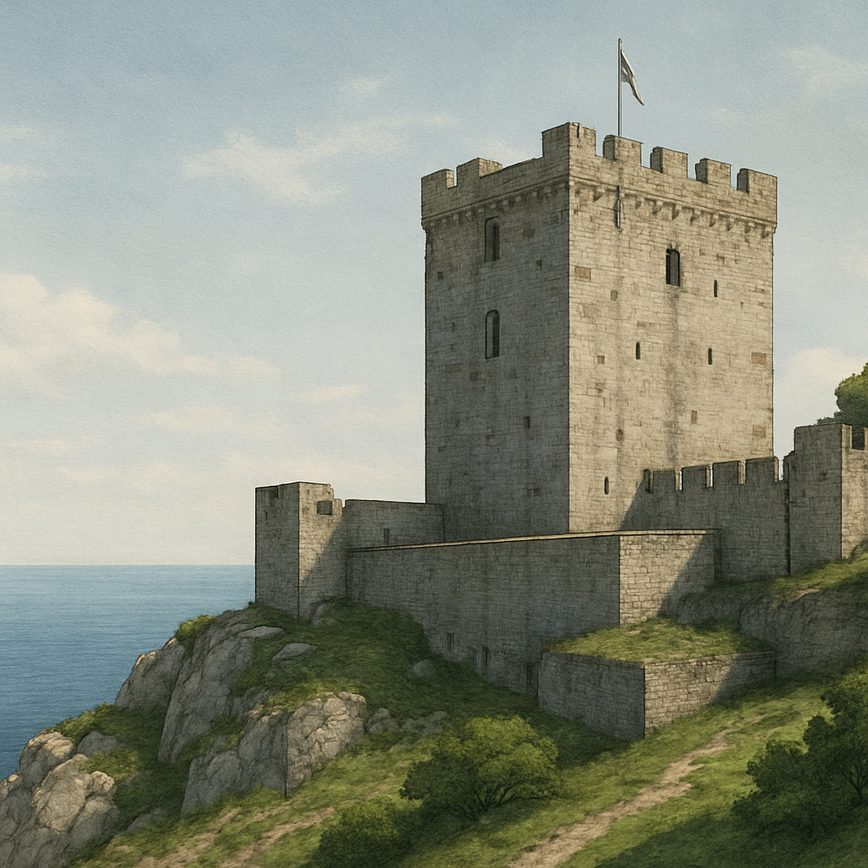
Introduction to the Tower of Homage Gibraltar
The Tower of Homage Gibraltar is a striking medieval tower that stands as a testament to the rich history and strategic significance of Gibraltar. This iconic structure forms part of the larger Moorish Castle complex, which dates back to the Middle Ages, offering a window into the past and the various cultures that have influenced the region over centuries.
Situated prominently on the Rock of Gibraltar, the Tower of Homage was primarily built as a defensive stronghold. Its robust construction and elevated position allowed it to serve as a lookout point and a place of refuge during times of conflict. The tower’s thick stone walls and commanding height made it an integral component of Gibraltar’s fortifications, playing a key role in controlling access to this strategically important peninsula.
Historically, the Tower of Homage Gibraltar reflects the layered past of the territory, which passed through the hands of Moors, Spanish, and British rulers. Each power contributed to the architectural evolution and military enhancements of the castle. The tower itself is a prime example of medieval military architecture, designed not just for defense but also to symbolize power and dominance within the region.
In Gibraltar history, the Tower of Homage holds a place of great importance as it represents the resilience and strategic foresight of those who governed this key point at the entrance to the Mediterranean. Its preservation allows visitors and historians alike to appreciate the complex interplay of cultures, conflicts, and conquests that have shaped Gibraltar’s unique identity.
Today, the Tower of Homage remains a popular historic landmark, attracting visitors interested in medieval towers and Gibraltar history. It stands not only as a monument to military prowess but also as a cultural emblem that connects the present with the medieval past of this remarkable fortress town.
Historical Significance and Architecture
The Tower of Homage stands as one of the most iconic elements of Gibraltar fortifications, embodying centuries of military history and architectural prowess. This imposing structure was central to the defense system of Gibraltar, serving both as a lookout and a formidable stronghold against would-be invaders. Its historical importance is deeply tied to Gibraltar’s strategic position at the entrance to the Mediterranean, where control of the tower meant power over a vital maritime passage.
Architecturally, the Tower of Homage is a blend of medieval design and later modifications that reflect the evolving demands of military defense. The tower’s robust stone construction features thick walls designed to withstand cannon fire and siege tactics common in earlier centuries. From its battlements, soldiers could monitor naval movements and coordinate defensive responses. The tower’s height and vantage point provided an unparalleled view of both land and sea, crucial for early warning and quick communication during times of conflict.
Within Gibraltar’s fortifications, the Tower of Homage played a critical role not only as a defensive bastion but also as a symbol of resilience and authority. Over the centuries, it has witnessed numerous battles and sieges, each contributing to its layered historical narrative. Its strategic architecture was complemented by surrounding walls and other defensive structures that collectively formed a comprehensive defense mechanism. This collaboration of fortifications underscores the tower’s role as the heart of Gibraltar’s military defenses, protecting the territory from both naval incursions and land attacks.
In summary, the Tower of Homage architecture reveals much about the historical importance of Gibraltar as a fortified military stronghold. The tower’s lasting presence highlights its effectiveness in defense and its symbolic representation of Gibraltar’s enduring strategic role. Today, it not only attracts historians and visitors but also stands as a testament to the sophisticated military engineering and architectural ingenuity that characterized Gibraltar’s fortifications throughout history.
Construction and Architectural Style
The Tower of Homage in Gibraltar is a remarkable example of medieval architecture, showcasing construction techniques and materials that highlight the defensive needs and aesthetic preferences of the period. Built primarily from locally sourced limestone, the tower’s robust walls were designed to withstand sieges, providing a formidable barrier against invaders. The thick masonry not only served structural purposes but also helped insulate the interior from the elements.
Medieval architecture is prominently reflected in the tower’s design, with features such as battlements, arrow slits, and crenellations that emphasize its military function while adding to the tower’s imposing silhouette. The use of arches and vaulted ceilings within the tower showcases a typical construction technique of the era, allowing for greater weight distribution and structural stability.
The construction process involved meticulous layering of stone blocks with lime mortar, ensuring durability and longevity. The architectural style blends functional military design with elements that reflect the Gothic and Norman influences common in medieval fortifications. This combination of construction techniques and stylistic elements not only fortified the Tower of Homage but also made it a significant architectural landmark within Gibraltar’s historical landscape.
Role in Gibraltar’s Military History
The Tower of Homage has played a crucial role in Gibraltar’s military history, serving as a cornerstone of fortress defense for centuries. As a primary defensive structure within the Gibraltar tower complex, it was strategically positioned to oversee and control key access points to the territory. Its robust construction and elevated vantage point allowed it to function as an early warning post against enemy advances, making it indispensable in the protection of Gibraltar throughout various conflicts.
Throughout history, the Tower of Homage was integral in repelling multiple sieges and attacks, demonstrating its importance in the region’s defense strategy. The tower’s role extended beyond just surveillance; it housed troops and weapons essential for withstanding prolonged assaults. As Gibraltar was a vital military and naval base, controlling the tower meant securing a significant tactical advantage over adversaries aiming to dominate the strait.
Its strategic importance is also highlighted by the fact that successive military powers that governed Gibraltar invested in maintaining and upgrading the tower to adapt to evolving military technologies and threats. The Tower of Homage remains a symbol of Gibraltar’s resilient military heritage and its longstanding function as a fortress defense stronghold, embodying centuries of military strategy and architectural ingenuity.
Visiting the Tower of Homage Today
When planning to visit the Tower of Homage, one of the most iconic tourist attractions in Gibraltar, preparation will enhance your experience. The Tower is easily accessible to the public, located within the historic Moorish Castle complex, making it a convenient stop for anyone interested in Gibraltar sightseeing. Visitors can reach the site via a short walk from the city center or by local transport, with clear signposts guiding the way.
The Tower of Homage offers a range of tours tailored to different interests. Guided tours provide in-depth historical context, exploring the Tower’s architectural significance and its role through Gibraltar’s past. These tours often include access to areas not usually open to the public, allowing visitors to fully appreciate the site’s grandeur and defensive features. Audio guides are also available for those who prefer a self-paced experience, available in multiple languages to cater to international tourists.
Expect to spend about one to two hours exploring the Tower and its surrounding grounds. The visit offers panoramic views of Gibraltar and beyond, making it a prime spot for photography enthusiasts. The site is well-maintained with informative displays that detail the Tower’s history, helping visitors understand its strategic importance over the centuries. Comfortable walking shoes are recommended due to the uneven stone floors and stairs within the Tower.
Facilities at the Tower of Homage include rest areas and a small visitor center where you can purchase souvenirs and maps for Gibraltar sightseeing. There are also restroom facilities nearby. The site is family-friendly and educational, making it suitable for visitors of all ages. Seasonal events and special exhibitions related to Gibraltar’s cultural heritage are often hosted here, so checking the official visiting schedule before your trip can enhance your visit.
In summary, to visit the Tower of Homage is to step into a living piece of Gibraltar’s history. As a highlight among tourist attractions in Gibraltar, it offers a blend of educational content, breathtaking views, and a tangible connection to the past. Whether you are a history buff or simply looking to explore Gibraltar’s rich cultural landscape, the Tower of Homage presents a memorable and accessible destination.
Visitor Experience and Tours
The Tower of Homage offers a variety of tours designed to enrich the visitor experience and provide a deep understanding of its historical significance. Guided visits are available daily, led by expert guides who share fascinating stories and insights about the tower’s architecture, its role in Gibraltar’s defense, and the lives of those who once inhabited it. These tours cater to different interests and age groups, ensuring that every visitor can engage meaningfully with the site.
For those seeking a more personalized experience, private tours can be arranged in advance. These specialized tours allow visitors to explore the tower at a comfortable pace, ask detailed questions, and even gain access to restricted areas not typically open during standard visits. Additionally, seasonal themed tours focus on specific aspects of the tower’s history, such as its medieval fortifications or its role in maritime defense, adding an educational layer to your visit.
The visitor facilities at the Tower of Homage include an informative visitor center, where guests can find maps, brochures, and multimedia exhibits that complement the guided tours. There is also a gift shop offering unique souvenirs and a café where visitors can relax after their tour. Accessibility features ensure that the experience is enjoyable for all, including those with mobility challenges.
Overall, the visitor experience at the Tower of Homage is immersive and engaging. The combination of knowledgeable guides, well-maintained facilities, and interactive exhibits makes every visit memorable. Whether you come for a quick tour or an in-depth exploration, the tower’s historic charm and rich narratives promise a rewarding experience for everyone.
Conservation and Preservation Efforts
Ongoing conservation and preservation efforts are essential for maintaining the Tower of Homage, a significant historical monument. These initiatives are carefully designed to protect the tower’s structural integrity while respecting its historical and cultural significance. Heritage management plays a crucial role in coordinating these efforts, ensuring that all activities adhere to best practices and promote long-term sustainability.
Specialized conservation techniques are employed to address the challenges posed by natural weathering, pollution, and the passage of time. This includes meticulous restoration work using materials that match the original construction, preventing further deterioration. Preservation specialists continuously monitor the tower to identify any emerging issues early, allowing for prompt intervention.
Beyond physical repairs, preservation encompasses protecting the tower’s environment to reduce risks such as erosion or damage from increased tourism. Public engagement and education form part of heritage management strategies, fostering a sense of community ownership and encouraging responsible visitation. These combined efforts ensure that the Tower of Homage remains a well-protected landmark for future generations to appreciate and learn from.

I have always been captivated by the unique cultural tapestry of the Rock, particularly how Moorish, Spanish, and British influences shaped its development over centuries. My passion lies in translating these complex historical narratives into engaging educational resources that make Gibraltar’s past accessible to everyone. I spend my free time exploring military fortifications and reading first-hand accounts of life at the Pillar of Hercules.