Tracing the Gibraltar education transition Moorish to British reveals a layered history where pedagogical methods shifted not just in content, but in fundamental purpose and social function. The shift from the community-centered madrasas of the Andalusian period to the state-managed grammar schools of the British era reflects broader changes in governance, language, and identity on the Rock. Understanding this evolution requires looking beyond simple institutional labels to examine how teaching materials, curriculum priorities, and student pathways changed over centuries. This curated look at key phases offers a clear map of how Gibraltar’s schooling system was rebuilt from the ground up, highlighting the specific criteria that defined each era’s approach to learning.
Defining the Moorish Pedagogical Foundation
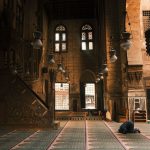
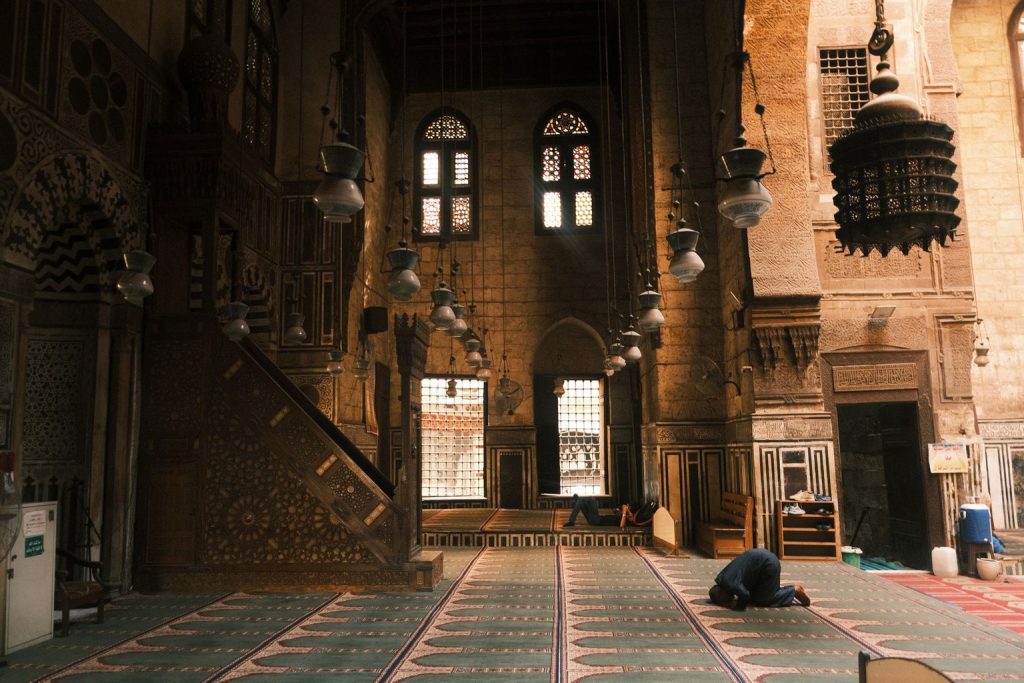
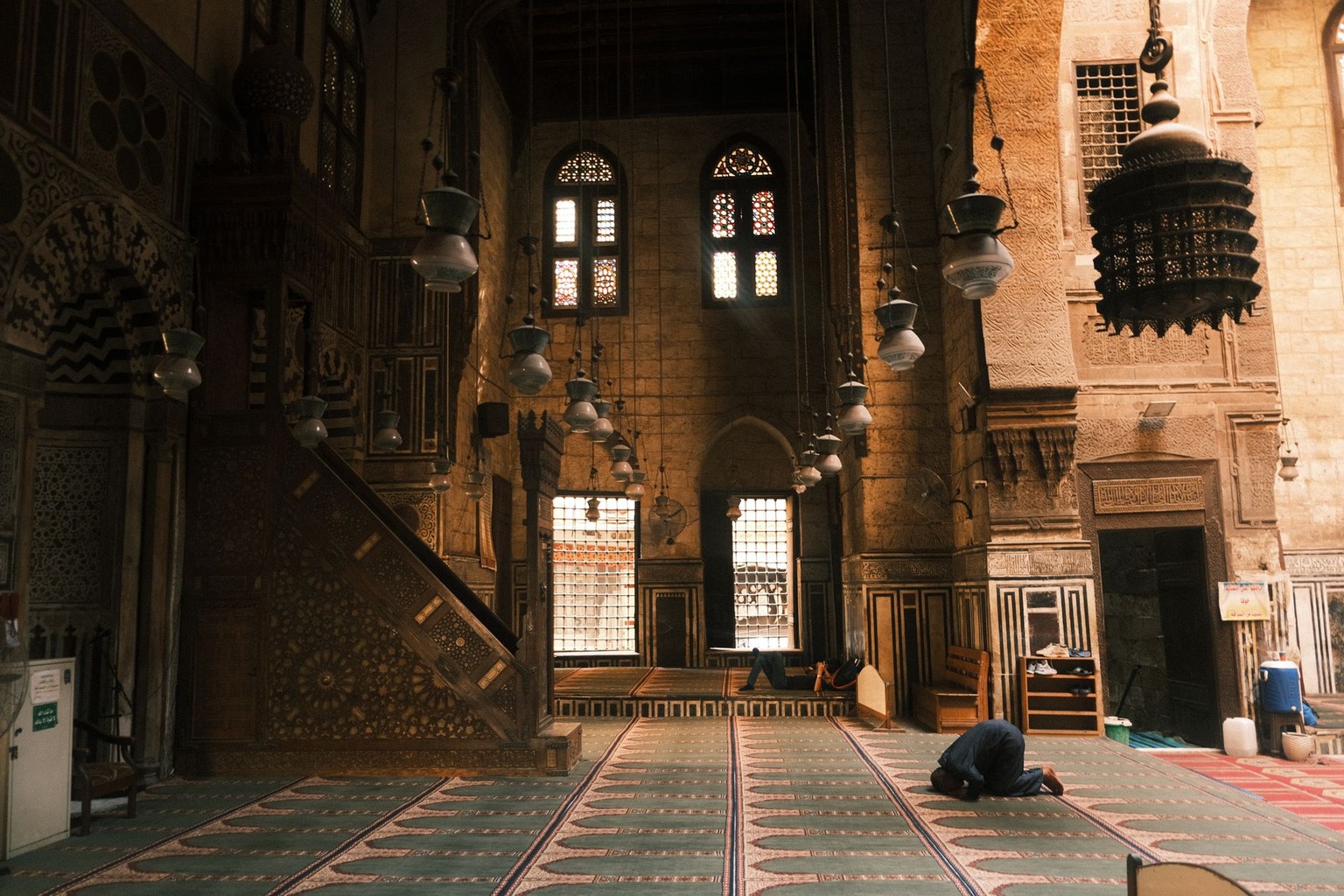
The educational structures present during the Andalusian period were deeply integrated into the religious and social fabric of the community. Madrasas served as centers for transmitting Islamic jurisprudence, Quranic recitation, and Arabic literature, with curricula that prioritized memorization and oral transmission of texts. These institutions were often attached to mosques or charitable endowments, meaning access was tied to local community ties rather than economic status alone. The teaching method relied heavily on the master-apprentice model, where students sat in close proximity to instructors who recited texts for them to copy and repeat. This created a learning environment where accuracy of repetition was valued above individual creative interpretation.
Language played a central role in these early institutions, with Arabic serving as the sole medium of instruction for both religious and secular subjects like mathematics and astronomy. Students were expected to master classical Arabic grammar and rhetoric before engaging with more complex philosophical or scientific texts. The social hierarchy within the classroom was strict, reflecting broader societal norms where respect for elders and scholars was paramount. This structure ensured that knowledge was preserved faithfully across generations, but it also limited the scope of inquiry to established orthodoxies. The physical layout of these schools, often open-air courtyards or small enclosed rooms, reinforced the communal nature of learning.
Secular subjects were not entirely absent from the Moorish curriculum, though they were secondary to religious studies in terms of time allocation and prestige. Astronomy was taught for practical purposes related to prayer times and navigation, while mathematics focused on arithmetic necessary for commerce and inheritance law. These practical applications show that education was viewed as a tool for maintaining social order and economic stability within the community. The absence of formal examinations meant that mastery was assessed through the scholar’s observation of the student’s progress over time. This long-term, relationship-based assessment model stood in stark contrast to the standardized testing methods that would emerge later.
The Spanish Interlude and Linguistic Continuity
When Gibraltar came under Spanish rule following the Reconquista, the educational system underwent a gradual transformation that maintained many structural elements while shifting the linguistic and religious focus. The introduction of Catholic monasteries and parish schools brought Latin back into the curriculum as the primary language of higher learning, replacing Arabic in the upper echelons of education. However, at the local level, vernacular Spanish became the dominant medium for basic literacy and numeracy, reflecting the everyday language of the majority population. This bilingual dynamic created a unique educational environment where students navigated between the formal, Latin-based curriculum of the church schools and the practical, Spanish-based instruction in community settings.
The Spanish period also saw the establishment of more formalized primary schools, often run by religious orders who emphasized catechism alongside basic reading and writing skills. These institutions served a broader segment of the population than the earlier madrasas, as they were designed to ensure that all citizens possessed a basic level of literacy required for civic participation. The curriculum included rudimentary history and geography, focusing on the Spanish monarchy and the Catholic Church’s role in European civilization. This shift from religious orthodoxy to national identity marked a significant change in the purpose of education on the Rock.
Economic factors also played a role during this period, as Gibraltar’s strategic importance grew under Spanish rule and with it the need for a more educated workforce in administrative and military support roles. Schools began to incorporate practical skills like bookkeeping and basic engineering principles, reflecting the practical needs of a growing garrison town. The physical infrastructure of schools improved slightly, with more dedicated buildings constructed away from religious sites to allow for secular teaching. This separation of church and state in educational settings laid the groundwork for the more secular approach that would be adopted under British rule.
British Administrative Reforms and Secularization
The cession of Gibraltar to Britain in 1704 triggered a rapid overhaul of the educational system, driven by the need to create a loyal and literate population aligned with British imperial interests. The first major step was the introduction of English as the official language of administration and, consequently, education. This linguistic shift was not merely a change in medium but a fundamental reorientation of cultural values, as English texts replaced Spanish and Arabic sources in classrooms. The British authorities established public schools funded by the Treasury, which offered free education to children of the working class in exchange for basic literacy and obedience to authority. This model aimed to create a stable, docile workforce that would support the military and commercial functions of the garrison.
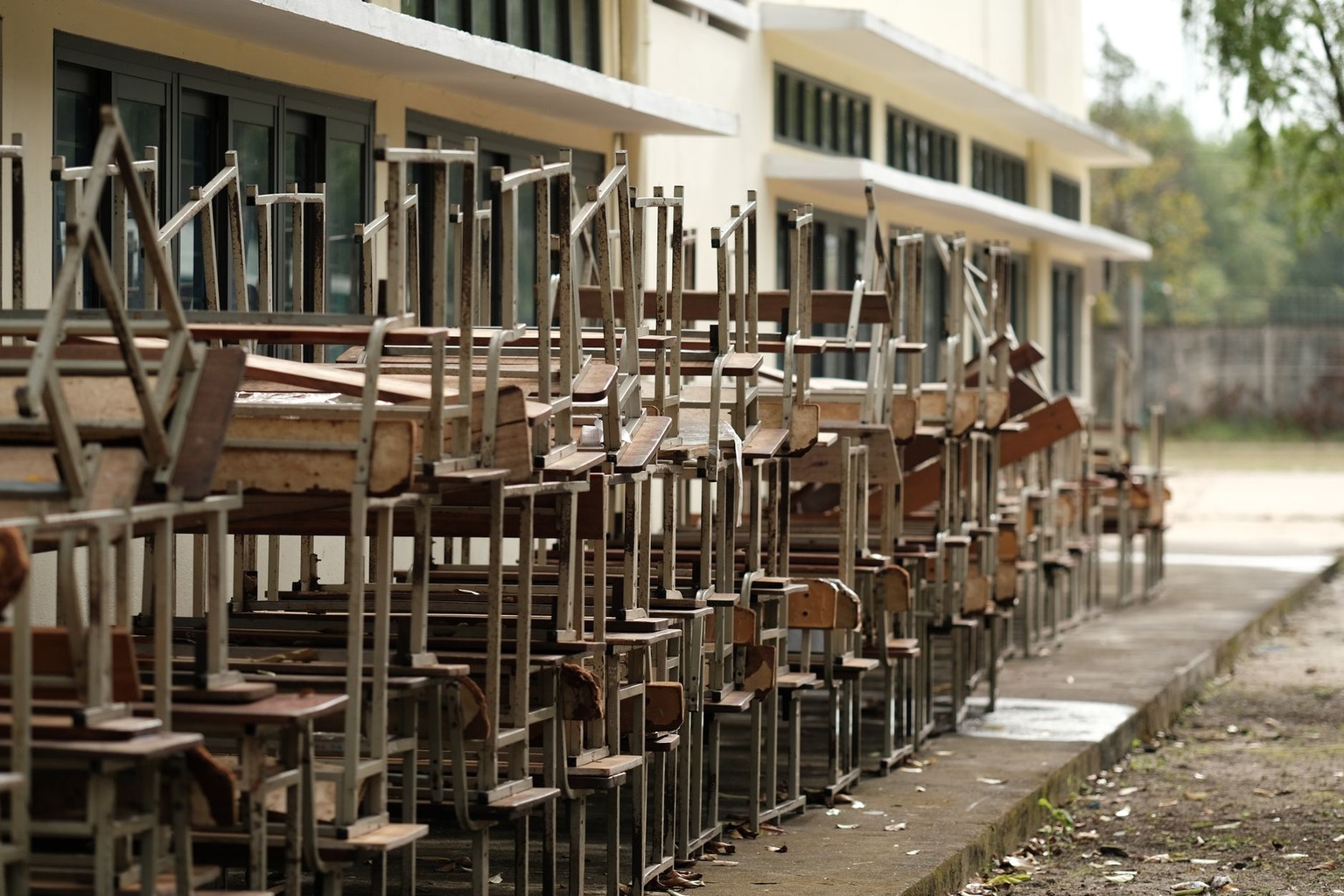
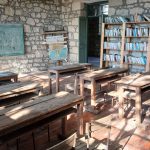
The curriculum in these new British-style schools focused heavily on English grammar, arithmetic, and basic sciences, with religious instruction centered on Protestant theology rather than Catholic or Islamic traditions. This secularization of content was a deliberate strategy to distance Gibraltar from its Iberian neighbors and integrate it more fully into the British imperial network. Students were taught about British history, geography, and literature, fostering a sense of national identity that transcended local community ties. The physical layout of these schools also changed, with separate classrooms for different subjects and levels, reflecting the industrial-era emphasis on efficiency and standardization.
The role of the teacher also shifted during this period, moving from a respected scholar to a salaried state employee with specific duties and performance metrics. This professionalization of teaching brought with it standardized lesson plans and assessment methods, reducing the flexibility that had characterized earlier educational models. The British administration also introduced compulsory education laws in the late 19th century, ensuring that all children attended school for a minimum number of years. These reforms created a more equitable system in terms of access but also imposed a rigid structure that limited local autonomy in educational decision-making.
The Rise of Grammar Schools and Academic Tracking
By the mid-20th century, the establishment of grammar schools introduced a new layer of complexity to Gibraltar’s educational landscape, creating a two-tier system based on academic ability. These schools offered a more rigorous curriculum that included advanced mathematics, foreign languages, and sciences, preparing students for university education and professional careers. The selection process for grammar schools was competitive, relying on standardized exams that tested verbal and non-verbal reasoning skills. This tracking system effectively divided the student population into those destined for academic pursuits and those who would enter vocational or technical training paths.
The curriculum in grammar schools was heavily influenced by the British national system, with a strong emphasis on critical thinking, analytical writing, and independent research. Students were expected to engage with complex texts and develop their own arguments, a significant departure from the memorization-based methods of earlier eras. The inclusion of foreign languages, particularly Spanish and French, reflected Gibraltar’s unique geographic position and the need for multilingual skills in a cross-cultural environment. This academic focus attracted families who valued educational achievement as a means of social mobility, creating a new class of professionals on the Rock.
The social implications of this tracking system were significant, as it reinforced existing class divisions by linking educational outcomes to family background and economic status. Children from wealthier families had greater access to private tutoring and resources that helped them succeed in the competitive entrance exams. This created a cycle where academic success became a marker of social status, with grammar school graduates often occupying the top positions in government and business. The vocational schools, on the other hand, served a different demographic, providing practical skills for trades and manual labor. This bifurcation of the system has been a subject of ongoing debate regarding equity and access in Gibraltar’s education.
Modern Integration and European Influences
The latter half of the 20th century saw the gradual integration of European educational standards into Gibraltar’s system, particularly after the UK’s entry into the European Economic Community. This influence brought a renewed focus on vocational training, apprenticeships, and cross-border cooperation in education. The curriculum began to incorporate more practical and applied subjects, reflecting the changing economic needs of a service-based economy. Students were encouraged to develop skills that were relevant to the local labor market, such as tourism management, finance, and logistics. This shift towards employability-focused education marked a departure from the purely academic focus of the grammar schools.

The introduction of the GCSE (General Certificate of Secondary Education) and A-Level qualifications aligned Gibraltar’s secondary education more closely with the rest of the UK, facilitating student mobility and recognition of qualifications abroad. These standardized assessments provided a clear framework for measuring student achievement and allowed for comparison with other countries in Europe. The curriculum also began to include more diverse perspectives, reflecting Gibraltar’s multicultural society and its position as a gateway between Europe and Africa. This broadening of the educational scope helped to create a more inclusive system that recognized the value of different forms of knowledge and skill.
The digital revolution has further transformed the modern educational landscape, with technology playing an increasingly important role in teaching and learning. Online resources, digital libraries, and interactive tools have expanded access to information and allowed for more personalized learning experiences. Teachers have had to adapt their methods to incorporate these new technologies, moving away from traditional lecture-based instruction towards more collaborative and project-based approaches. This ongoing evolution shows that Gibraltar’s education system continues to respond to global trends while maintaining its unique local character.
Evaluating the Long-Term Impact on Identity
The cumulative effect of these educational shifts has been a profound transformation of Gibraltarian identity, as language, values, and social norms have been reshaped over centuries. The transition from Arabic to Spanish to English as the primary medium of instruction reflects broader geopolitical changes but also highlights the resilience of local cultural practices. Many Gibraltarians maintain a strong connection to their Andalusian heritage through language, cuisine, and social customs, even as they navigate a predominantly English-speaking educational environment. This dual identity is a source of strength, allowing individuals to draw on diverse cultural resources in their personal and professional lives.
The educational system has also played a key role in shaping Gibraltar’s political and economic development, by producing generations of skilled workers, professionals, and leaders who have contributed to the territory’s growth. The emphasis on literacy, critical thinking, and practical skills has created a highly educated population that is well-equipped to compete in the global economy. However, this progress has not come without challenges, as the system continues to grapple with issues of equity, access, and relevance in a rapidly changing world. The ongoing debate about the future of education on the Rock reflects broader questions about how to balance tradition with innovation and local identity with global integration.
Looking ahead, the educational system must continue to evolve to meet the needs of a diverse and dynamic society. This requires a commitment to inclusive practices that recognize the value of different backgrounds and experiences, as well as a willingness to adapt curricula and teaching methods to reflect emerging trends in technology and the labor market. The history of Gibraltar’s education offers valuable lessons about the power of learning to shape identity and opportunity, reminding us that the choices we make about how we teach and what we teach have lasting consequences for the future. By understanding this rich history, we can better appreciate the complexities of the present and work towards a more just and effective educational system for all.

I have always been captivated by the unique cultural tapestry of the Rock, particularly how Moorish, Spanish, and British influences shaped its development over centuries. My passion lies in translating these complex historical narratives into engaging educational resources that make Gibraltar’s past accessible to everyone. I spend my free time exploring military fortifications and reading first-hand accounts of life at the Pillar of Hercules.