

Origins of the Library in Gibraltar
The library history of Gibraltar is a fascinating journey that reflects the territory’s rich cultural and intellectual heritage. The origins of libraries in Gibraltar can be traced back to the early 19th century, a period when the importance of public access to knowledge was becoming widely recognized across Europe. Gibraltar, with its strategic location and diverse population, quickly embraced this trend, fostering a culture that valued education and literary resources.
One of the earliest recorded efforts to establish a library in Gibraltar was in 1804, during the British military presence, when officers set up collections of books for use in their quarters. These initial libraries primarily served a small, elite community but laid the groundwork for broader public access in later years. The early libraries were modest but encompassed a range of literature, history, and scientific works, reflecting the intellectual curiosities of the time.
Key figures played instrumental roles in forging the foundation of Gibraltar’s early libraries. Among them was Colonel John Macintosh, a notable British officer who championed the cause of public education and supported the creation of accessible repositories of knowledge. His efforts culminated in the foundation of a more organized library service by mid-19th century that gradually expanded beyond military personnel to include civilians.
The institutionalization of libraries in Gibraltar began with the establishment of the Gibraltar Library and Literary Society in 1839. This institution marked a turning point in the territory’s library history, signaling a clear commitment to developing an organized framework for public reading and learning. The society collected donations and book gifts from residents and visitors, actively fostering a culture of literacy and intellectual engagement among the local community.
The development of early libraries in Gibraltar was closely tied to its sociopolitical context, where the convergence of different cultures and the strategic importance of the territory highlighted the need for educational resources. Over the decades, these early library institutions grew not only in size but also in scope, gradually incorporating various languages and subjects to reflect the multicultural makeup of Gibraltar.
In summary, the library history of Gibraltar is rooted in its early 19th-century origins when key figures and the establishment of foundational organizations fueled the growth of public libraries. These early libraries became essential centers of learning, contributing significantly to Gibraltar’s intellectual and cultural identity. The evolution from private collections to public institutions underscores Gibraltar’s enduring commitment to the power of knowledge and education.
Pre-20th Century Developments
Before the 20th century, Gibraltar’s libraries served as crucial repositories for a variety of early libraries’ collections, focusing on preserving historical documents and books vital to the region’s unique cultural and political heritage. These early libraries primarily housed manuscripts, religious texts, travelogues, maps, and legal documents that reflected Gibraltar’s strategic significance as a military and maritime hub.
The historical collections of these libraries were essential in documenting the evolution of Gibraltar through different ruling periods, capturing insights into military campaigns, trade, and daily life. In particular, archives included records from British colonial administration, local government decrees, and correspondence that provide a rich narrative of the territory’s past.
Libraries functioned not only as centers for knowledge preservation but also as vital community spaces where scholars, officials, and residents could access Gibraltar archives to inform decisions or further research. This role underscored the importance of maintaining accurate records and safeguarding them for future generations, ensuring the continuity of Gibraltar’s historical legacy well before the modernization of library institutions in the 20th century.
Influence of British Rule on Library Growth
The British Gibraltar period marked a significant turning point in the development and expansion of library facilities across the territory. Under British governance, there was a clear emphasis on enhancing educational and cultural infrastructure, which directly contributed to the library expansion seen during this era. The establishment of public libraries and the systematic increase in literary collections helped transform Gibraltar into a center of learning and cultural exchange.
British authorities recognized the importance of accessible knowledge and cultural resources for the local population and the growing administrative and military presence. This recognition led to sustained investments in library buildings, modern cataloging systems, and the acquisition of diverse collections. The focus was not only on British and European literary works but also on materials relevant to Gibraltar’s unique cultural and historical context, fostering a blend of local and colonial narratives.
Moreover, the British influence encouraged a culture of reading and education, with libraries becoming essential hubs for community engagement and intellectual growth. Initiatives like reading programs and public lectures were introduced, further integrating libraries into the cultural fabric of Gibraltar. The expansion of library services during British rule thus reflected broader cultural influences, highlighting the role of governance in shaping educational resources and preserving cultural heritage.
Modern Evolution and Expansion
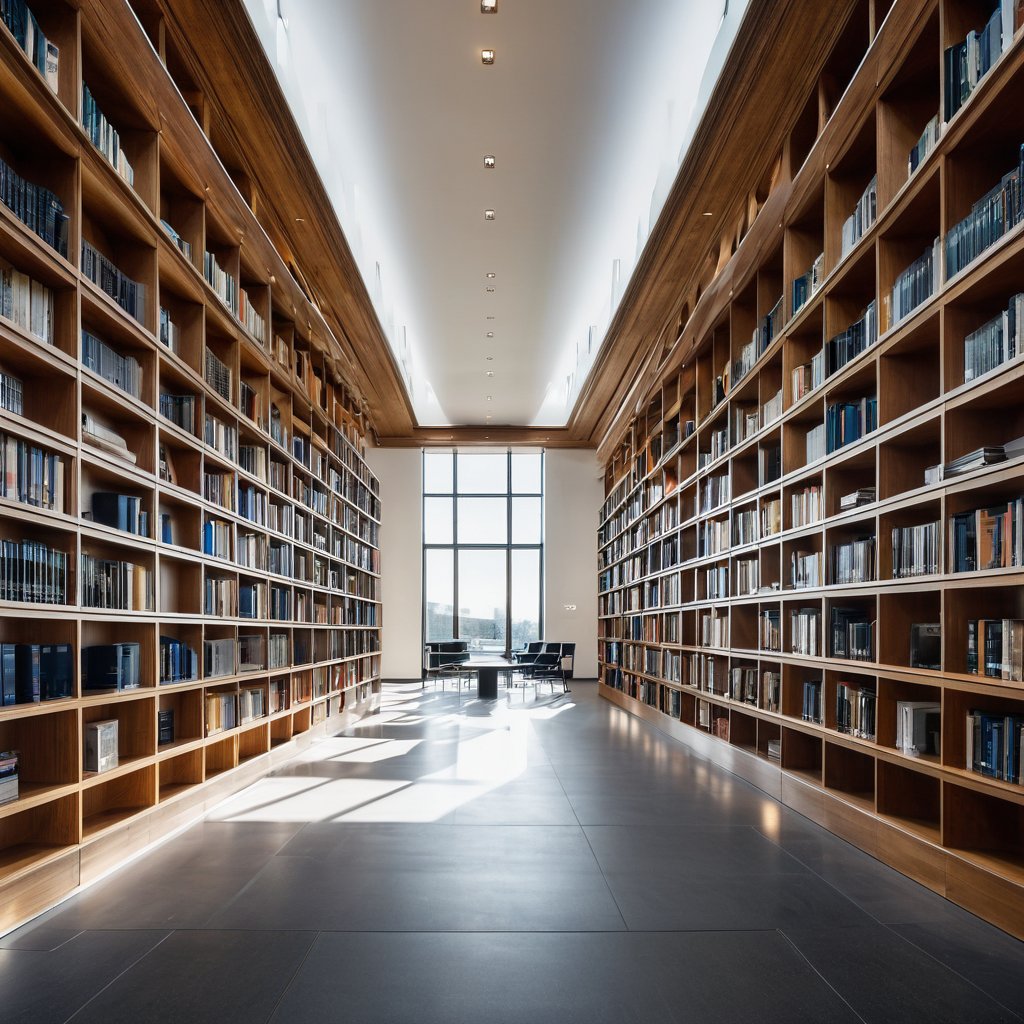
The modern libraries of Gibraltar have undergone significant evolution and expansion since the late 20th century, reflecting broader global trends in library science and technology. The Gibraltar public library system has embraced these changes wholeheartedly, transforming from traditional book repositories into vibrant community hubs that provide a diverse range of library services designed to meet the needs of a contemporary and digitally connected population.
One of the most notable advancements in recent decades is the integration of technology into library operations. The Gibraltar public library has incorporated digital catalogs, online lending systems, and access to electronic resources, including e-books, audiobooks, and academic journals. This shift has expanded the accessibility of information, allowing patrons to explore vast resources remotely. Moreover, public access computers and free Wi-Fi have become standard offerings, supporting digital literacy and bridging the technology gap within the community.
Alongside technological growth, Gibraltar’s libraries have enhanced their range of library services to foster greater community engagement. Programs such as literacy workshops, children’s story hours, and cultural events have strengthened the library’s role as a center for education and social interaction. The library regularly collaborates with schools, local artists, and historical societies to curate exhibitions and host lectures that promote knowledge sharing and cultural appreciation.
Community involvement has become a cornerstone of the modern library experience in Gibraltar. The library serves as a meeting place for diverse groups and provides tailored resources to support the needs of different demographics, including seniors, students, and new immigrants. Volunteer programs and partnerships with community organizations have further expanded the library’s reach, turning it into a dynamic space that encourages lifelong learning and civic participation.
In summary, the modern evolution and expansion of Gibraltar’s libraries highlight a conscious move towards creating inclusive, technologically advanced, and socially engaging environments. These developments ensure that the Gibraltar public library remains a vital resource and pillar of the community well into the future.
Technological Advancements in Gibraltar Libraries
In recent years, Gibraltar libraries have embraced significant technological advancements to enhance access and usability for their patrons. The adoption of digital catalogs has transformed the way users search for and locate materials, allowing instant access to extensive databases from anywhere at any time. This shift from traditional card catalogs to online systems has streamlined research and made library resources more accessible to a broader audience.
Moreover, the integration of online resources has expanded the reach of Gibraltar’s libraries beyond their physical walls. Patrons can now access scholarly articles, e-books, audio files, and a wide range of digital content through library websites and dedicated portals. This move not only caters to an increasingly tech-savvy population but also supports lifelong learning and remote education opportunities.
The introduction of e-books has been particularly impactful, providing users with a convenient and eco-friendly alternative to printed materials. These electronic books offer immediate availability and can be read on various devices, which aligns with the modern lifestyle and preferences of Gibraltar’s diverse community. Libraries continue to invest in technology adoption, ensuring their collections remain dynamic and responsive to changing needs.
Overall, Gibraltar’s libraries exemplify how technology can enhance traditional library services, making knowledge more accessible while fostering greater engagement with digital tools and resources.
Community Programs and Educational Outreach
The community libraries in Gibraltar play a vital role in fostering education programs that contribute significantly to literacy improvement and public engagement. These initiatives are tailored to support diverse age groups and backgrounds, ensuring inclusive access to knowledge for all residents.
Through a range of carefully designed education programs, libraries provide workshops, reading sessions, and digital literacy classes aimed at enhancing skills and promoting a lifelong love of learning. These programs not only address literacy but also encourage creative thinking and critical engagement with various media.
Community engagement is further strengthened by the libraries’ partnerships with schools, local organizations, and cultural groups, which help to broaden the reach and impact of public education efforts. Events such as author talks, exhibition tours, and interactive storytelling sessions attract a wide audience, fostering a shared sense of community and cultural appreciation.
By continuously evolving their offerings and incorporating feedback from patrons, Gibraltar’s community libraries remain dynamic centers of learning and social connection. Their commitment to education programs underscores the importance of accessible knowledge and supports the ongoing development of an informed and engaged public.
Significant Collections and Cultural Impact

The libraries of Gibraltar hold an array of important collections that serve as vital repositories for the region’s rich cultural heritage and historical archives. These collections not only reflect the diverse history of Gibraltar but also play a crucial role in preserving the identity and legacy of its people. Among the most notable collections are those that document Gibraltar’s unique geopolitical position, its military history, and its vibrant multicultural community.
One of the cornerstone collections housed in Gibraltar’s public libraries includes extensive historical archives that detail the town’s strategic significance over the centuries. These archives encompass everything from original military documents and naval records to personal diaries and letters that provide a vivid insight into the lives of those who lived through key historical events. Such materials are invaluable for researchers and historians seeking to understand Gibraltar’s evolving role on the global stage.
In addition to military and historical documents, Gibraltar libraries curate important collections related to the cultural heritage of the region. This includes rare manuscripts, early printed books, and publications in multiple languages that mirror the diverse linguistic and cultural influences in Gibraltar, such as English, Spanish, and Llanito. These materials help to conserve the stories and traditions that define the community’s identity, fostering a greater appreciation of its multicultural roots.
Moreover, special collections dedicated to local art, folklore, and music further enrich the cultural landscape preserved by Gibraltar’s libraries. These collections support cultural initiatives and educational programs, making them key resources for both locals and visitors interested in exploring Gibraltar’s unique heritage. By maintaining these archives, the libraries ensure that the cultural and historical contributions of Gibraltar continue to be recognized and celebrated.
In summary, Gibraltar’s libraries serve as custodians of significant collections that safeguard the cultural heritage and historical archives of the region. Their role in preserving these materials is fundamental to maintaining Gibraltar’s historical identity and promoting ongoing cultural awareness. These collections not only provide a window into the past but also inspire future generations to value and protect their rich cultural legacy.
Notable Historical Manuscripts and Archives
Gibraltar’s libraries hold a treasure trove of manuscripts and archival documents that are invaluable to historians and researchers alike. Among the most prominent are collections that trace the rich cultural and political history of this strategic peninsula. These historical records include ancient maritime logs, colonial correspondences, and legal documents that provide detailed insights into Gibraltar’s role as a key fortress and trading hub throughout centuries.
Researchers benefit immensely from these archival materials, as they offer primary source evidence crucial for understanding Gibraltar’s evolution through different eras. The manuscripts often include rare maps and detailed accounts of military campaigns, which are critical for studies in both regional history and wider geopolitical contexts. Additionally, personal diaries and letters preserved in the archives deliver unique perspectives on daily life, social changes, and the diverse communities that have inhabited Gibraltar over time.
Beyond just preserving the past, these archival documents serve as a foundation for ongoing academic research and heritage projects. Scholars utilize these materials to piece together narratives that connect Gibraltar’s local history to broader Mediterranean and British colonial histories. The manuscripts and archival collections make Gibraltar libraries a vital resource, enriching knowledge and fostering a deeper appreciation for the peninsula’s unique historical legacy.
Role in Preserving Gibraltar’s Cultural Identity
Libraries in Gibraltar play a crucial role in cultural preservation by actively maintaining and promoting the territory’s rich cultural and historical narrative. As heritage libraries, they serve as repositories of invaluable documents, manuscripts, and local publications that chronicle Gibraltar’s unique blend of influences over the centuries. These collections allow residents and visitors alike to explore the diverse roots and evolving identity of the community.
Through exhibitions, educational programs, and community outreach, libraries foster a deeper understanding and appreciation of Gibraltar’s heritage. They provide a space where cultural narratives are shared and preserved, reinforcing a sense of identity that is both deeply local and globally connected. By safeguarding archival materials and oral histories, these institutions ensure that future generations can access and learn from the past.
Moreover, libraries act as facilitators of cultural dialogue, bridging different communities within Gibraltar and encouraging the celebration of diverse cultural expressions. This role is essential in a place known for its multicultural population. In essence, libraries are not just centers for reading and research but are active agents in sustaining and enriching Gibraltar’s cultural identity through ongoing preservation efforts.

I have always been captivated by the unique cultural tapestry of the Rock, particularly how Moorish, Spanish, and British influences shaped its development over centuries. My passion lies in translating these complex historical narratives into engaging educational resources that make Gibraltar’s past accessible to everyone. I spend my free time exploring military fortifications and reading first-hand accounts of life at the Pillar of Hercules.