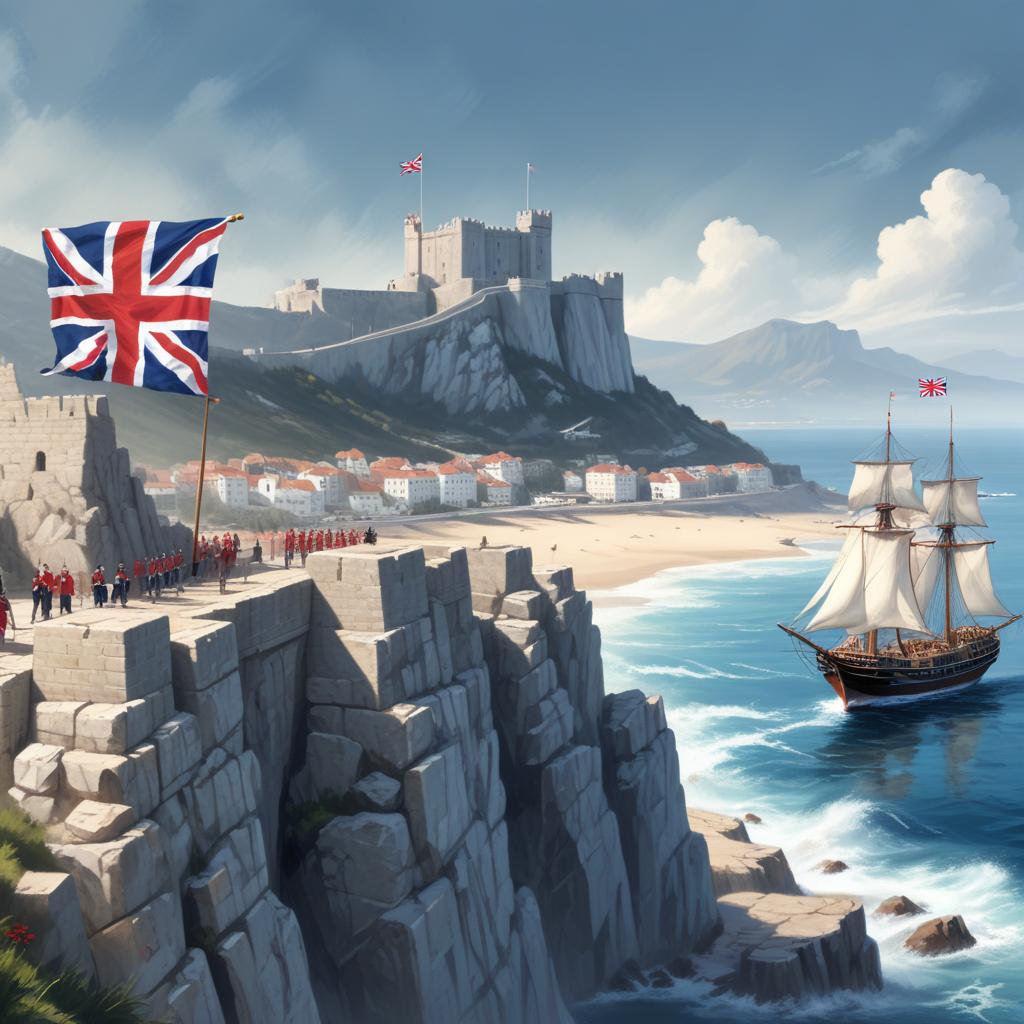
British Influence on Gibraltar’s Governance and Identity
Gibraltar’s unique political landscape is deeply shaped by its status as a British Overseas Territory, where the British political and legal systems have played a pivotal role in defining governance and influencing Gibraltarian identity. The governance framework of Gibraltar mirrors many aspects of the British parliamentary and legal traditions. This link to British politics is not only institutional but also cultural, reinforcing a strong sense of Britishness among the people of Gibraltar.
At the core of Gibraltar’s political system is a democratically elected parliament, modeled on the British system, which operates within the broader structure of British sovereignty. Gibraltar’s government exercises considerable autonomy, managing internal affairs while the United Kingdom retains responsibility for defense and foreign policy. This shared governance ensures the integration of British political values such as rule of law, democracy, and human rights into the daily functioning of Gibraltar’s political institutions. As a result, Gibraltar politics is characterized by stability and a commitment to democratic principles.
The impact of the British legal system on Gibraltar is equally significant. Gibraltar’s laws largely derive from English common law, adapted to fit local needs. This legal heritage influences everything from civil rights to commercial regulations. The judiciary in Gibraltar operates independently but follows British legal precedents, ensuring consistency and fairness. This adherence to British legal norms has cultivated trust in the legal system among Gibraltarians, reinforcing their identification with British legal and societal values.
The intertwining of British governance and legal systems has also played a crucial role in shaping Gibraltarian identity. Over decades, the people of Gibraltar have developed a distinct sense of community that is strongly tied to their British heritage. This is reflected not only in political allegiance but also in cultural and social expression. The Gibraltarian identity is a hybrid one, embracing both Mediterranean influences and British traditions, yet with a confident self-awareness rooted in their legal and political ties to Britain.
Overall, the British influence on Gibraltar’s governance and legal frameworks is a defining feature that continues to shape the territory’s politics and collective identity. The fusion of British political principles and legal standards with Gibraltarian local culture creates a unique and resilient identity that underscores Gibraltar’s place within the broader British family, while also fostering a distinctive community spirit among its people.
Political Structure and UK Relations
Gibraltar operates under a unique political structure that balances its self-governance with its status as a British Overseas Territory. While Gibraltar maintains its own government, including a parliament and elected officials responsible for local legislation and administration, the United Kingdom retains sovereignty over the territory. This arrangement allows Gibraltar a significant degree of autonomy, particularly in areas such as internal affairs, taxation, and economic development.
The relationship between the Gibraltar government and the UK is characterized by cooperation and mutual respect. The UK Gibraltar relations are defined by the British government’s responsibility for defense, foreign affairs, and overall security, while Gibraltar manages its day-to-day governance. This division enables Gibraltar to function with a high level of self-determination, managing its own legal and political systems under the broader umbrella of British sovereignty.
Such a setup emphasizes Gibraltar’s distinctiveness within the British realm, ensuring that while it benefits from the protection and international standing of the UK, it also retains the ability to govern according to the needs and preferences of its residents. This self-governance is a cornerstone of Gibraltar’s political identity, underscoring its unique status and the continuing importance of maintaining strong ties with the United Kingdom for its prosperity and security.
Legal and Judicial Systems
The legal framework in Gibraltar is fundamentally based on British law, reflecting the territory’s status as a British Overseas Territory. This British influence is evident in the structure and operation of Gibraltar’s judiciary, which closely mirrors the legal principles and procedures found in the United Kingdom. The legal system is composed of various courts, including the Magistrates’ Court, the Supreme Court, and the Court of Appeal, each playing a distinct role in the administration of justice.
The adoption of British law Gibraltar ensures a high degree of legal continuity and stability, reinforcing the rule of law in the territory. Gibraltar’s judiciary operates independently, with judges often having been trained in the UK, thereby maintaining a consistent legal standard. This British-based legal system impacts local governance by providing a clear and predictable framework within which laws are enacted, disputed, and enforced.
Moreover, the legal framework supports Gibraltar’s government in upholding civil liberties and managing regulatory matters such as commercial law, criminal justice, and constitutional governance. The judiciary’s alignment with British law also facilitates robust international relations, particularly in legal cooperations and treaty arrangements. Overall, the British legal and judicial systems deeply influence Gibraltar’s local governance, ensuring that justice is administered fairly and efficiently while embedding British legal traditions in the territory’s culture.
Historical Background of British Influence in Gibraltar
The British history of Gibraltar begins in the early 18th century when the territory was ceded to Great Britain under the Treaty of Utrecht in 1713. This treaty marked the formal acquisition of Gibraltar from Spain following the War of Spanish Succession. Gibraltar’s strategic position at the entrance of the Mediterranean Sea made it a highly coveted naval base, allowing Britain to control naval traffic between the Atlantic Ocean and the Mediterranean. This critical location established Gibraltar as a cornerstone of British colonial interests in the region.
The Gibraltar colonial past is distinguished by its role as a fortress and naval base, which shaped much of its cultural and social development under British rule. The military presence fostered a unique blend of cultural influences from Britain and the Mediterranean, giving rise to a distinct Gibraltarian identity. Over the centuries, the British influence permeated the local governance, legal system, language, and education, firmly embedding British customs and administrative practices into the fabric of Gibraltar’s society.
The impact of British rule can also be seen in the infrastructure and urban development of Gibraltar. British architectural styles and town planning became prominent, with establishments such as naval dockyards, military fortifications, and public buildings designed to cater to British military and civilian needs. Furthermore, the British administration encouraged a multicultural population including British, Spanish, Genoese, Jewish, and Maltese communities, contributing to Gibraltar’s diverse cultural heritage. This coexistence shaped the social dynamics and customs of the territory.
Politically, British governance established a framework that allowed Gibraltar a degree of self-government within the broader context of British sovereignty. The territory has maintained a British legal system and democratic institutions, further reinforcing its ties to Britain. Despite various challenges, including disputes with Spain over sovereignty, the British history of Gibraltar remains a defining element of its modern identity. The continued British presence has ensured Gibraltar’s status as a vital strategic and cultural outpost, linking its colonial past with contemporary developments.
British Conquest and Treaty of Utrecht
The British conquest of Gibraltar in 1704 was a pivotal event in the history of this strategic territory. During the War of the Spanish Succession, an Anglo-Dutch fleet captured Gibraltar from the Spanish, marking the beginning of British control. The operation was led by Admiral Sir George Rooke, who secured the fortress after a swift siege. This conquest was not merely a military victory but set the stage for a long-lasting British presence in the region.
Following the conquest, the Treaty of Utrecht in 1713 played a crucial role in formalizing the status of Gibraltar. This treaty, which ended the War of the Spanish Succession, recognized British sovereignty over Gibraltar, confirming its possession as a permanent British territory. The agreement was significant because it provided legal and diplomatic backing to British control, which had previously been contested by Spain. The treaty allowed Britain to maintain a strategic naval base at the entrance to the Mediterranean Sea, boosting its influence in European and global politics.
The events of the 18th century, centered on the British conquest of Gibraltar and the Treaty of Utrecht, shaped the cultural and political landscape of the territory. British sovereignty established through these historical milestones remains a fundamental aspect of Gibraltar’s identity today, influencing its governance, legal system, and cultural ties within the British realm.
Effects of British Rule Over Centuries
The long-term British governance in Gibraltar has deeply influenced the territory’s cultural integration, legal system, and social structure. Over centuries, British institutions have become firmly embedded in the daily life and governance of Gibraltar, shaping its unique identity. The influence of British governance Gibraltar has created a blend of local traditions with British customs, producing a distinctive cultural fusion evident in language, education, and community events.
The legal system in Gibraltar prominently reflects British judicial principles and frameworks. British common law forms the basis of Gibraltar’s legal codes, ensuring alignment with the UK’s standards while allowing adaptations to local circumstances. This legal continuity has fostered stability, trust, and international recognition, reinforcing Gibraltar’s governance and civic order under British rule.
Socially, British governance has encouraged the development of civic institutions and public services modeled on those in the UK. These British institutions have played a vital role in education, healthcare, and community welfare, promoting values of democracy and rule of law. The social fabric of Gibraltar benefits from this system, which supports inclusivity and maintains public trust. In essence, the enduring impact of British governance is a well-integrated culture where British and local elements coexist, shaping Gibraltar’s distinct identity through shared history and institutions.
British Cultural Influence on Gibraltar’s Society
The impact of British culture on Gibraltar is deeply embedded in the region’s language, traditions, education, and everyday practices. This influence shapes much of the Gibraltarian lifestyle, blending the local with the British in unique and enduring ways.
Language is one of the clearest reflections of British culture in Gibraltar. English is the official language and the primary medium for education, government, and business. However, the local dialect known as Llanito also reflects British influence, as it is a vibrant mix of English with Andalusian Spanish and other Mediterranean languages. The integration of British English vocabulary and idioms into daily conversation highlights the linguistic imprint that British culture has left on the community.
British traditions are prominently observed in Gibraltar’s social and cultural calendar. Events such as the Queen’s Birthday Parade and Remembrance Day ceremonies serve as important occasions where British customs are celebrated and respected by the Gibraltarian people. Additionally, the British way of life is evident in Gibraltar’s formal institutions, from the legal system to the monarchy’s symbolic presence, reinforcing a sense of connection to British heritage.
Education in Gibraltar follows the British curriculum, which has a significant role in shaping the perspectives and knowledge of Gibraltarian students. Schools in Gibraltar emphasize the teaching of British history, literature, and governance, while also nurturing a local identity. This educational influence helps maintain strong ties with British cultural values and standards, preparing young Gibraltarians to engage confidently with both British and global contexts.
On a daily level, British influence can be observed in the customs and habits that define the Gibraltarian lifestyle. Tea drinking, driving on the right side of the road, and the use of British currency until the local Gibraltar pound became the norm are examples of British daily practices that persist. The fusion of British and Mediterranean elements creates a distinctive lifestyle that respects tradition while embracing modernity.
Overall, British culture in Gibraltar is not simply an inherited legacy but a living, evolving presence. It enriches Gibraltar’s language, education, traditions, and daily life, ensuring that the Gibraltarian lifestyle remains uniquely connected to British traditions while celebrating local identity.
Language and Education
English serves as the official language of Gibraltar, playing a central role in both everyday communication and formal affairs. This linguistic prominence reflects the long-standing British influence on the territory. Despite English being the primary language of government and education, Gibraltar is characterized by a rich bilingual culture, with Llanito—a unique blend of English, Spanish, and other Mediterranean languages—also widely spoken among its residents. This bilingualism enriches the cultural fabric of Gibraltar, fostering a distinctive identity that bridges British and Mediterranean elements.
The British education system is deeply embedded in Gibraltar’s schools, ensuring that students receive a curriculum aligned with standards found in the United Kingdom. British educational institutions in Gibraltar emphasize academic excellence and provide opportunities for students to pursue higher education in the UK and beyond. The system encourages proficiency in English, which is essential for both local and international communication, business, and governance. Furthermore, schools promote bilingual education that respects and incorporates Spanish, helping maintain linguistic diversity while preparing students to thrive in a globalized world.
Overall, the role of English in Gibraltar is not just administrative but also cultural, serving as a bridge connecting the territory to its British heritage and global networks. At the same time, the influence of British educational institutions ensures that future generations are well-equipped linguistically and intellectually, maintaining Gibraltar’s unique blend of British and Mediterranean cultural traditions.
British Traditions and Public Holidays
Gibraltar, deeply influenced by British culture, observes several British holidays and traditions that play a significant role in its public celebrations and cultural customs. Key British public holidays such as the Queen’s Birthday and Remembrance Day are formally marked with public ceremonies that reflect Gibraltar’s historic ties with the United Kingdom.
The Queen’s Birthday, celebrated in June, is accompanied by a blend of formal events and community festivities, including parades and performances by the Royal Gibraltar Regiment. Similarly, Remembrance Day is observed with solemn ceremonies and moments of silence, commemorating the sacrifices of those who served in British armed forces.
In addition to these national observances, Gibraltar continues to uphold British cultural customs through local events such as Trooping the Colour, a grand military parade showcasing regimental precision and pageantry. These events foster community spirit and pride, contributing to Gibraltar’s unique identity.
Public celebrations often blend British traditions with local influences, creating a distinct atmosphere that honors both heritage and community. British holidays in Gibraltar not only emphasize historical connections but also provide opportunities for communal gatherings and festivities, enhancing cultural cohesion within the territory.
Overall, the observance of British holidays in Gibraltar remains a vital aspect of its cultural landscape, reinforcing shared values and traditions while promoting a strong sense of belonging among its residents.

I have always been captivated by the unique cultural tapestry of the Rock, particularly how Moorish, Spanish, and British influences shaped its development over centuries. My passion lies in translating these complex historical narratives into engaging educational resources that make Gibraltar’s past accessible to everyone. I spend my free time exploring military fortifications and reading first-hand accounts of life at the Pillar of Hercules.