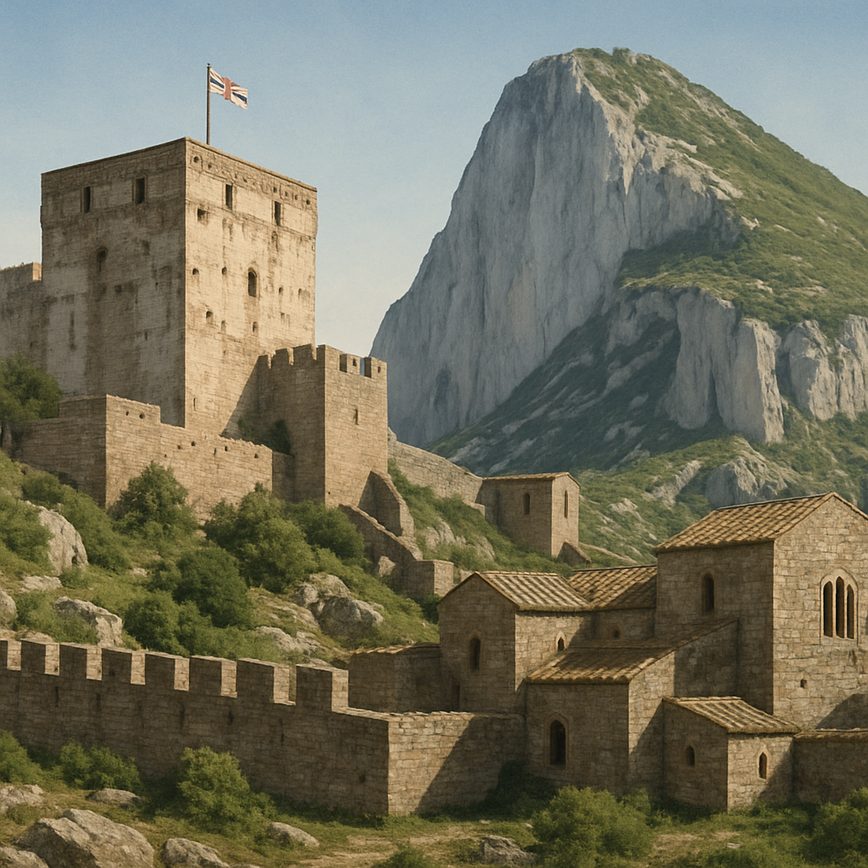
Overview of Gibraltar’s Historical Heritage
Gibraltar’s history is a rich tapestry woven from diverse cultural influences and strategic significance. Situated at the crossroads of Europe and Africa, Gibraltar has long served as a crucial gateway controlling access between the Mediterranean Sea and the Atlantic Ocean. This unique position has etched its historical heritage deeply into regional history, making Gibraltar much more than just a geographic landmark.
Dating back thousands of years, Gibraltar’s history encompasses various epochs from ancient times, including Neolithic settlers, through Roman and Moorish rule, to its pivotal role in British naval dominance. Each era has left an indelible mark on the territory, witnessed through the preservation of a variety of cultural landmarks that continue to tell the story of its evolving identity.
Key cultural landmarks in Gibraltar serve as guardians of this vibrant history. Among these, the iconic Rock of Gibraltar itself stands as a natural monument and historical fortress. The Great Siege Tunnels, carved during the late 18th century, remain an astonishing testament to Gibraltar’s military heritage. Additionally, the Moorish Castle, dating back to the 8th century, reflects the Islamic architectural and cultural footprint on the territory.
Other significant sites include the Gibraltar Museum, which houses extensive archaeological and historical collections that chronicle Gibraltar history in detail. The Cathedral of St. Mary the Crowned and various other religious and civic buildings highlight the cultural blend that defines Gibraltar, preserving its diverse historical heritage for future generations.
Preserving these cultural landmarks is essential, not only to honor Gibraltar’s past but also to maintain its status as a symbolic beacon in regional history. Gibraltar’s historical heritage continues to attract scholars, tourists, and history enthusiasts eager to explore its unique story and appreciate the importance of its preservation in the face of modernization.
Significant Historical Sites in Gibraltar
Gibraltar boasts a wealth of historical sites that stand as testament to its rich cultural and strategic heritage. Among the most iconic Gibraltar landmarks is the Rock of Gibraltar itself, a towering limestone ridge that has been a powerful symbol of strength and resilience through centuries. Its natural fortification offered refuge and defense, shaping much of Gibraltar’s history and identity.
Another key heritage site is the Moorish Castle, a prominent fortress that dates back to the early medieval period. This castle is a vivid reminder of the Moorish influence in Gibraltar and speaks to its diverse past. The walls and towers of the Moorish Castle represent centuries of architectural and military history, drawing visitors eager to explore its ancient stones and absorb its stories.
Furthermore, the extensive World War II tunnels carved within the Rock of Gibraltar highlight its critical role during modern warfare. These tunnels served as a secure refuge and operational base, showcasing Gibraltar’s strategic military importance. The tunnels, heritage sites in their own right, offer a fascinating glimpse into the complexities of 20th-century history and the site’s ongoing preservation efforts.
Collectively, these historical sites not only mark Gibraltar as a place of significant heritage but also attract scholars and tourists alike, eager to understand the legacy of this unique crossroads between continents and cultures.
Cultural Importance of Gibraltar’s Heritage
Gibraltar’s historical heritage plays a vital role in shaping the local identity, deeply influencing the community’s cultural heritage, traditions, and values. The unique blend of British, Mediterranean, and Moorish influences creates a rich tapestry that residents proudly embrace as part of their collective identity. This diverse historical legacy fosters a strong sense of belonging and pride among Gibraltarians, reinforcing their connection to the land and its stories.
The preservation of monuments, forts, and other historical sites serves not only as a reminder of Gibraltar’s past but also as a living foundation for community traditions. These sites become focal points for cultural celebrations, festivals, and educational activities, allowing traditions to be passed down through generations while nurturing community cohesion. The shared historical narrative strengthens social bonds and inspires community participation in heritage conservation efforts.
Moreover, Gibraltar’s historical heritage shapes everyday cultural practices and communal values, emphasizing respect for diversity and resilience. The identity forged through centuries of cultural exchange and conflict encourages mutual understanding and a welcoming spirit. In this way, Gibraltar’s cultural heritage continuously informs the evolving identity of its people, helping them honor their past while confidently facing the future.
Efforts and Strategies for Preservation
Gibraltar has long recognized the importance of heritage preservation as a means of safeguarding its unique historical identity. A range of conservation efforts has been launched in recent years, aimed at protecting the territory’s rich cultural and architectural legacy. These initiatives include a variety of restoration projects focused on iconic historical sites, ensuring that they remain intact for future generations to appreciate and learn from.
The Gibraltar Government plays a central role in these preservation efforts, enacting policies that promote the careful maintenance and protection of historical monuments and buildings. Strict regulations govern any renovation or redevelopment work in designated heritage areas to prevent any loss of authenticity or structural integrity. Through legislative frameworks, such as the Gibraltar Heritage Trust Act, there is an official mandate to preserve the territory’s historic environment.
Organizations dedicated to heritage preservation have also been instrumental in advancing conservation projects. The Gibraltar Heritage Trust, a prominent non-governmental organization, works closely with governmental bodies and the community to foster awareness and involvement in preservation activities. Their efforts include educational campaigns, fundraising for restoration work, and collaboration with experts to ensure high standards of conservation.
Among the significant restoration projects undertaken are the refurbishment of the Moorish Castle and the revitalization of the historic town centre, both of which attract numerous visitors each year. These projects not only preserve the architectural fabric but also stimulate cultural tourism, which further supports ongoing heritage conservation programs. The integration of modern preservation technologies and archaeological research helps to enhance the effectiveness of these initiatives.
Community engagement remains a cornerstone of heritage preservation in Gibraltar. Public participation in workshops and heritage events is encouraged to deepen the connection between residents and their historic environment. Together with international partnerships and funding opportunities, these combined efforts contribute significantly to maintaining Gibraltar’s historical heritage in a sustainable and meaningful way.
Government Policies and Regulations
The government of Gibraltar has established comprehensive heritage laws and preservation policies to safeguard its historical sites. These laws are designed to ensure that the rich cultural and historical fabric of Gibraltar is protected from damage or neglect. Central to these efforts is the Heritage Trust Act, which provides a legal framework for conserving and managing sites of historical importance across the territory. This act empowers the Gibraltar government to designate and regulate protected areas, limiting unauthorized alterations or developments that may affect their integrity.
Additionally, the Gibraltar Building Preservation Policies focus on maintaining the architectural styles and structural authenticity of historic buildings. These policies require any restoration or renovation work to adhere strictly to guidelines that preserve original materials and designs. Through the establishment of these regulations, the government ensures that historical sites remain intact for future generations to appreciate. Public awareness campaigns and partnerships with local heritage organizations further support these efforts, fostering community involvement in preservation.
The enforcement mechanisms embedded in these heritage laws allow the Gibraltar government to impose penalties on unauthorized activities that threaten conservation goals. Regular inspections and heritage impact assessments are also mandated for any proposed construction near protected sites. Collectively, these government-led policies and regulations form the backbone of Gibraltar’s commitment to protecting its historical heritage while balancing modern development needs responsibly.
Community Involvement and Education
Community participation plays a vital role in the preservation and promotion of Gibraltar’s historical heritage. Local residents actively contribute by engaging in heritage conservation projects, volunteering at museums, and participating in cultural events that celebrate the territory’s rich history. This grassroots involvement fosters a sense of ownership and pride among community members, ensuring that historical sites and traditions are maintained for future generations.
Heritage education is another key factor in sustaining Gibraltar’s historical legacy. Schools and educational programs incorporate local history into their curricula, offering students opportunities to learn about the significance of heritage sites and cultural practices through interactive lessons and field trips. This educational approach not only deepens students’ understanding but also instills respect and appreciation for the past.
In addition, public awareness campaigns promote the importance of protecting Gibraltar’s historical landmarks. Workshops, lectures, and community outreach initiatives raise awareness about conservation efforts and encourage responsible behavior among residents and visitors. By combining community participation, heritage education, and public awareness, Gibraltar successfully nurtures a collaborative environment that supports the ongoing preservation of its unique historical heritage.
Challenges and Future Directions
Preserving Gibraltar’s rich historical heritage presents a complex array of heritage challenges, primarily driven by the pressures of urban development and increasing tourism. As a small but highly strategic territory, Gibraltar faces significant tension between the need to accommodate modern urban growth and the imperative to protect its unique cultural and historical sites.
Urban expansion in Gibraltar often threatens to encroach upon or even replace key heritage landmarks. With limited space available, development projects frequently compete with preservation efforts. This results in a delicate balancing act: supporting infrastructure and housing demands while maintaining the integrity of historical areas. The rapid urban growth not only risks physical damage to heritage buildings but also challenges the local community’s connection to their past as traditional neighborhoods and landscapes are altered.
Tourism, another significant factor, brings both opportunities and challenges to heritage preservation. Gibraltar’s historical sites attract many visitors, which can boost the local economy and increase awareness of its cultural assets. However, the influx of tourists can also lead to wear and tear on ancient structures, overcrowding, and a strain on local resources. Managing this pressure without compromising the visitor experience or the preservation of heritage sites requires carefully planned strategies.
To address these challenges, future directions must focus on sustainable preservation approaches that integrate heritage conservation with urban planning. One key measure is the implementation of stringent regulations that protect heritage sites from inappropriate development. These should be supported by comprehensive heritage impact assessments before any urban projects are approved.
Moreover, fostering community engagement and education about the value of Gibraltar’s heritage can enhance local stewardship and support for preservation initiatives. Encouraging tourism that respects heritage – through controlled visitor numbers, guided tours, and sustainable infrastructure – can help mitigate the negative impact while maximizing economic benefits.
Innovative technologies, such as digital mapping and conservation monitoring, offer promising tools to maintain and record heritage sites more effectively. Combining these advancements with traditional conservation methods can lead to more resilient preservation outcomes.
In conclusion, the heritage challenges posed by urban development and tourism in Gibraltar require a well-rounded, sustainable approach. By integrating preservation policies into broader urban planning, promoting responsible tourism, and leveraging technology, Gibraltar can safeguard its historical heritage for future generations while continuing to evolve as a vibrant community.
Impact of Urban Development on Heritage Sites
Modern urbanization presents significant challenges to the preservation of historical heritage sites in Gibraltar. As the city expands to accommodate growing populations and economic development, heritage sites face increasing threats from construction activities, infrastructure upgrades, and land use changes. These urbanization pressures can lead to site degradation, physical damage, and loss of historical context, undermining the cultural and architectural value of these irreplaceable landmarks.
Urban development often results in encroachment on protected areas, causing fragmentation of heritage landscapes and disrupting the integrity of historical environments. The vibrations from heavy machinery, pollution, and alteration of natural water drainage patterns contribute further to the deterioration of stonework and other vulnerable materials found at many heritage locations. Without careful planning, these threats compromise the authenticity and longevity of Gibraltar’s rich historical legacy.
To mitigate these risks, a range of strategies are being considered and implemented. Rigorous impact assessments and heritage impact studies are now required before approval of new construction projects near sensitive sites. Buffer zones and controlled development areas help limit direct damage, while adaptive reuse policies encourage the integration of heritage conservation with modern urban needs. Additionally, investment in monitoring technology and community engagement fosters greater awareness and proactive protection of heritage assets amidst urban growth.
Sustainable Practices for Long-term Preservation
Ensuring the sustainability of Gibraltar’s historical heritage requires a concerted approach to heritage management that balances preservation with innovation. Current practices focus on environmentally responsible methods that minimize the impact on the site’s physical structures and surrounding ecosystems. This includes the use of non-invasive techniques and materials that reduce wear and tear while enhancing durability.
Innovative preservation techniques such as 3D scanning and digital archiving allow experts to document and monitor the condition of artifacts and sites in great detail, facilitating preventative maintenance and reducing the need for intrusive restoration. Additionally, energy-efficient climate control systems in museums and protected areas help maintain optimal environmental conditions, preventing damage caused by humidity and temperature fluctuations.
Community involvement and education play a pivotal role in sustaining heritage preservation efforts. By engaging local residents and visitors in conservation initiatives, Gibraltar fosters a culture of stewardship and respect for its past. This collective responsibility ensures that preservation techniques are supported by sustainable policies and adequate funding.
Ultimately, combining traditional conservation wisdom with modern technology and sustainable practices fortifies Gibraltar’s ability to safeguard its cultural landmarks for future generations. This integrated approach to heritage management underscores the importance of sustainability as the foundation for long-term preservation success.

I have always been captivated by the unique cultural tapestry of the Rock, particularly how Moorish, Spanish, and British influences shaped its development over centuries. My passion lies in translating these complex historical narratives into engaging educational resources that make Gibraltar’s past accessible to everyone. I spend my free time exploring military fortifications and reading first-hand accounts of life at the Pillar of Hercules.