Overview of Gibraltar’s Cultural Heritage
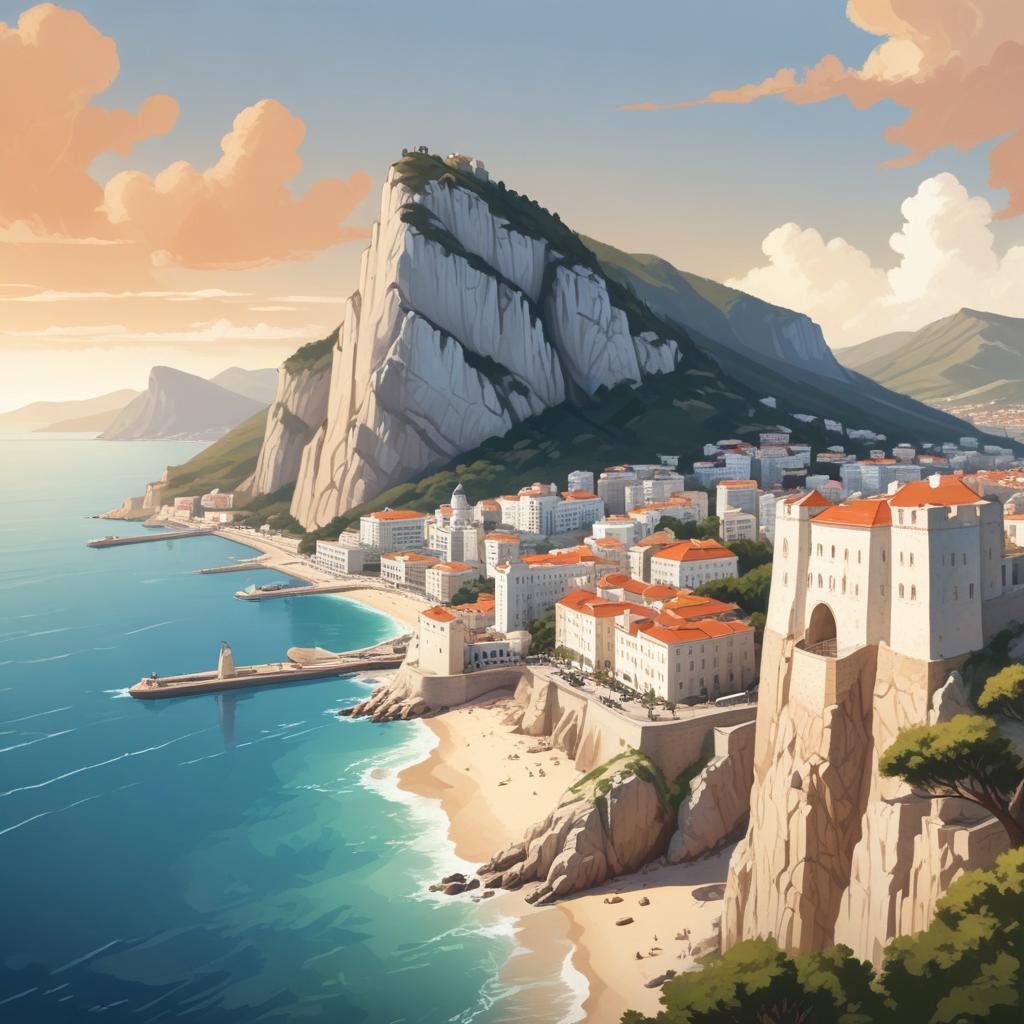
Gibraltar culture represents a remarkable fusion of diverse influences that have been shaped over centuries of its unique history. Positioned strategically at the crossroads between Europe and Africa, Gibraltar has been a melting pot where various civilizations, including the British, Spanish, Moorish, and Genoese, have left lasting marks on its cultural heritage. This blend creates a distinctive identity that reflects the complex history of Gibraltar and its role as a key maritime gateway.
The history of Gibraltar is a tapestry woven with the threads of conquest, trade, and migration. Its story begins with ancient inhabitants but gains prominence through periods of Moorish rule and later as a vital British naval base following the Treaty of Utrecht in 1713. These historical layers contribute significantly to Gibraltar’s cultural heritage, showcasing a city that is both resilient and adaptive. The echoes of these past eras are still evident in the architecture, language, and everyday customs of the local population.
Local traditions in Gibraltar reflect the diverse communities that coexist peacefully within this small enclave. The official language is English, but the unique vernacular Llanito, which blends English and Andalusian Spanish with influences from other Mediterranean languages, is a vibrant expression of Gibraltar culture. Religious diversity is also a notable feature, with Catholic, Anglican, Jewish, Hindu, and Muslim communities actively contributing to the social fabric and communal life.
Festivals and celebrations in Gibraltar are vivid demonstrations of its cultural heritage. Events such as the Gibraltar National Day and the Moors and Christians Festival showcase the pride of its people in their history and customs, bringing together the community in joyful gatherings. These traditions, enriched by the contributions of different ethnic groups, affirm Gibraltar as a place where multiple identities harmonize in a shared cultural narrative.
In essence, Gibraltar’s cultural heritage is a rich mosaic made up of its varied historical influences and the dynamic local traditions that continue to thrive today. Understanding this unique blend is essential to appreciating the true spirit of Gibraltar and the enduring legacy of its people.
Historical Influences on Culture
Gibraltar’s cultural traditions are deeply rooted in its rich history and the diverse influences of the many nations that have ruled or interacted with it over the centuries. From its strategic location at the crossroads of the Mediterranean and Atlantic, Gibraltar has served as a melting pot for various cultural influences that continue to shape its unique identity.
The cultural influences on Gibraltar are largely a reflection of its complex history. Originally inhabited by the Moors, who introduced elements of Islamic culture and architecture, Gibraltar later came under Spanish rule, which brought Mediterranean traditions, language, and Catholicism to the forefront. Following the Treaty of Utrecht in 1713, Gibraltar became a British territory, adding Anglo-Saxon customs and governance to the mix while retaining its Mediterranean roots.
Throughout its history, Gibraltar has seen a diverse array of settlers and visitors, including Genoese, Maltese, Portuguese, and Jewish communities, each contributing to the intricate tapestry of local customs, cuisine, and language. This blend of cultural influences is exemplified in Gibraltar’s unique dialect, Llanito, which combines English, Spanish, and other Mediterranean languages. The multicultural heritage is also reflected in festivals, culinary traditions, and daily life, demonstrating how historical periods and ruling nations have intertwined to shape Gibraltar’s vibrant cultural landscape.
Ethnic Diversity and Community Life
Gibraltar is a vibrant melting pot of ethnic groups, each bringing unique cultural traditions that shape the rich community life. The main ethnic groups in Gibraltar include the Genoese, Maltese, Portuguese, British, and Moroccan communities, among others. These diverse groups coexist harmoniously, contributing to the multicultural identity that defines Gibraltar.
The Genoese, one of the earliest settlers, have influenced local cuisine and language, with many elements of their traditions still evident in everyday life. The Maltese community has also left an indelible mark, preserving traditional Maltese festivals and customs, which are enthusiastically celebrated and bring the community together. The Portuguese population contributes with lively celebrations and music, enriching the cultural fabric of Gibraltar.
The British influence is strong, reflected in the official language, governance, and public holidays, yet it blends seamlessly with the other ethnic cultures. The Moroccan community adds further cultural diversity through unique arts, crafts, and culinary traditions that are enjoyed by all residents. Together, all these ethnic groups in Gibraltar maintain vibrant community traditions that promote cultural diversity, social cohesion, and mutual respect, making Gibraltar a truly inclusive society.
Traditional Festivals and Celebrations
Gibraltar is a vibrant hub of cultural events, with a rich tapestry of traditional festivals that reflect its diverse heritage and community spirit. Gibraltar festivals are deeply entrenched in history, showcasing the unique blend of influences that have shaped this British Overseas Territory over centuries. These local celebrations are treasured moments for the community, drawing both locals and visitors into lively, colorful experiences that honor the past and celebrate the present.
One of the most significant cultural events in Gibraltar is the National Day, celebrated annually on September 10th. This festival marks the day in 1967 when Gibraltarians voted in a referendum to remain under British sovereignty. National Day is a showcase of patriotism and unity, with the rock adorned in red and white, the colors of Gibraltar’s flag. Locals commemorate this day with a variety of festivities, including street parties, parades, and fireworks, alongside traditional music and dance performances that highlight Gibraltar’s identity and pride.
Another important celebration is the Gibraltar Music Festival, which brings people together with vibrant performances by local and international artists. This festival highlights Gibraltar’s modern cultural scene, mixing contemporary music with the historic backdrop of the Rock. It attracts a diverse crowd, fostering a shared experience of joy and artistic appreciation. The festival’s origins lie in Gibraltar’s growing reputation as a cultural crossroads, blending Mediterranean, British, and Spanish influences.
The Gibraltar International Jazz Festival is also a key event, emphasizing the town’s rich musical heritage and its connection to global jazz traditions. Held every November, this festival transforms the town into a hub for jazz lovers, with concerts that take place in various venues across Gibraltar. The event commemorates the long-standing jazz scene that has been nurtured locally and celebrates cultural exchange through music.
Traditional festivals in Gibraltar also include religious feast days, such as the Feast of Our Lady of Europe, which holds deep historical and spiritual significance. This celebration dates back to the 15th century and is marked by processions, masses, and community gatherings that reinforce Gibraltar’s religious and cultural roots. Locals participate with great enthusiasm, ensuring that ancient customs and faith remain vibrant in the modern era.
Overall, Gibraltar’s traditional festivals and cultural events are a testament to its dynamic identity. Each celebration, whether rooted in history, music, or religion, offers a window into the heart of the community. These local celebrations reinforce bonds among residents and invite visitors to experience the rich traditions that make Gibraltar uniquely special.
Gibraltar National Day
National Day in Gibraltar is a significant public holiday that celebrates the territory’s unique identity and its quest for independence. Held annually on September 10th, this day marks the strong bond between the people of Gibraltar and their homeland, highlighting their enduring spirit and cultural pride. National Day is more than just a celebration; it symbolizes Gibraltar’s determination to maintain its autonomy and distinctiveness amidst historical and political challenges.
The events surrounding National Day are vibrant and full of local tradition. The day typically begins with a civic ceremony where the Gibraltar flag is raised, followed by speeches from political leaders emphasizing Gibraltar’s right to self-determination. Throughout the day, the streets come alive with music, dancing, and colorful parades, all showcasing the rich culture and history of the community. A key feature is the distribution of red and white carnations—Gibraltar’s national colors—to the public, reinforcing the spirit of unity and patriotism.
National Day plays a crucial role in Gibraltar’s cultural identity by fostering a sense of belonging and collective memory among its residents. It is a reminder of the struggles faced in the pursuit of independence and an affirmation of the people’s ongoing commitment to preserving their unique heritage. Through these celebrations, the sense of Gibraltar as a distinctive nation within the global community is strengthened, making National Day a profoundly meaningful occasion for all Gibraltarians.
Religious and Cultural Festivities
Religious festivals hold a significant place in the cultural traditions of Gibraltar, with Easter celebrations being among the most prominent events. These festivities are not only religious observances but also serve as vital communal gatherings that reinforce the social bonds within the community. During Easter, the streets of Gibraltar come alive with vibrant processions, traditional music, and spirited participation from residents of all ages. This blend of solemnity and celebration highlights the deep-rooted respect for religious customs while simultaneously embracing a lively cultural expression.
The influence of religious festivals extends beyond the rituals themselves; they act as markers of identity and continuity for the people of Gibraltar. Easter celebrations, in particular, are marked by unique practices that integrate both religious symbolism and local heritage. Family and friends gather to share meals and partake in age-old customs that have been passed down through generations. This creates a strong sense of belonging and continuity, bridging past and present cultural traditions.
Moreover, these cultural festivities prompted by religious observances play a crucial role in fostering community spirit and collective memory. They provide an opportunity for the residents of Gibraltar to celebrate their shared history and values, reinforcing the communal fabric through participation, reflection, and festivity. In this way, religious festivals like Easter not only honor spiritual beliefs but also enrich the cultural life of Gibraltar, making these occasions a cornerstone of local identity and social cohesion.
Language and Culinary Traditions
Gibraltar presents a unique linguistic landscape characterized by the coexistence of several languages and dialects, with the most distinctive being Llanito. Llanito, a vibrant and dynamic vernacular, is a linguistic emblem of Gibraltar’s diverse culture. It is primarily a blend of Andalusian Spanish and British English, enriched with influences from languages such as Genoese, Maltese, and Hebrew, reflecting the varied heritage of Gibraltar’s inhabitants. This hybrid language is used in everyday communication by locals, showcasing their adaptability and multicultural identity.
The Gibraltar language scene is marked by bilingualism or even multilingualism, where English serves as the official language, used in government, education, and media, while Llanito is the heart of interpersonal communication. This linguistic duality fosters a rich cultural interaction, where language becomes a living example of Gibraltar’s historic crossroads between the British and Mediterranean worlds.
Gibraltar’s culinary traditions are equally reflective of its cultural diversity, blending Mediterranean and British influences to create a unique local cuisine. The local cuisine features a variety of Mediterranean staples, including fresh seafood, tangy olives, and vibrant vegetables, often seasoned with herbs typical of the region. Traditional recipes have been passed down through generations, preserving the essence of local flavors while sometimes incorporating modern twists.
One emblematic dish is calentita, a baked chickpea flour pancake reminiscent of Italian farinata, demonstrating the Genoese influence in Gibraltar’s culinary heritage. Another popular dish, panissa, is made from similar ingredients and bears a deep connection to neighboring Mediterranean food cultures. Seafood plays a central role, with dishes such as fresh sardines and calamari prepared in both Spanish and British styles, highlighting the fusion of culinary traditions.
Sweet treats like the local almond-based pastries also underline the Mediterranean imprint on Gibraltar’s food culture. The culinary traditions are not just about nourishment but also about community, with family recipes and traditional meals essential to celebrations and daily life. Gibraltar’s language and culinary traditions together paint a vivid picture of a society where diversity is embraced and heritage is cherished.
The Llanito Language
The Llanito language is a distinctive and vibrant dialect that embodies the cultural identity of Gibraltar. It is a unique blend of Spanish and English, reflecting the bilingualism that characterizes daily life in this small British territory. Llanito is not just a mixture of two languages; it is a dynamic fusion where words and phrases from English and Spanish intermingle freely, often within the same sentence. This linguistic blend also includes influences from other Mediterranean languages, enriching its vocabulary and expressions.
This bilingualism is more than a practical way of communicating—it symbolizes the intertwined heritage of Gibraltar’s people. Llanito serves as a living testament to the community’s history, where British and Spanish cultures have coexisted and merged over centuries. For many residents, speaking Llanito is a proud expression of their identity, a marker of belonging that distinguishes them from both Spaniards and Britons. It fosters a strong sense of unity and local pride.
Moreover, the Llanito language plays an important role in preserving Gibraltar’s unique cultural traditions amid globalization and external influences. It is commonly used in everyday conversations, local media, and cultural events, ensuring that this linguistic heritage remains vibrant for future generations. Through Llanito, the people of Gibraltar celebrate their remarkable bilingualism and cultural diversity, emphasizing the importance of language as a core element of their identity.
Traditional Gibraltar Cuisine
Gibraltar food is a vibrant reflection of its unique location and diverse cultural influences, embodying a rich culinary heritage that merges Mediterranean cuisine with local traditions. The flavors of Gibraltar are shaped by its proximity to Spain, North Africa, and British culinary customs, creating a delicious tapestry of tastes that define the region’s identity.
One of the most celebrated local dishes is “Calentita,” a savory chickpea flour cake reminiscent of Italian farinata, highlighting Gibraltar’s Mediterranean roots. This dish is simple yet satisfying, made with flour, water, chickpeas, olive oil, and seasoned with black pepper. Another staple is “Panissa,” another chickpea flour-based specialty, often served as fried squares, representing the influence of Genoese immigrants.
Seafood plays a central role in traditional Gibraltar cuisine, with dishes like “Fish & Chips” reflecting British influence, while also incorporating fresh Mediterranean fish grilled or stewed with local herbs and olive oil. The culinary heritage here also embraces North African flavors, evident in the use of spices such as cumin and coriander in stews and couscous dishes, blending seamlessly into their local fare.
Gibraltar’s local dishes showcase a fusion of ingredients and cooking techniques, emphasizing fresh produce, aromatic herbs, and simple preparation methods that honor both tradition and the Mediterranean lifestyle. This combination makes Gibraltar food a unique experience for those eager to explore the region’s rich culinary heritage.

I have always been captivated by the unique cultural tapestry of the Rock, particularly how Moorish, Spanish, and British influences shaped its development over centuries. My passion lies in translating these complex historical narratives into engaging educational resources that make Gibraltar’s past accessible to everyone. I spend my free time exploring military fortifications and reading first-hand accounts of life at the Pillar of Hercules.