Overview of Gibraltar’s Multicultural Society
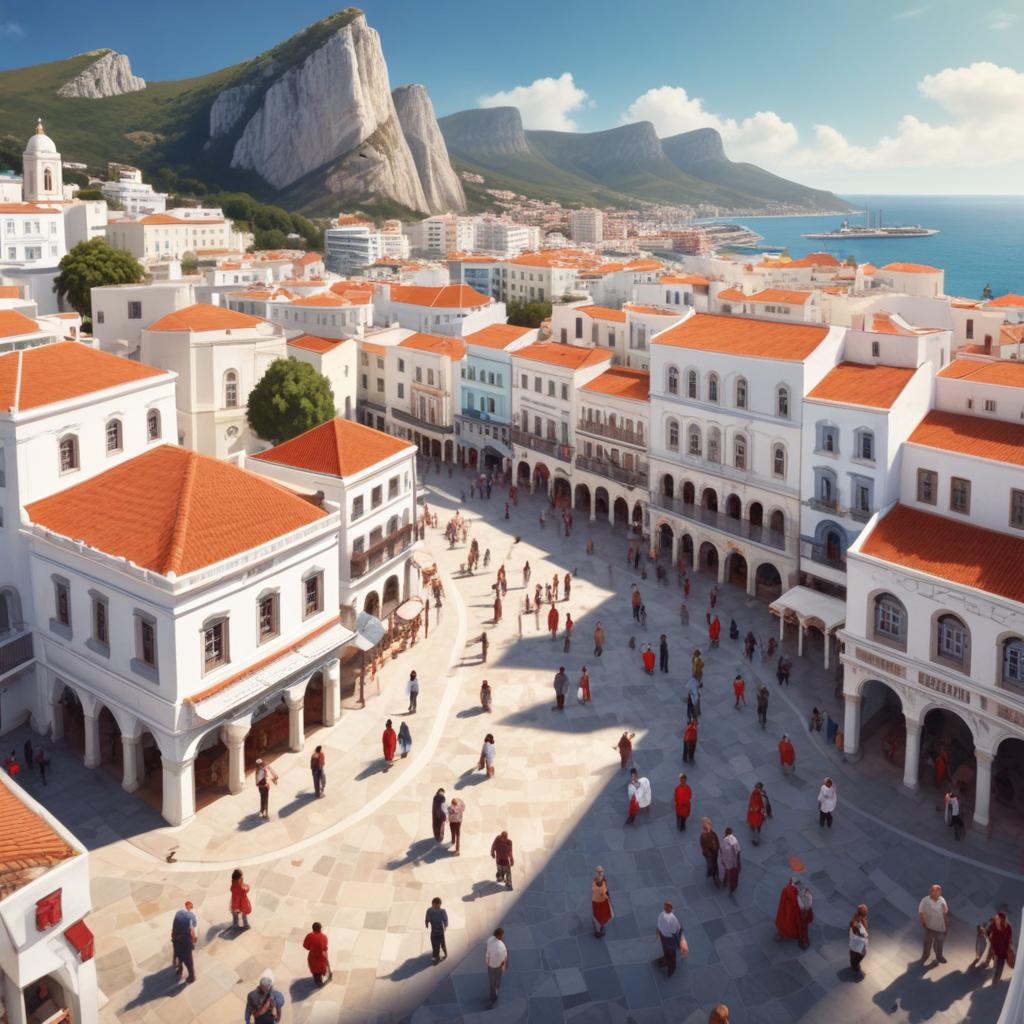
Gibraltar’s multicultural society is a vibrant mosaic shaped by its unique geography and rich history at the crossroads of Europe and Africa. The demographics of this British Overseas Territory reveal a diverse population where various cultural influences converge, creating a dynamic community that is both unique and inclusive. This diversity is evident in the everyday life and traditions of the people who live here, reflecting centuries of coexistence and exchange.
The Gibraltar culture is characterized by a blend of British, Spanish, Genoese, Maltese, Portuguese, and North African heritages, among others. This fusion results from Gibraltar’s strategic location and historical role as a trading port and military base, attracting settlers and migrants from different parts of the world. Over time, these groups have contributed their languages, cuisines, religious practices, and artistic expressions, enriching the social fabric of Gibraltar.
The demographics of Gibraltar showcase a population that speaks multiple languages, including English, Spanish, and Llanito—a local vernacular that itself represents the multicultural essence of the community. Such linguistic diversity facilitates cross-cultural communication and fosters a sense of belonging among residents of various origins.
Community diversity in Gibraltar is not only a matter of ethnicity and language but also of shared experiences and values. Festivals, public holidays, and cultural events often emphasize this blend, celebrating the territory’s pluralism and communal harmony. This multicultural environment encourages mutual respect and opens opportunities for intercultural dialogue, making Gibraltar’s society a model of coexistence.
In summary, the multicultural society of Gibraltar is a testament to the enduring influence of its diverse population and the cultural influences that have shaped it. Understanding this complexity is key to appreciating Gibraltar’s identity and the strength derived from its community diversity.
Historical Background of Cultural Diversity
Gibraltar’s rich cultural diversity is deeply rooted in its complex history and unique geographical position. Over centuries, Gibraltar has been influenced by various powers, shaping its multicultural identity. Historically, the Rock of Gibraltar has been a strategic military and trading post, attracting settlers and migrants from different parts of the world.
The region’s history dates back to ancient times, with evidence of settlement by Phoenicians, Romans, and Moors. Each group left a lasting imprint on the local culture and language. The Moorish occupation introduced significant Islamic influences, which remained even after the territory passed into Spanish and later British hands. This blend of history set the foundation for cultural diversity in Gibraltar.
Migration patterns throughout the 18th and 19th centuries further enriched Gibraltar’s demographic makeup. British control after 1704 brought English-speaking settlers, while ongoing trade attracted Genoese, Maltese, Portuguese, and North African communities. This influx created a unique fusion of traditions, languages, and customs.
Today, Gibraltar’s cultural diversity reflects these historical influences and migration trends, making it a vibrant multicultural society. The legacy of its varied past continues to foster a community where multiple ethnicities and cultures coexist, contributing to Gibraltar’s distinct identity within the Mediterranean and beyond.
Ethnic Groups and Languages Spoken
Gibraltar is a vibrant multicultural society characterized by its rich ethnic diversity. The main ethnic groups in Gibraltar include the Gibraltarians themselves, who are primarily of Mediterranean descent with influences from Spanish, Genoese Italian, Portuguese, and British ancestry. There are also notable communities of Moroccan, Indian, and other European origins, each contributing to the cultural mosaic of the territory. These varied community groups coexist harmoniously, fostering a unique social fabric that reflects Gibraltar’s colonial and geographical history.
This ethnic diversity is mirrored in the linguistic landscape of Gibraltar, where multiple languages are spoken daily. English is the official language, used in government, education, and media. However, the inhabitants commonly speak Llanito, a distinctive vernacular that blends Andalusian Spanish with British English, along with elements from other Mediterranean languages. Spanish is widely spoken and understood due to Gibraltar’s proximity to Spain, enriching the linguistic diversity further. Additionally, languages such as Arabic and Hindi are present within the Moroccan and Indian communities, respectively, highlighting the multicultural essence of the society.
The intermingling of these languages and ethnic groups has created a dynamic and inclusive community environment where cultural traditions and languages are celebrated. This intricate blend of peoples and tongues not only defines Gibraltar’s identity but also exemplifies the strength and harmony found in its multicultural framework, making it a fascinating case of ethnic coexistence and linguistic diversity.
Cultural Traditions and Celebrations in Gibraltar
Gibraltar, a unique melting pot of cultures, is renowned for its vibrant cultural traditions and festivals that reflect its rich multicultural identity. The local celebrations in Gibraltar are a colorful tapestry woven from diverse ethnic backgrounds, making the territory a living example of harmonious coexistence and cultural exchange. These multicultural events not only serve as an occasion to celebrate heritage but also strengthen community bonds among residents and visitors alike.
One of the most significant cultural traditions in Gibraltar is the celebration of the National Day, held annually on September 10th. This festival embodies a deep sense of pride and unity among Gibraltarians. The day is marked by flag-waving, music, and parades that showcase the blend of British, Spanish, Genoese, Moroccan, and Jewish influences. It is a powerful reminder of Gibraltar’s unique identity and the resilience of its people.
Another key event is the Gibraltar Festival, which highlights the area’s multicultural essence through music, dance, and cuisine. This festival features performances from local and international artists representing various ethnic groups, creating a vibrant cultural mosaic. Visitors can enjoy a diverse culinary experience with traditional foods that tell stories of the many cultures that have shaped Gibraltar’s history.
Religious festivals also play a vital role in Gibraltar’s local celebrations. The cultural traditions of the region often include Christian, Jewish, Hindu, and Muslim festivities, reflecting the community’s diverse religious makeup. For example, the Hindu Diwali festival is widely observed, bringing light and joy to the streets through lamps and fireworks, fostering interfaith harmony. Similarly, the Jewish community’s commemoration of Hanukkah is embraced as part of the broader cultural fabric.
Multicultural events such as the Gibraltar Music Festival bring people from all backgrounds together, highlighting the shared joy of artistic expression. In addition, the Moorish Castle celebrations celebrate the Islamic heritage of the region, emphasizing the profound historical roots embedded in Gibraltar’s multicultural narrative. These festivals are not just occasions; they are vibrant expressions of cultural pride and inclusivity.
In conclusion, the cultural traditions, festivals, and local celebrations in Gibraltar showcase a dynamic and diverse society. These multicultural events are a testament to the territory’s history as a crossroads of civilizations and a beacon of cultural coexistence. They provide invaluable opportunities for education, enjoyment, and the preservation of Gibraltar’s unique identity in an increasingly globalized world.
Religious Celebrations and Practices
Gibraltar is a shining example of religious diversity, where multiple faith practices coexist harmoniously. The predominant religions in Gibraltar include Christianity, Islam, Judaism, and Hinduism, each contributing unique cultural and spiritual elements to the community. This rich tapestry of Gibraltar religions shapes not only daily life but also the vibrant array of celebrations observed throughout the year.
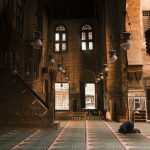
Christianity, particularly Roman Catholicism, plays a significant role with celebrations such as Easter and Christmas marked by church services and public festivities that invite people from all faiths to join. Islam is represented by Gibraltar’s small but active Muslim community, which observes Ramadan and Eid with gatherings and communal prayers, fostering mutual respect and understanding among residents. The Jewish community, one of the oldest in Gibraltar, celebrates festivals like Passover and Hanukkah, with synagogues serving as centers for both worship and cultural exchange.
Hindu celebrations such as Diwali are also embraced, highlighting the multicultural fabric of the territory. These diverse religious festivities are more than rituals; they are opportunities for communal harmony, where residents participate in each other’s faith-based events, strengthening social bonds. Through the shared respect for these religious celebrations and practices, Gibraltar continues to nurture a peaceful and inclusive society, setting an example of coexistence amid diversity.
Annual Multicultural Festivals
Gibraltar hosts a vibrant array of multicultural festivals that showcase its rich diversity and promote community participation. Among the most significant Gibraltar events is the Gibraltar National Day, celebrated every September with great enthusiasm by residents of all backgrounds. This festival highlights the unique local culture and unity of the community, featuring traditional music, food, and performances that reflect the heritage of multiple ethnic groups living in the region.
Another key event is the Gibraltar Calentita Festival, inspired by the territory’s Mediterranean roots and its renowned dish, calentita. This festival brings together various communities, celebrating the fusion of cultures through culinary delights, arts, and crafts. It acts as a melting pot where different ethnic groups contribute their traditions and strengthen cross-cultural bonds.
The Gibraltar International Music Festival also plays a crucial role in promoting multicultural festivals in the area. It features performers from a wide range of cultural backgrounds, emphasizing the territory’s openness and cultural inclusiveness. These festivals are not just entertainment; they reinforce the identity of Gibraltar as a multicultural society where local culture and community participation thrive harmoniously.
Through these annual multicultural festivals, Gibraltar continues to celebrate the diversity of its people, fostering understanding and appreciation among its varied communities while preserving its unique cultural landscape.
Impact of Multiculturalism on Gibraltar’s Society and Economy
Multiculturalism has had a profound impact on Gibraltar’s society, fostering remarkable social cohesion among its diverse communities. The blend of cultures, languages, and traditions has created a unique social fabric that is both resilient and inclusive. This integration promotes mutual respect and understanding, which are essential for maintaining peace and harmony in a small, densely populated territory.
One key aspect of the multicultural impact on Gibraltar is the strengthened community integration. Residents from different ethnic backgrounds contribute to a shared identity while preserving their distinct cultural heritages. This balance nurtures a welcoming environment where people cooperate in social and civic activities, enhancing the overall quality of life. Community events celebrating various cultural traditions help bridge gaps and build strong interpersonal connections.
Economically, Gibraltar benefits significantly from its multicultural population. The diverse workforce brings a wide range of skills and perspectives, which drives innovation and productivity across various sectors. This diversity attracts international businesses and investors, boosting economic growth and resilience. Moreover, multilingualism among Gibraltar’s residents facilitates trade and tourism, opening doors to global markets and enhancing business opportunities.
The economic benefits of multiculturalism are also evident in the hospitality and service industries, where cultural knowledge improves customer experience and satisfaction. Restaurants, shops, and cultural centers reflect the diversity of the population, making Gibraltar an attractive destination for tourists seeking a rich cultural experience. Thus, multiculturalism is not only a social asset but a vital economic driver that supports Gibraltar’s sustainable development.
In conclusion, the multicultural impact on Gibraltar is a powerful force for social cohesion and economic progress. The harmonious integration of diverse communities enriches the territory’s cultural landscape, strengthens societal bonds, and opens up new economic opportunities. Gibraltar stands as a testament to how embracing multiculturalism can create a vibrant, dynamic, and prosperous society.
Social Integration and Community Relations
In Gibraltar’s multicultural society, social integration and community relations are vital for maintaining harmony and fostering mutual respect among diverse groups. Various initiatives have been implemented to promote social integration, including intercultural events, language exchange programs, and community festivals that celebrate the rich diversity of the local society. These initiatives encourage interaction and understanding between different cultural groups, breaking down barriers and building lasting relationships.
Diversity management plays a crucial role in several institutions and workplaces across Gibraltar, ensuring that policies and practices reflect the inclusiveness of all ethnicities and backgrounds. Schools, community centers, and local organizations actively support diversity management by creating inclusive environments where every individual feels valued and represented.
Everyday practices such as shared public spaces, collaborative community projects, and joint celebrations promote positive community relations by allowing residents to engage with one another beyond cultural and social divides. These interactions help nurture a sense of belonging and collective identity within the local society, reinforcing the idea that diversity is a strength rather than a challenge.
Overall, Gibraltar’s dedication to social integration and proactive community relations ensures a cohesive and vibrant society where different cultures not only coexist but thrive together.
Economic Contributions of Diverse Communities
The economic contributions of Gibraltar’s diverse communities are central to the vitality and resilience of its economy. Various cultural groups bring unique skills, perspectives, and entrepreneurial spirit that enhance multiple sectors of the Gibraltar economy. This diversity fosters a dynamic business environment where innovation and collaboration thrive.
The diverse workforce in Gibraltar exemplifies the strength derived from multiculturalism. Each community contributes to labor across key industries such as finance, tourism, shipping, and retail. These sectors benefit from a blend of traditional knowledge and modern techniques introduced by different cultural groups, which enhances productivity and service quality.
Business diversity is another significant factor in Gibraltar’s economic landscape. Entrepreneurs from various backgrounds establish enterprises ranging from small family-owned shops to large scale import-export businesses. Such ventures not only create jobs but also diversify the local market, making Gibraltar’s economy more adaptable to global changes.
Moreover, the synergy between these diverse communities fosters cross-cultural partnerships and promotes international trade opportunities, further reinforcing Gibraltar’s economic positioning. Ultimately, the economic contributions of diverse communities are key drivers behind Gibraltar’s continued growth and prosperity.
I have always been captivated by the unique cultural tapestry of the Rock, particularly how Moorish, Spanish, and British influences shaped its development over centuries. My passion lies in translating these complex historical narratives into engaging educational resources that make Gibraltar’s past accessible to everyone. I spend my free time exploring military fortifications and reading first-hand accounts of life at the Pillar of Hercules.