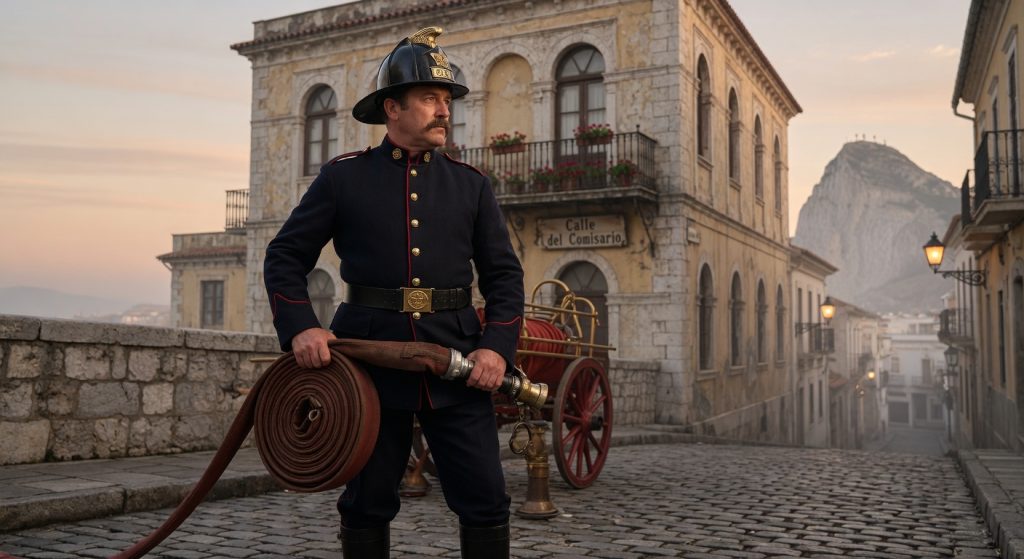
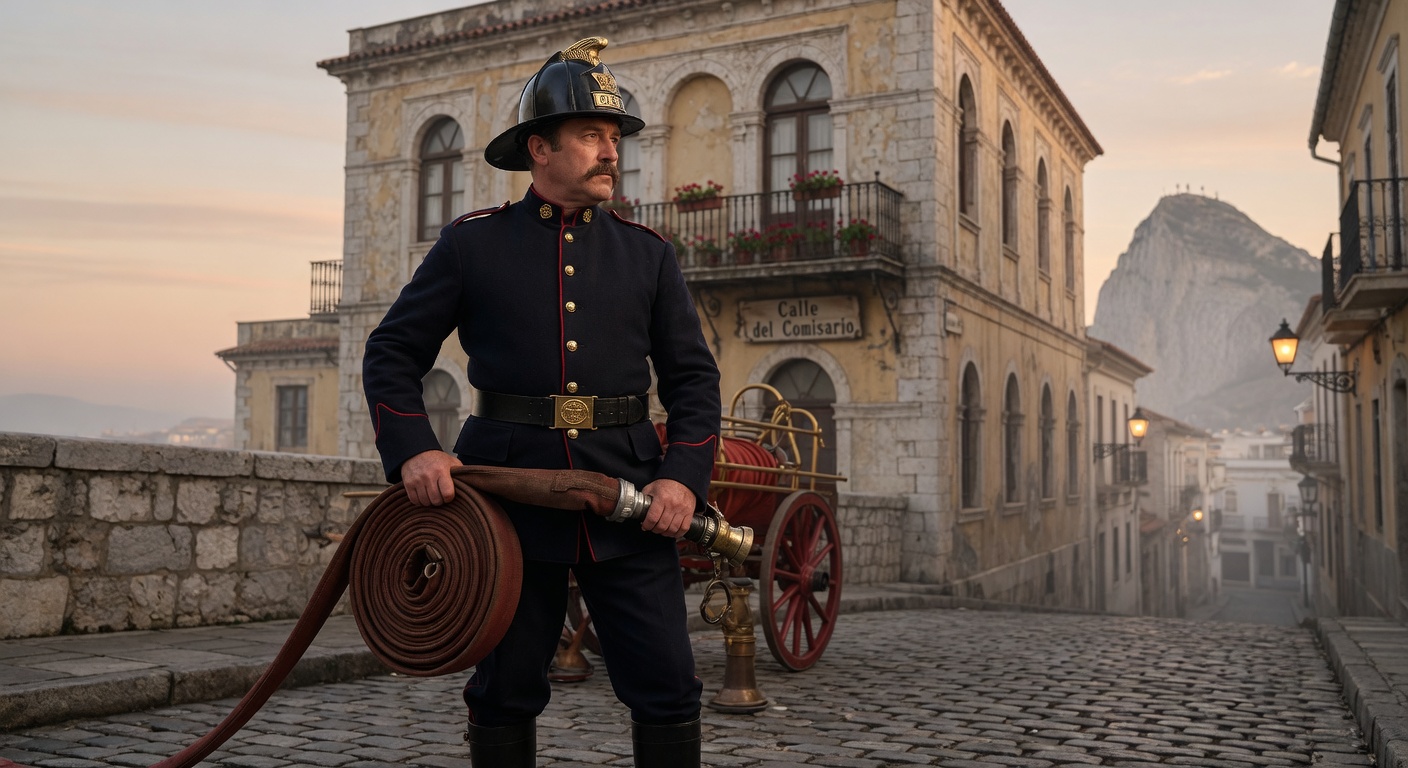
Community members formed informal fire watches, taking turns to keep an eye on potential fire hazards, especially during dry and windy conditions that could exacerbate fire risks. They improvised with basic firefighting tools such as buckets, water pumps, and fire hooks, ensuring that there was always some readiness to respond swiftly to any outbreaks of fire. This grassroots firefighting organization played a vital role in minimizing damage before professional services were introduced.
The early firefighting efforts in Gibraltar were also supported by some local businesses and authorities who recognized the need for a coordinated response in emergencies. However, without official training or dedicated equipment, these initial fire services relied heavily on the willingness of the community to band together during crises. This period laid the foundation for the modern firefighting organization in Gibraltar, demonstrating the spirit of cooperation and resilience within the population.
Establishment of the Official Fire Brigade
The establishment of the official fire brigade in Gibraltar marked a significant development in the territory’s approach to fire safety and public protection. Prior to the formation of a formal fire service, fire-fighting efforts were largely informal and conducted by local volunteers. Recognizing the need for a structured and professional service, Gibraltar took decisive steps towards the establishment fire services that could efficiently respond to emergencies and protect both civilian and military interests.
The official fire brigade Gibraltar was founded in the late 19th century, becoming one of the first organized fire departments within the British territories. The creation of the fire brigade was driven by the strategic importance of Gibraltar as a naval base and commercial port, demanding a high level of readiness and expertise in fire response. The early leadership of the brigade consisted of experienced fire chiefs who brought both military discipline and knowledge of firefighting techniques to the service. These first chiefs were instrumental in laying down operational protocols and training standards that would guide the fire brigade for decades to come.
Structurally, the service during its inception was organized with a clear chain of command and designated teams for various firefighting and rescue tasks. Fire stations were strategically located to cover key infrastructure, including docks, military installations, and residential areas. The official fire brigade Gibraltar not only provided essential fire protection but also contributed to community safety by educating the public on fire prevention measures. This foundational period set the stage for the evolution of the fire department history in Gibraltar, highlighting the commitment to safeguarding lives and property through professionalism and dedicated service.
Development and Modernization over the 20th Century
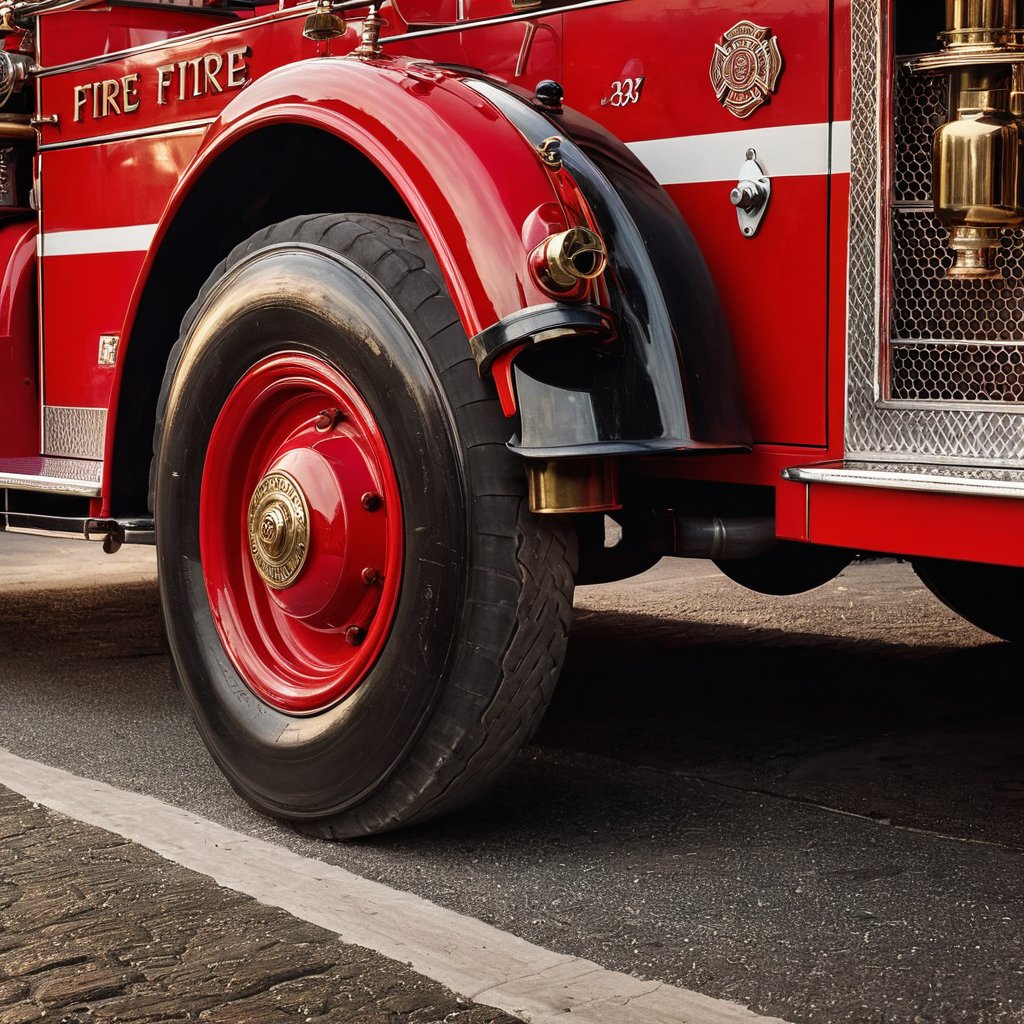
The fire brigade modernization in Gibraltar throughout the 20th century was marked by significant development phases and technological advancements that transformed the local fire services into a modern and efficient emergency response unit. Early in the century, the fire brigade was primarily a volunteer-based organization equipped with basic firefighting tools and horse-drawn fire engines. However, the increasing urbanization and industrial growth in Gibraltar called for a more specialized and professional approach to firefighting.
During the first half of the 20th century, the Gibraltar fire services began to adopt motorized fire engines, replacing the slower horse-drawn carriages. This switch accelerated response times and allowed the brigade to cover a larger geographic area more effectively. Additionally, the introduction of telephone communication systems helped improve emergency reporting and coordination between the fire station and the public. Training programs also became more formalized, with firefighters receiving instruction on the latest firefighting techniques and safety protocols.
The mid-20th century saw further advances in firefighting technology in Gibraltar, including the acquisition of specialized equipment such as high-pressure water pumps, breathing apparatus, and protective clothing designed to withstand high heat and smoke conditions. These technological advancements significantly increased the capability of the fire brigade to manage more complex and hazardous fire situations, such as those involving industrial facilities and densely populated urban environments.
Modernization efforts continued into the latter part of the century with the establishment of new fire stations strategically located to optimize coverage and response times. The fire brigade also embraced newer firefighting vehicles equipped with advanced ladders, rescue tools, and communication devices. In line with global trends, the brigade placed greater emphasis on fire prevention and public education campaigns, aiming to reduce the incidence of fires through awareness and community involvement.
By the end of the 20th century, the Gibraltar fire services stood as a highly trained, technologically equipped, and organized emergency response force. The continuous fire brigade modernization in Gibraltar throughout this period ensured that it was capable of protecting the population and infrastructure from the evolving challenges posed by urban development and industrial hazards. The advances in firefighting Gibraltar experienced in the 20th century laid a solid foundation for the ongoing improvements and professionalism of the fire services into the 21st century.
Introduction of Modern Equipment and Techniques
The Gibraltar fire brigade underwent significant advancements with the introduction of modern firefighting equipment and innovative techniques that greatly enhanced their operational effectiveness. One of the key upgrades was the acquisition of state-of-the-art firefighting technology Gibraltar had not previously seen, including high-pressure pumps, motorized fire engines, and advanced protective gear for firefighters. These improvements ensured faster response times and increased safety during emergency situations.
Alongside this modern firefighting equipment, new firefighting techniques were integrated into the brigade’s training and operational protocols. Emphasis was placed on systematic fire suppression methods, including the use of foam and chemical retardants that improved the brigade’s capability to handle complex fire scenarios. Additionally, rescue techniques were refined to ensure efficient evacuation and victim assistance during hazardous incidents.
The adoption of modern communication tools also played a crucial role in transforming the fire brigade’s effectiveness. Real-time coordination through radio systems allowed for better management of resources and faster decision-making on the ground. These technological and tactical advancements marked a pivotal period in the history of the Gibraltar fire brigade, setting new standards in firefighting and emergency response within the region.
Significant Fire Incidents and Brigade Response
Throughout Gibraltar’s history, major fires have played a crucial role in shaping the capabilities and strategies of the local fire brigade. One of the most notable historical fire incidents in Gibraltar occurred in the early 20th century when a large warehouse fire threatened the bustling dockyard. The fire brigade’s swift and coordinated fire brigade response not only minimized damage but also highlighted the need for more advanced equipment and training. This event was a catalyst for improving the brigade’s infrastructure and emergency protocols.
Another significant fire incident took place during World War II, when Gibraltar’s strategic importance made it a target for incendiary attacks. The fire brigade faced the immense challenge of protecting vital military installations amid bombings and air raids. Their resilience and adaptability during these crisis moments led to the incorporation of new firefighting techniques and reinforced communication systems to ensure quicker and more effective response times in future emergencies.
Over the decades, the fire brigade’s response to these and other major fires in Gibraltar has driven continuous evolution in equipment, training, and community engagement. Lessons learned from past fires have resulted in stricter fire safety regulations and the establishment of public awareness programs. As a result, the fire brigade today stands as a well-prepared and highly skilled force, ready to tackle emergencies while preserving the safety and heritage of Gibraltar.
The Fire Brigade’s Role in Contemporary Gibraltar
In modern Gibraltar, the fire brigade plays a vital role in ensuring the safety and well-being of the community through a comprehensive and organized approach to firefighting and fire safety. The modern fire brigade Gibraltar operates under a structured system designed to tackle emergencies rapidly and effectively, while also prioritizing fire prevention and community engagement as core elements of its responsibilities.
The current firefighting services in Gibraltar are staffed by professionally trained personnel equipped with state-of-the-art technology and fire engines. These resources enable them to respond swiftly to fire incidents, road traffic accidents, and other emergencies that threaten public safety. The brigade’s organizational structure ensures clear lines of command and coordination, facilitating efficient deployment of firefighters across the territory whenever needed.
Beyond emergency response, the fire brigade focuses actively on fire prevention efforts, recognizing the importance of reducing fire risks before incidents occur. This includes regular inspections of public and private buildings to ensure compliance with fire safety regulations. The brigade also works closely with businesses, schools, and residential communities to provide guidance on best practices for fire safety and emergency preparedness.
Community engagement is a significant aspect of the fire brigade’s role in contemporary Gibraltar. Educational campaigns and fire safety workshops are frequently conducted, targeting all age groups to raise awareness about fire hazards and correct safety procedures. These outreach efforts foster a culture of safety and vigilance within the community, empowering residents to take proactive measures in preventing fires.
Overall, the fire brigade’s presence in Gibraltar today extends beyond fighting fires to encompass a holistic approach that combines emergency response, fire prevention, regulatory compliance, and public education. This multifaceted role enhances the overall safety infrastructure of Gibraltar, ensuring that both residents and visitors benefit from reliable and effective current firefighting services.
Community Involvement and Fire Prevention Programs
The Gibraltar fire brigade plays a vital role not only in emergency response but also in promoting fire prevention Gibraltar-wide through numerous community programs. These initiatives are designed to enhance public education fire brigade efforts, fostering a culture of safety and awareness across the territory. By engaging directly with local residents, schools, and businesses, the fire brigade ensures that fire prevention techniques and safety protocols reach every corner of the community.
One of the key components of the community fire safety strategy is educational workshops and interactive sessions held regularly at schools and community centers. These sessions teach children and adults about the hazards of fire, the importance of smoke alarms, and practical steps to avoid fire accidents. Firefighter demonstrations and safety drills provide hands-on experience and reinforce the message, making learning both informative and memorable.
Additionally, the fire brigade runs targeted campaigns during high-risk seasons to alert the public about fire threats specific to Gibraltar’s environment and lifestyle. These campaigns use various media channels to spread important information about fire prevention Gibraltar residents can implement in their homes and workplaces. Volunteer programs also encourage community members to become fire safety advocates, multiplying the impact of the brigade’s public education fire brigade initiatives.
Overall, the Gibraltar fire brigade’s commitment to community fire safety is evident in its proactive approach, blending education, engagement, and outreach to reduce fire incidents and protect lives and property effectively.
Challenges and Future Directions
The Gibraltar fire brigade currently faces several significant challenges that impact its operational efficiency and long-term planning. One major issue is the constant need to update and maintain equipment to keep pace with modern firefighting technologies. As urban development continues in Gibraltar, the complexity of potential emergencies grows, requiring specialized training and enhanced capabilities to respond effectively. Limited space for expanding facilities and training grounds also presents a hurdle for the brigade’s growth and readiness.
Another ongoing challenge is adapting to increasingly diverse emergency scenarios beyond traditional fires, such as hazardous material incidents and natural disasters, which demand a broader skill set and coordinated efforts with other emergency services. Recruitment and retention of skilled personnel remain a concern, considering the demanding nature of the job and the need for continuous professional development.
Looking ahead, the future firefighting strategy in Gibraltar focuses on embracing technological advancements like improved communication systems, fire detection innovations, and eco-friendly firefighting techniques to enhance safety and efficiency. Strategic goals include strengthening inter-agency collaboration for comprehensive emergency services development and investing in community education to promote fire prevention awareness.
By addressing these challenges proactively and with a forward-thinking approach, the Gibraltar fire brigade aims to build a resilient, agile, and well-equipped service that protects the community while adapting to future demands.
Origins of the Fire Brigade in Gibraltar
The origins of the fire brigade in Gibraltar date back to a period when the need for organized firefighting became increasingly apparent due to the risks associated with the town’s dense and often flammable infrastructure. Gibraltar’s unique position as a strategic military and trading outpost in the Mediterranean meant that safeguarding its buildings and population from fire hazards was essential. The early fire services in Gibraltar were rudimentary but marked the beginning of a transition from informal fire-fighting efforts to a formally structured brigade.
The history of firefighting in Gibraltar reflects broader societal and technological changes. In the 18th and early 19th centuries, firefighting practices were principally ad hoc, relying heavily on the community, soldiers, and porters to combat fires using basic equipment such as buckets, hand pumps, and later, manual fire engines. However, as Gibraltar grew in size and importance, the limitations of such informal arrangements became clear, and the development of a dedicated fire service was prioritized.
Key historical events were instrumental in shaping the Gibraltar fire brigade origins. The Great Fire of Gibraltar in 1864, which caused significant damage to parts of the city, underscored the urgent need for a permanent and well-trained firefighting force. This catastrophic event led to increased investment in fire prevention and response measures, inspiring local authorities to establish a formal fire brigade equipped with better technology and trained personnel.
By the late 19th century, the fire brigade in Gibraltar evolved into a professional body, featuring specialized equipment suited to the unique challenges of the rocky peninsula and its densely built urban areas. Fire stations were established in strategic locations, and the brigade began to incorporate emerging firefighting techniques from other parts of the British Empire. The early fire services in Gibraltar thus represent a crucial period of development, moving from volunteer-based attempts to a disciplined and coordinated emergency service, laying the foundation for the modern Gibraltar fire brigade.
The Gibraltar fire brigade origins are deeply intertwined with the town’s military history and civilian needs, reflecting how community safety measures adapted over time in response to growing urban demands and catastrophic incidents. This rich history illustrates the resilience and foresight of Gibraltar’s leaders in addressing fire hazards long before firefighting became standardized worldwide.
Early Firefighting Efforts and Organization
Before the establishment of formal firefighting services in Gibraltar, early firefighting efforts were predominantly community-driven and informal. The citizens of Gibraltar understood the critical importance of protecting their homes and possessions from fire, leading to spontaneous firefighting organization within neighborhoods. These initial fire services in Gibraltar lacked official structure but were characterized by collective vigilance and mutual assistance.

I have always been captivated by the unique cultural tapestry of the Rock, particularly how Moorish, Spanish, and British influences shaped its development over centuries. My passion lies in translating these complex historical narratives into engaging educational resources that make Gibraltar’s past accessible to everyone. I spend my free time exploring military fortifications and reading first-hand accounts of life at the Pillar of Hercules.