Early Fortifications and Military Installations
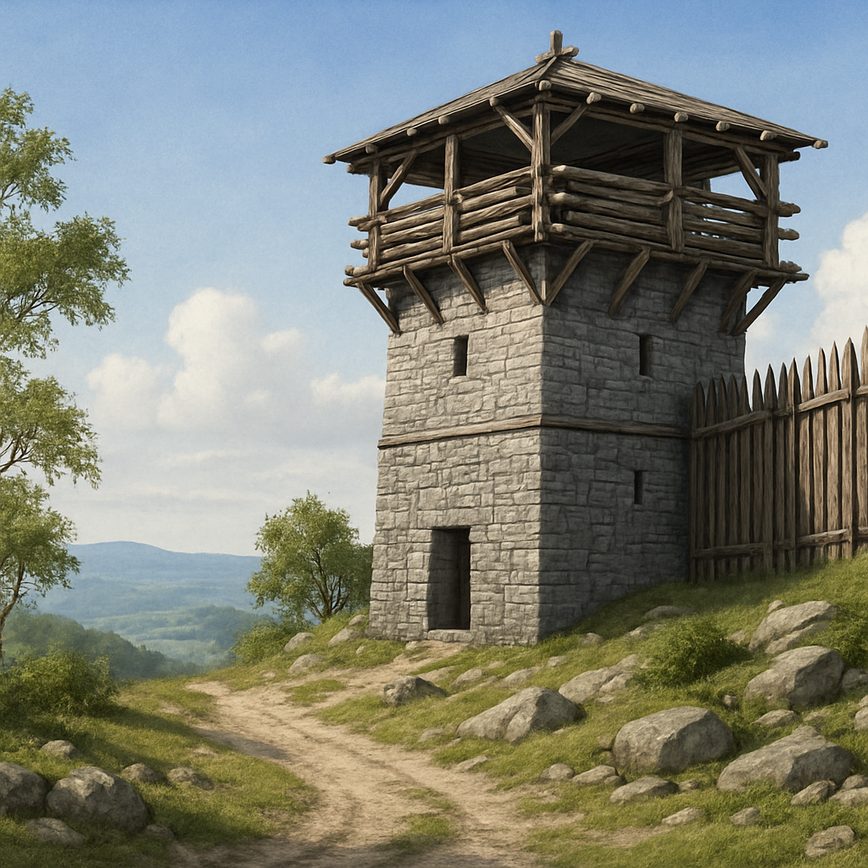
The history of Gibraltar defense systems dates back to ancient times, with early fortifications playing a critical role in the protection and control of this strategic territory. Given its unique geographic position at the entrance of the Mediterranean Sea, Gibraltar has long been recognized for its military significance. The earliest defenses were rudimentary but strategically vital, evolving in complexity alongside growing military technology and threats.
Initial defense efforts in Gibraltar can be traced to the ancient Phoenicians and Carthaginians, who occupied the Rock and built basic fortifications to safeguard the port and the surrounding area. These early military installations consisted mainly of defensive walls and lookout points designed to monitor maritime activity and deter invaders. The Romans later enhanced these structures during their occupation, creating more permanent defensive works that underscored Gibraltar’s importance as a naval base and gateway to the Mediterranean.
During the medieval period, particularly under Moorish control from the early 8th century, Gibraltar’s defense systems underwent further development. The Moors constructed significant fortifications, including the initial incarnation of the Moorish Castle, which formed the core of Gibraltar’s defense network. This fortress was not only a military stronghold but also symbolized the strategic value placed on Gibraltar. The castle’s walls, towers, and gates were carefully designed to withstand sieges, illustrating the sophistication of early military installations in the region.
Following the Christian Reconquista, the Spanish fortified Gibraltar extensively. They rebuilt and expanded the existing Moorish defenses, adding bastions, ramparts, and artillery positions suited to the evolving nature of siege warfare. These early fortifications embodied the transition from traditional medieval forts to more modern military installations capable of resisting cannon fire and prolonged attacks. The fortified town and its walls reflected the tactical importance of Gibraltar defense history during this period, as control over the Rock was pivotal for Spain’s maritime dominance.
By the early modern period, Gibraltar had established itself as a heavily defended military bastion, a reputation that would only grow in subsequent centuries. The initial defense systems—including the ancient walls, Moorish Castle, and Spanish bastions—laid the groundwork for Gibraltar’s historic defenses, providing a layered and resilient network of fortifications that protected this critical point at the crossroads of continents and trade routes.
Medieval and Moorish Influence on Gibraltar’s Defenses
The medieval period saw significant developments in Gibraltar’s defensive architecture, heavily influenced by Moorish fortifications that set enduring precedents. When the Moors arrived in the early 8th century, they introduced advanced military engineering techniques that would shape the region’s defenses for centuries. Their fortifications were characterized by thick stone walls, strategically placed towers, and narrow battlements designed to provide maximum protection while allowing defenders to repel attackers effectively.
Moorish fortifications in Gibraltar were not only robust but also innovative, incorporating elements such as crenellations and arrow slits that enhanced the defensive capabilities of medieval structures. These features enabled defenders to launch precise attacks from protected positions. Additionally, the use of elevated vantage points along steep cliffs gave Gibraltar’s early defenses a natural advantage against sieges and naval assaults, combining the terrain with human ingenuity.
Throughout Gibraltar history, medieval occupants adopted and adapted these Moorish innovations, creating a layered defense system that integrated fortified gates, ramparts, and watchtowers. This fusion of styles and techniques resulted in formidable military structures capable of withstanding prolonged attacks. The old military structures from this era laid the groundwork for Gibraltar’s reputation as a strategic stronghold, preserving its significance in military history and influencing subsequent defensive designs.
Spanish and British Fortification Developments
The history of Gibraltar’s defense systems is marked by significant transformations during the transitions of control from Spanish to British forces. Initially, the Spanish fortifications laid the groundwork for a robust defense, utilizing the strategic geography of the Rock. Their defensive constructions were designed to secure the peninsula against seaborne and land attacks, featuring thick walls and bastions that formed an integral part of their military strategy. The Spanish fortifications reflected the military architectural style of the period, emphasizing strongholds and artillery placements to protect their claim over Gibraltar.
With the conquest of Gibraltar by British forces in 1704 during the War of Spanish Succession, a new chapter in the evolution of defense systems began. The British military recognized the importance of the existing Spanish defenses but proceeded to enhance and adapt them to their own military doctrines and technological advancements. The British undertook extensive modifications, strengthening existing structures and building new fortifications such as advanced bastions, batteries, and underground tunnels to improve the Rock’s defensive capabilities.
This evolution was driven by the need to maintain a strategic naval base at the entrance to the Mediterranean and to repel continuous sieges and attacks. The British alterations reflected both continuity and innovation — maintaining some of the original Spanish designs while integrating newer artillery technologies and fortification principles. Thus, Gibraltar’s defense systems evolved into a complex and formidable network, illustrating a layered history of military architecture shaped by the Spanish origins and British enhancements.
Modern Military Advances and World War Impact
The 20th century marked a significant period of transformation for Gibraltar’s defense systems, driven predominantly by rapid advancements in modern military technology and the strategic imperatives shaped by two world wars. As an essential fortress controlling access to the Mediterranean, Gibraltar evolved its World War forts into highly sophisticated defensive installations that reflected the changing nature of warfare.
Leading into World War I, Gibraltar had already established itself as a formidable military stronghold, but the onset of modern defense systems accelerated its development. The traditional artillery batteries of previous centuries were upgraded with more powerful and accurate guns, enhanced by improved range-finding and targeting mechanisms. These advances ensured that Gibraltar could effectively counter naval threats and protect vital maritime routes. The fortress also began integrating early forms of communication technology, such as wireless telegraphy, to coordinate military operations more efficiently within the fortress and with allied forces.
World War II significantly intensified the modernization of Gibraltar’s defenses. The island’s military infrastructure was expanded with the construction of new underground tunnels, bomb-proof shelters, and advanced observation posts, adapting to the realities of aerial warfare and potential invasions. Gibraltar WWII defenses incorporated cutting-edge radar technology, allowing the detection of enemy aircraft and ships at greater distances than ever before. Anti-aircraft artillery and coastal batteries were modernized, providing a robust layered defense designed to neutralize threats from both sea and air.
Moreover, the strategic importance of Gibraltar during World War II extended beyond its physical defenses. Its position as a naval base and convoy assembly point meant that its modern defense systems had to support extensive logistical and operational military functions. This resulted in the establishment of highly coordinated defense networks that integrated maritime, air, and terrestrial surveillance with rapid response capabilities. The military garrison on Gibraltar became a critical node in the Allied forces’ Mediterranean operations, showcasing the importance of advanced defense technologies in a complex theater of war.
Post-war, the experiences and technological innovations developed during the 20th century laid the groundwork for continued modernization of Gibraltar’s defense infrastructure. The World War forts, while historic, transitioned to incorporate more modern systems that reflected Cold War-era strategic needs. Ultimately, Gibraltar’s journey through this century illustrates the dynamic evolution of military defense in response to emerging threats, solidifying its reputation as a bastion of modern defense systems and military innovation.
World War I Defensive Measures
During World War I, Gibraltar played a crucial role in the defense strategy of the Allied forces due to its strategic position controlling access to the Mediterranean Sea. Recognizing its military importance, significant efforts were made to enhance Gibraltar’s defenses, creating sophisticated WWI defenses and 20th century fortifications. These measures included the construction of new artillery batteries, reinforcement of existing gun emplacements, and the installation of anti-submarine nets to protect against underwater threats.
The Gibraltar military focused on upgrading coastal defenses to deter enemy naval advances and secure the vital shipping lanes. Key installations such as the Lower and Upper Batteries were modernized with more powerful guns capable of engaging enemy vessels at greater distances. Additionally, underground tunnels and fortified observation posts were established to improve communication and coordination during historic battles in the region.
Moreover, the fortifications integrated into Gibraltar’s landscape were designed not only to withstand bombardments but also to serve as strategic points for monitoring enemy movements. These WWI defenses proved essential in maintaining control over the Strait of Gibraltar, allowing the Allies to safeguard naval convoys and disrupt Axis naval operations. Overall, Gibraltar’s military preparedness during World War I exemplifies the critical role of well-planned defense systems in 20th century warfare.
World War II Fortresses and Innovations
During World War II, Gibraltar’s defense systems underwent significant expansion and technological advancements, transforming the territory into a formidable stronghold. Central to this upgrade was the enhancement of artillery batteries, which were strategically positioned to cover vital sea and air approaches. These Gibraltar batteries were equipped with a range of guns, including heavy naval artillery capable of engaging enemy ships from great distances, reinforcing the rock’s role as a crucial defensive bastion.
In addition to artillery improvements, a vast network of tunnels was expanded and modernized. These tunnels served multiple purposes including troop movement, ammunition storage, and shelter during air raids. The ingenious tunneling system not only facilitated efficient wartime logistics but also provided critical protection for military personnel and equipment, ensuring operational readiness even under sustained attack.
Another key innovation was the installation of radar systems, marking a significant leap forward in wartime strategy. Radar technology allowed for early detection of enemy aircraft and ships, giving Gibraltar’s defenders precious time to prepare and respond. This integration of advanced radar installations into the fortress’ defense infrastructure underscored the importance of military innovation in maintaining Gibraltar’s security throughout WWII, complementing the traditional artillery and tunnel defenses.
Contemporary Defense Systems and Legacy
Gibraltar’s current defenses represent a sophisticated blend of modern military technology and strategic ingenuity, reflecting centuries of evolution from its historic foundations. As one of the most heavily fortified areas in the region, Gibraltar continues to play a critical role in ensuring security for both the territory and the greater Mediterranean corridor. The present-day defense systems integrate advanced radar installations, missile defense capabilities, and electronic surveillance, ensuring Gibraltar remains a formidable stronghold.
The military legacy in Gibraltar is deeply embedded in its landscape and culture, with its fortifications, tunnels, and bunkers standing as reminders of past conflicts and strategic importance. This enduring heritage informs and inspires the modernization of Gibraltar’s defense infrastructure. Over time, the territory’s military installations have transformed, adapting to technological advancements while maintaining the defensive spirit that has characterized Gibraltar through numerous historical epochs.
Key to Gibraltar’s continued security is the seamless integration of heritage and cutting-edge defense mechanisms. Historical artillery positions have been repurposed to house modern weaponry, and ancient tunnels now support contemporary communication and command systems. This symbiotic relationship between the old and new underscores the commitment to preserving Gibraltar’s military legacy while embracing advancements that enhance operational readiness and protection.
The strategic location of Gibraltar ensures it remains a pivotal asset for military operations and regional defense. Its current defenses are not isolated but part of a broader network supported by allied forces, making the territory a hub for joint military collaboration. The evolution from historic siege defenses to modern systems involving surveillance drones, precision-guided munitions, and integrated defense networks illustrates the dynamic nature of Gibraltar’s role in global security.
In conclusion, Gibraltar’s contemporary defense systems are a testament to the enduring legacy of its military heritage combined with cutting-edge military technology. This fusion ensures Gibraltar’s security posture remains robust and adaptive in the face of evolving threats, honoring the territory’s past while securing its future on the global stage.
Post-War Military Adaptations
Following World War II, Gibraltar’s defense posture underwent significant adaptation to address new global threats and technological advancements. The post-WWII defenses reflected a shift from conventional artillery and static fortifications to more dynamic and technologically advanced systems. The strategic importance of Gibraltar during the Cold War heightened the urgency for military adaptation, as it became a key listening post and surveillance hub against potential Soviet incursions.
The Gibraltar army focused on modernizing its installations, incorporating radar and early warning systems to enhance situational awareness. New missile systems replaced many of the outdated coastal guns, adding a layer of rapid-response capability. These upgrades allowed Gibraltar to maintain a defensive advantage in the face of increasingly sophisticated naval and aerial threats. Defense modernization also included reinforced bunkers, improved communication networks, and integration with NATO defense systems, ensuring that Gibraltar remained a vital part of Western military strategy.
In addition to hardware improvements, the post-war period saw a reorganization of the military forces based in Gibraltar to optimize operational efficiency and readiness. Training emphasized readiness for Cold War scenarios, including nuclear and electronic warfare. These adaptations ensured that Gibraltar’s defenses were not only robust but also flexible enough to meet evolving geopolitical challenges throughout the latter half of the 20th century and beyond.
Heritage and Preservation of Defense Sites
Gibraltar’s military heritage is a vital part of its cultural identity, with historic forts and defense sites standing as enduring symbols of its strategic importance through the centuries. Dedicated efforts to preserve these sites have been central to maintaining this legacy. Various preservation initiatives focus on restoring and maintaining the structural integrity of the forts, tunnels, and batteries that once played crucial roles in defense. These projects are often supported by local government bodies, heritage organizations, and international partners committed to safeguarding Gibraltar’s unique defense history.
Preserving Gibraltar’s defense sites not only protects valuable historic artifacts but also enhances the cultural heritage of the region. Many of these sites have been transformed into museums and educational centers, offering visitors rich insights into the military past. Guided tours, interactive exhibits, and reenactments further celebrate the historical significance of these locations. Through such endeavors, the importance of defense site preservation is communicated widely, ensuring that future generations appreciate Gibraltar’s role in military history.
The preservation of these historic forts also greatly contributes to Gibraltar tourism. Tourists are drawn to the unique opportunity to explore well-preserved military architecture and vantage points with panoramic views. This niche tourism not only supports the local economy but also fosters a deeper understanding and respect for Gibraltar’s multi-layered past. By integrating defense site preservation with tourism development, Gibraltar successfully blends cultural conservation with economic growth, reinforcing its status as a destination rich in military heritage.

I have always been captivated by the unique cultural tapestry of the Rock, particularly how Moorish, Spanish, and British influences shaped its development over centuries. My passion lies in translating these complex historical narratives into engaging educational resources that make Gibraltar’s past accessible to everyone. I spend my free time exploring military fortifications and reading first-hand accounts of life at the Pillar of Hercules.