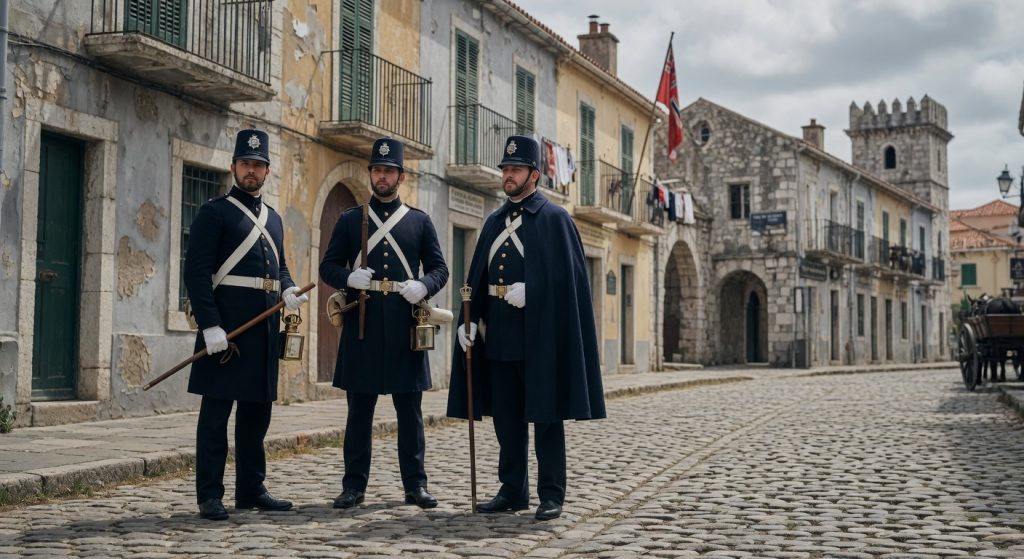
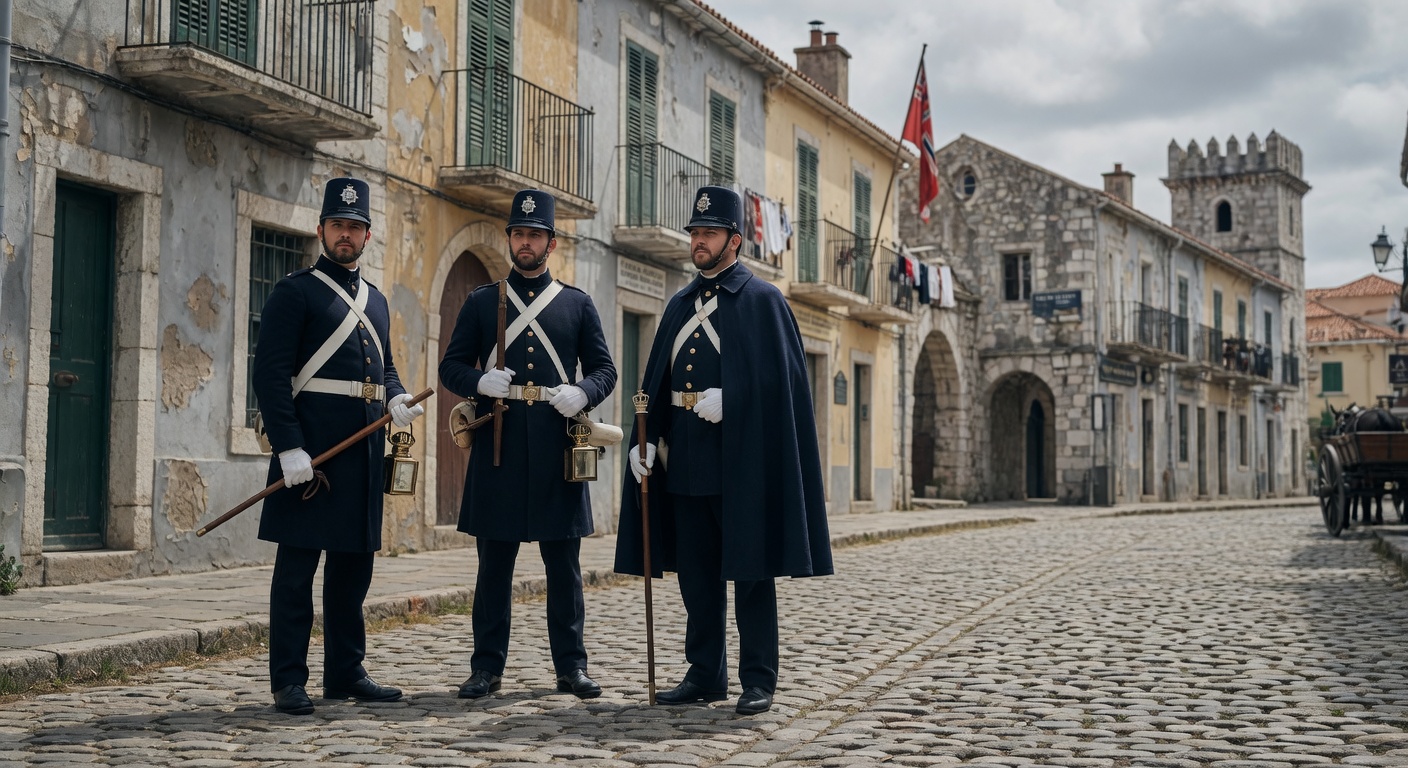
Through numerous outreach programs, the police connect with diverse groups within the community, including schools, local businesses, and civic organizations. These initiatives educate the public about safety measures, crime reporting, and the importance of collaboration with law enforcement. By maintaining open lines of communication, the Gibraltar police ensure that community concerns are heard and addressed promptly, strengthening police community relations.
Activities such as neighborhood watch meetings, youth engagement programs, and public safety workshops exemplify the commitment of the Gibraltar police to fostering a safe and inclusive environment. Their proactive presence in community events and willingness to listen to feedback help to break down barriers and promote a sense of shared responsibility between the police and the public. This community-centric model not only reduces crime but also enhances the overall quality of life in Gibraltar.
In essence, the Gibraltar police’s dedication to community policing and public outreach programs plays a vital role in nurturing positive police community relations. These efforts ensure that policing is not seen as a separate entity but as an integral part of the community fabric working towards mutual safety and wellbeing.
Origins of the Police Force in Gibraltar
The origins of the police force in Gibraltar trace back to the early 19th century, marking a significant chapter in Gibraltar police history. The establishment of law enforcement on this strategic British Overseas Territory was a response to the growing need for order and security within its bustling port and military garrison. Gibraltar’s unique position at the crossroads of the Mediterranean made it a vital asset, necessitating effective policing origins Gibraltar that would maintain stability and safeguard its inhabitants and assets.
Prior to the formal creation of an organized police force, law enforcement duties in Gibraltar were initially carried out by military personnel and informal watchmen. The area’s early policing was largely influenced by British military law, as Gibraltar was primarily a military fortress. However, the increasing civilian population and commercial activities called for a dedicated civil police body. The first documented move toward establishing a formal police force occurred in 1830 when Gibraltar authorities recognized the importance of a structured law enforcement institution beyond the military framework.
One of the early pioneers in shaping the policing origins Gibraltar was Captain John MacGregor, who is often credited with championing the creation of a civilian police force. His efforts in the early 1830s led to the establishment of a police force that was tasked with both maintaining public order and supporting military discipline. This force initially consisted of a modest number of officers responsible for patrolling the streets, managing local disturbances, and overseeing the security of the port.
The historical context surrounding the early police Gibraltar was marked by challenges such as smuggling, theft, and social unrest, which were commonplace in a busy port city. Therefore, the establishment of an official police body was crucial in counteracting these issues and promoting a lawful society. Over the decades, this force gradually expanded in size and capability, reflecting Gibraltar’s evolving social and political landscape.
In conclusion, the initial establishment of the police force in Gibraltar was a pivotal development in the territory’s history. From the early 1830s, with figures like Captain MacGregor and the strategic imperatives tied to Gibraltar’s location, the origins of policing in Gibraltar were deeply rooted in both military and civilian needs. This foundation set the stage for the modern police service that continues to serve the community today with dedication and professionalism.
Pre-Modern Policing and Informal Law Enforcement
Before the establishment of an official police force in Gibraltar, law and order were primarily upheld through various pre-modern police methods and informal law enforcement practices. The community relied heavily on local militias, watchmen, and appointed constables who acted as the primary agents of security. These individuals were often drawn from the local population, reflecting a system where personal responsibility and communal oversight played crucial roles in maintaining peace.
In the absence of a structured police department, Gibraltar’s security history reveals a reliance on informal networks of vigilance and cooperation among residents. Neighborhood watch groups and informal enforcers would patrol the streets, deter crime, and intervene when disturbances arose. This decentralized approach allowed the community to respond directly to immediate security threats, although it lacked the formal authority and resources of later official institutions.
The pre-modern police arrangements in Gibraltar were characterized by limited formal training and authority, which sometimes led to inconsistent enforcement of laws. Despite these limitations, these informal law enforcement mechanisms played a foundational role in maintaining order during periods of social and political change. Understanding this early phase is essential to appreciating the evolution of Gibraltar’s security structures into a more organized and professional police force.
Establishment of the Official Police Force
The official police force of Gibraltar was founded in 1830, marking a significant step in the formalization and organization of law enforcement within the territory. Prior to the establishment of this official body, local law enforcement was primarily handled by informal night watches and military personnel, which proved to be insufficient for the growing needs of the community. The police founding date of 1830 is recognized as a pivotal moment when Gibraltar introduced a dedicated and structured force specifically for civilian policing duties.
The first Gibraltar police force was comprised of a modest number of officers whose initial roles included maintaining public order, preventing crime, and ensuring the safety of both residents and the increasingly important port facilities. The early structure of the force was relatively simple, with ranks organized to reflect responsibilities such as patrol officers, constables, and a chief officer overseeing operations. This hierarchy allowed for clear command and control, facilitating effective law enforcement in a strategic location.
Official police Gibraltar functioned with a mandate that extended beyond general law enforcement to include tasks such as traffic control, dealing with smuggling which was prevalent due to Gibraltar’s status as a major naval base, and working alongside military authorities when necessary. The foundation of the police force established the framework for modern policing in Gibraltar, balancing civil policing while addressing unique challenges of this British Overseas Territory.
Evolution and Modernization of the Gibraltar Police
The Gibraltar police force has witnessed significant evolution and modernization efforts throughout its history, adapting to the changing needs of law enforcement in the territory. From its origins as a modest and locally focused unit, the Gibraltar police have embraced numerous reforms that have transformed it into a contemporary and efficient organization.
One of the major milestones in the Gibraltar police evolution was the introduction of structured training programs and updated operational protocols. This was essential to keep pace with the increasing demands of public safety and security. These training initiatives ensured that officers were better prepared to handle a variety of situations, from routine crime prevention to more complex law enforcement challenges.
Modernization efforts also included the integration of advanced technology and communication systems. The police force incorporated modern forensic tools, surveillance equipment, and computerized record-keeping systems, enhancing the efficiency and accuracy of investigations. These technological upgrades marked a significant step forward in the police modernization process.
The changes in law enforcement approaches in Gibraltar also reflect broader global trends toward community policing and transparency. The police have increasingly focused on building trust and cooperation with the local community, understanding that collaborative efforts are pivotal to effective crime prevention and resolution. This shift brought about new policies emphasizing accountability and engagement.
Furthermore, the enforcement framework was adapted to new legal standards and international regulations, underscoring Gibraltar’s commitment to upholding the rule of law in a modern context. Specialized units were developed within the force to address specific crimes such as cybercrime, drug trafficking, and terrorism, showcasing a strategic and forward-looking approach to law enforcement changes in Gibraltar.
Overall, the Gibraltar police force’s journey through evolution and modernization illustrates a continual dedication to improving public safety, operational effectiveness, and community relations. These efforts have positioned the police to effectively meet current and future challenges in maintaining law and order within Gibraltar’s unique environment.
Technological Advances and Training Improvements
Over the years, the police force in Gibraltar has embraced significant technological advances that have greatly enhanced its operational effectiveness. The integration of police technology Gibraltar-wide includes modern communication systems, crime analytics software, and surveillance equipment, allowing officers to respond swiftly and gather actionable intelligence. These tools have improved situational awareness and enabled more precise and proactive policing strategies.
In addition to technological upgrades, comprehensive officer training programs have been developed to ensure that personnel are well-equipped to utilize modern police tools effectively. The training embraces both traditional law enforcement methods and new techniques tailored to the evolving landscape of crime and security challenges. This blend of foundational skills and advanced technology education empowers officers to operate with greater confidence and efficiency.
Furthermore, continuous investment in equipment, including body-worn cameras, forensic kits, and advanced vehicles, has strengthened the police force’s capability to address complex situations. These improvements not only enhance officer safety but also contribute to transparency and accountability in policing. Together, advances in police technology Gibraltar has adopted, combined with robust officer training and superior equipment, underline the ongoing commitment to modernizing law enforcement for the benefit of the community.
Key Historical Events Impacting the Police Force
The police force in Gibraltar has faced numerous challenges throughout its history, shaped by various police historical events that tested its resilience and adaptability. One of the most significant Gibraltar security incidents was during World War II, when the territory’s strategic location made it a target for espionage and sabotage. The police were crucial in maintaining internal security, managing blackouts, and preventing enemy infiltration, which set a precedent for rigorous law enforcement challenges in times of crisis.
Another pivotal event was the closure of the land border with Spain between 1969 and 1982. This period intensified security demands on the police force, as smuggling and illegal crossings surged, requiring heightened vigilance and cooperation with military forces to safeguard Gibraltar’s borders. The police historical events from this era underscore their evolving role from civil policing to border security and intelligence gathering.
In recent decades, Gibraltar has witnessed increased challenges related to terrorism threats and international crime, compelling the police to enhance their operational capabilities and intelligence-sharing practices. These law enforcement challenges have forced the police to modernize training and technology, ensuring Gibraltar remains secure despite its small size and high geopolitical sensitivity. Overall, these historical moments highlight how the police force’s adaptability has been central to Gibraltar’s stability and security.
The Role and Structure of the Gibraltar Police Today

The current police structure in Gibraltar is designed to address the unique security needs of this British Overseas Territory while maintaining effective law enforcement and public safety. The Gibraltar Police Force, operating under the jurisdiction of the Ministry of Defence and the Government of Gibraltar, is a modern, disciplined, and community-focused agency that upholds the rule of law across the territory.
Gibraltar law enforcement is organized into several key divisions, each tailored to specific roles to ensure comprehensive coverage of all policing needs. The main branches include the Uniformed Branch, the Criminal Investigation Department (CID), the Traffic Branch, and specialist units such as the Marine Section, Dog Section, and the Community Policing Team. This segmentation allows for dedicated attention to crime prevention, investigation, traffic regulation, and maritime security.
The Uniformed Branch serves as the backbone of the Gibraltar Police Force by providing visible patrols, rapid response to incidents, and general public assistance. Officers in this branch are highly trained in both traditional policing and in handling issues unique to Gibraltar such as border security and local tourism-related challenges.
The Criminal Investigation Department focuses on investigating serious crimes including homicide, drug trafficking, and organized crime. With state-of-the-art forensic and investigative technology, the CID works closely with other law enforcement agencies regionally and internationally to combat complex criminal activities.
Jurisdictionally, the Gibraltar Police Force’s authority extends across the entire 6.7-square-kilometer area of the territory, including land borders, maritime waters, and the airport. The Marine Section plays a critical role in policing territorial waters, enforcing maritime laws, and conducting search and rescue operations. Similarly, the Traffic Branch manages road safety, enforces traffic laws, and oversees vehicle regulations within Gibraltar.
Police roles today in Gibraltar emphasize community engagement and proactive crime prevention. The Community Policing Team fosters strong relationships with local residents, businesses, and schools to promote safety awareness and build trust. This approach has contributed significantly to Gibraltar’s reputation as a safe and secure community.
Modern challenges such as cybercrime, immigration control, and counter-terrorism require Gibraltar law enforcement to continually evolve. Training programs and inter-agency collaborations are key to maintaining operational effectiveness. The Gibraltar Police Force remains dedicated to protecting citizens and visitors alike, adapting their structure and duties to ensure a safe environment in an ever-changing world.
Organizational Divisions and Units
The police force in Gibraltar is structured into several key divisions and special units to effectively manage law enforcement and ensure public safety. These organizational divisions play distinct roles, each specializing in different aspects of policing within the territory.
One of the primary divisions is the Uniformed Division, which acts as the frontline response team handling patrol duties, emergency calls, and public order enforcement. This division’s visibility helps deter crime and maintain a reassuring presence in the community. Alongside this, there is the Criminal Investigation Department (CID), responsible for investigating serious crimes such as burglary, sexual offenses, and other complex cases requiring detailed inquiry and forensic analysis.
Special units within the Gibraltar police include the Marine Unit, which oversees the patrol and security of Gibraltar’s territorial waters, preventing smuggling and maritime crime. The Traffic and Road Safety Unit manages traffic control, accident investigations, and enforcement of road safety laws. Additionally, the Police Dog Unit supports operations with trained service dogs for search, tracking, and detection tasks.
Further specialization is seen in the Firearms Unit, tasked with armed response and handling incidents requiring the use of firearms. The Gibraltar police also have a community policing team focused on outreach and fostering strong relationships between law enforcement and residents, enhancing public trust.
Overall, the law enforcement organization in Gibraltar is designed with multiple specialized divisions and units that work collaboratively to maintain comprehensive security throughout the region.
Community Policing and Public Engagement
The Gibraltar police have long embraced the principles of community policing Gibraltar, focusing on building strong relationships with the local population to enhance public safety. Their approach goes beyond traditional law enforcement, prioritizing public outreach and active engagement with residents across various neighborhoods. This strategy fosters trust and cooperation, which are essential for effective crime prevention and resolution.

I have always been captivated by the unique cultural tapestry of the Rock, particularly how Moorish, Spanish, and British influences shaped its development over centuries. My passion lies in translating these complex historical narratives into engaging educational resources that make Gibraltar’s past accessible to everyone. I spend my free time exploring military fortifications and reading first-hand accounts of life at the Pillar of Hercules.