History of Desalination Plants in Gibraltar
The history of desalination plants in Gibraltar traces back to the territory’s long-standing need to secure a reliable water supply amidst its arid climate and limited freshwater sources. Gibraltar’s strategic location and dense population underscored the urgency for innovative water solutions from early on. The origins of desalination technology in Gibraltar emerged as a direct response to increasing water scarcity and the challenges posed by traditional water procurement methods.
In the mid-20th century, the first desalination plants were introduced as experimental efforts, marking a significant milestone in Gibraltar’s water supply history. These early plants utilized thermal distillation techniques to convert seawater into potable water. Despite being relatively small-scale and energy-intensive, these initial facilities laid the groundwork for future advancements and demonstrated the potential of desalination as a sustainable water source for the region.
As demand for fresh water grew alongside Gibraltar’s urban and military development, the evolution of desalination plants accelerated. The 1970s and 1980s saw major upgrades in plant technology, with the incorporation of reverse osmosis systems that significantly improved efficiency and output. These advancements coincided with Gibraltar’s plans to reduce reliance on imported water and to establish greater self-sufficiency in its water supply infrastructure.
Key historical milestones in the development of desalination plants include the establishment of larger capacity plants capable of meeting the needs of the entire population and critical institutions. Innovations in membrane technology and energy recovery systems have further enhanced the sustainability and cost-effectiveness of these plants over time. Gibraltar’s commitment to maintaining a reliable water source via desalination highlights its proactive approach to managing natural resource constraints.
Overall, the story of desalination plants in Gibraltar is one of adaptation and innovation, driven by the critical need to secure water in a challenging environment. Continuous development in plant technology reflects Gibraltar’s dedication to ensuring a stable water supply, supporting both its residents and strategic operations. This history not only charts technical progress but also underscores the importance of desalination in Gibraltar’s broader water supply history.
Early Water Challenges and Solutions
Before the advent of desalination technology, Gibraltar struggled with severe water scarcity, a persistent problem that shaped the region’s historical challenges. The early water supply in Gibraltar was highly limited due to the territory’s rocky geography and scarce natural freshwater sources. Rainfall was infrequent and irregular, making natural reserves unreliable. This scarcity created a pressing need for innovative solutions to secure fresh water for the growing population and military presence.
Initially, residents and authorities relied on collecting rainwater through cisterns and storage tanks. These methods, while somewhat effective, were insufficient to meet the increasing demand. Wells and underground springs offered limited help, but their capacity was low and the water quality was often poor. The historical challenges of Gibraltar water supply highlighted the vulnerability of the settlement, particularly during sieges and droughts when water sources could be cut off or depleted.
To mitigate these issues, the community also imported water from nearby regions by boat, but this method was costly and logistically complex. Over time, these early water supply efforts underscored the urgent need for a more sustainable and reliable water source. The water scarcity faced by Gibraltar remained a defining obstacle until advancements in technology introduced desalination plants, revolutionizing the territory’s approach to securing fresh water.
Establishment of the First Desalination Plant
The establishment of the first desalination plant in Gibraltar marked a significant milestone in the region’s infrastructure development. This pioneering plant was inaugurated in 1961, addressing the urgent need for a reliable and sustainable water supply for the growing population and military presence. The introduction of this technology was a groundbreaking step in overcoming the natural limitations posed by Gibraltar’s limited freshwater resources.
The technology used in the first desalination plant was primarily based on multi-stage flash distillation (MSF), a method that was widely regarded as efficient and suitable for the scale required in Gibraltar at the time. This technique involved heating seawater to create steam, which was then condensed to produce clean, potable water. The initial capacity of the plant was modest, designed to meet the essential needs of the territory, providing several thousand gallons of freshwater per day.
The plant’s inauguration was a pivotal moment for Gibraltar’s infrastructure, as it introduced advanced water treatment technology and reliability, reducing dependence on imported water. This advancement not only supported the local community but also strengthened Gibraltar’s resilience in terms of self-sufficiency. Over the years, the plant laid the groundwork for subsequent expansions and technological upgrades, ensuring a sustainable water supply for the future.
Expansion and Modernization of Facilities
Over the decades, the desalination plants in Gibraltar have undergone significant expansion and modernization to address the region’s growing water needs. Initial plants, which started with limited capacity and basic technology, have been continuously upgraded to incorporate modern technology that boosts efficiency and output. This progression has been crucial for Gibraltar’s water infrastructure, ensuring a reliable water supply despite limited natural freshwater sources.
The plant expansion efforts have included the installation of larger desalination units and adoption of advanced reverse osmosis membranes that reduce energy consumption while increasing water output. These technological improvements have allowed Gibraltar’s facilities to scale up production capacity substantially, meeting the demand of a growing population and increasing tourism.
Modern technology integration also means improved automation and monitoring systems, which help operate the plants more efficiently and with less environmental impact. As a result, Gibraltar continues to enhance its water infrastructure by investing in state-of-the-art solutions that ensure sustainability and resilience against climate challenges.
Overall, the evolution of Gibraltar’s desalination plants from simple facilities into highly advanced water treatment centers perfectly illustrates the commitment to securing water resources through continuous modernization and strategic plant expansion. This ongoing development remains essential for supporting Gibraltar’s future water security.
Technological Advances in Gibraltar’s Desalination Plants
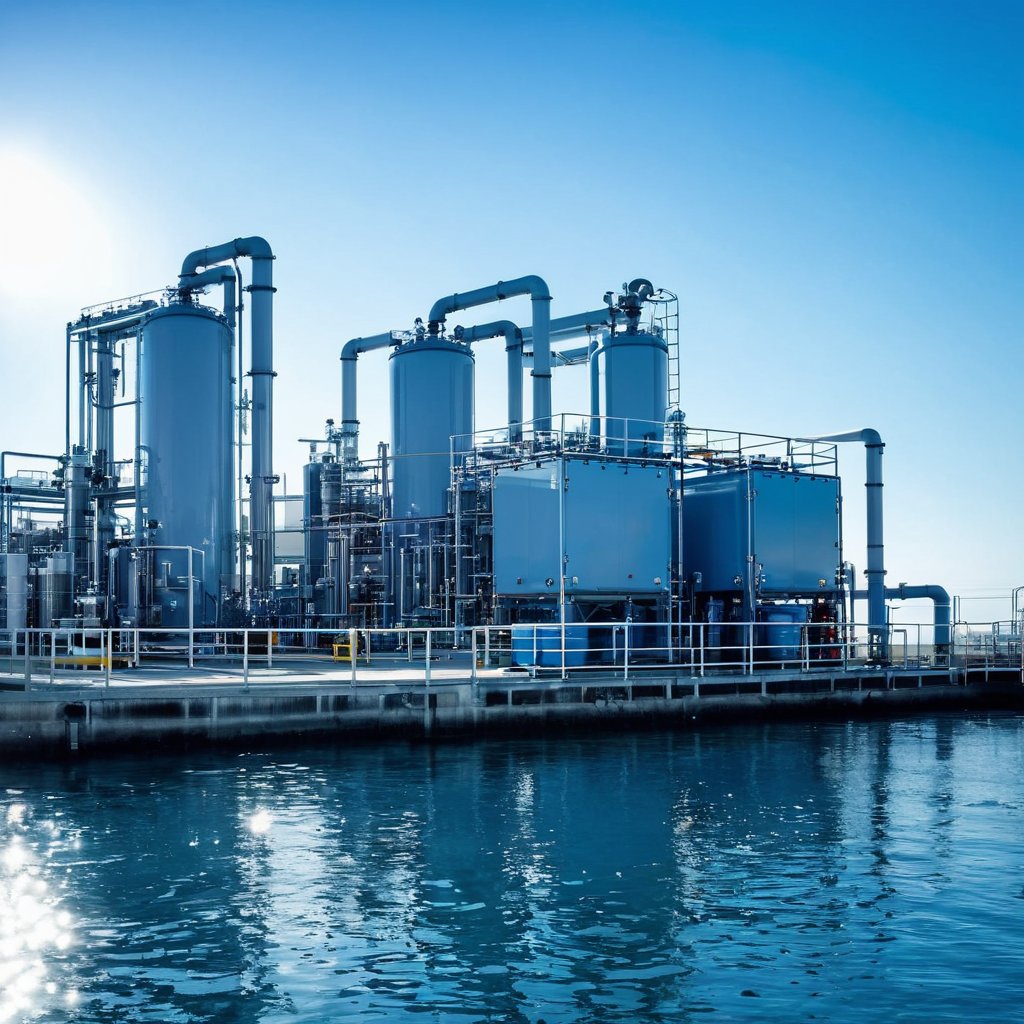
Gibraltar’s desalination plants have undergone significant technological advances over the years, greatly enhancing the efficiency and output of water purification in the territory. The most notable breakthrough has been the adoption of reverse osmosis technology, which revolutionized the way seawater is converted into potable water. This method uses a semipermeable membrane to remove salts and impurities, making the process faster, more reliable, and energy-efficient compared to older thermal techniques.
Initially, Gibraltar relied on thermal desalination methods that were energy-intensive and less effective in handling the increasing demand for fresh water. The transition to reverse osmosis marked a major leap forward, dramatically reducing operational costs while increasing the volume of purified water produced. This shift not only improved water quality but also lowered the environmental footprint of the desalination plants, a crucial factor for sustainable resource management in the region.
Innovations in membrane technology have further pushed the boundaries of desalination efficiency. Modern membranes allow for higher pressure operation and improved salt rejection rates, which translates into better desalination technology performance and output. These membranes are also more durable, reducing the frequency of replacements and maintenance, thereby optimizing the lifecycle cost of the plants.
Energy efficiency remains a critical focus in the continuous development of desalination plants in Gibraltar. Advances in energy recovery devices have been integrated into the reverse osmosis systems to harness and reuse energy that would otherwise be lost. By capturing the energy from the high-pressure brine stream, these devices significantly reduce power consumption, making the desalination process more sustainable and cost-effective.
The combination of reverse osmosis, cutting-edge membrane technology, and innovative energy recovery systems has ensured that Gibraltar’s desalination plants are among the most advanced in the world. These technological breakthroughs have not only increased the output and reliability of water purification but have also contributed to the territory’s ability to meet growing water demand amidst challenging environmental conditions.
Overall, the continuous improvements in desalination technology in Gibraltar demonstrate a successful integration of advanced engineering with environmental stewardship, positioning the region as a model for other areas facing similar water scarcity challenges.
Reverse Osmosis Technology Adoption
The adoption of reverse osmosis (RO) technology marked a significant advancement in Gibraltar’s desalination systems. This membrane technology revolutionized water filtration by efficiently removing salt and other impurities from seawater, producing clean and safe drinking water. RO technology operates by forcing seawater through semi-permeable membranes, which block dissolved salts and contaminants while allowing pure water to pass through. This process significantly improved desalination efficiency compared to older methods such as thermal distillation.
In Gibraltar, the integration of reverse osmosis technology enhanced water filtration performance with reduced energy consumption and operational costs. The compact design and scalability of RO systems enabled the installation of plants capable of meeting the increasing water demand of the territory. Furthermore, the technology’s ability to operate continuously with minimal maintenance improved the reliability and sustainability of Gibraltar’s water supply.
Overall, the adoption of reverse osmosis in Gibraltar’s desalination plants not only addressed the challenges posed by limited freshwater resources but also contributed to environmental conservation by reducing the reliance on energy-intensive desalination methods. The improved desalination efficiency and water quality achieved through membrane technology have made RO a preferred choice for Gibraltar’s water treatment infrastructure, ensuring a resilient and sustainable water future for the region.
Energy Efficiency Improvements
Gibraltar’s desalination plants have made significant strides in enhancing energy savings and boosting plant efficiency. Given the energy-intensive nature of desalination, there has been a focused effort to reduce energy consumption while maintaining high output quality. Operators have integrated advanced technologies and optimized processes to minimize wasteful energy use, which directly contributes to sustainable desalination goals.
One of the key strategies has been the adoption of energy recovery systems that capture and reuse energy within the plant. This not only lowers the overall power demand but also ensures that the plants run more cost-effectively. Additionally, continuous monitoring and data analytics help identify inefficiencies and tailor operations to balance water production with energy consumption effectively.
Furthermore, Gibraltar is increasingly incorporating renewable energy sources, such as solar power, to supply electricity to its desalination facilities. Utilizing renewable energy aligns with environmental sustainability and helps reduce greenhouse gas emissions associated with traditional power sources. This integration enhances the plants’ capability to deliver clean water with a lower carbon footprint.
These combined efforts in energy savings, plant efficiency improvements, and renewable energy integration are vital in securing the sustainable operation of desalination plants in Gibraltar. They demonstrate a commitment to environmental responsibility while ensuring a reliable supply of freshwater for the region.
Environmental and Economic Impact of Desalination in Gibraltar
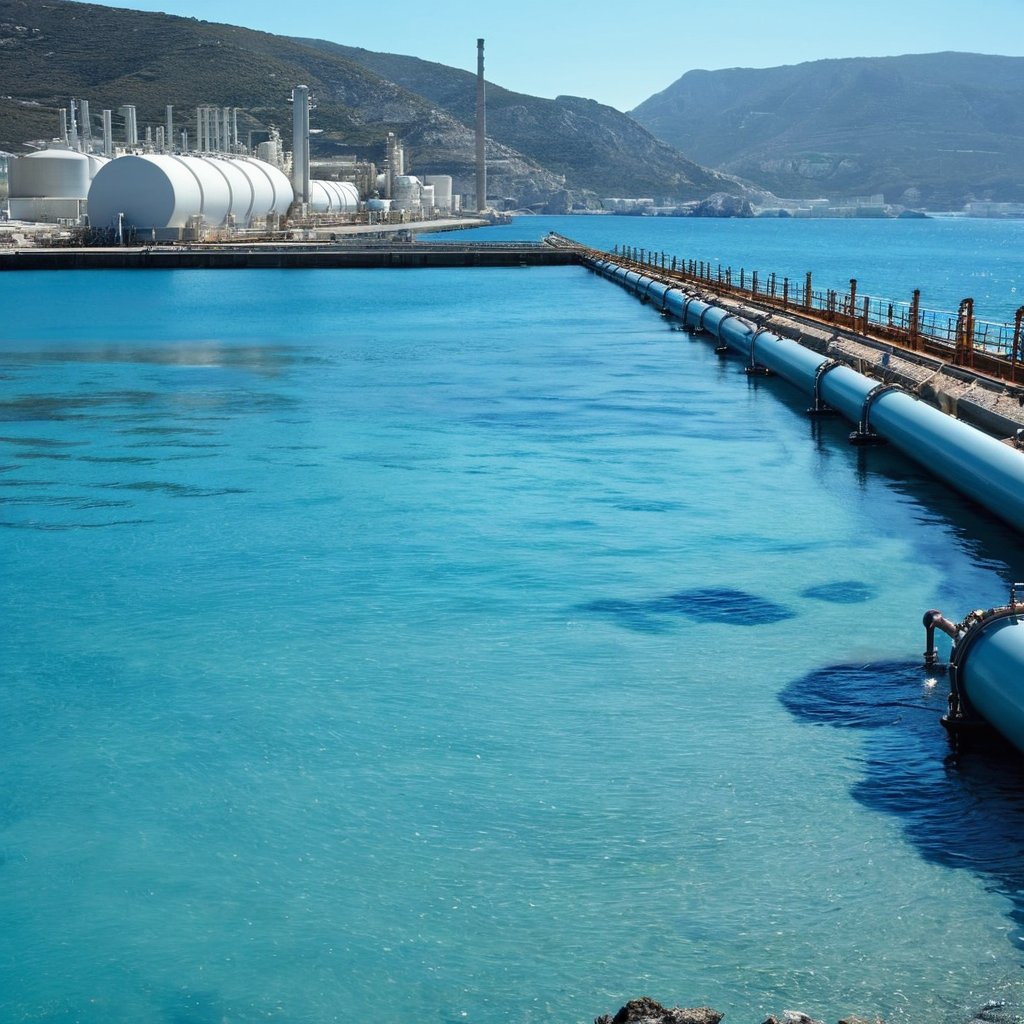
Desalination plants play a crucial role in supporting Gibraltar’s sustainable water supply, addressing the region’s limited natural freshwater resources. One of the most significant environmental impacts of these plants is their ability to reduce dependence on imported water, thus lowering the carbon footprint associated with transportation. However, the desalination process requires substantial energy, which if derived from non-renewable sources, contributes to greenhouse gas emissions and can negatively affect local air quality.
Despite these environmental challenges, technological advancements and the integration of renewable energy sources have made desalination more sustainable over time. Innovative methods, such as reverse osmosis combined with solar power, help mitigate adverse environmental effects while ensuring a stable water supply for Gibraltar’s residential and commercial needs. Additionally, improvements in brine management reduce the overall impact on marine ecosystems, preserving biodiversity along the coastline.
Economically, desalination plants provide substantial benefits to Gibraltar’s economy by securing a reliable water source that supports its growing population and tourism industry. This stable water supply encourages investment and development, ensuring continuity for businesses and public services. The plants also generate local employment opportunities in operation, maintenance, and associated sectors, contributing to economic growth and community welfare.
Moreover, the presence of sustainable water infrastructure reduces the vulnerability of Gibraltar’s economy to external disruptions, such as droughts or geopolitical tensions impacting water imports. By fostering water self-sufficiency, the desalination plants contribute to economic resilience, helping Gibraltar maintain steady economic activity even during regional environmental challenges.
In conclusion, while the environmental impact of desalination in Gibraltar requires careful management to ensure sustainability, the economic benefits it delivers are significant. Desalination technology not only provides a critical resource for daily life but also underpins Gibraltar’s broader economic stability and growth. As Gibraltar continues to develop, balancing ecological considerations with economic needs will be essential in optimizing the role of desalination plants within the local society and ecology.
Environmental Considerations and Challenges
Desalination plants in Gibraltar face significant environmental challenges, primarily related to their environmental impact and the methods used for brine disposal. The concentrated brine produced during the desalination process is typically discharged back into the marine environment, raising serious concerns for marine ecology. The high salinity and potential chemical additives in the brine can disrupt local marine life, affecting biodiversity and the health of aquatic ecosystems.
Another major environmental consideration is the energy consumption of desalination plants, which often relies on fossil fuels, leading to increased pollution and carbon emissions. This energy-intensive process contributes to Gibraltar’s overall environmental footprint and necessitates the implementation of energy-efficient technologies or alternative energy sources to reduce pollution concerns.
To mitigate these challenges, several measures are being employed. Advanced brine disposal techniques, such as diffusers, help to dilute the brine rapidly to minimize its impact on marine ecosystems. Additionally, using renewable energy sources like solar or wind power can significantly lower the carbon footprint of desalination plants. Continuous monitoring and environmental impact assessments ensure that plants operate within sustainable limits, protecting Gibraltar’s delicate marine environment while meeting water supply demands.
Economic Role of Desalination Plants
Desalination plants play a crucial role in Gibraltar’s economic growth by ensuring a reliable supply of fresh water, which is fundamental for both residential needs and industrial activities. The availability of clean water supports business operations, encourages tourism, and fosters overall economic stability. In a region where natural freshwater sources are limited, desalination contributes significantly to water security, reducing the economic risks associated with droughts and water shortages.
From a cost perspective, while the initial setup of desalination infrastructure requires substantial investment, the long-term benefits often outweigh these expenses. The predictable supply of potable water decreases dependency on costly imports and emergency water provisions. Moreover, investment in desalination infrastructure stimulates local economic development by creating jobs, supporting ancillary industries, and enhancing Gibraltar’s resilience to climate variability.
Overall, the strategic deployment of desalination plants underpins Gibraltar’s economic framework by securing essential resources for growth. This not only facilitates current economic activities but also lays a foundation for sustainable development. By balancing cost benefits with infrastructure investment, desalination plants serve as a smart economic catalyst that safeguards Gibraltar’s prosperity in the face of environmental challenges.

I have always been captivated by the unique cultural tapestry of the Rock, particularly how Moorish, Spanish, and British influences shaped its development over centuries. My passion lies in translating these complex historical narratives into engaging educational resources that make Gibraltar’s past accessible to everyone. I spend my free time exploring military fortifications and reading first-hand accounts of life at the Pillar of Hercules.