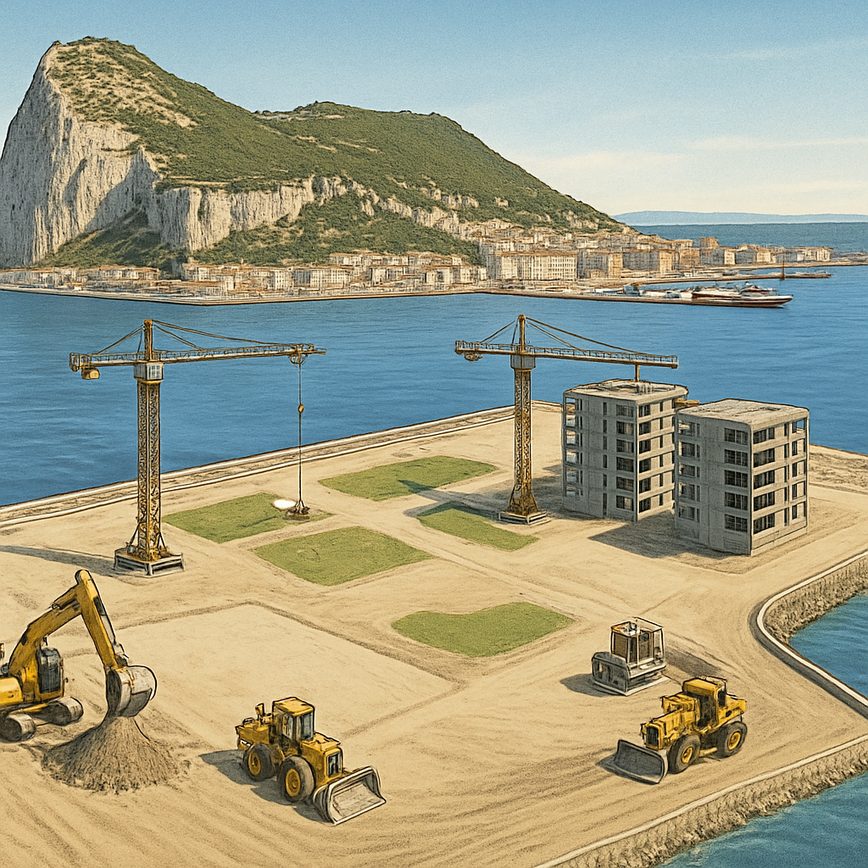
Overview of Land Reclamation in Gibraltar
Land reclamation in Gibraltar is a pivotal aspect of the territory’s development, playing a crucial role in its urban expansion and shaping its modern landscape. Situated at the southern tip of the Iberian Peninsula, Gibraltar’s limited natural land area has historically posed challenges for accommodating growing populations and infrastructure needs. This scarcity of space led to innovative marine engineering efforts aimed at increasing usable land through reclamation projects.
The concept of land reclamation in Gibraltar dates back centuries, with the earliest efforts observed during the British military expansions. Over time, as civilian and commercial demands increased, reclamation projects evolved to support not only strategic military functions but also economic growth and urban development. These efforts were essential in transforming Gibraltar’s coastline and contributing to its unique cityscape that extends into the sea.
Historically, Gibraltar’s land reclamation projects involved filling shallow coastal waters and harbors using a range of materials such as rocks, concrete, and dredged sediment. This process required advanced marine engineering techniques, which were continuously refined to adapt to the challenging conditions of the Mediterranean environment. The integration of these methods reflects Gibraltar’s ability to balance natural constraints with technological advances to promote territorial expansion.
Beyond the physical expansion, land reclamation has been instrumental in supporting Gibraltar’s socio-economic evolution. By increasing the available land, these projects have enabled the establishment of new residential areas, commercial zones, and critical infrastructure such as ports and airports. Consequently, land reclamation has contributed directly to Gibraltar’s position as a strategic and thriving hub, fostering growth within the context of its rich historical heritage.
Today, the legacy of land reclamation continues to influence Gibraltar’s growth strategies. With a growing population and increasing demands for space, ongoing and future marine engineering initiatives remain vital for sustaining the territory’s development. Understanding this historical and practical significance helps appreciate how land reclamation is intertwined with Gibraltar’s history and its future prospects.
Historical Development and Motivations
The history of land reclamation in Gibraltar is closely tied to its strategic importance as a military and naval base. Over the centuries, efforts to expand Gibraltar’s land area began as early as the 18th century, primarily driven by the need to strengthen its fortifications and accommodate a growing military presence. This historical timeline saw intermittent projects, with significant land reclamation activities emerging more prominently in the 20th century, particularly during and after World War II. These initiatives were fueled not only by strategic military concerns but also by economic drivers and population growth pressures.
Gibraltar’s limited natural land mass and rising population created a demand for more residential, commercial, and industrial spaces. With a steady influx of people seeking opportunities in trade, tourism, and military-related activities, land reclamation became a practical solution to spatial constraints. Economic drivers such as the expansion of the port facilities and the establishment of new business areas further propelled reclamation projects, underscoring the territory’s evolving role from purely a military stronghold to a diverse economic hub.
In essence, the historical development of land reclamation in Gibraltar reflects a balance of sustaining its strategic military significance while adapting to economic needs and population growth. This dual motivation continues to shape reclamation projects today, emphasizing the territory’s unique geopolitical and economic position at the crossroads of Europe and Africa.
Techniques and Methods Used
Land reclamation in Gibraltar utilizes several advanced reclamation techniques to expand usable land from the sea. One of the primary methods is dredging, where material such as sand, gravel, and silt is excavated from the seabed to deepen navigation channels or create fill for new land areas. This dredged material is transported and deposited to form a stable base for further construction. Another key technique is seawall construction, which involves building robust barriers along the coastline to protect the reclaimed land from erosion and tidal forces. These seawalls are typically made from concrete, rock, or other durable materials, ensuring long-term resilience against the harsh marine environment.
Infilling is also a crucial process in Gibraltar’s land reclamation efforts. It refers to filling designated areas with layers of soil, sand, and construction debris to raise the land above sea level. This process not only increases land area but also provides a foundation for infrastructures such as roads, buildings, and ports. Combining these methods—dredging to source materials, seawall construction to secure the perimeter, and infilling to create new land—enables Gibraltar to effectively manage its limited space and support its development needs. Each phase is carefully engineered to balance environmental impacts and ensure structural stability in this unique geographic setting.
Environmental and Socioeconomic Impacts
Land reclamation in Gibraltar has brought about notable environmental and socioeconomic changes, each with its own set of consequences and opportunities. From an environmental perspective, the impact of reclaiming land from the sea has altered the local ecosystem significantly. Coastal habitats, including marine and intertidal zones, have been disrupted or destroyed, leading to changes in biodiversity and ecosystem services. Species that depend on these habitats, such as certain fish, seabirds, and marine plants, have faced challenges in adapting to the transformed landscape. The modification of natural water flow and sediment patterns has further contributed to ecosystem changes, potentially affecting water quality and marine life health in the surrounding areas.
Despite the environmental concerns, land reclamation projects have provided economic benefits that are crucial for Gibraltar’s development. The reclaimed land has enabled expansion of vital infrastructure such as ports, industrial zones, and residential areas, contributing to increased economic activity and job creation. Enhanced port facilities have boosted Gibraltar’s position as a key maritime hub, attracting shipping, trade, and tourism. Moreover, these developments have supported local businesses and driven investments that strengthen the economy. The creation of new land has also helped alleviate space constraints, enabling urban growth and modernization that would otherwise be limited by Gibraltar’s geographic boundaries.
On the socioeconomic front, the community effects of land reclamation are multifaceted. While the economic benefits have improved living standards and created opportunities, some social challenges have emerged. Changes in the physical environment can affect cultural and recreational activities linked to Gibraltar’s unique coastal heritage. Additionally, concerns about long-term environmental sustainability have raised awareness within the community about balancing growth with conservation. Public opinion often emphasizes the need to mitigate negative environmental impacts through careful planning and the implementation of green practices. Ensuring that the benefits of land reclamation are widely shared remains a key priority, with efforts focused on inclusive economic policies and protecting the quality of life for residents.
In conclusion, the environmental impact and ecosystem changes brought about by land reclamation in Gibraltar present ongoing challenges that require thoughtful management. At the same time, the economic benefits and community effects underscore the importance of this practice in supporting Gibraltar’s growth and prosperity. Striking a balance between development and environmental stewardship remains essential for sustainable progress in this unique geopolitical region.
Effects on Marine and Coastal Ecosystems
Land reclamation activities in Gibraltar have had profound impacts on the local marine and coastal ecosystems. One of the most immediate effects is habitat disruption. The dredging and infilling processes required for reclamation alter the seabed environment, leading to the loss of habitats that support diverse marine life. Species that depend on these habitats for breeding, feeding, or shelter may experience population declines or be forced to relocate.
In addition to habitat disruption, reclamation can affect water quality. Turbidity tends to increase during construction, reducing sunlight penetration and hindering photosynthesis for aquatic plants. Sediments and pollutants disturbed by reclamation activities can also harm sensitive marine organisms. These changes can disrupt the delicate ecosystem balance, potentially leading to shifts in species composition and overall biodiversity loss.
However, it is important to note that reclamation has sometimes contributed positively by creating new coastal zones that support different marine and bird species. New artificial habitats, such as rocky shores and shallow pools, can emerge, providing novel environments for marine life to colonize. Additionally, reclamation projects occasionally involve environmental planning that aims to minimize ecological damage and incorporate restoration measures.
Overall, while land reclamation in Gibraltar has brought about significant economic and infrastructural benefits, it has also posed challenges to marine and coastal ecosystems. Managing these impacts requires continuous monitoring and adaptive management strategies to preserve marine life, maintain water quality, and sustain the fragile ecosystem balance in the region.
Economic Growth and Urban Development
Reclaimed land in Gibraltar has played a pivotal role in driving the territory’s economic growth and urban development. This newly created space has allowed for significant infrastructure projects that support both commercial activities and residential needs, thus expanding the urban footprint of Gibraltar. By transforming previously unusable areas into prime land, the government has enabled the construction of modern housing complexes to accommodate a growing population.
In addition to housing, reclaimed land has been strategically utilized to enhance Gibraltar’s infrastructure. This includes the expansion of road networks, the development of port facilities, and the establishment of business centers. These improvements not only facilitate smoother transportation and logistics but also attract investment and commercial expansion. Businesses benefit from improved access to ports and roads, making Gibraltar an attractive hub for trade and commerce.
The creation of commercial zones on reclaimed land has fostered economic diversification, supporting sectors such as retail, finance, and tourism. This urban expansion supports job creation and stimulates economic activity, contributing to Gibraltar’s overall prosperity. By balancing residential needs with commercial development, reclaimed land continues to be an essential asset in Gibraltar’s ongoing economic growth and sustainable urban planning strategies.
Future Prospects and Challenges
Gibraltar’s future plans for land reclamation are ambitious, reflecting the territory’s ongoing need to maximize limited space while addressing modern-day sustainability concerns. These upcoming projects aim not only to expand habitable and operational areas but also to incorporate innovative environmental strategies that ensure long-term ecological balance. As Gibraltar continues to navigate the complexities of land reclamation, sustainability remains a cornerstone of all proposed developments. This involves integrating green technologies, minimizing environmental disruption, and enhancing biodiversity within reclaimed zones.
One of the primary challenges facing future land reclamation efforts in Gibraltar is the increasing impact of climate change. Rising sea levels and more frequent extreme weather events pose significant risks to reclaimed lands, demanding advanced engineering solutions to safeguard these new spaces. Coastal defenses must be robust and adaptable to changing conditions, which entails a mix of traditional engineering techniques and innovative, nature-based approaches that work with natural processes rather than against them.
Engineering constraints also present hurdles that require careful planning and technological ingenuity. Gibraltar’s unique geology and the limited availability of suitable materials can complicate construction efforts. Engineers must balance the technical demands of creating stable and durable reclaimed land with environmental considerations and cost-efficiency. Sophisticated modeling and simulation tools help predict long-term outcomes, ensuring that reclamation projects withstand geological and climatic stresses over time.
Furthermore, future land reclamation initiatives strive to align with broader sustainability goals, such as reducing carbon footprints and promoting renewable energy use within development plans. This includes integrating energy-efficient infrastructure and encouraging eco-friendly urban planning to minimize environmental impacts. Collaboration between government bodies, environmental scientists, and engineering experts is crucial to meet these ambitious targets while respecting Gibraltar’s unique environmental and cultural landscape.
In summary, Gibraltar’s path forward in land reclamation involves navigating complex engineering challenges amplified by climate change risks. However, the commitment to sustainable practices and innovative design promises a resilient and ecologically responsible expansion of the territory. Future projects will need to be carefully balanced to ensure that development does not come at the cost of environmental health, establishing Gibraltar as a model for sustainable land reclamation in a changing world.
Sustainability and Environmental Regulations
In Gibraltar, sustainable reclamation practices are increasingly prioritized to ensure that land reclamation projects do not compromise the natural environment and biodiversity. Current approaches emphasize minimizing disruption to marine habitats, implementing erosion control measures, and employing materials that reduce environmental impact. These efforts align with strict environmental policies that govern every stage of the reclamation process, from planning to execution and monitoring.
Environmental regulations play a crucial role in shaping the future of reclamation efforts in Gibraltar. These regulations mandate comprehensive impact assessments and require strategies for impact mitigation, ensuring that development is balanced with ecological preservation. Proposed sustainability initiatives include the integration of green infrastructure and enhanced waste management systems to further reduce the ecological footprint of reclamation activities.
Moreover, regulatory frameworks foster collaboration between governmental agencies, environmental experts, and local communities to uphold transparency and ecological responsibility. By adhering to these robust regulations, Gibraltar aims to lead in sustainable land reclamation practices in the region, demonstrating how development and environmental stewardship can coexist for long-term benefits.
Addressing Climate Change and Sea-Level Rise
Climate change presents significant challenges for land reclamation projects, particularly in vulnerable locations like Gibraltar. As global temperatures rise, sea-level rise has become a critical concern, increasing the risk of flooding in reclaimed areas. These changes threaten the long-term viability and safety of land reclamation efforts, requiring adaptive measures to protect investments and communities.
One of the key strategies to address these risks involves robust flood defense systems designed to withstand increased water levels. This includes the construction of seawalls, levees, and tidal barriers tailored to the specific environmental conditions of the region. These physical defenses play a crucial role in preventing land loss and protecting infrastructure from the direct impacts of rising seas.
In addition to structural measures, adaptation strategies emphasize sustainable planning and ecosystem-based approaches. Incorporating natural buffers such as wetlands and mangroves can enhance resilience by absorbing storm surges and reducing coastal erosion. Strategic land use policies are also vital, guiding construction away from the most vulnerable zones and promoting flexible designs capable of adjusting to future climate scenarios.
Overall, addressing climate change and sea-level rise in land reclamation involves a combination of engineering innovation and ecological understanding. These efforts ensure that reclamation projects in Gibraltar remain sustainable and secure in the face of an uncertain climate future, balancing development goals with environmental stewardship and disaster risk reduction.

I have always been captivated by the unique cultural tapestry of the Rock, particularly how Moorish, Spanish, and British influences shaped its development over centuries. My passion lies in translating these complex historical narratives into engaging educational resources that make Gibraltar’s past accessible to everyone. I spend my free time exploring military fortifications and reading first-hand accounts of life at the Pillar of Hercules.