Trade was another crucial aspect driving environmental change. Gibraltar’s strategic position made it a hub for commercial exchange during medieval times. The construction of ports and marketplaces meant modifying coastlines to accommodate ships, as well as building warehouses and roads. These infrastructural developments led to the removal of natural features, reshaping the coastal environment and impacting marine habitats.
Furthermore, construction activities such as fortifications, dwellings, and religious buildings marked the medieval landscape visibly. The extraction of local stone and timber to support these projects contributed to deforestation and quarrying impacts. Such environmental transformations illustrate how ancient settlements continuously adapted and reshaped Gibraltar’s natural surroundings, intertwining human history with ecosystem evolution.
Military and Urban Development Effects
The military history of Gibraltar has profoundly shaped its environment through centuries of strategic use and continuous urbanization. From the early modern era, Gibraltar’s importance as a military stronghold led to extensive fortification construction, alteration of natural landscapes, and significant ecological disruption. The establishment of military installations, tunnels, and gun emplacements often required large-scale excavation and deforestation, contributing to habitat loss and soil destabilization.
As urbanization accelerated, especially during the 19th and 20th centuries, the growth of civilian infrastructure compounded the environmental degradation. The expansion of urban areas to accommodate military personnel and an increasing population led to further encroachment upon natural habitats and green spaces. Pressure on water resources intensified, and waste management became a critical issue as the densely populated region struggled to balance development with conservation.
The combined effects of Gibraltar’s military history and urbanization have resulted in lasting environmental challenges. Pollution from military and industrial activities, habitat fragmentation, and reduced biodiversity are persistent problems. Despite this, Gibraltar continues to implement measures aimed at mitigating environmental degradation, promoting sustainable development, and preserving its unique natural heritage amid ongoing strategic and urban demands.
Conservation Efforts and Future Environmental Challenges
Gibraltar, known for its unique biodiversity and strategic location, has increasingly prioritized environmental conservation in recent decades. Modern conservation initiatives focus not only on protecting native species and habitats but also on promoting sustainability throughout the territory. These efforts align with global environmental goals to safeguard natural resources while supporting the community’s well-being.
Legal protections form the backbone of Gibraltar’s approach to environmental conservation. The government has enacted various laws aimed at preserving its natural landscapes, including the designation of nature reserves and protected areas. These legal frameworks help mitigate the adverse effects of urban expansion, pollution, and tourism, ensuring that critical ecosystems remain intact. In addition, Gibraltar actively participates in international environmental agreements, reinforcing its commitment to sustainable development and conservation ethics.
Among the notable conservation initiatives is the management of the Gibraltar Nature Reserve, which covers a large portion of the Rock and serves as a sanctuary for numerous plant and animal species, some of which are endemic or rare. Efforts to maintain and enhance biodiversity include habitat restoration programs, monitoring of wildlife populations, and public education campaigns that emphasize the importance of environmental stewardship. Furthermore, the government promotes sustainable tourism practices to minimize ecological footprints while maximizing economic benefits.
Despite these proactive measures, Gibraltar faces significant future challenges that could threaten its environmental sustainability. Climate change poses risks such as rising temperatures, altered rainfall patterns, and increased incidence of extreme weather events, all of which may impact local ecosystems and water resources. Additionally, the pressure from ongoing urban development and population growth requires careful balancing between infrastructural needs and environmental conservation.
The challenge of marine conservation is also critical, given Gibraltar’s position at the entrance to the Mediterranean Sea. Protecting marine biodiversity and water quality demands coordinated regional efforts to address pollution, overfishing, and habitat degradation. Gibraltar’s future sustainability will depend on integrating advanced environmental policies with community engagement and scientific research to effectively tackle these emerging issues.
In summary, Gibraltar’s dedication to environmental conservation and legal protections has laid a solid foundation for sustainability. However, addressing future environmental challenges will require adaptive management strategies, increased awareness, and international cooperation to ensure the territory’s natural heritage endures for generations to come.
Protected Areas and Wildlife Preservation
Gibraltar is home to several nature reserves and protected areas dedicated to safeguarding its unique wildlife and habitats. The Upper Rock Nature Reserve is the most famous, encompassing a large portion of the Rock of Gibraltar. This reserve serves as a sanctuary for diverse plant and animal species, including the iconic Barbary macaques, whose presence is vital to the region’s ecological balance. The reserve’s management focuses heavily on wildlife protection, ensuring that habitats remain undisturbed and that animal populations are monitored and preserved.
In addition to natural reserves, Gibraltar’s environmental policy plays a crucial role in wildlife preservation. These policies regulate land use, control pollution, and promote sustainable tourism practices that minimize human impact on sensitive environments. Efforts include controlling invasive species, restoring native vegetation, and protecting marine ecosystems around the peninsula. Gibraltar’s government collaborates with local and international conservation organizations to implement these initiatives effectively.
Overall, the emphasis on nature reserves and environmental policy highlights Gibraltar’s commitment to wildlife protection. By maintaining these protected areas and enforcing strict regulations, Gibraltar helps ensure the survival of its remarkable biodiversity for future generations, balancing development with conservation in a sensitive and unique environment.
Climate Change and Sustainability Initiatives
Gibraltar is increasingly feeling the impact of climate change, with rising sea levels and higher temperatures posing significant threats to its delicate coastal ecosystems and urban infrastructure. These changes have intensified the risk of flooding and erosion, challenging the territory’s resilience and sustainability. In response, local authorities and community groups have launched various sustainability projects aimed at reducing Gibraltar’s carbon footprint and protecting its natural environment. Initiatives such as expanding green spaces, promoting renewable energy sources like solar power, and enhancing waste management systems are central to these efforts. The government has also implemented coastal defense projects to mitigate the impact of rising sea levels.
Furthermore, public awareness campaigns encourage residents and businesses to adopt more sustainable practices, including energy conservation and responsible water use. Gibraltar’s commitment to sustainability is evident in its support for innovative solutions like electric transportation and smart city technologies that optimize energy efficiency. These projects not only address immediate environmental concerns but also aim to build long-term resilience against climate-related risks. By focusing on reducing emissions and promoting sustainable development, Gibraltar is working to safeguard its future and contribute to global climate change mitigation goals.
Geographical and Natural Background of Gibraltar
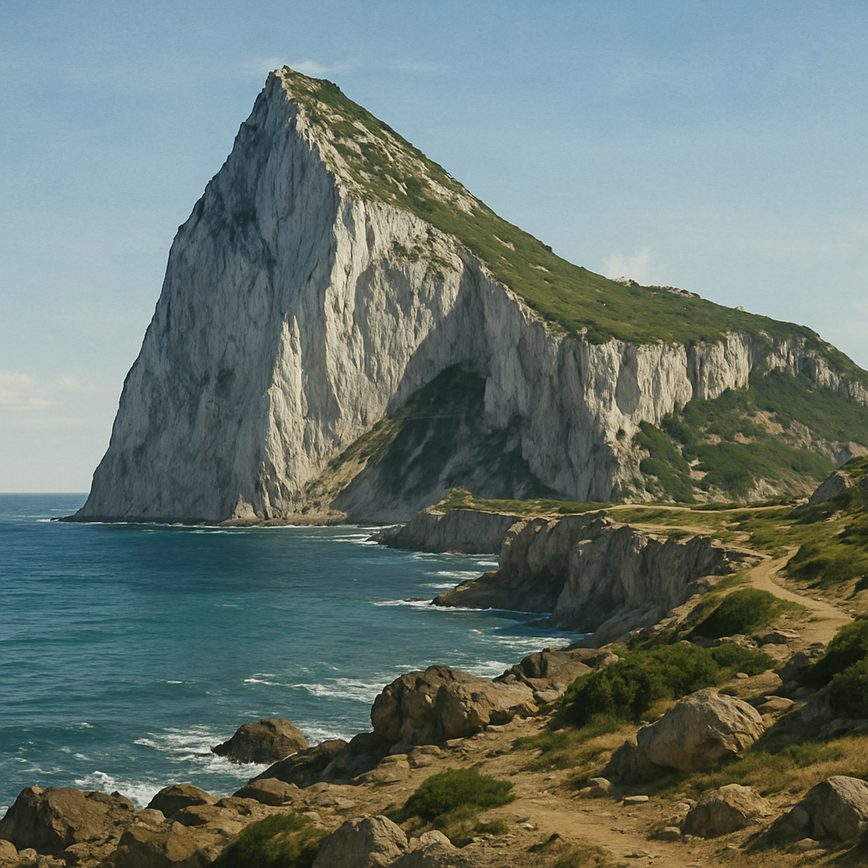
Gibraltar, a small but strategically significant peninsula located at the southernmost tip of the Iberian Peninsula, boasts a unique geographical and natural environment that distinguishes it from many other Mediterranean regions. Its position at the gateway between the Atlantic Ocean and the Mediterranean Sea bestows it with remarkable ecological and climatic features. The iconic Rock of Gibraltar, a towering limestone promontory rising to 426 meters, dominates the landscape, influencing both the geography and biodiversity of the area.
The geography of Gibraltar is characterized by its compact size of just 6.7 square kilometers and a blend of rocky cliffs and coastal plains. Despite its limited area, the natural environment is surprisingly diverse. The Mediterranean climate prevalent in Gibraltar features mild, wet winters and hot, dry summers, creating ideal conditions for a variety of Mediterranean ecosystems. This climate supports a unique mosaic of flora and fauna that have adapted to the region’s particular environmental conditions.
Gibraltar’s flora is typical of Mediterranean ecology, with a rich assembly of native plant species thriving on its rocky slopes and coastal scrublands. The area supports various species of evergreen shrubs, gorse, wild olive, and carob trees, alongside cultivated gardens that enhance the natural greenery. Notably, Gibraltar is home to several endemic plant species that have evolved in relative isolation on the Rock, making conservation efforts critical for preserving this botanical heritage.
The natural environment of Gibraltar also harbors an intriguing array of fauna, including both resident and migratory species. The Rock is famously inhabited by the Barbary macaques, the only wild monkey population in Europe, which has become a symbol of the territory. Birdlife is abundant due to Gibraltar’s position along a major migratory flyway, with thousands of birds passing through annually. Raptors, such as the peregrine falcon and the common kestrel, are regularly seen soaring above the cliffs, alongside a variety of songbirds and seabirds that exploit the diverse habitats.
Marine life surrounding Gibraltar is equally notable, influenced by the confluence of Atlantic and Mediterranean waters. The local marine ecosystems support numerous fish species, dolphins, and occasional visits from larger marine mammals, all contributing to the ecological richness of the region. This blend of geographical features and Mediterranean ecology creates a unique and vibrant natural environment that defines Gibraltar’s identity beyond its strategic importance.
Geology and Landscape Formation
The geology of Gibraltar is a fascinating record of natural history that spans millions of years, shaping the unique landscape visible today. Gibraltar’s rock formations are primarily composed of Jurassic limestone, which was formed approximately 200 million years ago. These sedimentary rocks originated from marine deposits, indicating that the area was once submerged under a prehistoric sea. Over time, geological processes such as tectonic movements and erosion contributed to the uplift and exposure of these rocks, giving rise to the iconic Rock of Gibraltar.
The landscape evolution of Gibraltar has been profoundly influenced by its position at the junction of the African and Eurasian tectonic plates. The collision and subsequent uplift caused folding and faulting within the rock layers, creating dramatic cliffs and steep slopes that characterize the terrain. Additionally, the extensive karst topography, including caves and sinkholes, is a testament to the limestone’s solubility and the impact of water erosion throughout millennia.
Understanding Gibraltar geology is key to appreciating its natural and historical significance. The rugged rock formations have not only shaped the physical environment but also influenced human settlement, defense strategies, and biodiversity in the area. The interplay between geological forces and landscape evolution continues to intrigue scientists and visitors alike, revealing the dynamic history embedded in Gibraltar’s terrain.
Flora and Fauna of Gibraltar
Gibraltar boasts a rich variety of native plants and wildlife that contribute significantly to its unique biodiversity. The native plant species include hardy Mediterranean shrubs, aromatic herbs, and coastal flora adapted to the region’s rocky terrain and climate. Species such as the Gibraltar candytuft and the Barbary partridge bush thrive here, helping to stabilize soil and support local insect populations.
The wildlife in Gibraltar is equally distinctive, with several species playing crucial roles in maintaining the balance of the local ecosystem. The most famous native animals include the Barbary macaques, which are the only wild monkey population in Europe. These macaques not only attract tourists but also help control insect populations and seed dispersal, aiding plant reproduction. Birds such as the peregrine falcon and various migratory species find refuge in Gibraltar’s cliffs and woodlands.
The combination of native plants and animals supports a vibrant biodiversity that underpins the health of Gibraltar’s environment. This delicate balance promotes natural pest control, pollination, and habitat formation, ensuring the sustainability of the region’s ecosystem. Conservation efforts continue to protect these native species, recognizing their vital roles in preserving Gibraltar’s ecological heritage.
Human Impact on Gibraltar’s Environment Through History
Throughout its history, human activity has been a crucial factor shaping the environmental landscape of Gibraltar. From ancient settlements to modern urban development, the ways in which people have interacted with the region have led to significant environmental changes, some of which continue to influence Gibraltar today.
In the earliest periods, the strategic location of Gibraltar attracted various civilizations, including the Phoenicians, Romans, and Moors, whose settlements brought about initial modifications to the natural environment. These early inhabitants cleared portions of land for agriculture, introduced new plant species, and constructed basic infrastructure. Such activities, while relatively limited, marked the beginning of a long trajectory of environmental alteration caused by human presence.
The British takeover in the early 18th century intensified human impact considerably. Fortifications, military installations, and urban expansion required large-scale excavation and stone quarrying, directly altering the limestone rock and natural cave systems. This era marked significant environmental changes as natural habitats were disrupted or destroyed to meet strategic and military needs. The expansion of port facilities and increased maritime traffic contributed to changes in coastal and marine environments as well.
In the 20th century, industrialization and population growth placed further pressure on Gibraltar’s environment. Human activity including road construction, housing developments, and waste generation led to habitat loss and pollution challenges. Deforestation and infrastructure projects altered natural water drainage and soil stability, frequently causing localized erosion and reducing native biodiversity. At the same time, human awareness of these environmental impacts grew, resulting in efforts to reconcile development with environmental preservation.
Today, Gibraltar’s environmental history reflects a complex interplay between human needs and nature. While historical impact has brought irreversible changes, ongoing conservation initiatives aim to protect what remains of natural habitats and mitigate past damage. Urban planning is now increasingly mindful of environmental sustainability, seeking to balance human activity with the preservation of Gibraltar’s unique ecological heritage.
Ancient and Medieval Environmental Changes
Throughout ancient and medieval times, human settlements in Gibraltar played a significant role in transforming the natural environment. Early inhabitants introduced agriculture, cultivating crops that gradually replaced native vegetation and altered the landscape. The manipulation of land for farming required clearing areas of natural flora, which shifted local ecosystems and soil composition. As these settlements grew, so did the impact on their surroundings.

I have always been captivated by the unique cultural tapestry of the Rock, particularly how Moorish, Spanish, and British influences shaped its development over centuries. My passion lies in translating these complex historical narratives into engaging educational resources that make Gibraltar’s past accessible to everyone. I spend my free time exploring military fortifications and reading first-hand accounts of life at the Pillar of Hercules.