Introduction to Calentita and Its Significance in Gibraltar
Calentita is a beloved traditional dish that holds a special place in the hearts and culture of Gibraltar. Often described as a warm, golden chickpea flour cake, Calentita is more than just a local food item—it is a symbol of Gibraltar’s rich culinary heritage and multicultural identity. This dish has been enjoyed for generations and remains a staple at family gatherings, festivals, and daily meals, representing the town’s unique blend of Mediterranean influences.
Gibraltar food culture is deeply intertwined with Calentita, which stands out as an emblematic example of the region’s ability to fuse different cultural traditions into something uniquely its own. Originating from Italian and perhaps Sephardic Jewish culinary traditions, Calentita embodies the simplicity and heartiness that characterize much of Gibraltar’s traditional cuisine. Its main ingredient, chickpea flour, reflects the Mediterranean staples that have shaped Gibraltar’s diet through centuries of trade and migration.
Locals cherish Calentita not only for its taste but also for its cultural significance. It is a customary dish served during public events and family occasions, evoking a strong sense of community and shared heritage. Vendors sell it fresh and hot on the streets, and its inviting aroma often draws both residents and visitors alike, highlighting its popularity as a beloved snack. For Gibraltarians, Calentita is much more than food; it is a connection to their history, identity, and the communal spirit that defines their way of life.
Tourists visiting Gibraltar frequently seek out Calentita as an authentic culinary experience that offers a taste of the local lifestyle. It’s common for visitors to encounter Calentita in markets and bakeries and to appreciate its simple yet satisfying flavors. The dish’s growing popularity among tourists has helped elevate its status, making it not only a daily favorite for locals but also a notable attraction in Gibraltar’s diverse food scene. Calentita’s significance reaches beyond nourishment—it is a cultural icon that unites people through shared enjoyment and tradition.
What is Calentita?
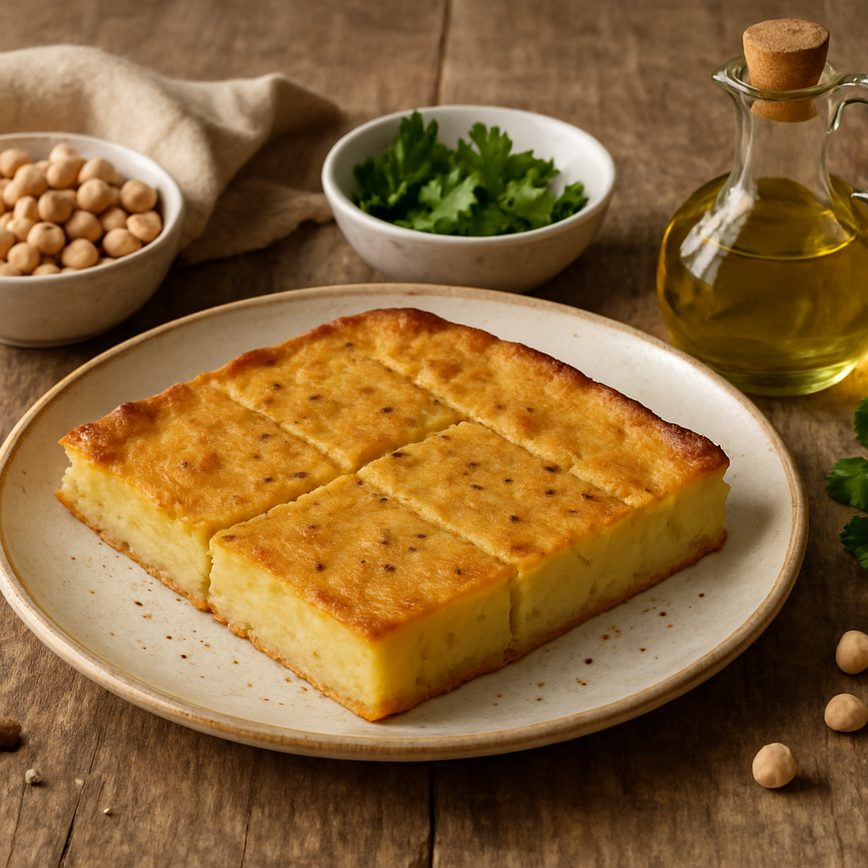
Calentita is a traditional Gibraltarian cuisine staple, beloved for its simplicity and distinctive flavor. At its core, Calentita is a savory chickpea flour dish, made primarily from chickpea flour, water, olive oil, and a pinch of salt. The ingredients are mixed into a smooth batter and then baked until golden on the outside, giving it a slightly crispy crust while maintaining a soft, tender interior.
The dish has a rustic appearance, resembling a thick, flatbread or a dense pancake. Its texture is firm yet moist, with an inviting golden-brown surface that showcases its baked charm. Calentita’s chickpea-based composition not only makes it gluten-free but also imparts a nutty and earthy flavor, which is characteristic of dishes made from chickpea flour.
In Gibraltarian cuisine, Calentita is often enjoyed as a versatile snack or a light meal, sometimes accompanied by black pepper or herbs to enhance its subtle taste. It represents a distinctive part of Gibraltar’s culinary heritage, highlighting local ingredients and simple cooking methods that have been cherished over generations.
Cultural Importance of Calentita in Gibraltar
Calentita holds a cherished place in the cultural heritage of Gibraltar, serving as a vibrant symbol of local identity and community pride. This traditional chickpea flour dish is more than just food; it is a living testament to Gibraltar’s unique blend of Mediterranean and British influences, reflecting the diverse history and multicultural fabric of the territory.
Integral to Gibraltar traditions, Calentita is a staple at family gatherings, celebrations, and most notably, during the annual Gibraltar National Day festivities. Here, it is often featured prominently in food stalls and cooking demonstrations, bringing people together to share in the joy of this beloved dish. The warm, golden squares of Calentita evoke a sense of home and continuity, linking generations through shared culinary experiences.
The dish’s presence at local food festivals further underscores its role in maintaining and promoting Gibraltarian cultural heritage. These events provide a platform for Calentita to be celebrated both by locals and visitors, highlighting its significance as more than just a meal but a cultural emblem. Through these gatherings, Calentita fosters community spirit and offers a taste of Gibraltar’s rich traditions to a wider audience.
In essence, Calentita encapsulates the essence of Gibraltar’s identity—rooted in tradition yet open to the influences that shape its evolving culture. It remains a proud marker of Gibraltarian heritage, symbolizing resilience, unity, and the enduring bond between the people and their history.
Historical Origins and Influences of Calentita
Calentita is a dish deeply embedded in the culinary heritage of Gibraltar, with its origins tracing back centuries to the Mediterranean basin. This iconic dish reflects a rich blend of cultural influences, mirroring the diverse history of Gibraltar itself. At its core, Calentita is a chickpea flour-based bake, which aligns it closely with the broader tradition of Mediterranean cuisine.
The history of Calentita likely stems from the arrival of Sephardic Jews in Gibraltar, who brought with them recipes that utilized chickpea flour, a staple ingredient in many Mediterranean and North African culinary practices. This connection ties Calentita to other Mediterranean flatbreads such as the Italian farinata and the Spanish calentita—or calentita variations found along the coast of Spain—showcasing a shared gastronomic heritage.
Gibraltarian heritage itself acts as a melting pot where British, Spanish, Genoese, and North African influences converge, and Calentita embodies this intersection perfectly. The dish’s simplicity, using locally available ingredients like chickpea flour, olive oil, and water, reveals an adaptive cuisine shaped by necessity and resourcefulness over time.
Another important Mediterranean influence is the use of chickpeas, which have been cultivated for millennia in the region and form the backbone of numerous regional dishes. The preparation of Calentita involves baking the batter in an oven, a method consistent with Mediterranean cooking styles that favor open-flame and wood-fired baking techniques. This illustrates how Calentita’s history is intertwined with the broader historical evolution of baking within Mediterranean societies.
Furthermore, Calentita’s place in Gibraltar’s cuisine illustrates the region’s ability to absorb and reinterpret culinary traditions from neighboring areas. The dish not only represents local tastes but also serves as a living testimony to the historical exchanges across the Mediterranean, showcasing how migration, trade, and cultural mingling have influenced Gibraltar’s food culture.
In summary, the history of Calentita is a story of Mediterranean influences meeting Gibraltarian heritage, resulting in a unique and beloved dish. Its origins reflect a blend of culinary traditions shaped by centuries of geographic and cultural interactions, making Calentita more than just a meal—it is a symbol of Gibraltar’s vibrant and diverse history.
Spanish and Genoese Culinary Roots
The creation and evolution of Calentita is deeply rooted in the rich culinary traditions brought by Spanish and Genoese immigrants to Gibraltar. These communities shared a Mediterranean food history that significantly influenced Calentita’s unique flavor and preparation. Spanish influence is especially evident in the use of chickpea flour, a staple ingredient in many Spanish dishes, which provides the base for Calentita. The Spanish passion for simple yet hearty food helped shape Calentita into a comforting staple enjoyed by locals.
Simultaneously, the Genoese immigrants contributed their Mediterranean culinary expertise, which complemented and enhanced the dish. Genoese cuisine, known for its use of legumes and seafood, helped establish the textural and flavor profile that makes Calentita distinct. Their culinary knowledge blended seamlessly with the Spanish traditions, resulting in a dish that reflects a fusion of both cultures.
This fusion embodies the shared Mediterranean food history where ingredients like chickpeas, olive oil, and herbs were commonly used. The collaborative influence from these immigrant groups ensured that Calentita evolved beyond a simple chickpea cake into a symbol of Gibraltar’s diverse cultural heritage, intertwining the Spanish and Genoese culinary roots in every bite.
Relation to Similar Dishes Around the Mediterranean
Calentita shares a remarkable kinship with other chickpea-based Mediterranean flatbreads such as the French socca and Italian farinata. These dishes, while emerging from distinct regional traditions, all celebrate the humble chickpea flour as their foundational ingredient. The common traits among them include a simple batter made of chickpea flour, water, olive oil, and a pinch of salt, baked or cooked until golden and slightly crispy on the edges. This method produces a savory flatbread that is both hearty and naturally gluten-free.
Regionally, variations arise in cooking techniques and serving styles. In Gibraltar, Calentita is typically baked thick in an oven and enjoyed as a standalone snack or appetizer, often seasoned with black pepper or herbs. In contrast, the French socca, especially popular in Nice, is traditionally cooked very thinly in a wood-fired oven until it develops a crisp texture and is served folded, sometimes with a drizzle of olive oil. Meanwhile, Italy’s farinata from Liguria shares a similar preparation but is frequently adorned with rosemary or other herbs, enhancing its aromatic appeal.
Despite their differences, all these Mediterranean flatbreads reflect a culinary tradition that values simplicity, nourishment, and the versatility of chickpeas. Their enduring popularity across these coastal regions highlights how ingredients and techniques spread and adapt, weaving a shared gastronomic heritage through the Mediterranean basin.
Modern-Day Calentita: Preparation and Consumption
Today, calentita remains a beloved staple in Gibraltar food culture, cherished both for its rich heritage and its delicious simplicity. The calentita recipe has largely preserved its traditional roots, relying on a handful of humble ingredients — chickpea flour, water, olive oil, salt, and occasionally some black pepper. These ingredients are combined into a smooth batter that is then poured into a shallow baking dish to create the signature thick, golden pancake-like tart.
The traditional cooking method involves baking the batter in a very hot oven, often a wood-fired one when available, which imparts a wonderfully rustic flavor and a slightly crisp top layer while keeping the inside moist and tender. This method not only honors the original cooking style but also enhances the natural nuttiness of the chickpea flour. In many Gibraltarian homes and local eateries today, the oven baking approach remains unchanged, symbolizing continuity with the past through a simple, hands-on cooking process.
Over time, some common variations of calentita have emerged to cater to different tastes and occasions. While the classic recipe stays true to its chickpea flour base, some versions introduce additions like grated cheese, fresh herbs, or sautéed onions folded into the batter to give extra layers of flavor and texture. Nevertheless, these tweaks are always subtle, ensuring the dish stays firmly rooted in its traditional identity while allowing for a bit of modern creativity.
Consumption of calentita in Gibraltar is a cultural event in itself. Often enjoyed warm, it is typically served as a snack or light meal. Many locals appreciate calentita straight from the oven, possibly accompanied by a cup of tea or a glass of local wine. Street vendors and markets also play a key role in its accessibility, offering freshly baked slices to hungry passersby. In homes, it is a comforting food that brings families together, frequently shared during casual gatherings and festivities.
Calentita stands as a testament to Gibraltar’s food culture—a simple yet flavorful dish that connects generations through traditional cooking methods and a shared love of heritage flavors. Whether savored in its pure form or with nuanced variations, the calentita recipe continues to thrive, symbolizing the heart of Gibraltar’s culinary identity.
Traditional Ingredients and Cooking Techniques
Calentita is a beloved traditional dish from Gibraltar made primarily from chickpea flour, which gives it its distinctive nutty flavor and dense texture. The recipe calls for simple yet high-quality ingredients, with chickpea flour being the star component. Olive oil is another essential ingredient, contributing to the dish’s rich, moist quality and enhancing its taste with a subtle fruity aroma. Water and salt are added to the chickpea flour and olive oil mixture to create a smooth batter.
The cooking process of Calentita is centered around oven baking, which is crucial for achieving the perfect consistency and flavor. The batter is poured into a flat pan or tray, often brushed with olive oil to prevent sticking and add extra richness. It is then baked slowly in the oven at a moderate temperature. This method allows the chickpea flour to cook evenly, creating a firm yet slightly soft texture with a golden crust on top. Baking also enhances the flavors, as the olive oil melds with the chickpea flour during this process.
The recipe for Calentita is celebrated for its simplicity and reliance on traditional cooking techniques. Oven baking not only highlights the natural taste of the ingredients but also preserves the cultural authenticity of this dish passed down through generations in Gibraltar.
Calentita in Contemporary Gibraltar Cuisine
Calentita remains a cherished part of Gibraltar’s local cuisine, seamlessly blending tradition with the vibrancy of modern dining. This simple yet flavorful chickpea flour-based dish is a staple not only in homes but also in the diverse culinary landscape across the territory. It has earned a beloved spot on menus ranging from casual cafes to upscale eateries, highlighting its versatility and cultural significance in contemporary dining.
Today, Calentita’s availability extends well beyond traditional settings as it has become a popular choice for street food vendors. Its convenient, portable nature makes it ideal for enjoying on the go, making it a perfect snack whether wandering through Gibraltar’s bustling streets or attending lively outdoor events. Local markets often feature freshly baked Calentita, inviting residents and visitors alike to savor an authentic taste of Gibraltar’s heritage.
Additionally, Calentita enjoys a celebrated status during food festivals and local markets, where it is spotlighted as a symbol of Gibraltar’s rich culinary identity. These festivals not only showcase Calentita but also bring together an array of street foods, promoting community spirit and culinary exploration. Through such events, Calentita continues to thrive in the public imagination, representing both tradition and the dynamic evolution of Gibraltar’s street food scene.

I have always been captivated by the unique cultural tapestry of the Rock, particularly how Moorish, Spanish, and British influences shaped its development over centuries. My passion lies in translating these complex historical narratives into engaging educational resources that make Gibraltar’s past accessible to everyone. I spend my free time exploring military fortifications and reading first-hand accounts of life at the Pillar of Hercules.