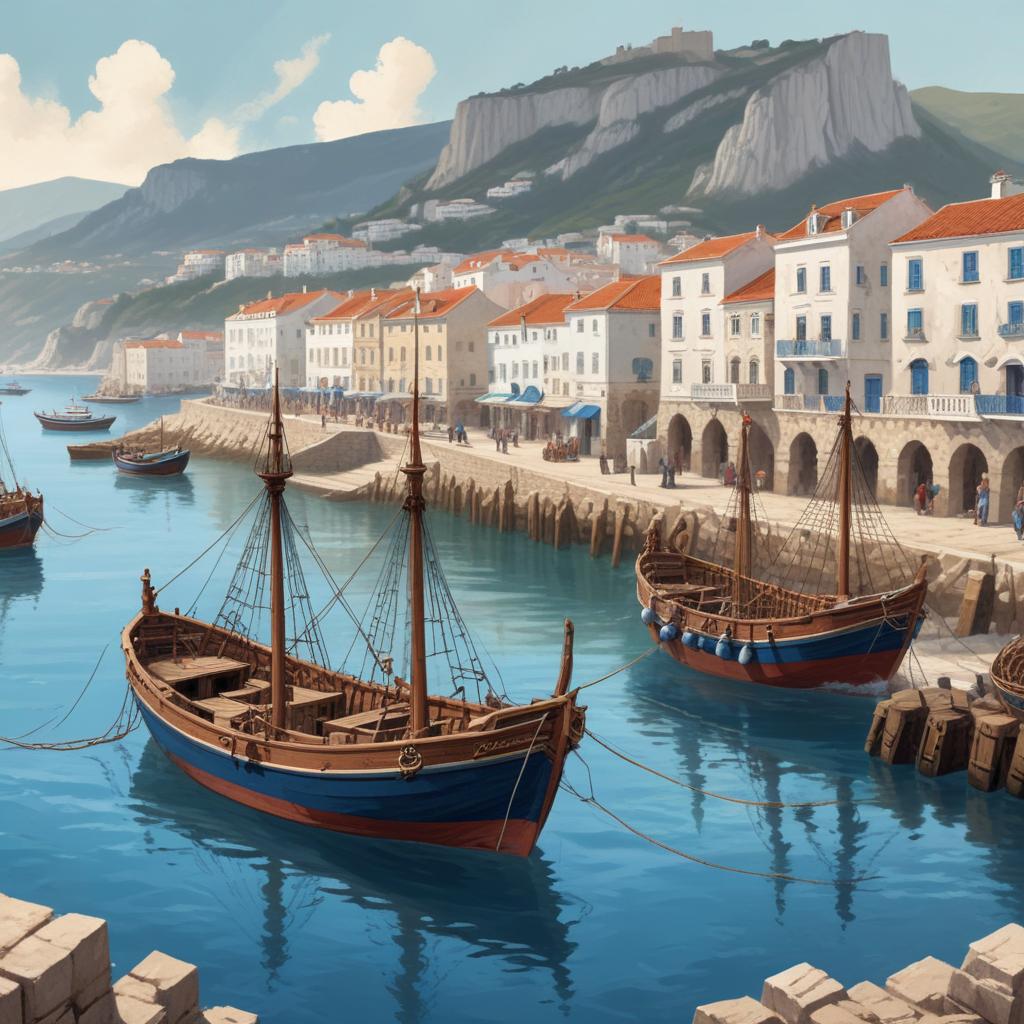
These historic buildings typically follow practical layouts centered around maximizing ventilation and natural light. Courtyards and balconies are integral elements, offering shaded outdoor spaces and enhancing airflow throughout the home. Rooms were arranged to separate living and sleeping areas from the kitchen and service zones, catering to family life and social activities alike.
Architectural styles in Gibraltar homes reflect a mix of Moorish, British colonial, and Mediterranean influences. Features such as arched doorways, wrought iron window grilles, and decorative ceramic tiles are common, blending functionality with aesthetic appeal. Adaptations to the environment, like thick walls and narrow streets, not only provide shelter from the elements but also foster community interaction, preserving the unique character of historic Gibraltar neighborhoods.
Public works and defenses
The development of public infrastructure in historic Gibraltar was essential to the town’s survival, shaping its unique character and resilience over centuries. Central to this development were the Gibraltar defenses, a network of historic fortifications strategically designed to protect the town from maritime and land-based threats. These fortifications, which included bastions, batteries, and walls, were continuously upgraded to adapt to evolving military technologies and geopolitical challenges, making Gibraltar one of the most fortified places in Europe.
Alongside the fortifications, the construction of roads played a critical role in ensuring the efficient movement of troops, supplies, and civilians throughout the territory. Early roads were laid out to connect key defensive points, facilitating quick responses to attacks and enhancing the overall defense strategy. Public amenities, such as wells and cisterns, were developed to secure reliable water sources, crucial for the town’s inhabitants and garrison during sieges. Additionally, infrastructure for waste management and housing contributed to maintaining public health in this densely populated area.
Together, these elements of public infrastructure enhanced the town’s ability to withstand prolonged sieges and maintain day-to-day functionality in a challenging environment. The combination of Gibraltar defenses, carefully planned roads, and vital public amenities reflect a sophisticated approach to urban and military planning, underpinning the historic survival and prosperity of this strategic outpost on the edge of Europe.
Daily routines and occupations in historic Gibraltar
Historic Gibraltar was a vibrant community where daily life was shaped by its unique geographic position and cultural influences. The occupations in Gibraltar evolved through various historical periods, reflecting the demands and opportunities of the times. Many residents were engaged in traditional work that revolved around the sea, military presence, and local commerce.
Fishing was one of the most common historic Gibraltar jobs, providing sustenance and a livelihood for many families. Fishermen would start their days early, setting out at dawn in small boats to catch fish and other seafood from the surrounding waters. These fresh catches were often sold in the bustling local markets, which were central to daily life and social interaction. Market activities not only involved the exchange of fish but also a variety of goods including fruits, vegetables, and handcrafted items, creating a lively hub of trade.
Trades such as shipbuilding, rope making, and carpentry were integral to the functioning of the port and the naval ships that frequented Gibraltar’s harbors. Skilled craftsmen were respected members of the community, and their work was crucial in supporting both the local economy and the military presence. Additionally, occupations in Gibraltar included roles within the British garrison, such as soldiers, officers, and support staff, all of whom contributed to the town’s dynamic daily routine.
Family roles also played a significant part in the rhythm of everyday life. Women often managed the household, prepared food for their families, and sometimes assisted in market activities or small trade ventures. Children were expected to contribute to family chores from a young age, learning traditional skills and helping in shops or with agricultural tasks. This division of labor ensured that the community was tightly knit and resilient.
Overall, the daily life and occupations in historic Gibraltar were marked by a blend of traditional work, market activities, and family roles. These elements combined to create a distinctive lifestyle that reflected the town’s strategic importance and cultural diversity. Understanding these aspects offers valuable insights into how people lived, worked, and interacted in this fascinating part of the world.
Traditional trades and crafts
In historic Gibraltar, the everyday life of locals was deeply intertwined with various traditional trades and crafts that formed the backbone of the community. Gibraltar crafts were not only a means of livelihood but also a reflection of the region’s rich cultural heritage. Among the most prominent historic trades was fishing, a vital activity given Gibraltar’s strategic position by the sea. Fishermen skillfully harvested the bountiful Mediterranean waters, providing fresh seafood to local markets and sustaining the community’s diet.
Shipbuilding was another essential trade practiced by skilled artisans in Gibraltar. The construction and repair of fishing boats and merchant vessels required a high level of craftsmanship and knowledge of maritime techniques. These artisans contributed not only to the economic vitality of Gibraltar but also to its reputation as a significant naval outpost. Their workmanship ensured that the vessels were seaworthy and capable of enduring the often challenging conditions of the sea.
Beyond fishing and shipbuilding, various artisanal crafts supported the community’s daily needs. Local artisans produced goods ranging from pottery and textiles to metalwork and woodworking. These crafts were passed down through generations, preserving traditional methods and styles unique to Gibraltar. Collectively, these historic trades and artisan work formed an intricate network of skills that helped sustain and enrich everyday life in Gibraltar’s historic past.
Marketplaces and commerce
Markets in historic Gibraltar were the vibrant heart of daily life, serving as bustling centers where locals and travelers converged to exchange goods, ideas, and news. These Gibraltar markets were crucial not only for fulfilling everyday needs but also for fostering a sense of community among the diverse population. Vendors sold a variety of products, including fresh produce, spices, textiles, pottery, and handcrafted items, reflecting the rich cultural tapestry of the region.
The types of goods exchanged in these marketplaces were diverse, ranging from local agricultural products to exotic imports brought in through Gibraltar’s strategic position along key historic trade routes. Fine silks, rare spices, precious metals, and crafted goods regularly passed through these markets, making them vibrant hubs of commerce and cultural exchange.
Gibraltar’s importance as a trading hub cannot be overstated. Positioned at the crossroads between the Mediterranean Sea and the Atlantic Ocean, it connected Europe, Africa, and the Americas, facilitating the flow of goods and commodities. This strategic location allowed Gibraltar to thrive as a center of historic commerce, where merchants from different corners of the world traded goods and wealth, shaping the economic and social landscape of the region over centuries.
Social and cultural life in historic Gibraltar
Historic Gibraltar was a vibrant tapestry of diverse cultures and traditions, where social structures and community interactions played a fundamental role in shaping everyday life. The social life of its inhabitants was deeply intertwined with their cultural heritage, creating a unique environment that reflected both local customs and the influences of various peoples who had settled in the region over centuries.
The social fabric of historic Gibraltar was characterized by a close-knit community where families and neighbors maintained strong bonds. The community was often organized around extended family units, religious groups, and occupational guilds, each contributing to the cohesion and support within the population. Social gatherings were common and served as an important mechanism for maintaining these relationships.
Cultural traditions in Gibraltar were rich and diverse, drawing from Mediterranean, British, and Moorish influences that together defined the historic culture of the area. Holidays and religious festivals were celebrated with enthusiasm, often blending different customs and practices into unique local observances. For example, traditional music, dance, and cuisine featured prominently during these events, strengthening community bonds and passing on cultural heritage from generation to generation.
Festivals in historic Gibraltar were more than just celebrations; they were vital social events that reinforced communal identity and pride. Annual festivities such as religious processions, market fairs, and seasonal celebrations brought together people of all ages and social standings. These community events were occasions for storytelling, sharing news, and enjoying collective entertainment, thereby nourishing the social life of the town in a lively and meaningful way.
Everyday customs in Gibraltar also reflected its multicultural legacy. From daily interactions in the bustling markets to the rituals observed in homes and places of worship, tradition shaped the rhythms of life. Customs such as communal meals, local greetings specific to Gibraltar traditions, and neighborhood cooperation in daily tasks were expressions of a deeply rooted social life that valued respect, hospitality, and mutual aid.
In summary, the social and cultural life in historic Gibraltar was a rich and dynamic mosaic. Historic culture, Gibraltar traditions, and vibrant community events all contributed to a strong sense of belonging and identity, ensuring that the social fabric of this important Mediterranean crossroads remained resilient and lively through the ages.
Religious and festive celebrations
Gibraltar festivals play a vital role in the community, reflecting the rich cultural tapestry and religious customs that have been preserved throughout history. Among the most significant religious observances is the annual celebration of the Feast of Our Lady of Europe, a deeply revered event marking the spiritual protector of Gibraltar. The ritual includes a solemn procession from the cathedral to the shrine, where prayers and hymns are offered, symbolizing the local devotion and unity.
Another prominent religious custom is the Holy Week celebrations, where the streets come alive with vivid processions depicting the Passion of Christ. These historic celebrations involve various religious brotherhoods and community members dressed in traditional robes, carrying statues and candles. This solemn yet vibrant ritual not only honors Christian faith but also strengthens communal bonds through shared participation.
Beyond religious observances, Gibraltar’s community festivals celebrate cultural diversity with flair. The National Day festival is a notable example, intertwining patriotic pride with lively music, parades, and fireworks. These festive gatherings highlight the unique identity of Gibraltar’s people, showcasing traditional dances, food, and crafts that have been passed down through generations.
Overall, Gibraltar festivals and religious customs are integral to everyday life, offering moments of reflection, joy, and cultural preservation. They serve as living reminders of the territory’s historic past and the vibrant community spirit that continues to define it.
Language and local dialects
The linguistic landscape of Gibraltar has always been a fascinating reflection of its rich history and diverse cultural influences. Gibraltar language, often referred to as Llanito, is a unique local dialect that evolved from the intermingling of English, Spanish, and other Mediterranean languages. This blend is a direct result of the territory’s strategic position as a crossroads between Europe and Africa, attracting settlers and traders from various regions over centuries.
Llanito incorporates elements from British English, Andalusian Spanish, and even touches of Italian, Portuguese, and Maltese, mirroring Gibraltar’s multifaceted heritage. The local dialect serves not only as a means of communication but also as a symbol of identity and community cohesion among Gibraltarians. Historically, this evolution of the local dialect was influenced by daily interactions among soldiers, fishermen, merchants, and residents, making it a living testament to the blend of cultures present in Gibraltar.
In everyday life, Gibraltar language plays a crucial role in preserving the distinctiveness of the region amid the dominant Spanish and English languages. It reflects historic communication patterns and continues to adapt, incorporating new expressions and terms while maintaining its core character. Understanding the linguistic makeup of Gibraltar provides insight into how language can be a bridge between cultures, shaping the social fabric of a community deeply rooted in its historic past.
Housing and infrastructure in historic Gibraltar
Historic housing in Gibraltar reflects a unique blend of Mediterranean and British architectural influences, shaped by the region’s strategic importance and diverse cultural heritage. Typical residential architecture often featured compact, multi-story buildings constructed from locally sourced limestone and brick. These structures were designed to maximize space within the limited land area of the peninsula and to withstand the intense sun and salty sea air. Roof terraces were common, providing outdoor living space and stunning views of the surrounding sea and landscape.
Types of housing ranged from modest townhouses to more elaborate family homes and military barracks. Many of the historic houses had narrow facades with colorful shutters and wrought iron balconies, reflecting a Mediterranean style. Inside, rooms were arranged to promote ventilation and shade, with thick walls helping to regulate temperatures. The tightly packed urban layout fostered a close-knit community atmosphere while adapting to the demands of Gibraltar’s strategic military role.
Infrastructure development in historic Gibraltar played a crucial role in supporting both civilian life and military operations. Roads, for example, were narrow and winding, designed to fit the rocky terrain and to facilitate efficient movement within the confined space. Despite their modest size, these roads connected key parts of the peninsula, including residential areas, the main harbor, and fortifications that surrounded the town.
The water supply system was another vital component of Gibraltar’s infrastructure. Due to limited natural freshwater sources, historic Gibraltar relied heavily on a combination of rainwater harvesting, cisterns, and an early aqueduct system to meet the needs of its population. Wells and reservoirs were strategically placed throughout the town to ensure an adequate supply, particularly during sieges or times of drought.
Fortifications were integral to Gibraltar’s historic infrastructure, underscoring its strategic military significance at the crossroads of Europe and Africa. Massive stone walls, bastions, and towers were constructed to defend against sea and land attacks. These fortifications were not only military installations but also influenced the urban layout, with housing and roads often adapted around them. Over centuries, Gibraltar’s infrastructure evolved in tandem with advancements in military technology, yet it retained distinctive architectural and functional features that remain visible today.
In summary, the historic housing and infrastructure of Gibraltar illustrate a captivating fusion of practical design and strategic necessity. The distinctive architecture and carefully developed infrastructure such as roads, water supply networks, and formidable fortifications collectively shaped the everyday life and enduring legacy of this remarkable Mediterranean enclave.
Residential architecture and homes
Historic Gibraltar homes showcase a fascinating blend of architectural styles influenced by the territory’s diverse cultural heritage and unique environmental conditions. Traditional residences often feature whitewashed stone or stucco exteriors designed to reflect the intense Mediterranean sun, helping to keep interiors cool during the hot summers. The use of locally sourced limestone and coral stone was common, providing durability against the harsh coastal weather and adding a distinctive texture to the buildings.

I have always been captivated by the unique cultural tapestry of the Rock, particularly how Moorish, Spanish, and British influences shaped its development over centuries. My passion lies in translating these complex historical narratives into engaging educational resources that make Gibraltar’s past accessible to everyone. I spend my free time exploring military fortifications and reading first-hand accounts of life at the Pillar of Hercules.