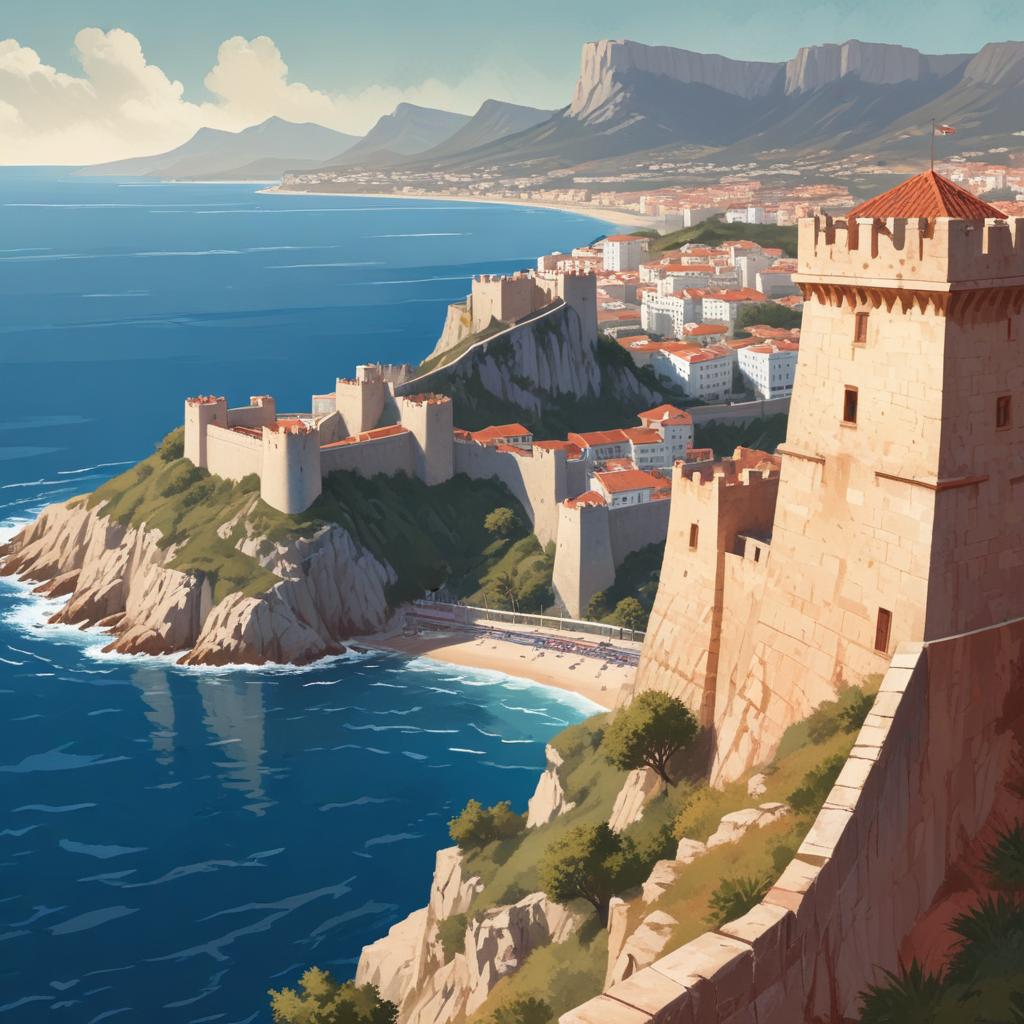
Historical Background of Spanish Influence in Gibraltar
The history of Spanish influence in Gibraltar is deeply rooted in centuries of territorial changes and cultural exchanges that have shaped the unique identity of this region. Gibraltar’s strategic location at the southern tip of the Iberian Peninsula has made it a point of interest and conflict between various powers, with Spain playing a central role in its cultural and political history. Understanding Spanish history Gibraltar is essential to grasp how Gibraltar culture origins intertwine with Spanish traditions and customs.
Originally inhabited by the Moors and then contested by the Kingdom of Castile and later Spain, Gibraltar underwent significant transformations over the centuries. The pivotal moment that marked the start of modern Spanish-Gibraltar relations was the capture of Gibraltar by Anglo-Dutch forces in 1704 during the War of the Spanish Succession. Afterward, the Treaty of Utrecht in 1713 ceded Gibraltar to Britain, but Spain has long contested this sovereignty, emphasizing historical ties and cultural connections that bind Gibraltar to Spain.
Despite British control, the Spanish influence remained deeply embedded in Gibraltar’s culture. The everyday language, Llanito, is a distinctive vernacular blending Andalusian Spanish with British English and other Mediterranean languages, illustrating the cultural synthesis born from the proximity and historic interactions with Spain. Spanish-Gibraltar relations have always been reflected in festivals, cuisine, and social customs, where Spanish traditions such as flamenco music and local gastronomy find a nurturing ground alongside British influences.
Throughout history, territorial disputes have often intensified the cultural exchange rather than hindered it. Even during moments of political tension, the shared history between Spain and Gibraltar fostered a unique cultural dialogue, where families, commerce, and everyday social life often transcended political boundaries. This dynamic has made Gibraltar a vibrant crossroads where Spanish history Gibraltar is more than just a past narrative—it is a living legacy that continually shapes Gibraltar culture origins.
In summary, the historical events that shaped Gibraltar’s Spanish influence are intertwined with territorial shifts and ongoing cultural exchanges. The blend of Spanish traditions, language, and historical claims continues to be a defining feature of Gibraltar’s identity, highlighting the lasting impact of Spanish-Gibraltar relations on the region’s cultural landscape.
Early Spanish Settlements and Governance
The period of Spanish control over Gibraltar marked a significant chapter in the territory’s history, shaping much of its early cultural and political landscape. Spanish settlements in Gibraltar began well before the territory became a strategically contested site. These early settlers brought with them traditions, language, and governance structures rooted deeply in the historical Spain Gibraltar connection. Their influence is evident in the layout of the town, agricultural practices, and the daily lives of the inhabitants.
During early governance Gibraltar witnessed the establishment of administrative frameworks similar to those used in other Spanish territories. Local laws, municipal organization, and defense strategies were adopted from Spanish models, which provided a foundation for order and community development. This period was characterized by efforts to solidify control and integrate Gibraltar more closely with Spanish provincial administration, enhancing legal consistency and economic transactions.
Spanish settlements in Gibraltar also contributed to the cultural fabric by introducing customs, festivals, and architectural styles that are still visible today. These settlers influenced the local language, leaving a lasting legacy on the dialect spoken in the area. The intermingling of cultures during this era set the stage for Gibraltar’s unique identity, blending Spanish heritage with subsequent British influences. Understanding the role of historical Spain Gibraltar connections helps illuminate Gibraltar’s multifaceted past and the enduring imprints of early Spanish settlements and governance.
Impact of Spanish Wars and Treaties
The Spanish wars in Gibraltar and the subsequent treaties, especially the Treaty of Utrecht, have played a pivotal role in shaping the cultural landscape of this unique territory. The ongoing conflicts between Spain and Britain over sovereignty created a dynamic environment in which Spanish cultural elements remained deeply ingrained despite political and military challenges. The Treaty of Utrecht, signed in 1713, officially ceded Gibraltar to Britain, marking a significant turning point in the region’s history. However, the Spanish influence persisted in various facets of local life, including language, customs, and traditions. Although sovereignty was a contentious issue, the proximity to Spain and the repeated attempts by Spain to reclaim Gibraltar through war and negotiation ensured a continuous cultural exchange.
The Spanish wars in Gibraltar, including sieges and military confrontations, often resulted in the displacement and movement of populations, but many Spanish-speaking residents retained their cultural identity. This ongoing presence helped preserve Spanish food, festivals, and linguistic traits within the community. Furthermore, treaties such as the Treaty of Utrecht have not only dictated political sovereignty but also indirectly influenced cultural coexistence by establishing Gibraltar as a British territory with a distinctly Spanish cultural backdrop. This blend of influences has contributed to the unique identity of Gibraltar, where Spanish traditions coexist alongside British governance, reflecting centuries of conflict and negotiation.
Spanish Language and Traditions in Gibraltar
The Spanish language holds a significant place in Gibraltar’s unique cultural tapestry. Although English is the official language, the influence of Spanish on Gibraltar’s dialects is unmistakable. The everyday language spoken by many Gibraltarians, known as Llanito, is a fascinating blend of English and Andalusian Spanish, enriched with words and phrases from other Mediterranean languages. This linguistic hybrid is a clear reflection of the close historical and social ties between Gibraltar and its Spanish neighbors.
Llanito is more than just a dialect; it represents the cultural identity of Gibraltar’s people, showcasing the seamless coexistence of Spanish language elements within an English framework. The prevalence of Spanish vocabulary and intonation in daily conversations emphasizes the enduring impact of the Spanish language in the region. This bilingual capacity is a cornerstone of social interaction, commerce, and community life in Gibraltar, enhancing its role as a cultural bridge between Britain and Spain.
Beyond language, Gibraltar’s cultural traditions also reflect deep Spanish roots. Many of the traditional celebrations, festivals, and culinary customs have strong Spanish influences that have been preserved over generations. Popular festivals such as the Feria and Holy Week processions are celebrated with the same enthusiasm and style found in Andalusia, underscoring the shared cultural heritage. These events provide an opportunity for the community to express and maintain their Spanish customs in Gibraltar, strengthening communal bonds and cultural continuity.
The preservation of Spanish customs in Gibraltar is evident not only in public festivals but also within family and social practices. Culinary traditions, for instance, blend English and Spanish flavors, with dishes like paella and tapas being household favorites alongside British staples. Music and dance forms commonly enjoyed in Gibraltar also bear Spanish marks, highlighting the ongoing cultural exchange across the border.
In conclusion, the Spanish language and Gibraltar cultural traditions are deeply intertwined, reflecting centuries of interaction and mutual influence. The survival and flourishing of Spanish customs in Gibraltar today are testaments to the community’s dedication to honoring its heritage while embracing its diverse identity. This blend continues to enrich Gibraltar’s cultural landscape, making it a distinctive and vibrant place where Spanish language Gibraltar and its traditions thrive.
Linguistic Influence and Bilingualism
In Gibraltar, the Spanish language influence is a fundamental aspect of the local language culture. English and Spanish coexist in day-to-day communication, creating a unique bilingual environment often referred to as “Gibraltarian bilingualism.” This linguistic interaction is not just about switching between two languages; it shapes the identity and social fabric of the community. Most Gibraltarians grow up exposed to both languages, frequently blending them in conversation, a phenomenon visible in the local dialect known as Llanito.
The influence of Spanish is evident in informal settings, while English often dominates official and educational contexts. This bilingual pattern facilitates cultural exchange and mutual understanding across the border with Spain, yet it also reinforces a distinctive Gibraltarian identity. Language in Gibraltar transcends functional communication; it is a symbol of the territory’s rich history and its people’s resilience. Ultimately, Gibraltar’s bilingualism enriches local culture, making it a vibrant example of linguistic diversity in a small but dynamic community.
Celebration of Spanish Festivals and Customs
Spanish festivals in Gibraltar play a vital role in preserving the cultural customs Gibraltar proudly upholds. These celebrations highlight the deep-rooted Gibraltar Spanish heritage that continues to shape the community’s identity. From lively processions to traditional music and dance, the festivals are a colorful reflection of the shared history and values.
The following table summarizes some of the most notable Spanish festivals and cultural customs celebrated in Gibraltar, along with their significance in reinforcing the local cultural identity.
| Festival/Custom | Significance | Typical Activities |
|---|---|---|
| La Patrona de Gibraltar (Our Lady of Europe) | Honors the patron saint of Gibraltar reflecting religious and historical ties with Spain | Religious processions, masses, and community gatherings |
| Feria de Gibraltar | Celebrates the Spanish spring fair tradition, strengthening communal bonds and cultural pride | Flamenco performances, traditional food stalls, and horse parades |
| Semana Santa (Holy Week) | Marks the significant religious event with deep cultural roots in Spanish heritage | Processions, religious ceremonies, and reenactments |
| Fiesta de la Virgen del Carmen | Honors the Virgin Mary as protector of fishermen, linking Gibraltar to Spanish maritime customs | Maritime processions, blessings of boats, and communal feasts |
| San Roque Festival | Celebrated in honor of the saint protecting against plagues; a reflection of historical resilience | Music, parades, traditional dances, and food fairs |
These Spanish festivals in Gibraltar not only celebrate traditions but also reinforce a shared cultural identity that bridges the past and present. The continual observance of these customs nurtures a strong sense of belonging and pride in the Gibraltar Spanish heritage, fostering unity within the community.
Spanish Culinary Influence in Gibraltar
The culinary landscape of Gibraltar is profoundly shaped by Spanish cuisine, weaving together a rich tapestry of flavors and traditions that reflect the region’s close geographical and cultural ties with Spain. This Spanish culinary influence in Gibraltar not only enhances the local food culture but also blends seamlessly with Mediterranean culinary influence, creating a unique gastronomy that locals and visitors deeply appreciate.
One of the core elements of Gibraltar food culture is its reliance on ingredients and cooking styles that are characteristic of Spain. Traditional Spanish dishes such as tapas, paella, and gazpacho have found their place in Gibraltar’s kitchens and eateries, often adapted with local twists. Tapas in Gibraltar, for example, are served in a way that encourages social dining, mirroring the Spanish love for communal meals and conviviality. The use of fresh seafood, olive oil, garlic, and herbs like rosemary and thyme reflects the Mediterranean culinary influence, bridging Gibraltar’s British and Spanish identities.
Moreover, markets and restaurants in Gibraltar showcase a variety of Spanish cheeses, cured meats like jamón serrano, and olives, all staples of Spanish cuisine that anchor Gibraltar’s food culture to its southern neighbor. This influence extends to baking traditions as well, where Spanish breads and pastries have become common, blending with British staples to create a distinctive local fare. The south-facing climate of Gibraltar further encourages the cultivation of Mediterranean produce frequently seen in Spanish cooking, reinforcing these culinary ties.
Spanish culinary influence in Gibraltar is also evident during festivals and public celebrations, where dishes emblematic of Spanish gastronomy are featured prominently. This not only highlights the affection for Spanish flavors but also underscores the cultural exchanges that have enriched Gibraltar’s culinary scene over the decades. As a result, Gibraltar’s food culture is an appetizing reflection of its historical links with Spain and the broader Mediterranean region, captivating all who experience it.
Traditional Spanish Dishes Popular in Gibraltar
Gibraltar’s rich cultural tapestry is deeply influenced by its proximity to Spain, and this is especially evident in its local cuisine. Spanish dishes in Gibraltar are not only popular but have become an integral part of Gibraltar traditional food, showcasing the Spanish culinary heritage that permeates the region. Among the most beloved dishes is the classic paella, a saffron-infused rice dish often cooked with fresh seafood, chicken, and a variety of vegetables, reflecting the Mediterranean flavors cherished on both sides of the border.
Another staple is tapas, small plates of appetizers that allow diners to sample a variety of flavors in one meal. Popular tapas items such as patatas bravas (fried potatoes with spicy tomato sauce), jamón serrano (cured Spanish ham), and gambas al ajillo (garlic shrimp) are commonly enjoyed throughout Gibraltar. These dishes emphasize simple, fresh ingredients with bold flavors, embodying the essence of Spanish culinary heritage.
Local markets often feature key Spanish ingredients like paprika, olive oil, fresh herbs, and seafood, which form the backbone of many traditional recipes enjoyed in Gibraltar. This shared culinary culture not only highlights historical ties but also reinforces the ongoing influence of Spanish gastronomy within Gibraltar’s diverse food scene.
Fusion of Spanish and British Food Cultures
Gibraltar’s culinary scene is a fascinating reflection of its unique cultural blend, where Spanish and British food traditions harmoniously merge to create a vibrant culinary fusion. This fusion is more than just a mix of ingredients; it represents the shared history and social fabric that bind the territory’s diverse population. The concept of Gibraltar food fusion captures the essence of this delightful interplay between two distinct cuisines, resulting in gastronomic experiences that are truly one-of-a-kind.
Spanish British cuisine in Gibraltar often features traditional British dishes imbued with Mediterranean influences, such as seafood paella infused with locally sourced fish alongside classic British roasts. Tapas bars coexist with pubs, allowing locals and visitors to enjoy a diverse menu that bridges the gap between the flavors of Spain and the British Isles. The culinary blending Gibraltar showcases is evident in dishes like fish and chips served with a side of mojo sauce, or full English breakfasts enhanced with chorizo and fresh tomatoes.
This fusion not only celebrates the territory’s dual heritage but also showcases innovation in its culinary landscape. Chefs are constantly experimenting with combining spices, ingredients, and cooking techniques from both cultures, resulting in a dynamic food culture that is always evolving. Whether savoring a Spanish tortilla with a cup of British tea or enjoying a dish of kedgeree spiced with Mediterranean herbs, Gibraltar food fusion offers a rich tapestry of flavors that delight the palate and tell the story of a unique cultural blend.

I have always been captivated by the unique cultural tapestry of the Rock, particularly how Moorish, Spanish, and British influences shaped its development over centuries. My passion lies in translating these complex historical narratives into engaging educational resources that make Gibraltar’s past accessible to everyone. I spend my free time exploring military fortifications and reading first-hand accounts of life at the Pillar of Hercules.