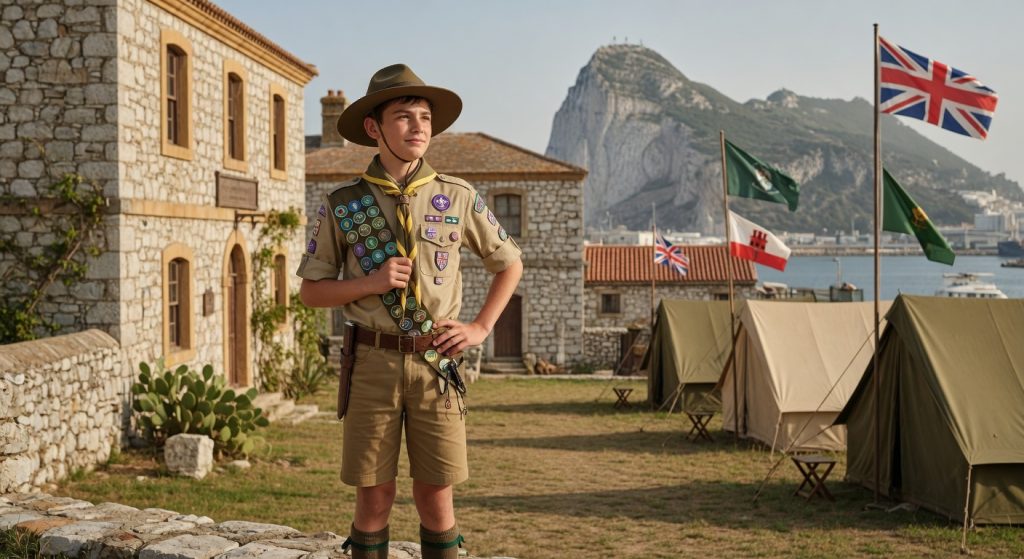
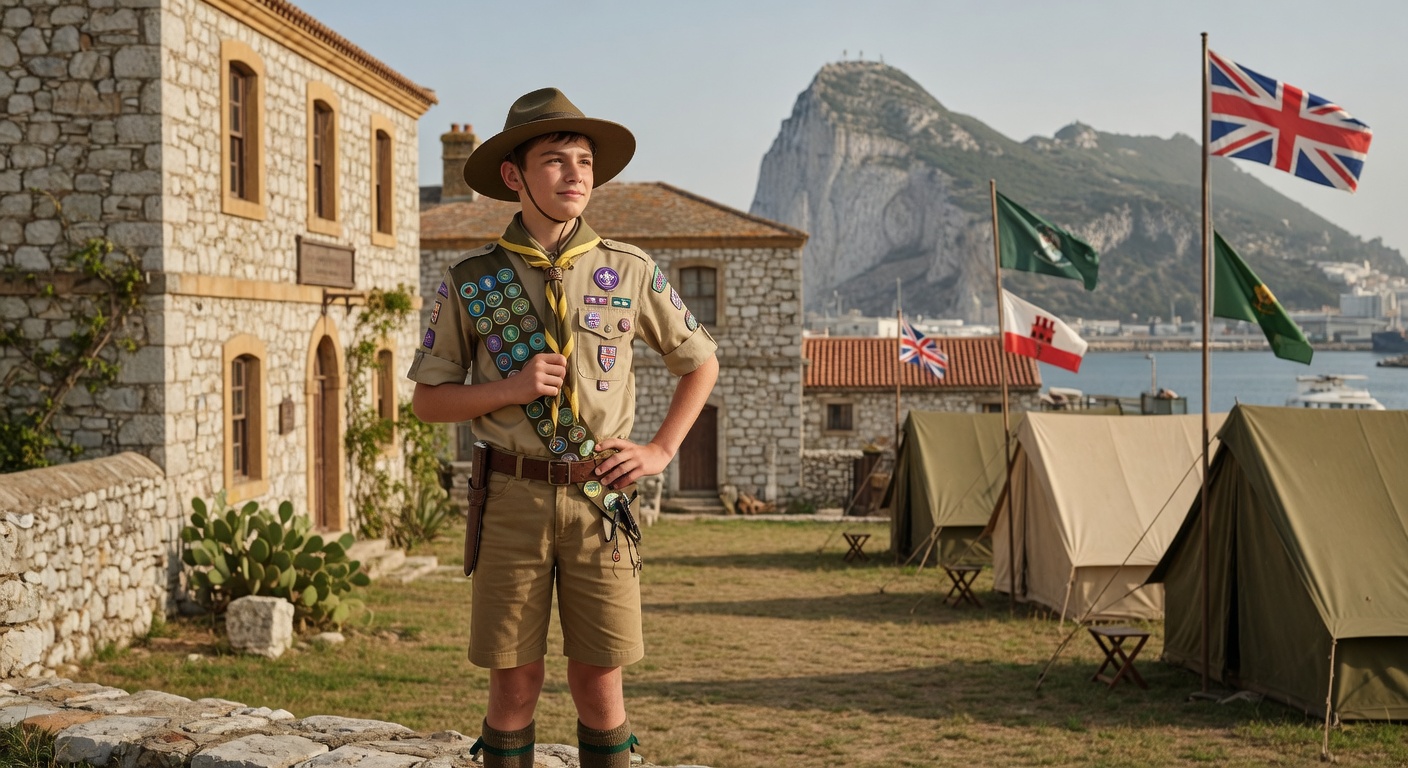
The Scouting movement in Gibraltar also encountered strict wartime restrictions imposed on movement and gatherings. These limitations hampered the Scouts’ ability to organize their usual meetings and outdoor activities. In addition, the Scouts had to navigate the challenges of rationing and shortages of materials essential for their uniforms and gear, further complicating their scouting experience during the period.
Despite these hardships, scouting in Gibraltar during WWII demonstrated resilience and resourcefulness. The Scouts engaged in various wartime support activities, such as assisting civil defense efforts, participating in community aid, and promoting morale among the local population. These efforts underscored the enduring spirit of scouting Gibraltar WWII difficulties could not extinguish. Through their persistence and service, the Scouts left a lasting legacy of courage and adaptability during one of the most challenging periods in Gibraltar’s history.
Contributions of Scouts in Wartime Gibraltar
During World War II, the Gibraltar Scouts played a vital role in supporting both the local community and the broader war effort. Their contributions during this challenging period were multifaceted, reflecting their commitment to service and resilience. The Scouts were involved in civil defense activities, assisting in air raid precautions and helping to ensure the safety of civilians during frequent alerts and attacks. Their preparedness and training allowed them to efficiently support local authorities in managing emergency situations.
Beyond civil defense, the wartime service of Scouts extended into essential community support roles. They acted as messengers, delivered vital supplies, and participated in fundraising efforts to support soldiers and their families. These efforts not only strengthened morale but also helped maintain a spirit of solidarity across Gibraltar during the war years. The Gibraltar Scouts war efforts were a testament to their dedication and organization, making significant contributions despite their young age.
Scout contributions in WWII emphasized service, discipline, and community involvement. Their proactive engagement in civil defense and logistical support underscored the importance of youth in wartime resilience. The legacy of the wartime service Scouts left an enduring impact on Gibraltar, highlighting how such organizations can be pivotal in times of crisis. Through their efforts, Gibraltar Scouts exemplified courage and commitment, ensuring they were an indispensable part of the home front during WWII.
Post-War Development and Modern Gibraltar Scouting
The evolution of the Scout movement in Gibraltar after World War II marks a significant chapter in the territory’s community and youth development history. Post-war scouting growth in Gibraltar was characterized by renewed enthusiasm and expansion as the world moved towards peace and rebuilding. During this period, the Scouts in Gibraltar capitalized on the momentum generated by their wartime service and community involvement, enhancing their role in local society and focusing on comprehensive youth education and civic responsibility.
As modern Scouts Gibraltar moved forward in the latter half of the 20th century, they embraced modernization programs that aligned the traditional values of Scouting with contemporary needs and technologies. This included updated training programs, incorporation of new skills like environmental stewardship, and the use of digital tools to communicate and organize activities more efficiently. These advances helped sustain interest among young people in an era increasingly dominated by modern distractions, enabling the movement to remain relevant and accessible.
The current Scout movement Gibraltar is an active participant in diverse community projects that range from environmental conservation to social support initiatives. Scouts regularly engage in local clean-up campaigns, community fundraising events, and partnerships with other youth and civic organizations, reinforcing the movement’s commitment to public service and community betterment. This hands-on approach not only fulfills the Scouts’ promise to help others but also fosters a strong sense of local identity and pride among members.
Efforts to expand inclusivity and diversity have also marked the post-war period in Gibraltar’s scouting. The movement has increasingly welcomed participants from varied backgrounds, enriching the community fabric and providing leadership and teamwork opportunities to all youth regardless of ethnicity or social status. Such inclusivity ensures the Scouts are a true reflection of modern Gibraltar’s diverse population.
In summary, the post-war development of Scouting in Gibraltar showcases a trajectory of growth, modernization, and community focus. Modern Scouts Gibraltar have skillfully adapted to changing times, ensuring the movement continues to thrive and positively impact the territory’s youth and society. By honoring tradition while embracing innovation, the Scout movement remains a vital contributor to Gibraltar’s vibrant community life.
Rebuilding and Expansion in the Post-War Era
Following the challenging war years, the post-war Scout rebuilding efforts in Gibraltar marked a significant chapter of resilience and growth. The Scout movement, which had faced disruptions during the conflict, embarked on a renewed mission to engage the youth and restore its vibrant presence in the community. Key figures within the movement spearheaded initiatives aimed at Scout revitalization, focusing on reactivating dormant troops and encouraging new membership across the territory.
This period of scouting expansion in Gibraltar was characterized by a strong emphasis on community involvement and skill-building activities designed to attract young people eager to contribute positively. Events, training sessions, and outdoor adventures were organized to rekindle enthusiasm and provide Scouts with meaningful experiences reflective of the movement’s core values. Support from local organizations and authorities further bolstered these endeavors, creating a supportive environment for the movement’s resurgence.
Ultimately, the post-war years set the foundation for a flourishing Scout presence in Gibraltar, ensuring that the spirit of Scouting continued to thrive. These rebuilding efforts not only preserved the legacy of Scouts in the region but also paved the way for future generations to benefit from the lifelong skills and friendships that Scouting fosters. The movement’s expansion during this era highlighted the enduring power of community and dedication to youth development in Gibraltar.
Contemporary Activities and Community Impact
The Gibraltar Scout movement today is vibrant and actively engaged in a variety of current Scout programs designed to develop skills, foster leadership, and promote teamwork among young people. These programs include outdoor adventures, environmental projects, and cultural exchanges, all tailored to the unique context of modern scouting in Gibraltar. Scout groups regularly organize camps, hikes, and survival training that help members build resilience and confidence.
Community service Scouts undertake play a crucial role in strengthening ties within Gibraltar. From participating in local charity events and environmental clean-ups to assisting during community festivals and national celebrations, Scouts contribute their time and energy to benefit others. This commitment instills a sense of responsibility and civic pride among members, while also making a positive impact on the local community.
Modern scouting in Gibraltar continues to evolve to meet contemporary challenges by incorporating technology, promoting inclusivity, and encouraging global awareness. Scouts are encouraged to take active roles in addressing issues such as sustainability and social cohesion. Through these efforts, the Scout movement remains a respected and influential part of Gibraltar’s social fabric, inspiring young people to grow into active, compassionate citizens.
Origins of the Gibraltar Scout Movement
The Gibraltar Scout Movement has a rich and storied history that dates back to the early 20th century, marking its establishment as a key part of Gibraltar’s community and youth development. The origins of Gibraltar scouting history can be traced to the global Scout movement founded by Robert Baden-Powell in 1907. Inspired by Baden-Powell’s vision, the Gibraltar Scout Movement began its journey shortly thereafter, fostering adventure, leadership, and community service for local youth.
The early Scout movement in Gibraltar officially took root around 1914, shortly before the outbreak of World War I. It was during this period that the first troops were organized, largely driven by dedicated local leaders who saw great potential in Baden-Powell’s ideals. Key figures in the founding included pioneering adults and military personnel stationed in Gibraltar who played instrumental roles in establishing the structure and activities that defined the Scout experience in the territory.
One of the most notable early contributors to the Scout origins in Gibraltar was Lieutenant-Colonel W.S. Stephenson, who helped coordinate initial troop formations and ensured alignment with the wider British Scout organization. These early Scouts engaged in traditional activities such as camping, hiking, and community assistance, all of which were central to building camaraderie and practical skills.
The first Scout troops in Gibraltar were characterized by their spirit of resilience and adaptability, qualities that were essential given the unique geopolitical position and social fabric of the territory. As the movement grew steadily through the 1920s and 1930s, it became an integral part of Gibraltar’s youth culture, providing a sense of identity and belonging at a time of global uncertainty.
This early development set the foundation for what would become a vibrant and sustained Scout presence in Gibraltar. The Gibraltar scouting history during these formative years reflects the broader themes of service, leadership, and exploration that continue to define the Scout movement today, making it a significant part of Gibraltar’s heritage.
Establishment and Early Influences
The founding Scouts in Gibraltar marked a significant milestone in the development of the Scout movement on the Rock. The movement was first introduced by a group of dedicated pioneer leaders who were inspired by the global scouting ideals propagated by Robert Baden-Powell. These early influences scouting efforts were characterized by a blend of British scouting traditions combined with the unique social and cultural environment of Gibraltar.
The scout pioneers in Gibraltar played a crucial role in establishing a solid foundation for the local scouting community. They focused on instilling values such as self-reliance, community service, and outdoor skills, all adapted to the specific needs and conditions of their surroundings. This period witnessed the gradual organization of troops, the establishment of local scout groups, and the adoption of scouting programs that reflected the ethos of the wider movement yet embraced Gibraltar’s distinct identity.
Early influences scouting in Gibraltar were also shaped by interactions with British military personnel stationed on the territory, who often supported and participated in scouting activities. This connection helped to reinforce discipline and leadership qualities among the scouts, further strengthening the movement’s presence and impact. The efforts of these founding Scouts in Gibraltar ensured that scouting became an integral part of youth development on the Rock, setting the stage for its continued growth and success in subsequent decades.
Growth Before World War II
The Scout movement in Gibraltar experienced significant growth during the years leading up to the outbreak of the Second World War. This period marked an important chapter in scouting Gibraltar history, as more local youths were drawn to the ideals and activities promoted by the organization. Scout groups expanded steadily, with new troops forming across the territory to accommodate the rising interest among boys eager to participate in the movement.
Scout growth pre-WWII in Gibraltar was fueled by a combination of community support and the global influence of the scouting movement. The Scouts engaged in a variety of activities that helped build essential skills, foster camaraderie, and promote a sense of duty and discipline. Regular camping trips, badge-earning challenges, and community service projects became common, enhancing the appeal of scouting as a formative experience for young Gibraltarians.
The pre-war Scout expansion was marked by increased organization and visibility within the community. Troop leaders worked diligently to train their members, emphasizing values such as leadership, self-reliance, and respect for others. Gibraltar’s strategic location also meant that many Scouts were involved in civil defense preparations and support roles, anticipating the challenges that wartime would bring. This proactive stance not only strengthened the local scouting movement but also embedded it firmly within the social fabric of Gibraltar during this pivotal era.
Impact of World War II on Scouting in Gibraltar

World War II had a profound impact on the Scout movement in Gibraltar. As the conflict engulfed Europe, the strategic importance of Gibraltar increased significantly, leading to widespread disruptions in daily life, including scouting activities. The arrival of military personnel and the imposition of strict security measures meant that Scouts faced many challenges in continuing their usual programs and events.
During the war, many Scouts were called upon to contribute to the war effort, demonstrating the spirit and values of scouting despite the difficult circumstances. Scouts in Gibraltar participated in various civil defense roles such as message delivery, assisting with air raid precautions, and helping with evacuation procedures. These responsibilities impacted the traditional scouting experience but also fostered a sense of duty and resilience among the young members.
The disruption caused by wartime conditions affected the regular meetings and camping activities that formed the core of scouting. Restrictions on movement due to air raids and curfews forced many Scout groups to adapt, often holding smaller, local gatherings instead of larger events. Despite these obstacles, the community nature of scouting helped maintain morale and offered young people a constructive outlet during uncertain times.
Furthermore, the experience of wartime scouting highlighted the importance of preparedness and practical skills, which were emphasized even more strongly in this period. The Scouts of Gibraltar learned valuable lessons in teamwork, leadership, and civic responsibility through their wartime contributions. This period forged a unique chapter in the history of scouting on the Rock, illustrating the adaptability and commitment of its members.
In summary, WWII Scouts Gibraltar faced significant disruptions in their activities but also made notable contributions to their community during the war. Scouting during war in Gibraltar was marked by both challenges and growth, reinforcing the movement’s foundational principles in times of crisis. The impact of wartime scouting extended beyond the conflict itself, shaping the post-war development of scouting in Gibraltar for years to come.
Challenges Faced During the War
During World War II, the Scouts in Gibraltar faced numerous war challenges that profoundly affected their activities and daily lives. One of the principal difficulties was the evacuation of many families and young Scouts from Gibraltar to safer locations, disrupting the continuity of the scouting community. This evacuation not only scattered the youth but also limited the resources and leadership available for Scout activities, forcing them to adapt to new environments and circumstances.

I have always been captivated by the unique cultural tapestry of the Rock, particularly how Moorish, Spanish, and British influences shaped its development over centuries. My passion lies in translating these complex historical narratives into engaging educational resources that make Gibraltar’s past accessible to everyone. I spend my free time exploring military fortifications and reading first-hand accounts of life at the Pillar of Hercules.