Blog » Mosques and Islamic heritage Gibraltar

Mosques and Islamic heritage Gibraltar

One of the key challenges in these restoration projects lies in balancing modern conservation technology with the preservation of original craftsmanship. Environmental factors such as humidity, salt air, and urban development pose constant threats to the stability of Islamic monuments, making continuous maintenance essential. Moreover, limited funding and resources can restrict the scope and frequency of conservation activities, further complicating efforts to safeguard these valuable cultural assets.

Collaboration between local authorities, heritage organizations, and international experts has been crucial in tackling these restoration challenges. Training programs aimed at educating craftsmen in heritage protection ensure the transfer of traditional skills necessary for effective restoration. Despite obstacles, these projects underscore a deep commitment to conserving Gibraltar’s Islamic heritage for future generations, fostering a greater appreciation of its historical significance within the broader cultural landscape.

Role of Cultural Tourism in Islamic Heritage

Cultural tourism plays a critical role in sustaining and promoting Islamic heritage by fostering visitor engagement and education. Through heritage tours, visitors gain direct access to important historical sites, such as mosques and other Islamic landmarks, which serve as tangible connections to the rich Islamic history embedded in places like Gibraltar. These tours create opportunities for cultural exchange, where tourists can learn about architectural styles, religious practices, and the social contributions of Muslim communities over centuries.

Islamic history tourism not only boosts local economies but also raises awareness about the significance of preserving Islamic cultural assets. Engaging visitors through guided tours, interactive exhibits, and storytelling encourages a deeper appreciation for Islamic traditions and values. This active participation helps bridge the gap between past and present, enabling visitors to understand the ongoing relevance of Islamic heritage in contemporary societies.

Moreover, cultural tourism initiatives contribute to educational outreach by collaborating with local communities and scholars to provide accurate and respectful interpretations of Islamic history. This educational component strengthens identity, pride, and continuity within Muslim communities while fostering mutual respect among diverse visitor groups. Overall, cultural tourism serves as a dynamic platform that not only celebrates Islamic heritage but also ensures its preservation for future generations through sustained visitor interest and engagement.

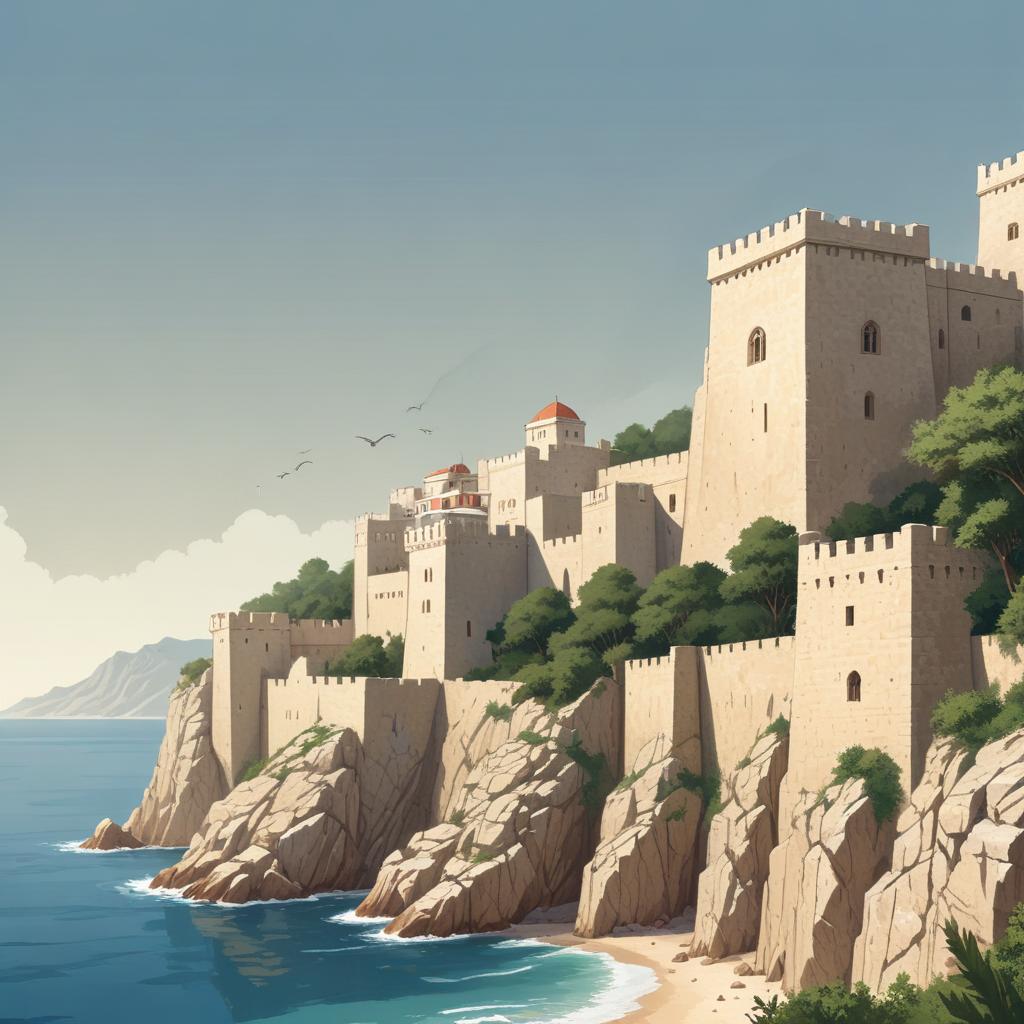
Islamic architecture introduced during this period was characterized by intricate geometric patterns, horseshoe arches, and elaborate tile work, reflecting broader trends from the wider Muslim world. The fortifications constructed under Muslim rule were designed not only for defense but also as symbols of power and technological advancement in military architecture. These defensive structures incorporated innovative engineering techniques suited to the rugged terrain of Gibraltar, including walls, towers, and gates that formed a formidable barrier against invaders.

The enduring influence of Muslim rule in Gibraltar history is evident in the remnants of these fortifications and architectural details that continue to captivate historians and visitors alike. The lasting contributions of Islamic architecture and military ingenuity highlight a significant chapter in Gibraltar’s complex cultural heritage, blending tradition and innovation in ways that shaped the town’s development for centuries to come.

Cultural Influence of Islam on Gibraltar

The rich tapestry of Gibraltarian customs and traditions is deeply imbued with influences from Islamic culture. Islam in society has played a significant role in shaping various cultural facets that define Gibraltar’s unique identity. From the architectural styles witnessed in the historic mosques to the culinary practices embraced by locals, the cultural heritage left by Islamic civilization is unmistakable and cherished.

Islamic culture has contributed to the development of communal values and social norms within Gibraltar. The respect for hospitality, communal harmony, and charitable acts reflect core Islamic principles that have been woven into the social fabric of the community. These values help foster a strong sense of belonging and mutual respect among Gibraltarians, influencing societal interactions and celebrations.

Local festivals and customs often bear traces of Islamic heritage, blending seamlessly with other cultural influences in the region. Traditional dress, music, and language nuances occasionally reveal Islamic roots, showcasing how the religion’s cultural expressions have permeated everyday life. This synergy highlights Gibraltar as a vibrant crossroads where Islam and other cultural influences coexist harmoniously.

Overall, the influence of Islam on Gibraltar’s cultural heritage is profound, enhancing its diversity and enriching the local identity. The legacy of Islam in society continues to be a source of pride, providing a foundation for ongoing cultural dialogue and community cohesion in this unique territory.

Significant Mosques in Gibraltar

Gibraltar, a small but historically rich peninsula, is home to several prominent mosques that reflect the deep Islamic heritage and cultural diversity of the region. These mosques serve not only as places of worship but also as historical monuments illustrating the mosque history and architectural styles that have influenced Gibraltar over the centuries.

One of the most significant Islamic places of worship in Gibraltar is the Ibrahim-al-Ibrahim Mosque, commonly known as the King Fahd Mosque. It was completed in 1997 and stands as one of the largest mosques in a non-Muslim country. Architecturally, this mosque is renowned for its stunning blend of Moorish and modern Islamic design elements. Its striking minaret, intricate geometric patterns, and finely crafted interiors make it a landmark religious site that symbolizes the presence of Islam in Gibraltar.

Another historically important mosque is the Tariq Bin Ziyad Mosque, named after the famous Muslim general who led the conquest of the Iberian Peninsula in the 8th century. This mosque serves as a reminder of the long-standing Islamic influence in the region, especially during the time when Gibraltar was under Muslim rule. Architecturally, it showcases classic Andalusian features with horseshoe arches and an elegantly designed mihrab, linking Gibraltar’s mosque history back to its Islamic roots.

These religious sites are not just places for prayer but are also centers for cultural exchange and community activities. They reflect Gibraltar’s cosmopolitan society and offer a glimpse into the Islamic art and architecture that have been preserved and adapted through centuries. The presence of mosques in Gibraltar highlights the peninsula’s historical role as a crossroads of civilizations and emphasizes the importance of Islamic heritage in its cultural fabric.

In summary, the mosques in Gibraltar stand as significant religious sites that celebrate the mosque history and Islamic architectural traditions in the area. They are integral to preserving and promoting the understanding of Islamic culture and heritage in this unique and historically layered territory.

Ibrahim-al-Ibrahim Mosque

The Ibrahim-al-Ibrahim Mosque, renowned as the largest mosque in Gibraltar, stands as a remarkable architectural and religious landmark. Its grand design reflects the essence of traditional Islamic architecture, featuring intricate geometric patterns, elegant arches, and stunning dome work that captures the eye of every visitor. Constructed with exquisite craftsmanship, the mosque showcases a blend of cultural influences that pay homage to Islamic art while harmonizing with Gibraltar’s unique landscape.

Historically, the Ibrahim-al-Ibrahim Mosque was commissioned in the late 20th century as a symbol of the significant Muslim community present in Gibraltar. It was named after its benefactor, King Fahd of Saudi Arabia, whose generous support made the construction possible. Since its completion, the mosque has not only served as a place of worship but also as a cultural hub where Muslims in Gibraltar gather for religious festivals, educational programs, and community events.

The mosque’s importance extends beyond its physical beauty; it plays a vital role in fostering religious identity and unity within Gibraltar’s diverse population. As a religious landmark, the Ibrahim-al-Ibrahim Mosque embodies the spiritual heritage of Muslims, providing a sanctuary for reflection, prayer, and connection to Islamic traditions. Its presence enriches Gibraltar’s cultural mosaic and serves as a testament to the enduring legacy of Islamic architecture and faith in the region.

Other Notable Mosques and Prayer Spaces

Beyond the most prominent mosques in Gibraltar, the territory is home to several other important prayer rooms and small mosques that serve the Muslim community. These spaces play a vital role in facilitating Islamic worship and providing inclusive community spaces where individuals can come together for prayer, reflection, and social interaction. Though modest in size compared to larger mosques, these prayer rooms are integral to daily religious life and cater to the spiritual needs of locals and visitors alike.

Many of these smaller mosques serve as neighborhood hubs, offering a more intimate setting for worship and community gatherings. They often support educational activities such as Quran classes and lectures, helping maintain Islamic traditions and values in Gibraltar. In addition, these prayer spaces foster a strong sense of unity and solidarity, reinforcing communal bonds among Muslims of diverse backgrounds.

Today, these notable mosques and prayer rooms continue to uphold their heritage while adapting to contemporary community needs. They provide accessible venues for daily prayers, Jummah (Friday congregational prayers), and special occasions like Ramadan and Eid celebrations. Through their ongoing presence and activities, these spaces contribute significantly to Gibraltar’s rich Islamic heritage and vibrant cultural tapestry.

Preservation and Promotion of Islamic Heritage

In Gibraltar, significant efforts have been made toward the heritage preservation of Islamic culture, reflecting the rich and diverse history that this region proudly hosts. The Islamic heritage sites, including ancient mosques and architectural remnants, represent not only a historical footprint but also a cultural bridge connecting Gibraltar’s past with its present identity. Authorities and cultural organizations have collaborated to ensure that these invaluable sites are maintained, restored, and integrated into the community’s collective memory.

Preservation activities include carefully planned restoration projects that respect the original design and materials of Islamic monuments. These projects aim to protect the structures from decay and environmental damage while maintaining their historical integrity. Furthermore, detailed documentation and archaeological studies are conducted to uncover and archive new findings related to Islamic culture in Gibraltar, enriching the understanding of this heritage.

In parallel with physical preservation, Gibraltar has increased initiatives to promote awareness of Islamic culture through educational programs, exhibitions, and cultural festivals. These efforts facilitate cultural promotion by engaging both locals and tourists, fostering a deeper appreciation of the region’s Islamic influences. Museums and cultural centers often host special displays and interactive sessions that highlight the contributions of Islamic culture to Gibraltar’s development.

Tourism plays a vital role in supporting these endeavors. By incorporating Islamic heritage sites into popular tourist routes, Gibraltar not only boosts local tourism but also educates visitors about its multicultural history. Guided tours and informational materials emphasize the significance of Islamic cultural landmarks, creating a narrative that celebrates diversity and promotes intercultural dialogue.

The combined approach of heritage preservation and cultural promotion ensures that the Islamic heritage of Gibraltar remains vibrant and accessible. By safeguarding the past and cultivating awareness today, Gibraltar sets a powerful example of how historical legacies can enrich contemporary society, strengthen community identity, and attract global interest through sustainable tourism initiatives.

Conservation Projects and Challenges

Conservation efforts aimed at protecting Gibraltar’s Islamic heritage have seen a range of ongoing and past restoration projects focused on preserving the unique architectural and cultural value of Islamic monuments. These initiatives often involve meticulous heritage protection practices designed to maintain structural integrity and aesthetic authenticity. As part of conservation strategies, specialists employ traditional materials and techniques to restore delicate features that reflect the historical Islamic influence in the region.

One of the key challenges in these restoration projects lies in balancing modern conservation technology with the preservation of original craftsmanship. Environmental factors such as humidity, salt air, and urban development pose constant threats to the stability of Islamic monuments, making continuous maintenance essential. Moreover, limited funding and resources can restrict the scope and frequency of conservation activities, further complicating efforts to safeguard these valuable cultural assets.

Collaboration between local authorities, heritage organizations, and international experts has been crucial in tackling these restoration challenges. Training programs aimed at educating craftsmen in heritage protection ensure the transfer of traditional skills necessary for effective restoration. Despite obstacles, these projects underscore a deep commitment to conserving Gibraltar’s Islamic heritage for future generations, fostering a greater appreciation of its historical significance within the broader cultural landscape.

Role of Cultural Tourism in Islamic Heritage

Cultural tourism plays a critical role in sustaining and promoting Islamic heritage by fostering visitor engagement and education. Through heritage tours, visitors gain direct access to important historical sites, such as mosques and other Islamic landmarks, which serve as tangible connections to the rich Islamic history embedded in places like Gibraltar. These tours create opportunities for cultural exchange, where tourists can learn about architectural styles, religious practices, and the social contributions of Muslim communities over centuries.

Islamic history tourism not only boosts local economies but also raises awareness about the significance of preserving Islamic cultural assets. Engaging visitors through guided tours, interactive exhibits, and storytelling encourages a deeper appreciation for Islamic traditions and values. This active participation helps bridge the gap between past and present, enabling visitors to understand the ongoing relevance of Islamic heritage in contemporary societies.

Moreover, cultural tourism initiatives contribute to educational outreach by collaborating with local communities and scholars to provide accurate and respectful interpretations of Islamic history. This educational component strengthens identity, pride, and continuity within Muslim communities while fostering mutual respect among diverse visitor groups. Overall, cultural tourism serves as a dynamic platform that not only celebrates Islamic heritage but also ensures its preservation for future generations through sustained visitor interest and engagement.

Islamic architecture introduced during this period was characterized by intricate geometric patterns, horseshoe arches, and elaborate tile work, reflecting broader trends from the wider Muslim world. The fortifications constructed under Muslim rule were designed not only for defense but also as symbols of power and technological advancement in military architecture. These defensive structures incorporated innovative engineering techniques suited to the rugged terrain of Gibraltar, including walls, towers, and gates that formed a formidable barrier against invaders.

The enduring influence of Muslim rule in Gibraltar history is evident in the remnants of these fortifications and architectural details that continue to captivate historians and visitors alike. The lasting contributions of Islamic architecture and military ingenuity highlight a significant chapter in Gibraltar’s complex cultural heritage, blending tradition and innovation in ways that shaped the town’s development for centuries to come.

Cultural Influence of Islam on Gibraltar

The rich tapestry of Gibraltarian customs and traditions is deeply imbued with influences from Islamic culture. Islam in society has played a significant role in shaping various cultural facets that define Gibraltar’s unique identity. From the architectural styles witnessed in the historic mosques to the culinary practices embraced by locals, the cultural heritage left by Islamic civilization is unmistakable and cherished.

Islamic culture has contributed to the development of communal values and social norms within Gibraltar. The respect for hospitality, communal harmony, and charitable acts reflect core Islamic principles that have been woven into the social fabric of the community. These values help foster a strong sense of belonging and mutual respect among Gibraltarians, influencing societal interactions and celebrations.

Local festivals and customs often bear traces of Islamic heritage, blending seamlessly with other cultural influences in the region. Traditional dress, music, and language nuances occasionally reveal Islamic roots, showcasing how the religion’s cultural expressions have permeated everyday life. This synergy highlights Gibraltar as a vibrant crossroads where Islam and other cultural influences coexist harmoniously.

Overall, the influence of Islam on Gibraltar’s cultural heritage is profound, enhancing its diversity and enriching the local identity. The legacy of Islam in society continues to be a source of pride, providing a foundation for ongoing cultural dialogue and community cohesion in this unique territory.

Significant Mosques in Gibraltar

Gibraltar, a small but historically rich peninsula, is home to several prominent mosques that reflect the deep Islamic heritage and cultural diversity of the region. These mosques serve not only as places of worship but also as historical monuments illustrating the mosque history and architectural styles that have influenced Gibraltar over the centuries.

One of the most significant Islamic places of worship in Gibraltar is the Ibrahim-al-Ibrahim Mosque, commonly known as the King Fahd Mosque. It was completed in 1997 and stands as one of the largest mosques in a non-Muslim country. Architecturally, this mosque is renowned for its stunning blend of Moorish and modern Islamic design elements. Its striking minaret, intricate geometric patterns, and finely crafted interiors make it a landmark religious site that symbolizes the presence of Islam in Gibraltar.

Another historically important mosque is the Tariq Bin Ziyad Mosque, named after the famous Muslim general who led the conquest of the Iberian Peninsula in the 8th century. This mosque serves as a reminder of the long-standing Islamic influence in the region, especially during the time when Gibraltar was under Muslim rule. Architecturally, it showcases classic Andalusian features with horseshoe arches and an elegantly designed mihrab, linking Gibraltar’s mosque history back to its Islamic roots.

These religious sites are not just places for prayer but are also centers for cultural exchange and community activities. They reflect Gibraltar’s cosmopolitan society and offer a glimpse into the Islamic art and architecture that have been preserved and adapted through centuries. The presence of mosques in Gibraltar highlights the peninsula’s historical role as a crossroads of civilizations and emphasizes the importance of Islamic heritage in its cultural fabric.

In summary, the mosques in Gibraltar stand as significant religious sites that celebrate the mosque history and Islamic architectural traditions in the area. They are integral to preserving and promoting the understanding of Islamic culture and heritage in this unique and historically layered territory.

Ibrahim-al-Ibrahim Mosque

The Ibrahim-al-Ibrahim Mosque, renowned as the largest mosque in Gibraltar, stands as a remarkable architectural and religious landmark. Its grand design reflects the essence of traditional Islamic architecture, featuring intricate geometric patterns, elegant arches, and stunning dome work that captures the eye of every visitor. Constructed with exquisite craftsmanship, the mosque showcases a blend of cultural influences that pay homage to Islamic art while harmonizing with Gibraltar’s unique landscape.

Historically, the Ibrahim-al-Ibrahim Mosque was commissioned in the late 20th century as a symbol of the significant Muslim community present in Gibraltar. It was named after its benefactor, King Fahd of Saudi Arabia, whose generous support made the construction possible. Since its completion, the mosque has not only served as a place of worship but also as a cultural hub where Muslims in Gibraltar gather for religious festivals, educational programs, and community events.

The mosque’s importance extends beyond its physical beauty; it plays a vital role in fostering religious identity and unity within Gibraltar’s diverse population. As a religious landmark, the Ibrahim-al-Ibrahim Mosque embodies the spiritual heritage of Muslims, providing a sanctuary for reflection, prayer, and connection to Islamic traditions. Its presence enriches Gibraltar’s cultural mosaic and serves as a testament to the enduring legacy of Islamic architecture and faith in the region.

Other Notable Mosques and Prayer Spaces

Beyond the most prominent mosques in Gibraltar, the territory is home to several other important prayer rooms and small mosques that serve the Muslim community. These spaces play a vital role in facilitating Islamic worship and providing inclusive community spaces where individuals can come together for prayer, reflection, and social interaction. Though modest in size compared to larger mosques, these prayer rooms are integral to daily religious life and cater to the spiritual needs of locals and visitors alike.

Many of these smaller mosques serve as neighborhood hubs, offering a more intimate setting for worship and community gatherings. They often support educational activities such as Quran classes and lectures, helping maintain Islamic traditions and values in Gibraltar. In addition, these prayer spaces foster a strong sense of unity and solidarity, reinforcing communal bonds among Muslims of diverse backgrounds.

Today, these notable mosques and prayer rooms continue to uphold their heritage while adapting to contemporary community needs. They provide accessible venues for daily prayers, Jummah (Friday congregational prayers), and special occasions like Ramadan and Eid celebrations. Through their ongoing presence and activities, these spaces contribute significantly to Gibraltar’s rich Islamic heritage and vibrant cultural tapestry.

Preservation and Promotion of Islamic Heritage

In Gibraltar, significant efforts have been made toward the heritage preservation of Islamic culture, reflecting the rich and diverse history that this region proudly hosts. The Islamic heritage sites, including ancient mosques and architectural remnants, represent not only a historical footprint but also a cultural bridge connecting Gibraltar’s past with its present identity. Authorities and cultural organizations have collaborated to ensure that these invaluable sites are maintained, restored, and integrated into the community’s collective memory.

Preservation activities include carefully planned restoration projects that respect the original design and materials of Islamic monuments. These projects aim to protect the structures from decay and environmental damage while maintaining their historical integrity. Furthermore, detailed documentation and archaeological studies are conducted to uncover and archive new findings related to Islamic culture in Gibraltar, enriching the understanding of this heritage.

In parallel with physical preservation, Gibraltar has increased initiatives to promote awareness of Islamic culture through educational programs, exhibitions, and cultural festivals. These efforts facilitate cultural promotion by engaging both locals and tourists, fostering a deeper appreciation of the region’s Islamic influences. Museums and cultural centers often host special displays and interactive sessions that highlight the contributions of Islamic culture to Gibraltar’s development.

Tourism plays a vital role in supporting these endeavors. By incorporating Islamic heritage sites into popular tourist routes, Gibraltar not only boosts local tourism but also educates visitors about its multicultural history. Guided tours and informational materials emphasize the significance of Islamic cultural landmarks, creating a narrative that celebrates diversity and promotes intercultural dialogue.

The combined approach of heritage preservation and cultural promotion ensures that the Islamic heritage of Gibraltar remains vibrant and accessible. By safeguarding the past and cultivating awareness today, Gibraltar sets a powerful example of how historical legacies can enrich contemporary society, strengthen community identity, and attract global interest through sustainable tourism initiatives.

Conservation Projects and Challenges

Conservation efforts aimed at protecting Gibraltar’s Islamic heritage have seen a range of ongoing and past restoration projects focused on preserving the unique architectural and cultural value of Islamic monuments. These initiatives often involve meticulous heritage protection practices designed to maintain structural integrity and aesthetic authenticity. As part of conservation strategies, specialists employ traditional materials and techniques to restore delicate features that reflect the historical Islamic influence in the region.

One of the key challenges in these restoration projects lies in balancing modern conservation technology with the preservation of original craftsmanship. Environmental factors such as humidity, salt air, and urban development pose constant threats to the stability of Islamic monuments, making continuous maintenance essential. Moreover, limited funding and resources can restrict the scope and frequency of conservation activities, further complicating efforts to safeguard these valuable cultural assets.

Collaboration between local authorities, heritage organizations, and international experts has been crucial in tackling these restoration challenges. Training programs aimed at educating craftsmen in heritage protection ensure the transfer of traditional skills necessary for effective restoration. Despite obstacles, these projects underscore a deep commitment to conserving Gibraltar’s Islamic heritage for future generations, fostering a greater appreciation of its historical significance within the broader cultural landscape.

Role of Cultural Tourism in Islamic Heritage

Cultural tourism plays a critical role in sustaining and promoting Islamic heritage by fostering visitor engagement and education. Through heritage tours, visitors gain direct access to important historical sites, such as mosques and other Islamic landmarks, which serve as tangible connections to the rich Islamic history embedded in places like Gibraltar. These tours create opportunities for cultural exchange, where tourists can learn about architectural styles, religious practices, and the social contributions of Muslim communities over centuries.

Islamic history tourism not only boosts local economies but also raises awareness about the significance of preserving Islamic cultural assets. Engaging visitors through guided tours, interactive exhibits, and storytelling encourages a deeper appreciation for Islamic traditions and values. This active participation helps bridge the gap between past and present, enabling visitors to understand the ongoing relevance of Islamic heritage in contemporary societies.

Moreover, cultural tourism initiatives contribute to educational outreach by collaborating with local communities and scholars to provide accurate and respectful interpretations of Islamic history. This educational component strengthens identity, pride, and continuity within Muslim communities while fostering mutual respect among diverse visitor groups. Overall, cultural tourism serves as a dynamic platform that not only celebrates Islamic heritage but also ensures its preservation for future generations through sustained visitor interest and engagement.

Historical Overview of Islamic Heritage in Gibraltar

The Islamic heritage of Gibraltar is deeply rooted in the history of this strategic peninsula, reflecting a significant Muslim influence that shaped the region’s cultural and architectural development. The history of Gibraltar is marked by various key periods during which Islamic presence left an indelible imprint on its identity, beginning in the early medieval era.

The medieval Gibraltar period saw the establishment of Muslim control following the early 8th-century Islamic expansion into the Iberian Peninsula. In 711 AD, Muslim Moors crossed from North Africa into Spain, rapidly conquering vast territories, including Gibraltar. This marked the beginning of centuries of Muslim influence, during which Gibraltar became an integral part of Al-Andalus, the Muslim-ruled territories in the Iberian Peninsula. The peninsula served as both a military fortress and a trading hub, strategically positioned at the entrance to the Mediterranean Sea.

Throughout the medieval period, Gibraltar’s Islamic heritage was solidified as Muslim rulers constructed defensive structures and religious buildings, including mosques that served the spiritual needs of the local population. The Islamic architectural style was prominent, influencing the design of fortifications and urban planning. These elements of medieval Gibraltar underscore the extent to which Muslim influence shaped the area’s cultural landscape.

The Muslim presence in Gibraltar persisted until 1309 when Christian forces briefly captured the peninsula, but it was re-occupied by Muslim forces until the late 15th century. Following the Reconquista, the Islamic influence diminished significantly, yet the historical footprint remained. Islamic heritage sites, traditions, and the historical narrative of Muslim influence continue to resonate, illustrating the profound impact Islamic civilization had on Gibraltar’s development.

Understanding this historical context is crucial to appreciating the rich Islamic heritage of Gibraltar. The Muslim influence that shaped medieval Gibraltar forms a key chapter in the broader history of the peninsula, highlighting an era of cultural fusion and strategic importance that defines Gibraltar’s unique historical identity today.

Muslim Rule and Architectural Contributions

Muslim rule in Gibraltar began in the early 8th century when Tariq ibn Ziyad led the initial conquest in 711 AD. This period marked the start of significant Islamic influence that lasted intermittently for several centuries. The strategic location of Gibraltar made it a valuable stronghold, and under Muslim governance, it became an important cultural and military hub in the region’s history. The era of Muslim rule is notably marked by the development of sophisticated fortifications and distinctive Islamic architecture that left a lasting legacy on Gibraltar’s landscape and history.

Islamic architecture introduced during this period was characterized by intricate geometric patterns, horseshoe arches, and elaborate tile work, reflecting broader trends from the wider Muslim world. The fortifications constructed under Muslim rule were designed not only for defense but also as symbols of power and technological advancement in military architecture. These defensive structures incorporated innovative engineering techniques suited to the rugged terrain of Gibraltar, including walls, towers, and gates that formed a formidable barrier against invaders.

The enduring influence of Muslim rule in Gibraltar history is evident in the remnants of these fortifications and architectural details that continue to captivate historians and visitors alike. The lasting contributions of Islamic architecture and military ingenuity highlight a significant chapter in Gibraltar’s complex cultural heritage, blending tradition and innovation in ways that shaped the town’s development for centuries to come.

Cultural Influence of Islam on Gibraltar

The rich tapestry of Gibraltarian customs and traditions is deeply imbued with influences from Islamic culture. Islam in society has played a significant role in shaping various cultural facets that define Gibraltar’s unique identity. From the architectural styles witnessed in the historic mosques to the culinary practices embraced by locals, the cultural heritage left by Islamic civilization is unmistakable and cherished.

Islamic culture has contributed to the development of communal values and social norms within Gibraltar. The respect for hospitality, communal harmony, and charitable acts reflect core Islamic principles that have been woven into the social fabric of the community. These values help foster a strong sense of belonging and mutual respect among Gibraltarians, influencing societal interactions and celebrations.

Local festivals and customs often bear traces of Islamic heritage, blending seamlessly with other cultural influences in the region. Traditional dress, music, and language nuances occasionally reveal Islamic roots, showcasing how the religion’s cultural expressions have permeated everyday life. This synergy highlights Gibraltar as a vibrant crossroads where Islam and other cultural influences coexist harmoniously.

Overall, the influence of Islam on Gibraltar’s cultural heritage is profound, enhancing its diversity and enriching the local identity. The legacy of Islam in society continues to be a source of pride, providing a foundation for ongoing cultural dialogue and community cohesion in this unique territory.

Significant Mosques in Gibraltar

Gibraltar, a small but historically rich peninsula, is home to several prominent mosques that reflect the deep Islamic heritage and cultural diversity of the region. These mosques serve not only as places of worship but also as historical monuments illustrating the mosque history and architectural styles that have influenced Gibraltar over the centuries.

One of the most significant Islamic places of worship in Gibraltar is the Ibrahim-al-Ibrahim Mosque, commonly known as the King Fahd Mosque. It was completed in 1997 and stands as one of the largest mosques in a non-Muslim country. Architecturally, this mosque is renowned for its stunning blend of Moorish and modern Islamic design elements. Its striking minaret, intricate geometric patterns, and finely crafted interiors make it a landmark religious site that symbolizes the presence of Islam in Gibraltar.

Another historically important mosque is the Tariq Bin Ziyad Mosque, named after the famous Muslim general who led the conquest of the Iberian Peninsula in the 8th century. This mosque serves as a reminder of the long-standing Islamic influence in the region, especially during the time when Gibraltar was under Muslim rule. Architecturally, it showcases classic Andalusian features with horseshoe arches and an elegantly designed mihrab, linking Gibraltar’s mosque history back to its Islamic roots.

These religious sites are not just places for prayer but are also centers for cultural exchange and community activities. They reflect Gibraltar’s cosmopolitan society and offer a glimpse into the Islamic art and architecture that have been preserved and adapted through centuries. The presence of mosques in Gibraltar highlights the peninsula’s historical role as a crossroads of civilizations and emphasizes the importance of Islamic heritage in its cultural fabric.

In summary, the mosques in Gibraltar stand as significant religious sites that celebrate the mosque history and Islamic architectural traditions in the area. They are integral to preserving and promoting the understanding of Islamic culture and heritage in this unique and historically layered territory.

Ibrahim-al-Ibrahim Mosque

The Ibrahim-al-Ibrahim Mosque, renowned as the largest mosque in Gibraltar, stands as a remarkable architectural and religious landmark. Its grand design reflects the essence of traditional Islamic architecture, featuring intricate geometric patterns, elegant arches, and stunning dome work that captures the eye of every visitor. Constructed with exquisite craftsmanship, the mosque showcases a blend of cultural influences that pay homage to Islamic art while harmonizing with Gibraltar’s unique landscape.

Historically, the Ibrahim-al-Ibrahim Mosque was commissioned in the late 20th century as a symbol of the significant Muslim community present in Gibraltar. It was named after its benefactor, King Fahd of Saudi Arabia, whose generous support made the construction possible. Since its completion, the mosque has not only served as a place of worship but also as a cultural hub where Muslims in Gibraltar gather for religious festivals, educational programs, and community events.

The mosque’s importance extends beyond its physical beauty; it plays a vital role in fostering religious identity and unity within Gibraltar’s diverse population. As a religious landmark, the Ibrahim-al-Ibrahim Mosque embodies the spiritual heritage of Muslims, providing a sanctuary for reflection, prayer, and connection to Islamic traditions. Its presence enriches Gibraltar’s cultural mosaic and serves as a testament to the enduring legacy of Islamic architecture and faith in the region.

Other Notable Mosques and Prayer Spaces

Beyond the most prominent mosques in Gibraltar, the territory is home to several other important prayer rooms and small mosques that serve the Muslim community. These spaces play a vital role in facilitating Islamic worship and providing inclusive community spaces where individuals can come together for prayer, reflection, and social interaction. Though modest in size compared to larger mosques, these prayer rooms are integral to daily religious life and cater to the spiritual needs of locals and visitors alike.

Many of these smaller mosques serve as neighborhood hubs, offering a more intimate setting for worship and community gatherings. They often support educational activities such as Quran classes and lectures, helping maintain Islamic traditions and values in Gibraltar. In addition, these prayer spaces foster a strong sense of unity and solidarity, reinforcing communal bonds among Muslims of diverse backgrounds.

Today, these notable mosques and prayer rooms continue to uphold their heritage while adapting to contemporary community needs. They provide accessible venues for daily prayers, Jummah (Friday congregational prayers), and special occasions like Ramadan and Eid celebrations. Through their ongoing presence and activities, these spaces contribute significantly to Gibraltar’s rich Islamic heritage and vibrant cultural tapestry.

Preservation and Promotion of Islamic Heritage

In Gibraltar, significant efforts have been made toward the heritage preservation of Islamic culture, reflecting the rich and diverse history that this region proudly hosts. The Islamic heritage sites, including ancient mosques and architectural remnants, represent not only a historical footprint but also a cultural bridge connecting Gibraltar’s past with its present identity. Authorities and cultural organizations have collaborated to ensure that these invaluable sites are maintained, restored, and integrated into the community’s collective memory.

Preservation activities include carefully planned restoration projects that respect the original design and materials of Islamic monuments. These projects aim to protect the structures from decay and environmental damage while maintaining their historical integrity. Furthermore, detailed documentation and archaeological studies are conducted to uncover and archive new findings related to Islamic culture in Gibraltar, enriching the understanding of this heritage.

In parallel with physical preservation, Gibraltar has increased initiatives to promote awareness of Islamic culture through educational programs, exhibitions, and cultural festivals. These efforts facilitate cultural promotion by engaging both locals and tourists, fostering a deeper appreciation of the region’s Islamic influences. Museums and cultural centers often host special displays and interactive sessions that highlight the contributions of Islamic culture to Gibraltar’s development.

Tourism plays a vital role in supporting these endeavors. By incorporating Islamic heritage sites into popular tourist routes, Gibraltar not only boosts local tourism but also educates visitors about its multicultural history. Guided tours and informational materials emphasize the significance of Islamic cultural landmarks, creating a narrative that celebrates diversity and promotes intercultural dialogue.

The combined approach of heritage preservation and cultural promotion ensures that the Islamic heritage of Gibraltar remains vibrant and accessible. By safeguarding the past and cultivating awareness today, Gibraltar sets a powerful example of how historical legacies can enrich contemporary society, strengthen community identity, and attract global interest through sustainable tourism initiatives.

Conservation Projects and Challenges

Conservation efforts aimed at protecting Gibraltar’s Islamic heritage have seen a range of ongoing and past restoration projects focused on preserving the unique architectural and cultural value of Islamic monuments. These initiatives often involve meticulous heritage protection practices designed to maintain structural integrity and aesthetic authenticity. As part of conservation strategies, specialists employ traditional materials and techniques to restore delicate features that reflect the historical Islamic influence in the region.

One of the key challenges in these restoration projects lies in balancing modern conservation technology with the preservation of original craftsmanship. Environmental factors such as humidity, salt air, and urban development pose constant threats to the stability of Islamic monuments, making continuous maintenance essential. Moreover, limited funding and resources can restrict the scope and frequency of conservation activities, further complicating efforts to safeguard these valuable cultural assets.

Collaboration between local authorities, heritage organizations, and international experts has been crucial in tackling these restoration challenges. Training programs aimed at educating craftsmen in heritage protection ensure the transfer of traditional skills necessary for effective restoration. Despite obstacles, these projects underscore a deep commitment to conserving Gibraltar’s Islamic heritage for future generations, fostering a greater appreciation of its historical significance within the broader cultural landscape.

Role of Cultural Tourism in Islamic Heritage

Cultural tourism plays a critical role in sustaining and promoting Islamic heritage by fostering visitor engagement and education. Through heritage tours, visitors gain direct access to important historical sites, such as mosques and other Islamic landmarks, which serve as tangible connections to the rich Islamic history embedded in places like Gibraltar. These tours create opportunities for cultural exchange, where tourists can learn about architectural styles, religious practices, and the social contributions of Muslim communities over centuries.

Islamic history tourism not only boosts local economies but also raises awareness about the significance of preserving Islamic cultural assets. Engaging visitors through guided tours, interactive exhibits, and storytelling encourages a deeper appreciation for Islamic traditions and values. This active participation helps bridge the gap between past and present, enabling visitors to understand the ongoing relevance of Islamic heritage in contemporary societies.

Moreover, cultural tourism initiatives contribute to educational outreach by collaborating with local communities and scholars to provide accurate and respectful interpretations of Islamic history. This educational component strengthens identity, pride, and continuity within Muslim communities while fostering mutual respect among diverse visitor groups. Overall, cultural tourism serves as a dynamic platform that not only celebrates Islamic heritage but also ensures its preservation for future generations through sustained visitor interest and engagement.

Islamic architecture introduced during this period was characterized by intricate geometric patterns, horseshoe arches, and elaborate tile work, reflecting broader trends from the wider Muslim world. The fortifications constructed under Muslim rule were designed not only for defense but also as symbols of power and technological advancement in military architecture. These defensive structures incorporated innovative engineering techniques suited to the rugged terrain of Gibraltar, including walls, towers, and gates that formed a formidable barrier against invaders.

The enduring influence of Muslim rule in Gibraltar history is evident in the remnants of these fortifications and architectural details that continue to captivate historians and visitors alike. The lasting contributions of Islamic architecture and military ingenuity highlight a significant chapter in Gibraltar’s complex cultural heritage, blending tradition and innovation in ways that shaped the town’s development for centuries to come.

Cultural Influence of Islam on Gibraltar

The rich tapestry of Gibraltarian customs and traditions is deeply imbued with influences from Islamic culture. Islam in society has played a significant role in shaping various cultural facets that define Gibraltar’s unique identity. From the architectural styles witnessed in the historic mosques to the culinary practices embraced by locals, the cultural heritage left by Islamic civilization is unmistakable and cherished.

Islamic culture has contributed to the development of communal values and social norms within Gibraltar. The respect for hospitality, communal harmony, and charitable acts reflect core Islamic principles that have been woven into the social fabric of the community. These values help foster a strong sense of belonging and mutual respect among Gibraltarians, influencing societal interactions and celebrations.

Local festivals and customs often bear traces of Islamic heritage, blending seamlessly with other cultural influences in the region. Traditional dress, music, and language nuances occasionally reveal Islamic roots, showcasing how the religion’s cultural expressions have permeated everyday life. This synergy highlights Gibraltar as a vibrant crossroads where Islam and other cultural influences coexist harmoniously.

Overall, the influence of Islam on Gibraltar’s cultural heritage is profound, enhancing its diversity and enriching the local identity. The legacy of Islam in society continues to be a source of pride, providing a foundation for ongoing cultural dialogue and community cohesion in this unique territory.

Significant Mosques in Gibraltar

Gibraltar, a small but historically rich peninsula, is home to several prominent mosques that reflect the deep Islamic heritage and cultural diversity of the region. These mosques serve not only as places of worship but also as historical monuments illustrating the mosque history and architectural styles that have influenced Gibraltar over the centuries.

One of the most significant Islamic places of worship in Gibraltar is the Ibrahim-al-Ibrahim Mosque, commonly known as the King Fahd Mosque. It was completed in 1997 and stands as one of the largest mosques in a non-Muslim country. Architecturally, this mosque is renowned for its stunning blend of Moorish and modern Islamic design elements. Its striking minaret, intricate geometric patterns, and finely crafted interiors make it a landmark religious site that symbolizes the presence of Islam in Gibraltar.

Another historically important mosque is the Tariq Bin Ziyad Mosque, named after the famous Muslim general who led the conquest of the Iberian Peninsula in the 8th century. This mosque serves as a reminder of the long-standing Islamic influence in the region, especially during the time when Gibraltar was under Muslim rule. Architecturally, it showcases classic Andalusian features with horseshoe arches and an elegantly designed mihrab, linking Gibraltar’s mosque history back to its Islamic roots.

These religious sites are not just places for prayer but are also centers for cultural exchange and community activities. They reflect Gibraltar’s cosmopolitan society and offer a glimpse into the Islamic art and architecture that have been preserved and adapted through centuries. The presence of mosques in Gibraltar highlights the peninsula’s historical role as a crossroads of civilizations and emphasizes the importance of Islamic heritage in its cultural fabric.

In summary, the mosques in Gibraltar stand as significant religious sites that celebrate the mosque history and Islamic architectural traditions in the area. They are integral to preserving and promoting the understanding of Islamic culture and heritage in this unique and historically layered territory.

Ibrahim-al-Ibrahim Mosque

The Ibrahim-al-Ibrahim Mosque, renowned as the largest mosque in Gibraltar, stands as a remarkable architectural and religious landmark. Its grand design reflects the essence of traditional Islamic architecture, featuring intricate geometric patterns, elegant arches, and stunning dome work that captures the eye of every visitor. Constructed with exquisite craftsmanship, the mosque showcases a blend of cultural influences that pay homage to Islamic art while harmonizing with Gibraltar’s unique landscape.

Historically, the Ibrahim-al-Ibrahim Mosque was commissioned in the late 20th century as a symbol of the significant Muslim community present in Gibraltar. It was named after its benefactor, King Fahd of Saudi Arabia, whose generous support made the construction possible. Since its completion, the mosque has not only served as a place of worship but also as a cultural hub where Muslims in Gibraltar gather for religious festivals, educational programs, and community events.

The mosque’s importance extends beyond its physical beauty; it plays a vital role in fostering religious identity and unity within Gibraltar’s diverse population. As a religious landmark, the Ibrahim-al-Ibrahim Mosque embodies the spiritual heritage of Muslims, providing a sanctuary for reflection, prayer, and connection to Islamic traditions. Its presence enriches Gibraltar’s cultural mosaic and serves as a testament to the enduring legacy of Islamic architecture and faith in the region.

Other Notable Mosques and Prayer Spaces

Beyond the most prominent mosques in Gibraltar, the territory is home to several other important prayer rooms and small mosques that serve the Muslim community. These spaces play a vital role in facilitating Islamic worship and providing inclusive community spaces where individuals can come together for prayer, reflection, and social interaction. Though modest in size compared to larger mosques, these prayer rooms are integral to daily religious life and cater to the spiritual needs of locals and visitors alike.

Many of these smaller mosques serve as neighborhood hubs, offering a more intimate setting for worship and community gatherings. They often support educational activities such as Quran classes and lectures, helping maintain Islamic traditions and values in Gibraltar. In addition, these prayer spaces foster a strong sense of unity and solidarity, reinforcing communal bonds among Muslims of diverse backgrounds.

Today, these notable mosques and prayer rooms continue to uphold their heritage while adapting to contemporary community needs. They provide accessible venues for daily prayers, Jummah (Friday congregational prayers), and special occasions like Ramadan and Eid celebrations. Through their ongoing presence and activities, these spaces contribute significantly to Gibraltar’s rich Islamic heritage and vibrant cultural tapestry.

Preservation and Promotion of Islamic Heritage

In Gibraltar, significant efforts have been made toward the heritage preservation of Islamic culture, reflecting the rich and diverse history that this region proudly hosts. The Islamic heritage sites, including ancient mosques and architectural remnants, represent not only a historical footprint but also a cultural bridge connecting Gibraltar’s past with its present identity. Authorities and cultural organizations have collaborated to ensure that these invaluable sites are maintained, restored, and integrated into the community’s collective memory.

Preservation activities include carefully planned restoration projects that respect the original design and materials of Islamic monuments. These projects aim to protect the structures from decay and environmental damage while maintaining their historical integrity. Furthermore, detailed documentation and archaeological studies are conducted to uncover and archive new findings related to Islamic culture in Gibraltar, enriching the understanding of this heritage.

In parallel with physical preservation, Gibraltar has increased initiatives to promote awareness of Islamic culture through educational programs, exhibitions, and cultural festivals. These efforts facilitate cultural promotion by engaging both locals and tourists, fostering a deeper appreciation of the region’s Islamic influences. Museums and cultural centers often host special displays and interactive sessions that highlight the contributions of Islamic culture to Gibraltar’s development.

Tourism plays a vital role in supporting these endeavors. By incorporating Islamic heritage sites into popular tourist routes, Gibraltar not only boosts local tourism but also educates visitors about its multicultural history. Guided tours and informational materials emphasize the significance of Islamic cultural landmarks, creating a narrative that celebrates diversity and promotes intercultural dialogue.

The combined approach of heritage preservation and cultural promotion ensures that the Islamic heritage of Gibraltar remains vibrant and accessible. By safeguarding the past and cultivating awareness today, Gibraltar sets a powerful example of how historical legacies can enrich contemporary society, strengthen community identity, and attract global interest through sustainable tourism initiatives.

Conservation Projects and Challenges

Conservation efforts aimed at protecting Gibraltar’s Islamic heritage have seen a range of ongoing and past restoration projects focused on preserving the unique architectural and cultural value of Islamic monuments. These initiatives often involve meticulous heritage protection practices designed to maintain structural integrity and aesthetic authenticity. As part of conservation strategies, specialists employ traditional materials and techniques to restore delicate features that reflect the historical Islamic influence in the region.

One of the key challenges in these restoration projects lies in balancing modern conservation technology with the preservation of original craftsmanship. Environmental factors such as humidity, salt air, and urban development pose constant threats to the stability of Islamic monuments, making continuous maintenance essential. Moreover, limited funding and resources can restrict the scope and frequency of conservation activities, further complicating efforts to safeguard these valuable cultural assets.

Collaboration between local authorities, heritage organizations, and international experts has been crucial in tackling these restoration challenges. Training programs aimed at educating craftsmen in heritage protection ensure the transfer of traditional skills necessary for effective restoration. Despite obstacles, these projects underscore a deep commitment to conserving Gibraltar’s Islamic heritage for future generations, fostering a greater appreciation of its historical significance within the broader cultural landscape.

Role of Cultural Tourism in Islamic Heritage

Cultural tourism plays a critical role in sustaining and promoting Islamic heritage by fostering visitor engagement and education. Through heritage tours, visitors gain direct access to important historical sites, such as mosques and other Islamic landmarks, which serve as tangible connections to the rich Islamic history embedded in places like Gibraltar. These tours create opportunities for cultural exchange, where tourists can learn about architectural styles, religious practices, and the social contributions of Muslim communities over centuries.

Islamic history tourism not only boosts local economies but also raises awareness about the significance of preserving Islamic cultural assets. Engaging visitors through guided tours, interactive exhibits, and storytelling encourages a deeper appreciation for Islamic traditions and values. This active participation helps bridge the gap between past and present, enabling visitors to understand the ongoing relevance of Islamic heritage in contemporary societies.

Moreover, cultural tourism initiatives contribute to educational outreach by collaborating with local communities and scholars to provide accurate and respectful interpretations of Islamic history. This educational component strengthens identity, pride, and continuity within Muslim communities while fostering mutual respect among diverse visitor groups. Overall, cultural tourism serves as a dynamic platform that not only celebrates Islamic heritage but also ensures its preservation for future generations through sustained visitor interest and engagement.

Historical Overview of Islamic Heritage in Gibraltar

The Islamic heritage of Gibraltar is deeply rooted in the history of this strategic peninsula, reflecting a significant Muslim influence that shaped the region’s cultural and architectural development. The history of Gibraltar is marked by various key periods during which Islamic presence left an indelible imprint on its identity, beginning in the early medieval era.

The medieval Gibraltar period saw the establishment of Muslim control following the early 8th-century Islamic expansion into the Iberian Peninsula. In 711 AD, Muslim Moors crossed from North Africa into Spain, rapidly conquering vast territories, including Gibraltar. This marked the beginning of centuries of Muslim influence, during which Gibraltar became an integral part of Al-Andalus, the Muslim-ruled territories in the Iberian Peninsula. The peninsula served as both a military fortress and a trading hub, strategically positioned at the entrance to the Mediterranean Sea.

Throughout the medieval period, Gibraltar’s Islamic heritage was solidified as Muslim rulers constructed defensive structures and religious buildings, including mosques that served the spiritual needs of the local population. The Islamic architectural style was prominent, influencing the design of fortifications and urban planning. These elements of medieval Gibraltar underscore the extent to which Muslim influence shaped the area’s cultural landscape.

The Muslim presence in Gibraltar persisted until 1309 when Christian forces briefly captured the peninsula, but it was re-occupied by Muslim forces until the late 15th century. Following the Reconquista, the Islamic influence diminished significantly, yet the historical footprint remained. Islamic heritage sites, traditions, and the historical narrative of Muslim influence continue to resonate, illustrating the profound impact Islamic civilization had on Gibraltar’s development.

Understanding this historical context is crucial to appreciating the rich Islamic heritage of Gibraltar. The Muslim influence that shaped medieval Gibraltar forms a key chapter in the broader history of the peninsula, highlighting an era of cultural fusion and strategic importance that defines Gibraltar’s unique historical identity today.

Muslim Rule and Architectural Contributions

Muslim rule in Gibraltar began in the early 8th century when Tariq ibn Ziyad led the initial conquest in 711 AD. This period marked the start of significant Islamic influence that lasted intermittently for several centuries. The strategic location of Gibraltar made it a valuable stronghold, and under Muslim governance, it became an important cultural and military hub in the region’s history. The era of Muslim rule is notably marked by the development of sophisticated fortifications and distinctive Islamic architecture that left a lasting legacy on Gibraltar’s landscape and history.

Islamic architecture introduced during this period was characterized by intricate geometric patterns, horseshoe arches, and elaborate tile work, reflecting broader trends from the wider Muslim world. The fortifications constructed under Muslim rule were designed not only for defense but also as symbols of power and technological advancement in military architecture. These defensive structures incorporated innovative engineering techniques suited to the rugged terrain of Gibraltar, including walls, towers, and gates that formed a formidable barrier against invaders.

The enduring influence of Muslim rule in Gibraltar history is evident in the remnants of these fortifications and architectural details that continue to captivate historians and visitors alike. The lasting contributions of Islamic architecture and military ingenuity highlight a significant chapter in Gibraltar’s complex cultural heritage, blending tradition and innovation in ways that shaped the town’s development for centuries to come.

Cultural Influence of Islam on Gibraltar

The rich tapestry of Gibraltarian customs and traditions is deeply imbued with influences from Islamic culture. Islam in society has played a significant role in shaping various cultural facets that define Gibraltar’s unique identity. From the architectural styles witnessed in the historic mosques to the culinary practices embraced by locals, the cultural heritage left by Islamic civilization is unmistakable and cherished.

Islamic culture has contributed to the development of communal values and social norms within Gibraltar. The respect for hospitality, communal harmony, and charitable acts reflect core Islamic principles that have been woven into the social fabric of the community. These values help foster a strong sense of belonging and mutual respect among Gibraltarians, influencing societal interactions and celebrations.

Local festivals and customs often bear traces of Islamic heritage, blending seamlessly with other cultural influences in the region. Traditional dress, music, and language nuances occasionally reveal Islamic roots, showcasing how the religion’s cultural expressions have permeated everyday life. This synergy highlights Gibraltar as a vibrant crossroads where Islam and other cultural influences coexist harmoniously.

Overall, the influence of Islam on Gibraltar’s cultural heritage is profound, enhancing its diversity and enriching the local identity. The legacy of Islam in society continues to be a source of pride, providing a foundation for ongoing cultural dialogue and community cohesion in this unique territory.

Significant Mosques in Gibraltar

Gibraltar, a small but historically rich peninsula, is home to several prominent mosques that reflect the deep Islamic heritage and cultural diversity of the region. These mosques serve not only as places of worship but also as historical monuments illustrating the mosque history and architectural styles that have influenced Gibraltar over the centuries.

One of the most significant Islamic places of worship in Gibraltar is the Ibrahim-al-Ibrahim Mosque, commonly known as the King Fahd Mosque. It was completed in 1997 and stands as one of the largest mosques in a non-Muslim country. Architecturally, this mosque is renowned for its stunning blend of Moorish and modern Islamic design elements. Its striking minaret, intricate geometric patterns, and finely crafted interiors make it a landmark religious site that symbolizes the presence of Islam in Gibraltar.

Another historically important mosque is the Tariq Bin Ziyad Mosque, named after the famous Muslim general who led the conquest of the Iberian Peninsula in the 8th century. This mosque serves as a reminder of the long-standing Islamic influence in the region, especially during the time when Gibraltar was under Muslim rule. Architecturally, it showcases classic Andalusian features with horseshoe arches and an elegantly designed mihrab, linking Gibraltar’s mosque history back to its Islamic roots.

These religious sites are not just places for prayer but are also centers for cultural exchange and community activities. They reflect Gibraltar’s cosmopolitan society and offer a glimpse into the Islamic art and architecture that have been preserved and adapted through centuries. The presence of mosques in Gibraltar highlights the peninsula’s historical role as a crossroads of civilizations and emphasizes the importance of Islamic heritage in its cultural fabric.

In summary, the mosques in Gibraltar stand as significant religious sites that celebrate the mosque history and Islamic architectural traditions in the area. They are integral to preserving and promoting the understanding of Islamic culture and heritage in this unique and historically layered territory.

Ibrahim-al-Ibrahim Mosque

The Ibrahim-al-Ibrahim Mosque, renowned as the largest mosque in Gibraltar, stands as a remarkable architectural and religious landmark. Its grand design reflects the essence of traditional Islamic architecture, featuring intricate geometric patterns, elegant arches, and stunning dome work that captures the eye of every visitor. Constructed with exquisite craftsmanship, the mosque showcases a blend of cultural influences that pay homage to Islamic art while harmonizing with Gibraltar’s unique landscape.

Historically, the Ibrahim-al-Ibrahim Mosque was commissioned in the late 20th century as a symbol of the significant Muslim community present in Gibraltar. It was named after its benefactor, King Fahd of Saudi Arabia, whose generous support made the construction possible. Since its completion, the mosque has not only served as a place of worship but also as a cultural hub where Muslims in Gibraltar gather for religious festivals, educational programs, and community events.

The mosque’s importance extends beyond its physical beauty; it plays a vital role in fostering religious identity and unity within Gibraltar’s diverse population. As a religious landmark, the Ibrahim-al-Ibrahim Mosque embodies the spiritual heritage of Muslims, providing a sanctuary for reflection, prayer, and connection to Islamic traditions. Its presence enriches Gibraltar’s cultural mosaic and serves as a testament to the enduring legacy of Islamic architecture and faith in the region.

Other Notable Mosques and Prayer Spaces

Beyond the most prominent mosques in Gibraltar, the territory is home to several other important prayer rooms and small mosques that serve the Muslim community. These spaces play a vital role in facilitating Islamic worship and providing inclusive community spaces where individuals can come together for prayer, reflection, and social interaction. Though modest in size compared to larger mosques, these prayer rooms are integral to daily religious life and cater to the spiritual needs of locals and visitors alike.

Many of these smaller mosques serve as neighborhood hubs, offering a more intimate setting for worship and community gatherings. They often support educational activities such as Quran classes and lectures, helping maintain Islamic traditions and values in Gibraltar. In addition, these prayer spaces foster a strong sense of unity and solidarity, reinforcing communal bonds among Muslims of diverse backgrounds.

Today, these notable mosques and prayer rooms continue to uphold their heritage while adapting to contemporary community needs. They provide accessible venues for daily prayers, Jummah (Friday congregational prayers), and special occasions like Ramadan and Eid celebrations. Through their ongoing presence and activities, these spaces contribute significantly to Gibraltar’s rich Islamic heritage and vibrant cultural tapestry.

Preservation and Promotion of Islamic Heritage

In Gibraltar, significant efforts have been made toward the heritage preservation of Islamic culture, reflecting the rich and diverse history that this region proudly hosts. The Islamic heritage sites, including ancient mosques and architectural remnants, represent not only a historical footprint but also a cultural bridge connecting Gibraltar’s past with its present identity. Authorities and cultural organizations have collaborated to ensure that these invaluable sites are maintained, restored, and integrated into the community’s collective memory.

Preservation activities include carefully planned restoration projects that respect the original design and materials of Islamic monuments. These projects aim to protect the structures from decay and environmental damage while maintaining their historical integrity. Furthermore, detailed documentation and archaeological studies are conducted to uncover and archive new findings related to Islamic culture in Gibraltar, enriching the understanding of this heritage.

In parallel with physical preservation, Gibraltar has increased initiatives to promote awareness of Islamic culture through educational programs, exhibitions, and cultural festivals. These efforts facilitate cultural promotion by engaging both locals and tourists, fostering a deeper appreciation of the region’s Islamic influences. Museums and cultural centers often host special displays and interactive sessions that highlight the contributions of Islamic culture to Gibraltar’s development.

Tourism plays a vital role in supporting these endeavors. By incorporating Islamic heritage sites into popular tourist routes, Gibraltar not only boosts local tourism but also educates visitors about its multicultural history. Guided tours and informational materials emphasize the significance of Islamic cultural landmarks, creating a narrative that celebrates diversity and promotes intercultural dialogue.

The combined approach of heritage preservation and cultural promotion ensures that the Islamic heritage of Gibraltar remains vibrant and accessible. By safeguarding the past and cultivating awareness today, Gibraltar sets a powerful example of how historical legacies can enrich contemporary society, strengthen community identity, and attract global interest through sustainable tourism initiatives.

Conservation Projects and Challenges

Conservation efforts aimed at protecting Gibraltar’s Islamic heritage have seen a range of ongoing and past restoration projects focused on preserving the unique architectural and cultural value of Islamic monuments. These initiatives often involve meticulous heritage protection practices designed to maintain structural integrity and aesthetic authenticity. As part of conservation strategies, specialists employ traditional materials and techniques to restore delicate features that reflect the historical Islamic influence in the region.

One of the key challenges in these restoration projects lies in balancing modern conservation technology with the preservation of original craftsmanship. Environmental factors such as humidity, salt air, and urban development pose constant threats to the stability of Islamic monuments, making continuous maintenance essential. Moreover, limited funding and resources can restrict the scope and frequency of conservation activities, further complicating efforts to safeguard these valuable cultural assets.

Collaboration between local authorities, heritage organizations, and international experts has been crucial in tackling these restoration challenges. Training programs aimed at educating craftsmen in heritage protection ensure the transfer of traditional skills necessary for effective restoration. Despite obstacles, these projects underscore a deep commitment to conserving Gibraltar’s Islamic heritage for future generations, fostering a greater appreciation of its historical significance within the broader cultural landscape.

Role of Cultural Tourism in Islamic Heritage

Cultural tourism plays a critical role in sustaining and promoting Islamic heritage by fostering visitor engagement and education. Through heritage tours, visitors gain direct access to important historical sites, such as mosques and other Islamic landmarks, which serve as tangible connections to the rich Islamic history embedded in places like Gibraltar. These tours create opportunities for cultural exchange, where tourists can learn about architectural styles, religious practices, and the social contributions of Muslim communities over centuries.

Islamic history tourism not only boosts local economies but also raises awareness about the significance of preserving Islamic cultural assets. Engaging visitors through guided tours, interactive exhibits, and storytelling encourages a deeper appreciation for Islamic traditions and values. This active participation helps bridge the gap between past and present, enabling visitors to understand the ongoing relevance of Islamic heritage in contemporary societies.

Moreover, cultural tourism initiatives contribute to educational outreach by collaborating with local communities and scholars to provide accurate and respectful interpretations of Islamic history. This educational component strengthens identity, pride, and continuity within Muslim communities while fostering mutual respect among diverse visitor groups. Overall, cultural tourism serves as a dynamic platform that not only celebrates Islamic heritage but also ensures its preservation for future generations through sustained visitor interest and engagement.

Islamic architecture introduced during this period was characterized by intricate geometric patterns, horseshoe arches, and elaborate tile work, reflecting broader trends from the wider Muslim world. The fortifications constructed under Muslim rule were designed not only for defense but also as symbols of power and technological advancement in military architecture. These defensive structures incorporated innovative engineering techniques suited to the rugged terrain of Gibraltar, including walls, towers, and gates that formed a formidable barrier against invaders.

The enduring influence of Muslim rule in Gibraltar history is evident in the remnants of these fortifications and architectural details that continue to captivate historians and visitors alike. The lasting contributions of Islamic architecture and military ingenuity highlight a significant chapter in Gibraltar’s complex cultural heritage, blending tradition and innovation in ways that shaped the town’s development for centuries to come.

Cultural Influence of Islam on Gibraltar

The rich tapestry of Gibraltarian customs and traditions is deeply imbued with influences from Islamic culture. Islam in society has played a significant role in shaping various cultural facets that define Gibraltar’s unique identity. From the architectural styles witnessed in the historic mosques to the culinary practices embraced by locals, the cultural heritage left by Islamic civilization is unmistakable and cherished.

Islamic culture has contributed to the development of communal values and social norms within Gibraltar. The respect for hospitality, communal harmony, and charitable acts reflect core Islamic principles that have been woven into the social fabric of the community. These values help foster a strong sense of belonging and mutual respect among Gibraltarians, influencing societal interactions and celebrations.

Local festivals and customs often bear traces of Islamic heritage, blending seamlessly with other cultural influences in the region. Traditional dress, music, and language nuances occasionally reveal Islamic roots, showcasing how the religion’s cultural expressions have permeated everyday life. This synergy highlights Gibraltar as a vibrant crossroads where Islam and other cultural influences coexist harmoniously.

Overall, the influence of Islam on Gibraltar’s cultural heritage is profound, enhancing its diversity and enriching the local identity. The legacy of Islam in society continues to be a source of pride, providing a foundation for ongoing cultural dialogue and community cohesion in this unique territory.

Significant Mosques in Gibraltar

Gibraltar, a small but historically rich peninsula, is home to several prominent mosques that reflect the deep Islamic heritage and cultural diversity of the region. These mosques serve not only as places of worship but also as historical monuments illustrating the mosque history and architectural styles that have influenced Gibraltar over the centuries.

One of the most significant Islamic places of worship in Gibraltar is the Ibrahim-al-Ibrahim Mosque, commonly known as the King Fahd Mosque. It was completed in 1997 and stands as one of the largest mosques in a non-Muslim country. Architecturally, this mosque is renowned for its stunning blend of Moorish and modern Islamic design elements. Its striking minaret, intricate geometric patterns, and finely crafted interiors make it a landmark religious site that symbolizes the presence of Islam in Gibraltar.

Another historically important mosque is the Tariq Bin Ziyad Mosque, named after the famous Muslim general who led the conquest of the Iberian Peninsula in the 8th century. This mosque serves as a reminder of the long-standing Islamic influence in the region, especially during the time when Gibraltar was under Muslim rule. Architecturally, it showcases classic Andalusian features with horseshoe arches and an elegantly designed mihrab, linking Gibraltar’s mosque history back to its Islamic roots.

These religious sites are not just places for prayer but are also centers for cultural exchange and community activities. They reflect Gibraltar’s cosmopolitan society and offer a glimpse into the Islamic art and architecture that have been preserved and adapted through centuries. The presence of mosques in Gibraltar highlights the peninsula’s historical role as a crossroads of civilizations and emphasizes the importance of Islamic heritage in its cultural fabric.

In summary, the mosques in Gibraltar stand as significant religious sites that celebrate the mosque history and Islamic architectural traditions in the area. They are integral to preserving and promoting the understanding of Islamic culture and heritage in this unique and historically layered territory.

Ibrahim-al-Ibrahim Mosque

The Ibrahim-al-Ibrahim Mosque, renowned as the largest mosque in Gibraltar, stands as a remarkable architectural and religious landmark. Its grand design reflects the essence of traditional Islamic architecture, featuring intricate geometric patterns, elegant arches, and stunning dome work that captures the eye of every visitor. Constructed with exquisite craftsmanship, the mosque showcases a blend of cultural influences that pay homage to Islamic art while harmonizing with Gibraltar’s unique landscape.

Historically, the Ibrahim-al-Ibrahim Mosque was commissioned in the late 20th century as a symbol of the significant Muslim community present in Gibraltar. It was named after its benefactor, King Fahd of Saudi Arabia, whose generous support made the construction possible. Since its completion, the mosque has not only served as a place of worship but also as a cultural hub where Muslims in Gibraltar gather for religious festivals, educational programs, and community events.

The mosque’s importance extends beyond its physical beauty; it plays a vital role in fostering religious identity and unity within Gibraltar’s diverse population. As a religious landmark, the Ibrahim-al-Ibrahim Mosque embodies the spiritual heritage of Muslims, providing a sanctuary for reflection, prayer, and connection to Islamic traditions. Its presence enriches Gibraltar’s cultural mosaic and serves as a testament to the enduring legacy of Islamic architecture and faith in the region.

Other Notable Mosques and Prayer Spaces

Beyond the most prominent mosques in Gibraltar, the territory is home to several other important prayer rooms and small mosques that serve the Muslim community. These spaces play a vital role in facilitating Islamic worship and providing inclusive community spaces where individuals can come together for prayer, reflection, and social interaction. Though modest in size compared to larger mosques, these prayer rooms are integral to daily religious life and cater to the spiritual needs of locals and visitors alike.

Many of these smaller mosques serve as neighborhood hubs, offering a more intimate setting for worship and community gatherings. They often support educational activities such as Quran classes and lectures, helping maintain Islamic traditions and values in Gibraltar. In addition, these prayer spaces foster a strong sense of unity and solidarity, reinforcing communal bonds among Muslims of diverse backgrounds.

Today, these notable mosques and prayer rooms continue to uphold their heritage while adapting to contemporary community needs. They provide accessible venues for daily prayers, Jummah (Friday congregational prayers), and special occasions like Ramadan and Eid celebrations. Through their ongoing presence and activities, these spaces contribute significantly to Gibraltar’s rich Islamic heritage and vibrant cultural tapestry.

Preservation and Promotion of Islamic Heritage

In Gibraltar, significant efforts have been made toward the heritage preservation of Islamic culture, reflecting the rich and diverse history that this region proudly hosts. The Islamic heritage sites, including ancient mosques and architectural remnants, represent not only a historical footprint but also a cultural bridge connecting Gibraltar’s past with its present identity. Authorities and cultural organizations have collaborated to ensure that these invaluable sites are maintained, restored, and integrated into the community’s collective memory.

Preservation activities include carefully planned restoration projects that respect the original design and materials of Islamic monuments. These projects aim to protect the structures from decay and environmental damage while maintaining their historical integrity. Furthermore, detailed documentation and archaeological studies are conducted to uncover and archive new findings related to Islamic culture in Gibraltar, enriching the understanding of this heritage.

In parallel with physical preservation, Gibraltar has increased initiatives to promote awareness of Islamic culture through educational programs, exhibitions, and cultural festivals. These efforts facilitate cultural promotion by engaging both locals and tourists, fostering a deeper appreciation of the region’s Islamic influences. Museums and cultural centers often host special displays and interactive sessions that highlight the contributions of Islamic culture to Gibraltar’s development.

Tourism plays a vital role in supporting these endeavors. By incorporating Islamic heritage sites into popular tourist routes, Gibraltar not only boosts local tourism but also educates visitors about its multicultural history. Guided tours and informational materials emphasize the significance of Islamic cultural landmarks, creating a narrative that celebrates diversity and promotes intercultural dialogue.

The combined approach of heritage preservation and cultural promotion ensures that the Islamic heritage of Gibraltar remains vibrant and accessible. By safeguarding the past and cultivating awareness today, Gibraltar sets a powerful example of how historical legacies can enrich contemporary society, strengthen community identity, and attract global interest through sustainable tourism initiatives.

Conservation Projects and Challenges

Conservation efforts aimed at protecting Gibraltar’s Islamic heritage have seen a range of ongoing and past restoration projects focused on preserving the unique architectural and cultural value of Islamic monuments. These initiatives often involve meticulous heritage protection practices designed to maintain structural integrity and aesthetic authenticity. As part of conservation strategies, specialists employ traditional materials and techniques to restore delicate features that reflect the historical Islamic influence in the region.

One of the key challenges in these restoration projects lies in balancing modern conservation technology with the preservation of original craftsmanship. Environmental factors such as humidity, salt air, and urban development pose constant threats to the stability of Islamic monuments, making continuous maintenance essential. Moreover, limited funding and resources can restrict the scope and frequency of conservation activities, further complicating efforts to safeguard these valuable cultural assets.

Collaboration between local authorities, heritage organizations, and international experts has been crucial in tackling these restoration challenges. Training programs aimed at educating craftsmen in heritage protection ensure the transfer of traditional skills necessary for effective restoration. Despite obstacles, these projects underscore a deep commitment to conserving Gibraltar’s Islamic heritage for future generations, fostering a greater appreciation of its historical significance within the broader cultural landscape.

Role of Cultural Tourism in Islamic Heritage

Cultural tourism plays a critical role in sustaining and promoting Islamic heritage by fostering visitor engagement and education. Through heritage tours, visitors gain direct access to important historical sites, such as mosques and other Islamic landmarks, which serve as tangible connections to the rich Islamic history embedded in places like Gibraltar. These tours create opportunities for cultural exchange, where tourists can learn about architectural styles, religious practices, and the social contributions of Muslim communities over centuries.

Islamic history tourism not only boosts local economies but also raises awareness about the significance of preserving Islamic cultural assets. Engaging visitors through guided tours, interactive exhibits, and storytelling encourages a deeper appreciation for Islamic traditions and values. This active participation helps bridge the gap between past and present, enabling visitors to understand the ongoing relevance of Islamic heritage in contemporary societies.

Moreover, cultural tourism initiatives contribute to educational outreach by collaborating with local communities and scholars to provide accurate and respectful interpretations of Islamic history. This educational component strengthens identity, pride, and continuity within Muslim communities while fostering mutual respect among diverse visitor groups. Overall, cultural tourism serves as a dynamic platform that not only celebrates Islamic heritage but also ensures its preservation for future generations through sustained visitor interest and engagement.

Historical Overview of Islamic Heritage in Gibraltar

The Islamic heritage of Gibraltar is deeply rooted in the history of this strategic peninsula, reflecting a significant Muslim influence that shaped the region’s cultural and architectural development. The history of Gibraltar is marked by various key periods during which Islamic presence left an indelible imprint on its identity, beginning in the early medieval era.

The medieval Gibraltar period saw the establishment of Muslim control following the early 8th-century Islamic expansion into the Iberian Peninsula. In 711 AD, Muslim Moors crossed from North Africa into Spain, rapidly conquering vast territories, including Gibraltar. This marked the beginning of centuries of Muslim influence, during which Gibraltar became an integral part of Al-Andalus, the Muslim-ruled territories in the Iberian Peninsula. The peninsula served as both a military fortress and a trading hub, strategically positioned at the entrance to the Mediterranean Sea.

Throughout the medieval period, Gibraltar’s Islamic heritage was solidified as Muslim rulers constructed defensive structures and religious buildings, including mosques that served the spiritual needs of the local population. The Islamic architectural style was prominent, influencing the design of fortifications and urban planning. These elements of medieval Gibraltar underscore the extent to which Muslim influence shaped the area’s cultural landscape.

The Muslim presence in Gibraltar persisted until 1309 when Christian forces briefly captured the peninsula, but it was re-occupied by Muslim forces until the late 15th century. Following the Reconquista, the Islamic influence diminished significantly, yet the historical footprint remained. Islamic heritage sites, traditions, and the historical narrative of Muslim influence continue to resonate, illustrating the profound impact Islamic civilization had on Gibraltar’s development.

Understanding this historical context is crucial to appreciating the rich Islamic heritage of Gibraltar. The Muslim influence that shaped medieval Gibraltar forms a key chapter in the broader history of the peninsula, highlighting an era of cultural fusion and strategic importance that defines Gibraltar’s unique historical identity today.

Muslim Rule and Architectural Contributions

Muslim rule in Gibraltar began in the early 8th century when Tariq ibn Ziyad led the initial conquest in 711 AD. This period marked the start of significant Islamic influence that lasted intermittently for several centuries. The strategic location of Gibraltar made it a valuable stronghold, and under Muslim governance, it became an important cultural and military hub in the region’s history. The era of Muslim rule is notably marked by the development of sophisticated fortifications and distinctive Islamic architecture that left a lasting legacy on Gibraltar’s landscape and history.

Islamic architecture introduced during this period was characterized by intricate geometric patterns, horseshoe arches, and elaborate tile work, reflecting broader trends from the wider Muslim world. The fortifications constructed under Muslim rule were designed not only for defense but also as symbols of power and technological advancement in military architecture. These defensive structures incorporated innovative engineering techniques suited to the rugged terrain of Gibraltar, including walls, towers, and gates that formed a formidable barrier against invaders.

The enduring influence of Muslim rule in Gibraltar history is evident in the remnants of these fortifications and architectural details that continue to captivate historians and visitors alike. The lasting contributions of Islamic architecture and military ingenuity highlight a significant chapter in Gibraltar’s complex cultural heritage, blending tradition and innovation in ways that shaped the town’s development for centuries to come.

Cultural Influence of Islam on Gibraltar

The rich tapestry of Gibraltarian customs and traditions is deeply imbued with influences from Islamic culture. Islam in society has played a significant role in shaping various cultural facets that define Gibraltar’s unique identity. From the architectural styles witnessed in the historic mosques to the culinary practices embraced by locals, the cultural heritage left by Islamic civilization is unmistakable and cherished.

Islamic culture has contributed to the development of communal values and social norms within Gibraltar. The respect for hospitality, communal harmony, and charitable acts reflect core Islamic principles that have been woven into the social fabric of the community. These values help foster a strong sense of belonging and mutual respect among Gibraltarians, influencing societal interactions and celebrations.

Local festivals and customs often bear traces of Islamic heritage, blending seamlessly with other cultural influences in the region. Traditional dress, music, and language nuances occasionally reveal Islamic roots, showcasing how the religion’s cultural expressions have permeated everyday life. This synergy highlights Gibraltar as a vibrant crossroads where Islam and other cultural influences coexist harmoniously.

Overall, the influence of Islam on Gibraltar’s cultural heritage is profound, enhancing its diversity and enriching the local identity. The legacy of Islam in society continues to be a source of pride, providing a foundation for ongoing cultural dialogue and community cohesion in this unique territory.

Significant Mosques in Gibraltar

Gibraltar, a small but historically rich peninsula, is home to several prominent mosques that reflect the deep Islamic heritage and cultural diversity of the region. These mosques serve not only as places of worship but also as historical monuments illustrating the mosque history and architectural styles that have influenced Gibraltar over the centuries.

One of the most significant Islamic places of worship in Gibraltar is the Ibrahim-al-Ibrahim Mosque, commonly known as the King Fahd Mosque. It was completed in 1997 and stands as one of the largest mosques in a non-Muslim country. Architecturally, this mosque is renowned for its stunning blend of Moorish and modern Islamic design elements. Its striking minaret, intricate geometric patterns, and finely crafted interiors make it a landmark religious site that symbolizes the presence of Islam in Gibraltar.

Another historically important mosque is the Tariq Bin Ziyad Mosque, named after the famous Muslim general who led the conquest of the Iberian Peninsula in the 8th century. This mosque serves as a reminder of the long-standing Islamic influence in the region, especially during the time when Gibraltar was under Muslim rule. Architecturally, it showcases classic Andalusian features with horseshoe arches and an elegantly designed mihrab, linking Gibraltar’s mosque history back to its Islamic roots.

These religious sites are not just places for prayer but are also centers for cultural exchange and community activities. They reflect Gibraltar’s cosmopolitan society and offer a glimpse into the Islamic art and architecture that have been preserved and adapted through centuries. The presence of mosques in Gibraltar highlights the peninsula’s historical role as a crossroads of civilizations and emphasizes the importance of Islamic heritage in its cultural fabric.

In summary, the mosques in Gibraltar stand as significant religious sites that celebrate the mosque history and Islamic architectural traditions in the area. They are integral to preserving and promoting the understanding of Islamic culture and heritage in this unique and historically layered territory.

Ibrahim-al-Ibrahim Mosque

The Ibrahim-al-Ibrahim Mosque, renowned as the largest mosque in Gibraltar, stands as a remarkable architectural and religious landmark. Its grand design reflects the essence of traditional Islamic architecture, featuring intricate geometric patterns, elegant arches, and stunning dome work that captures the eye of every visitor. Constructed with exquisite craftsmanship, the mosque showcases a blend of cultural influences that pay homage to Islamic art while harmonizing with Gibraltar’s unique landscape.

Historically, the Ibrahim-al-Ibrahim Mosque was commissioned in the late 20th century as a symbol of the significant Muslim community present in Gibraltar. It was named after its benefactor, King Fahd of Saudi Arabia, whose generous support made the construction possible. Since its completion, the mosque has not only served as a place of worship but also as a cultural hub where Muslims in Gibraltar gather for religious festivals, educational programs, and community events.

The mosque’s importance extends beyond its physical beauty; it plays a vital role in fostering religious identity and unity within Gibraltar’s diverse population. As a religious landmark, the Ibrahim-al-Ibrahim Mosque embodies the spiritual heritage of Muslims, providing a sanctuary for reflection, prayer, and connection to Islamic traditions. Its presence enriches Gibraltar’s cultural mosaic and serves as a testament to the enduring legacy of Islamic architecture and faith in the region.

Other Notable Mosques and Prayer Spaces

Beyond the most prominent mosques in Gibraltar, the territory is home to several other important prayer rooms and small mosques that serve the Muslim community. These spaces play a vital role in facilitating Islamic worship and providing inclusive community spaces where individuals can come together for prayer, reflection, and social interaction. Though modest in size compared to larger mosques, these prayer rooms are integral to daily religious life and cater to the spiritual needs of locals and visitors alike.

Many of these smaller mosques serve as neighborhood hubs, offering a more intimate setting for worship and community gatherings. They often support educational activities such as Quran classes and lectures, helping maintain Islamic traditions and values in Gibraltar. In addition, these prayer spaces foster a strong sense of unity and solidarity, reinforcing communal bonds among Muslims of diverse backgrounds.

Today, these notable mosques and prayer rooms continue to uphold their heritage while adapting to contemporary community needs. They provide accessible venues for daily prayers, Jummah (Friday congregational prayers), and special occasions like Ramadan and Eid celebrations. Through their ongoing presence and activities, these spaces contribute significantly to Gibraltar’s rich Islamic heritage and vibrant cultural tapestry.

Preservation and Promotion of Islamic Heritage

In Gibraltar, significant efforts have been made toward the heritage preservation of Islamic culture, reflecting the rich and diverse history that this region proudly hosts. The Islamic heritage sites, including ancient mosques and architectural remnants, represent not only a historical footprint but also a cultural bridge connecting Gibraltar’s past with its present identity. Authorities and cultural organizations have collaborated to ensure that these invaluable sites are maintained, restored, and integrated into the community’s collective memory.

Preservation activities include carefully planned restoration projects that respect the original design and materials of Islamic monuments. These projects aim to protect the structures from decay and environmental damage while maintaining their historical integrity. Furthermore, detailed documentation and archaeological studies are conducted to uncover and archive new findings related to Islamic culture in Gibraltar, enriching the understanding of this heritage.

In parallel with physical preservation, Gibraltar has increased initiatives to promote awareness of Islamic culture through educational programs, exhibitions, and cultural festivals. These efforts facilitate cultural promotion by engaging both locals and tourists, fostering a deeper appreciation of the region’s Islamic influences. Museums and cultural centers often host special displays and interactive sessions that highlight the contributions of Islamic culture to Gibraltar’s development.

Tourism plays a vital role in supporting these endeavors. By incorporating Islamic heritage sites into popular tourist routes, Gibraltar not only boosts local tourism but also educates visitors about its multicultural history. Guided tours and informational materials emphasize the significance of Islamic cultural landmarks, creating a narrative that celebrates diversity and promotes intercultural dialogue.

The combined approach of heritage preservation and cultural promotion ensures that the Islamic heritage of Gibraltar remains vibrant and accessible. By safeguarding the past and cultivating awareness today, Gibraltar sets a powerful example of how historical legacies can enrich contemporary society, strengthen community identity, and attract global interest through sustainable tourism initiatives.

Conservation Projects and Challenges

Conservation efforts aimed at protecting Gibraltar’s Islamic heritage have seen a range of ongoing and past restoration projects focused on preserving the unique architectural and cultural value of Islamic monuments. These initiatives often involve meticulous heritage protection practices designed to maintain structural integrity and aesthetic authenticity. As part of conservation strategies, specialists employ traditional materials and techniques to restore delicate features that reflect the historical Islamic influence in the region.

One of the key challenges in these restoration projects lies in balancing modern conservation technology with the preservation of original craftsmanship. Environmental factors such as humidity, salt air, and urban development pose constant threats to the stability of Islamic monuments, making continuous maintenance essential. Moreover, limited funding and resources can restrict the scope and frequency of conservation activities, further complicating efforts to safeguard these valuable cultural assets.

Collaboration between local authorities, heritage organizations, and international experts has been crucial in tackling these restoration challenges. Training programs aimed at educating craftsmen in heritage protection ensure the transfer of traditional skills necessary for effective restoration. Despite obstacles, these projects underscore a deep commitment to conserving Gibraltar’s Islamic heritage for future generations, fostering a greater appreciation of its historical significance within the broader cultural landscape.

Role of Cultural Tourism in Islamic Heritage

Cultural tourism plays a critical role in sustaining and promoting Islamic heritage by fostering visitor engagement and education. Through heritage tours, visitors gain direct access to important historical sites, such as mosques and other Islamic landmarks, which serve as tangible connections to the rich Islamic history embedded in places like Gibraltar. These tours create opportunities for cultural exchange, where tourists can learn about architectural styles, religious practices, and the social contributions of Muslim communities over centuries.

Islamic history tourism not only boosts local economies but also raises awareness about the significance of preserving Islamic cultural assets. Engaging visitors through guided tours, interactive exhibits, and storytelling encourages a deeper appreciation for Islamic traditions and values. This active participation helps bridge the gap between past and present, enabling visitors to understand the ongoing relevance of Islamic heritage in contemporary societies.

Moreover, cultural tourism initiatives contribute to educational outreach by collaborating with local communities and scholars to provide accurate and respectful interpretations of Islamic history. This educational component strengthens identity, pride, and continuity within Muslim communities while fostering mutual respect among diverse visitor groups. Overall, cultural tourism serves as a dynamic platform that not only celebrates Islamic heritage but also ensures its preservation for future generations through sustained visitor interest and engagement.

Islamic architecture introduced during this period was characterized by intricate geometric patterns, horseshoe arches, and elaborate tile work, reflecting broader trends from the wider Muslim world. The fortifications constructed under Muslim rule were designed not only for defense but also as symbols of power and technological advancement in military architecture. These defensive structures incorporated innovative engineering techniques suited to the rugged terrain of Gibraltar, including walls, towers, and gates that formed a formidable barrier against invaders.

The enduring influence of Muslim rule in Gibraltar history is evident in the remnants of these fortifications and architectural details that continue to captivate historians and visitors alike. The lasting contributions of Islamic architecture and military ingenuity highlight a significant chapter in Gibraltar’s complex cultural heritage, blending tradition and innovation in ways that shaped the town’s development for centuries to come.

Cultural Influence of Islam on Gibraltar

The rich tapestry of Gibraltarian customs and traditions is deeply imbued with influences from Islamic culture. Islam in society has played a significant role in shaping various cultural facets that define Gibraltar’s unique identity. From the architectural styles witnessed in the historic mosques to the culinary practices embraced by locals, the cultural heritage left by Islamic civilization is unmistakable and cherished.

Islamic culture has contributed to the development of communal values and social norms within Gibraltar. The respect for hospitality, communal harmony, and charitable acts reflect core Islamic principles that have been woven into the social fabric of the community. These values help foster a strong sense of belonging and mutual respect among Gibraltarians, influencing societal interactions and celebrations.

Local festivals and customs often bear traces of Islamic heritage, blending seamlessly with other cultural influences in the region. Traditional dress, music, and language nuances occasionally reveal Islamic roots, showcasing how the religion’s cultural expressions have permeated everyday life. This synergy highlights Gibraltar as a vibrant crossroads where Islam and other cultural influences coexist harmoniously.

Overall, the influence of Islam on Gibraltar’s cultural heritage is profound, enhancing its diversity and enriching the local identity. The legacy of Islam in society continues to be a source of pride, providing a foundation for ongoing cultural dialogue and community cohesion in this unique territory.

Significant Mosques in Gibraltar

Gibraltar, a small but historically rich peninsula, is home to several prominent mosques that reflect the deep Islamic heritage and cultural diversity of the region. These mosques serve not only as places of worship but also as historical monuments illustrating the mosque history and architectural styles that have influenced Gibraltar over the centuries.

One of the most significant Islamic places of worship in Gibraltar is the Ibrahim-al-Ibrahim Mosque, commonly known as the King Fahd Mosque. It was completed in 1997 and stands as one of the largest mosques in a non-Muslim country. Architecturally, this mosque is renowned for its stunning blend of Moorish and modern Islamic design elements. Its striking minaret, intricate geometric patterns, and finely crafted interiors make it a landmark religious site that symbolizes the presence of Islam in Gibraltar.

Another historically important mosque is the Tariq Bin Ziyad Mosque, named after the famous Muslim general who led the conquest of the Iberian Peninsula in the 8th century. This mosque serves as a reminder of the long-standing Islamic influence in the region, especially during the time when Gibraltar was under Muslim rule. Architecturally, it showcases classic Andalusian features with horseshoe arches and an elegantly designed mihrab, linking Gibraltar’s mosque history back to its Islamic roots.

These religious sites are not just places for prayer but are also centers for cultural exchange and community activities. They reflect Gibraltar’s cosmopolitan society and offer a glimpse into the Islamic art and architecture that have been preserved and adapted through centuries. The presence of mosques in Gibraltar highlights the peninsula’s historical role as a crossroads of civilizations and emphasizes the importance of Islamic heritage in its cultural fabric.

In summary, the mosques in Gibraltar stand as significant religious sites that celebrate the mosque history and Islamic architectural traditions in the area. They are integral to preserving and promoting the understanding of Islamic culture and heritage in this unique and historically layered territory.

Ibrahim-al-Ibrahim Mosque

The Ibrahim-al-Ibrahim Mosque, renowned as the largest mosque in Gibraltar, stands as a remarkable architectural and religious landmark. Its grand design reflects the essence of traditional Islamic architecture, featuring intricate geometric patterns, elegant arches, and stunning dome work that captures the eye of every visitor. Constructed with exquisite craftsmanship, the mosque showcases a blend of cultural influences that pay homage to Islamic art while harmonizing with Gibraltar’s unique landscape.

Historically, the Ibrahim-al-Ibrahim Mosque was commissioned in the late 20th century as a symbol of the significant Muslim community present in Gibraltar. It was named after its benefactor, King Fahd of Saudi Arabia, whose generous support made the construction possible. Since its completion, the mosque has not only served as a place of worship but also as a cultural hub where Muslims in Gibraltar gather for religious festivals, educational programs, and community events.

The mosque’s importance extends beyond its physical beauty; it plays a vital role in fostering religious identity and unity within Gibraltar’s diverse population. As a religious landmark, the Ibrahim-al-Ibrahim Mosque embodies the spiritual heritage of Muslims, providing a sanctuary for reflection, prayer, and connection to Islamic traditions. Its presence enriches Gibraltar’s cultural mosaic and serves as a testament to the enduring legacy of Islamic architecture and faith in the region.

Other Notable Mosques and Prayer Spaces

Beyond the most prominent mosques in Gibraltar, the territory is home to several other important prayer rooms and small mosques that serve the Muslim community. These spaces play a vital role in facilitating Islamic worship and providing inclusive community spaces where individuals can come together for prayer, reflection, and social interaction. Though modest in size compared to larger mosques, these prayer rooms are integral to daily religious life and cater to the spiritual needs of locals and visitors alike.

Many of these smaller mosques serve as neighborhood hubs, offering a more intimate setting for worship and community gatherings. They often support educational activities such as Quran classes and lectures, helping maintain Islamic traditions and values in Gibraltar. In addition, these prayer spaces foster a strong sense of unity and solidarity, reinforcing communal bonds among Muslims of diverse backgrounds.

Today, these notable mosques and prayer rooms continue to uphold their heritage while adapting to contemporary community needs. They provide accessible venues for daily prayers, Jummah (Friday congregational prayers), and special occasions like Ramadan and Eid celebrations. Through their ongoing presence and activities, these spaces contribute significantly to Gibraltar’s rich Islamic heritage and vibrant cultural tapestry.

Preservation and Promotion of Islamic Heritage

In Gibraltar, significant efforts have been made toward the heritage preservation of Islamic culture, reflecting the rich and diverse history that this region proudly hosts. The Islamic heritage sites, including ancient mosques and architectural remnants, represent not only a historical footprint but also a cultural bridge connecting Gibraltar’s past with its present identity. Authorities and cultural organizations have collaborated to ensure that these invaluable sites are maintained, restored, and integrated into the community’s collective memory.

Preservation activities include carefully planned restoration projects that respect the original design and materials of Islamic monuments. These projects aim to protect the structures from decay and environmental damage while maintaining their historical integrity. Furthermore, detailed documentation and archaeological studies are conducted to uncover and archive new findings related to Islamic culture in Gibraltar, enriching the understanding of this heritage.

In parallel with physical preservation, Gibraltar has increased initiatives to promote awareness of Islamic culture through educational programs, exhibitions, and cultural festivals. These efforts facilitate cultural promotion by engaging both locals and tourists, fostering a deeper appreciation of the region’s Islamic influences. Museums and cultural centers often host special displays and interactive sessions that highlight the contributions of Islamic culture to Gibraltar’s development.

Tourism plays a vital role in supporting these endeavors. By incorporating Islamic heritage sites into popular tourist routes, Gibraltar not only boosts local tourism but also educates visitors about its multicultural history. Guided tours and informational materials emphasize the significance of Islamic cultural landmarks, creating a narrative that celebrates diversity and promotes intercultural dialogue.

The combined approach of heritage preservation and cultural promotion ensures that the Islamic heritage of Gibraltar remains vibrant and accessible. By safeguarding the past and cultivating awareness today, Gibraltar sets a powerful example of how historical legacies can enrich contemporary society, strengthen community identity, and attract global interest through sustainable tourism initiatives.

Conservation Projects and Challenges

Conservation efforts aimed at protecting Gibraltar’s Islamic heritage have seen a range of ongoing and past restoration projects focused on preserving the unique architectural and cultural value of Islamic monuments. These initiatives often involve meticulous heritage protection practices designed to maintain structural integrity and aesthetic authenticity. As part of conservation strategies, specialists employ traditional materials and techniques to restore delicate features that reflect the historical Islamic influence in the region.

One of the key challenges in these restoration projects lies in balancing modern conservation technology with the preservation of original craftsmanship. Environmental factors such as humidity, salt air, and urban development pose constant threats to the stability of Islamic monuments, making continuous maintenance essential. Moreover, limited funding and resources can restrict the scope and frequency of conservation activities, further complicating efforts to safeguard these valuable cultural assets.

Collaboration between local authorities, heritage organizations, and international experts has been crucial in tackling these restoration challenges. Training programs aimed at educating craftsmen in heritage protection ensure the transfer of traditional skills necessary for effective restoration. Despite obstacles, these projects underscore a deep commitment to conserving Gibraltar’s Islamic heritage for future generations, fostering a greater appreciation of its historical significance within the broader cultural landscape.

Role of Cultural Tourism in Islamic Heritage

Cultural tourism plays a critical role in sustaining and promoting Islamic heritage by fostering visitor engagement and education. Through heritage tours, visitors gain direct access to important historical sites, such as mosques and other Islamic landmarks, which serve as tangible connections to the rich Islamic history embedded in places like Gibraltar. These tours create opportunities for cultural exchange, where tourists can learn about architectural styles, religious practices, and the social contributions of Muslim communities over centuries.

Islamic history tourism not only boosts local economies but also raises awareness about the significance of preserving Islamic cultural assets. Engaging visitors through guided tours, interactive exhibits, and storytelling encourages a deeper appreciation for Islamic traditions and values. This active participation helps bridge the gap between past and present, enabling visitors to understand the ongoing relevance of Islamic heritage in contemporary societies.

Moreover, cultural tourism initiatives contribute to educational outreach by collaborating with local communities and scholars to provide accurate and respectful interpretations of Islamic history. This educational component strengthens identity, pride, and continuity within Muslim communities while fostering mutual respect among diverse visitor groups. Overall, cultural tourism serves as a dynamic platform that not only celebrates Islamic heritage but also ensures its preservation for future generations through sustained visitor interest and engagement.

Islamic architecture introduced during this period was characterized by intricate geometric patterns, horseshoe arches, and elaborate tile work, reflecting broader trends from the wider Muslim world. The fortifications constructed under Muslim rule were designed not only for defense but also as symbols of power and technological advancement in military architecture. These defensive structures incorporated innovative engineering techniques suited to the rugged terrain of Gibraltar, including walls, towers, and gates that formed a formidable barrier against invaders.

The enduring influence of Muslim rule in Gibraltar history is evident in the remnants of these fortifications and architectural details that continue to captivate historians and visitors alike. The lasting contributions of Islamic architecture and military ingenuity highlight a significant chapter in Gibraltar’s complex cultural heritage, blending tradition and innovation in ways that shaped the town’s development for centuries to come.

Cultural Influence of Islam on Gibraltar

The rich tapestry of Gibraltarian customs and traditions is deeply imbued with influences from Islamic culture. Islam in society has played a significant role in shaping various cultural facets that define Gibraltar’s unique identity. From the architectural styles witnessed in the historic mosques to the culinary practices embraced by locals, the cultural heritage left by Islamic civilization is unmistakable and cherished.

Islamic culture has contributed to the development of communal values and social norms within Gibraltar. The respect for hospitality, communal harmony, and charitable acts reflect core Islamic principles that have been woven into the social fabric of the community. These values help foster a strong sense of belonging and mutual respect among Gibraltarians, influencing societal interactions and celebrations.

Local festivals and customs often bear traces of Islamic heritage, blending seamlessly with other cultural influences in the region. Traditional dress, music, and language nuances occasionally reveal Islamic roots, showcasing how the religion’s cultural expressions have permeated everyday life. This synergy highlights Gibraltar as a vibrant crossroads where Islam and other cultural influences coexist harmoniously.

Overall, the influence of Islam on Gibraltar’s cultural heritage is profound, enhancing its diversity and enriching the local identity. The legacy of Islam in society continues to be a source of pride, providing a foundation for ongoing cultural dialogue and community cohesion in this unique territory.

Significant Mosques in Gibraltar

Gibraltar, a small but historically rich peninsula, is home to several prominent mosques that reflect the deep Islamic heritage and cultural diversity of the region. These mosques serve not only as places of worship but also as historical monuments illustrating the mosque history and architectural styles that have influenced Gibraltar over the centuries.

One of the most significant Islamic places of worship in Gibraltar is the Ibrahim-al-Ibrahim Mosque, commonly known as the King Fahd Mosque. It was completed in 1997 and stands as one of the largest mosques in a non-Muslim country. Architecturally, this mosque is renowned for its stunning blend of Moorish and modern Islamic design elements. Its striking minaret, intricate geometric patterns, and finely crafted interiors make it a landmark religious site that symbolizes the presence of Islam in Gibraltar.

Another historically important mosque is the Tariq Bin Ziyad Mosque, named after the famous Muslim general who led the conquest of the Iberian Peninsula in the 8th century. This mosque serves as a reminder of the long-standing Islamic influence in the region, especially during the time when Gibraltar was under Muslim rule. Architecturally, it showcases classic Andalusian features with horseshoe arches and an elegantly designed mihrab, linking Gibraltar’s mosque history back to its Islamic roots.

These religious sites are not just places for prayer but are also centers for cultural exchange and community activities. They reflect Gibraltar’s cosmopolitan society and offer a glimpse into the Islamic art and architecture that have been preserved and adapted through centuries. The presence of mosques in Gibraltar highlights the peninsula’s historical role as a crossroads of civilizations and emphasizes the importance of Islamic heritage in its cultural fabric.

In summary, the mosques in Gibraltar stand as significant religious sites that celebrate the mosque history and Islamic architectural traditions in the area. They are integral to preserving and promoting the understanding of Islamic culture and heritage in this unique and historically layered territory.

Ibrahim-al-Ibrahim Mosque

The Ibrahim-al-Ibrahim Mosque, renowned as the largest mosque in Gibraltar, stands as a remarkable architectural and religious landmark. Its grand design reflects the essence of traditional Islamic architecture, featuring intricate geometric patterns, elegant arches, and stunning dome work that captures the eye of every visitor. Constructed with exquisite craftsmanship, the mosque showcases a blend of cultural influences that pay homage to Islamic art while harmonizing with Gibraltar’s unique landscape.

Historically, the Ibrahim-al-Ibrahim Mosque was commissioned in the late 20th century as a symbol of the significant Muslim community present in Gibraltar. It was named after its benefactor, King Fahd of Saudi Arabia, whose generous support made the construction possible. Since its completion, the mosque has not only served as a place of worship but also as a cultural hub where Muslims in Gibraltar gather for religious festivals, educational programs, and community events.

The mosque’s importance extends beyond its physical beauty; it plays a vital role in fostering religious identity and unity within Gibraltar’s diverse population. As a religious landmark, the Ibrahim-al-Ibrahim Mosque embodies the spiritual heritage of Muslims, providing a sanctuary for reflection, prayer, and connection to Islamic traditions. Its presence enriches Gibraltar’s cultural mosaic and serves as a testament to the enduring legacy of Islamic architecture and faith in the region.

Other Notable Mosques and Prayer Spaces

Beyond the most prominent mosques in Gibraltar, the territory is home to several other important prayer rooms and small mosques that serve the Muslim community. These spaces play a vital role in facilitating Islamic worship and providing inclusive community spaces where individuals can come together for prayer, reflection, and social interaction. Though modest in size compared to larger mosques, these prayer rooms are integral to daily religious life and cater to the spiritual needs of locals and visitors alike.

Many of these smaller mosques serve as neighborhood hubs, offering a more intimate setting for worship and community gatherings. They often support educational activities such as Quran classes and lectures, helping maintain Islamic traditions and values in Gibraltar. In addition, these prayer spaces foster a strong sense of unity and solidarity, reinforcing communal bonds among Muslims of diverse backgrounds.

Today, these notable mosques and prayer rooms continue to uphold their heritage while adapting to contemporary community needs. They provide accessible venues for daily prayers, Jummah (Friday congregational prayers), and special occasions like Ramadan and Eid celebrations. Through their ongoing presence and activities, these spaces contribute significantly to Gibraltar’s rich Islamic heritage and vibrant cultural tapestry.

Preservation and Promotion of Islamic Heritage

In Gibraltar, significant efforts have been made toward the heritage preservation of Islamic culture, reflecting the rich and diverse history that this region proudly hosts. The Islamic heritage sites, including ancient mosques and architectural remnants, represent not only a historical footprint but also a cultural bridge connecting Gibraltar’s past with its present identity. Authorities and cultural organizations have collaborated to ensure that these invaluable sites are maintained, restored, and integrated into the community’s collective memory.

Preservation activities include carefully planned restoration projects that respect the original design and materials of Islamic monuments. These projects aim to protect the structures from decay and environmental damage while maintaining their historical integrity. Furthermore, detailed documentation and archaeological studies are conducted to uncover and archive new findings related to Islamic culture in Gibraltar, enriching the understanding of this heritage.

In parallel with physical preservation, Gibraltar has increased initiatives to promote awareness of Islamic culture through educational programs, exhibitions, and cultural festivals. These efforts facilitate cultural promotion by engaging both locals and tourists, fostering a deeper appreciation of the region’s Islamic influences. Museums and cultural centers often host special displays and interactive sessions that highlight the contributions of Islamic culture to Gibraltar’s development.

Tourism plays a vital role in supporting these endeavors. By incorporating Islamic heritage sites into popular tourist routes, Gibraltar not only boosts local tourism but also educates visitors about its multicultural history. Guided tours and informational materials emphasize the significance of Islamic cultural landmarks, creating a narrative that celebrates diversity and promotes intercultural dialogue.

The combined approach of heritage preservation and cultural promotion ensures that the Islamic heritage of Gibraltar remains vibrant and accessible. By safeguarding the past and cultivating awareness today, Gibraltar sets a powerful example of how historical legacies can enrich contemporary society, strengthen community identity, and attract global interest through sustainable tourism initiatives.

Conservation Projects and Challenges

Conservation efforts aimed at protecting Gibraltar’s Islamic heritage have seen a range of ongoing and past restoration projects focused on preserving the unique architectural and cultural value of Islamic monuments. These initiatives often involve meticulous heritage protection practices designed to maintain structural integrity and aesthetic authenticity. As part of conservation strategies, specialists employ traditional materials and techniques to restore delicate features that reflect the historical Islamic influence in the region.

One of the key challenges in these restoration projects lies in balancing modern conservation technology with the preservation of original craftsmanship. Environmental factors such as humidity, salt air, and urban development pose constant threats to the stability of Islamic monuments, making continuous maintenance essential. Moreover, limited funding and resources can restrict the scope and frequency of conservation activities, further complicating efforts to safeguard these valuable cultural assets.

Collaboration between local authorities, heritage organizations, and international experts has been crucial in tackling these restoration challenges. Training programs aimed at educating craftsmen in heritage protection ensure the transfer of traditional skills necessary for effective restoration. Despite obstacles, these projects underscore a deep commitment to conserving Gibraltar’s Islamic heritage for future generations, fostering a greater appreciation of its historical significance within the broader cultural landscape.

Role of Cultural Tourism in Islamic Heritage

Cultural tourism plays a critical role in sustaining and promoting Islamic heritage by fostering visitor engagement and education. Through heritage tours, visitors gain direct access to important historical sites, such as mosques and other Islamic landmarks, which serve as tangible connections to the rich Islamic history embedded in places like Gibraltar. These tours create opportunities for cultural exchange, where tourists can learn about architectural styles, religious practices, and the social contributions of Muslim communities over centuries.

Islamic history tourism not only boosts local economies but also raises awareness about the significance of preserving Islamic cultural assets. Engaging visitors through guided tours, interactive exhibits, and storytelling encourages a deeper appreciation for Islamic traditions and values. This active participation helps bridge the gap between past and present, enabling visitors to understand the ongoing relevance of Islamic heritage in contemporary societies.

Moreover, cultural tourism initiatives contribute to educational outreach by collaborating with local communities and scholars to provide accurate and respectful interpretations of Islamic history. This educational component strengthens identity, pride, and continuity within Muslim communities while fostering mutual respect among diverse visitor groups. Overall, cultural tourism serves as a dynamic platform that not only celebrates Islamic heritage but also ensures its preservation for future generations through sustained visitor interest and engagement.

Historical Overview of Islamic Heritage in Gibraltar

The Islamic heritage of Gibraltar is deeply rooted in the history of this strategic peninsula, reflecting a significant Muslim influence that shaped the region’s cultural and architectural development. The history of Gibraltar is marked by various key periods during which Islamic presence left an indelible imprint on its identity, beginning in the early medieval era.

The medieval Gibraltar period saw the establishment of Muslim control following the early 8th-century Islamic expansion into the Iberian Peninsula. In 711 AD, Muslim Moors crossed from North Africa into Spain, rapidly conquering vast territories, including Gibraltar. This marked the beginning of centuries of Muslim influence, during which Gibraltar became an integral part of Al-Andalus, the Muslim-ruled territories in the Iberian Peninsula. The peninsula served as both a military fortress and a trading hub, strategically positioned at the entrance to the Mediterranean Sea.

Throughout the medieval period, Gibraltar’s Islamic heritage was solidified as Muslim rulers constructed defensive structures and religious buildings, including mosques that served the spiritual needs of the local population. The Islamic architectural style was prominent, influencing the design of fortifications and urban planning. These elements of medieval Gibraltar underscore the extent to which Muslim influence shaped the area’s cultural landscape.

The Muslim presence in Gibraltar persisted until 1309 when Christian forces briefly captured the peninsula, but it was re-occupied by Muslim forces until the late 15th century. Following the Reconquista, the Islamic influence diminished significantly, yet the historical footprint remained. Islamic heritage sites, traditions, and the historical narrative of Muslim influence continue to resonate, illustrating the profound impact Islamic civilization had on Gibraltar’s development.

Understanding this historical context is crucial to appreciating the rich Islamic heritage of Gibraltar. The Muslim influence that shaped medieval Gibraltar forms a key chapter in the broader history of the peninsula, highlighting an era of cultural fusion and strategic importance that defines Gibraltar’s unique historical identity today.

Muslim Rule and Architectural Contributions

Muslim rule in Gibraltar began in the early 8th century when Tariq ibn Ziyad led the initial conquest in 711 AD. This period marked the start of significant Islamic influence that lasted intermittently for several centuries. The strategic location of Gibraltar made it a valuable stronghold, and under Muslim governance, it became an important cultural and military hub in the region’s history. The era of Muslim rule is notably marked by the development of sophisticated fortifications and distinctive Islamic architecture that left a lasting legacy on Gibraltar’s landscape and history.

Islamic architecture introduced during this period was characterized by intricate geometric patterns, horseshoe arches, and elaborate tile work, reflecting broader trends from the wider Muslim world. The fortifications constructed under Muslim rule were designed not only for defense but also as symbols of power and technological advancement in military architecture. These defensive structures incorporated innovative engineering techniques suited to the rugged terrain of Gibraltar, including walls, towers, and gates that formed a formidable barrier against invaders.

The enduring influence of Muslim rule in Gibraltar history is evident in the remnants of these fortifications and architectural details that continue to captivate historians and visitors alike. The lasting contributions of Islamic architecture and military ingenuity highlight a significant chapter in Gibraltar’s complex cultural heritage, blending tradition and innovation in ways that shaped the town’s development for centuries to come.

Cultural Influence of Islam on Gibraltar

The rich tapestry of Gibraltarian customs and traditions is deeply imbued with influences from Islamic culture. Islam in society has played a significant role in shaping various cultural facets that define Gibraltar’s unique identity. From the architectural styles witnessed in the historic mosques to the culinary practices embraced by locals, the cultural heritage left by Islamic civilization is unmistakable and cherished.

Islamic culture has contributed to the development of communal values and social norms within Gibraltar. The respect for hospitality, communal harmony, and charitable acts reflect core Islamic principles that have been woven into the social fabric of the community. These values help foster a strong sense of belonging and mutual respect among Gibraltarians, influencing societal interactions and celebrations.

Local festivals and customs often bear traces of Islamic heritage, blending seamlessly with other cultural influences in the region. Traditional dress, music, and language nuances occasionally reveal Islamic roots, showcasing how the religion’s cultural expressions have permeated everyday life. This synergy highlights Gibraltar as a vibrant crossroads where Islam and other cultural influences coexist harmoniously.

Overall, the influence of Islam on Gibraltar’s cultural heritage is profound, enhancing its diversity and enriching the local identity. The legacy of Islam in society continues to be a source of pride, providing a foundation for ongoing cultural dialogue and community cohesion in this unique territory.

Significant Mosques in Gibraltar

Gibraltar, a small but historically rich peninsula, is home to several prominent mosques that reflect the deep Islamic heritage and cultural diversity of the region. These mosques serve not only as places of worship but also as historical monuments illustrating the mosque history and architectural styles that have influenced Gibraltar over the centuries.

One of the most significant Islamic places of worship in Gibraltar is the Ibrahim-al-Ibrahim Mosque, commonly known as the King Fahd Mosque. It was completed in 1997 and stands as one of the largest mosques in a non-Muslim country. Architecturally, this mosque is renowned for its stunning blend of Moorish and modern Islamic design elements. Its striking minaret, intricate geometric patterns, and finely crafted interiors make it a landmark religious site that symbolizes the presence of Islam in Gibraltar.

Another historically important mosque is the Tariq Bin Ziyad Mosque, named after the famous Muslim general who led the conquest of the Iberian Peninsula in the 8th century. This mosque serves as a reminder of the long-standing Islamic influence in the region, especially during the time when Gibraltar was under Muslim rule. Architecturally, it showcases classic Andalusian features with horseshoe arches and an elegantly designed mihrab, linking Gibraltar’s mosque history back to its Islamic roots.

These religious sites are not just places for prayer but are also centers for cultural exchange and community activities. They reflect Gibraltar’s cosmopolitan society and offer a glimpse into the Islamic art and architecture that have been preserved and adapted through centuries. The presence of mosques in Gibraltar highlights the peninsula’s historical role as a crossroads of civilizations and emphasizes the importance of Islamic heritage in its cultural fabric.

In summary, the mosques in Gibraltar stand as significant religious sites that celebrate the mosque history and Islamic architectural traditions in the area. They are integral to preserving and promoting the understanding of Islamic culture and heritage in this unique and historically layered territory.

Ibrahim-al-Ibrahim Mosque

The Ibrahim-al-Ibrahim Mosque, renowned as the largest mosque in Gibraltar, stands as a remarkable architectural and religious landmark. Its grand design reflects the essence of traditional Islamic architecture, featuring intricate geometric patterns, elegant arches, and stunning dome work that captures the eye of every visitor. Constructed with exquisite craftsmanship, the mosque showcases a blend of cultural influences that pay homage to Islamic art while harmonizing with Gibraltar’s unique landscape.

Historically, the Ibrahim-al-Ibrahim Mosque was commissioned in the late 20th century as a symbol of the significant Muslim community present in Gibraltar. It was named after its benefactor, King Fahd of Saudi Arabia, whose generous support made the construction possible. Since its completion, the mosque has not only served as a place of worship but also as a cultural hub where Muslims in Gibraltar gather for religious festivals, educational programs, and community events.

The mosque’s importance extends beyond its physical beauty; it plays a vital role in fostering religious identity and unity within Gibraltar’s diverse population. As a religious landmark, the Ibrahim-al-Ibrahim Mosque embodies the spiritual heritage of Muslims, providing a sanctuary for reflection, prayer, and connection to Islamic traditions. Its presence enriches Gibraltar’s cultural mosaic and serves as a testament to the enduring legacy of Islamic architecture and faith in the region.

Other Notable Mosques and Prayer Spaces

Beyond the most prominent mosques in Gibraltar, the territory is home to several other important prayer rooms and small mosques that serve the Muslim community. These spaces play a vital role in facilitating Islamic worship and providing inclusive community spaces where individuals can come together for prayer, reflection, and social interaction. Though modest in size compared to larger mosques, these prayer rooms are integral to daily religious life and cater to the spiritual needs of locals and visitors alike.

Many of these smaller mosques serve as neighborhood hubs, offering a more intimate setting for worship and community gatherings. They often support educational activities such as Quran classes and lectures, helping maintain Islamic traditions and values in Gibraltar. In addition, these prayer spaces foster a strong sense of unity and solidarity, reinforcing communal bonds among Muslims of diverse backgrounds.

Today, these notable mosques and prayer rooms continue to uphold their heritage while adapting to contemporary community needs. They provide accessible venues for daily prayers, Jummah (Friday congregational prayers), and special occasions like Ramadan and Eid celebrations. Through their ongoing presence and activities, these spaces contribute significantly to Gibraltar’s rich Islamic heritage and vibrant cultural tapestry.

Preservation and Promotion of Islamic Heritage

In Gibraltar, significant efforts have been made toward the heritage preservation of Islamic culture, reflecting the rich and diverse history that this region proudly hosts. The Islamic heritage sites, including ancient mosques and architectural remnants, represent not only a historical footprint but also a cultural bridge connecting Gibraltar’s past with its present identity. Authorities and cultural organizations have collaborated to ensure that these invaluable sites are maintained, restored, and integrated into the community’s collective memory.

Preservation activities include carefully planned restoration projects that respect the original design and materials of Islamic monuments. These projects aim to protect the structures from decay and environmental damage while maintaining their historical integrity. Furthermore, detailed documentation and archaeological studies are conducted to uncover and archive new findings related to Islamic culture in Gibraltar, enriching the understanding of this heritage.

In parallel with physical preservation, Gibraltar has increased initiatives to promote awareness of Islamic culture through educational programs, exhibitions, and cultural festivals. These efforts facilitate cultural promotion by engaging both locals and tourists, fostering a deeper appreciation of the region’s Islamic influences. Museums and cultural centers often host special displays and interactive sessions that highlight the contributions of Islamic culture to Gibraltar’s development.

Tourism plays a vital role in supporting these endeavors. By incorporating Islamic heritage sites into popular tourist routes, Gibraltar not only boosts local tourism but also educates visitors about its multicultural history. Guided tours and informational materials emphasize the significance of Islamic cultural landmarks, creating a narrative that celebrates diversity and promotes intercultural dialogue.

The combined approach of heritage preservation and cultural promotion ensures that the Islamic heritage of Gibraltar remains vibrant and accessible. By safeguarding the past and cultivating awareness today, Gibraltar sets a powerful example of how historical legacies can enrich contemporary society, strengthen community identity, and attract global interest through sustainable tourism initiatives.

Conservation Projects and Challenges

Conservation efforts aimed at protecting Gibraltar’s Islamic heritage have seen a range of ongoing and past restoration projects focused on preserving the unique architectural and cultural value of Islamic monuments. These initiatives often involve meticulous heritage protection practices designed to maintain structural integrity and aesthetic authenticity. As part of conservation strategies, specialists employ traditional materials and techniques to restore delicate features that reflect the historical Islamic influence in the region.

One of the key challenges in these restoration projects lies in balancing modern conservation technology with the preservation of original craftsmanship. Environmental factors such as humidity, salt air, and urban development pose constant threats to the stability of Islamic monuments, making continuous maintenance essential. Moreover, limited funding and resources can restrict the scope and frequency of conservation activities, further complicating efforts to safeguard these valuable cultural assets.

Collaboration between local authorities, heritage organizations, and international experts has been crucial in tackling these restoration challenges. Training programs aimed at educating craftsmen in heritage protection ensure the transfer of traditional skills necessary for effective restoration. Despite obstacles, these projects underscore a deep commitment to conserving Gibraltar’s Islamic heritage for future generations, fostering a greater appreciation of its historical significance within the broader cultural landscape.

Role of Cultural Tourism in Islamic Heritage

Cultural tourism plays a critical role in sustaining and promoting Islamic heritage by fostering visitor engagement and education. Through heritage tours, visitors gain direct access to important historical sites, such as mosques and other Islamic landmarks, which serve as tangible connections to the rich Islamic history embedded in places like Gibraltar. These tours create opportunities for cultural exchange, where tourists can learn about architectural styles, religious practices, and the social contributions of Muslim communities over centuries.

Islamic history tourism not only boosts local economies but also raises awareness about the significance of preserving Islamic cultural assets. Engaging visitors through guided tours, interactive exhibits, and storytelling encourages a deeper appreciation for Islamic traditions and values. This active participation helps bridge the gap between past and present, enabling visitors to understand the ongoing relevance of Islamic heritage in contemporary societies.

Moreover, cultural tourism initiatives contribute to educational outreach by collaborating with local communities and scholars to provide accurate and respectful interpretations of Islamic history. This educational component strengthens identity, pride, and continuity within Muslim communities while fostering mutual respect among diverse visitor groups. Overall, cultural tourism serves as a dynamic platform that not only celebrates Islamic heritage but also ensures its preservation for future generations through sustained visitor interest and engagement.

Categories: