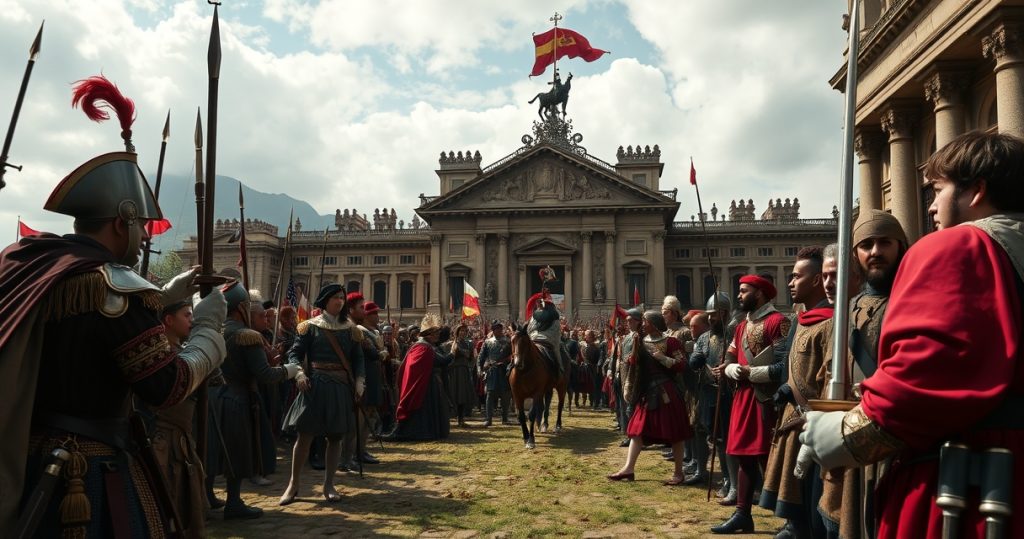
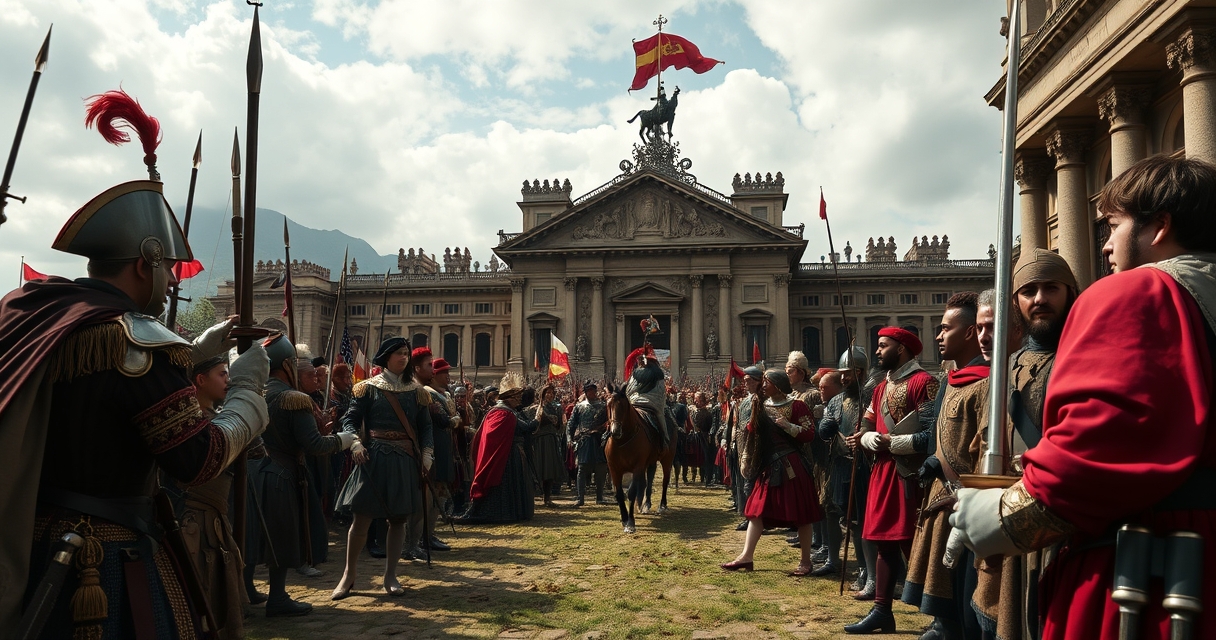
The War of Spanish Succession, lasting from 1701 to 1714, was a significant conflict that reshaped the political landscape of Europe. Among its many theaters of battle, Gibraltar emerged as a pivotal location. The British capture of Gibraltar in 1704 during this war marked a turning point in both the conflict and the strategic importance of the region. Understanding the role of Gibraltar during the War of Spanish Succession provides insight into its historical significance and the long-term implications for British and Spanish relations.
The Strategic Importance of Gibraltar
Gibraltar’s strategic location at the entrance of the Mediterranean made it a prime target during the War of Spanish Succession. Control over Gibraltar meant control over naval traffic between the Atlantic and the Mediterranean Sea. This was crucial not only for military operations but also for trade routes. The British recognized that possessing Gibraltar would allow them to project power into the Mediterranean and protect their interests against both French and Spanish naval forces. Thus, the capture of Gibraltar was not merely a territorial gain; it was a vital strategic asset for the British Crown.
The Capture of Gibraltar: A Turning Point
The British, alongside their Dutch allies, launched a successful siege against Gibraltar in 1704. The siege was marked by fierce resistance from the Spanish defenders, but the British forces, under the command of Admiral Sir George Rooke, managed to capture the fortress. This event was a turning point in the war, as it not only provided the British with a stronghold in the Mediterranean but also boosted morale among their allies. The fall of Gibraltar shifted the balance of power, enabling the British to disrupt Spanish and French naval operations effectively.
The Role of Gibraltar in Naval Warfare
Once under British control, Gibraltar became a critical base for naval operations throughout the war. The British fleet used Gibraltar as a staging ground for further military campaigns in the Mediterranean and beyond. The port facilitated the resupply of British forces and served as a hub for intelligence gathering. The ability to control the Mediterranean trade routes allowed the British to weaken the Spanish economy and disrupt supply lines, which was vital in prolonging the conflict and ultimately achieving their objectives.
The Treaty of Utrecht and Long-term Implications
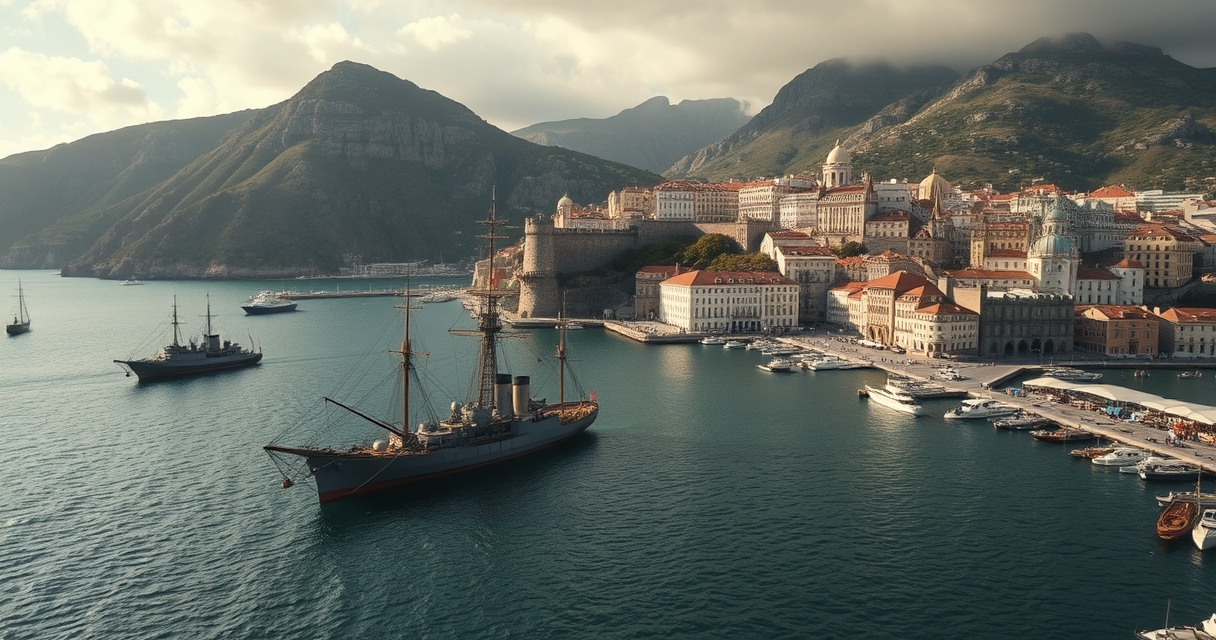
The War of Spanish Succession concluded with the Treaty of Utrecht in 1713, which recognized British sovereignty over Gibraltar. This treaty solidified Britain’s strategic position in the region, confirming Gibraltar as a British territory. The decision to retain Gibraltar was significant, as it allowed Britain to maintain a foothold in the Mediterranean for centuries. The treaty also established a precedent for future conflicts over Gibraltar, leading to ongoing tensions between Britain and Spain that continue to this day.
Cultural and Economic Impact on Gibraltar
The capture of Gibraltar during the War of Spanish Succession brought profound changes to the local population and economy. With British rule established, Gibraltar transformed into a bustling port city, attracting traders and settlers. The influx of British military personnel and civilians contributed to a diverse cultural landscape, blending British, Spanish, and Mediterranean influences. This cultural amalgamation laid the groundwork for Gibraltar’s unique identity, which continues to evolve today.
Gibraltar During the Later Stages of the War
Throughout the later stages of the War of Spanish Succession, Gibraltar remained a focal point for British military efforts. The British fortified their defenses, recognizing the importance of Gibraltar not just as a military base but also as a symbol of British resolve. The strategic value of Gibraltar was further underscored by its role in subsequent military engagements in the region, serving as a launching point for operations against Spanish strongholds and contributing to the eventual British victory in the war.
Modern Reflections on Gibraltar’s Historical Role
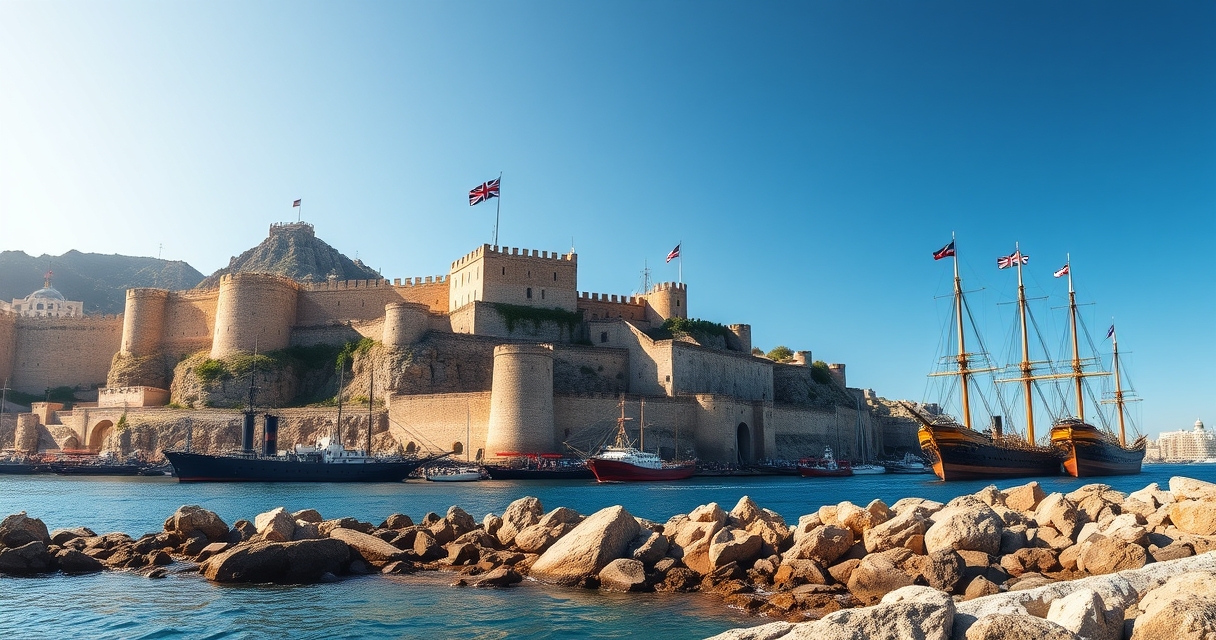
Today, the historical significance of Gibraltar during the War of Spanish Succession is reflected in its ongoing geopolitical importance. The territory remains a point of contention between Britain and Spain, with both nations asserting claims over its sovereignty. The legacy of the war and the subsequent Treaty of Utrecht continue to shape discussions around Gibraltar’s status, particularly in the context of Brexit and its implications for border controls and trade. Understanding this history is essential for comprehending the complexities of modern-day Gibraltar and its role in international relations.

I have always been captivated by the unique cultural tapestry of the Rock, particularly how Moorish, Spanish, and British influences shaped its development over centuries. My passion lies in translating these complex historical narratives into engaging educational resources that make Gibraltar’s past accessible to everyone. I spend my free time exploring military fortifications and reading first-hand accounts of life at the Pillar of Hercules.